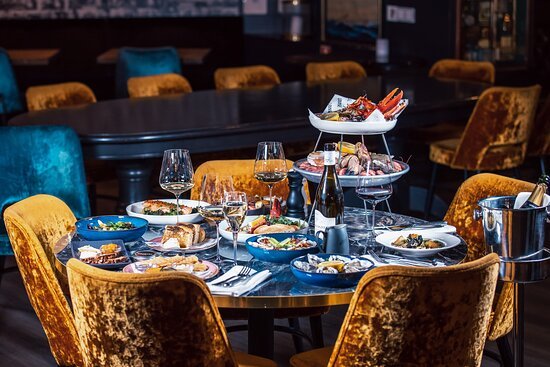

LOUISE
French · Nishi, Osaka
Restaurant in Osaka, Japan
 Book with Pearl
The Read
Paris-Trained, Osaka-Ingredient Counter
Price
$150–200per person
Why go
A Michelin Selected French counter in Osaka's Nishi Ward, where a Paris-trained chef applies herb-and-spice technique to Japanese seasonal produce. At ¥¥¥, it's one of the most accessible serious French tables in the city. Book the counter, engage the sommelier, and visit in autumn when the produce is at its strongest.
About LOUISE
Should you book LOUISE in Osaka?
Yes — if you want French cooking that takes Japanese ingredients seriously, LOUISE is one of the more interesting tables in Nishi Ward. A Cameroon-born chef who trained in Paris and chose Osaka over Tokyo or Paris for a reason: the produce. At ¥¥¥ pricing, this sits below the ¥¥¥¥ tier occupied by Osaka's French heavyweights, making it one of the more accessible entry points into serious French-Japanese cooking in the city.
What LOUISE is doing differently
The premise here is not fusion for its own sake. The chef's background — gastronomy developed in Paris, then a deliberate move to Japan, shapes a kitchen that treats Japanese ingredients as the point of departure rather than a garnish. Herbs and spices are used to layer and season rather than to signal French technique, which means the cooking reads as confident rather than derivative. For the food-focused traveller who has already eaten their way through Tokyo's French scene at places like L'Effervescence, LOUISE offers a different register: less architectural plating, more direct engagement with Kansai-region produce.
The counter is the right choice for your first visit. According to the Michelin record, it offers the leading seats in the house, you can speak with staff, follow the kitchen's rhythm, and catch the aromas as they move through the room. That direct line to the kitchen is part of what the sommelier-driven hospitality model here is built around. The sommelier is called out specifically in the Michelin notes, which is worth taking seriously: wine pairing here is not an afterthought.
Seasonal considerations: when to visit and what to expect
Because the kitchen is built around Japanese foodstuffs rather than a fixed French canon, the menu at LOUISE will shift meaningfully with the seasons. Osaka's food calendar follows the broader Kansai rhythm: spring brings mountain vegetables and early bamboo shoots; summer pushes toward lighter preparations and cold-water fish; autumn is the strongest season for mushrooms, root vegetables, and the fatty fish that French technique handles well; winter centres on citrus, brassicas, and hot-pot adjacent ingredients that translate interestingly into French formats.
For the visiting diner planning a trip, autumn and early winter represent the strongest seasonal window. Japanese autumn produce, matsutake mushrooms, sudachi citrus, Pacific saury, pairs naturally with the herb-and-spice approach the kitchen uses, and the richer preparations that colder months invite suit French technique more directly. Spring is worth considering for the novelty of watching the kitchen work with sansai (foraged mountain greens), but the menu may be lighter and harder to predict. If your visit is fixed, go in the knowledge that the kitchen is working with what the season provides, not a static menu, which means repeat visits genuinely reward the traveller who comes back in a different quarter.
For broader context on how French kitchens in Japan handle seasonal Japanese produce, akordu in Nara and Gion Sasaki in Kyoto offer points of comparison from different angles, Nara's wine-forward French approach versus Kyoto's kaiseki-informed seasonality.
How LOUISE fits Osaka's French dining scene
Osaka has a deep and underappreciated French dining culture. Alongside LOUISE, the city runs a full range of French cooking from La Cime and La Bécasse at the upper end to neighbourhood-scale bistros throughout Minami and Nishi wards. LOUISE sits at the more personal, counter-driven end of the spectrum, closer in spirit to Différence or LE PONT DE CIEL than to the destination-restaurant model. That is a feature, not a limitation: the counter format and sommelier-led service mean you get a more interactive meal than a formal tasting-menu room typically delivers.
For the travelling diner moving through Japan, LOUISE connects well to a broader circuit. Harutaka in Tokyo, Goh in Fukuoka, and 1000 in Yokohama each represent chefs working at the intersection of Japanese ingredients and non-Japanese technique. LOUISE belongs in that conversation. See also nent for another Osaka restaurant operating in a similar counter-focused, chef-driven register.
Practical details
LOUISE is at 1 Chome-1-5 Itachibori, Nishi Ward, Osaka, a walkable address from the Hommachi and Awaza subway stations. The price tier is ¥¥¥, which in Osaka's French context means an evening in the range that serious diners consider reasonable for this quality level, well below the ¥¥¥¥ spend required at starred houses. Booking is rated Easy, you do not need to plan months ahead, but counter seats are limited and you should not rely on walk-ins. A booking 1–2 weeks out is likely sufficient for most dates; for Friday and Saturday evenings, err on the side of 2–3 weeks. No dress code information is confirmed, but counter-style French restaurants in Osaka's dining culture expect smart-casual as a floor. See our full Osaka restaurants guide for broader context, and check our Osaka hotels guide, bars guide, experiences guide, and wineries guide for planning the rest of your trip.
Quick reference: ¥¥¥ pricing | Michelin Plate 2025 | Counter recommended | Booking: Easy, 1–2 weeks ahead | Nishi Ward, Osaka.
Planning details
- Location
- 1 Chome-1-5 Itachibori, Nishi Ward, Osaka, 550-0012, Japan
- Reservations
- Book on TableCheck
- Website
- louise.jp
- Phone
- +81 6-6534-7008
The take
The Take
The Vibe
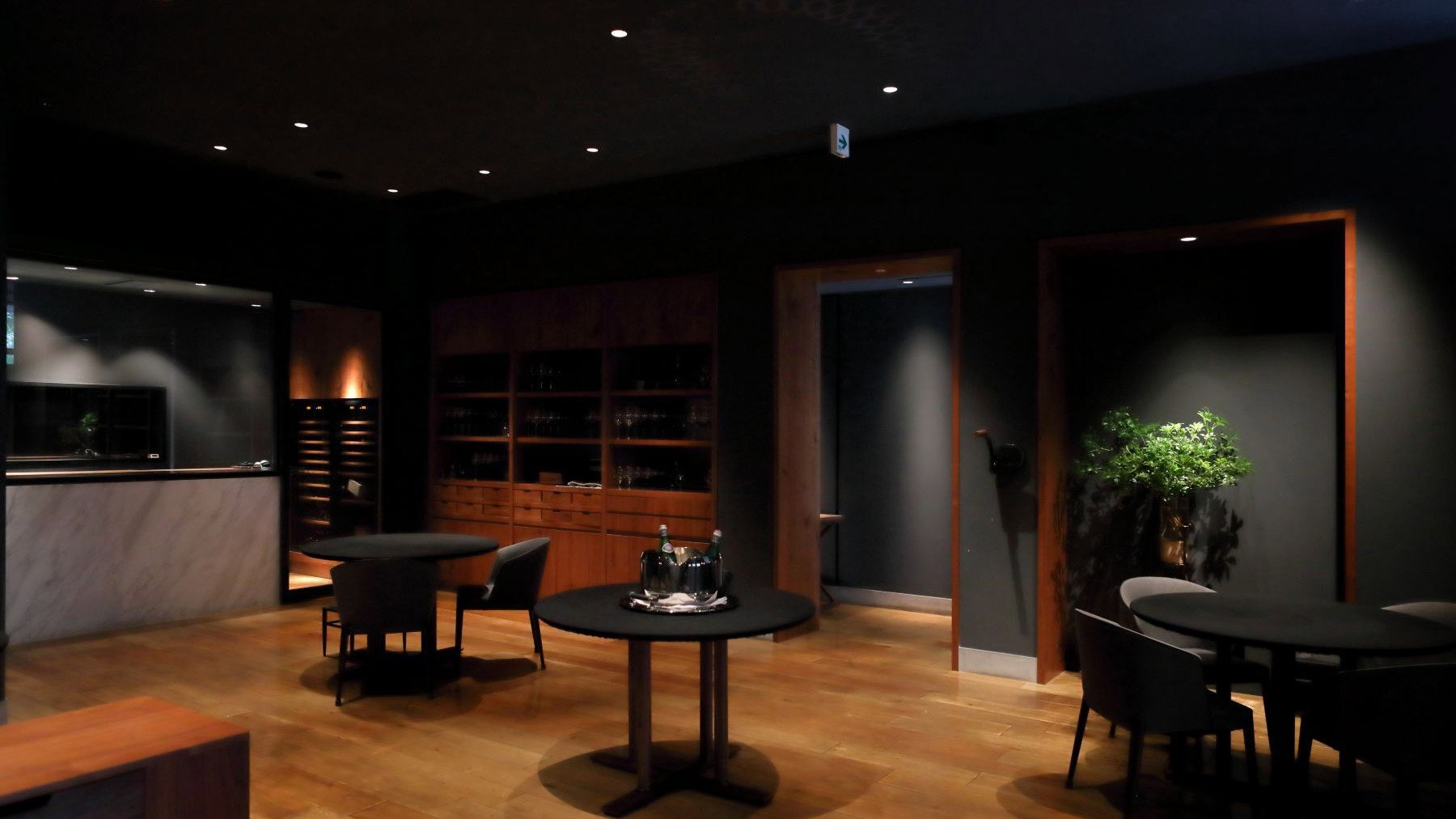
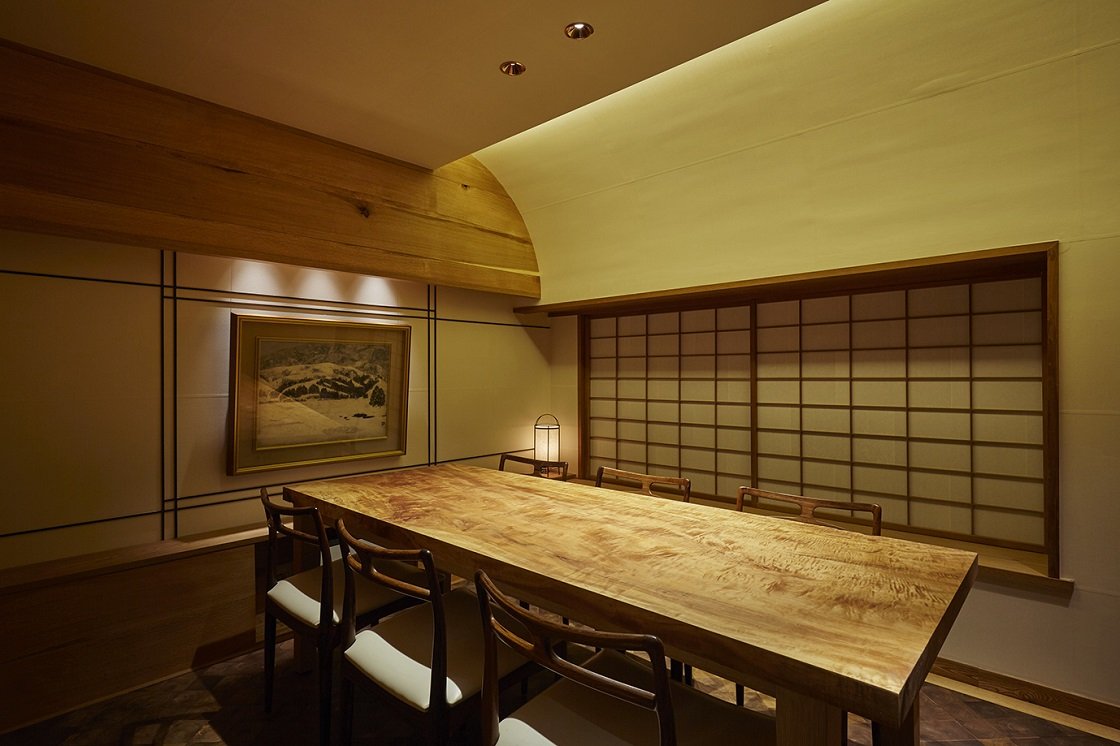
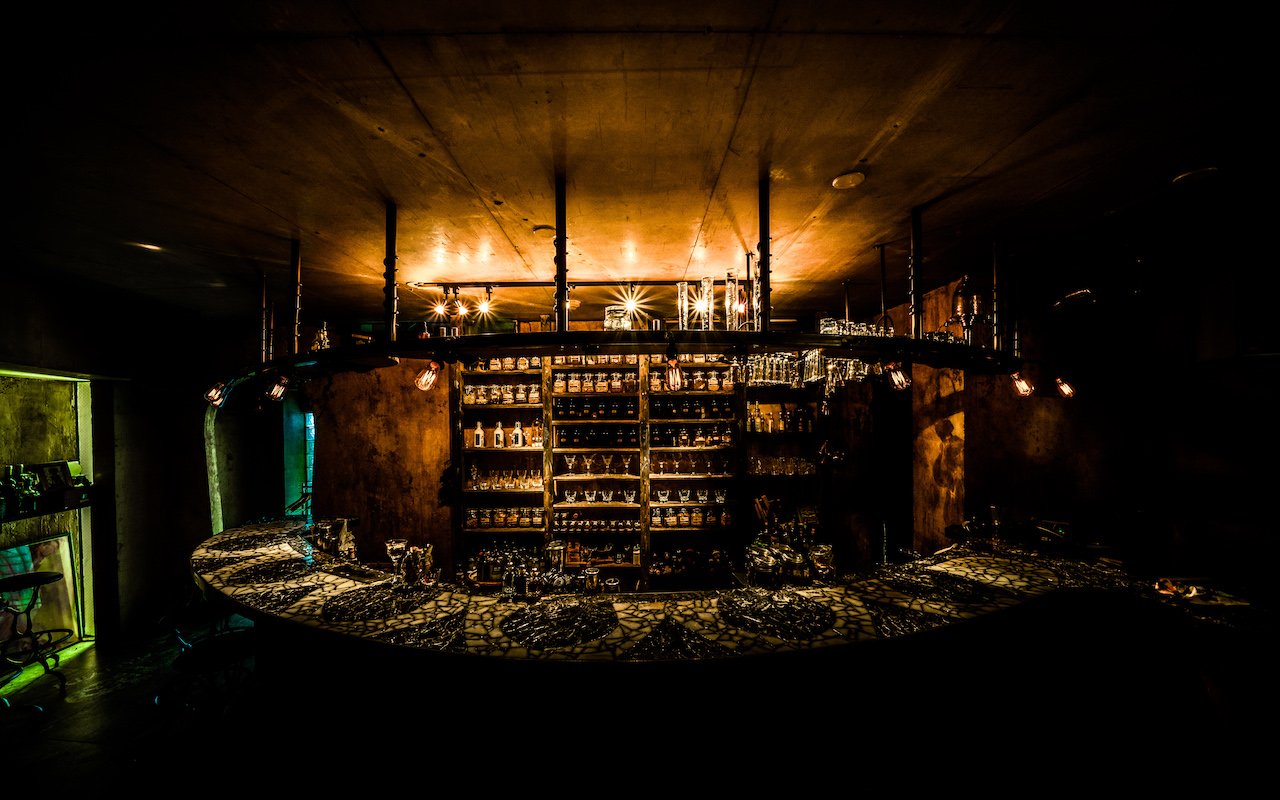
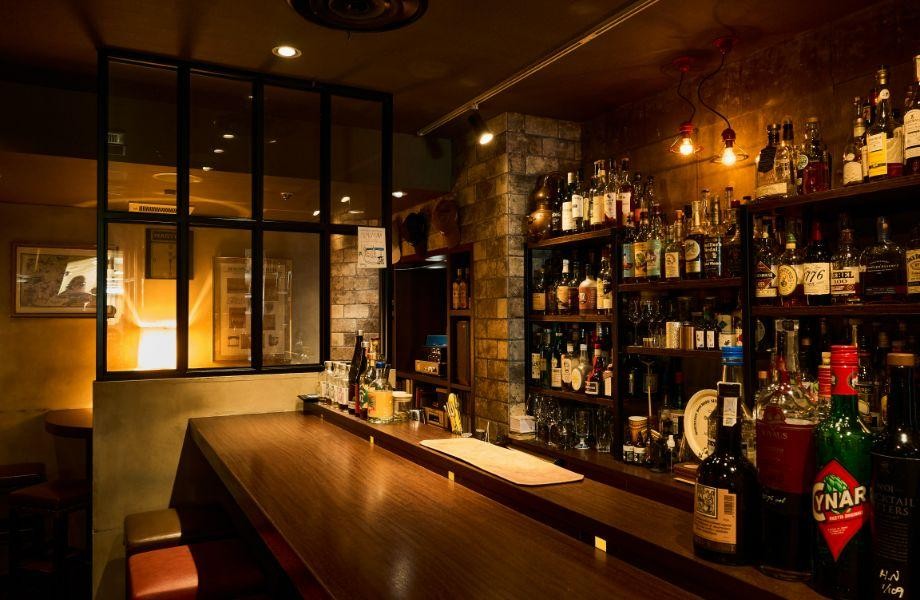
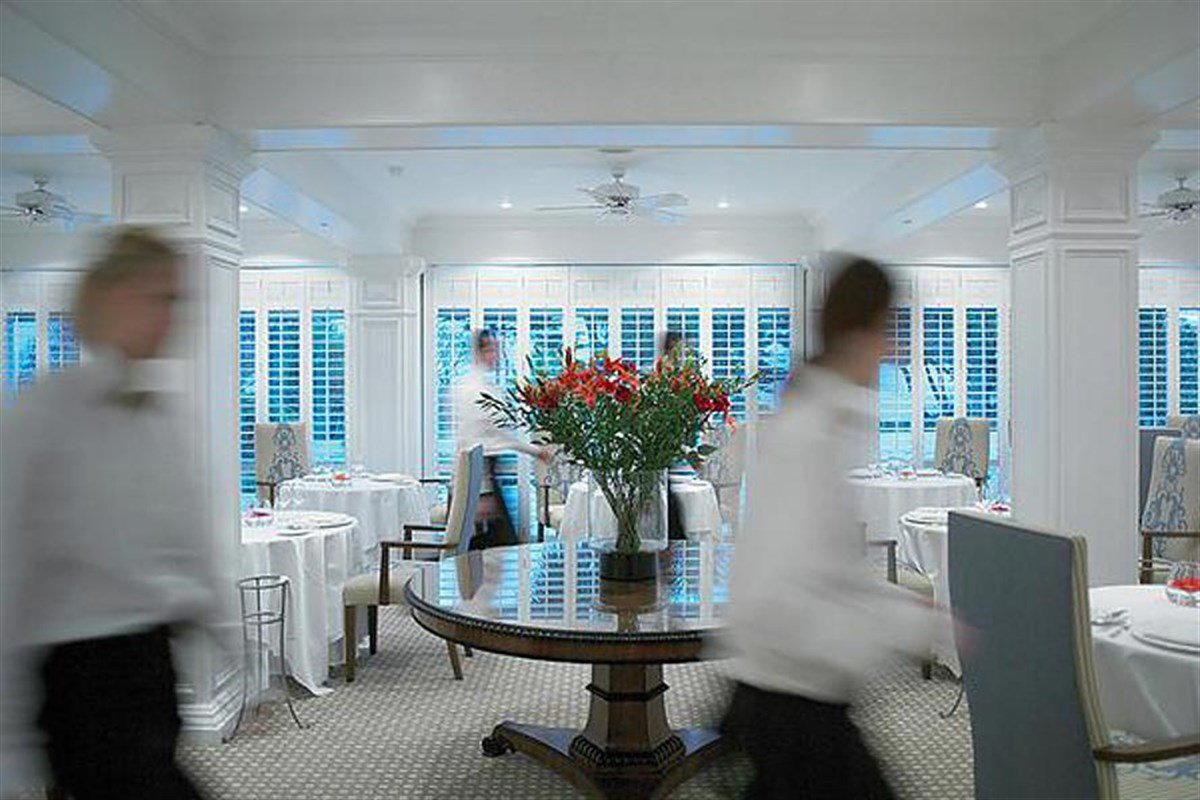
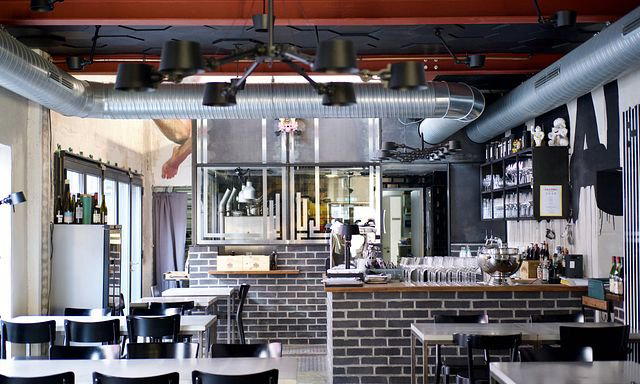
LOUISE centers its appeal on the intimate choreography of a compact counter room and an open kitchen. The smell of herbs and reductions greets you at the threshold; the stove and the chefs are within arm’s reach. Service is hands-on—an active sommelier moves through the seats—so the room feels warm and cozy rather than theatrical. Located on a quiet residential stretch of Itachibori, the restaurant trades spectacle for proximity: the architecture is explicitly designed to foster conversation between cook and guest, producing a quietly intense, close-up dining experience.
Best For
This is a place to book for focused evening dining: tasting-driven, conversation-rich meals that reward attentiveness. Michelin annotations and the chef-sommelier partnership position LOUISE as a destination for special evenings, date nights, and solo diners who want to be part of the service narrative. The counter format makes the meal feel participatory—guests watch technique, trade words with staff, and follow a tightly orchestrated progression of dishes. It’s less about large groups and more about curated, plate-by-plate hospitality.
Ordering Tips
Treat the counter as the primary program: sit at the counter if you can and let the meal unfold. The writing emphasizes a close working relationship between the chef and the sommelier, so opting for a tasting menu with sommelier-selected pours is the clearest way to experience the restaurant’s intent. Because the cooking is herb-driven and uses Japanese ingredients through French technique, expect seasonally tuned plates and wines chosen to complement nuanced flavors—engage the sommelier to learn how each course and pairing is being considered.
Venue details
Ambiance
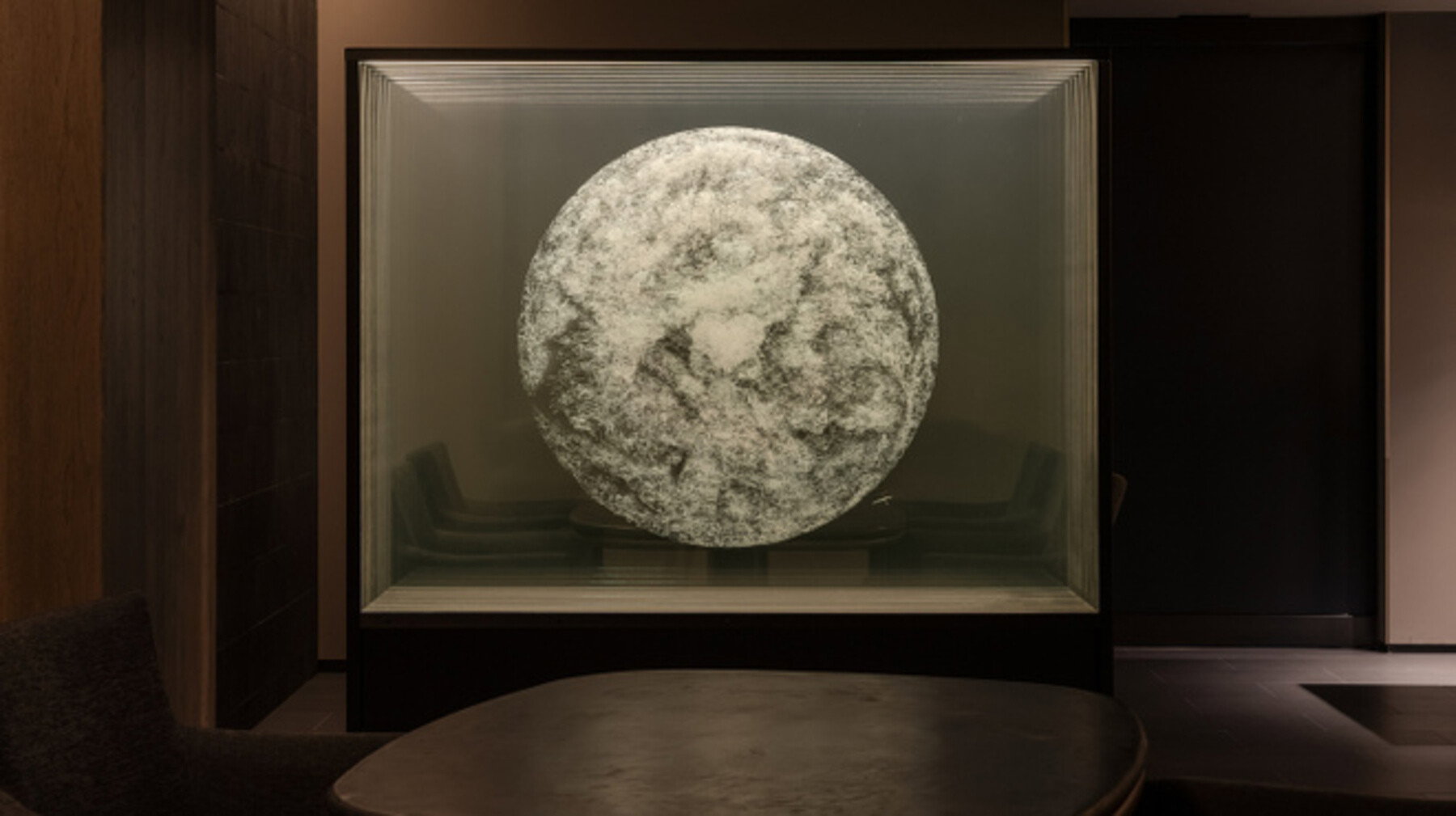
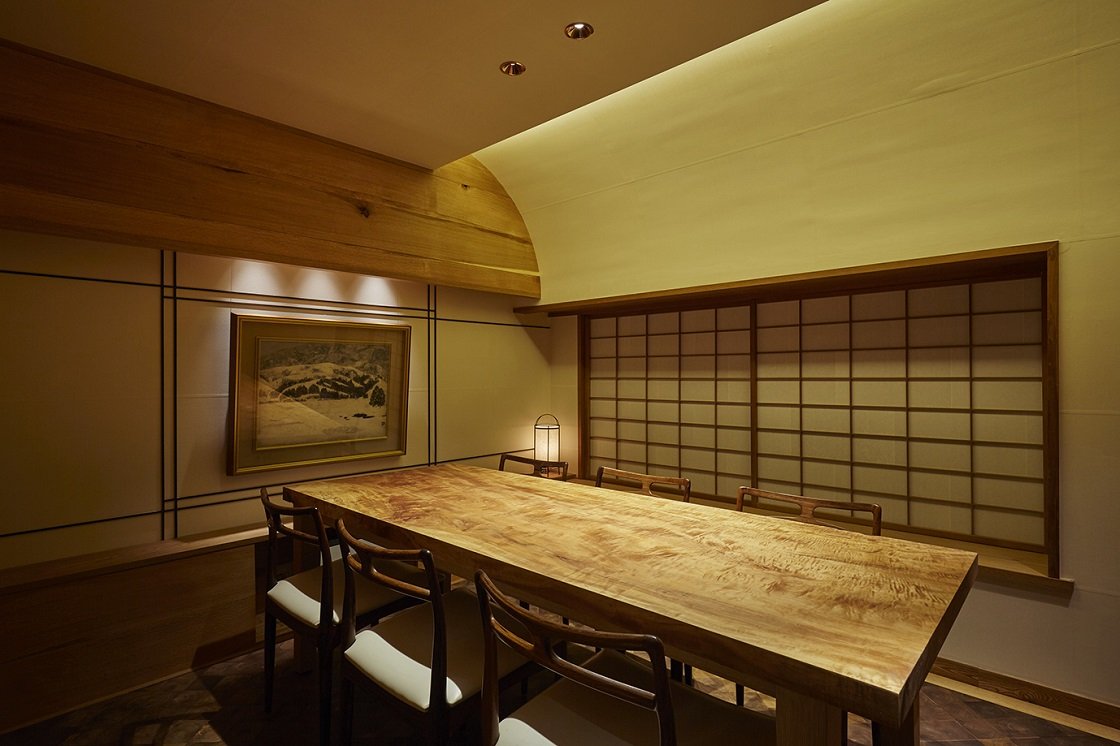
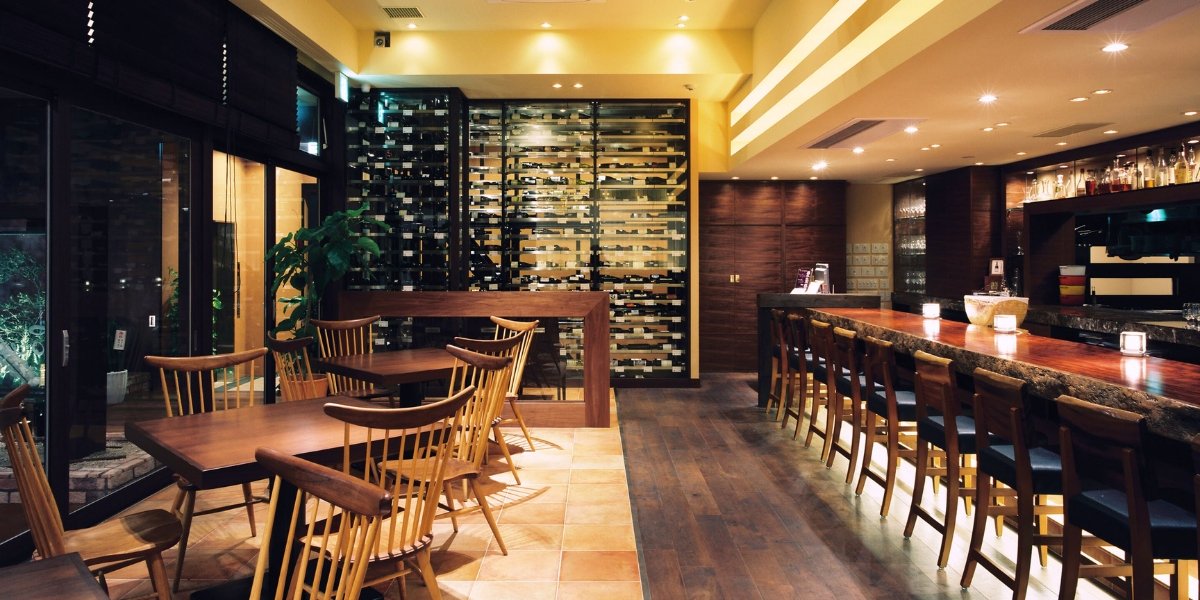
Hushed atmosphere with low conversation, polished wood and cool stone materials creating restrained luxury; warm from discreet attentive service.
Tags
Vibe
Best For
Experience
At the Table
- Noise Level
- Quiet
- Service Style
- Formal
- Meal Pacing
- Leisurely
- Capacity
- Intimate
- Kitchen
- Fusion
- Wine Program
- Curated
Know before you go
Know Before You Go
- Getting there
- 1 Chome-1-5 Itachibori, Nishi Ward, Osaka, 550-0012, Japan
Planning details
Location
1 Chome-1-5 Itachibori, Nishi Ward, Osaka, 550-0012, Japan · Directions
Recognition and awards
Also consider
Also Consider
- HAJIME, French, Innovative, ¥¥¥¥
- La Cime, French, ¥¥¥¥
- Kashiwaya Osaka Senriyama, Japanese, ¥¥¥
- Taian, Kaiseki, Japanese, ¥¥¥
- Fujiya 1935, Innovative, ¥¥¥¥
Restaurant context
LOUISE sits at ¥¥¥ in a French dining scene where the top tier, HAJIME, La Cime, and Fujiya 1935, all operate at ¥¥¥¥. If your priority is spending less while still eating at a Michelin-recognised table with a genuine culinary point of view, LOUISE is the clearest choice in this peer set. HAJIME operates at a different altitude entirely, three Michelin stars and a philosophical concept built around ecosystems rather than ingredients, but the spend and booking difficulty are proportionally higher. La Cime offers similarly serious French technique at ¥¥¥¥ with stronger international recognition; if budget is not a factor and you want the most formally accomplished French meal in Osaka, La Cime is the benchmark.
Against the Japanese-cuisine options in this set, the comparison is a matter of format preference rather than quality. Kashiwaya Osaka Senriyama and Taian both operate at ¥¥¥ and deliver kaiseki at a high level, if you are eating only one serious meal in Osaka and Japanese cuisine is your priority, either of those will feel more grounded in place. LOUISE is the right call if you specifically want to see how a French-trained chef with a Cameroonian background reads Japanese produce, which is a different kind of experience from what the kaiseki houses provide.
On booking difficulty, LOUISE is the easiest table in this group. HAJIME and La Cime require more advance planning. Fujiya 1935, operating at ¥¥¥¥ in an innovative format, offers a different flavour profile but similar booking friction. If you are planning a last-minute Osaka trip and want a memorable French meal without a months-out reservation, LOUISE is the practical answer in this category.
Explore Osaka
Around this place
Discover more on Pearl
Unlock the full LOUISE guide in Pearl, including awards, comparisons, FAQs, planning details, and nearby places.
Compare LOUISE
| Venue | Price | Booking Difficulty | Awards |
|---|---|---|---|
| LOUISE | ¥¥¥ | Easy | Michelin Guide Kyoto Osaka 20262026 Michelin Plate2025 Michelin Plate |
| HAJIME | ¥¥¥¥ | Unknown | Star Wine Lists 2026 · #12026 Tabelog Bronze · #922026 OAD Top Restaurants in Japan Ranked · #98Michelin Guide Kyoto Osaka 20262026 La Liste Top RestaurantsTabelog 100 - Innovative / Creative cuisine - 2025 · #692025 Asia's 50 Best Restaurants · #832025 OAD Top Restaurants in Japan Ranked · #87We're Smart World Top Restaurants 2025 |
| La Cime | ¥¥¥¥ | Unknown | 2026 Asia's 50 Best Restaurants · #132026 OAD Top Restaurants in Japan Ranked · #1492026 Tabelog Bronze · #231Michelin Guide Kyoto Osaka 20262026 La Liste Top Restaurants2025 Asia's 50 Best Restaurants · #82025 World's 50 Best Restaurants · #44Tabelog 100 - French - WEST - 2025 · #932025 OAD Top Restaurants in Japan Ranked · #123 |
| Kashiwaya Osaka Senriyama | ¥¥¥ | Unknown | 2026 Tabelog Bronze · #1682026 OAD Top Restaurants in Japan Recommended2026 Relais Chateaux RestaurantsMichelin Guide Kyoto Osaka 20262026 La Liste Top RestaurantsTabelog 100 - Japanese cuisine - WEST - 2025 · #772025 OAD Top Restaurants in Japan Ranked · #1552025 Relais Chateaux Award2025 Michelin 3 Stars |
| Taian | ¥¥¥ | Unknown | 2026 OAD Top Restaurants in Japan RecommendedMichelin Guide Kyoto Osaka 20262026 La Liste Top Restaurants2025 OAD Top Restaurants in Japan Ranked · #2042025 La Liste Top Restaurants2025 Michelin 3 Stars2024 OAD Top Restaurants in Japan Ranked · #1912024 Michelin 3 Stars2023 OAD Top Restaurants in Japan Highly Recommended |
| Fujiya 1935 | ¥¥¥¥ | Unknown | 2026 Tabelog Bronze · #752026 OAD Top Restaurants in Japan RecommendedMichelin Guide Kyoto Osaka 20262026 La Liste Top Restaurants2025 Michelin 2 Stars2025 Tabelog Silver2025 La Liste Top Restaurants2024 OAD Top Restaurants in Japan Ranked · #2392024 Michelin 2 Stars |
.png?width=1200&quality=80)









Key differences to consider before you reserve.
FAQ
Frequently Asked Questions
How far ahead should I book LOUISE?
Book at least 2 to 3 weeks out, particularly for counter seats, which the Michelin guide explicitly calls the best seats in the house. LOUISE sits at ¥¥¥ pricing, which draws a consistent crowd of both locals and visitors. If your dates are fixed, book as soon as they open.
What should a first-timer know about LOUISE?
Sit at the counter. The format is designed around it: you can talk with staff, catch the kitchen aromas, and get a sense of how the chef's Paris-trained technique is being applied to Japanese ingredients. This is not a neutral fine-dining room — the cooking has a distinct point of view shaped by the chef's Cameroonian background and deliberate choice to cook in Osaka.
What should I order at LOUISE?
Specific dishes are not published in available records, so ordering guidance is limited here. What the Michelin recognition does confirm is that the kitchen's strength lies in layered, herb-and-spice-seasoned preparations built around Japanese foodstuffs — lean into whatever the seasonal menu is leading with rather than trying to steer toward familiar French standards.
Is LOUISE worth the price?
At ¥¥¥, LOUISE is mid-to-upper range for Osaka French dining and holds a 2025 Michelin Plate. That puts it below the starred options like La Cime or HAJIME on formal prestige, but the counter format and the chef's distinct culinary background make it a more personal experience than its price tier might suggest. Worth it if you want cooking with a clear identity rather than a prestige-first room.
Is the tasting menu worth it at LOUISE?
The format and menu structure are not documented in available records, so a direct verdict on the tasting menu's value is not possible here. Based on the Michelin Plate recognition and the kitchen's focus on seasonal Japanese ingredients with French technique, the cooking has enough credibility to justify a full meal — but confirm the current format when booking.