
Le progrès
French · Kita, Osaka
Restaurant in Osaka, Japan
 Book with Pearl
The Read
Franco-Kaiseki Seasonality
Price
$50–100per person
Dress
Smart Casual
Why go
Le progrès is one of Osaka's more accessible Michelin-recognised French restaurants, holding a Michelin Plate in both 2024 and 2025. At ¥¥¥, the kitchen applies French technique to Japanese seasonal ingredients, with a kaiseki-inspired menu structure and Japanese tea pairings. It is a practical first choice for food enthusiasts who want depth without the months-long wait of La Cime or Hajime.
About Le progrès
Should You Book Le progrès?
Getting a table at Le progrès is direct by Osaka French-dining standards, which makes it one of the more accessible Michelin-recognised French restaurants in the city. The booking window is relatively forgiving compared to, say, La Cime or Différence, where waits of weeks or months are the norm. If you want French cuisine that takes Japanese ingredients seriously, and you want to eat soon rather than plan months in advance, Le progrès is the answer. Book it.
The Portrait
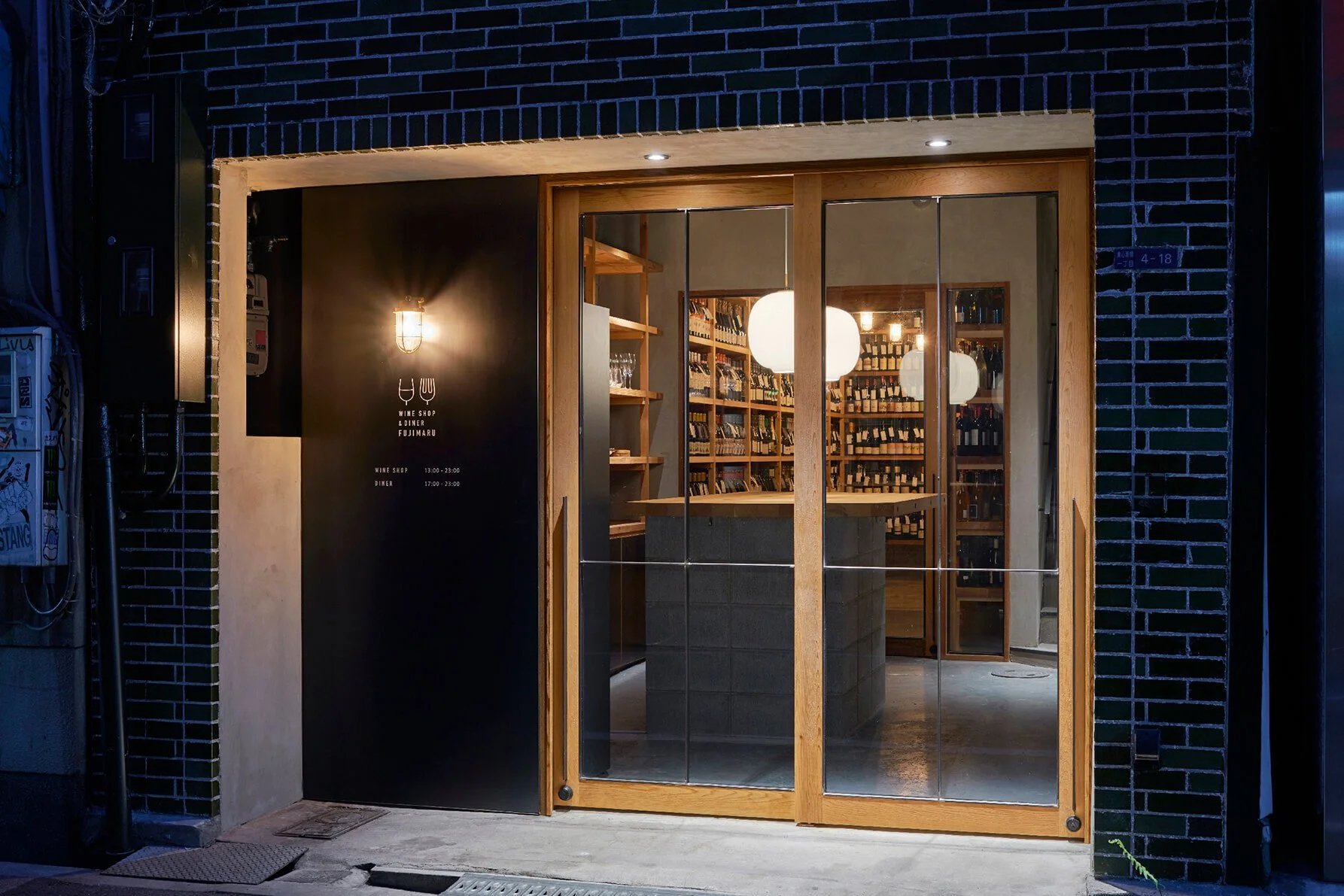
Le progrès sits in Dojimahama, Kita Ward, on the ground floor of the Nippo Dojimahama Building. The address puts it in one of Osaka's more polished commercial corridors, and the visual cues inside follow: the menu is written vertically, in the tradition of kaiseki, a deliberate signal that this is not a French restaurant that happens to be in Japan, but a French restaurant shaped by Japan. That distinction matters for the food-and-travel enthusiast trying to decide between this and a conventional French room.
The restaurant was opened by a chef and sommelier who trained together under the same roof before going into business as partners, a founding story that carries some weight because it explains the coherence of the concept. The food and the drinks program are not two departments reporting to the same owner; they were built by two people who share a culinary vocabulary. The result, according to the restaurant's own framing, is French cuisine that aims to convey Japan's climate and culture through seasonal Japanese ingredients handled with French technique. The menu rotates with the seasons, and Japanese tea pairings are offered alongside any wine selection, a choice that reflects the house's dual identity rather than a marketing angle.
Le progrès has held a Michelin Plate in both 2024 and 2025. A Plate is not a star, but it is Michelin's designation for restaurants that serve food of good quality, and in a city with Osaka's restaurant density, it still positions Le progrès above the general field.
Lunch vs. Dinner at Le progrès
The lunch-versus-dinner question is worth taking seriously here, because it directly affects the value equation. At the ¥¥¥ price point, a lunch service at a restaurant of this type typically offers a shorter menu at a lower price, and in practice that often means a better-value entry into the kitchen's approach. If you are visiting Osaka and trying to cover meaningful ground across multiple meals, a Le progrès lunch lets you experience the French-Japanese technique without committing a full dinner budget. The format also suits the kaiseki-inspired vertical menu: a well-structured lunch here will still move through courses in the same deliberate sequence, which is part of the point.
Dinner, on the other hand, is where the Japanese tea pairing program is most likely to come into its own. If you are genuinely interested in how the sommelier has developed a non-wine pairing structure using Japanese teas, an evening meal gives that element more room to develop across additional courses. For the explorer profile, dinner is the call if the tea-pairing concept is the draw; lunch is the call if you want to eat well without building the whole evening around it.
Compared to LE PONT DE CIEL or nent, Le progrès occupies a specific lane: it is not trying to be a grand French room in the European sense, and it is not trying to be a fusion restaurant in the contemporary sense. It is trying to use French structure as a vehicle for Japanese seasonal cooking. That is a narrow brief, and if it matches your interest, the moderate booking difficulty and ¥¥¥ pricing make it a logical choice over more expensive alternatives that charge more for a similar philosophy.
For context on how this style travels across Japan, Harutaka in Tokyo, Gion Sasaki in Kyoto, and akordu in Nara each represent related approaches to the intersection of Japanese produce and European technique. Goh in Fukuoka and 1000 in Yokohama offer further regional comparisons if you are building an itinerary around this style. Further afield, Les Amis in Singapore and Hotel de Ville Crissier in Crissier represent the classical French benchmarks that inform what restaurants like Le progrès are working against and.
If you are building a broader Osaka trip, see our full Osaka restaurants guide, our full Osaka hotels guide, our full Osaka bars guide, our full Osaka wineries guide, and our full Osaka experiences guide. Also worth considering in the Osaka French category: La Bécasse, one of the city's more classically oriented French rooms, and 6 in Okinawa if your trip extends south.
Know Before You Go
- Price range: ¥¥¥
- Cuisine: French with Japanese seasonal ingredients
- Location: Dojimahama, Kita Ward, Osaka (ground floor, Nippo Dojimahama Building)
- Awards: Michelin Plate 2024 and 2025
- Booking difficulty: Easy — more accessible than La Cime or Différence
- Pairing options: Japanese tea pairings available alongside wine
- Menu format: Written vertically, inspired by kaiseki structure
- Leading for: Food and travel enthusiasts interested in French-Japanese technique at a mid-high price point without a months-long wait
Planning details
- Location
- Japan, 〒530-0004 Osaka, Kita Ward, Dojimahama, 2 Chome−1−13 日宝堂島浜ビル 1階
- Reservations
- Book on TableCheck
- Website
- leprogres.site
- Phone
- +81 6-6136-5253
The take
The Take
The Vibe
Le Progrès reads like a quiet, classic French table tucked into Osaka’s financial quarter. The neighbourhood’s trading-history backdrop and the restaurant’s ground-floor location create a subdued, purposeful mood: this is a place people seek out rather than stumble into. In the dining room the emphasis is on craft over flash, with French classical technique applied to local seasonal ingredients, which reinforces a restrained, intimate atmosphere. The overall effect is approachable seriousness — polished and composed rather than ostentatious — well suited to diners who value technique and seasonal precision in a calm urban setting.
Best For
This is a venue that serves focused business lunches and deliberate evening dinners. The write-up specifically notes a clientele of business lunchers and diners who arrive with intent, so it’s especially appropriate for work-related meals, quiet date nights, or intimate dinners where the food and conversation are central. Positioned at a mid‑to‑high price point and carrying a Michelin Plate, Le Progrès offers a credible route into serious French cooking without the extreme expense of starred haute cuisine — appealing to guests who want refinement without theatrics.
Ordering Tips
The kitchen’s operating principle is explicit: French classical technique applied to Japanese seasonal ingredients. Expect menus that change with the seasons and that foreground local produce prepared with classic French methods. Because the restaurant sits in an office district and draws a purposeful clientele, plan your visit deliberately—lunches attract business diners and evenings are for attentive, composed dining. The venue’s positioning as an accessible entry into serious French cooking suggests you’ll get technically assured dishes that prioritize seasonality and precision rather than extravagant showmanship.
Venue details
Ambiance
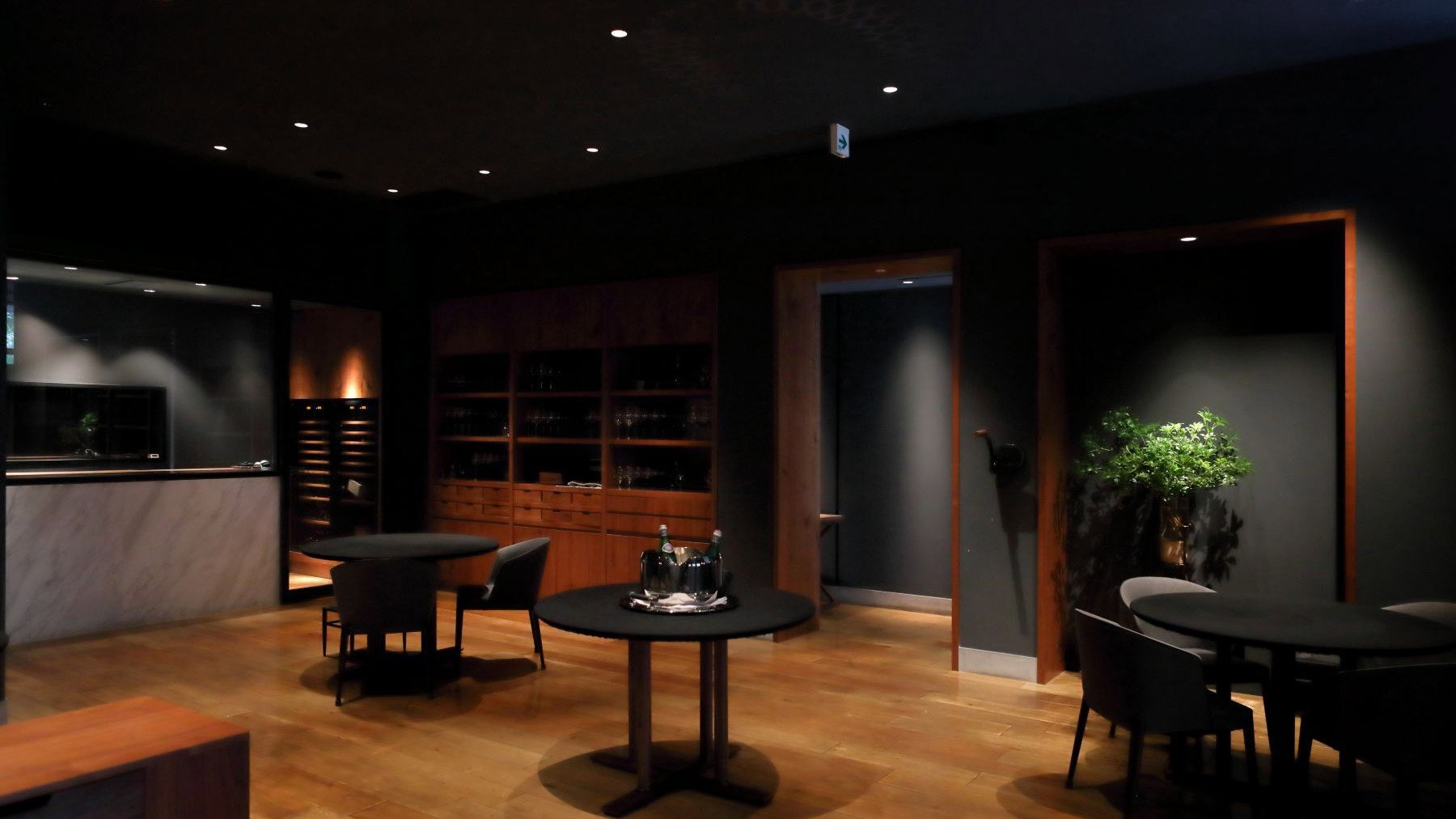
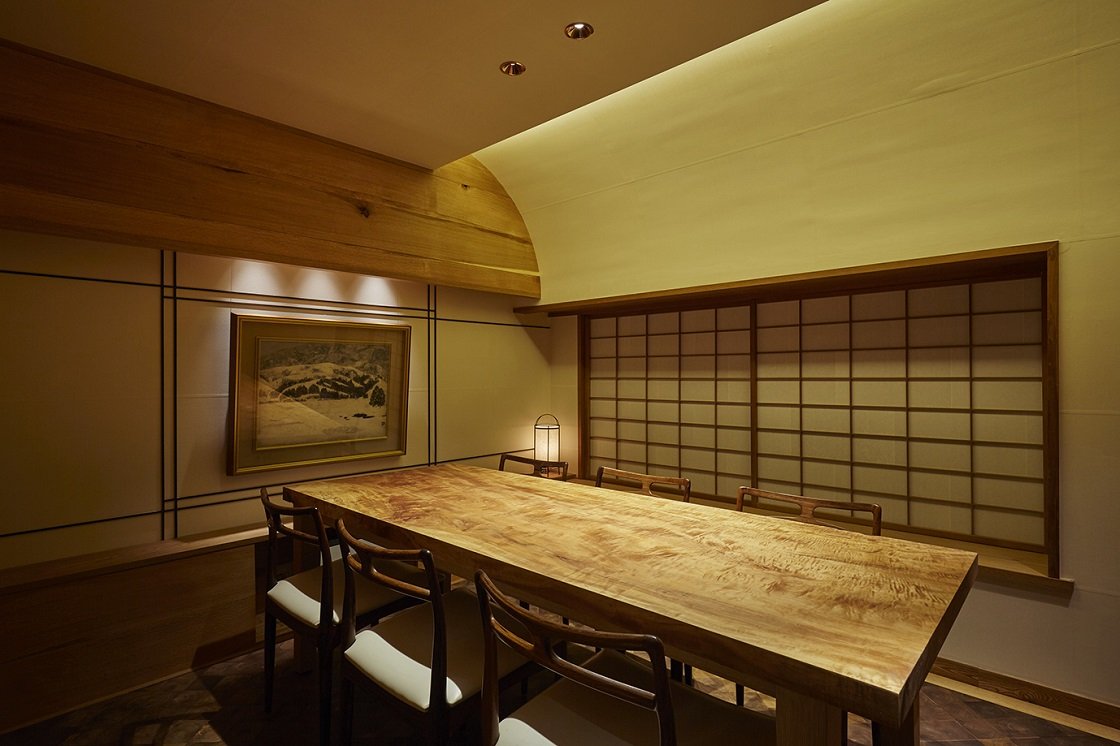
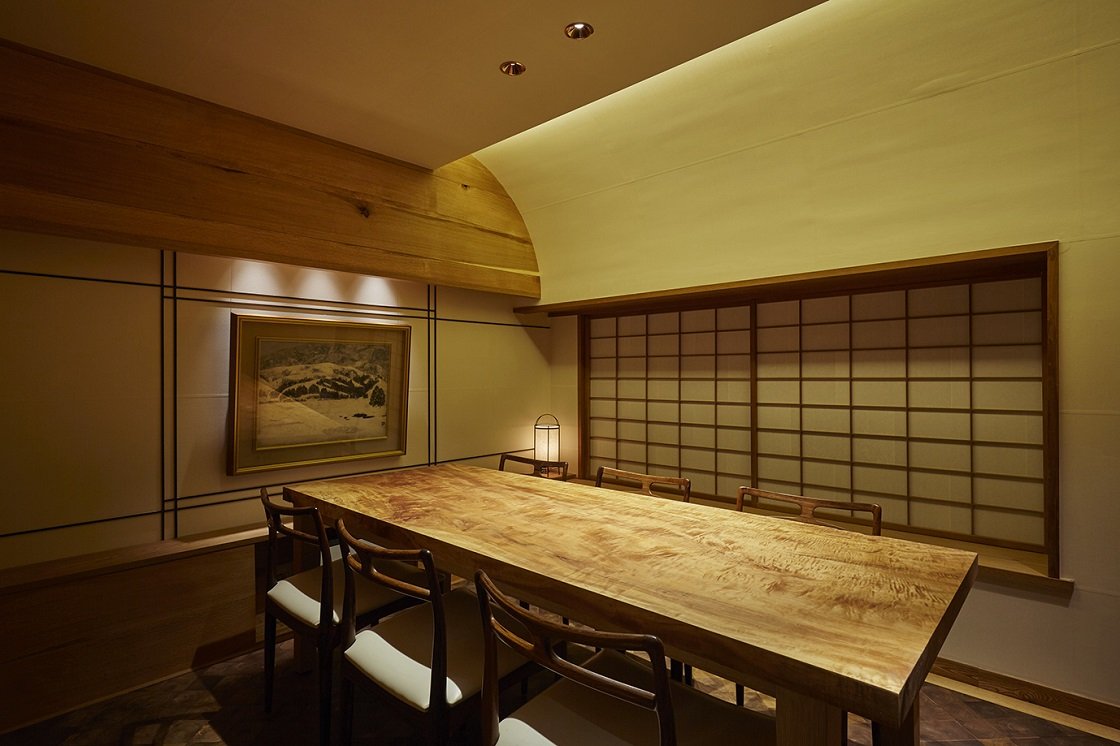
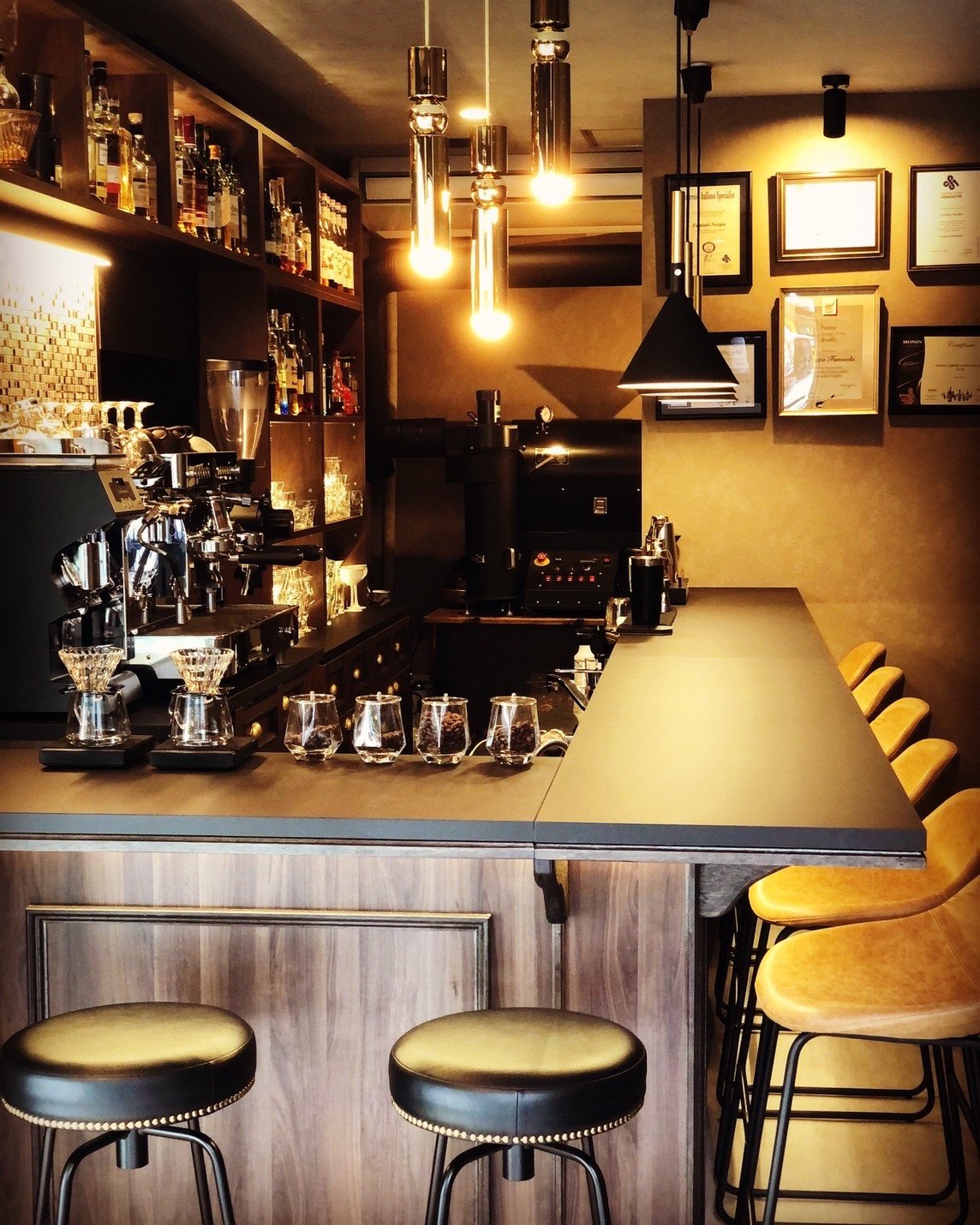
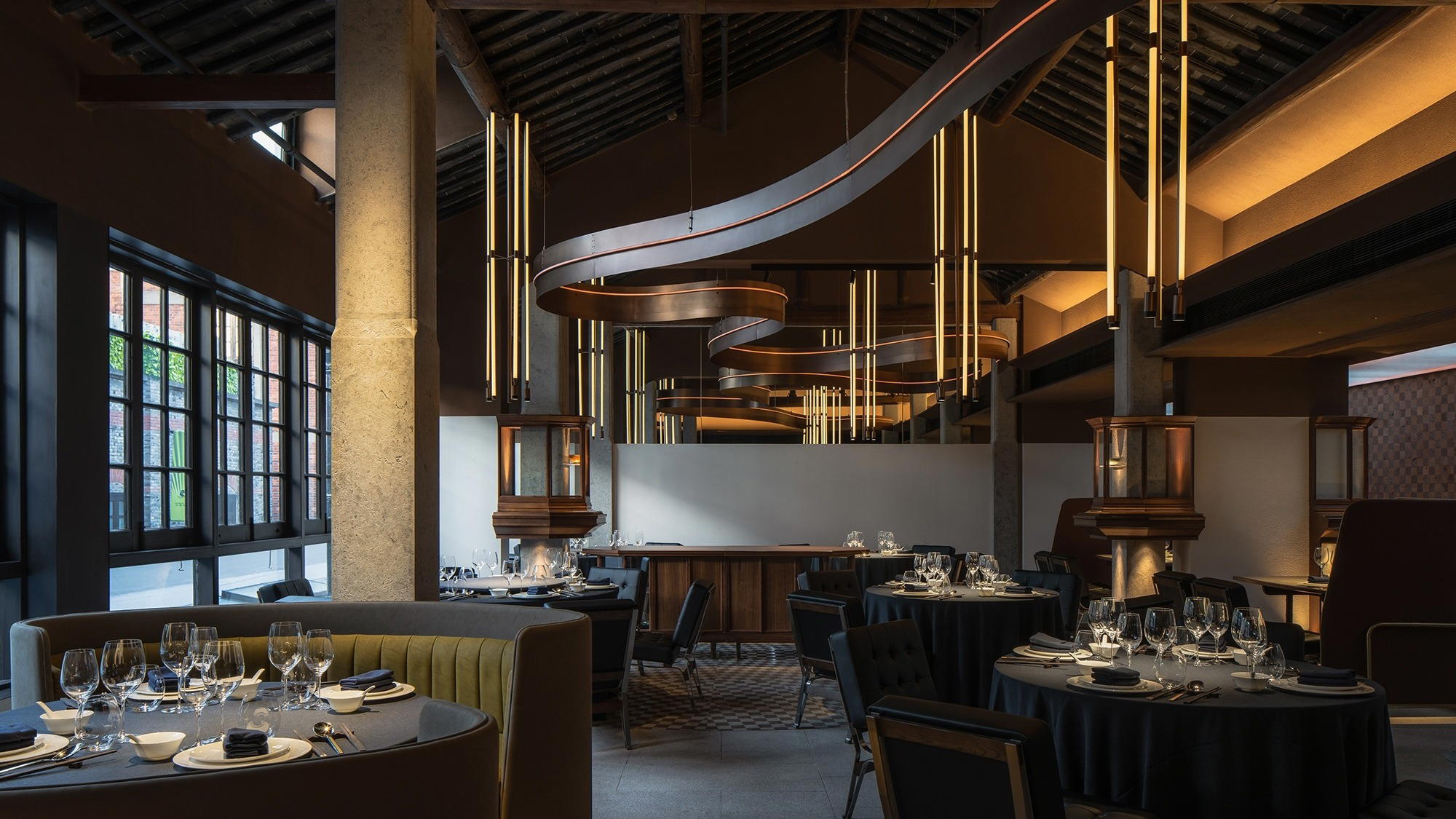
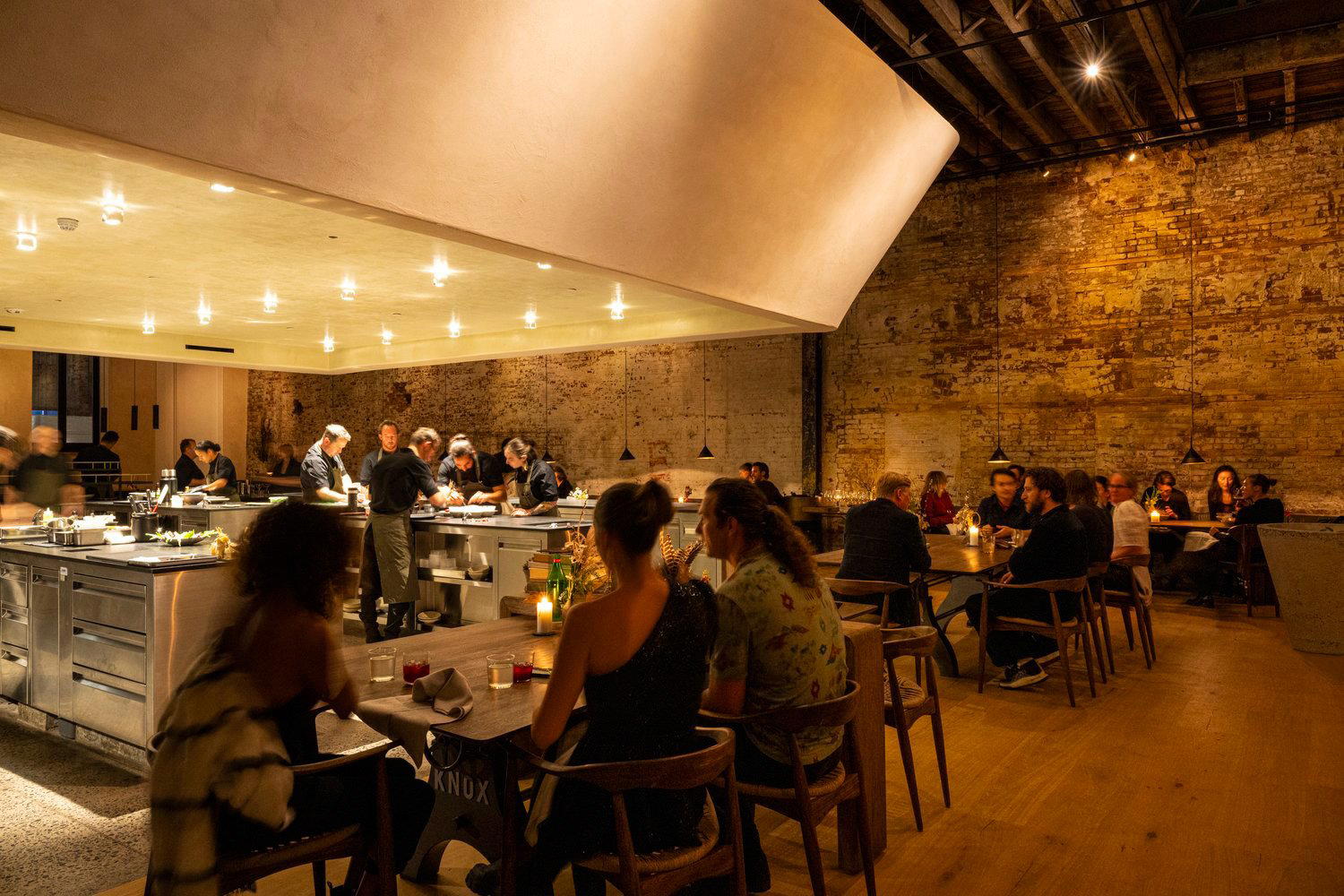
Sophisticated and chic space with neutral color palette, described as stylish, cozy, calm, and a little dark.
Tags
Vibe
Best For
Sourcing
At the Table
- Dress Code
- Smart Casual
- Noise Level
- Quiet
- Service Style
- Upscale Casual
- Meal Pacing
- Leisurely
- Capacity
- Intimate
- Kitchen
- Fusion
- Menu Format
- Tasting menu
- Wine Program
- Curated
- Drinks Focus
- Wine, Non alcoholic pairing
Know before you go
Know Before You Go
- Getting there
- Japan, 〒530-0004 Osaka, Kita Ward, Dojimahama, 2 Chome−1−13 日宝堂島浜ビル 1階
Planning details
Location
Japan, 〒530-0004 Osaka, Kita Ward, Dojimahama, 2 Chome−1−13 日宝堂島浜ビル 1階 · Directions
Recognition and awards
Also consider
Also Consider
- HAJIME, French, Innovative, ¥¥¥¥
- La Cime, French, ¥¥¥¥
- Kashiwaya Osaka Senriyama, Japanese, ¥¥¥
- Taian, Kaiseki, Japanese, ¥¥¥
- Fujiya 1935, Innovative, ¥¥¥¥
Restaurant context
Le progrès sits in a different tier from most of Osaka's French competition. HAJIME and Fujiya 1935 are both ¥¥¥¥ and considerably harder to book; if innovative French cuisine in Osaka is your target and budget is not a constraint, either of those will deliver more technical ambition. La Cime sits at the same ¥¥¥¥ ceiling and is one of the most decorated French rooms in the city. Le progrès, at ¥¥¥, is the more practical call if you want French-Japanese cooking with Michelin recognition at a lower spend and a shorter booking window.
Against the Japanese-cuisine options at a similar price point, the comparison changes shape. Kashiwaya Osaka Senriyama and Taian are both ¥¥¥ and kaiseki-rooted. If you want traditional kaiseki, either of those is the correct choice. If you want French technique applied to Japanese seasonal produce, with the kaiseki structure as inspiration rather than orthodoxy, Le progrès does something those rooms do not.
The practical recommendation by diner profile: book Le progrès if you are a food enthusiast who wants to experience the French-Japanese intersection at a sensible price point without fighting for a reservation. Book HAJIME or La Cime if budget is open and you want Osaka's ceiling for French ambition. Book Kashiwaya or Taian if your primary interest is kaiseki in its traditional form rather than its French-inflected cousin.
Explore Osaka
Around this place
Discover more on Pearl
Unlock the full Le progrès guide in Pearl, including awards, comparisons, FAQs, planning details, and nearby places.
Compare Le progrès
| Venue | Cuisine | Awards | Booking Difficulty |
|---|---|---|---|
| Le progrès | French | Michelin Guide Kyoto Osaka 20262026 Michelin Plate2025 Michelin Plate2024 Michelin Plate | Easy |
| HAJIME | French, Innovative | Star Wine Lists 2026 · #12026 Tabelog Bronze · #922026 OAD Top Restaurants in Japan Ranked · #98Michelin Guide Kyoto Osaka 20262026 La Liste Top RestaurantsTabelog 100 - Innovative / Creative cuisine - 2025 · #692025 Asia's 50 Best Restaurants · #832025 OAD Top Restaurants in Japan Ranked · #87We're Smart World Top Restaurants 2025 | Unknown |
| La Cime | French | 2026 Asia's 50 Best Restaurants · #132026 OAD Top Restaurants in Japan Ranked · #1492026 Tabelog Bronze · #231Michelin Guide Kyoto Osaka 20262026 La Liste Top Restaurants2025 Asia's 50 Best Restaurants · #82025 World's 50 Best Restaurants · #44Tabelog 100 - French - WEST - 2025 · #932025 OAD Top Restaurants in Japan Ranked · #123 | Unknown |
| Kashiwaya Osaka Senriyama | Japanese | 2026 Tabelog Bronze · #1682026 OAD Top Restaurants in Japan Recommended2026 Relais Chateaux RestaurantsMichelin Guide Kyoto Osaka 20262026 La Liste Top RestaurantsTabelog 100 - Japanese cuisine - WEST - 2025 · #772025 OAD Top Restaurants in Japan Ranked · #1552025 Relais Chateaux Award2025 Michelin 3 Stars | Unknown |
| Taian | Kaiseki, Japanese | 2026 OAD Top Restaurants in Japan RecommendedMichelin Guide Kyoto Osaka 20262026 La Liste Top Restaurants2025 OAD Top Restaurants in Japan Ranked · #2042025 La Liste Top Restaurants2025 Michelin 3 Stars2024 OAD Top Restaurants in Japan Ranked · #1912024 Michelin 3 Stars2023 OAD Top Restaurants in Japan Highly Recommended | Unknown |
| Fujiya 1935 | Innovative | 2026 Tabelog Bronze · #752026 OAD Top Restaurants in Japan RecommendedMichelin Guide Kyoto Osaka 20262026 La Liste Top Restaurants2025 Michelin 2 Stars2025 Tabelog Silver2025 La Liste Top Restaurants2024 OAD Top Restaurants in Japan Ranked · #2392024 Michelin 2 Stars | Unknown |
.png?width=1200&quality=80)









A quick look at how Le progrès measures up.
FAQ
Frequently Asked Questions
What should a first-timer know about Le progrès?
The menu is written vertically in the style of a kaiseki menu, and pairings lean toward Japanese tea rather than wine — so expect a format that reads differently from a conventional French restaurant. The kitchen applies French technique to Japanese seasonal ingredients, which means the experience shifts with the calendar. At ¥¥¥, this is a considered spend, but it sits at the more accessible end of Osaka's Michelin-recognised French dining tier compared to multi-star alternatives like HAJIME or La Cime.
What should I order at Le progrès?
Specific menu items are not documented, so dish-level recommendations are not possible here. What the venue data does confirm: the menu changes with Japanese seasonal ingredients, and the Japanese tea pairings are a deliberate house signature rather than an afterthought. If you typically default to wine pairings, try the tea pairing at least in part — it is central to what makes Le progrès distinct from a standard French menu in Osaka.
How far ahead should I book Le progrès?
Le progrès holds a Michelin Plate for 2024 and 2025, which puts it on the radar of visiting diners, but it is not as hard to secure as a multi-star room. Booking one to two weeks ahead is a reasonable baseline for dinner; lunch may offer more flexibility. If you are visiting Osaka on a fixed schedule, booking earlier costs nothing and removes risk.
Does Le progrès handle dietary restrictions?
No dietary policy is documented in the available venue data. Given that the kitchen works with Japanese seasonal ingredients through a French framework, the menu is likely composed rather than à la carte, which can make substitutions harder to accommodate. Reach out directly before booking if you have strict dietary requirements — do not assume flexibility in a format of this kind.