.png?width=1200&quality=80)

LACERBA
Italian · Kita, Osaka
Restaurant in Osaka, Japan
 Book with Pearl
The Read
Bicultural Plate Convergence
Price
¥¥¥
Dress
Smart Casual
Why go
LACERBA brings Italian cooking into dialogue with Japanese ingredients and culinary logic, backed by consecutive Michelin Plates in 2024 and 2025. At ¥¥¥ in central Umeda, it sits below the city's top French houses in price but operates at a similarly serious level. Book it if cross-cultural technique interests you; look elsewhere if you want straightforward Italian or traditional kaiseki.
About LACERBA
Verdict
If you have already eaten at LACERBA once, the case for returning is built on a single, unusual promise: chef Masaaki Fujita is cooking Italian food through a Japanese lens in a way that very few kitchens in the world attempt with this level of seriousness. At ¥¥¥, the price sits below the city's leading French houses and holds its own against same-tier kaiseki. Two consecutive Michelin Plates (2024, 2025) confirm the kitchen is consistent, even if it has not yet broken into star territory. Book it for a second visit when you want to understand what Fujita's philosophy actually means on the plate — the first meal introduces the concept; the second is where the logic clicks.
The Kitchen's Approach
Fujita's guiding principle — that mastery of one tradition unlocks mastery of another, is not a marketing line. It is the operating logic of every dish. The Michelin citation points to specific pairings that illustrate it: eel, Chinese yam, and red rice on a single plate, drawing on the shared river-fish and rice cultures of Japan and Italy. Japanese pepper zest against a red wine reduction. These are not fusion flourishes. They are structured arguments about culinary kinship, and they land with a kind of quiet confidence that is harder to achieve than spectacle.
For a returning diner, this matters because the menu is not designed to dazzle on first encounter alone. The combinations read as intellectual on paper and resolve into something that feels, as the Michelin guide notes, genuinely nostalgic, a word that almost never appears in Michelin prose and signals something worth paying attention to. If your first visit left you slightly puzzled, a second meal is where Fujita's intent becomes legible.
In the broader context of Japan's Italian dining scene, LACERBA occupies a narrow but specific position. Japanese-Italian cuisine (known locally as itameshi) has a long history in Osaka, but Fujita's version operates at a different register than neighbourhood trattorias or pasta specialists. The closest comparison outside Osaka is probably akordu in Nara, which applies European technique to local ingredients with similar seriousness, or cenci in Kyoto, which blends Italian and Japanese seasonal logic. Neither does exactly what LACERBA does. If you want to understand how the same cross-cultural conversation plays out in a fully Michelin-starred context, 8½ Otto e Mezzo Bombana in Hong Kong is the reference point, but that is a different price tier and a different city.
Atmosphere and Setting
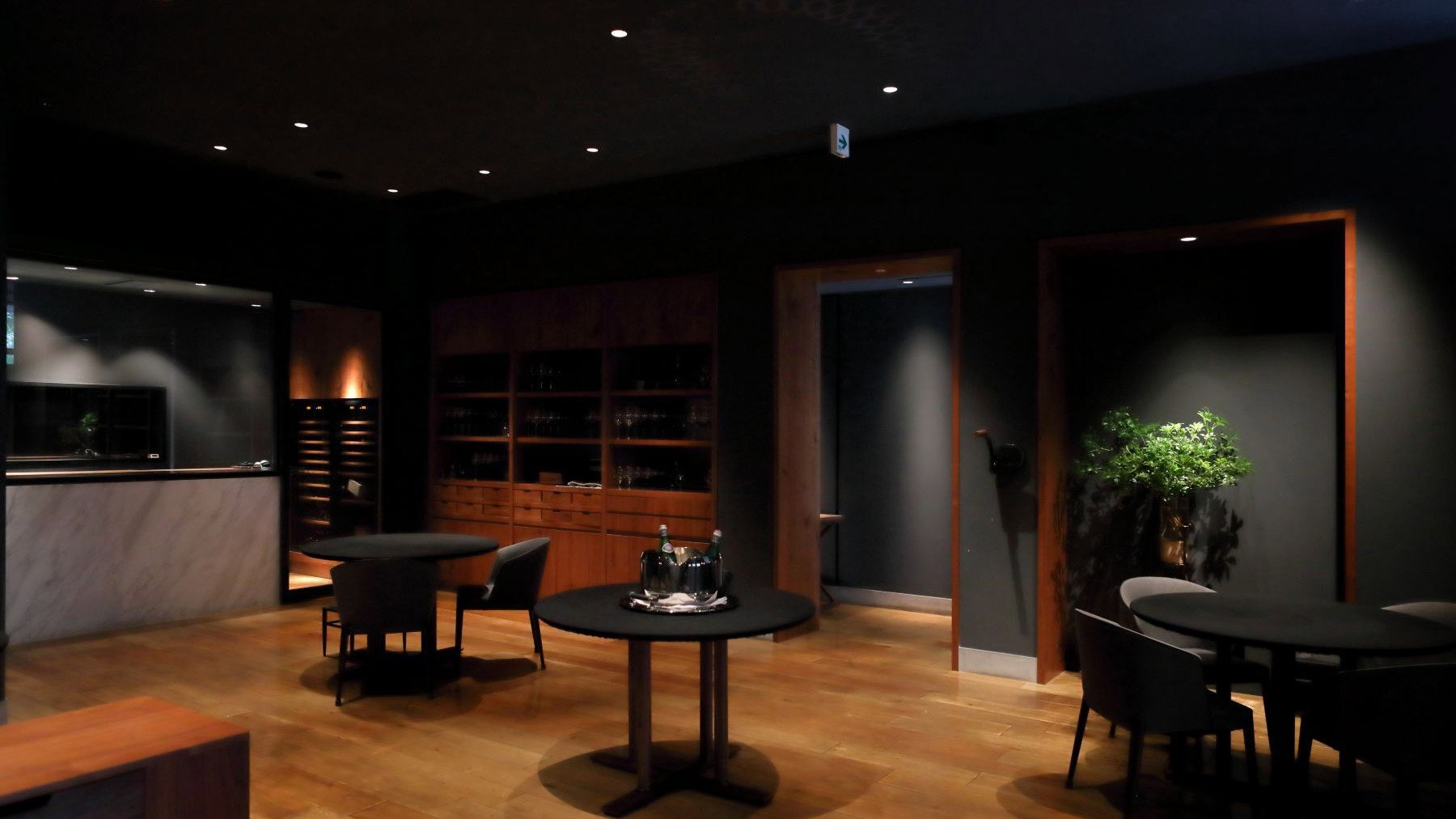
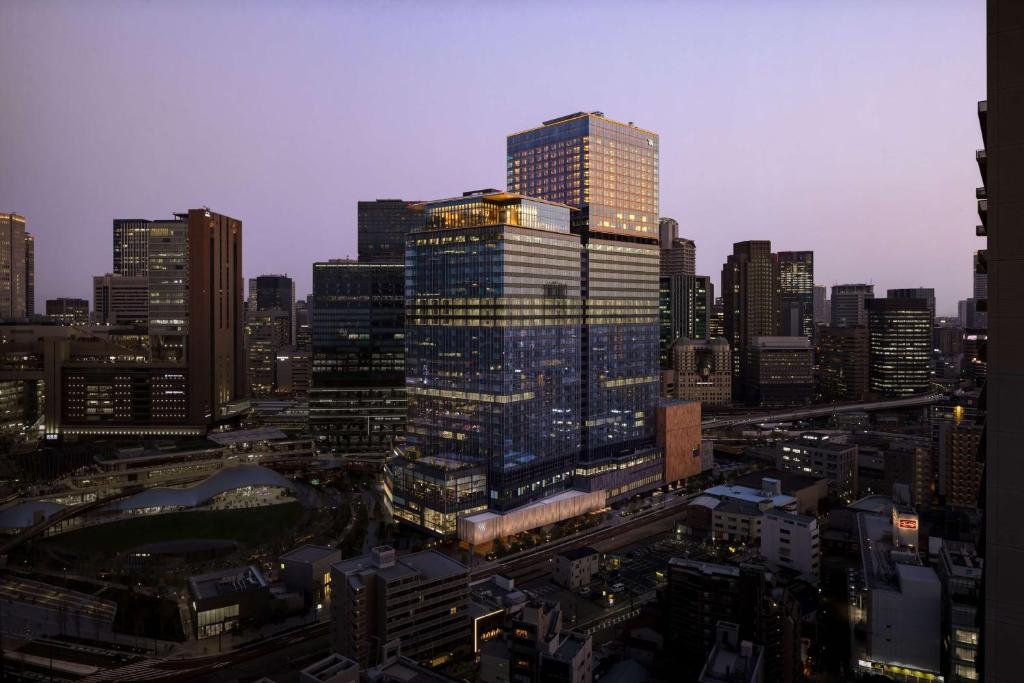
LACERBA is in Umeda, Osaka's densest commercial and transport hub, which means the surrounding area is busy and urban at any hour. The address, Kita Ward, close to the main Umeda interchange, puts it within easy reach of central Osaka accommodation, but do not expect a quiet side-street approach. For the kind of conceptual cooking Fujita is doing, that pattern makes sense. This is not a room where every table will be satisfied by what arrives; it rewards diners who come with some prior knowledge of what the chef is attempting.
For a second visit, arrive early in the evening rather than late. Umeda fills quickly on weekends, and a quieter room early in service lets the food do the work without competing with ambient noise from neighbouring tables or a louder, later crowd. If you are weighing a weekday versus weekend visit, weekday evenings in Osaka's Italian tier consistently offer a calmer room.
Who Books This
LACERBA works well for diners who have already explored Osaka's kaiseki circuit and want to test something structurally different at a comparable price. It is a strong choice for solo diners and pairs; the conceptual nature of the cooking is better processed at a smaller table where you can talk through what you are eating. For groups celebrating a milestone, the atmosphere and cooking style are less suited to that dynamic than a traditional kaiseki house like Taian or Kashiwaya Osaka Senriyama.
Within Osaka's Italian options, LACERBA sits in a different register than more accessible neighbourhood restaurants such as il Centrino, La Lucciola, P greco, La casa TOM Curiosa, or YUNiCO. Those rooms are better suited to casual meals or larger groups. LACERBA is the choice when you want to eat seriously.
For context on how Fujita's approach compares to the broader Japanese fine-dining scene, Harutaka in Tokyo, Gion Sasaki in Kyoto, Goh in Fukuoka, 1000 in Yokohama, and 6 in Okinawa each offer their own regional takes on high-level Japanese cooking. None of them do what LACERBA does, but together they give a useful map of Japan's fine-dining range.
See also: our full Osaka restaurants guide, Osaka hotels, Osaka bars, Osaka wineries, and Osaka experiences.
Practical Details
Reservations: Booking difficulty is rated Easy, advance booking is advisable but not weeks-in-advance difficult. Location: 1 Chome-13-13 Umeda, Kita Ward, Osaka, central Umeda, well-connected by rail. Price tier: ¥¥¥, positioning it below the city's leading French and multi-star kaiseki rooms. Awards: Michelin Plate 2024 and 2025. Dress: Not confirmed in available data; smart casual is standard for this price tier in Osaka. Hours: Not confirmed in available data, verify directly before visiting.
FAQ
What are alternatives to LACERBA in Osaka?
- For French fine dining at a higher tier: HAJIME (¥¥¥¥, three Michelin stars) or La Cime (¥¥¥¥) are the ceiling of Osaka's European fine dining.
- For same-price Japanese: Taian and Kashiwaya Osaka Senriyama are both ¥¥¥ kaiseki and better choices if you want a more traditional Japanese structure.
- For conceptual innovation at ¥¥¥¥: Fujiya 1935 pushes further into avant-garde territory.
- For Italian specifically: cenci in Kyoto applies a similar Japanese-Italian seasonal logic at a comparable level.
Is the tasting menu worth it at LACERBA?
- At ¥¥¥ with two consecutive Michelin Plates, the price-to-recognition ratio is reasonable for Osaka fine dining.
- The value case is strongest if you are interested in the cross-cultural cooking concept, eel and red rice alongside Italian technique, Japanese pepper with red wine sauce. If you want direct Italian or classic kaiseki, there are better-matched rooms at the same price.
- Compared to the ¥¥¥¥ houses in the city, LACERBA gives you access to serious, Michelin-recognised cooking without the top-tier spend.
Is LACERBA good for solo dining?
- Yes. The conceptual nature of the cooking rewards focused attention, which suits solo diners well. You are not missing anything by eating alone here, the menu is designed to be thought about, not just shared.
- Umeda's transport connections make it easy to reach solo from anywhere in central Osaka. Booking is rated Easy, so last-minute solo reservations are more achievable here than at the city's tightly-booked kaiseki rooms.
Can I eat at the bar at LACERBA?
- Bar seating availability is not confirmed in available data. Contact the restaurant directly to ask, given the Umeda location and Italian format, a counter or bar option is plausible but cannot be confirmed.
Is LACERBA good for a special occasion?
- It works for a special occasion for the right pair: two people who want to eat seriously and are interested in what Fujita is doing conceptually. The Michelin Plate recognition and ¥¥¥ pricing make it a credible choice for a meaningful dinner without the expense of a Michelin-starred room.
- For a larger group celebration or a guest who prefers recognisable luxury signals, Kashiwaya Osaka Senriyama or Taian are better fits, the kaiseki format and traditional setting are easier to read as a celebration context.
Planning details
- Location
- 1 Chome-13-13 Umeda, Kita Ward, Osaka, 530-8224, Japan
- Website
- hanshin-dept.jp/hshonten/restaurantguide/foodhall03.html
- Phone
- +81 6-6345-1201
The take
The Take
The Vibe
LACERBA presents a focused, refined presence in Umeda: a compact Italian restaurant that pursues a disciplined, comparative conversation between Japanese and Italian cooking. The kitchen emphasizes structural parallels—rice as a staple, river fish as a primary protein—and builds plates that demonstrate where the two traditions overlap rather than forcing a decorative fusion. The writing underscores editorial restraint, technical rigor and ingredient quality, and Michelin Plate recognition in consecutive years signals a quietly exacting standard. The overall experience reads as considered and serious, aimed at diners who appreciate clarity of concept and exacting execution.
Best For
This is a restaurant to visit when you want a thoughtful, ingredient-driven evening—particularly for date nights and special occasions where the point is culinary conversation rather than spectacle. The comparative premise rewards guests who enjoy close attention to technique and provenance: expect dishes that reveal connections between Japanese and Italian traditions, especially around rice and river fish. Michelin Plate recognition underscores that the kitchen meets elevated expectations, making LACERBA suitable for diners seeking a refined, purposeful meal in Osaka's dining landscape.
Ordering Tips
Look for dishes that make the restaurant's premise explicit: plates that foreground rice and river fish, and preparations that trace overlaps between Italian and Japanese technique. The description specifically mentions compositions such as eel with Chinese yam and red rice as emblematic of the kitchen's approach; seek similar items that articulate the comparative logic. Let the menu's sequencing and ingredient-driven plates guide the meal—this is a place where restraint and precision are the point, so prioritize items that showcase those qualities rather than novelty combinations.
Venue details
Ambiance
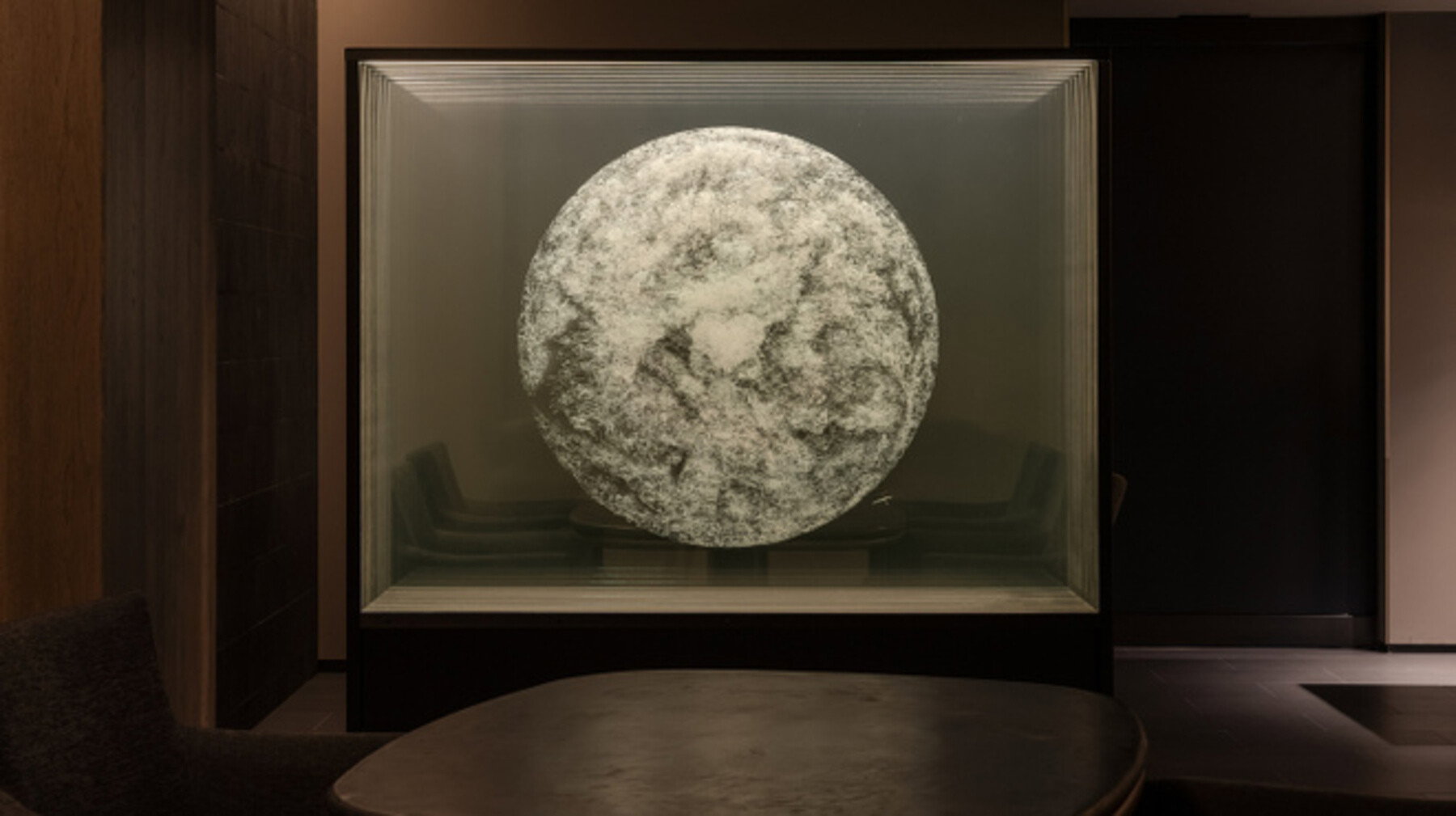
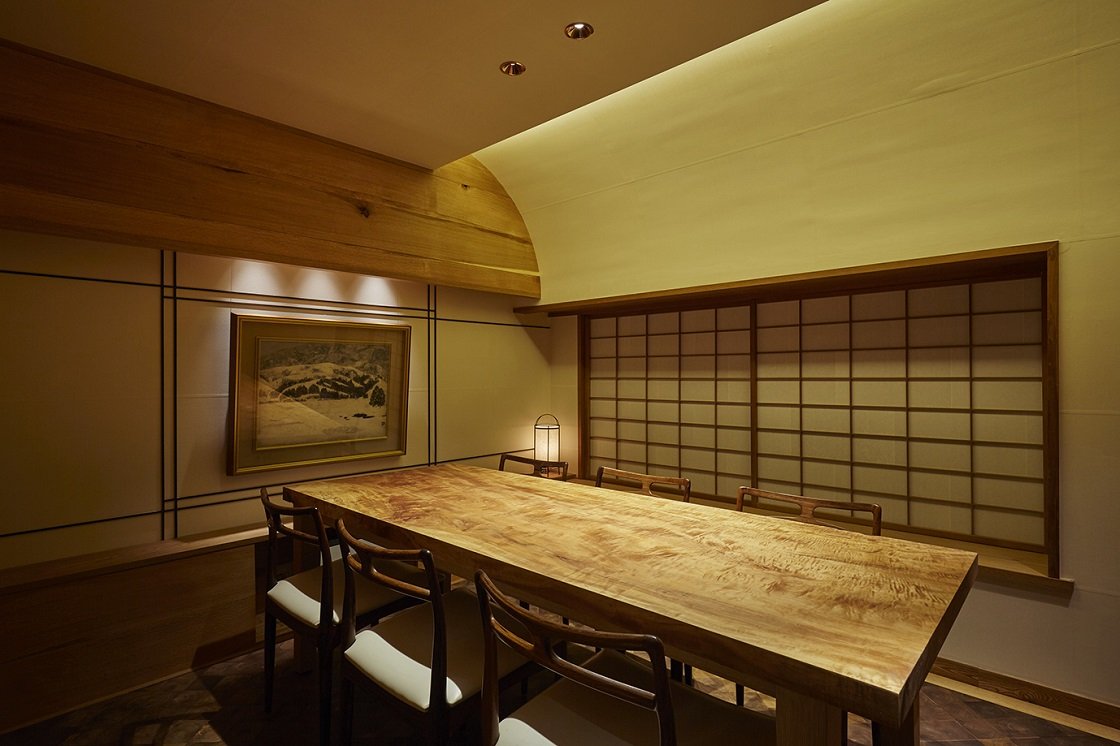
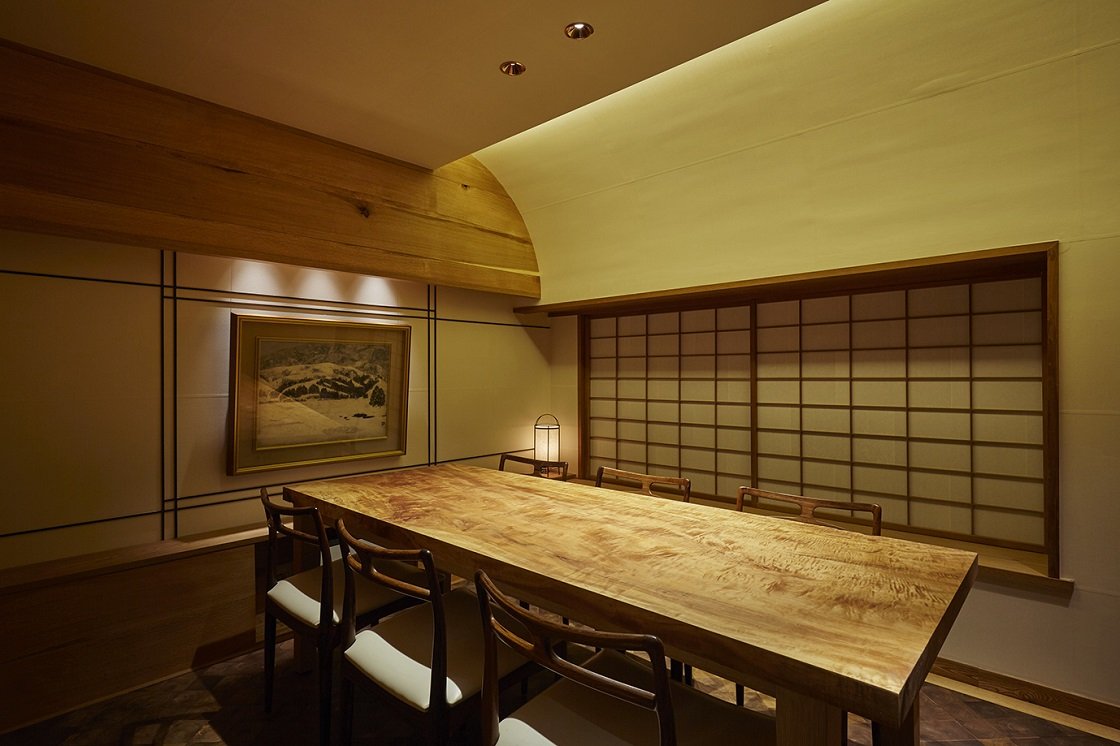
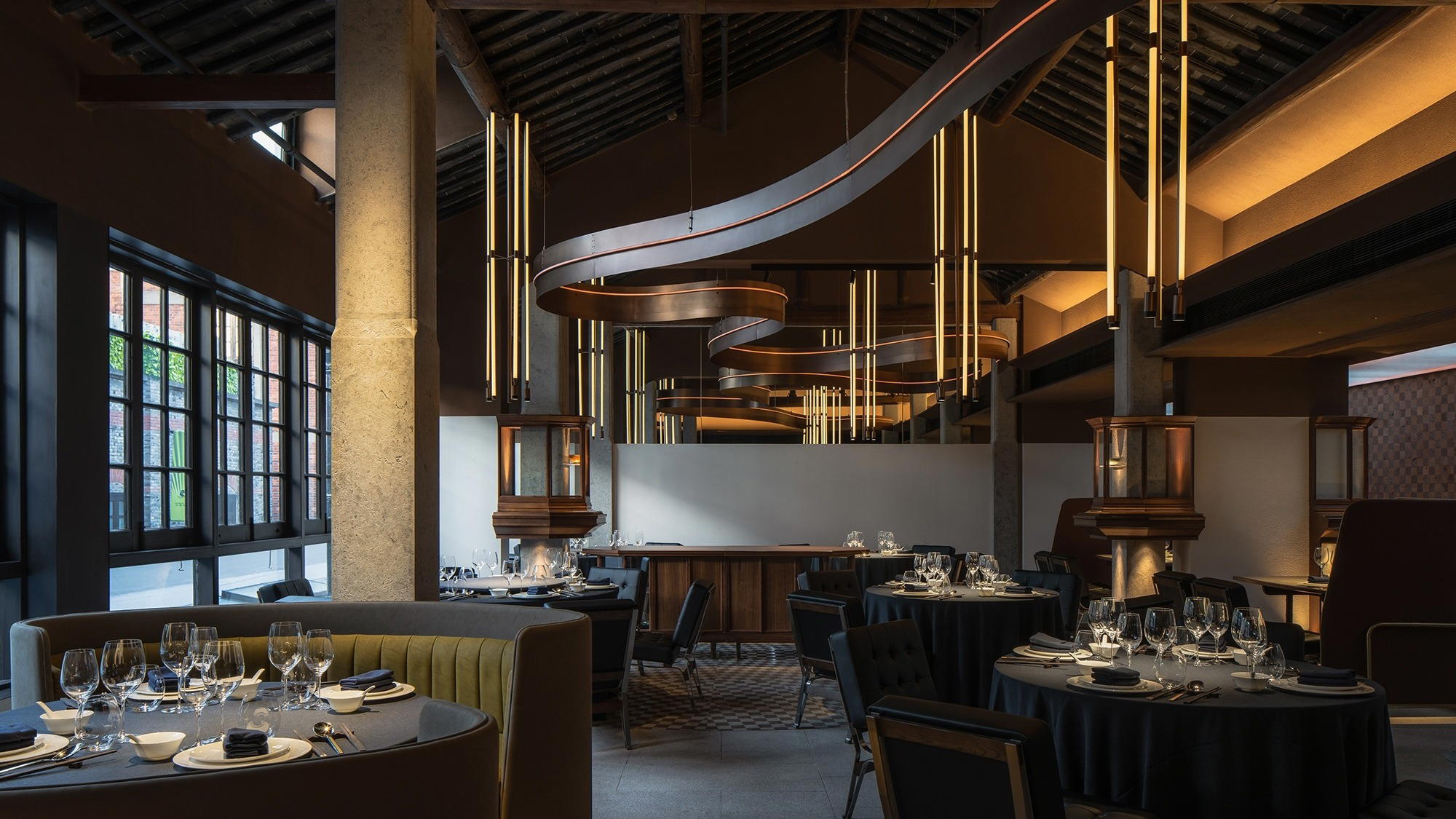
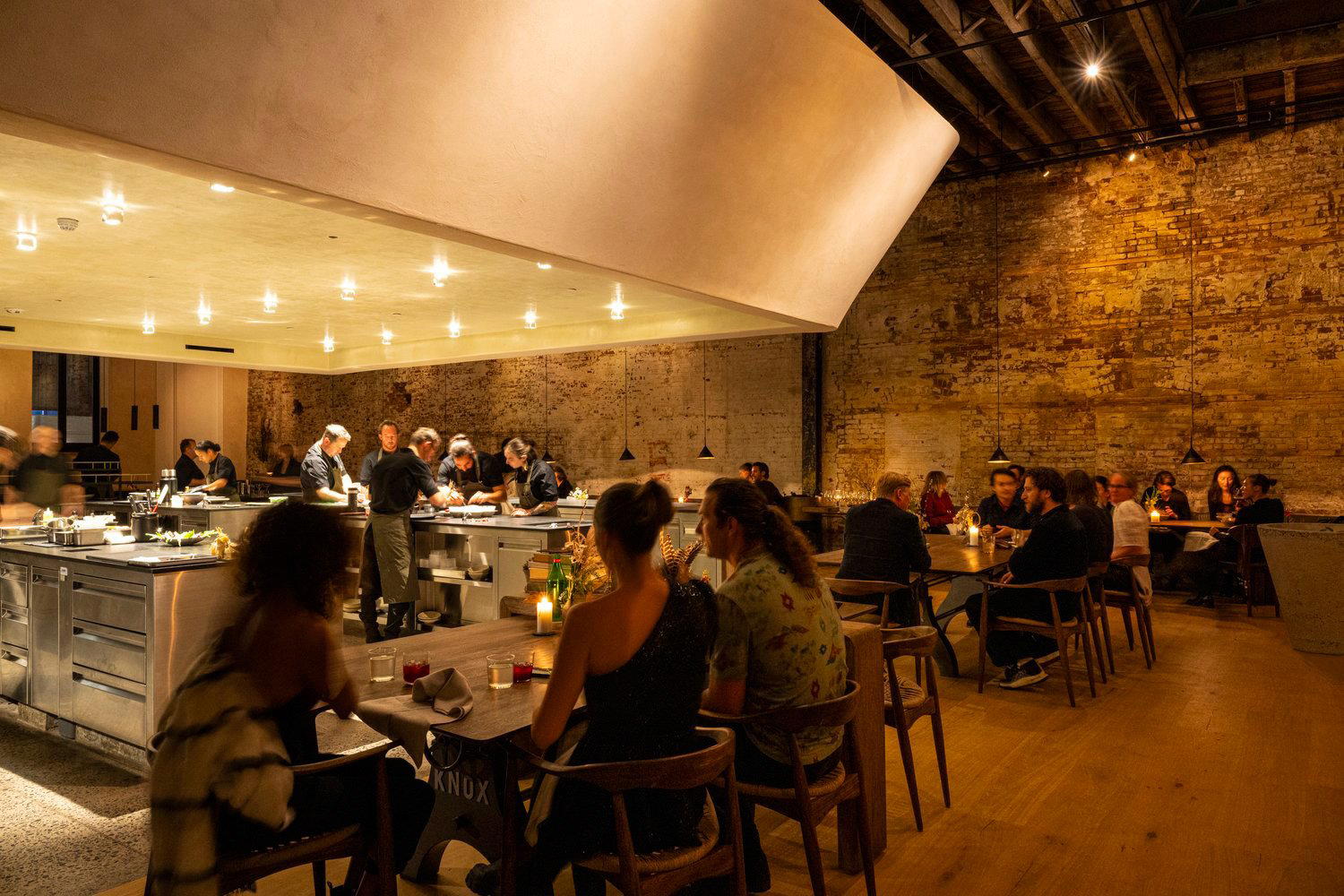
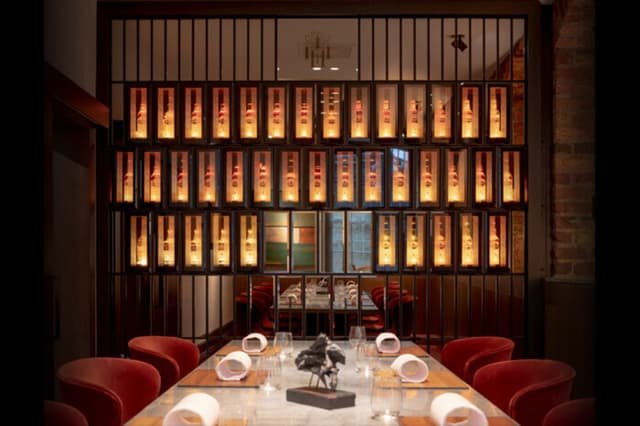
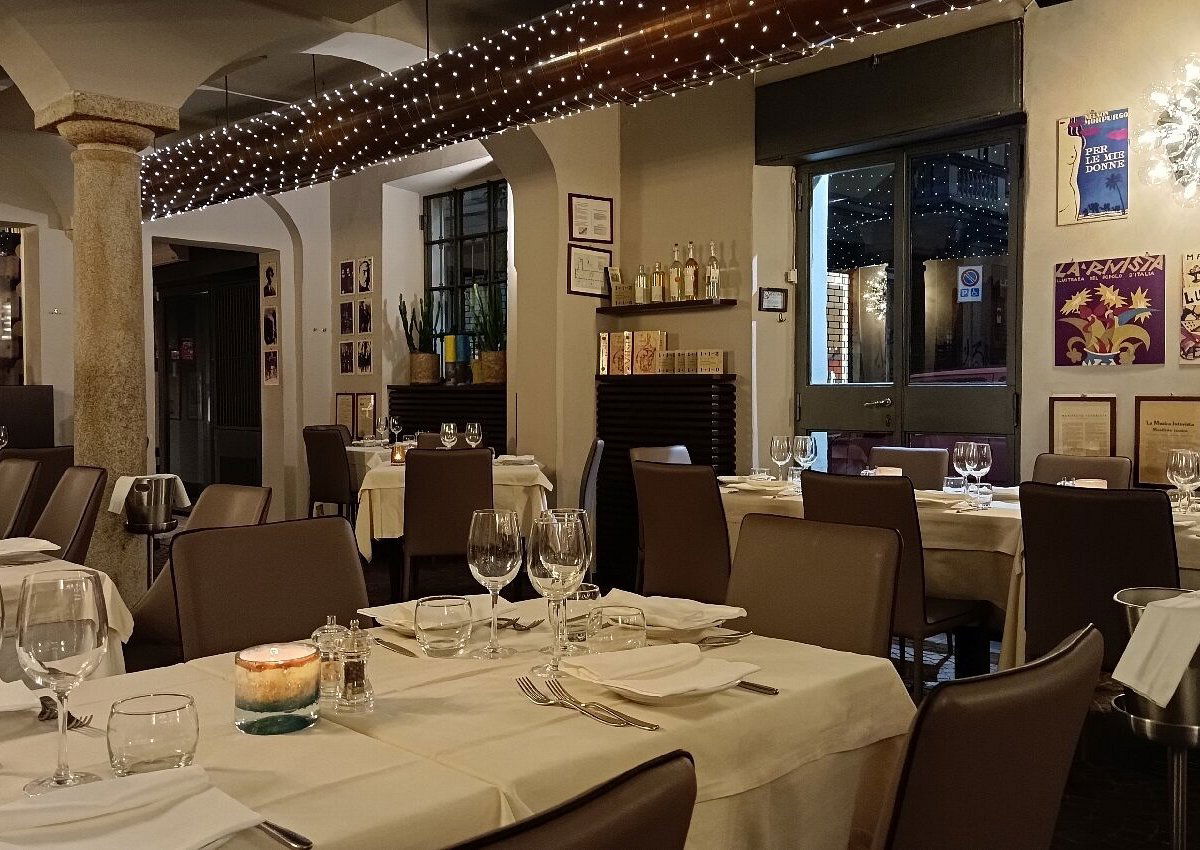
calm, textural, suffused with warm light, hushed and inviting contemplation.
Tags
Vibe
Best For
Sourcing
At the Table
- Dress Code
- Smart Casual
- Noise Level
- Quiet
- Service Style
- Formal
- Meal Pacing
- Leisurely
- Capacity
- Intimate
Know before you go
Know Before You Go
- Getting there
- 1 Chome-13-13 Umeda, Kita Ward, Osaka, 530-8224, Japan
Planning details
Location
1 Chome-13-13 Umeda, Kita Ward, Osaka, 530-8224, Japan · Directions
Recognition and awards
Also consider
Also Consider
- HAJIME, French, Innovative, ¥¥¥¥
- La Cime, French, ¥¥¥¥
- Kashiwaya Osaka Senriyama, Japanese, ¥¥¥
- Taian, Kaiseki, Japanese, ¥¥¥
- Fujiya 1935, Innovative, ¥¥¥¥
Restaurant context
At ¥¥¥, LACERBA sits in the same price band as Taian and Kashiwaya Osaka Senriyama, both of which offer kaiseki in a more traditional Japanese frame. If you are visiting Osaka primarily for Japanese cuisine and want a reliable, ceremony-rich dinner, either of those rooms is the safer choice. LACERBA earns its place when the cooking concept itself is the draw, the intersection of Japanese and Italian culinary logic is the point, not a backdrop.
Step up to ¥¥¥¥ and the options shift considerably. HAJIME holds three Michelin stars and represents the highest formal recognition in Osaka's European fine-dining tier, book it if budget is not the constraint and you want the full weight of that achievement. La Cime is the French alternative at the same price tier, with a lighter and more seasonal French approach. Fujiya 1935 at ¥¥¥¥ pushes furthest into avant-garde territory and is the choice if conceptual innovation matters more to you than culinary cross-referencing. All three ask more of your wallet than LACERBA; none of them do what Fujita does.
For practical decision-making: LACERBA is the easiest to book of this group, making it the most accessible entry point into Osaka serious dining. If this is a first visit to the city's fine-dining tier, start with LACERBA or Kashiwaya before committing to the ¥¥¥¥ rooms. If you have already done the kaiseki circuit and want something structurally different at a controlled spend, LACERBA is the call.
Explore Osaka
Around this place
Discover more on Pearl
Unlock the full LACERBA guide in Pearl, including awards, comparisons, FAQs, planning details, and nearby places.
Compare LACERBA
| Venue | Cuisine | Awards | Booking Difficulty |
|---|---|---|---|
| LACERBA | Italian | 2026 Michelin Plate2025 Michelin PlateTabelog 100 - Curry - WEST - 2024 · #332024 Michelin Plate | Easy |
| HAJIME | French, Innovative | Star Wine Lists 2026 · #12026 Tabelog Bronze · #922026 OAD Top Restaurants in Japan Ranked · #98Michelin Guide Kyoto Osaka 20262026 La Liste Top RestaurantsTabelog 100 - Innovative / Creative cuisine - 2025 · #692025 Asia's 50 Best Restaurants · #832025 OAD Top Restaurants in Japan Ranked · #87We're Smart World Top Restaurants 2025 | Unknown |
| La Cime | French | 2026 Asia's 50 Best Restaurants · #132026 OAD Top Restaurants in Japan Ranked · #1492026 Tabelog Bronze · #231Michelin Guide Kyoto Osaka 20262026 La Liste Top Restaurants2025 Asia's 50 Best Restaurants · #82025 World's 50 Best Restaurants · #44Tabelog 100 - French - WEST - 2025 · #932025 OAD Top Restaurants in Japan Ranked · #123 | Unknown |
| Kashiwaya Osaka Senriyama | Japanese | 2026 Tabelog Bronze · #1682026 OAD Top Restaurants in Japan Recommended2026 Relais Chateaux RestaurantsMichelin Guide Kyoto Osaka 20262026 La Liste Top RestaurantsTabelog 100 - Japanese cuisine - WEST - 2025 · #772025 OAD Top Restaurants in Japan Ranked · #1552025 Relais Chateaux Award2025 Michelin 3 Stars | Unknown |
| Taian | Kaiseki, Japanese | 2026 OAD Top Restaurants in Japan RecommendedMichelin Guide Kyoto Osaka 20262026 La Liste Top Restaurants2025 OAD Top Restaurants in Japan Ranked · #2042025 La Liste Top Restaurants2025 Michelin 3 Stars2024 OAD Top Restaurants in Japan Ranked · #1912024 Michelin 3 Stars2023 OAD Top Restaurants in Japan Highly Recommended | Unknown |
| Fujiya 1935 | Innovative | 2026 Tabelog Bronze · #752026 OAD Top Restaurants in Japan RecommendedMichelin Guide Kyoto Osaka 20262026 La Liste Top Restaurants2025 Michelin 2 Stars2025 Tabelog Silver2025 La Liste Top Restaurants2024 OAD Top Restaurants in Japan Ranked · #2392024 Michelin 2 Stars | Unknown |









What to weigh when choosing between LACERBA and alternatives.
FAQ
Frequently Asked Questions
What are alternatives to LACERBA in Osaka?
For pure French technique at a higher price point, HAJIME (three Michelin stars) is the comparison to make. La Cime offers French-Japanese creativity at a closer price tier to LACERBA's ¥¥¥ range and is worth considering if you want a more documented tasting menu format. For traditional kaiseki, Kashiwaya Osaka Senriyama and Taian are the circuit to run first — LACERBA makes most sense as a contrast after you have covered that ground. Fujiya 1935 sits in a similar experimental space but leans more heavily into Japanese structure.
Is the tasting menu worth it at LACERBA?
At ¥¥¥ pricing and with consecutive Michelin Plate recognition in 2024 and 2025, LACERBA is priced and credentialed like a serious meal rather than a novelty act. The value case rests on chef Masaaki Fujita's cross-cultural cooking logic — fusing Japanese and Italian ingredients at a conceptual level, not just plating pasta with miso — which is a harder thing to find than it sounds in Osaka. If you want a conventional Italian tasting menu, look elsewhere; if you want that specific intersection done with rigour, the price is justified.
Is LACERBA good for solo dining?
Booking difficulty is rated Easy, which makes solo planning straightforward — no need to compete weeks out for a single seat. Umeda's position as Osaka's central transport hub means access from anywhere in the city is simple. Nothing in the venue profile indicates a format hostile to solo diners, and tasting menu restaurants in this category typically accommodate solo bookings at counter seating, though bar availability at LACERBA specifically is not confirmed in available data.
Is LACERBA good for a special occasion?
Yes, with a specific caveat: this works best for someone who finds the Italian-Japanese concept itself interesting, not just for anyone after a prestige dinner. The Michelin Plate credential (2024 and 2025) gives it the status a special occasion warrants, and ¥¥¥ pricing sits below Osaka's top-tier kaiseki rooms, making it a credible choice where the experience justifies the spend. If the occasion calls for something more traditional and celebratory, Kashiwaya Osaka Senriyama or Taian are stronger fits.