
Kushikatsu Gojoya
Kushiage · Chūō, Osaka
Restaurant in Osaka, Japan
 Book with Pearl
The Read
Global-Fusion Kushiage Omakase
Price
¥
Dress
Smart Casual
Why go
Michelin Bib Gourmand in 2024 and 2025, ¥ pricing, and up to 25 kushikatsu varieties drawing on Korean, Indian, and Italian ingredient influences. Gojoya is the strongest value case in Osaka's fried-skewer category. Book in advance on weekends; the omakase format means you eat until you are done.
About Kushikatsu Gojoya
Verdict: Michelin Bib Gourmand, ¥ pricing, 25 skewer types — book it
Twenty-five types of kushikatsu at single-¥ pricing, recognised by the Michelin Bib Gourmand in both 2024 and 2025. That combination is the core case for Kushikatsu Gojoya. If you are planning a special dinner in Osaka and want something grounded in the city's deep-fry culture but with a genuinely global ingredient logic, this is the right call. If you want a quiet, formal room, look elsewhere. If you want a lively kitchen, a full omakase that stops when you are done, and flavour combinations that run from Korean kimchi to Indian curry to Italian tomato, book here.
Portrait
Kushikatsu is Osaka's contribution to the world of fried food: proteins and vegetables skewered, crumbed, and deep-fried at high heat, eaten standing or seated, always with the house dipping sauce. Most kushikatsu rooms in Osaka stay close to tradition — locally sourced pork, onion, lotus root, shrimp. Gojoya takes a different approach to ingredient selection, and that choice is what separates it from the majority of the city's kushikatsu shops.
The kitchen sources ingredients that carry distinct regional identities: kimchi from Korean culinary tradition, curry spicing from the Indian pantry, tomato preparations with an Italian reference point. This is not fusion for novelty's sake. It is a deliberate sourcing strategy that uses the kushiage frying technique as a common frame, then builds each skewer around an ingredient with its own clear provenance and flavour logic. The result is a 25-skewer lineup where each piece has a reason to exist beyond filling out a menu. For diners who care about where ingredients come from and why they are on the plate, that intentionality reads clearly.
The format is omakase, which here means the kitchen keeps sending skewers until you signal you are finished. There is no fixed course count and no hard upper limit beyond your own appetite. This makes the ¥ price point genuinely flexible, you are paying per skewer or per session depending on the house system, and the Bib Gourmand recognition confirms the price-to-quality ratio is strong relative to the category. For a special occasion dinner where you want to keep the bill controlled without sacrificing quality, this format works well.
Kitchen runs at pace. The awards entry notes a lively tempo among the cooks, and that energy carries into the dining room. This is not a venue for a slow, contemplative evening of the kind you might have at Kashiwaya Osaka Senriyama or Taian. The atmosphere is engaged and active. For a celebration dinner with a group that enjoys watching food being made and wants the evening to move, that energy is an asset. For a quieter date night, calibrate expectations accordingly.
Chuo Ward address puts Gojoya close to central Osaka, accessible from the business and hotel districts that surround the area. Getting there is not complicated. Booking, at this price tier and with Bib Gourmand recognition, is worth doing in advance rather than relying on walk-in availability, particularly on weekends.
For comparison within the kushikatsu and kushiage category in Osaka, Kitashinchi Kushikatsu Bon and kushiage 010 are the natural peers. Both operate in the same fried-skewer category. Gojoya's distinguishing factor is the breadth of its international ingredient sourcing across those 25 varieties, and the Bib Gourmand recognition in consecutive years. If you want to stay in the category but try a different room, Rokkakutei is another option worth considering.
Beyond Osaka, the kushiage format appears at Ahbon in Kyoto and Hidden Kitchen in Hong Kong, and the broader Kansai dining picture is filled out by Gion Sasaki in Kyoto and akordu in Nara. If your trip takes you further afield, Harutaka in Tokyo, Goh in Fukuoka, 1000 in Yokohama, and 6 in Okinawa cover Japan's wider dining range.
For the full picture of eating and drinking in the city, see our full Osaka restaurants guide, our full Osaka bars guide, our full Osaka hotels guide, our full Osaka wineries guide, and our full Osaka experiences guide.
Ratings
- Michelin: Bib Gourmand 2024, Bib Gourmand 2025
Booking
Booking difficulty: Easy. At the ¥ price tier, Gojoya is accessible, but back-to-back Bib Gourmand recognition means demand is real, especially on weekends. Book a few days ahead for weeknights, a week or more for Friday and Saturday. No booking method is listed in current records, so check directly with the venue or use a local reservation service.
FAQ
What are alternatives to Kushikatsu Gojoya in Osaka?
- Within the kushikatsu and kushiage category, Kitashinchi Kushikatsu Bon, kushiage 010, and Rokkakutei are the direct peers. If you want to step up in price and formality, Kashiwaya Osaka Senriyama and Taian offer kaiseki at ¥¥¥. For French-led innovation at the leading end, HAJIME and La Cime are the ¥¥¥¥ options.
Is Kushikatsu Gojoya worth the price?
- The Bib Gourmand designation exists specifically to flag quality at accessible prices, so the answer is yes for most budgets. The omakase format means you control the final spend by deciding when to stop.
Is Kushikatsu Gojoya good for solo dining?
- The omakase counter format suits solo diners well. You eat at your own pace, the kitchen keeps the skewers coming, and the lively atmosphere means you are not sitting in silence. The ¥ price range makes it a low-risk solo outing, and the 25-skewer variety ensures there is enough to hold your attention across the meal.
Can Kushikatsu Gojoya accommodate groups?
- Seat count is not listed in current records, so contact the venue directly for group bookings. The lively kitchen atmosphere and shared omakase format tend to work well for small groups celebrating together. For parties of six or more, check availability and any minimum spend requirements before assuming walk-in access.
Is the tasting menu worth it at Kushikatsu Gojoya?
- The omakase here is not a fixed tasting menu in the traditional sense: it continues until you decide to stop. At ¥ pricing, with up to 25 skewer types drawing on global ingredients, it is worth committing to a full session. Going light defeats the point of the format. Eat properly and work through as many of the 25 varieties as you can.
How far ahead should I book Kushikatsu Gojoya?
- A few days ahead is sufficient for weeknights. For Friday and Saturday evenings, a week's notice is safer. Bib Gourmand recognition in two consecutive years has raised the venue's profile, and weekend slots fill faster than weekday ones. No online booking system is confirmed in current data, so contact the venue directly to reserve.
Is Kushikatsu Gojoya good for a special occasion?
- Yes, with one qualification: the atmosphere is energetic rather than intimate. If your occasion calls for noise, movement, and a shared sense of event around the food being cooked, Gojoya works well. If you want a quieter, more ceremonial dinner, Taian or Kashiwaya Osaka Senriyama are better choices. The Michelin recognition and ¥ price point make it an easy recommendation for celebrations where the focus is on the food rather than the formality.
Planning details
- Location
- 2 Chome-1-11 Uchihiranomachi, Chuo Ward, Osaka, 540-0037, Japan
- Website
- 94katu5jyoya.com
- Phone
- +81 6-6945-5045
The take
The Take
The Vibe
Kushikatsu Gojoya lives in the counter culture of Osaka while steering that tradition toward a decidedly modern, international register. The room is defined by the rhythm of batter hitting oil and the focused choreography at the counter; technique is foregrounded — precise batter and timed frying earn the place critical recognition. The kitchen treats the skewer as a serious format and an open stage, so the experience feels both exacting and unexpectedly cosmopolitan. Even as the format honors kushiage discipline, the international touches and Bib Gourmand nods give the place a sophisticated, quietly charming edge.
Best For
This is a place for diners who want to be at the center of the cooking. The counter-focused, omakase format suits solo diners and couples who enjoy watching technique unfold, while the approachable fried-skewer format and value signalled by Bib Gourmand recognition make it a relaxed option for small groups or casual nights out. The pace and selection are driven by the cook, so it’s ideal for people who enjoy curated tasting-lines and the social intimacy of counter dining rather than à la carte, table-bound meals.
Ordering Tips
Kushikatsu Gojoya operates as an omakase counter by default: you generally surrender choice to the kitchen and move through a sequence of skewers rather than ticking items off a menu. The counter typically runs around 25 varieties and the meal ends when you signal you’re done, so plan to let the cook set pacing and stop the service when you’ve had enough. Expect precise technique and a mix of familiar and inventive flavors — signature highlights include Miyazaki beef, shrimp and shiitake — and trust the sequence rather than trying to assemble individual picks.
Venue details
Ambiance
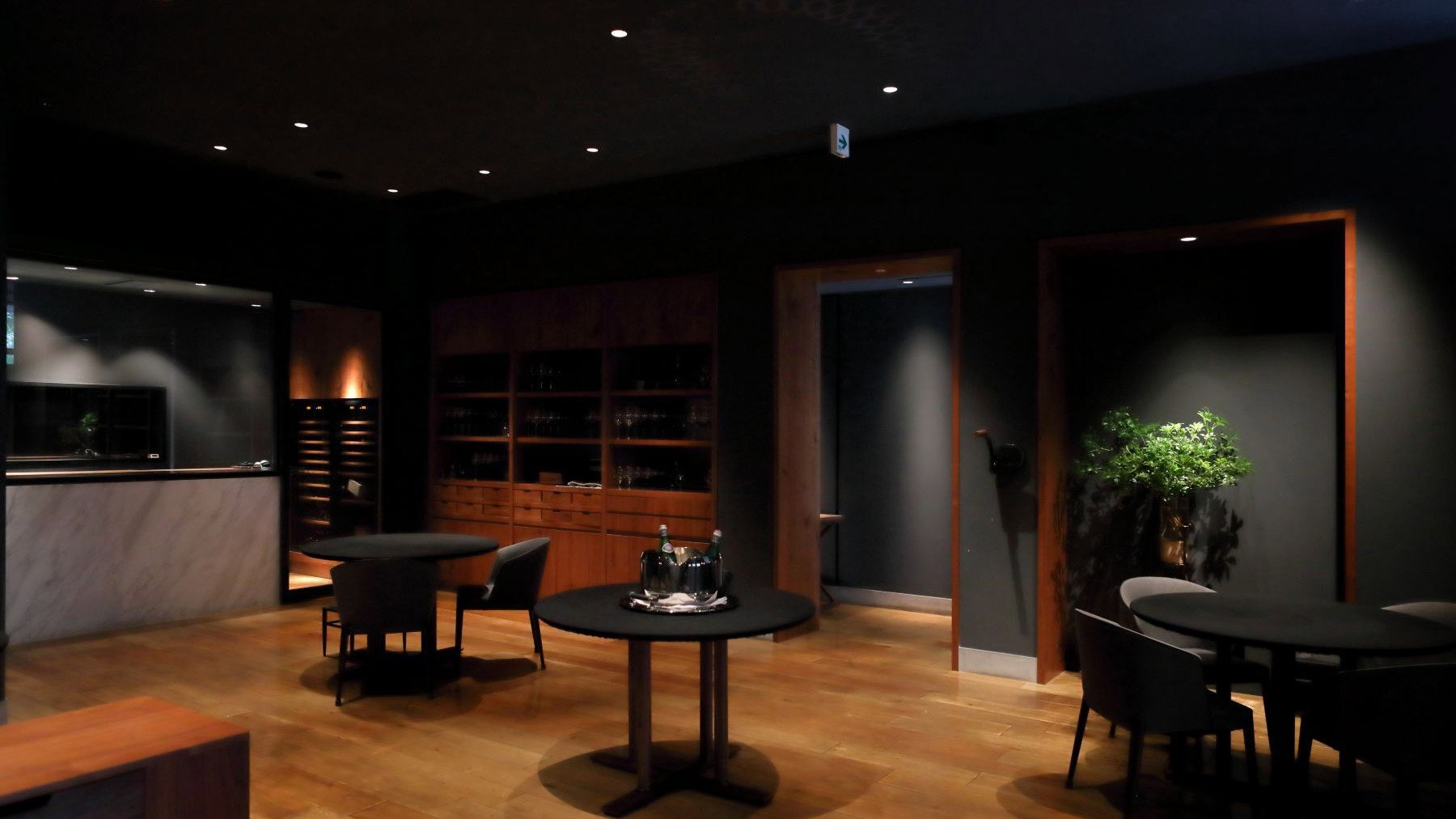
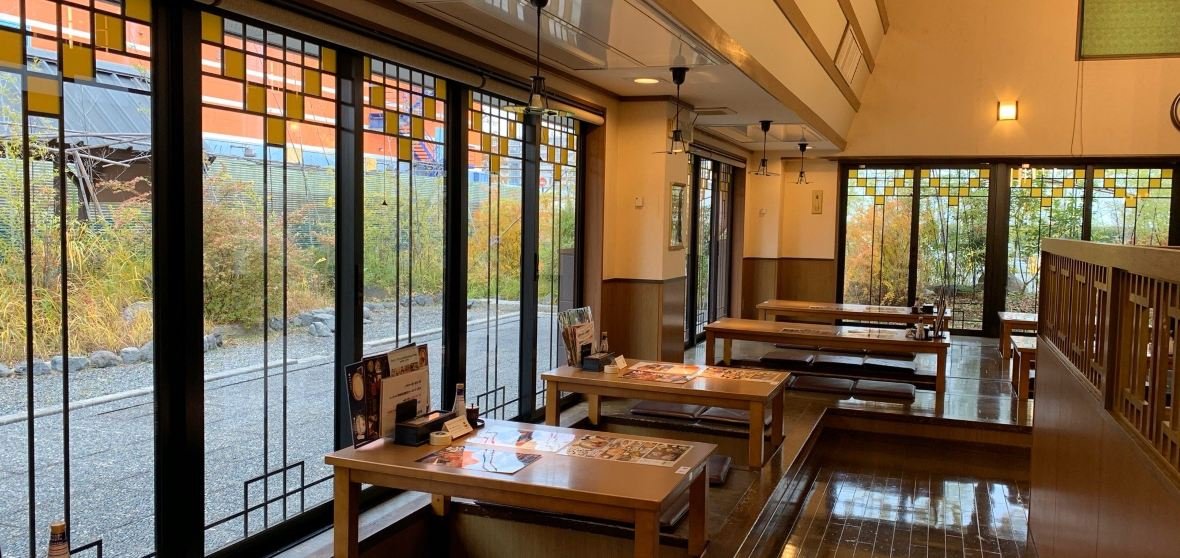
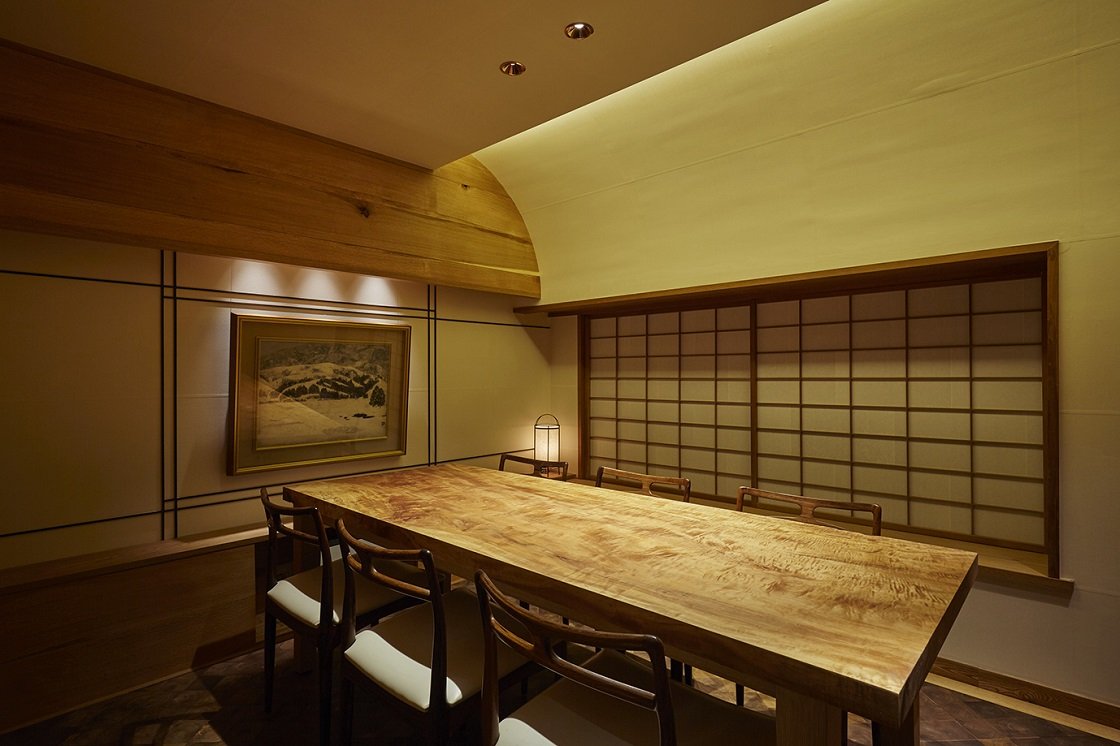
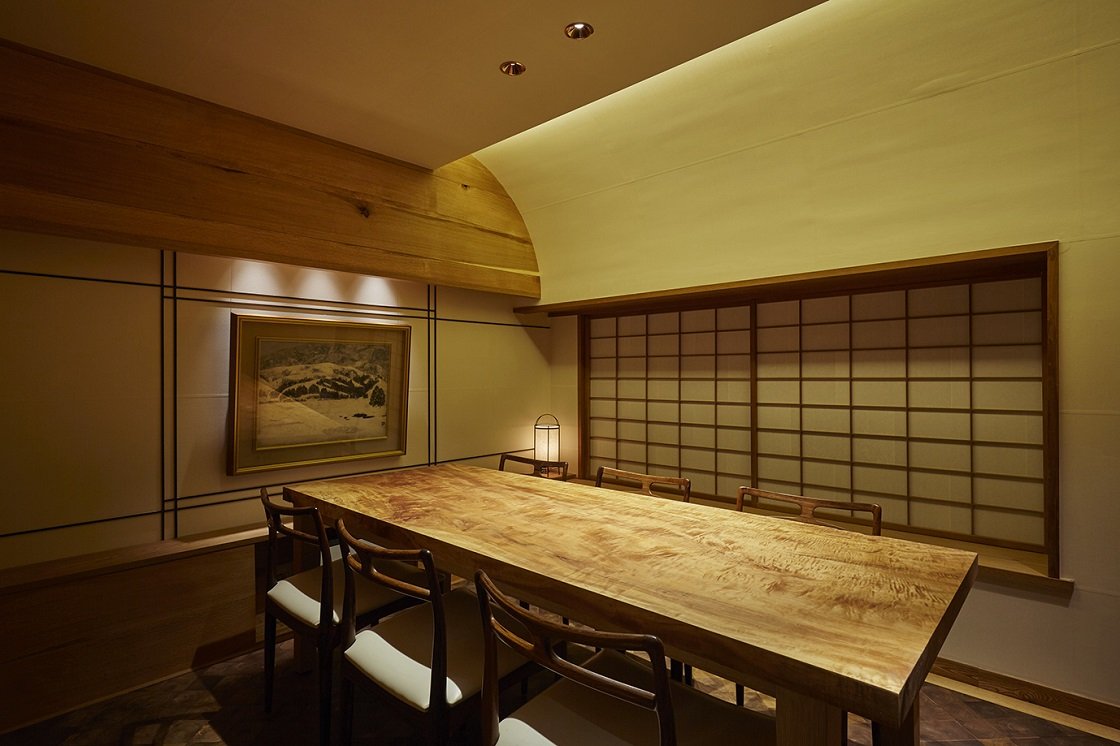
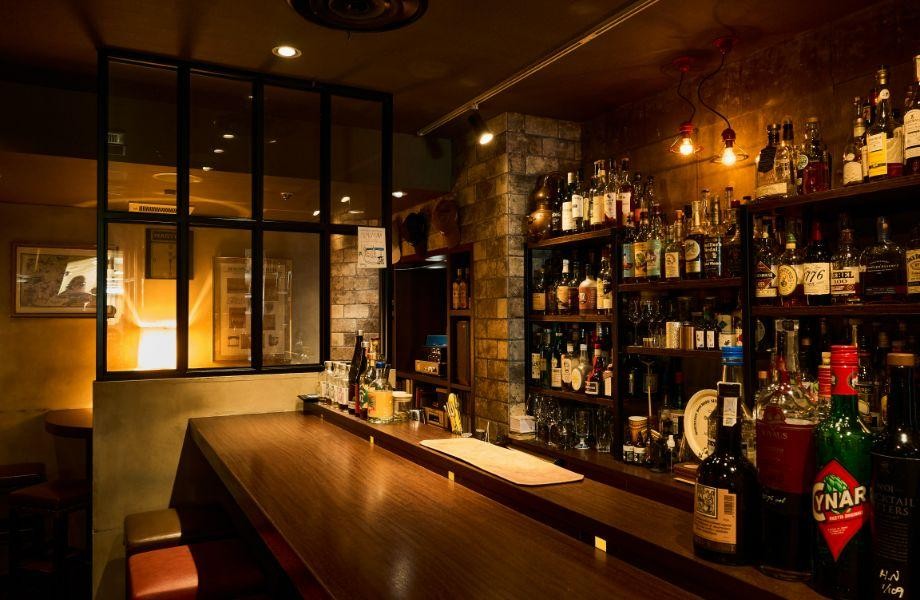
Small intimate space with a lively kitchen tempo, counter seating, and attentive service amid a rowdy atmosphere at times.
Tags
Vibe
Best For
Experience
At the Table
- Dress Code
- Smart Casual
- Noise Level
- Conversational
- Service Style
- Upscale Casual
- Meal Pacing
- Leisurely
- Capacity
- Intimate
Signature Dishes
- Miyazaki Beef
- Shrimp
- Shiitake Mushrooms
Know before you go
Know Before You Go
- Getting there
- 2 Chome-1-11 Uchihiranomachi, Chuo Ward, Osaka, 540-0037, Japan
Planning details
Location
2 Chome-1-11 Uchihiranomachi, Chuo Ward, Osaka, 540-0037, Japan · Directions
Recognition and awards
Also consider
Also Consider
- HAJIME, French, Innovative, ¥¥¥¥
- La Cime, French, ¥¥¥¥
- Kashiwaya Osaka Senriyama, Japanese, ¥¥¥
- Taian, Kaiseki, Japanese, ¥¥¥
- Fujiya 1935, Innovative, ¥¥¥¥
Restaurant context
Gojoya sits at a different price point from most of Osaka's decorated restaurants, and that gap matters for how you plan your trip. HAJIME and La Cime are both ¥¥¥¥ French-led rooms with serious tasting menus, harder to book, and aimed at a different occasion entirely. Fujiya 1935 occupies similar territory at ¥¥¥¥ with an innovative menu. None of these compete with Gojoya on value; they compete on formality, precision, and the kind of occasion where spending significantly more per head is part of the point.
Kashiwaya Osaka Senriyama and Taian are the most relevant comparisons if you are choosing between a lively, affordable night centred on kushiage and a more measured kaiseki experience at ¥¥¥. Both kaiseki rooms offer greater quiet and ceremony; Gojoya offers more fun per yen spent. For a first Osaka dinner with a group, Gojoya is the easier and cheaper call. For a milestone celebration where the setting and pacing matter as much as the food, Taian or Kashiwaya will serve you better.
Within the kushiage category, Gojoya's consecutive Bib Gourmand recognition sets it above most single-¥ competitors. Kitashinchi Kushikatsu Bon and kushiage 010 are worth considering if Gojoya is fully booked, but if your dates are flexible and you are choosing one kushikatsu room in Osaka, Gojoya is the straightforward recommendation on current evidence.
Explore Osaka
Around this place
Discover more on Pearl
Unlock the full Kushikatsu Gojoya guide in Pearl, including awards, comparisons, FAQs, planning details, and nearby places.
Compare Kushikatsu Gojoya
| Venue | Cuisine | Price | Booking Difficulty | Awards |
|---|---|---|---|---|
| Kushikatsu Gojoya | Kushiage | ¥ | Easy | Michelin Guide Kyoto Osaka 20262026 Bib Gourmand2025 Michelin Bib Gourmand2024 Michelin Bib Gourmand |
| HAJIME | French, Innovative | ¥¥¥¥ | Unknown | Star Wine Lists 2026 · #12026 Tabelog Bronze · #922026 OAD Top Restaurants in Japan Ranked · #98Michelin Guide Kyoto Osaka 20262026 La Liste Top RestaurantsTabelog 100 - Innovative / Creative cuisine - 2025 · #692025 Asia's 50 Best Restaurants · #832025 OAD Top Restaurants in Japan Ranked · #87We're Smart World Top Restaurants 2025 |
| La Cime | French | ¥¥¥¥ | Unknown | 2026 Asia's 50 Best Restaurants · #132026 OAD Top Restaurants in Japan Ranked · #1492026 Tabelog Bronze · #231Michelin Guide Kyoto Osaka 20262026 La Liste Top Restaurants2025 Asia's 50 Best Restaurants · #82025 World's 50 Best Restaurants · #44Tabelog 100 - French - WEST - 2025 · #932025 OAD Top Restaurants in Japan Ranked · #123 |
| Kashiwaya Osaka Senriyama | Japanese | ¥¥¥ | Unknown | 2026 Tabelog Bronze · #1682026 OAD Top Restaurants in Japan Recommended2026 Relais Chateaux RestaurantsMichelin Guide Kyoto Osaka 20262026 La Liste Top RestaurantsTabelog 100 - Japanese cuisine - WEST - 2025 · #772025 OAD Top Restaurants in Japan Ranked · #1552025 Relais Chateaux Award2025 Michelin 3 Stars |
| Taian | Kaiseki, Japanese | ¥¥¥ | Unknown | 2026 OAD Top Restaurants in Japan RecommendedMichelin Guide Kyoto Osaka 20262026 La Liste Top Restaurants2025 OAD Top Restaurants in Japan Ranked · #2042025 La Liste Top Restaurants2025 Michelin 3 Stars2024 OAD Top Restaurants in Japan Ranked · #1912024 Michelin 3 Stars2023 OAD Top Restaurants in Japan Highly Recommended |
| Fujiya 1935 | Innovative | ¥¥¥¥ | Unknown | 2026 Tabelog Bronze · #752026 OAD Top Restaurants in Japan RecommendedMichelin Guide Kyoto Osaka 20262026 La Liste Top Restaurants2025 Michelin 2 Stars2025 Tabelog Silver2025 La Liste Top Restaurants2024 OAD Top Restaurants in Japan Ranked · #2392024 Michelin 2 Stars |
.png?width=1200&quality=80)










How Kushikatsu Gojoya stacks up against the competition.
FAQ
Frequently Asked Questions
What are alternatives to Kushikatsu Gojoya in Osaka?
For kushikatsu specifically, Gojoya is among the few in the category with back-to-back Bib Gourmand recognition, so direct alternatives at the same price and credential level are limited. If you want to step up in format and spend, La Cime and Taian both operate in Osaka and represent a significant jump in price and formality. For a different angle on Osaka's fried food tradition, look at other kushiage counters in the Shinsekai district, which is the historical heartland of the format.
Is Kushikatsu Gojoya worth the price?
At ¥ pricing with Michelin Bib Gourmand recognition in 2024 and 2025, Gojoya delivers clear value. The omakase format — running until you stop — and 25 skewer types covering Korean, Indian, and Italian-influenced preparations make the spend easy to justify. For the price tier, there is no obvious reason not to book.
Is Kushikatsu Gojoya good for solo dining?
Yes. Counter-based kushikatsu venues in Osaka are well-suited to solo diners, and the omakase format means there is no pressure to order strategically or build a group spread. The lively kitchen tempo described in Gojoya's Bib Gourmand notes suggests an engaging environment even dining alone.
Can Kushikatsu Gojoya accommodate groups?
Kushikatsu counters are generally compact by format, and Gojoya's ¥ positioning suggests a modest footprint rather than a large-group venue. For groups of four or more, call ahead — the venue is at 2 Chome-1-11 Uchihiranomachi, Chuo Ward — to confirm seating availability. Smaller groups of two to three will find the omakase format straightforward to share.
Is the tasting menu worth it at Kushikatsu Gojoya?
The omakase here runs until you are full across up to 25 skewer types, which is an unusually broad range for the category. At ¥ pricing, the format represents strong value compared to omakase at higher price tiers elsewhere in Osaka. The fusion approach — cycling through Korean, Indian, and Italian influences on a traditional Osaka base — makes the full run more interesting than stopping early.
How far ahead should I book Kushikatsu Gojoya?
Back-to-back Bib Gourmand recognition in 2024 and 2025 has raised Gojoya's profile meaningfully, so booking ahead is advisable, particularly for weekend evenings. A week's notice is a reasonable baseline; aim for two weeks if your travel dates are fixed. Walk-in availability is possible on quieter weekday slots but is not guaranteed.
Is Kushikatsu Gojoya good for a special occasion?
It depends on what the occasion calls for. If the goal is a memorable, low-formality meal with genuine culinary interest, Gojoya's Michelin-recognised 25-skewer omakase at ¥ pricing works well. If the occasion requires a formal setting, private dining, or a higher-spend signal, La Cime or Kashiwaya would be more appropriate choices in Osaka.