
.png?width=1200&quality=80)
Kushikatsu Daibon
Kita, Osaka
Restaurant in Osaka, Japan
 Book with Pearl
The Read
Seafood-Forward Kushikatsu Counter
Dress
Smart Casual
Why go
A nine-seat kushikatsu counter in Nishitenma where the chef fries seafood-focused skewers with kaiseki-level precision. At ¥15,000–19,999 and reservation-only, it's Osaka's deep-fried tradition refined to Tabelog Bronze Award standards—worth it if you want counter theatre and rare-fried tiger prawn, but takigawa offers broader kaiseki scope at a higher price.
About Kushikatsu Daibon
Kushikatsu Daibon is an Osaka venue with evening hours and a smart-casual dress code. Plan for dinner, not lunch, and check the current booking channel before making firm plans.
The venue is listed with a dinner budget of JPY 15,000–JPY 19,999 and no lunch budget. Its weekly schedule is Monday, Tuesday, Thursday, Friday, and Saturday from 6 PM to 12 AM, with Wednesday and Sunday closed.
Service Philosophy and What It Earns
Kushikatsu Daibon is associated with a 2026 Tabelog Bronze listing for the restaurant name “kushikatsu daibon.” For details about the chef, seating, menu structure, ingredients, drinks, or reservation rules, confirm directly with the venue or your booking provider.
Dress is smart casual. Beyond that, avoid assuming details such as counter-only service, private rooms, beverage policies, children’s accommodations, or dietary flexibility unless confirmed directly with the venue or your booking provider.
Booking, Timing, and Alternatives
Use the operating window when planning: 6 PM to 12 AM on Monday, Tuesday, Thursday, Friday, and Saturday; closed Wednesday and Sunday. Plan on dinner service rather than lunch.
For context, Osaka has many other dining rooms across formats and price points. If Kushikatsu Daibon is not the right fit for your schedule, you might also compare availability with takigawa, Oryori Yamada, or Udondokoro Shigemi, while checking each venue’s own current details before booking.
Do not assume seat count, room layout, group capacity, takeout, delivery, phone number, allergy policies, or a specific address. Confirm directly before arranging a special occasion, group meal, or dietary request.
Quick reference: Osaka | Dinner budget JPY 15,000–JPY 19,999 | Mon/Tue/Thu/Fri/Sat 6 PM–12 AM | Closed Wed/Sun | Smart casual | 2026 Tabelog Bronze listing.
Planning details
- Location
- Japan, 〒530-0047 Osaka, Kita Ward, Nishitenma, 4 Chome−7−7 5階
- Website
- instagram.com/kushikatsu_daibon
The take
The Take
The Vibe
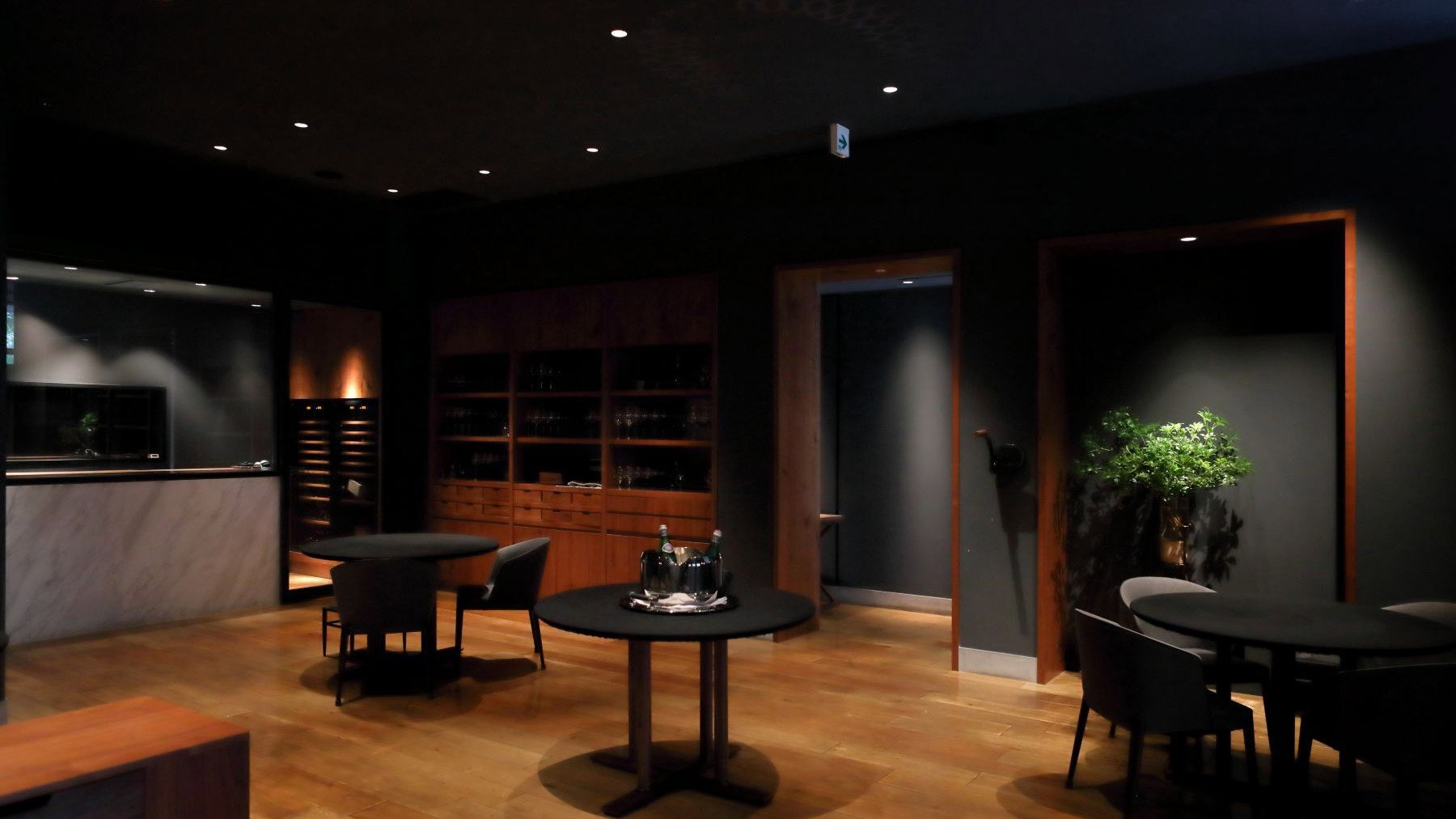
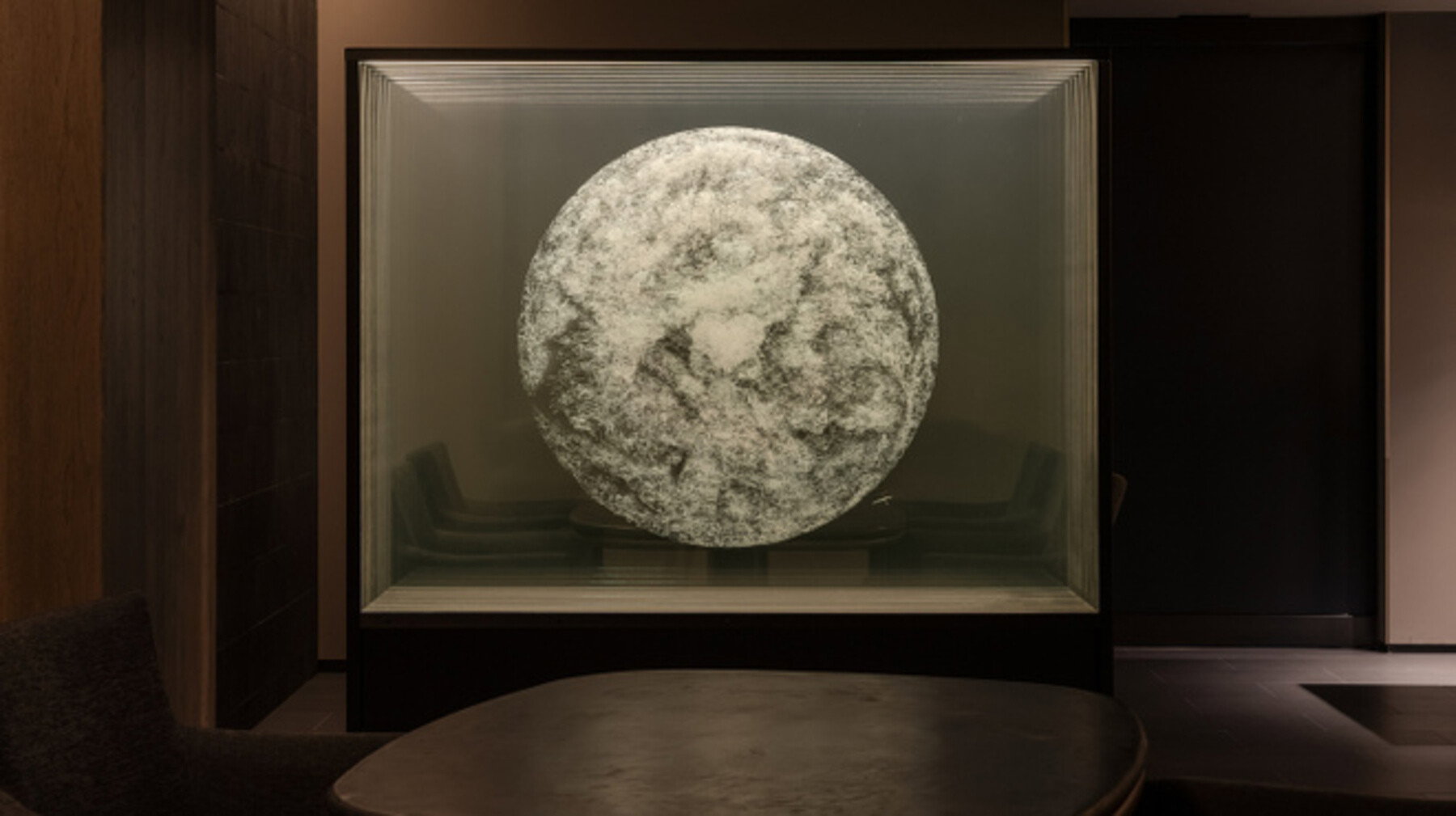
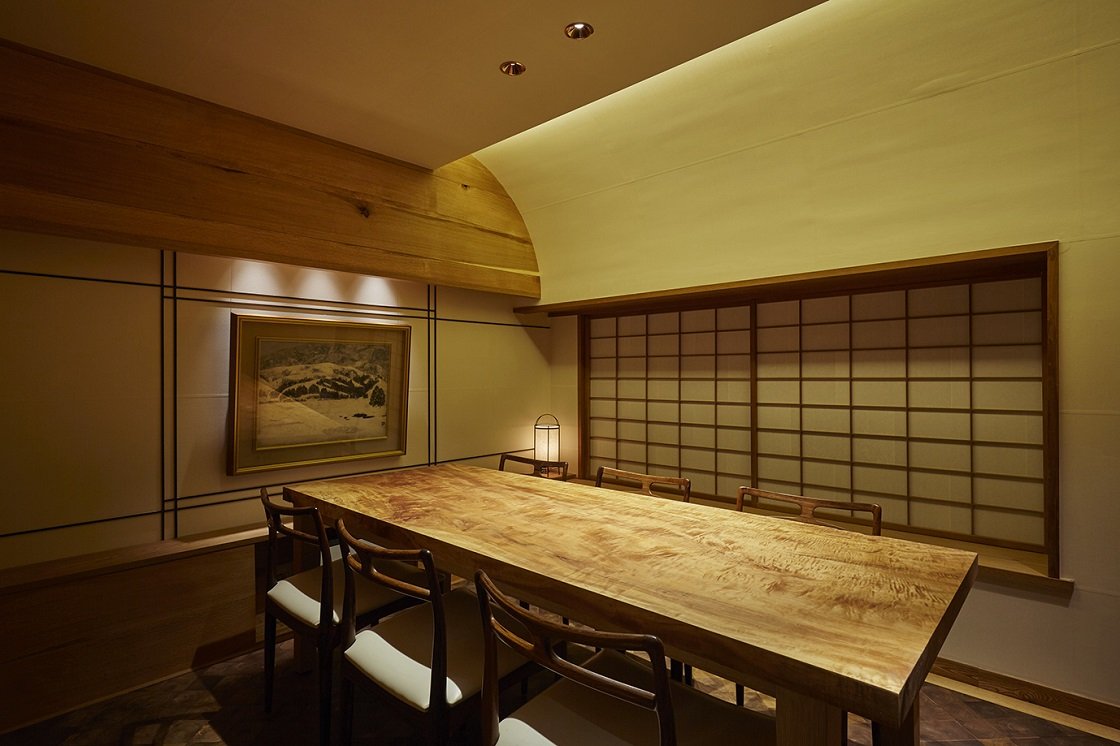
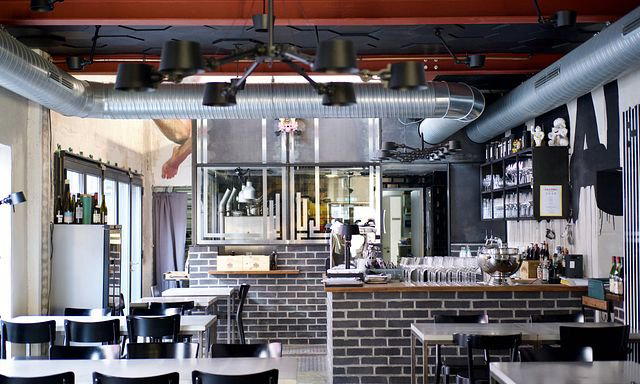
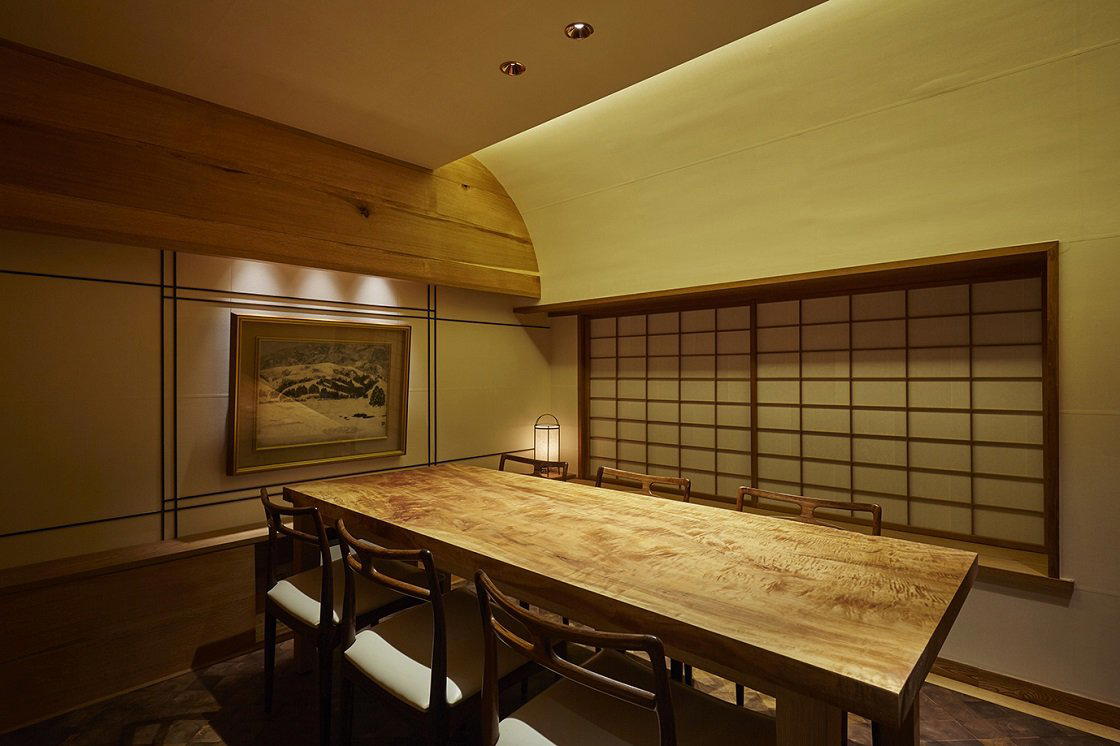
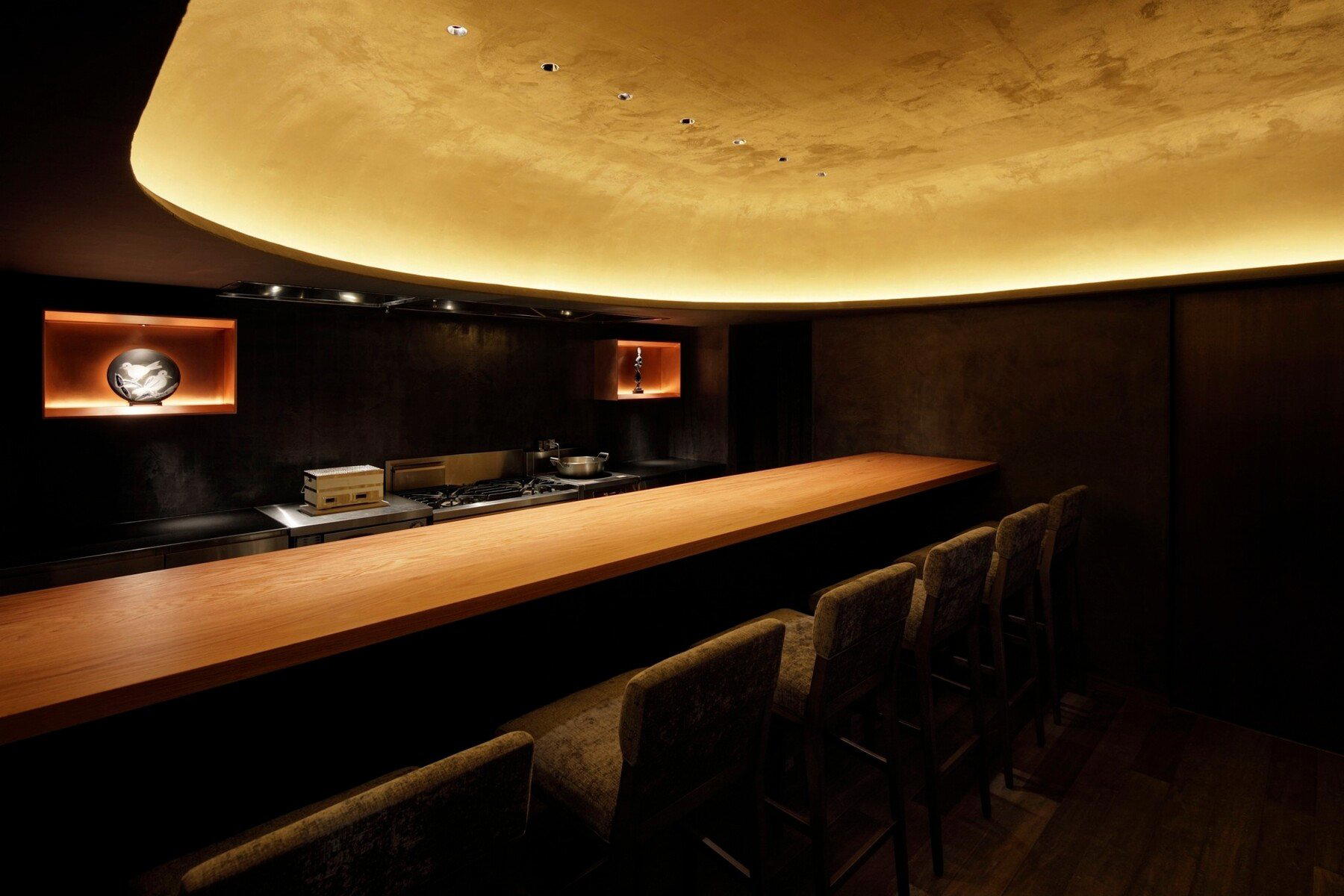
Kushikatsu Daibon translates Osaka’s street-food staple into a highly focused counter experience. Perched on the fifth floor of a Kita Ward building, the nine-seat room feels deliberately small and restrained: a formal, professional setting rather than a boisterous izakaya. The kitchen treats kushikatsu as a sequence of precisely timed, single-bite courses, elevating frying to a crafted tasting format. Scarcity—two seatings and a maximum of 18 covers—adds to the concentrated atmosphere; service and cooking cadence are measured, making the space feel like a quietly intense tasting counter rather than a casual street stall.
Best For
This is a dinner-only proposition built for focused, reservation-led evenings. The compact nine-seat counter and two fixed evening seatings make it well suited to intimate business dinners, deliberate date nights, and small special-occasion meals where the food is the primary focus. Its location in a quieter professional corridor between arts and legal districts also makes it appropriate for guests who want a composed, serious dining experience away from tourist-packed neighborhoods. The setting rewards diners who appreciate technical precision and a curated sequence of fried courses.
Ordering Tips
Book in advance and plan around the two set seatings: 18:00–20:00 and 20:30–22:30, since only nine counter seats are available per seating. Arrive on time for the fixed service window; the format runs as a tasting sequence that depends on precise timing. Look for the kitchen’s standout skewers—tiger prawn and shiitake mushrooms are signature items—and expect the meal to follow a deliberate, single-seat rhythm. The restaurant’s early recognition on Tabelog suggests high demand, so reservations are essential rather than optional.
Venue details
Ambiance
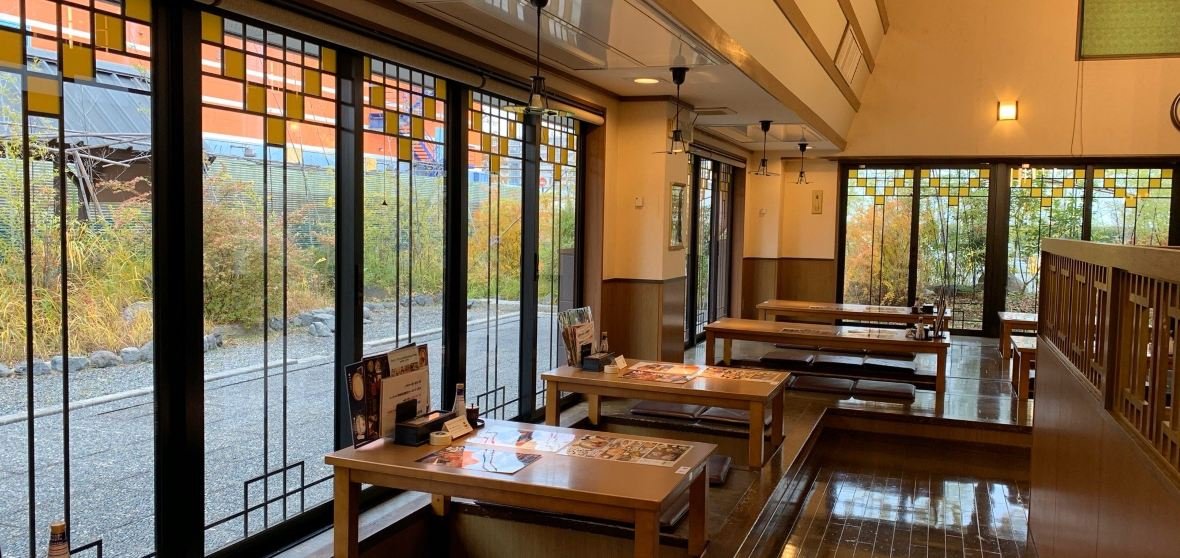
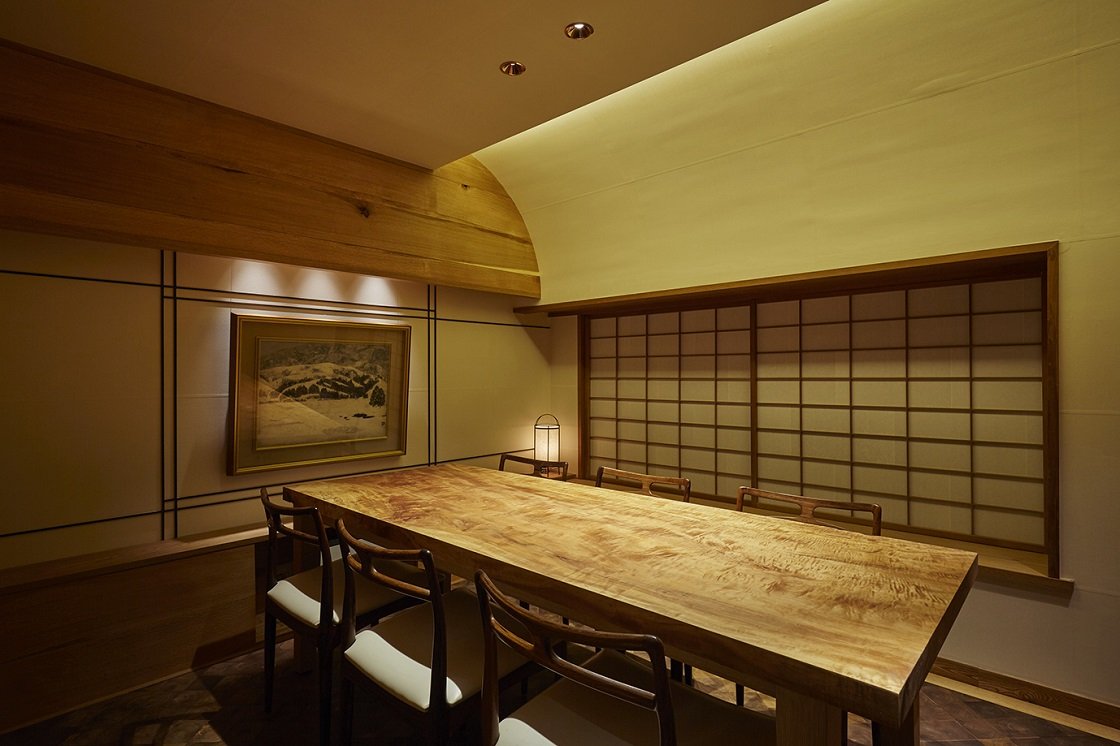
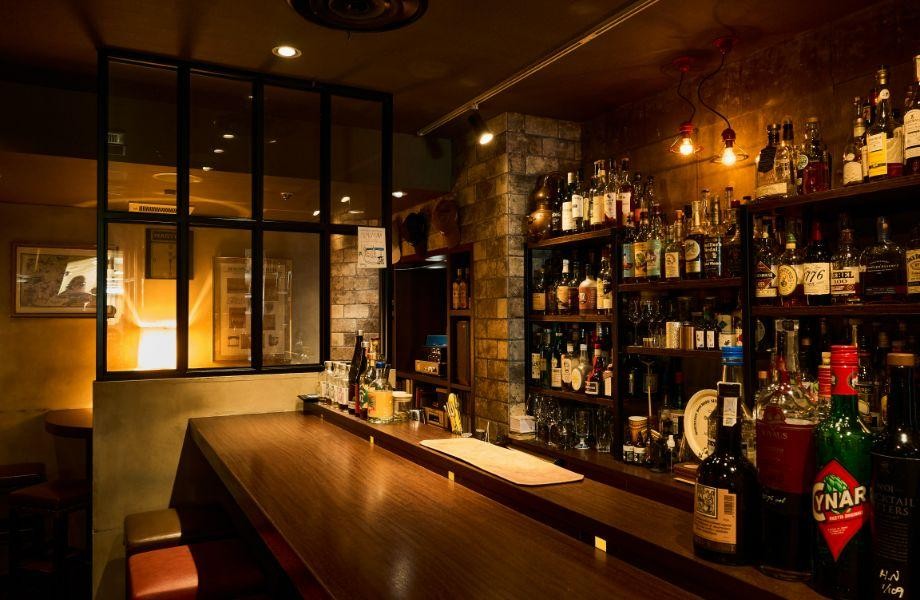
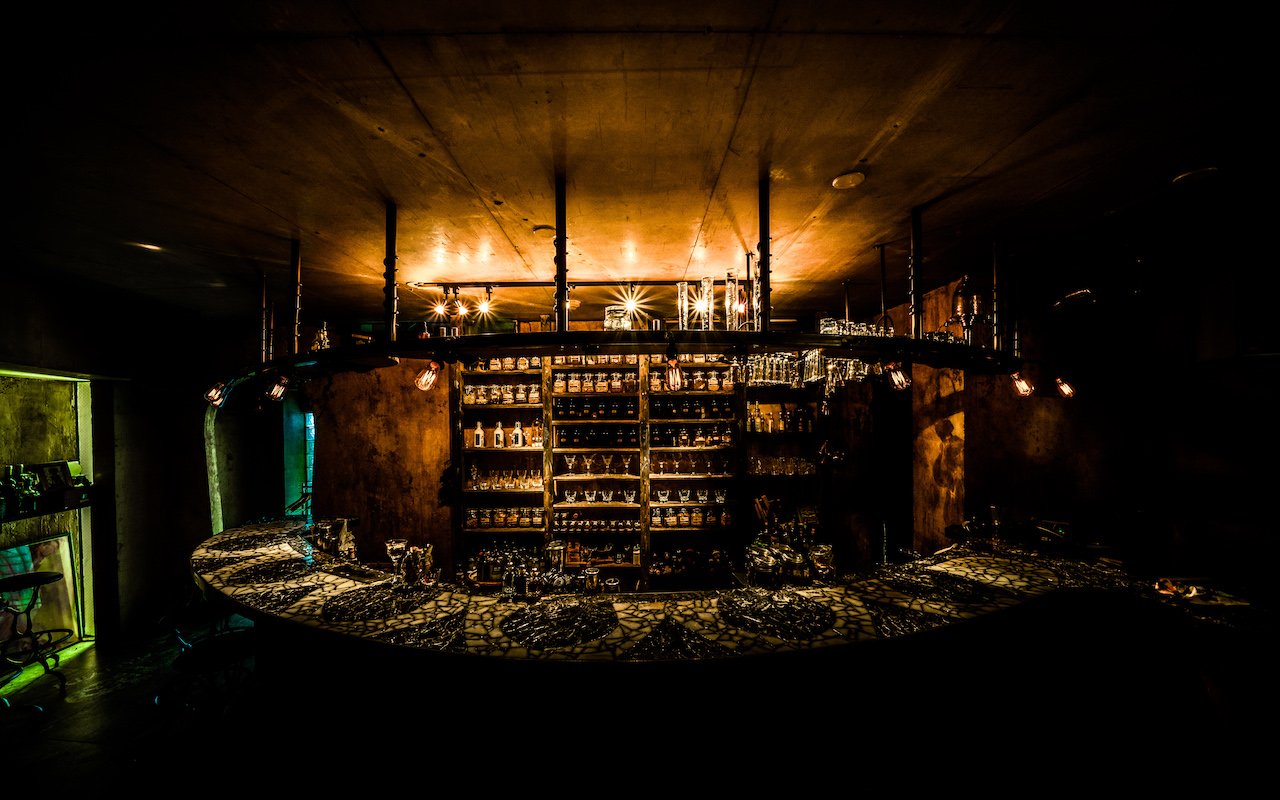
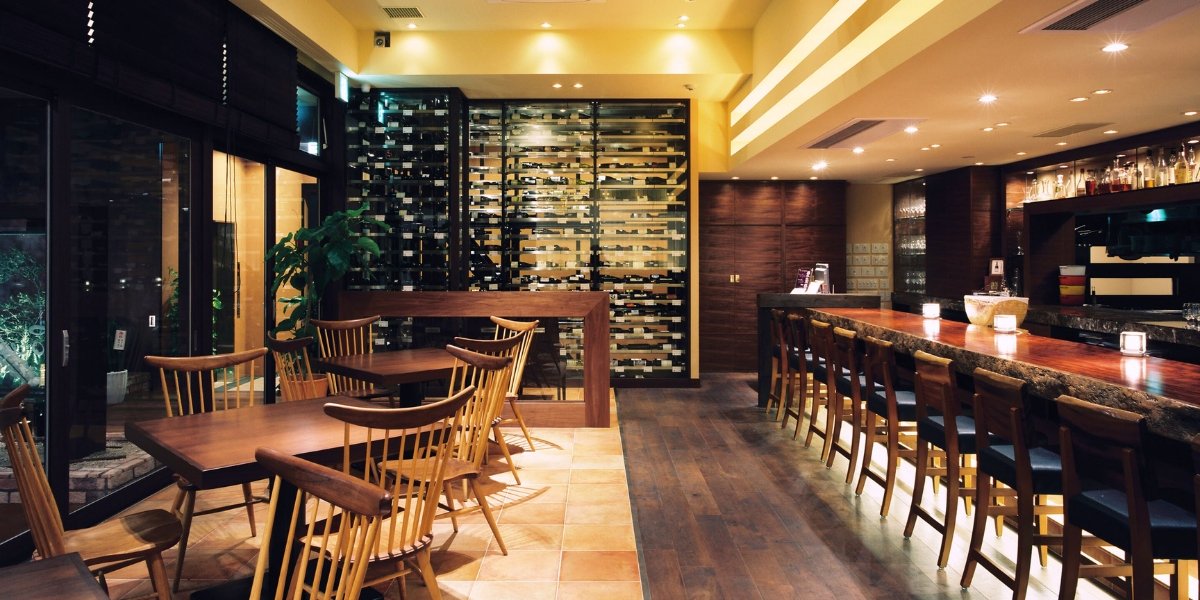
Cozy and sophisticated counter and private room setting with careful attention to frying timing.
Tags
Vibe
Best For
Experience
At the Table
- Dress Code
- Smart Casual
- Noise Level
- Conversational
- Service Style
- Upscale Casual
- Meal Pacing
- Leisurely
- Capacity
- Intimate
Signature Dishes
- tiger prawn
- shiitake mushrooms
Know before you go
Know Before You Go
- Getting there
- Japan, 〒530-0047 Osaka, Kita Ward, Nishitenma, 4 Chome−7−7 5階
Planning details
Location
Japan, 〒530-0047 Osaka, Kita Ward, Nishitenma, 4 Chome−7−7 5階 · Directions
Recognition and awards
Also consider
Also Consider
- Numata Sou, Tempura, ¥¥¥¥
- takigawa, JPY 40,000 - JPY 49,999 View spending breakdown, JPY 40,000 - JPY 49,999 View spending breakdown
- Oryori Yamada, Japanese, ¥¥¥¥
- Udondokoro Shigemi, Udon, ¥
- Numata Sou, Notable alternative
Restaurant context
Kushikatsu Daibon occupies a niche between Osaka's casual kushikatsu stalls and its top-tier kaiseki counters. At ¥15,000–19,999, it's less expensive than takigawa (¥40,000–49,999) but delivers a narrower repertoire, skewers only, no sashimi interludes or rice-course finales. If you're comparing apples to apples, Oryori Yamada charges a similar ¥¥¥¥ for orthodox Japanese cuisine with more seasonal breadth; Daibon is the choice when you want the visceral pleasure of watching batter hit oil at close range, paired with fish sourcing that rivals kaiseki kitchens. Booking is easier here than at takigawa, reservations open online, and the two-seating structure (18:00 and 20:30) gives you flexibility, but the nine-seat counter fills quickly once the Tabelog award circulates.
For diners seeking value or a lighter commitment, Udondokoro Shigemi offers superb udon for ¥1,000–2,000, though the format is entirely different. Tempura specialists like Numata Sou (¥¥¥¥) provide batter-fried excellence with more orthodox plating and a quieter room, but Daibon's counter energy and seafood focus make it the better pick if you want theatre and conversation alongside the meal. The BYO policy is rare at this price tier and tilts the value equation if you're bringing a bottle from home.
In short: book Daibon for kushikatsu elevated to fine-dining standards without full kaiseki ceremony. Book takigawa if you want the broader kaiseki experience and can afford the jump. Book Udondokoro Shigemi if ¥15,000 feels steep for skewers, even excellent ones.
Explore Osaka
Around this place
Discover more on Pearl
Unlock the full Kushikatsu Daibon guide in Pearl, including awards, comparisons, FAQs, planning details, and nearby places.
FAQ
Frequently Asked Questions
What should a first-timer know about Kushikatsu Daibon?
Kushikatsu Daibon is in Osaka and has evening hours, a smart-casual dress code, and a listed dinner budget of JPY 15,000–JPY 19,999. It is also associated with a 2026 Tabelog Bronze listing. For seating style, menu format, chef details, and signature dishes, confirm directly before booking.
Is lunch or dinner better at Kushikatsu Daibon?
Plan for dinner. The venue’s listed hours are 6 PM to 12 AM on Monday, Tuesday, Thursday, Friday, and Saturday, with Wednesday and Sunday closed. There is no listed lunch budget.
How far ahead should I book Kushikatsu Daibon?
For booking windows, reservation requirements, cancellation rules, or seating schedules, check the current booking channel or contact the venue before planning around a specific date.
Does Kushikatsu Daibon handle dietary restrictions?
Is Kushikatsu Daibon good for a special occasion?
It may be suitable if its Osaka location, evening hours, smart-casual dress code, and dinner budget of JPY 15,000–JPY 19,999 match your plans. For room layout, seating count, private rooms, and group capacity, confirm before arranging an occasion meal.
What are alternatives to Kushikatsu Daibon?
Other options to compare include Numata Sou, Oryori Yamada, Udondokoro Shigemi, and takigawa, along with other unnamed dining rooms. Check each venue’s current hours, budget, and policies directly before deciding.