
ku:de kiyo
French · Yodogawa, Osaka
Restaurant in Osaka, Japan
 Book with Pearl
The Read
Franco-Osaka Restraint
Price
¥¥¥
Dress
Smart Casual
Why go
A Michelin Plate French restaurant in Osaka's Yodogawa Ward, ku:de kiyo serves generous, three-component dishes paired at lunch with rice and miso soup — French technique rooted in Osaka practicality. At ¥¥¥, it delivers reliable value that the city's ¥¥¥¥ French rooms cannot match on price, with consistent 4.6-rated execution and easy booking. Book it.
About ku:de kiyo
Should You Book ku:de kiyo?
If you have been to ku:de kiyo once and are wondering whether a second visit holds up, the short answer is yes — and the reason is structural rather than sentimental. The kitchen's commitment to restraint (no more than three components per dish, generous portions, minimal arrangement) means the cooking does not rely on novelty to impress. What earned your attention the first time is still doing the same work. For first-time visitors: this is a Michelin Plate French restaurant in Osaka's Yodogawa Ward that punches well above its neighbourhood profile and charges ¥¥¥ for the privilege. At that price tier, it is one of the more honest value propositions in the city's French dining scene.
Portrait: What ku:de kiyo Actually Is
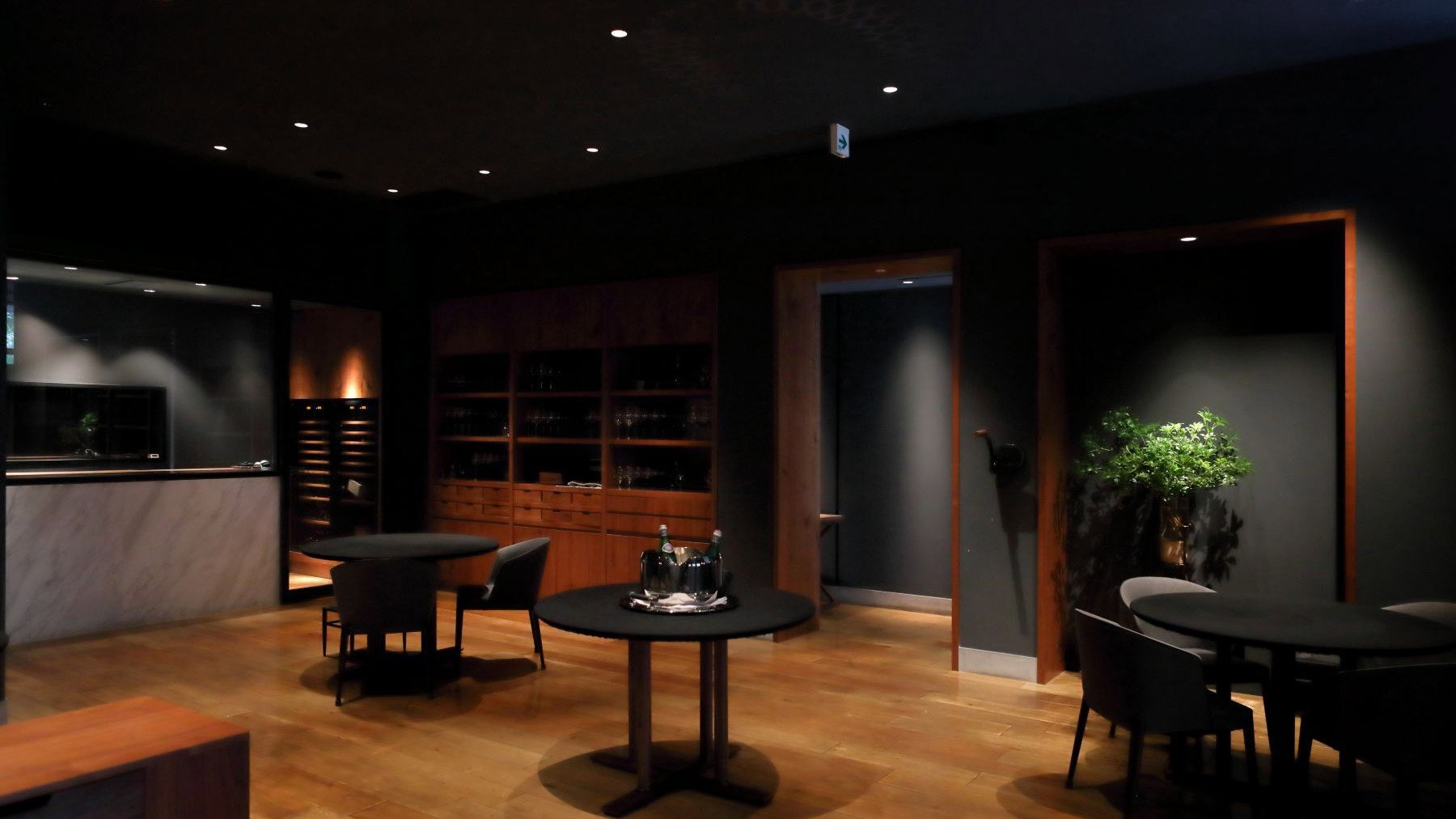
The name telegraphs the tone immediately. "Ku:de" is Osaka dialect for "let's eat" — direct, unpretentious, local. "Kiyo" is the chef's nickname. Put them together and you get something that sounds vaguely French while rooting itself entirely in the city it occupies. The colour scheme, bright blue and green, is the first thing you register walking in, and it is doing deliberate work: this kitchen is not trying to replicate the hushed beige formality of a Left Bank bistro. It is asserting its own identity from the moment you arrive.
The visual language extends to the plate. Dishes arrive spare and composed, each featuring no more than three elements. This is not minimalism for its own sake, it is a philosophy that forces each component to carry weight. When nothing on the plate is decorative, you are eating differently: more attentive, more aware of what the kitchen is actually doing. For food-focused diners who have spent time at more maximalist French tables in Osaka, the contrast is instructive.
Lunch format is where ku:de kiyo earns its local following. Set meals of Western preparations paired with rice and miso soup sit at the intersection of French technique and Japanese meal structure, a combination that sounds calculated but lands as genuinely considered. This is not fusion for the sake of a concept. It is a practical expression of cooking in Osaka, where diners expect their meal to make sense within the rhythms of Japanese eating. The result has made the restaurant a neighbourhood fixture rather than a destination-only proposition.
Michelin has awarded the restaurant a Plate in both 2024 and 2025, the guide's signal that the cooking meets Michelin's quality threshold without reaching starred territory. For the explorer-type diner, that distinction matters: a Plate recognition at ¥¥¥ pricing positions ku:de kiyo as a serious kitchen that has not yet attracted the full weight of international tourist traffic.
On the service question, which is the right one to ask at this price point, the honest read is that ku:de kiyo's service philosophy appears calibrated to match the food's directness. The room's personality (bold colours, an absence of ceremony in the concept) suggests an approach that prioritises substance over polish. At ¥¥¥, that is the correct trade-off. Diners paying ¥¥¥¥ at La Cime or HAJIME are partly paying for a layer of service theatre that is appropriate to those rooms. Here, you are paying for what is on the plate and for a meal that does not waste your time on performance. For the right diner, that is a feature, not a gap.
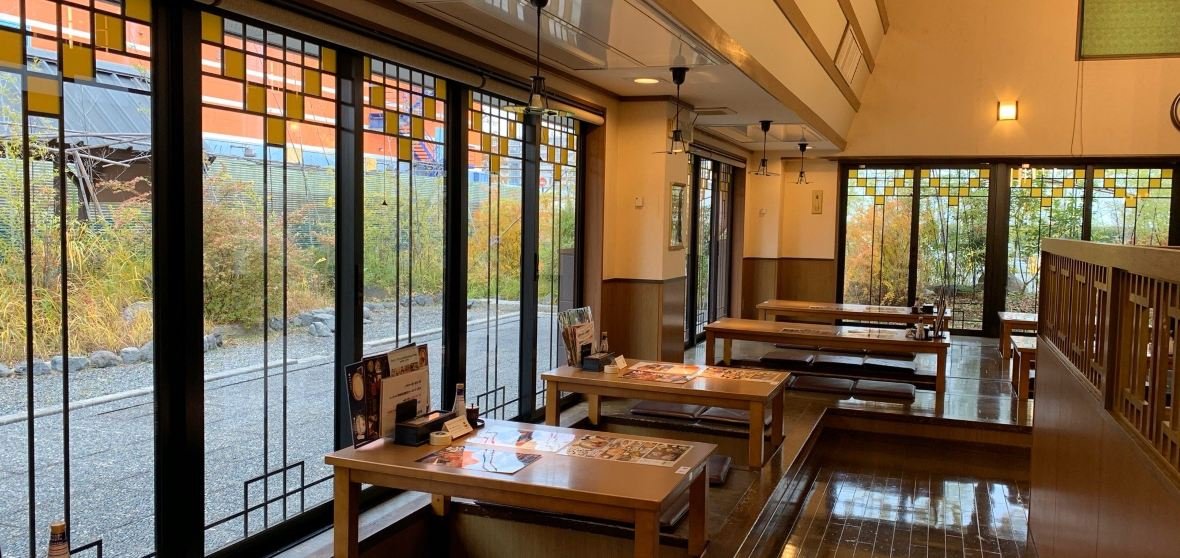
The Tsukamoto address in Yodogawa Ward is a deliberate departure from Osaka's more obvious dining corridors. It is a residential area, and the restaurant reads as a local institution that has accumulated its reputation organically over time. That context shapes the experience: you are eating in a place that serves its neighbourhood first, which tends to produce a different kind of consistency than restaurants that have optimised primarily for out-of-town visitors.
For explorers who use Osaka as a base for the Kansai region, ku:de kiyo sits within a wider circuit that includes Gion Sasaki in Kyoto and akordu in Nara, both serious kitchens at different points on the cuisine spectrum. Within Osaka's French category specifically, it sits alongside La Bécasse, Différence, LE PONT DE CIEL, and nent as part of a French dining scene that is more developed than most international visitors expect. If you are building a French-in-Japan itinerary that also takes in Harutaka in Tokyo or extends internationally to Les Amis in Singapore or Hotel de Ville Crissier, ku:de kiyo belongs on the shortlist for what French cooking looks like when it is genuinely reinterpreted rather than replicated.
Booking is easy relative to the starred restaurants in the city. That accessibility, combined with the ¥¥¥ price tier and the Michelin Plate credential, makes this one of the more direct decisions in Osaka's French category: you are not gambling on an unknown, and you are not competing with international reservation queues to get a seat.
Practical Details
Reservations: Easy to book; walk-in may be possible but reservations are advisable for certainty. Price: ¥¥¥ per head (mid-range for Osaka's French dining tier). Dress: No dress code data available; the room's personality suggests smart-casual is appropriate. Location: Tsukamoto, Yodogawa Ward, residential Osaka, not central. Hours: Not confirmed; verify directly before visiting. Recognition: Michelin Plate 2024 and 2025.
For broader Osaka planning, see our full Osaka restaurants guide, our full Osaka hotels guide, our full Osaka bars guide, our full Osaka wineries guide, and our full Osaka experiences guide.
Planning details
- Location
- Japan, 〒532-0026 Osaka, Yodogawa Ward, Tsukamoto, 2 Chome−16−5 サンライズ服部 1F
- Website
- ku-de-kiyo.com
- Phone
- +81 6-6306-6687
The take
The Take
The Vibe
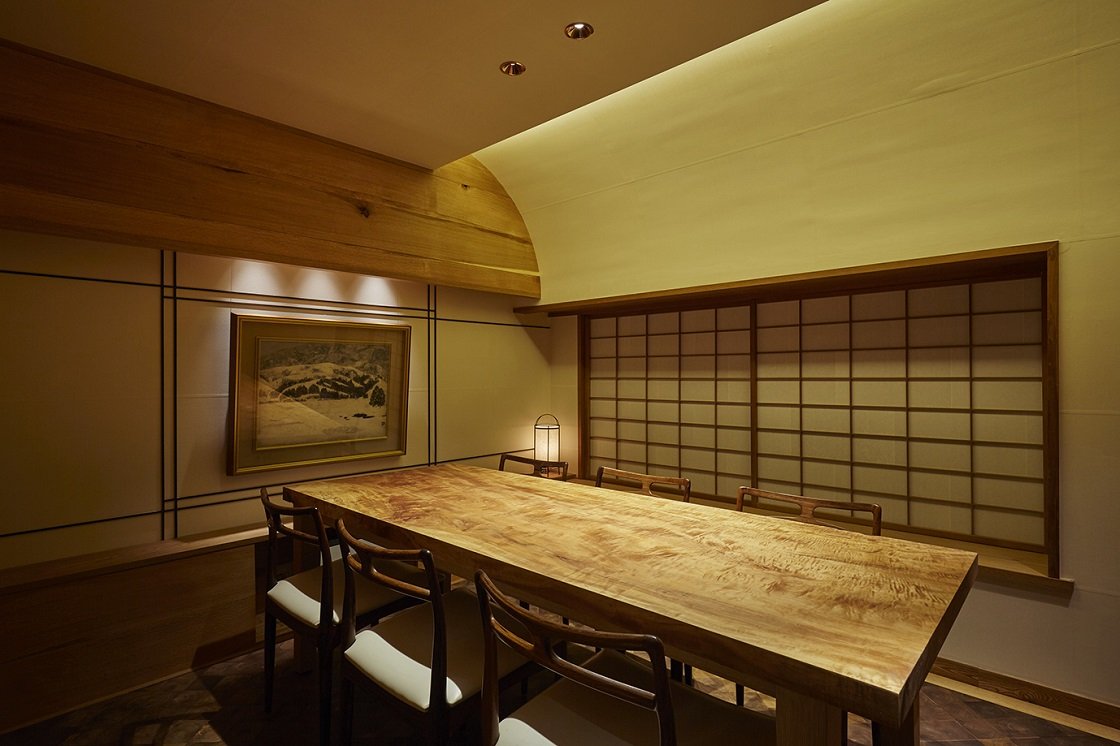
ku:de kiyo reads like a neighbourhood French kitchen that has digested classical technique but refuses ceremony. The name — a playful mash of Osaka dialect and the chef’s moniker — signals the restaurant’s tone: unpretentious, locally minded and a little tongue-in-cheek. Inside, a bright blue-and-green palette underlines that this is not a room trying to conjure Paris; instead the space embraces clean, contemporary lines and an approachable energy. The result is a modern, intimate spot where skillful French cooking meets everyday Osaka life, feeling welcoming rather than performative.
Best For
This is a place built around daytime service: the profile explicitly calls out lunch as the entry point and says the lunchtime set most clearly defines the kitchen’s act. That positioning makes ku:de kiyo especially suited to midday visits and neighbourhood diners who want polished, unfussy French cooking without formal ritual. While dinner may offer a different rhythm, the description frames lunch as the clearest expression of the restaurant’s identity, so plan to experience the kitchen in its most direct, approachable mode during daytime service.
Ordering Tips
Treat lunch as your primary opportunity to understand what ku:de kiyo does best: the editorial describes the lunchtime format as the clearest statement of the kitchen’s intentions. Expect dishes that prioritise what ‘‘lands on the plate’’ over ceremony; choose accordingly if you want straightforward, well-executed French cooking in a neighbourhood setting. Keep an eye on the menu for concise, dish-forward options rather than elaborate tasting rituals, and arrive with the expectation of an approachable, locally attuned meal rather than a formal Parisian service.
Venue details
Ambiance
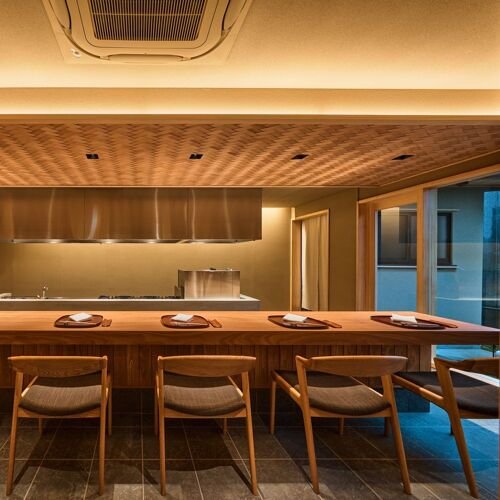
Intimate counter seating with a focus on simple, modern French dishes blending classic and modern styles.
Tags
Vibe
Best For
Experience
At the Table
- Dress Code
- Smart Casual
- Noise Level
- Quiet
- Service Style
- Upscale Casual
- Meal Pacing
- Leisurely
- Capacity
- Intimate
Know before you go
Know Before You Go
- Getting there
- Japan, 〒532-0026 Osaka, Yodogawa Ward, Tsukamoto, 2 Chome−16−5 サンライズ服部 1F
Planning details
Location
Japan, 〒532-0026 Osaka, Yodogawa Ward, Tsukamoto, 2 Chome−16−5 サンライズ服部 1F · Directions
Recognition and awards
Also consider
Also Consider
- HAJIME, French, Innovative, ¥¥¥¥
- La Cime, French, ¥¥¥¥
- Kashiwaya Osaka Senriyama, Japanese, ¥¥¥
- Taian, Kaiseki, Japanese, ¥¥¥
- Fujiya 1935, Innovative, ¥¥¥¥
Restaurant context
At ¥¥¥, ku:de kiyo occupies a different tier from most of Osaka's recognised French kitchens. HAJIME, La Cime, and Fujiya 1935 all sit at ¥¥¥¥, with starred credentials, more elaborate service structures, and booking windows that require more planning. If your primary criterion is technical ambition and formal presentation, those rooms earn their prices. But if you want Michelin-recognised French cooking in Osaka without the full ¥¥¥¥ commitment, ku:de kiyo is the cleaner choice: easier to book, lower spend, and a kitchen that has earned consecutive Plate recognition for a reason.
Against the ¥¥¥ Japanese options, the comparison is a different conversation. Kashiwaya Osaka Senriyama and Taian at the same price tier give you kaiseki, seasonal, ceremonial, rooted in Japanese culinary tradition. If that is what you are after, neither ku:de kiyo nor any French kitchen at ¥¥¥ is the right substitution. But if you are specifically interested in what French cooking looks like when a Japanese chef applies genuine editorial restraint to it, three components, generous portions, no ceremony, ku:de kiyo is a more specific and deliberate experience than either kaiseki option at this tier.
The practical edge ku:de kiyo holds over all of them is accessibility. Diners building a serious Osaka itinerary should note that the ¥¥¥¥ rooms (La Cime in particular) require advance planning; ku:de kiyo absorbs last-minute decisions without penalty. For a food-focused traveller who has already secured seats at one of the starred rooms and needs a reliable second dinner, this is the low-friction, high-quality fill.
Explore Osaka
Around this place
Discover more on Pearl
Unlock the full ku:de kiyo guide in Pearl, including awards, comparisons, FAQs, planning details, and nearby places.
Compare ku:de kiyo
| Venue | Price | Awards |
|---|---|---|
| ku:de kiyo | ¥¥¥ | Michelin Guide Kyoto Osaka 20262026 Michelin Plate2025 Michelin Plate2024 Michelin Plate |
| HAJIME | ¥¥¥¥ | Star Wine Lists 2026 · #12026 Tabelog Bronze · #922026 OAD Top Restaurants in Japan Ranked · #98Michelin Guide Kyoto Osaka 20262026 La Liste Top RestaurantsTabelog 100 - Innovative / Creative cuisine - 2025 · #692025 Asia's 50 Best Restaurants · #832025 OAD Top Restaurants in Japan Ranked · #87We're Smart World Top Restaurants 2025 |
| La Cime | ¥¥¥¥ | 2026 Asia's 50 Best Restaurants · #132026 OAD Top Restaurants in Japan Ranked · #1492026 Tabelog Bronze · #231Michelin Guide Kyoto Osaka 20262026 La Liste Top Restaurants2025 Asia's 50 Best Restaurants · #82025 World's 50 Best Restaurants · #44Tabelog 100 - French - WEST - 2025 · #932025 OAD Top Restaurants in Japan Ranked · #123 |
| Kashiwaya Osaka Senriyama | ¥¥¥ | 2026 Tabelog Bronze · #1682026 OAD Top Restaurants in Japan Recommended2026 Relais Chateaux RestaurantsMichelin Guide Kyoto Osaka 20262026 La Liste Top RestaurantsTabelog 100 - Japanese cuisine - WEST - 2025 · #772025 OAD Top Restaurants in Japan Ranked · #1552025 Relais Chateaux Award2025 Michelin 3 Stars |
| Taian | ¥¥¥ | 2026 OAD Top Restaurants in Japan RecommendedMichelin Guide Kyoto Osaka 20262026 La Liste Top Restaurants2025 OAD Top Restaurants in Japan Ranked · #2042025 La Liste Top Restaurants2025 Michelin 3 Stars2024 OAD Top Restaurants in Japan Ranked · #1912024 Michelin 3 Stars2023 OAD Top Restaurants in Japan Highly Recommended |
| Fujiya 1935 | ¥¥¥¥ | 2026 Tabelog Bronze · #752026 OAD Top Restaurants in Japan RecommendedMichelin Guide Kyoto Osaka 20262026 La Liste Top Restaurants2025 Michelin 2 Stars2025 Tabelog Silver2025 La Liste Top Restaurants2024 OAD Top Restaurants in Japan Ranked · #2392024 Michelin 2 Stars |
.png?width=1200&quality=80)









How ku:de kiyo stacks up against the competition.
FAQ
Frequently Asked Questions
What are alternatives to ku:de kiyo in Osaka?
If you want to step up in formality and price, La Cime and Fujiya 1935 both hold higher Michelin recognition and operate in a more structured tasting-menu format. For kaiseki instead of French, Taian or Kashiwaya Osaka Senriyama are the benchmark options. HAJIME is the ceiling pick for avant-garde cuisine at a significantly higher price point. ku:de kiyo sits below all of these in price and formality, which is part of its case.
What should I wear to ku:de kiyo?
The venue's colour scheme of bright blue and green and its explicitly anti-convention positioning suggest this is not a white-tablecloth affair. Clean, neat casual is appropriate. There is no evidence of a dress code, and the lunch format with rice and miso soup alongside Western dishes confirms an unpretentious register.
Is ku:de kiyo worth the price?
At ¥¥¥, ku:de kiyo sits in the mid-range for Osaka French dining and holds a Michelin Plate in both 2024 and 2025. The format — generous portions, minimal three-element dishes — gives you real value relative to the more expensive tasting-menu restaurants in the same city. If you are comparing spend-per-dish against HAJIME or Fujiya 1935, ku:de kiyo wins on value clearly.
What should I order at ku:de kiyo?
The lunch set is the clearest booking case: Western French dishes paired with rice and miso soup, which is the signature expression of the kitchen's philosophy. The menu structure, with no more than three components per dish, means the kitchen is making deliberate choices rather than building elaborate compositions, so trust the set rather than hunting for a standout à la carte pick.
Is ku:de kiyo good for a special occasion?
It works for a low-key, personal celebration rather than a formal milestone dinner. The anti-convention ethos and casual neighbourhood setting in Tsukamoto make it a good fit for a birthday lunch or an anniversary where the priority is good food without ceremony. For a high-formality occasion, La Cime or Kashiwaya Osaka Senriyama would be a stronger match.
Is the tasting menu worth it at ku:de kiyo?
The confirmed format at lunch is a set meal rather than a long tasting menu, which is a meaningful distinction. You are not committing to an extended multi-course progression; you are getting a focused, generous set at a mid-range price. At ¥¥¥, that is a better value proposition for most diners than a drawn-out tasting menu would be.