
Kitashinchi Okurano
Japanese · Kita, Osaka
Restaurant in Osaka, Japan
 Book with Pearl
The Read
Seasonal Tradition, Technique-Driven Wit
Price
¥¥¥
Dress
Formal
Why go
Kitashinchi Okurano holds Michelin Plate recognition for 2024 and 2025, running monthly-changing seasonal menus with a kitchen that adds quiet technical invention to familiar Japanese formats. At ¥¥¥ in Osaka's Kitashinchi district, it is one of the more accessible ways to eat creative seasonal Japanese cooking in a serious room, with five private dining options that make it a practical choice for groups.
About Kitashinchi Okurano
Verdict
Kitashinchi Okurano earns its two consecutive Michelin Plates (2024 and 2025) by doing something specific well: monthly-changing menus built around seasonal ingredients, delivered through a kitchen that treats tradition as a starting point rather than a rulebook. At ¥¥¥ in Kitashinchi, Osaka's most concentrated fine-dining corridor, this is a mid-tier investment with a higher-than-expected creative return. Book it for a group that wants private space and a chef-driven menu in the same reservation, or come solo to the counter and watch the kitchen work. Booking is rated Easy, so you don't need to plan months out, but the monthly menu rotation means timing your visit matters.
Portrait
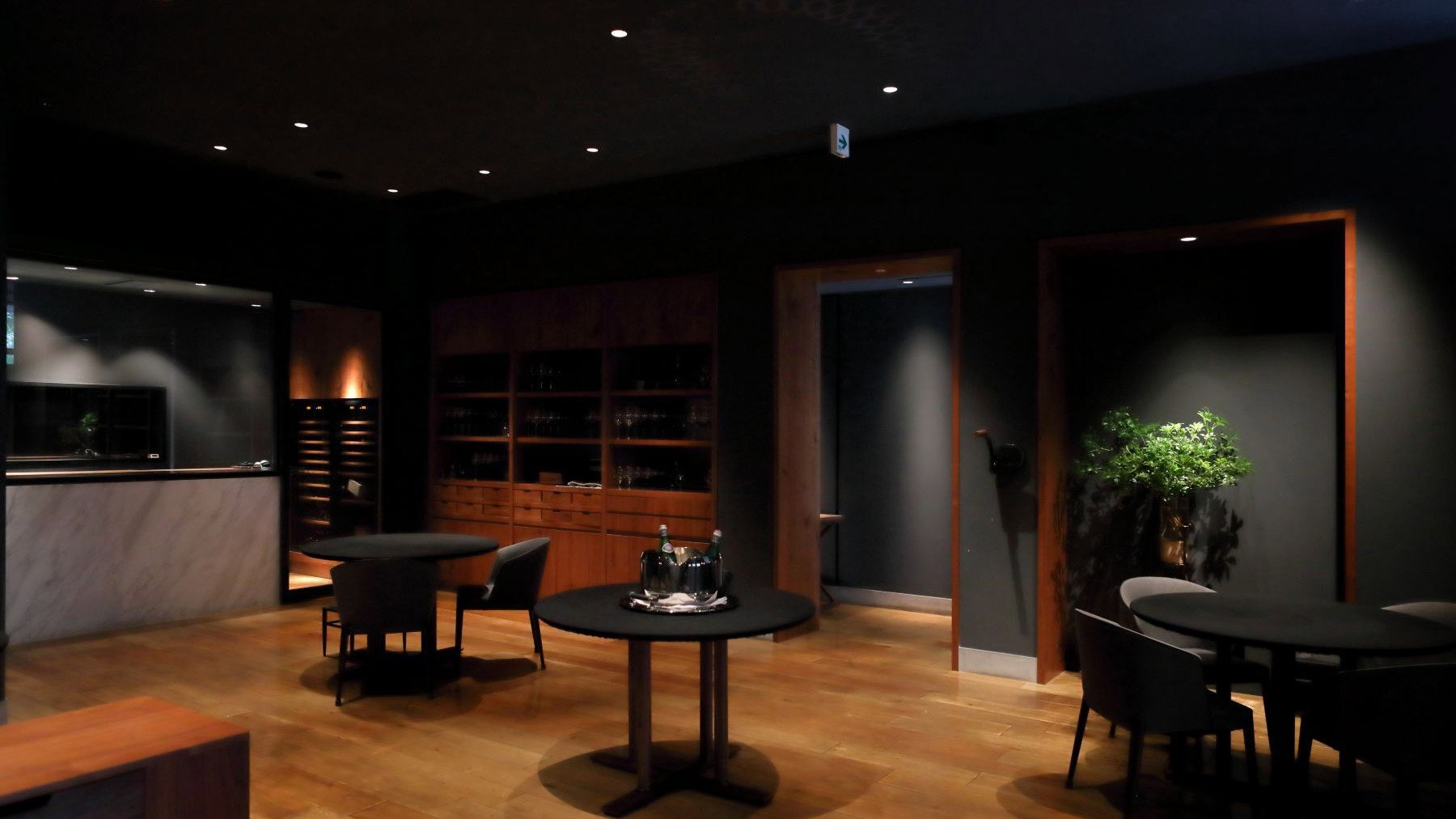
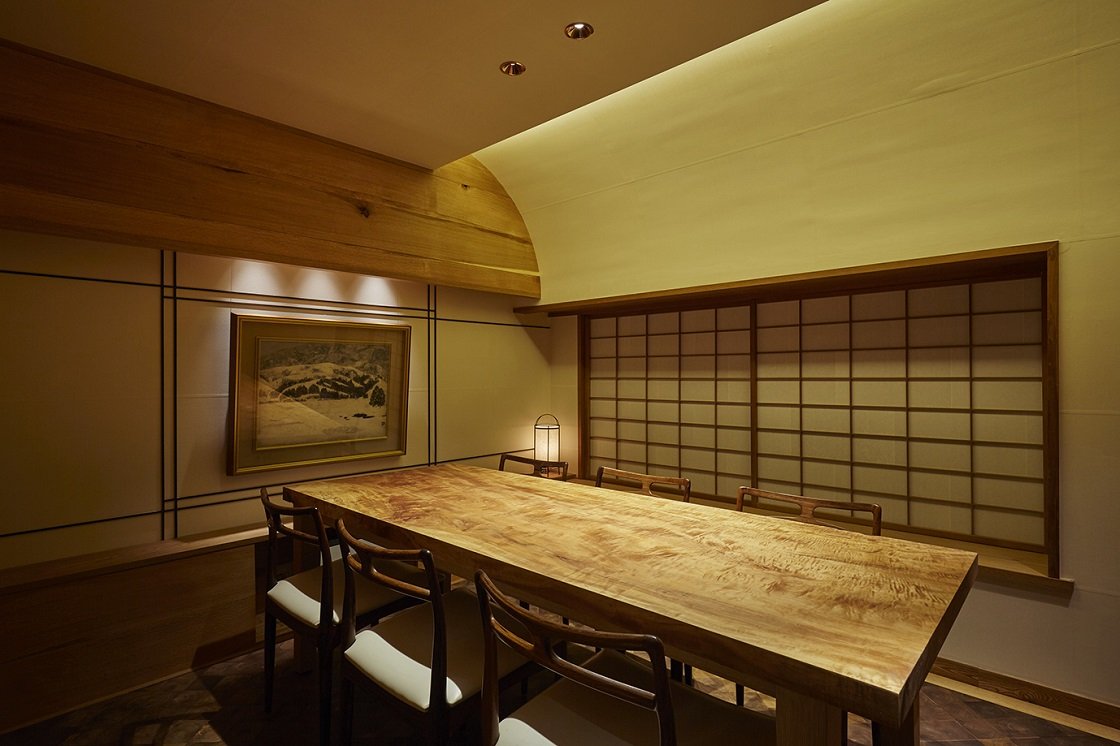
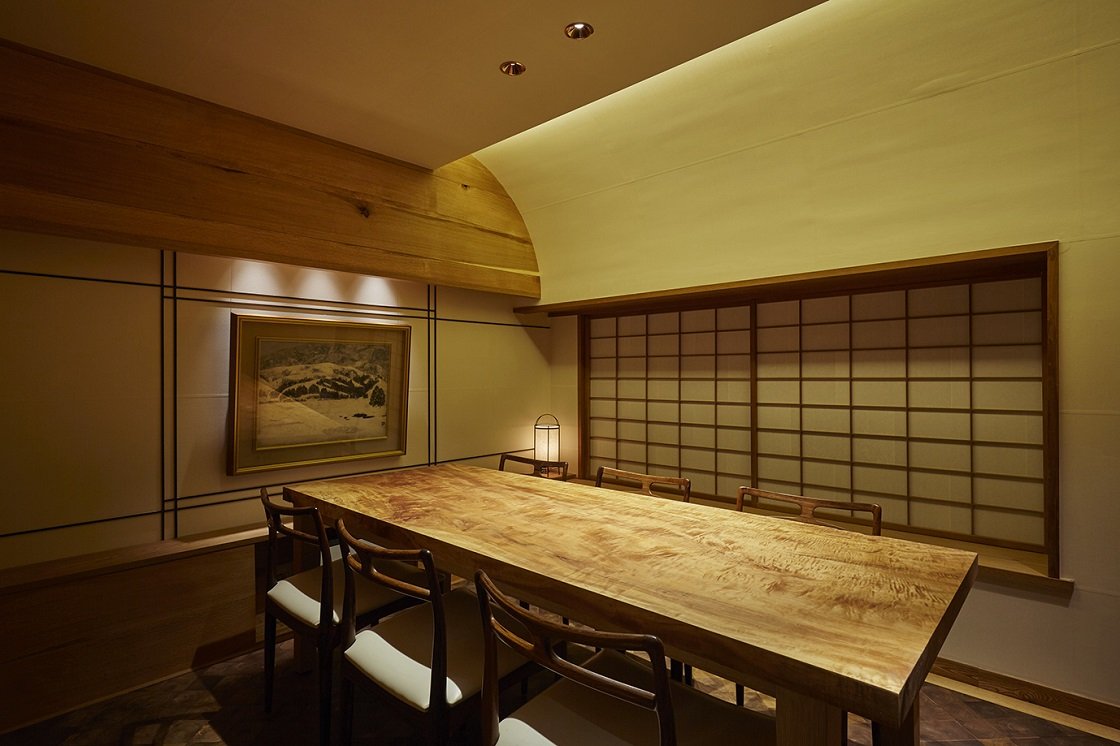
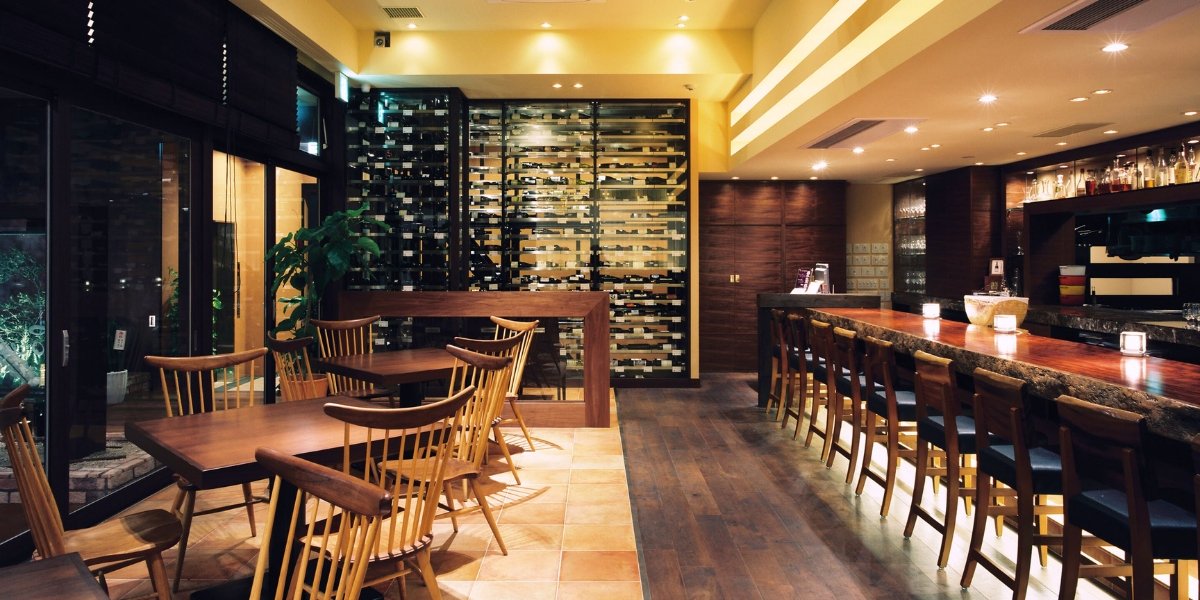
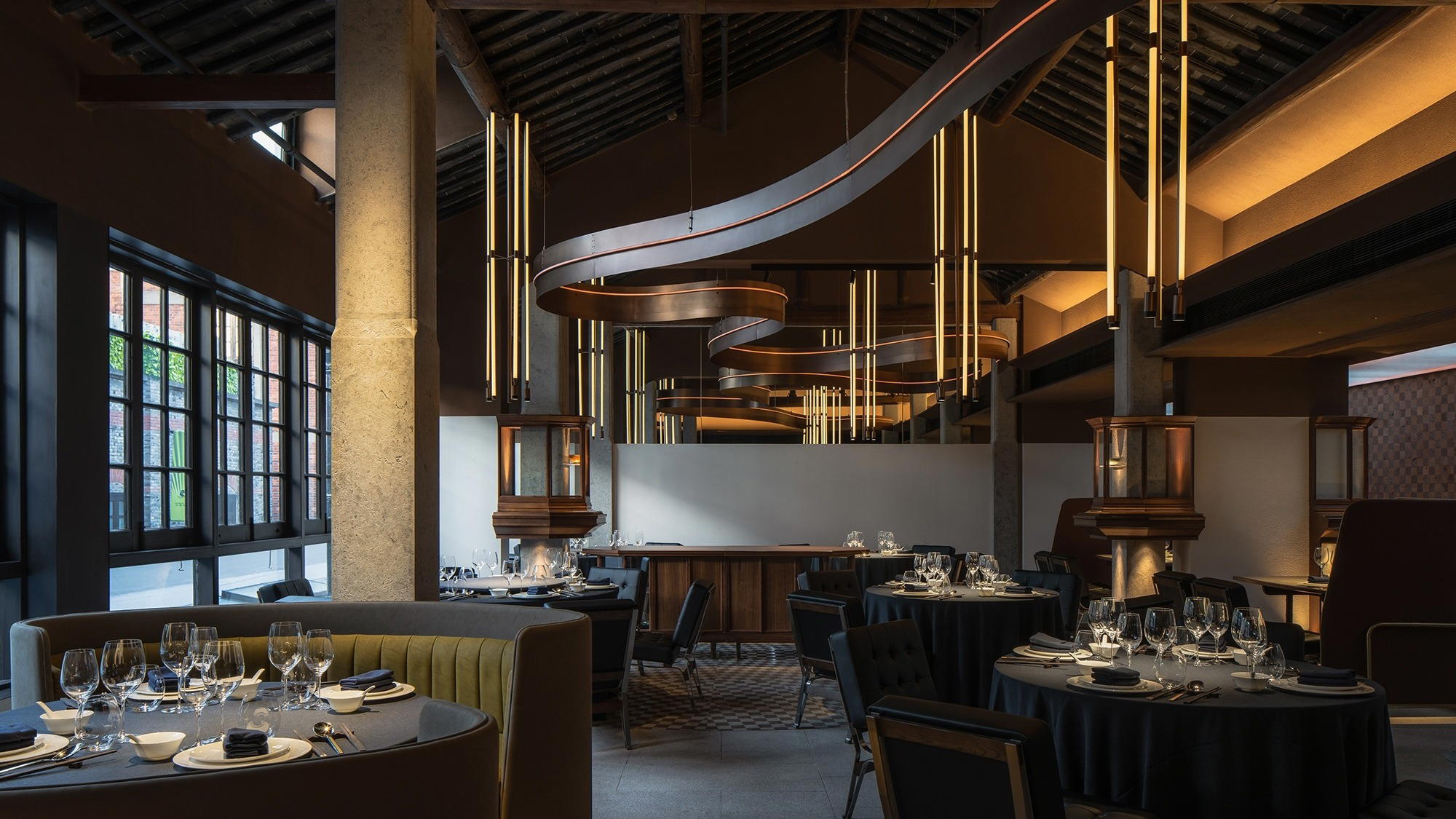
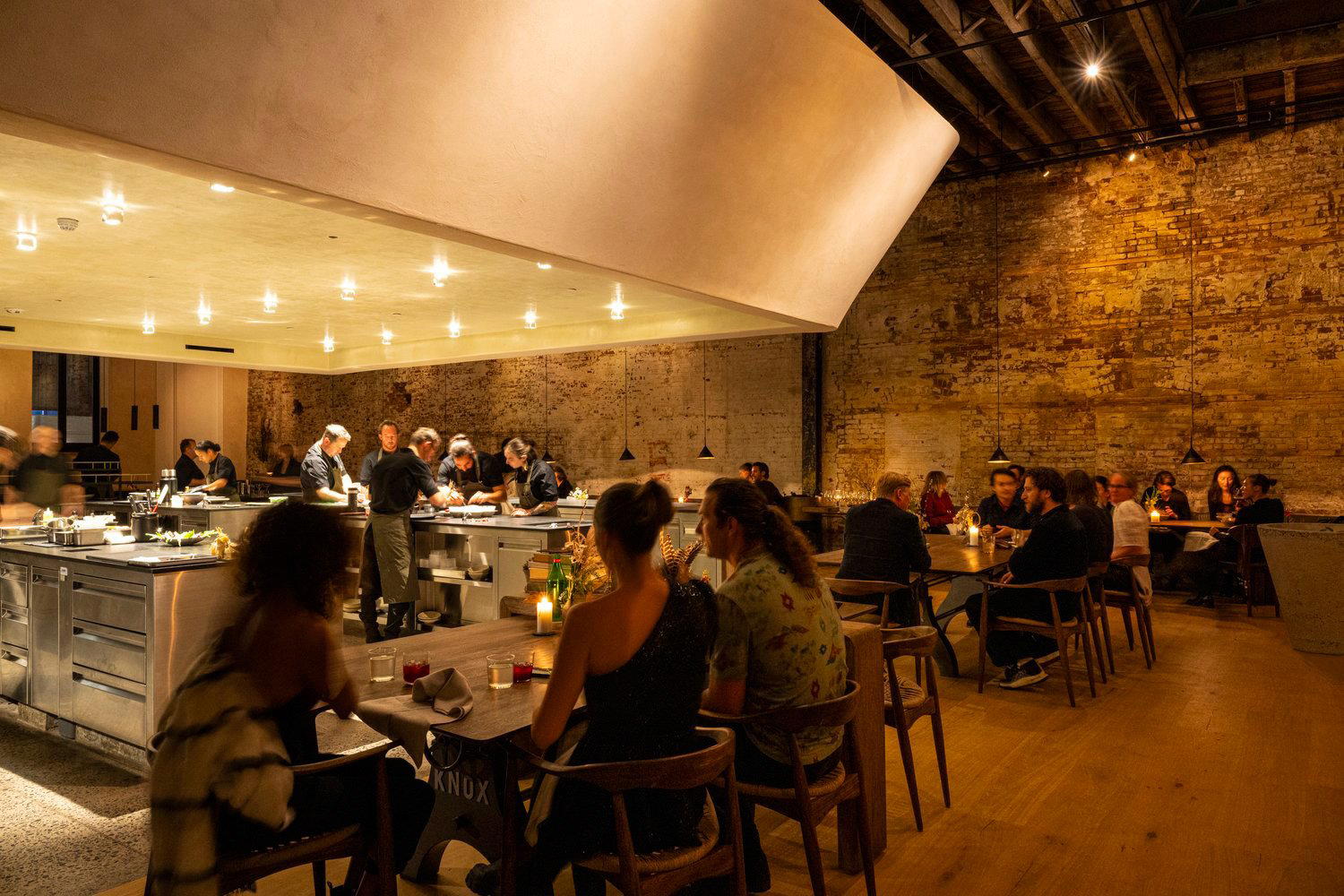
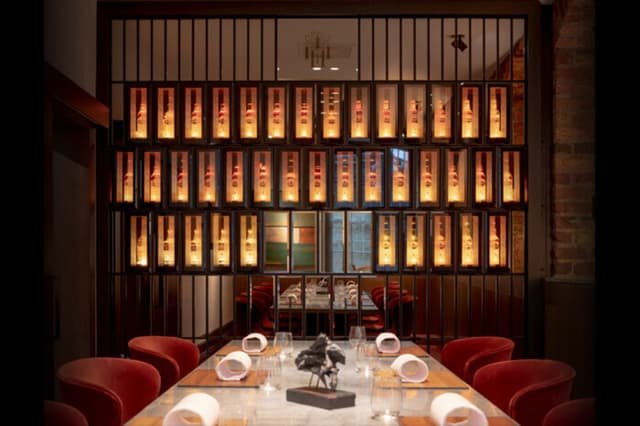
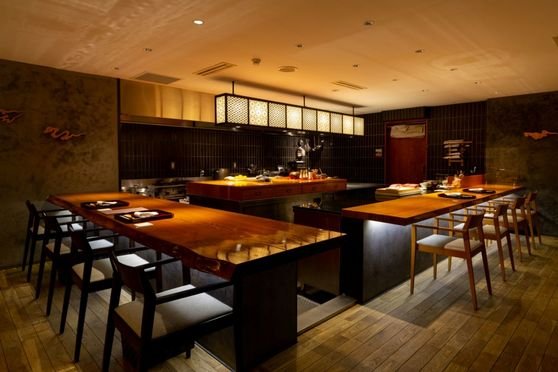
Kitashinchi is the kind of neighbourhood that rewards knowing where to look. The street-level signage along Sonezaki Shinchi rarely tells you much, and the FOODEAR Building on the 3rd floor where Okurano sits is no exception. Walk in expecting a quiet, considered room rather than a buzzy main-floor scene. The counter is styled in a modern register: clean lines, material restraint, the kind of design that keeps your attention on the plate rather than the decor. Five private rooms sit alongside it, which is the detail that changes the calculus for group bookings entirely.
The kitchen operates on a monthly menu cycle, which puts Okurano in a different category from restaurants that run the same signatures year-round. For a food enthusiast who visits Osaka more than once, this matters: you can return in a different month and eat a different meal. The head chef's approach, documented in the Michelin recognition notes, frames this as cuisine designed to spark conversation. That is a useful orientation. The food here is not minimalist in the way that some kaiseki-adjacent kitchens can be, where restraint becomes its own kind of performance. There is a strand of playfulness running through it.
The crab croquette detail in the Michelin record is worth understanding before you arrive, because it illustrates the kitchen's method precisely: the croquettes are infused with the aroma of toasted crab shells, so the creamy interior carries the flavour of baked crab alongside the standard filling. That is not a gimmick. It is a technique decision that adds a second register of flavour to a familiar format. Expect this kind of layering across the menu, where recognisable Japanese dishes arrive with one element that has been rethought. For diners who find hyper-austere tasting menus hard to engage, this is a more accessible and arguably more entertaining proposition.
The Private Room Argument
Five private rooms for a restaurant of this scale is a meaningful ratio. In Kitashinchi, private dining options at the ¥¥¥ tier exist across the neighbourhood, but securing a private room without moving up to ¥¥¥¥ territory is harder than it looks on paper. Okurano solves that problem directly. If you are planning a business dinner, a celebratory meal for four to eight people, or simply want the kind of focused conversation that an open counter makes difficult, the private room configuration here is the primary reason to choose Okurano over competitors at the same price point.
For comparison: Taian at ¥¥¥ delivers kaiseki precision but is oriented around the main dining experience rather than private group flexibility. Kashiwaya Osaka Senriyama at the same tier offers strong seasonal Japanese cooking, but if private space is your primary requirement, Okurano's five-room setup gives you more options with an easier booking process. The counter remains available for solo diners and pairs who want proximity to the kitchen, which keeps the restaurant functional across different group sizes.
Booking and Timing
The Easy booking rating is accurate for Kitashinchi Okurano relative to the broader Osaka fine-dining field. Venues like HAJIME and Fujiya 1935 operate on much tighter reservation windows given their Michelin star status; Okurano's Plate recognition means demand is real but not prohibitive. A week or two of lead time should cover most visits, though private room bookings for larger groups warrant slightly more advance planning.
The monthly menu rotation is the strongest argument for booking sooner rather than later within a given month. If you have a particular seasonal ingredient in mind, or want to catch the menu before it changes, front-load your reservation toward the beginning of the month. Autumn and winter menus in Osaka tend to draw on richer ingredients including crab, which aligns well with the kitchen's documented technique. Spring visits will land you on lighter, vegetable-forward compositions. Neither is wrong; they are different meals.
For visitors building an itinerary across the Kansai region, Okurano pairs well with Gion Sasaki in Kyoto for a contrast in register, or with akordu in Nara if you want to see how a different culinary tradition handles seasonal Japanese produce. Within Osaka, Miyamoto, Yugen, and Tenjimbashi Aoki are worth considering depending on your preferred format and price ceiling. See our full Osaka restaurants guide for a broader picture of the field.
Michelin Plate recognition in both 2024 and 2025 confirms the kitchen maintains standard across the monthly menu changes, which is harder to do than running the same dishes year-round.
Know Before You Go
- Location: Kitashinchi FOODEAR Building, 3F, Sonezaki Shinchi 1-3-23, Kita Ward, Osaka
- Price range: ¥¥¥
- Cuisine: Japanese, monthly-changing seasonal menu
- Seating: Counter + five private rooms
- Awards: Michelin Plate 2024 and 2025
- Booking difficulty: Easy — a week or two of lead time is generally sufficient; allow more for private rooms
- Leading for: Groups wanting private space at the ¥¥¥ tier; solo diners and pairs at the counter; repeat visitors who want a different menu each month
- Explore more: Osaka hotels · Osaka bars · Osaka experiences · Osaka wineries
For more on Japan's dining scene, see Harutaka in Tokyo, Myojaku in Tokyo, Azabu Kadowaki in Tokyo, Goh in Fukuoka, 1000 in Yokohama, and 6 in Okinawa. Also consider Oimatsu Hisano within Osaka for a contrasting approach to seasonal Japanese cooking.
Planning details
- Location
- Japan, 〒530-0002 Osaka, Kita Ward, 曽根崎新地1-3-23 北新地FOODEARビル3階
- Website
- shonzui-inc.com/okurano-kitashinchi
- Phone
- +81 6-6341-3535
The take
The Take
The Vibe
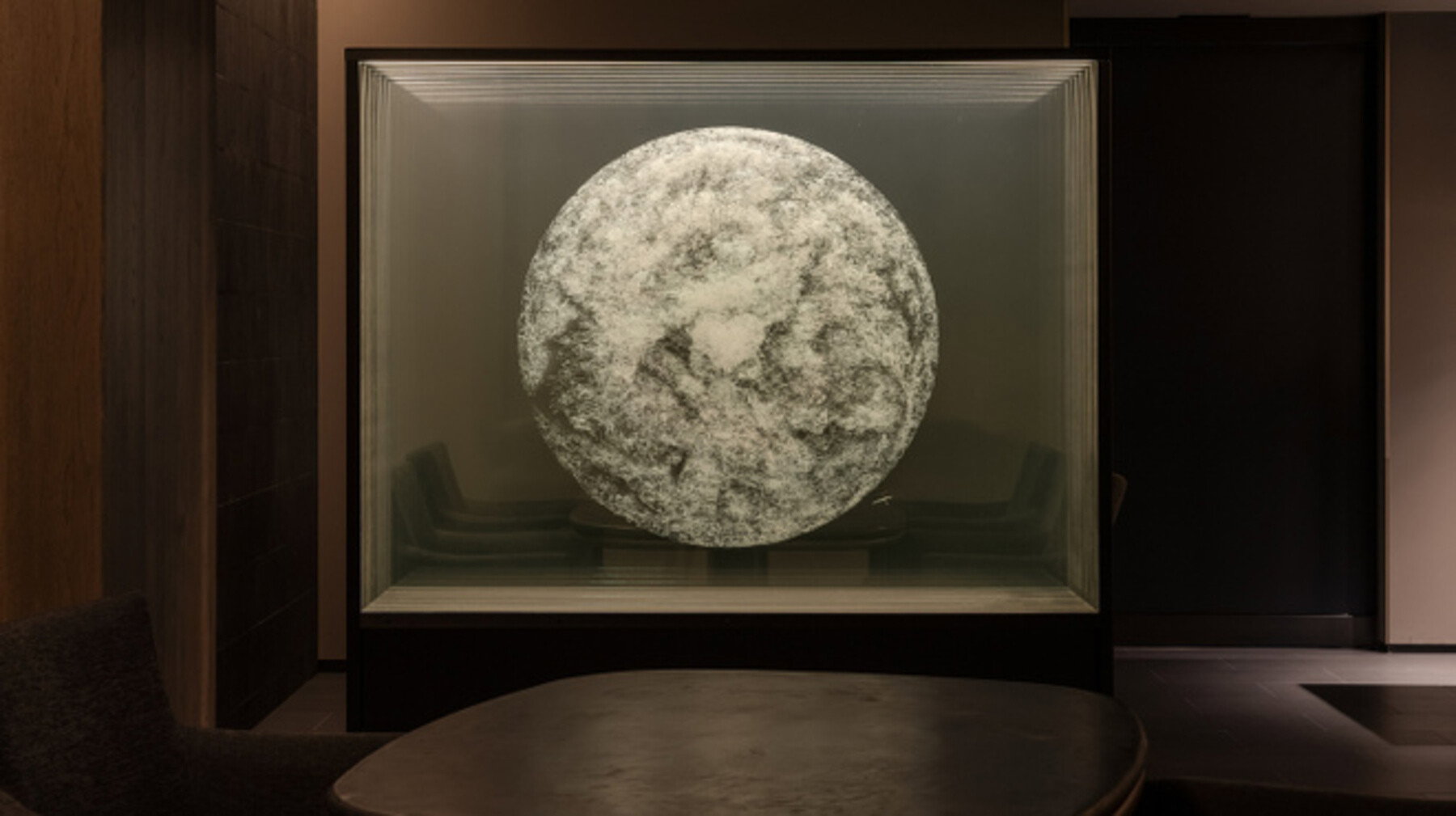
Kitashinchi Okurano sits within Osaka’s concentrated, old-school dining quarter and marries that tradition with clean, modern design. The restaurant occupies a deliberate third-floor perch that softens street noise and creates a hushed, low-lit atmosphere. The dining room is split between an intimate chef’s counter and a set of private rooms, so the space alternates between quietly theatrical and deliberately contained. The overall impression is restrained and refined rather than showy: a place that signals its market tier through polished, uncluttered interiors and an emphasis on the food’s choreography rather than overt decor flourishes.
Best For
Okurano is most compelling for evening kaiseki service and occasions that call for focused, formal dining. The Michelin Plate recognition and multi-course offerings—Fugu and Matsuba crab kaiseki among them—position it as a destination for business dinners, celebratory meals, and group occasions that favor privacy. Single-counter seats appeal to diners who want to watch technique unfold, while the private rooms suit groups seeking an uninterrupted, self-contained experience. The restaurant’s placement in Kitashinchi makes it a natural choice for expense-account or special-occasion dinners where discretion and technical cooking matter.
Ordering Tips
Choose the kaiseki courses that showcase the house specialties—Fugu kaiseki and the Matsuba crab kaiseki are listed among signature offerings—and look for the clay-pot sea bream rice and the crab croquettes with toasted shell aroma as standouts. If you want the theatre of preparation, take a seat at the counter to observe the kitchen’s work; if the meal is a group or a private celebration, opt for one of the five private rooms so the courses can unfold without interruption. The Michelin Plate signals consistently accomplished technique, so ordering full-course kaiseki is a reliable way to experience the kitchen.
Venue details
Ambiance
Stylish, modern counter with serene Japanese elegance; refined and tranquil atmosphere inspired by tea ceremony philosophy of harmony and tranquility.
Tags
Vibe
Best For
Experience
Sourcing
Accessibility
At the Table
- Dress Code
- Formal
- Noise Level
- Quiet
- Service Style
- Formal
- Meal Pacing
- Extended Experience
- Capacity
- Small
Signature Dishes
- Crab croquettes with toasted crab shell aroma
- Fugu kaiseki course
- Matsuba crab kaiseki course
- Clay pot sea bream rice
Know before you go
Know Before You Go
- Getting there
- Japan, 〒530-0002 Osaka, Kita Ward, 曽根崎新地1-3-23 北新地FOODEARビル3階
Planning details
Location
Japan, 〒530-0002 Osaka, Kita Ward, 曽根崎新地1-3-23 北新地FOODEARビル3階 · Directions
Recognition and awards
Also consider
Also Consider
- HAJIME, French, Innovative, ¥¥¥¥
- La Cime, French, ¥¥¥¥
- Kashiwaya Osaka Senriyama, Japanese, ¥¥¥
- Taian, Kaiseki, Japanese, ¥¥¥
- Fujiya 1935, Innovative, ¥¥¥¥
Restaurant context
At ¥¥¥, Okurano occupies a different bracket from most of Osaka's headliner restaurants. HAJIME, La Cime, and Fujiya 1935 all sit at ¥¥¥¥ with Michelin stars, which means higher spend and tighter reservation windows. If your priority is the most technically ambitious cooking in the city and price is secondary, those three are the right targets. If you want Michelin-recognised Japanese cooking with a genuinely easy booking process and private room availability, Okurano is the more practical answer.
Within the ¥¥¥ tier, the closest direct comparisons are Kashiwaya Osaka Senriyama and Taian. Kashiwaya delivers refined seasonal Japanese cooking in Senriyama with its own strong credentials, but if you are eating in Kitashinchi and want to stay in the neighbourhood, Okurano removes the travel consideration entirely. Taian's kaiseki format is more formal and more rigidly structured than Okurano's playful monthly menus; if you want precision and ceremony over creativity and flexibility, Taian is the better pick. If you want a kitchen that takes some interpretive risks within a Japanese framework, and you need private space for a group, Okurano is the cleaner choice at this price point.
For solo food enthusiasts and pairs, the counter at Okurano is a strong option, but it is worth comparing against the counter experience at Tenjimbashi Aoki and Yugen depending on your preferred style. Okurano's value case is clearest when the private room format or the monthly-menu rotation is the specific draw. If neither of those factors matters to your booking, the wider Osaka field at ¥¥¥ gives you strong alternatives worth considering before you commit.
Explore Osaka
Around this place
Discover more on Pearl
Unlock the full Kitashinchi Okurano guide in Pearl, including awards, comparisons, FAQs, planning details, and nearby places.
Compare Kitashinchi Okurano
| Venue | Price | Awards |
|---|---|---|
| Kitashinchi Okurano | ¥¥¥ | Michelin Guide Kyoto Osaka 20262026 Michelin Plate2025 Michelin Plate2024 Michelin Plate |
| HAJIME | ¥¥¥¥ | Star Wine Lists 2026 · #12026 Tabelog Bronze · #922026 OAD Top Restaurants in Japan Ranked · #98Michelin Guide Kyoto Osaka 20262026 La Liste Top RestaurantsTabelog 100 - Innovative / Creative cuisine - 2025 · #692025 Asia's 50 Best Restaurants · #832025 OAD Top Restaurants in Japan Ranked · #87We're Smart World Top Restaurants 2025 |
| La Cime | ¥¥¥¥ | 2026 Asia's 50 Best Restaurants · #132026 OAD Top Restaurants in Japan Ranked · #1492026 Tabelog Bronze · #231Michelin Guide Kyoto Osaka 20262026 La Liste Top Restaurants2025 Asia's 50 Best Restaurants · #82025 World's 50 Best Restaurants · #44Tabelog 100 - French - WEST - 2025 · #932025 OAD Top Restaurants in Japan Ranked · #123 |
| Kashiwaya Osaka Senriyama | ¥¥¥ | 2026 Tabelog Bronze · #1682026 OAD Top Restaurants in Japan Recommended2026 Relais Chateaux RestaurantsMichelin Guide Kyoto Osaka 20262026 La Liste Top RestaurantsTabelog 100 - Japanese cuisine - WEST - 2025 · #772025 OAD Top Restaurants in Japan Ranked · #1552025 Relais Chateaux Award2025 Michelin 3 Stars |
| Taian | ¥¥¥ | 2026 OAD Top Restaurants in Japan RecommendedMichelin Guide Kyoto Osaka 20262026 La Liste Top Restaurants2025 OAD Top Restaurants in Japan Ranked · #2042025 La Liste Top Restaurants2025 Michelin 3 Stars2024 OAD Top Restaurants in Japan Ranked · #1912024 Michelin 3 Stars2023 OAD Top Restaurants in Japan Highly Recommended |
| Fujiya 1935 | ¥¥¥¥ | 2026 Tabelog Bronze · #752026 OAD Top Restaurants in Japan RecommendedMichelin Guide Kyoto Osaka 20262026 La Liste Top Restaurants2025 Michelin 2 Stars2025 Tabelog Silver2025 La Liste Top Restaurants2024 OAD Top Restaurants in Japan Ranked · #2392024 Michelin 2 Stars |
.png?width=1200&quality=80)









Comparing your options in Osaka for this tier.
FAQ
Frequently Asked Questions
What should I order at Kitashinchi Okurano?
The menu changes monthly, so there is no fixed dish to chase. The crab croquettes are one documented standout: filled with a creamy crab mixture and finished with the aroma of toasted crab shells, they represent the kitchen's approach of making familiar formats more interesting. Order whatever anchors the current seasonal menu and trust the structure rather than hunting for a specific plate.
How far ahead should I book Kitashinchi Okurano?
Kitashinchi Okurano is meaningfully easier to secure than Osaka's hardest tables. HAJIME and Fujiya 1935 require months of lead time; Okurano does not operate at that level of booking pressure. A week to two weeks ahead is a reasonable working assumption for counter seats, though private rooms should be secured earlier given there are only five and they attract corporate and group demand in Kitashinchi.
Can I eat at the bar at Kitashinchi Okurano?
Yes. The restaurant has a counter with a modern design, and counter seating is a core part of the format here. For solo diners or pairs, the counter is the right choice. Groups of four or more are better served requesting one of the five private rooms, which are available and represent a genuine differentiator for Kitashinchi Okurano at the ¥¥¥ price point.
What should a first-timer know about Kitashinchi Okurano?
The restaurant holds back-to-back Michelin Plates for 2024 and 2025 and sits in Kitashinchi's Sonezaki Shinchi district on the third floor of the Kitashinchi FOODEAR building, so look up rather than for obvious street signage. The menu rotates monthly, meaning repeat visits deliver a different experience. The kitchen pairs technique with a degree of playfulness, so this is not a strictly formal or rigidly traditional Japanese dining experience.
Does Kitashinchi Okurano handle dietary restrictions?
The venue database does not include a documented dietary policy. Because the menu is seasonal and changes monthly, there is structural flexibility in how the kitchen composes dishes, but any specific requirements should be communicated at the time of booking rather than assumed. Contacting the venue directly before your reservation is the safest approach at the ¥¥¥ price point.