.png?width=1200&quality=80)
Kinari
Japanese · Minamimorimachi, Osaka
Restaurant in Osaka, Japan
 Book with Pearl
The Read
Kinari-Style Restraint
Price
¥¥¥
Dress
Smart Casual
Why go
Kinari brings a disciplined, traditional approach to Osaka cuisine at the ¥¥¥ price point, with consecutive Michelin Plate recognition in 2024 and 2025. The kitchen focuses on kinari-ryori — cooking that lets ingredients speak for themselves through light dashi and minimal seasoning. Booking is relatively accessible, but confirm hours and location directly, as no website or phone number is currently published.
About Kinari
Kinari, Osaka: Should You Book?
Seats at Kinari move quickly enough that you should not wait until you arrive in Osaka to think about this. If you have a date in mind, pursue it now rather than closer to your trip.
The verdict: Kinari is worth booking if you want a serious encounter with traditional Osaka culinary philosophy at a price point (¥¥¥) that sits below the city's top-tier kaiseki rooms. Two consecutive Michelin Plate recognitions (2024 and 2025) confirm this is not a neighbourhood canteen — it is a disciplined kitchen with a point of view. But go in knowing what you are choosing: this is not a theatrical tasting menu or an innovation-forward dining experience. It is a study in restraint.
What Kinari Is
The name signals the approach before you sit down. Kinari is both a traditional Osaka culinary style and a philosophy: cooking that allows the native flavour of an ingredient to come fully to the fore, without the intervention of heavy seasoning or elaborate technique. The chef, a former cooking school instructor, applies that discipline precisely. The approach is not minimalism for aesthetic reasons — it is classical Osaka cookery, practiced with the rigour you would expect from someone who spent years teaching it.
Takiawase, vegetables, fish, or tofu simmered separately and presented together, is the clearest expression of the kitchen's method here. Prepared with minimal seasoning and a light dashi, it is the kind of dish that rewards attention rather than appetite. If you are looking for big, assertive flavours, this is not your room. If you want to understand what Osaka cuisine actually tastes like underneath all the modern interpretations of it, Kinari makes a compelling case.
The chef works in an unbleached cook's uniform, which is itself a statement of intent: this is service without performance, food without artifice. For a return visitor, the question worth asking is whether the seasonal expression of the menu has shifted since your last visit. The light dashi-based cooking that defines kinari-ryori changes character significantly with the seasons, autumn root vegetables and winter fish will read differently from spring shoots and summer produce. If you went once in warmer months, a winter visit is a meaningfully different meal.
The Drinks Program
The database record for Kinari does not confirm a specific cocktail or wine program, and it would be misleading to describe one in detail. What can be said with confidence is that traditional Osaka ryori kitchens of this character typically offer sake pairings calibrated to complement dashi-forward cooking, where delicate umami in the food needs a beverage that does not overwhelm it. Craft cocktails with strong spirit-forward profiles are rarely the right pairing for kinari-style dishes, and sake or light Japanese whisky highballs tend to be the considered choice. If the drinks program matters to you as a standalone priority, confirm what is available when you book. For dedicated bar programming in Osaka, Pearl's full Osaka bars guide covers the dedicated cocktail rooms worth your time separately.
Booking and Logistics
Booking difficulty is rated Easy, which is unusual for a Michelin Plate restaurant in Osaka and worth understanding in context. That is an advantage for timing: you are competing primarily with local regulars rather than the global reservation queues that make rooms like Taian difficult to access. Book two to three weeks out for weekday seats; give yourself more runway for Friday and Saturday evenings. Note that the address on record lists a Tokyo Minato City address, but Kinari is an Osaka restaurant, confirm the exact Osaka location directly when you make contact.
No phone number or website is listed in the current database. Reaching this restaurant may require going through your hotel concierge, particularly if you do not read Japanese. Hotels with strong Osaka dining networks, which you can find in Pearl's Osaka hotels guide, will often have existing relationships with rooms like this.
Hours are not published in the current record. Confirm before travelling across the city.
How It Compares
At ¥¥¥, Kinari sits at the same price tier as Kashiwaya Osaka Senriyama and Taian, both of which offer kaiseki formats with more visible international recognition and more developed booking infrastructure. If booking ease and a kaiseki format with proven international credentials matter more to you, those rooms are the stronger choice. Kinari's advantage is specificity: it is doing something more focused and less commonly encountered, cooking strictly within the kinari-ryori tradition rather than across the broader kaiseki register.
If your budget allows ¥¥¥¥ and you want to understand where Osaka's restaurant ambitions are pointing, HAJIME and Fujiya 1935 are the two rooms with the most serious creative credentials in the city. La Cime is the right choice if French technique applied to Japanese produce is your interest. None of those are the same meal as Kinari, they are simply more ambitious in their format and price.
For context from other Japanese cities: Harutaka in Tokyo and Gion Sasaki in Kyoto represent what peak traditional Japanese cookery looks like with heavier Michelin validation. Kinari is operating with less institutional recognition but is working within an equally coherent culinary tradition. For other Osaka options across formats and budgets, see Pearl's full Osaka restaurants guide.
Other Osaka restaurants worth considering alongside Kinari include Miyamoto, Oimatsu Hisano, Tenjimbashi Aoki, and Yugen, each offering distinct positions in the city's Japanese dining spectrum. Further afield, akordu in Nara and Goh in Fukuoka are worth considering if you are building a broader Kansai itinerary. For Tokyo comparisons in the same traditional Japanese register, Myojaku and Azabu Kadowaki are the relevant reference points.
Practical Details
Price range: ¥¥¥. Booking: contact via hotel concierge recommended given no published phone or website. Confirm Osaka address and hours directly before visiting. Booking window: two to three weeks out for weekday seats. Dress: smart casual is appropriate for a Michelin Plate room of this character.
Quick reference: ¥¥¥ | Michelin Plate 2024–2025 | Book 2–3 weeks ahead | Confirm address and hours directly | Easy booking difficulty.
Planning details
- Location
- Japan, 〒107-0062 Tokyo, Minato City, Minamiaoyama, 2 Chome−24−8 1F
- Website
- wa-kinari.jp/kinari/index.html
- Phone
- +81 50-3187-9115
The take
The Take
The Vibe
Kinari presents a pared-back, disciplined approach to Japanese cooking where restraint is the point. The kitchen emphasizes selection, timing and the lightest possible seasoning so ingredients read true to their nature; there is no heavy reduction or showy plating to distract from the core element. The room reads as quietly serious and serene, the kind of place that rewards attention to nuance rather than culinary theatrics. Its Michelin Plate nod underscores the quality on the plate without the ostentation of higher-tier fine dining, making Kinari feel refined and quietly rooted in Osaka tradition.
Best For
Kinari is best experienced in the evening when its restrained kinari cooking feels most at home—an ideal choice for dinner, whether you come alone, on a date or for a low-key business meal. The restaurant occupies a considered middle tier in Osaka’s hierarchy: serious in intent and recognized by Michelin but more accessible than three-starred rooms, so it suits diners who want high-level technique without extreme pricing. The kitchen’s focus on seasonal sashimi and simple preparations rewards guests who appreciate subtlety, texture and the quality of the primary ingredient.
Ordering Tips
Order simply and deliberately here: let the ingredients lead. Signature items such as sashimi, takiawase and ohitashi are direct expressions of the kinari philosophy and make smart first choices. Ask for seasonal recommendations so you experience the freshest fish and vegetables selected by the kitchen; expect light dashi and minimal seasoning rather than heavy sauces. Because the cooking is about subtlety, pace yourself and taste slowly so delicate flavors—especially clean sashimi and gently simmered takiawase—have room to register.
Venue details
Ambiance
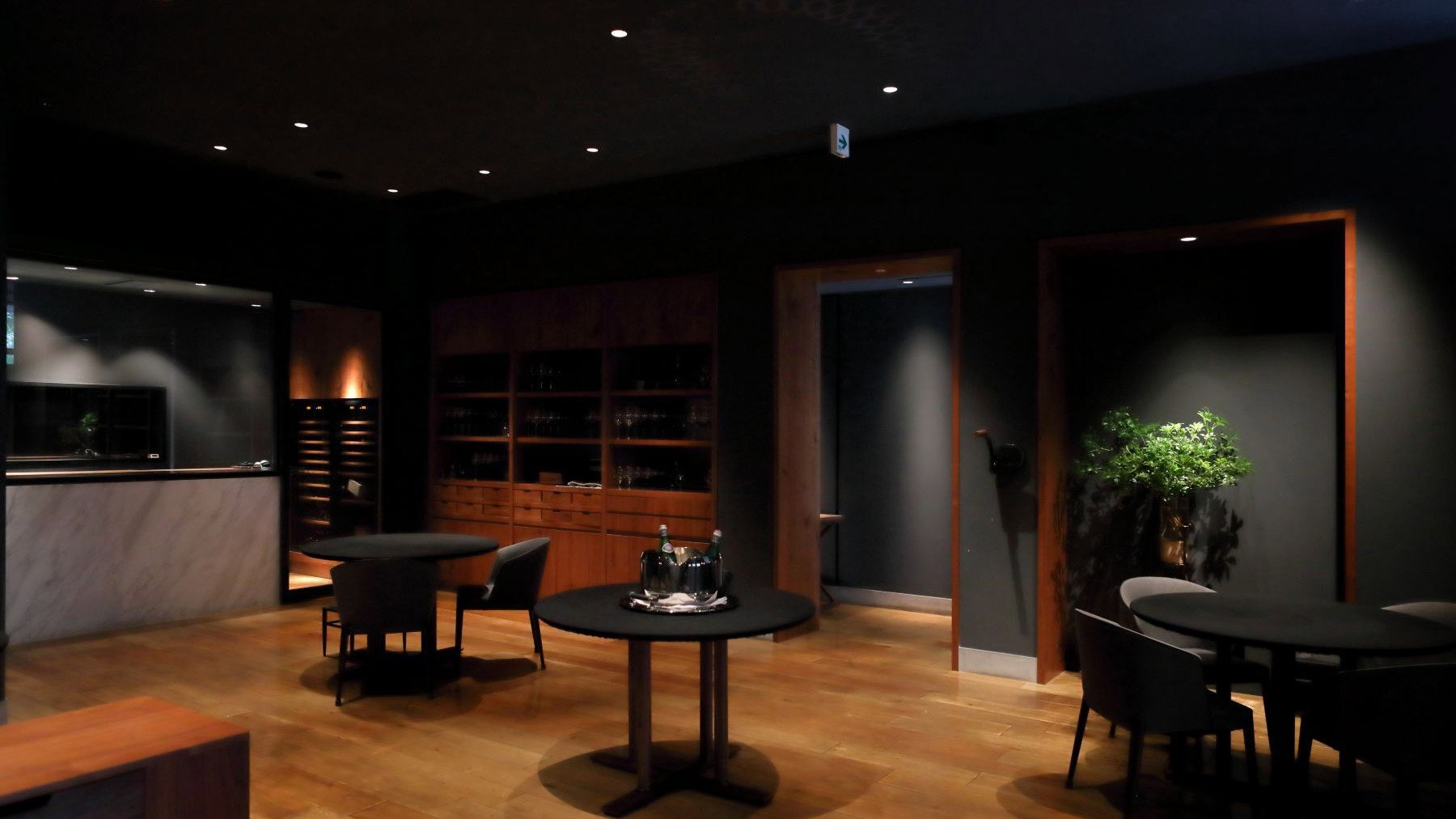
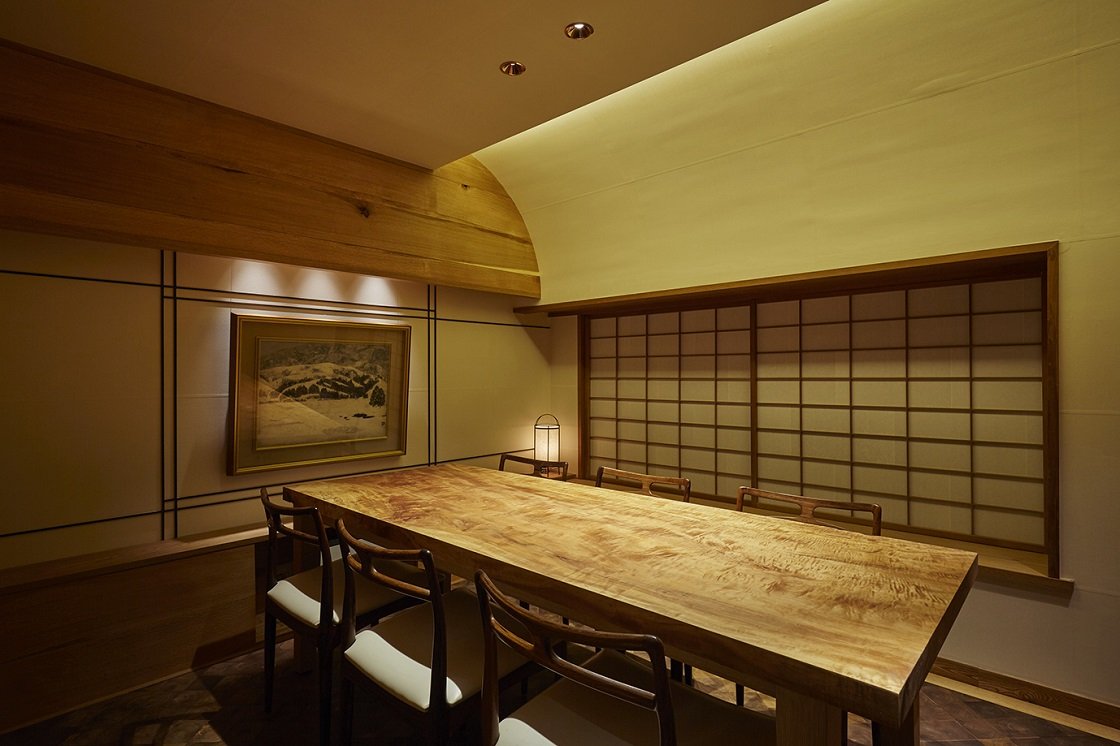
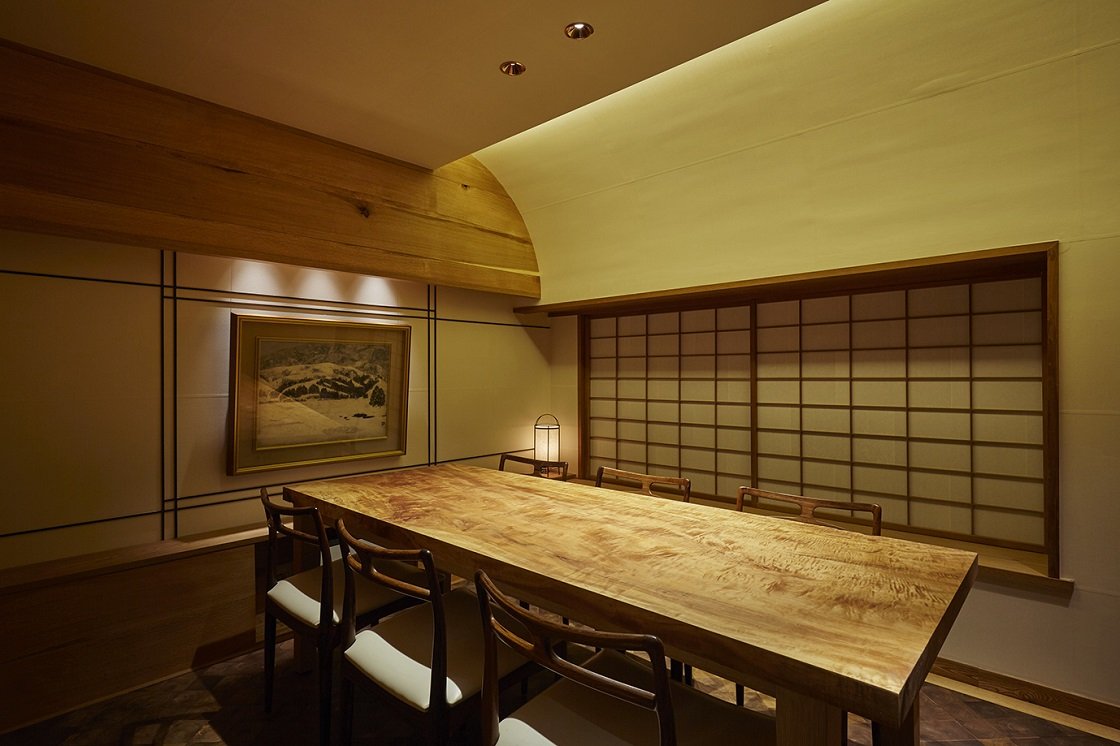
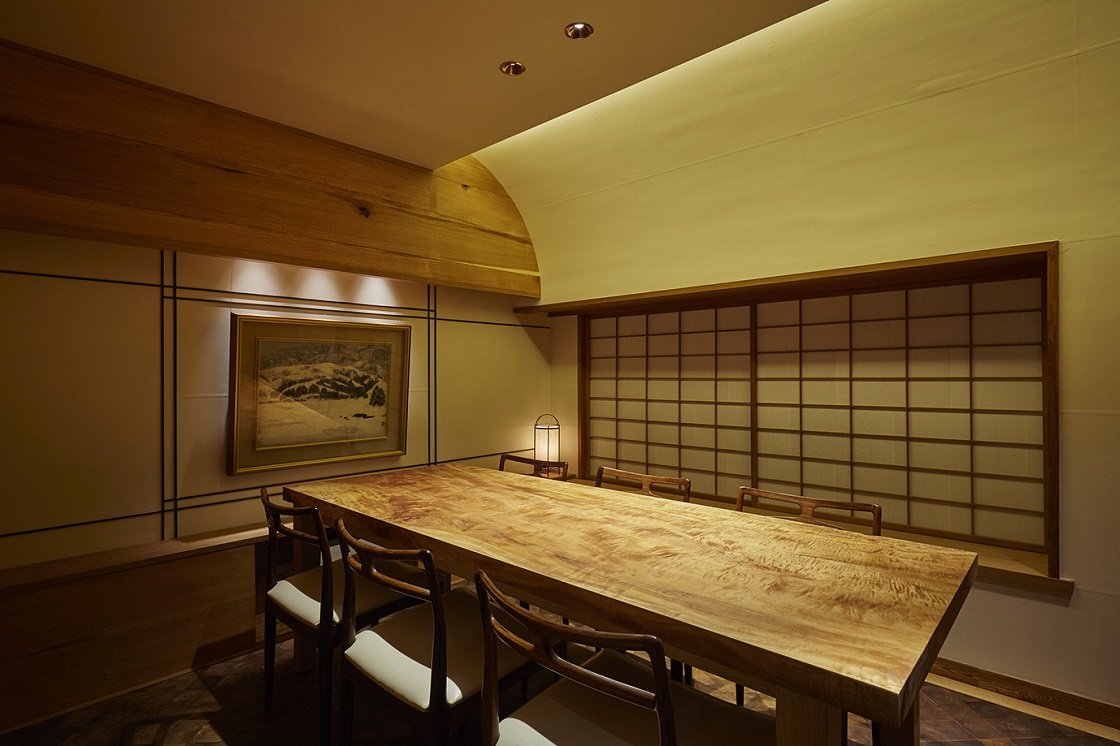
Serene woods and natural textures create a hushed, meditative atmosphere centered around the uncluttered chef's counter.
Tags
Vibe
Best For
Experience
At the Table
- Dress Code
- Smart Casual
- Noise Level
- Quiet
- Service Style
- Formal
- Meal Pacing
- Leisurely
- Capacity
- Intimate
Signature Dishes
- takiawase
- ohitashi
- sashimi
Know before you go
Know Before You Go
- Getting there
- Japan, 〒107-0062 Tokyo, Minato City, Minamiaoyama, 2 Chome−24−8 1F
Planning details
Location
Japan, 〒107-0062 Tokyo, Minato City, Minamiaoyama, 2 Chome−24−8 1F · Directions
Recognition and awards
Also consider
Also Consider
- HAJIME, French, Innovative, ¥¥¥¥
- La Cime, French, ¥¥¥¥
- Kashiwaya Osaka Senriyama, Japanese, ¥¥¥
- Taian, Kaiseki, Japanese, ¥¥¥
- Fujiya 1935, Innovative, ¥¥¥¥
Restaurant context
At ¥¥¥, Kinari sits alongside Kashiwaya Osaka Senriyama and Taian in price tier, but the experiences diverge significantly in format. Kashiwaya and Taian both operate full kaiseki programs with more developed booking infrastructure and stronger international profiles. If you want a kaiseki meal with clear navigational support and multilingual booking options, those are the safer choices. Kinari offers something narrower and more particular: a strict interpretation of kinari-ryori, the traditional Osaka cooking style built around natural flavour and light dashi, rather than the broader sweep of a kaiseki progression.
If the ¥¥¥¥ tier is available to you, the calculus shifts. HAJIME and Fujiya 1935 are the rooms with the most ambitious creative mandates in Osaka, and both represent a meaningfully different proposition, technically demanding, internationally recognised, and harder to book. La Cime is the right pick if you want French technique applied to Japanese ingredients at that same tier. None of these compete directly with Kinari on its own terms; they are simply operating in a different mode.
For a return visitor deciding between Kinari and its ¥¥¥ peers: book Kinari if traditional Osaka culinary philosophy is your specific interest and you want a quieter, more personal room. Book Kashiwaya or Taian if you want more ceremony, a fuller kaiseki sequence, or an experience that is easier to communicate to dining companions less familiar with Japanese cuisine's regional traditions. Kinari rewards diners who come knowing what kinari-ryori means; the others will hold your hand through it.
Explore Osaka
Around this place
Discover more on Pearl
Unlock the full Kinari guide in Pearl, including awards, comparisons, FAQs, planning details, and nearby places.
Compare Kinari
| Venue | Cuisine | Price | Awards | Booking Difficulty |
|---|---|---|---|---|
| Kinari | Japanese | ¥¥¥ | 2026 Michelin Plate2025 Michelin Plate2024 Michelin Plate | Easy |
| HAJIME | French, Innovative | ¥¥¥¥ | Star Wine Lists 2026 · #12026 Tabelog Bronze · #922026 OAD Top Restaurants in Japan Ranked · #98Michelin Guide Kyoto Osaka 20262026 La Liste Top RestaurantsTabelog 100 - Innovative / Creative cuisine - 2025 · #692025 Asia's 50 Best Restaurants · #832025 OAD Top Restaurants in Japan Ranked · #87We're Smart World Top Restaurants 2025 | Unknown |
| La Cime | French | ¥¥¥¥ | 2026 Asia's 50 Best Restaurants · #132026 OAD Top Restaurants in Japan Ranked · #1492026 Tabelog Bronze · #231Michelin Guide Kyoto Osaka 20262026 La Liste Top Restaurants2025 Asia's 50 Best Restaurants · #82025 World's 50 Best Restaurants · #44Tabelog 100 - French - WEST - 2025 · #932025 OAD Top Restaurants in Japan Ranked · #123 | Unknown |
| Kashiwaya Osaka Senriyama | Japanese | ¥¥¥ | 2026 Tabelog Bronze · #1682026 OAD Top Restaurants in Japan Recommended2026 Relais Chateaux RestaurantsMichelin Guide Kyoto Osaka 20262026 La Liste Top RestaurantsTabelog 100 - Japanese cuisine - WEST - 2025 · #772025 OAD Top Restaurants in Japan Ranked · #1552025 Relais Chateaux Award2025 Michelin 3 Stars | Unknown |
| Taian | Kaiseki, Japanese | ¥¥¥ | 2026 OAD Top Restaurants in Japan RecommendedMichelin Guide Kyoto Osaka 20262026 La Liste Top Restaurants2025 OAD Top Restaurants in Japan Ranked · #2042025 La Liste Top Restaurants2025 Michelin 3 Stars2024 OAD Top Restaurants in Japan Ranked · #1912024 Michelin 3 Stars2023 OAD Top Restaurants in Japan Highly Recommended | Unknown |
| Fujiya 1935 | Innovative | ¥¥¥¥ | 2026 Tabelog Bronze · #752026 OAD Top Restaurants in Japan RecommendedMichelin Guide Kyoto Osaka 20262026 La Liste Top Restaurants2025 Michelin 2 Stars2025 Tabelog Silver2025 La Liste Top Restaurants2024 OAD Top Restaurants in Japan Ranked · #2392024 Michelin 2 Stars | Unknown |










Comparing your options in Osaka for this tier.
FAQ
Frequently Asked Questions
What should I order at Kinari?
The kitchen's identity is built around takiawase — vegetables and proteins simmered separately with minimal seasoning and a light dashi, designed to highlight the ingredient itself rather than a sauce. Given the kinari philosophy of cooking in its natural state, you are not here for bold, layered flavours; you are here for restraint and precision. Trust the set menu structure rather than trying to customise your way through it.
What should I wear to Kinari?
The chef works in an unbleached cook's uniform as a deliberate statement of unpretentious, natural service — which sets a tone. Neat, understated clothing fits the room; formal business attire would feel mismatched. Avoid anything loud or casual.
Is Kinari worth the price?
At ¥¥¥, Kinari holds two consecutive Michelin Plate recognitions (2024 and 2025) and delivers cooking grounded in a documented, traditional Osaka culinary philosophy. That is a credible value case for the price tier. If you want bolder flavour or a more internationally recognised name, Kashiwaya Osaka Senriyama or Taian sit at a similar price point with stronger global profiles — but Kinari offers something more specific: a disciplined, ingredient-first approach that is harder to find at this price.
What are alternatives to Kinari in Osaka?
For kaiseki with deeper international recognition at a comparable price, Kashiwaya Osaka Senriyama and Taian are the obvious comparisons. For higher-end French-influenced Osaka dining, La Cime and HAJIME operate at a different format and price ceiling but reward diners who want a more theatrical meal. Fujiya 1935 is worth considering if you want a longer tasting format with stronger creative ambition.
Is Kinari good for a special occasion?
It works for a special occasion if the occasion suits a quiet, refined dinner rather than a celebratory one. The kinari philosophy prioritises calm, natural service over atmosphere or drama. For milestone dinners where the room and energy matter as much as the food, HAJIME or La Cime would deliver a stronger sense of occasion. Kinari suits the diner who wants the meal itself to be the event.
Is the tasting menu worth it at Kinari?
The set menu format is the correct way to experience kinari-style cooking — the whole point is a sequenced expression of natural flavours, and that does not translate to à la carte ordering. Two years of Michelin Plate recognition at ¥¥¥ suggests the kitchen is executing at a level that justifies the format. If you are skeptical of restrained, minimally seasoned Japanese cooking, this is not the menu to test that skepticism on.