.png?width=1200&quality=80)
Kassen Iritani
Japanese · Kita, Osaka
Restaurant in Osaka, Japan
 Book with Pearl
The Read
Live-Seafood Kappo Precision
Price
$150–200per person
Dress
Smart Casual
Why go
Kassen Iritani is a Michelin Selected kappo counter in Osaka's Kitashinchi district, earning back-to-back recognition in 2024 and 2025. Chef Genki Iritani focuses on live seafood with flexible, guest-responsive ordering — a strong choice at ¥¥¥ for diners who want precision without a fixed tasting sequence. Book one to two weeks ahead; booking difficulty is low.
About Kassen Iritani
The Verdict
If you are comparing Kassen Iritani to Osaka's kappo counters at the ¥¥¥¥ tier, such as HAJIME or Fujiya 1935, the calculus shifts considerably in Kassen's favour for one specific diner: someone who wants live seafood handled with precision, a flexible snacking pace, and a bill that doesn't require a second mortgage. Two consecutive Michelin Plates (2024 and 2025) confirm it belongs on a serious Osaka itinerary. Book it when you want a counter seat that responds to you, not a fixed march through a kaiseki progression.
Portrait
Kassen Iritani sits in Kitashinchi, Osaka's densest concentration of serious drinking and eating establishments, on the ground floor of the Yamachuu Building in Sonezakishinchi. The name itself is a signal: "kassen" translates roughly as "sliced fresh," a declaration of intent from chef Genki Iritani, who trained through multiple Osaka kappo kitchens before opening here. That apprenticeship background matters because kappo — literally "to cut and to cook" — is a format built on direct counter interaction, and Iritani's training shows in how he reads what a table wants rather than delivering a predetermined sequence.
The kitchen's focus is live seafood, and the Michelin documentation is specific about what that looks like in practice: squid cut into thin strips resembling noodles, finished with caviar. That preparation sits at the intersection of technical knife work and showmanship, the kind of dish that demonstrates both the chef's dexterity and the quality of the raw material. Oysters simmered with pepper offer a contrasting register, cooked, warm, and savoury rather than cold and clean. The ability to select freely between dishes like these, treating the meal as an evolving set of drinking snacks rather than a formal procession, is the defining characteristic of the experience here.
There is also a land-protein thread running through the menu. Crumbed beef fillet and beef tongue simmered to tenderness are described in the Michelin record as flavours that are neither Western nor Japanese yet quintessentially Osaka, a fair characterisation of the city's historical willingness to absorb and reframe outside influences. For the food-and-travel enthusiast tracking Japan's regional cooking identities, this is Osaka's pragmatic, pleasure-focused cooking philosophy expressed at counter level.
On the question of drinks pairing, the venue's record does not specify a wine list or sake programme in detail. What the kappo format does imply, however, is that the drinking snack structure, small, varied, seafood-forward, pairs well with lighter sake styles, white wine with mineral backbone, or sparkling options that reset the palate between contrasting preparations. If you are coming specifically for a deep wine programme, La Cime or HAJIME at the ¥¥¥¥ tier will offer more investment in that dimension. Kassen's strength is the food-to-drink rhythm of the kappo format itself, where the pace is yours to control and the kitchen responds accordingly.
That is consistent with a kappo counter that prioritises the interaction between chef and guest over maximising covers.
For context on how Kassen fits into the broader Kansai picture: the live seafood focus and counter-response format shares DNA with Gion Sasaki in Kyoto, though Gion Sasaki operates at a different price point and carries heavier Michelin weight. Within Osaka specifically, Kashiwaya Osaka Senriyama and Taian offer Japanese dining at the same ¥¥¥ tier but within kaiseki structures that are more formal and sequenced. If you want to eat across both styles on a single Osaka trip, Kassen for the flexible kappo night and Taian or Kashiwaya for the formal kaiseki evening is a logical pairing. Explorers moving through the wider Kansai and Japan circuit can cross-reference akordu in Nara, Harutaka in Tokyo, or Myojaku in Tokyo for further high-precision Japanese counter dining comparisons.
For everything else in the city, see our full Osaka restaurants guide, our full Osaka bars guide, and our full Osaka hotels guide. If you are building a wider Osaka experience, our full Osaka experiences guide and our full Osaka wineries guide are worth consulting alongside.
Know Before You Go
- Location
- Sonezakishinchi, Kita Ward, Osaka, ground floor, Yamachuu Building No.1, Kitashinchi district
- Price range
- ¥¥¥, mid-to-upper tier; comfortably below the ¥¥¥¥ benchmark of HAJIME or Fujiya 1935
- Awards
- Michelin Plate 2024 and 2025
- Cuisine format
- Kappo counter; live seafood focus with flexible drinking-snack ordering
- Booking difficulty
- Easy, book ahead to secure a counter seat, but this is not a months-in-advance venue
- Leading for
- Solo diners, pairs, food-and-drink explorers, guests wanting a flexible rather than fixed-sequence meal
- Nearest dining peers
- Miyamoto, Oimatsu Hisano, Tenjimbashi Aoki, Yugen
Planning details
- Location
- Japan, 〒530-0002 Osaka, Kita Ward, Sonezakishinchi, 1 Chome−8−6 北新地 山忠ビル1号館 1階
- Reservations
- Book on TableCheck
- Website
- kassen-iritani.com
- Phone
- +81 80-3867-1232
The take
The Take
The Vibe
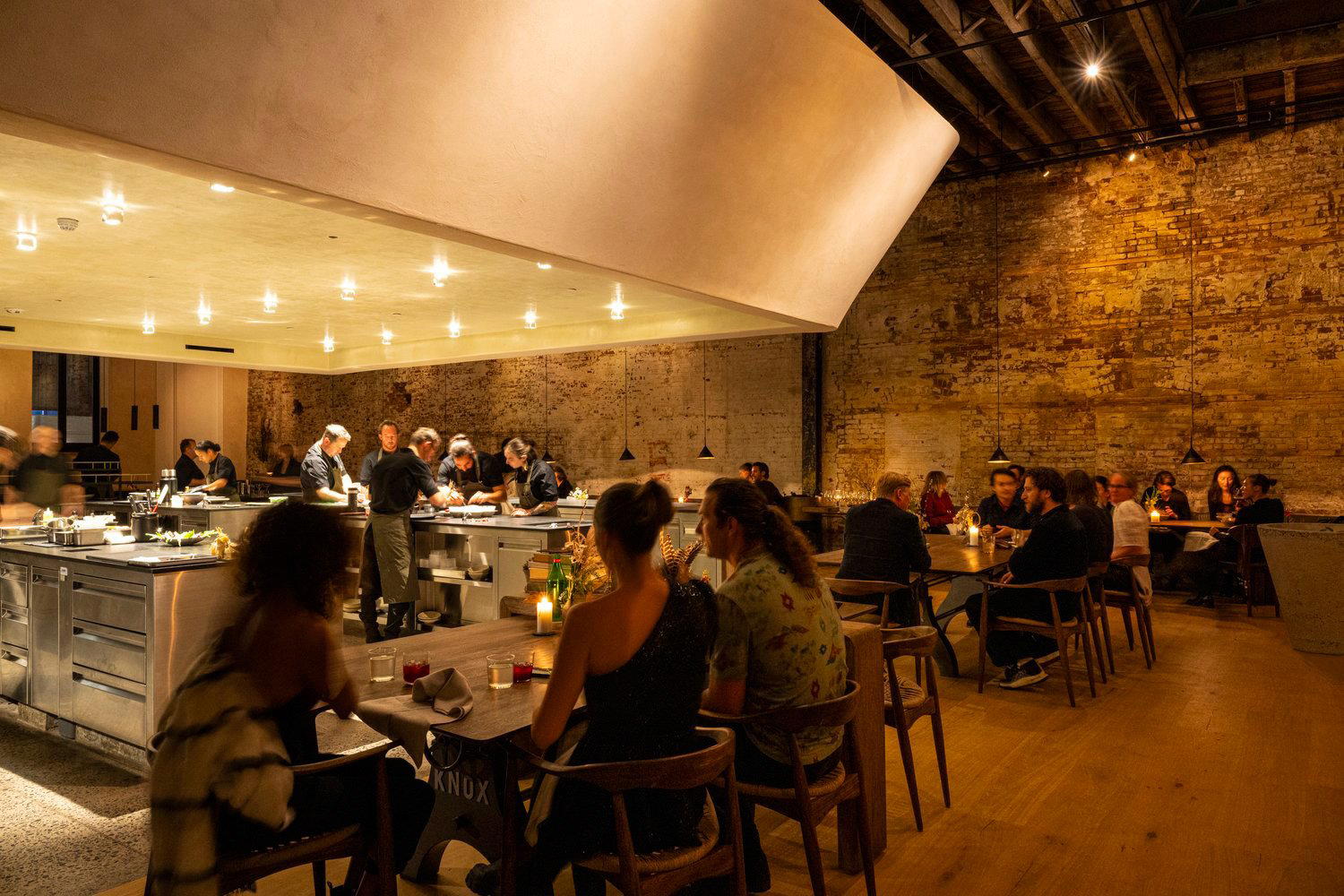
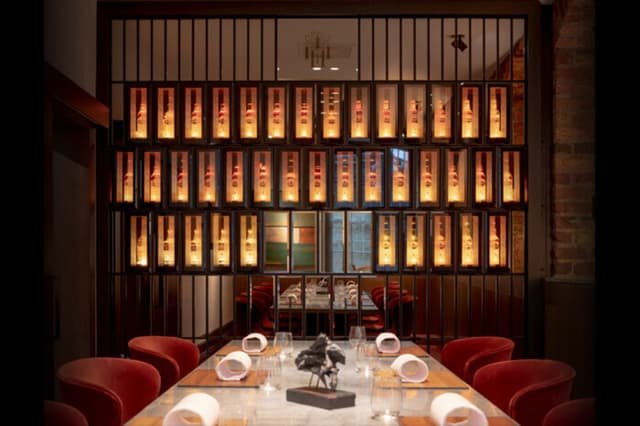
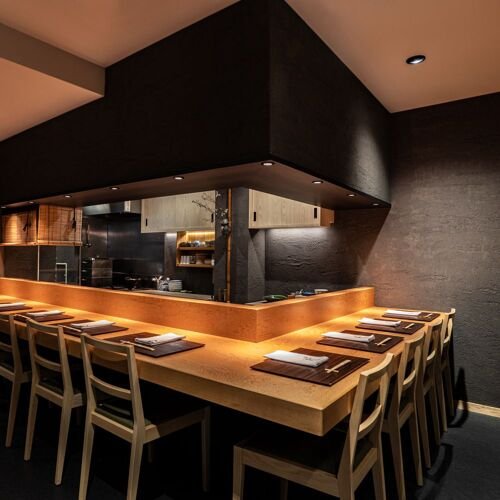
Set on a tucked-back strip of Kitashinchi, Kassen Iritani operates like a polished kappo counter: quietly intense, conversation-driven, and focused on the relationship between chef and guest. The dining room centers on the counter, where the kitchen responds in real time to requests and appetites, and the Michelin Plate nods to a kitchen that's earned notice without theatrics. The clientele skews deliberate — expense-account regulars and diners who have done their homework — which reinforces the sense of a self-selecting, slightly secretive spot. The overall effect is refined and unostentatious, emphasizing immediacy and the craft of cooking at the counter.
Best For
Kassen Iritani is at its best for evening dining when Kitashinchi hums with after-work traffic and fine-dining seekers. The kappo counter format suits date nights and special occasions that benefit from an attentive, chef-led experience, and it also fits business dinners where discretion and steady performance matter. The restaurant's regulars and recommendation-driven clientele make it a destination for diners who want a measured, responsive meal rather than a loud, social scene. Reservations are advisable, since much of the patronage comes from repeat guests and people who have been pointed there.
Ordering Tips
In true kappo fashion, ordering at Kassen Iritani is collaborative: communicate dietary restrictions and preferences and then let the kitchen guide the progression. The counter-driven service is explicitly responsive, so mention dislikes, allergies, or desired pacing up front and be open to the chef's suggestions. Noting occasion details or time constraints on your reservation helps the staff calibrate service. Expect an adaptive, course-by-course rhythm where the kitchen tailors the evening to guest signals rather than a fixed a la carte script.
Venue details
Ambiance
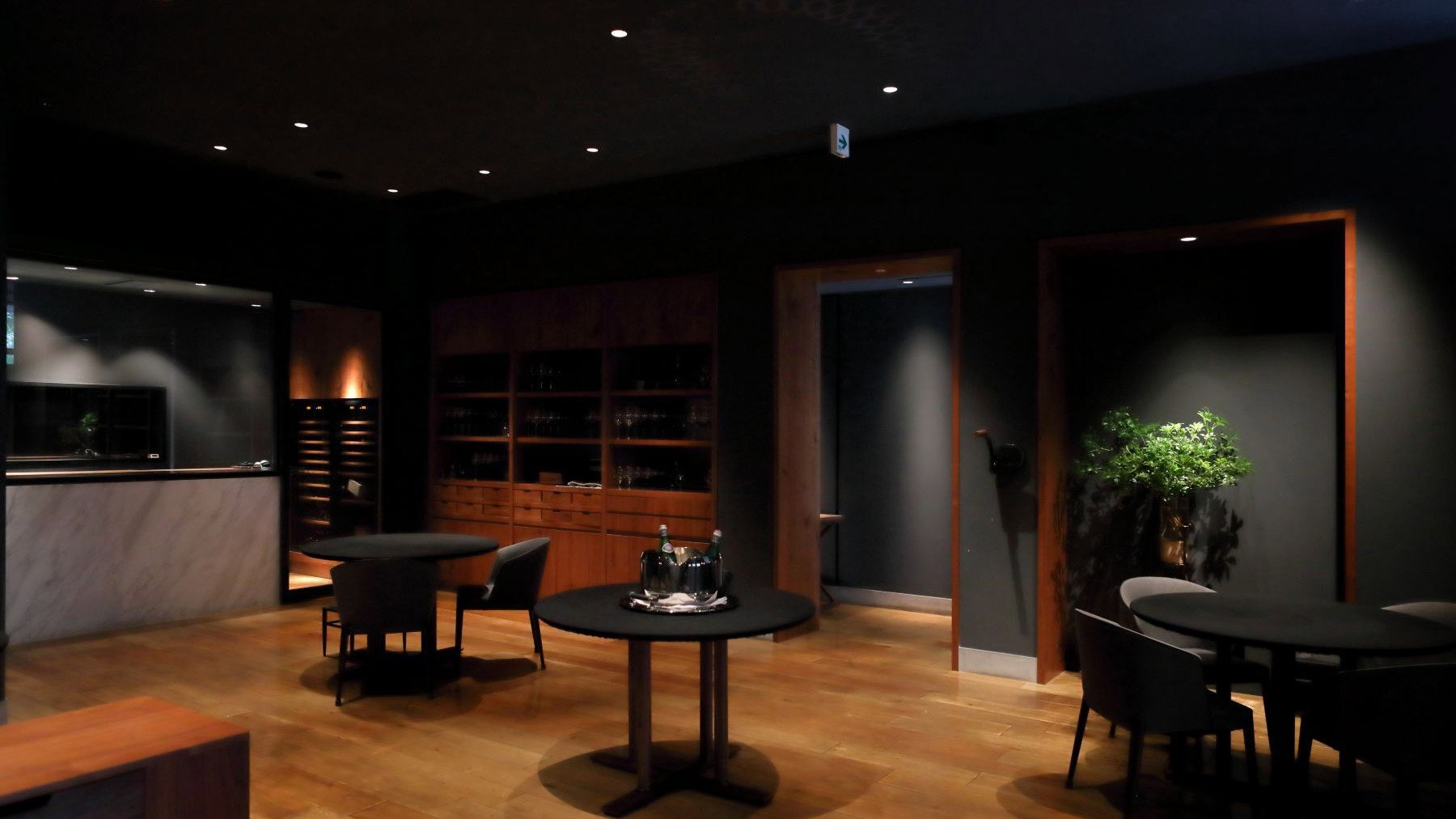
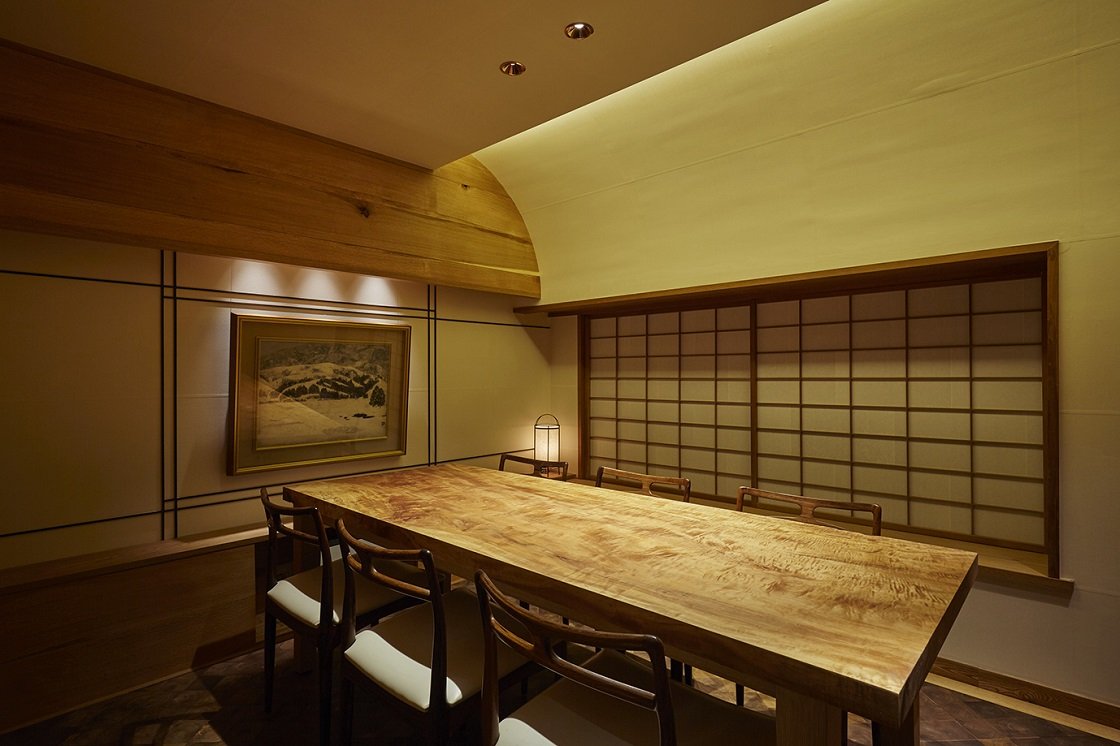
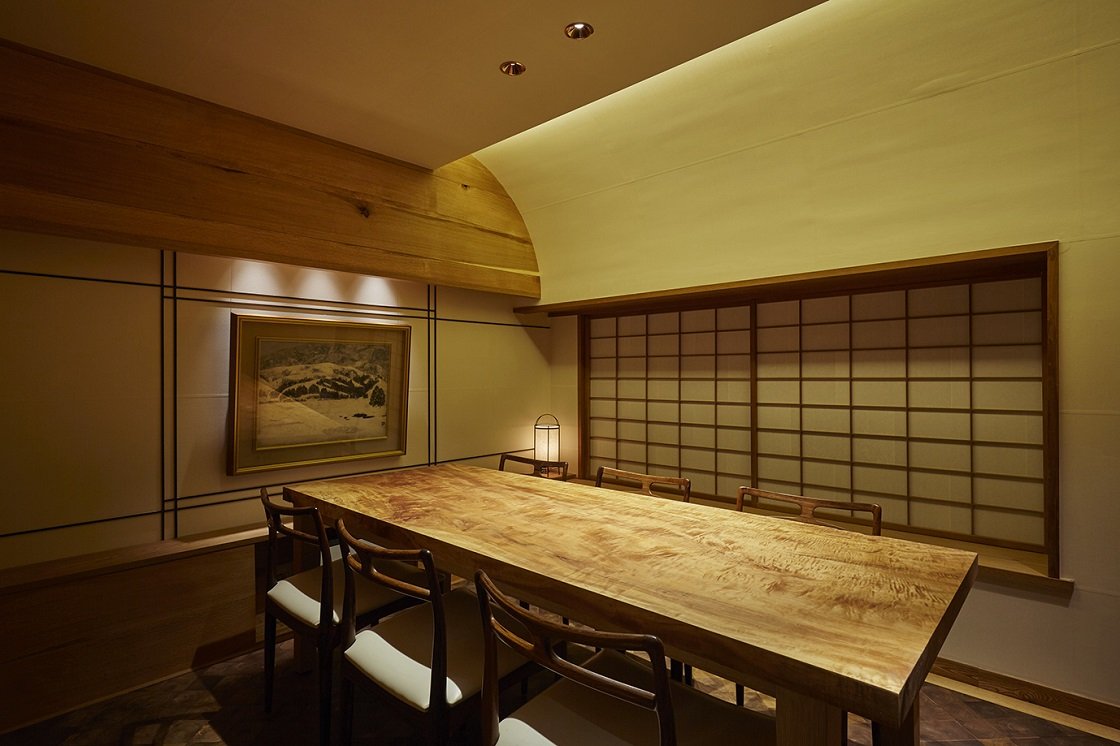
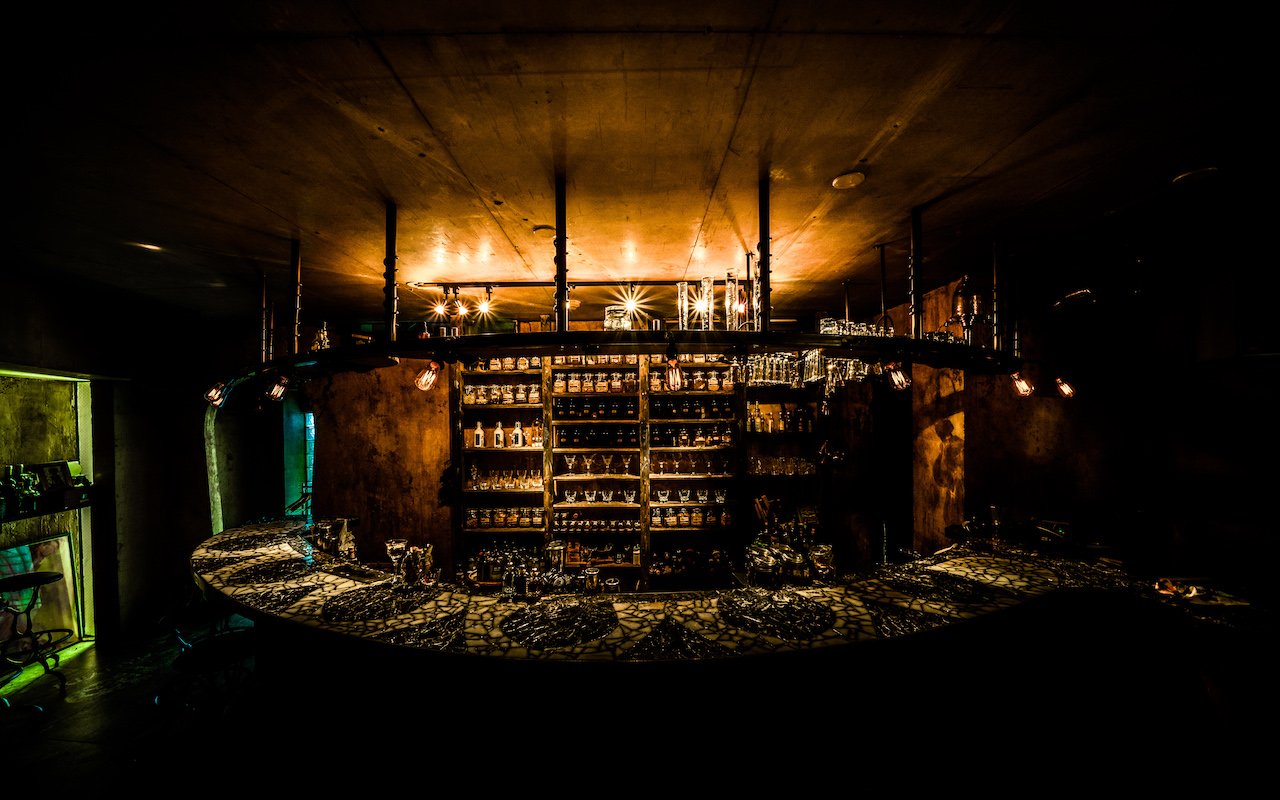
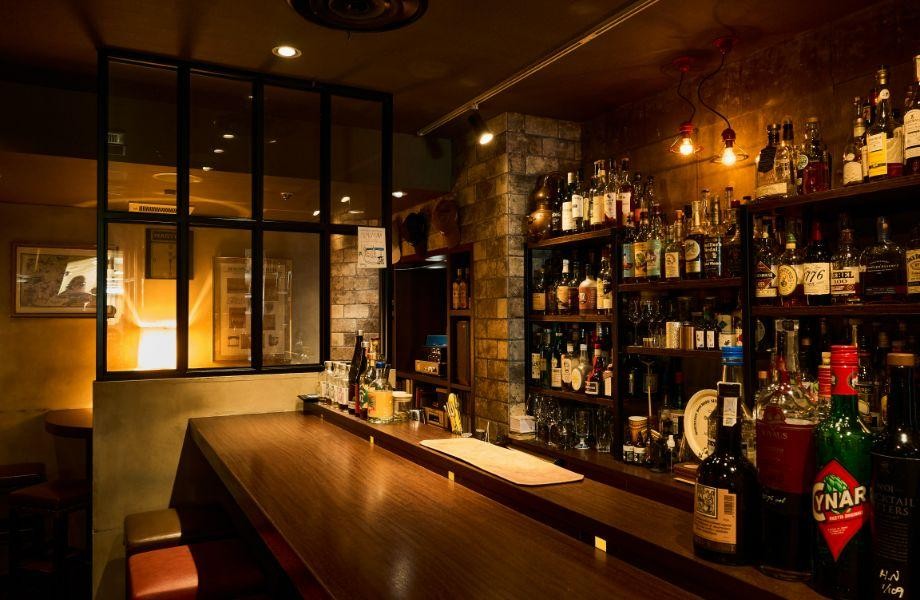
Minimalist counter with low lighting, measured hush, and serene traditional Japanese atmosphere focused on seasonal precision.
Tags
Vibe
Best For
Experience
Sourcing
At the Table
- Dress Code
- Smart Casual
- Noise Level
- Quiet
- Service Style
- Upscale Casual
- Meal Pacing
- Leisurely
- Capacity
- Intimate
- Kitchen
- Traditional
- Menu Format
- Omakase, Counter dining
- Wine Program
- Curated
Know before you go
Know Before You Go
- Getting there
- Japan, 〒530-0002 Osaka, Kita Ward, Sonezakishinchi, 1 Chome−8−6 北新地 山忠ビル1号館 1階
Planning details
Location
Japan, 〒530-0002 Osaka, Kita Ward, Sonezakishinchi, 1 Chome−8−6 北新地 山忠ビル1号館 1階 · Directions
Recognition and awards
Also consider
Also Consider
- HAJIME, French, Innovative, ¥¥¥¥
- La Cime, French, ¥¥¥¥
- Kashiwaya Osaka Senriyama, Japanese, ¥¥¥
- Taian, Kaiseki, Japanese, ¥¥¥
- Fujiya 1935, Innovative, ¥¥¥¥
Restaurant context
At the ¥¥¥ tier in Osaka, Kassen Iritani's closest structural comparisons are Kashiwaya Osaka Senriyama and Taian. Both carry heavier Michelin credentials and operate within kaiseki formats where the sequence is set by the kitchen. Kassen's advantage is flexibility: the kappo structure lets you order and pace the meal yourself, which suits a drinker-first approach or a guest who finds fixed kaiseki progressions too rigid. On value, all three sit at ¥¥¥, but Kassen's interactive format arguably delivers more personality per yen for the right diner.
Step up to ¥¥¥¥ and the comparison set changes entirely. HAJIME, La Cime, and Fujiya 1935 offer French-influenced or innovative tasting menus with deeper wine programmes and more formal service structures. If a serious wine list is a deciding factor for your evening, those three outperform Kassen on that dimension. If the food-to-drink rhythm of a Japanese counter, live seafood, and chef responsiveness matter more, Kassen at ¥¥¥ is the better allocation of budget.
For booking difficulty, Kassen is the easiest entry point in this comparison set. HAJIME in particular requires advance planning and is harder to access for walk-in or short-notice bookings. If your Osaka trip is last-minute or you are building a multi-night itinerary where one booking may shift, Kassen is the most practical option without sacrificing Michelin-level quality. Book Kassen for the flexible kappo night, then reserve one of the ¥¥¥¥ venues for the occasion dinner where you want a more curated experience.
Explore Osaka
Around this place
Discover more on Pearl
Unlock the full Kassen Iritani guide in Pearl, including awards, comparisons, FAQs, planning details, and nearby places.
Compare Kassen Iritani
| Venue | Cuisine | Awards | Booking Difficulty |
|---|---|---|---|
| Kassen Iritani | Japanese | 2026 Michelin Plate2025 Michelin Plate2024 Michelin Plate | Easy |
| HAJIME | French, Innovative | Star Wine Lists 2026 · #12026 Tabelog Bronze · #922026 OAD Top Restaurants in Japan Ranked · #98Michelin Guide Kyoto Osaka 20262026 La Liste Top RestaurantsTabelog 100 - Innovative / Creative cuisine - 2025 · #692025 Asia's 50 Best Restaurants · #832025 OAD Top Restaurants in Japan Ranked · #87We're Smart World Top Restaurants 2025 | Unknown |
| La Cime | French | 2026 Asia's 50 Best Restaurants · #132026 OAD Top Restaurants in Japan Ranked · #1492026 Tabelog Bronze · #231Michelin Guide Kyoto Osaka 20262026 La Liste Top Restaurants2025 Asia's 50 Best Restaurants · #82025 World's 50 Best Restaurants · #44Tabelog 100 - French - WEST - 2025 · #932025 OAD Top Restaurants in Japan Ranked · #123 | Unknown |
| Kashiwaya Osaka Senriyama | Japanese | 2026 Tabelog Bronze · #1682026 OAD Top Restaurants in Japan Recommended2026 Relais Chateaux RestaurantsMichelin Guide Kyoto Osaka 20262026 La Liste Top RestaurantsTabelog 100 - Japanese cuisine - WEST - 2025 · #772025 OAD Top Restaurants in Japan Ranked · #1552025 Relais Chateaux Award2025 Michelin 3 Stars | Unknown |
| Taian | Kaiseki, Japanese | 2026 OAD Top Restaurants in Japan RecommendedMichelin Guide Kyoto Osaka 20262026 La Liste Top Restaurants2025 OAD Top Restaurants in Japan Ranked · #2042025 La Liste Top Restaurants2025 Michelin 3 Stars2024 OAD Top Restaurants in Japan Ranked · #1912024 Michelin 3 Stars2023 OAD Top Restaurants in Japan Highly Recommended | Unknown |
| Fujiya 1935 | Innovative | 2026 Tabelog Bronze · #752026 OAD Top Restaurants in Japan RecommendedMichelin Guide Kyoto Osaka 20262026 La Liste Top Restaurants2025 Michelin 2 Stars2025 Tabelog Silver2025 La Liste Top Restaurants2024 OAD Top Restaurants in Japan Ranked · #2392024 Michelin 2 Stars | Unknown |










Comparing your options in Osaka for this tier.
FAQ
Frequently Asked Questions
Is Kassen Iritani good for a special occasion?
Yes, particularly if the occasion calls for a counter-style kappo meal rather than a formal multi-course restaurant. The live seafood focus and interactive format — including dishes like squid cut thin as noodles with caviar — make it memorable without the ceremony of a ¥¥¥¥ venue. For a milestone where full kaiseki formality matters, Kashiwaya Osaka Senriyama is a stronger fit. For a celebratory dinner that still feels relaxed and personal, Kassen Iritani delivers at ¥¥¥.
Does Kassen Iritani handle dietary restrictions?
The menu centres on live seafood, meaning shellfish and raw fish are structural to what Kassen Iritani does. If seafood allergies or aversions are a factor, this counter is a poor match. The kitchen, per its Michelin notation, responds to customer preferences, but that flexibility works best around format and selection rather than wholesale ingredient substitution.
Is Kassen Iritani worth the price?
At ¥¥¥, yes — it holds up well for what Kitashinchi kappo usually costs. You are getting Michelin Plate recognition in 2024 and 2025, a chef trained across multiple Osaka kappo houses, and a live seafood counter where the dishes respond to your order rather than following a locked menu. Compared to La Cime or Fujiya 1935 at higher price points, the experience is less structured but considerably more flexible.
Is the tasting menu worth it at Kassen Iritani?
Kassen Iritani's format is built around responsiveness to customer preference rather than a fixed tasting sequence — the name 'Kassen' ('sliced fresh') signals that live, a-la-minute preparation is the point. That means you are choosing dishes rather than surrendering to a set progression. If you want a curated chef-led tasting menu, Taian or Fujiya 1935 are better suited. If you want flexibility and live seafood selection, Kassen Iritani fits.
Is Kassen Iritani good for solo dining?
Counter kappo is one of the formats most naturally suited to solo dining in Japan, and Kassen Iritani's interactive, preference-led approach works especially well when the chef is responding to a single diner. At ¥¥¥ with Michelin Plate standing, it is a strong solo choice in Kitashinchi — better value and more personal than a comparable solo seat at a ¥¥¥¥ tier venue.