
Kashiwaya Osaka Kitashinchi
Japanese · Kita, Osaka
Restaurant in Osaka, Japan
 Book with Pearl
The Read
Ryotei Counter Theatre
Price
$200–300per person
Dress
Business Casual
Why go
Kashiwaya Osaka Kitashinchi is the Michelin-starred counter offshoot of Kashiwaya Senriyama, delivering ryotei-grade plating and kappo-style flexibility in a chef-facing format in Kitashinchi. The straw-fire cooking, knife work in full view, and a menu that spans classical Japanese to Western-influenced dishes make it one of Osaka's most engaging high-end counters. Book well ahead at ¥¥¥¥.
About Kashiwaya Osaka Kitashinchi
Verdict
Book Kashiwaya Osaka Kitashinchi if you want ryotei-grade Japanese cooking in a counter-restaurant format that lets you watch the chef work. This Michelin-starred offshoot of the original Kashiwaya Osaka Senriyama trades the parent restaurant's slightly lower price tier for a more theatrical, seat-at-the-counter experience in Kitashinchi. At ¥¥¥¥ pricing it is a serious spend, but the combination of a 2025 Michelin Plate and a 2024 Michelin star tells you the kitchen is delivering at a level that earns the bill. If you are coming to Osaka for one high-end Japanese meal, this is a credible answer to the question.
Portrait
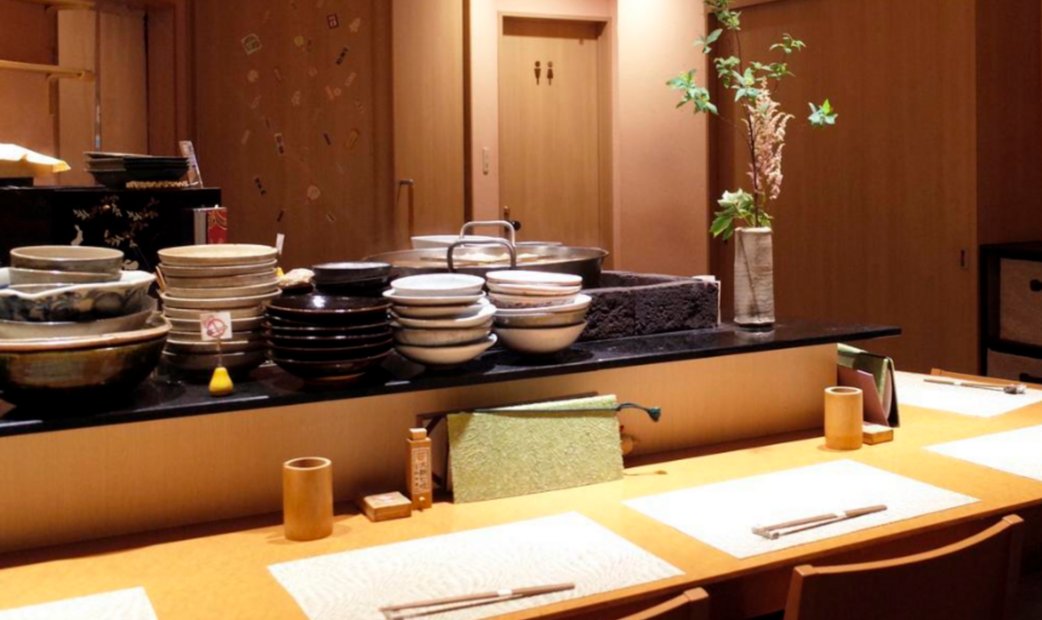
The Kitashinchi location operates on the fifth floor of the YAMANA K-2 building in Kita Ward, in one of Osaka's most concentrated corridors of high-end dining. The setting is counter-only in format, which positions it differently from a traditional ryotei where private rooms and distance from the kitchen define the experience. Here, the kitchen is the experience. The chef, who has built his career around Kashiwaya, works in full view, and the cooking is designed to reward that proximity.
The menu covers significant range, moving from classical Japanese preparations to dishes with Western influence. Grilled celery with vinegar and miso dressing, bite-sized beef cutlets, and crab cream croquettes are documented as year-round fixtures. That range matters for the explorer-type diner: this is not a restaurant that locks you into a single register. The progression through the meal functions like a conversation between culinary traditions, with the chef adjusting salt levels and portion sizes on request in the manner of an Osaka kappo. The plating, meanwhile, operates at ryotei standard, with each item served on carefully chosen serving-ware. You get the flexibility of kappo and the formality of ryotei in the same sitting.
Most distinctive moment in the meal is the straw-fire cooking. On days when straw is used, a small window allows guests to watch the flames directly, while heat-resistant glass isolates the blaze so smoke does not reach the dining area. The scent of burning straw in a sealed kitchen environment, contained but present, is part of how the meal communicates its technique. It is a deliberate design decision and one that sets this counter apart from the many high-end Japanese restaurants in Osaka that keep the kitchen entirely out of view. For a food traveller who reads the room as part of the meal, it adds meaningful context to what arrives on the plate.
Tasting experience here is leading understood as a structured arc. Early courses tend toward precision and restraint, demonstrating knife work and classical preparation. As the meal progresses, the Western-influenced dishes introduce contrast without abandoning the underlying Japanese sensibility. The chef's knife skills are described in the restaurant's own positioning as an eye-catching display, and watching adroit preparation at close range shifts how you engage with each course as it arrives. This is not passive dining. The counter format asks you to pay attention, and the meal rewards that engagement.
The parent restaurant in Senriyama is the more established and more accessible entry point into Kashiwaya's cooking; the Kitashinchi branch is the version for diners who want to sit at the source. For comparison with counter-format Japanese dining elsewhere in Japan, Harutaka in Tokyo and Gion Sasaki in Kyoto operate in a similar register of high-attention counter service, though each with distinct regional sensibilities.
Booking this restaurant is hard. Kitashinchi is one of Osaka's most competitive dining neighbourhoods, and a Michelin-starred counter with limited seats fills quickly. Plan well ahead, and if you are building an Osaka dining itinerary around this meal, consult our full Osaka restaurants guide for complementary options at different price points. Diners who want to extend their time in the area can find hotel and bar recommendations in our full Osaka hotels guide and our full Osaka bars guide.
For explorers moving through the Kansai region, the counter-dining tradition extends to strong options in Nara and Fukuoka: akordu in Nara and Goh in Fukuoka both offer serious cooking in intimate formats. Within Osaka itself, Miyamoto, Oimatsu Hisano, Tenjimbashi Aoki, and Yugen are worth considering depending on your budget and preferred style. If Japanese counter dining in Tokyo interests you in the same trip, Myojaku and Azabu Kadowaki are relevant comparators at the top of that city's Japanese dining tier.
Ratings & Recognition
- Michelin 1 Star (2024)
- Michelin Plate (2024 & 2025)
Booking & Practical
Booking difficulty is high. This is a counter-format restaurant in a Michelin-starred setting in Kitashinchi, one of Osaka's most in-demand dining districts. Secure a reservation well in advance, particularly for weekend evenings. The restaurant is on the fifth floor of the YAMANA K-2 building in Kita Ward, Osaka. No phone or website is available in our current data; reservations are most reliably secured through a hotel concierge or a specialist dining reservation service. The price range sits at ¥¥¥¥, consistent with a full-spend evening at a Michelin-starred Japanese counter.
Planning details
- Hours
- Monday: 6–11 PM · Tuesday: 6–11 PM
- Location
- Japan, 〒530-0002 Osaka, Kita Ward, 曽根崎新地1丁目7番4号 YAMANA K-2 BLDG. 5F
- Reservations
- Book on Omakase
- Website
- jp-kashiwaya.com
- Phone
- +81 80-6103-0979
The take
The Take
The Vibe
Kashiwaya Osaka Kitashinchi frames classical kaiseki discipline through a counter-theatre lens. The room foregrounds the chef’s craft, precise knife work and even straw-fire cooking, so the act of making food becomes part of the evening. It balances ryotei formality with a directness that feels immediate rather than distant: rather than hiding labour behind screens and private rooms, the kitchen performs it. The result is a focused, contemplative atmosphere where technique and seasonality take center stage, and the experience reads as both traditional in lineage and contemporary in presentation.
Best For
This is primarily a dinner address for diners who want to watch technique as part of their meal. In Kitashinchi’s dense cluster of high-end houses, the counter setting amplifies the ceremonial qualities of Kansai kaiseki and turns private-room ritual into an open, staged presentation. It suits special evenings and business dinners where the food’s craftsmanship and the clarity of presentation matter: guests come for multi-course precision, seasonal ingredients and the kind of skilled preparation associated with the restaurant’s three-star flagship lineage.
Ordering Tips
Sit at the counter to make the most of the format: watching the knife work and straw-fire cooking is integral to the experience. The kitchen translates Senriyama’s kaiseki standard into a visible, counter-first rhythm, so expect courses that emphasize seasonal technique. If offered, highlight the restaurant’s signature items such as the grilled miso-marinated black cod and the sashimi platter to sample standout preparations. Because the service foregrounds the kitchen’s discipline, pace your meal to take in both the choreography and the flavors as they arrive.
Venue details
Ambiance
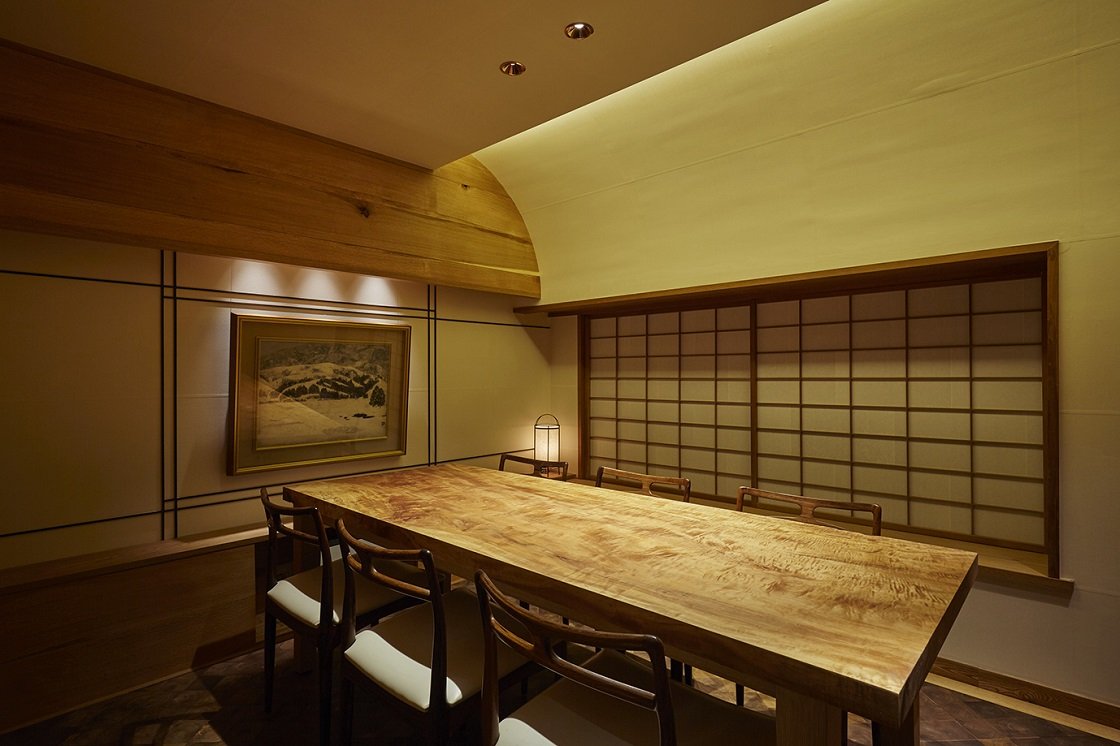
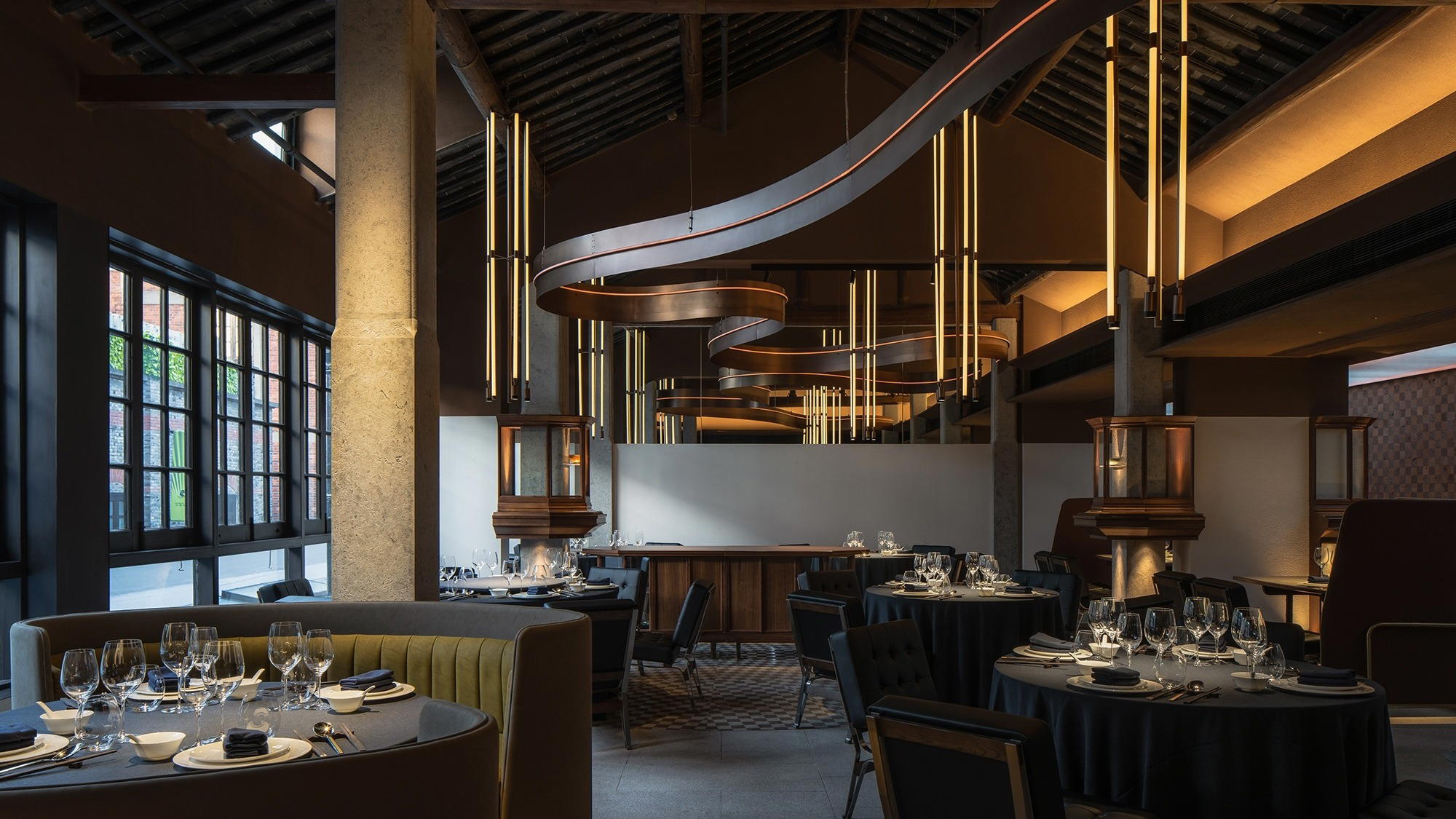
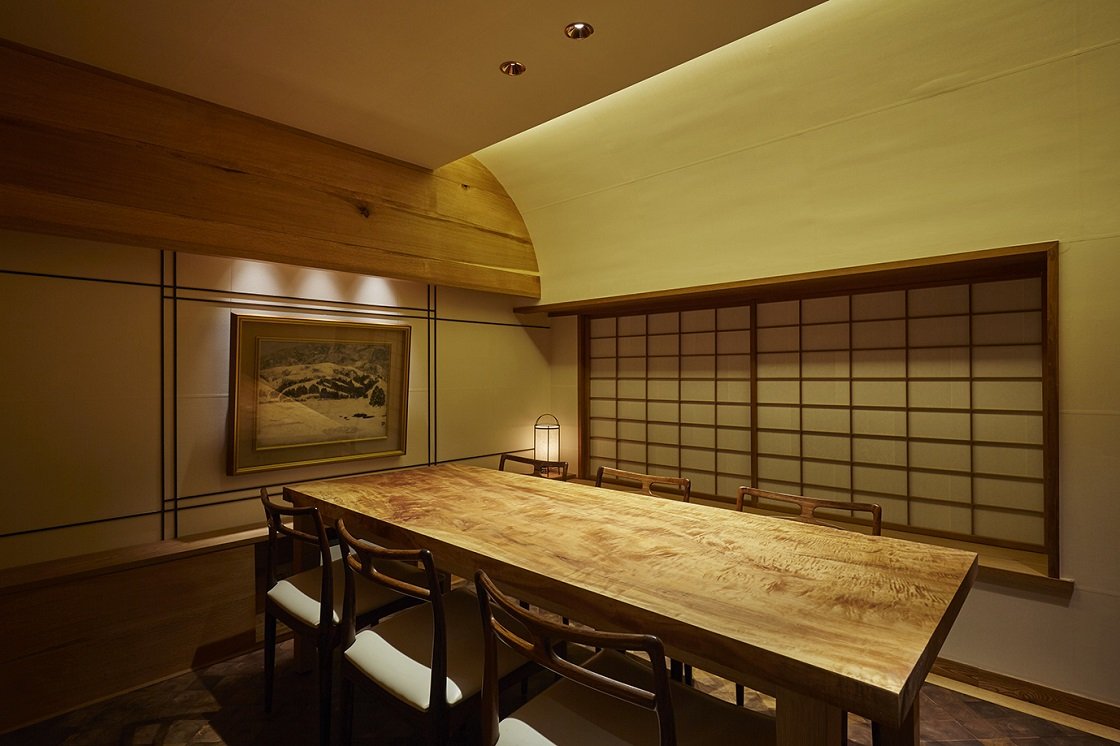
Serene and warm with traditional Japanese aesthetics blended with modern elegance, offering a peaceful escape.
Tags
Vibe
Best For
Experience
At the Table
- Dress Code
- Business Casual
- Noise Level
- Quiet
- Service Style
- Formal
- Meal Pacing
- Extended Experience
- Capacity
- Intimate
- Kitchen
- Traditional
- Menu Format
- Tasting menu, Omakase
- Drinks Focus
- Sake program
Signature Dishes
- grilled miso-marinated black cod
- sashimi platter
Know before you go
Know Before You Go
- Getting there
- Japan, 〒530-0002 Osaka, Kita Ward, 曽根崎新地1丁目7番4号 YAMANA K-2 BLDG. 5F
Planning details
Hours
- Monday
- 6–11 PM
- Tuesday
- 6–11 PM
- Wednesday
- 6–11 PM
- Thursday
- 6–11 PM
- Friday
- 6–11 PM
- Saturday
- 6–11 PM
- Sunday
- Closed
Location
Japan, 〒530-0002 Osaka, Kita Ward, 曽根崎新地1丁目7番4号 YAMANA K-2 BLDG. 5F · Directions
Recognition and awards
Also consider
Also Consider
- HAJIME: French, Innovative, ¥¥¥¥
- La Cime: French, ¥¥¥¥
- Kashiwaya Osaka Senriyama: Japanese, ¥¥¥
- Taian: Kaiseki, Japanese, ¥¥¥
- Fujiya 1935: Innovative, ¥¥¥¥
Restaurant context
At ¥¥¥¥, Kashiwaya Kitashinchi sits in Osaka's most competitive price bracket. The clearest decision to make is whether you want Japanese or French at that spend. HAJIME and La Cime are both ¥¥¥¥ French options with strong critical standing; HAJIME in particular operates at a level of formal ambition that suits diners who want a French tasting menu rather than a Japanese counter. If the Japanese format is what you want, Kashiwaya Kitashinchi is the more theatrically engaging option at this price tier, with the open-counter format and straw-fire preparation providing a different kind of dining engagement than a table-service restaurant offers.
For diners who want to spend less, Kashiwaya Osaka Senriyama at ¥¥¥ gives you the same culinary lineage at lower cost, and is the smarter first booking if you are new to Kashiwaya's cooking. Taian at ¥¥¥ is the alternative if you want kaiseki in a more traditional format without the counter-theatre element. Both are meaningfully easier to book than the Kitashinchi branch, which adds practical weight to the recommendation if your trip timeline is short.
Fujiya 1935 at ¥¥¥¥ is the option for diners who want innovative cooking rather than classically rooted Japanese cuisine. It operates in a different register from Kashiwaya Kitashinchi and suits a different type of diner. The practical summary: book Kashiwaya Kitashinchi for Japanese counter theatre at full spend; book Senriyama if you want the same kitchen at a lower price; book HAJIME or La Cime if French tasting menus are your preference at ¥¥¥¥; book Taian for kaiseki at a more accessible price point.
Explore Osaka
Around this place
Discover more on Pearl
Unlock the full Kashiwaya Osaka Kitashinchi guide in Pearl, including awards, comparisons, FAQs, planning details, and nearby places.
Compare Kashiwaya Osaka Kitashinchi
| Venue | Awards | Price |
|---|---|---|
| Kashiwaya Osaka Kitashinchi | 2026 Michelin PlateMichelin Guide Kyoto Osaka 20262026 Michelin 1 Star2025 Michelin Plate2024 Michelin Plate2024 Michelin 1 Star | ¥¥¥¥ |
| HAJIME | Star Wine Lists 2026 · #12026 Tabelog Bronze · #922026 OAD Top Restaurants in Japan Ranked · #98Michelin Guide Kyoto Osaka 20262026 La Liste Top RestaurantsTabelog 100 - Innovative / Creative cuisine - 2025 · #692025 Asia's 50 Best Restaurants · #832025 OAD Top Restaurants in Japan Ranked · #87We're Smart World Top Restaurants 2025 | ¥¥¥¥ |
| La Cime | 2026 Asia's 50 Best Restaurants · #132026 OAD Top Restaurants in Japan Ranked · #1492026 Tabelog Bronze · #231Michelin Guide Kyoto Osaka 20262026 La Liste Top Restaurants2025 Asia's 50 Best Restaurants · #82025 World's 50 Best Restaurants · #44Tabelog 100 - French - WEST - 2025 · #932025 OAD Top Restaurants in Japan Ranked · #123 | ¥¥¥¥ |
| Kashiwaya Osaka Senriyama | 2026 Tabelog Bronze · #1682026 OAD Top Restaurants in Japan Recommended2026 Relais Chateaux RestaurantsMichelin Guide Kyoto Osaka 20262026 La Liste Top RestaurantsTabelog 100 - Japanese cuisine - WEST - 2025 · #772025 OAD Top Restaurants in Japan Ranked · #1552025 Relais Chateaux Award2025 Michelin 3 Stars | ¥¥¥ |
| Taian | 2026 OAD Top Restaurants in Japan RecommendedMichelin Guide Kyoto Osaka 20262026 La Liste Top Restaurants2025 OAD Top Restaurants in Japan Ranked · #2042025 La Liste Top Restaurants2025 Michelin 3 Stars2024 OAD Top Restaurants in Japan Ranked · #1912024 Michelin 3 Stars2023 OAD Top Restaurants in Japan Highly Recommended | ¥¥¥ |
| Fujiya 1935 | 2026 Tabelog Bronze · #752026 OAD Top Restaurants in Japan RecommendedMichelin Guide Kyoto Osaka 20262026 La Liste Top Restaurants2025 Michelin 2 Stars2025 Tabelog Silver2025 La Liste Top Restaurants2024 OAD Top Restaurants in Japan Ranked · #2392024 Michelin 2 Stars | ¥¥¥¥ |
.png?width=1200&quality=80)










Key differences to consider before you reserve.
FAQ
Frequently Asked Questions
What are alternatives to Kashiwaya Osaka Kitashinchi in Osaka?
For a comparable ryotei-style experience with a longer track record, Kashiwaya Senriyama is the obvious point of comparison: it is the original location and operates at a higher formality level. Taian offers refined kaiseki at a similar price tier. La Cime is the better call if you want Japanese cooking with a French technique overlay, while Fujiya 1935 suits diners who want a more avant-garde structure. HAJIME is a different category entirely: three Michelin stars, artist-chef format, and a significantly higher price point.
Is Kashiwaya Osaka Kitashinchi worth the price?
At ¥¥¥¥ with a Michelin star, this is a serious spend, but the format delivers more access to the cooking than a traditional ryotei at the same price would. The counter setting means you can watch the chef's knife work and, on straw-fire days, see the flames through the heat-resistant glass partition: you are paying for both the food and the theatre of its preparation. If your priority is pure kaiseki formality over engagement, Taian or Kashiwaya Senriyama may offer a better fit at a comparable outlay.
What should a first-timer know about Kashiwaya Osaka Kitashinchi?
The restaurant is on the fifth floor of the YAMANA K-2 building in Kita Ward's Kitashinchi district: allow time to locate the building entrance. The format sits between an Osaka kappo and a ryotei: the chef adjusts salt levels and portion sizes to your preference, so communicate any dietary needs or preferences early in the meal. Booking ahead is essential; walk-in availability is unlikely given demand in this corridor.
Is Kashiwaya Osaka Kitashinchi good for a special occasion?
Yes, provided the occasion suits a counter-restaurant setting rather than a private room. The Michelin star, ryotei-grade plating, and live cooking performance, including straw-fire preparation visible through a glass window, make for a high-impact dining experience. For occasions where privacy is a priority, a traditional ryotei format would serve better.
Does Kashiwaya Osaka Kitashinchi handle dietary restrictions?
The kitchen's kappo-style approach explicitly accommodates individual preferences: the chef adjusts salt, portion sizes, and can work with guest requests. Communicate restrictions clearly at booking or at the start of the meal. The menu spans old-school Japanese to Western-influenced dishes, which gives the kitchen reasonable flexibility, but confirmation with the restaurant directly is advisable for serious allergen requirements.
Can I eat at the bar at Kashiwaya Osaka Kitashinchi?
The entire dining format here is counter-based, so eating at the counter is the experience, not an add-on. This is by design: watching the chef's knife work and the straw-fire cooking through the glass partition is central to what makes the Kitashinchi location distinct from the Senriyama original. If you want a private room or table setting, the Senriyama branch is the better choice.
Is the tasting menu worth it at Kashiwaya Osaka Kitashinchi?
The structured menu here, at ¥¥¥¥, earns its Michelin star through the combination of ryotei-grade preparation and an unusually interactive counter format. Standout year-round items include grilled celery with vinegar and miso dressing, beef cutlets, and crab cream croquettes: a range that spans Japanese tradition and Western influence. It is worth it if you want to engage with the cooking process; if you prefer a more passive, ceremonial tasting format, a full ryotei setting would suit you better.