


JIBUNDOKI
Teppanyaki · Chūō, Osaka
Restaurant in Osaka, Japan
 Book with Pearl
The Read
Cross-Border Teppanyaki
Price
¥¥
Dress
Smart Casual
Why go
JIBUNDOKI holds the Michelin Bib Gourmand in both 2024 and 2025, making it one of the strongest value teppanyaki options in Osaka. Chef Chalee Kader's bite-sized format spans okonomiyaki, internationally influenced grilled skewers, and creative teppanyaki — all at a ¥¥ price point. Book a few days ahead on weekdays; a week or more for weekends.
About JIBUNDOKI
A Michelin Bib Gourmand teppanyaki counter in Osaka's Chuo Ward — two years running
JIBUNDOKI has held the Michelin Bib Gourmand in both 2024 and 2025, which at the ¥¥ price point makes it one of the strongest value propositions in Osaka's teppanyaki category. If you've been once and want to know whether it's worth a repeat visit or a deeper look — the answer is yes, and the reason is the range. The kitchen doesn't play a single register. Chef Chalee Kader moves across teppanyaki, grilled skewers, and okonomiyaki with enough creative range to make a second meal feel genuinely different from the first.
What You're Actually Booking
The format here is teppanyaki, but the scope is wider than a single-protein counter. Chef Kader builds a menu of bite-sized pieces designed for sampling across flavours and styles. Both pork and mixed okonomiyaki are available, a nod to Osaka's strong okonomiyaki tradition, and the batter, though thick, finishes light rather than dense. The grilled skewer selection draws on culinary references well beyond Japan: dishes like nama-fu, salmon tartare, and tteokbokki signal a kitchen that treats the teppan as a platform for improvisation rather than a format to repeat on autopilot.
Everything arrives in small, shareable portions. For a returning guest, this is the detail that rewards repeat visits: you can move through more of the menu in a single sitting, or revisit what worked last time and explore what you skipped. It's a more flexible format than a locked-in tasting sequence, and it suits groups who want to graze rather than commit to a fixed progression.
The Drinks Angle
The venue data doesn't specify a full bar program, and it would be overstepping to describe one in detail. What the format does support is pairing logic: the bite-sized, cross-cultural skewer menu creates genuine opportunity for drinks pairings, whether that's sake selections matched to the Japanese elements of the menu, or lighter options alongside the okonomiyaki. Osaka's broader bar scene is worth factoring into your evening plan; if cocktails matter as much as dinner, see our full Osaka bars guide for what to book before or after. At a ¥¥ price point, JIBUNDOKI sits comfortably as a dinner anchor rather than a full-evening venue, which makes a pre- or post-dinner drinks stop a practical option.
Timing and Booking
Booking here is rated easy. Unlike the Michelin-starred tier in Osaka, where HAJIME or La Cime can require weeks of advance planning, JIBUNDOKI's accessibility is part of its appeal. That said, the Bib Gourmand recognition in consecutive years has raised its profile, and showing up without a reservation on a weekend evening is a risk not worth taking. Book a few days ahead for weekday visits; a week or more ahead for Friday and Saturday to be safe.
For timing within the week, weekday evenings are the most relaxed option and give you the leading chance of a counter seat with space to take your time. If you're visiting Osaka as part of a wider Kansai trip, the Chuo Ward address is well-positioned relative to both Namba and Shinsaibashi, making it a practical dinner option on a city-centre evening. For comparable experiences elsewhere in the region, Gion Sasaki in Kyoto and akordu in Nara offer different formats at different price points if you're building a multi-city itinerary.
Know Before You Go
Practical Details
- Cuisine: Teppanyaki, with okonomiyaki and international-influenced skewers
- Price tier: ¥¥ (mid-range by Osaka standards)
- Awards: Michelin Bib Gourmand 2024 and 2025
- Address: 4 Chome-5-11 Minamikyuhojimachi, Chuo Ward, Osaka
- Booking difficulty: Easy, advance reservation recommended, especially on weekends
- Format: Bite-sized tasting portions across teppanyaki, skewers, and okonomiyaki
- Chef: Chalee Kader
For the Returning Guest: What to Focus On
If you've already eaten here once, the skewer section is worth treating as the main event on a second visit. The first-time draw is often the okonomiyaki, it's the most immediately legible dish for newcomers, but the grilled skewer range is where the kitchen's cross-cultural range is clearest. Dishes like tteokbokki on the teppan or salmon tartare as a grilled piece are the kind of menu decisions that separate this kitchen from the more conventional teppanyaki counters in the city. Use the bite-sized format to work through a wider selection rather than defaulting to what you ordered last time.
For teppanyaki comparisons further afield, Ishigaki Yoshida in Tokyo and Hibana by Koki in Hanoi offer reference points in the same format, each at different price tiers and with different kitchen philosophies. Within Osaka's wider dining picture, Oribe and tanpopo are worth considering for different evening moods. And if you're building a longer Japan itinerary, Harutaka in Tokyo, Goh in Fukuoka, 1000 in Yokohama, and 6 in Okinawa each represent strong regional options worth adding to the list.
For a full picture of what Osaka offers across restaurants, hotels, bars, and experiences, see our full Osaka restaurants guide, Osaka hotels guide, Osaka wineries guide, and Osaka experiences guide.
Planning details
- Location
- 4 Chome-5-11 Minamikyuhojimachi, Chuo Ward, Osaka, 541-0058, Japan
- Website
- tabelog.com/en/osaka/A2701/A270106/27001808
- Phone
- +81 6-6253-1661
The take
The Take
The Vibe
JIBUNDOKI presents teppanyaki on its own terms: a compact, chef-forward counter that balances culinary theatre with editorial restraint. The kitchen, led by Chef Chalee Kader, favors a series of small, bite-sized preparations over the dramatic wagyu-and-lobster routines of hotel teppanyaki, producing a contemporary, tasting-driven experience. Consecutive Bib Gourmand nods (2024 and 2025) underline an approachable refinement—it feels polished without being ostentatious. Regulars and critics alike respond to that balance, making the room feel focused and engaging rather than flashy, and giving the place a quietly charming, modern temperament.
Best For
This address suits diners who want Michelin-recognized cooking without the premium price tag. The counter seating and tasting-progression format make it ideal for intimate evenings—date nights and special occasions where watching the chef’s technique enhances the meal—and for solo diners who appreciate direct engagement with the cook. Because the menu structures itself around smaller portions and varied plates, it also fits visitors looking to sample a range of flavors in one service rather than a single heavy entrée.
Ordering Tips
The menu is organized as a string of compact, diverse plates rather than a few large grill cuts, so plan to order multiple items to experience the progression. Start with signature highlights—Pork and Egg Okonomiyaki and Pork Yakisoba—and add a mix of the grilled skewers and small plates noted in service (nama-fu, salmon tartare, tteokbokki) to get a full sense of the kitchen’s range. The Bib Gourmand framing signals good value, so assembling a handful of dishes makes for a generous, varied meal without leaning into high-end portions.
Venue details
Ambiance
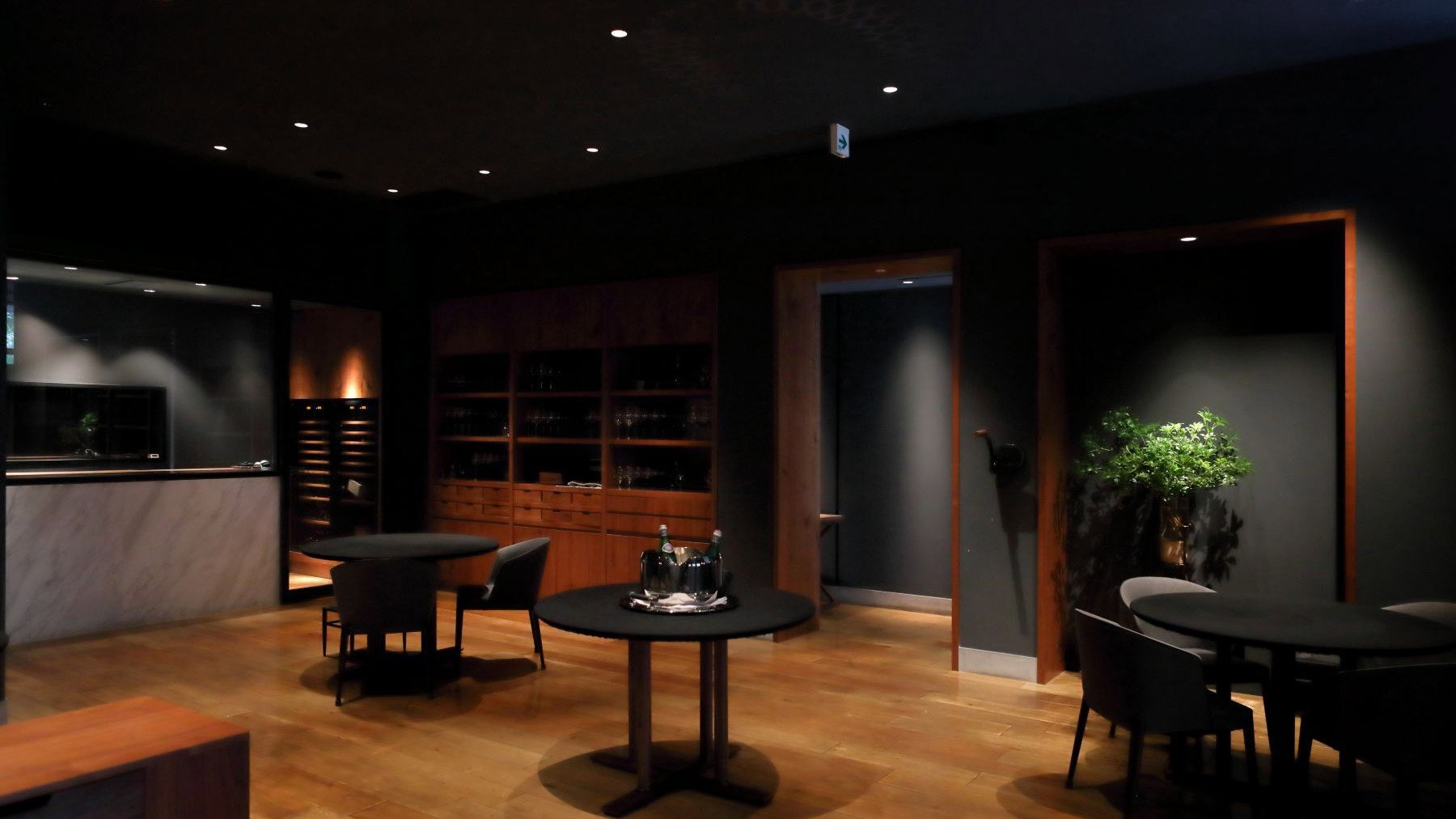
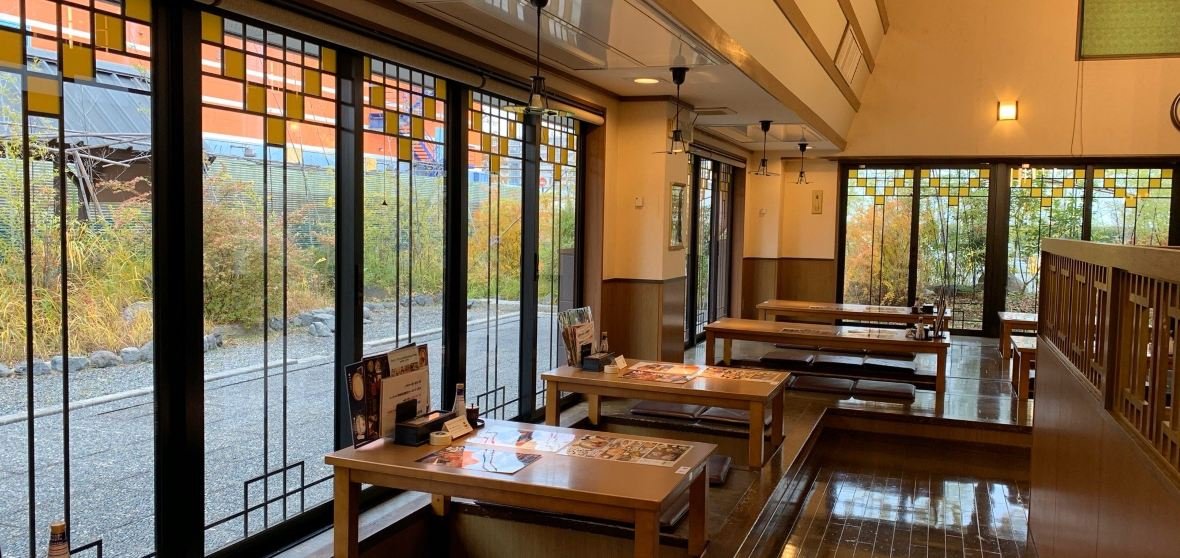
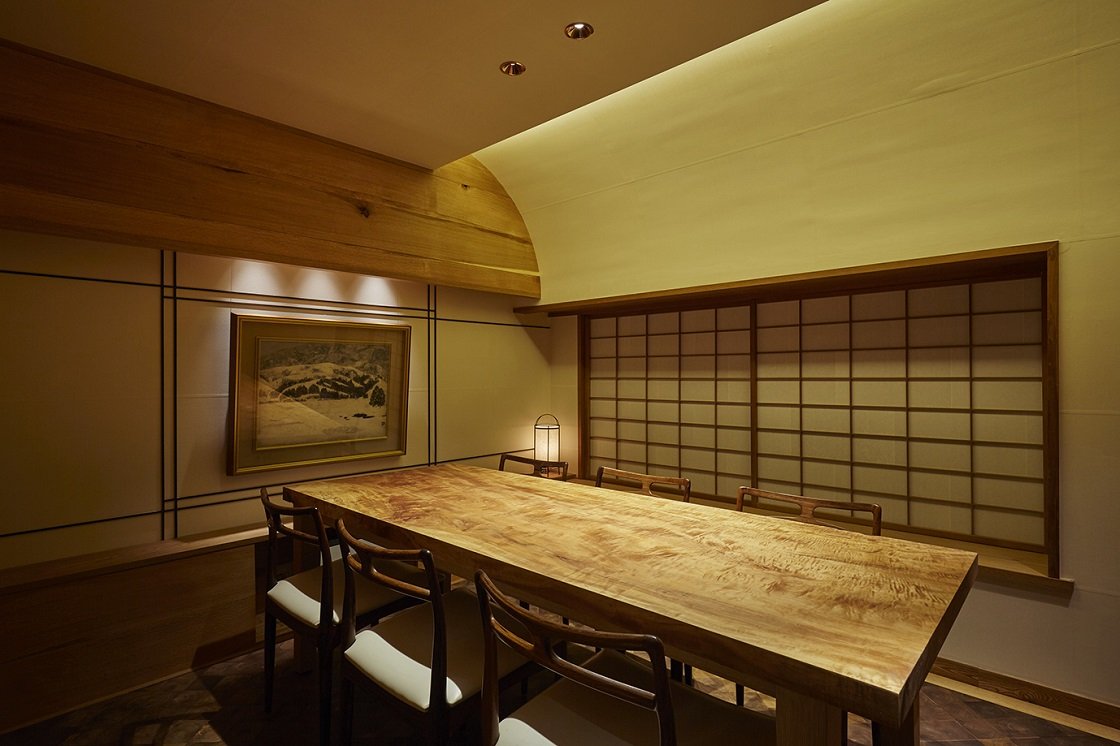
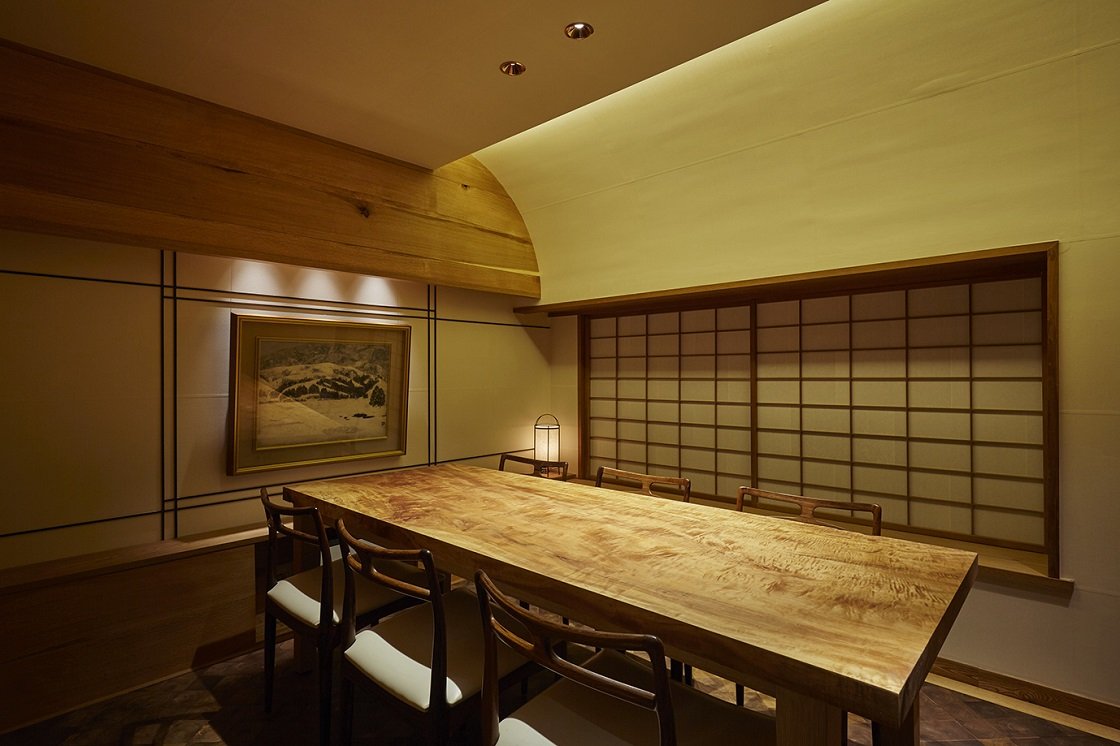
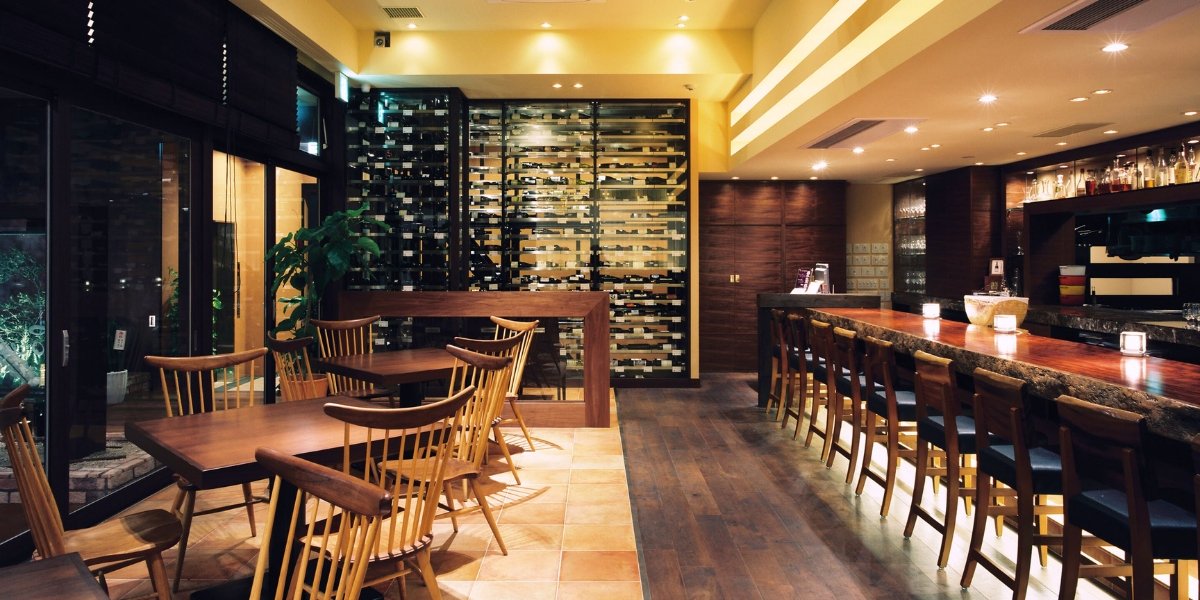
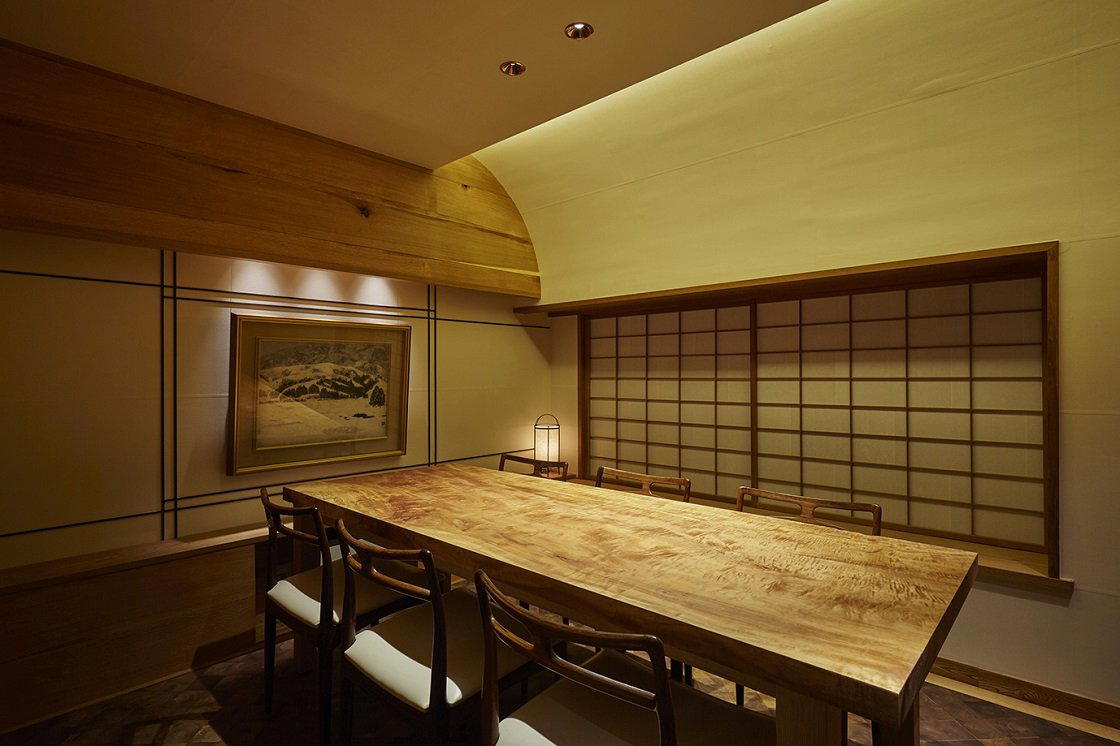
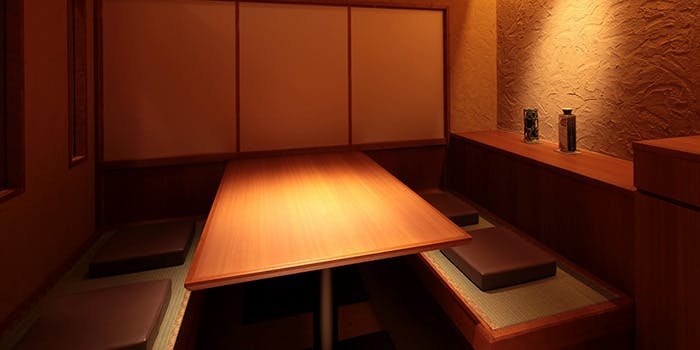
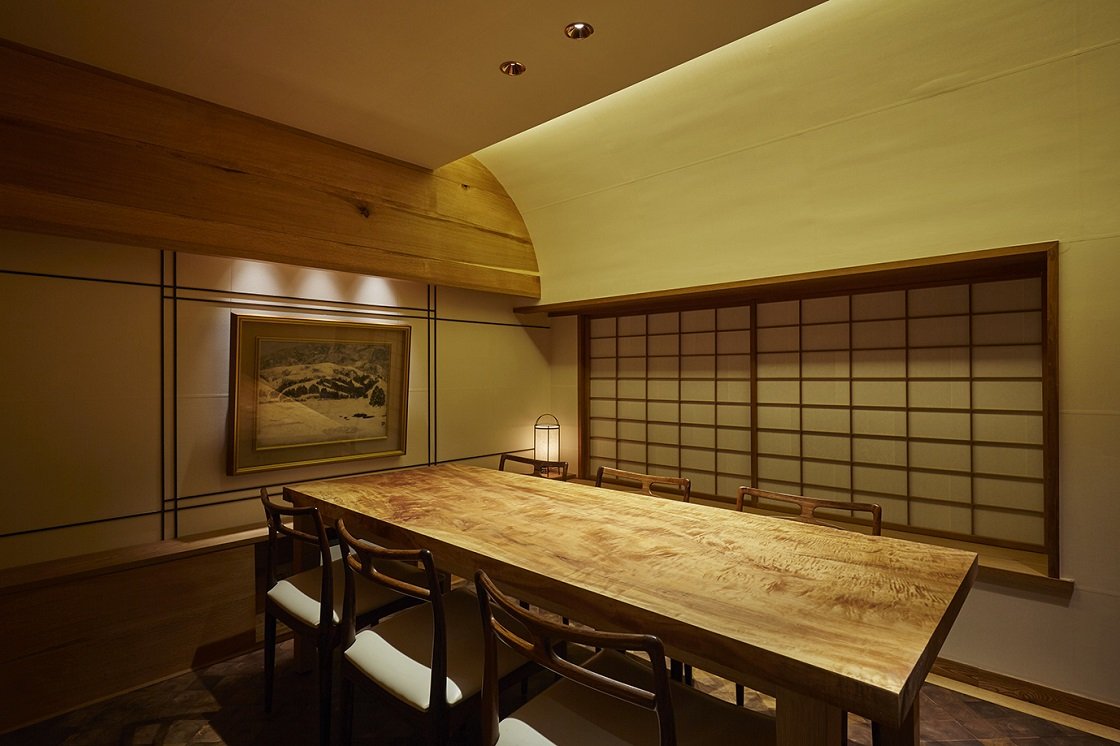
Stylish, relaxing space with counter seating where guests watch chefs create dishes on the gleaming teppan in an intimate, sophisticated setting.
Tags
Vibe
Best For
Experience
At the Table
- Dress Code
- Smart Casual
- Noise Level
- Quiet
- Service Style
- Upscale Casual
- Meal Pacing
- Leisurely
- Capacity
- Intimate
Signature Dishes
- Pork and Egg Okonomiyaki
- Pork Yakisoba
Know before you go
Know Before You Go
- Getting there
- 4 Chome-5-11 Minamikyuhojimachi, Chuo Ward, Osaka, 541-0058, Japan
Planning details
Location
4 Chome-5-11 Minamikyuhojimachi, Chuo Ward, Osaka, 541-0058, Japan · Directions

Also consider
Also Consider
- HAJIME, French, Innovative, ¥¥¥¥
- La Cime, French, ¥¥¥¥
- Kashiwaya Osaka Senriyama, Japanese, ¥¥¥
- Taian, Kaiseki, Japanese, ¥¥¥
- Fujiya 1935, Innovative, ¥¥¥¥
Restaurant context
JIBUNDOKI sits at ¥¥ with back-to-back Bib Gourmand recognition, which puts it in a different category from most of Osaka's headline dining. HAJIME, La Cime, and Fujiya 1935 are all ¥¥¥¥ operations with formal tasting structures and booking windows that can stretch weeks out. If your priority is a technically precise, multi-course progression, those are the right venues. If your priority is creative, flexible eating at a fraction of the price, JIBUNDOKI is the stronger call.
Kashiwaya Osaka Senriyama and Taian both sit at ¥¥¥ and offer kaiseki formats rooted in Japanese tradition. They're the right choice when the experience is meant to be ceremonial, a kaiseki progression, seasonal ingredients, formal pacing. JIBUNDOKI's teppanyaki counter is a different mood entirely: informal, cross-cultural, and built for sampling rather than ritual. Neither is better in absolute terms; they serve different evenings.
For value-focused diners choosing between Osaka's Bib Gourmand tier and its starred restaurants, JIBUNDOKI is the clearest entry point. It's easier to book than any ¥¥¥¥ option on this list, requires less advance planning than Kashiwaya or Taian, and delivers Michelin-recognised cooking without requiring a formal occasion to justify the spend. If you're building a multi-night Osaka itinerary and want one splurge dinner alongside more accessible meals, JIBUNDOKI handles the accessible end with more ambition than most mid-range counters in the city.
Explore Osaka
Around this place
Discover more on Pearl
Unlock the full JIBUNDOKI guide in Pearl, including awards, comparisons, FAQs, planning details, and nearby places.
Compare JIBUNDOKI
| Venue | Price | Booking Difficulty | Awards |
|---|---|---|---|
| JIBUNDOKI | ¥¥ | Easy | 2026 OAD Top Restaurants in Japan RecommendedMichelin Guide Kyoto Osaka 20262026 Bib GourmandTabelog 100 - Steak / Teppanyaki - WEST - 2025 · #252025 Michelin Bib Gourmand2024 Michelin Bib Gourmand |
| HAJIME | ¥¥¥¥ | Unknown | Star Wine Lists 2026 · #12026 Tabelog Bronze · #922026 OAD Top Restaurants in Japan Ranked · #98Michelin Guide Kyoto Osaka 20262026 La Liste Top RestaurantsTabelog 100 - Innovative / Creative cuisine - 2025 · #692025 Asia's 50 Best Restaurants · #832025 OAD Top Restaurants in Japan Ranked · #87We're Smart World Top Restaurants 2025 |
| La Cime | ¥¥¥¥ | Unknown | 2026 Asia's 50 Best Restaurants · #132026 OAD Top Restaurants in Japan Ranked · #1492026 Tabelog Bronze · #231Michelin Guide Kyoto Osaka 20262026 La Liste Top Restaurants2025 Asia's 50 Best Restaurants · #82025 World's 50 Best Restaurants · #44Tabelog 100 - French - WEST - 2025 · #932025 OAD Top Restaurants in Japan Ranked · #123 |
| Kashiwaya Osaka Senriyama | ¥¥¥ | Unknown | 2026 Tabelog Bronze · #1682026 OAD Top Restaurants in Japan Recommended2026 Relais Chateaux RestaurantsMichelin Guide Kyoto Osaka 20262026 La Liste Top RestaurantsTabelog 100 - Japanese cuisine - WEST - 2025 · #772025 OAD Top Restaurants in Japan Ranked · #1552025 Relais Chateaux Award2025 Michelin 3 Stars |
| Taian | ¥¥¥ | Unknown | 2026 OAD Top Restaurants in Japan RecommendedMichelin Guide Kyoto Osaka 20262026 La Liste Top Restaurants2025 OAD Top Restaurants in Japan Ranked · #2042025 La Liste Top Restaurants2025 Michelin 3 Stars2024 OAD Top Restaurants in Japan Ranked · #1912024 Michelin 3 Stars2023 OAD Top Restaurants in Japan Highly Recommended |
| Fujiya 1935 | ¥¥¥¥ | Unknown | 2026 Tabelog Bronze · #752026 OAD Top Restaurants in Japan RecommendedMichelin Guide Kyoto Osaka 20262026 La Liste Top Restaurants2025 Michelin 2 Stars2025 Tabelog Silver2025 La Liste Top Restaurants2024 OAD Top Restaurants in Japan Ranked · #2392024 Michelin 2 Stars |
.png?width=1200&quality=80)








Comparing your options in Osaka for this tier.
FAQ
Frequently Asked Questions
What should a first-timer know about JIBUNDOKI?
Come prepared to graze. Chef Chalee Kader serves everything in bite-sized pieces, so the session is built around variety rather than a single centrepiece protein. The okonomiyaki is a strong entry point — both pork and mixed versions are available — but the grilled skewer range is where the kitchen shows its range, pulling in references from multiple cuisines. At the ¥¥ price point with a Michelin Bib Gourmand (2024 and 2025), the bar is set for value, not fine-dining formality.
Is JIBUNDOKI good for a special occasion?
It works for a low-key celebration where the focus is on interesting food and good value rather than white-tablecloth ceremony. The Bib Gourmand recognition gives it credibility, and the wide-ranging menu makes it feel like an event in itself. If the occasion calls for a more formal setting, La Cime or HAJIME in Osaka operate at a different register. JIBUNDOKI is the better call when the goal is a genuinely fun meal without a high-end price tag.
How far ahead should I book JIBUNDOKI?
Booking is rated easy relative to Osaka's Michelin-starred tier, where restaurants like HAJIME or La Cime can demand weeks of lead time. Same-week reservations are likely achievable here, though confirming a few days out is sensible for weekend evenings. The ¥¥ price point and Bib Gourmand status do attract consistent local interest, so don't leave it to the day of.
Is JIBUNDOKI worth the price?
At ¥¥ with two consecutive Michelin Bib Gourmand awards, yes — the value case is clear. The Bib Gourmand is specifically Michelin's signal for quality at a price that doesn't strain the wallet, and JIBUNDOKI has earned it back-to-back in 2024 and 2025. If you're comparing against Osaka's starred restaurants, this is the option when you want Michelin-vetted cooking without the outlay. The bite-sized format also means you eat broadly, which stretches the value further.
Does JIBUNDOKI handle dietary restrictions?
The menu spans okonomiyaki, grilled skewers, and items like salmon tartare and tteokbokki, so there is some natural range. However, specific dietary accommodation policies are not documented in the available venue data. Given the counter format and the chef-driven menu, it's worth contacting the restaurant directly before visiting if you have strict requirements — the teppanyaki format can be less flexible than à la carte dining.
Is the tasting menu worth it at JIBUNDOKI?
The venue operates a structured progression of bite-sized dishes rather than a conventional tasting menu format, but the effect is similar: you move through a broad range of items across the meal. At ¥¥ with Bib Gourmand standing, the per-head cost is modest by Osaka Michelin standards. The format rewards curiosity — the skewers reference multiple culinary traditions and the okonomiyaki batter achieves a light texture despite being thick going in — so if you're open to letting the kitchen dictate the direction, the experience delivers well above its price tier.