

Iwaki
Japanese · Kita, Osaka
Restaurant in Osaka, Japan
 Book with Pearl
The Read
Forward-Only Kappo
Price
$200–300per person
Dress
Smart Casual
Why go
Iwaki is a Michelin one-star kappo in Osaka's Sonezakishinchi district where chef Ryoichi Endo's no-repeat-dishes philosophy makes every visit genuinely unrepeatable. At ¥¥¥, it sits in Osaka's accessible fine-dining tier with hard-to-secure reservations. Book if creative, technique-led Japanese cooking matters more to you than a predictable menu sequence.
About Iwaki
Who Should Book Iwaki, and When
If you are planning a serious dining night in Osaka and want a Michelin-starred kappo experience that prioritises creativity over convention, Iwaki in Sonezakishinchi is the right call. This is the table for diners who find the predictability of a fixed kaiseki sequence too comfortable: chef Yoshiro Iwai does not repeat dishes, and the menu moves forward without looking back. Come here for a special occasion dinner with someone who appreciates technique and genuine culinary curiosity, or as a solo diner willing to engage with whatever direction the kitchen has decided to take that evening. Do not book if you want a safely traditional Osaka dining experience; for that, Kashiwaya Osaka Senriyama is a more considered choice.
What Iwaki Is Actually Like
Iwaki holds a Michelin one star (2024) and sits at number 525 in the Opinionated About Dining rankings of Japan's leading restaurants for 2025, a recognition that places it firmly in the upper tier of Osaka's kappo scene without carrying the full weight of a two- or three-star obligation.
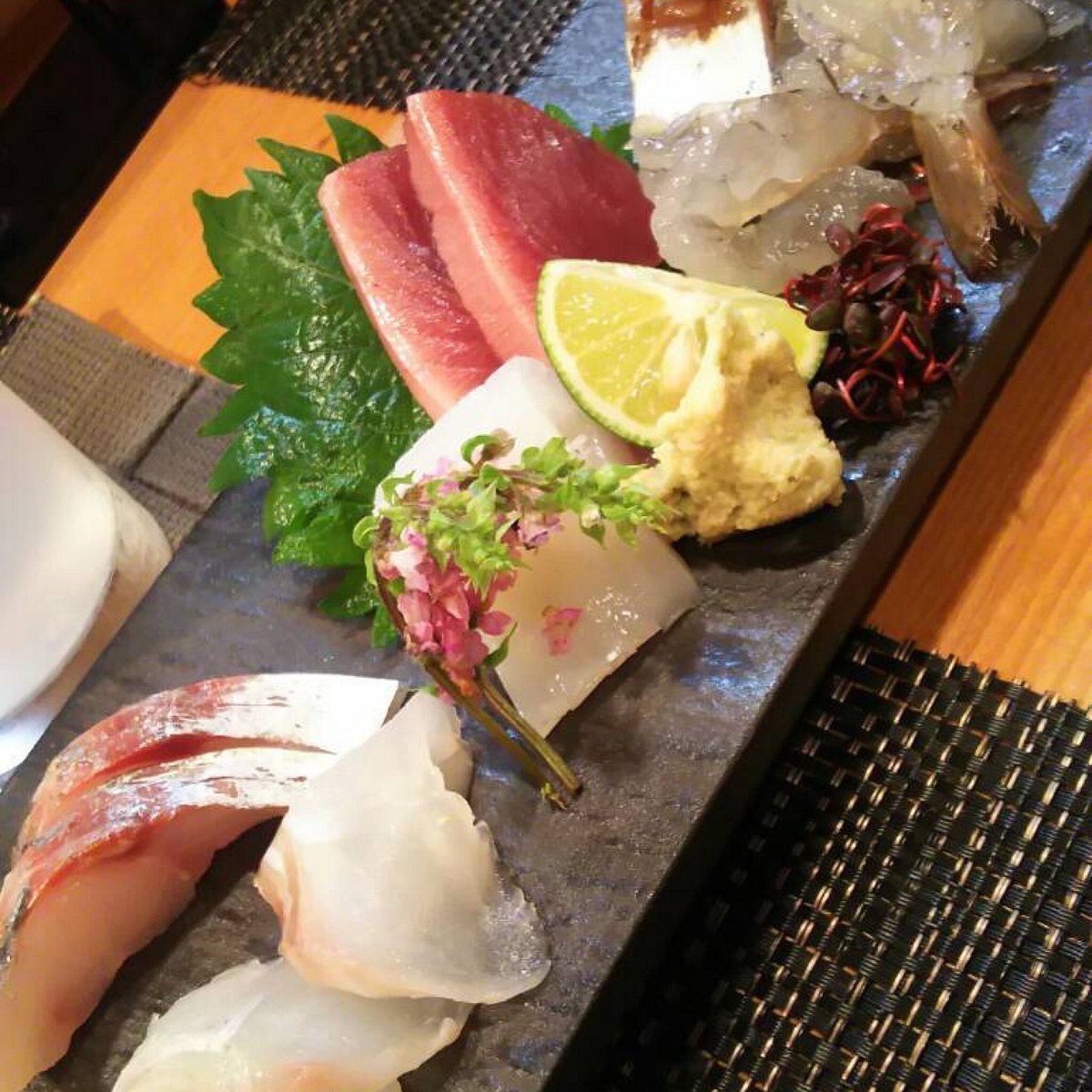
The kitchen's philosophy is worth understanding before you sit down. Iwai trained at a traditional ryotei, which gives him the technical foundation to handle classical Japanese ingredients with precision. He then applied that training through the lens of an old-school Osaka kappo, a format that is inherently more direct and interactive than formal kaiseki. The result is a restaurant where the technique is serious but the posture is not rigid. Hamo, the pike conger eel that is one of the great seasonal ingredients of Osaka and Kyoto summers, is deboned to produce a texture described in the restaurant's own notes as luxuriant plumpness, a result that only comes from a practised hand with a very sharp knife. Separately, eel is salt-grilled rather than the conventional sauce-lacquered approach, producing a cleaner flavour that lets the fish speak without the sweet-savoury glaze that most diners expect. These are not novelties for their own sake; they are the outcomes of a kitchen that genuinely asks why a technique exists before deciding whether to keep it.
The address, second floor of a building in Sonezakishinchi, one of Osaka's more characterful entertainment and dining districts, places Iwaki away from the tourist circuits around Dotonbori. The neighbourhood is populated with bars, small restaurants, and the kind of local foot traffic that makes for a good evening before or after dinner. For other options in the broader Osaka scene, see our full Osaka restaurants guide, and if you are planning an overnight stay, our full Osaka hotels guide covers the leading options near the Kita Ward area.
Booking and Logistics
Booking difficulty at Iwaki is rated hard. Tables are likely managed through a reservations agent, a hotel concierge, or a Japanese-language phone call. If you are visiting from outside Japan, the practical recommendation is to book through your hotel concierge well in advance, or use a service such as Tableall or Omakase that specialises in securing reservations at Japanese restaurants that do not maintain English-language booking infrastructure. Plan for at least three to four weeks' lead time; for weekend sittings, longer. Price range is ¥¥¥, which in Osaka's Michelin-starred kappo context puts the per-head cost in the range typically associated with serious but not three-star-level spend, expect an experience comparable in cost to Taian rather than the higher outlay required at HAJIME or Fujiya 1935.
Iwaki in the Context of Japan's Broader Dining Scene
If you are building an itinerary across Japan, Iwaki fits comfortably alongside other chef-driven, forward-moving Japanese restaurants in the ¥¥¥ tier. For context, Harutaka in Tokyo offers a point of comparison in the sushi omakase format, while Gion Sasaki in Kyoto represents the kaiseki equivalent. Closer in format to Iwaki's kappo approach are Myojaku and Azabu Kadowaki in Tokyo, both of which sit in a similar price tier and reward diners who come with curiosity rather than a fixed expectation of what the meal will look like.
Within Osaka, diners who want to explore the kappo and counter-dining format further will find useful comparisons at Miyamoto, Oimatsu Hisano, Tenjimbashi Aoki, and Yugen. The city's kappo tradition runs deep, and these are all worth knowing about when deciding where to spend your one or two serious dining nights in Osaka.
For dining beyond Osaka on a wider Kansai or Japan trip, akordu in Nara, Goh in Fukuoka, 1000 in Yokohama, and 6 in Okinawa are all worth adding to the list depending on your route.
The Verdict
Book Iwaki if you want a Michelin-starred Osaka kappo meal that earns its star through genuine creative discipline rather than format compliance. The ¥¥¥ price point makes it one of the more accessible entries into Osaka's serious dining tier, and the no-repeat-dishes philosophy means the experience is not replicable, what you eat on the night you go will not be what the table before you had, and will not be offered again. That is either exactly what you want, or it is not. If it is, prioritise securing a reservation early and treat the booking difficulty as the price of admission to something that does not accommodate last-minute decisions. If you want more predictability, Kashiwaya Osaka Senriyama or Taian will serve you better.
Planning details
- Hours
- Monday: 5:30–10 PM · Tuesday: 5:30–10 PM
- Location
- Japan, 〒530-0002 Osaka, Kita Ward, Sonezakishinchi, 1 Chome−6−29 宝ビル 2F 割烹いわき
- Reservations
- Book on TableCheck
- Website
- k-iwaki.com
- Phone
- +81 6-6345-1108
The take
The Take
The Vibe
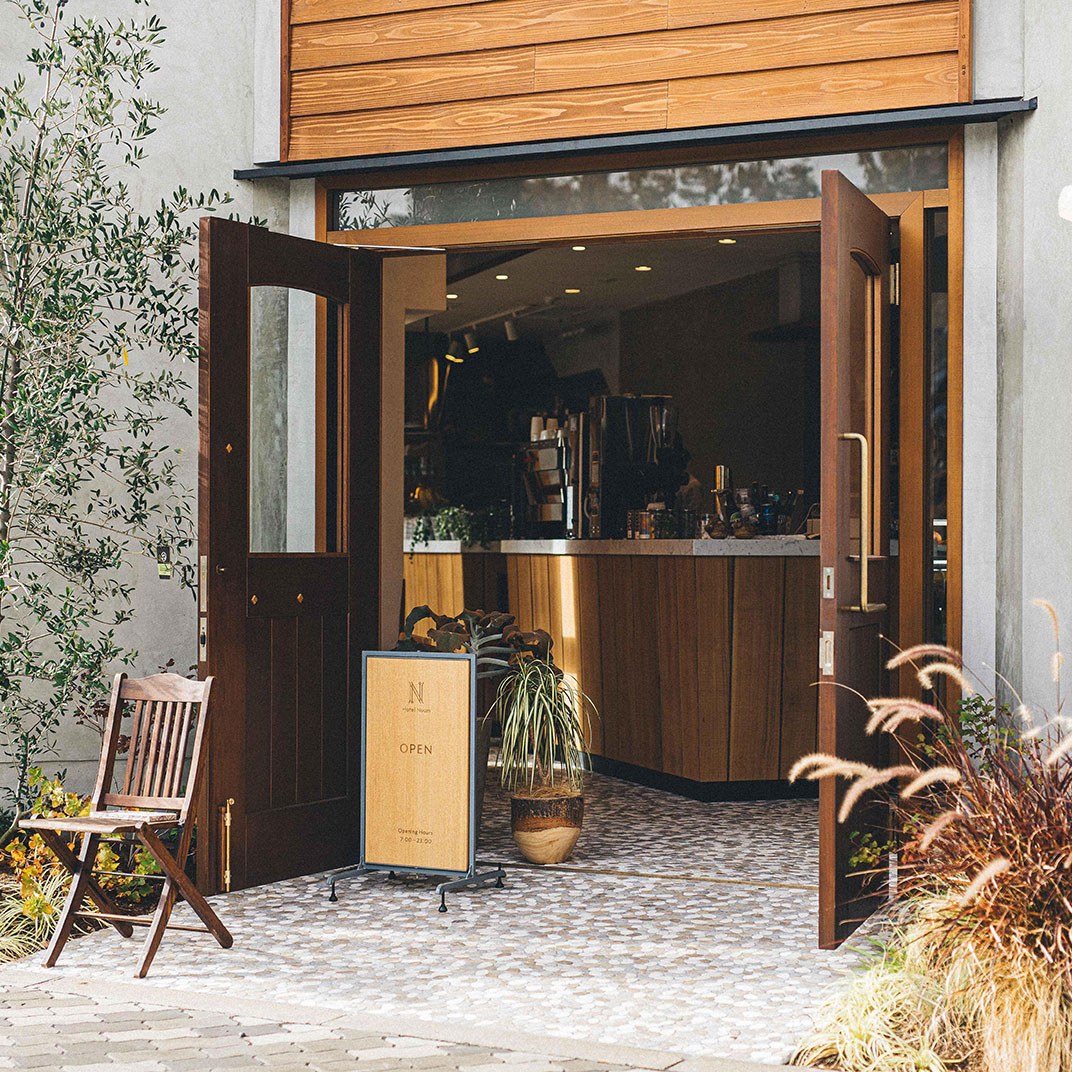
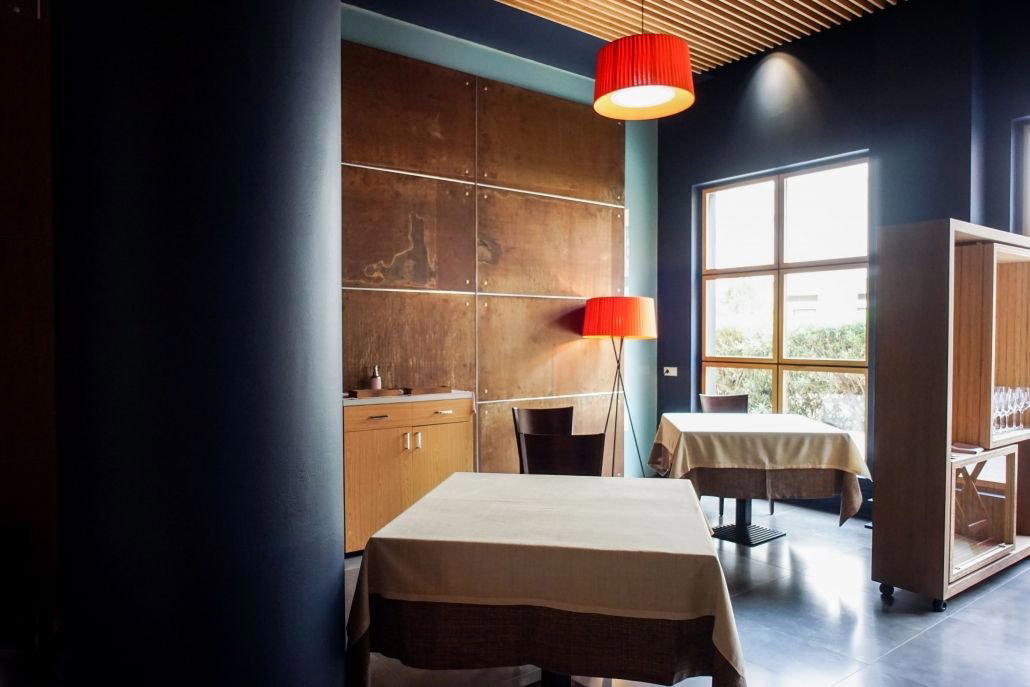
Iwaki sits modestly on the second floor of a mid-century commercial block, and its unassuming exterior belies a tightly focused, chef-led experience. The room centres on a single counter where Chef Yoshiro Iwai stages tasting services that never repeat: each dish is created, served and retired. That forward-facing creative discipline feels modern and quietly intense, favouring invention over established ritual. The result is a low-key, meticulous space, no fanfare at street level, concentrated attention at the counter, that rewards diners who want an unapologetically contemporary take on kappo/kaiseki.
Best For
This is a destination for evening dining: a Michelin-starred counter service that signals a deliberate, tasting-driven meal rather than casual dropping in. The ¥¥¥ price tier and the kitchen's insistence on impermanent dishes make Iwaki particularly suited to diners seeking a thoughtful, single-service experience: ideal for date nights, business dinners or anyone planning a considered dinner that values creativity and rarity. In a food-dense city, the house registers as worth a detour for those after a focused, chef-directed dinner.
Ordering Tips
Iwaki does not operate with a standing menu: the chef composes plates for each service and then retires them. Expect to surrender choice to the kitchen and to experience a set sequence of dishes that will not recur. Note the modest street frontage and second-floor location, the room has little fanfare at street level, and plan your visit around an evening service rather than an à la carte meal. The restaurant's Michelin recognition and consistent reviews suggest the house delivers reliably on its inventive program.
Venue details
Ambiance
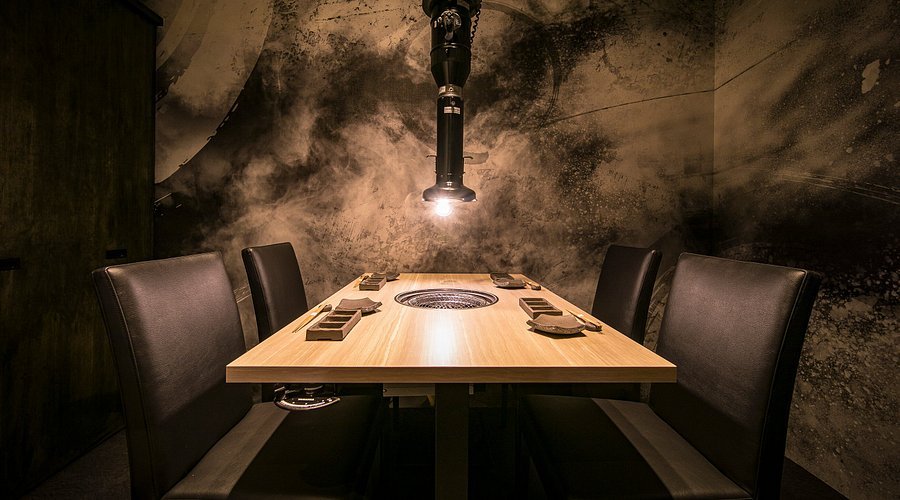
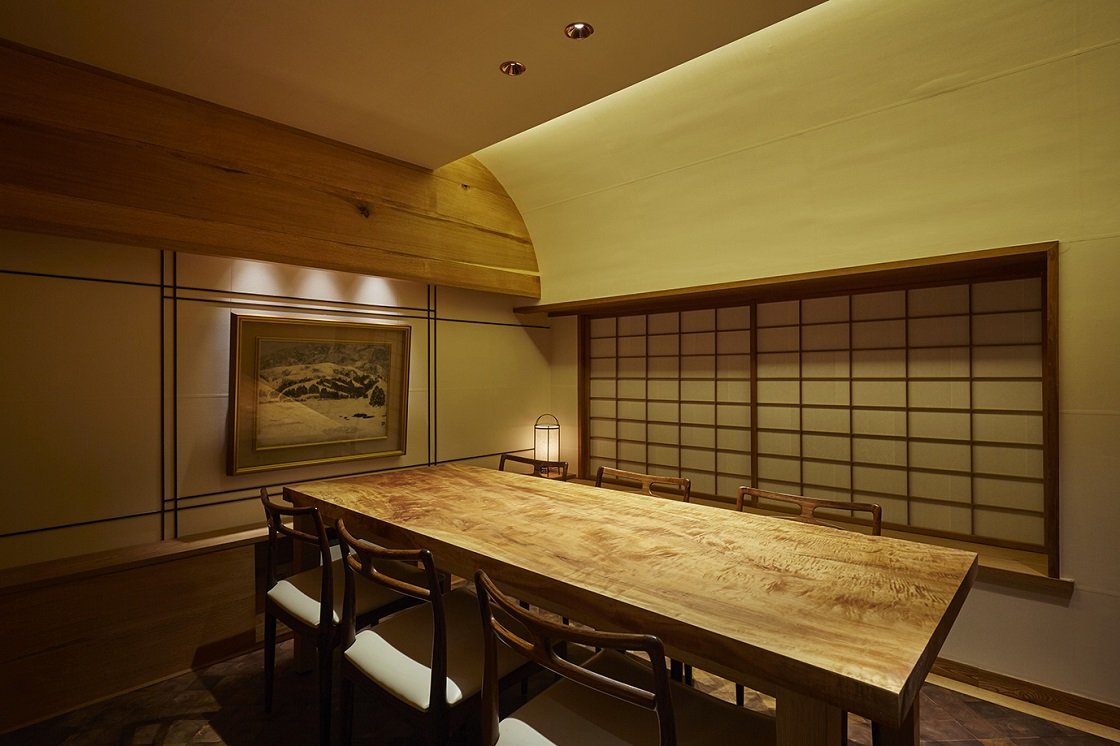
Warm, serene Japanese atmosphere with clean, intimate counter dining and attentive service.
Tags
Vibe
Best For
Experience
Sourcing
At the Table
- Dress Code
- Smart Casual
- Noise Level
- Quiet
- Service Style
- Formal
- Meal Pacing
- Leisurely
- Capacity
- Intimate
- Kitchen
- Traditional
- Menu Format
- Omakase, Counter dining
- Private Dining
- Available
Know before you go
Know Before You Go
- Getting there
- Japan, 〒530-0002 Osaka, Kita Ward, Sonezakishinchi, 1 Chome−6−29 宝ビル 2F 割烹いわき
Planning details
Hours
- Monday
- 5:30–10 PM
- Tuesday
- 5:30–10 PM
- Wednesday
- 11:30 AM–2 PM, 5:30–10 PM
- Thursday
- 5:30–10 PM
- Friday
- 5:30–10 PM
- Saturday
- 11:30 AM–2 PM, 5:30–10 PM
- Sunday
- Closed
Location
Japan, 〒530-0002 Osaka, Kita Ward, Sonezakishinchi, 1 Chome−6−29 宝ビル 2F 割烹いわき · Directions
Recognition and awards

Also consider
Also Consider
- HAJIME: French, Innovative, ¥¥¥¥
- La Cime: French, ¥¥¥¥
- Kashiwaya Osaka Senriyama: Japanese, ¥¥¥
- Taian: Kaiseki, Japanese, ¥¥¥
- Fujiya 1935: Innovative, ¥¥¥¥
Restaurant context
At the ¥¥¥¥ end of Osaka's dining spectrum, HAJIME, La Cime, and Fujiya 1935 all demand a noticeably higher spend and deliver a more formally constructed experience. HAJIME is the most ambitious of the three: three Michelin stars and a rigorous tasting menu format that suits diners who want the full progressive-cuisine commitment. La Cime and Fujiya 1935 occupy a similar price tier and are better choices if French-inflected innovation is your preference over Japanese kappo. None of them replicate what Iwaki does: all three are structured, repeating menus with a defined creative identity, whereas Iwaki's appeal is specifically its refusal to look back.
Within the ¥¥¥ tier, the more direct comparisons are Kashiwaya Osaka Senriyama and Taian. Kashiwaya is the better option for diners who want a more traditional kaiseki sequence: it is structurally more predictable and arguably easier to appreciate if you are new to serious Japanese dining in Osaka. Taian's kaiseki format similarly offers a composed, seasonal progression that rewards guests who want to understand a defined culinary point of view. Iwaki is more demanding of the diner: you are ceding more control to the kitchen, and the payoff is a more personal and genuinely evolving experience. On pure booking difficulty, all three are competitive, but Iwaki's lack of English-language infrastructure makes it the hardest of the group to secure without local assistance.
The practical recommendation: if this is your first serious meal in Osaka, Kashiwaya or Taian give you a more navigable introduction. If you have eaten at that level before and want something with a higher degree of creative risk and a kitchen that treats repetition as failure, Iwaki is the right upgrade within the same price tier.
Explore Osaka
Around this place
Discover more on Pearl
Unlock the full Iwaki guide in Pearl, including awards, comparisons, FAQs, planning details, and nearby places.
Compare Iwaki
| Venue | Price | Awards |
|---|---|---|
| Iwaki | ¥¥¥ | Michelin Guide Kyoto Osaka 20262026 Michelin 1 Star2025 OAD Top Restaurants in Japan Ranked · #5252024 Michelin 1 Star |
| HAJIME | ¥¥¥¥ | Star Wine Lists 2026 · #12026 Tabelog Bronze · #922026 OAD Top Restaurants in Japan Ranked · #98Michelin Guide Kyoto Osaka 20262026 La Liste Top RestaurantsTabelog 100 - Innovative / Creative cuisine - 2025 · #692025 Asia's 50 Best Restaurants · #832025 OAD Top Restaurants in Japan Ranked · #87We're Smart World Top Restaurants 2025 |
| La Cime | ¥¥¥¥ | 2026 Asia's 50 Best Restaurants · #132026 OAD Top Restaurants in Japan Ranked · #1492026 Tabelog Bronze · #231Michelin Guide Kyoto Osaka 20262026 La Liste Top Restaurants2025 Asia's 50 Best Restaurants · #82025 World's 50 Best Restaurants · #44Tabelog 100 - French - WEST - 2025 · #932025 OAD Top Restaurants in Japan Ranked · #123 |
| Kashiwaya Osaka Senriyama | ¥¥¥ | 2026 Tabelog Bronze · #1682026 OAD Top Restaurants in Japan Recommended2026 Relais Chateaux RestaurantsMichelin Guide Kyoto Osaka 20262026 La Liste Top RestaurantsTabelog 100 - Japanese cuisine - WEST - 2025 · #772025 OAD Top Restaurants in Japan Ranked · #1552025 Relais Chateaux Award2025 Michelin 3 Stars |
| Taian | ¥¥¥ | 2026 OAD Top Restaurants in Japan RecommendedMichelin Guide Kyoto Osaka 20262026 La Liste Top Restaurants2025 OAD Top Restaurants in Japan Ranked · #2042025 La Liste Top Restaurants2025 Michelin 3 Stars2024 OAD Top Restaurants in Japan Ranked · #1912024 Michelin 3 Stars2023 OAD Top Restaurants in Japan Highly Recommended |
| Fujiya 1935 | ¥¥¥¥ | 2026 Tabelog Bronze · #752026 OAD Top Restaurants in Japan RecommendedMichelin Guide Kyoto Osaka 20262026 La Liste Top Restaurants2025 Michelin 2 Stars2025 Tabelog Silver2025 La Liste Top Restaurants2024 OAD Top Restaurants in Japan Ranked · #2392024 Michelin 2 Stars |









A quick look at how Iwaki measures up.
FAQ
Frequently Asked Questions
Is Iwaki good for solo dining?
Yes: kappo format is built for solo diners. The counter-style service means chef Yoshiro Iwai's team works directly with each guest, and a no-fixed-menu approach means the kitchen can pace courses around you. At ¥¥¥ in Osaka's Kita Ward, it's a sensible solo spend for the credential: Michelin one star (2024) and ranked 525 in OAD Japan 2025.
What should I wear to Iwaki?
Kappo restaurants at this price tier in Osaka generally expect neat, understated clothing. Avoid overly casual attire; business casual or simple smart dress is a safe call. Loud or bulky outerwear can feel out of place in a small room.
What should a first-timer know about Iwaki?
There is no fixed menu: Iwai's philosophy is strictly forward-moving, meaning dishes are never repeated. First-timers should arrive without expectations tied to a specific dish or format. The Michelin one-star (2024) recognition reflects technique and creativity rather than ceremony, so the experience is closer to a chef's workshop than a formal tasting room. Booking is hard; plan well ahead.
What should I order at Iwaki?
There's no à la carte menu to order from: Iwaki is entirely chef-directed, with Yoshiro Iwai setting the direction each service. The available data highlights techniques like deboning hamo for a plumper texture and salt-grilling eel instead of the conventional sauce approach. Trust the kitchen; the point of the restaurant is that you can't predict what's coming.
Can I eat at the bar at Iwaki?
Kappo restaurants like Iwaki are structured around counter dining, so eating at the bar is effectively the format: not an alternative to it. The counter placement puts guests directly in front of the kitchen, which is central to how Yoshiro Iwai's team works. There is no website listed, so contact via reservation channel to confirm seating arrangements for specific group sizes.