
Hozan
Japanese · Tennōji, Osaka
Restaurant in Osaka, Japan
 Book with Pearl
The Read
Seafood Depth Over Breadth
Price
¥¥¥
Dress
Smart Casual
Why go
Hozan earns back-to-back Michelin Plates (2024–2025) with a fish-first menu that goes deeper on preparation technique than anything else at ¥¥¥ in Osaka. The meal runs from seafood iimushi through fish-based dashi soups to an earthenware rice course, all structured around one clear sourcing argument. Book it if fish is your priority; it is easy to get into and priced fairly for what it delivers.
About Hozan
Verdict
Hozan is the right call if fish is your focus. At ¥¥¥ in Tennoji Ward, this owner-chef-run room earns its back-to-back Michelin Plates (2024, 2025) through an unusually deep understanding of fish preparation rather than through spectacle or prestige dining theatre. If you have been once and left thinking the seafood iimushi was the highlight, you are right — come back and let the full meal sequence do its work. Booking is easy, the price is honest for what you get, and there is no comparable room in Osaka that takes the same ingredient-obsessive approach to fish at this price point.
The Restaurant
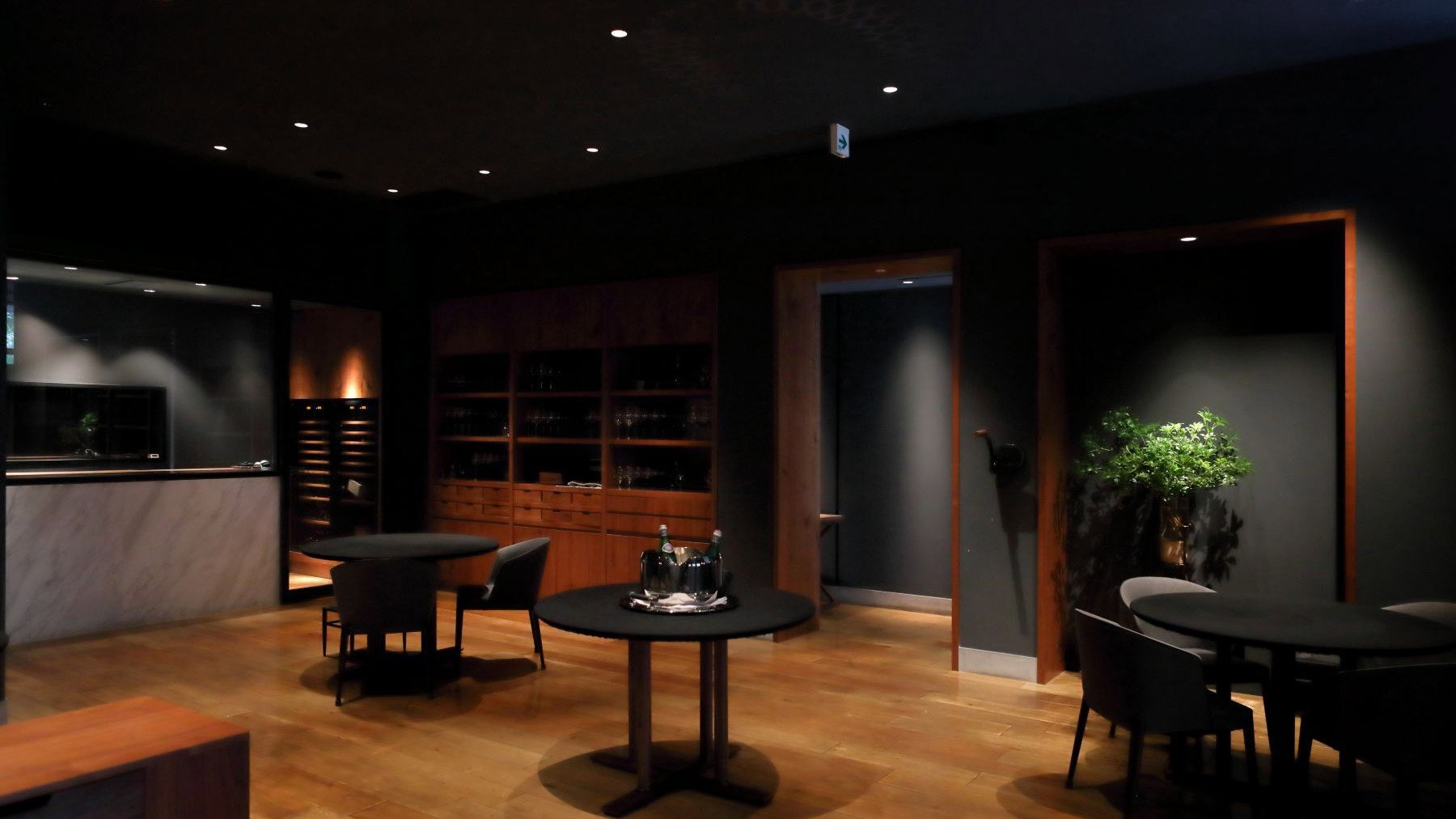
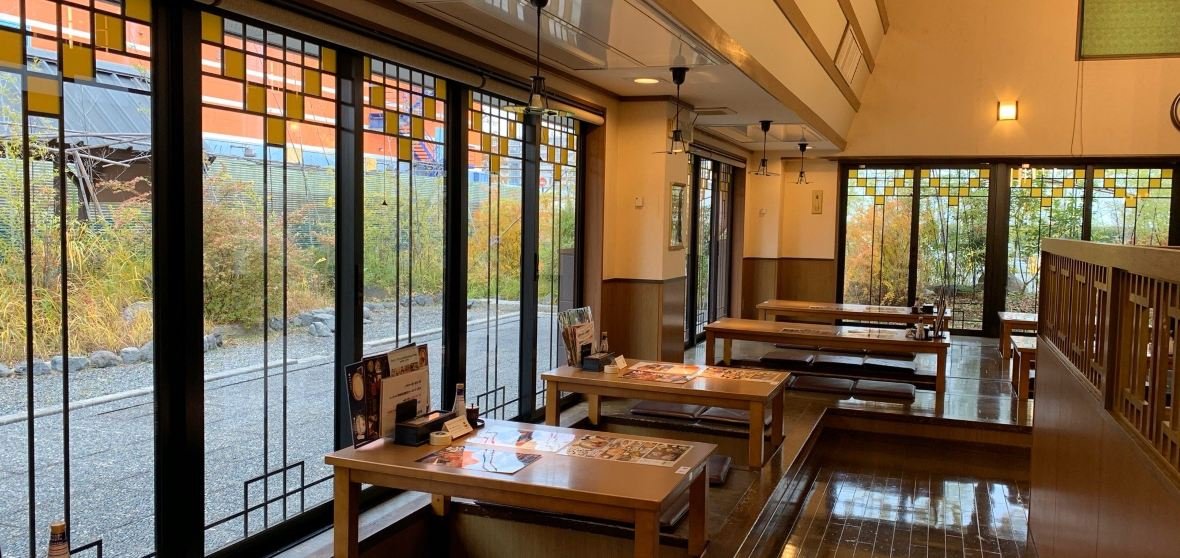
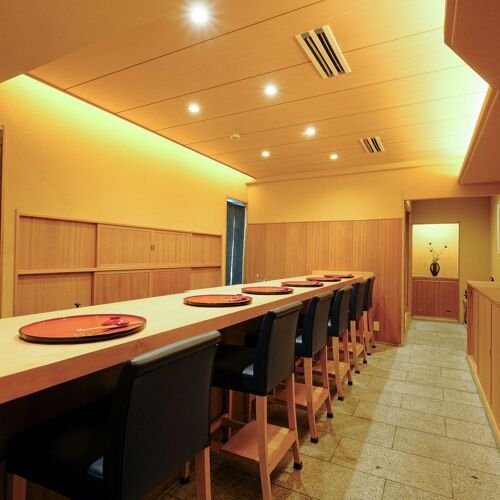
The address is Higashikozucho in Tennoji Ward, the kind of low-key commercial block that characterises serious cooking in Osaka rather than prestigious dining postcards. The room sits on the ground floor of the Amakawa Building and the energy inside matches: focused, quiet, and purposeful rather than buzzy or theatrical. If you are arriving from central Osaka or crossing over from the Namba side of the city, the neighbourhood keeps noise low and distractions lower. For atmosphere, think measured and attentive rather than celebratory or loud — a better fit for a conversation-led dinner than a group night out.
The sourcing logic here is what justifies the visit. The owner-chef trained at a seafood restaurant before opening Hozan, and that background shapes the entire menu in visible, practical ways. Fish is not simply the protein on the plate, it is the structural principle of the meal. Fresh fish and aged fish are handled through different preparation methods, each chosen to convey distinct flavour registers. This is not a distinction most restaurants bother to make explicitly, and the fact that it defines Hozan's menu from starter through to rice is what sets it apart from other ¥¥¥ Japanese restaurants in Osaka.
Meal opens with seafood iimushi, a steamed mochi rice dish with seafood toppings that sets the register for what follows. It is a grounding dish rather than a showpiece, and that is the point: Hozan is not trying to impress you with novelty, it is building a case for fish as a complete culinary vocabulary. Soups use dashi drawn directly from the seafood itself, which means the stock reflects the specific catch of the day rather than a standardised base. That detail matters more than it sounds, it keeps each visit tasting slightly different and gives the meal coherent flavour logic from bowl to bowl.
Rice course offers a choice: white rice or fish takikomi-gohan, a seasoned rice cooked with fish in an earthenware pot. The fact that both options are available rather than a single prescribed choice signals the kitchen's orientation toward guest satisfaction over rigid sequencing. If you ate the white rice on your first visit, the takikomi-gohan is worth trying next time as a way to see how the fish theme closes out the meal. The earthenware pot service also adds a textural contrast to the meal's final third that the white rice option cannot replicate in the same way.
The Michelin Plate recognition in both 2024 and 2025 confirms the kitchen is cooking at a level that warrants attention, even if it has not yet crossed into starred territory. For the reader deciding between a Michelin-starred room and Hozan, the honest position is this: Hozan trades vertical prestige for horizontal depth. You are not getting a starred performance, but you are getting a singular focus on fish that starred rooms in Osaka rarely replicate.
If you are building a longer trip through the Kansai region, Hozan pairs well as a contrast to the broader kaiseki tradition you will encounter elsewhere. A meal at Kashiwaya Osaka Senriyama delivers full kaiseki architecture at the same ¥¥¥ price tier; Hozan is more concentrated and less ceremonial. For reference points further afield, Harutaka in Tokyo occupies a similar fish-forward ethos but in an omakase sushi format at a higher price point, while Gion Sasaki in Kyoto shows how kaiseki handles seasonal seafood within a more ceremonial frame. Hozan is less formal than either but makes its fish argument more directly.
Within Osaka, Miyamoto, Oimatsu Hisano, and Tenjimbashi Aoki each offer Japanese dining at comparable quality tiers; Yugen sits slightly upmarket in ambition. None approaches fish with the same systematic focus. If fish preparation at depth is the reason you are booking, Hozan has no direct competitor at its price in the city. See our full Osaka restaurants guide for broader coverage, and our Osaka hotels guide if you are planning around the Tennoji area. We also cover bars, wineries, and experiences across the city.
For comparison beyond Osaka: akordu in Nara, Goh in Fukuoka, 1000 in Yokohama, 6 in Okinawa, Myojaku in Tokyo, and Azabu Kadowaki in Tokyo each show how Japanese restaurants build around a specific culinary argument. Hozan's argument is fish, made clearly and without distraction.
Practical Details
Hozan is at 3-13 Higashikozucho, Tennoji Ward, Osaka (Amakawa Building, 1F). Price range is ¥¥¥. Michelin Plate 2024 and 2025. Booking difficulty: easy. No website or phone number is listed in our database, verify availability through local booking platforms or in person. Dress code and seat count are not confirmed in our data.
Planning details
- Location
- Japan, 〒543-0021 Osaka, Tennoji Ward, Higashikozucho, 3−13 天川ビル 1F
- Website
- hozan-osaka.com
- Phone
- +81 6-6777-7498
The take
The Take
The Vibe
Hozan presents itself with quiet restraint: an understated ground-floor room on a calmer Tennoji street where signage does little to announce the cooking within. The dining room favors local regulars over tourist traffic, and an attentive discipline underpins the experience—no theatrical gestures, just meticulous technique. The kitchen treats fish as craft across a full menu, positioning the restaurant between Tokyo-style counter omakase and Kyoto's formal kaiseki rather than fully inhabiting either. The result is a composed, serene place where small details and refined seafood preparations define the mood.
Best For
Hozan is best experienced as a focused evening outing. Its refined, fish-forward menu and restrained atmosphere suit intimate date nights and special occasions where the food, not theatrics, takes center stage. The room’s local regulars and modest entrance also make it appropriate for understated celebrations or discreet business dinners among guests who appreciate meticulous technique and seasonal seafood. The pace and format favor a multi-course dinner rather than casual daytime grazing, so plan for a sit-down meal that highlights the kitchen’s craftsmanship.
Ordering Tips
The kitchen emphasizes a variety of fish preparations across a full menu rather than a single counter omakase, so sample multiple preparations to gauge the house’s approach. Start with iimushi or takikomi-gohan—rice dishes that absorb seafood flavor—and seek the cured amberjack and tempura with white shrimp, both cited as signatures. The hand-rolled soba is another distinctive option to round out the meal. Given the restaurant’s focus on extraction and control, allow each course to be tasted on its own terms rather than relying on heavy seasoning.
Venue details
Ambiance
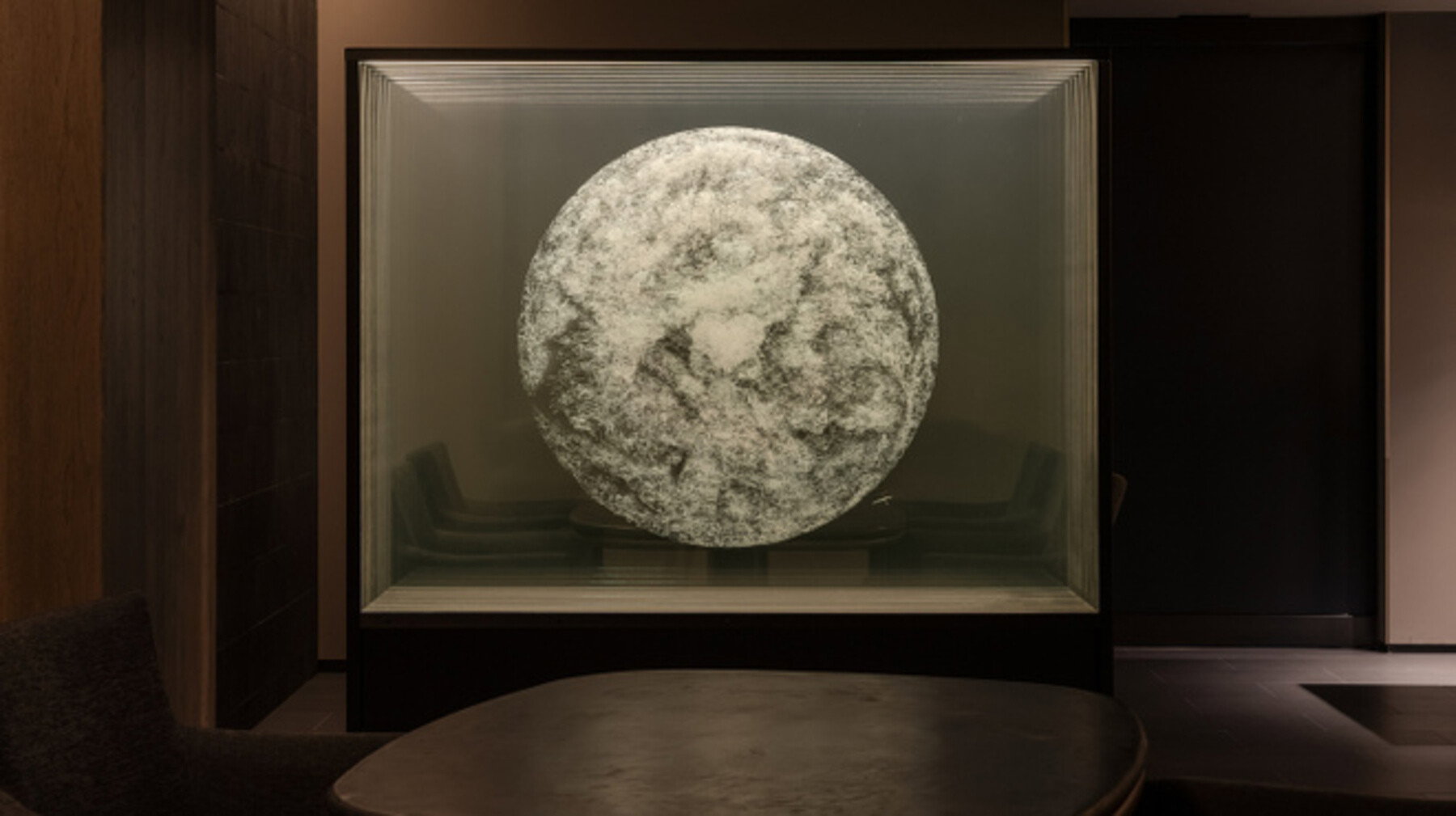
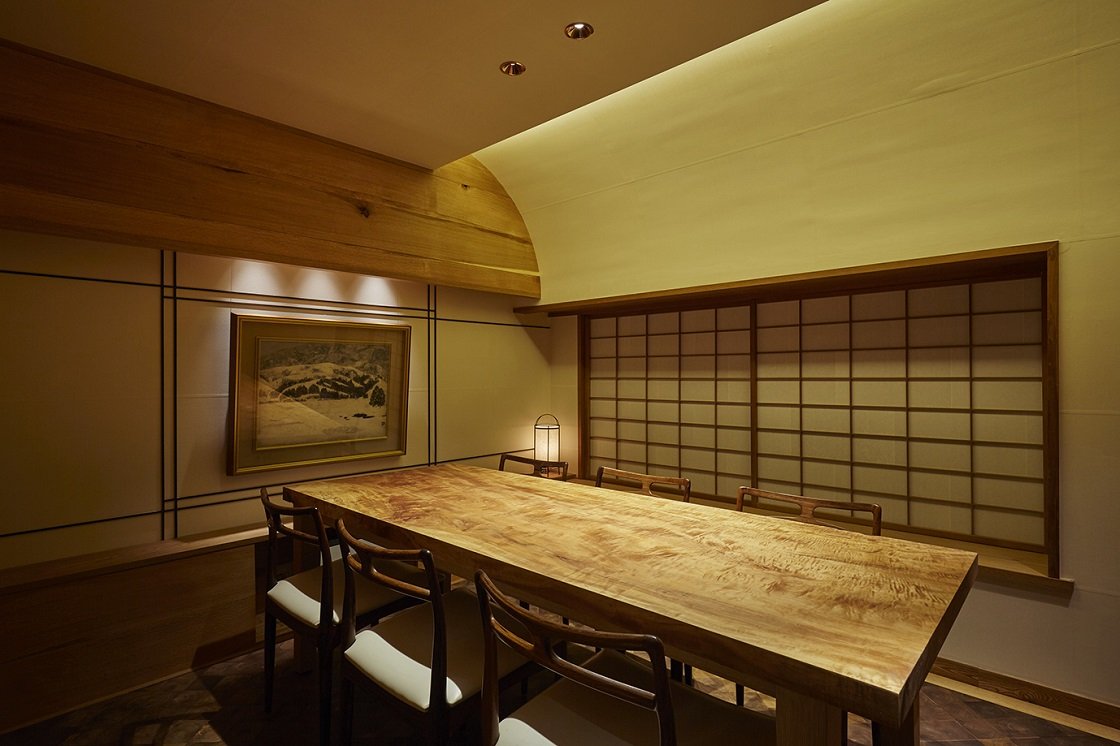
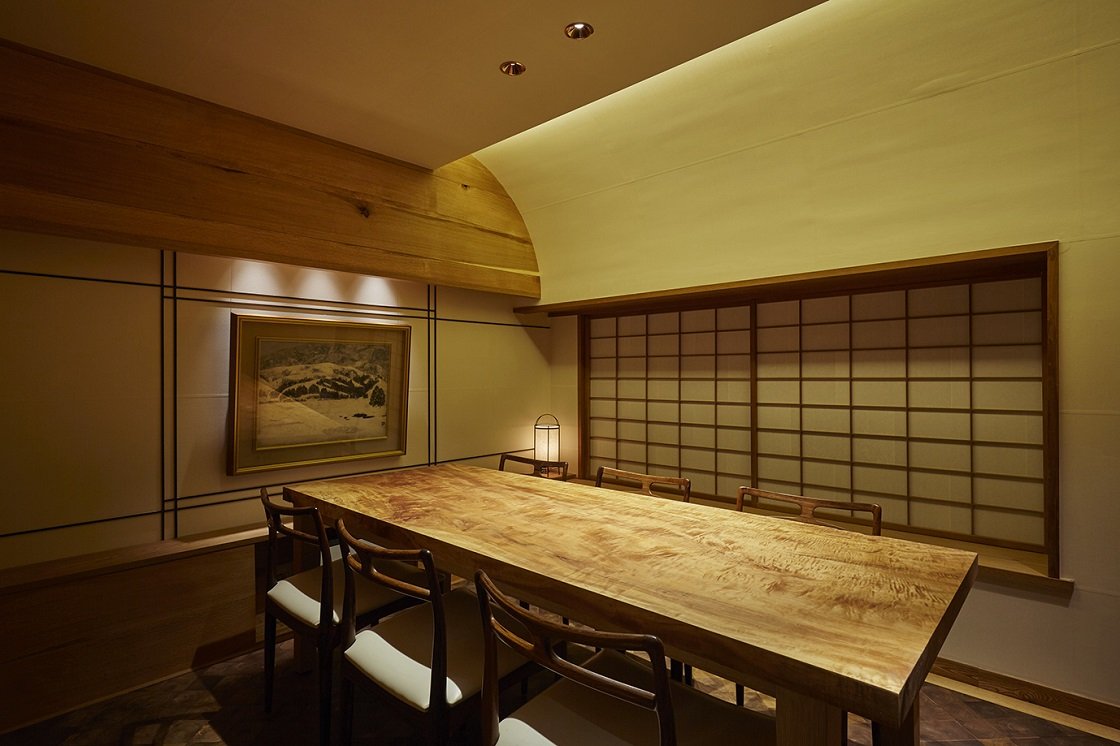
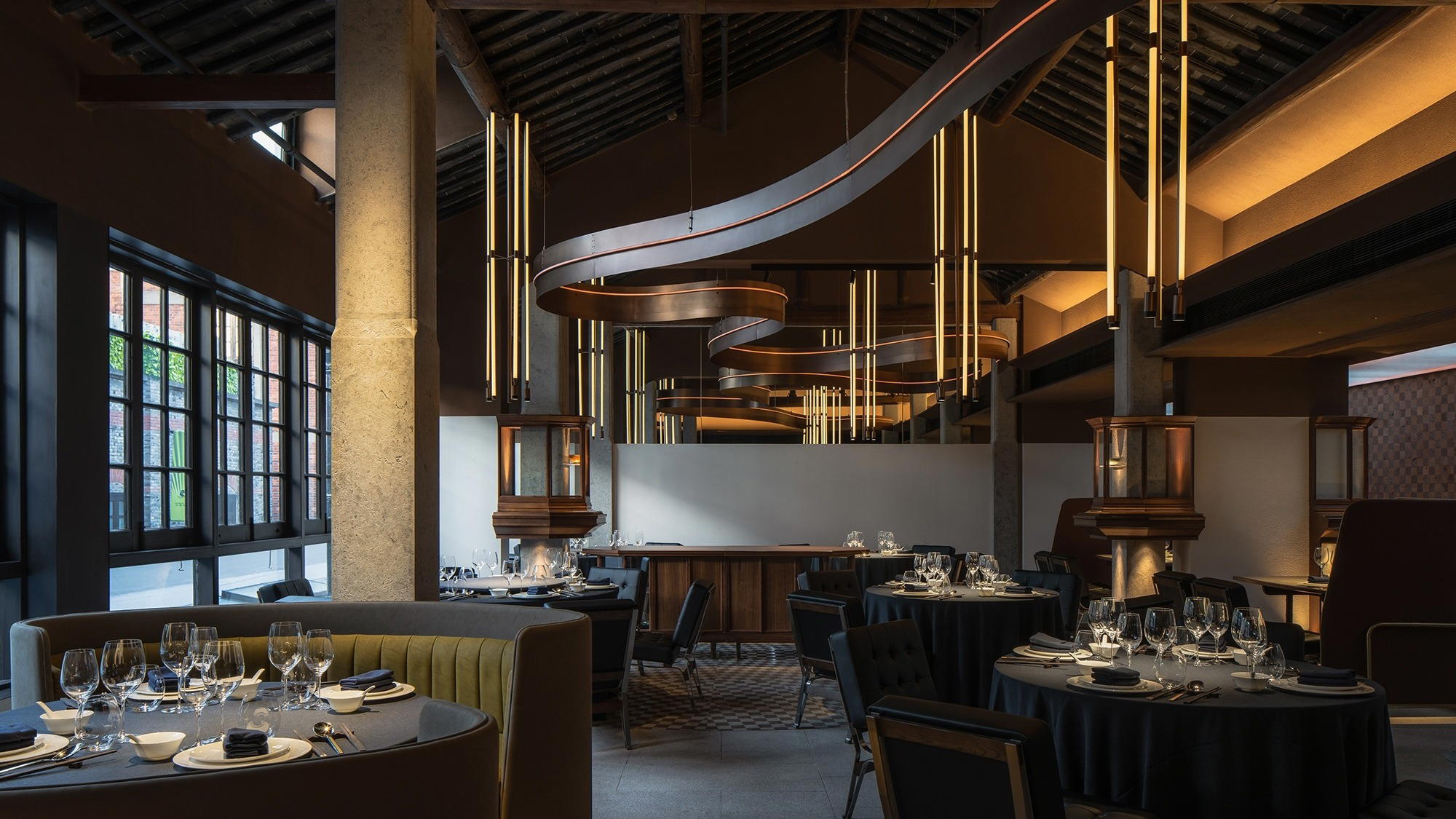
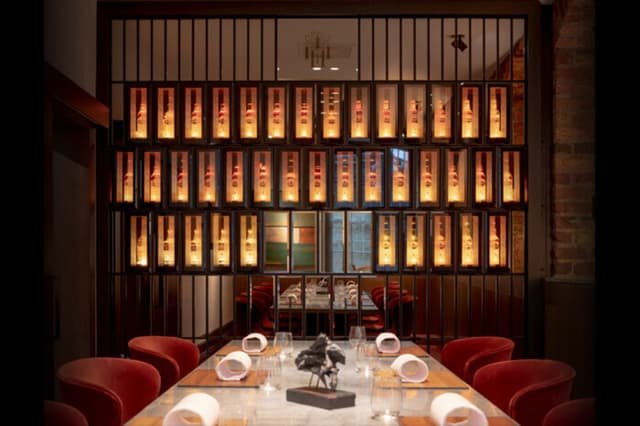
Moody and intimate ryotei atmosphere inspired by Kyoto townhouses, with ornate bamboo panel cabinets and refined traditional Japanese design creating a serene dining environment.
Tags
Vibe
Best For
Experience
Sourcing
At the Table
- Dress Code
- Smart Casual
- Noise Level
- Quiet
- Service Style
- Formal
- Meal Pacing
- Extended Experience
- Capacity
- Intimate
Signature Dishes
- cured amberjack
- tempura with white shrimp
- takikomi gohan with whitebait
- hand-rolled soba
Know before you go
Know Before You Go
- Getting there
- Japan, 〒543-0021 Osaka, Tennoji Ward, Higashikozucho, 3−13 天川ビル 1F
Planning details
Location
Japan, 〒543-0021 Osaka, Tennoji Ward, Higashikozucho, 3−13 天川ビル 1F · Directions
Recognition and awards
Also consider
Also Consider
- HAJIME, French, Innovative, ¥¥¥¥
- La Cime, French, ¥¥¥¥
- Kashiwaya Osaka Senriyama, Japanese, ¥¥¥
- Taian, Kaiseki, Japanese, ¥¥¥
- Fujiya 1935, Innovative, ¥¥¥¥
Restaurant context
At ¥¥¥, Hozan's closest same-price competitor in Osaka is Kashiwaya Osaka Senriyama and Taian, both kaiseki rooms that cover seasonal Japanese cooking across a wider ingredient range. If you want the full kaiseki architecture, multiple courses, seasonal vegetables, dashi variations, and ceremonial service pacing, Kashiwaya or Taian deliver more breadth. Hozan is narrower by design: it is a fish restaurant first, and the meal is structured to make that case rather than to cover every kaiseki convention. For a diner who wants a single strong culinary argument over a comprehensive seasonal showcase, Hozan is the more focused choice at the same price tier.
The ¥¥¥¥ options in Osaka, HAJIME, La Cime, and Fujiya 1935, operate in French and innovative formats with significantly higher price ceilings and, in HAJIME's case, three Michelin stars. They are harder to book and the investment is considerably steeper. If the occasion warrants the spend and you want a technically ambitious multi-course performance, any of those three outranks Hozan on prestige and complexity. But for a dinner where the quality of fish sourcing and preparation is the specific point, paying up to ¥¥¥¥ at a French-inflected room does not get you closer to that goal, it takes you in a different direction entirely.
The practical recommendation: book Hozan when fish is the reason for the meal and you want depth over ceremony at a price that does not require special-occasion justification. Book Taian or Kashiwaya when you want a complete kaiseki evening at the same price tier. Move to HAJIME or Fujiya 1935 only when the occasion, budget, and appetite for innovative multi-course formats align. Hozan is the easiest of these to get a table at, which makes it the lowest-friction entry point into serious fish-focused Japanese cooking in Osaka.
Explore Osaka
Around this place
Discover more on Pearl
Unlock the full Hozan guide in Pearl, including awards, comparisons, FAQs, planning details, and nearby places.
Compare Hozan
| Venue | Cuisine | Price | Booking Difficulty | Awards |
|---|---|---|---|---|
| Hozan | Japanese | ¥¥¥ | Easy | Michelin Guide Kyoto Osaka 20262026 Michelin Plate2025 Michelin Plate2024 Michelin Plate |
| HAJIME | French, Innovative | ¥¥¥¥ | Unknown | Star Wine Lists 2026 · #12026 Tabelog Bronze · #922026 OAD Top Restaurants in Japan Ranked · #98Michelin Guide Kyoto Osaka 20262026 La Liste Top RestaurantsTabelog 100 - Innovative / Creative cuisine - 2025 · #692025 Asia's 50 Best Restaurants · #832025 OAD Top Restaurants in Japan Ranked · #87We're Smart World Top Restaurants 2025 |
| La Cime | French | ¥¥¥¥ | Unknown | 2026 Asia's 50 Best Restaurants · #132026 OAD Top Restaurants in Japan Ranked · #1492026 Tabelog Bronze · #231Michelin Guide Kyoto Osaka 20262026 La Liste Top Restaurants2025 Asia's 50 Best Restaurants · #82025 World's 50 Best Restaurants · #44Tabelog 100 - French - WEST - 2025 · #932025 OAD Top Restaurants in Japan Ranked · #123 |
| Kashiwaya Osaka Senriyama | Japanese | ¥¥¥ | Unknown | 2026 Tabelog Bronze · #1682026 OAD Top Restaurants in Japan Recommended2026 Relais Chateaux RestaurantsMichelin Guide Kyoto Osaka 20262026 La Liste Top RestaurantsTabelog 100 - Japanese cuisine - WEST - 2025 · #772025 OAD Top Restaurants in Japan Ranked · #1552025 Relais Chateaux Award2025 Michelin 3 Stars |
| Taian | Kaiseki, Japanese | ¥¥¥ | Unknown | 2026 OAD Top Restaurants in Japan RecommendedMichelin Guide Kyoto Osaka 20262026 La Liste Top Restaurants2025 OAD Top Restaurants in Japan Ranked · #2042025 La Liste Top Restaurants2025 Michelin 3 Stars2024 OAD Top Restaurants in Japan Ranked · #1912024 Michelin 3 Stars2023 OAD Top Restaurants in Japan Highly Recommended |
| Fujiya 1935 | Innovative | ¥¥¥¥ | Unknown | 2026 Tabelog Bronze · #752026 OAD Top Restaurants in Japan RecommendedMichelin Guide Kyoto Osaka 20262026 La Liste Top Restaurants2025 Michelin 2 Stars2025 Tabelog Silver2025 La Liste Top Restaurants2024 OAD Top Restaurants in Japan Ranked · #2392024 Michelin 2 Stars |
.png?width=1200&quality=80)









Key differences to consider before you reserve.
FAQ
Frequently Asked Questions
What should I order at Hozan?
The menu is set by the chef, so ordering is not the decision you make here — showing up is. Expect the meal to open with a seafood iimushi (mochi rice steamed with seafood toppings), move through dashi-based soups drawn from the seafood itself, and close with a choice of plain white rice or fish takikomi-gohan from an earthenware pot. The range of fish preparations, both fresh and aged, is the whole point of the meal.
Is Hozan good for a special occasion?
Yes, if the occasion is about food quality rather than theatrical atmosphere. The Tennoji Ward address is a low-key commercial block, not a prestige setting, but back-to-back Michelin Plates (2024, 2025) confirm the cooking is at a level that justifies a celebratory booking. If you need an impressive room to match the occasion, Taian or Kashiwaya Osaka Senriyama would serve that purpose better. Hozan suits people who want the meal itself to be the event.
Is Hozan good for solo dining?
The owner-chef format and counter-style nature of serious Osaka fish restaurants makes solo dining a natural fit here. A set menu with no ordering decisions removes the awkwardness of dining alone, and the focused seafood programme gives you plenty to pay attention to. At ¥¥¥, it is a considered solo spend but a reasonable one for the Michelin Plate level.
Is Hozan worth the price?
At ¥¥¥ in Osaka — a city where serious cooking at this price point is common — Hozan earns its position. Two consecutive Michelin Plates (2024, 2025) confirm external validation, and the owner-chef's seafood specialisation, covering both fresh and aged fish technique, gives the meal a coherence that generic kaiseki rooms at the same price do not always deliver. If fish is not your primary interest, there are better uses of a ¥¥¥ budget in Osaka.
Is the tasting menu worth it at Hozan?
Yes, for a fish-focused diner. The set format is designed to show the full range of the chef's seafood work: iimushi to open, seafood-drawn dashi soups in the middle, and earthenware pot rice to close, with both fresh and aged fish handled differently throughout. That progression is the meal's argument for itself. If you want more choice or a broader ingredient palette, La Cime or Fujiya 1935 would give you a different kind of tasting menu at a comparable or higher price.
What are alternatives to Hozan in Osaka?
For a wider ingredient range at the same ¥¥¥ tier, La Cime (French-Japanese) or Fujiya 1935 (creative kaiseki) are the most direct comparisons. For traditional kaiseki with a grander setting, Kashiwaya Osaka Senriyama and Taian are both higher-priced but offer a more formal experience. HAJIME operates at a different scale and price point entirely. Hozan's specific case is seafood depth from an owner-chef who has dedicated the menu to fish — none of those alternatives replicate that focus.