

Hiraishi
Tempura · Kita, Osaka
Restaurant in Osaka, Japan
 Book with Pearl
The Read
Ozashiki-Tempura Precision
Price
$150–200per person
Dress
Smart Casual
Why go
Hiraishi holds a 2024 Michelin star, making it one of the most precisely executed tempura counters in Osaka. The tatami-seated ozashiki format and sesame-oil frying distinguish it from standard tempura-ya, and the wine pairing programme, champagne and whites with freshly fried pieces, is the clearest reason to return. Book four to six weeks out minimum; walk-ins are not realistic.
About Hiraishi
Hiraishi earns both.
At the ¥¥¥ price tier, it sits below the ¥¥¥¥ bracket occupied by Osaka's French-leaning fine diners, which means you're getting starred-restaurant quality at a price point that doesn't require the same commitment as a night at HAJIME or Fujiya 1935. If you've already visited once and are deciding whether to return, the answer is yes: particularly if you want to work through the wine pairing side of the menu, which is the thing most first-timers miss.
What you're walking into
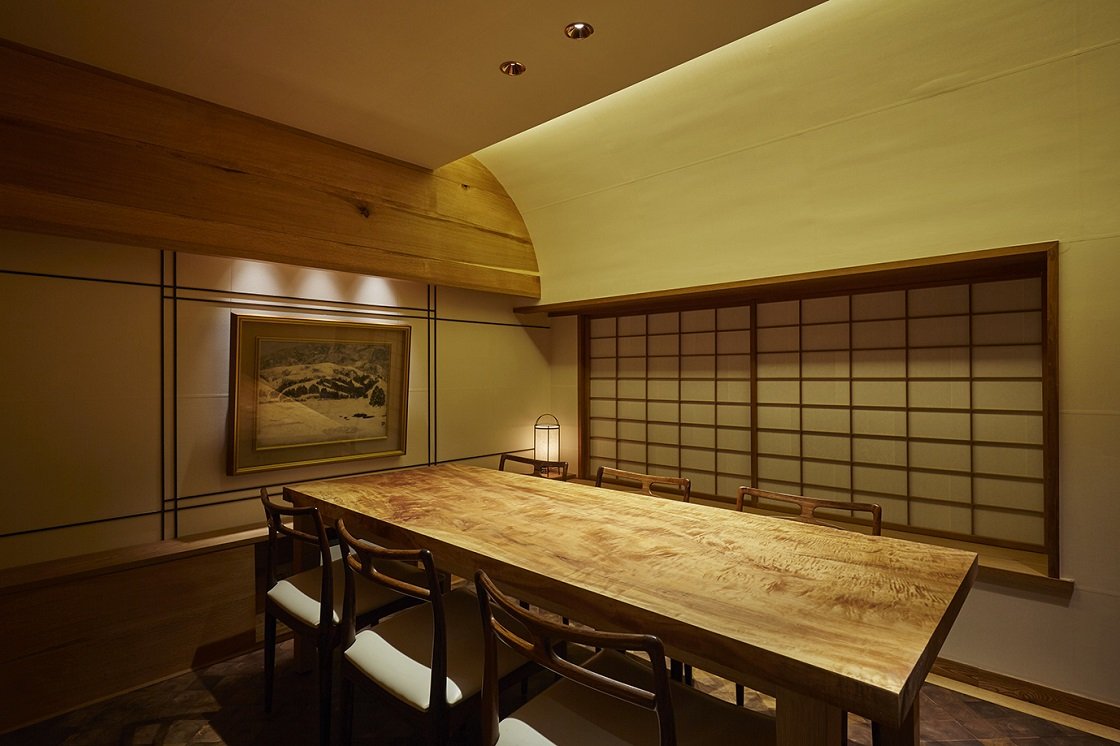
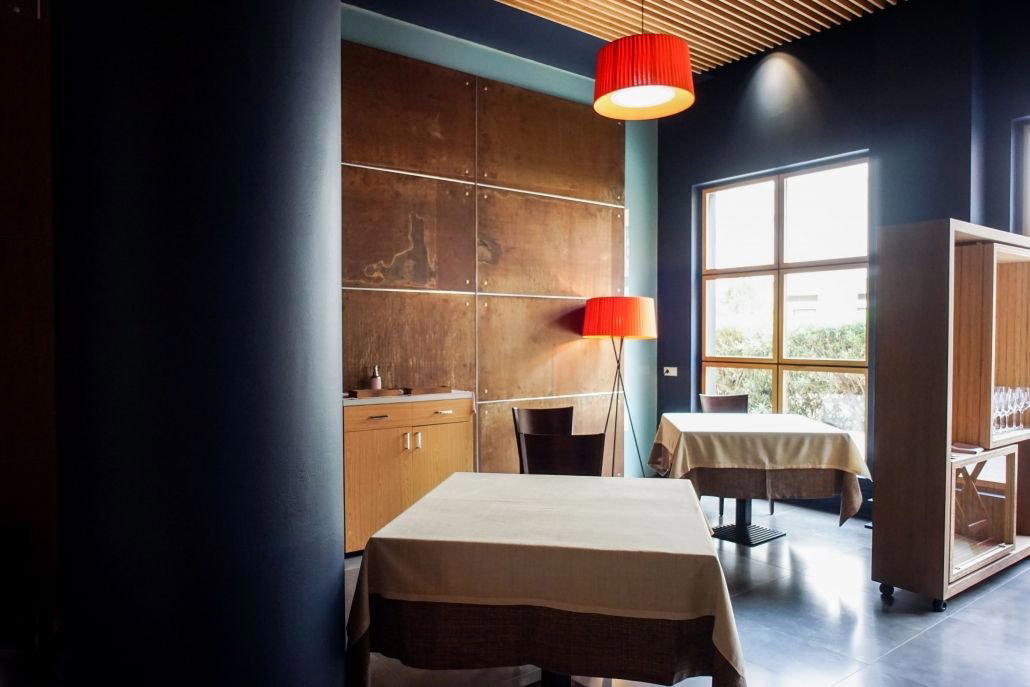
The room is tatami-matted, a deliberate reference to the ozashiki-tempura tradition: guests seated on tatami around a low table while the chef fries in front of them. Visually, this is not a sleek, minimalist counter in the Tokyo mould. It's warmer and more intimate than that, closer in atmosphere to a private dining room than a sushi bar. The setting signals that this is a considered experience, not a quick meal, so plan accordingly.
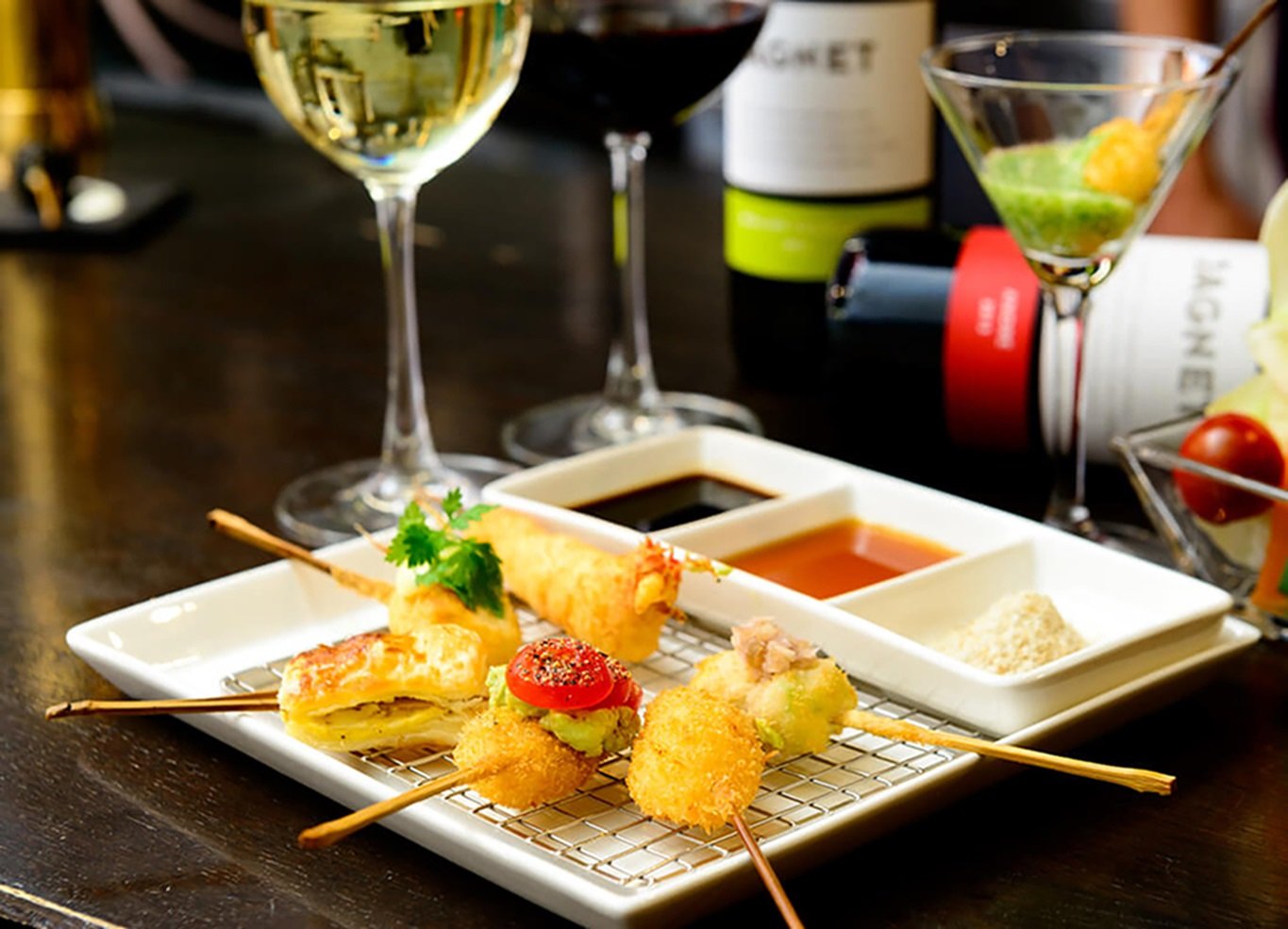
The chef studied flavour in Tokyo and technique in Osaka and describes the approach as 'taking the leading from east and west.' Tempura is fried in sesame oil, and pieces are served with a warm dipping sauce; cold tentsuyu is more common elsewhere. That distinction matters for repeat visitors deciding how Hiraishi sits relative to other tempura specialists. For a comparison in Tokyo, Tempura Kondo and Tempura Ginya both take different positions on oil choice and serving temperature, so if you've eaten at either, Hiraishi will read as a distinct rather than overlapping experience.
The wine pairing angle, and why it matters here
Editorial angle worth pausing on is this: Hiraishi actively advocates pairing wine with tempura, with the argument that champagne and white wine acidity amplifies the flavour of the fried pieces. This is not a standard positioning for a Japanese tempura specialist, and it gives the meal a different structure than a sake-led dinner. For a returning visitor, leaning into the wine programme is the highest-upside move on a second visit. It also means Hiraishi functions reasonably well as a venue for guests unfamiliar with Japanese drinking conventions, since the pairing rationale is built into the experience rather than requiring the diner to navigate an unfamiliar sake list.
On the question of whether the food travels well for takeout or delivery: tempura is one of the formats that suffers most when it leaves the fryer. The entire point of the ozashiki tradition, frying in front of the guest, is immediate consumption. There is no meaningful off-premise version of what Hiraishi does. If you're considering this as a delivery option or looking for tempura that holds well, it's the wrong venue for that purpose. The food is built around immediacy. Book a table or don't go.
Booking and logistics
Hiraishi is located in Sonezakishinchi, Kita Ward, Osaka's dense entertainment and dining district. Given the Michelin star and small tatami room, treat this as a hard booking: plan at least four to six weeks out, more during peak travel periods. Walk-ins are not a realistic option.
Osaka has strong competition in the ¥¥¥ bracket from venues like Kashiwaya Osaka Senriyama and Taian, both of which offer Japanese and kaiseki formats at a similar price tier. Neither does tempura at this level of focus, so Hiraishi is not in direct competition with them on format, but if a kaiseki experience is also on your Osaka shortlist, those are the comparisons worth making. For other strong Osaka tables across formats, see Numata, Shunsaiten Tsuchiya, Gochiso nene, OIMATSU Tempura Suzuki, and Shintaro.
If you're building an itinerary across the Kansai region, Gion Sasaki in Kyoto and akordu in Nara are both worth pairing with a Hiraishi booking. Further afield, Harutaka in Tokyo, Goh in Fukuoka, 1000 in Yokohama, and 6 in Okinawa round out a broader Japan dining map if Hiraishi is part of a longer trip.
For everything else you need in Osaka: our full Osaka restaurants guide, Osaka hotels, Osaka bars, Osaka wineries, and Osaka experiences.
FAQ
Is Hiraishi good for solo dining?
- The tatami, low-table format is suited to small groups and pairs more than solo diners, but a single seat is not unusual at this type of counter. Solo is workable; you'll be part of the room rather than at a private counter position. If solo counter dining is your preference, a more traditional bar-style setup might suit you better, but Hiraishi is still a reasonable solo choice at the ¥¥¥ tier in Osaka.
Does Hiraishi handle dietary restrictions?
- Given the format, a set tempura progression fried to order, significant modifications are likely difficult. Contact the venue through your hotel concierge or booking platform well in advance if restrictions apply. Do not assume flexibility; tempura omakase formats are typically fixed.
How far ahead should I book Hiraishi?
- Four to six weeks minimum. The Michelin star and small room size make this a hard booking. During peak Osaka travel periods, cherry blossom season in late March to early April, and autumn foliage in November, push that to eight weeks or earlier. Book through a hotel concierge or a Japan-specialist reservation service if you don't have a local contact.
What should I wear to Hiraishi?
- No dress code is listed publicly, but at the ¥¥¥ tier with a Michelin star and tatami room, smart casual is the right call. You'll be seated on the floor, so avoid clothing that makes that uncomfortable. No trainers or beachwear; a collared shirt or equivalent reads correctly here.
Can I eat at the bar at Hiraishi?
- The format is a tatami-seated room, not a traditional counter bar. The ozashiki style means you're seated around a low table rather than at a raised bar position. There is no bar in the conventional sense. If counter-seat tempura is specifically what you want, venues like OIMATSU Tempura Suzuki may offer a different seating configuration worth checking.
What should I order at Hiraishi?
- The menu is a set tempura progression, you're not ordering à la carte. The decision to make is whether to opt into the wine pairing, which is the chef's stated recommendation and the clearest differentiator from other tempura specialists in Osaka. Champagne or white wine alongside sesame-oil-fried tempura with warm dipping sauce is the full expression of what Hiraishi is doing. On a return visit, leaning into this pairing is the highest-value move.
What should a first-timer know about Hiraishi?
- This is not a casual drop-in. The tatami-seated ozashiki format, set menu structure, and Michelin-starred context mean you need a reservation, time to spare, and some openness to a wine-with-tempura pairing that the chef explicitly advocates. Don't arrive expecting a standard tempura-ya experience, the room, the sesame oil, the warm sauce, and the wine list all signal a more composed occasion. First-timers should also be aware that the food does not travel: this is a table-only experience, and the quality is entirely dependent on eating immediately after frying.
Planning details
- Hours
- Monday: 6–10 PM · Tuesday: 6–10 PM
- Location
- ビル, 菱富, 302, 1 Chome-9-6 Sonezakishinchi, Kita Ward, Osaka, 530-0002, Japan
- Reservations
- Book on the venue's website
- Website
- tempura-hiraishi.myconciergejapan.net
- Phone
- +81 6-6341-7172
The take
The Take
The Vibe
Hiraishi treats tempura as a measured ritual rather than fast comfort food. The ozashiki-tempura format, frying in front of guests seated on tatami around a low table, shapes both pace and mood: service is deliberate, attentive and quietly formal. The tatami-matted interior is functional, not nostalgic, making the act of cooking inseparable from the act of eating. The kitchen’s philosophy nods to both Tokyo refinement and Osaka technique, which gives the food a balanced seriousness. Overall the room feels classic and serene, built for diners who prize slow, precise service and the quiet choreography of a traditional Japanese meal.
Best For
Hiraishi is best for intimate, purpose-driven evenings where the meal itself is the occasion. The ozashiki seating and sequential service make it ideal for small private groups, celebrations or a focused date night that prioritizes ritual and timing over speed. Because the format emphasizes watching each piece being fried and eaten in order, it suits diners who appreciate paced, formal service and the close attention of an experienced kitchen. It’s less a casual stop and more a carefully timed dining event, so expect to linger and follow the chef’s rhythm.
Ordering Tips
Treat the visit like a tasting ritual: allow the kitchen to set the pace and expect tempura to arrive in deliberate sequence rather than all at once. The signature items are shark fin tempura, shrimp kakiage and simmered chestnut tempura, so plan to sample those as part of the set or tasting progression. Avoid expecting a quick lunchtime tendon experience; instead, embrace the ozashiki format by sitting on the tatami, watching the frying, and eating pieces as they are served so you get the intended textural contrasts and timing the chef is aiming for.
Venue details
Ambiance
Refined counter seating for 9-10 guests with meticulous Japanese detailing, creating an intimate and elegant atmosphere.
Tags
Vibe
Best For
Experience
At the Table
- Dress Code
- Smart Casual
- Noise Level
- Quiet
- Service Style
- Formal
- Meal Pacing
- Leisurely
- Capacity
- Intimate
- Kitchen
- Traditional
- Menu Format
- Omakase, Counter dining
- Drinks Focus
- Wine
Signature Dishes
- shark fin tempura
- shrimp kakiage
- simmered chestnut tempura
Know before you go
Know Before You Go
- Getting there
- ビル, 菱富, 302, 1 Chome-9-6 Sonezakishinchi, Kita Ward, Osaka, 530-0002, Japan
Planning details
Hours
- Monday
- 6–10 PM
- Tuesday
- 6–10 PM
- Wednesday
- 6–10 PM
- Thursday
- 6–10 PM
- Friday
- 6–10 PM
- Saturday
- 6–10 PM
- Sunday
- Closed
Location
ビル, 菱富, 302, 1 Chome-9-6 Sonezakishinchi, Kita Ward, Osaka, 530-0002, Japan · Directions
Recognition and awards
Also consider
Also Consider
- HAJIME: French, Innovative, ¥¥¥¥
- La Cime: French, ¥¥¥¥
- Kashiwaya Osaka Senriyama: Japanese, ¥¥¥
- Taian: Kaiseki, Japanese, ¥¥¥
- Fujiya 1935: Innovative, ¥¥¥¥
Restaurant context
Within Osaka's starred dining tier, Hiraishi occupies a clear niche: it's the most focused tempura option at the ¥¥¥ price point, which puts it in a different conversation from the ¥¥¥¥ venues. HAJIME and Fujiya 1935 both sit a tier above on price and lean heavily into French-influenced innovation: if you want that kind of technical ambition and are prepared to spend accordingly, either is a stronger choice for that experience. La Cime similarly runs a French fine-dining format at ¥¥¥¥. Hiraishi doesn't compete with any of them on format; it wins on specificity and value relative to its star rating.
The closer comparison within the ¥¥¥ bracket is between Hiraishi, Kashiwaya Osaka Senriyama, and Taian. Both Kashiwaya and Taian run Japanese and kaiseki formats, which means the decision is largely about what you want to eat: if it's kaiseki depth and seasonal Japanese progression, those are the right choices. If it's a focused tempura experience with a distinctive wine pairing angle and tatami-seated intimacy, Hiraishi is the call and there's no direct competitor at the same tier in Osaka.
For booking difficulty, all five venues are hard to secure with a Michelin star between them. Hiraishi may be marginally easier than HAJIME or Taian given its lower international profile, but don't rely on that margin: book early regardless. On value, Hiraishi delivers the strongest price-to-star ratio in this group, which is the clearest reason to prioritise it if your Osaka itinerary only has room for one starred Japanese meal in the ¥¥¥ range.
Explore Osaka
Around this place
Discover more on Pearl
Unlock the full Hiraishi guide in Pearl, including awards, comparisons, FAQs, planning details, and nearby places.
Compare Hiraishi
| Venue | Cuisine | Price | Awards | Booking Difficulty |
|---|---|---|---|---|
| Hiraishi | Tempura | ¥¥¥ | 2026 Michelin 1 StarTabelog 100 - Tempura - 2025 · #392024 Michelin 1 Star | Hard |
| HAJIME | French, Innovative | ¥¥¥¥ | Star Wine Lists 2026 · #12026 Tabelog Bronze · #922026 OAD Top Restaurants in Japan Ranked · #98Michelin Guide Kyoto Osaka 20262026 La Liste Top RestaurantsTabelog 100 - Innovative / Creative cuisine - 2025 · #692025 Asia's 50 Best Restaurants · #832025 OAD Top Restaurants in Japan Ranked · #87We're Smart World Top Restaurants 2025 | Unknown |
| La Cime | French | ¥¥¥¥ | 2026 Asia's 50 Best Restaurants · #132026 OAD Top Restaurants in Japan Ranked · #1492026 Tabelog Bronze · #231Michelin Guide Kyoto Osaka 20262026 La Liste Top Restaurants2025 Asia's 50 Best Restaurants · #82025 World's 50 Best Restaurants · #44Tabelog 100 - French - WEST - 2025 · #932025 OAD Top Restaurants in Japan Ranked · #123 | Unknown |
| Kashiwaya Osaka Senriyama | Japanese | ¥¥¥ | 2026 Tabelog Bronze · #1682026 OAD Top Restaurants in Japan Recommended2026 Relais Chateaux RestaurantsMichelin Guide Kyoto Osaka 20262026 La Liste Top RestaurantsTabelog 100 - Japanese cuisine - WEST - 2025 · #772025 OAD Top Restaurants in Japan Ranked · #1552025 Relais Chateaux Award2025 Michelin 3 Stars | Unknown |
| Taian | Kaiseki, Japanese | ¥¥¥ | 2026 OAD Top Restaurants in Japan RecommendedMichelin Guide Kyoto Osaka 20262026 La Liste Top Restaurants2025 OAD Top Restaurants in Japan Ranked · #2042025 La Liste Top Restaurants2025 Michelin 3 Stars2024 OAD Top Restaurants in Japan Ranked · #1912024 Michelin 3 Stars2023 OAD Top Restaurants in Japan Highly Recommended | Unknown |
| Fujiya 1935 | Innovative | ¥¥¥¥ | 2026 Tabelog Bronze · #752026 OAD Top Restaurants in Japan RecommendedMichelin Guide Kyoto Osaka 20262026 La Liste Top Restaurants2025 Michelin 2 Stars2025 Tabelog Silver2025 La Liste Top Restaurants2024 OAD Top Restaurants in Japan Ranked · #2392024 Michelin 2 Stars | Unknown |









Comparing your options in Osaka for this tier.
FAQ
Frequently Asked Questions
Is Hiraishi good for solo dining?
Yes: the counter format and tatami setting at Hiraishi suit solo diners well. You're seated around a low table as the chef fries in front of you, which means the experience is engaging rather than isolating. At ¥¥¥ pricing, it's a considered spend for one, but a Michelin star in 2024 backs the investment.
How far ahead should I book Hiraishi?
Book at least 4 to 6 weeks out. Hiraishi holds a 2024 Michelin star and no public booking channel appears online, which means reservations likely run through concierge or direct contact. Leaving this to the week before arrival is a real risk, especially for weekends in Sonezakishinchi, one of Osaka's busiest dining districts.
What should I wear to Hiraishi?
The tatami-matted interior references the traditional ozashiki-tempura format, which calls for neat, respectful dress without being formal. Clean, understated clothing is appropriate: avoid heavy perfume, as it conflicts with the sesame oil and delicate frying aromas that define the experience.
Can I eat at the bar at Hiraishi?
The dining format here is counter-style around a low tatami table, not a conventional standing bar. That counter arrangement is central to the ozashiki-tempura concept: you watch the chef fry each piece in front of you. There is no walk-in bar seat option documented.
What should I order at Hiraishi?
At a ¥¥¥ tempura counter with a Michelin star, expect a set course rather than à la carte choice: individual dish ordering is unlikely to be the format. The house approach pairs wine with tempura, with the argument that champagne and white wine acidity complement the frying. If you drink, lean into that pairing rather than defaulting to beer.
What should a first-timer know about Hiraishi?
Hiraishi is not a casual tempura stop: it's a Michelin-starred counter built around the ozashiki tradition, sesame oil frying, and a wine-pairing philosophy that genuinely differentiates it from Tokyo-style tempura houses. First-timers should book well in advance through a hotel concierge, arrive on time, and come prepared for an interactive counter experience rather than table service.