
Gochiso nene
Tempura · Kita, Osaka
Restaurant in Osaka, Japan
 Book with Pearl
The Read
Husband-Wife Omakase Synchrony
Price
¥¥¥
Dress
Smart Casual
Why go
A husband-and-wife tempura omakase counter in Osaka's Tenjinbashi district, Michelin Plate-recognised in 2024 and 2025. The owner-chef fries; the proprietress runs the dashi dishes alongside — a dual-chef format that gives the meal more structure than most tempura counters at this price tier. Book in summer for hamo or winter for crab to get the most from the seasonal menu.
About Gochiso nene
The Verdict
If you have already eaten at Gochiso nene once, the question on a return visit is not whether the food holds up — it is whether the rhythm of the meal feels as precise as you remembered. It does. The omakase format here is built around a husband-and-wife team whose coordination gives the meal a structure you will not find at a solo-chef counter. The tempura is the anchor, but the dashi-based dishes that run alongside it are what make the experience worth the return booking. At ¥¥¥, this is one of the more accessible ways to eat Michelin-recognised tempura omakase in Osaka.
What Gochiso nene Actually Is
Gochiso nene sits on the fifth block of Tenjinbashi in Kita Ward, on the second floor of the Yasuda Building. Tenjinbashi-suji is one of Osaka's longest covered shopping streets, which means the location is easy to reach on foot from multiple subway lines but does not signal fine dining from the outside. That gap between street-level expectation and what happens upstairs is exactly the point.
The format is a set omakase. The owner-chef handles the tempura frying while the proprietress manages the dashi-based dishes — takiawase (separately simmered vegetables and proteins) and hand-made oden. These are not side dishes filling gaps between tempura courses. They are given equal weight, and the couple develop the dashi preparations together. What you get is a meal that moves between two cooking techniques with real intention behind the sequencing.
The seasonal logic here is specific and worth understanding before you book. In summer, the menu includes tempura of pike conger (hamo) with simmered onions, a pairing that is classically Osaka in its sensibility. In winter, crab tempura arrives alongside a pureed soup of lily bulb (yuriné). These are not decorative seasonal gestures. Pike conger in summer and crab in winter represent the two strongest arguments for timing your visit deliberately. If you are travelling to Osaka in July or August, the hamo course alone justifies the booking. If you are coming in December or January, the crab preparation is the one to anticipate.
Dual-chef dynamic also changes how the meal reads visually. Where most tempura counters are built around watching a single chef work a single station, Gochiso nene has two people moving with clear interdependence. The proprietress brings dashi dishes to the counter in between tempura courses, and the pacing is tighter for it. You are watching two people work a room together, which is a different visual experience from the solitary performance most tempura omakase venues offer. For a food-focused traveller who has already done several Osaka counters, that distinction is meaningful.
Michelin has awarded the restaurant a Plate in both 2024 and 2025, which places it in the recognised tier without the pressure of starred-venue booking logistics. A Michelin Plate signals that inspectors found the cooking worth noting, it is a quality signal, not a hype signal.
For context on where this sits within Osaka's tempura category, OIMATSU Tempura Suzuki and Hiraishi are the other Osaka tempura references worth comparing. Among Osaka Japanese-format counters more broadly, Numata, Shunsaiten Tsuchiya, and Shintaro are worth having on your list for the same trip.
If tempura omakase is a format you want to understand across Japan's major cities, Tempura Kondo and Tempura Ginya in Tokyo are the peer benchmarks. Kondo in particular is the reference point for technically precise, ingredient-led tempura at the leading end. Gochiso nene operates at a lower price tier and with a different emphasis, the dashi component makes it a more complete meal structure, but the comparison is useful for calibrating expectations around frying technique and batter weight.
For travellers building a multi-city itinerary, the Osaka meal pairs well with other format-specific omakase experiences: Harutaka in Tokyo for sushi, Gion Sasaki in Kyoto for Japanese haute cuisine, akordu in Nara for a European-Japanese crossover, and Goh in Fukuoka if you are continuing south. 1000 in Yokohama and 6 in Okinawa extend the network further.
Booking and Logistics
Booking difficulty is rated Easy. No website or phone number is listed in available data, which suggests reservations may be handled through a third-party platform or walk-in basis, confirm via a booking aggregator before your visit. The second-floor location on Tenjinbashi means the room is small, so even with easy availability, arriving without a reservation carries risk on weekends. The address is 5 Chome-3-22 Tenjinbashi, Kita Ward, Osaka, 530-0041, second floor of the Yasuda Building.
For broader Osaka trip planning, Pearl's guides cover restaurants, hotels, bars, wineries, and experiences across the city.
Practical Details
| Detail | Gochiso nene | OIMATSU Tempura Suzuki | Kashiwaya Osaka Senriyama |
|---|---|---|---|
| Price tier | ¥¥¥ | Check Pearl listing | ¥¥¥ |
| Cuisine format | Tempura omakase + dashi | Tempura | Japanese |
| Michelin recognition | Plate (2024, 2025) | Check Pearl listing | Check Pearl listing |
| Booking difficulty | Easy | Check Pearl listing | Check Pearl listing |
| Seasonal highlight | Hamo (summer), crab (winter) | Not confirmed | Not confirmed |
| Counter format | Yes (duo-chef) | Yes | Not confirmed |
Planning details
- Location
- Japan, 〒530-0041 Osaka, Kita Ward, Tenjinbashi, 5 Chome−3−22 安田ビル 2階
- Website
- gochisounene.com
- Phone
- +81 6-6882-5512
The take
The Take
The Vibe
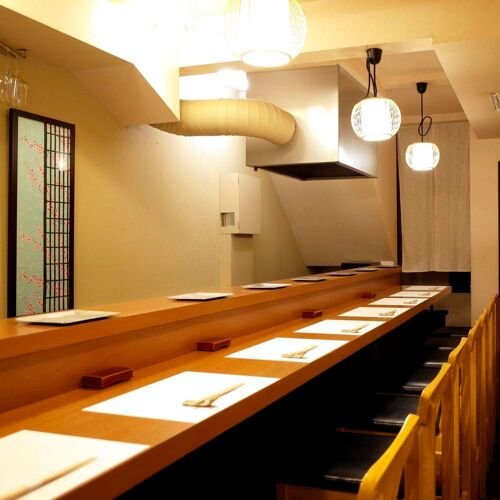
Gochiso nene presents a restrained, highly focused omakase experience built around a counter that foregrounds technique and timing. The service is built on a quiet, collaborative choreography between a chef at the fryer and a proprietress managing dashi-forward courses; that duality gives the meal an exacting, sophisticated tone rather than theatrical flourish. Set on the second floor of a Tenjinbashi building, the room is intentionally removed from street-level bustle, concentrating attention on the food and the rhythm of service. The overall impression is refined and classic, with small, charming touches that reward attentive diners.
Best For
This is a destination for diners who want to surrender to a fixed omakase sequence—ideal for focused dinner occasions such as date nights, business dinners or solo visits where the counter format is part of the attraction. The rhythm of alternating tempura and dashi-based courses makes it especially suited to guests who appreciate technical cooking and carefully calibrated pacing. Because the kitchen determines what is served and when, the experience favors those looking for a full, cohesive meal rather than à la carte flexibility, and works well for special-occasion dinners where the food is the central event.
Ordering Tips
Accept the omakase structure and let the kitchen dictate the sequence: the dining format pairs fried pieces with takiawase and hand-made oden so the intended contrasts unfold deliberately. Sit at the counter to watch the frying and the coordination between the chef and the proprietress—this is where the experience is clearest. Expect limited flexibility in sequencing; if you have allergies or strict dietary needs, mention them up front so the team can respond. Be prepared to follow the kitchen’s tempo and savour the alternation of tempura and dashi-based courses, including standout items like pike conger and crab tempura and handmade oden.
Venue details
Ambiance
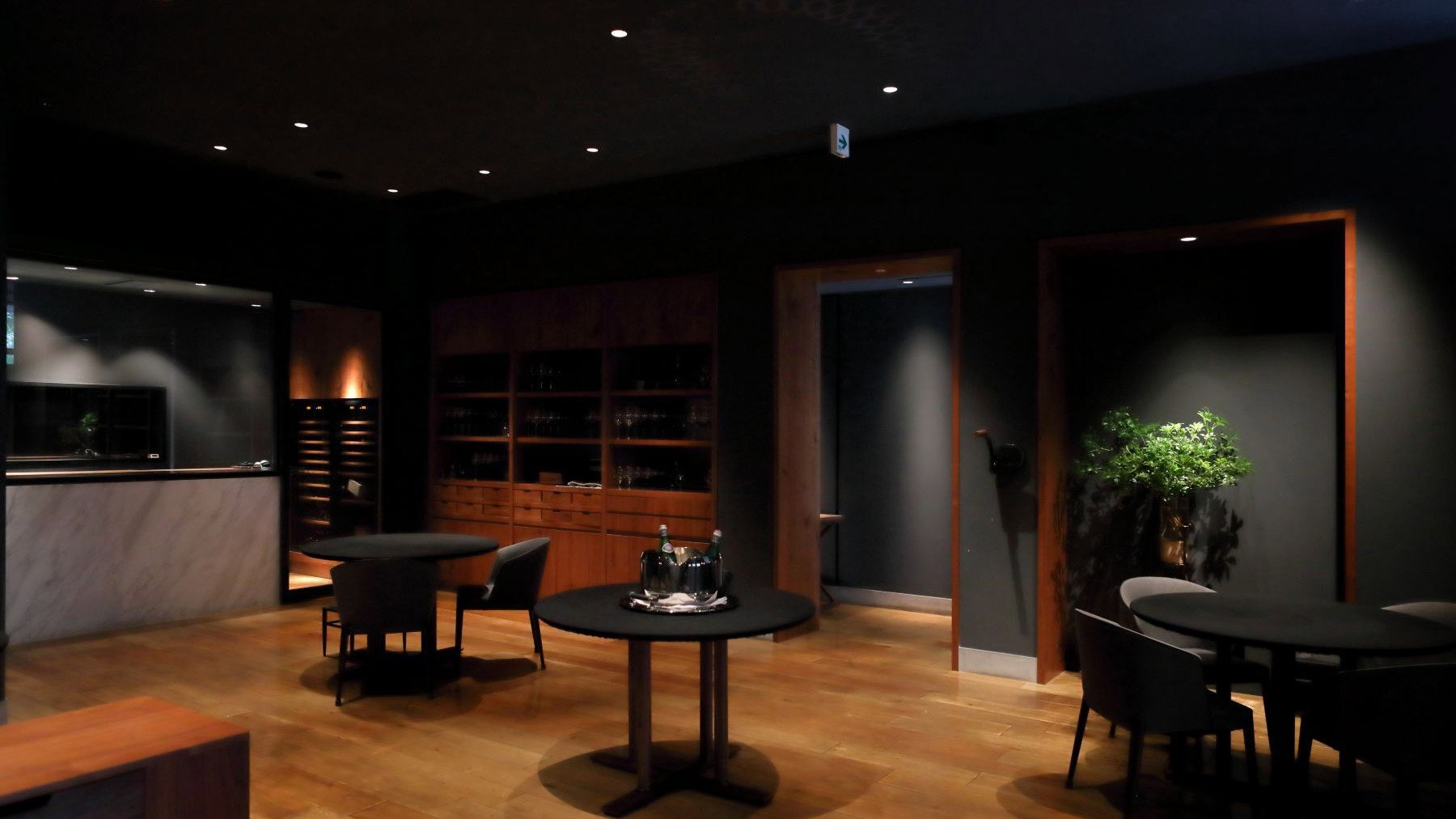
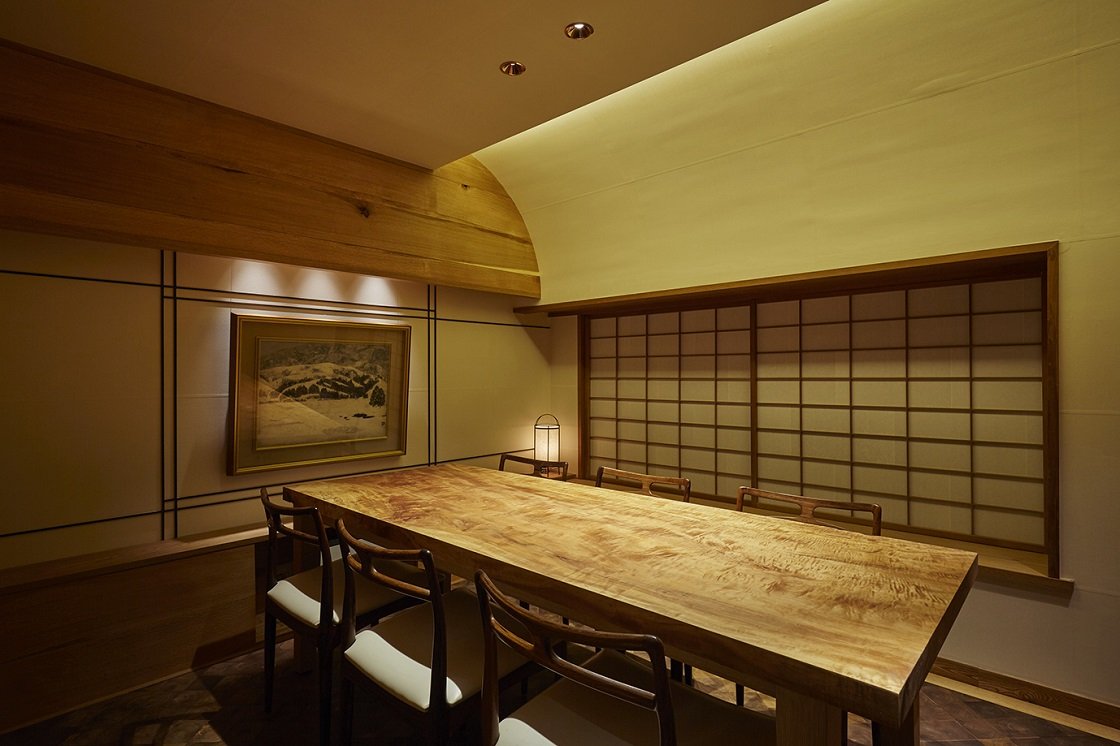
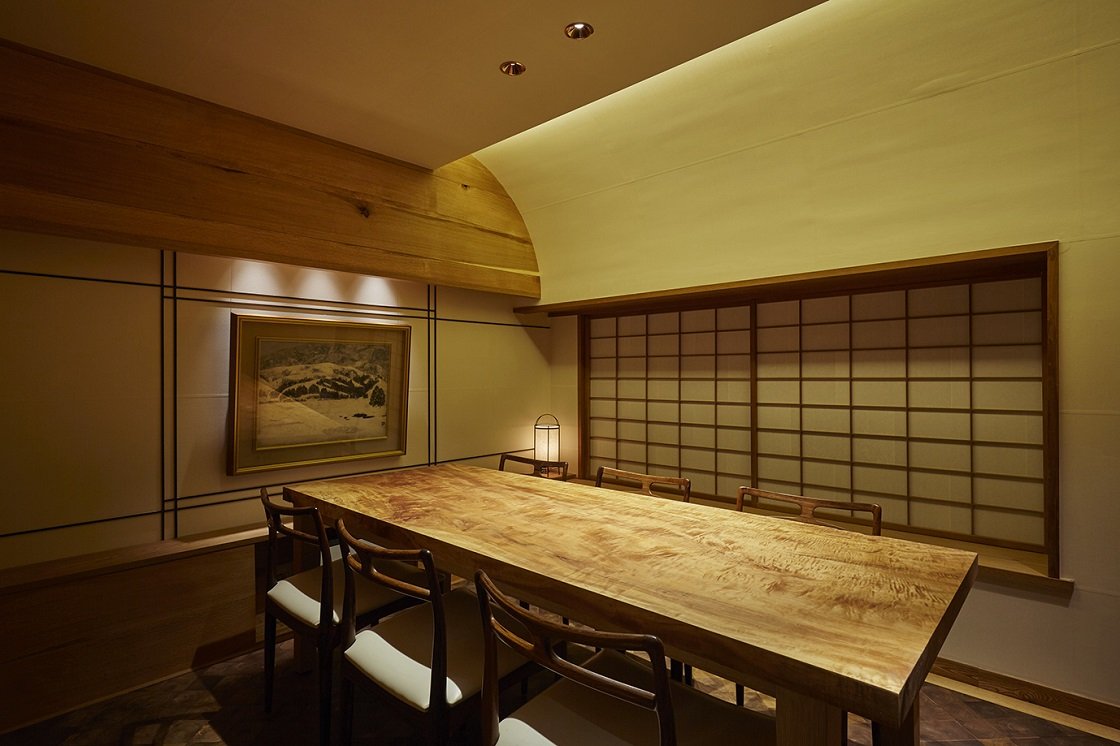
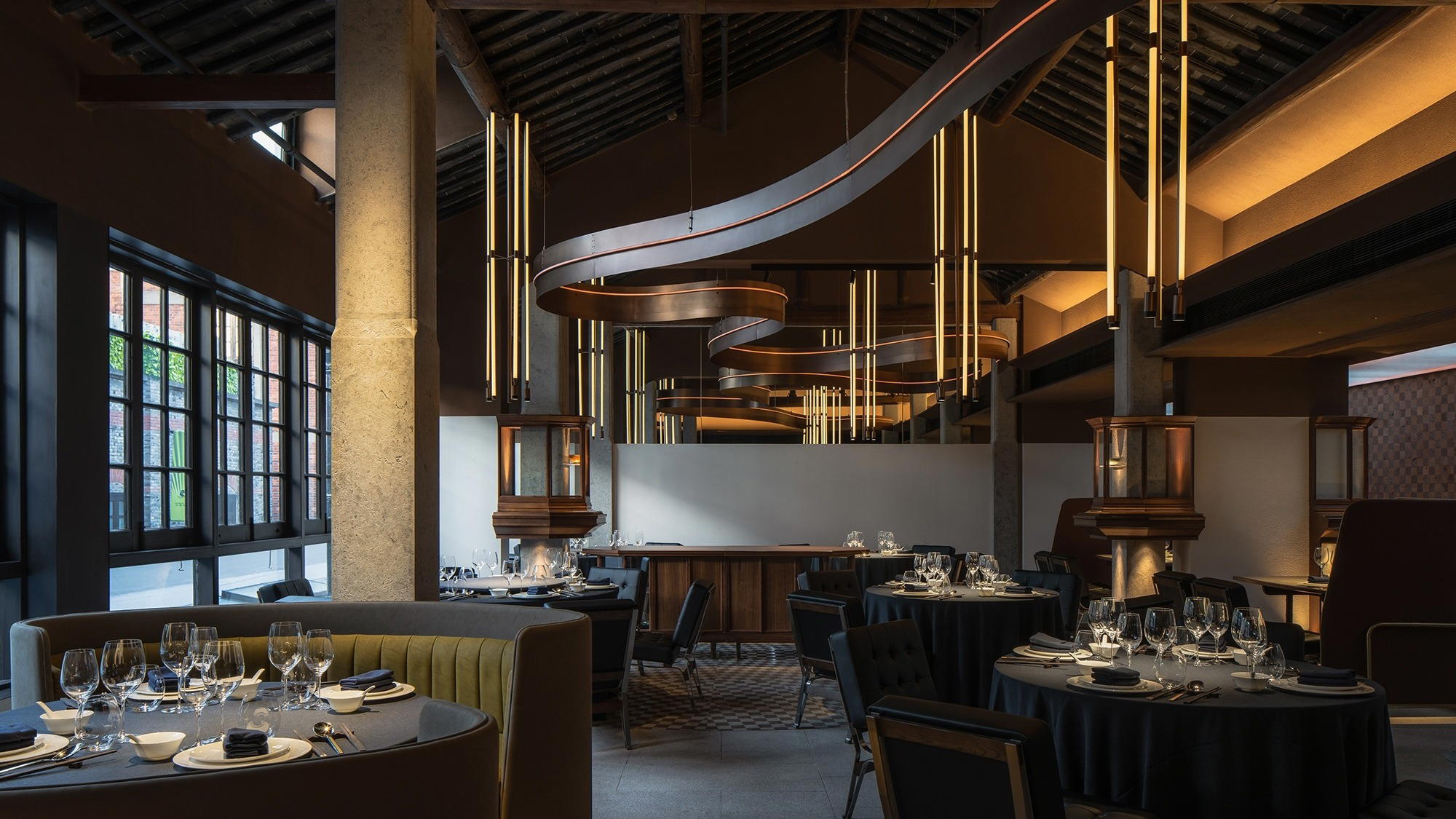
Minimalist interiors with pale woods, clean lines, warm lighting, and a calm, immersive counter atmosphere.
Tags
Vibe
Best For
Experience
Sourcing
Accessibility
At the Table
- Dress Code
- Smart Casual
- Noise Level
- Quiet
- Service Style
- Upscale Casual
- Meal Pacing
- Leisurely
- Capacity
- Intimate
Signature Dishes
- pike conger tempura with simmered onions
- crab tempura with lily bulb puree
- handmade oden
Know before you go
Know Before You Go
- Getting there
- Japan, 〒530-0041 Osaka, Kita Ward, Tenjinbashi, 5 Chome−3−22 安田ビル 2階
Planning details
Location
Japan, 〒530-0041 Osaka, Kita Ward, Tenjinbashi, 5 Chome−3−22 安田ビル 2階 · Directions
Recognition and awards
Also consider
Also Consider
- HAJIME, French, Innovative, ¥¥¥¥
- La Cime, French, ¥¥¥¥
- Kashiwaya Osaka Senriyama, Japanese, ¥¥¥
- Taian, Kaiseki, Japanese, ¥¥¥
- Fujiya 1935, Innovative, ¥¥¥¥
Restaurant context
At ¥¥¥, Gochiso nene sits in the same price tier as Kashiwaya Osaka Senriyama and Taian, but offers a different format. Kashiwaya and Taian are kaiseki-rooted Japanese restaurants with more elaborate multi-course structures and longer menus, if you want the full kaiseki architecture, either of those is the stronger choice. Gochiso nene is narrower in scope (tempura plus dashi), but that focus produces more coherence within the meal. For a traveller who wants a single cooking technique done with real depth rather than a broad survey of Japanese preparations, Gochiso nene is the more purposeful booking at this price point.
If budget is not a constraint, HAJIME, La Cime, and Fujiya 1935 are all ¥¥¥¥ venues in a different category entirely, European-influenced and technically complex in ways that are not directly comparable to a Japanese omakase counter. They are worth booking on the same Osaka trip for contrast, but they are not substitutes for Gochiso nene's format. The decision between them is about what kind of meal you want, not which is objectively better.
On booking difficulty, Gochiso nene is the easiest entry point in this group. Hajime, La Cime, and Fujiya 1935 require more lead time and have higher booking friction. If you are planning an Osaka itinerary and want to anchor it with one accessible mid-tier omakase and one higher-effort reservation, Gochiso nene works well as the former, book it alongside one of the ¥¥¥¥ venues for a trip that covers both registers.
Explore Osaka
Around this place
Discover more on Pearl
Unlock the full Gochiso nene guide in Pearl, including awards, comparisons, FAQs, planning details, and nearby places.
Compare Gochiso nene
| Venue | Price | Booking Difficulty | Awards |
|---|---|---|---|
| Gochiso nene | ¥¥¥ | Easy | Michelin Guide Kyoto Osaka 20262026 Michelin Plate2025 Michelin Plate2024 Michelin Plate |
| HAJIME | ¥¥¥¥ | Unknown | Star Wine Lists 2026 · #12026 Tabelog Bronze · #922026 OAD Top Restaurants in Japan Ranked · #98Michelin Guide Kyoto Osaka 20262026 La Liste Top RestaurantsTabelog 100 - Innovative / Creative cuisine - 2025 · #692025 Asia's 50 Best Restaurants · #832025 OAD Top Restaurants in Japan Ranked · #87We're Smart World Top Restaurants 2025 |
| La Cime | ¥¥¥¥ | Unknown | 2026 Asia's 50 Best Restaurants · #132026 OAD Top Restaurants in Japan Ranked · #1492026 Tabelog Bronze · #231Michelin Guide Kyoto Osaka 20262026 La Liste Top Restaurants2025 Asia's 50 Best Restaurants · #82025 World's 50 Best Restaurants · #44Tabelog 100 - French - WEST - 2025 · #932025 OAD Top Restaurants in Japan Ranked · #123 |
| Kashiwaya Osaka Senriyama | ¥¥¥ | Unknown | 2026 Tabelog Bronze · #1682026 OAD Top Restaurants in Japan Recommended2026 Relais Chateaux RestaurantsMichelin Guide Kyoto Osaka 20262026 La Liste Top RestaurantsTabelog 100 - Japanese cuisine - WEST - 2025 · #772025 OAD Top Restaurants in Japan Ranked · #1552025 Relais Chateaux Award2025 Michelin 3 Stars |
| Taian | ¥¥¥ | Unknown | 2026 OAD Top Restaurants in Japan RecommendedMichelin Guide Kyoto Osaka 20262026 La Liste Top Restaurants2025 OAD Top Restaurants in Japan Ranked · #2042025 La Liste Top Restaurants2025 Michelin 3 Stars2024 OAD Top Restaurants in Japan Ranked · #1912024 Michelin 3 Stars2023 OAD Top Restaurants in Japan Highly Recommended |
| Fujiya 1935 | ¥¥¥¥ | Unknown | 2026 Tabelog Bronze · #752026 OAD Top Restaurants in Japan RecommendedMichelin Guide Kyoto Osaka 20262026 La Liste Top Restaurants2025 Michelin 2 Stars2025 Tabelog Silver2025 La Liste Top Restaurants2024 OAD Top Restaurants in Japan Ranked · #2392024 Michelin 2 Stars |
.png?width=1200&quality=80)









Key differences to consider before you reserve.
FAQ
Frequently Asked Questions
Does Gochiso nene handle dietary restrictions?
This is a fixed omakase format built around tempura and dashi-based dishes, with seasonal ingredients like crab, pike conger, and lily bulb featured in the set. There is no menu flexibility baked into that structure, so restrictions that conflict with core ingredients are a real concern. Raise any requirements when booking — omakase venues in Japan generally need advance notice to accommodate changes, if they can at all.
How far ahead should I book Gochiso nene?
No direct website or phone number is listed in available data, which points to reservations going through a third-party platform or an intermediary. For a Michelin Plate counter in Osaka's Tenjinbashi area running an omakase format, booking at least two to four weeks out is sensible — small counters fill quickly. Confirm the booking channel before you assume walk-ins are possible.
What should a first-timer know about Gochiso nene?
This is not a la carte dining — you are committing to a set omakase that moves between tempura and dashi-based dishes at the kitchen's pace. The menu shifts with the season: pike conger with simmered onions in summer, crab tempura with lily bulb soup in winter. The Michelin Plate recognition (2024 and 2025) signals consistency, not spectacle — come for precision cooking and a slow, sequenced meal, not a big-ticket showpiece.
What should I order at Gochiso nene?
There is no ordering: the meal is a fixed omakase. The kitchen decides the sequence, alternating tempura from the owner-chef with takiawase and hand-made oden from the proprietress. Seasonal highlights from the available data include pike conger tempura with simmered onions in summer and crab tempura with pureed lily bulb soup in winter — so the time of year you visit shapes what you eat.
What should I wear to Gochiso nene?
At ¥¥¥ pricing with a Michelin Plate and an omakase format on Tenjinbashi, smart casual is a reasonable baseline — clean, neat, and not casual streetwear. Nothing in the available data specifies a dress code, but small omakase counters in Japan at this price point typically have an understated, considered atmosphere that rewards dressing accordingly.