
genso
French · Naniwa, Osaka
Restaurant in Osaka, Japan
 Book with Pearl
The Read
Four-Element French
Price
$100–150per person
Why go
Genso is a French restaurant in Osaka's Naniwa Ward where the menu is structured around the four classical elements — fire, earth, wind, and water — and the setting is a remodelled ironworks with real atmosphere. With back-to-back Michelin Plate recognition (2024 and 2025) and, it delivers consistent quality at the ¥¥¥ tier and books more easily than Osaka's starred French options.
About genso
Genso, Osaka — Pearl Verdict
At the ¥¥¥ price tier, Genso asks for a serious but not outrageous commitment for French cooking in Osaka's Naniwa Ward. What you get in return is a restaurant that takes a genuinely considered conceptual position — cuisine organised around the four classical elements of fire, earth, wind, and water, housed inside a remodelled ironworks that makes the industrial setting feel purposeful rather than decorative. If you've been once and are thinking about returning, the case for coming back is strong: the conceptual framework means the menu has internal logic, and returning diners tend to read it differently the second time.
The Setting and What to Expect
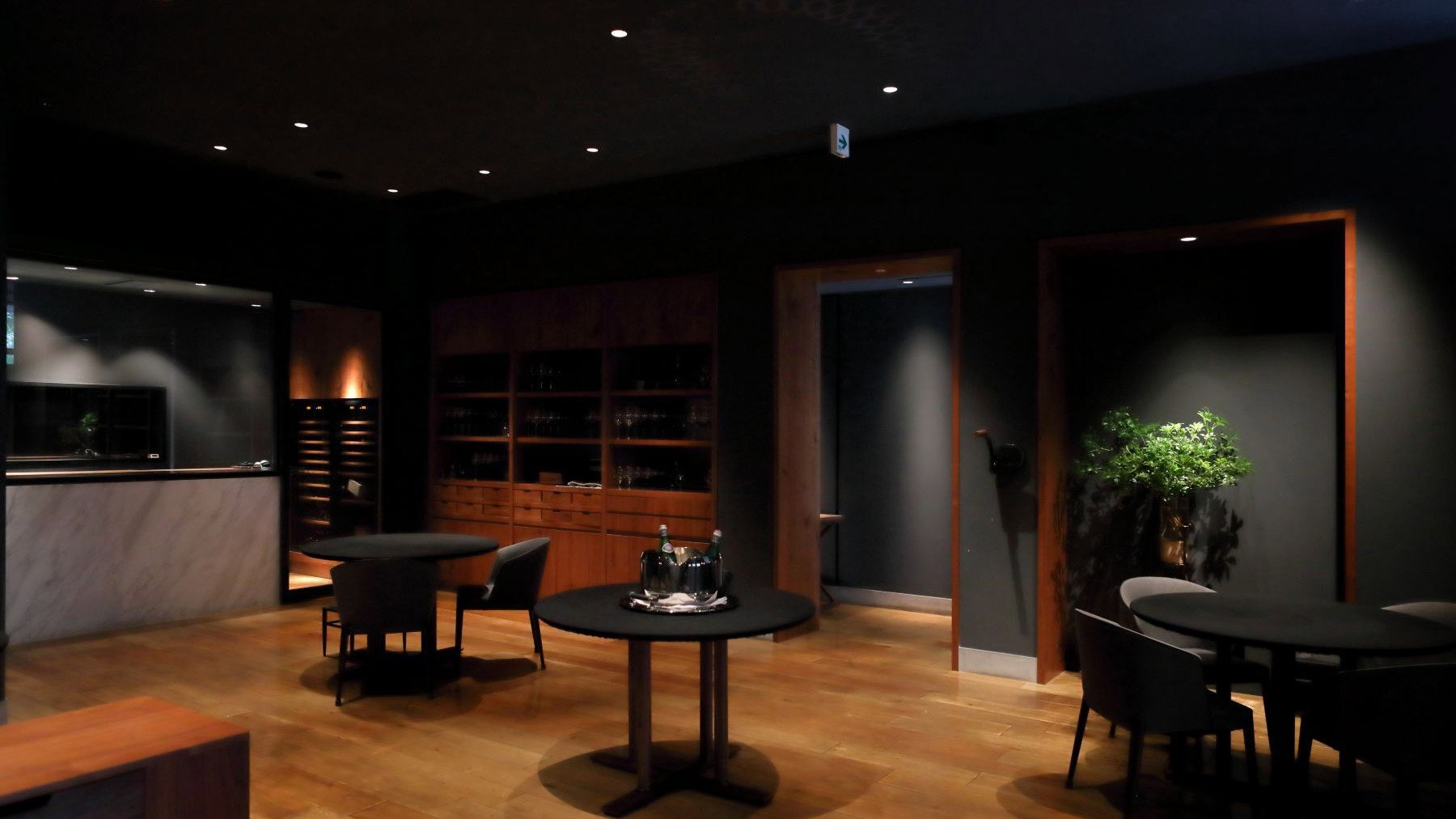
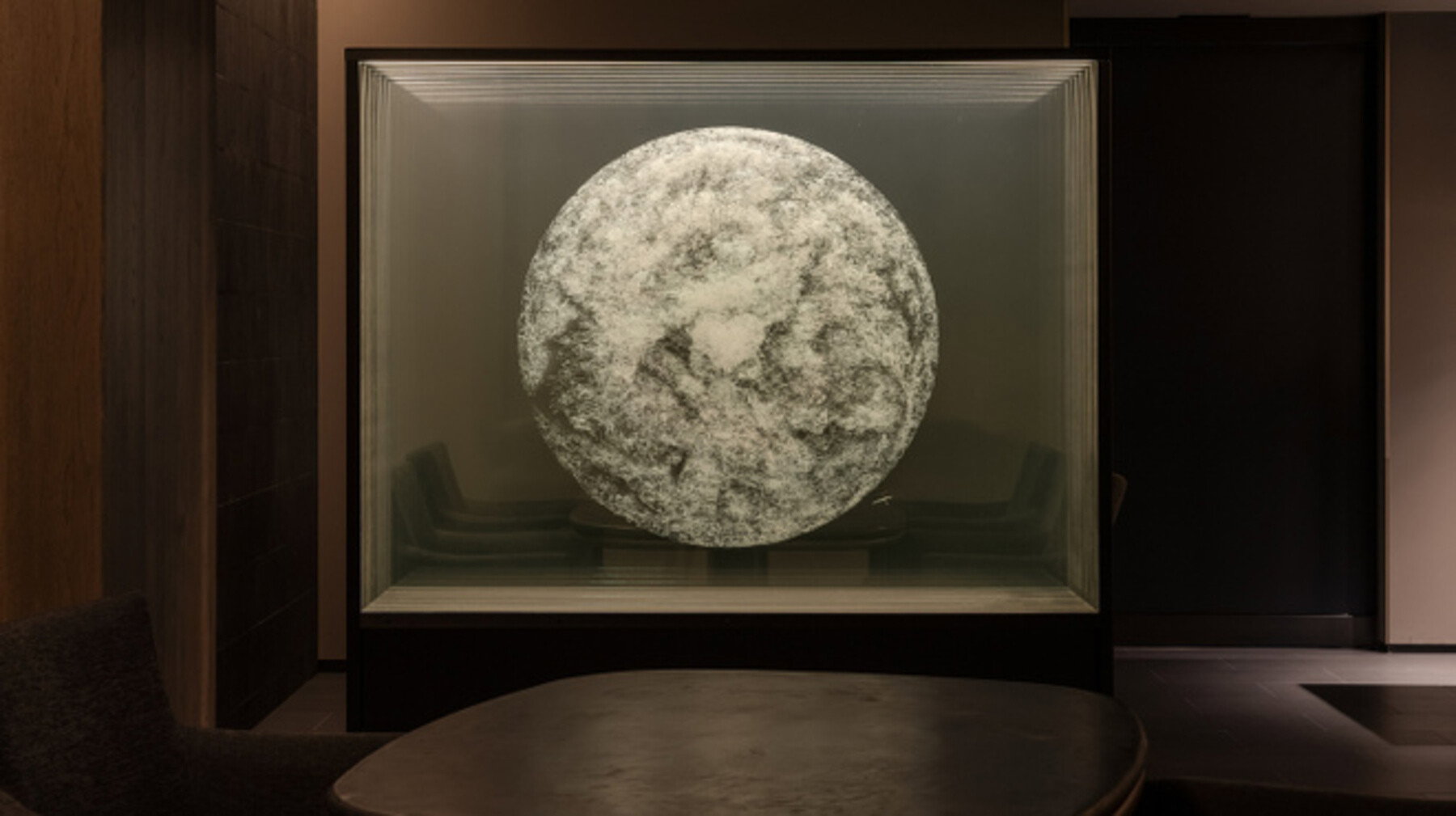
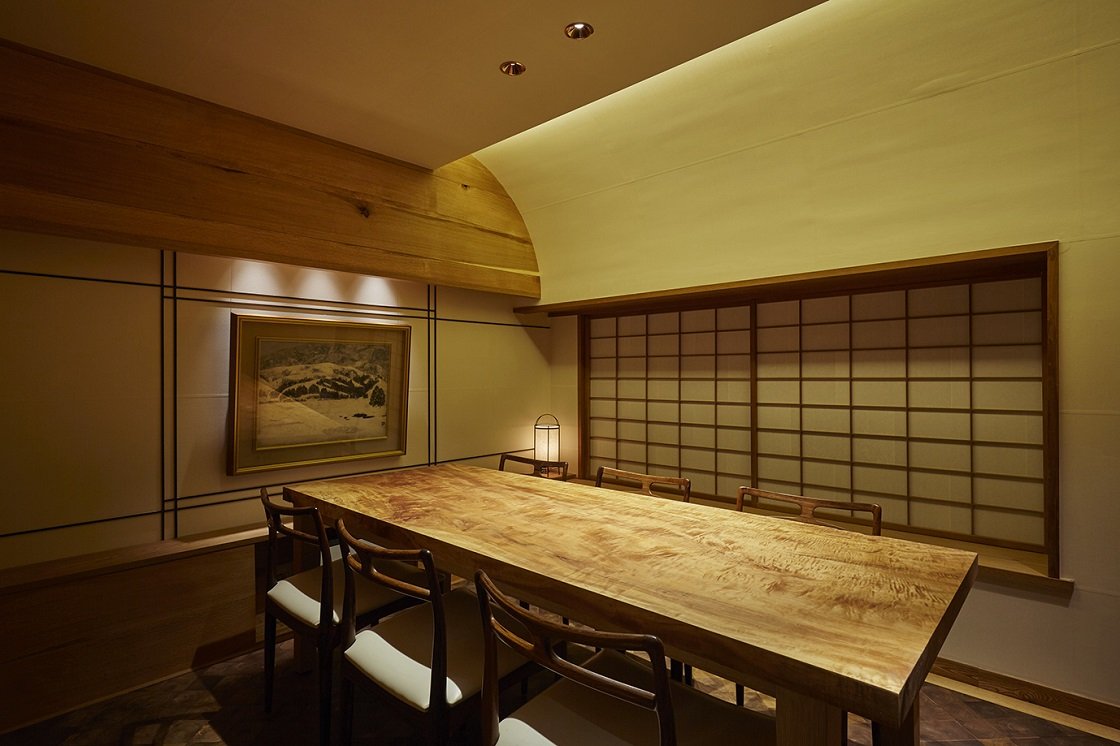
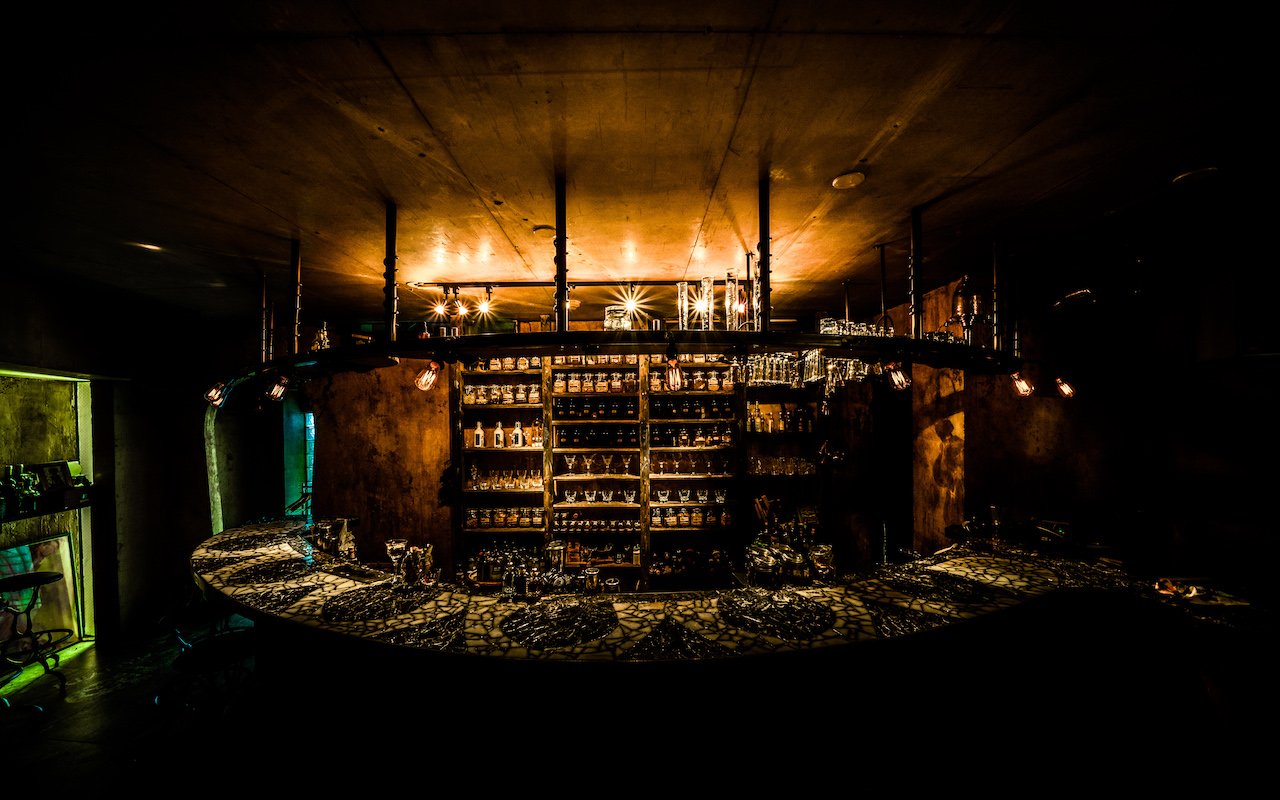
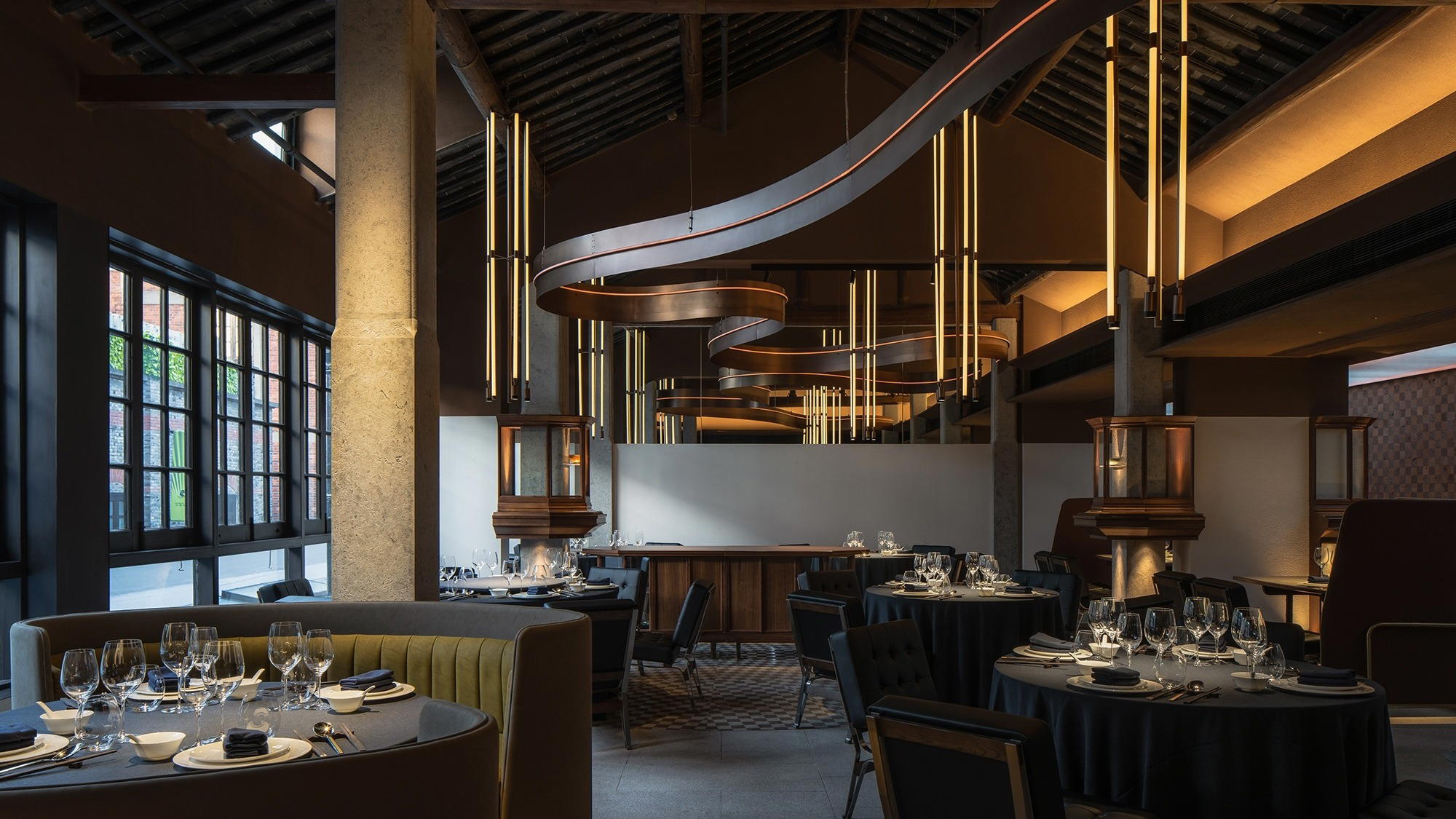
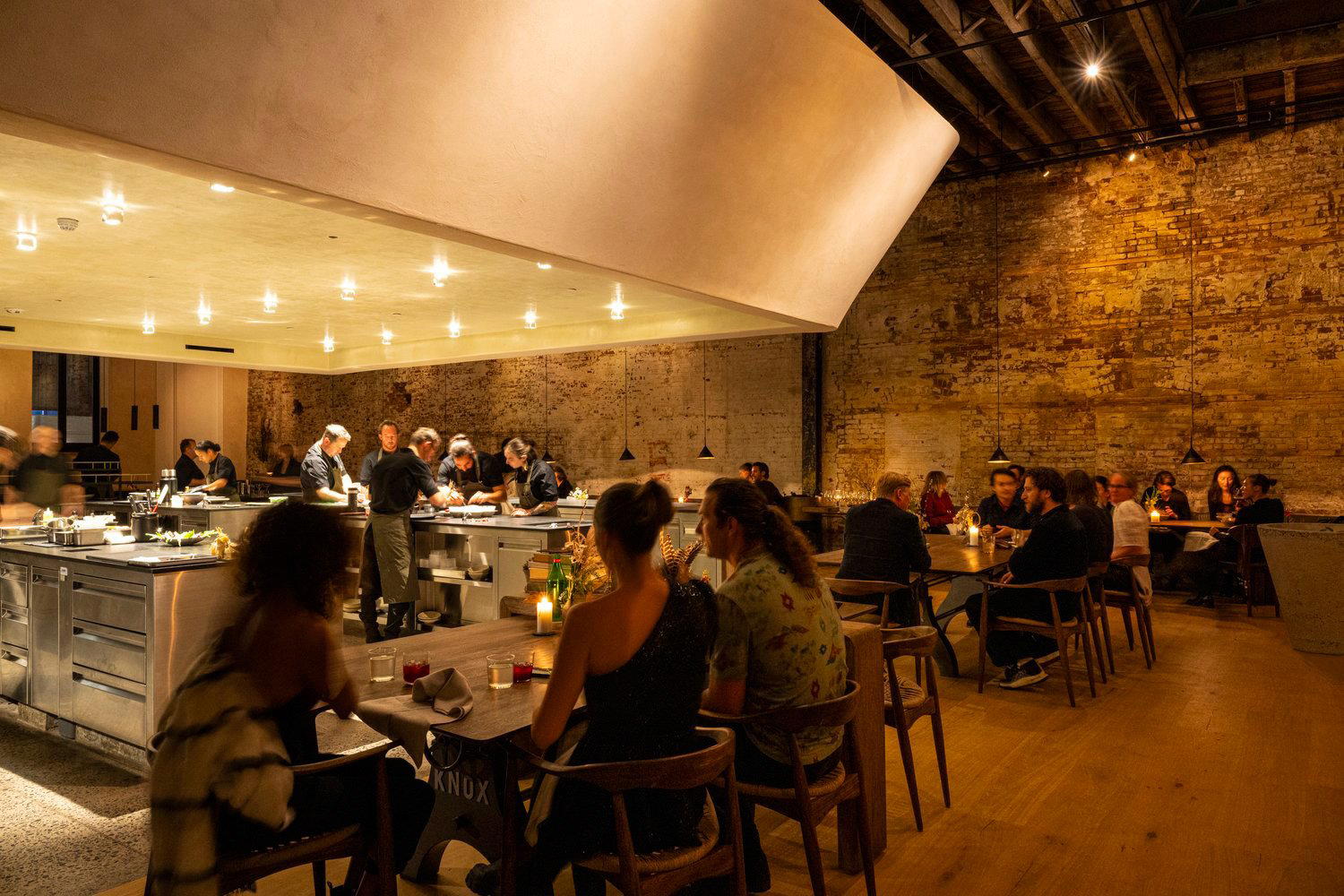
The space was an ironworks before it became a restaurant, and that history is legible in the room. The industrial bones, exposed structure, hard surfaces, residual weight, give Genso an atmosphere that sits somewhere between a chef's atelier and a serious dining room. It is not a quiet room in the way a traditional French restaurant in Lyon might be quiet; the surfaces carry sound, and the energy at the table tends to be active rather than hushed. For a solo diner or a pair focused on conversation, arrive earlier in the service rather than later, when the room will be at its most animated. For a group that wants atmosphere and energy alongside the food, the timing matters less.
The sensory framing here is worth understanding before you book: this is not a room designed for retreat. It is a room designed to feel charged. The food concept reinforces that, each course is conceptually anchored to one of the four ancient Greek elements, with vegetables grilled across multiple techniques representing earth, herb-driven soups expressing water, and so on. This is a kitchen that wants you to think about what you're eating, not just experience it passively. If that register suits you, Genso will reward attention. If you want a more neutral, comfort-led French meal, La Cime or La Bécasse operate closer to that frequency.
What to Order
Menu is structured around the elemental concept, so the most direct advice is to follow the framework rather than trying to pick individual dishes. The vegetable platter, grilled using a range of techniques and positioned as the earth course, is the most reported highlight from the review record, and it functions as a demonstration of how seriously the kitchen treats technique even within a thematic constraint. The water course, built around herbs and aromatic ingredients in a soup format, is where the kitchen's French foundation shows most clearly. Do not come here expecting classical French plating for its own sake; the concept is the throughline, and the courses make more sense read as a sequence than as individual items.
For returning diners specifically: the second visit is the right moment to pay attention to how the fire and wind courses are handled, since those tend to be where the kitchen has the most interpretive flexibility and where seasonal variation is most visible. If you dined here in a previous season and found a course underwhelming, that is the one most likely to have shifted.
Booking and Timing
Booking at Genso sits at easy difficulty. Given that the Michelin Plate recognition is now in its second consecutive year, demand is present but not at the level of starred venues in Osaka. Booking a week to ten days in advance should be sufficient for most dates, though weekend evenings will tighten that window. There is no phone or website listed in current records, so the most reliable booking route is through a third-party reservation platform or your hotel concierge if you are visiting from outside the city. For context, more difficult-to-book French options in Osaka include Différence and LE PONT DE CIEL, where lead times are longer.
Is Genso Right for Your Trip?
Genso works well for diners who want a conceptually grounded French experience at a price point below the ¥¥¥¥ tier that dominates Osaka's serious French dining scene. It is a better fit for a return visitor to Osaka than a first-timer who wants a definitive benchmark meal, for that, La Cime at the ¥¥¥¥ level is the more instructive reference point. But if you have already done that circuit, or if you are specifically interested in how a French kitchen organises itself around a philosophical concept, Genso earns its place on the itinerary. The industrial setting and the active room energy also make it a reasonable choice for a special occasion that calls for atmosphere over formality.
For broader planning across the city, see our full Osaka restaurants guide. If you are mapping a wider Kansai itinerary, Gion Sasaki in Kyoto and akordu in Nara are the strongest adjacent options. Further afield, Goh in Fukuoka and Harutaka in Tokyo represent different registers entirely but are worth knowing if your Japan itinerary extends. For European French reference points, Hotel de Ville Crissier and Les Amis in Singapore sit at the formal end of the French tradition Genso works within but reinterprets.
Practical Comparison
| Venue | Price Tier | Style | Booking Difficulty | Michelin Recognition |
|---|---|---|---|---|
| Genso | ¥¥¥ | French, conceptual | Easy | Plate (2024, 2025) |
| La Cime | ¥¥¥¥ | French | Harder | Starred |
| Différence | ¥¥¥ | French | Moderate | |
| LE PONT DE CIEL | ¥¥¥ | French | Moderate | |
| nent | ¥¥¥ | Contemporary | Easy |
FAQs
Is Genso worth the price?
- At ¥¥¥, Genso sits below the top tier of Osaka French dining in cost and below it in Michelin status, but the two consecutive Michelin Plate awards signal a kitchen operating with consistency.
- The value case is strongest if the conceptual framework (four elements) is what draws you. If you want the highest technical ceiling in Osaka French cooking, La Cime at ¥¥¥¥ is the more direct answer.
What should I order at Genso?
- Follow the elemental sequence as intended rather than picking around it. The earth course (multi-technique vegetable platter) and the water course (herb-led soup) are the most consistent reported highlights.
- On a return visit, pay attention to the fire and wind courses, where the kitchen has more seasonal flexibility.
Is Genso good for solo dining?
- Yes, the conceptual, sequence-driven format suits solo diners who want to engage with the menu on its own terms without managing group preferences.
- The room carries energy and sound, so a solo visit works better earlier in service if quiet focus is what you want. Osaka has strong solo dining culture generally, and Genso fits that pattern.
How far ahead should I book Genso?
- Booking difficulty is rated easy. One to two weeks in advance covers most dates.
- Weekend evenings are the exception, push that to two to three weeks to be safe. No phone or website is currently listed, so use a third-party reservation platform or your hotel concierge.
What are alternatives to Genso in Osaka?
- For French at a higher price and quality ceiling: La Cime (¥¥¥¥, Michelin-starred).
- For Japanese at a comparable price tier: Kashiwaya Osaka Senriyama or Taian for kaiseki.
- For innovative cooking at ¥¥¥¥: Fujiya 1935 is the reference point.
Is the tasting menu worth it at Genso?
- The elemental concept is designed as a sequence, so a full tasting menu is how the kitchen's logic becomes coherent. Eating only part of the format loses the thread.
- At ¥¥¥ pricing, the value-per-course ratio sits comfortably below the starred venues in Osaka, which makes the commitment easier to justify.
Is Genso good for a special occasion?
- Yes, with one qualification: the industrial room is atmospheric but not formally quiet. It suits occasions where energy and conceptual interest matter, a birthday for someone who engages with food as ideas, for example, more than occasions that call for hushed formality.
- For a traditional anniversary dinner in a more composed setting, La Cime or La Bécasse are better fits.
What should I wear to Genso?
- No dress code is on record. The industrial setting and ¥¥¥ price tier suggest smart casual is appropriate, well-put-together but not formal. A suit is not required; trainers would likely read as underdressed given the dining register.
- When in doubt, dress as you would for a serious European bistro rather than a starred dining room.
Planning details
- Location
- 2 Chome-7-18 Inari, Naniwa Ward, Osaka, 556-0023, Japan
- Reservations
- Book on TableCheck
- Website
- genso-osaka.com
- Phone
- +81 6-6567-0555
The take
The Take
The Vibe
genso occupies a remodelled ironworks in Naniwa Ward, where the building’s industrial bones shape the room and inform the cooking. The tone is simultaneously raw and formally minded: the architecture reads as a blunt, weighty container while the menu traces classical French technique. That juxtaposition — an industrial shell holding a classical framework — gives the place a disciplined, design-forward personality. Expect interiors that emphasize metal, scale and materiality and a kitchen that treats ingredient and technique with deliberate composure, creating an experience that feels purposeful rather than decorative.
Best For
This is a destination for diners who prize craft and concept over dining-room frills. Positioned in a mid-tier price bracket outside central Osaka dining circuits, genso suits guests looking for an evening of thoughtful French cooking presented through a clear organizing idea. It rewards visitors who are curious about the intersection of architecture and cuisine — people who will appreciate tasting across techniques and elemental themes rather than a purely formal, star-driven meal. Because the restaurant deliberately pushes against hushed convention, it’s ideal for engaged conversation during a focused dinner.
Ordering Tips
The menu is organized around the four classical elements — fire, earth, wind and water — and the restaurant uses those categories as a practical guide to technique and ingredient groupings. When ordering, sample across the elements to grasp the menu’s internal logic: for example, try the vegetable platter that showcases multiple grilling approaches alongside a herb-driven soup that exemplifies the 'water' register. Treat the meal as a curated sequence of explorations rather than isolated plates, and let the elemental symbols on the menu steer choices so you experience the intended contrasts and coherences.
Venue details
Ambiance
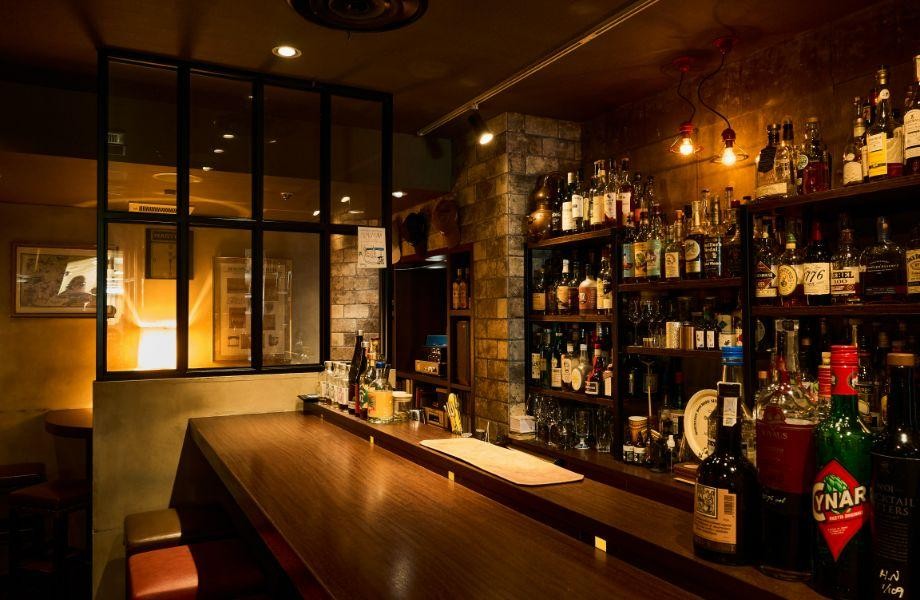
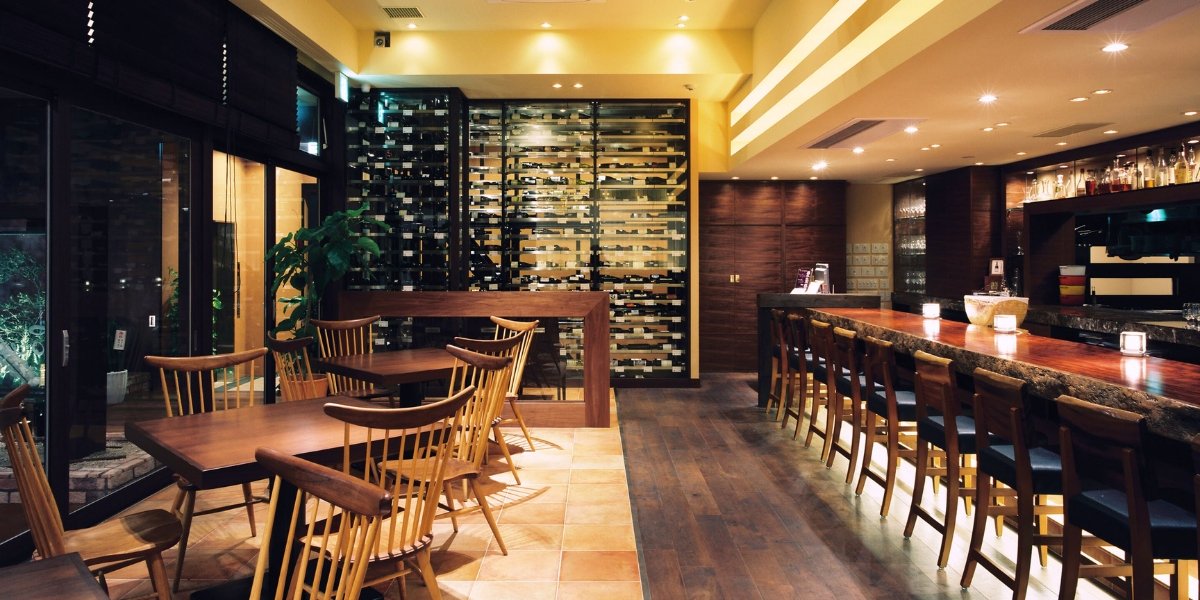
Modern and industrial, with the atmosphere of a converted ironworks and a discreet reservation-only entry process using a PIN code.
Tags
Vibe
Best For
Experience
At the Table
- Service Style
- Formal
- Meal Pacing
- Extended Experience
- Menu Format
- Tasting menu, Prix fixe, Set menu
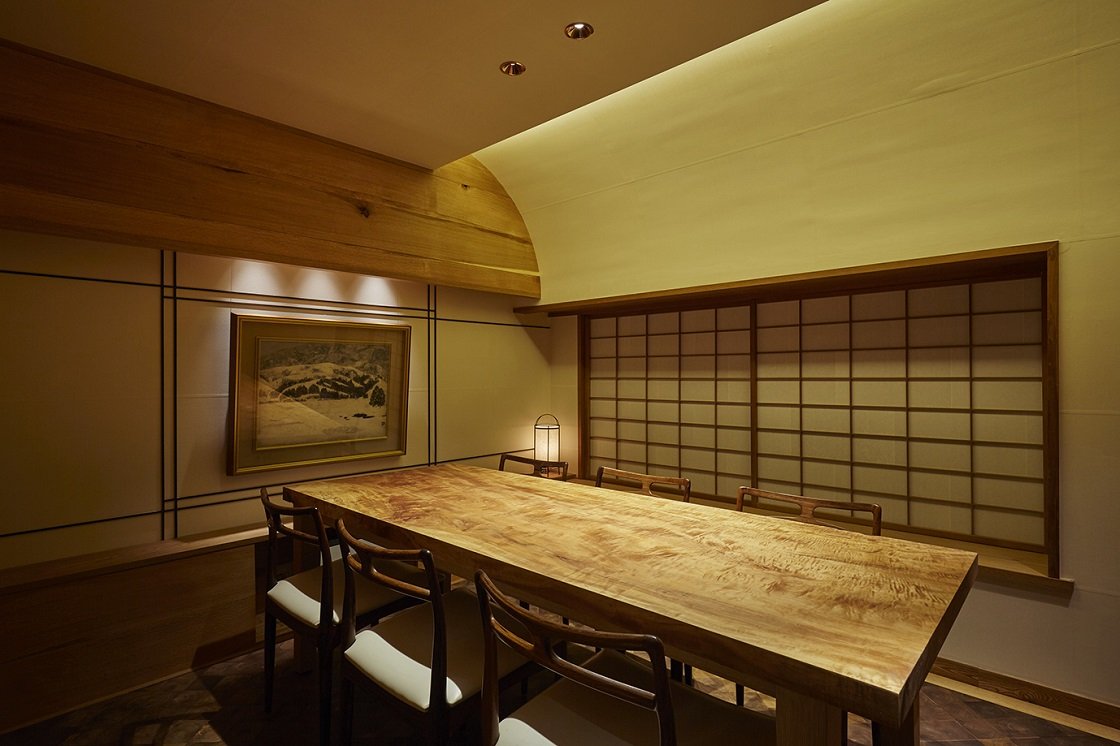
- Private Dining
- Available
- Opened
- 2023
Know before you go
Know Before You Go
- Getting there
- 2 Chome-7-18 Inari, Naniwa Ward, Osaka, 556-0023, Japan
Planning details
Location
2 Chome-7-18 Inari, Naniwa Ward, Osaka, 556-0023, Japan · Directions
Recognition and awards
Also consider
Also Consider
- HAJIME, French, Innovative, ¥¥¥¥
- La Cime, French, ¥¥¥¥
- Kashiwaya Osaka Senriyama, Japanese, ¥¥¥
- Taian, Kaiseki, Japanese, ¥¥¥
- Fujiya 1935, Innovative, ¥¥¥¥
Restaurant context
Genso sits at the accessible end of Osaka's French dining tier, and that positioning is its clearest advantage. Against HAJIME and La Cime, both ¥¥¥¥ and Michelin-starred, Genso costs less, books more easily, and makes fewer demands on the diner in terms of formality. If your priority is the highest technical ceiling in Osaka French cooking, those two are the answer. If you want a conceptually interesting French meal at a lower price point with a genuinely distinct atmosphere, Genso is the more practical choice. Fujiya 1935 at ¥¥¥¥ is the option for diners who want innovative cooking at the top tier without committing fully to classical French structure.
Against the ¥¥¥ Japanese alternatives, Kashiwaya Osaka Senriyama and Taian for kaiseki, the comparison comes down to cuisine preference rather than budget. Kashiwaya and Taian both carry stronger Michelin credentials at the same price tier, so if Japanese fine dining is on the table, those venues have the stronger case on quality signals alone. Genso wins on concept originality and setting distinctiveness, which matters if you're planning a multi-meal Osaka itinerary and want variety across formats.
The decision tree is fairly clean: book La Cime or HAJIME if you want the most decorated French experience Osaka offers and will spend accordingly. Book Genso if you want French cooking with a conceptual hook, an industrial room with real energy, and an easier reservation at a lower price. Book Taian or Kashiwaya if you want the ¥¥¥ tier but prefer kaiseki credentials over French innovation.
Explore Osaka
Around this place
Discover more on Pearl
Unlock the full genso guide in Pearl, including awards, comparisons, FAQs, planning details, and nearby places.
Compare genso
| Venue | Price | Awards |
|---|---|---|
| genso | ¥¥¥ | Michelin Guide Kyoto Osaka 20262026 Michelin Plate2025 Michelin Plate2024 Michelin Plate |
| HAJIME | ¥¥¥¥ | Star Wine Lists 2026 · #12026 Tabelog Bronze · #922026 OAD Top Restaurants in Japan Ranked · #98Michelin Guide Kyoto Osaka 20262026 La Liste Top RestaurantsTabelog 100 - Innovative / Creative cuisine - 2025 · #692025 Asia's 50 Best Restaurants · #832025 OAD Top Restaurants in Japan Ranked · #87We're Smart World Top Restaurants 2025 |
| La Cime | ¥¥¥¥ | 2026 Asia's 50 Best Restaurants · #132026 OAD Top Restaurants in Japan Ranked · #1492026 Tabelog Bronze · #231Michelin Guide Kyoto Osaka 20262026 La Liste Top Restaurants2025 Asia's 50 Best Restaurants · #82025 World's 50 Best Restaurants · #44Tabelog 100 - French - WEST - 2025 · #932025 OAD Top Restaurants in Japan Ranked · #123 |
| Kashiwaya Osaka Senriyama | ¥¥¥ | 2026 Tabelog Bronze · #1682026 OAD Top Restaurants in Japan Recommended2026 Relais Chateaux RestaurantsMichelin Guide Kyoto Osaka 20262026 La Liste Top RestaurantsTabelog 100 - Japanese cuisine - WEST - 2025 · #772025 OAD Top Restaurants in Japan Ranked · #1552025 Relais Chateaux Award2025 Michelin 3 Stars |
| Taian | ¥¥¥ | 2026 OAD Top Restaurants in Japan RecommendedMichelin Guide Kyoto Osaka 20262026 La Liste Top Restaurants2025 OAD Top Restaurants in Japan Ranked · #2042025 La Liste Top Restaurants2025 Michelin 3 Stars2024 OAD Top Restaurants in Japan Ranked · #1912024 Michelin 3 Stars2023 OAD Top Restaurants in Japan Highly Recommended |
| Fujiya 1935 | ¥¥¥¥ | 2026 Tabelog Bronze · #752026 OAD Top Restaurants in Japan RecommendedMichelin Guide Kyoto Osaka 20262026 La Liste Top Restaurants2025 Michelin 2 Stars2025 Tabelog Silver2025 La Liste Top Restaurants2024 OAD Top Restaurants in Japan Ranked · #2392024 Michelin 2 Stars |
.png?width=1200&quality=80)









Side-by-side comparison to help you decide where to book.
FAQ
Frequently Asked Questions
Is genso worth the price?
At ¥¥¥, Genso sits below the ¥¥¥¥ tier that dominates serious French dining in Osaka, and it has held a Michelin Plate for two consecutive years (2024 and 2025). The elemental concept gives the menu a coherent through-line that justifies the price for diners who want more than competent technique. If you are comparing on pure value, this is a stronger case than many mid-tier options in the city.
What should I order at genso?
The menu is built around the four classical elements — fire, earth, wind, and water — so the format steers you rather than individual dish choices. The vegetable platter tied to earth and the herb-forward soup representing water are the conceptual anchors of the meal. Follow the full sequence rather than trying to pick around the framework; the concept only lands if you let it run.
Is genso good for solo dining?
The industrial setting of a remodelled ironworks tends to suit solo diners reasonably well, since the room's character carries the experience without requiring a group dynamic. The conceptual tasting format also works for one: there are no sharing decisions to negotiate. Nothing in the venue data suggests solo bookings are awkward or discouraged.
How far ahead should I book genso?
Booking difficulty is low, so you are not competing against a deep queue. That said, Genso has now received the Michelin Plate two years running, which means demand is present and growing. Booking one to two weeks out should be sufficient in most cases, but give yourself more lead time around Japanese public holidays or peak travel periods.
What are alternatives to genso in Osaka?
La Cime is the closest stylistic comparison if you want French cooking with a clear creative identity at a higher commitment level. Fujiya 1935 is the choice if you want a longer-standing creative French pedigree in Osaka. For traditional Japanese fine dining instead of French, Kashiwaya Osaka Senriyama and Taian are the reference points, while HAJIME operates at a significantly higher price and ambition tier.
Is the tasting menu worth it at genso?
Yes, for this specific format. The elemental structure — each course tied to fire, earth, wind, or water — means the tasting menu is the intended delivery mechanism for the concept. Ordering selectively would undermine the coherence that makes Genso distinct from standard French options in Osaka. At ¥¥¥, the format is accessible enough that the commitment is not excessive.
Is genso good for a special occasion?
It works well for occasions where the dining concept itself is part of the event, since the elemental framework gives the meal a sense of progression and intention. The remodelled ironworks setting adds visual character without tipping into formal stiffness. At ¥¥¥ with two years of Michelin Plate recognition, it reads as a considered choice rather than a default special-occasion booking.