
Doshincho Washoku Zui
Japanese · Kita, Osaka
Restaurant in Osaka, Japan
 Book with Pearl
The Read
Two-Ingredient Dashi Discipline
Price
¥¥
Dress
Smart Casual
Why go
A Michelin Plate-recognised washoku counter in Osaka's Kita Ward, Doshincho Washoku Zui delivers technically precise dashi-led cooking at the ¥¥ price point. The chef's two-ingredient discipline and Kyoto-trained dashi work. Easy to book, genuinely good value, and worth the short detour north of Umeda for food-focused visitors.
About Doshincho Washoku Zui
Verdict: A Michelin-recognised washoku counter in north Osaka that rewards food-focused visitors willing to venture off the tourist trail
The common assumption about finding serious Japanese cuisine in Osaka is that you need to book months ahead and spend at the ¥¥¥ to ¥¥¥¥ level. Doshincho Washoku Zui resets that expectation. If you are an explorer who wants to eat well in Osaka without committing to a kaiseki budget, this is a serious option worth booking.
The Cooking: Two Ingredients, Full Attention
The philosophy here is one of deliberate restraint. Each dish is built around just two ingredients, a constraint that sounds minimal but in practice forces every component to carry its own weight. The approach traces back to the chef's training in Kyoto, where he developed his foundation in dashi — specifically Rishiri kombu and light-coloured dried bonito flakes. These are not incidental choices: Rishiri kombu, harvested from the cold waters off Hokkaido, produces a cleaner, more delicate dashi than varieties from warmer southern waters, and pairing it with pale (usuiguchi-style) katsuobushi keeps the broth from darkening or overpowering more subtle ingredients.
Sea bream preparation illustrates the method: sashimi accompanied by a jellied broth made from sea bream's own dashi, so the fish is bracketed by itself. It is a technique that amplifies the ingredient rather than accessorising it, and it is the kind of move you more commonly encounter at restaurants charging two to three times what Zui costs. For visitors who have eaten at Harutaka in Tokyo or Gion Sasaki in Kyoto and want a comparable level of dashi intelligence at a lower entry point, Zui is the kind of place that can feel like a genuine find.
Chef's name translates loosely as 'fresh and lively' — and by all accounts his service manner matches it. That energy matters in a small counter setting, where the atmosphere is largely set by whoever is cooking and talking. This is not a reverent, hushed kaiseki room; it is a place where enthusiasm for the craft is visible. If you prefer that kind of direct engagement with the cook over formal table service, the format suits.
Lunch vs Dinner: How the Two Experiences Compare
This is where the practical decision gets interesting. Doshincho Washoku Zui sits in the Doshin area of Kita Ward, a residential-leaning pocket north of Umeda that sees far less tourist traffic than Namba or Shinsaibashi. At the ¥¥ price level, a lunch visit is likely to be meaningfully cheaper than dinner in absolute terms, and at this format, washoku counter, focused seasonal menu, lunch often represents the sharper value. Many washoku counters in Japan offer abbreviated or slightly lighter lunch sets that give you a clear read on the kitchen's dashi work and ingredient sourcing without the fuller investment of an evening course.
Dinner at a place like Zui tends to run longer and gives the chef more room to build across multiple courses. If your priority is spending enough time to see the two-ingredient constraint applied across a full progression of dishes, dinner makes more sense. If you are time-limited, or if you want to build Zui into a day that also includes Osaka's broader food scene, a lunch visit is the smarter call. Either way, the cooking is the same kitchen, the difference is scope, not quality. Hours and specific menu structures are not confirmed in available data, so check directly before booking.
For context on how the daytime washoku experience in Osaka compares across price tiers, Kashiwaya Osaka Senriyama and Taian both operate at ¥¥¥ and offer more elaborate multi-course formats. They are the right comparison if budget is flexible. At ¥¥, Zui occupies a different position: more accessible, less ceremony, but the same underlying seriousness about dashi and seasonal produce.
Booking and Getting There
Booking difficulty is rated easy. The Doshin neighbourhood in Kita Ward is accessible from Osaka's central transport network, though it requires a short walk from the nearest major stations. The address is in the ヴェール同心 101 building, a residential low-rise at 2-4-13 Doshin. A website and phone number are not confirmed in current data, so your most reliable booking route is through a third-party reservation platform or your hotel concierge if you are staying in central Osaka. Planning two to three weeks ahead should be sufficient for most visit windows.
If you are building a broader Osaka food itinerary, the full Osaka restaurants guide covers the range from neighbourhood washoku to multi-Michelin-star kaiseki. For stays in Kita Ward, the Osaka hotels guide covers options near Umeda and the broader northern district. You can also explore the Osaka bars guide, wineries guide, and experiences guide to fill out the trip.
For washoku at a similar price register elsewhere in Japan, Myojaku in Tokyo and Azabu Kadowaki in Tokyo both show what the format can achieve at higher price points. In Osaka itself, Miyamoto, Oimatsu Hisano, Tenjimbashi Aoki, and Yugen round out the neighbourhood washoku picture. Further afield, akordu in Nara, Goh in Fukuoka, 1000 in Yokohama, and 6 in Okinawa offer points of comparison for regional Japanese cooking at varying price levels.
Planning details
- Location
- Japan, 〒530-0035 Osaka, Kita Ward, Doshin, 2 Chome−4−13 ヴェール同心 101
- Phone
- +81 6-4800-1551
The take
The Take
The Vibe
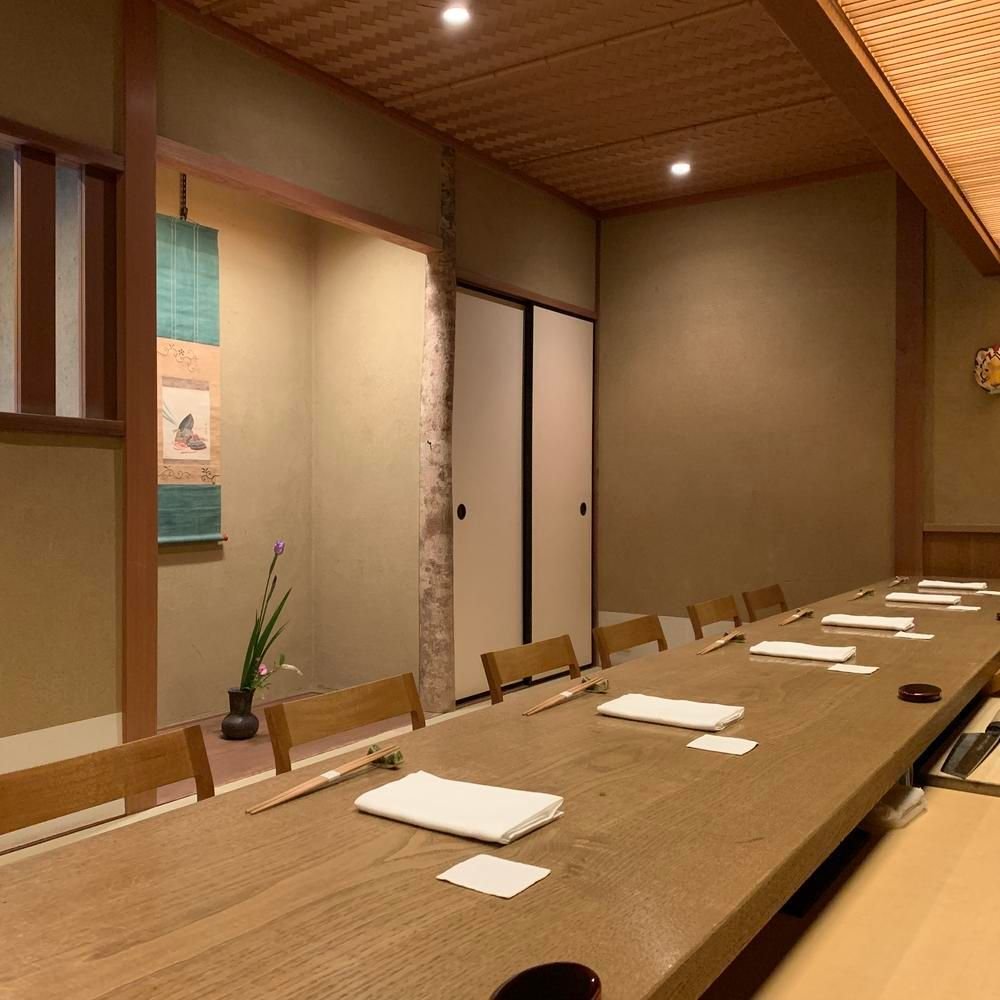
Doshincho Washoku Zui presents a quietly measured take on Osaka washoku. It sits on a low-key residential street and operates from a modest ground-floor space where a counter-format rhythm governs the room. The cooking mirrors the neighbourhood’s restraint: dishes are pared back to two ingredients and a dashi made from those same components, producing a focused, minimalist expression of technique. Regulars and neighbours favor repetition over spectacle, so the mood feels classic and intimate rather than flashy. The overall impression is calm, deliberate and quietly charming—a local counter where the discipline of washoku is on full display.
Best For
This is a dinner destination built for close, attentive dining at the counter. The counter-format and neighbourhood setting make it especially well suited to solo diners and pairs who want an up-close view of preparation and a calm, focused meal. It also fits small, quiet business dinners or intimate special occasions where conversation and technique matter more than showy presentation. Expect a restrained pace and an experience that rewards appreciation of texture and dashi-driven flavors rather than grand culinary theatrics.
Ordering Tips
Let the house’s two-ingredient rule guide your choices: each plate pairs two elements with a dashi made from those same components, so sampling multiple dishes reveals how subtle shifts in pairing change the outcome. Prioritize the signature items named by the kitchen—Tai sashimi with jellied sea bream dashi, grilled tilefish with crisped scales and the kamameshi—to understand the restaurant’s approach. Sit at the counter when you can to watch the technique, and order progressively so you can follow the structural logic of the meal rather than jumping straight to heavy dishes.
Venue details
Ambiance
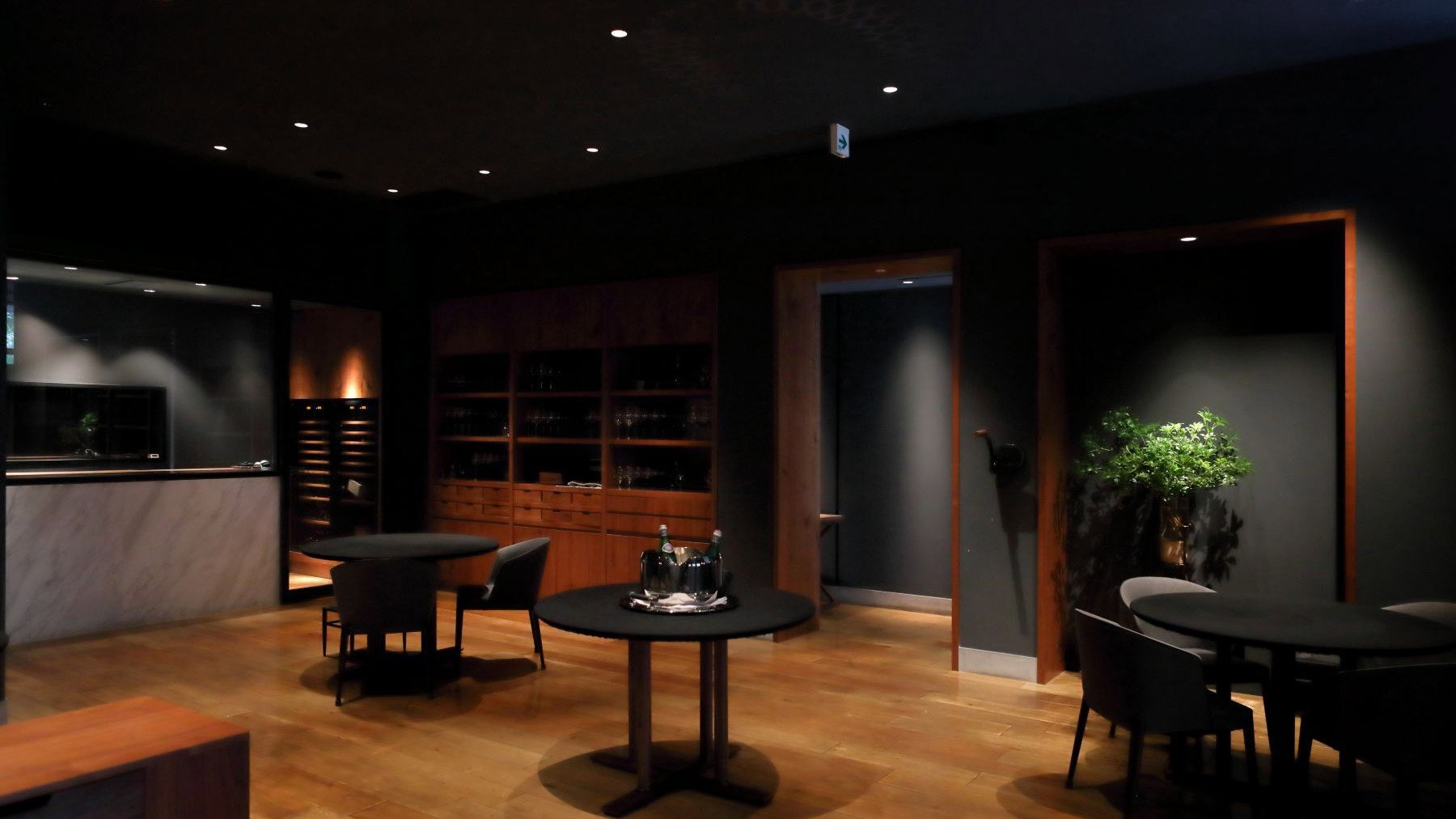
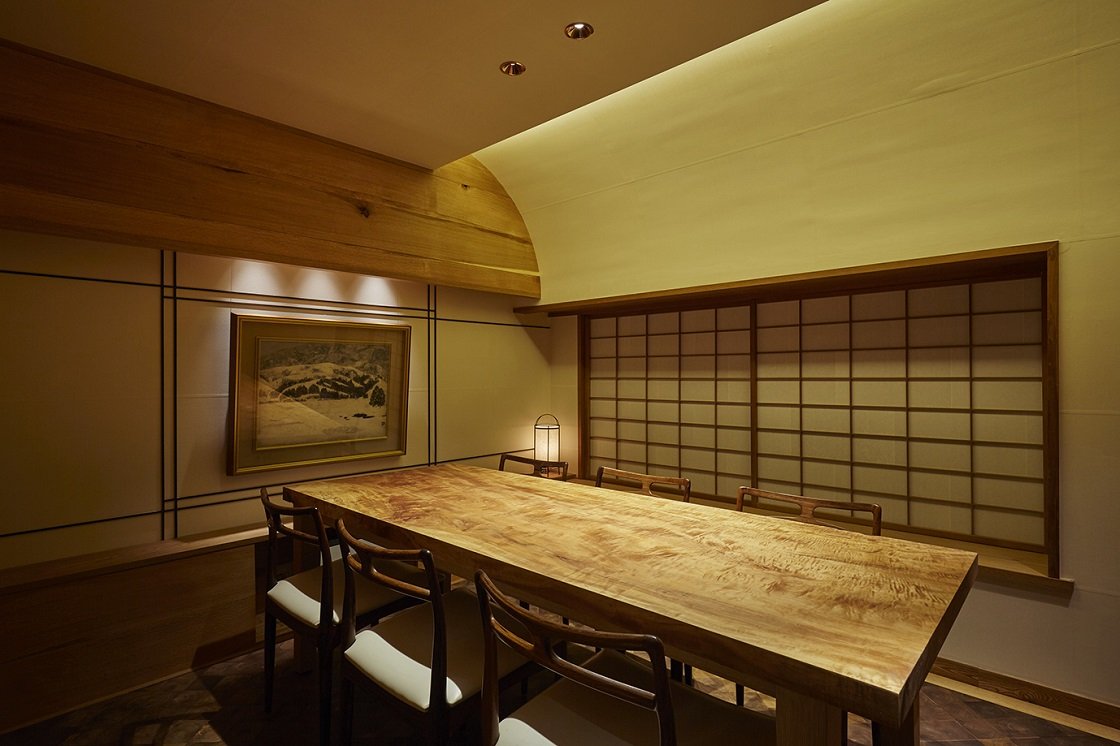
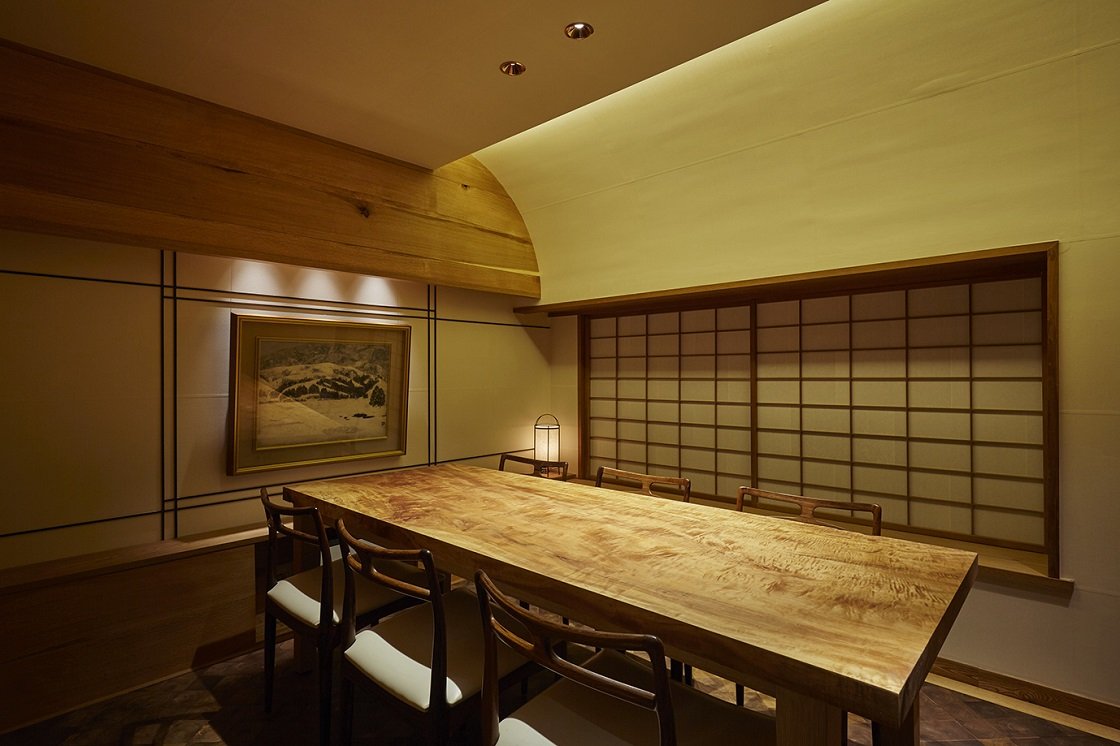
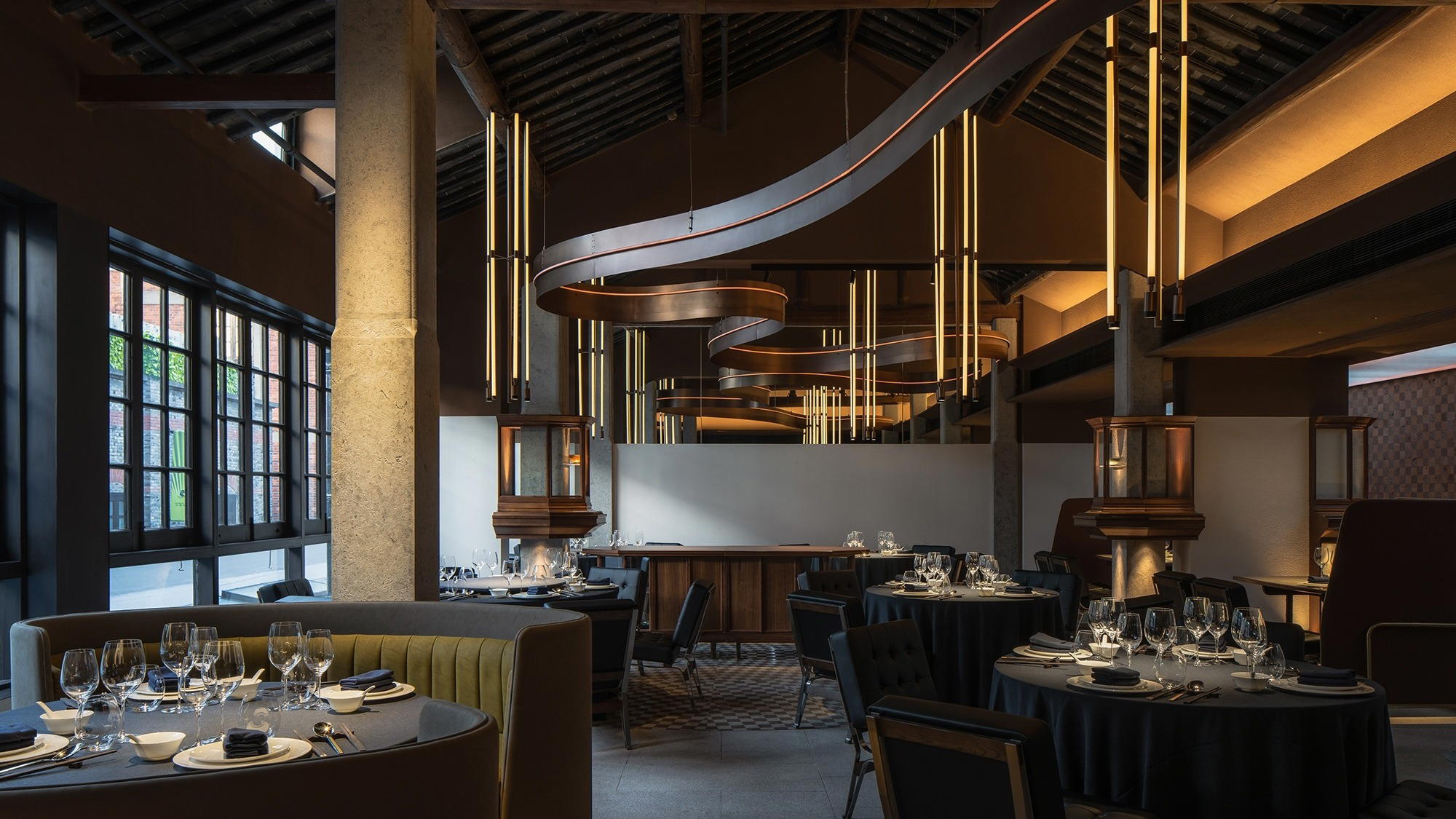
Serene counter seating with pale woods, clean lines, soft lighting, and relaxing stylish space.
Tags
Vibe
Best For
Experience
Sourcing
At the Table
- Dress Code
- Smart Casual
- Noise Level
- Quiet
- Service Style
- Formal
- Meal Pacing
- Leisurely
- Capacity
- Intimate
Signature Dishes
- Tai Sashimi with Jellied Sea Bream Dashi
- Grilled Tilefish with Crisped Scales
- Kamameshi
Know before you go
Know Before You Go
- Getting there
- Japan, 〒530-0035 Osaka, Kita Ward, Doshin, 2 Chome−4−13 ヴェール同心 101
Planning details
Location
Japan, 〒530-0035 Osaka, Kita Ward, Doshin, 2 Chome−4−13 ヴェール同心 101 · Directions
Recognition and awards
Also consider
Also Consider
- HAJIME, French, Innovative, ¥¥¥¥
- La Cime, French, ¥¥¥¥
- Kashiwaya Osaka Senriyama, Japanese, ¥¥¥
- Taian, Kaiseki, Japanese, ¥¥¥
- Fujiya 1935, Innovative, ¥¥¥¥
Restaurant context
If budget is your primary filter, Doshincho Washoku Zui is the clearest case among Osaka's Michelin-recognised Japanese restaurants. At ¥¥ with back-to-back Michelin Plate recognition, it sits two to three price tiers below Kashiwaya Osaka Senriyama and Taian (both ¥¥¥), and three to four tiers below HAJIME, La Cime, and Fujiya 1935 (all ¥¥¥¥). The trade-off is scope rather than quality: you get a focused, restrained menu rather than an elaborate multi-course progression, and a neighbourhood counter rather than a formal dining room.
If you want the full kaiseki treatment with strong dashi credentials and multi-course structure, Kashiwaya Osaka Senriyama and Taian are the right step up. Both operate at ¥¥¥, both have serious Michelin standing, and both offer the kind of course length that lets a kitchen build through a full seasonal narrative. For diners who want French-influenced innovation at the highest end of Osaka's dining scene, HAJIME and Fujiya 1935 are in a separate category entirely, higher investment, harder to book, and a different culinary register altogether.
Zui makes the most sense if you are an itinerary-builder who wants Michelin-recognised washoku without anchoring your entire evening around a single high-budget booking. It is also the easiest of these venues to secure, no months-ahead planning required. For visitors comparing Osaka to Kyoto's washoku scene, Zui offers a lower-pressure entry point than the more formal counters in Gion, and its two-ingredient philosophy gives you a clear, memorable point of contrast against more elaborate formats.
Explore Osaka
Around this place
Discover more on Pearl
Unlock the full Doshincho Washoku Zui guide in Pearl, including awards, comparisons, FAQs, planning details, and nearby places.
Compare Doshincho Washoku Zui
| Venue | Awards | Price |
|---|---|---|
| Doshincho Washoku Zui | Michelin Guide Kyoto Osaka 20262026 Michelin Plate2025 Michelin Plate2024 Michelin Plate | ¥¥ |
| HAJIME | Star Wine Lists 2026 · #12026 Tabelog Bronze · #922026 OAD Top Restaurants in Japan Ranked · #98Michelin Guide Kyoto Osaka 20262026 La Liste Top RestaurantsTabelog 100 - Innovative / Creative cuisine - 2025 · #692025 Asia's 50 Best Restaurants · #832025 OAD Top Restaurants in Japan Ranked · #87We're Smart World Top Restaurants 2025 | ¥¥¥¥ |
| La Cime | 2026 Asia's 50 Best Restaurants · #132026 OAD Top Restaurants in Japan Ranked · #1492026 Tabelog Bronze · #231Michelin Guide Kyoto Osaka 20262026 La Liste Top Restaurants2025 Asia's 50 Best Restaurants · #82025 World's 50 Best Restaurants · #44Tabelog 100 - French - WEST - 2025 · #932025 OAD Top Restaurants in Japan Ranked · #123 | ¥¥¥¥ |
| Kashiwaya Osaka Senriyama | 2026 Tabelog Bronze · #1682026 OAD Top Restaurants in Japan Recommended2026 Relais Chateaux RestaurantsMichelin Guide Kyoto Osaka 20262026 La Liste Top RestaurantsTabelog 100 - Japanese cuisine - WEST - 2025 · #772025 OAD Top Restaurants in Japan Ranked · #1552025 Relais Chateaux Award2025 Michelin 3 Stars | ¥¥¥ |
| Taian | 2026 OAD Top Restaurants in Japan RecommendedMichelin Guide Kyoto Osaka 20262026 La Liste Top Restaurants2025 OAD Top Restaurants in Japan Ranked · #2042025 La Liste Top Restaurants2025 Michelin 3 Stars2024 OAD Top Restaurants in Japan Ranked · #1912024 Michelin 3 Stars2023 OAD Top Restaurants in Japan Highly Recommended | ¥¥¥ |
| Fujiya 1935 | 2026 Tabelog Bronze · #752026 OAD Top Restaurants in Japan RecommendedMichelin Guide Kyoto Osaka 20262026 La Liste Top Restaurants2025 Michelin 2 Stars2025 Tabelog Silver2025 La Liste Top Restaurants2024 OAD Top Restaurants in Japan Ranked · #2392024 Michelin 2 Stars | ¥¥¥¥ |
.png?width=1200&quality=80)









Key differences to consider before you reserve.
FAQ
Frequently Asked Questions
Can I eat at the bar at Doshincho Washoku Zui?
Counter seating is the likely format here — the venue is a small washoku restaurant in a residential pocket of Kita Ward, and that style of cooking in Osaka typically centres on an intimate counter. With the chef's hands-on, expressive approach described in Michelin's own notes, a counter seat puts you closest to the two-ingredient philosophy in action. Confirm seat type when booking, as the address points to a compact 101-unit space.
Can Doshincho Washoku Zui accommodate groups?
Larger groups are a difficult fit. At ¥¥ pricing and with a cooking style built on individual, two-ingredient dishes that demand full attention, this is a restaurant oriented toward small parties — two to four people is the practical ceiling. Groups of five or more should look at Kashiwaya Osaka Senriyama, which has the space and format to scale up without losing the washoku experience.
What should I wear to Doshincho Washoku Zui?
The venue sits in a residential neighbourhood in Doshin rather than a high-end dining district, and its ¥¥ price range signals an approachable rather than formal register. Neat, understated clothing is appropriate — you do not need a jacket. The Michelin Plate recognition reflects cooking quality, not ceremony, so dress practically for a focused, food-first meal.
What is Doshincho Washoku Zui known for?
Doshincho Washoku Zui is primarily known for Japanese in Osaka.