

Différence
French · Nishi, Osaka
Restaurant in Osaka, Japan
 Book with Pearl
The Read
Japanese-Sourced French Precision
Price
$150–200per person
Dress
Smart Casual
Why go
Différence holds a Michelin star (2024) for French cooking built around Japanese-sourced ingredients, served in a deliberately quiet all-white room in Osaka's Nishi Ward. At ¥¥¥, it's priced below most comparable French fine-dining rooms in the city, and the seasonal vegetable desserts and yokan-daifuku pastry course give genuine reason to return across visits. Book three to four weeks ahead minimum.
About Différence
Verdict
If you're choosing between Différence and La Cime for a French dinner in Osaka, the decision comes down to register: La Cime operates at the ¥¥¥¥ level with a more globally-inflected tasting format; Différence sits at ¥¥¥ and commits to a quieter, more considered idea: French cooking built around Japanese ingredients, in a room designed to feel removed from ordinary life. That's a specific proposition, and it earns its Michelin star. Book it if you want French technique without the showmanship, and if the idea of vegetable-infused desserts and pastries that fold in yokan and daifuku sounds more interesting than predictable.
Portrait
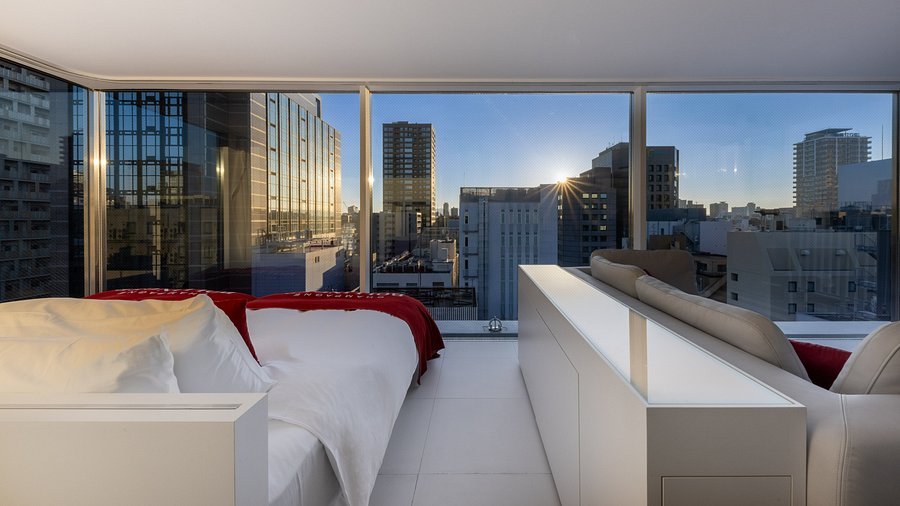
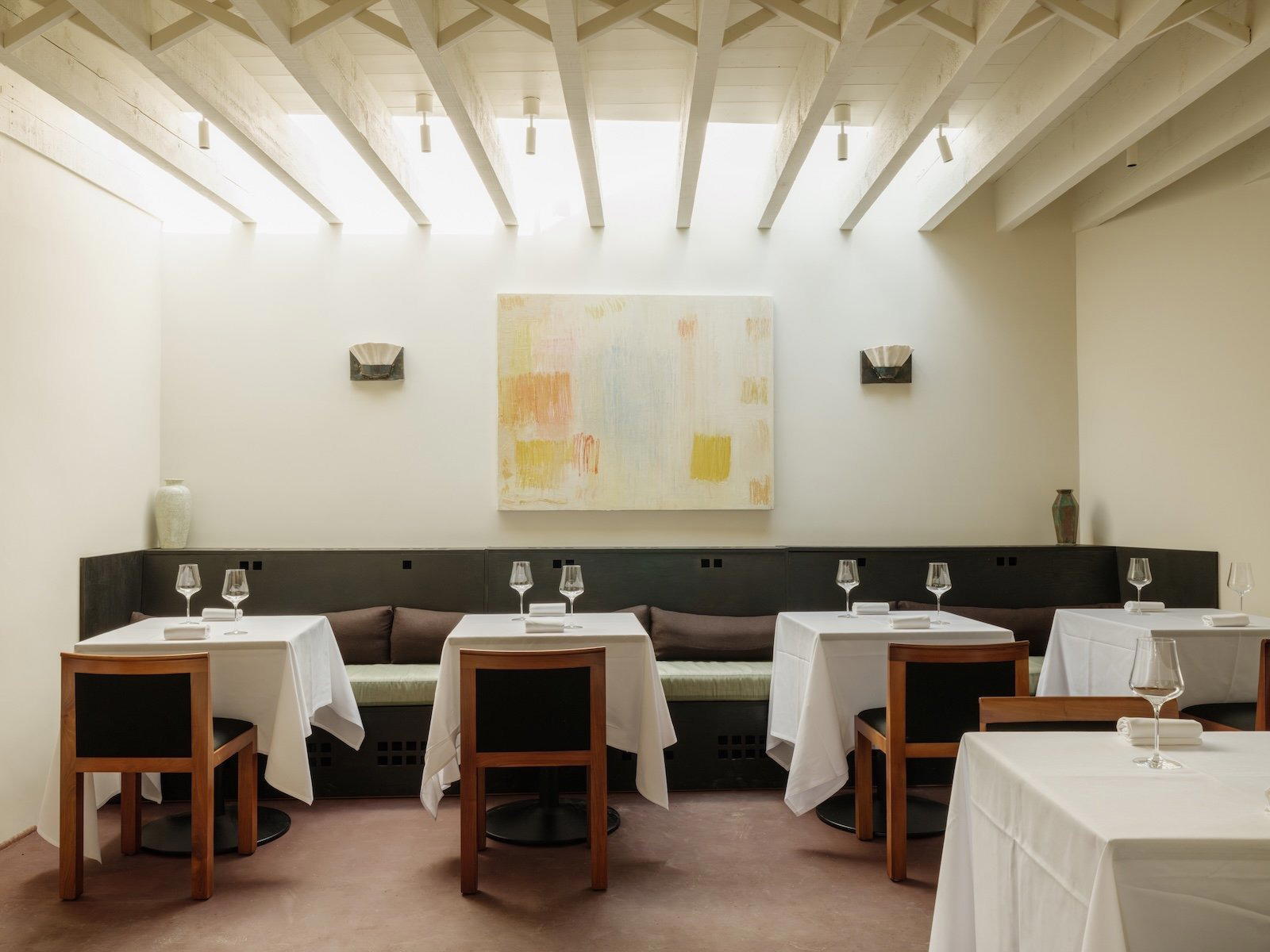
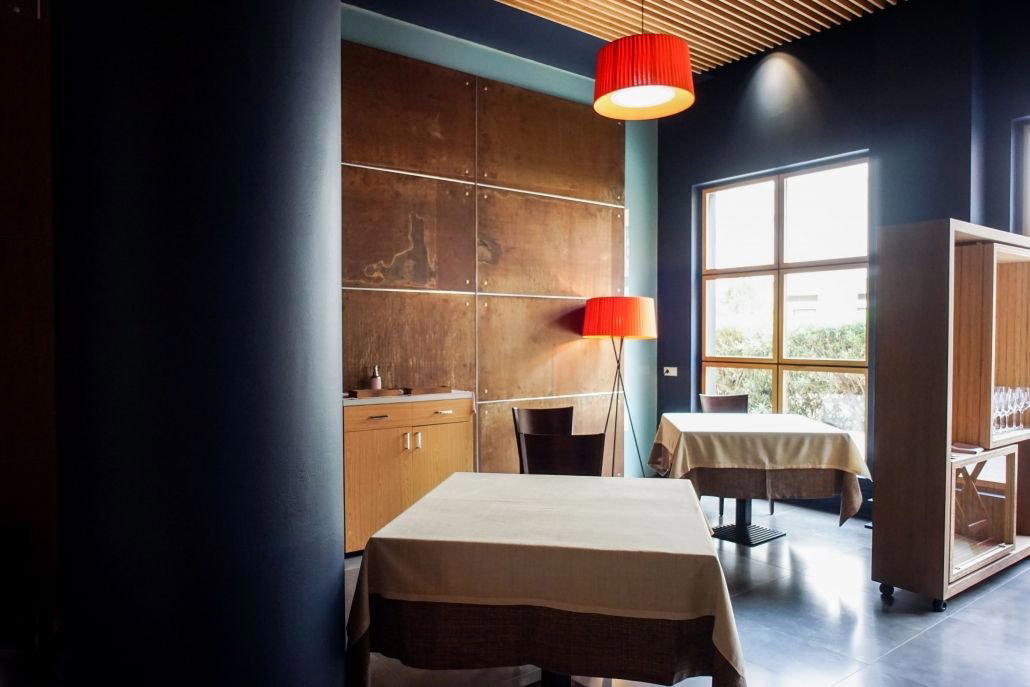
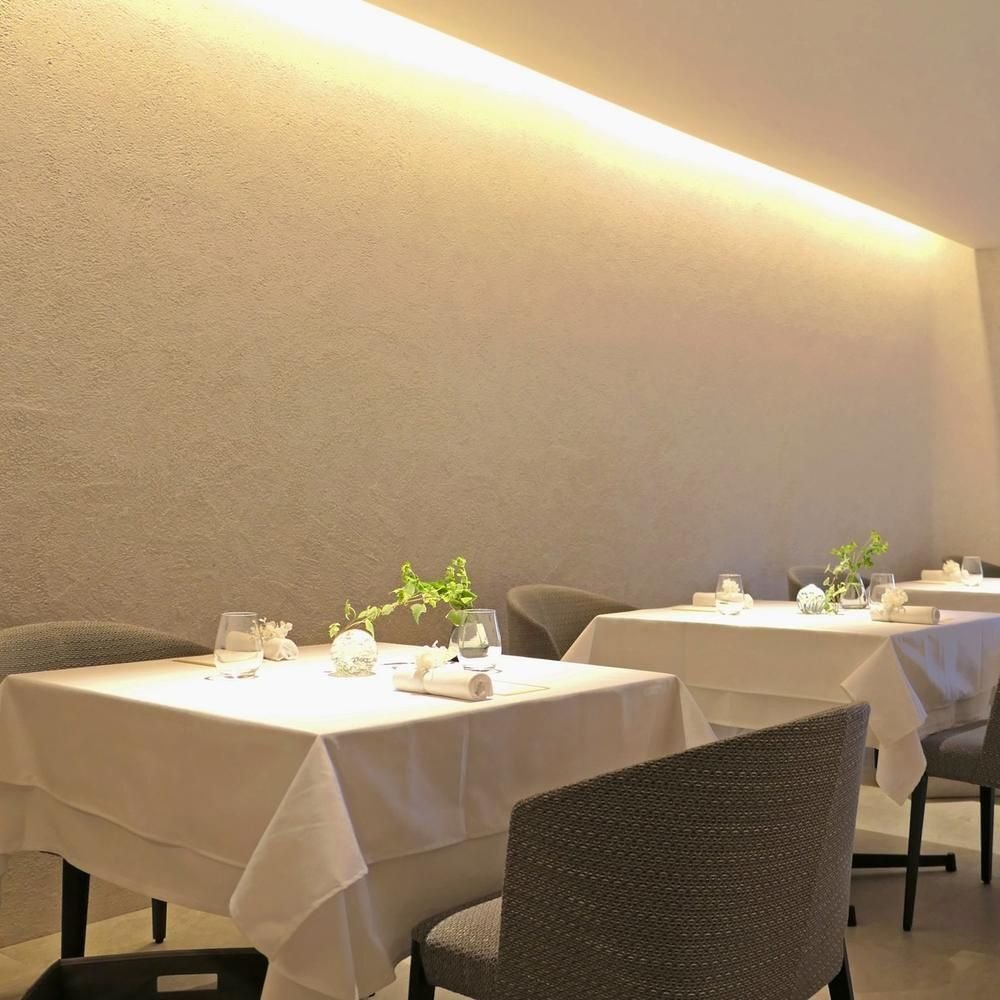
The dining room at Différence is entirely white. Not the warm off-white of a Parisian bistro, not a minimalist gesture: a deliberate, uniform white that signals a break from routine. The effect is closer to stillness than sterility, and it's the right container for what the kitchen is doing. This is not a room that competes for attention. The food does that.
The concept the kitchen works within, French with a sense of Japan, is more specific than the phrase suggests. The sourcing is Japanese: ingredients grown and raised in Japan anchor every course. That's not unusual for a high-end Osaka restaurant (see Taian or Kashiwaya Osaka Senriyama for how Japanese fine dining handles local provenance), but Différence applies French culinary logic to those ingredients rather than reverting to kaiseki structure. The result is genuinely its own thing.
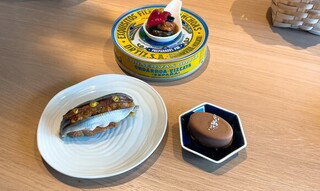
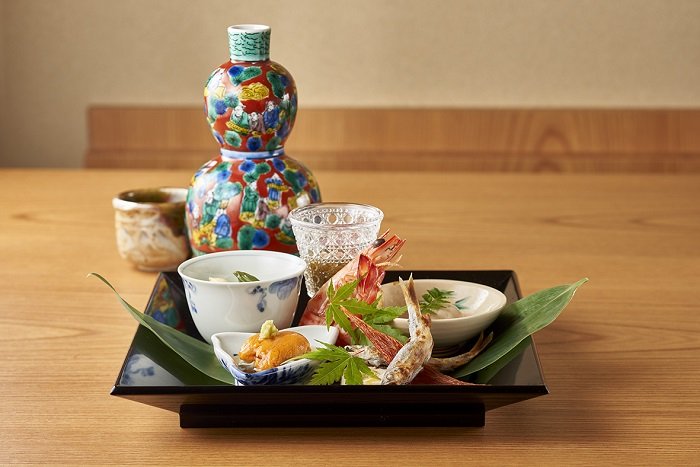
Two details worth noting before you book. First, the dessert course goes somewhere most French restaurants won't: vegetables appear in the sweets, not as a novelty but as a seasonal signal, the kitchen's way of marking the time of year. Second, the pastry work incorporates yokan (a firm wagashi made from red bean paste) and daifuku (mochi stuffed with sweet filling), not as decorative flourishes, but as functional components of the pastry course. If you're visiting in winter or early spring, the vegetable palette in the desserts will reflect that season directly. That's worth knowing before you arrive.
Visitors who find the concept too restrained will head elsewhere; those who stay tend to appreciate what's being attempted. The Michelin 1 Star (2024) confirms the kitchen's technical consistency.
Multi-Visit Strategy
If you've been once and want a reason to return, the seasonal logic is the answer. The kitchen frames the dessert course around what's in season, a detail that changes the end of the meal substantially across visits in different months. A first visit in autumn and a second in late spring will not feel like the same meal at the close. That's a genuine reason to revisit rather than a marketing talking point.
On a second visit, the pastry course rewards more attention than a first-timer typically gives it. The yokan and daifuku integration isn't always immediately legible on an initial visit, the context of French pastry technique makes the Japanese confectionery components easier to appreciate when you're not simultaneously processing the room, the format, and the savoury courses. Second-time guests consistently report that the pastry section lands differently when it's not a surprise.
For a third visit, consider the savoury courses more deliberately. On early visits, the French-Japan tension tends to capture attention as a concept; by a third visit, you're reading individual dishes rather than the idea. That's when a menu built around Japanese sourcing with French technique reveals how much work is happening at the ingredient-selection level.
If Différence is on your Osaka rotation, it pairs well across a trip with La Bécasse for a more classically French reference point, or nent if you want to see how a different Osaka kitchen handles the Japanese-European intersection. For the wider regional picture, Gion Sasaki in Kyoto and akordu in Nara offer useful contrast, both work with Japanese ingredients through non-Japanese culinary frameworks, and both reward the comparison.
Booking
Booking difficulty is rated Hard. A Michelin 1 Star at ¥¥¥ pricing in Osaka means seats are in demand and this is not a walk-in venue. Plan at least three to four weeks ahead for a standard booking; more for weekend dates or special occasions. Given the format and room design, this is not a large-group venue, confirm party size before booking. The address is 1 Chome-16-12 Utsubohonmachi, Nishi Ward, Osaka 550-0004; use a concierge service for reservations.
Practical Details
| Detail | Différence | La Cime | La Bécasse |
|---|---|---|---|
| Cuisine | French (Japan-sourced) | French | French |
| Price range | ¥¥¥ | ¥¥¥¥ | ¥¥¥ |
| Awards | Michelin 1 Star (2024) | Michelin-recognised | Michelin-recognised |
| Booking difficulty | Hard | Hard | Moderate |
| Leading for | Seasonal repeat visits | Special occasion splurge | Classic French reference |
For more on where to eat and stay in the city, see our full Osaka restaurants guide, our full Osaka hotels guide, and our full Osaka bars guide. For broader Japan dining context, Harutaka in Tokyo and Goh in Fukuoka are useful reference points for how French technique intersects with Japanese ingredients at the top of the market. For European French comparison, Hotel de Ville Crissier in Crissier and Les Amis in Singapore cover different ends of the French fine-dining spectrum.
Planning details
- Hours
- Monday: 12–1 PM, 5:30–7:30 PM · Tuesday: Closed
- Location
- 1 Chome-16-12 Utsubohonmachi, Nishi Ward, Osaka, 550-0004, Japan
- Website
- difference.upper.jp
- Phone
- +81 6-6479-1140
The take
The Take
The Vibe
Différence presents a deliberately restrained, almost ascetic dining room: uniformly white surfaces, an 'otherworldly' quality and a visual quiet that intentionally distances guests from daily life. The architecture reads as modern and minimal, but the effect is quietly classical in service of the food: the pared-back space becomes a neutral frame through which carefully considered plates take center stage. The restaurant’s Michelin recognition and measured atmosphere emphasize precision and formalism rather than warmth or fuss, so the overall impression is calm, refined and contemplative.
Best For
Différence is best experienced as an evening destination for diners seeking a precise, formal French tasting in Osaka. The kitchen follows a structured, multi-course progression that favors controlled pacing and a coherent sequence, making the restaurant a natural fit for date nights and special occasions when the meal itself is the focus. Positioned at a ¥¥¥ price point and carrying a Michelin star, it suits guests who appreciate restraint, Japanese ingredients handled with French technique, and an environment that privileges concentration on the food over casual socializing.
Ordering Tips
The menu at Différence follows a formal, multi-course French sequence shaped by the kitchen’s internal logic rather than à la carte choices. Expect a set progression with controlled pacing and dishes that foreground Japanese-grown and -raised ingredients. Patrons should plan to experience the full sequence as presented: the restaurant’s structure and service are built around that flow. Given the emphasis on precision and the Michelin recognition, approach the meal with an appetite for refinement and an openness to the kitchen’s order of courses.
Venue details
Ambiance
Uniform white dining room creating an otherworldly, relaxing milieu away from daily life.
Tags
Vibe
Best For
Experience
Sourcing
At the Table
- Dress Code
- Smart Casual
- Noise Level
- Quiet
- Service Style
- Formal
- Meal Pacing
- Leisurely
- Capacity
- Intimate
- Kitchen
- Fusion
- Menu Format
- Prix fixe
Know before you go
Know Before You Go
- Getting there
- 1 Chome-16-12 Utsubohonmachi, Nishi Ward, Osaka, 550-0004, Japan
Planning details
Hours
- Monday
- 12–1 PM, 5:30–7:30 PM
- Tuesday
- Closed
- Wednesday
- 12–1 PM, 5:30–7:30 PM
- Thursday
- 12–1 PM, 5:30–7:30 PM
- Friday
- 12–1 PM, 5:30–7:30 PM
- Saturday
- 12–1 PM, 5:30–7:30 PM
- Sunday
- 12–1 PM, 5:30–7:30 PM
Location
1 Chome-16-12 Utsubohonmachi, Nishi Ward, Osaka, 550-0004, Japan · Directions
Recognition and awards
Also consider
Also Consider
- HAJIME: French, Innovative, ¥¥¥¥
- La Cime: French, ¥¥¥¥
- Kashiwaya Osaka Senriyama: Japanese, ¥¥¥
- Taian: Kaiseki, Japanese, ¥¥¥
- Fujiya 1935: Innovative, ¥¥¥¥
Restaurant context
Différence sits at ¥¥¥ in a peer group that mostly operates at ¥¥¥¥. That pricing gap matters. HAJIME and La Cime both deliver higher-production French tasting experiences in Osaka, but at significantly higher cost. If your priority is technical ambition at accessible Michelin pricing, Différence is the stronger choice. If you want a globally recognised creative showpiece and price is secondary, HAJIME is the benchmark in this city.
Against Kashiwaya Osaka Senriyama and Taian, the comparison is format rather than price: both are ¥¥¥ kaiseki rooms working within Japanese culinary logic, while Différence applies French structure to similar Japanese ingredients. If you want to understand how Japanese produce can be handled through a French lens rather than a kaiseki one, Différence makes the more useful choice. If the kaiseki format is what you're after, Taian is the sharper option at this price tier.
Fujiya 1935 operates at ¥¥¥¥ in the Innovative category and is the right choice if you want maximum conceptual ambition and don't mind the premium. Différence is the better option if you want a quieter, more ingredient-focused experience without paying ¥¥¥¥ rates. For booking difficulty, all five venues require advance planning, but Différence's smaller room and ¥¥¥ pricing means it tends to fill as fast as its pricier peers: don't assume the lower price point makes it easier to secure.
Explore Osaka
Around this place
Discover more on Pearl
Unlock the full Différence guide in Pearl, including awards, comparisons, FAQs, planning details, and nearby places.
Compare Différence
| Venue | Cuisine | Awards | Booking Difficulty |
|---|---|---|---|
| Différence | French | Michelin Guide Kyoto Osaka 20262026 Michelin 1 StarTabelog 100 - French - WEST - 2025 · #582024 Michelin 1 Star | Hard |
| HAJIME | French, Innovative | Star Wine Lists 2026 · #12026 Tabelog Bronze · #922026 OAD Top Restaurants in Japan Ranked · #98Michelin Guide Kyoto Osaka 20262026 La Liste Top RestaurantsTabelog 100 - Innovative / Creative cuisine - 2025 · #692025 Asia's 50 Best Restaurants · #832025 OAD Top Restaurants in Japan Ranked · #87We're Smart World Top Restaurants 2025 | Unknown |
| La Cime | French | 2026 Asia's 50 Best Restaurants · #132026 OAD Top Restaurants in Japan Ranked · #1492026 Tabelog Bronze · #231Michelin Guide Kyoto Osaka 20262026 La Liste Top Restaurants2025 Asia's 50 Best Restaurants · #82025 World's 50 Best Restaurants · #44Tabelog 100 - French - WEST - 2025 · #932025 OAD Top Restaurants in Japan Ranked · #123 | Unknown |
| Kashiwaya Osaka Senriyama | Japanese | 2026 Tabelog Bronze · #1682026 OAD Top Restaurants in Japan Recommended2026 Relais Chateaux RestaurantsMichelin Guide Kyoto Osaka 20262026 La Liste Top RestaurantsTabelog 100 - Japanese cuisine - WEST - 2025 · #772025 OAD Top Restaurants in Japan Ranked · #1552025 Relais Chateaux Award2025 Michelin 3 Stars | Unknown |
| Taian | Kaiseki, Japanese | 2026 OAD Top Restaurants in Japan RecommendedMichelin Guide Kyoto Osaka 20262026 La Liste Top Restaurants2025 OAD Top Restaurants in Japan Ranked · #2042025 La Liste Top Restaurants2025 Michelin 3 Stars2024 OAD Top Restaurants in Japan Ranked · #1912024 Michelin 3 Stars2023 OAD Top Restaurants in Japan Highly Recommended | Unknown |
| Fujiya 1935 | Innovative | 2026 Tabelog Bronze · #752026 OAD Top Restaurants in Japan RecommendedMichelin Guide Kyoto Osaka 20262026 La Liste Top Restaurants2025 Michelin 2 Stars2025 Tabelog Silver2025 La Liste Top Restaurants2024 OAD Top Restaurants in Japan Ranked · #2392024 Michelin 2 Stars | Unknown |









A quick look at how Différence measures up.
FAQ
Frequently Asked Questions
What should a first-timer know about Différence?
The concept is French cooking built around Japanese-grown produce, with seasonal desserts and pastries that reference Japanese confections like yokan and daifuku. The dining room is entirely, deliberately white: spare and quiet rather than warm or convivial. At ¥¥¥ with a Michelin 1 Star (2024), this is a formal sit-down experience, not a casual drop-in. Book well ahead and go expecting a structured meal, not a flexible à la carte format.
Is Différence good for a special occasion?
Yes, and the price point makes it one of the more accessible Michelin special-occasion options in Osaka. The all-white dining room is deliberately set apart from everyday life, that's the stated intent behind the name, which gives it a sense of occasion without the ¥¥¥¥ price tag of peers like HAJIME. If you want a milestone dinner that doesn't require a major financial commitment, this is a sound choice.
What should I order at Différence?
The kitchen operates a French-with-Japan framework, so the ordering logic follows whatever structured menu is on offer rather than à la carte selection. The standout touches in the concept are the vegetable-infused desserts and the yokan-daifuku hybrid pastries: these are the courses that most directly express what makes the kitchen distinctive. Don't skip dessert here.
What should I wear to Différence?
The all-white dining room and Michelin 1 Star status point toward smart dress: jacket for men is a reasonable assumption. Treat it as you would any Michelin-starred French restaurant in Japan: err toward polished rather than casual. Overpacking on formality is the safer call.
Is the tasting menu worth it at Différence?
At ¥¥¥ for a Michelin-starred French kitchen in Osaka, the format is worth committing to. The kitchen's identity sits in the seasonal and Japanese-ingredient-led elements, particularly the dessert course, which are designed to change and reward repeat visits. If a structured, course-by-course meal suits you, yes. If you prefer flexibility, Différence is not the right format.
Is Différence worth the price?
At ¥¥¥, it sits a tier below HAJIME and La Cime on price while holding a Michelin 1 Star (2024). That gap in price relative to the credential makes it one of the stronger value cases in Osaka's French dining scene. You're paying for a focused, produce-led kitchen with a clear culinary identity: not spectacle or prestige-room pricing.
What are alternatives to Différence in Osaka?
La Cime is the closest comparison in format but operates at ¥¥¥¥, making Différence the better call if budget is a factor. HAJIME is a multi-Michelin-starred restaurant at a significantly higher price and commitment level: appropriate if you want Osaka's pinnacle French experience rather than an accessible one. Fujiya 1935 offers another Michelin-starred option with a longer track record if heritage matters to your decision.