.png?width=1200&quality=80)

Chukasoba Mugen
Ramen · Fukushima, Osaka
Restaurant in Osaka, Japan
 Book with Pearl
The Read
Classical-Score Ramen Precision
Price
$10–20per person
Dress
Casual
Why go
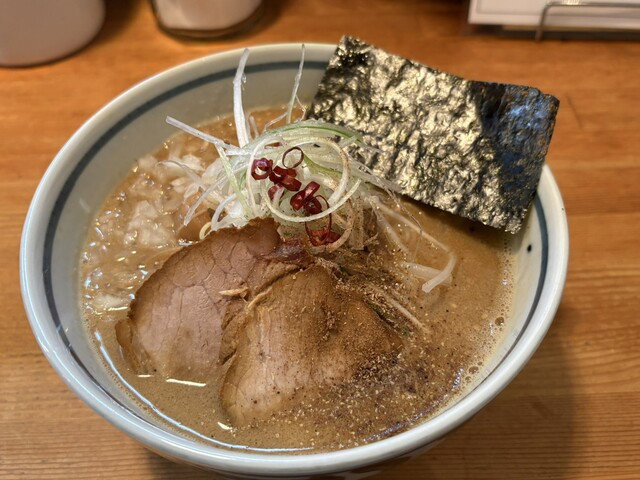
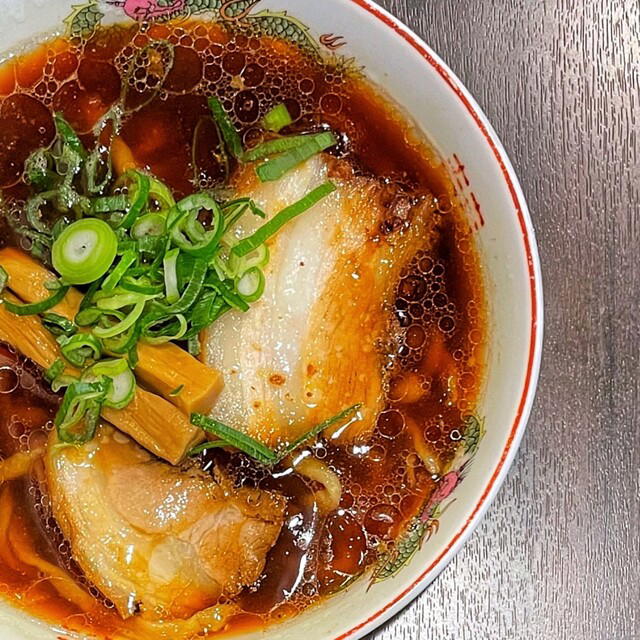
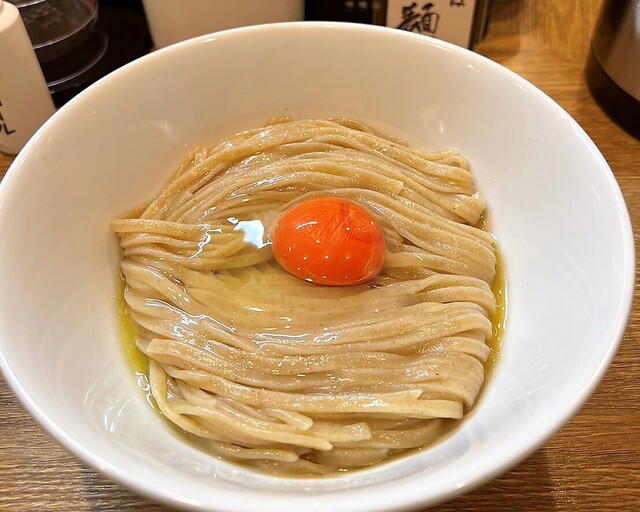
Chukasoba Mugen has earned back-to-back Michelin Bib Gourmand recognition (2024 and 2025) for ramen that rewards attention at a budget price point. The quiet, classical-music-backed room in Fukushima Ward is best suited to solo diners and pairs who want to understand what careful broth construction actually tastes like. One of Osaka's most accessible Michelin-recognized meals.
About Chukasoba Mugen
Who Should Book Chukasoba Mugen
Chukasoba Mugen is the right call if you are a food-focused traveler in Osaka who wants to understand what a Michelin-recognized ramen bowl actually tastes like at a price point that barely registers on the trip budget. Two consecutive Michelin Bib Gourmand awards (2024 and 2025) make this one of the few ramen counters in the city where quality comes with an institutional stamp rather than just internet hype. It is also the right choice if you are dining solo or as a pair and want an absorbing, low-friction meal rather than a production. Groups looking for a shared-plate feast should look elsewhere.
The Experience
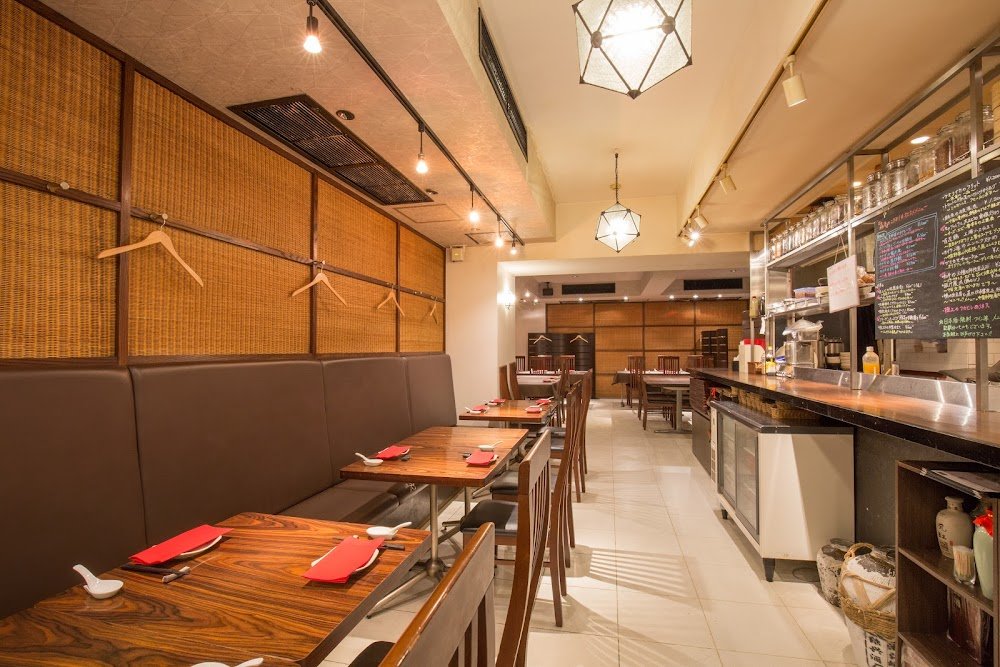
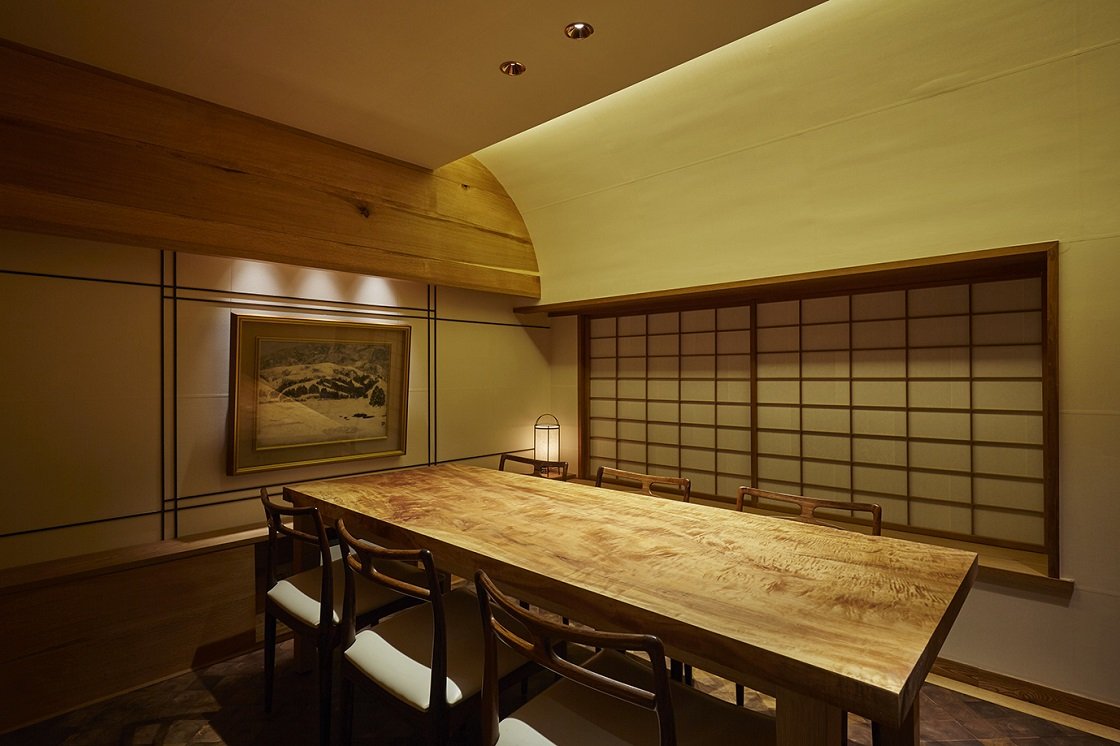
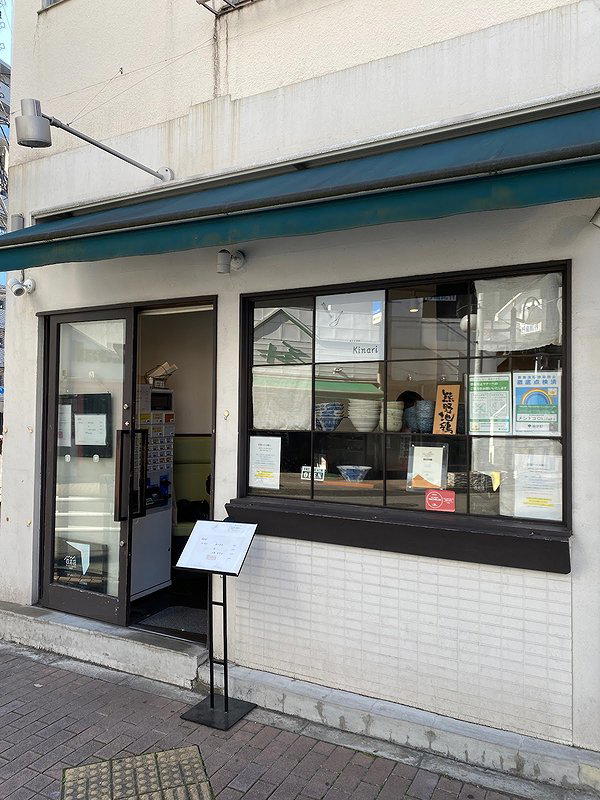
Chukasoba Mugen sits in Fukushima Ward, a neighborhood that rewards food-curious visitors willing to move a few stops away from Osaka's more obvious dining corridors. The room operates with classical music in the background, a detail that is not incidental: the venue itself frames the sound of slurping noodles against the score as a deliberate pairing, a kind of acoustic philosophy built into the dining experience. The energy is focused and quiet rather than loud or performative. If you find high-decibel ramen shops exhausting, this is a better fit. If you want the buzzy communal chaos of a packed lunch counter, it may feel too considered.
The lead sensory register here is calm attentiveness. Classical music plays while bowls arrive; the room is designed for a diner who wants to actually pay attention to what is in front of them. That orientation shapes everything, including the approach to the soup itself.
The Soup and Why Sourcing Matters
The venue's own framing of its ramen is instructive. Salt water from the noodles gradually dilutes the soup as you eat, and Mugen turns this into a teaching moment: pour a small amount of soup into a separate bowl at the start, finish your noodles, then compare the reserved soup to what remains. The difference in taste tells you everything about how carefully the base broth has been constructed. A soup that reads as a flat, one-note liquid after dilution has not been built with much depth. A soup that shifts and reveals new qualities as concentration changes reflects considered construction from the base up.
This is, in practical terms, an argument for ingredient sourcing as the foundation of the bowl. At a single-yen price point, Mugen is not charging you for room service or ceremony. What the Bib Gourmand recognizes is the quality-to-price ratio: a broth that can withstand dilution and still interest the palate suggests sourcing choices that cost more than the cheapest alternatives. For a food enthusiast tracking how Japanese ramen culture at its finest treats the bowl as a precision exercise rather than a commodity product, Mugen gives you a concrete, testable way to evaluate that claim yourself.
Chef Cyril Leclerc brings a French culinary background to an Osaka ramen counter, which is an unusual combination worth noting for context. This does not mean the ramen is French-inflected in any obvious way, but a trained European palate applied to Japanese noodle craft often produces an approach to stock-building and seasoning balance that differs from convention. Without dish-by-dish detail, the specifics stay open, but the Michelin recognition over two consecutive years suggests the combination works.
Booking and Logistics
Know Before You Go
- Price range: ¥ (budget-friendly, one of Osaka's most accessible Michelin-recognized meals)
- Location: Fukushima Ward, Ebie, Osaka: a short distance from central Osaka's main dining areas
- Booking difficulty: Easy: walk-ins are likely viable given the format, though arriving early or at off-peak times reduces any wait
- Leading for: Solo diners, pairs, food-focused travelers, ramen enthusiasts wanting a Michelin Bib Gourmand reference point
- Awards: Michelin Bib Gourmand 2024 and 2025
- Hours and reservations: Not available in current data, confirm directly before visiting
- Dress code: Casual
Osaka Ramen Context
If Chukasoba Mugen interests you, the wider Osaka ramen scene offers useful comparison points. Chukasoba Uemachi and Hommachi Seimenjo Chukasobakobo are two other Osaka chukasoba destinations worth knowing. Kadoya Shokudo, Kamigata Rainbow, and Mugito Mensuke round out a serious Osaka noodle itinerary. For a broader view of dining in the city, our full Osaka restaurants guide covers the range from budget counters to multi-course kaiseki. You can also explore Osaka hotels, Osaka bars, Osaka wineries, and Osaka experiences through Pearl.
For ramen travelers building a Japan itinerary beyond Osaka, Afuri in Tokyo is a well-known reference point in the capital, and Afuri Ramen in Portland shows how the format travels internationally. Elsewhere in the Kansai and wider Japan circuit, Gion Sasaki in Kyoto and akordu in Nara are worth considering for the same trip. Further afield, Harutaka in Tokyo, Goh in Fukuoka, 1000 in Yokohama, and 6 in Okinawa fill out a serious Japan dining map.
The Verdict
Book Chukasoba Mugen if you want a Michelin Bib Gourmand ramen experience at a price that makes it a no-risk addition to any Osaka itinerary. The quiet, music-accompanied room and the soup's built-in tasting exercise make it more intellectually engaging than a quick lunch stop. Go for the soup, pay attention to the dilution difference, and treat it as a masterclass in what ramen broth construction can do when the sourcing is taken seriously.
Planning details
- Hours
- Monday: 11 AM–3 PM · Tuesday: Closed
- Location
- Japan, 〒553-0001 Osaka, Fukushima Ward, Ebie, 5 Chome−5−10 前田ビル
- Website
- instagram.com/chukasoba_mugen
- Phone
- +81
The take
The Take
The Vibe
Chukasoba Mugen turns a bowl of ramen into a quietly refined event. Classical music fills the small space, nudging diners away from typical ramen-shop bustle and toward attentive tasting. The kitchen treats the bowl with a kaiseki-like restraint: precise components, seasonal sensitivity and a compositional logic that unfolds across a single sitting. The result is a serene, sophisticated ramen experience that rewards patience: the soundtrack, the counter setting and the ritualized approach to broth together create a place that feels both intimate and deliberately composed.
Best For
This is a spot for diners who want to slow down and focus on the details of a single dish. It suits solo visitors who can settle at the counter and follow the house rituals, couples seeking a low-key but thoughtful outing, and anyone curious about ramen presented with a chefly, kaiseki-adjacent sensibility. The restrained ambience and musical backdrop make it less about boisterous group meals and more about a contemplative, palate-forward experience.
Ordering Tips
Follow the house ritual: before you dig in, pour a small amount of broth into a separate vessel and set it aside. Eat the noodles and toppings as instructed, then compare the reserved soup to what remains in the bowl: the change in concentration is intentional. Start with the Chukasoba or the Special Selection Chukasoba to experience the lineup as the kitchen intends, and allow the bowl to evolve rather than rushing every slurp.
Venue details
Ambiance
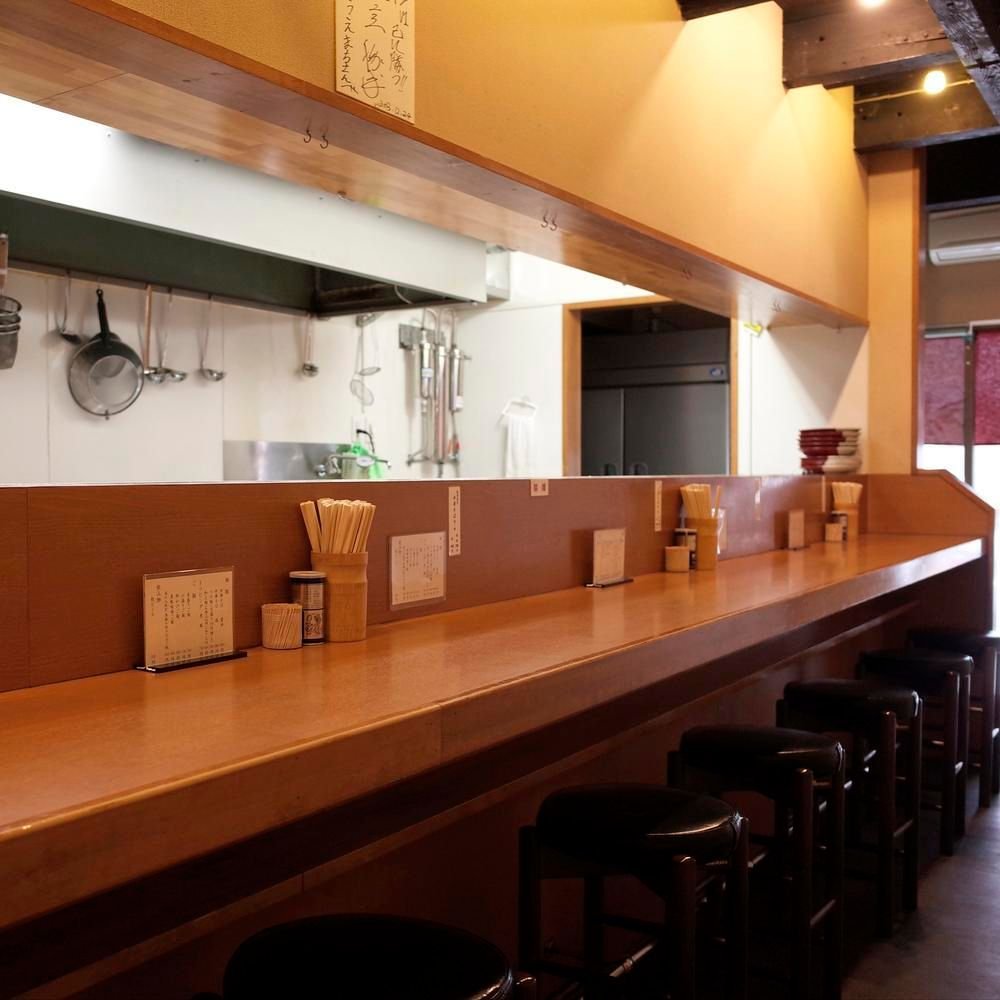
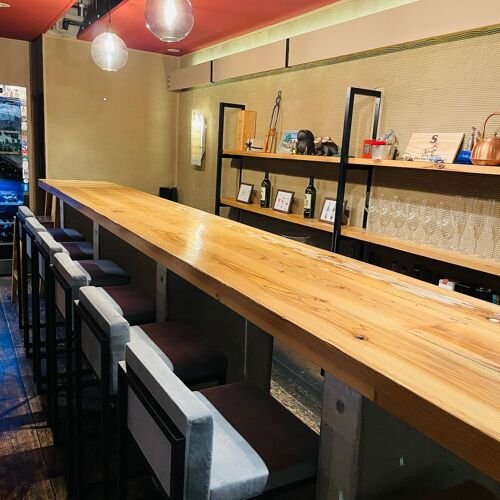
Cozy and stylish counter seating with relaxing atmosphere fostering direct connection to chefs.
Tags
Vibe
Best For
Experience
At the Table
- Dress Code
- Casual
- Noise Level
- Conversational
- Service Style
- Counter Service
- Meal Pacing
- Quick Bite
- Capacity
- Intimate
- Kitchen
- Traditional
- Menu Format
- Counter dining, A la carte
Signature Dishes
- Chukasoba
- Special Selection Chukasoba
Know before you go
Know Before You Go
- Getting there
- Japan, 〒553-0001 Osaka, Fukushima Ward, Ebie, 5 Chome−5−10 前田ビル
Planning details
Hours
- Monday
- 11 AM–3 PM
- Tuesday
- Closed
- Wednesday
- 11 AM–3 PM, 6:30–9:30 PM
- Thursday
- 11 AM–3 PM, 6:30–9:30 PM
- Friday
- 11 AM–3 PM, 6:30–9:30 PM
- Saturday
- 11 AM–4 PM, 6:30–9:30 PM
- Sunday
- 11 AM–4 PM, 6:30–9:30 PM
Location
Japan, 〒553-0001 Osaka, Fukushima Ward, Ebie, 5 Chome−5−10 前田ビル · Directions
Recognition and awards
Also consider
Also Consider
- HAJIME: French, Innovative, ¥¥¥¥
- La Cime: French, ¥¥¥¥
- Kashiwaya Osaka Senriyama: Japanese, ¥¥¥
- Taian: Kaiseki, Japanese, ¥¥¥
- Fujiya 1935: Innovative, ¥¥¥¥
Restaurant context
Against Osaka's broader restaurant field, Chukasoba Mugen occupies a position that none of the city's other Michelin venues can claim: two consecutive Bib Gourmand awards at a single-yen price tier. HAJIME, La Cime, and Fujiya 1935 are all ¥¥¥¥ operations where a meal will cost multiples of what Mugen charges. If the question is where to spend serious money on a single Osaka dinner, those three are the relevant comparison set. If the question is where to eat well without financial commitment, Mugen has no equivalent at the Michelin level in the city.
Kashiwaya Osaka Senriyama and Taian sit at ¥¥¥, a middle tier that makes them more accessible than the ¥¥¥¥ French and innovative restaurants but still a significant step up from Mugen in both price and formality. Both are kaiseki or Japanese fine dining formats, which means longer meals, more ceremony, and a higher booking effort. For a diner who wants depth and occasion, Taian or Kashiwaya makes sense. For a diner who wants quality without theater, Mugen is the more efficient choice.
On booking difficulty, Mugen is the easiest of the group. The ¥¥¥¥ Osaka restaurants, particularly HAJIME and La Cime, require advance planning and can be hard to secure on short notice. Mugen's counter format and accessible price point mean availability is rarely the obstacle. If you are building an Osaka itinerary and want at least one Michelin experience that does not require months of lead time, Mugen is the practical answer.
Explore Osaka
Around this place
Discover more on Pearl
Unlock the full Chukasoba Mugen guide in Pearl, including awards, comparisons, FAQs, planning details, and nearby places.
Compare Chukasoba Mugen
| Venue | Cuisine | Price | Awards | Booking Difficulty |
|---|---|---|---|---|
| Chukasoba Mugen | Ramen | ¥ | 2026 Bib GourmandTabelog 100 - Ramen - OSAKA - 2025 · #82025 Michelin Bib Gourmand2024 Michelin Bib Gourmand | Easy |
| HAJIME | French, Innovative | ¥¥¥¥ | Star Wine Lists 2026 · #12026 Tabelog Bronze · #922026 OAD Top Restaurants in Japan Ranked · #98Michelin Guide Kyoto Osaka 20262026 La Liste Top RestaurantsTabelog 100 - Innovative / Creative cuisine - 2025 · #692025 Asia's 50 Best Restaurants · #832025 OAD Top Restaurants in Japan Ranked · #87We're Smart World Top Restaurants 2025 | Unknown |
| La Cime | French | ¥¥¥¥ | 2026 Asia's 50 Best Restaurants · #132026 OAD Top Restaurants in Japan Ranked · #1492026 Tabelog Bronze · #231Michelin Guide Kyoto Osaka 20262026 La Liste Top Restaurants2025 Asia's 50 Best Restaurants · #82025 World's 50 Best Restaurants · #44Tabelog 100 - French - WEST - 2025 · #932025 OAD Top Restaurants in Japan Ranked · #123 | Unknown |
| Kashiwaya Osaka Senriyama | Japanese | ¥¥¥ | 2026 Tabelog Bronze · #1682026 OAD Top Restaurants in Japan Recommended2026 Relais Chateaux RestaurantsMichelin Guide Kyoto Osaka 20262026 La Liste Top RestaurantsTabelog 100 - Japanese cuisine - WEST - 2025 · #772025 OAD Top Restaurants in Japan Ranked · #1552025 Relais Chateaux Award2025 Michelin 3 Stars | Unknown |
| Taian | Kaiseki, Japanese | ¥¥¥ | 2026 OAD Top Restaurants in Japan RecommendedMichelin Guide Kyoto Osaka 20262026 La Liste Top Restaurants2025 OAD Top Restaurants in Japan Ranked · #2042025 La Liste Top Restaurants2025 Michelin 3 Stars2024 OAD Top Restaurants in Japan Ranked · #1912024 Michelin 3 Stars2023 OAD Top Restaurants in Japan Highly Recommended | Unknown |
| Fujiya 1935 | Innovative | ¥¥¥¥ | 2026 Tabelog Bronze · #752026 OAD Top Restaurants in Japan RecommendedMichelin Guide Kyoto Osaka 20262026 La Liste Top Restaurants2025 Michelin 2 Stars2025 Tabelog Silver2025 La Liste Top Restaurants2024 OAD Top Restaurants in Japan Ranked · #2392024 Michelin 2 Stars | Unknown |










What to weigh when choosing between Chukasoba Mugen and alternatives.
FAQ
Frequently Asked Questions
What should I order at Chukasoba Mugen?
The core draw is the chukasoba: the house ramen that earned back-to-back Michelin Bib Gourmand recognition in 2024 and 2025. The venue specifically encourages reserving a small portion of soup before you begin eating so you can compare the taste before and after noodle dilution; follow that instruction and you will get more out of the bowl. Specific menu items beyond the ramen are not documented, so arrive focused on that signature.
Is Chukasoba Mugen good for solo dining?
Yes: ramen counters are built for solo diners, and Chukasoba Mugen is no exception. The ¥ price point means there is no pressure to order a full spread to justify the seat, and the classical music backdrop makes eating alone here feel considered rather than awkward. If solo ramen dining in a Michelin-recognised setting in Osaka is on your list, this is a low-friction way to do it.
Is the tasting menu worth it at Chukasoba Mugen?
Chukasoba Mugen does not operate a tasting menu format: this is a ramen shop, not a multi-course restaurant. At ¥ pricing with a Michelin Bib Gourmand, the value question answers itself: you are paying ramen-shop prices for a bowl that has been independently recognised two years running. There is no high-stakes spend to justify here.
What are alternatives to Chukasoba Mugen in Osaka?
For ramen specifically, Chukasoba Uemachi and Hommachi Seimenjo Chukasobakobo are the closest Osaka comparison points in the same category. If you want to stay in Fukushima Ward but move up in format and price, the neighbourhood supports a wider food-focused dining scene. Chukasoba Mugen is the call if Michelin-recognised ramen at low cost is the brief; if you want a longer sit-down meal, look elsewhere in Osaka.
Is Chukasoba Mugen good for a special occasion?
Only if the occasion is food-focused and informal. The ¥ price point and ramen-shop format are not suited to celebratory dinners that call for tablecloths or wine lists. That said, for a ramen-obsessed partner or a 'we finally made it to Osaka' moment with the right person, a Bib Gourmand bowl in Fukushima Ward has a quiet, earned quality to it. For a formal special occasion in Osaka, look at Taian or Kashiwaya instead.