
AKA to SHIRO
Sushi · Kita, Osaka
Restaurant in Osaka, Japan
 Book with Pearl
The Read
Kanto-Kansai Vinegar Dialogue
Price
¥¥
Dress
Smart Casual
Why go
AKA to SHIRO holds two consecutive Michelin Bib Gourmand awards (2024, 2025) for a reason: its dual-rice approach — red-vinegared Kanto-style rice paired with tuna and blue-backed fish, white-vinegared Kansai-style rice with shrimp and white-fleshed fish — delivers a coherent, intelligent sushi meal at a ¥¥ price point that makes it one of the most rewarding value bookings in Osaka.
About AKA to SHIRO
Should You Book AKA to SHIRO? The Verdict
If you have been to AKA to SHIRO once, the question on a return visit is not whether the quality holds — it is whether the concept deepens. It does. The dual-rice philosophy that gives this Osaka sushi-ya its name (red and white, aka to shiro) is not a gimmick that exhausts itself on the first encounter. The more you understand what the kitchen is doing — pairing Kanto-style red-vinegared rice with tuna and blue-backed fish, and Kansai-style white-vinegared rice with shrimp and white-fleshed fish, the more each piece becomes a small argument about regional identity. Two consecutive Michelin Bib Gourmand awards (2024 and 2025) confirm what the price point already suggests: this is serious sushi at a price that does not punish you for coming back.
The Portrait
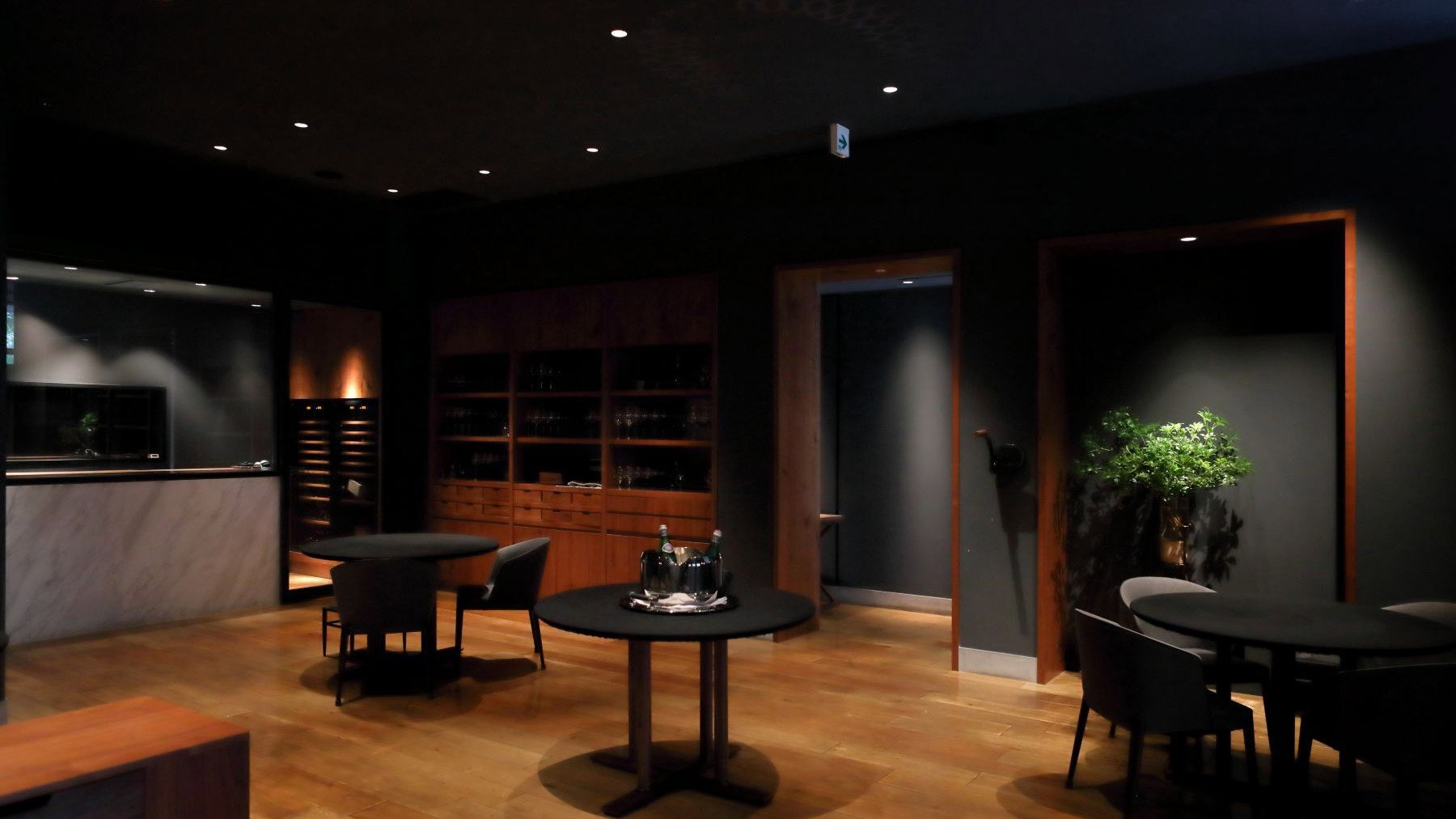
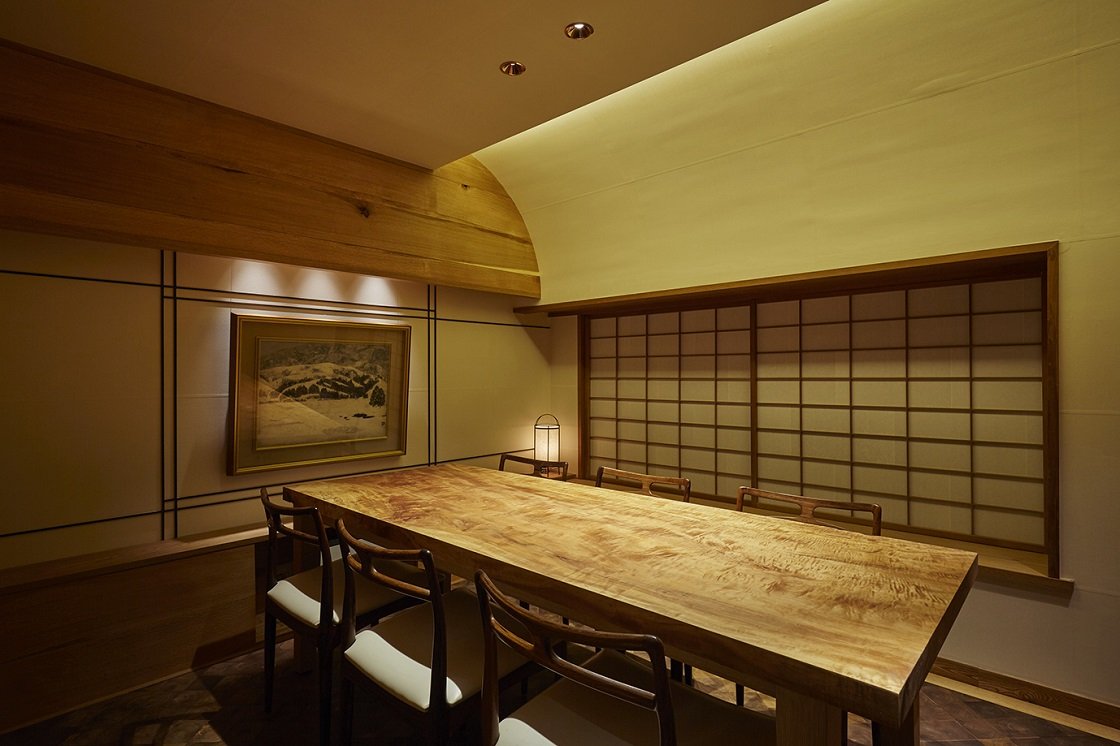
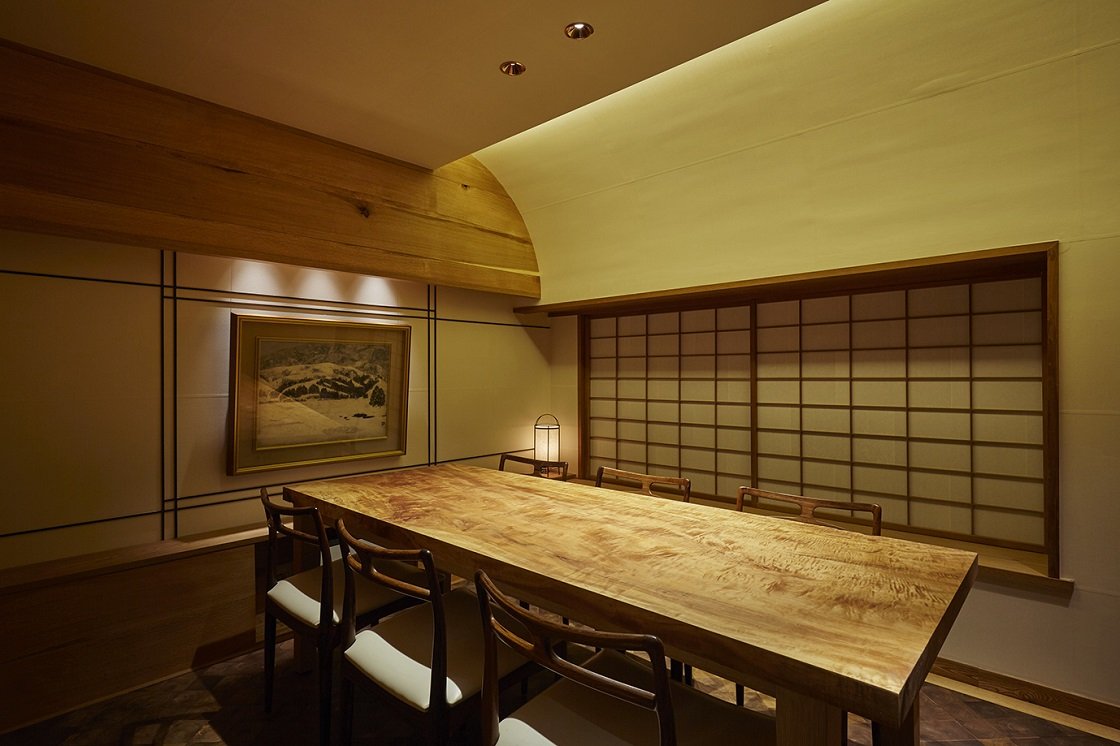
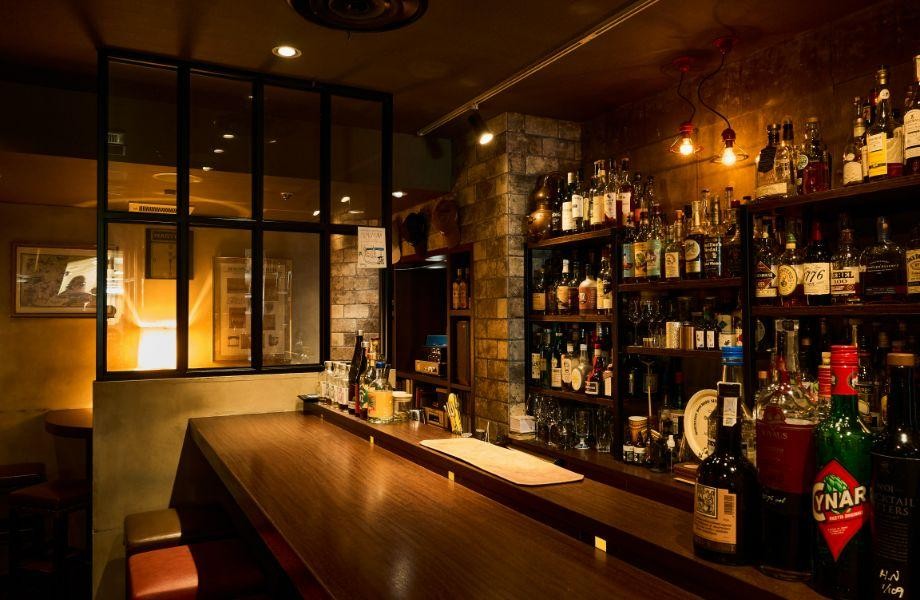
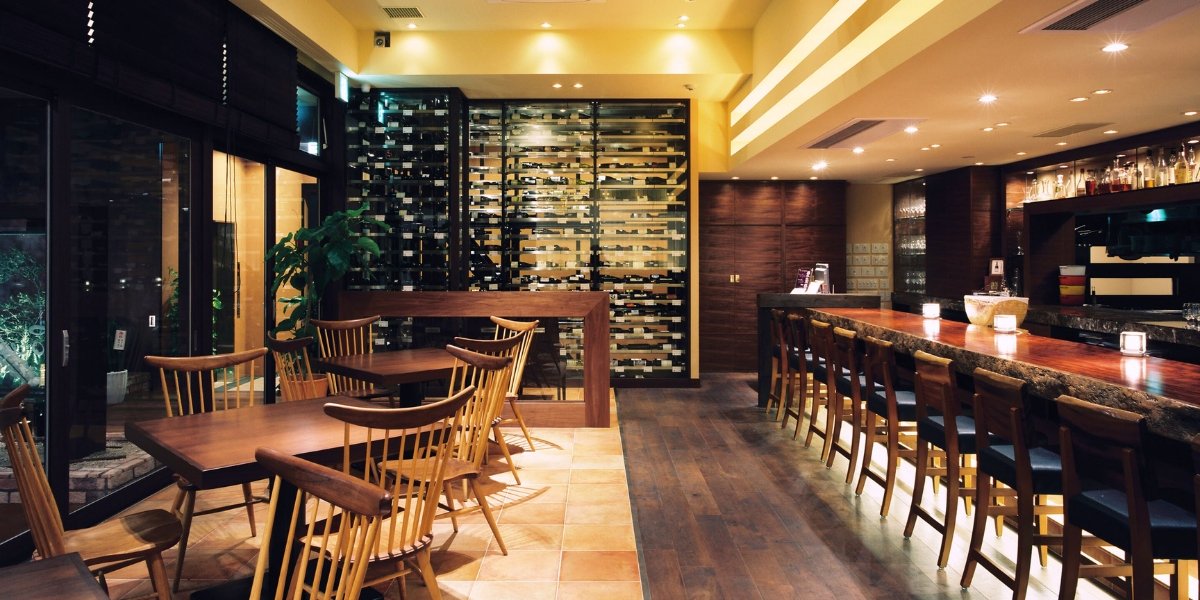
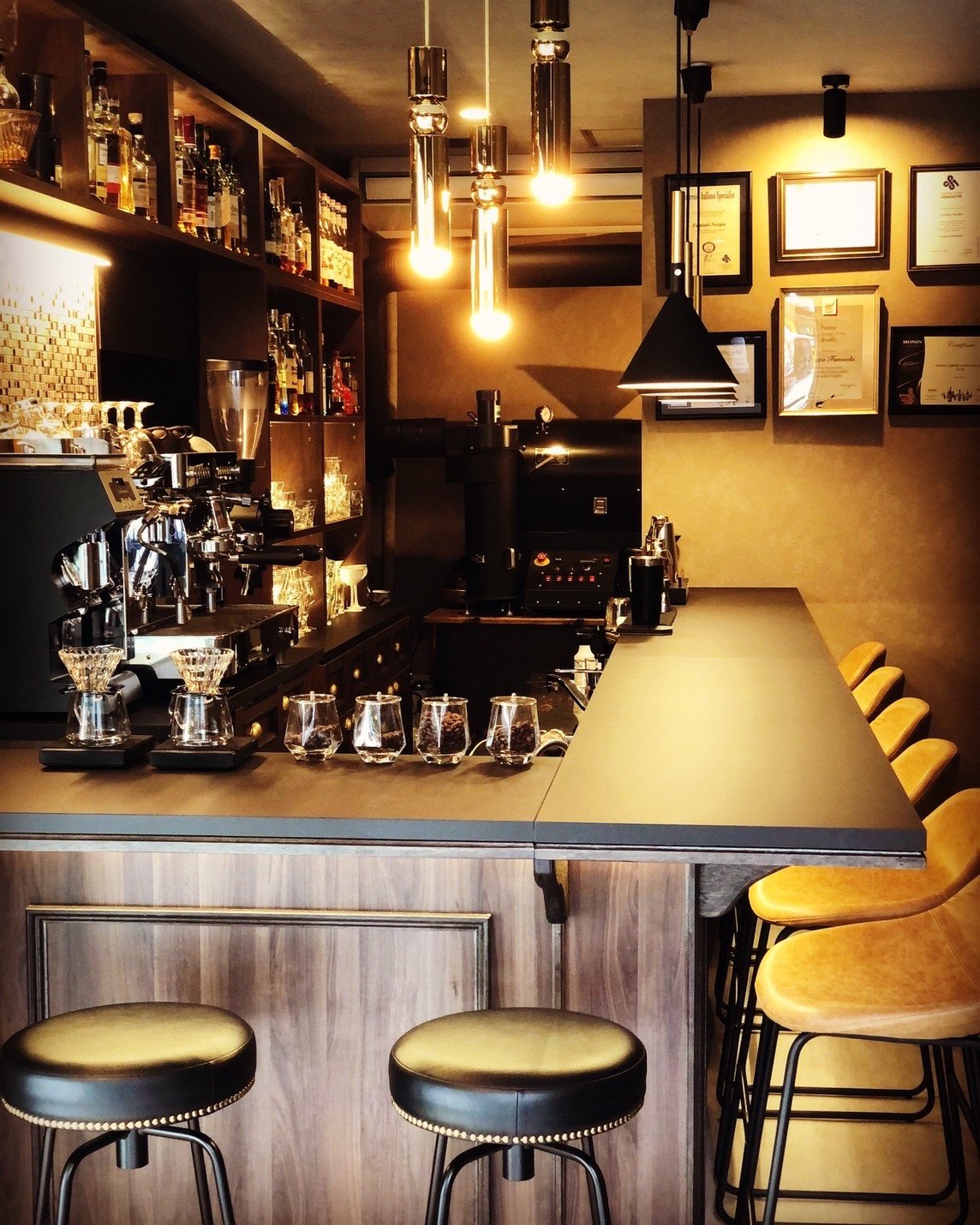
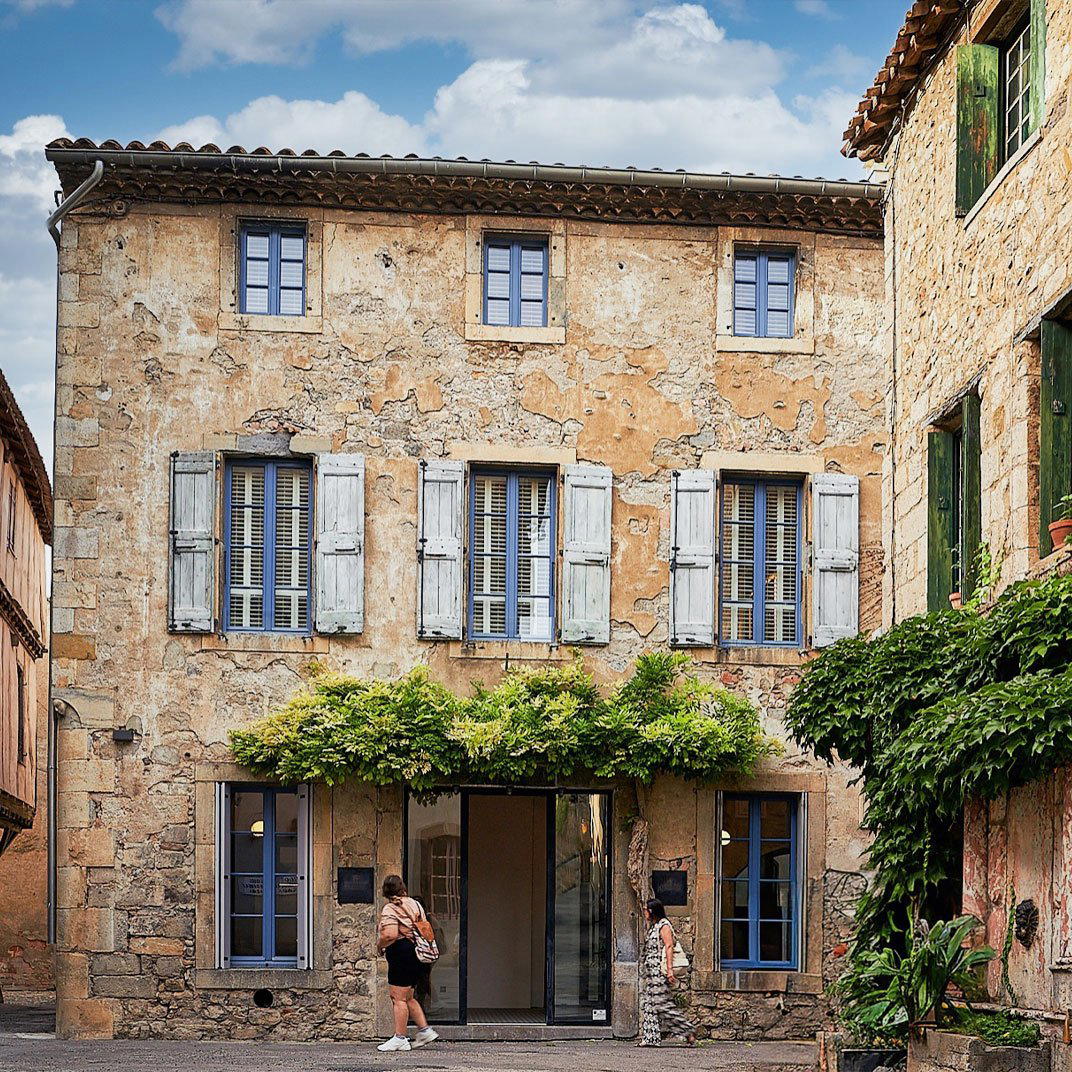
AKA to SHIRO sits on the third floor of a building in Sonezakishinchi, Kita Ward, one of Osaka's most concentrated blocks of after-dark dining. The address puts it in easy reach of the Umeda transport hub, which matters if you are building a broader Osaka evening. The room itself is the first thing you clock: the kind of clean, counter-focused space where the visual line runs directly from your seat to the chef's hands, and nothing competes with the fish.
The kitchen's organising principle is unusually articulate for a ¥¥ venue. Most sushi restaurants at this price point work with a single rice preparation and leave regional debate to the high-end omakase counters. AKA to SHIRO takes the position that the rice should answer the fish, red vinegar, with its deeper, more fermented profile favoured in Tokyo and the Kanto tradition, alongside the lighter, sweeter white-vinegared preparation that has its roots in Osaka's oshizushi heritage. Seeing both on the same counter, matched deliberately to different proteins, is an education in how geography shaped Japanese food culture. For a food-focused traveller, that structural idea gives the meal a coherence that goes beyond the individual pieces.
The Bib Gourmand designation is the trust signal to hold onto here. Michelin awards the Bib to restaurants that deliver above-average quality at a price they define as moderate, in Tokyo and Osaka that typically means under ¥5,000 per person, though the exact threshold shifts by year. Two consecutive years of recognition (2024, 2025) means this is not a fluke. For context, earning a Bib in Osaka's sushi category puts AKA to SHIRO in measured company: Osaka has a dense field of technically accomplished sushi counters, from the focused craft of Sushi Harasho to the neighbourhood precision of Matsuzushi. Holding a Bib across that competition is a meaningful credential.
For the explorer-type diner, someone coming to Osaka partly to understand how the city's food culture differs from Tokyo, AKA to SHIRO is a particularly well-structured stop. The dual-rice system means the conceptual content is already built in; you do not need to arrive with specialist knowledge to leave with a clearer sense of why Kansai and Kanto sushi feel different. Comparable depth at higher price points is available at venues like Sushi Hoshiyama and Sushi Murakami Jiro, but at ¥¥ the intellectual return per yen here is hard to match. If you want to extend the sushi comparison further, Sushi Sanshin offers another point of reference in the same city.
One practical note for visitors building a Japan itinerary beyond Osaka: the dual-rice approach at AKA to SHIRO creates a useful reference point for sushi meals elsewhere. After eating here, a visit to Harutaka in Tokyo, where the Kanto red-vinegar tradition is given full expression at the high end, lands differently. You can trace the same conversation at Sushi Shikon in Hong Kong or Shoukouwa in Singapore, both of which export the Edo-mae tradition to Southeast Asia. AKA to SHIRO is the affordable entry point for that broader comparison.
The ¥¥ price band makes this an unusually low-stakes booking. You are not committing to a multi-hour, multi-course omakase that requires a special occasion to justify. For solo diners, a two-person dinner, or anyone who wants to fit serious sushi into an evening that still has room for a drink in Sonezakishinchi afterward, the format is well-suited. Kita Ward's density of bars and restaurants, covered in our full Osaka bars guide, means the area rewards a longer evening. For the full picture of where AKA to SHIRO sits in Osaka's dining scene, see our full Osaka restaurants guide. If you are planning accommodation, our full Osaka hotels guide covers the options closest to Kita Ward.
Beyond Osaka, comparable casual excellence with a strong regional identity argument is worth seeking in Kyoto at Gion Sasaki, in Nara at akordu, in Fukuoka at Goh, or further afield at 1000 in Yokohama and 6 in Okinawa. For broader Osaka context, our full Osaka experiences guide and full Osaka wineries guide cover the wider visit.
Booking and Practical Details
Booking difficulty at AKA to SHIRO is rated easy, the ¥¥ price point and counter-format sushi category in Osaka generally means you can secure a seat with reasonable notice, without the weeks-out scramble that higher-profile omakase counters require. That said, Bib Gourmand recognition tends to drive reservation volume after each year's announcement, so booking a few days ahead rather than on the night is the sensible approach. Phone and website details are not confirmed in our database; checking the venue directly via Google Maps or a local reservation platform (Tabelog is the standard in Japan) is the most reliable route.
Practical Comparison
| Venue | Cuisine | Price | Booking Difficulty |
|---|---|---|---|
| AKA to SHIRO | Sushi | ¥¥ | Easy |
| Kashiwaya Osaka Senriyama | Japanese | ¥¥¥ | Moderate |
| Taian | Kaiseki | ¥¥¥ | Moderate |
| HAJIME | French / Innovative | ¥¥¥¥ | Hard |
| La Cime | French | ¥¥¥¥ | Hard |
| Fujiya 1935 | Innovative | ¥¥¥¥ | Hard |
Planning details
- Location
- Japan, 〒530-0002 Osaka, Kita Ward, Sonezakishinchi, 1 Chome−1−41 3階
- Website
- sushi-akatoshiro.com
- Phone
- +81 6-6442-1277
The take
The Take
The Vibe
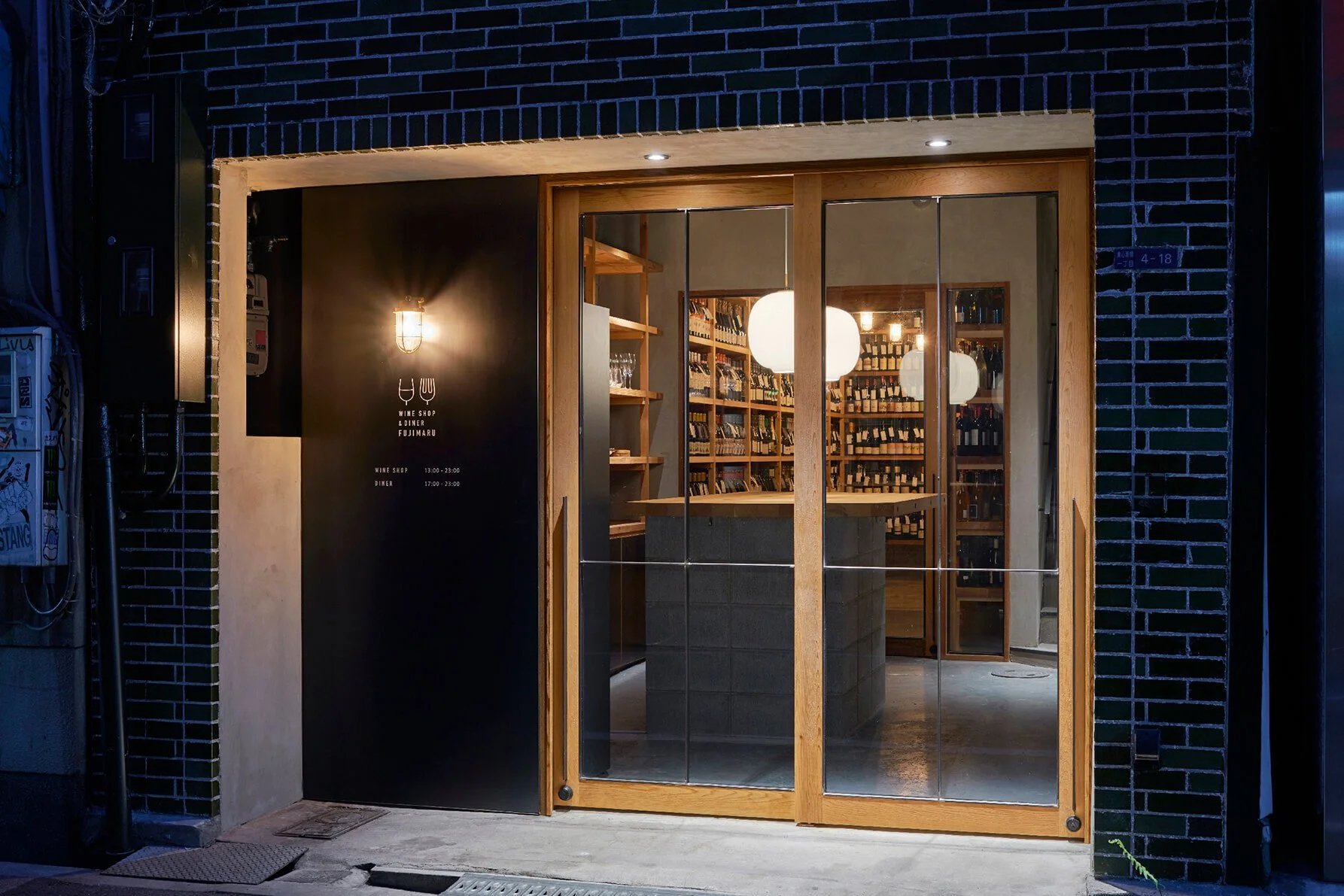
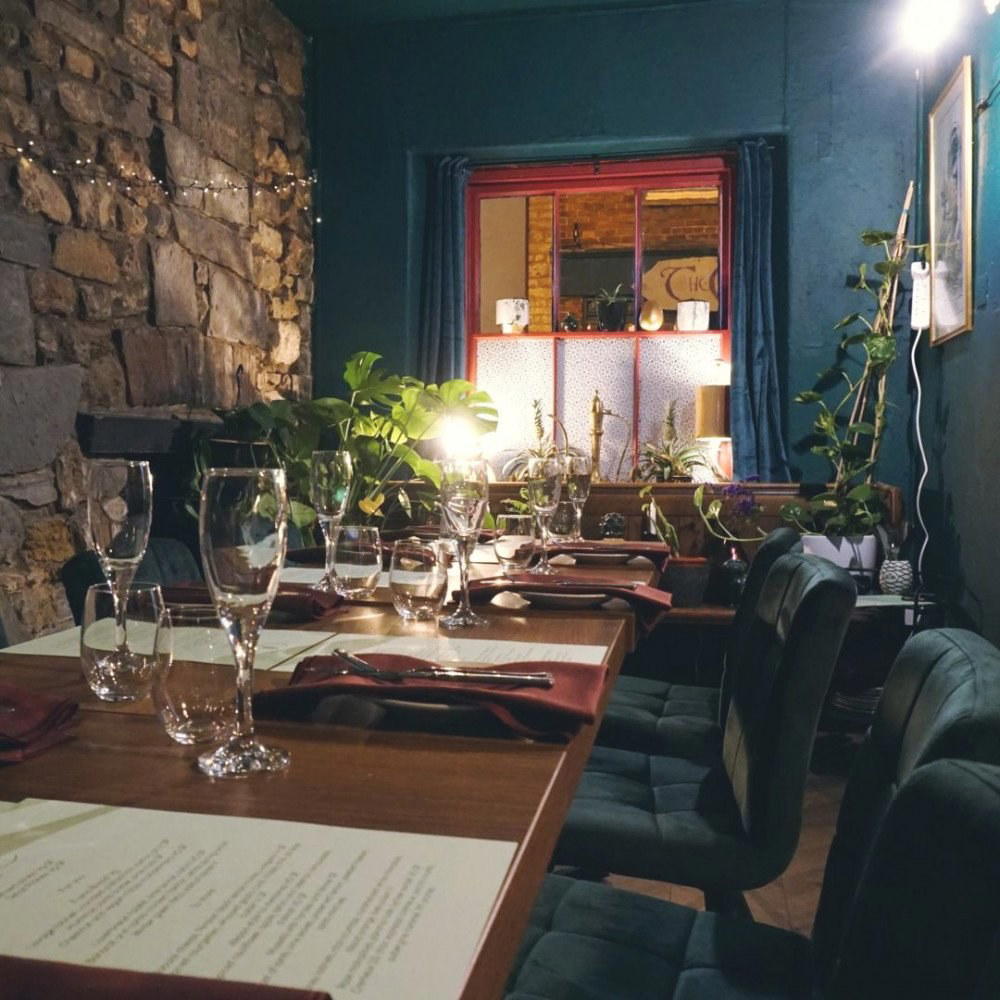
AKA to SHIRO is a quietly refined counter sushi spot tucked up on the third floor of an unmarked building in Sonezakishinchi. The room favors restraint: minimal street signage, staircases that reward preparation, and a strong focus on the encounter at the counter. The kitchen’s concept — the ceremonial pairing of red and white vinegared rice — gives the tasting a deliberate, sophisticated feel rooted in regional tradition. It reads less like a showy destination and more like a specialist’s workshop, where precision, history and the chef’s judgment shape every piece of nigiri.
Best For
This is a place for diners who care about provenance and technique: couples or small groups seeking an elevated, focused sushi experience and food-minded visitors who do their research. The counter format concentrates attention on the chef’s craft, making it a natural choice for date nights or special occasions when service and subtlety matter. Because the neighbourhood rewards referral and reputation over walk-ins, expect a quietly curated clientele and an experience built around tasting and conversation rather than casual, high-turn dining.
Ordering Tips
Trust the chef’s pairings: AKA to SHIRO explicitly uses two vinegared rices and applies each to the fish it suits historically, so ask to hear how the chef is matching rice to fish. Signature items listed include uni sushi and a medium-fatty tuna nigiri — those are sensible starting points to sample the house approach to texture and balance. Practical note: this is a third-floor counter with minimal signage and a reputation-based clientele, so reserve in advance or arrive prepared; the venue rewards advance planning and openness to the chef’s recommendations.
Venue details
Ambiance
Serene and cozy counter seating with a focus on the chef's craft, creating an intimate and immersive sushi dining atmosphere.
Tags
Vibe
Best For
Experience
At the Table
- Dress Code
- Smart Casual
- Noise Level
- Quiet
- Service Style
- Upscale Casual
- Meal Pacing
- Leisurely
- Capacity
- Intimate
Signature Dishes
- uni sushi
- medium-fatty tuna nigiri
Know before you go
Know Before You Go
- Getting there
- Japan, 〒530-0002 Osaka, Kita Ward, Sonezakishinchi, 1 Chome−1−41 3階
Planning details
Location
Japan, 〒530-0002 Osaka, Kita Ward, Sonezakishinchi, 1 Chome−1−41 3階 · Directions
Recognition and awards
Also consider
Also Consider
- HAJIME, French, Innovative, ¥¥¥¥
- La Cime, French, ¥¥¥¥
- Kashiwaya Osaka Senriyama, Japanese, ¥¥¥
- Taian, Kaiseki, Japanese, ¥¥¥
- Fujiya 1935, Innovative, ¥¥¥¥
Restaurant context
AKA to SHIRO operates in a different tier from most of Osaka's celebrated dining names, and that is precisely the point. HAJIME, La Cime, and Fujiya 1935 are all ¥¥¥¥ venues requiring significant forward planning and a full evening's commitment. If you want innovative French or avant-garde tasting menus, those are the counters to target. AKA to SHIRO is the answer to a different question: where do you eat serious, concept-driven sushi in Osaka without a four-figure bill and a month-out reservation?
Kashiwaya Osaka Senriyama and Taian sit in the ¥¥¥ middle ground and offer kaiseki-format Japanese dining with their own regional depth. If you want the full kaiseki progression, multiple courses, seasonal emphasis, ceramic-forward presentation, either is the stronger choice. But if your goal is to understand Osaka's sushi identity specifically, AKA to SHIRO's dual-rice framework makes a more focused argument than a multi-course kaiseki at a higher price point.
For pure value-to-quality comparison within Osaka's sushi category, AKA to SHIRO's back-to-back Bib Gourmand recognition puts it ahead of most ¥¥ alternatives on credential alone. Book here when your priority is smart, approachable sushi with a genuine point of view. Move up to the ¥¥¥ or ¥¥¥¥ tier when the occasion calls for a longer, more ceremonial meal, and use our full Osaka restaurants guide to build the right shortlist for each scenario.
Explore Osaka
Around this place
Discover more on Pearl
Unlock the full AKA to SHIRO guide in Pearl, including awards, comparisons, FAQs, planning details, and nearby places.
Compare AKA to SHIRO
| Venue | Price | Awards |
|---|---|---|
| AKA to SHIRO | ¥¥ | Michelin Guide Kyoto Osaka 20262026 Bib Gourmand2025 Michelin Bib Gourmand2024 Michelin Bib Gourmand |
| HAJIME | ¥¥¥¥ | Star Wine Lists 2026 · #12026 Tabelog Bronze · #922026 OAD Top Restaurants in Japan Ranked · #98Michelin Guide Kyoto Osaka 20262026 La Liste Top RestaurantsTabelog 100 - Innovative / Creative cuisine - 2025 · #692025 Asia's 50 Best Restaurants · #832025 OAD Top Restaurants in Japan Ranked · #87We're Smart World Top Restaurants 2025 |
| La Cime | ¥¥¥¥ | 2026 Asia's 50 Best Restaurants · #132026 OAD Top Restaurants in Japan Ranked · #1492026 Tabelog Bronze · #231Michelin Guide Kyoto Osaka 20262026 La Liste Top Restaurants2025 Asia's 50 Best Restaurants · #82025 World's 50 Best Restaurants · #44Tabelog 100 - French - WEST - 2025 · #932025 OAD Top Restaurants in Japan Ranked · #123 |
| Kashiwaya Osaka Senriyama | ¥¥¥ | 2026 Tabelog Bronze · #1682026 OAD Top Restaurants in Japan Recommended2026 Relais Chateaux RestaurantsMichelin Guide Kyoto Osaka 20262026 La Liste Top RestaurantsTabelog 100 - Japanese cuisine - WEST - 2025 · #772025 OAD Top Restaurants in Japan Ranked · #1552025 Relais Chateaux Award2025 Michelin 3 Stars |
| Taian | ¥¥¥ | 2026 OAD Top Restaurants in Japan RecommendedMichelin Guide Kyoto Osaka 20262026 La Liste Top Restaurants2025 OAD Top Restaurants in Japan Ranked · #2042025 La Liste Top Restaurants2025 Michelin 3 Stars2024 OAD Top Restaurants in Japan Ranked · #1912024 Michelin 3 Stars2023 OAD Top Restaurants in Japan Highly Recommended |
| Fujiya 1935 | ¥¥¥¥ | 2026 Tabelog Bronze · #752026 OAD Top Restaurants in Japan RecommendedMichelin Guide Kyoto Osaka 20262026 La Liste Top Restaurants2025 Michelin 2 Stars2025 Tabelog Silver2025 La Liste Top Restaurants2024 OAD Top Restaurants in Japan Ranked · #2392024 Michelin 2 Stars |
.png?width=1200&quality=80)










How AKA to SHIRO stacks up against the competition.
FAQ
Frequently Asked Questions
Does AKA to SHIRO handle dietary restrictions?
Counter-format omakase sushi built around a specific two-rice concept leaves limited room for substitutions. The menu is structured around fish — tuna and blue-backed fish with red-vinegared rice, shrimp and white-fleshed fish with white-vinegared rice — so pescatarian guests are well placed, but strict vegetarian or shellfish-allergy diners should contact the venue before booking. At ¥¥, this is not a venue where the kitchen is likely to build bespoke alternatives.
What should I wear to AKA to SHIRO?
A third-floor counter in Sonezakishinchi, Osaka's dense after-dark dining district, at a ¥¥ price point reads as relaxed but considered. Neat casual — clean trousers, no sportswear — is the practical call for a Michelin Bib Gourmand counter. You will not be turned away for dressing down, but the format invites a little more intention than a casual izakaya.
Is AKA to SHIRO worth the price?
Yes, for what it is. Two consecutive Michelin Bib Gourmand awards (2024 and 2025) confirm the price-to-quality ratio is recognised at category level. The ¥¥ pricing puts this well below full Michelin-starred omakase in Osaka, and the dual-rice concept — red-vinegared rice for tuna and blue-backed fish, white-vinegared rice for shrimp and white flesh — gives the meal a conceptual angle you do not get at a standard counter. If you want a high-concept omakase at a lower spend, this is a strong option.
Is AKA to SHIRO good for solo dining?
Counter-format sushi is the natural home of solo dining, and AKA to SHIRO fits that pattern. A single seat at a sushi counter in Osaka is easy to secure, and the ¥¥ price point keeps the spend manageable for one. If you are planning a solo food itinerary in Kita Ward, this is a lower-friction booking than Michelin-starred alternatives nearby.
Is the tasting menu worth it at AKA to SHIRO?
The venue's defining feature — alternating between red-vinegared Kanto-style rice and white-vinegared Kansai-style rice — means the progression through the menu has a built-in conceptual thread. That makes the set format more interesting than a standard counter, since each piece is positioned within an east-west dialogue rather than served as isolated bites. At ¥¥, the tasting format here represents one of the more accessible Bib Gourmand counters in Osaka.
How far ahead should I book AKA to SHIRO?
Booking difficulty is rated easy at this price point and format, so a week or two in advance is generally sufficient for most dates. That said, Sonezakishinchi is a high-traffic dining area and the Bib Gourmand recognition in both 2024 and 2025 has raised the venue's profile with visiting diners. For Friday or Saturday evenings, book at least two weeks out to avoid finding the counter full.