
Ajikitcho Horieten
Japanese · Nishi, Osaka
Restaurant in Osaka, Japan
 Book with Pearl
The Read
Tea-House Kaiseki Tradition
Price
$150–200per person
Dress
Smart Casual
Why go
Ajikitcho Horieten holds a Michelin star (2024) and carries the lineage of the Kitcho group's founding philosophy: seasonal kaiseki in a spare, tea ceremony room setting in Osaka's Nishi Ward. At ¥¥¥, it sits below the three-star price tier but demands advance booking. The menu rotates by season, making it a stronger choice for returning visitors than a single-visit tick.
About Ajikitcho Horieten
A Michelin-starred kaiseki in Osaka's Kitahorie district that rewards returning visitors
At ¥¥¥, it sits in the mid-to-upper tier of Osaka's traditional Japanese dining category: more accessible in price than the three-star circuit, but serious enough in execution that a single visit will not show you everything it offers. If you are planning one meal in Osaka's traditional dining scene, there are easier options to book and navigate. If you are building a multi-visit programme across a longer stay or return trips to the city, Ajikitcho Horieten belongs on that list.
What to Expect at Ajikitcho Horieten
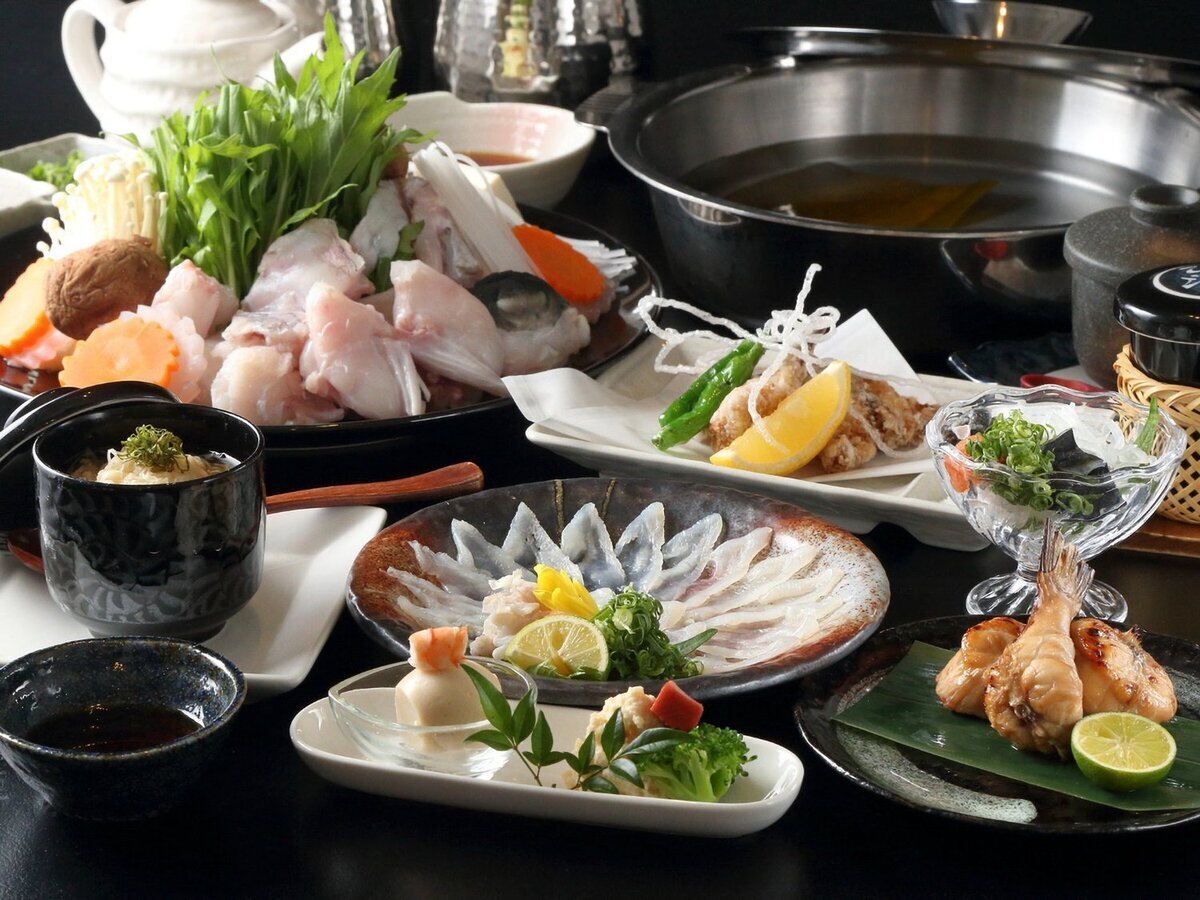
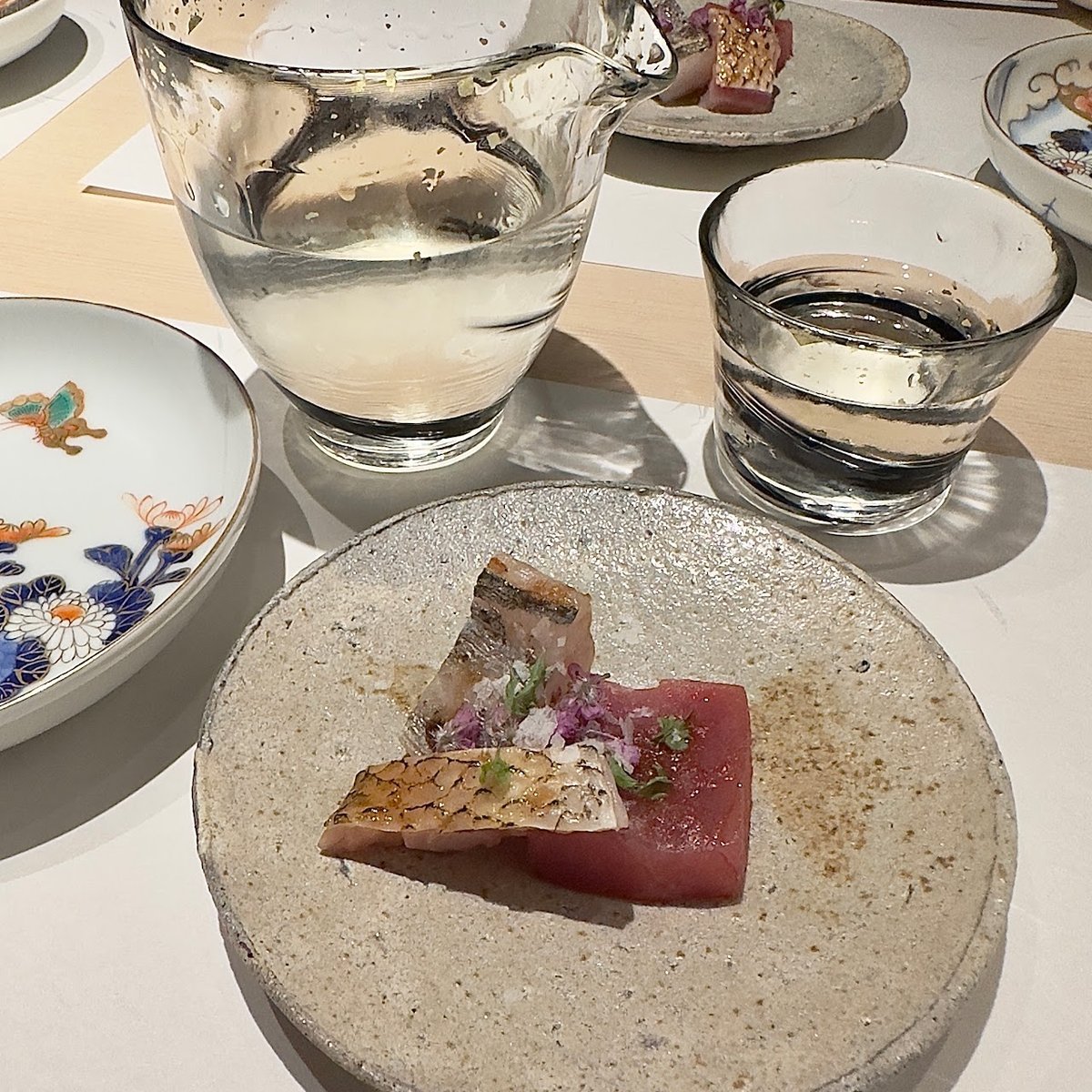
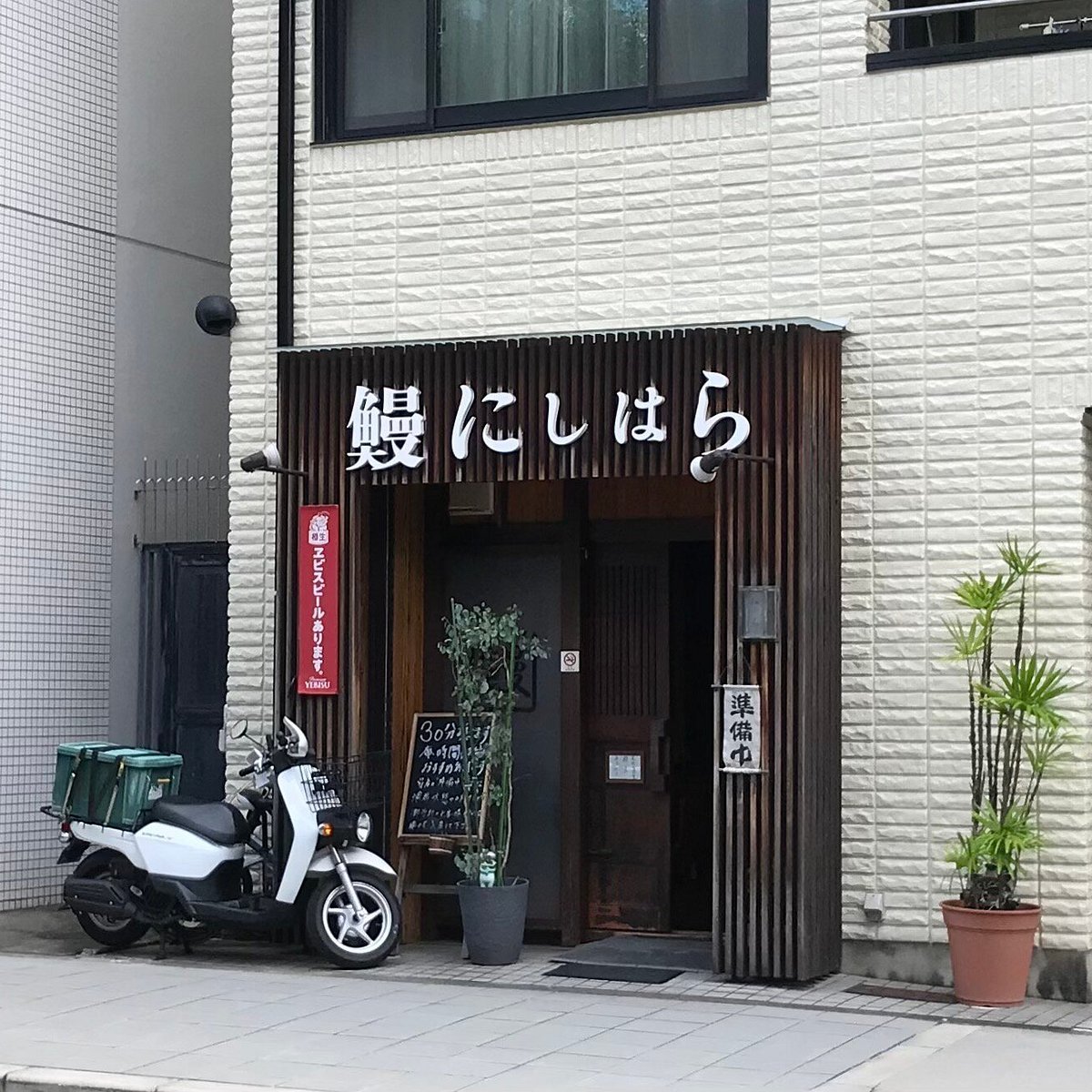
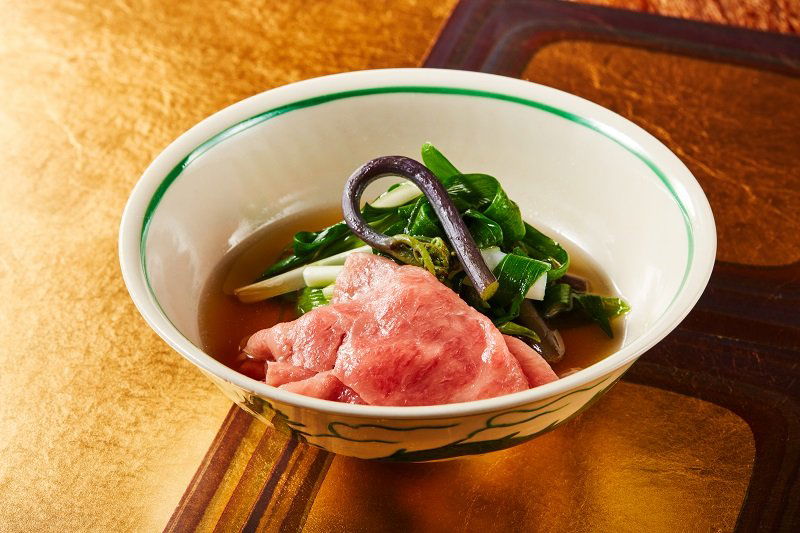
The restaurant carries a lineage that matters to how the food is framed. The nameplate features calligraphy by Teiichi Yuki, the founder of the Kitcho group and a figure credited with raising the international profile of Japanese kaiseki. The second-generation chef here upholds that inheritance: seasonal menus built around the ritual beauty of Japanese culinary craft, with the hassun appetiser platter: the course that opens the kaiseki sequence and sets its seasonal tone, serving as the clearest statement of intent on any given visit. The hassun at Ajikitcho Horieten incorporates elements of seasonal celebrations, and it is in this course that the kitchen's commitment to traditional craftmanship is most visibly on display.
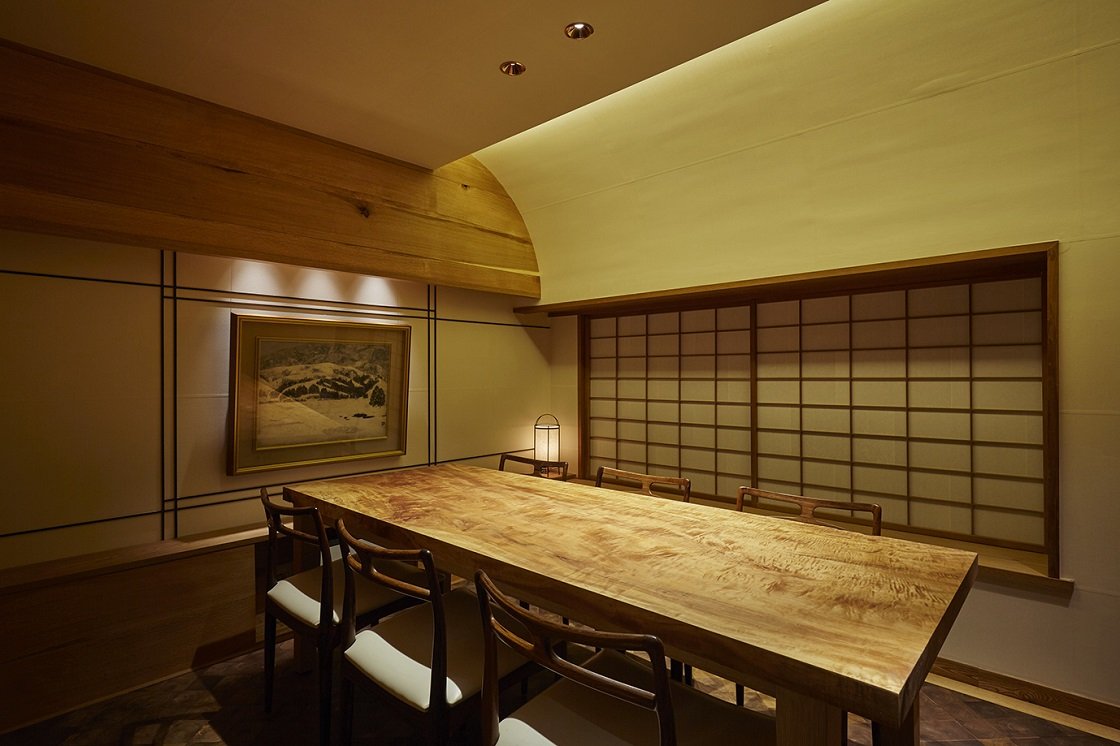
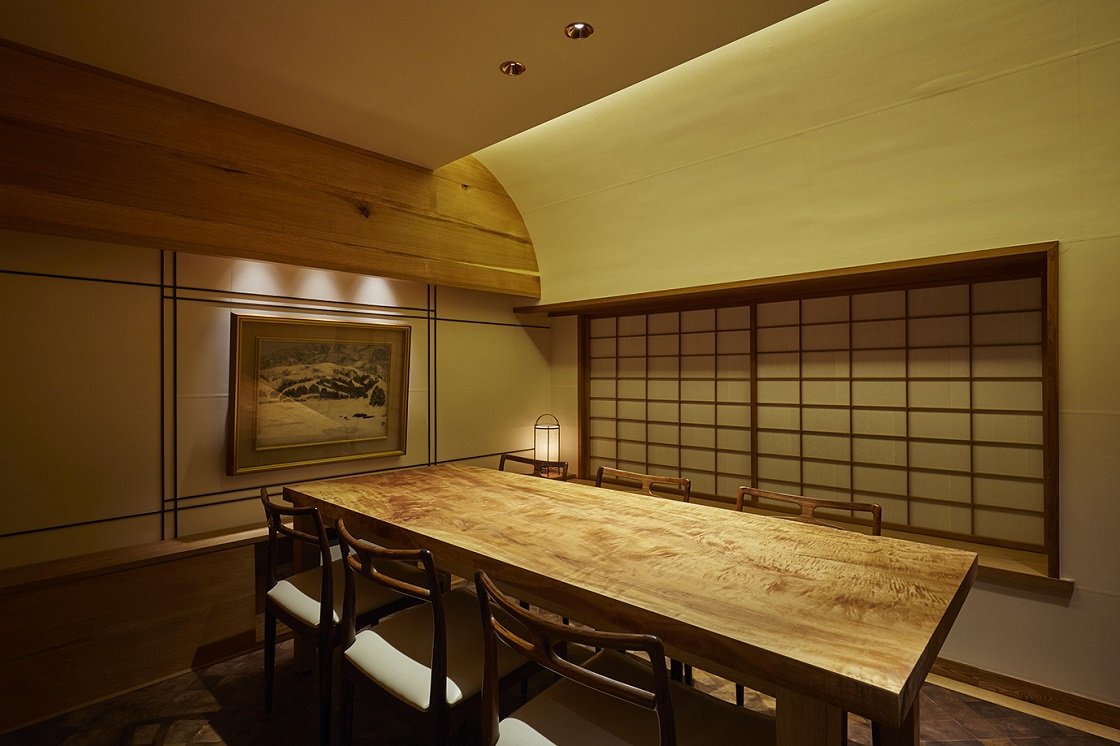
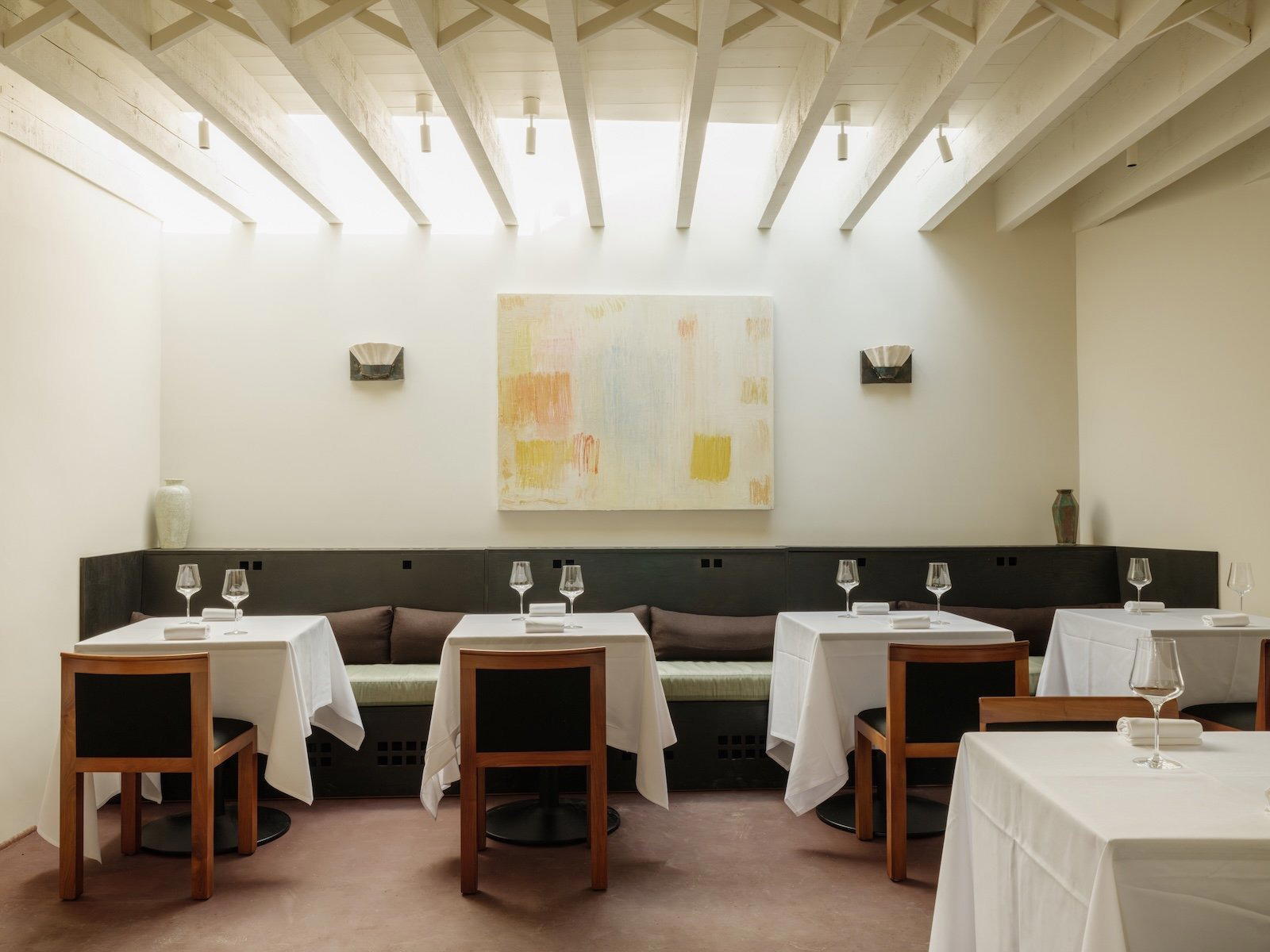
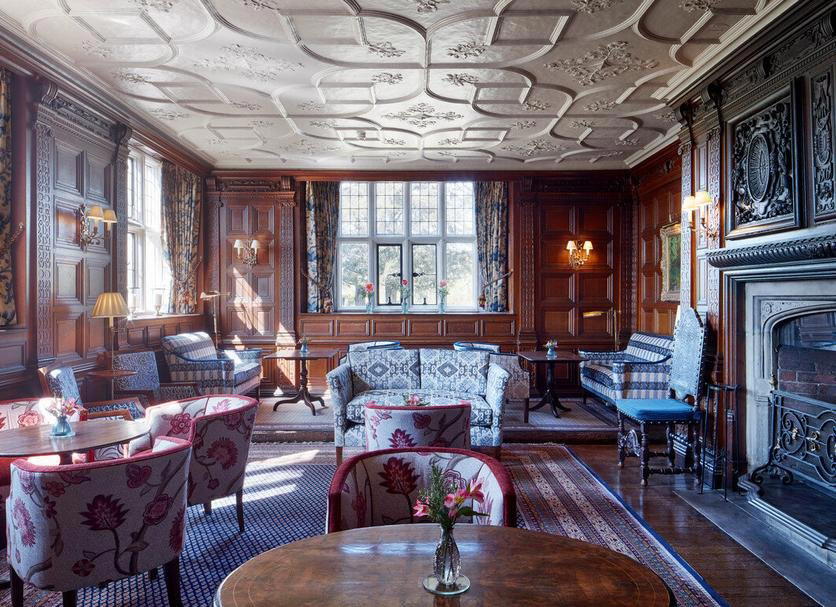
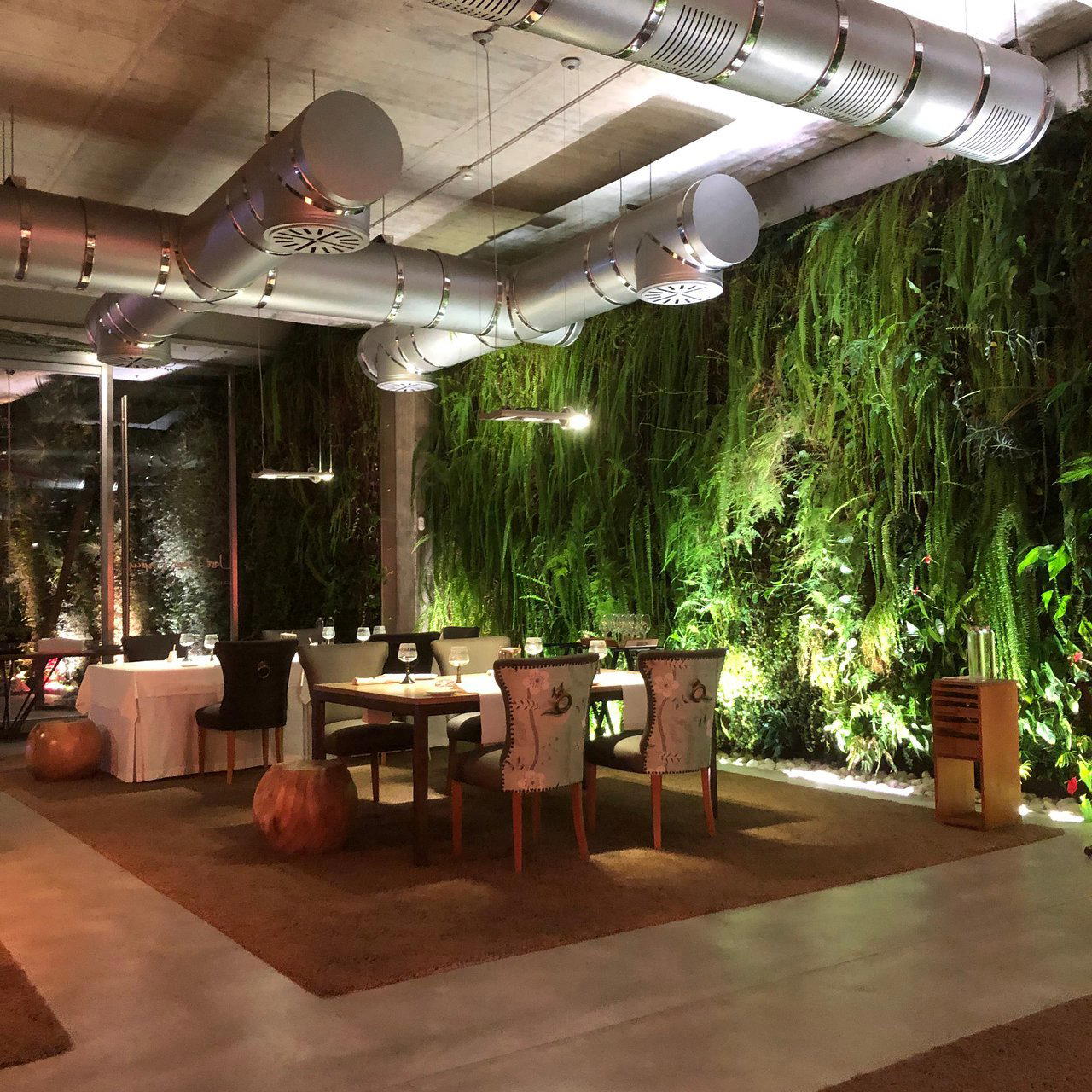
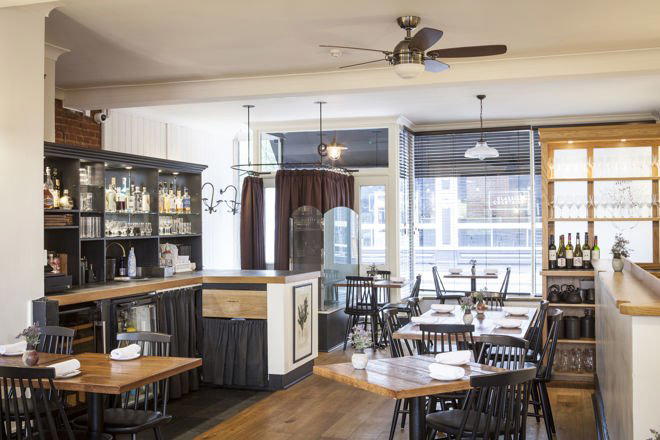
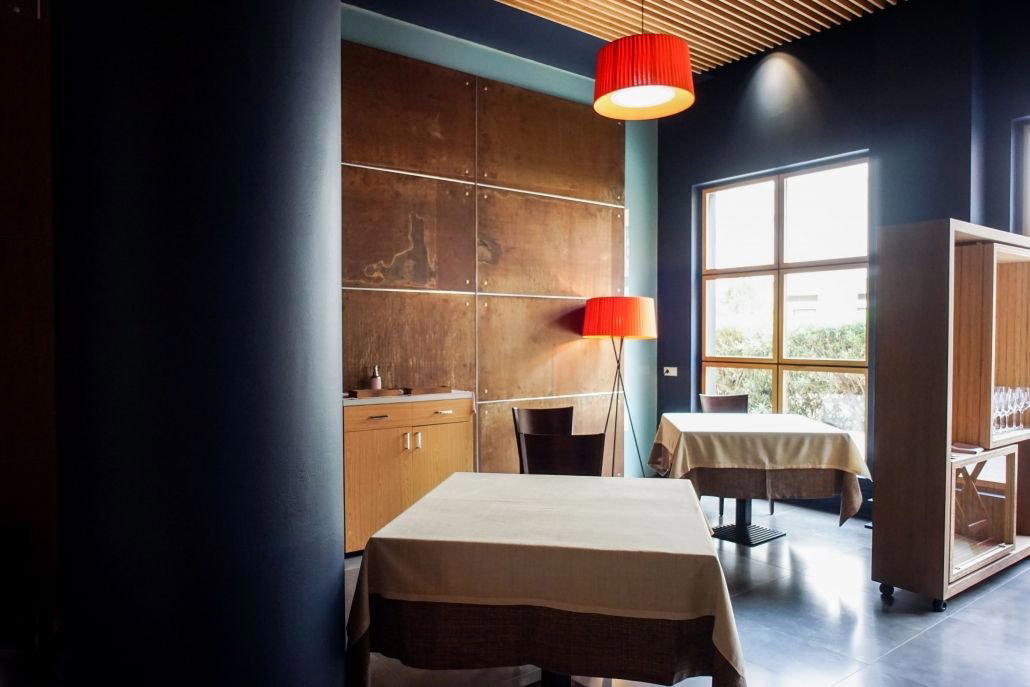
The dining room is built in the style of a tea ceremony house: simple, spare, and deliberately rustic. There is no effort to impress through scale or ornamentation. The aesthetic is one of restraint, which means the food does the communicating. For a special occasion or a business meal where the setting needs to signal taste without ostentation, this room works well. For guests accustomed to the more elaborate interiors found at some Kyoto kaiseki houses, the understated approach here is the point, not a shortcoming.
A Multi-Visit Strategy for Ajikitcho Horieten
Because the menu reflects the seasons and rotates accordingly, the case for returning is built into the format. A first visit in spring will give you one expression of the hassun; an autumn or winter visit offers something structurally different, not just in ingredients but in the cultural references the kitchen is drawing on. Kaiseki at this level is designed to be read as a seasonal document, and a single visit gives you one chapter.
On a first visit, focus on the hassun and the broader arc of the menu rather than any single dish. On a second visit, ideally in a different season, you will have enough context to read the kitchen's seasonal shifts more clearly. If you are visiting Osaka across multiple trips and want a consistent point of reference for traditional Japanese cuisine at the Michelin-star tier without the pricing of the ¥¥¥¥ circuit, Ajikitcho Horieten is a useful anchor. Pair it with a visit to Kashiwaya Osaka Senriyama or Taian across separate trips to build a comparative picture of Osaka's kaiseki register at the same price tier.
For travellers moving around the Kansai region, the kaiseki tradition extends across the circuit. Gion Sasaki in Kyoto and akordu in Nara offer adjacent reference points. Wider Japan comparisons with a similar traditional framing include Harutaka in Tokyo, Myojaku in Tokyo, and Azabu Kadowaki in Tokyo. For those extending beyond the main island, Goh in Fukuoka, 1000 in Yokohama, and 6 in Okinawa round out a multi-city traditional Japanese dining programme.
Booking and Practical Details
Booking this restaurant is difficult. As a Michelin-starred kaiseki in Osaka with a tea-house format and limited seating, reservations should be secured as far in advance as your schedule allows, for weekend dinners or seasonal peak periods (spring cherry blossom, autumn foliage), aim for at least four to six weeks ahead. Same-week availability is unlikely. Reservations: Book well in advance; this is a hard reservation to secure at short notice. Dress: Smart casual at minimum; the tea ceremony room aesthetic of the dining room calls for appropriate attire. Budget: ¥¥¥, mid-to-upper tier, below the ¥¥¥¥ three-star circuit but above casual Japanese dining. Address: 1 Chome-22-6 Kitahorie, Nishi Ward, Osaka.
If you cannot secure a booking here, Miyamoto, Oimatsu Hisano, Tenjimbashi Aoki, and Yugen are alternatives worth considering in Osaka's traditional Japanese dining category. For a broader view of where Ajikitcho Horieten sits within the city's wider restaurant scene, see our full Osaka restaurants guide. Planning the rest of your stay: Osaka hotels, Osaka bars, Osaka wineries, and Osaka experiences.
Planning details
- Location
- 1 Chome-22-6 Kitahorie, Nishi Ward, Osaka, 550-0014, Japan
- Reservations
- Book on TableCheck
- Website
- ajikitcho.com
- Phone
- +81 50-3628-1743
The take
The Take
The Vibe
Ajikitcho Horieten presents itself as a study in restraint. The exterior and interior follow tea-ceremony proportions: surfaces stripped of ornament, a deliberate quiet and an emphasis on stillness. That architectural rigor translates into a dining room that favors minimalism and careful composure over theatricality. The experience reads as contemplative rather than ostentatious: the space encourages close attention to season, texture and technique. If you seek bold décor or lively bustle, this is not the place; if you value subtlety, discipline and a refined, pared-back setting, Ajikitcho Horieten delivers a quietly precise kaiseki environment.
Best For
This is a restaurant aimed at serious, ceremonial dining moments: formal kaiseki at a ¥¥¥ level positions it for special-occasion meals, date nights and elevated business dinners. The kitchen works within the Kitcho lineage, so the evening is about seasonal exactitude and the choreography of courses rather than casual grazing. Parties that appreciate meticulous presentation and a meditative pace find this setting especially fitting. Given its formal discipline and high price tier, the venue suits diners who expect service and food to observe classical protocols and priority is placed on the ritual of the meal.
Ordering Tips
Expect a kaiseki-oriented progression that emphasizes seasonal ingredients and visual precision; the kitchen works within a specific Kitcho inheritance and seasonal practice. Rather than à la carte experimentation, the meal is a coherent, practiced sequence where lineage and exactitude matter. Approach the menu prepared to experience a sequence of courses that foregrounds balance, restraint and technique. Because the restaurant is positioned in a formal kaiseki tier, allow the kitchen’s seasonal logic to guide the meal and focus on tasting the distinctions the chef emphasizes.
Venue details
Ambiance
Serene and elegant atmosphere reminiscent of ancient Japan with tranquil, relaxing spaces.
Tags
Vibe
Best For
Experience
At the Table
- Dress Code
- Smart Casual
- Noise Level
- Quiet
- Service Style
- Formal
- Meal Pacing
- Leisurely
- Capacity
- Intimate
- Kitchen
- Traditional
- Menu Format
- Tasting menu, Omakase, Set menu
- Drinks Focus
- Sake program
- Dietary
- Vegetarian friendly, Allergy accommodating
- Private Dining
- Available
Know before you go
Know Before You Go
- Getting there
- 1 Chome-22-6 Kitahorie, Nishi Ward, Osaka, 550-0014, Japan
Planning details
Location
1 Chome-22-6 Kitahorie, Nishi Ward, Osaka, 550-0014, Japan · Directions
Recognition and awards
Also consider
Also Consider
- HAJIME: French, Innovative, ¥¥¥¥
- La Cime: French, ¥¥¥¥
- Kashiwaya Osaka Senriyama: Japanese, ¥¥¥
- Taian: Kaiseki, Japanese, ¥¥¥
- Fujiya 1935: Innovative, ¥¥¥¥
Restaurant context
Within Osaka's ¥¥¥ traditional Japanese tier, Ajikitcho Horieten's closest direct competitors are Kashiwaya Osaka Senriyama and Taian. All three operate seasonal kaiseki menus at broadly similar price points, and the choice between them is largely a matter of setting and booking timing. Ajikitcho Horieten's tea ceremony house aesthetic is the most austere of the three, which suits diners who want the food to carry the full weight of the experience. If you want a kaiseki meal with more elaborate surroundings or a stronger international profile, Kashiwaya Osaka Senriyama is the more accessible comparison.
At the ¥¥¥¥ tier, HAJIME, La Cime, and Fujiya 1935 offer French and innovative formats that share the Michelin-starred bracket but represent a fundamentally different dining proposition. If your preference is for contemporary European technique applied in Osaka, those three are the relevant comparisons. If you are specifically seeking traditional Japanese kaiseki in the Kitcho lineage, none of them replicate what Ajikitcho Horieten offers, and the price gap between ¥¥¥ and ¥¥¥¥ is material over multiple visits.
For value, Ajikitcho Horieten is the most cost-efficient route into Michelin-starred kaiseki in Osaka without dropping into casual territory. It is harder to book than a first-timer might expect for a one-star restaurant, which suggests it has a loyal returning clientele rather than a high walk-in turnover. If your priority is the easiest Michelin booking in the city at the ¥¥¥ level, start with Taian and treat Ajikitcho Horieten as a second visit once you have the seasonal cadence in mind.
Explore Osaka
Around this place
Discover more on Pearl
Unlock the full Ajikitcho Horieten guide in Pearl, including awards, comparisons, FAQs, planning details, and nearby places.
Compare Ajikitcho Horieten
| Venue | Cuisine | Price | Awards | Booking Difficulty |
|---|---|---|---|---|
| Ajikitcho Horieten | Japanese | ¥¥¥ | 2026 Michelin 1 StarMichelin Guide Kyoto Osaka 20262024 Michelin 1 Star | Hard |
| HAJIME | French, Innovative | ¥¥¥¥ | Star Wine Lists 2026 · #12026 Tabelog Bronze · #922026 OAD Top Restaurants in Japan Ranked · #98Michelin Guide Kyoto Osaka 20262026 La Liste Top RestaurantsTabelog 100 - Innovative / Creative cuisine - 2025 · #692025 Asia's 50 Best Restaurants · #832025 OAD Top Restaurants in Japan Ranked · #87We're Smart World Top Restaurants 2025 | Unknown |
| La Cime | French | ¥¥¥¥ | 2026 Asia's 50 Best Restaurants · #132026 OAD Top Restaurants in Japan Ranked · #1492026 Tabelog Bronze · #231Michelin Guide Kyoto Osaka 20262026 La Liste Top Restaurants2025 Asia's 50 Best Restaurants · #82025 World's 50 Best Restaurants · #44Tabelog 100 - French - WEST - 2025 · #932025 OAD Top Restaurants in Japan Ranked · #123 | Unknown |
| Kashiwaya Osaka Senriyama | Japanese | ¥¥¥ | 2026 Tabelog Bronze · #1682026 OAD Top Restaurants in Japan Recommended2026 Relais Chateaux RestaurantsMichelin Guide Kyoto Osaka 20262026 La Liste Top RestaurantsTabelog 100 - Japanese cuisine - WEST - 2025 · #772025 OAD Top Restaurants in Japan Ranked · #1552025 Relais Chateaux Award2025 Michelin 3 Stars | Unknown |
| Taian | Kaiseki, Japanese | ¥¥¥ | 2026 OAD Top Restaurants in Japan RecommendedMichelin Guide Kyoto Osaka 20262026 La Liste Top Restaurants2025 OAD Top Restaurants in Japan Ranked · #2042025 La Liste Top Restaurants2025 Michelin 3 Stars2024 OAD Top Restaurants in Japan Ranked · #1912024 Michelin 3 Stars2023 OAD Top Restaurants in Japan Highly Recommended | Unknown |
| Fujiya 1935 | Innovative | ¥¥¥¥ | 2026 Tabelog Bronze · #752026 OAD Top Restaurants in Japan RecommendedMichelin Guide Kyoto Osaka 20262026 La Liste Top Restaurants2025 Michelin 2 Stars2025 Tabelog Silver2025 La Liste Top Restaurants2024 OAD Top Restaurants in Japan Ranked · #2392024 Michelin 2 Stars | Unknown |










Side-by-side comparison to help you decide where to book.
FAQ
Frequently Asked Questions
Can Ajikitcho Horieten accommodate groups?
Groups should approach with caution. The restaurant is built in the tea ceremony room style, which means seating is limited and the format is intimate by design. Larger parties risk overwhelming both the room and the pacing of a kaiseki service. If you are planning for more than four guests, contact the restaurant well in advance to confirm capacity: and be prepared for the possibility that your group size exceeds what the space allows.
Is Ajikitcho Horieten good for solo dining?
Solo dining works well here in format terms: kaiseki at the counter level is a focused, course-driven experience that does not require a companion to read correctly. The tea-house setting and the Kitcho lineage behind the room reward attentive, unhurried guests, which solo diners typically are. At the ¥¥¥ price point, you are paying for craft and seasonal progression, both of which land more clearly when you are not managing a group.
What is Ajikitcho Horieten known for?
Ajikitcho Horieten is primarily known for Japanese in Osaka.
Where is Ajikitcho Horieten located?
Ajikitcho Horieten is located in Osaka, at 1 Chome-22-6 Kitahorie, Nishi Ward, Osaka, 550-0014, Japan.