
Ajikitcho Bumbuan
Japanese · Chūō, Osaka
Restaurant in Osaka, Japan
 Book with Pearl
The Read
Third-Generation Dashi Tradition
Price
$100–150per person
Dress
Smart Casual
Why go
Ajikitcho Bumbuan holds a 2024 Michelin star and at the ¥¥¥ price tier: one of Osaka's more accessible entries into serious classical Japanese cooking. Chef Hiroyuki Hiramatsu runs a third-generation kitchen where inherited technique, precise knife work, and seasonal dashi are the focus. Book well ahead; this one fills up.
About Ajikitcho Bumbuan
Verdict: A Michelin-starred kaiseki keeper in Osaka's Honmachi, built for diners who value tradition over novelty
At the ¥¥¥ price tier, Ajikitcho Bumbuan is one of the more considered bookings you can make in Osaka. It sits below the ¥¥¥¥ ceiling of French-leaning heavyweights like HAJIME and Fujiya 1935 If you're a food-focused traveller passing through Osaka who wants grounded, technically precise Japanese cooking rather than experimental boundary-pushing, this is the booking to make.
The Kitchen and What It Stands For
The restaurant's name fuses the founding couple's names with the phrase bumbu-ryodo, meaning 'accomplished in both literary and military arts.' That framing is deliberate. Chef Hiroyuki Hiramatsu runs a third-generation kitchen where the mandate is continuity, not reinvention. The flavours you encounter here are inherited ones, passed down from the first-generation chef and guarded with precision. In an Osaka dining scene that has plenty of room for creative formats: see Yugen or Tenjimbashi Aoki for more contemporary interpretations, Ajikitcho Bumbuan occupies a specific position: classical Japanese cooking executed by someone who has spent a career perfecting it rather than reimagining it.
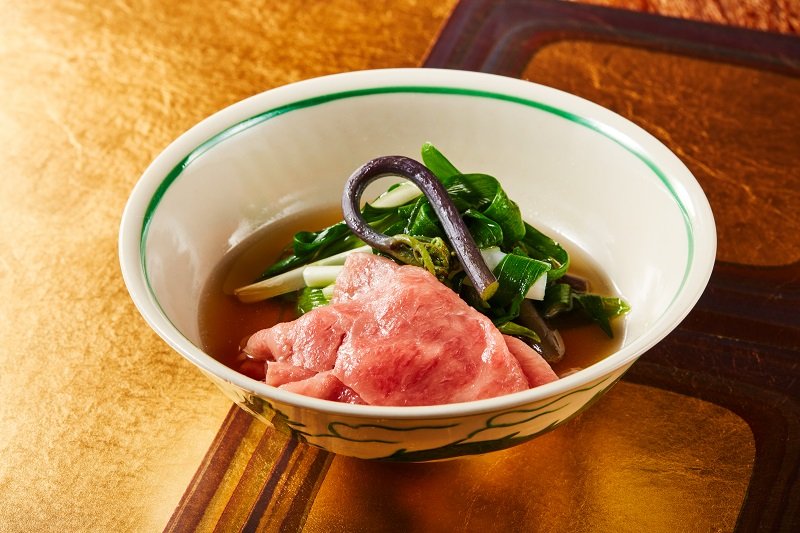
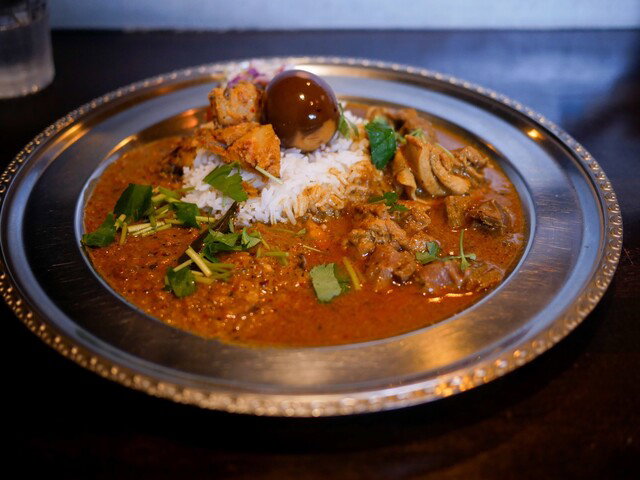
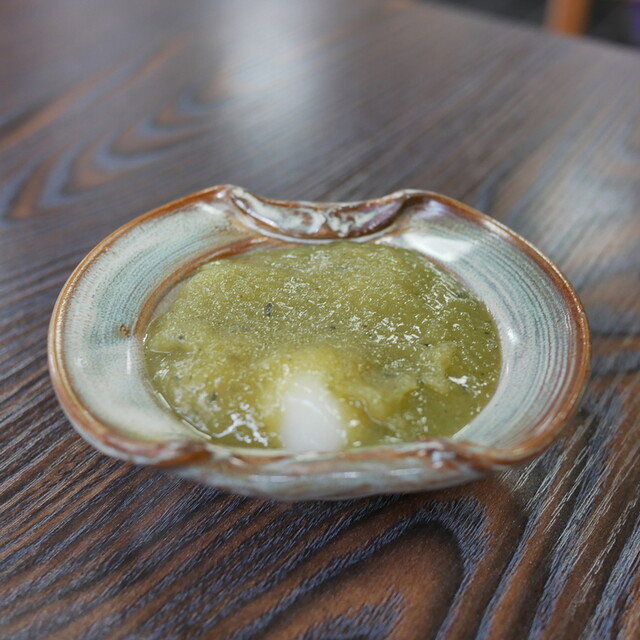
The kitchen's signature approach centres on knife work and dashi. The simmered vegetable assortment, which the Michelin citation calls out directly, is the clearest demonstration of this: careful cutting, precisely calibrated dashi additions, and seasonal produce that shifts with the time of year. Right now, in the current season, that means whatever the Japanese culinary calendar has on offer, and in Osaka, that matters. The city's kuidaore culture (eating until you drop) is not just a tourism slogan; it reflects a genuine civic investment in produce quality and kitchen craft that venues like Ajikitcho Bumbuan have been quietly benefiting from for three generations.
Setting and Atmosphere
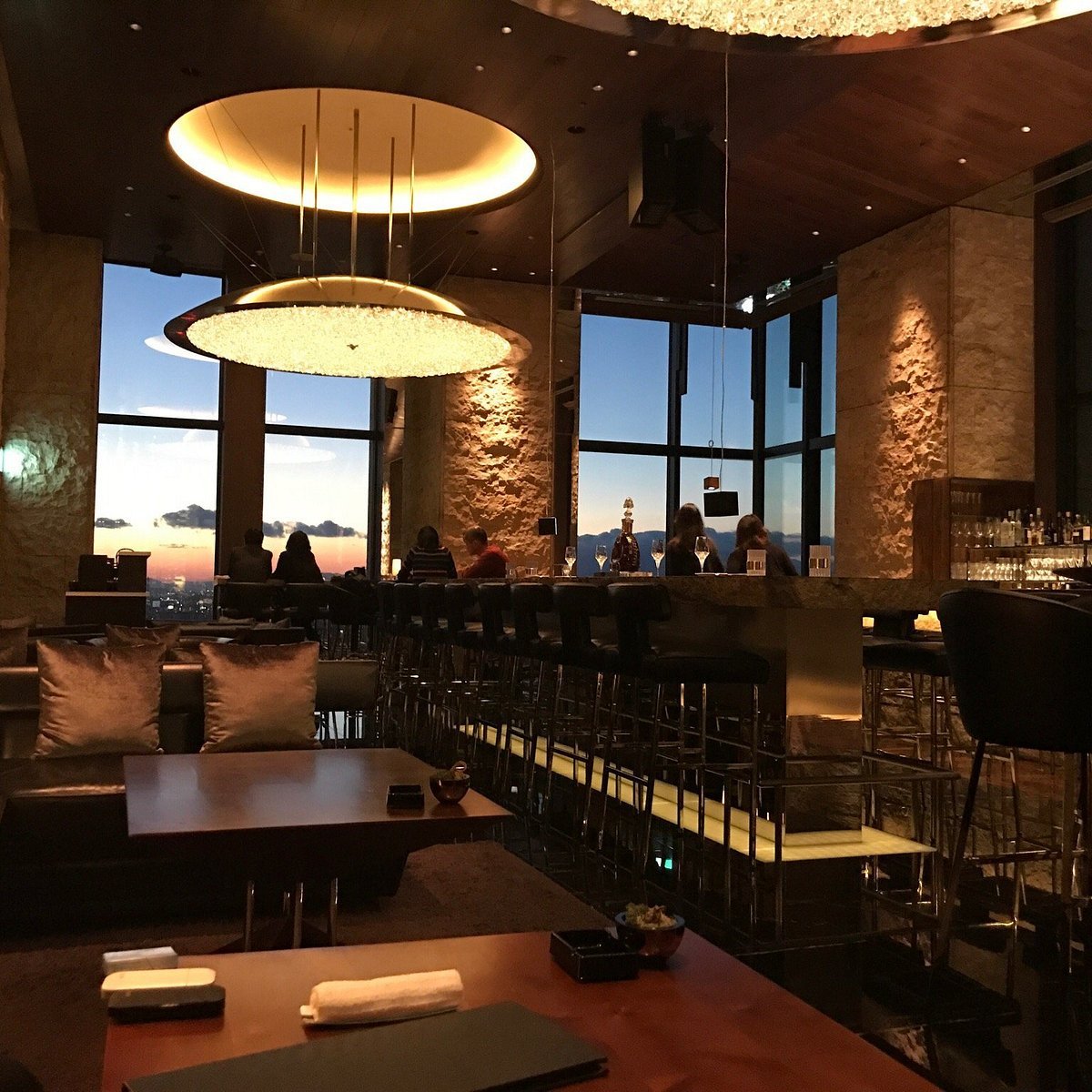
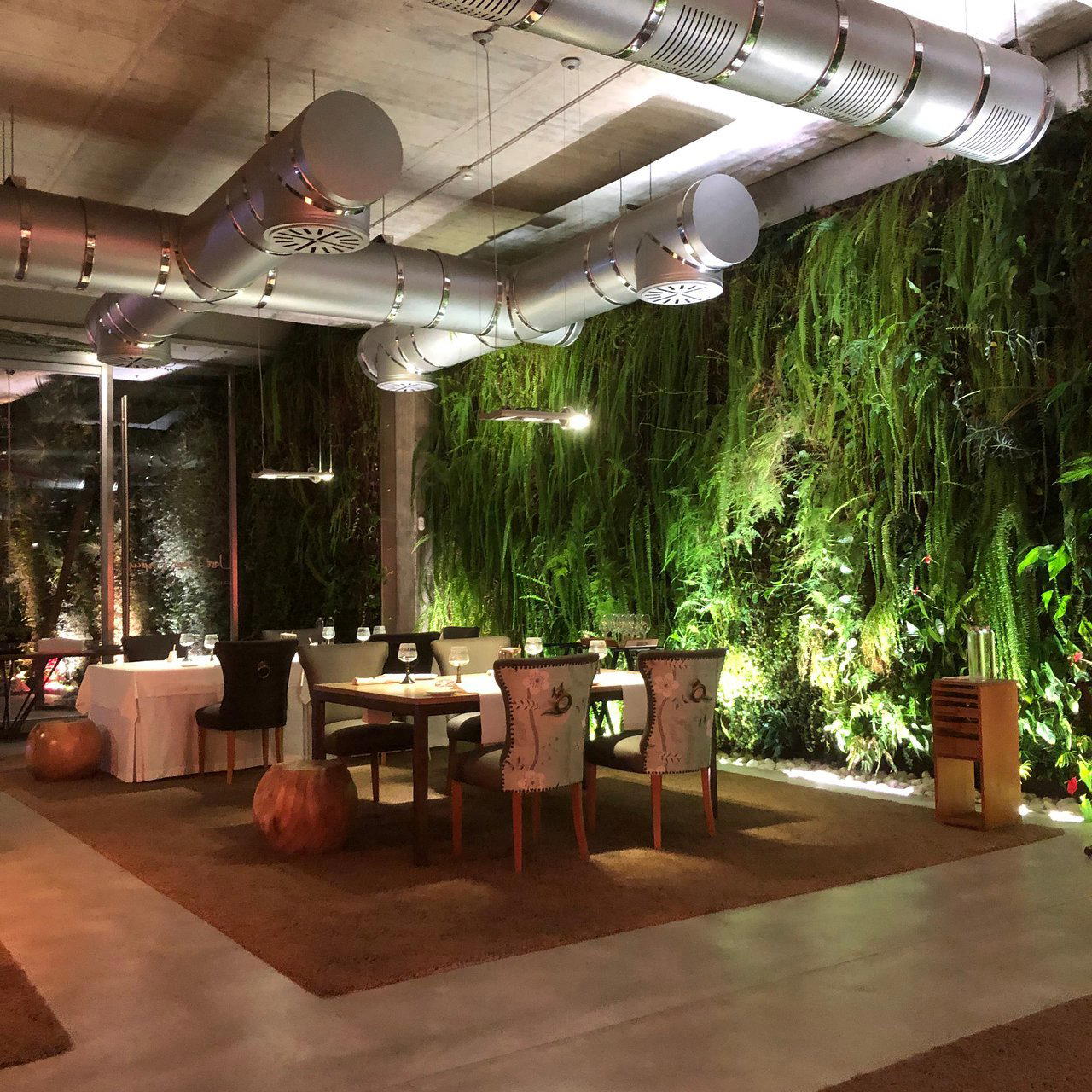
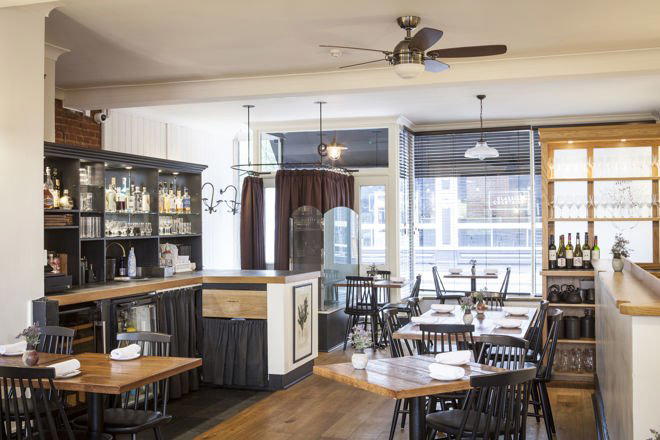
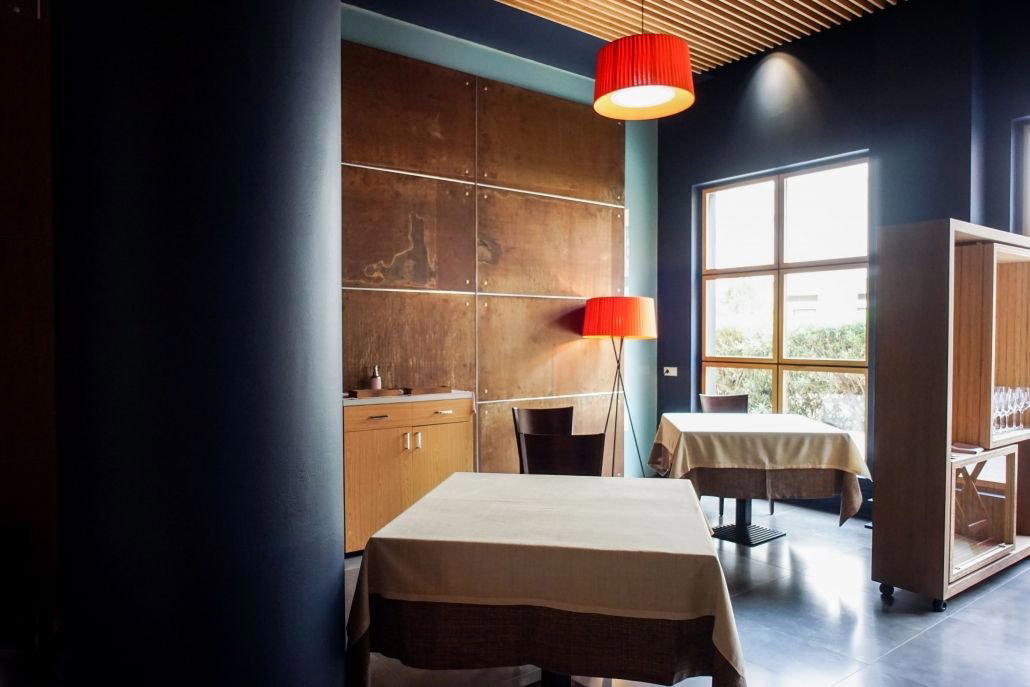
Restaurant occupies basement level one of the Osaka Metro Honmachi Building in Chuo Ward, just off one of Osaka's main commercial corridors. This is not a heritage machiya or a garden-facing dining room, it's a basement-level city restaurant, which puts it closer in character to serious Tokyo restaurants like Azabu Kadowaki or Myojaku than to a Kyoto retreat. The setting tells you something useful about the booking: this is a destination for the cooking, not the room. Travellers who want a scenic tatami dining environment might look instead at Kashiwaya Osaka Senriyama, which leans more deliberately into the ryotei aesthetic.
Chef's stated philosophy, that service and cooking are equal obligations, suggests a front-of-house operation that takes hospitality seriously. The phrase bumbu-ryodo applies both to the kitchen and to how guests are received. For a solo diner or a couple who wants to eat well and be looked after without theatre, that balance is often exactly what a Michelin one-star at this price tier delivers.
Morning and Weekend Service: What to Expect
Specific hours are not publicly listed in available data, so contact the restaurant directly to confirm whether breakfast or weekend lunch formats are offered. That said, traditional Japanese restaurants at this tier frequently operate a lunch service that provides the leading access point: the same kitchen, the same produce sourcing, and often a shorter format at a lower price than the evening menu. If a daytime sitting is available at Ajikitcho Bumbuan, it is almost certainly the sharper value proposition, and for explorers working through Osaka's serious dining tier, a lunchtime visit to a one-star leaves the evening free for a different style entirely. Check our full Osaka restaurants guide for venues that pair well across a multi-day itinerary.
Practical Details
| Detail | Ajikitcho Bumbuan | Kashiwaya Osaka Senriyama | Taian |
|---|---|---|---|
| Price tier | ¥¥¥ | ¥¥¥ | ¥¥¥ |
| Michelin recognition | 1 Star (2024) | Starred | Starred |
| Cuisine format | Classical Japanese | Japanese (ryotei) | Kaiseki |
| Booking difficulty | Hard | Hard | Hard |
| Location type | Basement, city-centre | Suburban / garden | City-centre |
For broader planning context, see also our full Osaka hotels guide, our full Osaka bars guide, and our full Osaka experiences guide. If your trip extends beyond Osaka, comparable classical Japanese precision can be found at Harutaka in Tokyo, Gion Sasaki in Kyoto, and akordu in Nara. Further afield, Goh in Fukuoka is worth the detour if you're heading southwest.
How It Compares
Within Osaka's ¥¥¥ tier, Ajikitcho Bumbuan and Taian are the closest comparators: both hold Michelin recognition, both centre on Japanese cooking rooted in seasonal produce and classical technique, and both sit below the premium ¥¥¥¥ bracket. The practical difference is format and atmosphere. Taian's kaiseki format is more structured and ceremonial; Ajikitcho Bumbuan's identity is built around inherited culinary craft and a philosophy of service-as-discipline. If kaiseki's course progression is your reference point, Taian may feel like the more familiar frame. If you want cooking that has been passed down through three generations and a chef who treats continuity as a value rather than a limitation, Ajikitcho Bumbuan makes the stronger case.
Kashiwaya Osaka Senriyama is another ¥¥¥ Japanese option, but it leans more heavily into the ryotei setting and the scenic experience, better suited to travellers for whom the room and surroundings are part of the point. For a city-centre basement restaurant, Ajikitcho Bumbuan is more about the plate than the architecture.
If budget is not the primary constraint, HAJIME, La Cime, and Fujiya 1935 all operate at ¥¥¥¥ and offer French-influenced or innovative formats that sit in a different creative register entirely. None of them are substitutes for Ajikitcho Bumbuan, they answer different questions. Go to HAJIME if you want a statement evening at the top of Osaka's prestige tier. Go to Ajikitcho Bumbuan if you want serious Japanese cooking at a price that doesn't require clearing your diary for the week. For other strong options in the city, see Miyamoto and Oimatsu Hisano.
Planning details
- Hours
- Monday: Closed · Tuesday: 11:30 AM–3 PM, 5:30–9:30 PM
- Location
- Japan, 〒541-0053 Osaka, Chuo Ward, Honmachi, 3 Chome−5−6 4Osaka Metro 本町ビル B1F
- Reservations
- Book on TableCheck
- Website
- bunbu-an.jp
- Phone
- +81 50-3628-1055
The take
The Take
The Vibe
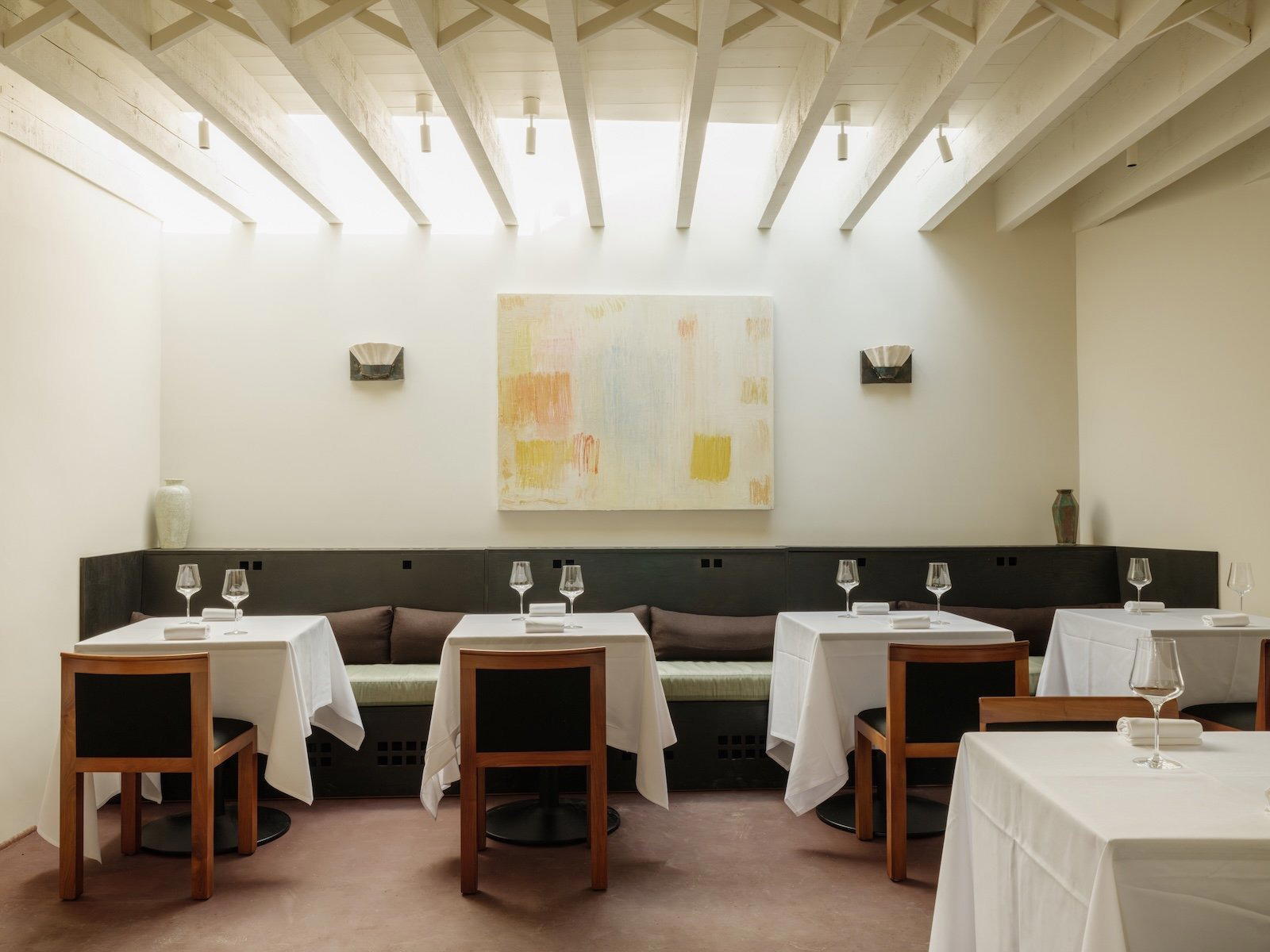
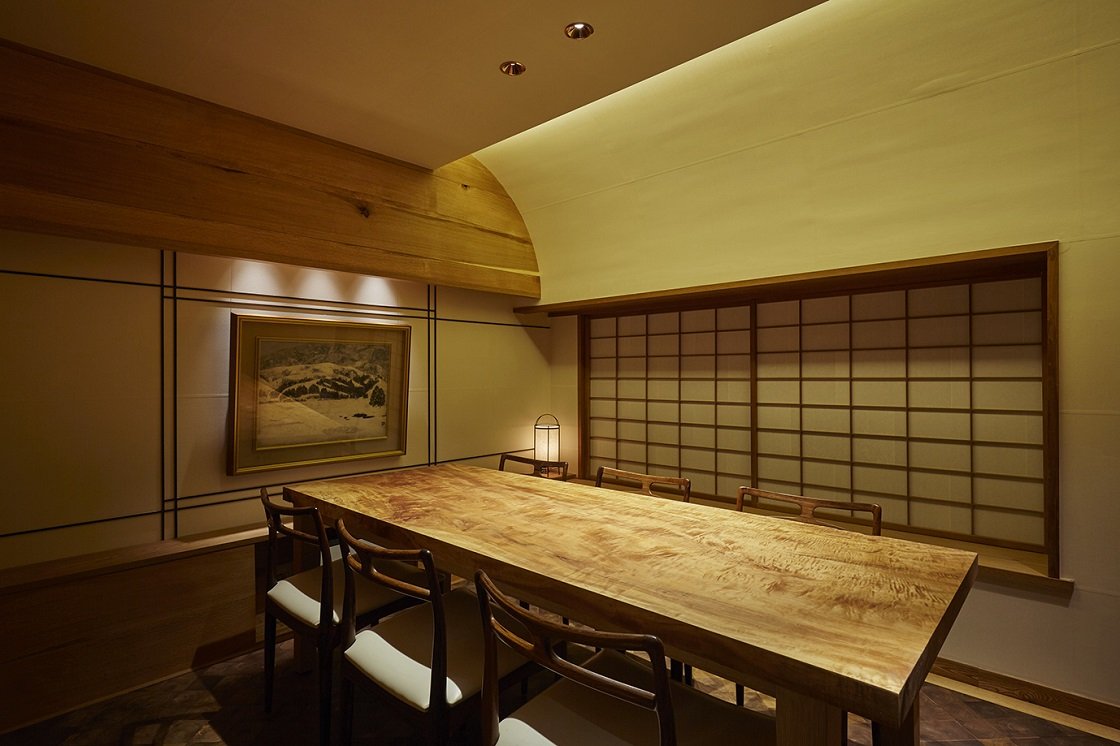
Ajikitcho Bumbuan presents a refined, quietly contemplative dining environment. Located below street level in Honmachi, the restaurant intentionally absorbs the city's bustle: materials and layout are chosen to damp sound and slow the pace. The dining room behaves like a frame for the food rather than an architectural spectacle, privileging restraint and the ritual aspects of kaiseki. The overall effect is subdued and meditative: an understated room that foregrounds craftsmanship and tradition so the cuisine commands attention without fanfare.
Best For
This is a place for attentive dinners where the context matters: business meals with local colleagues, intimate date nights and special-occasion evenings where the formality of kaiseki is part of the experience. The house caters to guests who want a deliberate, ceremonial meal and a quieter room that allows conversation to unfold without distraction.
Ordering Tips
The kitchen privileges dashi above all else; kombu and katsuobushi quality and temperature discipline are foundational decisions. Approach the meal prepared to taste subtle, layered flavors and to move through courses at a measured pace. Let the dishes speak for themselves, attention to seasonality and extraction is central, so focus on the balance and finish of each bite rather than bold seasoning or showy alterations.
Venue details
Ambiance
Serene and refined with stone-lined dining hall, tatami private rooms, soft traditional lighting, and a quiet, relaxing atmosphere.
Tags
Vibe
Best For
Experience
Accessibility
At the Table
- Dress Code
- Smart Casual
- Noise Level
- Quiet
- Service Style
- Formal
- Meal Pacing
- Leisurely
- Capacity
- Small
- Kitchen
- Traditional
- Menu Format
- Tasting menu, Set menu
- Dietary
- Vegetarian friendly
- Private Dining
- Available
Know before you go
Know Before You Go
- Getting there
- Japan, 〒541-0053 Osaka, Chuo Ward, Honmachi, 3 Chome−5−6 4Osaka Metro 本町ビル B1F
Planning details
Hours
- Monday
- Closed
- Tuesday
- 11:30 AM–3 PM, 5:30–9:30 PM
- Wednesday
- 11:30 AM–3 PM, 5:30–9:30 PM
- Thursday
- 5:30–9:30 PM
- Friday
- 11:30 AM–3 PM, 5:30–9:30 PM
- Saturday
- 11:30 AM–3 PM, 5:30–9:30 PM
- Sunday
- 11:30 AM–3 PM, 5:30–9:30 PM
Location
Japan, 〒541-0053 Osaka, Chuo Ward, Honmachi, 3 Chome−5−6 4Osaka Metro 本町ビル B1F · Directions
Recognition and awards
Also consider
Also Consider
- HAJIME: French, Innovative, ¥¥¥¥
- La Cime: French, ¥¥¥¥
- Kashiwaya Osaka Senriyama: Japanese, ¥¥¥
- Taian: Kaiseki, Japanese, ¥¥¥
- Fujiya 1935: Innovative, ¥¥¥¥
Restaurant context
Within Osaka's ¥¥¥ tier, Ajikitcho Bumbuan sits alongside Taian and Kashiwaya Osaka Senriyama as the clearest like-for-like comparators on price. All three hold Michelin recognition and centre on Japanese cooking rooted in seasonal produce. The practical distinction comes down to format and setting: Taian's kaiseki structure is more ceremonial and course-driven; Kashiwaya leans into the ryotei setting and garden atmosphere; Ajikitcho Bumbuan is a city-centre basement restaurant where the cooking is the entire point. If you want the most controlled, classical experience of the three, Ajikitcho Bumbuan makes the case on craft alone. If setting matters as much as the plate, Kashiwaya is the better fit.
Against Osaka's ¥¥¥¥ options HAJIME, La Cime, and Fujiya 1935: Ajikitcho Bumbuan is not competing on the same terms. Those three operate in French-influenced or innovative formats and represent Osaka's prestige ceiling. HAJIME in particular is a statement booking for a special occasion. Ajikitcho Bumbuan offers serious, Michelin-recognised Japanese cooking without the ¥¥¥¥ outlay.
For travellers building a multi-restaurant itinerary across the Kansai region, Ajikitcho Bumbuan pairs well with a more contemporary or innovative dinner elsewhere in Osaka, or with a day trip to Gion Sasaki in Kyoto for a contrasting take on classical Japanese cooking in a different city context. Within Osaka itself, Miyamoto and Oimatsu Hisano are worth considering as alternative or complementary bookings depending on your schedule.
Explore Osaka
Around this place
Discover more on Pearl
Unlock the full Ajikitcho Bumbuan guide in Pearl, including awards, comparisons, FAQs, planning details, and nearby places.
Compare Ajikitcho Bumbuan
| Venue | Price | Awards |
|---|---|---|
| Ajikitcho Bumbuan | ¥¥¥ | Michelin Guide Kyoto Osaka 20262026 Michelin 1 Star2024 Michelin 1 Star |
| HAJIME | ¥¥¥¥ | Star Wine Lists 2026 · #12026 Tabelog Bronze · #922026 OAD Top Restaurants in Japan Ranked · #98Michelin Guide Kyoto Osaka 20262026 La Liste Top RestaurantsTabelog 100 - Innovative / Creative cuisine - 2025 · #692025 Asia's 50 Best Restaurants · #832025 OAD Top Restaurants in Japan Ranked · #87We're Smart World Top Restaurants 2025 |
| La Cime | ¥¥¥¥ | 2026 Asia's 50 Best Restaurants · #132026 OAD Top Restaurants in Japan Ranked · #1492026 Tabelog Bronze · #231Michelin Guide Kyoto Osaka 20262026 La Liste Top Restaurants2025 Asia's 50 Best Restaurants · #82025 World's 50 Best Restaurants · #44Tabelog 100 - French - WEST - 2025 · #932025 OAD Top Restaurants in Japan Ranked · #123 |
| Kashiwaya Osaka Senriyama | ¥¥¥ | 2026 Tabelog Bronze · #1682026 OAD Top Restaurants in Japan Recommended2026 Relais Chateaux RestaurantsMichelin Guide Kyoto Osaka 20262026 La Liste Top RestaurantsTabelog 100 - Japanese cuisine - WEST - 2025 · #772025 OAD Top Restaurants in Japan Ranked · #1552025 Relais Chateaux Award2025 Michelin 3 Stars |
| Taian | ¥¥¥ | 2026 OAD Top Restaurants in Japan RecommendedMichelin Guide Kyoto Osaka 20262026 La Liste Top Restaurants2025 OAD Top Restaurants in Japan Ranked · #2042025 La Liste Top Restaurants2025 Michelin 3 Stars2024 OAD Top Restaurants in Japan Ranked · #1912024 Michelin 3 Stars2023 OAD Top Restaurants in Japan Highly Recommended |
| Fujiya 1935 | ¥¥¥¥ | 2026 Tabelog Bronze · #752026 OAD Top Restaurants in Japan RecommendedMichelin Guide Kyoto Osaka 20262026 La Liste Top Restaurants2025 Michelin 2 Stars2025 Tabelog Silver2025 La Liste Top Restaurants2024 OAD Top Restaurants in Japan Ranked · #2392024 Michelin 2 Stars |










Side-by-side comparison to help you decide where to book.
FAQ
Frequently Asked Questions
What should I order at Ajikitcho Bumbuan?
Ajikitcho Bumbuan operates as a kaiseki venue, so ordering is not à la carte: you receive a set course menu. The simmered vegetable assortment is one dish the Michelin guide specifically flags: the kitchen uses precise knife work and carefully measured dashi additions to express seasonal produce. Let that dish set expectations for the rest of the meal: technique-forward, restrained, and grounded in inherited recipes rather than current trends.
Is Ajikitcho Bumbuan good for solo dining?
It is a reasonable choice for solo diners who want a structured kaiseki experience at the ¥¥¥ tier without the ¥¥¥¥ commitment of Osaka's largest tasting menus. The format, set courses, tradition-led service, suits a single diner focused on the food rather than group conversation. Confirm seating availability for one when booking, as counter seats at smaller kaiseki rooms tend to book quickly.