

Tsukimi
Japanese · East Village, New York City
Restaurant in New York City, United States
 Book with Pearl
The Read
Seasonal Kaiseki Counter
Price
$$$$
Chef
Takinori Akayama
Dress
Business Casual
Why go
Tsukimi is a Michelin-starred kaiseki counter in the East Village with a rising Opinionated About Dining rank (#205 in North America, 2025). Chef Takinori Akayama runs a seasonal progression built on restraint and visual precision. At the $$$$ price point, the service is notably unshowy and the à la carte sake selection outperforms the pairing option. Book three to four weeks out minimum.
About Tsukimi
A kaiseki counter in the East Village that earns its Michelin star through restraint, not spectacle
At the $$$$ price point, Tsukimi asks you to commit to a tasting experience built on seasonal kaiseki courses served at a counter in the East Village. What you get for that spend: a Michelin-starred meal (2024), an Opinionated About Dining Top 205 ranking in North America for 2025 (up from #302 in 2024), and service that the OAD panel specifically called seamless and unaffected. That upward trajectory on a respected independent ranking is the clearest signal that this kitchen is tightening, not coasting.
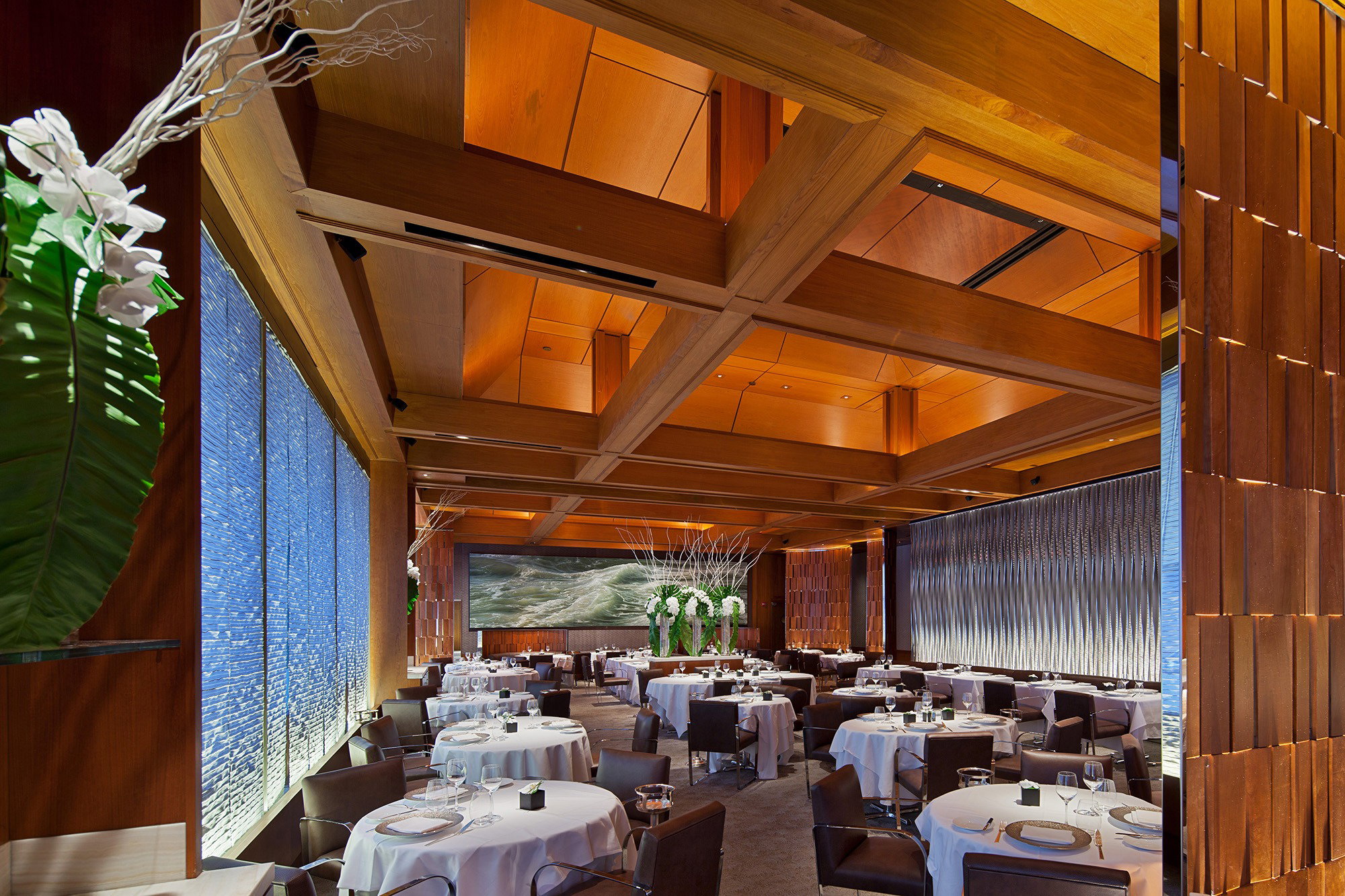
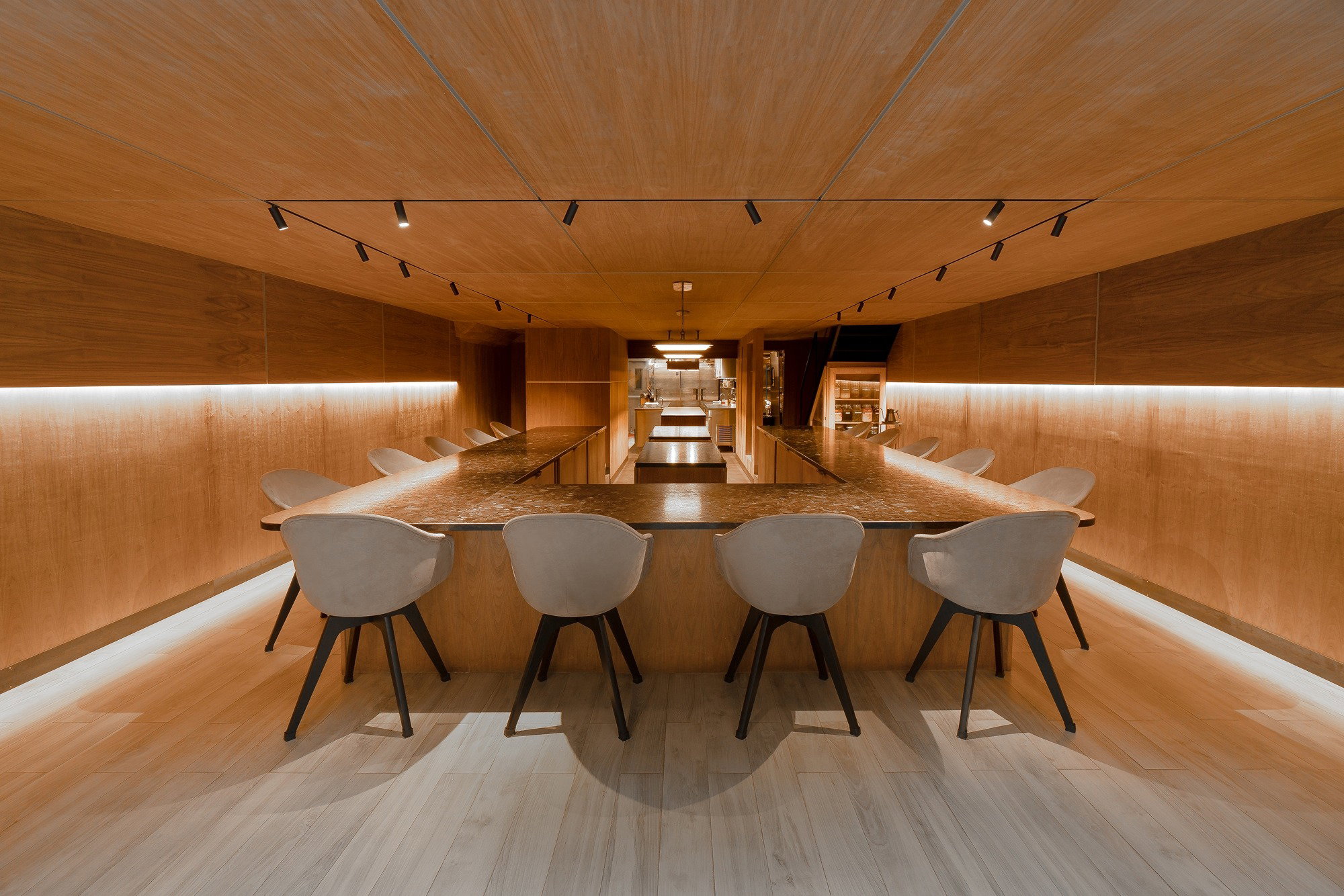
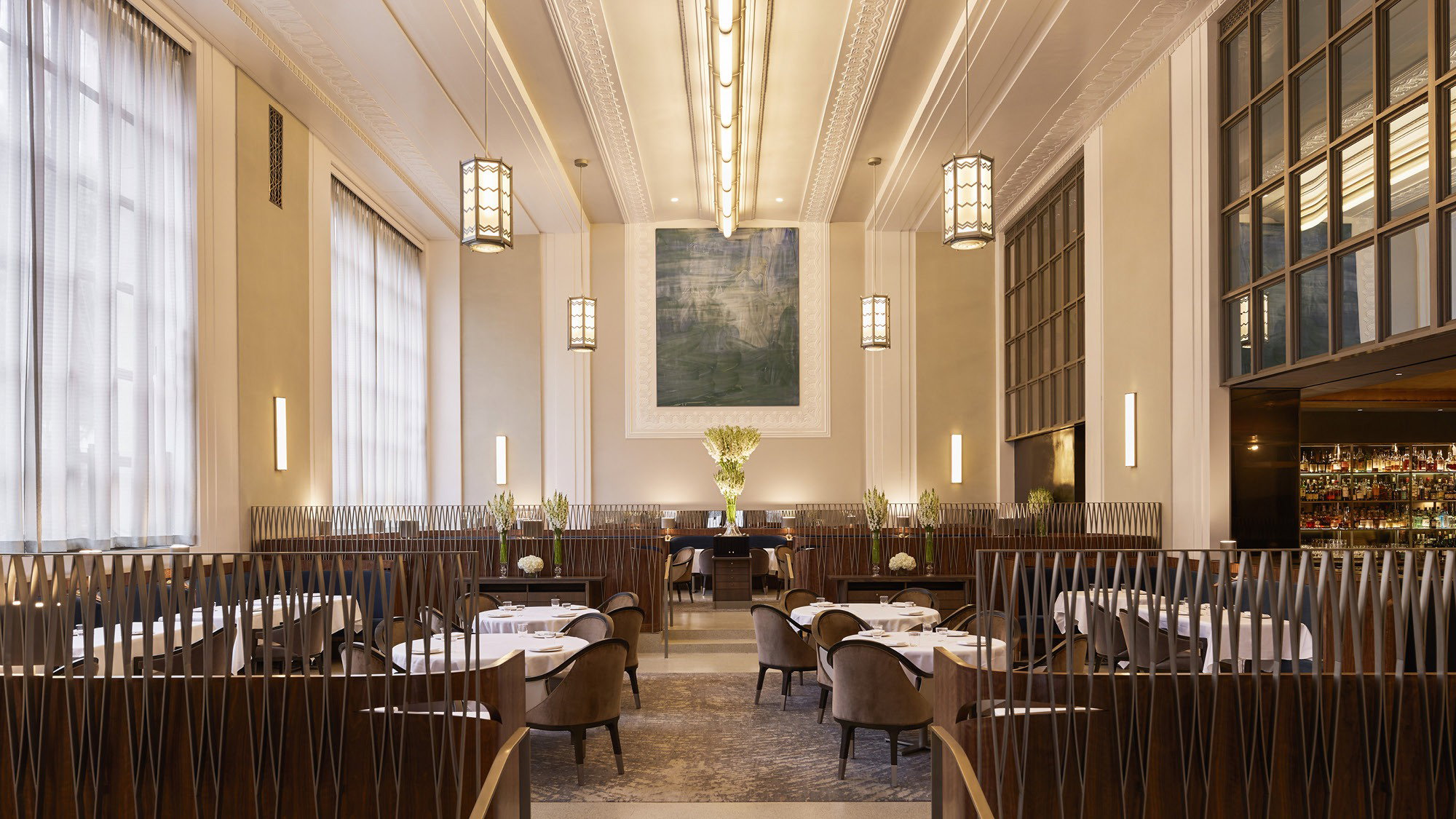
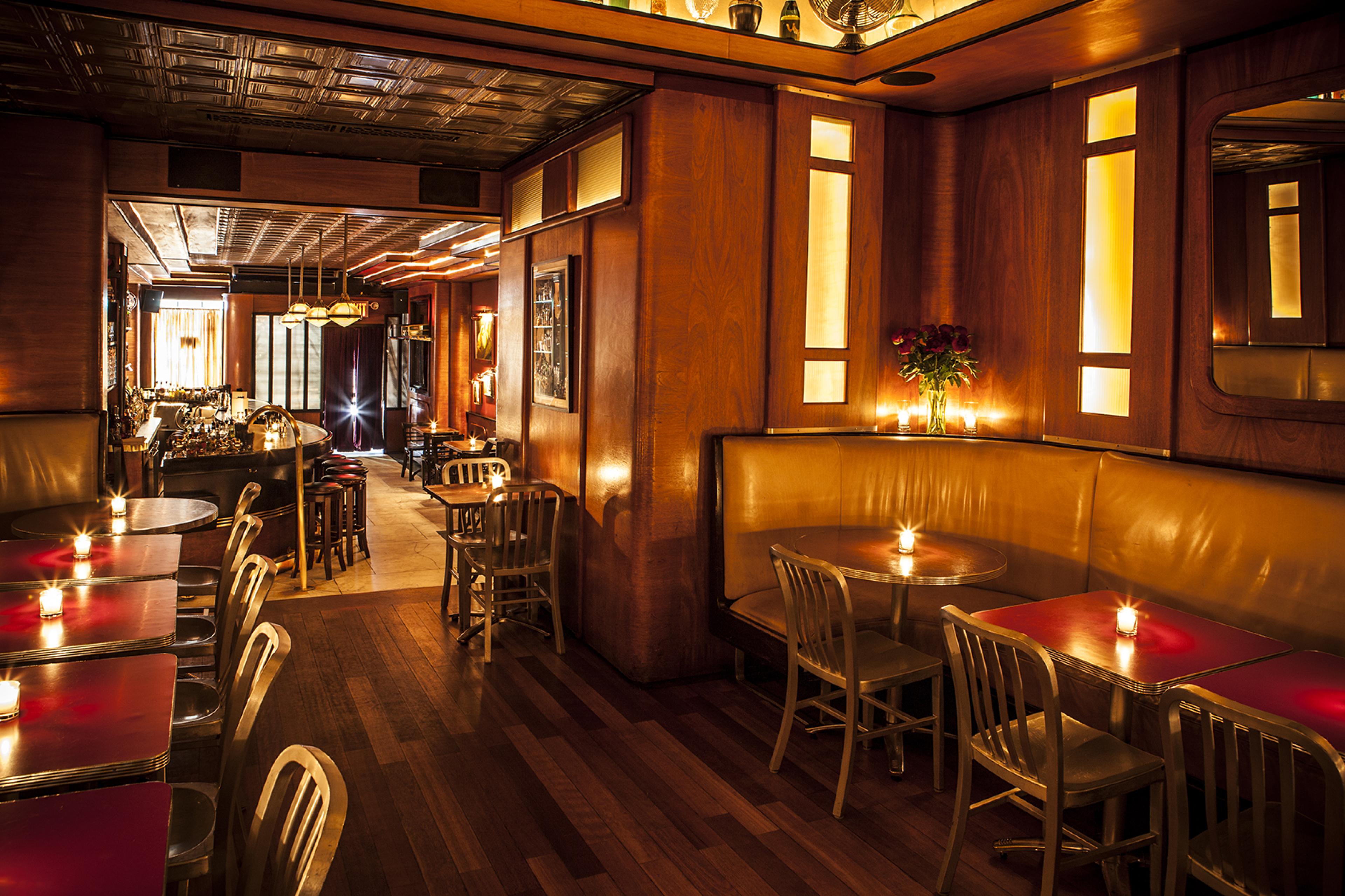
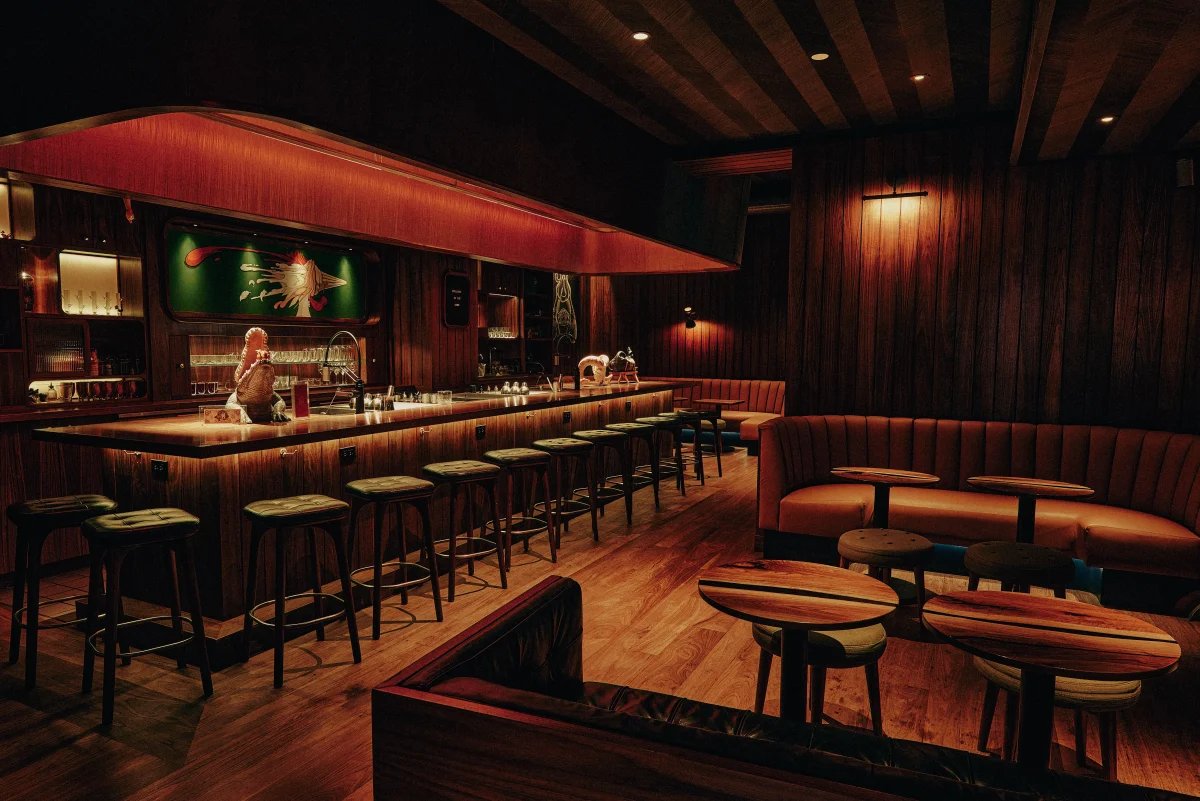
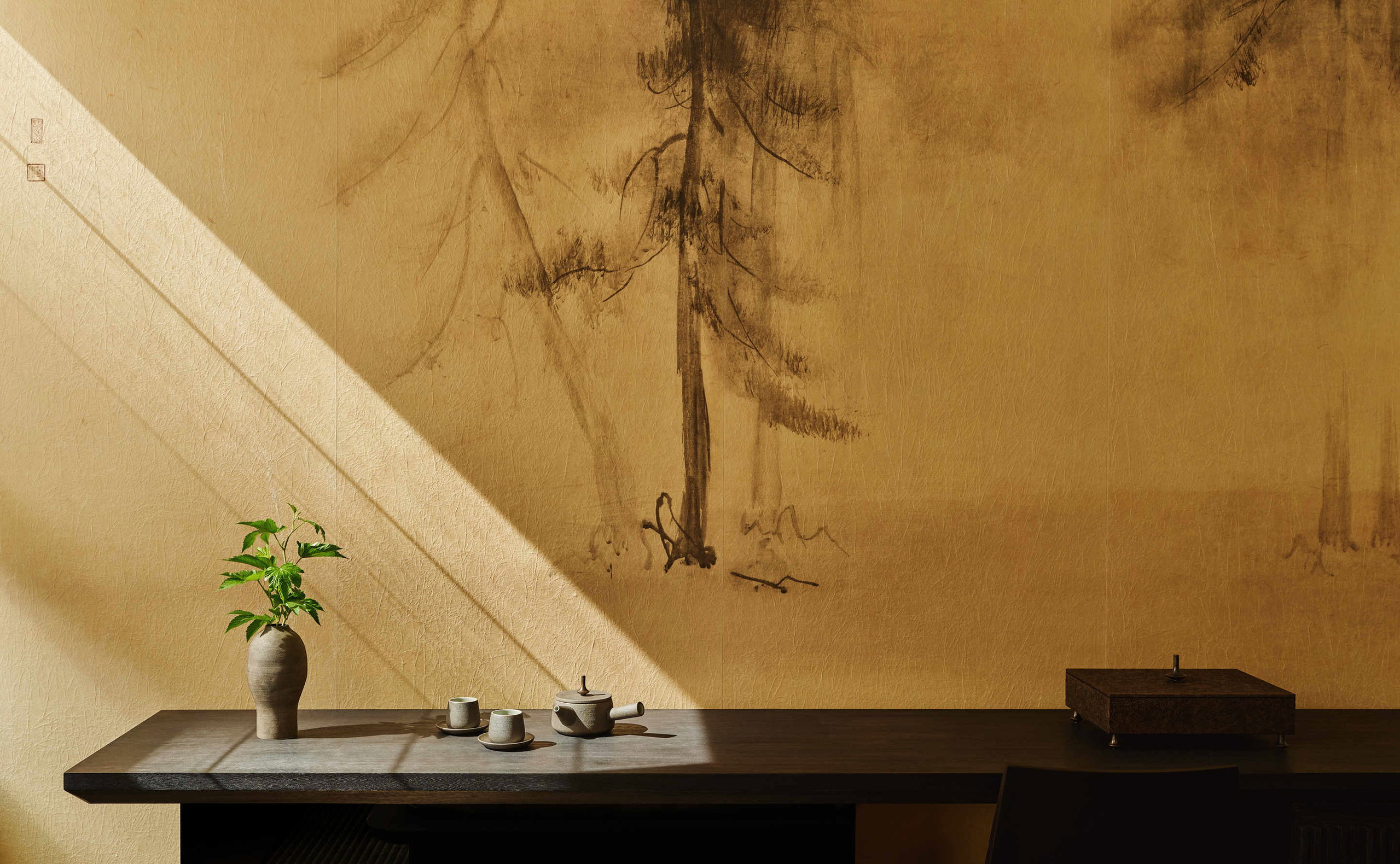
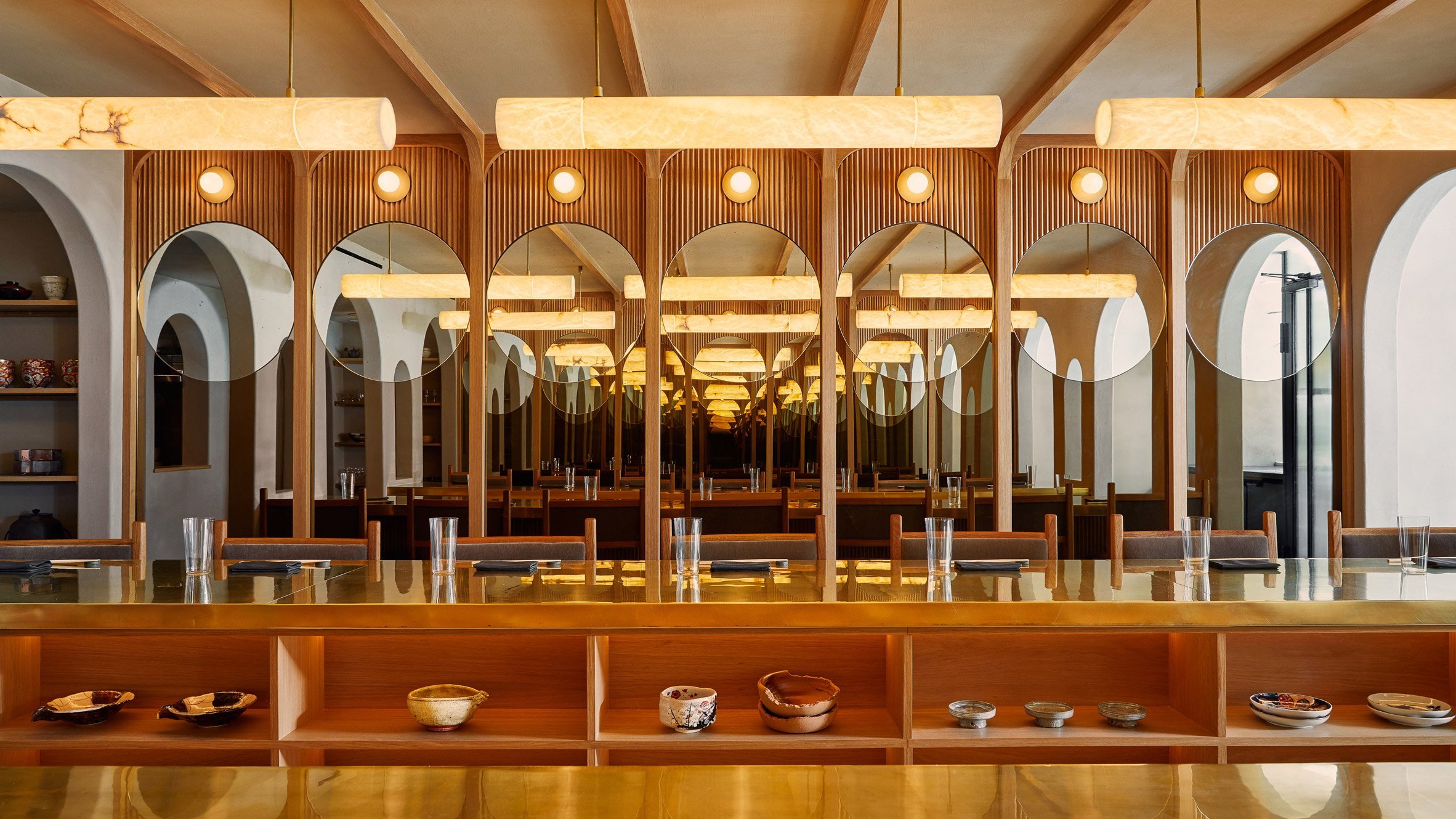
The room announces its intent immediately. Illuminated shelves of ceramics and mirrored panels are organized around the central motif of the moon, a reference to the venue's name: tsukimi translates from Japanese as moon viewing, a harvest festival honoring the moon at its fullest and brightest. This is not ambient decoration. The light-bright aesthetic shapes how you experience each course as it arrives, giving the counter a focused, ceremonial quality that separates it from the noisier end of New York's Japanese dining scene. If you are comparing on atmosphere alone, Tsukimi reads closer to odo than to a conventional omakase bar.
Chef Takinori Akayama's kaiseki progression has been described by OAD as strategic and imaginative. The format moves through whimsical seasonal courses, with documented examples including chilled caviar paired with warm scrambled eggs and potato purée, and chopped scallop matched with sea buckthorn sauce and a nori crisp. These are not hedged, crowd-pleasing combinations. The pairing of temperature contrast (chilled caviar, warm egg) and the use of sea buckthorn, a sharp, oxidative ingredient, signals a kitchen willing to take a position. For a value-seeker, that specificity matters: you are paying for a point of view, not a greatest-hits kaiseki format.
On beverage pairings, the OAD write-up is direct: stick to the à la carte sake selection rather than the paired option. That is the kind of practical steer that saves you money and likely improves your experience. A strong à la carte sake list at a kaiseki counter of this caliber is not a consolation; it is often the more considered choice, letting you match pace and pour to your own preference rather than following a pre-set progression. For reference on what sake pairings at this level look like in a Tokyo context, Myojaku and Azabu Kadowaki offer useful benchmarks.
Service is where Tsukimi separates itself from a crowded field of New York tasting-menu counters. The OAD descriptor, seamless and unaffected, is meaningful precisely because it avoids the over-choreographed presentation style that inflates the bill at several comparable venues without adding proportionate value. At a counter format, service either enhances the pacing of a meal or it becomes a source of friction. Here, the reported experience is the former. If you are choosing between tasting-menu counters in New York and service continuity matters to you, this is a material differentiator. Compare that against Noda, which operates in a similar register but with a different culinary tradition.
Operationally, Tsukimi runs a tight schedule: Wednesday through Friday from 5 PM to 8:30 PM, Saturday and Sunday from 5 PM to 8 PM, with Monday and Tuesday closed entirely. That is a five-night-per-week counter with early last seatings, which compresses booking availability significantly. The combination of limited operating hours, a Michelin star, and a rising OAD rank puts this in the hard-to-book category. Plan a minimum of three to four weeks out, more if you are targeting a Friday or Saturday.
For East Village Japanese dining at a lower price point, Blue Ribbon Sushi Izakaya, Chikarashi, and Curry-ya offer strong alternatives in the neighborhood without the commitment of a multi-course counter. But if the question is whether Tsukimi justifies the spend at the $$$$ tier, the answer is yes, provided the kaiseki counter format is what you are looking for. This is not a meal to book casually or to treat as an interchangeable tasting-menu option. The format, the pacing, and the room all require you to meet them on their own terms.
For broader planning, see our full New York City restaurants guide, our full New York City hotels guide, our full New York City bars guide, our full New York City wineries guide, and our full New York City experiences guide. If you are building a multi-city tasting-menu itinerary, comparable counter experiences worth benchmarking include Smyth in Chicago, Lazy Bear in San Francisco, Single Thread Farm in Healdsburg, and Providence in Los Angeles.
Know Before You Go
- Address: 228 E 10th St, New York, NY 10003
- Hours: Wednesday–Friday 5 PM–8:30 PM; Saturday–Sunday 5 PM–8 PM; Monday–Tuesday closed
- Price: $$$$
- Awards: Michelin 1 Star (2024); OAD Leading Restaurants in North America #205 (2025)
- Booking difficulty: Hard — reserve 3–4 weeks minimum, more for weekends
- Beverage: À la carte sake recommended over the pairing option
- Format: Kaiseki counter, multi-course tasting menu
How It Compares
Tsukimi sits in a distinct position among New York's $$$$ tasting-menu counters. Against Masa, the most expensive sushi counter in the city, Tsukimi offers a kaiseki format rather than omakase sushi, with a more accessible price point and a room that prioritizes quiet ceremony over exclusivity signaling. If sushi precision is your goal, Masa is the benchmark; if you want a seasonal Japanese progression with strong service and a more contained footprint, Tsukimi is the clearer choice.
Compared to Atomix, which runs a modern Korean tasting menu at the same price tier and holds two Michelin stars, Tsukimi trades raw prestige for a more intimate, less formally staged experience. Atomix is the stronger choice if you want a complete fine-dining production; Tsukimi is better if you want the kaiseki format with attentive but unshowy service. For French-rooted tasting menus, Le Bernardin and Per Se both offer more conventional fine-dining structures with deeper wine programs, while Eleven Madison Park operates at a scale that Tsukimi does not attempt to compete. If your priority is a focused, seasonally driven Japanese counter with a rising critical profile and service that does not get in the way, Tsukimi is the right call over any of these alternatives.
Planning details
- Hours
- Monday: closed · Tuesday: closed
- Location
- 228 E 10th St, New York, NY 10003
- Reservations
- Book on Tock
- Website
- tsukimi.nyc
- Phone
- 212-495-9024
The take
The Take
The Vibe
Tsukimi presents a restrained, contemplative dining experience built around a kaiseki counter and a deliberate light-and-reflection aesthetic. Illuminated shelves of ceramics and mirrored panels reinforce the moon-viewing concept implicit in the restaurant’s name, and the kitchen’s seasonal logic shapes every course. The writing emphasizes restraint and refinement rather than flashy technique, and the counter format focuses attention on the progression of dishes. With critical momentum that culminates in a Michelin star and high industry rankings, the room reads as quietly authoritative — intimate and considered without overt ornamentation.
Best For
Tsukimi is best for diners seeking a focused, formal tasting experience — the kind of evening that suits a date night or a special-occasion dinner. Its kaiseki format favors a paced, multi-course progression that rewards attention and an appetite for seasonal nuance, so the dining occasion centers on the meal itself rather than casual conversation or large-group socializing. Given its recognition in industry rankings and a Michelin star, this is a destination for guests who expect a disciplined, elevated dinner rather than a relaxed bar outing or family-style meal.
Ordering Tips
Treat Tsukimi as a kaiseki counter first: the kitchen constructs a seasonal, multi-course progression and restraint is part of the point. Embrace the set tasting rather than piecemeal ordering — the narrative of courses is the experience. Counter seating concentrates attention on technique and sequencing, so allow the service to guide the pace and expect a quietly formal rhythm. Because the menu is organized around seasonal logic, repeat visits will likely offer substantially different dishes; approach your meal ready to follow the chef’s structure and to savor small, precisely rendered courses.
Venue details
Ambiance
Light-bright aesthetic with illuminated ceramics, mirrored panels, and a serene, hushed atmosphere.
Tags
Vibe
Best For
Experience
At the Table
- Dress Code
- Business Casual
- Noise Level
- Quiet
- Service Style
- Formal
- Meal Pacing
- Leisurely
- Capacity
- Intimate
Know before you go
Know Before You Go
- Getting there
- 228 E 10th St, New York, NY 10003
Planning details
Hours
- Monday
- closed
- Tuesday
- closed
- Wednesday
- 5 PM-8:30 PM
- Thursday
- 5 PM-8:30 PM
- Friday
- 5 PM-8:30 PM
- Saturday
- 5 PM-8 PM
- Sunday
- 5 PM-8 PM
Location
Recognition and awards

Also consider
Also Consider
- Le Bernardin, French, Seafood, $$$$
- Atomix, Modern Korean, Korean, $$$$
- Per Se, French, Contemporary, $$$$
- Masa, Sushi, Japanese, $$$$
- Eleven Madison Park, French, Vegan, $$$$
Restaurant context
Tsukimi sits in a distinct position among New York's $$$$ tasting-menu counters. Against Masa, the most expensive sushi counter in the city, Tsukimi offers a kaiseki format rather than omakase sushi, with a more accessible price point and a room that prioritizes quiet ceremony over exclusivity signaling. If sushi precision is your goal, Masa is the benchmark; if you want a seasonal Japanese progression with strong service and a more contained footprint, Tsukimi is the clearer choice.
Compared to Atomix, which runs a modern Korean tasting menu at the same price tier and holds two Michelin stars, Tsukimi trades raw prestige for a more intimate, less formally staged experience. Atomix is the stronger choice if you want a complete fine-dining production; Tsukimi is better if you want the kaiseki format with attentive but unshowy service. For French-rooted tasting menus, Le Bernardin and Per Se both offer more conventional fine-dining structures with deeper wine programs, while Eleven Madison Park operates at a scale that Tsukimi does not attempt to match.
If your priority is a focused, seasonally driven Japanese counter with a rising critical profile and service that does not overshadow the food, Tsukimi is the right call over any of these alternatives. The value case is clearest for diners who specifically want kaiseki rather than omakase sushi or European tasting-menu formats. For broader comparison across New York's Japanese dining options, including lower price points, see our full New York City restaurants guide.
Explore New York City
Around this place
Discover more on Pearl
Unlock the full Tsukimi guide in Pearl, including awards, comparisons, FAQs, planning details, and nearby places.
Compare Tsukimi
| Venue | Cuisine | Price | Awards | Booking Difficulty |
|---|---|---|---|---|
| Tsukimi | Japanese | $$$$ | 2026 OAD Top Restaurants in North America Recommended2025 OAD Top Restaurants in North America Ranked · #2052025 Michelin 1 Star2024 OAD Top Restaurants in North America Ranked · #3022024 Michelin 1 Star2023 OAD Top Restaurants in North America Highly Recommended | Hard |
| Le Bernardin | French, Seafood | $$$$ | 2026 Eater NY 38 Best Restaurants in New York City · #82026 North America's 50 Best Restaurants · #132026 New York Times Best Restaurants in New York City · #212026 OAD Top Restaurants in North America Ranked · #342026 Forbes 5-Star2026 La Liste Top RestaurantsAAA Diamonds Top 10 Restaurants 20262026 Wine Spectator Grand Award2026 Les Grandes Tables du Monde Members | Unknown |
| Atomix | Modern Korean, Korean | $$$$ | 2026 OAD Top Restaurants in North America Ranked · #62026 New York Times Best Restaurants in New York City · #72026 North America's 50 Best Restaurants · #7Star Wine Lists 20262026 Les Grandes Tables du Monde Members2026 La Liste Top Restaurants2025 World's 50 North America's Best Restaurants · #12025 James Beard Awards · #12025 New York Times Best Restaurants in New York City · #2 | Unknown |
| Per Se | French, Contemporary | $$$$ | 2026 OAD Top Restaurants in North America Ranked · #292026 Forbes 5-Star2026 Relais Chateaux Restaurants2026 Wine Spectator Grand AwardAAA Diamonds Top 10 Restaurants 20262026 Les Grandes Tables du Monde Members2026 La Liste Top Restaurants2025 Robb Report 100 Greatest American Restaurants of the 21st Century · #102025 OAD Top Restaurants in North America Ranked · #92 | Unknown |
| Masa | Sushi, Japanese | $$$$ | 2026 OAD Top Restaurants in North America Ranked · #922026 Forbes 5-Star2026 OAD Top Restaurants in North America Recommended2026 La Liste Top Restaurants2025 OAD Top Restaurants in North America Ranked · #672025 Robb Report 100 Greatest American Restaurants of the 21st Century · #862025 Michelin 2 Stars2025 La Liste Top Restaurants2025 Forbes 5-Star | Unknown |
| Eleven Madison Park | French, Vegan | $$$$ | Star Wine Lists 2026 · #12026 OAD Top Restaurants in North America Ranked · #472026 Forbes 5-Star2026 Relais Chateaux RestaurantsAAA Diamonds Top 10 Restaurants 20262026 Wine Spectator Grand Award2026 Les Grandes Tables du Monde Members2026 La Liste Top Restaurants2025 Robb Report 100 Greatest American Restaurants of the 21st Century · #3 | Unknown |













How Tsukimi stacks up against the competition.
FAQ
Frequently Asked Questions
Can I eat at the bar at Tsukimi?
Tsukimi is a counter-format restaurant, so every seat is at the bar — that is the experience. There is no separate dining room or à la carte bar option. You book the counter, you commit to the kaiseki progression. If counter dining is not your format, this is not your venue.
Is the tasting menu worth it at Tsukimi?
At the $$$$ price point, Tsukimi earns its cost for diners who want restrained, seasonal kaiseki rather than showmanship. Opinionated About Dining ranked it #205 in North America in 2025 and it holds a Michelin star, which puts it among the most credentialed tasting counters in the city. Skip it if you want a la carte flexibility — Tsukimi is a commit-to-the-progression-or-don't experience.
What should a first-timer know about Tsukimi?
Tsukimi runs Wednesday through Sunday with a narrow service window — sessions start at 5 PM and the kitchen closes by 8 or 8:30 PM depending on the night. The format is kaiseki: a set seasonal progression, no substitutions. Beverage pairing is available, but the sake selection is strong enough that ordering à la carte drinks is the better call according to Opinionated About Dining's review.
Is Tsukimi good for solo dining?
Yes — counter-format restaurants like Tsukimi are among the best formats for solo dining in New York. You are seated at the counter regardless of party size, so a solo guest gets the full experience without the awkwardness of a table-for-one setup. It is one of the cleaner arguments for booking alone at the $$$$ tier.
Is lunch or dinner better at Tsukimi?
Tsukimi does not serve lunch — hours are dinner-only, Wednesday through Sunday, starting at 5 PM. There is no lunch decision to make. If your schedule only allows daytime dining, this is not the right venue.