


Sobaya
Japanese · East Village, New York City
Restaurant in New York City, United States
 Book with Pearl
The Read
Buckwheat Counter Tradition
Price
$20–30per person
Chef
Various
Dress
Casual
Why go
Sobaya is a Michelin Bib Gourmand soba and udon restaurant in the East Village, recognised by Opinionated About Dining three years running. At the $ price tier with easy walk-in availability at lunch, it delivers technically serious Japanese noodle work in a calm, spare room. One of the most defensible value options in New York City's Japanese dining scene.
About Sobaya
Verdict
Sobaya is one of the East Village's most consistent Japanese noodle restaurants, and if you are coming back for a second visit, the short answer is: yes, it is worth returning. The buckwheat soba and udon hold up across visits because the kitchen prioritises technique over novelty. Holding a Michelin Bib Gourmand (2024), a Pearl Recommended rating (2025), and an Opinionated About Dining Casual ranking of #502 in North America (2025), this is a restaurant that earns repeat business rather than just first-time curiosity. At the $ price tier, it is also one of the most defensible value plays in the city's Japanese dining scene.
Portrait
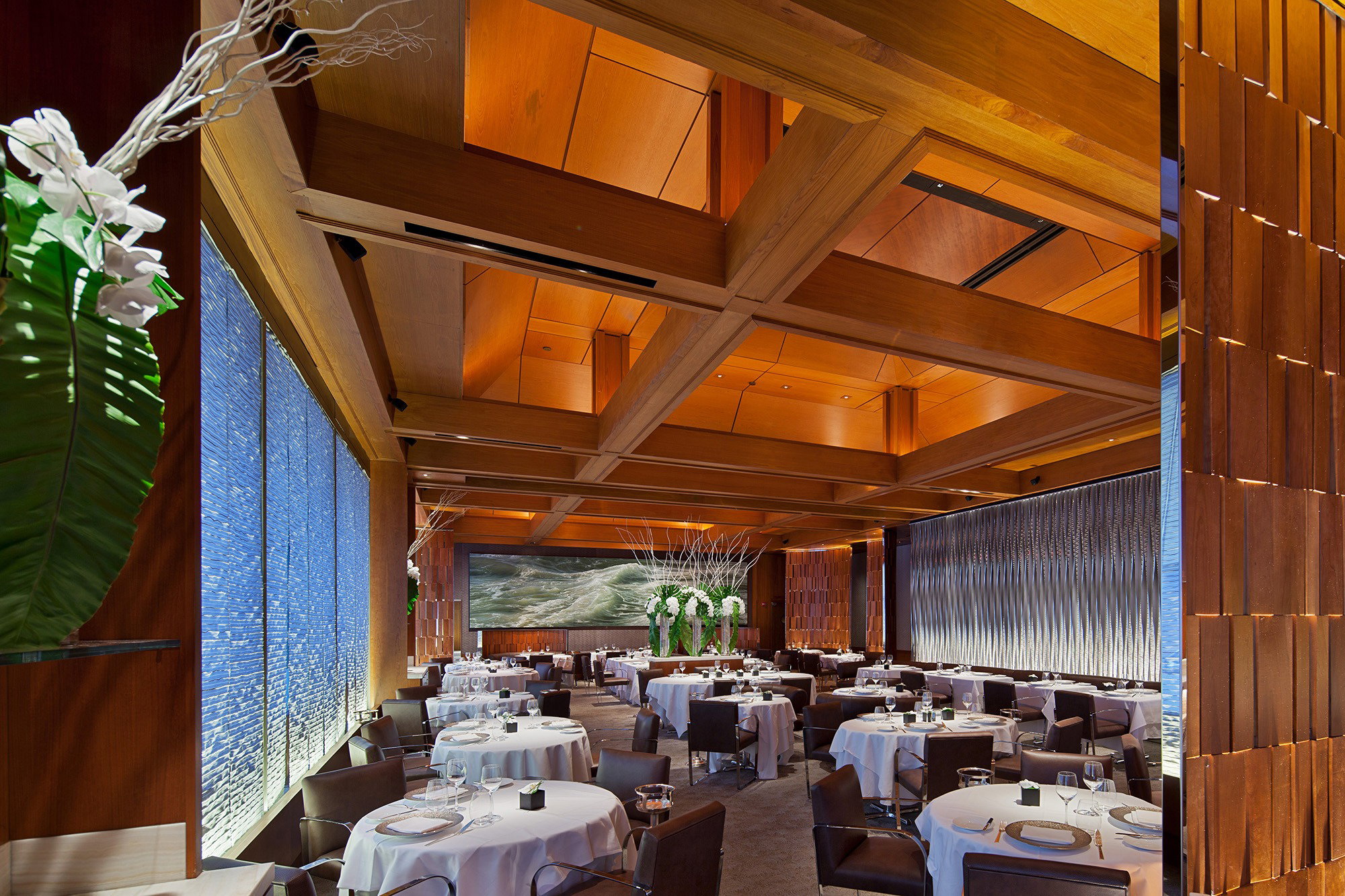
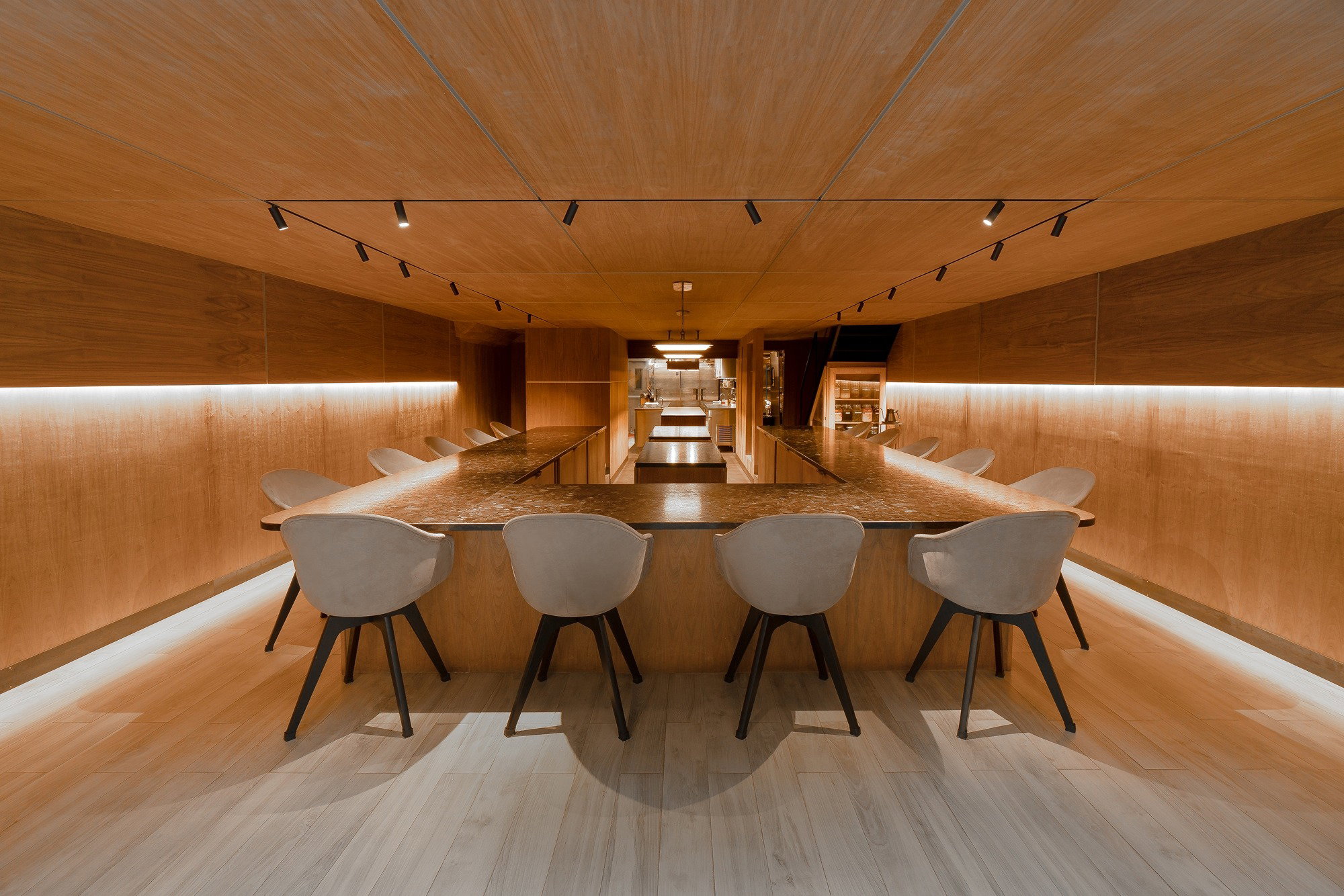
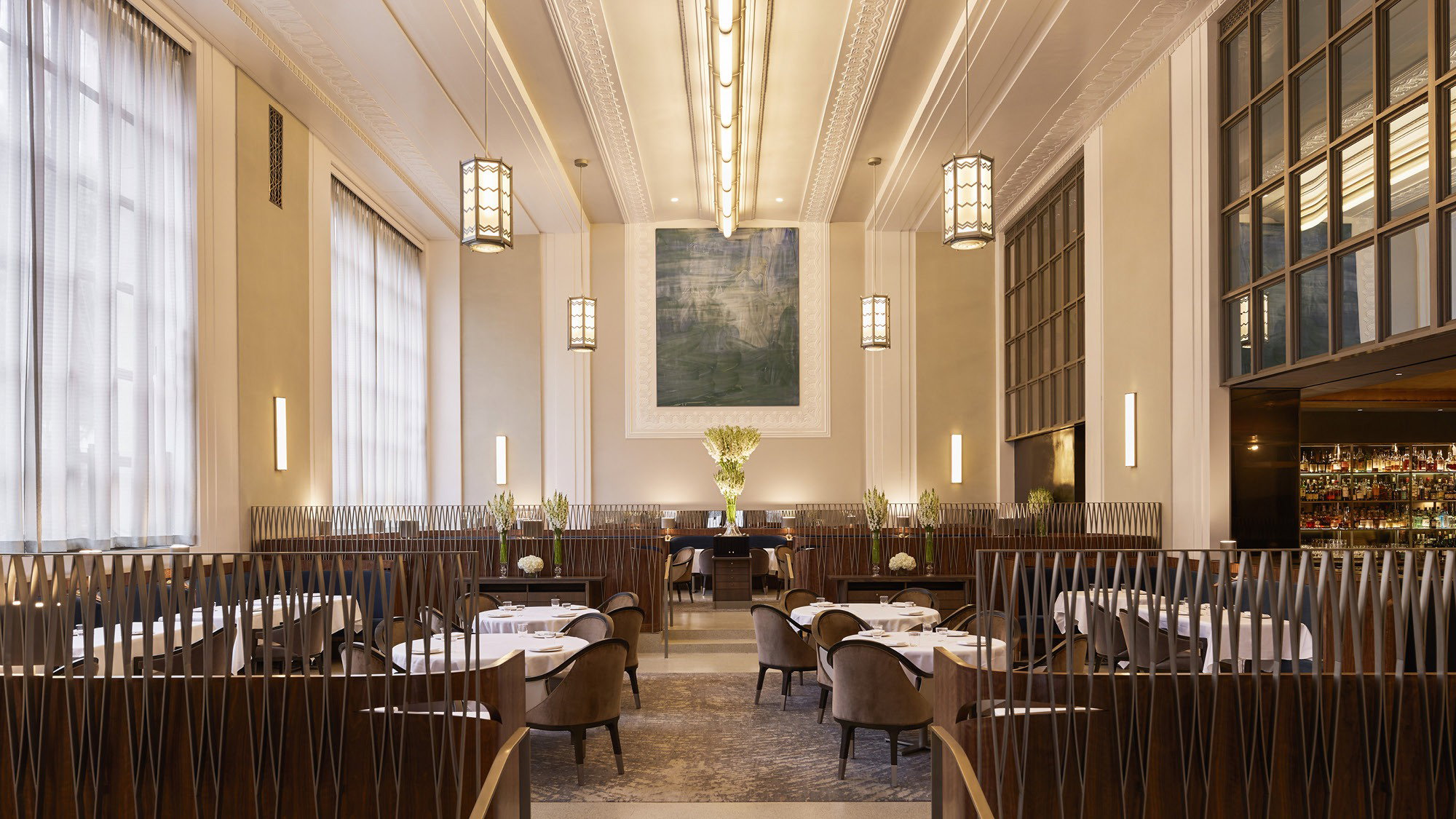
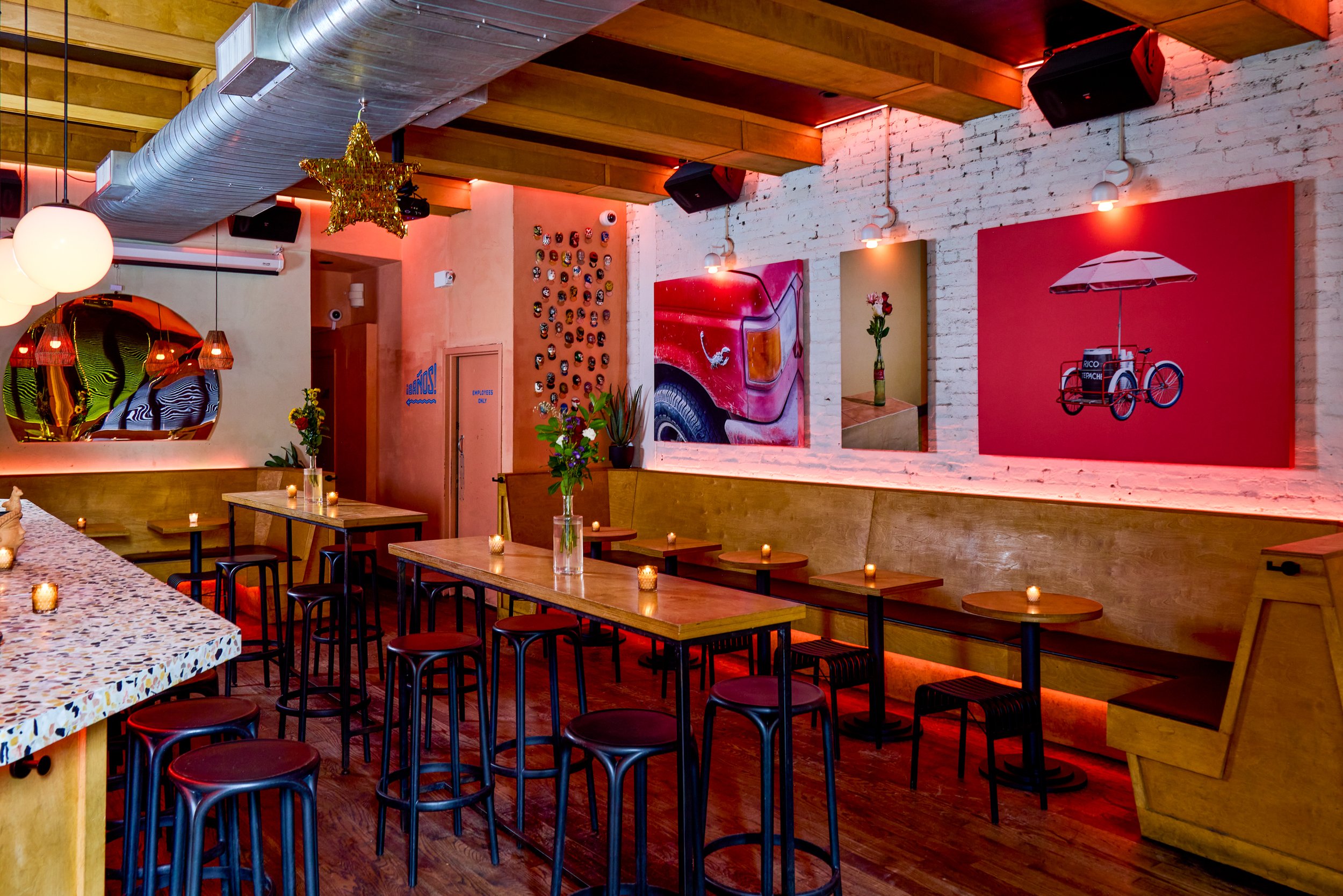
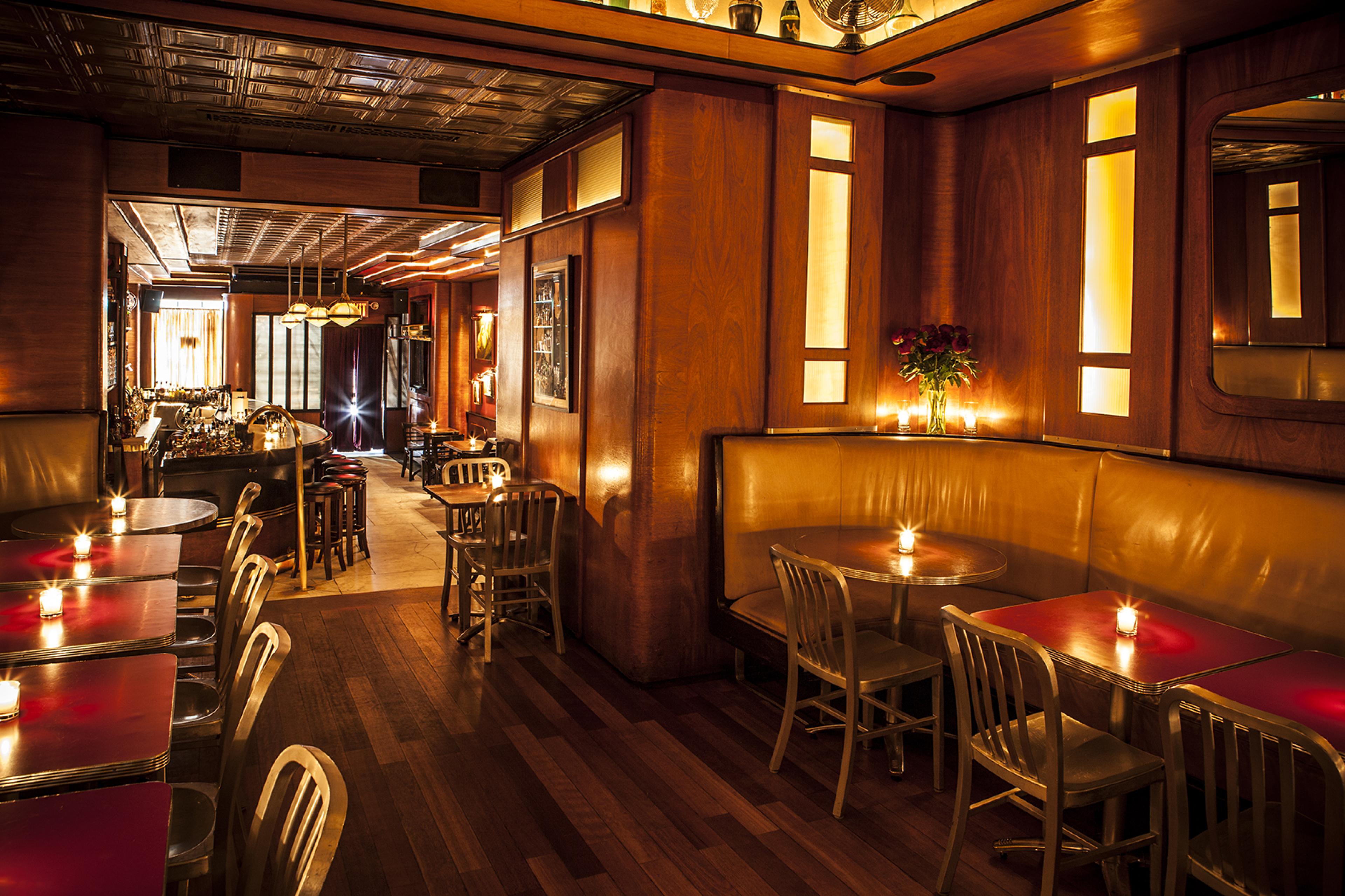
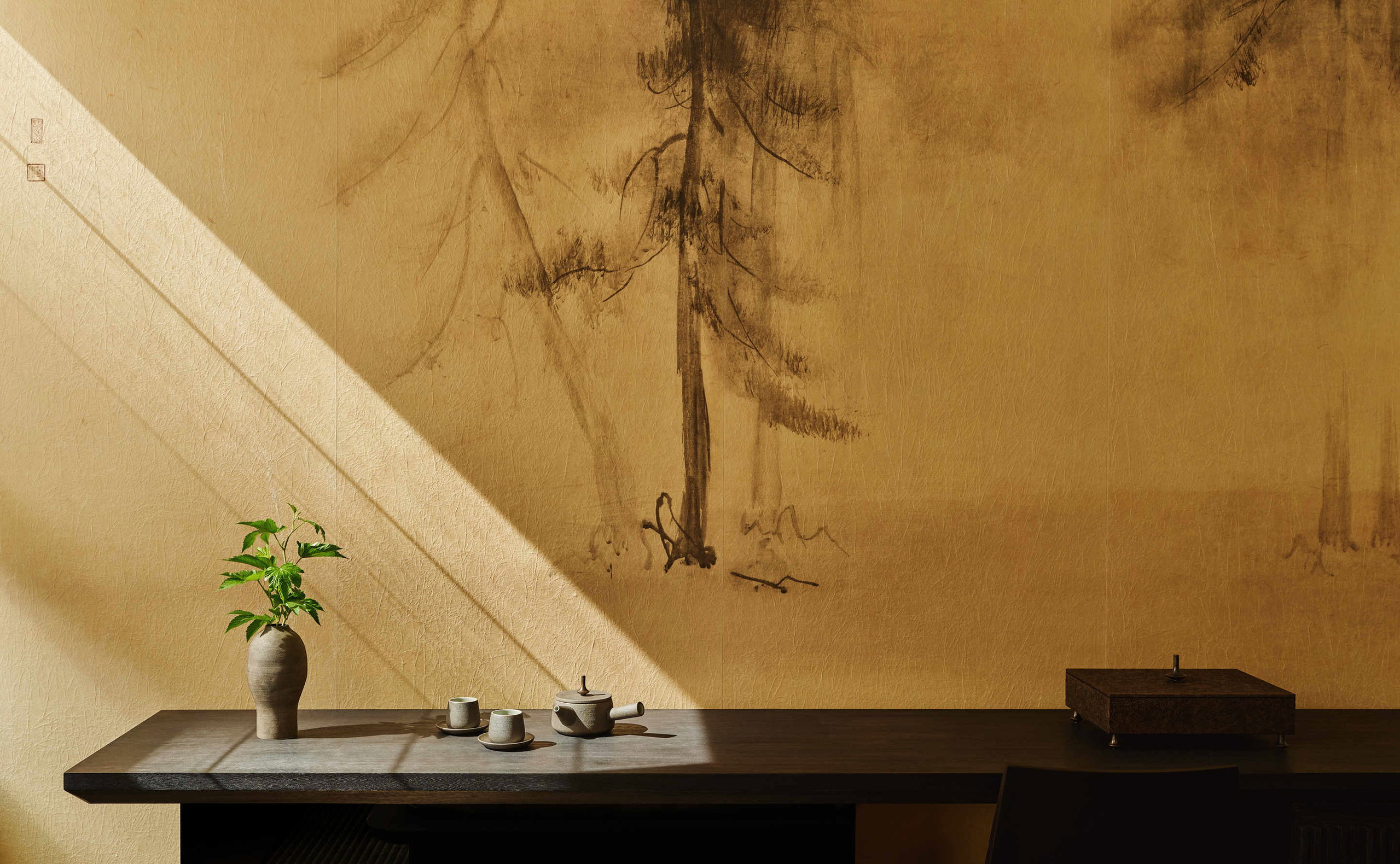
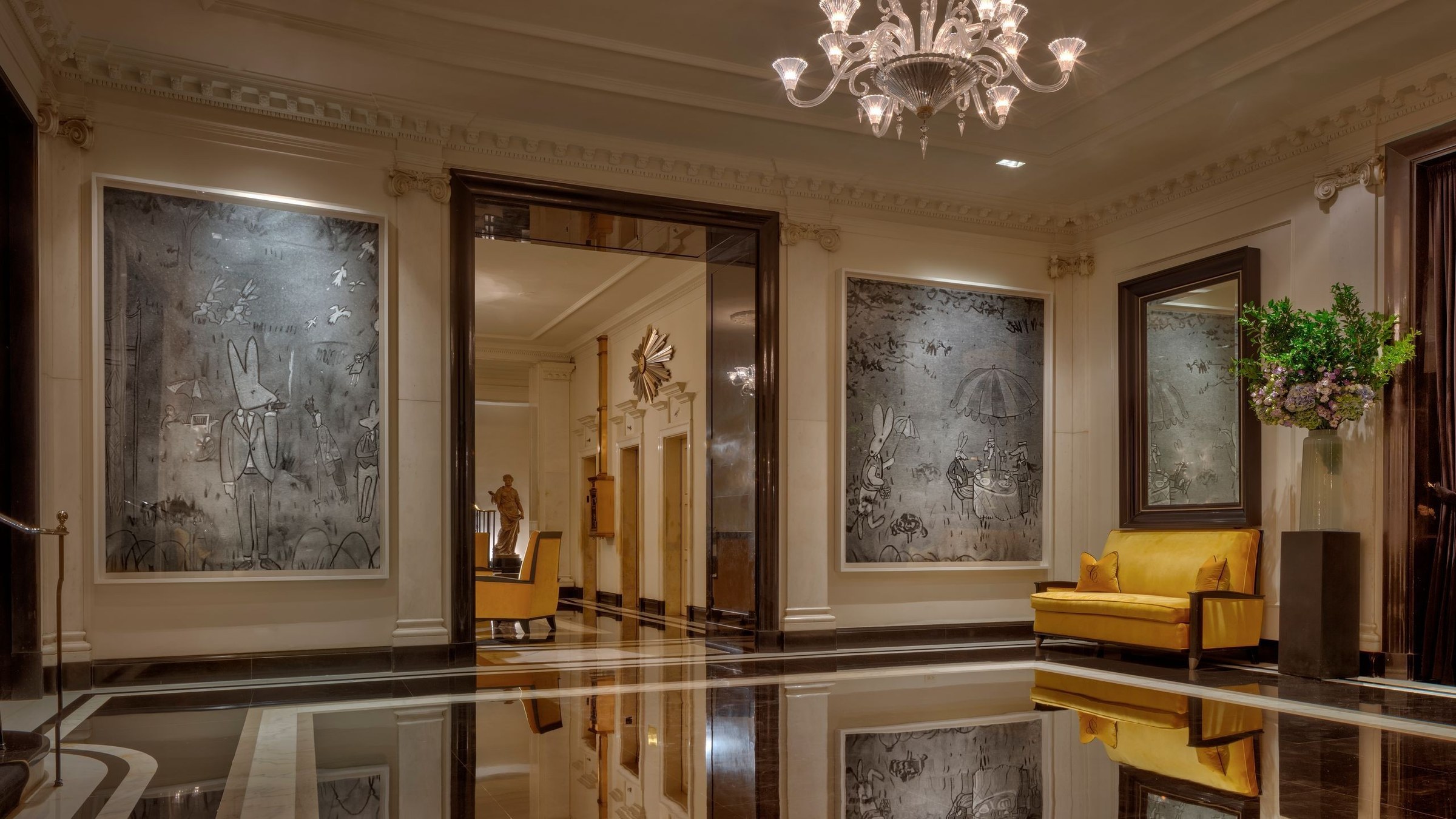
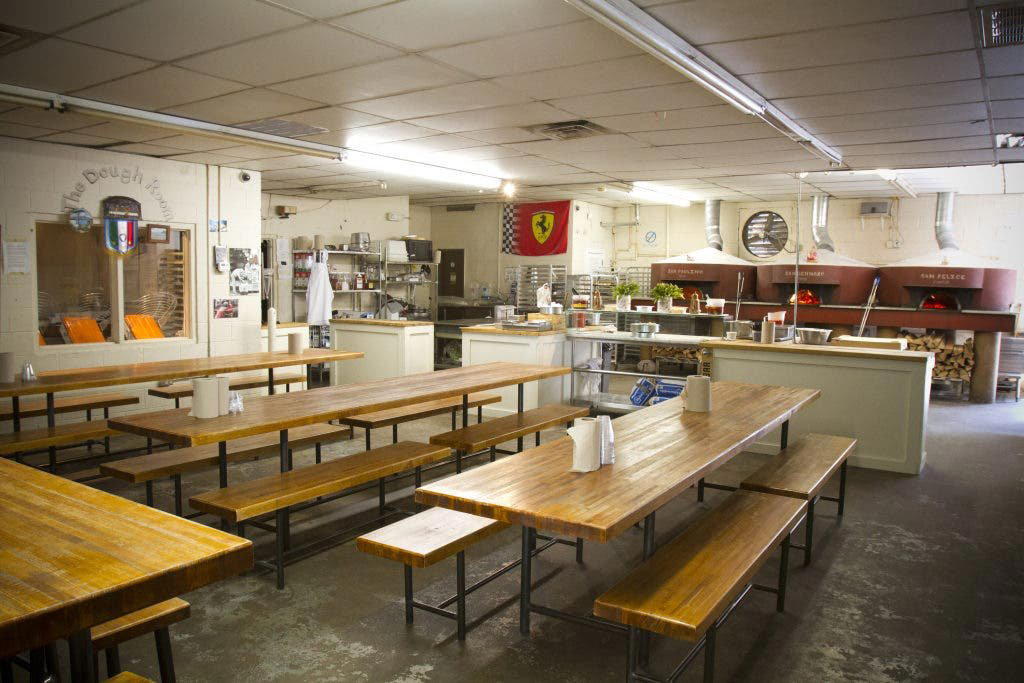
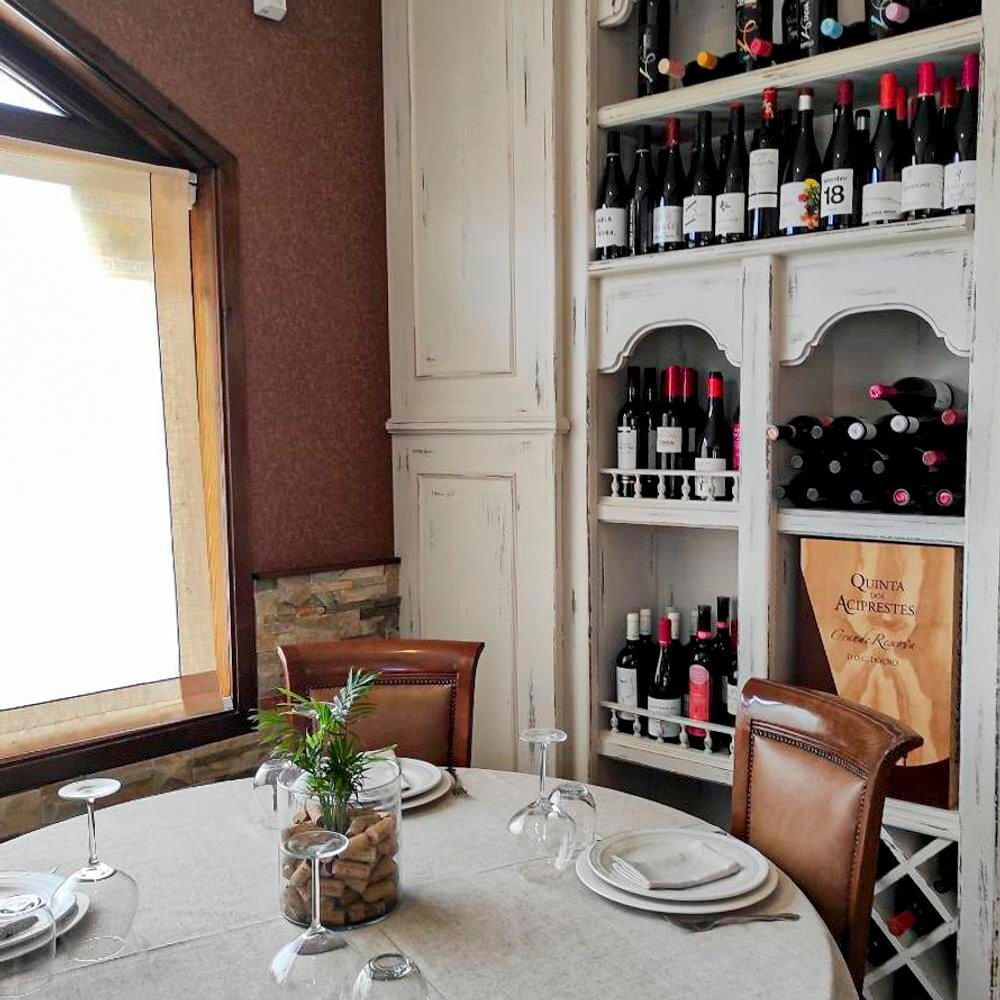
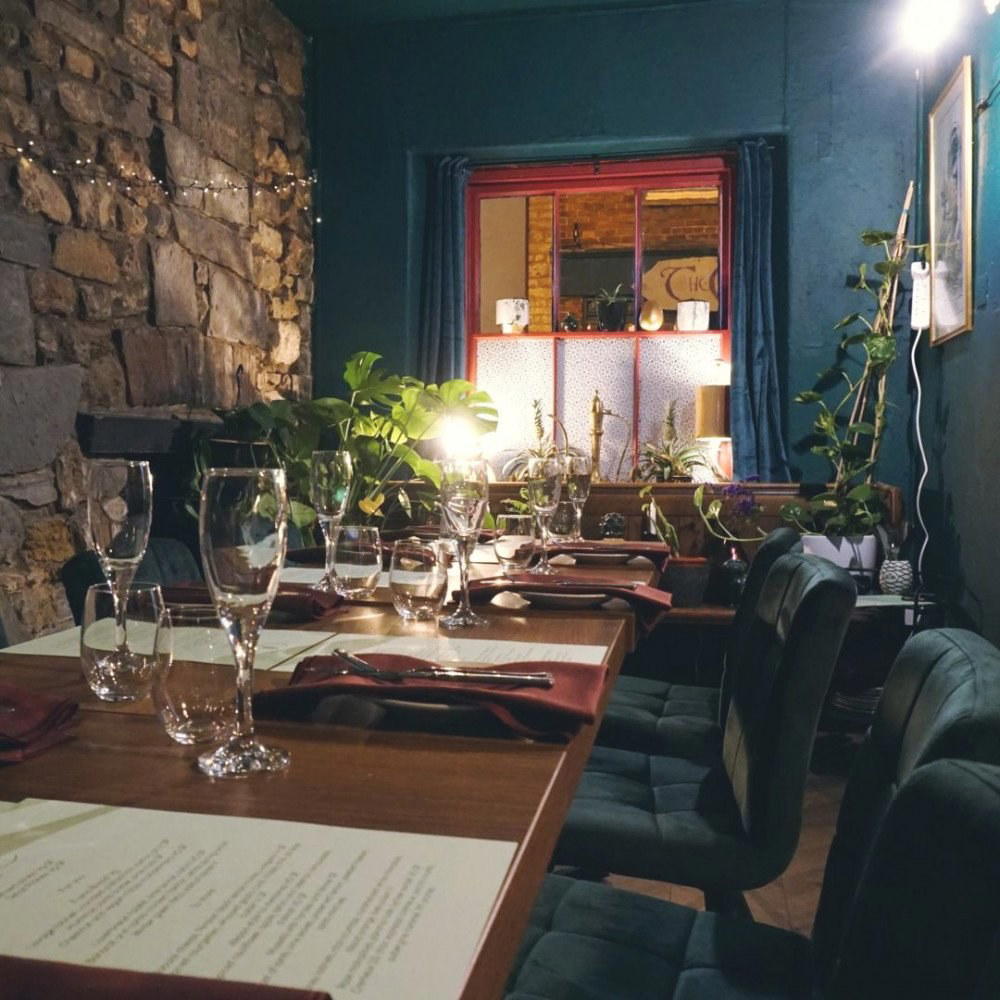
Walk into Sobaya on a weekday lunch and the room does the first work for you: simply appointed, quiet, service that arrives without theatre. The visual cue here is restraint — spare tables, clean sightlines, a dining space that communicates exactly what the kitchen is trying to do. This is not a room designed to impress on a first date through spectacle. It is the kind of room you notice more on a second visit, once you stop expecting something it was never trying to be.
Co-owner Bon Yagi runs several Japanese establishments in New York, and his consistent position across them is authenticity over flash. At Sobaya, that translates into a kitchen that takes buckwheat soba seriously as a craft rather than a backdrop. The OAD recognition across three consecutive years, from Highly Recommended (2023) to a ranked position in 2024 and 2025, reflects sustained quality rather than a one-season spike. That kind of trajectory is a useful signal: the kitchen is not coasting.
Seasonality shapes what you eat here. The awards record references a warm soba preparation with plump pickled oysters, mountain yam, cilantro, and tempura root vegetables — a dish that signals a kitchen thinking carefully about how noodles interact with the season rather than serving the same bowl year-round. In the current season, the expectation is that the noodle menu shifts to reflect what is available, which makes this a restaurant where a return visit can genuinely offer something different from your first. An opening course of uni with grated mountain yam, wasabi, and toasted nori points to a kitchen that treats starters as part of the meal rather than obligatory filler.
Service is noted as quiet and well-timed, which matters more than it sounds at this price point. At $ per head, you do not expect much beyond competent food delivery, but Sobaya's service reading across its awards citations is consistently calm and considered. That makes it a functional option for a low-key date or a business lunch where the conversation needs to carry the room.
On Takeout and Delivery
Soba and udon are among the more fragile noodle formats for off-premise dining. Both styles are served in broth or dipping sauce and are highly time-sensitive: the noodle texture degrades quickly once it leaves the kitchen, and the temperature differential between broth and noodle is hard to maintain in transit. If you are weighing Sobaya as a delivery or takeout option, the honest framing is this: the in-restaurant experience is the version this kitchen is optimised for. The quiet room and well-timed service are part of what you are paying for, and neither travels. For a special occasion or a date, the dine-in format is the right call. If takeout is your only option, manage expectations around noodle texture specifically, this is a category-wide constraint, not a Sobaya-specific failing. For Japanese food that travels more reliably, formats like donburi or bento-style preparations generally hold better than fresh-pulled noodle dishes.
For Special Occasions
Sobaya is not a destination for milestone celebrations that require ceremony. There is no tasting menu format here, no theatrical presentation, no sommelier. What it offers for a special occasion is a different kind of quality: a meal that is well-executed, calm, and not expensive. For a birthday dinner where the point is good food and easy conversation rather than event dining, it works well. For a first anniversary or a marriage proposal dinner, look elsewhere, try odo or Noda for Japanese dining at a register where the room and service are scaled to the occasion.
For a low-key date or a casual business lunch with a Japanese food-focused colleague, Sobaya's quiet room and serious noodle work make it a strong choice. The $ price point means no one is doing mental arithmetic through the meal, which helps.
Ratings and Recognition
- Michelin Bib Gourmand (2024)
- Pearl Recommended Restaurant (2025)
- Opinionated About Dining Casual in North America, Ranked #502 (2025)
- Opinionated About Dining Casual in North America, Ranked #368 (2024)
- Opinionated About Dining Casual in North America, Highly Recommended (2023)
Practical Details
Address: 229 E 9th St, New York, NY 10003. Hours: Monday–Thursday 12–9 pm; Friday–Saturday 12–10 pm; Sunday 12–8 pm. Price tier: $, budget-friendly across the menu. Reservations: Easy; walk-in friendly at lunch on weekdays. Dress: No code; casual is entirely appropriate. Booking difficulty: Low, this is not a hard table to get.
How It Compares
See the comparison section below for how Sobaya sits against New York City's broader Japanese and fine dining options.
Explore More in New York City
For more Japanese options in the East Village and beyond, see Tsukimi, Blue Ribbon Sushi Izakaya, and Chikarashi. For the full picture of what to eat, drink, and do in the city, browse our full New York City restaurants guide, our full New York City hotels guide, our full New York City bars guide, our full New York City wineries guide, and our full New York City experiences guide. If you are planning broader US trips around serious food, Pearl also covers Emeril's in New Orleans, Lazy Bear in San Francisco, Alinea in Chicago, Single Thread Farm in Healdsburg, The French Laundry in Napa, and Providence in Los Angeles. For Japanese dining in Tokyo, see Myojaku and Azabu Kadowaki.
Planning details
- Hours
- Monday: 12–9 pm · Tuesday: 12–9 pm
- Location
- 229 E 9th St, New York, NY 10003
- Website
- sobaya-nyc.com
- Phone
- (212) 533-6966
The take
The Take
The Vibe
Sobaya reads like a focused soba-ya dropped into the East Village; it emphasizes technique and restraint rather than showy reinterpretation. The profile repeatedly frames the experience as quieter and more exacting—attention to buckwheat ratios, knife cuts and dashi temperature gives the place a calm, disciplined character. Critical recognition (a Michelin Bib Gourmand and repeated placements on a casual dining list) sits alongside a steady, loyal clientele, so the room feels quietly confident rather than trendy. The result is an unflashy, craft-forward spot that rewards diners looking for a precise, traditional noodle experience in an otherwise noisy neighborhood scene.
Best For
Sobaya is best for diners who want a focused, low-key meal centered on Japanese noodle craft. The kitchen’s fidelity to soba technique makes it appealing to repeat visitors and to anyone who values a restrained, traditional presentation over fusion-style reinvention. It fits casual hangouts and intimate meals—particularly for folks who appreciate the subtleties of buckwheat-based noodles and quietly executed dashi. Given its critical accolades and steady review base, it also suits people seeking reliable, well-made soba rather than a buzzy, experimental night out.
Ordering Tips
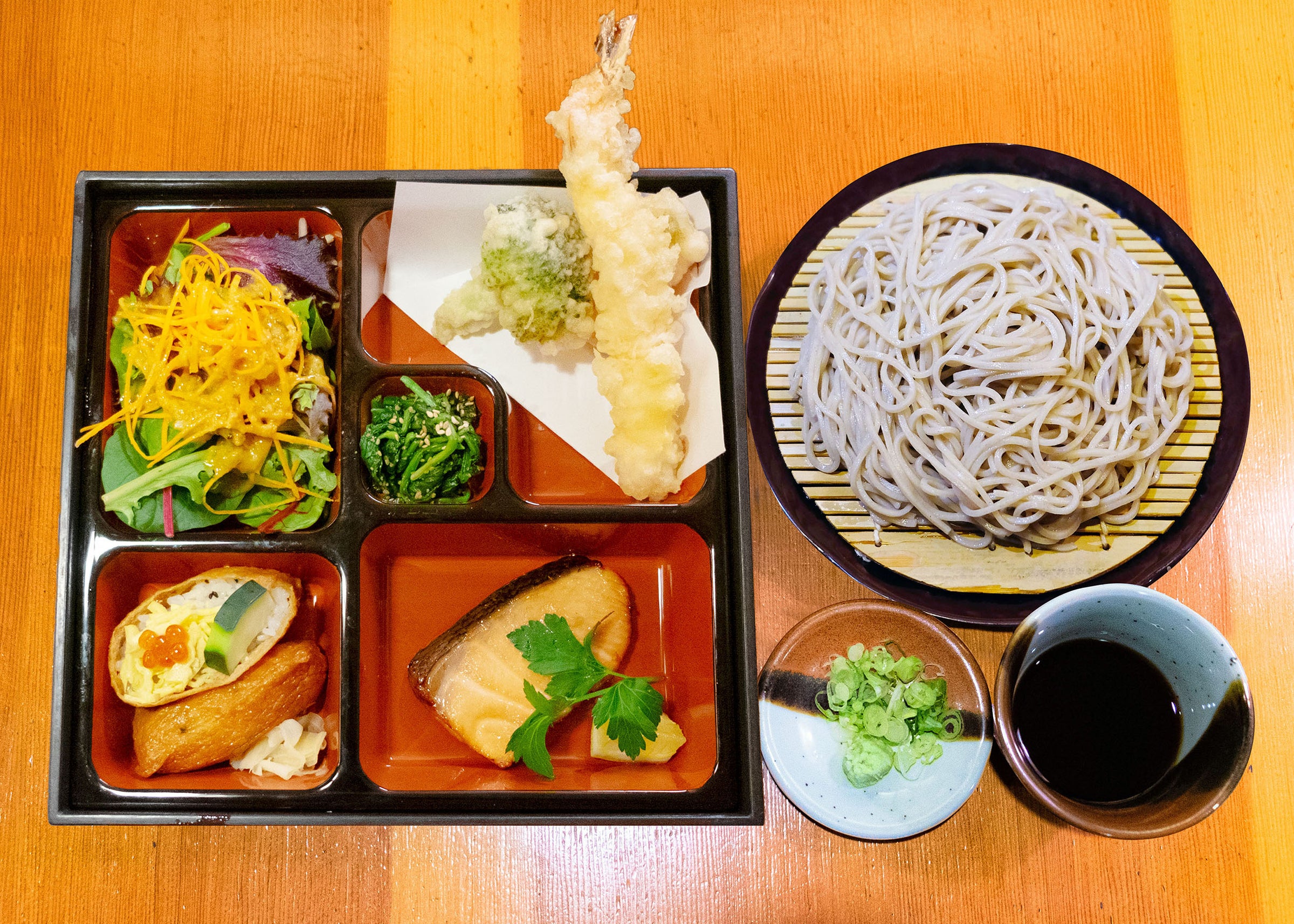
Start with the straightforward preparations that show off technique: Zaru Soba is the clearest introduction to the house’s buckwheat-to-wheat balance and precise cutting. For richer, meat-accented noodle options, the Kamo Seiro and Kamo Nanban showcase duck with soba in different treatments. If you want a non-noodle signature, the Una Ju represents the restaurant’s take on eel and rice. Pay attention to texture and temperature—the writeup emphasizes dashi temperature and broth restraint—so order simply and judge the place by how cleanly the noodles and dipping sauces communicate that craft.
Venue details
Ambiance
Cozy and calm with a genuine Japanese atmosphere, simply appointed dining space, and quiet, well-timed service.
Tags
Vibe
Best For
Experience
Accessibility
At the Table
- Dress Code
- Casual
- Noise Level
- Conversational
- Service Style
- Upscale Casual
- Meal Pacing
- Standard
- Capacity
- Intimate
- Kitchen
- Traditional
- Menu Format
- A la carte
- Wine Program
- Standard
- Outdoor Seating
- Yes
Signature Dishes
- Zaru Soba
- Kamo Seiro
- Kamo Nanban
- Una Ju
Know before you go
Know Before You Go
- Getting there
- 229 E 9th St, New York, NY 10003
Planning details
Hours
- Monday
- 12–9 pm
- Tuesday
- 12–9 pm
- Wednesday
- 12–9 pm
- Thursday
- 12–9 pm
- Friday
- 12–10 pm
- Saturday
- 12–10 pm
- Sunday
- 12–8 pm
Location
Recognition and awards

Also consider
Also Consider
- Le Bernardin, French, Seafood, $$$$
- Atomix, Modern Korean, Korean, $$$$
- Eleven Madison Park, French, Vegan, $$$$
- Masa, Sushi, Japanese, $$$$
- Per Se, French, Contemporary, $$$$
Restaurant context
Sobaya and the comparison venues below are not really competing for the same booking. Le Bernardin, Atomix, Eleven Madison Park, Masa, and Per Se all sit at $$$$ and require advance planning, formal or near-formal dress, and a commitment to a multi-hour meal. Sobaya is $, casual, walk-in friendly at lunch, and built around a single focused format. The only meaningful overlap is in the Japanese category, where Masa represents the opposite end of the spectrum: a sushi counter where the per-head spend can exceed $1,000 and booking is a multi-week project. Sobaya's Michelin Bib Gourmand versus Masa's three Michelin stars tells you everything about who each restaurant is for.
If your decision is specifically about Japanese dining in New York, the calculus is straightforward. Sobaya is the right choice when the priority is a precise, affordable, low-effort meal, particularly at lunch. Masa is the right choice when budget is secondary and you want the most technically demanding Japanese omakase experience available in the city. There is no scenario where Sobaya and Masa are interchangeable options for the same diner on the same occasion. For occasion dining in the $$$$ Japanese tier, start with odo or Noda before committing to Masa's price point.
Among the $$$$ French options, Le Bernardin and Per Se are relevant only as a contrast: both require weeks of advance booking and formal dress, and both deliver a fundamentally different kind of dining experience. Eleven Madison Park and Atomix are similarly in a separate tier. If your question is which New York restaurant to book for a serious celebration dinner, the $$$$ options are the relevant frame. If your question is where to eat well without friction or significant spend, Sobaya answers that question more directly than any of them.
Explore New York City
Around this place
Discover more on Pearl
Unlock the full Sobaya guide in Pearl, including awards, comparisons, FAQs, planning details, and nearby places.
Compare Sobaya
| Venue | Cuisine | Price | Booking Difficulty | Awards |
|---|---|---|---|---|
| Sobaya | Japanese | $ | Easy | 2026 OAD Casual in North America Recommended2025 OAD Casual in North America Ranked · #5022025 Michelin Bib Gourmand2024 OAD Casual in North America Ranked · #3682024 Michelin Bib Gourmand2023 OAD Casual in North America Highly RecommendedPearl Recommended Restaurants |
| Le Bernardin | French, Seafood | $$$$ | Unknown | 2026 Eater NY 38 Best Restaurants in New York City · #82026 North America's 50 Best Restaurants · #132026 New York Times Best Restaurants in New York City · #212026 OAD Top Restaurants in North America Ranked · #342026 Forbes 5-Star2026 La Liste Top RestaurantsAAA Diamonds Top 10 Restaurants 20262026 Wine Spectator Grand Award2026 Les Grandes Tables du Monde Members |
| Atomix | Modern Korean, Korean | $$$$ | Unknown | 2026 OAD Top Restaurants in North America Ranked · #62026 New York Times Best Restaurants in New York City · #72026 North America's 50 Best Restaurants · #7Star Wine Lists 20262026 Les Grandes Tables du Monde Members2026 La Liste Top Restaurants2025 World's 50 North America's Best Restaurants · #12025 James Beard Awards · #12025 New York Times Best Restaurants in New York City · #2 |
| Eleven Madison Park | French, Vegan | $$$$ | Unknown | Star Wine Lists 2026 · #12026 OAD Top Restaurants in North America Ranked · #472026 Forbes 5-Star2026 Relais Chateaux RestaurantsAAA Diamonds Top 10 Restaurants 20262026 Wine Spectator Grand Award2026 Les Grandes Tables du Monde Members2026 La Liste Top Restaurants2025 Robb Report 100 Greatest American Restaurants of the 21st Century · #3 |
| Masa | Sushi, Japanese | $$$$ | Unknown | 2026 OAD Top Restaurants in North America Ranked · #922026 Forbes 5-Star2026 OAD Top Restaurants in North America Recommended2026 La Liste Top Restaurants2025 OAD Top Restaurants in North America Ranked · #672025 Robb Report 100 Greatest American Restaurants of the 21st Century · #862025 Michelin 2 Stars2025 La Liste Top Restaurants2025 Forbes 5-Star |
| Per Se | French, Contemporary | $$$$ | Unknown | 2026 OAD Top Restaurants in North America Ranked · #292026 Forbes 5-Star2026 Relais Chateaux Restaurants2026 Wine Spectator Grand AwardAAA Diamonds Top 10 Restaurants 20262026 Les Grandes Tables du Monde Members2026 La Liste Top Restaurants2025 Robb Report 100 Greatest American Restaurants of the 21st Century · #102025 OAD Top Restaurants in North America Ranked · #92 |













Side-by-side comparison to help you decide where to book.
FAQ
Frequently Asked Questions
Is lunch or dinner better at Sobaya?
Lunch is the stronger call for first-timers. The room is quieter midday and the kitchen is running full hours Monday through Sunday from noon. Friday and Saturday dinner extends to 10 pm if evenings suit better, but the experience does not meaningfully change between the two services at a $ price-point spot like this.
Does Sobaya handle dietary restrictions?
Soba and udon menus typically carry fish-based broths, and the awards notes reference dishes with seafood components like pickled oysters and uni — so pescatarian and omnivore diners are well-served. Strict vegetarians or those with gluten restrictions should ask specifically, since buckwheat soba sometimes contains wheat and dashi is rarely vegan by default. The venue data does not confirm dedicated allergen protocols, so call ahead if this is a hard requirement.
What should I wear to Sobaya?
Come as you are. Sobaya is a $ East Village noodle restaurant with a simply appointed dining room — no dress code applies. Casual everyday clothes are entirely appropriate, and anything more formal would be out of place.
What should a first-timer know about Sobaya?
The focus here is buckwheat soba and udon, and that is essentially the whole menu — come expecting a noodle-led meal, not a broad Japanese izakaya format. Sobaya holds a Michelin Bib Gourmand (2024) and ranked #368 on Opinionated About Dining's Casual North America list in 2024, which signals consistent execution rather than hype. Co-owner Bon Yagi runs several East Village Japanese spots and favors traditional aesthetics and quiet service over theatrics.
What are alternatives to Sobaya in New York City?
For soba and Japanese noodles in the same neighborhood, the body context points to Tsukimi and Chikarashi as nearby comparisons. If you want a broader Japanese dining experience with more range, Blue Ribbon Sushi Izakaya offers an izakaya format at a higher price point. Sobaya holds an edge for value — Michelin Bib Gourmand at $ pricing is a difficult combination to beat in New York City.
Is the tasting menu worth it at Sobaya?
There is no tasting menu at Sobaya. This is a casual noodle restaurant, not an omakase or multi-course format venue. If a structured tasting progression is what you are after, look elsewhere — Sobaya's format is order-from-the-menu, eat well, leave satisfied.
What should I order at Sobaya?
The buckwheat soba is the reason Sobaya holds a Michelin Bib Gourmand and ranks on Opinionated About Dining's Casual North America list — order it. The awards notes reference seasonal soba preparations and udon as consistent standouts. Beyond specific dish names, which are not confirmed in the venue data, lead with soba and let the season guide the rest.