
Odre
Korean · East Village, New York City
Restaurant in New York City, United States
 Book with Pearl
The Read
Refined Korean Set Menu
Price
$30–50per person
Chef
Koebi Nett
Dress
Smart Casual
Why go
Odre is a Michelin Bib Gourmand-recognised Korean set-menu restaurant on 199 2nd Ave in the East Village, operated by Hand Hospitality. Chef Koebi Nett delivers a compact, precisely portioned menu of Korean-inflected dishes at mid-range prices, making it one of the more accessible serious Korean tables in Manhattan.
About Odre
Verdict: Book It, Then Come Back
At the $$ price point, it is one of the more compelling arguments for a fixed-format Korean dinner in New York City. If you are deciding between this and a more expensive omakase-style Korean experience, Odre earns its place on the shortlist not because it competes on ambition alone, but because the cooking is precise enough to hold up against venues charging twice as much. Book it, and plan to return.
What Odre Is
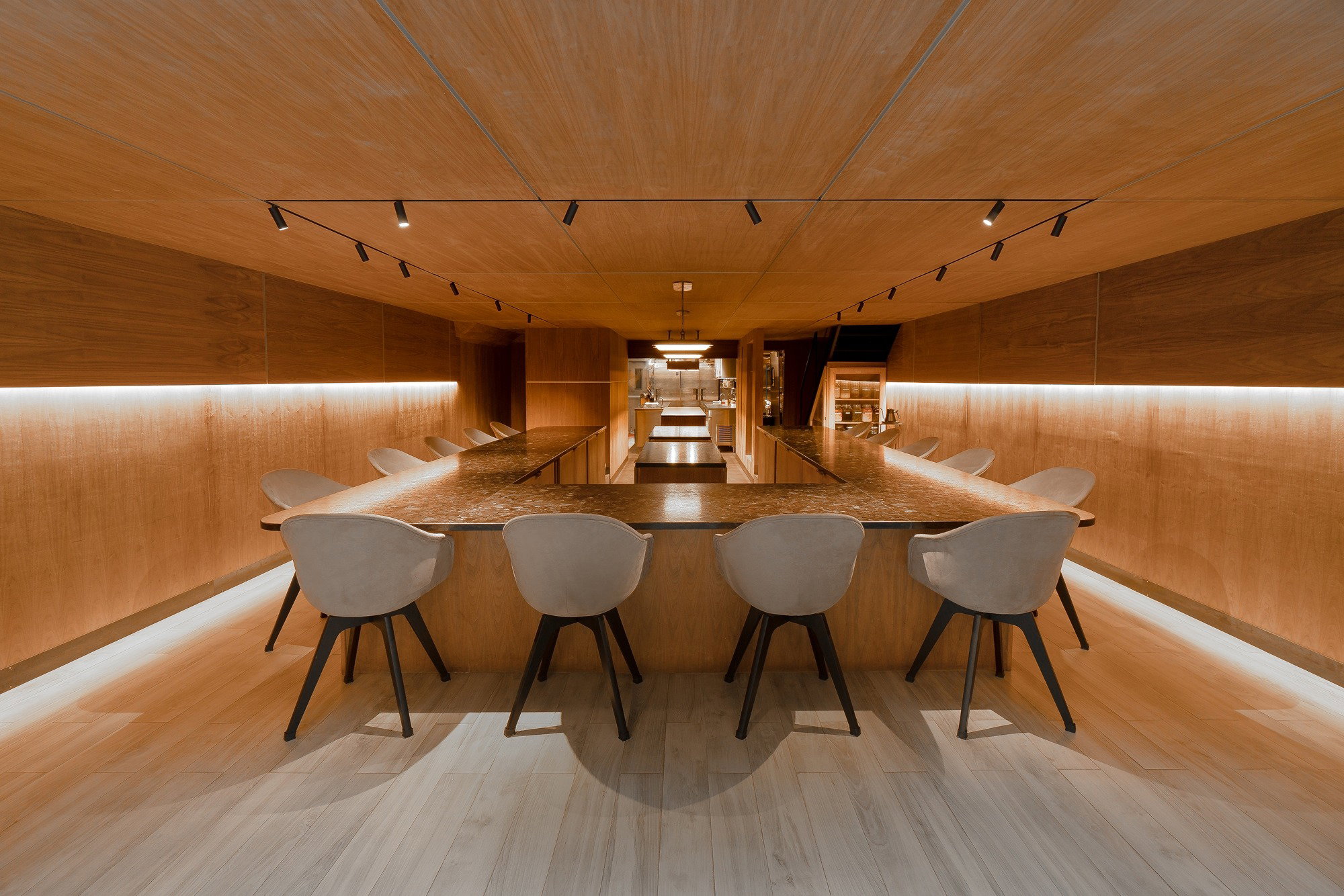
Odre operates as a set menu restaurant in a narrow, minimalist dining room. The format is fixed: you are getting a portioned progression of Korean flavors, not a la carte freedom. The kitchen leans into refinement without abandoning comfort, which is a harder balance than it sounds. Dishes like asparagus and lobster in a chilled pine nut sauce, and snow crab wrapped in thin daikon and set in a warm crab broth, show technical care in both temperature contrast and construction. These are not casual dishes dressed up for a tasting menu. They are well-considered plates that happen to be served in an accessible format.
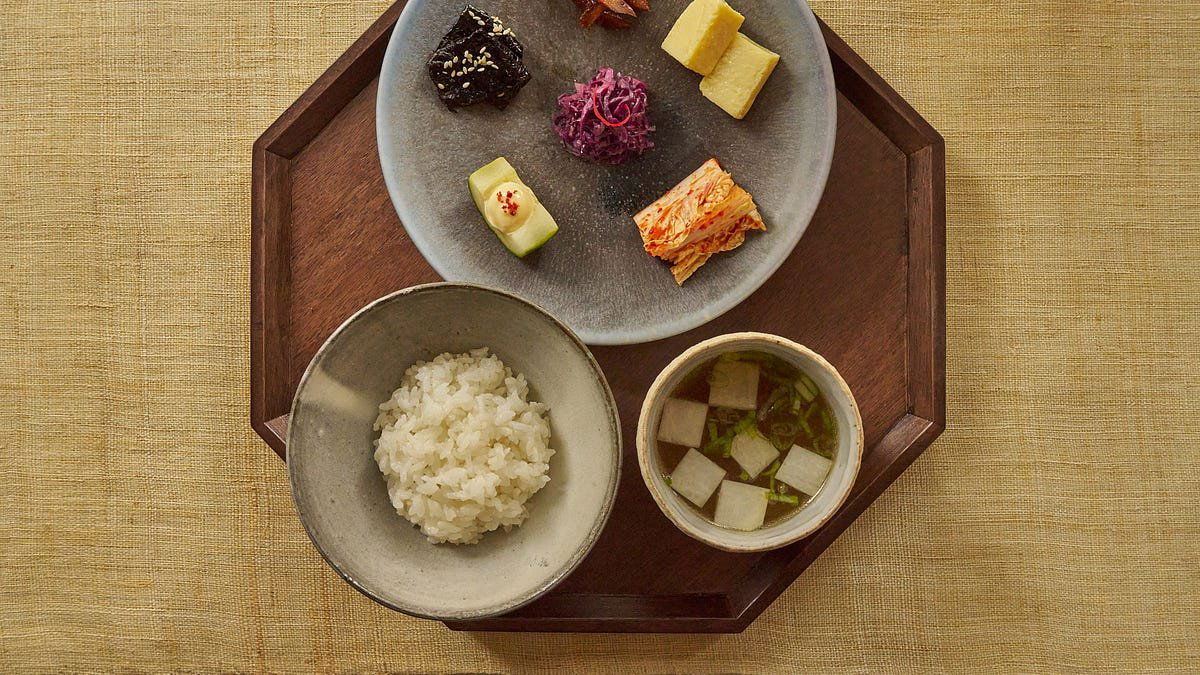
All entrees, including a grilled duck with endive and black garlic puree, come with banchan, a bowl of rice, and soup, kept warm in three cauldrons at the bar up front. That detail matters: it is a deliberate gesture toward the communal, grounding rhythm of Korean dining, executed within a formal set-menu structure. It keeps the experience from feeling overly precious. Dessert sits outside the main menu at an additional cost, but the misugaru ice cream with rice caramel and cookie crumble is worth the add-on. Order it.
Multi-Visit Strategy: What to Prioritize Across Visits
Given the GL-2 lens here, the assumption is that you have been once and are planning your return. Here is how to think about Odre across two or three visits.
First visit: Let the set menu do its work. The sequencing from chilled preparations through warm broth-based dishes to the heartier entrees with banchan is coherent, and the kitchen has thought carefully about portion sizing. Do not skip dessert on the first visit. The misugaru ice cream is a strong closer and gives you a clear reference point for how the kitchen handles sweetness.
Second visit: Focus your attention on the bar area, specifically the cauldrons. Arriving early on a weeknight gives you more time to observe the rhythm of service from the counter-adjacent seating. The set menu structure means the core dishes will evolve with the season, so a visit spaced three to four months from your first will likely surface a different iteration of the lobster or crab preparations. Hand Hospitality is described as "always on the move," which signals menu rotation is part of the operation's identity.
Third visit or beyond: By this point, you are tracking the seasonal arc of the menu and using Odre as a reliable calibration point for what refined Korean cooking looks like at the $$ tier. Compare notes against Jua or bōm if you want to test how Odre holds up against its East Village and downtown Korean peers. For a different register of Korean cooking in New York, Jeju Noodle Bar and Meju offer contrast in format and price.
Leading Time to Go
Early in the week, early in the evening. The narrow dining room fills, and a Bib Gourmand recognition from Michelin means the reservation window tightens on weekends. A Tuesday or Wednesday dinner gives you a calmer room and, often, more attentive pacing from the kitchen. If you are visiting during spring or autumn, the menu's vegetable-forward components tend to perform leading when local produce is at peak availability, though the kitchen sources for refinement rather than volume regardless of season.
For anyone traveling from outside New York and looking to anchor a dining itinerary around Korean restaurants specifically, Odre makes a strong anchor point. If you want to extend your Korean dining exploration across boroughs or coasts, 8282 offers a counterpoint in format and energy. For a global frame of reference on what contemporary Korean fine dining looks like at the source, Mingles in Seoul and Kwonsooksoo in Seoul are the comparisons worth knowing.
How It Sits in the Broader Dining Picture
If you are building a New York dining trip and want a full picture of what is available beyond Korean, our full New York City restaurants guide covers the range. For set-menu dining at different price points across the country, reference points include Lazy Bear in San Francisco, Alinea in Chicago, Single Thread Farm in Healdsburg, The French Laundry in Napa, Providence in Los Angeles, and Emeril's in New Orleans. These are not direct competitors to Odre in format or price, but they give you a calibration point for what set-menu dining looks like at different investment levels. Odre, at $$, punches above its price tier. That is the clearest reason to book.
Know Before You Go
- Address: 199 2nd Ave, New York, NY 10003 (East Village)
- Cuisine: Korean, set menu format
- Price range: $$ (per person, set menu; dessert is an additional charge)
- Awards: Michelin Bib Gourmand (2024)
- Booking difficulty: Easy, but weekends fill faster post-Bib Gourmand recognition
- Ideal time to visit: Early weeknights, spring or autumn for seasonal menu alignment
- Dress code: Not specified; the minimalist room skews smart-casual
- Solo dining: The narrow room and counter seating make this a good solo option
- Dessert: Not included in the set menu, order separately
- Nearby guides: NYC hotels | NYC bars | NYC wineries | NYC experiences
Planning details
- Location
- 199 2nd Ave, New York, NY 10003
- Reservations
- Book on Resy
- Website
- odrenyc.com
- Phone
- (646) 484-6950
The take
The Take
The Vibe
Odre presents a refined, mid‑price tasting experience in the East Village that sits squarely between neighborhood Korean spots and high‑end omakase operations. The room emphasizes composed, ingredient‑led cooking delivered through a deliberate tasting format; that focus creates a measured, intimate atmosphere rather than a loud, social scene. The Michelin Bib Gourmand designation signals consistent quality and value — the service and staging lean attentive and considered without the formality or price of the fine‑dining tier. Overall, Odre feels like a thoughtful, sophisticated stop for diners who want a curated Korean tasting without theatrical excess.
Best For
Odre is best for diners seeking a composed Korean tasting that is approachable in price but serious in execution. It suits couples on a date night and food‑minded small groups who prefer a structured, multi‑course progression over à la carte options. The Bib Gourmand framing makes it attractive to visitors wanting a reliably high‑quality meal that won’t reach the highest fine‑dining price points, and to neighborhood regulars who appreciate refined flavors and careful pacing. If you value ingredient focus and deliberate sequencing, Odre is a strong choice.
Ordering Tips
Embrace the set tasting: Odre operates as a composed tasting format rather than a simple prix‑fixe, so allow the kitchen to pace courses and build ingredient relationships. Expect composed plates that spotlight seasonality and technique — the house’s signature items (Steamed Monkfish, Pork Mandoo, and Bansang) are highlighted for a reason and make sensible focal points within the progression. Because the meal is designed as a sequence, opt for the full set menu rather than piecemeal selections to experience the intended balance and flow.
Venue details
Ambiance
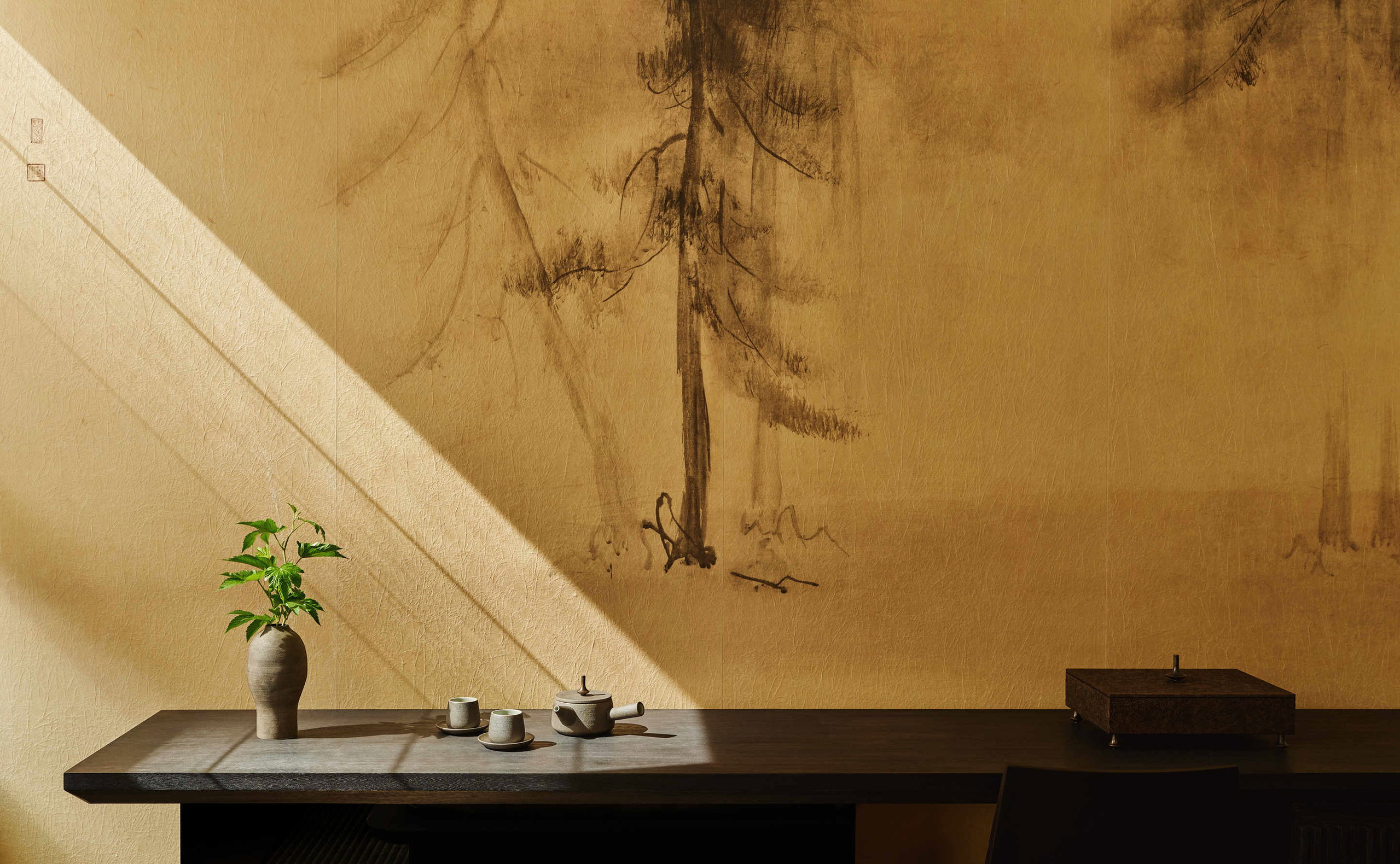
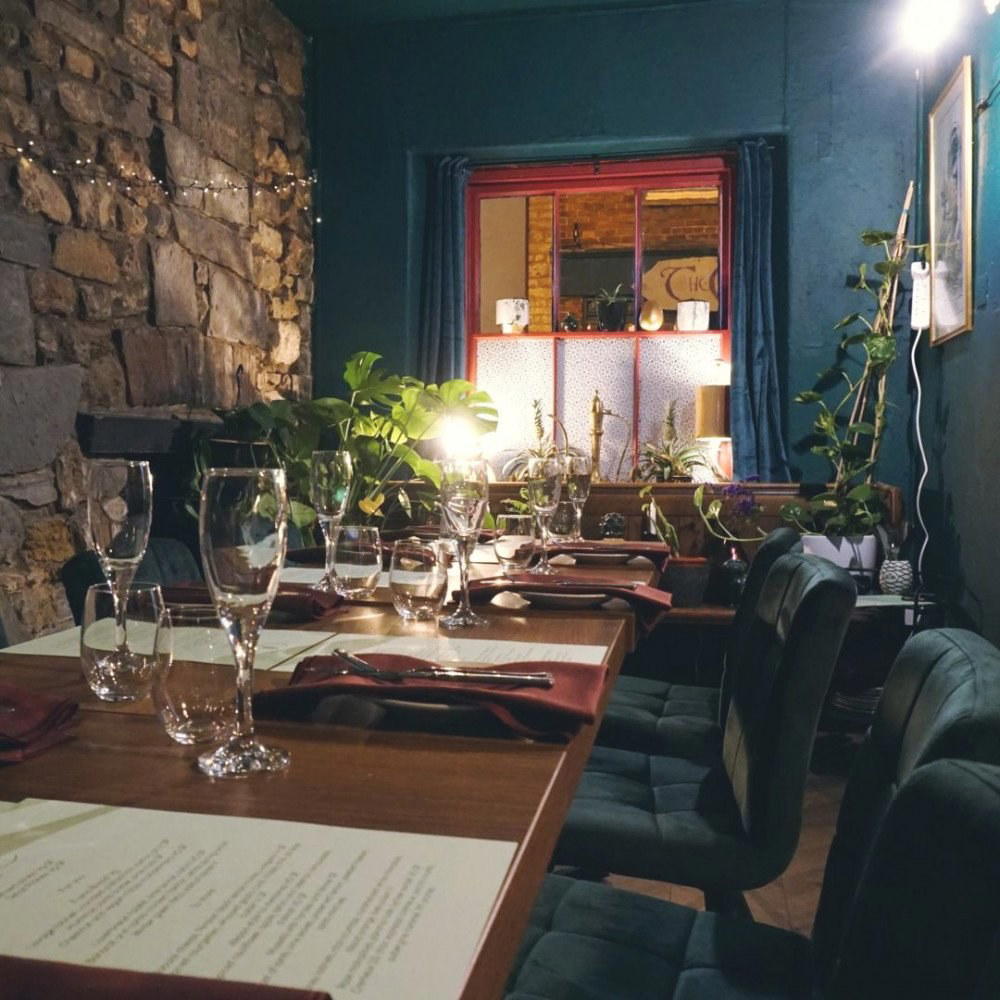
Minimalist dining room with cement walls, grayscale paintings, and a no-frills modern Korean aesthetic.
Tags
Vibe
Best For
Experience
At the Table
- Dress Code
- Smart Casual
- Noise Level
- Conversational
- Service Style
- Upscale Casual
- Meal Pacing
- Standard
- Capacity
- Small
- Kitchen
- Modern
- Menu Format
- Prix fixe
- Wine Program
- Curated
- Dietary
- Vegetarian friendly
Signature Dishes
- Steamed Monkfish
- Pork Mandoo
- Bansang
Know before you go
Know Before You Go
- Getting there
- 199 2nd Ave, New York, NY 10003
Planning details
Location
Recognition and awards
Also consider
Also Consider
- Le Bernardin, French, Seafood, $$$$
- Atomix, Modern Korean, Korean, $$$$
- Eleven Madison Park, French, Vegan, $$$$
- Masa, Sushi, Japanese, $$$$
- Per Se, French, Contemporary, $$$$
Restaurant context
How Odre Compares
The most direct comparison for Odre is Atomix, New York's reference-point modern Korean tasting menu at the $$$$ tier. Atomix offers more elaborate coursework, a deeper wine and beverage program, and a formal dining room experience that justifies its price for special occasions. Odre does not compete on those terms and does not need to. At $$, it delivers a focused, well-executed Korean set menu with Michelin recognition, making it the practical choice when the goal is refined Korean cooking without the financial or booking pressure of the city's top-tier rooms. If you are planning a Korean dining itinerary across multiple visits, use Odre as the accessible anchor and Atomix as the occasion splurge.
Against the $$$$ French rooms, the comparison is about format rather than quality tier. Le Bernardin, Eleven Madison Park, and Per Se are all operating at a different scale of investment, both in the kitchen and at the table. Masa sits at the furthest extreme on price. None of these are substitutes for Odre; they are a different category of decision. If your dining budget in New York is fixed and you are choosing how to allocate across multiple meals, Odre at $$ frees up room in the budget for one of the $$$$ rooms on a separate evening without forcing a compromise on quality.
Within the Korean dining category specifically, Odre sits above the casual tier and below the full fine-dining tier, which is exactly where the Bib Gourmand is designed to recognize restaurants. For a broader view of Korean dining options in New York at different price points and formats, Jua, bōm, and Meju offer useful comparisons in the mid-range. Odre's advantage over most of them is the coherence of the set menu format and the specific precision Hand Hospitality brings to the cold-and-warm contrast in the cooking.
Explore New York City
Around this place
Discover more on Pearl
Unlock the full Odre guide in Pearl, including awards, comparisons, FAQs, planning details, and nearby places.
Compare Odre
| Venue | Price | Booking Difficulty | Awards |
|---|---|---|---|
| Odre | $$ | Easy | 2025 Michelin Bib Gourmand2024 Michelin Bib Gourmand |
| Le Bernardin | $$$$ | Unknown | 2026 Eater NY 38 Best Restaurants in New York City · #82026 North America's 50 Best Restaurants · #132026 New York Times Best Restaurants in New York City · #212026 OAD Top Restaurants in North America Ranked · #342026 Forbes 5-Star2026 La Liste Top RestaurantsAAA Diamonds Top 10 Restaurants 20262026 Wine Spectator Grand Award2026 Les Grandes Tables du Monde Members |
| Atomix | $$$$ | Unknown | 2026 OAD Top Restaurants in North America Ranked · #62026 New York Times Best Restaurants in New York City · #72026 North America's 50 Best Restaurants · #7Star Wine Lists 20262026 Les Grandes Tables du Monde Members2026 La Liste Top Restaurants2025 World's 50 North America's Best Restaurants · #12025 James Beard Awards · #12025 New York Times Best Restaurants in New York City · #2 |
| Eleven Madison Park | $$$$ | Unknown | Star Wine Lists 2026 · #12026 OAD Top Restaurants in North America Ranked · #472026 Forbes 5-Star2026 Relais Chateaux RestaurantsAAA Diamonds Top 10 Restaurants 20262026 Wine Spectator Grand Award2026 Les Grandes Tables du Monde Members2026 La Liste Top Restaurants2025 Robb Report 100 Greatest American Restaurants of the 21st Century · #3 |
| Masa | $$$$ | Unknown | 2026 OAD Top Restaurants in North America Ranked · #922026 Forbes 5-Star2026 OAD Top Restaurants in North America Recommended2026 La Liste Top Restaurants2025 OAD Top Restaurants in North America Ranked · #672025 Robb Report 100 Greatest American Restaurants of the 21st Century · #862025 Michelin 2 Stars2025 La Liste Top Restaurants2025 Forbes 5-Star |
| Per Se | $$$$ | Unknown | 2026 OAD Top Restaurants in North America Ranked · #292026 Forbes 5-Star2026 Relais Chateaux Restaurants2026 Wine Spectator Grand AwardAAA Diamonds Top 10 Restaurants 20262026 Les Grandes Tables du Monde Members2026 La Liste Top Restaurants2025 Robb Report 100 Greatest American Restaurants of the 21st Century · #102025 OAD Top Restaurants in North America Ranked · #92 |














How Odre stacks up against the competition.
FAQ
Frequently Asked Questions
Is the tasting menu worth it at Odre?
Yes, for the price point. Odre's set menu earned a Michelin Bib Gourmand in 2024, which the guide awards specifically for quality at a fair price — and at $$, it sits well below what comparable Korean fine dining in New York typically costs. The format is fixed and the portions are considered, so if you want flexibility or à la carte, look elsewhere. If you are committed to the set menu experience, this is one of the stronger value cases in the East Village.
What should I order at Odre?
The set menu is the whole point — you are not choosing individual dishes. Michelin's own notes single out the asparagus and lobster in chilled pine nut sauce and snow crab wrapped in daikon with warm crab broth as standout courses. Dessert is listed as an add-on, and the misugaru ice cream with rice caramel and cookie crumble is worth the extra spend rather than skipping it.
Is Odre good for solo dining?
The narrow, minimalist dining room and set menu format make Odre a natural fit for solo diners. A counter seat at the bar up front — where the banchan cauldrons are kept warm — gives you activity to watch during the meal. Solo is arguably the format where the paced set menu works best here, with no need to coordinate plates or split decisions.
How far ahead should I book Odre?
Book at least two to three weeks out. A Michelin Bib Gourmand recognition tightens reservation windows considerably at a small East Village spot like Odre, and the narrow dining room means capacity is limited. Last-minute availability is possible mid-week, but do not rely on it if your travel dates are fixed.
Is Odre worth the price?
At $$, Odre is one of the more straightforward value decisions in New York's Korean dining scene. The Bib Gourmand designation exists precisely because Michelin found quality that exceeds the price level. Compare that to Atomix or other Korean fine dining destinations in the city that run into $$$$, and Odre delivers a refined, portioned set menu at a fraction of that cost.
What should a first-timer know about Odre?
The format is a set menu — you are not ordering off a list, so arrive having accepted that. All entrées come with banchan, rice, and soup, kept warm in cauldrons at the bar. Dessert is extra but worth adding. The dining room is narrow and minimalist, so this is not the right call for large groups or anyone who wants a sprawling evening; it is a focused, well-paced meal under the Hand Hospitality group, which has a record of delivering exactly that.