

Nōksu
Modern Korean, Contemporary · Midtown South-Flatiron-Union Square, New York City
Restaurant in New York City, United States
 Book with Pearl
The Read
Korean Counter Precision
Price
$200–300per person
Chef
Dae Kim
Dress
Smart Casual
Why go
A Michelin-starred counter restaurant in Koreatown, Nōksu delivers technically precise contemporary Korean cooking with a seafood-driven seasonal menu and a signature dry-aged squab finished tableside. At $$$$ pricing with a hard booking window, it is worth it for one or two diners who want counter-format precision over grand-room ceremony. Book 3–4 weeks out; winter visits get the deepest version of the menu.
About Nōksu
Verdict
If you have been to Nōksu once, the question on a return visit is not whether the room holds up, it does, but whether Chef Dae Kim's seafood-focused contemporary Korean menu has moved. The squab, dry-aged on-site and finished tableside in Peking duck style, is the signature that does not rotate. Around it, the kitchen shifts with product availability, which means the value proposition at the $$$$ price point depends partly on timing. Book for late autumn or winter if seafood depth is your priority: cold-water seasons favour the crab, fluke, and mackerel focus this kitchen leans on. The ceiling is highest when the seasonal programme is fully in motion.
Portrait
Nōksu sits at 49 W 32nd St in the middle of Koreatown at Herald Square, which, on paper, sounds like a corridor of fast Korean food and late-night barbecue. Behind a code-locked door, the room corrects that expectation immediately. A black marble counter runs the length of the space. Every chef at the pass works with tweezers. The kitchen operates with the precision of a counter-format Japanese restaurant, except the reference points are Korean and the music overhead is 80s hits, a combination that works better than it sounds.
The seasonal angle here is worth understanding before you book. Seafood is the structural centre of the menu: crab, fluke, clams, and mackerel appear regularly, and their quality tracks directly with season. That means a visit in peak cold-water months, roughly November through February, gives you access to the most technically interesting raw material the kitchen works. Spring and summer visits still deliver the precision and the signature squab, but the seafood rotation may feel narrower. If you are choosing between two available dates months apart, the winter window is the stronger call for value.
The squab itself is the dish that defines Nōksu's identity regardless of season. It dry-ages in a fridge visible from the counter, a deliberate display that signals both the process and the commitment. At service, a chef lifts the bird and bastes it repeatedly with hot oil in the manner of Peking duck. The technique is borrowed and the context is Korean, and the result is the kind of dish that justifies a return visit on its own terms. For a value-seeker at this price tier, one clearly signature dish plus a seafood programme that shifts with the calendar is a reasonable architecture, you are not paying for a static menu.
Wine Director Anthony Salazar oversees a list of approximately 1,075 selections priced at the $$$ tier, with France and California as the primary strengths. Many bottles exceed $100, so wine will add meaningfully to the bill. If you are bringing something specific, the corkage fee is $100, high enough that it is only worth it for a bottle you genuinely cannot source from the list. General Manager Matthew Mako and owners Bobby Kwak and Joe Ko round out the leadership team behind a room that, by all accounts, runs tightly.
The Michelin star awarded in 2024 positions Nōksu in a specific bracket: serious enough to justify the $$$$ cuisine pricing (meals over $66 per person before wine), but operating in a format that is more counter-driven and intimate than the grand-room tasting-menu restaurants at the same price level. That distinction matters for how you frame the booking. This is not a four-hour event-dining experience. It is a focused, technically precise meal at a counter where the kitchen's seasonal decisions are visible from your seat.
For solo diners, the counter format is genuinely well-suited, arguably better than bringing a group. Two people works well. Larger parties should check seat availability carefully, as counter seating limits configuration options. For a special occasion with two, the combination of counter theatre, the squab presentation, and the Michelin pedigree makes the case clearly. For a group of six looking for a shared table with a lot of room, this is probably not the right fit.
Ratings
- Michelin: 1 Star (2024)
- Wine list: $$$ (approx. 1,075 selections; France and California strengths)
Booking
Nōksu is a hard book. The counter format limits capacity, the Michelin star drives demand, and Wednesday through Sunday are the only nights available (the restaurant is closed Monday and Tuesday). Service runs 5:30 PM to 11 PM on all open nights. Plan to book at least three to four weeks out for a weekend seat; mid-week slots, Wednesday or Thursday, are your leading shot at shorter lead times.
Practical Details
Address: 49 W 32nd St, New York, NY 10001 (Koreatown, Herald Square). Hours: Wednesday–Sunday, 5:30 PM–11 PM; closed Monday and Tuesday. Budget: $$$$ cuisine (typical two-course meal $66+ per person before wine); wine list at $$$ (many bottles $100+); corkage $100. Reservations: Hard to book, aim for 3–4 weeks ahead; mid-week slots have slightly better availability. Dress: Not specified in available data, but the counter-format and price tier suggest smart casual at minimum. Group size: Leading for 1–2 diners given counter seating; larger groups should confirm configuration before booking. Getting there: Herald Square subway hub (B, D, F, M, N, Q, R, W lines) is steps away, public transit is the practical choice.
How It Compares
Explore More in New York City
- Our full New York City restaurants guide
- Our full New York City hotels guide
- Our full New York City bars guide
- Our full New York City wineries guide
- Our full New York City experiences guide
Worth Comparing Elsewhere
Planning details
- Hours
- Monday: closed · Tuesday: closed
- Location
- 49 W 32nd St, New York, NY 10001
- Reservations
- Book on Resy
- Website
- noksunyc.com/?SEO_id=GMB--R-NYCCUQQ-2&y_source=1_MTA0NTQ1Mjg1MS03MTUtbG9jYXRpb24ud2Vic2l0ZQ%3D%3D
- Phone
- (626) 657-8420
The take
The Take
The Vibe
Nōksu presents a concentrated, counter-forward atmosphere where precision and immediacy define the room. A single black marble counter runs the length of the space and the kitchen operates in full view, so service feels intimate and direct rather than ceremonial. Chefs work with tweezers and plate with meticulous intent, which gives the meal a quietly exacting energy: refined without being aloof. Situated on West 32nd Street in Koreatown, the restaurant balances its fine-dining techniques with a neighborhood-rooted context, producing an experience that is at once modern, focused, and quietly sophisticated.
Best For
This is a place for diners who prize technique and close-up cooking theatre: thoughtful couples, small celebrations, and anyone interested in contemporary Korean refinement. With a Michelin star and a $$$$ price point, Nōksu skews toward special-occasion evenings and date nights where the meal itself is the main event. The counter layout keeps the experience immediate, so it rewards attention to pacing and presentation rather than boisterous, large-group dining. Its Koreatown address also makes it appealing for guests who want a refined tasting-style experience grounded in the neighborhood’s culinary lineage.
Ordering Tips
Expect a counter-centered sequence and dishes plated with precision; the service places cooking and composition at the fore. Because the room is organized around a single long counter and an open kitchen, plan to sit at the counter if you want to watch service unfold. The menu highlights exacting preparations: seek out the signature plates named by the kitchen, such as the Surf Clam with Hen-egg Custard, Smoked Quail, and Gizzard Shad, to get a clear sense of the restaurant’s technique-driven approach. Come ready to appreciate small, highly composed courses presented directly by the chefs.
Venue details
Ambiance
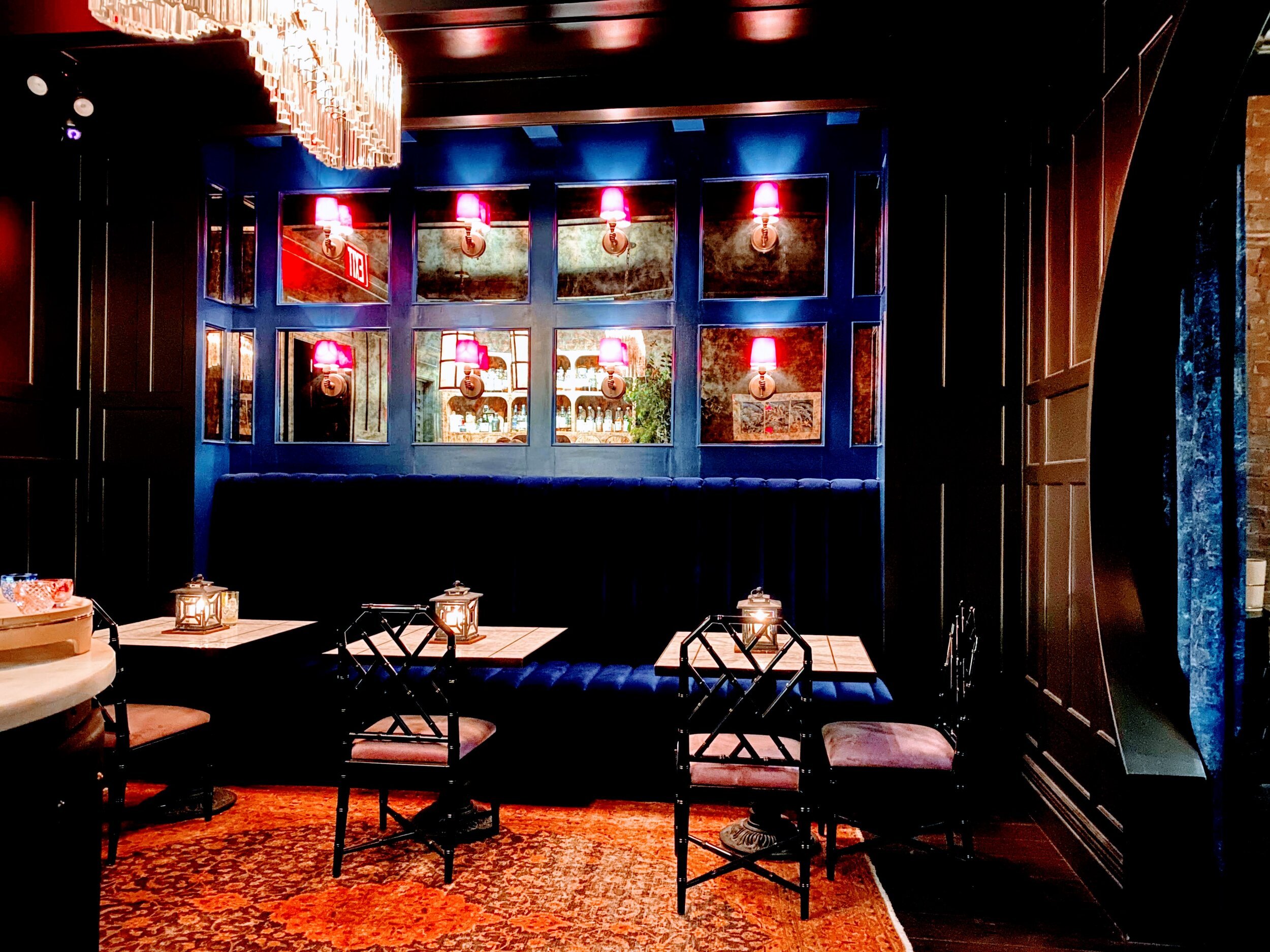
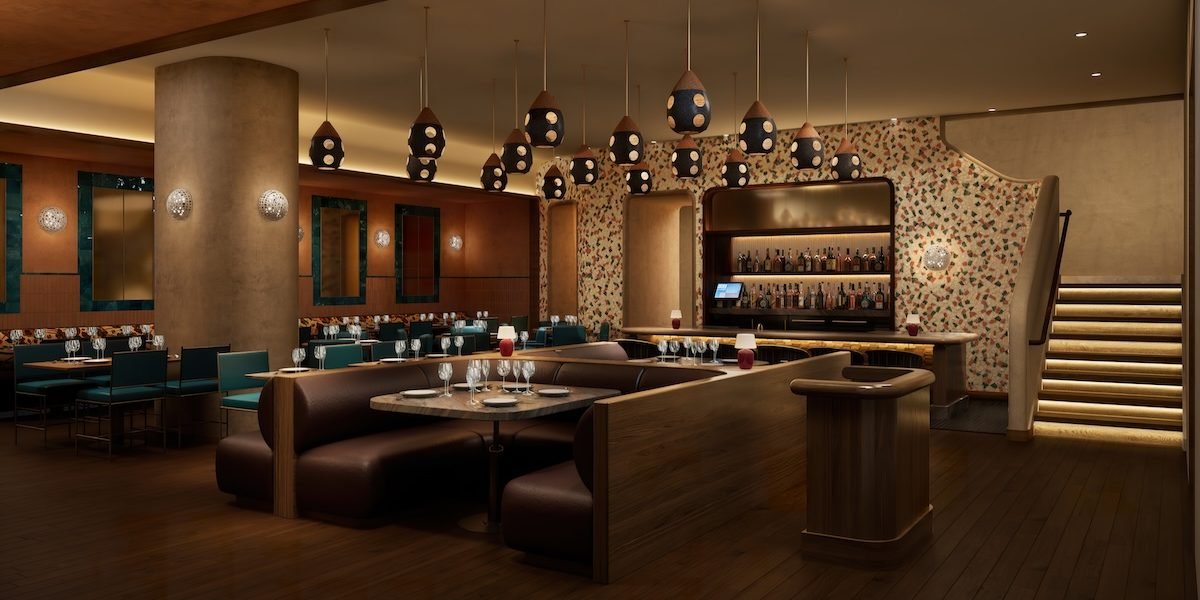
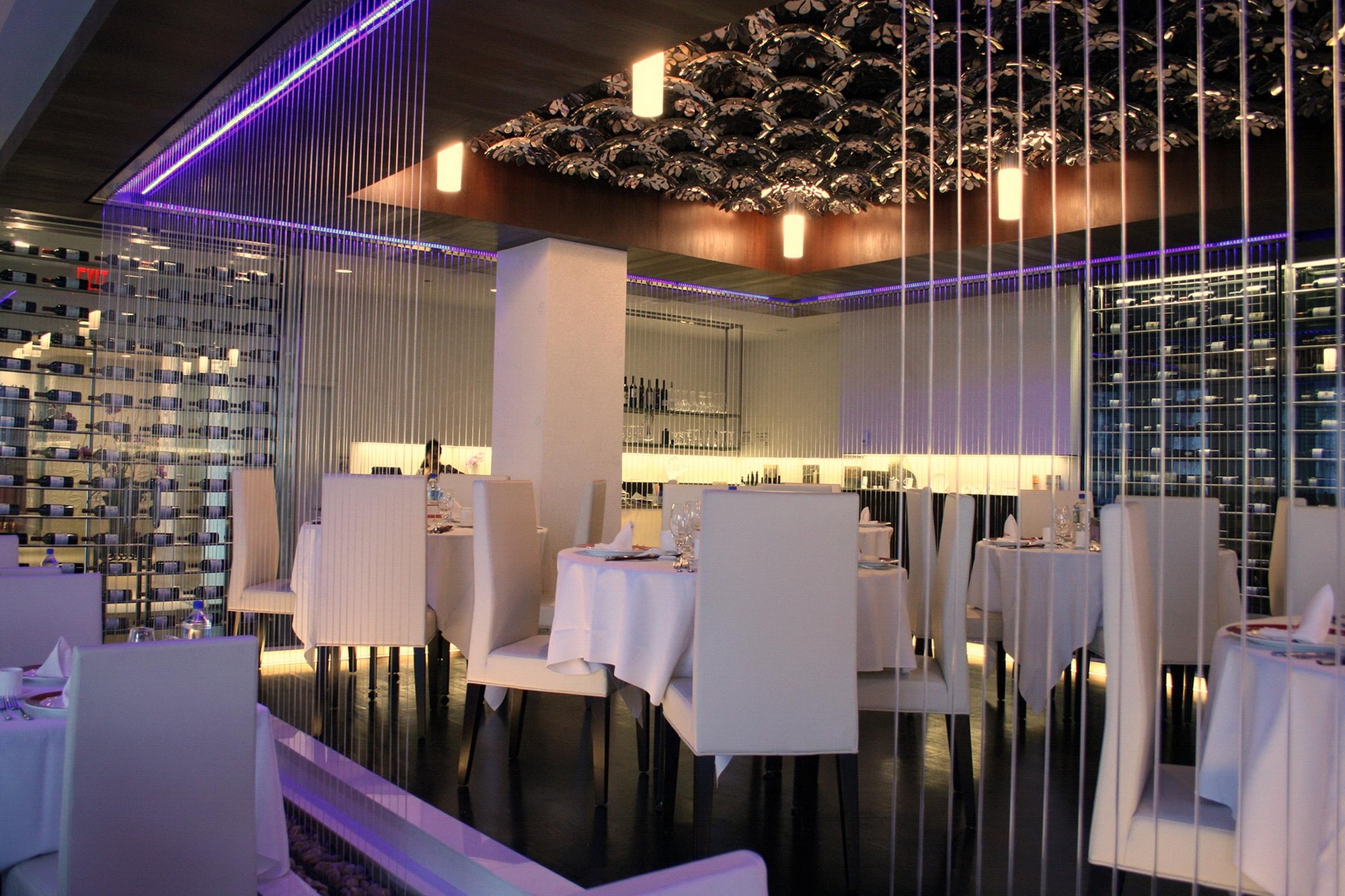
Sleek, moodily lit space with black and white contrasts inspired by Korean ink paintings, open kitchen view, and serene speakeasy atmosphere.
Tags
Vibe
Best For
Experience
Accessibility
At the Table
- Dress Code
- Smart Casual
- Noise Level
- Quiet
- Service Style
- Formal
- Meal Pacing
- Extended Experience
- Capacity
- Intimate
- Kitchen
- Modern
- Menu Format
- Tasting menu, Counter dining
- Wine Program
- Deep wine list
- Drinks Focus
- Wine pairing, Non-alcoholic pairing
- Dietary
- Pescatarian friendly
- Private Dining
- Available
Signature Dishes
- Surf Clam with Hen-egg Custard Caviar and Scallion
- Smoked Quail
- Gizzard Shad
Know before you go
Know Before You Go
- Getting there
- 49 W 32nd St, New York, NY 10001
Planning details
Hours
- Monday
- closed
- Tuesday
- closed
- Wednesday
- 5:30 PM-11 PM
- Thursday
- 5:30 PM-11 PM
- Friday
- 5:30 PM-11 PM
- Saturday
- 5:30 PM-11 PM
- Sunday
- 5:30 PM-11 PM
Location
49 W 32nd St, New York, NY 10001 · Directions
noksunyc.com/?SEO_id=GMB--R-NYCCUQQ-2&y_source=1_MTA0NTQ1Mjg1MS03MTUtbG9jYXRpb24ud2Vic2l0ZQ%3D%3D

Also consider
Also Consider
- Le Bernardin: French, Seafood, $$$$
- Atomix: Modern Korean, Korean, $$$$
- Eleven Madison Park: French, Vegan, $$$$
- Masa: Sushi, Japanese, $$$$
- Per Se: French, Contemporary, $$$$
Restaurant context
How It Compares
Within New York's $$$$ modern Korean bracket, Atomix is Nōksu's closest peer and the harder book of the two. Atomix offers a longer, more structured tasting menu in a formal dining room: the right choice if you want a full occasion-dining arc with multiple courses and more service ceremony. Nōksu is the better call if counter proximity to the kitchen and a tighter, seasonal seafood focus matter more than format length. Both carry Michelin recognition; your decision should hinge on how you want the evening to feel, not on quality difference.
Against the French seafood benchmark, Le Bernardin operates at a higher service register with deeper front-of-house polish and a more extensive wine programme. If seafood technique is your primary criterion and you want maximum service depth, Le Bernardin wins on that axis. Nōksu wins on intimacy, counter access, and Korean flavour logic. Per Se and Eleven Madison Park are both significantly more expensive total experiences in grander rooms: correct for milestone dining, less so for a focused counter meal. Masa sits in a cost category above all of them and is only the comparison if budget is not a factor and Japanese omakase is an acceptable alternative to Korean. For most diners choosing between Nōksu and the field, the question is formality: Nōksu is the least ceremonial option in this peer group, which is a feature rather than a flaw if you prefer to watch the kitchen work from two feet away.
Explore New York City
Around this place
Discover more on Pearl
Unlock the full Nōksu guide in Pearl, including awards, comparisons, FAQs, planning details, and nearby places.
Compare Nōksu
| Venue | Price | Awards |
|---|---|---|
| Nōksu | $$$$ | 2026 OAD Top Restaurants in North America Highly Recommended2026 Wine Spectator Best of Award of Excellence2025 Wine Spectator Award of Excellence2025 Michelin 1 Star2024 Michelin 1 Star |
| Le Bernardin | $$$$ | 2026 Eater NY 38 Best Restaurants in New York City · #82026 North America's 50 Best Restaurants · #132026 New York Times Best Restaurants in New York City · #212026 OAD Top Restaurants in North America Ranked · #342026 Forbes 5-Star2026 La Liste Top RestaurantsAAA Diamonds Top 10 Restaurants 20262026 Wine Spectator Grand Award2026 Les Grandes Tables du Monde Members |
| Atomix | $$$$ | 2026 OAD Top Restaurants in North America Ranked · #62026 New York Times Best Restaurants in New York City · #72026 North America's 50 Best Restaurants · #7Star Wine Lists 20262026 Les Grandes Tables du Monde Members2026 La Liste Top Restaurants2025 World's 50 North America's Best Restaurants · #12025 James Beard Awards · #12025 New York Times Best Restaurants in New York City · #2 |
| Eleven Madison Park | $$$$ | Star Wine Lists 2026 · #12026 OAD Top Restaurants in North America Ranked · #472026 Forbes 5-Star2026 Relais Chateaux RestaurantsAAA Diamonds Top 10 Restaurants 20262026 Wine Spectator Grand Award2026 Les Grandes Tables du Monde Members2026 La Liste Top Restaurants2025 Robb Report 100 Greatest American Restaurants of the 21st Century · #3 |
| Masa | $$$$ | 2026 OAD Top Restaurants in North America Ranked · #922026 Forbes 5-Star2026 OAD Top Restaurants in North America Recommended2026 La Liste Top Restaurants2025 OAD Top Restaurants in North America Ranked · #672025 Robb Report 100 Greatest American Restaurants of the 21st Century · #862025 Michelin 2 Stars2025 La Liste Top Restaurants2025 Forbes 5-Star |
| Per Se | $$$$ | 2026 OAD Top Restaurants in North America Ranked · #292026 Forbes 5-Star2026 Relais Chateaux Restaurants2026 Wine Spectator Grand AwardAAA Diamonds Top 10 Restaurants 20262026 Les Grandes Tables du Monde Members2026 La Liste Top Restaurants2025 Robb Report 100 Greatest American Restaurants of the 21st Century · #102025 OAD Top Restaurants in North America Ranked · #92 |














Key differences to consider before you reserve.
FAQ
Frequently Asked Questions
Is lunch or dinner better at Nōksu?
Dinner is the only option. Nōksu operates Wednesday through Sunday from 5:30 PM and does not serve lunch, so there is no choice to make here. Plan accordingly: and book well in advance, because the counter format keeps capacity tight.
Is Nōksu good for a special occasion?
Yes, with caveats. The black marble counter, Michelin star, and theatrical squab preparation (dry-aged in-house and finished tableside in a Peking duck-style ladle technique) make for a genuinely memorable dinner. It works best for couples or small groups who are comfortable with a counter format and a $$$$ bill: less ideal if someone in the party wants a private, enclosed table for a major milestone.
What should I order at Nōksu?
The squab is the dish to watch for: it's dry-aged in a visible fridge and finished by chefs ladling hot oil over the bird in a Peking duck-style technique. At $$$$ pricing with a counter format, the experience is structured rather than à la carte: you're coming for the full progression, not individual plates.
Is Nōksu good for solo dining?
One of the better solo options at this price point in NYC. The counter runs the length of the room, every seat has a direct view of the kitchen, and the format is designed for individual engagement with the chefs. A $$$$ solo dinner is a significant spend, but the counter experience justifies it more than a table-for-one at a conventional fine-dining room would.
What are alternatives to Nōksu in New York City?
Atomix is the closest peer: also Michelin-starred Korean, more intimate, and arguably more expensive. If you want seafood-driven precision without the Korean framework, Le Bernardin operates at a comparable tier. For a counter format at lower cost, look at Korean-influenced spots in the same Koreatown corridor, though none currently hold a Michelin star.
Is the tasting menu worth it at Nōksu?
At $$$$ with a Michelin star and a counter-only format, the tasting menu is the entire point of coming. The kitchen's seafood focus is deliberate, and the squab course gives the meal a signature that most tasting menus at this price lack. If a structured multi-course progression is not your preference, this is not the venue: but if it is, Nōksu delivers a strong case for the spend.