

Muku
Japanese · Tribeca-Civic Center, New York City
Restaurant in New York City, United States
 Book with Pearl
The Read
Goho-Structured Kaiseki
Chef
Manabu Asanuma
Dress
Smart Casual
Why go
Muku is a ten-seat kaiseki counter in TriBeCa drawing Michelin recognition for its precise, technique-driven progression through five Japanese cooking methods. For food-forward diners who want intimacy and craftsmanship over spectacle, it is a stronger call than most of New York's larger tasting-menu rooms. Book as soon as your dates are confirmed — the format keeps availability limited.
About Muku
Should You Book Muku?
If you are choosing between Muku and Masa for a high-end Japanese evening in New York, the calculus is direct: Masa delivers one of the most expensive omakase experiences in the country, while Muku offers a kaiseki-driven counter format with comparable technical ambition at a more approachable address. For food-forward diners who want precision cooking structured around Japanese tradition rather than pure sushi, Muku is the stronger call.
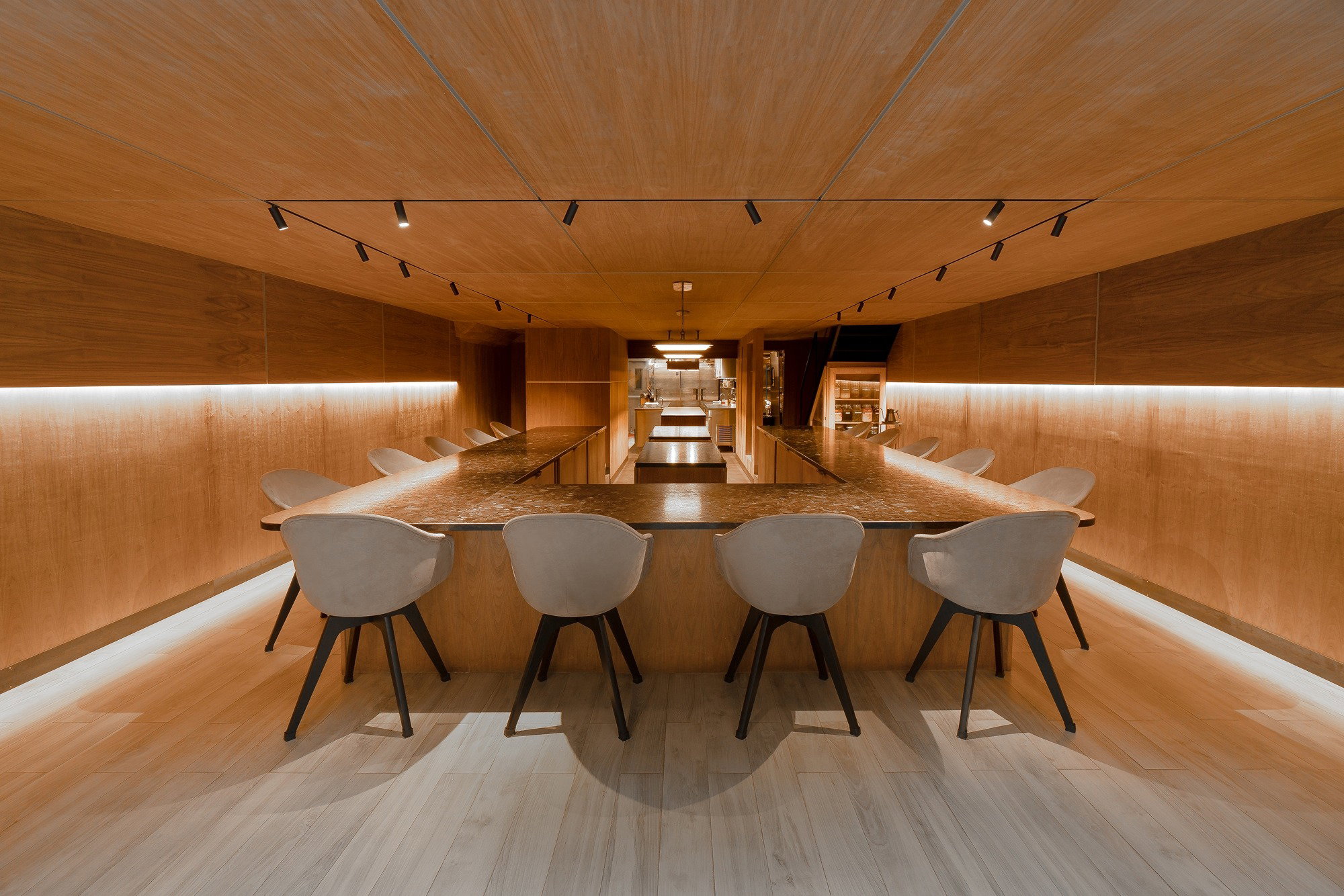
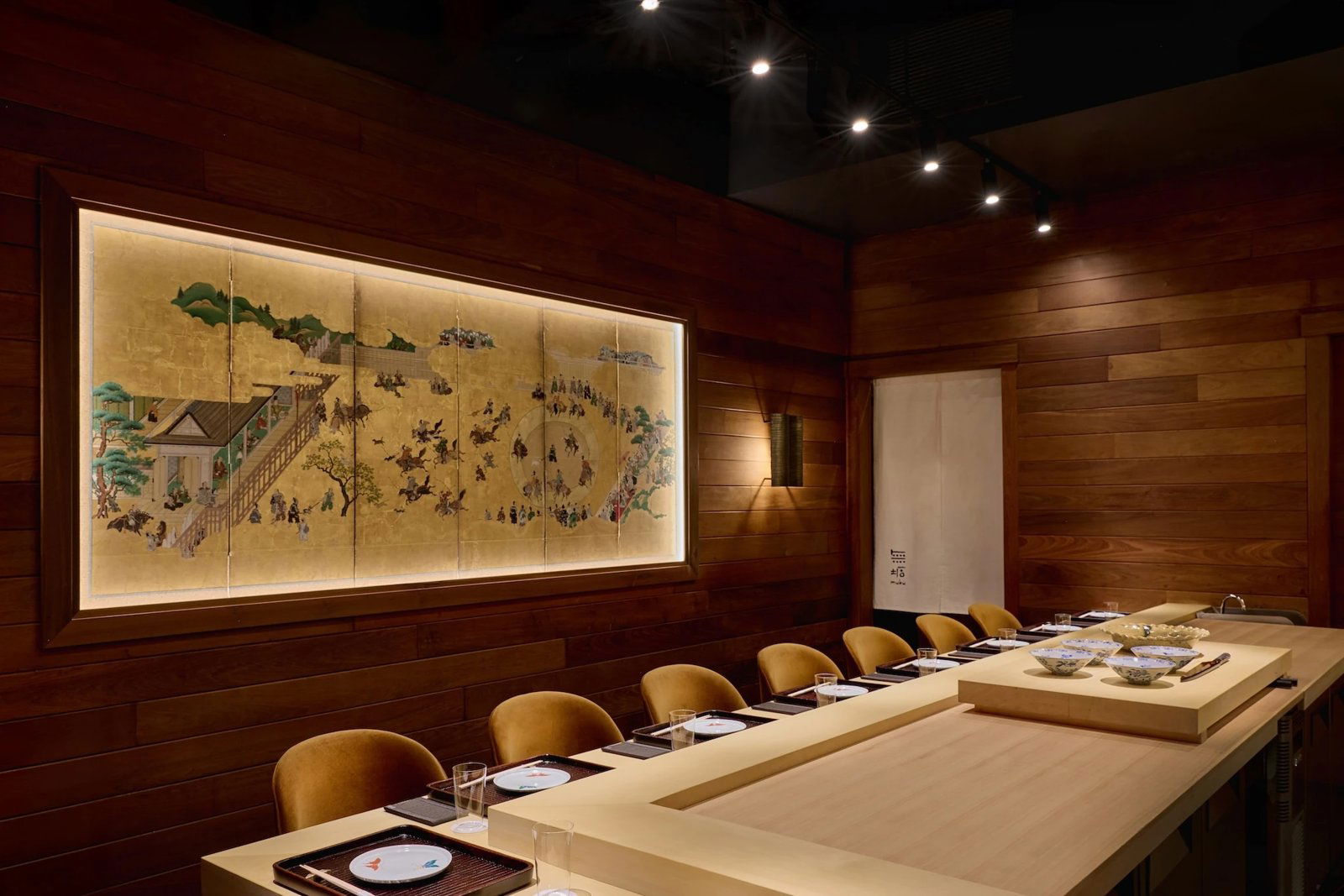
The Counter at Muku
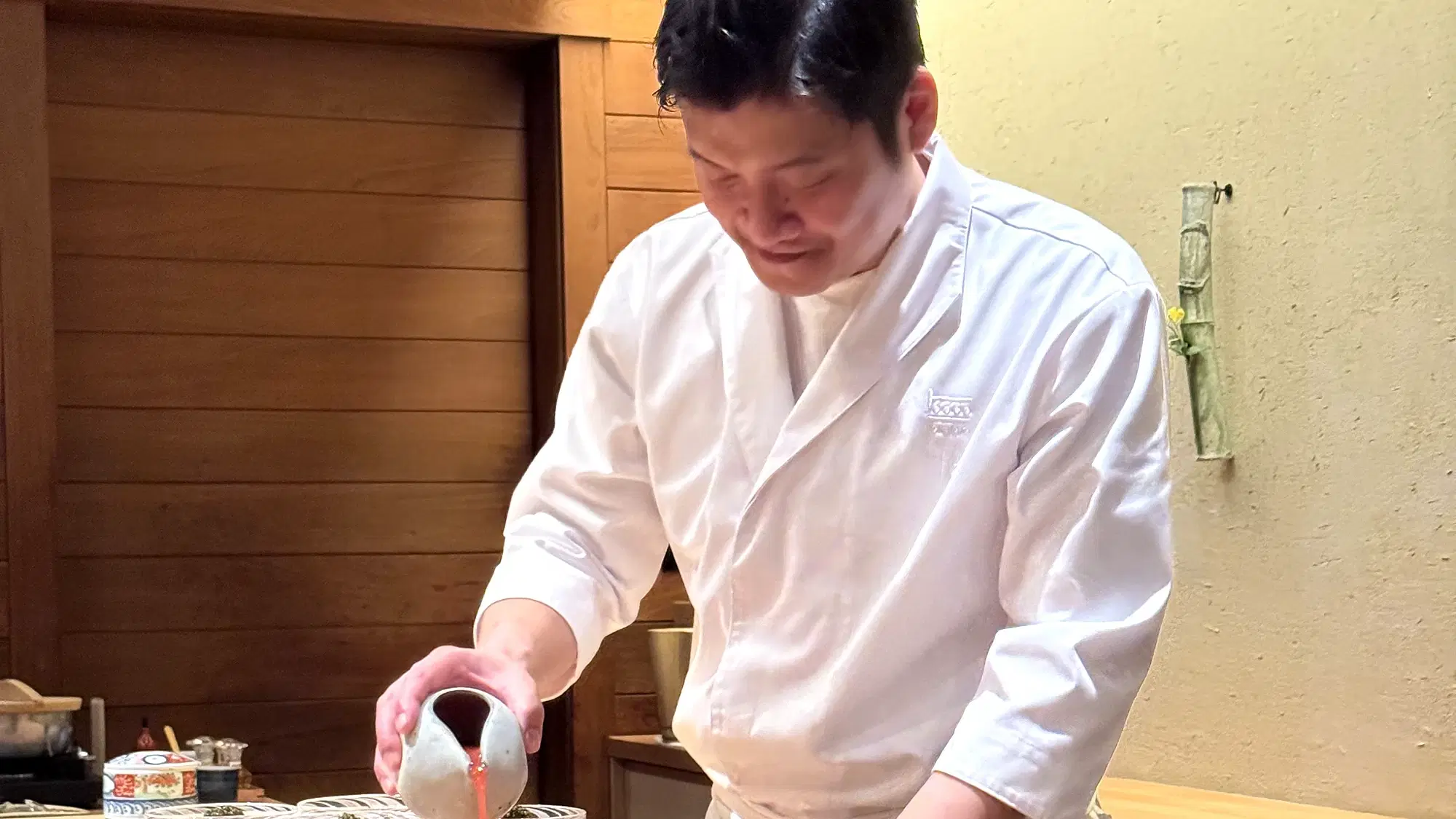
The room seats around ten people, and that number is not incidental — it is the whole point. At a counter this small, on the penthouse level of a TriBeCa building on Greenwich Street, the format forces a kind of focus you do not get in a dining room with thirty covers. You watch the cooking unfold in sequence. The kaiseki-inspired structure here follows goho, the Japanese rule of five, moving through five distinct techniques: raw, grilled, simmered, steamed, and fried. That progression is visible from your seat, and it gives the meal a rhythm that larger tasting-menu restaurants often lose.
What you see on the plate reflects that discipline. The visual precision of each course is immediate — delicate plating that signals intent before you taste anything. Soba noodles made with buckwheat from the chef's hometown arrive with a specificity that connects ingredient to origin. Shabu shabu with Japanese wagyu comes with a deeply flavored broth. Rice with finely diced chicken and maitake mushrooms appears as gohan, positioned within the meal's arc with care. The dessert course, diced crown melon, sake lees ice cream, honeydew soda foam, served alongside smoked green tea, closes the sequence with a level of refinement that earns the Michelin recognition this restaurant carries.
For the explorer who travels for food context as much as flavor, Muku offers something that larger and more famous rooms do not: the chance to see technique performed at close range, with seasonality driving every decision. Nothing on the menu exists for show. The restraint is deliberate, and the mastery of flavors across five cooking methods demonstrates a kitchen working at a level well above what the address and size might suggest.
Booking and Practical Details
Booking is rated easy relative to comparable counter restaurants in New York. Given the ten-seat format, that accessibility is worth noting, it will not stay easy indefinitely if recognition continues to build. Book as soon as your dates are set. The address is 412 Greenwich Street, Penthouse B, TriBeCa. No phone number or direct website is listed in data; use a third-party reservations platform to secure your table. Pricing information is not confirmed in the current database record, so verify current menu pricing when booking.
How It Compares
Among New York's top-tier tasting menu restaurants, Muku occupies a distinct position. Le Bernardin and Per Se operate at a different scale entirely, larger rooms, more elaborate service infrastructure, and price points that reflect both. If you want French-rooted fine dining with deep wine programs and full brigade service, those are the correct choices. Muku is not competing in that lane. Eleven Madison Park occupies a similar prestige tier but with a vegan format and a very different dining room energy, more theatrical, less intimate.
Atomix is the closest structural peer: a counter-format, tasting-menu-only restaurant drawing on East Asian culinary tradition, with Michelin recognition and a strong sense of authorship on the plate. The choice between Atomix and Muku comes down to Korean versus Japanese cuisine frameworks, and which counter experience appeals more to you on a given evening. Both reward advance booking. Masa is the obvious Japanese reference point, but it is sushi-focused and priced at a level that makes Muku look significantly more accessible, if pricing data becomes confirmed, expect a meaningful gap.
For diners who have already experienced the flagship names and are looking for a smaller, more technique-focused room, Muku is the right next reservation. It is not a stepping stone to bigger places, it is a deliberate choice for a different kind of evening.
Pearl Picks: More to Explore
If Muku's format appeals and you want to compare counter and tasting-menu experiences elsewhere, consider Smyth in Chicago for a similarly intimate, technique-driven approach, or Single Thread Farm in Healdsburg for a kaiseki-influenced menu grounded in its own agricultural supply chain. On the West Coast, Lazy Bear in San Francisco and Providence in Los Angeles offer counter and tasting formats worth comparing. In Europe, Atelier Moessmer Norbert Niederkofler in Brunico and Dal Pescatore in Runate represent the same instinct for ingredient-driven precision in smaller rooms. For broader New York planning, see our full New York City restaurants guide, hotels guide, bars guide, wineries guide, and experiences guide. If you are visiting New Orleans or Napa around the same trip, Emeril's and The French Laundry remain useful reference points for understanding where Muku sits in the broader American fine dining conversation.
Planning details
- Location
- 412 Greenwich St Penthouse B, New York, NY 10013
- Reservations
- Book on OpenTable
- Website
- restaurantmuku.nyc
- Phone
- (212) 542-3896
The take
The Take
The Vibe
Muku presents a restrained, quietly ambitious form of Japanese fine dining in a TriBeCa penthouse. The room centers on a roughly ten-seat counter where the chef’s work and the meal’s sequence are inseparable; the space therefore reads as purposeful and pared-back rather than decorative. The kitchen’s devotion to goho — the rule of five techniques — reinforces a disciplined, modern take on kaiseki that favors precision and continuity across courses. Overall the experience feels like a hidden, intimate destination for diners who prize craft and calm over spectacle.
Best For
Muku is best for intimate, special-occasion evenings when the meal itself is the event. The counter-only layout and kaiseki framework make it suited to couples or small parties who want an attentive, course-by-course tasting rather than a casual drop-in. The review notes that the address and format signal a destination—this is not a walk-in operation—so reservations are the practical default. Guests come expecting a formal, carefully paced progression rooted in Japanese tradition and executed with a chef-driven, New York sensibility.
Ordering Tips
The menu is organized around goho, the Japanese rule of five (raw, grilled, simmered, steamed, fried), so opt for the full, multi-course progression to appreciate the concept as intended. The counter format channels precision at every course, so trusting the chef’s sequence highlights range and contrast over the meal. Expect signature moments such as handmade soba, foie gras chawanmushi, and hairy crab; these signal the kitchen’s balance of seasonality and technique. Because the restaurant is a small, reservation-driven counter, plan ahead and commit to the tasting rhythm rather than piecemeal ordering.
Venue details
Ambiance
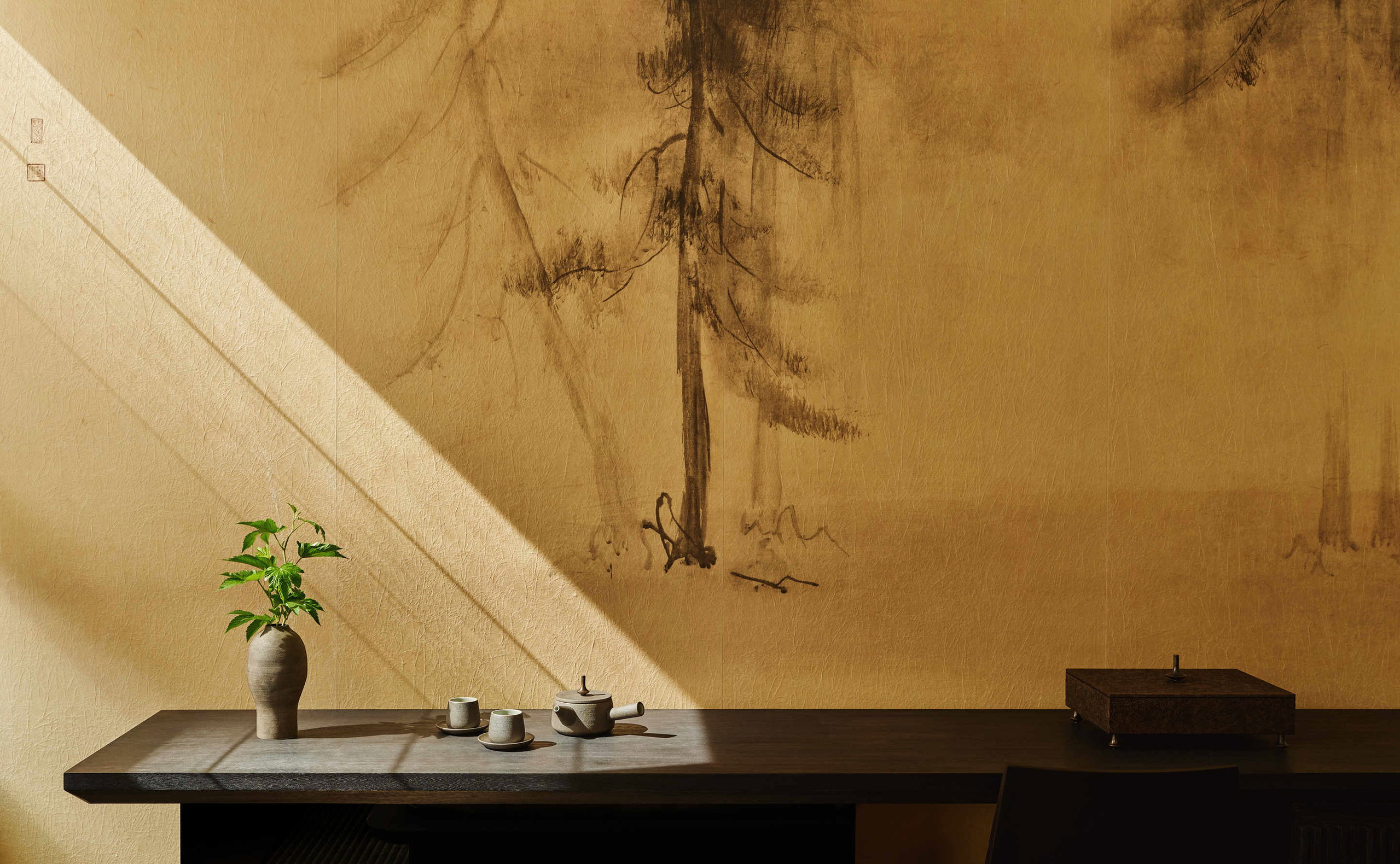
Refined, tranquil, and warmly hospitable with tsuchikabe walls, a handsome 10-seat counter, serene mountain inn-like atmosphere, and elegant presentation that feels like dining in Japan.
Tags
Vibe
Best For
Experience
Sourcing
At the Table
- Dress Code
- Smart Casual
- Noise Level
- Conversational
- Service Style
- Upscale Casual
- Meal Pacing
- Leisurely
- Capacity
- Intimate
Signature Dishes
- handmade soba
- foie gras chawanmushi
- hairy crab
Know before you go
Know Before You Go
- Getting there
- 412 Greenwich St Penthouse B, New York, NY 10013
Planning details
Location
412 Greenwich St Penthouse B, New York, NY 10013 · Directions
Recognition and awards

Also consider
Also Consider
- Le Bernardin, French, Seafood, $$$$
- Atomix, Modern Korean, Korean, $$$$
- Per Se, French, Contemporary, $$$$
- Masa, Sushi, Japanese, $$$$
- Eleven Madison Park, French, Vegan, $$$$
Restaurant context
Muku's ten-seat counter sits in a different category from Le Bernardin and Per Se by design. Those are full-service dining rooms with deep brigade structures and price points to match. If you want French fine dining with an extensive wine program and polished tableside service, book one of those. Muku is for diners who want the opposite: a small room, a focused Japanese framework, and cooking you can actually watch. Eleven Madison Park adds a third option at the prestige tier, but its vegan format and theatrical scale make it a fundamentally different evening.
Atomix is the most direct peer: a counter-format tasting menu rooted in East Asian culinary tradition, with Michelin credentials and strong authorial clarity on the plate. Choose Atomix for a Korean-influenced progression; choose Muku for Japanese kaiseki structure and the goho framework. Both are worth booking, and neither should be treated as a fallback for the other. Masa is the obvious Japanese comparison, but it operates on a sushi-omakase model at a price tier that leaves most diners little room for comparison, if cost is a factor, Muku is the more defensible choice.
Among this peer set, Muku is the call for diners who prioritise technique over theatre and intimacy over occasion grandeur. It is easiest to book of the group, which makes it a practical entry point for the New York kaiseki experience, but do not confuse accessibility with compromise. The Michelin recognition reflects cooking that holds its own against any room on this list.
Explore New York City
Around this place
Discover more on Pearl
Unlock the full Muku guide in Pearl, including awards, comparisons, FAQs, planning details, and nearby places.
Compare Muku
| Venue | Location | Cuisine | Awards | Price |
|---|---|---|---|---|
| Muku | New York City | , | 2026 OAD Top Restaurants in North America Recommended2025 Michelin 1 Star | , |
| Le Bernardin | New York City | French, Seafood | 2026 Eater NY 38 Best Restaurants in New York City · #82026 North America's 50 Best Restaurants · #132026 New York Times Best Restaurants in New York City · #212026 OAD Top Restaurants in North America Ranked · #342026 Forbes 5-Star2026 La Liste Top RestaurantsAAA Diamonds Top 10 Restaurants 20262026 Wine Spectator Grand Award2026 Les Grandes Tables du Monde Members | $$$$ |
| Atomix | New York City | Modern Korean, Korean | 2026 OAD Top Restaurants in North America Ranked · #62026 New York Times Best Restaurants in New York City · #72026 North America's 50 Best Restaurants · #7Star Wine Lists 20262026 Les Grandes Tables du Monde Members2026 La Liste Top Restaurants2025 World's 50 North America's Best Restaurants · #12025 James Beard Awards · #12025 New York Times Best Restaurants in New York City · #2 | $$$$ |
| Per Se | New York City | French, Contemporary | 2026 OAD Top Restaurants in North America Ranked · #292026 Forbes 5-Star2026 Relais Chateaux Restaurants2026 Wine Spectator Grand AwardAAA Diamonds Top 10 Restaurants 20262026 Les Grandes Tables du Monde Members2026 La Liste Top Restaurants2025 Robb Report 100 Greatest American Restaurants of the 21st Century · #102025 OAD Top Restaurants in North America Ranked · #92 | $$$$ |
| Masa | New York City | Sushi, Japanese | 2026 OAD Top Restaurants in North America Ranked · #922026 Forbes 5-Star2026 OAD Top Restaurants in North America Recommended2026 La Liste Top Restaurants2025 OAD Top Restaurants in North America Ranked · #672025 Robb Report 100 Greatest American Restaurants of the 21st Century · #862025 Michelin 2 Stars2025 La Liste Top Restaurants2025 Forbes 5-Star | $$$$ |
| Eleven Madison Park | New York City | French, Vegan | Star Wine Lists 2026 · #12026 OAD Top Restaurants in North America Ranked · #472026 Forbes 5-Star2026 Relais Chateaux RestaurantsAAA Diamonds Top 10 Restaurants 20262026 Wine Spectator Grand Award2026 Les Grandes Tables du Monde Members2026 La Liste Top Restaurants2025 Robb Report 100 Greatest American Restaurants of the 21st Century · #3 | $$$$ |













How Muku NYC compares with similar nearby venues.
FAQ
Frequently Asked Questions
How far ahead should I book Muku?
Book two to three weeks out as a baseline. The counter seats around ten people, which means availability can disappear quickly, but Muku is rated easier to book than comparable counter restaurants in New York. If you have a specific date in mind for a special occasion, go earlier rather than later.
What are alternatives to Muku in New York City?
Atomix is the closest peer: counter-format, Korean tasting menu, similarly precise and seasonal. Masa is the benchmark for Japanese counter dining in New York but sits at a significantly higher price point. If you want a larger room with comparable ambition, Eleven Madison Park trades intimacy for scale.
Is Muku good for solo dining?
Yes, and arguably it is one of the better formats for a solo diner in New York. A ten-seat counter in a penthouse setting means you are genuinely part of the room rather than parked at a side table. The kaiseki-inspired progression also works well as a solo experience — there is enough structure to hold your attention through the meal.
Can Muku accommodate groups?
Practically, no. With around ten seats total, a group of four or more would take up nearly half the room, and that is not how the counter format is designed. For group dining, Per Se or Le Bernardin offer private dining infrastructure that Muku cannot match at this scale.
Is Muku good for a special occasion?
It is a strong choice if the occasion suits an intimate, focused format. The kaiseki-inspired menu — covering five cooking techniques across a seasonal progression, with dessert courses that have drawn specific praise — is built for an unhurried evening. It works better for two than for a celebratory party.
Can I eat at the bar at Muku?
The counter is the dining room at Muku — there is no separate bar area. All seats face the kitchen, so every guest is eating at the counter. This is a feature of the format, not a limitation.
What should a first-timer know about Muku?
Muku runs a kaiseki-inspired tasting menu structured around goho — five Japanese cooking techniques: raw, grilled, simmered, steamed, and fried. Seasonality drives the menu, so expect the kitchen to change dishes based on what is available. The room is small and the pace is unhurried, so this is not a venue for a quick dinner before another engagement.