

 Book with Pearl













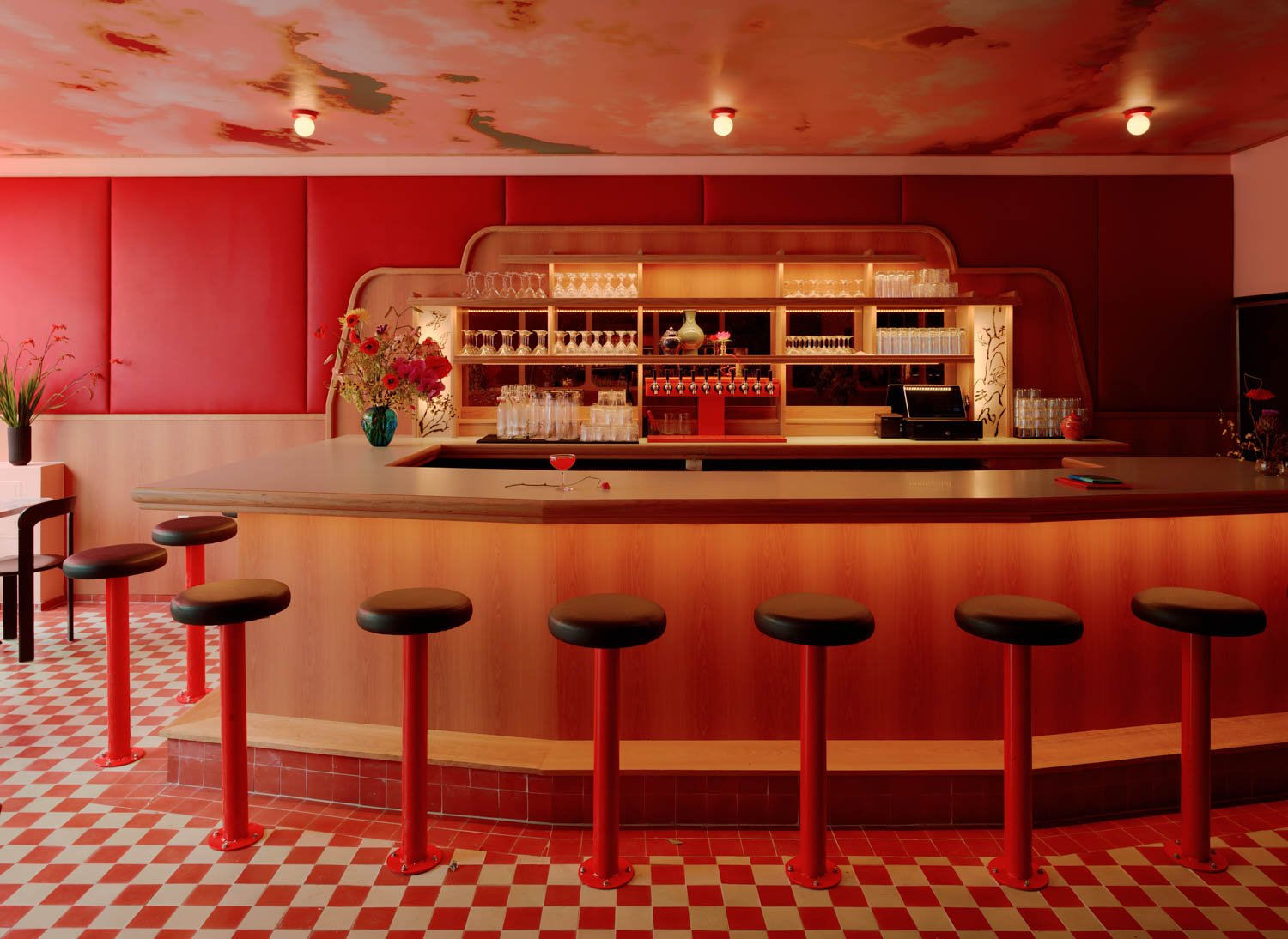
MáLà Project x Odd One In Present: The Spiciest Supper Club
A New York City singles speed dating dinner and supper club at MáLà Project, centered on dry pot, a four-course tasting menu, conversation cards, and spicy challenges.

Chinese · East Village, New York City
Restaurant in New York City, United States
Customizable Sichuan Dry Pot
Price
$30–50per person
Chef
Amelie Kang
Dress
Casual
Why go
MáLà Project's East Village original is the one worth booking: a Michelin Bib Gourmand Sichuan restaurant at $$ prices, where the customizable dry pot and Sichuan classics — cold husband and wife, dan dan noodles, white fish with pickled vegetables — deliver real cooking without the cost of most award-holding New York restaurants. Easy to book, casual in dress, and better experienced at the communal table.
MáLà Project at 122 1st Avenue in the East Village is worth booking, and the Michelin Bib Gourmand — earned and retained through 2024 — gives you the clearest signal of what you're getting: serious cooking at prices that don't require pre-planning a budget. At $$, this is one of the better-value Sichuan options in New York City, and the original location carries a weight that the newer outposts simply don't replicate. If you want Sichuan cooking with range, from customizable dry pot to cold appetizers to broth-based noodles, this is the right room. If you want a quiet dinner for two with polished service, look elsewhere.
Come back a second time and you'll notice the things that first-timers miss. The setting is cavernous and winding in a way that rewards a slower look: exposed brick running the length of the walls, low ceilings that compress the energy of a full room, and a communal table that does real work on busy nights. On a first visit, the room can feel like a backdrop. On a return, it starts to feel like part of the point. The communal table, in particular, is worth requesting if you're coming solo or as a pair, it positions you next to the flow of the kitchen and puts you in conversation with whatever the table is ordering collectively, which is a reasonable orientation for a menu built around sharing.
The editorial angle here matters: MáLà Project is a place where where you sit shapes what you eat. The dry pot format, in which you build your own combination of proteins, vegetables, and spice level, is a more engaging process at the communal setup than at a corner table. You make choices, the kitchen executes them, and you end up with something specific to your preferences rather than a standard plate. For a food-focused visitor who wants to engage with the format rather than just receive it, that interaction is the meal.
The menu has range, but a few items carry more weight than the rest. The cold husband and wife appetizer, braised beef and tripe, has been a recurring highlight, and it works as an entry point into the flavor register before the dry pot arrives. Dan dan noodles, served warm, are technically grounded without being aggressive: the spice is present but managed. The white fish with pickled vegetables is worth ordering if it's available; it sits at the lighter end of the menu and provides a useful counterpoint to the heavier dry pot proteins.
Spice calibration here is not a barn-burner approach. The kitchen uses Sichuan pepper and chili with precision rather than escalation, which means the numbing heat (ma) and the chili heat (là) are both present but neither overwhelms. For diners who have been put off by Sichuan cooking that prioritizes heat for its own sake, MáLà Project reads as more approachable. For diners who want maximum intensity, the dry pot's customizable spice level allows for escalation.
Booking here is easy by New York City standards, this is not a venue that requires a month of advance planning. A few days out is typically sufficient, though weekend evenings fill more reliably than weekday slots. The $$ price range means a full dinner with drinks sits well below the $100-per-head threshold that most Manhattan dining triggers. The East Village location at 122 1st Avenue is accessible from multiple subway lines and sits in a stretch of the avenue that has enough other options to anchor a full evening in the neighbourhood. MáLà Project has expanded to multiple locations across the city, but the original East Village room carries a different energy, tighter, more concentrated, and better for the kind of meal where the setting is part of the decision. If you're exploring the broader New York City dining landscape, see our full New York City restaurants guide.
Within New York's Chinese restaurant options, MáLà Project occupies a specific tier: recognized by Michelin, accessible in price, and Sichuan-focused with enough menu depth to work for repeat visits. For a different register of Chinese cooking, Cantonese seafood, traditional dim sum, Asian Jewel Seafood Restaurant and Big Wong operate in different culinary territory. For Sichuan-adjacent options with overlapping spice profiles, Chongqing Lao Zao is worth knowing. For the East Village's broader Chinese options, Alley 41 and Blue Willow round out a useful comparison set in the neighbourhood.
If you're mapping MáLà Project against comparable Sichuan-influenced Chinese restaurants in other cities, Mister Jiu's in San Francisco offers a useful point of reference for what Chinese cooking looks like when it engages with a fine-dining format, different in approach and price, but useful for calibrating expectations. Restaurant Tim Raue in Berlin sits at the opposite end of the formality spectrum for Chinese-influenced cooking in a Western city.
For broader Pearl coverage of New York: our New York City hotels guide, bars guide, wineries guide, and experiences guide cover the full picture.
Exploring the East Village and Lower East Side: Alley 41, Blue Willow, and Chongqing Lao Zao are all within reach. For a broader New York night out, the full Pearl New York City restaurants guide covers the city's range across price tiers and cuisines.
MáLà Project’s East Village original feels like a chef-driven neighborhood room wrapped in raw, urban material. Exposed brick and low ceilings anchor a cavernous, winding layout that reads more like a working kitchen environment than a design-forward showcase. The communal table is the social spine here, nudging service and seating toward group sharing and extended meals. The menu’s Sichuan focus—presented with a deliberate balance between authenticity and approachability—keeps the tone direct and pragmatic: it’s a place built for conversation, appetite, and the slightly unruly energy of communal dining in the East Village.
This is a restaurant that rewards groups and diners who enjoy shared, participatory eating. The dry pot format and the large communal table are designed for group decision-making and leisurely meals, so it’s especially well suited to friends, families, or coworkers who want to sample a range of Sichuan preparations together. At the same time, adventurous solo diners comfortable with slightly boisterous rooms will find authentic regional flavors that read as deliberate and chef-driven rather than tourist-friendly. The East Village setting preserves the original’s neighborhood character even as the concept expands.
Lean into the dry pot format: build your dish by choosing proteins (the menu frames options as meat, seafood, or both), add vegetables, and select a spice level—the house format centers on that point of customization. The dry pot is shareable by design, so order with companions and pace dishes across the table. Don’t miss the menu’s signature items—like the Sichuan dry pot and the dan dan noodles—which illustrate the kitchen’s approach of balancing numbing spice and layered flavor while remaining accessible to a broader audience.
Cheerful and upbeat with exposed brick, low ceilings, communal tables, and cozy lighting from tea light candles.
MáLà Project operates in an entirely different tier from most of New York's other Michelin-recognized restaurants, and that gap is the point. At $$, it holds a Bib Gourmand while venues like Le Bernardin, Atomix, Eleven Madison Park, Masa, and Per Se all sit at $$$$. If your question is value for money against those alternatives, MáLà Project wins without contest, you are getting Michelin recognition at a fraction of the cost.
The comparison only makes sense when the format matches your intention. Le Bernardin, Atomix, and Per Se are built around structured, multi-course progression in formal rooms with service-led experiences. MáLà Project is a casual, participatory dinner where you build the meal yourself through the dry pot format. If you want a celebration dinner with a clear narrative arc and wine pairings, the $$$$ category serves you better. If you want an engaging, food-forward evening at a price where you can order freely without watching the bill, MáLà Project is the correct choice.
For booking difficulty, MáLà Project is the easiest of this set by a significant margin. Masa and Atomix require advance planning that can run weeks out; Le Bernardin and Per Se are competitive on popular evenings. MáLà Project can typically be booked days in advance. That accessibility is part of the value, you are not trading flexibility for quality at this price point.
Unlock the full MáLà Project guide in Pearl, including awards, comparisons, FAQs, planning details, and nearby places.
| Venue | Cuisine | Price | Awards | Booking Difficulty |
|---|---|---|---|---|
| MáLà Project | Chinese | $$ | 2025 Michelin Bib Gourmand2024 Michelin Bib Gourmand | Easy |
| Le Bernardin | French, Seafood | $$$$ | 2026 Eater NY 38 Best Restaurants in New York City · #82026 North America's 50 Best Restaurants · #132026 New York Times Best Restaurants in New York City · #212026 OAD Top Restaurants in North America Ranked · #342026 Forbes 5-Star2026 La Liste Top RestaurantsAAA Diamonds Top 10 Restaurants 20262026 Wine Spectator Grand Award2026 Les Grandes Tables du Monde Members | Unknown |
| Atomix | Modern Korean, Korean | $$$$ | 2026 OAD Top Restaurants in North America Ranked · #62026 New York Times Best Restaurants in New York City · #72026 North America's 50 Best Restaurants · #7Star Wine Lists 20262026 Les Grandes Tables du Monde Members2026 La Liste Top Restaurants2025 World's 50 North America's Best Restaurants · #12025 James Beard Awards · #12025 New York Times Best Restaurants in New York City · #2 | Unknown |
| Eleven Madison Park | French, Vegan | $$$$ | Star Wine Lists 2026 · #12026 OAD Top Restaurants in North America Ranked · #472026 Forbes 5-Star2026 Relais Chateaux RestaurantsAAA Diamonds Top 10 Restaurants 20262026 Wine Spectator Grand Award2026 Les Grandes Tables du Monde Members2026 La Liste Top Restaurants2025 Robb Report 100 Greatest American Restaurants of the 21st Century · #3 | Unknown |
| Masa | Sushi, Japanese | $$$$ | 2026 OAD Top Restaurants in North America Ranked · #922026 Forbes 5-Star2026 OAD Top Restaurants in North America Recommended2026 La Liste Top Restaurants2025 OAD Top Restaurants in North America Ranked · #672025 Robb Report 100 Greatest American Restaurants of the 21st Century · #862025 Michelin 2 Stars2025 La Liste Top Restaurants2025 Forbes 5-Star | Unknown |
| Per Se | French, Contemporary | $$$$ | 2026 OAD Top Restaurants in North America Ranked · #292026 Forbes 5-Star2026 Relais Chateaux Restaurants2026 Wine Spectator Grand AwardAAA Diamonds Top 10 Restaurants 20262026 Les Grandes Tables du Monde Members2026 La Liste Top Restaurants2025 Robb Report 100 Greatest American Restaurants of the 21st Century · #102025 OAD Top Restaurants in North America Ranked · #92 | Unknown |
How MáLà Project stacks up against the competition.
MáLà Project does not operate on a tasting menu format. The model here is à la carte or the customizable dry pot, where you choose your own ingredients and spice level. That flexibility is part of the appeal at $$, and it suits groups better than a fixed progression would.
The dry pot format works in your favor here: you select your own proteins, vegetables, and rice, which gives diners with dietary restrictions real control over what goes in the pot. For the à la carte Sichuan classics, the kitchen should be consulted directly, but the menu's range across meat, seafood, and vegetable options provides practical flexibility.
Yes, and groups are arguably the best way to experience it. The communal table and dry pot format are designed for shared eating, and a larger party means you can cover more of the menu. The cavernous, winding room at 122 1st Ave handles groups comfortably, though larger parties should book ahead rather than walk in.
A few days out is generally sufficient, which is unusual for a Michelin Bib Gourmand venue in New York City. Weekend evenings will be tighter, so book earlier in that case. This is not a month-in-advance situation like higher-tier omakase spots or tasting menu restaurants.
At $$, it is one of the stronger value propositions among Michelin-recognized restaurants in New York City. The Bib Gourmand designation specifically signals good food at accessible prices, and MáLà Project has held that credential through 2024. You are getting Sichuan cooking at a level that outperforms its price point.
No dress code applies here. The East Village setting, exposed brick, communal table, and $$ price point all point toward casual. Come as you would to any relaxed neighborhood restaurant.
Bar seating is not documented in available venue data, but the communal table is a confirmed feature of the room. For solo diners or pairs who want flexibility, the communal table is a practical option worth requesting when booking.
Pearl events
Public events currently associated with this Pearl venue.
A New York City singles speed dating dinner and supper club at MáLà Project, centered on dry pot, a four-course tasting menu, conversation cards, and spicy challenges.
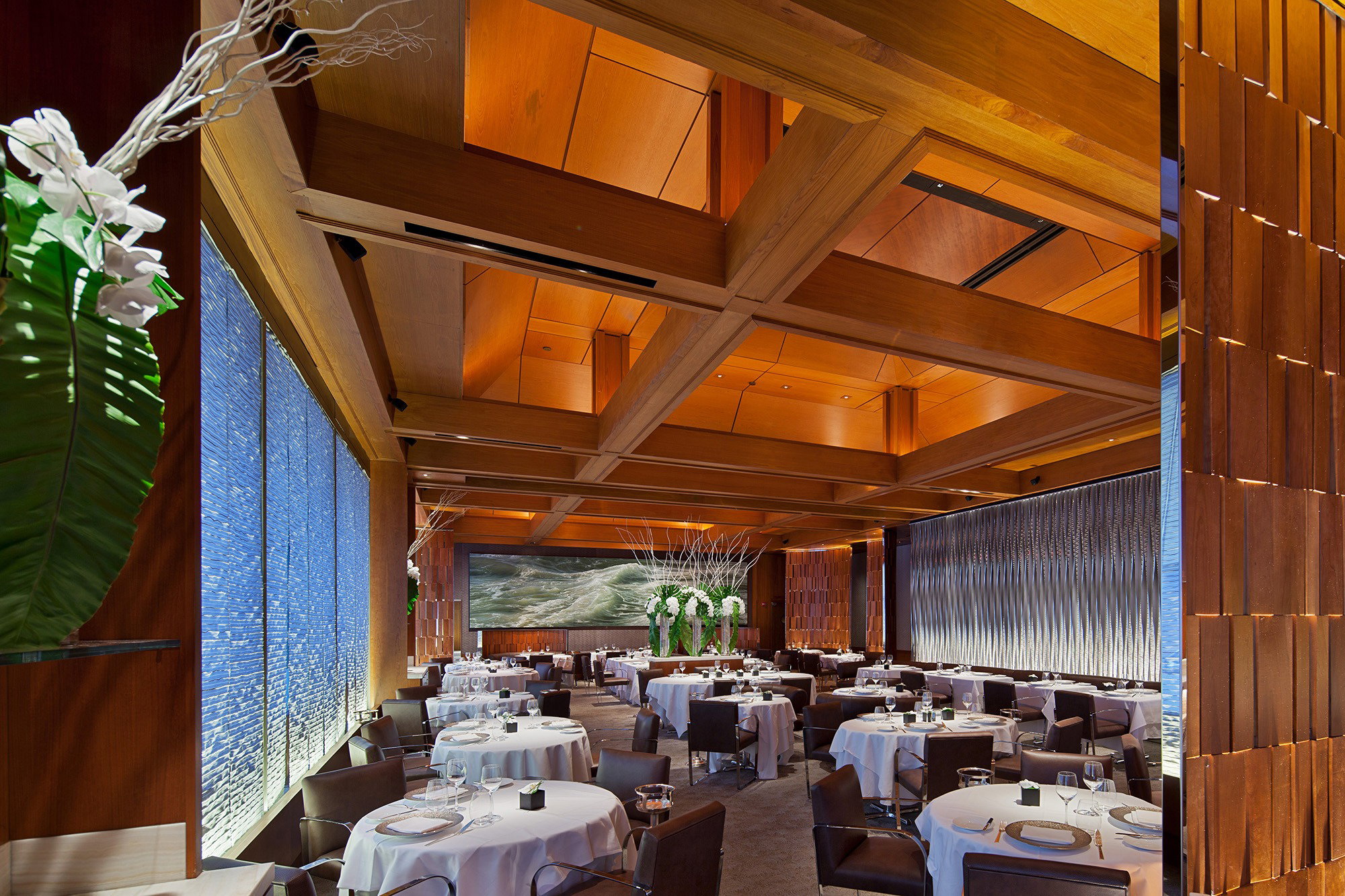 Le BernardinNew York CityLe Bernardin is a seafood restaurant in Midtown Manhattan.
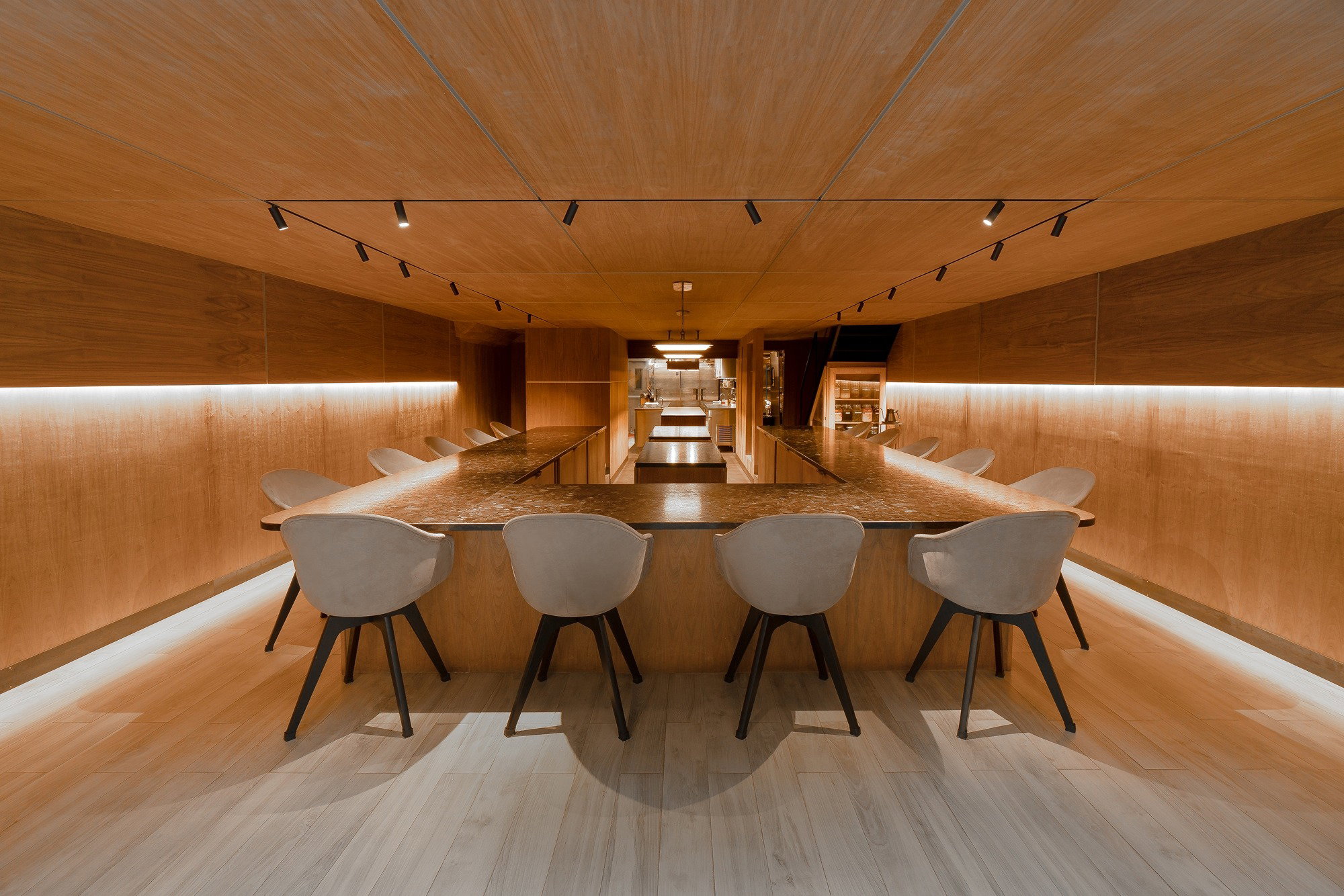 AtomixNew York CityAtomix is a Korean tasting-menu restaurant in New York City.
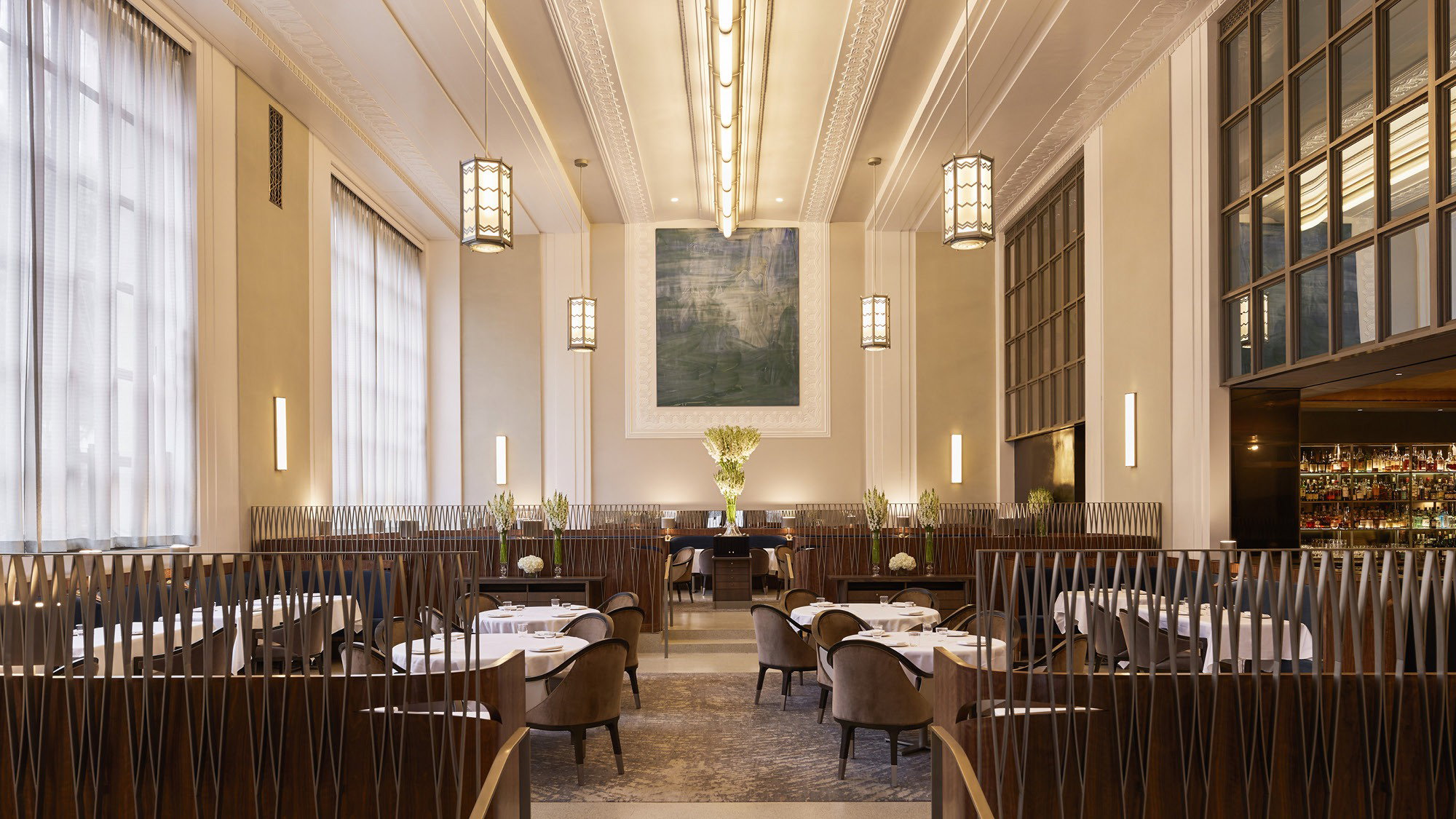 Eleven Madison ParkNew York CityEleven Madison Park is a fine-dining restaurant overlooking Madison Square Park in New York City.
 Jungsik New YorkNew York CityJungsik New York is a restaurant on Harrison Street in New York City.
 KabawaNew York CityKabawa is Paul Carmichael and Momofuku's Caribbean restaurant in New York City.
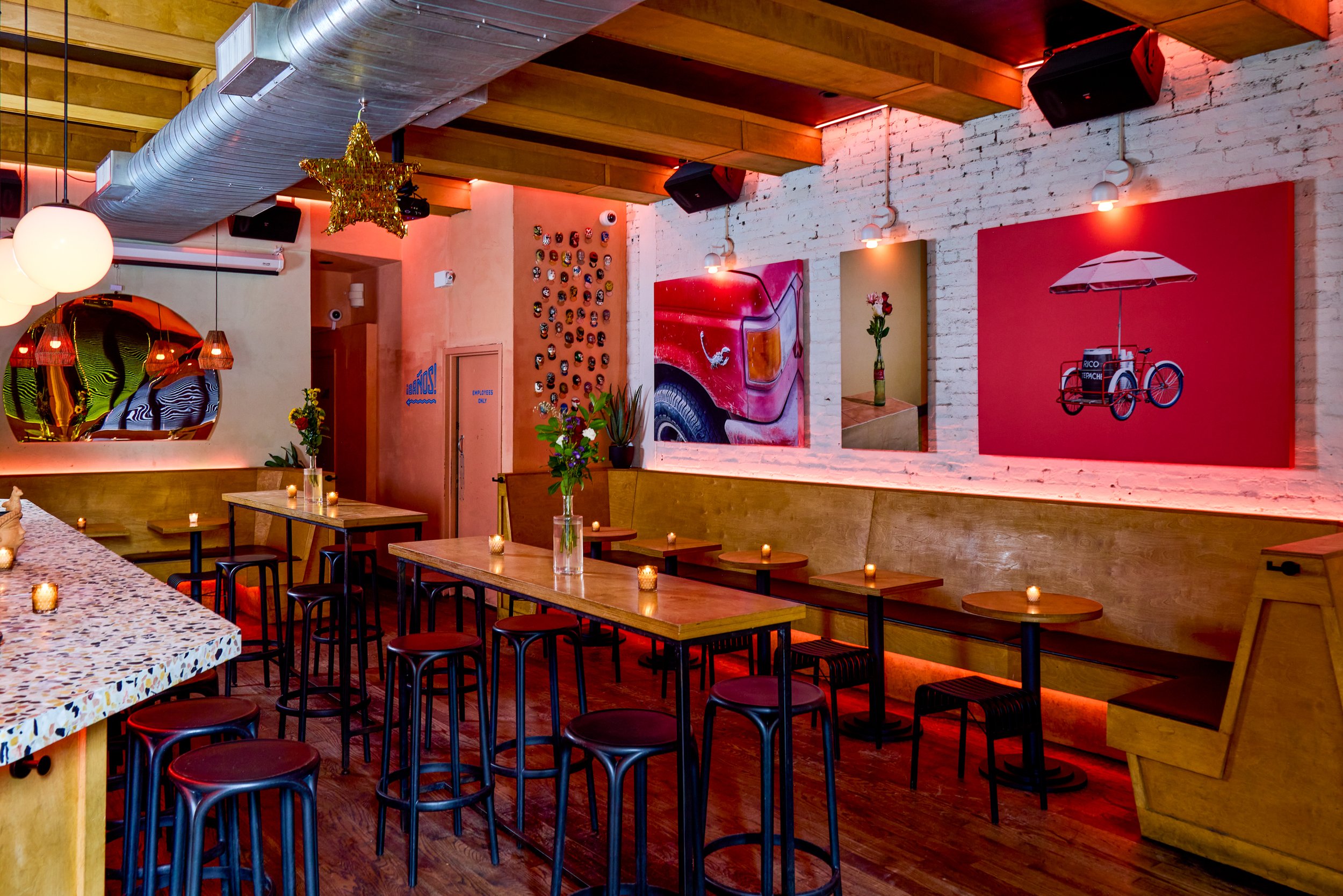 SuperbuenoNew York CitySuperbueno is a cocktail bar on First Avenue in New York City.
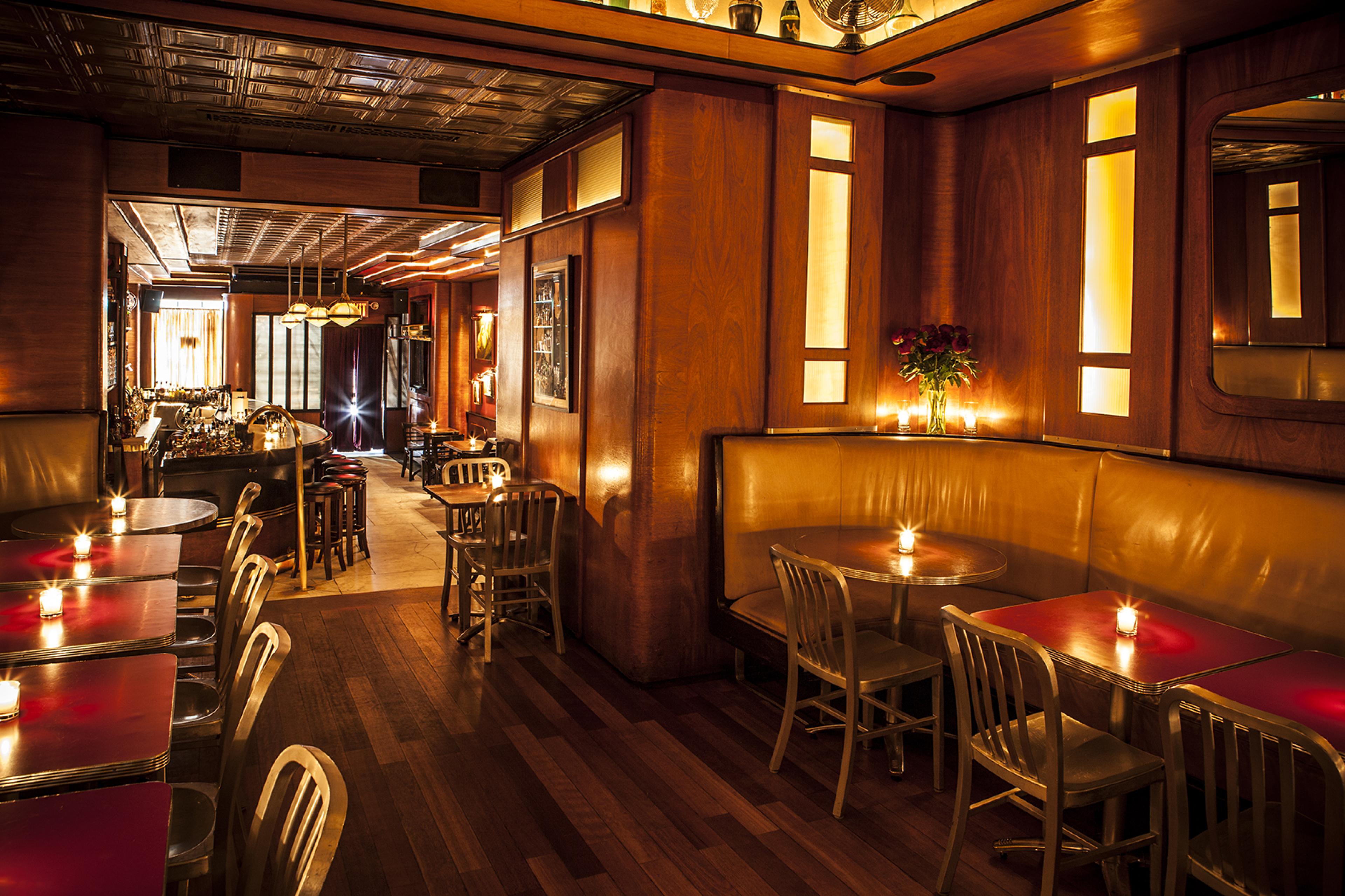 Employees Only NYCNew York CityEmployees Only NYC is a cocktail bar on Hudson Street in New York City's West Village.
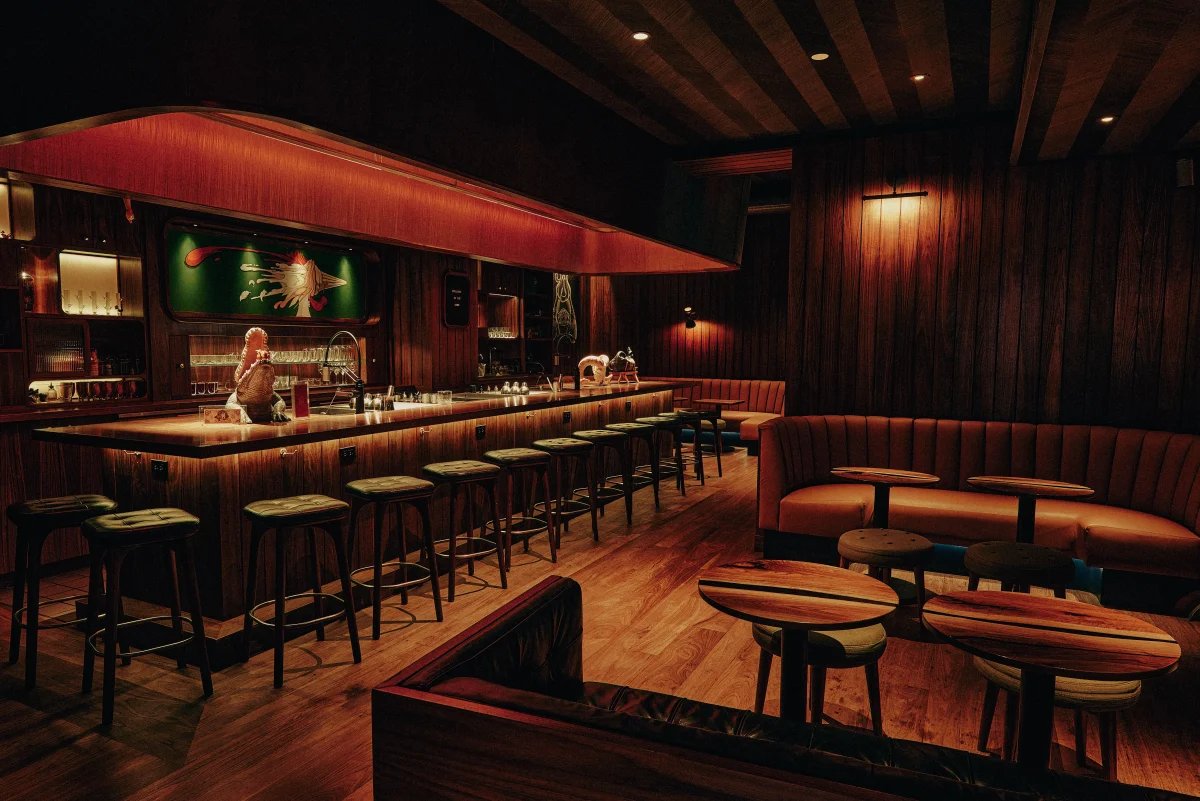 Double Chicken PleaseNew York CityDouble Chicken Please is a cocktail bar on Allen Street in New York City's Lower East Side.
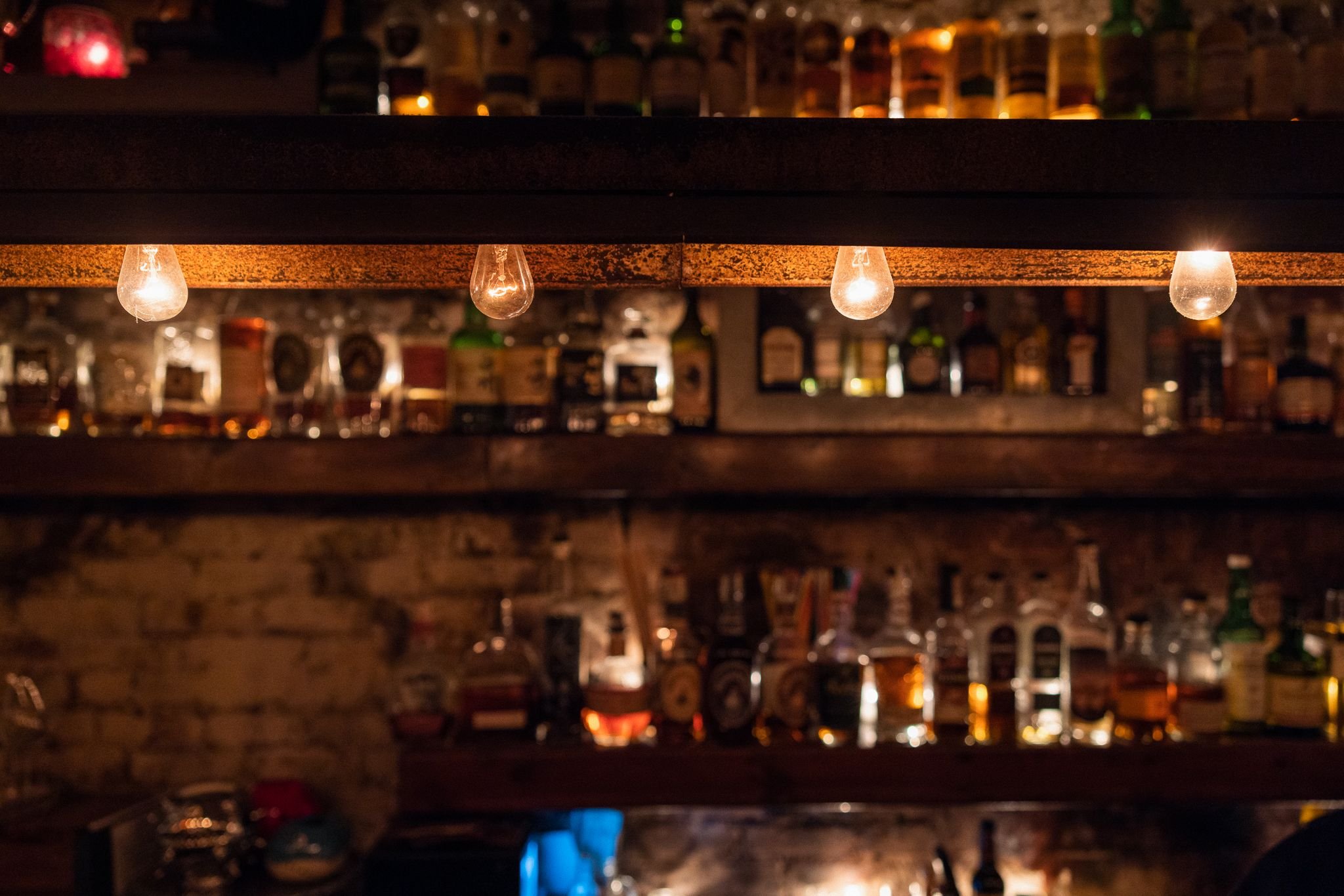 AttaboyNew York CityAttaboy NYC is a cocktail bar on Eldridge Street in New York City.
 Sip & GuzzleNew York CityA high-commitment West Village cocktail booking that makes sense for dates and small celebrations, not loose group…
 The Fifth Avenue HotelNew York CityThe Fifth Avenue Hotel is a hotel in Manhattan's NoMad neighborhood.
 The MarkNew York CityThe Mark is a hotel on East 77th Street on Manhattan's Upper East Side.
 Aman New YorkNew York CityAman New York is a hotel on Fifth Avenue in New York City.
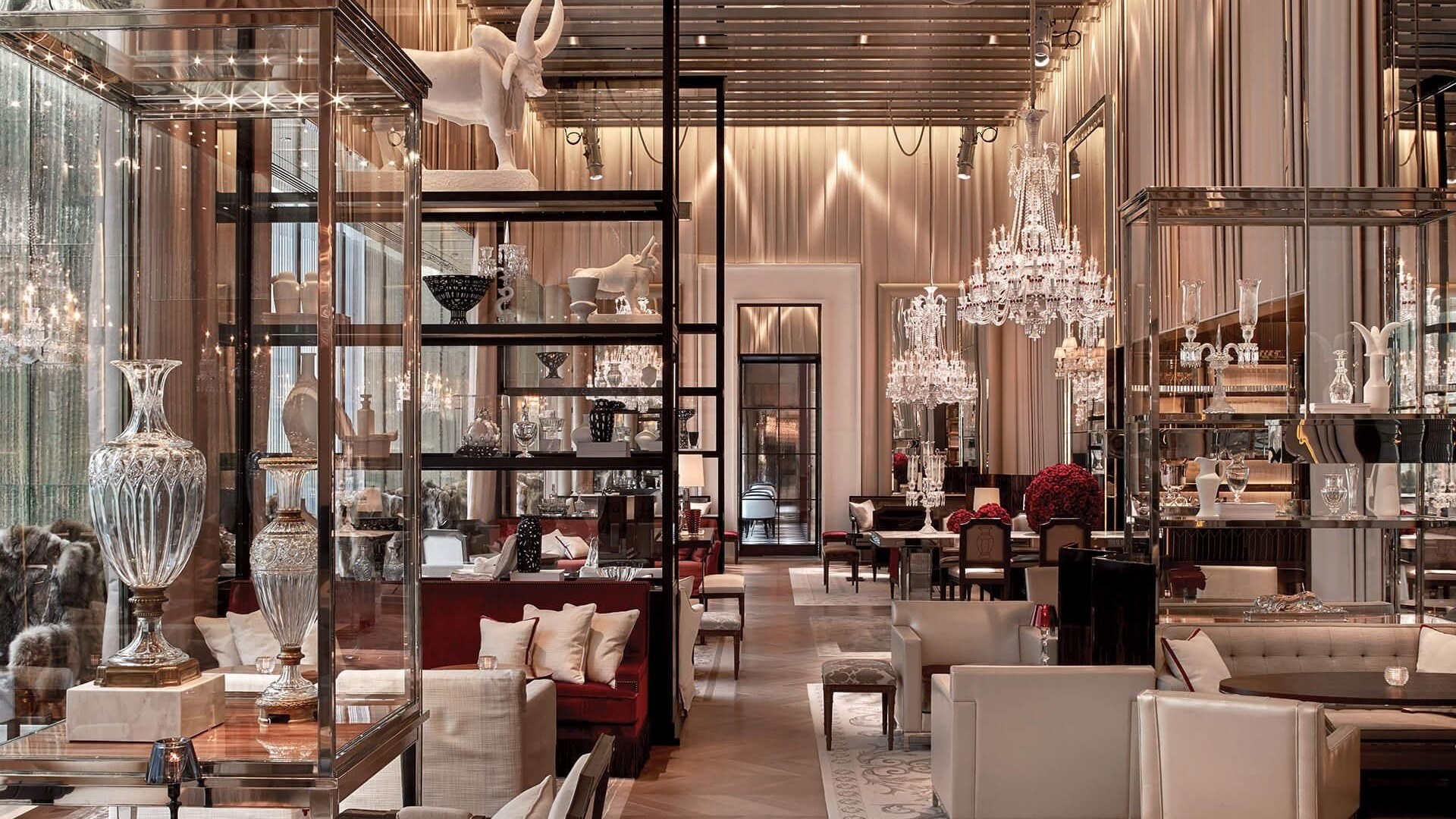 Baccarat Hotel New YorkNew York CityBaccarat Hotel New York is a hotel on West 53rd Street in Midtown Manhattan.
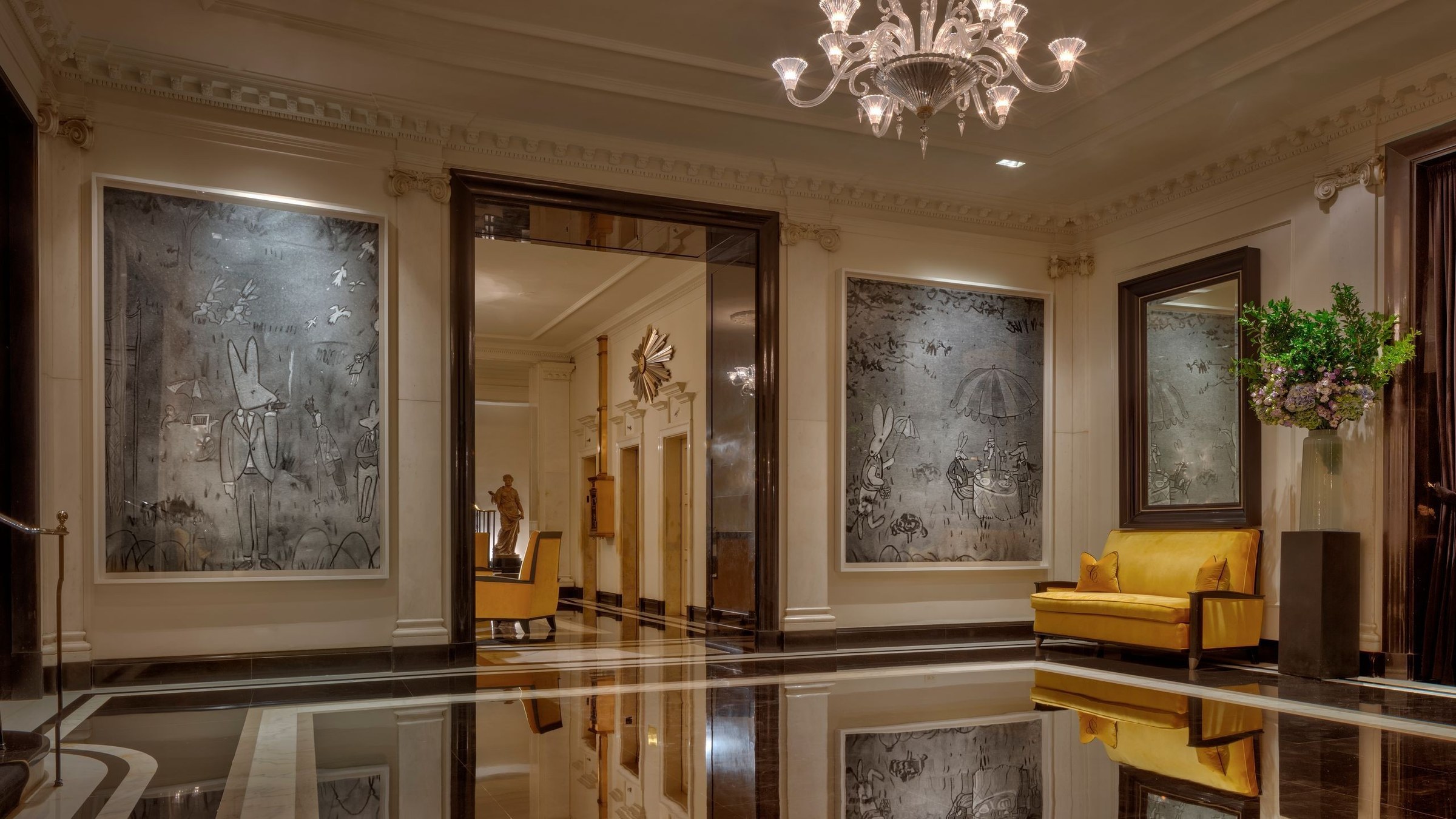 The Carlyle, A Rosewood HotelNew York CityThe Carlyle, A Rosewood Hotel is a hotel on East 76th Street in New York City.
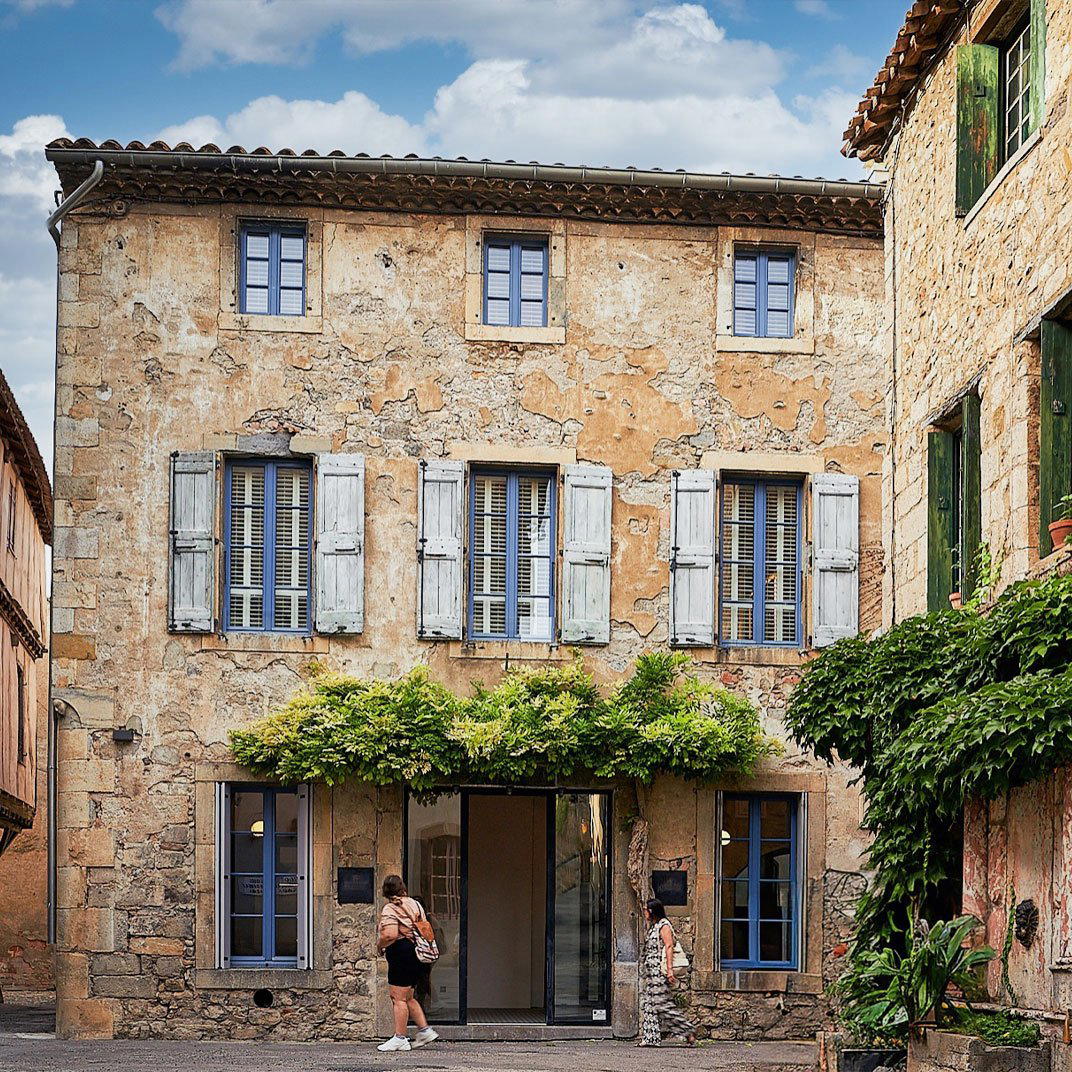 Cave à Vin & à Manger - Maison Saint-CrescentNarbonneA two-Michelin-star kitchen at an unusually accessible price point, Cave à Vin & à Manger - Maison Saint-Crescent is the strongest case for a serious meal in Narbonne. Book well in advance and treat this as a sit-down-only experience; the food does not travel.
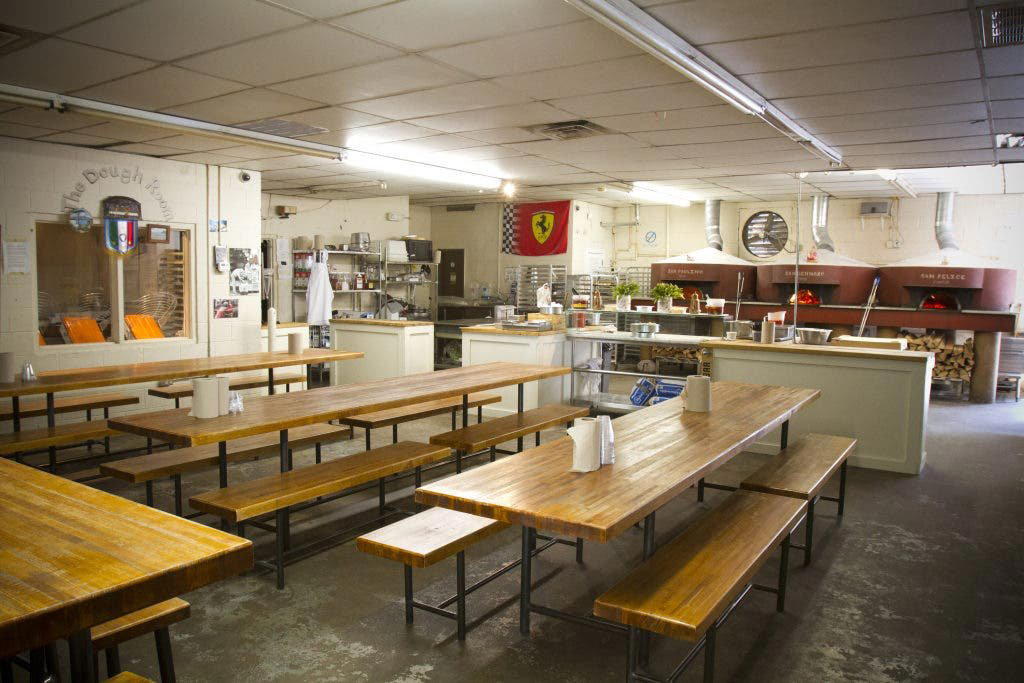 Antico Pizza NapoletanaAtlantaAntico Pizza Napoletana holds a 2025 Michelin Bib Gourmand and; the strongest value case for Neapolitan pizza in Atlanta. Order at the counter, watch the wood-fired ovens from your seat, and eat immediately. At $$, it's the rare Michelin-recognized meal that doesn't require a reservation or a large budget.
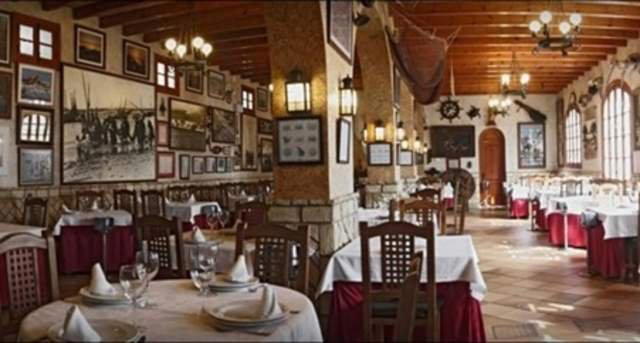 Casa BigoteSanlúcar de BarramedaA Michelin Bib Gourmand marisqueria in Sanlúcar de Barrameda's Bajo de Guía fishing district, Casa Bigote has been serving estuary seafood since 1951. The Sanlúcar langostinos are the signature order, and at €€ with consistent OAD Casual Europe recognition, the value is clear. Book lunch for the upstairs Guadalquivir views; note it closes Sundays and all of November.
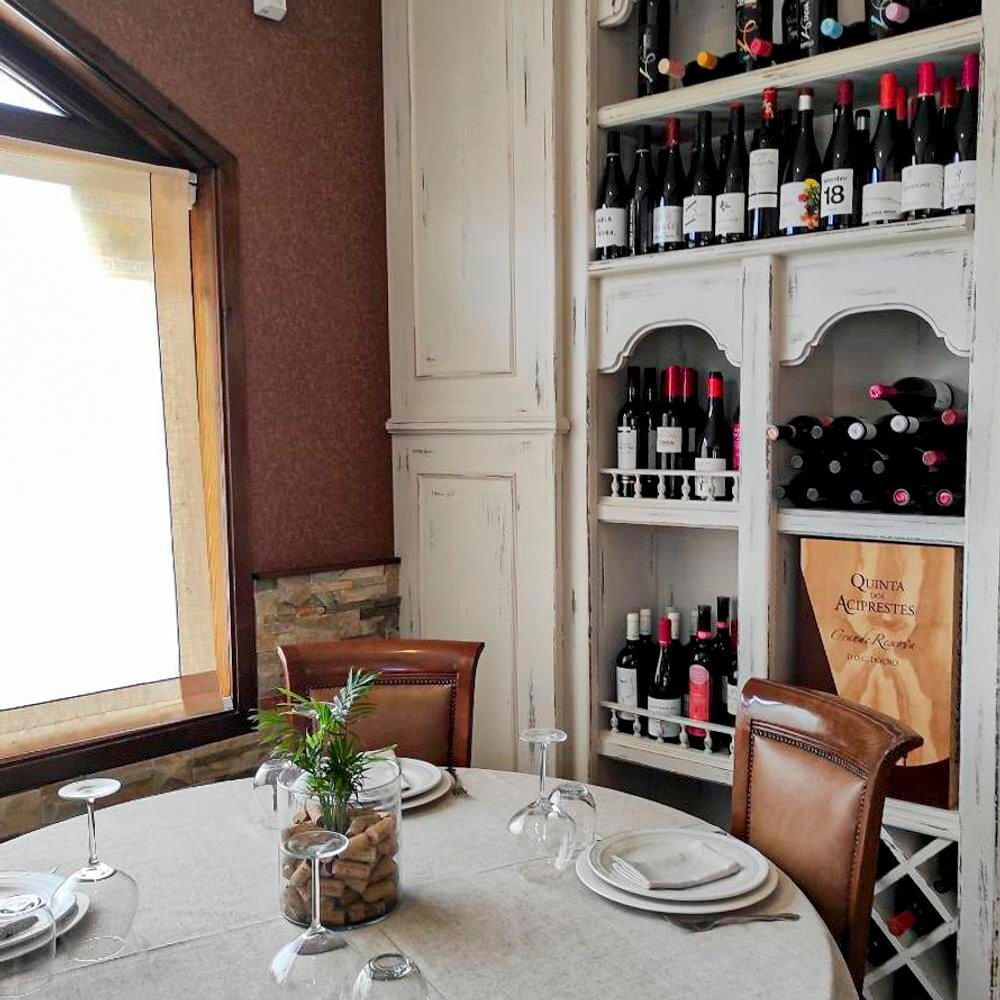 Terreo Cocina CasualA CoruñaTwo consecutive Michelin Bib Gourmand awards (2024 and 2025) and tell you what to expect: serious cooking at a price that does not require justification. The half-raciones format and rice-forward menu make Terreo Cocina Casual one of A Coruña's most practical choices for a date or low-key celebration, with booking difficulty that remains Easy despite the recognition.
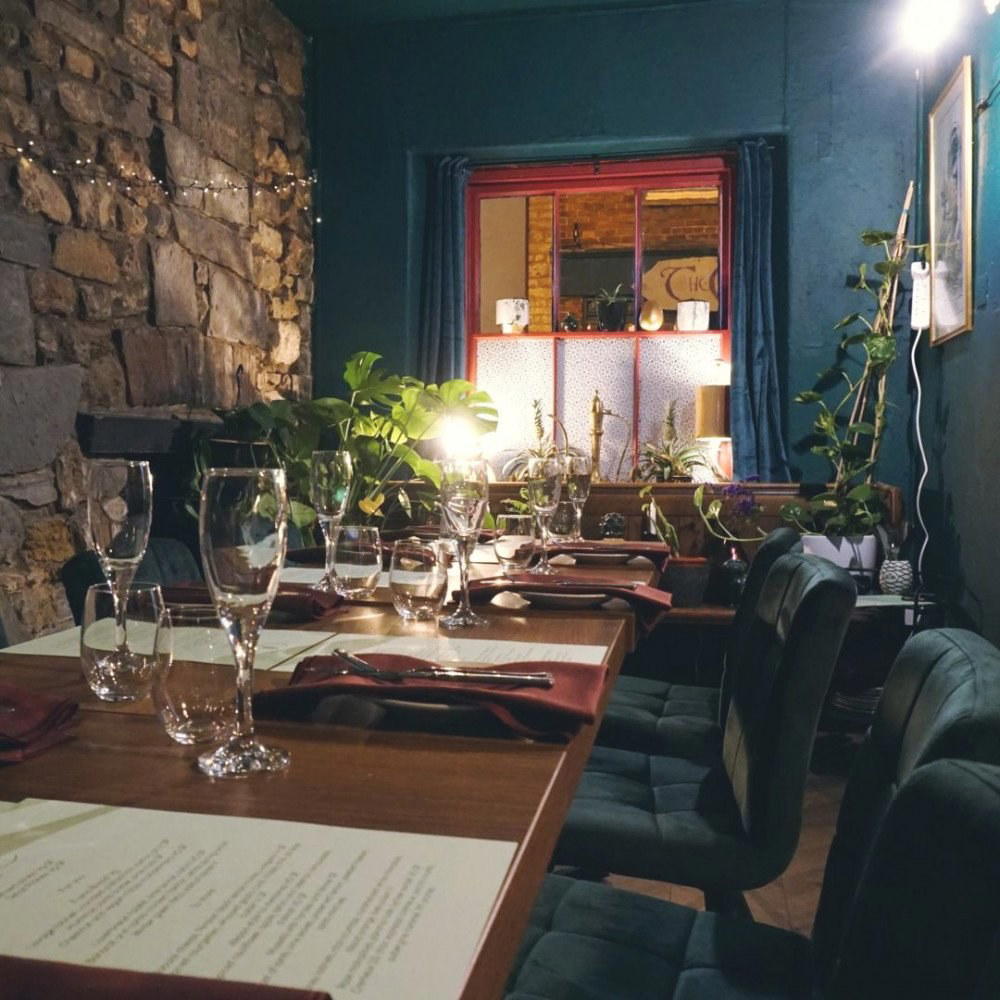 Root WellsWellsRoot Wells holds a Michelin Bib Gourmand for two consecutive years and earns it at ££ pricing; vegetable-led small plates with a seasonally changing menu, an open kitchen, and views of Wells Cathedral. It is the strongest restaurant in the city by a clear margin and one of the better value Michelin-recognised meals in the South West. Book one to three weeks ahead.