Restaurant in New York City, United States
OAD-ranked tasting format, easy to book.
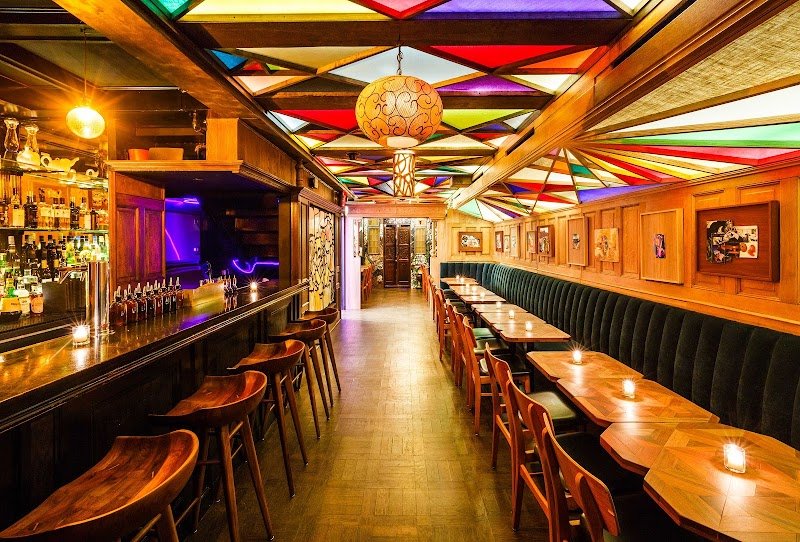
Juku on Mulberry Street is one of Lower Manhattan's more compelling cases for serious Japanese dining outside of midtown, backed by back-to-back OAD recognition (Highly Recommended 2023, ranked #341 in 2024) and a 4.6 Google rating across 329 reviews. Booking is easier than the credentials suggest. Go for the tasting format; the intimate room suits it.
Getting a table at Juku is easier than you might expect for a restaurant that earned a spot on the Opinionated About Dining Leading Restaurants in North America list — ranked #341 in 2024 and Highly Recommended in 2023. That booking accessibility is genuinely good news, because Juku, tucked into 32 Mulberry Street in Manhattan's Chinatown, is worth planning around. If you are looking for serious Japanese cooking in a neighbourhood more associated with dim sum and roast duck, this is the address that rewards the effort.
Juku sits on Mulberry Street in a part of Lower Manhattan where the dining room density is high but the fine-dining options are few. The space leans intimate, which matters here: a smaller room suits the format of chef Kazuo Yoshida's kitchen, where attention to the progression of a meal is the whole point. This is not a large-format dining room built for volume. It is a setting where the physical scale of the experience — close seating, a contained environment, the sense that the kitchen is cooking for you specifically , shapes how the food lands. For an explorer-minded diner who wants depth over spectacle, that spatial register is a strength, not a compromise.
The OAD recognition tells you something useful: this is a restaurant that serious diners in North America have flagged as worth tracking. OAD rankings are driven by votes from frequent, informed restaurant-goers rather than institutional critics, which means Juku's back-to-back appearances (2023 Highly Recommended, 2024 ranked #341) reflect genuine repeat enthusiasm from people who eat widely and compare carefully. A Google rating of 4.6 across 329 reviews adds a broader signal that the experience holds up across a range of diners, not just the tasting-menu circuit regulars.
Juku's editorial angle is the architecture of the meal itself. Japanese tasting formats at this level tend to follow a logic of restraint and accumulation: lighter preparations early, umami-forward courses in the middle, something clean or sweet to close. Without confirmed menu specifics in the database, the detail to hold onto is the format itself , this is a kitchen where sequence and pacing are the craft, not just the food in isolation. Chef Yoshida's approach, operating in a compact room in Chinatown rather than a high-visibility midtown address, suggests a focus on the plate rather than the room's prestige. That is a useful signal for how to calibrate expectations: come for the cooking, not the address.
For comparison, if you are weighing Japanese tasting experiences across the city, odo and Noda occupy similar territory , OAD-recognised, intimate, and built around a chef's progression rather than a la carte choice. Tsukimi is another Lower Manhattan Japanese option worth considering if you want to compare formats before committing. For something more casual in the neighbourhood, Blue Ribbon Sushi Izakaya or Chikarashi give you Japanese cooking without the tasting-menu commitment.
Reservations: Booking difficulty is rated Easy, so you do not need to plan months out , a week or two of lead time should be sufficient in most cases, though weekends may tighten. Address: 32 Mulberry St, Chinatown, Manhattan. Awards: OAD Leading Restaurants in North America #341 (2024); OAD Highly Recommended (2023). Google Rating: 4.6 / 5 (329 reviews). Price range: Not confirmed in available data , contact the restaurant directly or check current booking platforms for pricing. Dress: No confirmed dress code, but the intimate, chef-focused format suggests smart casual is appropriate. Cuisine: Japanese.
If Juku sparks interest in chef-driven Japanese tasting formats beyond New York, Myojaku in Tokyo and Azabu Kadowaki in Tokyo are worth adding to your list for context on how the format plays at its source. For fine-dining tasting experiences in other American cities, Smyth in Chicago, Lazy Bear in San Francisco, Providence in Los Angeles, The French Laundry in Napa, Single Thread Farm in Healdsburg, and Emeril's in New Orleans cover the range of what serious tasting-format dining looks like across the country.
For everything else in the city: our full New York City restaurants guide, hotels guide, bars guide, wineries guide, and experiences guide.
| Venue | Price | Value |
|---|---|---|
| Juku | — | |
| Le Bernardin | $$$$ | — |
| Atomix | $$$$ | — |
| Per Se | $$$$ | — |
| Masa | $$$$ | — |
| Eleven Madison Park | $$$$ | — |
What to weigh when choosing between Juku and alternatives.
Yes, with the right expectations. Juku's OAD Top 341 (2024) ranking and chef-driven Japanese tasting format give it enough prestige for a meaningful dinner. It works best for occasions where the meal itself is the event — not a backdrop for a large group celebration. Two to four guests who want to focus on the food will get more out of it than a party looking for atmosphere.
Booking difficulty at Juku is rated Easy, so one to two weeks of lead time is generally sufficient. You do not need to plan months out the way you would for Atomix or Masa. That accessibility is part of the case for booking: OAD recognition without the reservation anxiety.
It can work well for solo diners, particularly if the format includes counter seating, which is common in Japanese tasting restaurants. The low booking difficulty means you are not fighting for a single seat the way you might at a more competitive counter. Solo diners who want to focus on the food without conversation pressure will find the format suits them.
Small groups of two to four are the natural fit for a Japanese tasting format at this level. Larger parties should check the venue's official channels before assuming availability, as tasting menus and intimate dining rooms typically have constraints on group size that are not always posted publicly. Chef Kazuo Yoshida's restaurant on Mulberry Street is not set up as a large-party venue.
Atomix on 30th Street is the most direct comparison for chef-driven Korean-Japanese tasting in NYC and carries higher awards recognition, but is significantly harder to book. For Japanese specifically, Masa at the Time Warner Center is the top-tier option if price is not a constraint. Juku's advantage over both is accessibility: OAD-ranked quality without the booking battle or Masa-level pricing.
Bar seating details are not confirmed in available records for Juku. Japanese tasting restaurants at this level often have a counter format rather than a conventional bar, so it is worth asking when you book whether counter seats can be reserved separately from the main dining room.
Dress expectations are not specified in Juku's available information, but a Japanese tasting restaurant with OAD Top 341 recognition in Lower Manhattan generally calls for neat, put-together clothes rather than formal attire. Avoid anything too casual — trainers and shorts would be out of place — but a jacket is unlikely to be required.
Keep this venue in your Pearl passport, rate it after you visit, and track it alongside every other place you collect.


