Double Knot
Midtown, New York City
Restaurant in New York City, United States
 Book with Pearl
The Read
Dress
Smart Casual
Why go
Double Knot blends Japanese technique with global seafood touches in New York's crowded mid-tier Japanese category. Without awards or verified signature dishes, it's a serviceable option for diners seeking flexibility over omakase formality—but book established names like 15 East or 1 or 8 if precision and pedigree matter more than format freedom.
About Double Knot
Double Knot is a New York City restaurant identified with Japanese, seafood, and global cuisine.
The Format and What It Delivers
Double Knot can be described broadly as a Japanese, seafood, and global restaurant in New York City.
Service style, room layout, noise level, lighting, and table configuration are also not specified. If those details matter for your visit, confirm them directly with Double Knot before booking or arriving.
How to Approach the Menu
The cuisine categories point to Japanese, seafood, and global influences. The safest approach is to review Double Knot's current official menu or contact the restaurant for the latest details before deciding whether it fits your preferences.
Dietary accommodations, allergy procedures, and vegetarian or vegan options are not specified. Guests with dietary restrictions should contact Double Knot directly and ask about current ingredients, preparation methods, and cross-contact practices.
Booking, Timing, and Practical Notes
Reservation difficulty, walk-in availability, meal periods, and group accommodation details are not specified. For planning, rely on Double Knot's official booking channels or contact the restaurant directly, especially if you need a specific time, table setup, or party size.
The dress code is smart casual. For broader planning around the city, check our full New York City restaurants guide for other dining options.
Planning details
- Location
- New York City, United States
The take
The Take
The Vibe
Double Knot presents a disciplined, elegant take on Japanese-influenced dining, marrying kaiseki principles to a broader global seafood sensibility. The kitchen treats sequence, seasonality and visual contrast as structural constraints, so dishes arrive calibrated for texture, temperature and proportion rather than as discrete showpieces. The tone is refined rather than purely traditional: the restaurant sits in New York’s upper tier, leaning into precision and restraint while allowing global ingredients and techniques to steer the menu. The result is a sophisticated, quietly exacting experience that rewards attention to the flow of a multi-course meal.
Best For
This is a restaurant to reserve when the occasion calls for something considered and elevated. The multi-course, kaiseki-informed structure and the positioning among high-end Japanese and seafood addresses make it well suited to date nights, special-occasion dinners and business meals where a formal, multi-course progression is desired. The dining experience emphasizes sequence and seasonal rhythm, so it favors parties that plan for a lingering, structured meal rather than quick or casual visits. Groups seeking a celebratory, composed evening will find the format particularly fitting.
Ordering Tips
Lean into the menu’s sequence: the kitchen applies kaiseki logic as a governing framework, so let the courses play out rather than piecing together a la carte plates. Expect a calibrated progression focused on texture, temperature and seasonal contrast; treating the meal as a sequence yields the clearest sense of the restaurant’s intent. Try signature small bites such as the edamame and truffle dumplings to get a sense of the kitchen’s flavor approach, and prioritize the multi-course experience if you want the full arc of the tasting-style service.
Venue details
Ambiance
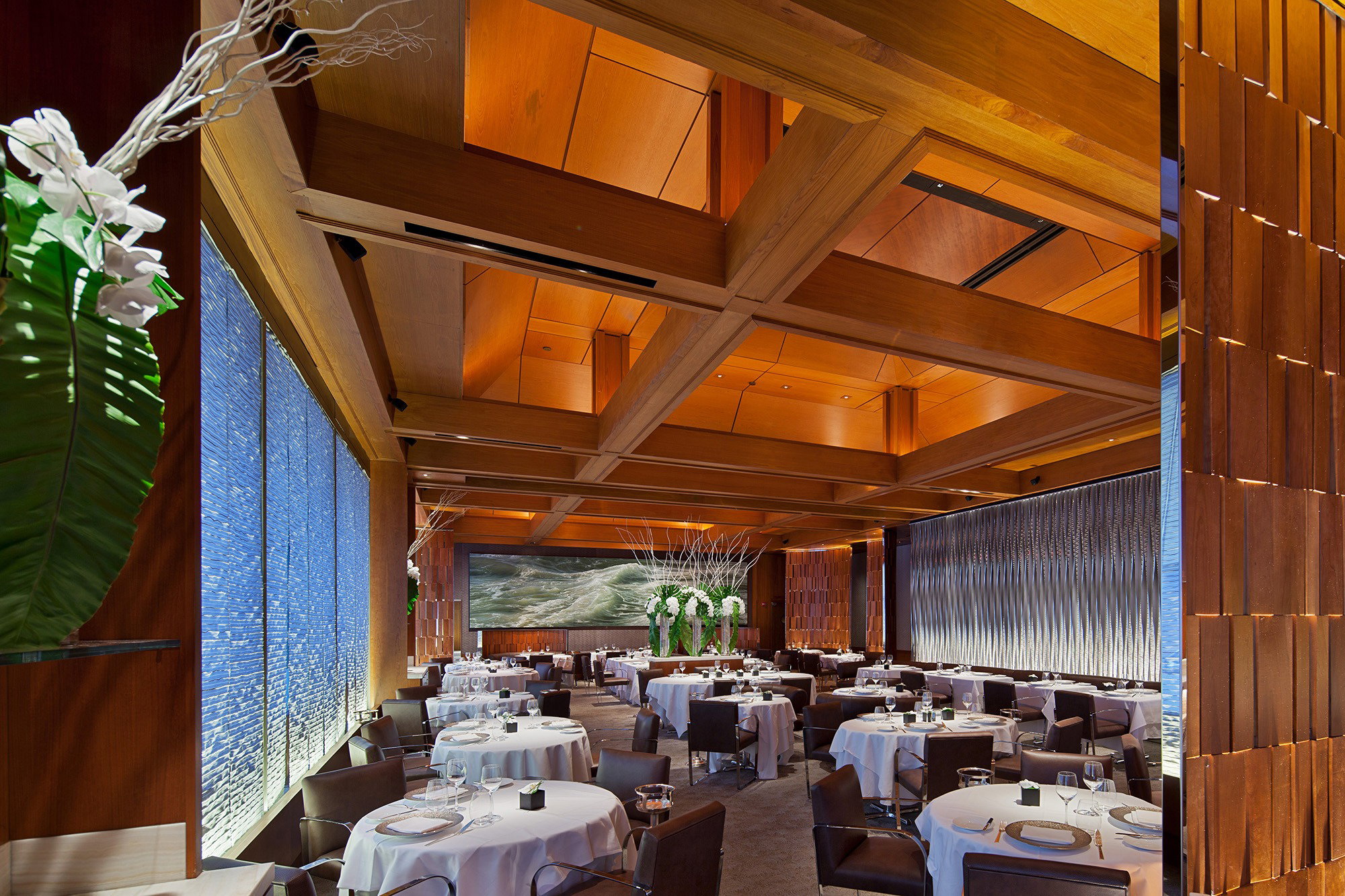
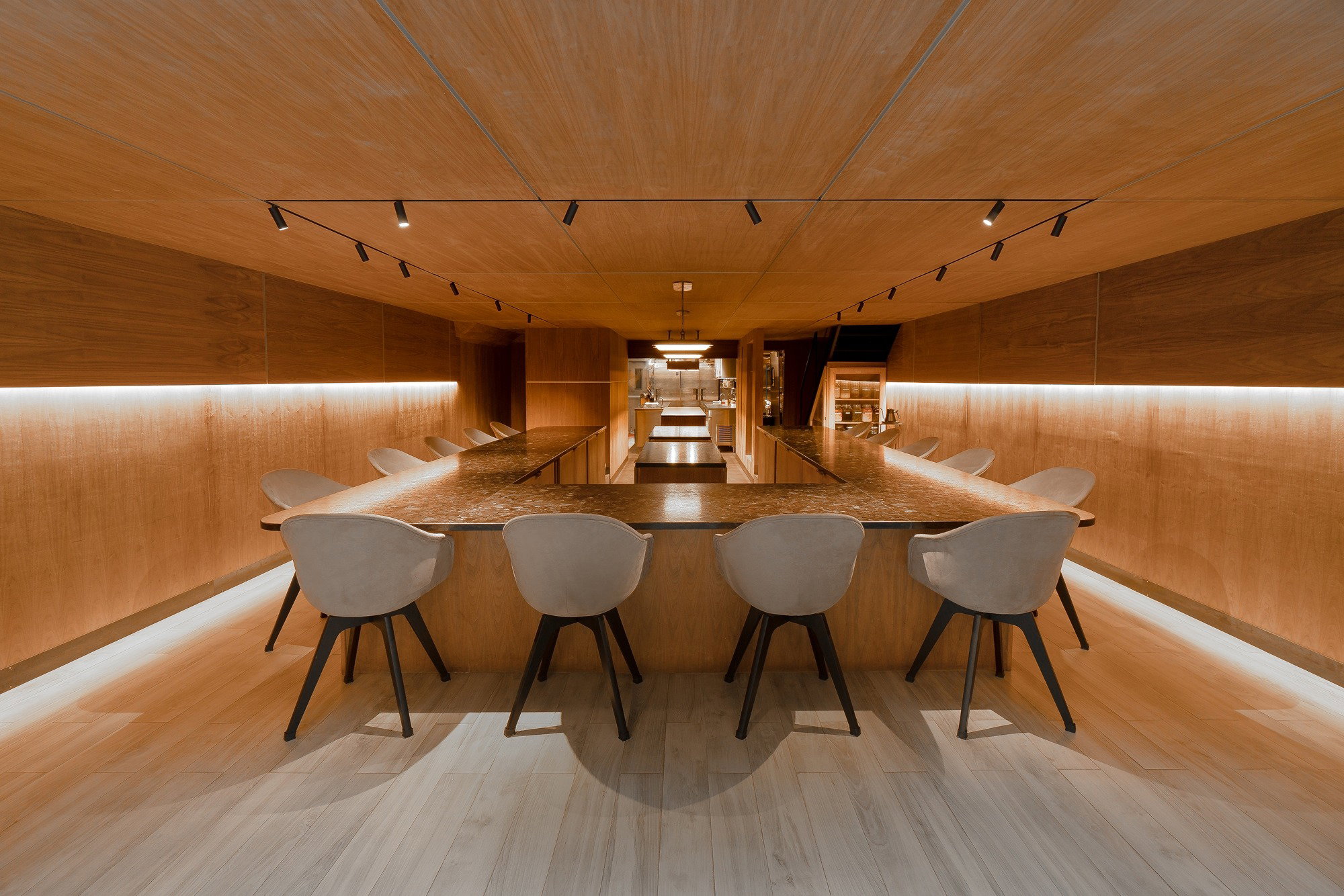
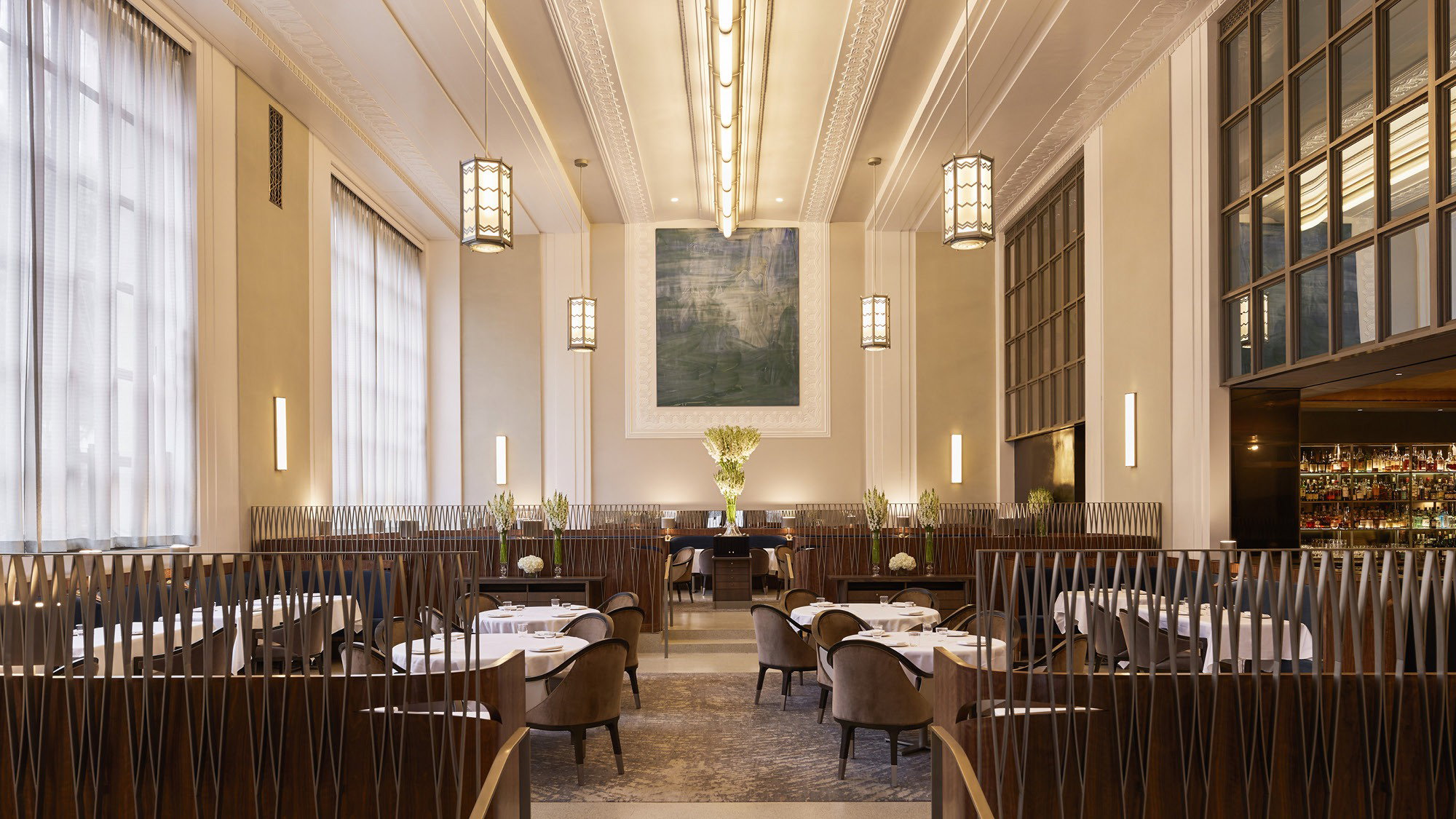
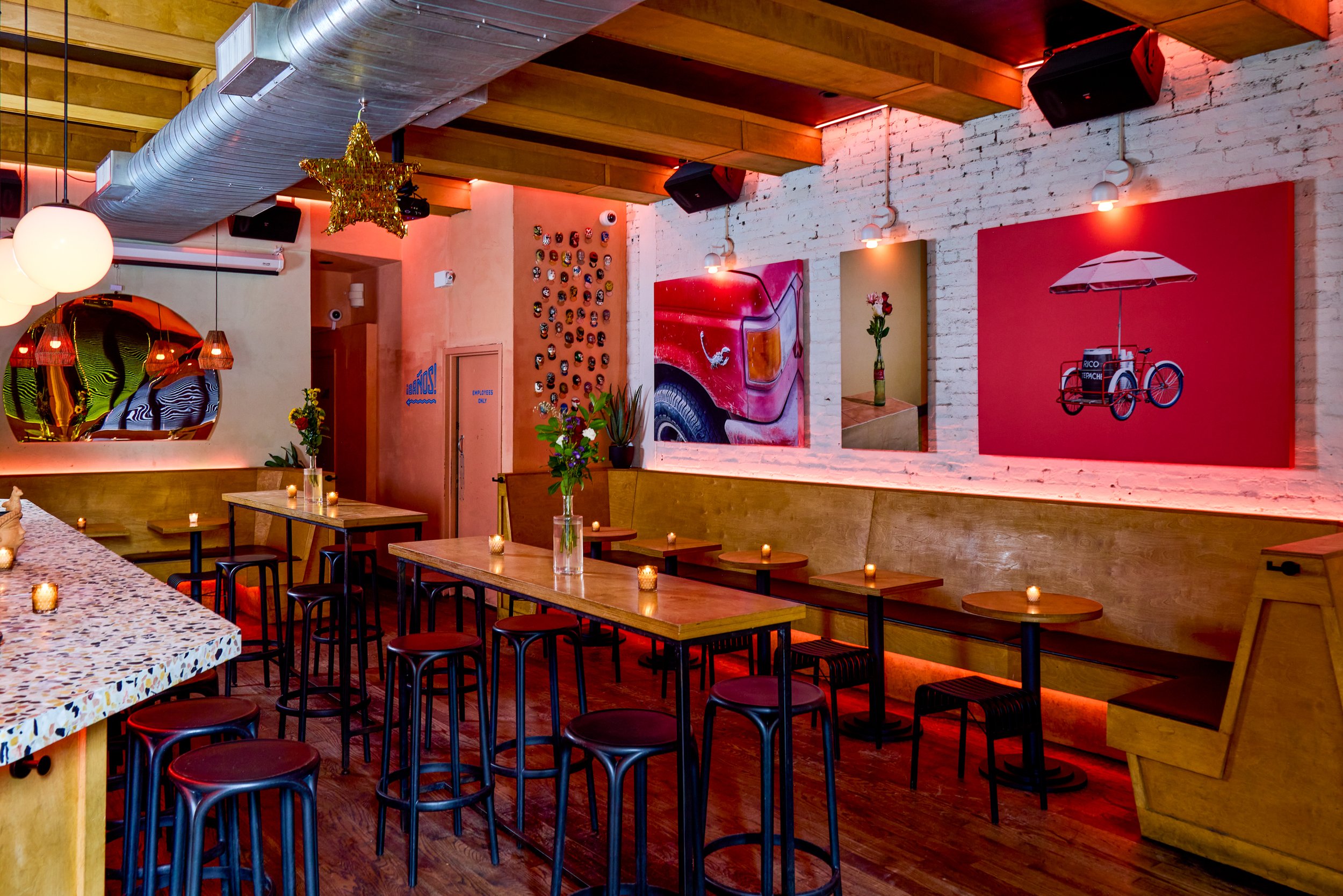
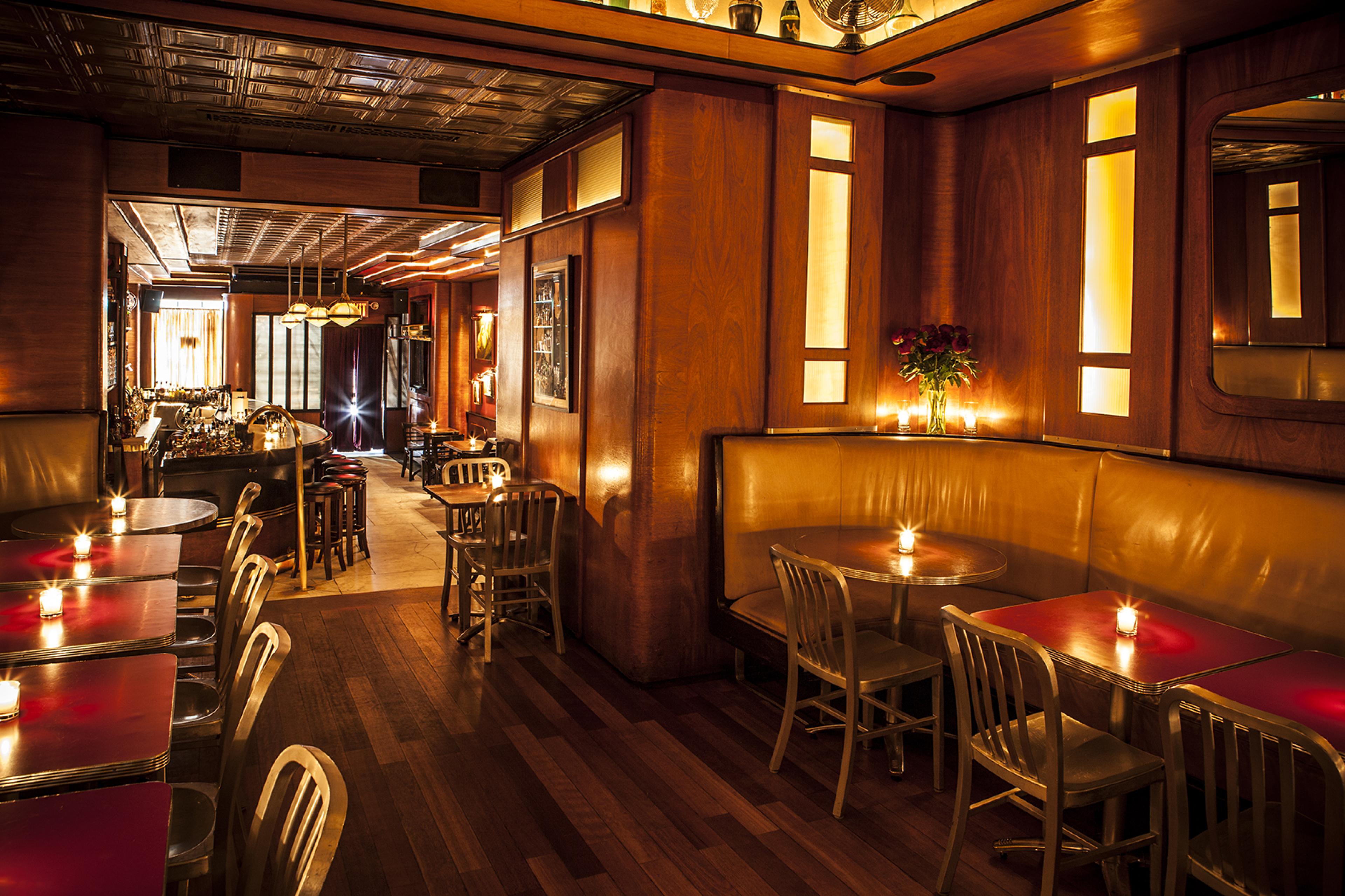
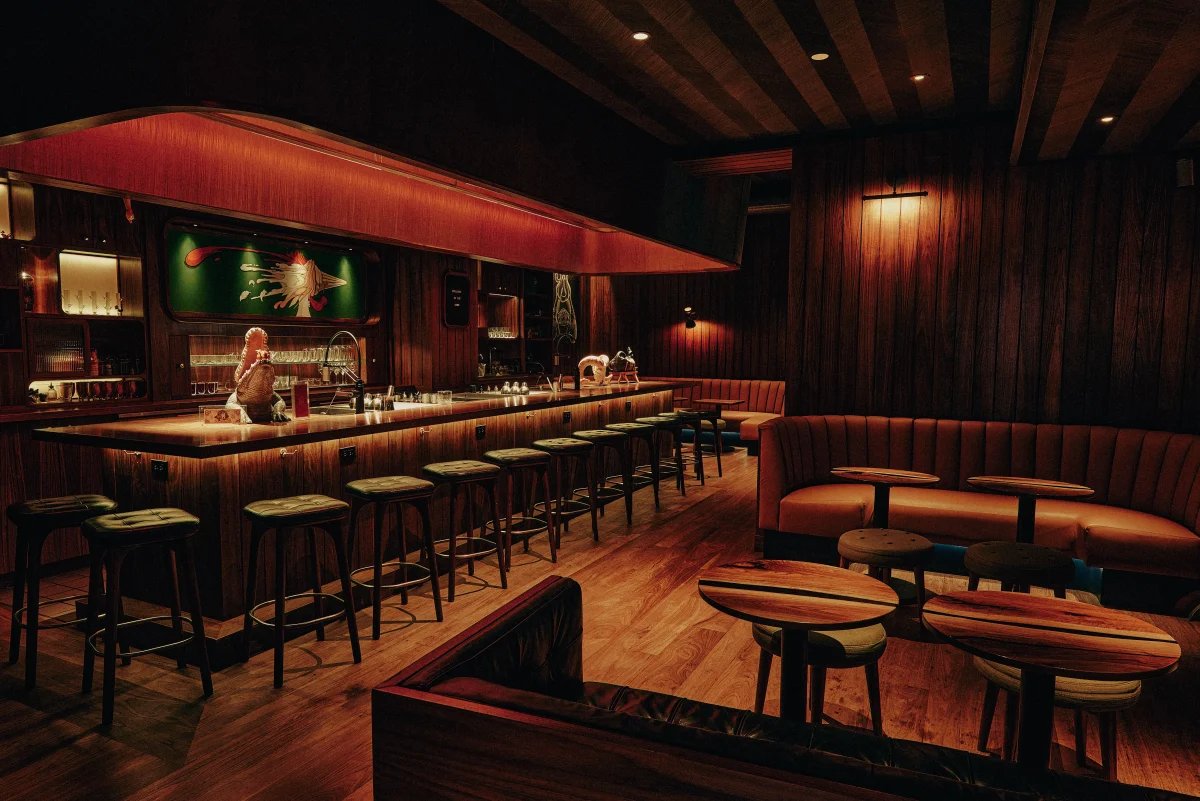
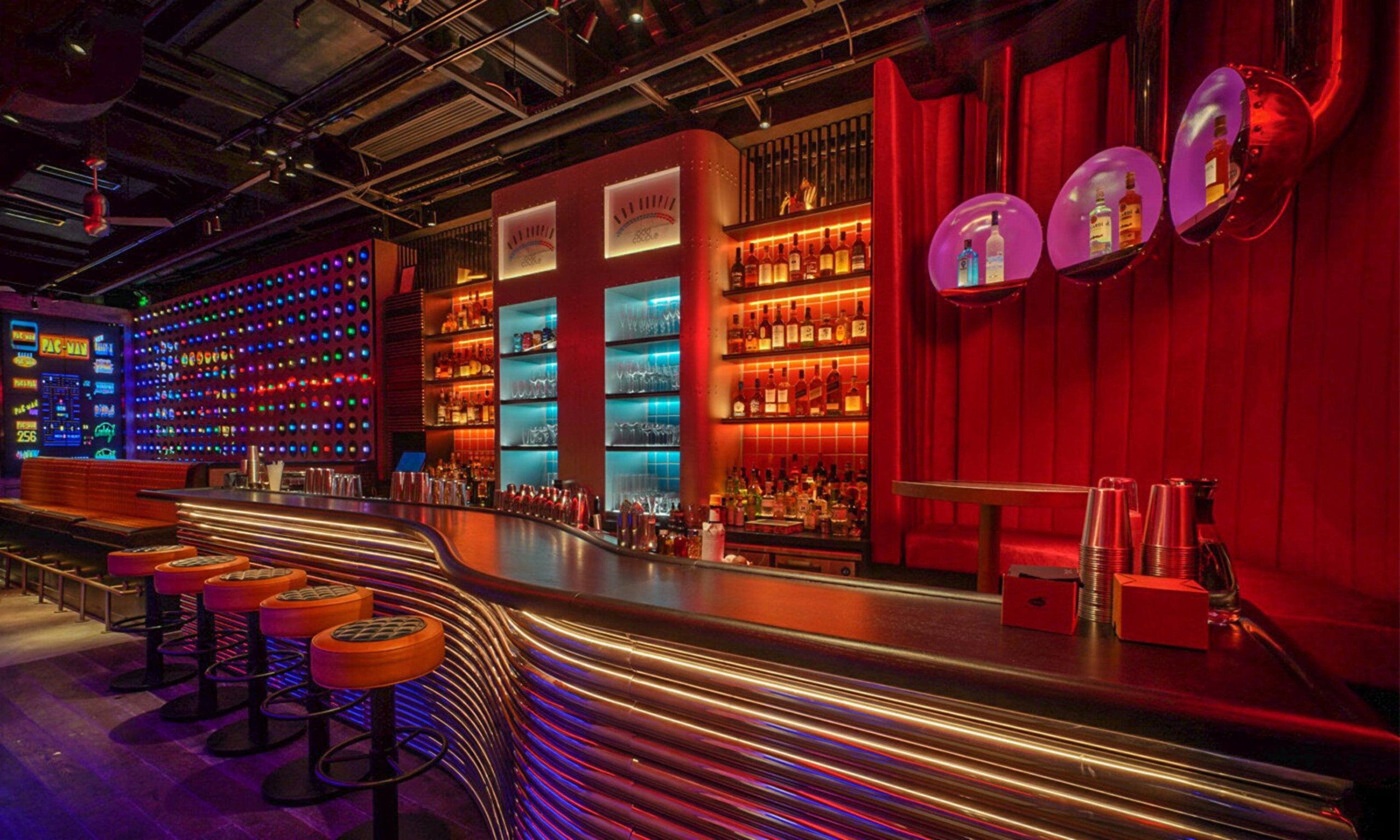
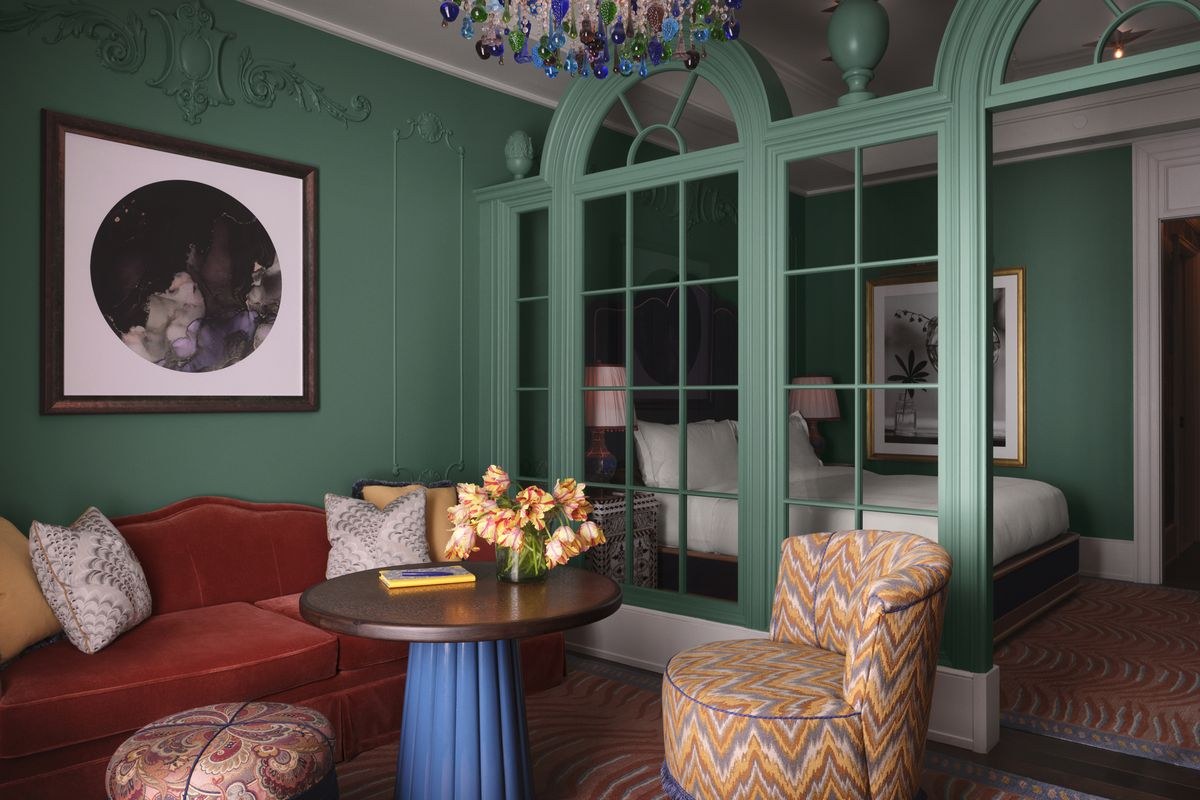
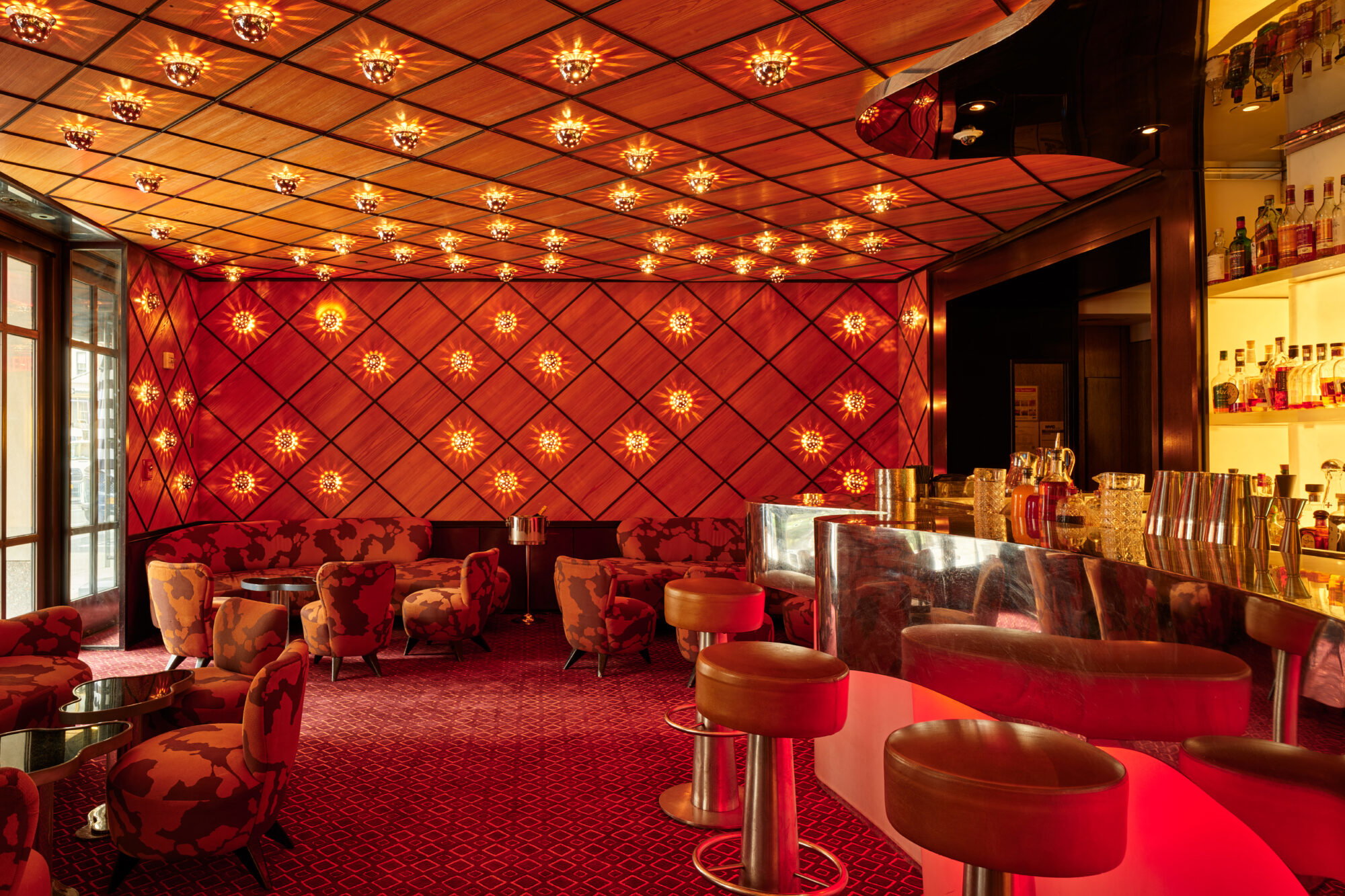
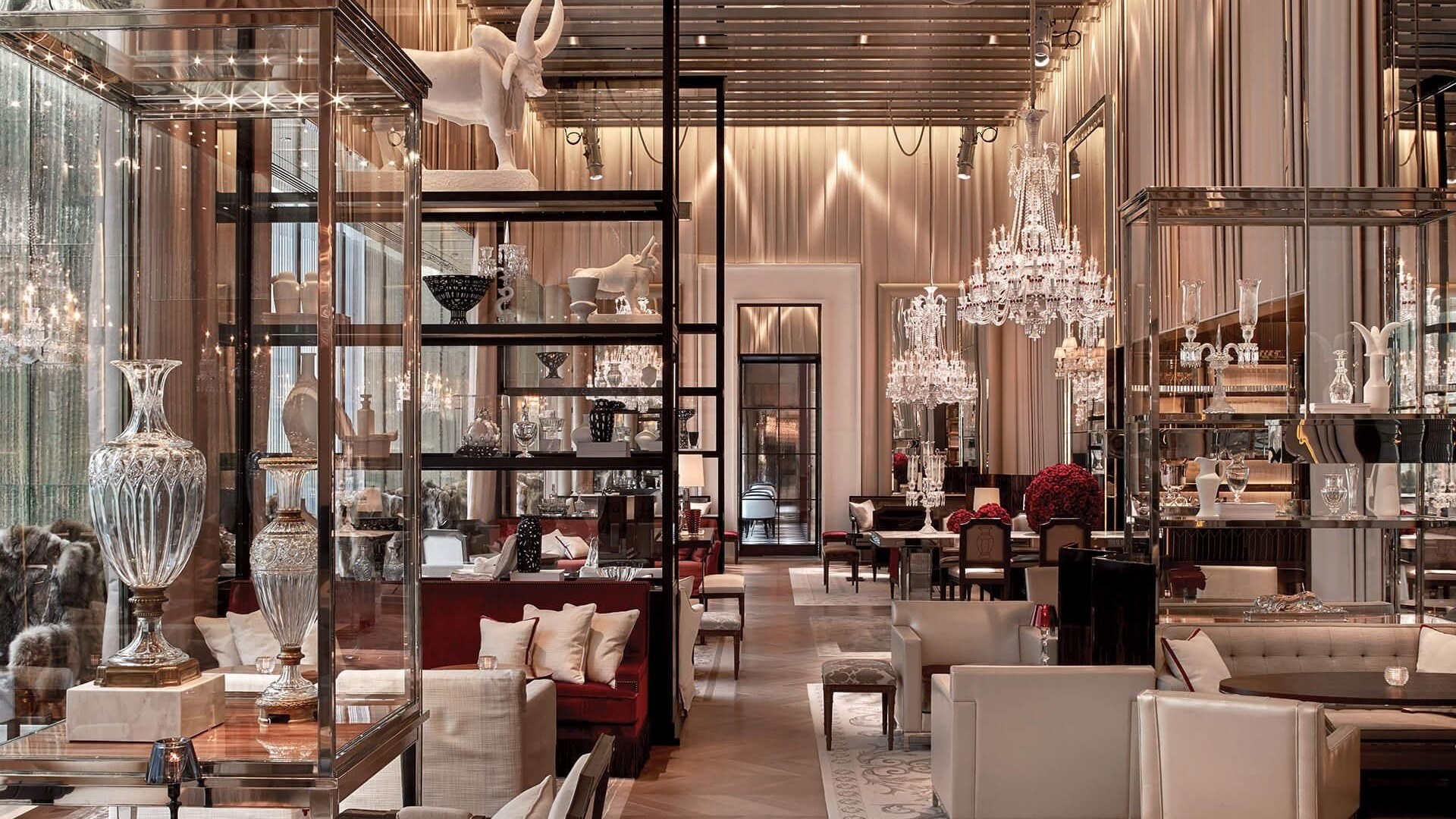
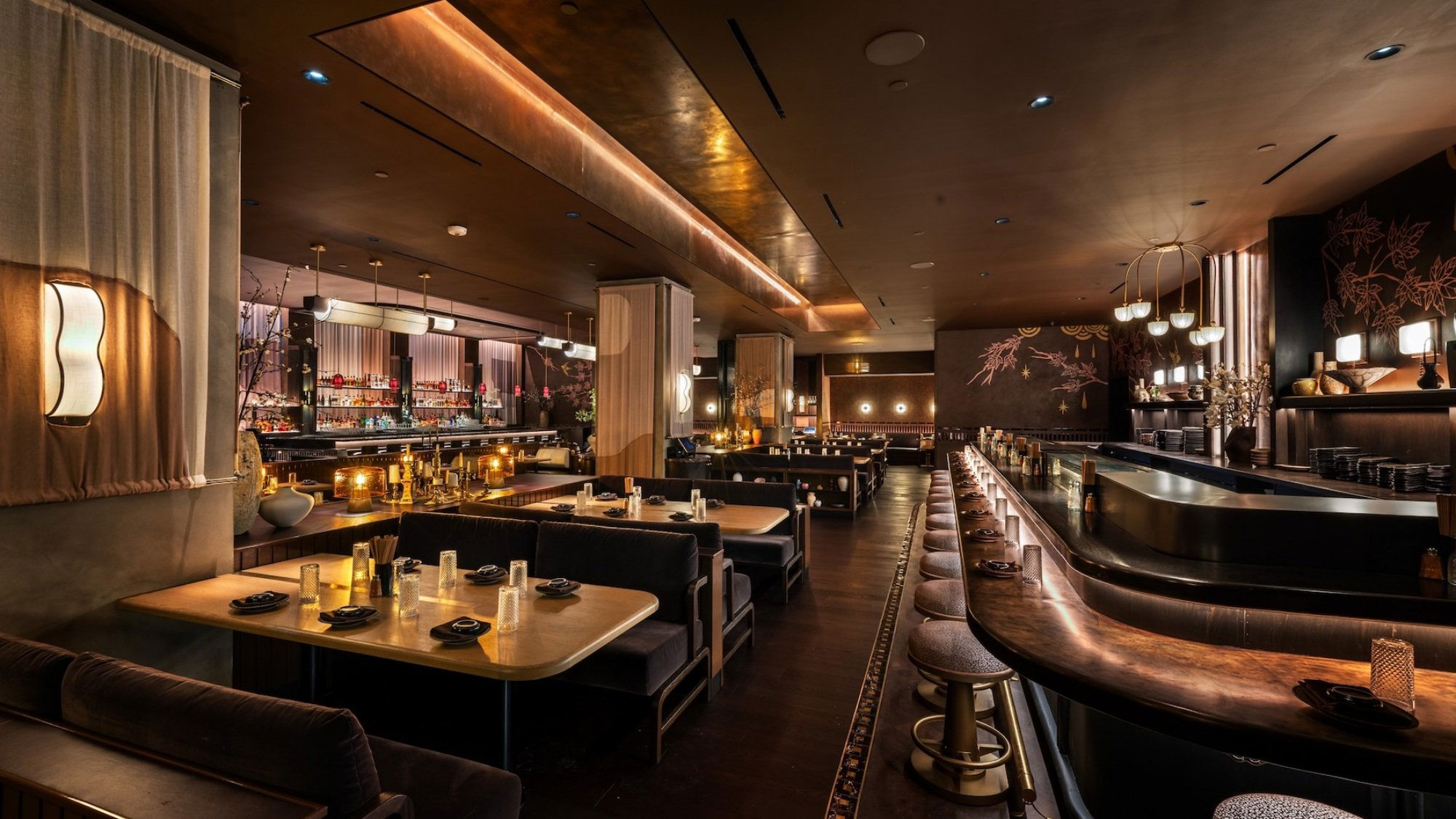
Swank and sprawling space with a playful, accommodating atmosphere suitable for groups.
Tags
Vibe
Best For
Experience
At the Table
- Dress Code
- Smart Casual
- Noise Level
- Lively
- Service Style
- Upscale Casual
- Meal Pacing
- Standard
- Capacity
- Large
Signature Dishes
edamame and truffle dumplings
Planning details
Location
New York City, United States · Directions
Also consider
Also Consider
- Le Bernardin, French, Seafood, $$$$
- Atomix, Modern Korean, Korean, $$$$
- Per Se, French, Contemporary, $$$$
- Masa, Sushi, Japanese, $$$$
- Eleven Madison Park, French, Vegan, $$$$
Restaurant context
Against New York's most decorated rooms, Double Knot positions itself as the accessible, globally-minded option in a tier where accessibility is rare. Le Bernardin is the benchmark for seafood at the highest technical and service level in the city, three Michelin stars, a formal room, and decades of dominance in the category. If maximum seafood precision with full-service polish is your goal, Le Bernardin is the clear answer. Double Knot is a better fit when you want range across cuisines and a less formal frame around the meal.
For Japanese specifically, the honest comparison is Masa, the most expensive restaurant in the United States, which delivers a singular omakase experience with service depth to match. Double Knot does not compete on that axis. Where it wins is booking ease and format flexibility, neither of which Masa offers. Atomix is the right peer for modern technique and tightly controlled tasting-menu ambition; Eleven Madison Park and Per Se are both harder to book and more ceremonial in approach. If you want a serious meal in New York without the logistics and formality of those rooms, Double Knot is a practical and considered alternative.
Explore New York City
Around this place
Discover more on Pearl
Unlock the full Double Knot guide in Pearl, including awards, comparisons, FAQs, planning details, and nearby places.
Compare Double Knot
| Venue | Cuisine | Price | Awards | Booking Difficulty |
|---|---|---|---|---|
| Double Knot | Japanese/Seafood/Global | No published awards | , | Easy |
| Le Bernardin | French, Seafood | $$$$ | 2026 Eater NY 38 Best Restaurants in New York City · #82026 North America's 50 Best Restaurants · #132026 New York Times Best Restaurants in New York City · #212026 OAD Top Restaurants in North America Ranked · #342026 Forbes 5-Star2026 La Liste Top RestaurantsAAA Diamonds Top 10 Restaurants 20262026 Wine Spectator Grand Award2026 Les Grandes Tables du Monde Members | Unknown |
| Atomix | Modern Korean, Korean | $$$$ | 2026 OAD Top Restaurants in North America Ranked · #62026 New York Times Best Restaurants in New York City · #72026 North America's 50 Best Restaurants · #7Star Wine Lists 20262026 Les Grandes Tables du Monde Members2026 La Liste Top Restaurants2025 World's 50 North America's Best Restaurants · #12025 James Beard Awards · #12025 New York Times Best Restaurants in New York City · #2 | Unknown |
| Per Se | French, Contemporary | $$$$ | 2026 OAD Top Restaurants in North America Ranked · #292026 Forbes 5-Star2026 Relais Chateaux Restaurants2026 Wine Spectator Grand AwardAAA Diamonds Top 10 Restaurants 20262026 Les Grandes Tables du Monde Members2026 La Liste Top Restaurants2025 Robb Report 100 Greatest American Restaurants of the 21st Century · #102025 OAD Top Restaurants in North America Ranked · #92 | Unknown |
| Masa | Sushi, Japanese | $$$$ | 2026 OAD Top Restaurants in North America Ranked · #922026 Forbes 5-Star2026 OAD Top Restaurants in North America Recommended2026 La Liste Top Restaurants2025 OAD Top Restaurants in North America Ranked · #672025 Robb Report 100 Greatest American Restaurants of the 21st Century · #862025 Michelin 2 Stars2025 La Liste Top Restaurants2025 Forbes 5-Star | Unknown |
| Eleven Madison Park | French, Vegan | $$$$ | Star Wine Lists 2026 · #12026 OAD Top Restaurants in North America Ranked · #472026 Forbes 5-Star2026 Relais Chateaux RestaurantsAAA Diamonds Top 10 Restaurants 20262026 Wine Spectator Grand Award2026 Les Grandes Tables du Monde Members2026 La Liste Top Restaurants2025 Robb Report 100 Greatest American Restaurants of the 21st Century · #3 | Unknown |














A quick look at how Double Knot measures up.
FAQ
Frequently Asked Questions
What should I order at Double Knot?
Double Knot is a Japanese, seafood, and global restaurant, but no specific dishes or signature items are highlighted here. Check the restaurant's current menu or contact Double Knot directly for the latest recommendations.
Can Double Knot accommodate groups?
Group accommodation details are not specified. If you are planning for a larger party or need a particular table setup, contact Double Knot directly before booking.
Is Double Knot good for solo dining?
What should I wear to Double Knot?
The dress code for Double Knot is smart casual.
Does Double Knot handle dietary restrictions?
Dietary accommodation and allergy-handling details are not specified. Guests with allergies or dietary restrictions should contact Double Knot directly to discuss current ingredients and preparation practices.
Can I eat at the bar at Double Knot?
Bar-seating availability is not specified. Contact Double Knot directly or check its official booking channels for current seating options.