


Da terra
Italian · Asuka, Nara
Restaurant in Nara, Japan
 Book with Pearl
The Read
Garden-Compass Italian
Price
$50–100per person
Dress
Smart Casual
Why go
Da Terra is a Michelin-starred, plant-forward Italian restaurant in rural Nara — ranked in OAD's top 100 in Europe and driven by its own kitchen garden. It is the most credentialled Italian-influenced option in the region, but requires advance planning: the Asuka location is remote, booking is hard, and walk-ins are not realistic. Worth the effort for serious food travellers.
About Da terra
Verdict: Da Terra Is Not What You Think It Is
Most visitors arriving in Nara assume the serious dining options will be kaiseki-led Japanese, or perhaps a well-regarded sushi counter. Da Terra corrects that expectation immediately: this is Italian-influenced cuisine driven by a Japanese garden, not a Mediterranean one. Chef Hirokazu Nakai runs a plant-forward kitchen rooted in a philosophy that puts vegetables and fruit at the centre of serious cooking — and the results are sharp enough to have earned a Michelin star and a top-50 ranking on Opinionated About Dining's Europe list. Yes, Europe. The venue is listed and competed against some of the continent's most demanding dining rooms, which says something concrete about the level of ambition on the plate.
If you are travelling through the Kansai region and wondering whether to make the detour to Asuka in Takaichi District, the answer depends on what you are chasing. For sheer technical cooking at a Michelin-starred level in a Nara prefecture setting that draws on local seasonal produce, Da Terra is the most distinctive proposition available. Book it before the alternatives.
The Counter and What It Adds
The PEA is the counter experience, and at Da Terra it matters more than it might at a conventional restaurant. When a kitchen philosophy is as specific as this one — vegetables-first, own-garden-sourced, Italian technique applied to Japanese ingredients, sitting at or close to the kitchen means the cooking is not just something that arrives at the table but something you can follow as it develops. The tactile relationship between what Nakai's kitchen grows and what eventually appears in front of you is part of the meal's logic. From a counter position, you can read the progression of the menu in real time: the seasonal arc, the decisions being made with what is available that day. This is not incidental. The We're Smart certification (which recognises restaurants executing a genuine vegetable-first or plant-forward approach at high culinary level) describes it plainly: the kitchen's own garden is the compass. Proximity to the pass makes that compass visible.
For explorers who want to understand the cooking rather than simply receive it, requesting counter or kitchen-adjacent seating is the right call. It is the difference between watching a technique and having it explained to you through proximity.
What the Awards Actually Tell You
Da Terra has accumulated credentials that are worth reading carefully. The Michelin star (2025) is the headline, but the Opinionated About Dining ranking, #76 in Europe in 2025, up from #43 in 2024 and previously appearing on the OAD New Restaurants list in 2023, shows a restaurant that has moved quickly and is still in ascent. OAD rankings are crowd-sourced from serious diners and industry professionals, which makes them a meaningful signal of peer recognition rather than institutional conservatism. A restaurant in rural Nara prefecture being compared to Europe's leading dining rooms is an unusual data point. It reflects a kitchen doing something that travels conceptually, even if the ingredients are entirely local.
The We're Smart endorsement adds a specific layer: this is not vaguely plant-forward cooking or a token vegetarian menu. The recognition is for kitchens that genuinely structure their menus around vegetables and fruit as the primary subject of the cooking, not as supporting cast. For diners travelling from HAJIME in Osaka, Gion Sasaki in Kyoto, or Goh in Fukuoka, Da Terra represents a genuinely different register of dining, not better or worse, but structurally distinct.
Booking and Logistics
Da Terra is hard to book. No phone number or website is publicly available in the venue record, and the address, 884 Kawahara, Asuka, Takaichi District, Nara, places it outside central Nara city, in a rural setting that requires planning to reach. This is not a walk-in restaurant. Expect to book through a hotel concierge in Nara or Osaka, via a specialist reservation platform, or through local contacts if you have them. The difficulty is a structural feature of serious regional restaurants in Japan rather than a flaw: it filters the room and keeps the experience consistent.
Timing matters here. The kitchen's own garden means the menu shifts with the season. Visiting in the current season means the menu reflects what is growing now, and in Japan's agricultural calendar, autumn and winter bring different produce logic from spring. If you have flexibility, align your visit with a season that interests you as a diner, but there is no obviously wrong time to visit a kitchen that takes seasonal sourcing this seriously.
For comparison, cenci in Kyoto and 8 1/2 Otto e Mezzo Bombana in Hong Kong represent the Italian-in-Asia dining category at different scales. Da Terra sits closest to cenci in sensibility, intimate, chef-driven, locally grounded, but the plant-forward framework gives it a distinct identity neither of those restaurants shares.
Guests planning a broader Nara trip should also review our full Nara restaurants guide, our full Nara hotels guide, and our full Nara bars guide to build the rest of the day around it. The rural Asuka location means lodging and transport decisions will affect how practical a Da Terra reservation actually is.
Who Should Book
Da Terra is the right call for food-focused travellers who want to eat at a credentialled kitchen doing something genuinely different from Kyoto and Tokyo's standard fine-dining register. It suits diners who are interested in ingredient-led cooking, who find the Italian-Japanese intersection intellectually interesting, and who are willing to plan ahead for a restaurant that cannot be easily dropped into a casual itinerary. It is not the right choice for diners who want the kaiseki ceremony, a conventional sushi counter experience, or easy city-centre access. For those priorities, see the comparison section below.
Other Italian-influenced options in Nara include Lega', BANCHETTI, Camino, cucina regionale YANAGAWA, and KOMFORTA, none of which operate at the same awards level. Da Terra is the credentialled choice in the Italian-influenced bracket in this region.
Planning details
- Location
- 884 Kawahara, Asuka, Takaichi District, Nara 634-0141, Japan
- Reservations
- Book on the venue's website
- Website
- da-terra.jp
- Phone
- +81 744-41-9072
The take
The Take
The Vibe
Da terra feels like a quietly ambitious outpost: remote farmland, low hills and rice paddies set the scene for an intensely cultivated, produce-first cuisine. The kitchen treats its adjacent plot as a compass, turning Italian technique toward local ingredients and letting vegetables carry structural weight across the tasting architecture. That rigorous, garden-led approach is paired with fine-dining polish—Michelin recognition and a high ranking in Opinionated About Dining underline the restaurant's exacting standards. The result is a sophisticated, serene destination that reads as both intimate countryside retreat and serious culinary laboratory.
Best For
This is a destination for diners seeking a considered, plant-forward fine-dining experience—especially for special occasions, date nights and celebrations that benefit from the sense of occasion a remote, Michelin-recognised restaurant provides. Because the menu is organized around the kitchen's garden and daily harvests, evenings here unfold slowly and reflect seasonal change; it suits diners who value narrative-driven tasting sequences and the discovery that comes from ingredient-led menus. The countryside setting also makes the restaurant appropriate as a short weekend escape for committed food enthusiasts.
Ordering Tips
Expect a menu that foregrounds vegetables rather than a conventional vegetarian tasting menu: courses shift with season and what arrives from the kitchen's plot each morning. The signature items to watch for are the dish titled “Da Terra” and the seasonal vegetable course—both signal the restaurant's priorities. Because Italian technique is used as a grammar for local produce, order with an openness to vegetable-led preparations and let the sequence guide your meal; the menu architecture is built to showcase sourcing rather than individual a la carte highlights.
Venue details
Ambiance
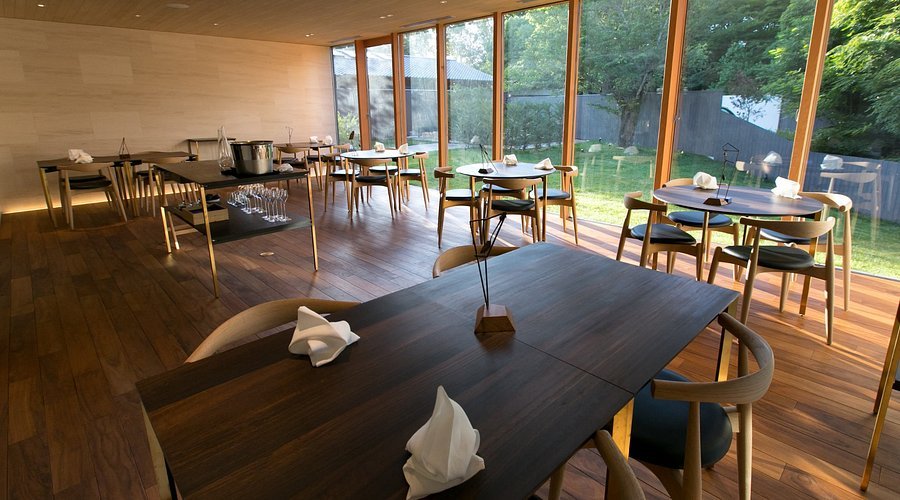
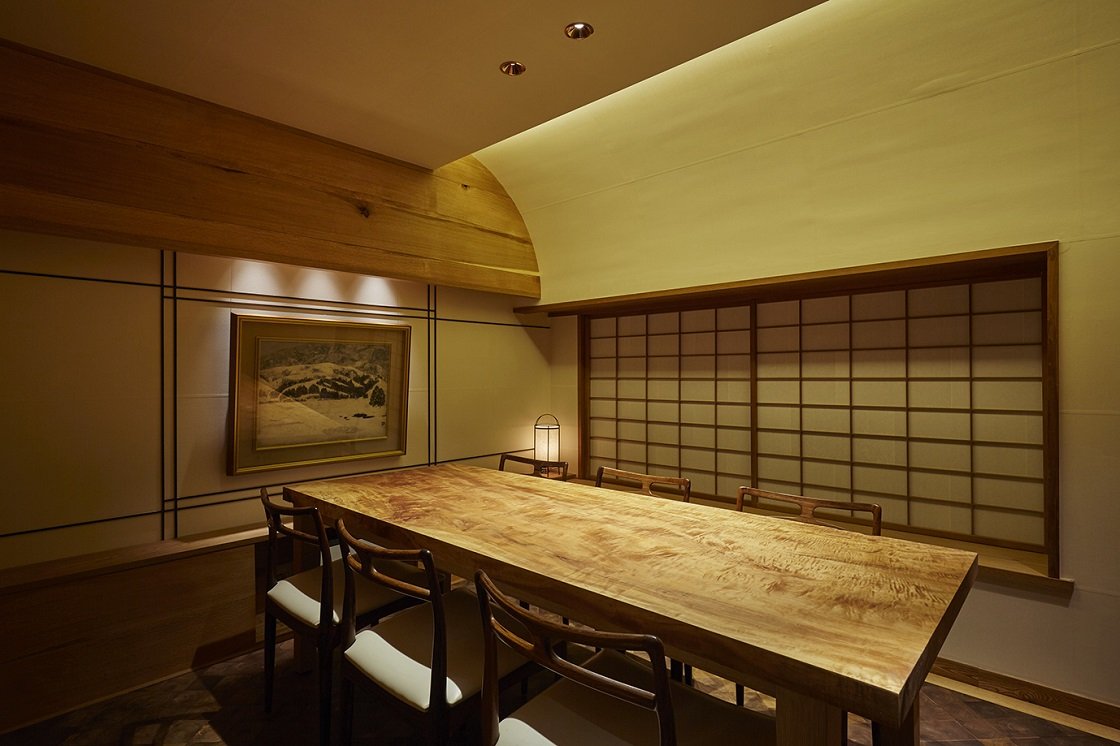
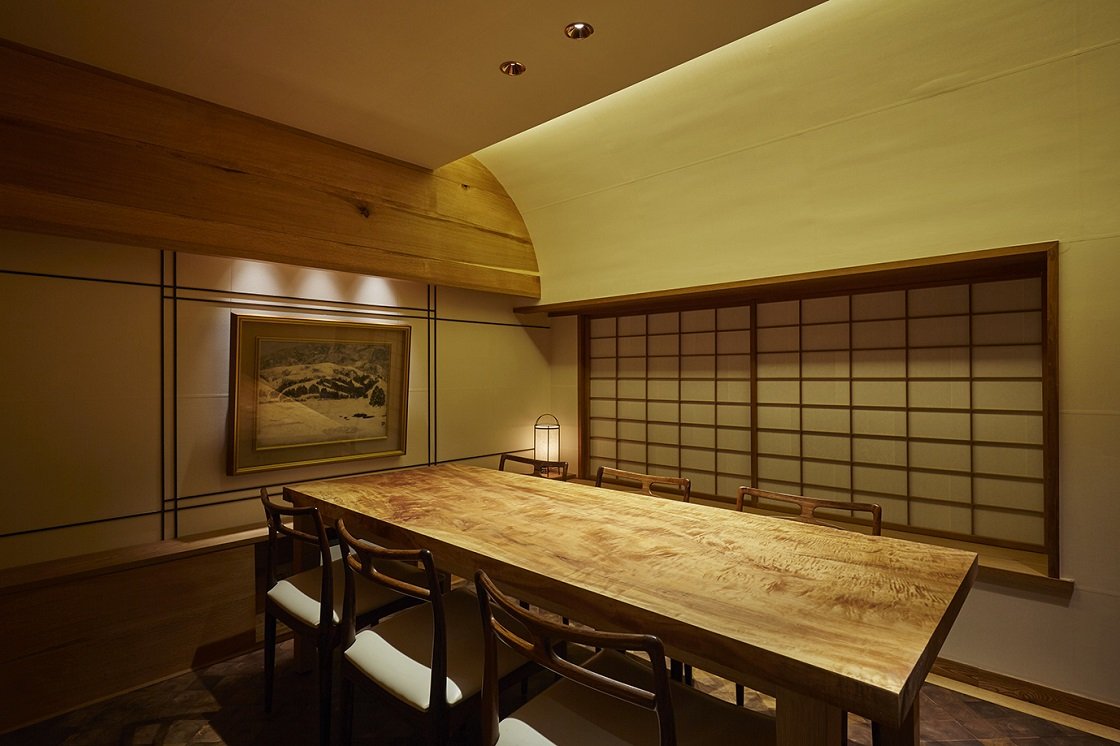
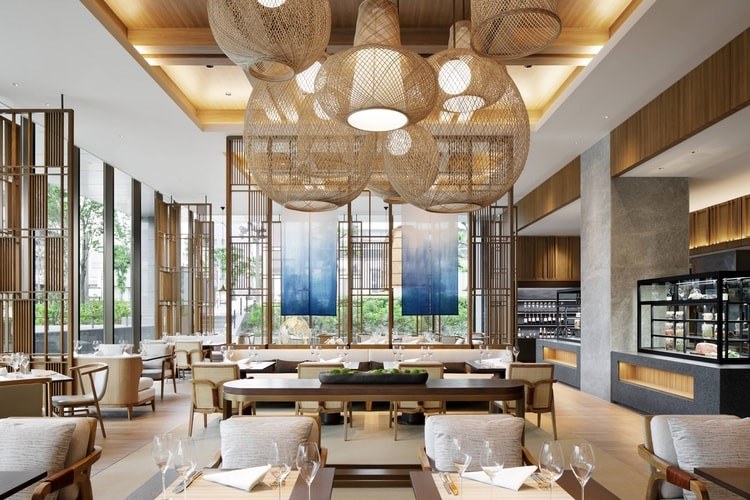
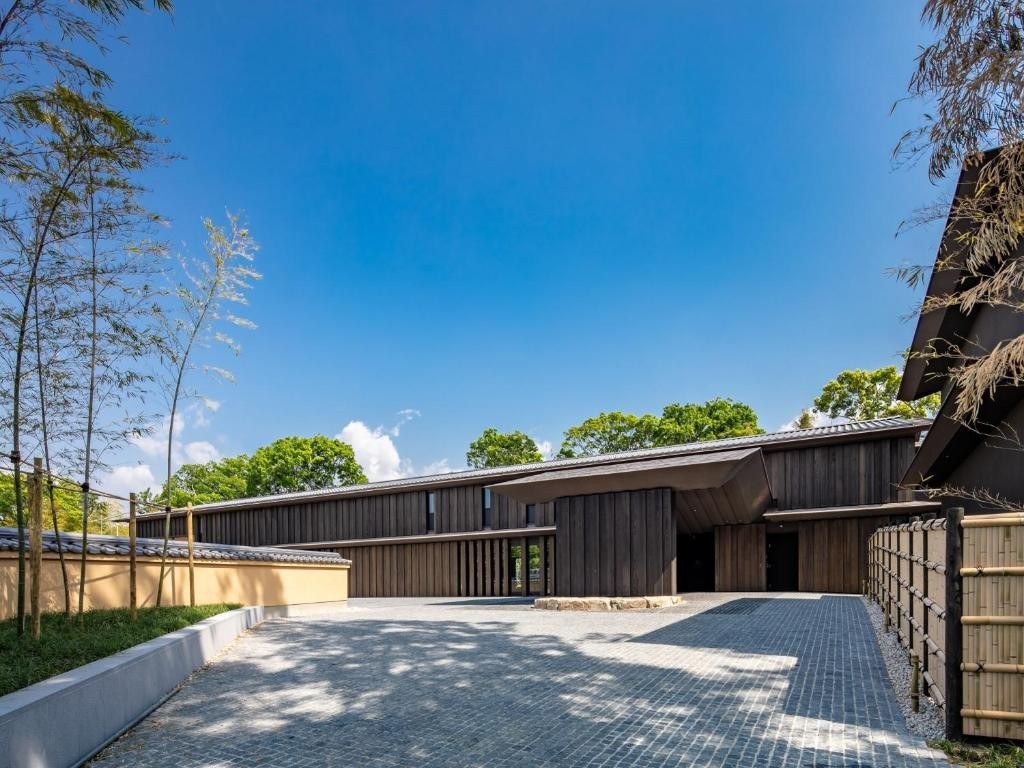
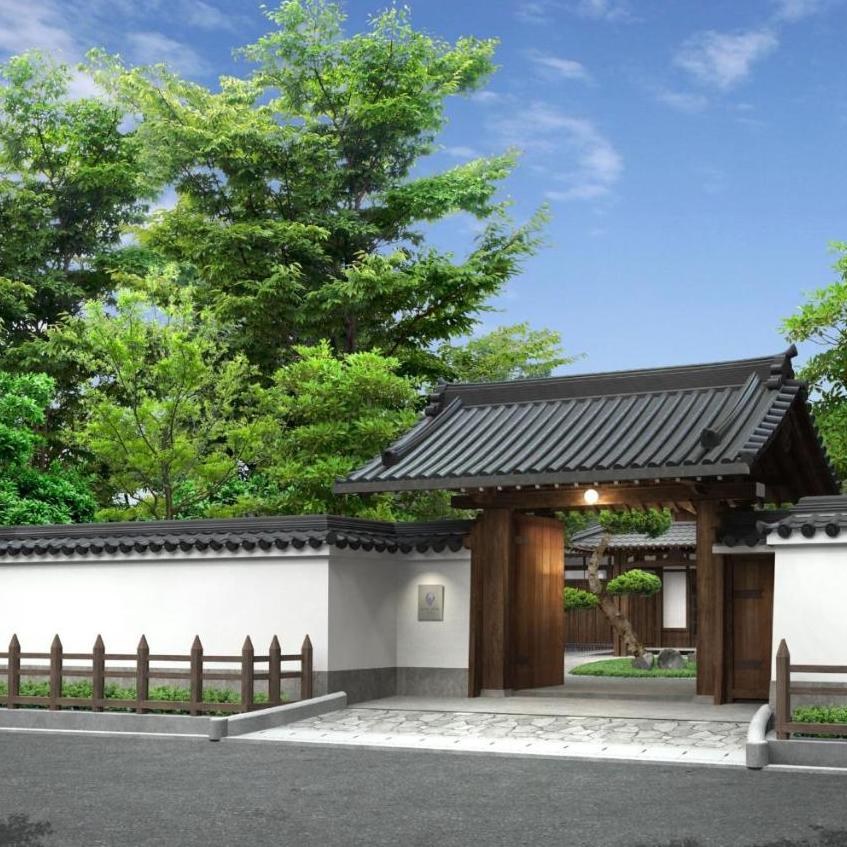
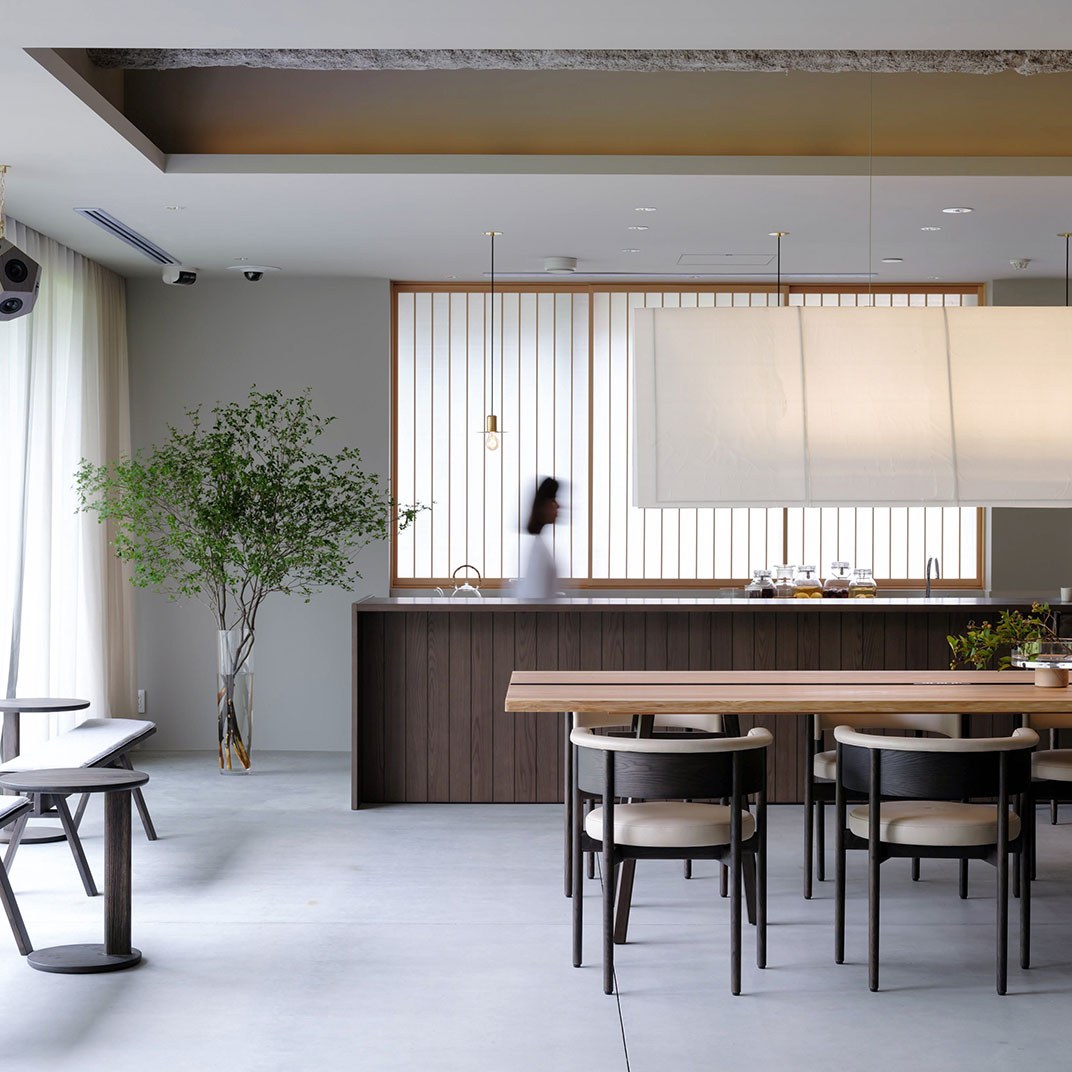
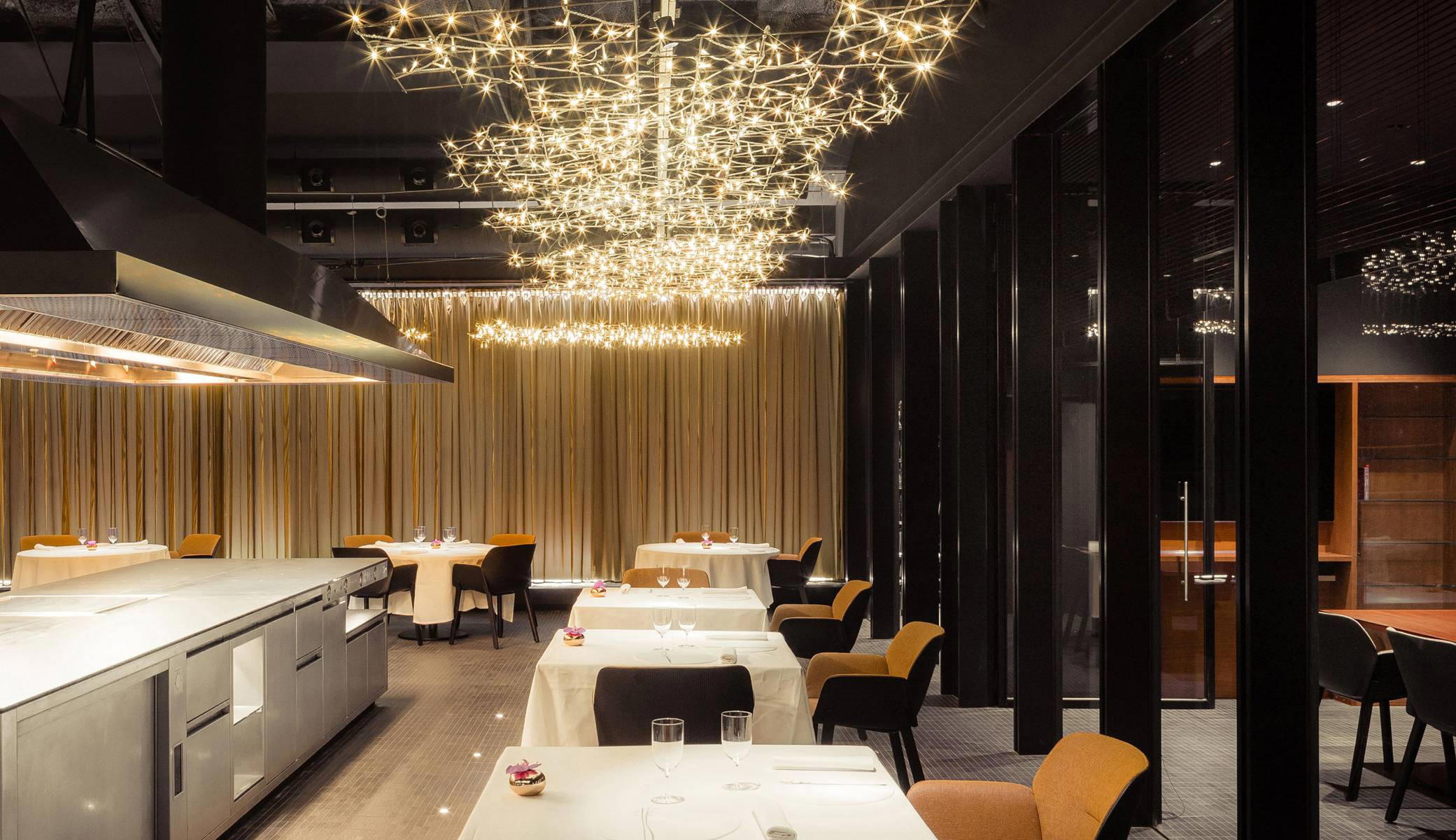
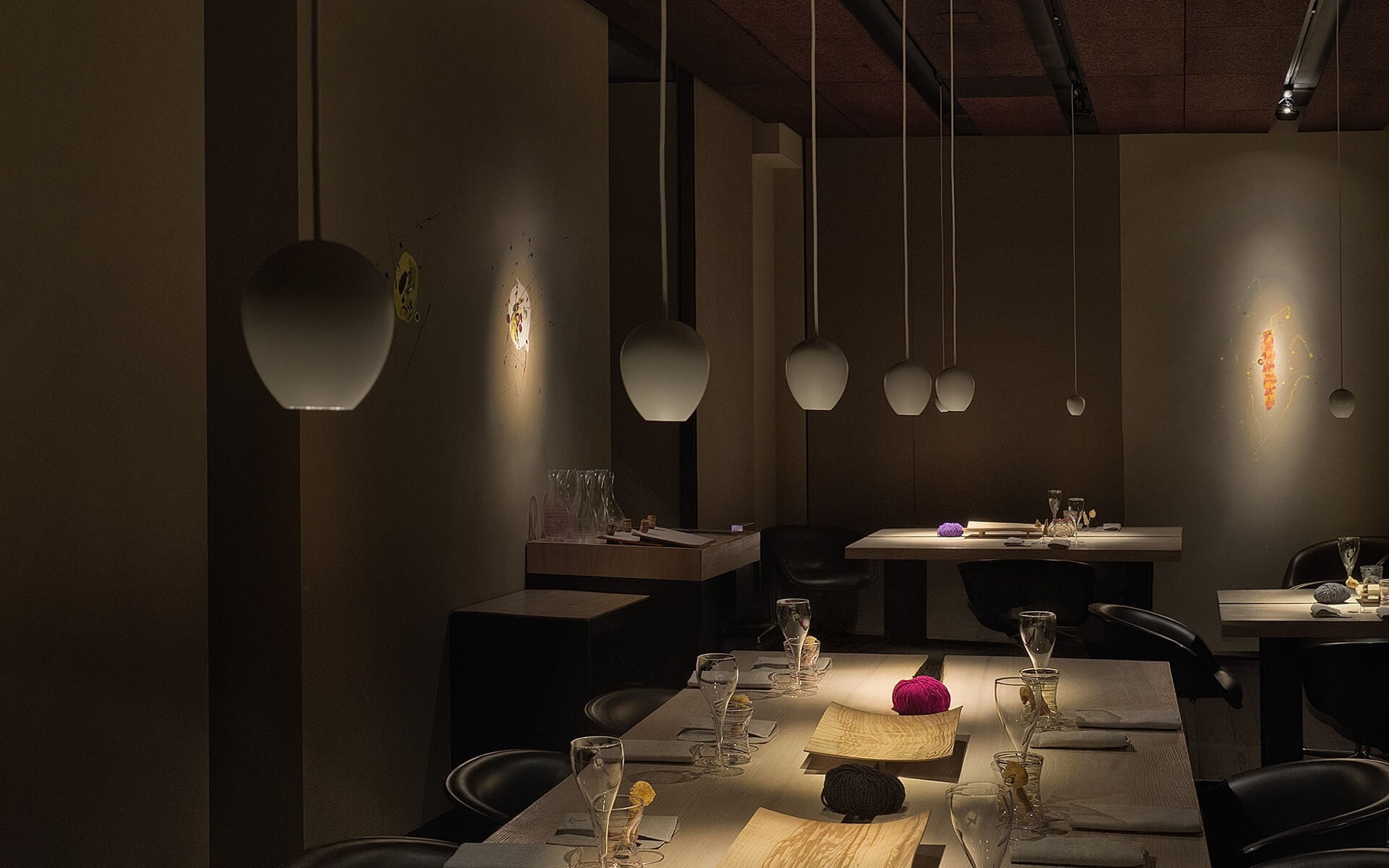
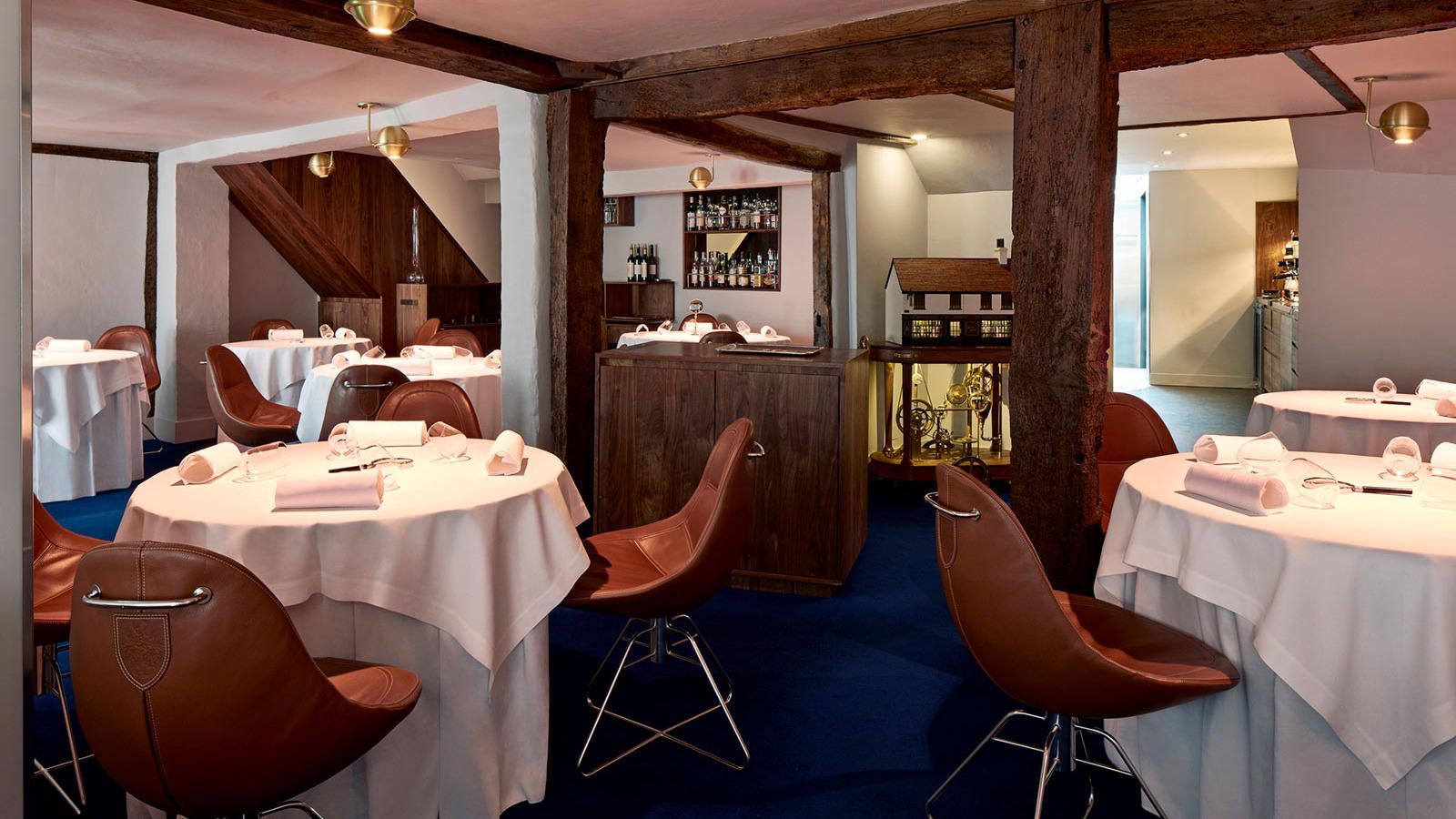
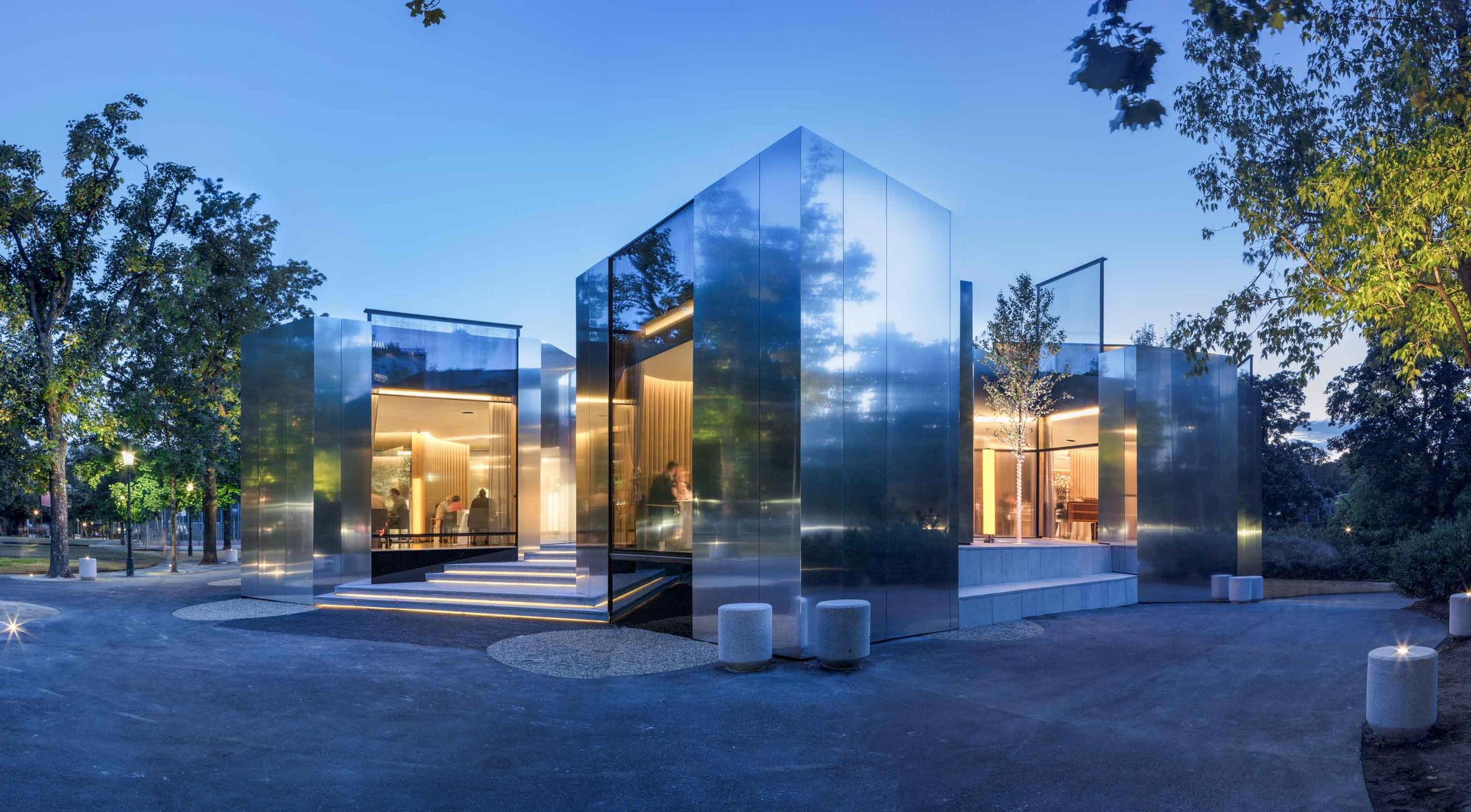
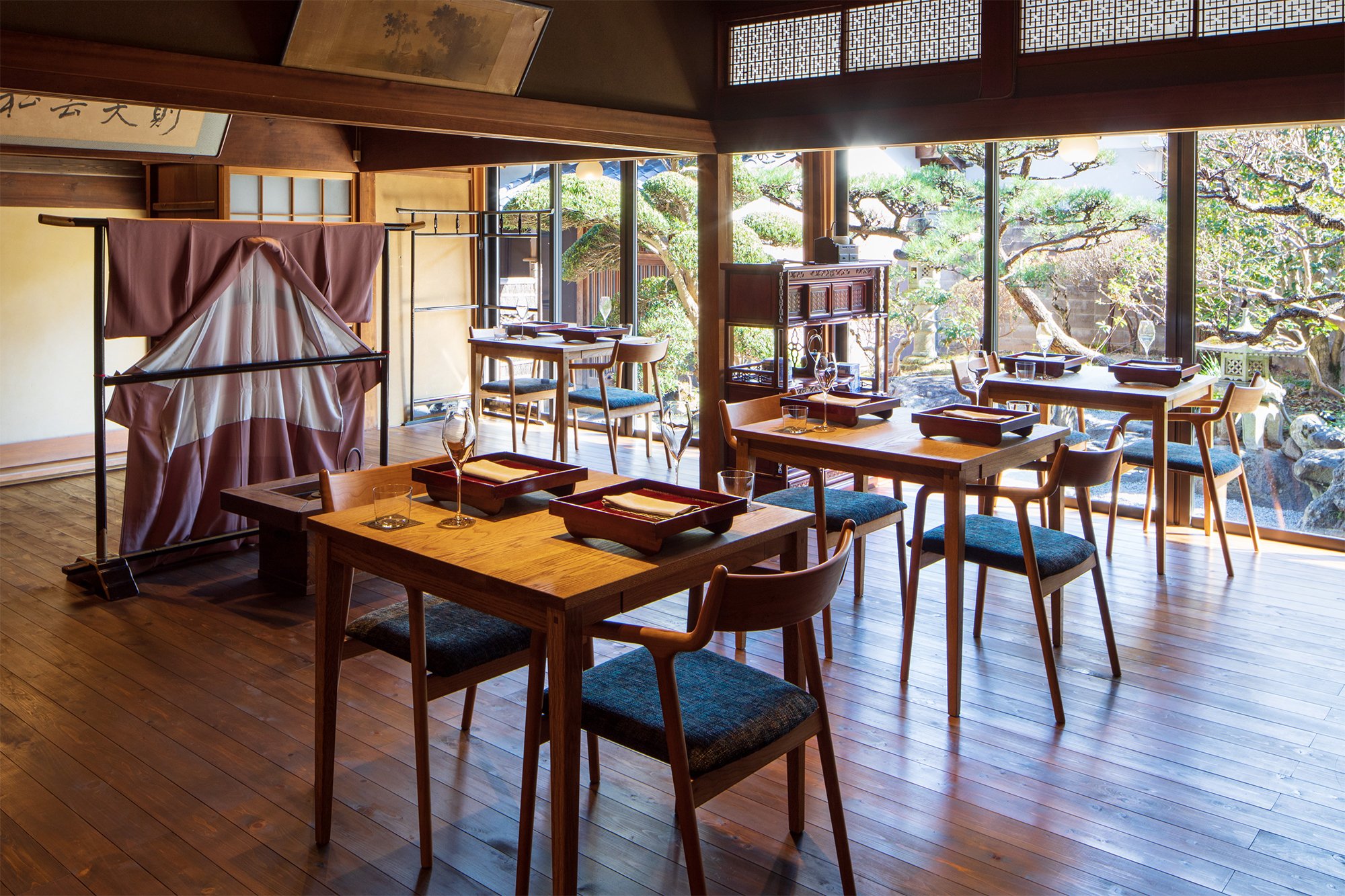
Light, airy, and serene dining room within a historic 100-year-old kominka (traditional Japanese house) surrounded by farmland, creating a peaceful rural atmosphere with rustic wood halls.
Tags
Vibe
Best For
Experience
Sourcing
View
At the Table
- Dress Code
- Smart Casual
- Noise Level
- Quiet
- Service Style
- Formal
- Meal Pacing
- Extended Experience
- Capacity
- Intimate
- Kitchen
- Farm-to-table
- Menu Format
- Omakase, Tasting menu
- Wine Program
- Curated
- Drinks Focus
- Wine
- Dietary
- Vegetarian friendly, Organic focus, Allergy accommodating
- Private Dining
- Available
Signature Dishes
- Da Terra
- seasonal vegetable course
Know before you go
Know Before You Go
- Getting there
- 884 Kawahara, Asuka, Takaichi District, Nara 634-0141, Japan
Planning details
Location
884 Kawahara, Asuka, Takaichi District, Nara 634-0141, Japan · Directions

Also consider
Also Consider
- akordu, Spanish, Innovative, ¥¥¥
- Wa Yamamura, Kaiseki, Japanese, ¥¥¥
- Araki, Sushi, Japanese, ¥¥¥
- Tama, Okinawan, French, ¥¥¥
- NARA NIKON, Japanese, ¥¥¥
Restaurant context
How Da Terra Compares in Nara
At the ¥¥¥ price point in Nara, your main alternatives are kaiseki and Japanese fine dining rather than Italian-influenced cuisine. Wa Yamamura is the strongest kaiseki option for diners who want a traditional, ceremony-driven Japanese meal, the structure and register are completely different from Da Terra, and choosing between them is really a question of what kind of cooking you want, not which is better. If kaiseki is the experience you are after, Wa Yamamura is the correct choice. If you want to see what happens when Italian technique meets a Japanese kitchen garden, Da Terra is the only option at this level in the prefecture.
akordu is the closest peer in terms of European culinary influence applied to local ingredients, with a Spanish-innovative approach. For diners who want a Western-influenced tasting menu in Nara but find Da Terra's booking difficulty or remote location prohibitive, akordu is the practical alternative. Araki fills the sushi counter slot for those who want precision Japanese cooking in an intimate format, a different decision entirely. Tama's Okinawan-French combination is the most unusual in the peer group and suits adventurous diners who want hybridity without the Italian framework. NARA NIKON is the most accessible Japanese option in the set.
For pure awards-backed credibility at this price tier in Nara, Da Terra and Wa Yamamura are the two you should be choosing between. Da Terra has the edge in distinctiveness and international recognition through the OAD rankings; Wa Yamamura wins on cultural specificity and the kaiseki experience that many visitors come to Nara seeking. Book Da Terra if the cooking itself is your reason for the detour. Book Wa Yamamura if the ritual and Japanese tradition matter as much as the plate. For Nara's broader fine-dining picture, see our full Nara restaurants guide.
Explore Nara
Around this place
Discover more on Pearl
Unlock the full Da terra guide in Pearl, including awards, comparisons, FAQs, planning details, and nearby places.
Compare Da terra
| Venue | Location | Cuisine | Awards | Price |
|---|---|---|---|---|
| Da terra | Nara | Italian | Michelin Guide Nara 20262025 OAD Top Restaurants in Europe Ranked · #76We're Smart World Top Restaurants 20252025 Michelin 1 Star2024 OAD Top Restaurants in Europe Ranked · #432023 OAD Top New Restaurants in Europe Ranked · #61 | ¥¥¥ |
| akordu | Nara | Spanish, Innovative | 2026 Tabelog Bronze · #142026 OAD Top Restaurants in Japan RecommendedMichelin Guide Nara 20262026 La Liste Top RestaurantsTabelog 100 - Innovative / Creative cuisine - 2025 · #762025 OAD Top Restaurants in Japan Ranked · #5192025 Tabelog Silver2025 Michelin 2 Stars2025 La Liste Top Restaurants | ¥¥¥ |
| Wa Yamamura | Nara | Kaiseki, Japanese | 2026 OAD Top Restaurants in Japan RecommendedMichelin Guide Nara 20262025 OAD Top Restaurants in Japan Ranked · #2052025 Michelin 1 Star2024 OAD Top Restaurants in Japan Ranked · #1952024 Michelin 1 Star2023 OAD Top Restaurants in Japan Highly Recommended | ¥¥¥ |
| Araki | Nara | Sushi, Japanese | 2026 Tabelog Bronze · #23Michelin Guide Nara 2026Tabelog 100 - Tempura - 2025 · #202025 Michelin Plate2025 Tabelog Bronze2024 Michelin Plate2023 OAD Top Restaurants in Asia Ranked · #24 | ¥¥¥ |
| Tama | Nara | Okinawan, French | Michelin Guide Nara 20262025 OAD Casual in Japan Ranked · #902025 Michelin Plate2024 OAD Casual in Japan Ranked · #802024 Michelin Plate2023 OAD Casual in Japan Ranked · #63 | ¥¥¥ |
| NARA NIKON | Nara | Japanese | 2026 Tabelog Bronze · #315Michelin Guide Nara 2026Tabelog 100 - Japanese cuisine - WEST - 2025 · #692025 La Liste Top Restaurants2025 Tabelog Bronze2025 Michelin 2 Stars2024 Michelin 2 Stars | ¥¥¥ |




.png?width=1200&quality=80)
How Da Terra Nara compares with similar nearby venues.
FAQ
Frequently Asked Questions
What are alternatives to Da terra in Nara?
Wa Yamamura is the obvious comparison for high-end Nara dining and sits closer to traditional Japanese kaiseki. Tama and NARA NIKON are better fits if you want something less formal or more locally rooted. Da Terra is the only Michelin-starred kitchen in the area executing Italian technique through a Japanese ingredient lens, so there is no direct like-for-like alternative.
Can Da terra accommodate groups?
Da Terra's counter-focused format makes large groups impractical. The address places it in rural Asuka, Takaichi District, not a city-centre restaurant with flexible room configurations. Parties of more than four should check capacity directly before attempting to book, and should expect this to be a venue better suited to twos and fours than corporate or celebration groups.
Does Da terra handle dietary restrictions?
The We're Smart recognition signals a kitchen genuinely oriented around vegetables, and the house philosophy explicitly accommodates plant-focused eating alongside its broader tasting format. That said, with no publicly listed website or phone, communicating restrictions in advance requires reaching out through whatever booking channel you use to secure the reservation — do this at the time of booking, not on arrival.
What should I wear to Da terra?
The venue's rural Asuka location and Italian-meets-Japanese philosophy suggest a kitchen that takes the food seriously but does not operate with the stiff formality of a Tokyo hotel dining room. The Michelin star and OAD Top 76 Europe ranking (2025) put it in the dressy-casual range at minimum — treat it as you would a serious European tasting-menu restaurant rather than a casual neighbourhood spot.
Is the tasting menu worth it at Da terra?
Yes, if you are specifically travelling for this kind of cooking. Da Terra's OAD ranking climbed from #61 among new European restaurants in 2023 to #43 overall in 2024 and #76 in 2025, with a Michelin star added in 2025 — that is a credentialled kitchen, not a one-year wonder. The value case is strongest for food-focused visitors making a deliberate detour to Nara's Asuka district; it is harder to justify as a casual add-on.
Is Da terra good for a special occasion?
Yes, with the right expectations set. The rural location in Asuka, Takaichi District means logistics require planning — this is not a restaurant you stumble into after a Nara day trip. For a food-centred anniversary or milestone dinner where the meal itself is the event, the Michelin star and the distinctiveness of Italian cooking built on Japanese produce make a strong case. Araki or Wa Yamamura may suit guests who want a more classically Japanese special-occasion format.
Is Da terra worth the price?
At ¥¥¥ pricing, Da Terra is not cheap, but its credentials support the rate. A Michelin star earned in 2025 and back-to-back OAD Top Restaurants rankings across three consecutive years place it among a small group of serious kitchens in the Nara region. The price is justified if you are eating here as part of a considered food itinerary. If you are looking for value-for-money dining in Nara more broadly, Tama or NARA NIKON are more economical options.