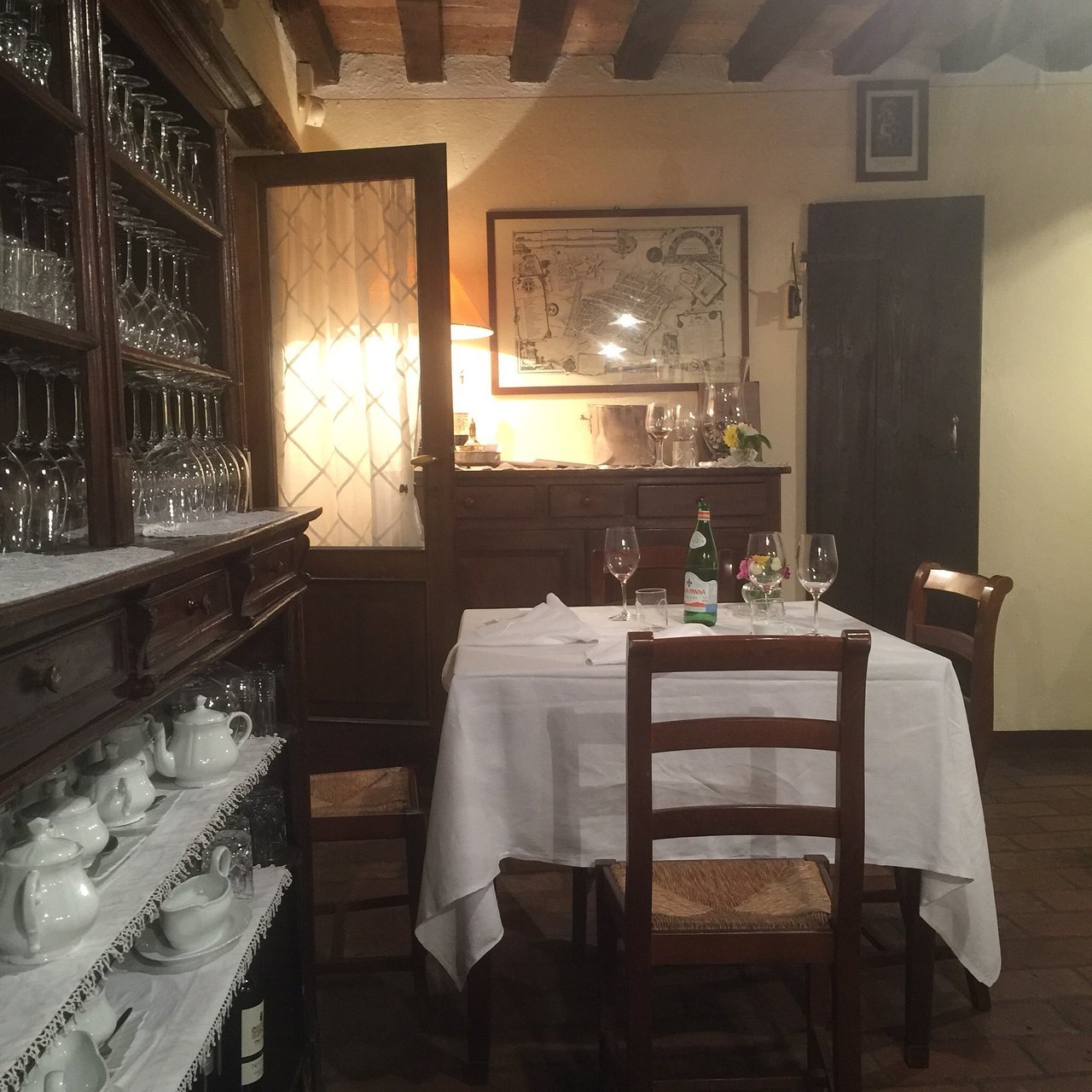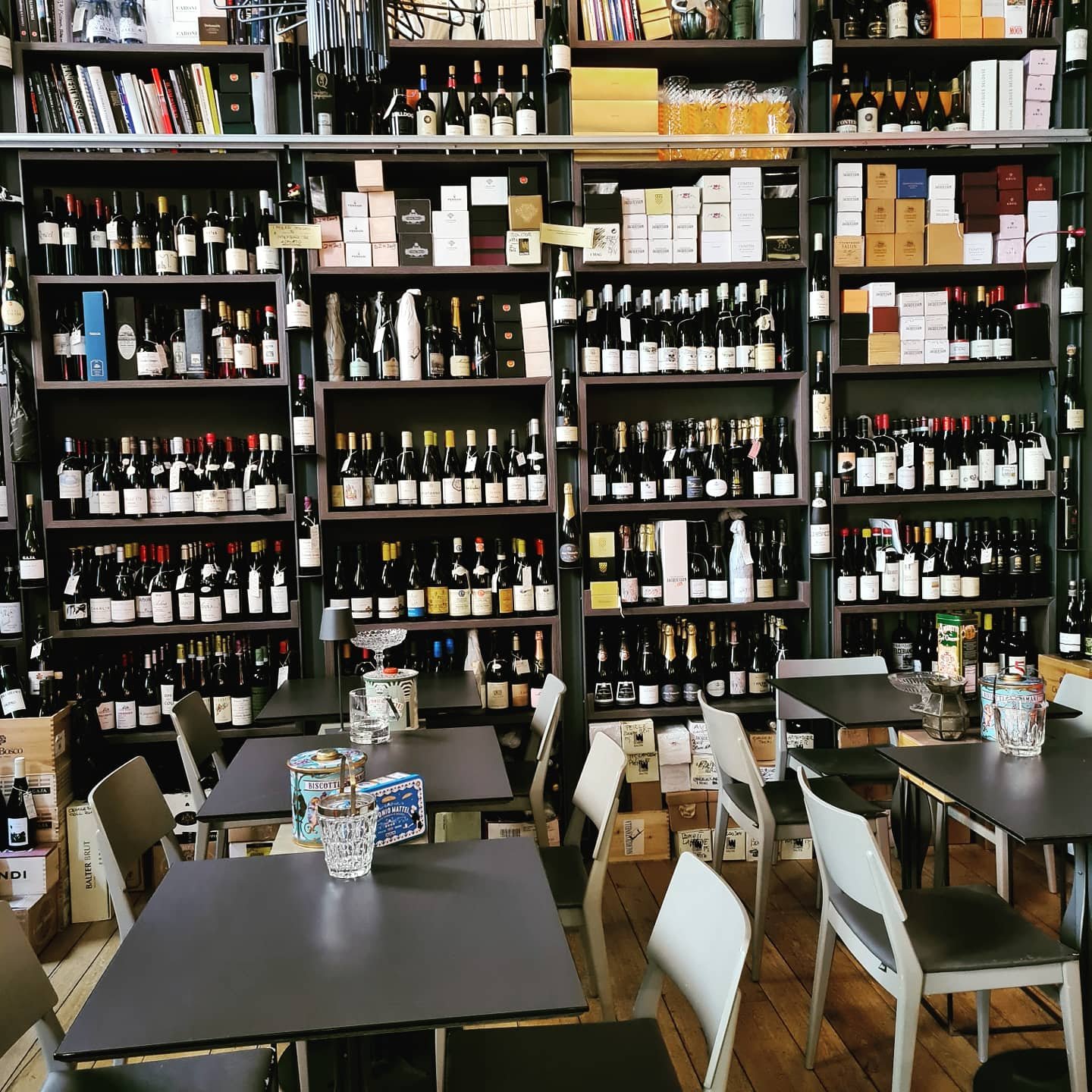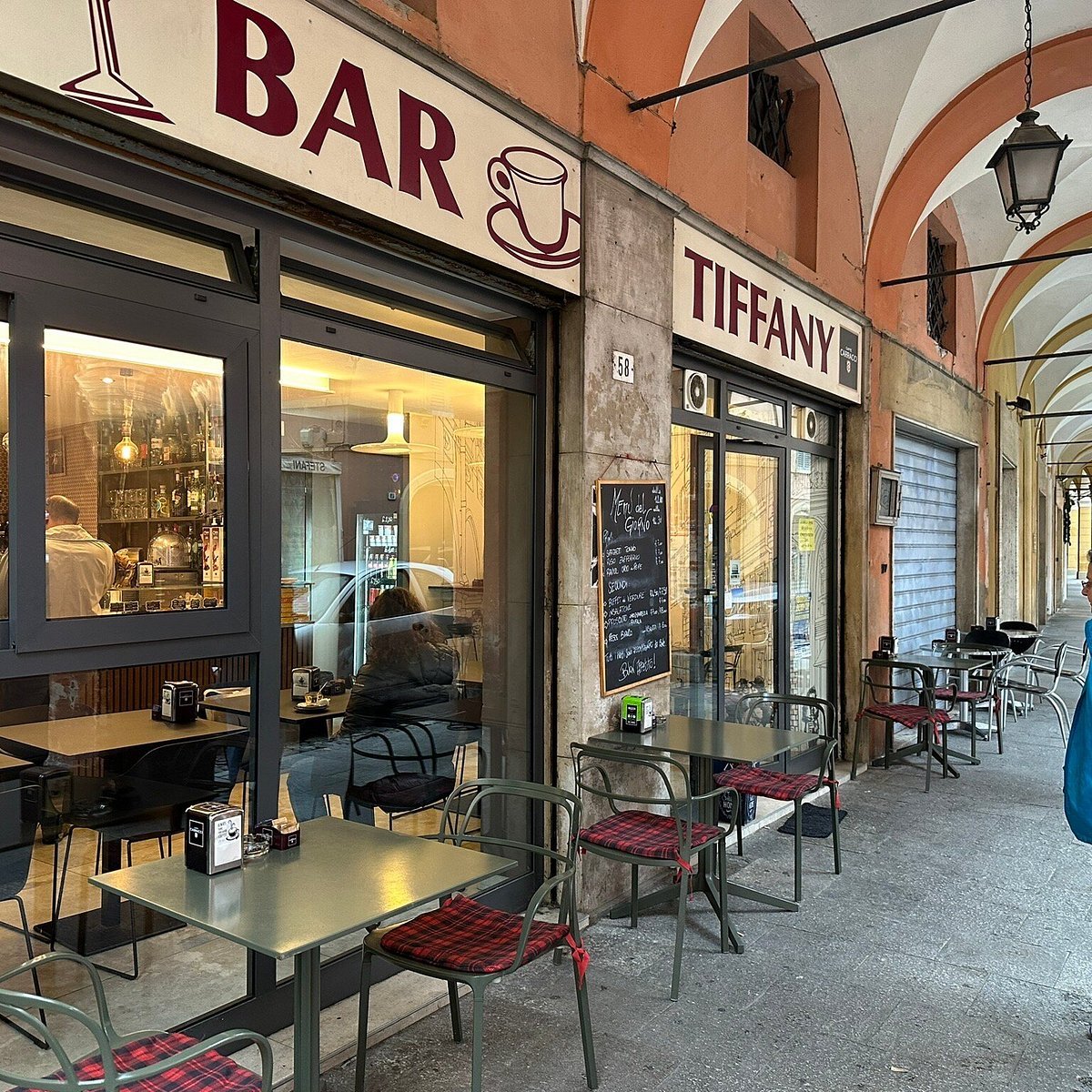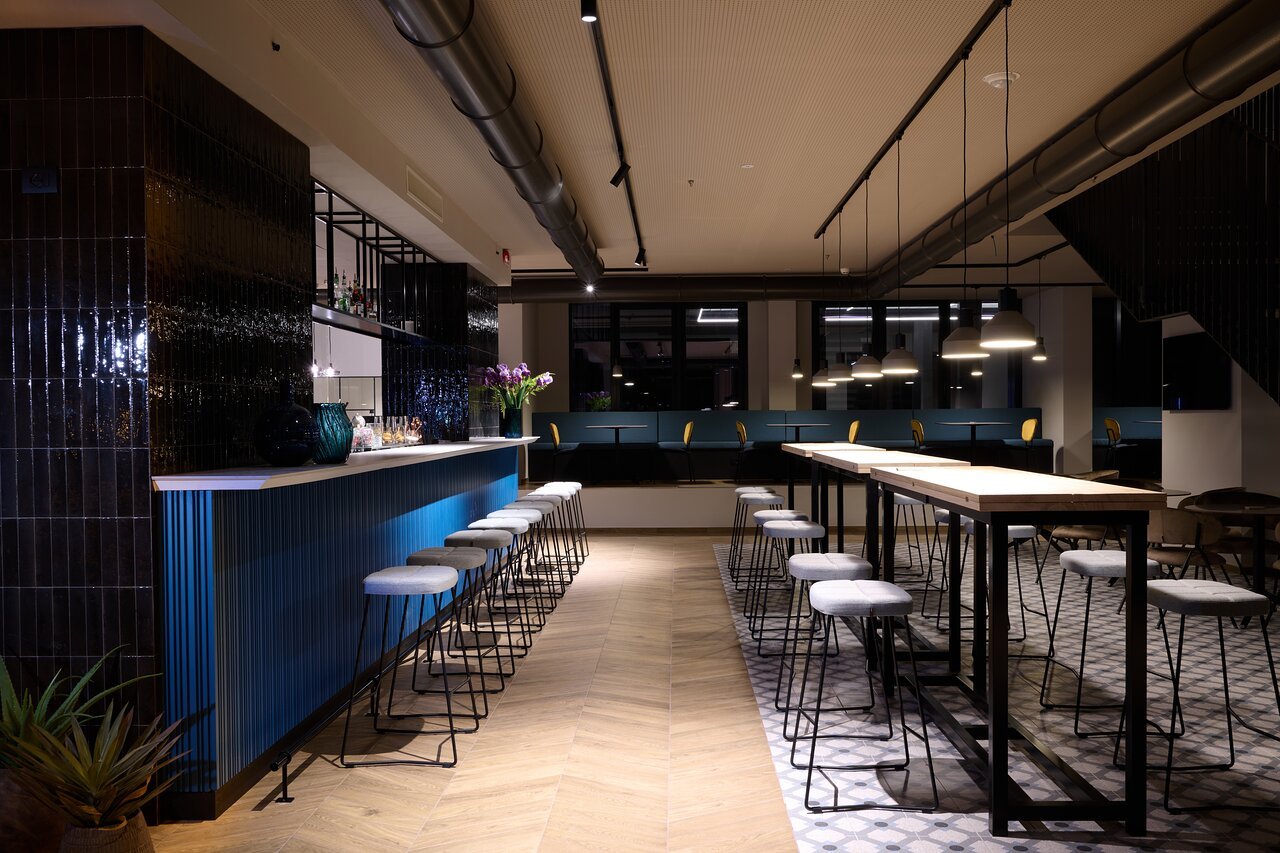
Acetaia Giusti - Since 1605
Strada Quattro Ville, Modena
Restaurant in Modena, Italy
 Book with Pearl
The Read
Dress
Smart Casual
Why go
Prioritise Acetaia Giusti - Since 1605 for a Modena-specific food-culture stop, not as a substitute for a full restaurant meal. It works well for couples, small groups, and special-occasion itineraries built around balsamic tradition, especially when paired with a proper lunch or dinner elsewhere in the city.
About Acetaia Giusti - Since 1605
Acetaia Giusti - Since 1605 is a Modena venue with daily daytime hours and a smart-casual dress code. Plan it carefully: use the 9 AM to 6 PM schedule and check directly with the venue before relying on any more specific assumptions about format, menu, tastings, or services.
A better fit for a planned Modena day than a casual meal slot
The hours are 9 AM to 6 PM every day, Monday through Sunday. That makes Acetaia Giusti - Since 1605 easier to place into a daytime Modena itinerary than a late-night plan. Beyond the hours and smart-casual dress code, check directly before planning around a restaurant format, menu, tasting structure, bar seating, or meal service.
Because the practical details are lean, do not build a full meal plan around assumptions. If food is the centre of the occasion, compare it with other planning options such as Erbavoglio, L'Erba del Re, La Bicicletta - Caffè & Salumi, Magnagallo, or Ristorante da Enzo. For a broader scan before committing, use our full Modena restaurants guide, plus the city guides for hotels, bars, wineries, and experiences.
Good for celebrations if the group wants a daytime Modena stop
This can work for a special occasion when the plan calls for a daytime stop in Modena and the group is comfortable confirming practical details in advance. It is less certain as a substitute for a conventional restaurant booking, so confirm private dining, multiple courses, late-night service, or a full meal format directly before arranging the occasion around it.
Keep expectations simple and grounded: Acetaia Giusti - Since 1605 is in Modena, open daily from 9 AM to 6 PM, and has a smart-casual dress code. If you need dietary guidance, a specific menu, a tasting list, or service details, check directly with Acetaia Giusti - Since 1605 before arranging the rest of the day.
Useful planning references include Erbavoglio, L'Erba del Re, La Bicicletta - Caffè & Salumi, Magnagallo, and Ristorante da Enzo if you want other options to compare while arranging a visit.
Planning details
- Location
- Str. delle Quattro Ville, 52, 41123 Modena MO, Italy
- Website
- visit.giusti.com/it/64ee0404b5c0d7da8c19957e?lang=it
- Phone
- +39 059 840135
The take
The Take
The Vibe
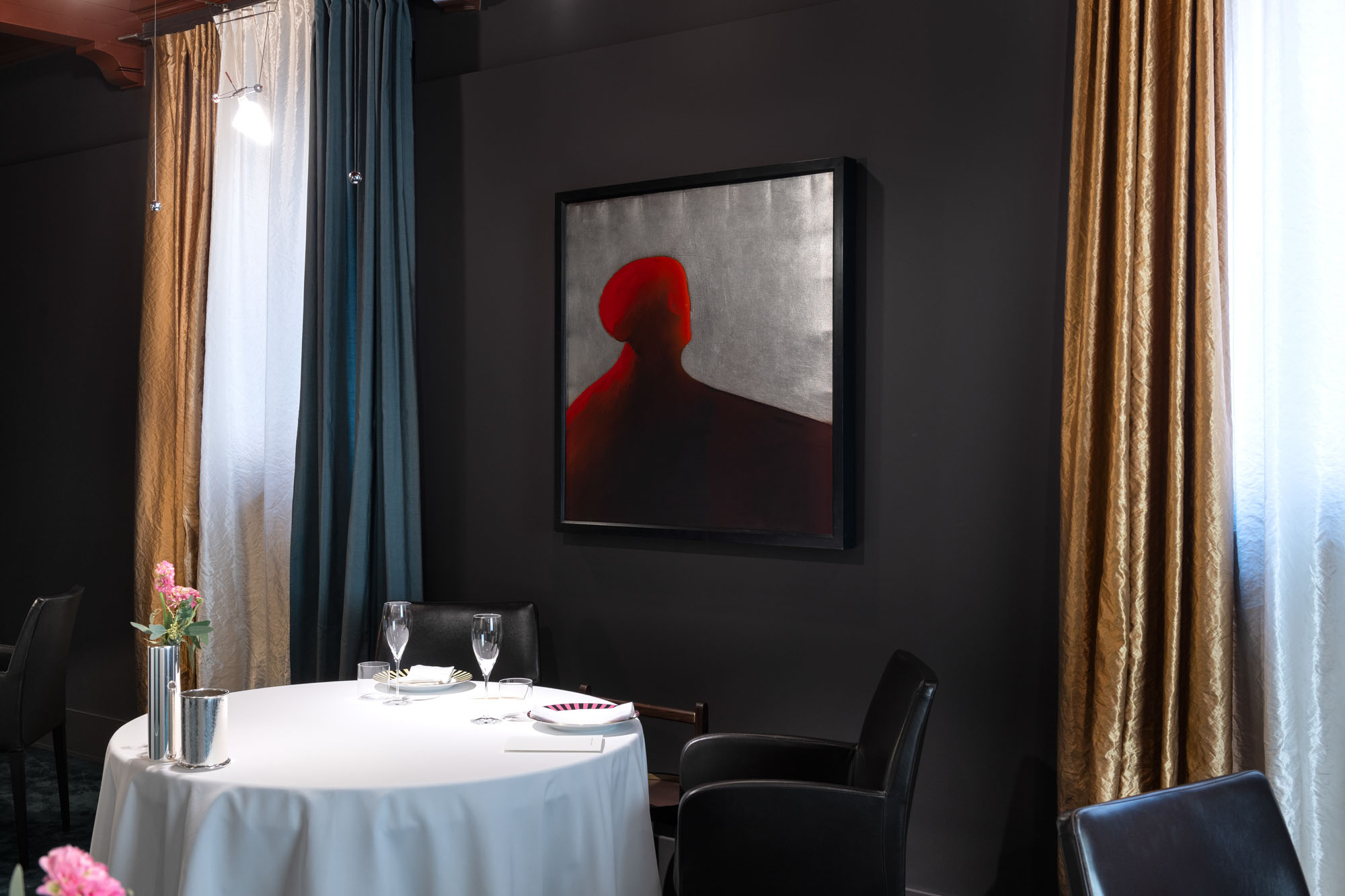
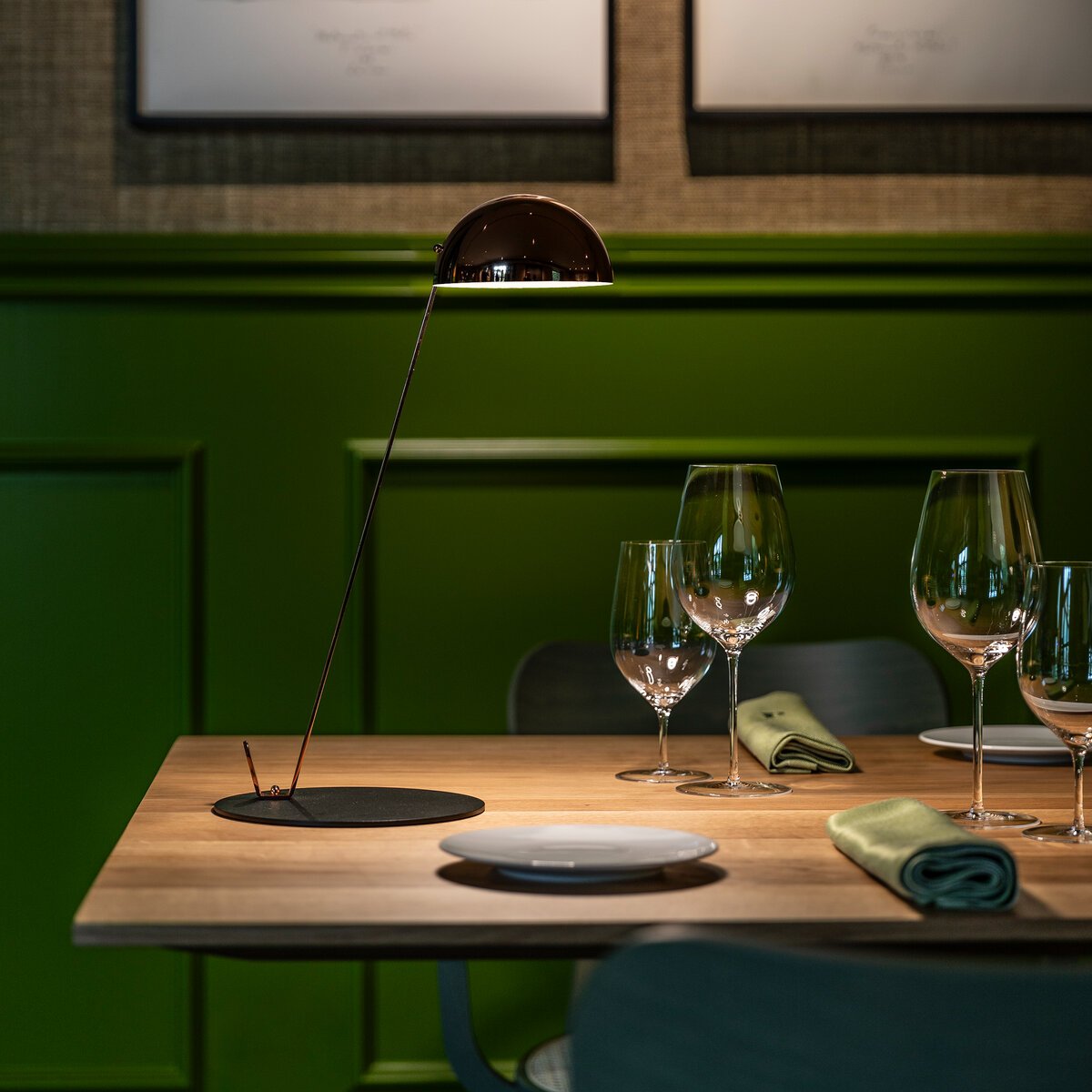
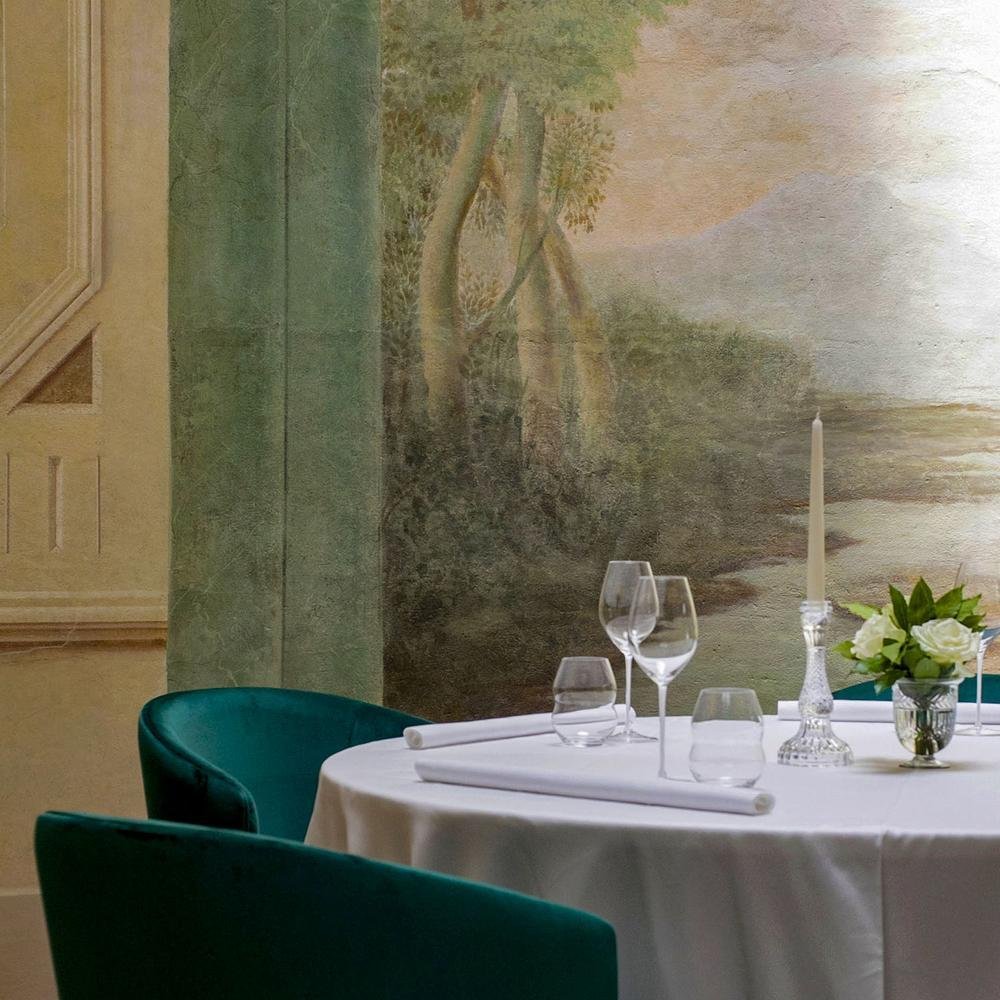
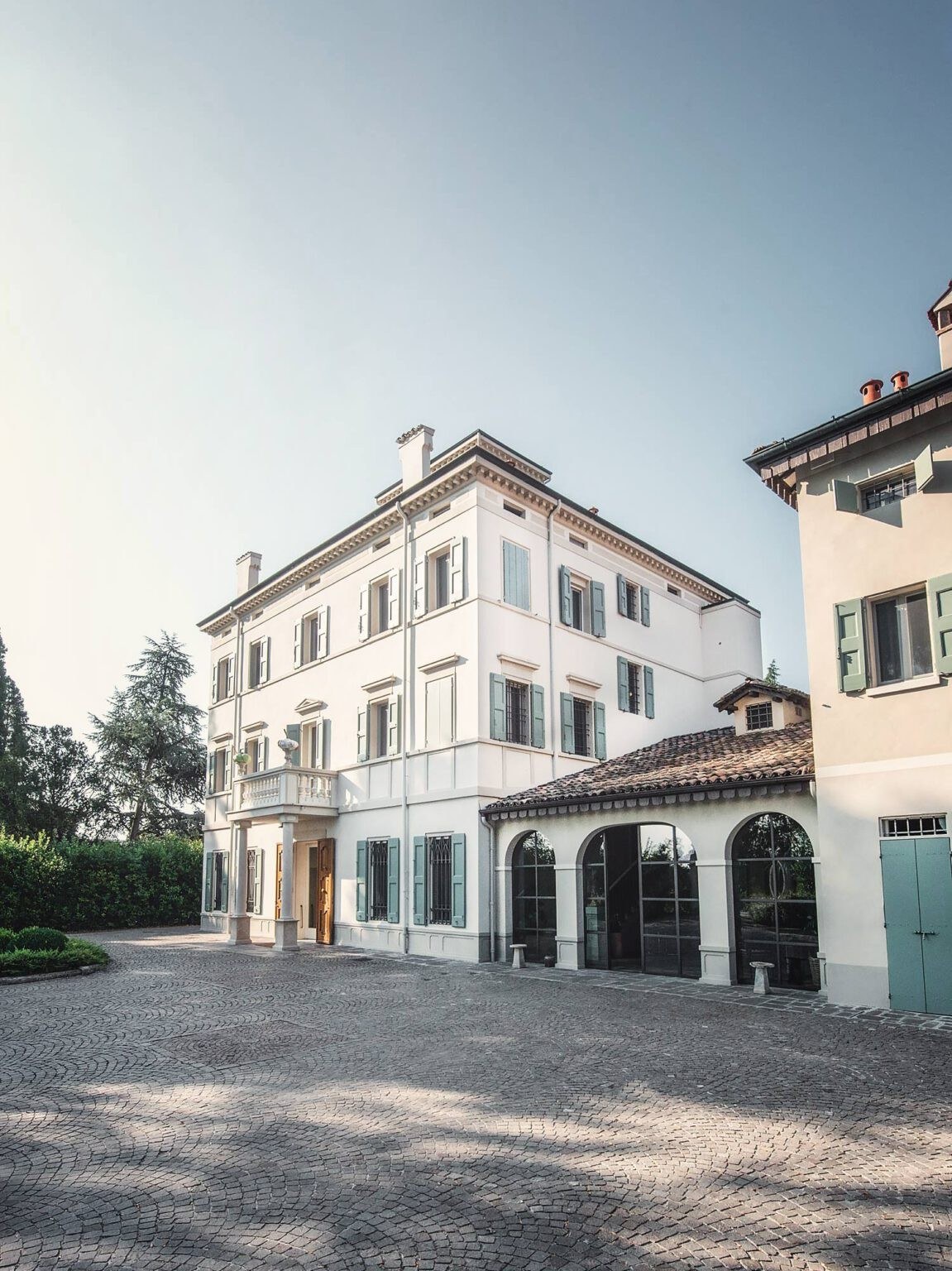
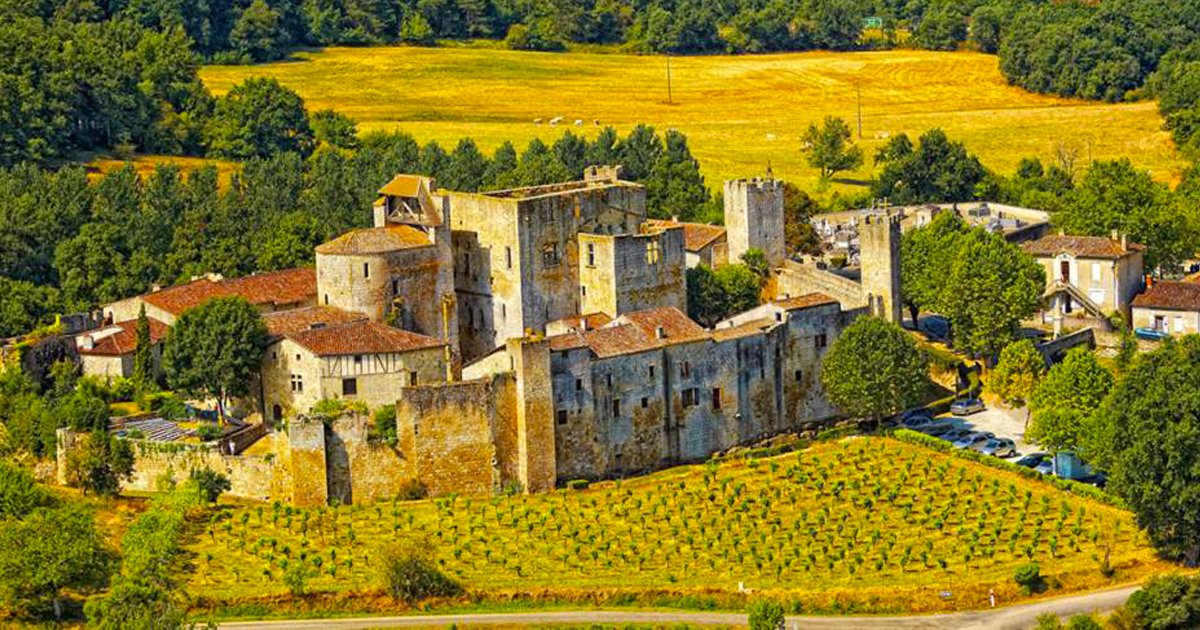
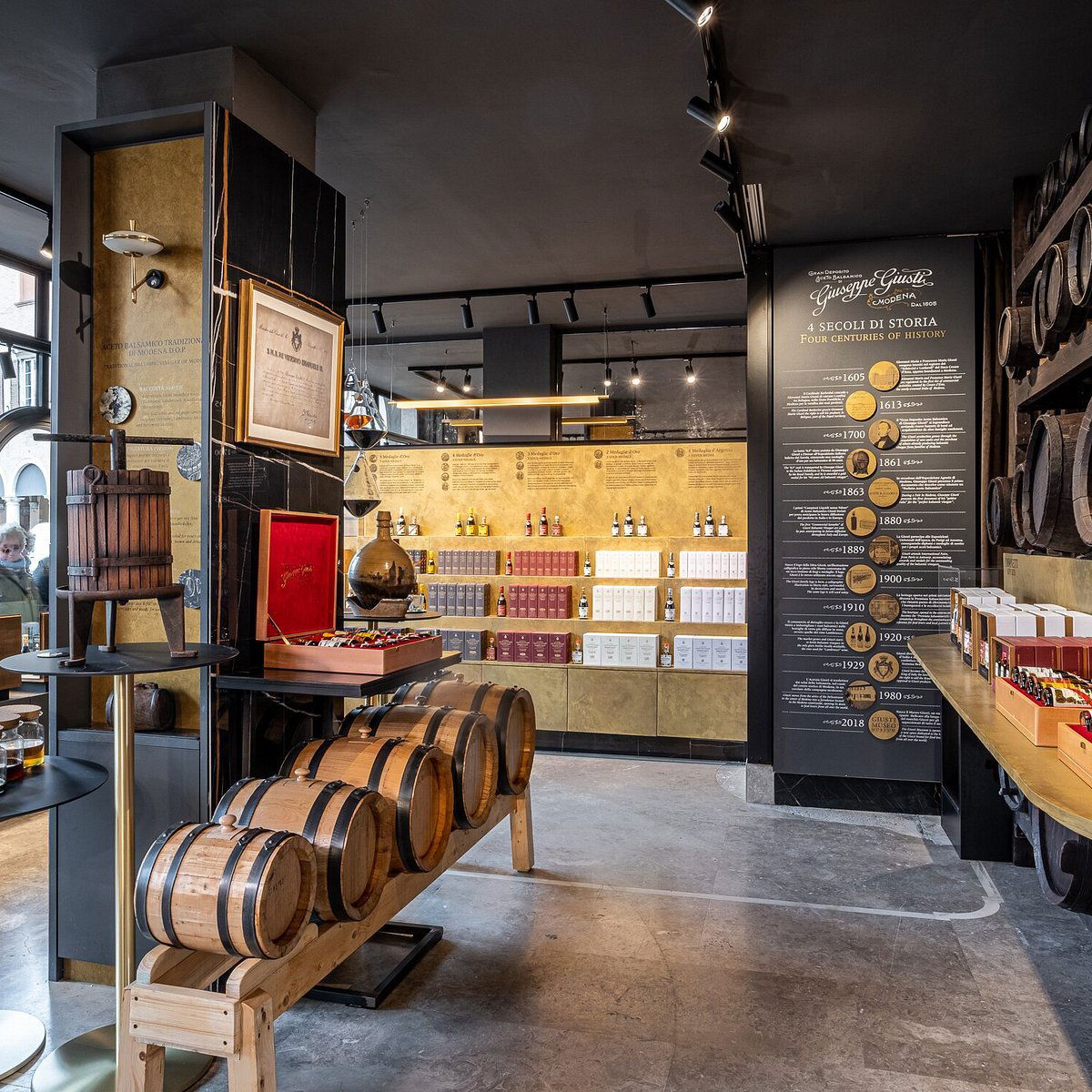
Acetaia Giusti presents a deeply historic and iconic character rooted in continuous production since 1605. The property feels like a living archive: attic lofts and long rows of aging barrels punctuate a working agricultural landscape rather than a city-centre dining room. Its classic, traditional sensibility comes through in every description of the production process—the wooden barrels, the sequence of woods and the slow migration of cooked grape must—so the overall impression is one of timeworn craft and rural authenticity, a quietly scenic spot where heritage is the principal design element.
Best For
This is a venue for diners seeking a ceremonial, ingredient-driven meal tied to culinary history. Because the site functions primarily as a working producer and the narrative emphasizes fine-dining scale and rigorous DOP protocols, the restaurant suits special occasions and visits that double as education: guests who want to pair a meal with an understanding of traditional balsamic production. It reads as a deliberate, measured experience—best for dinner and for people who value provenance, slow craft and historic context more than a bustling urban night out.
Ordering Tips
Ask about the DOP classifications and the different aging categories mentioned in the description: the standard twelve-year and the extra vecchio twenty-five-year designations are material to quality and price. Because production volumes are low and the vinegar is tested and graded before bottling, request to taste or compare ages if tastings are offered, and confirm availability in advance. Remember that the site operates as a working producer, so dining or tasting opportunities may be structured around the acetaia’s production rhythms rather than typical restaurant service.
Venue details
Ambiance
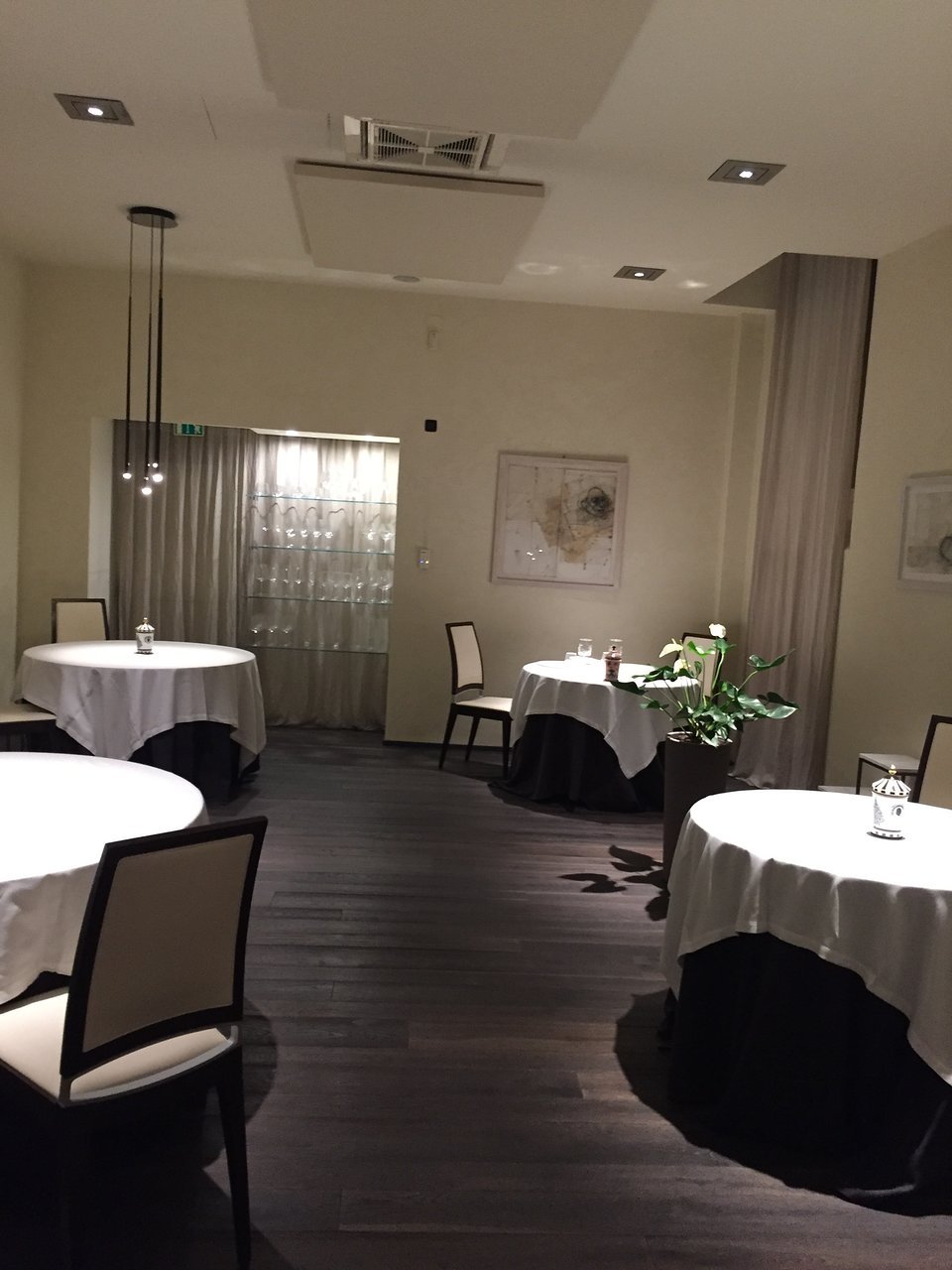
Historic and educational atmosphere in a traditional acetaia with barrel-filled attics.
Tags
Vibe
Best For
Experience
At the Table
- Dress Code
- Smart Casual
- Noise Level
- Quiet
- Service Style
- Formal
- Meal Pacing
- Leisurely
- Capacity
- Intimate
- Kitchen
- Traditional
- Menu Format
- Tasting menu
- Wine Program
- Curated
Know before you go
Know Before You Go
- Getting there
- Str. delle Quattro Ville, 52, 41123 Modena MO, Italy
Planning details
Location
Str. delle Quattro Ville, 52, 41123 Modena MO, Italy · Directions
Also consider
If this does not fit the day, cross-shop L'Erba del Re for a higher-budget celebration meal, or Magnagallo for clearer Emilian value.
For a more casual Modena plan, La Bicicletta - Caffè & Salumi is the more practical fallback when the group wants food first and context second.
Restaurant context
Compared with Magnagallo, this is the more place-specific Modena choice, while Magnagallo is the safer value play for a direct Emilian meal at € level. If the goal is to eat well without overcomplicating the day, Magnagallo is easier to justify; if the goal is to add local context around balsamic tradition, Acetaia Giusti - Since 1605 is the sharper pick.
L'Erba del Re sits at the opposite end of the decision: Creative cooking, €€€€, and a more formal restaurant occasion. Choose L'Erba del Re when the meal itself is the celebration. Choose the acetaia when the experience around Modena's food culture matters more than courses, service arc, or wine-pairing depth.
Erbavoglio, La Bicicletta - Caffè & Salumi, and Ristorante da Enzo make more sense when the group needs a conventional table. La Bicicletta - Caffè & Salumi is the more casual-feeling alternative by format, while Ristorante da Enzo is the better cross-shop when the priority is a recognisable Modena meal rather than a tasting-led stop.
Around this place
Discover more on Pearl
Unlock the full Acetaia Giusti - Since 1605 guide in Pearl, including awards, comparisons, FAQs, planning details, and nearby places.
Compare Acetaia Giusti - Since 1605
| Venue | Location | Cuisine | Price | Awards |
|---|---|---|---|---|
| Acetaia Giusti - Since 1605 | Modena | , | , | No published awards |
| Magnagallo | Campogalliano | Emilian | € | 2026 Bib Gourmand2025 Michelin Bib Gourmand2024 Michelin Bib Gourmand |
| Erbavoglio | Modena | , | , | No published awards |
| L'Erba del Re | Modena | Creative | €€€€ | 2026 Michelin 1 Star2025 Michelin 1 Star2024 Michelin 1 Star |
| La Bicicletta - Caffè & Salumi | Modena | , | , | No published awards |
| Ristorante da Enzo | Modena | , | , | No published awards |
.png?width=1200&quality=80)


How Acetaia Giusti - Since 1605 compares with similar nearby venues.
FAQ
Frequently Asked Questions
Can I eat at the bar at Acetaia Giusti - Since 1605?
Check directly with the venue about bar seating or a bar-style meal. Acetaia Giusti - Since 1605 is open in Modena from 9 AM to 6 PM daily, so plan around that daytime schedule.
Does Acetaia Giusti - Since 1605 handle dietary restrictions?
If you have allergies or dietary requirements, contact the venue before visiting. The schedule is 9 AM to 6 PM every day in Modena.
What should I wear to Acetaia Giusti - Since 1605?
The dress code is smart casual. Keep it neat and comfortable for a daytime visit in Modena.
Is lunch or dinner better at Acetaia Giusti - Since 1605?
The hours are 9 AM–6 PM daily, so it is better to think of it as a daytime stop rather than a dinner plan. If you want an evening meal, compare other options such as L'Erba del Re or Ristorante da Enzo and confirm current details directly.
What are alternatives to Acetaia Giusti - Since 1605 in Modena?
L'Erba del Re, Ristorante da Enzo, La Bicicletta - Caffè & Salumi, Magnagallo, and Erbavoglio are useful names to compare while planning. Confirm current hours, format, and services directly before you choose.
Is Acetaia Giusti - Since 1605 good for a special occasion?
It can be, if the occasion fits a daytime Modena stop and you confirm any needed service details in advance. Daily 9 AM–6 PM hours and a smart-casual dress code make it better suited to daytime planning than a full restaurant booking.
What should I order at Acetaia Giusti - Since 1605?
For current offerings and ordering guidance, check directly with Acetaia Giusti - Since 1605 before you go, especially if you are planning the visit around a special occasion.