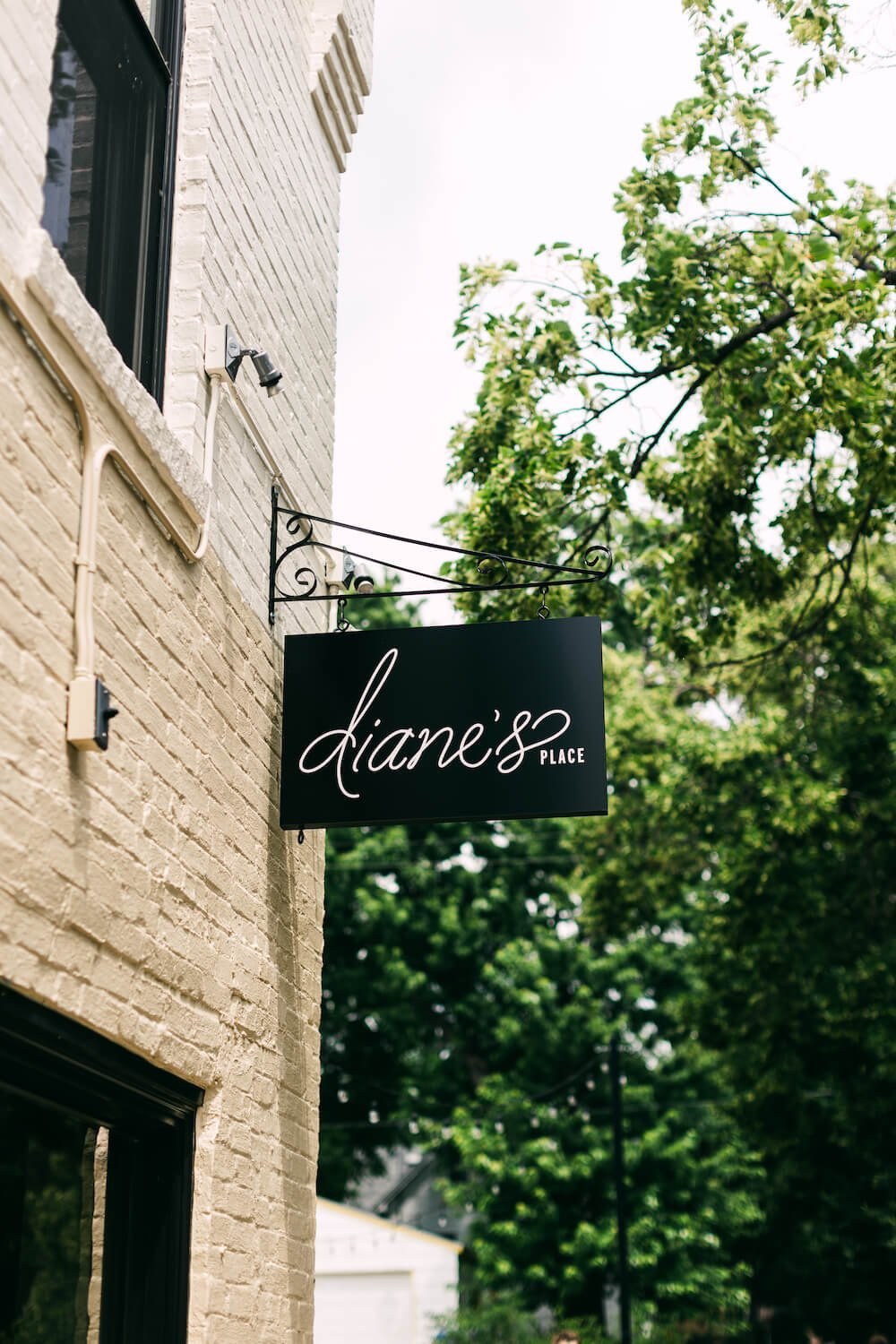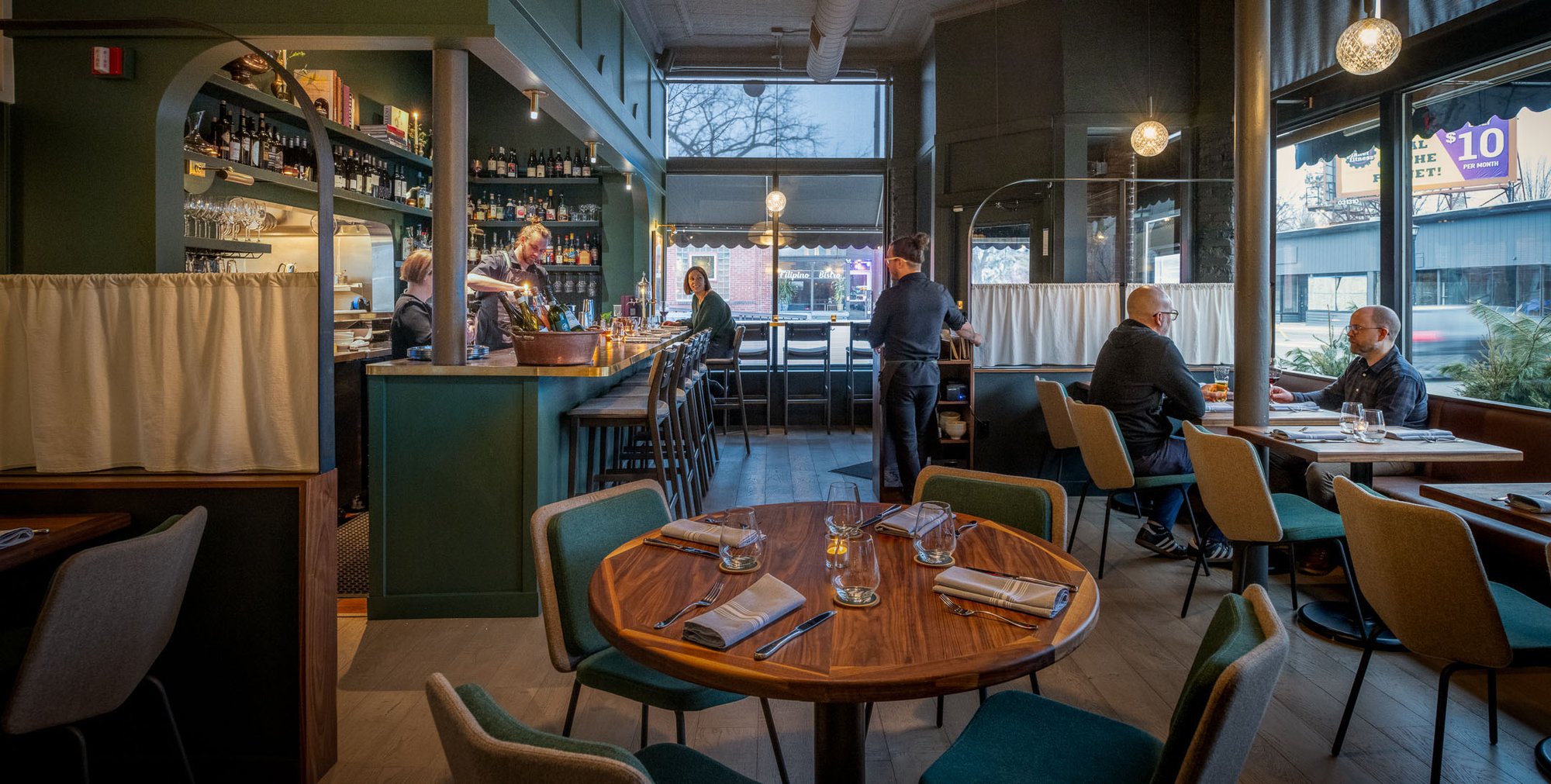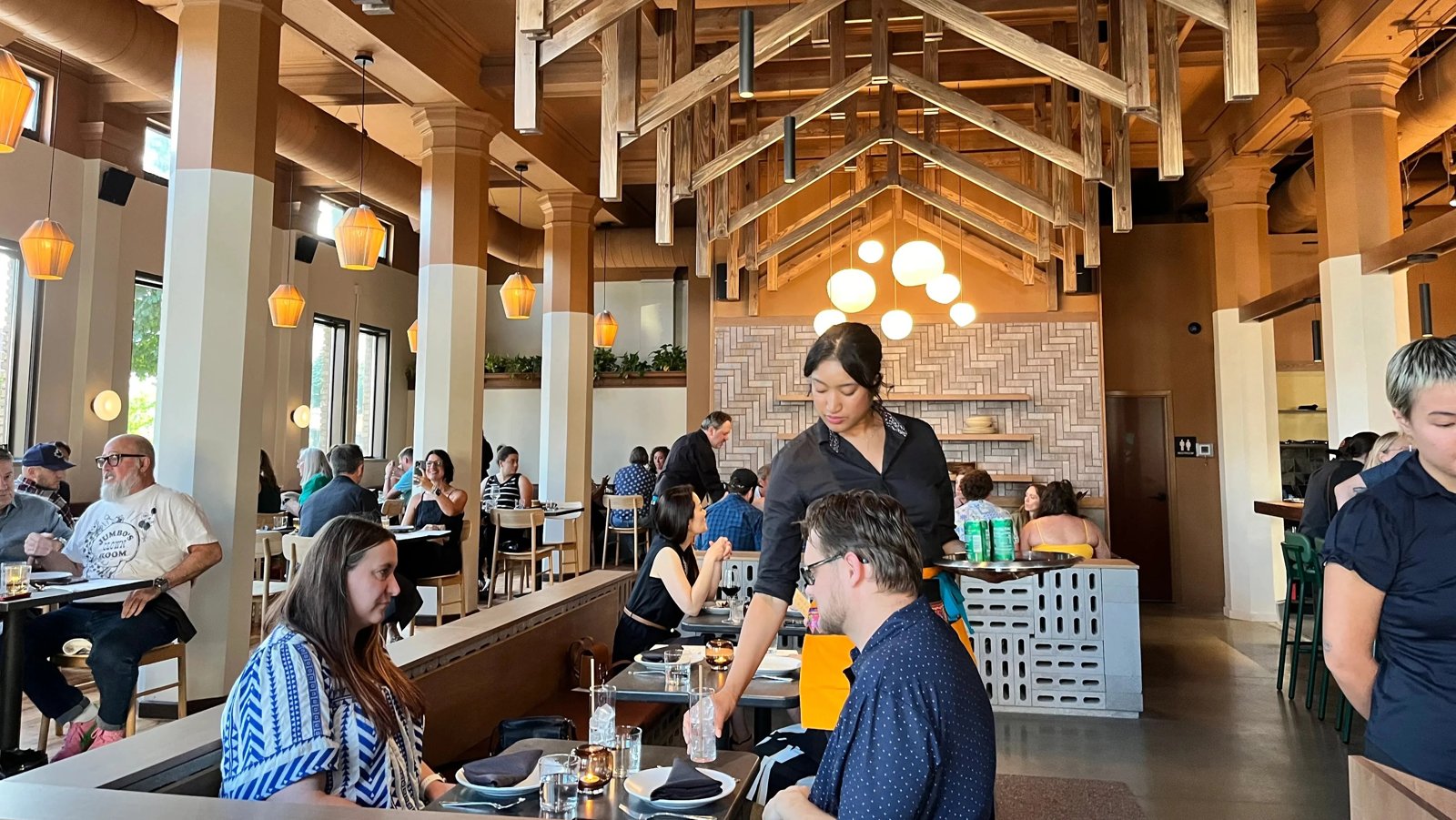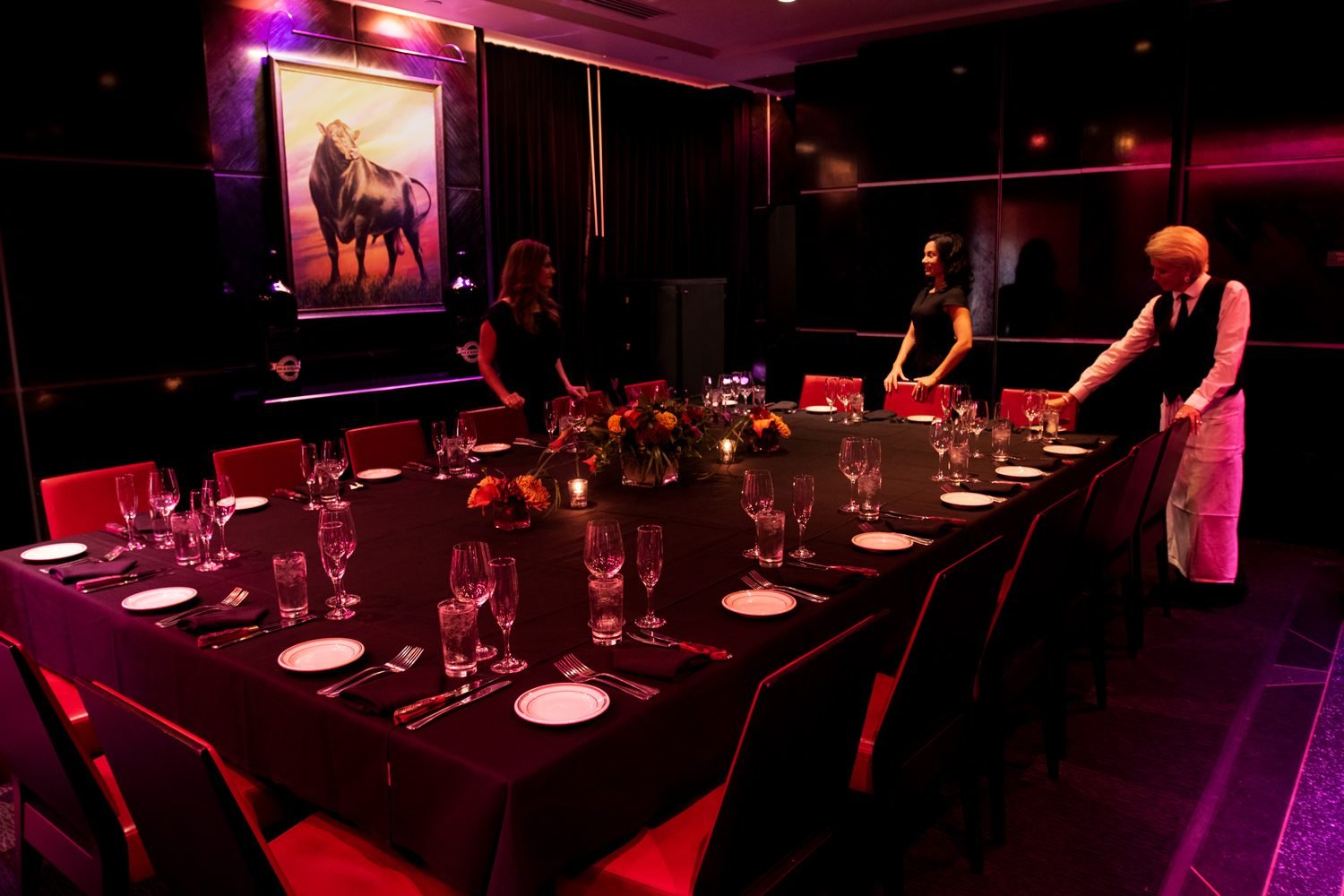
4801 S Minnehaha Dr
Hiawatha, Minneapolis
Restaurant in Minneapolis, United States
 Book with Pearl
The Read
Dress
Casual
Why go
4801 S Minnehaha Dr is not a strong planned-dining pick without confirmed cuisine, price, hours, menu, or booking details. Use it only if you can verify the current operation first; for a researched Minneapolis meal, compare known local options before committing.
About 4801 S Minnehaha Dr
4801 S Minnehaha Dr is a Minneapolis listing with a casual dress code. Before planning a visit, check current cuisine, chef, menu format, price range, website, phone, hours, booking method, dietary accommodations, takeout, delivery, bar seating, and dining format directly.
Those planning details matter if you are trying to make a confident dining choice. Without current hours, menu, service style, or contact information, it is hard to know whether 4801 S Minnehaha Dr fits a quick stop, a planned dinner, a solo meal, or a group outing. If you want a more researched Minneapolis dining plan, start with our full Minneapolis restaurants guide and compare other options such as Blue Door Pub Longfellow, Highland Grill, Luci Ancora, Myriel, and The Howe Daily Kitchen.
Plan carefully for this Minneapolis listing
4801 S Minnehaha Dr is best approached as a place to investigate before you go. The casual dress code is helpful to know, but it does not answer the larger questions about food, hours, reservations, accessibility, or the kind of experience to expect. For meals where timing, dietary needs, menu clarity, or occasion fit matter, compare it with other Minneapolis dining options before committing. You can also use the broader city guides for hotels, restaurants, bars, and experiences while planning.
Planning details
- Location
- 4801 S Minnehaha Dr, Minneapolis, MN 55417
- Website
- seasaltmpls.com
- Phone
- +1 612 721 8990
The take
The Take
The Vibe
This address sits in a quietly confident stretch of South Minneapolis where neighbourhood-scale dining and local sourcing set the tone. The restaurant reads like a community anchor—grounded and low-key rather than theatrical—benefiting from proximity to Minnehaha Park and the Falls without trading on flash. Expect a relaxed, charming atmosphere that prioritizes permanence and ingredient-driven cooking over trend-chasing. The broader context of Twin Cities culinary credibility—James Beard recognition and a strong local food culture—lends the place a quietly serious culinary pedigree while the setting remains approachable and unpretentious.
Best For
This is a neighbourhood seafood spot that works best for easy, unhurried outings with friends and family. It’s well suited to people who are exploring Minnehaha Park or who want a dependable local meal rather than a destination splurge. The emphasis on local ingredients and the area’s cultural layering make it a comfortable option for a casual hangout or a family dinner where familiar, well-sourced seafood dishes are the draw. Visitors looking for an authentic South Minneapolis dining experience find it a natural, community-minded choice.
Ordering Tips
Lean into the restaurant’s seafood focus and the signature fish tacos—those are called out as a defining dish. Because the write-up highlights a commitment to local ingredients, ask servers about seasonal preparations and any daily or locally driven specials. If you’re visiting after time in the park, order a couple of smaller seafood plates to share so you can taste the kitchen’s approach to regional produce and fish. Keep expectations geared toward straightforward, ingredient-forward cooking rather than haute formal service.
Venue details
Ambiance
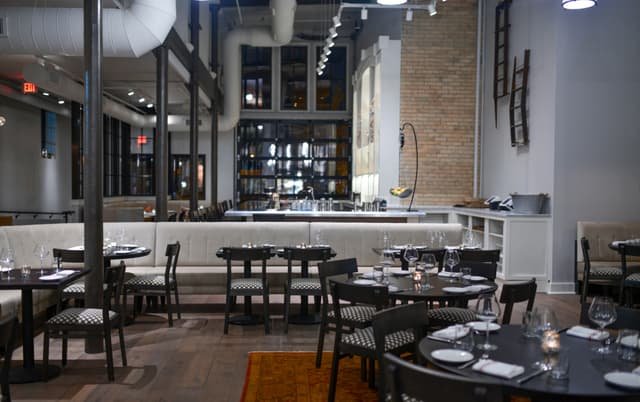
Casual outdoor atmosphere with park surroundings and roar of the falls.
Tags
Vibe
Best For
Experience
View
At the Table
- Dress Code
- Casual
- Noise Level
- Conversational
- Service Style
- Casual
- Meal Pacing
- Standard
- Capacity
- Medium
Signature Dishes
fish tacos
Know before you go
Know Before You Go
- Getting there
- 4801 S Minnehaha Dr, Minneapolis, MN 55417
Planning details
Location
Also consider
Also Consider
- Highland Grill, Notable alternative
- Luci Ancora, Notable alternative
- Myriel, Scandinavian-Inspired, Scandinavian-Inspired
- Blue Door Pub Longfellow, Notable alternative
- The Howe Daily Kitchen, Notable alternative
Restaurant context
How It Compares
Against Highland Grill, Luci Ancora, Myriel, Blue Door Pub Longfellow, and The Howe Daily Kitchen, 4801 S Minnehaha Dr is the weakest choice for advance planning because its cuisine, price tier, and format are not confirmed. Myriel is the clearer pick for a defined Scandinavian-inspired meal; Blue Door Pub Longfellow and The Howe Daily Kitchen are more useful for casual Minneapolis decisions where the format matters.
If value for money is the deciding factor, choose a peer with a known concept before taking a chance here. If ease matters more than specificity, 4801 S Minnehaha Dr may work only as a low-commitment option after verification, while Highland Grill and Luci Ancora are better cross-shops when the goal is a more legible neighborhood restaurant experience.
Explore Minneapolis
Around this place
Discover more on Pearl
Unlock the full 4801 S Minnehaha Dr guide in Pearl, including awards, comparisons, FAQs, planning details, and nearby places.
Compare 4801 S Minnehaha Dr
| Venue | Location | Cuisine | Awards |
|---|---|---|---|
| 4801 S Minnehaha Dr | Minneapolis | , | No published awards |
| Highland Grill | St Paul | , | No published awards |
| Luci Ancora | Saint Paul | , | No published awards |
| Myriel | St Paul | Scandinavian-Inspired | 2025 Food & Wine Global Tastemakers Top Restaurants · #92025 James Beard Award Semifinalists2025 James Beard Awards2021 Esquire Best New Restaurants · #14 |
| Blue Door Pub Longfellow | Minneapolis | , | No published awards |
| The Howe Daily Kitchen | Minneapolis | , | No published awards |



How 4801 S Minnehaha Dr, Minneapolis compares with similar nearby venues.
FAQ
Frequently Asked Questions
What are alternatives to 4801 S Minnehaha Dr in Minneapolis?
If you need a clearer meal plan, compare 4801 S Minnehaha Dr with Blue Door Pub Longfellow, Highland Grill, Luci Ancora, Myriel, and The Howe Daily Kitchen. For 4801 S Minnehaha Dr, plan around its Minneapolis location and casual dress code, and check other options when you need more certainty.
Does 4801 S Minnehaha Dr handle dietary restrictions?
If allergies or restrictions are important, contact 4801 S Minnehaha Dr directly before going or choose a Minneapolis restaurant with published menu and contact details.
Can I eat at the bar at 4801 S Minnehaha Dr?
Ask directly about bar or counter seating before visiting 4801 S Minnehaha Dr. If that detail matters, confirm it before making plans.
Is 4801 S Minnehaha Dr good for a special occasion?
For a special occasion, choose 4801 S Minnehaha Dr only after checking the menu, hours, reservations, service style, and overall dining experience. The dress code is casual.
What should I order at 4801 S Minnehaha Dr?
Check the current menu directly before making plans, or compare 4801 S Minnehaha Dr with other Minneapolis dining options that publish menus.
Is 4801 S Minnehaha Dr good for solo dining?
The dress code is casual, but check the seating style, hours, and menu details before planning a solo meal at 4801 S Minnehaha Dr.