

Denis
Brera, Milan
Restaurant in Milan, Italy
 Book with Pearl
The Read
Dolomite-Sourced Pizza
Price
$20–30per person
Chef
Denis Lovatel
Dress
Casual
Why go
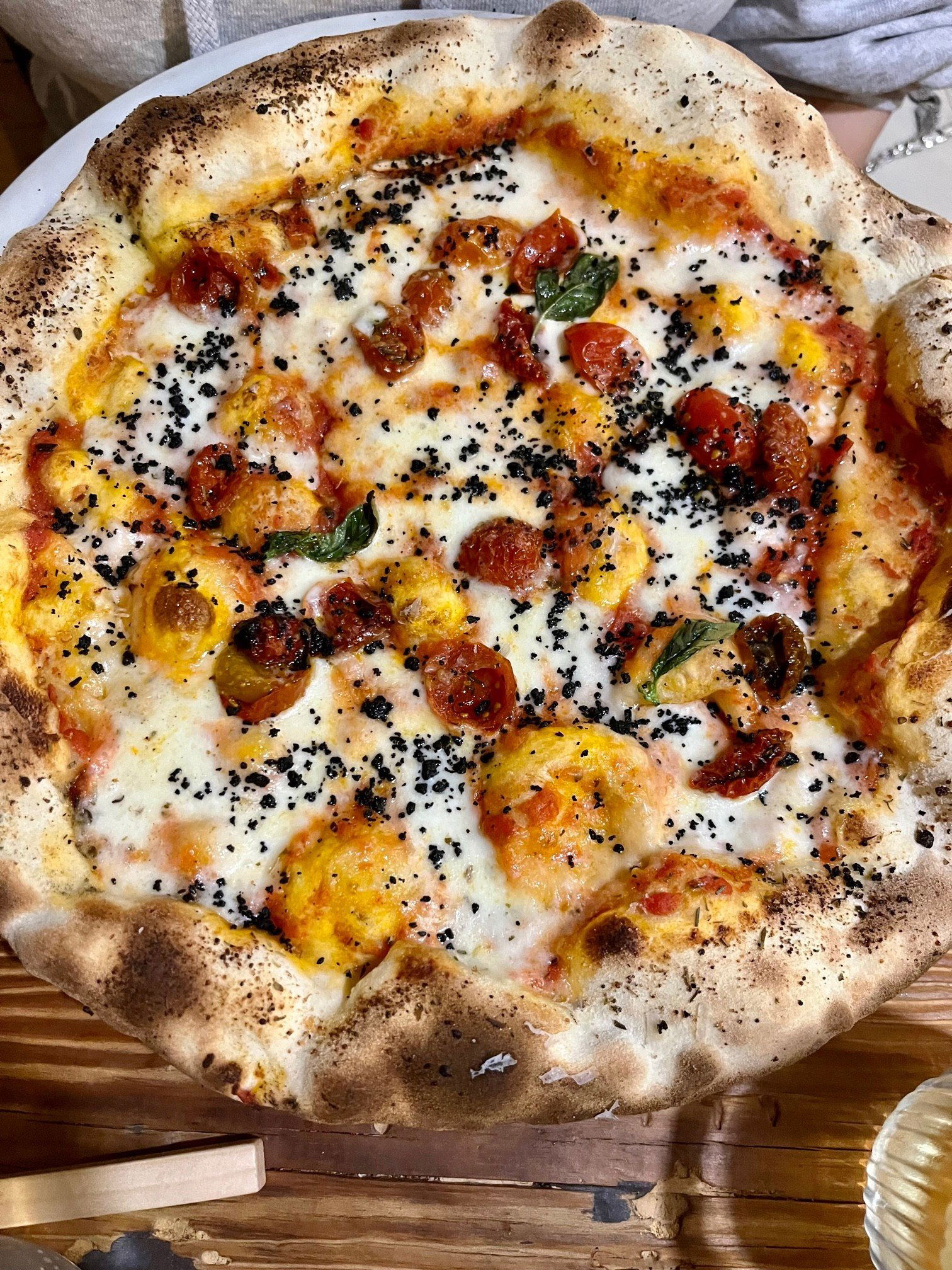
Denis brings Denis Lovatel's Dolomite-influenced mountain pizza to central Milan: light, long-leavened dough made with alpine water, topped with seasonal mountain ingredients. The seasonal menu changes make repeat visits worthwhile, and it books easily by Milan standards — a practical, lower-cost addition to any serious Milan dining itinerary.
About Denis
Denis, Milan: The Verdict
Denis Lovatel's mountain pizza concept on Via Statuto deserves a place in your Milan dining rotation, but you need to arrive with the right expectations. This is not a neighbourhood pizzeria knocking out fast margheritas. The kitchen works with long-leavened, low-calorie dough made with selected flours and water sourced from the Dolomites, topped with alpine cheeses, forest fruits, and mountain herbs. The result is a pizza that is genuinely lighter and crispier than most of what Milan serves, and the seasonal menus mean your third visit will look meaningfully different from your first. Booking is easy, price data is not published, but the format reads as mid-range for Milan. If that sounds like a good deal, it is — with caveats covered below.
Portrait
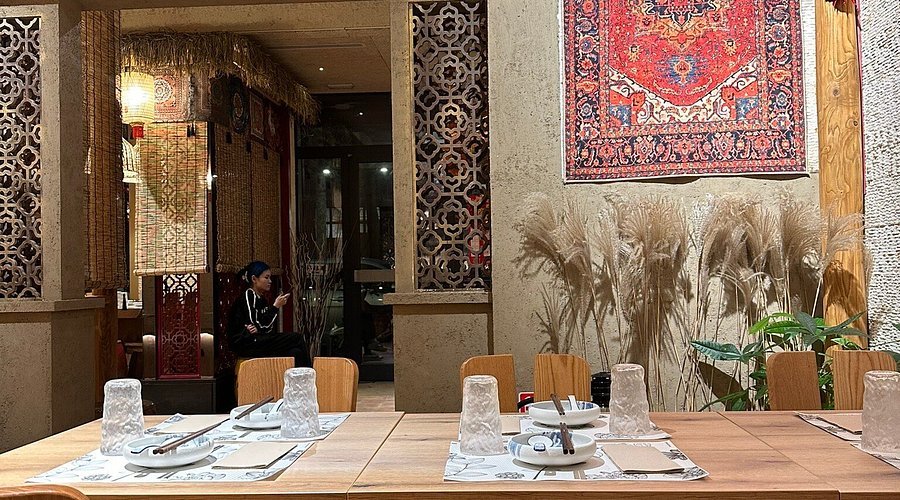
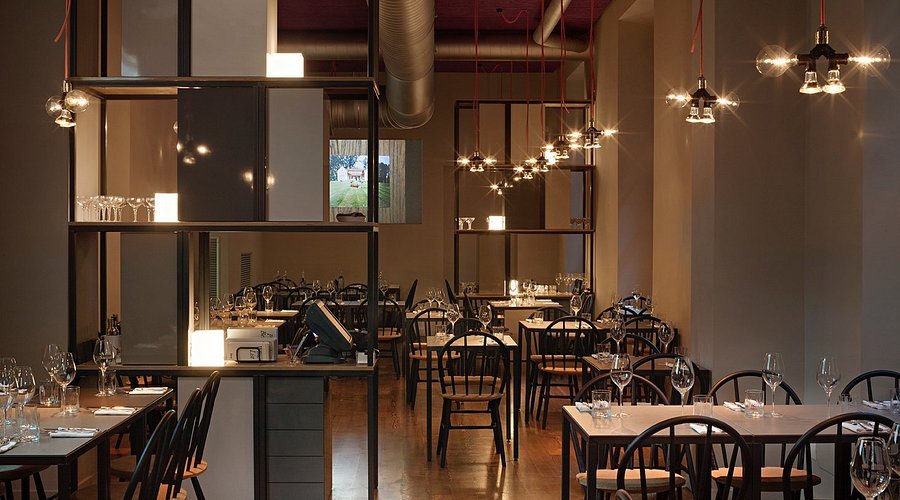
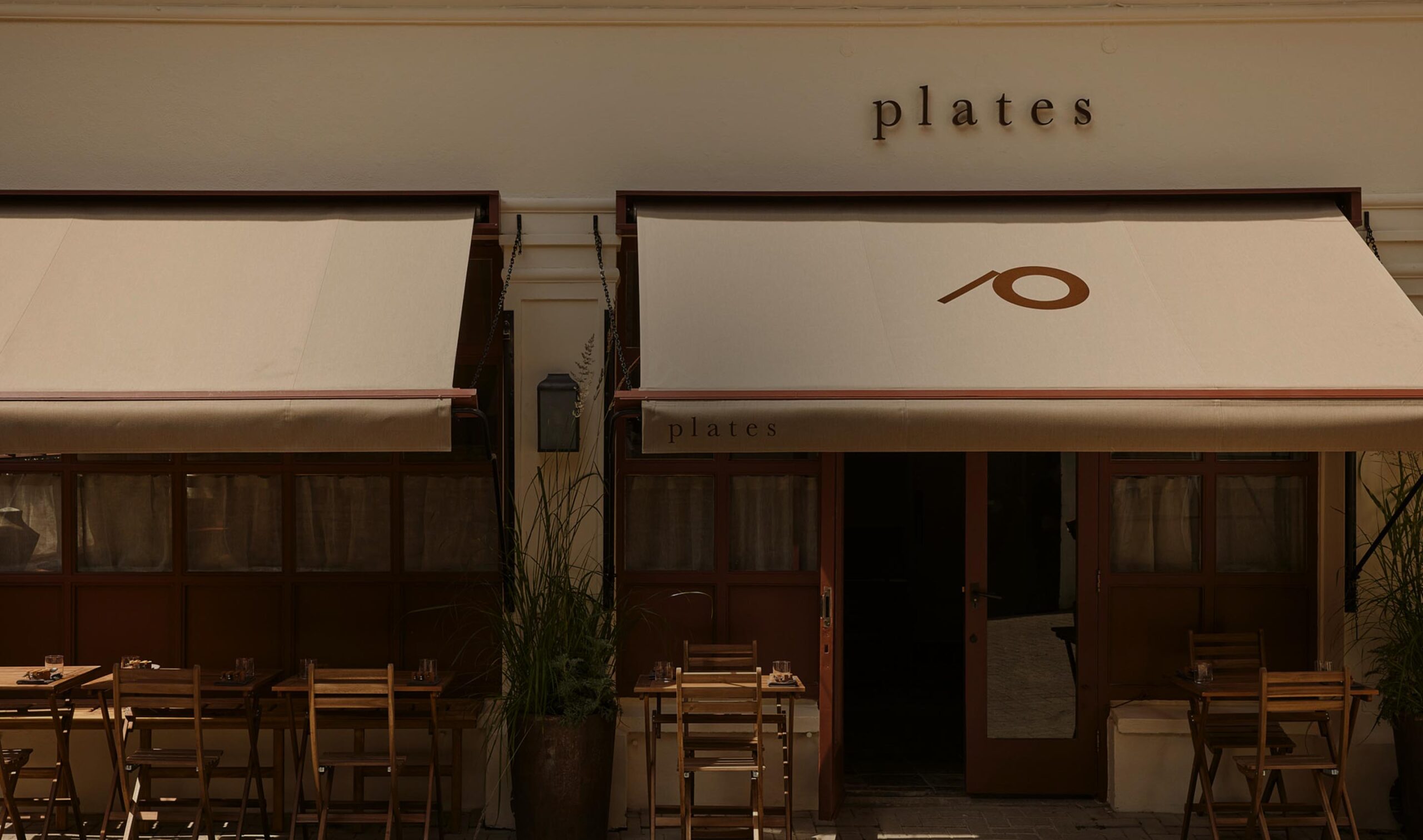
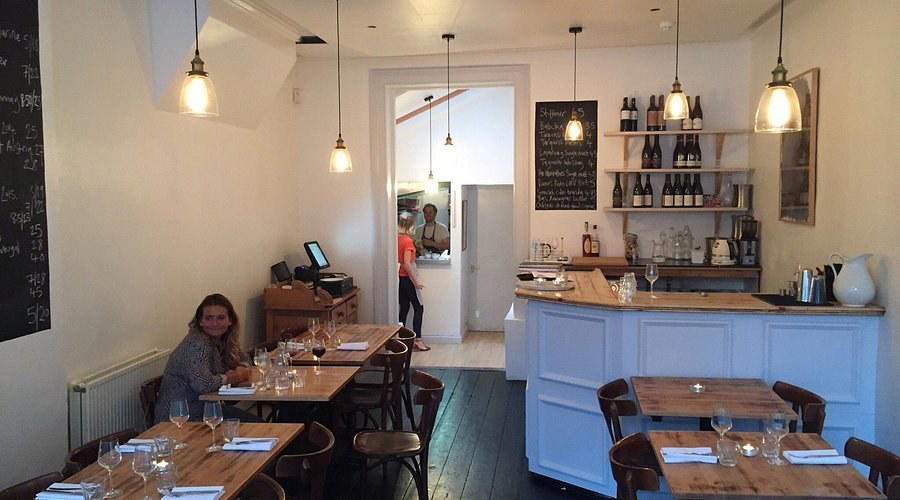
The room at Via Statuto 16 does the work that the concept promises: warm interiors built around wood, the kind of space that reads mountain refuge rather than urban trattoria. Walk in and the kitchen scent skews noticeably cleaner than a conventional pizzeria — less char and oil, more of the herbal and dairy notes that come off alpine toppings hitting a hot deck. That sensory cue is your first signal that what Lovatel is doing here is distinct from the wood-fired pizza orthodoxy that dominates most Italian cities.
The dough is the technical foundation. Long leavening, lightly salted, lower calorie count than a standard Neapolitan base, these are not marketing claims but verifiable method choices that produce a noticeably different texture: crispy rather than chewy, digestible enough that you won't feel weighed down after two slices. The toppings draw from Dolomite-region ingredients: alpine cheeses with real sharpness, forest fruits that add acidity, mountain herbs that give the pizzas a distinctly northern Italian character you don't find on any pizza menu in the city's centre. The wine list is described as interesting and well-matched to the food, and service runs quick and friendly without being rushed.
Seasonal menu changes are not a minor detail here, they are the core reason to plan multiple visits. A diner who came in autumn, when forest fruit toppings and aged alpine cheeses are at their peak, is eating a different menu from the one on offer in late spring. If you've been once and enjoyed it, factor in a return visit timed to a different season. That's the most efficient way to understand what Lovatel's kitchen is actually capable of across its full range.
Multi-Visit Strategy
First visit: go focused on the dough-forward combinations, the versions that let the lightly salted, Dolomite-water base carry the load. This gives you a baseline for the technique. Second visit: shift attention to the more ingredient-led choices, particularly anything featuring alpine cheeses or seasonal mountain herbs, and work through the wine list properly rather than defaulting to the house option. Third visit: time it to a different season from your previous two, and compare directly. The menu changes are substantial enough to warrant it, and the format is approachable enough that repeating Denis is a low-risk decision. For diners who travel to Milan regularly, this is the kind of place that earns a standing reservation slot rather than a single-visit tick.
For broader context, Lovatel's approach to mountain ingredients shares a philosophical thread with what chefs like those at Atelier Moessmer Norbert Niederkofler in Brunico are doing with alpine sourcing at the fine-dining level, though Denis operates at a very different price point and formality. Closer to home, if you are working through Milan's serious restaurant scene alongside Denis, the city's leading tables include Enrico Bartolini, Andrea Aprea, and Seta, all operating at the €€€€ end of the spectrum. Denis sits in a different tier and serves a different purpose, it is the accessible, repeatable option in a city where the fine-dining bill adds up fast.
Booking & Practical Details
Denis at Via Statuto 16 in Milan's 20121 district is an easy booking by Milan standards. No phone or online booking link is publicly listed in our data, so the most direct route is to check current reservation availability through Google or walk the address directly, the format is not the kind of high-demand counter that requires weeks of forward planning. Dress code is unpublished but the warm, wood-interior setting suggests smart-casual is appropriate and anything more formal would be out of place. No seat count is available, but the space reads as mid-sized rather than intimate. Hours are not confirmed in our data; verify before travelling.
Quick reference: Via Statuto 16, Milan 20121, easy to book, seasonal menu, mid-range price tier, smart-casual dress.
Planning details
- Location
- Via Statuto, 16, 20121 Milano MI, Italy
- Website
- denispizza.it
- Phone
- +39 375 798 8835
The take
The Take
The Vibe
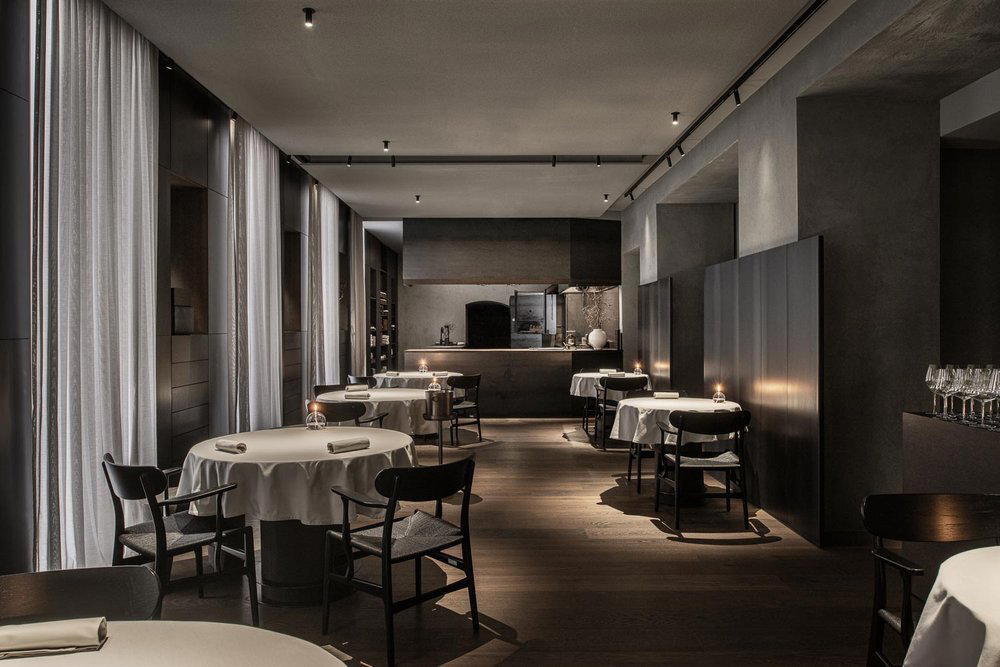
Denis feels like an alpine refuge transplanted into Milan: warm timber surfaces and natural materials give the dining room a composed, intimate tone. The restaurant intentionally avoids fine-dining theatrics in favor of a focused, calm environment that foregrounds the food’s provenance. The design and service read as thoughtful rather than ostentatious, and the atmosphere supports a measured dining experience—quiet, warm, and understated—where seasonal mountain ingredients and a precise approach to pizza take center stage.
Best For
Denis is best for diners who care about ingredient provenance and seasonality as much as they do about pizza technique. It suits date nights and relaxed group meals in a residential pocket of Brera/Porta Venezia, offering a setting that feels special without being formal. Visitors interested in how northern Italian kitchens wrestle with environmental trade-offs will appreciate the Dolomite-led sourcing philosophy, while anyone seeking a calm, well-crafted pizza experience in Milan will find this a compelling destination.
Ordering Tips
Order with an eye to seasonality: the menu is anchored to mountain ingredients—alpine cheeses, forest fruits and mountain herbs—so expect offerings to change. The kitchen’s use of Dolomite water is a technical commitment to dough and fermentation, and the restaurant highlights signature items such as the Daisy Denis and Treviso pizza. Ask your server about current seasonal toppings and preparations so you can experience the dishes that best express the kitchen’s altitude-driven approach.
Venue details
Ambiance
Warm wooden interiors evoking a mountain hut with rustic paneling and green shades, though often crowded and noisy.
Tags
Vibe
Best For
Experience
At the Table
- Dress Code
- Casual
- Noise Level
- Lively
- Service Style
- Upscale Casual
- Meal Pacing
- Standard
- Capacity
- Small
- Kitchen
- Modern
- Menu Format
- A la carte
- Wine Program
- Curated
- Dietary
- Vegetarian friendly
- Outdoor Seating
- Yes
Signature Dishes
- Daisy Denis
- Treviso pizza
Know before you go
Know Before You Go
- Getting there
- Via Statuto, 16, 20121 Milano MI, Italy
Planning details
Location

Also consider
Also Consider
- Enrico Bartolini, Creative, €€€€
- Cracco in Galleria, Modern Cuisine, €€€€
- Andrea Aprea, Modern Italian, Italian Contemporary, €€€€
- Seta, Modern Italian, €€€€
- Horto, Modern Italian, Modern Cuisine, €€€€
Restaurant context
How Denis Compares in Milan
Denis operates in a different category from Milan's €€€€ fine-dining circuit, which makes direct comparison with venues like Enrico Bartolini, Cracco in Galleria, Andrea Aprea, Seta, and Horto slightly beside the point. Those restaurants are all serious fine-dining commitments, multi-course tasting menus, formal service, and pricing that reflects it. Denis is the option you book on the nights between those meals, or when the group wants something genuinely good without the full fine-dining apparatus.
If you are in Milan for several days and planning a mix of high and mid-range meals, Denis fills the mid-range slot better than most of what the city offers at that level. The mountain pizza concept is specific and technically considered rather than generic, which puts it ahead of default trattoria choices for a traveller who cares about what is on the plate. The alpine ingredient sourcing gives it a point of difference that the city's standard pizza options do not match.
For travellers whose primary interest is Italy's highest-end cooking, Denis is a supplementary booking rather than the main event, but it is a more interesting supplementary booking than most. Anyone building a Milan itinerary should also consult our full Milan restaurants guide, our Milan hotels guide, and our Milan bars guide for a complete picture of what the city offers across price tiers.
Around this place
Discover more on Pearl
Unlock the full Denis guide in Pearl, including awards, comparisons, FAQs, planning details, and nearby places.
Compare Denis
| Venue | Location | Cuisine | Awards | Price |
|---|---|---|---|---|
| Denis | Milan | , | 2026 OAD Newly Added European Restaurants2026 OAD Cheap Eats in Europe Highly Recommended2025 50 Top Pizza Italy · #232025 50 Top Pizza World Best Pizza · #53 | , |
| Enrico Bartolini | Milan | Creative | 2026 OAD Top Restaurants in Europe Ranked · #762026 Michelin 3 Stars2026 Les Grandes Tables du Monde Members2026 La Liste Top Restaurants2026 Falstaff Restaurant Guide2025 OAD Top Restaurants in Europe Ranked · #722025 Michelin 3 Stars2025 Michelin 1 Star2025 La Liste Top Restaurants | €€€€ |
| Cracco in Galleria | Milan | Modern Cuisine | 2026 Michelin 1 Star2025 OAD Top Restaurants in Europe Ranked · #2282025 Michelin 1 Star2025 Wine Spectator Grand Award2024 OAD Top Restaurants in Europe Ranked · #218World's Best Wine Lists 20242024 Michelin 1 Star2023 OAD Top New Restaurants in Europe Highly Recommended2011 World's 50 Best Restaurants · #33 | €€€€ |
| Andrea Aprea | Milan | Modern Italian, Italian Contemporary | 2026 OAD Top Restaurants in Europe Recommended2026 Les Grandes Tables du Monde Members2026 Michelin 2 Stars2026 La Liste Top Restaurants2026 Falstaff Restaurant Guide2025 OAD Top Restaurants in Europe Ranked · #3212025 La Liste Top Restaurants2025 Michelin 2 Stars2025 The Best Chef Two Knives | €€€€ |
| Seta | Milan | Modern Italian | 2026 OAD Classical in Europe Ranked · #332026 Wine Spectator Best of Award of Excellence2026 Les Grandes Tables du Monde Members2026 Michelin 2 Stars2026 La Liste Top Restaurants2026 Falstaff Restaurant Guide2025 OAD Classical in Europe Ranked · #292025 OAD Casual in North America Ranked · #454We're Smart World Top Restaurants 2025 | €€€€ |
| Horto | Milan | Modern Italian, Modern Cuisine | 2026 OAD Top Restaurants in Europe Recommended2026 Michelin 1 Star2025 OAD Top Restaurants in Europe Ranked · #190We're Smart World Top Restaurants 20252025 Michelin 1 Star2024 OAD Top Restaurants in Europe Ranked · #1942024 Michelin 1 Star2023 OAD Top New Restaurants in Europe Highly Recommended | €€€€ |














How Denis Milan compares with similar nearby venues.
FAQ
Frequently Asked Questions
Is Denis good for solo dining?
Yes — the format suits solo diners well. Denis Lovatel's pizza-forward menu is designed around individual portions, and the warm wood-interior setting at Via Statuto 16 is relaxed enough that eating alone does not feel awkward. Service is noted as quick and friendly, which helps. Counter or compact table seating means you are unlikely to feel marooned at a table built for four.
What should I wear to Denis?
Keep it relaxed. The room is warm and wood-furnished — closer to a considered mountain refuge than a formal dining room. Clean, put-together casual is the right call: jeans and a jacket work fine. This is not a white-tablecloth environment, and overdressing would feel out of step with the concept.
What are alternatives to Denis in Milan?
If you want a more formal fine-dining benchmark, Seta or Andrea Aprea deliver technically ambitious menus at a different price and occasion tier. Enrico Bartolini and Cracco in Galleria offer prestige and spectacle if the room matters as much as the plate. Horto is closer to Denis in spirit — ingredient-led and identity-driven — but without the pizza format. Denis is the only option in this peer group built around a specific regional dough philosophy.
What should a first-timer know about Denis?
The concept is mountain pizza: crispy, lightly salted dough made with selected flours, long leavening, and water from the Dolomites, topped with alpine cheeses, forest fruits, and mountain herbs. Do not arrive expecting a classic Neapolitan or Roman-style pizza — this is Denis Lovatel's own framework, and the menus rotate seasonally. No phone or website is publicly listed, so booking logistics are worth checking before you go. Start with the dough-forward combinations on your first visit to understand what the base is doing before exploring the more ingredient-led options.
Is Denis good for a special occasion?
It depends on what you mean by special. Denis is not a white-tablecloth occasion venue — the room is warm and characterful rather than formal, and the format centres on pizza. For a celebration where atmosphere and a distinctive culinary point of view matter more than ceremony, it works. For a milestone dinner where the setting needs to announce itself, Seta or Andrea Aprea are stronger choices. Denis earns its place for occasions where the food itself is the gesture.