

The 2025 50 Top Pizza Italy Rankings: All 101 Pizzerias
An annual ranking of the best pizzerias in Italy, curated by the 50 Top Pizza guide. The list highlights traditional and innovative Italian pizzerias based on quality, consistency, and craftsmanship.

Venues on this list
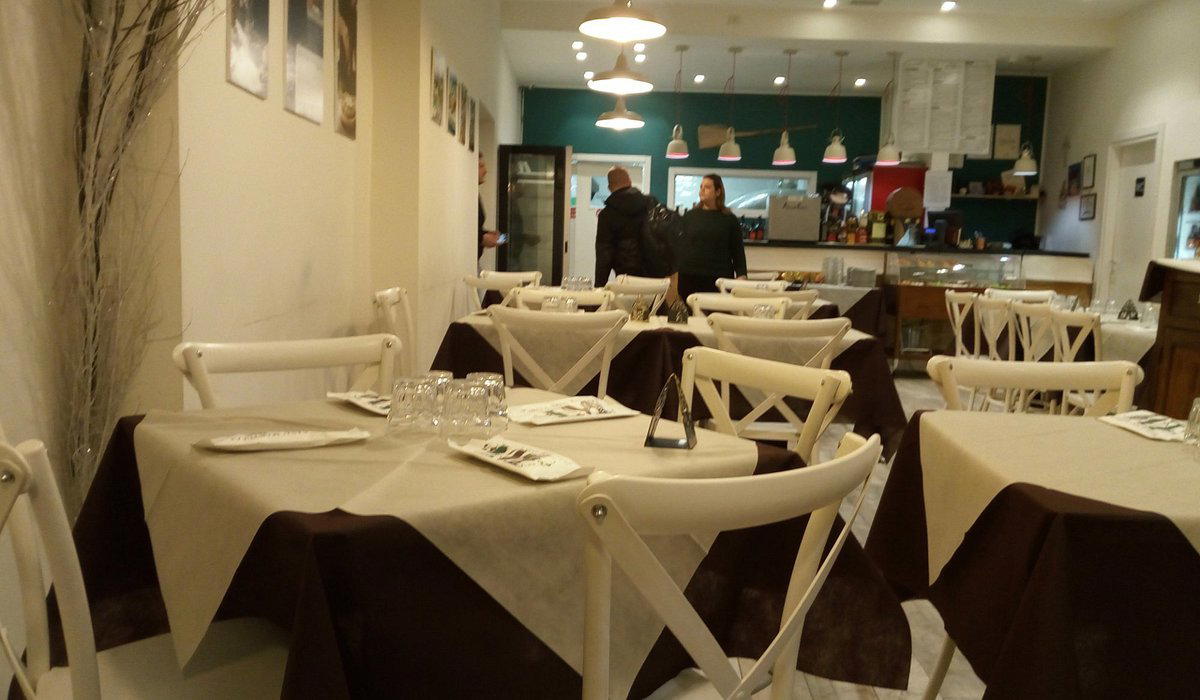
I Masanielli – Francesco Martucci
Caserta, Italy
Ranked #1 pizzeria in Italy by the 50 Top Pizza guide for 2025 and #9 in OAD Casual Europe, I Masanielli by Francesco Martucci operates at the far end of what pizza can be; tasting menus, serious wine, and a renovated room in central Caserta. Book for dinner if you want the full experience; weekday lunch works for a lower-key visit.
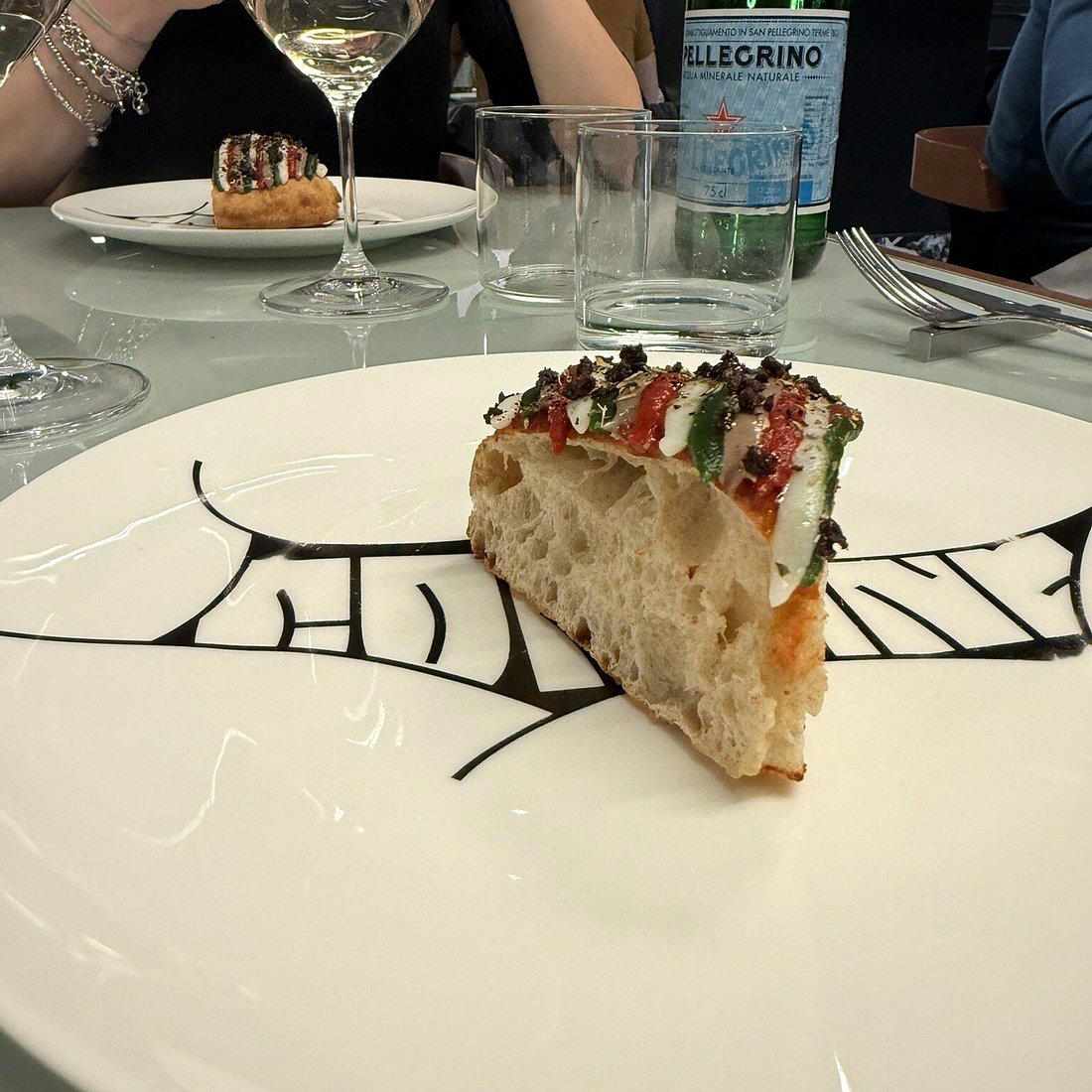
Confine - Pizza e Cantina
Milan, Italy
Ranked second in 50 Top Pizza Italia 2025 and recognized by Opinionated About Dining, Confine pairs a genuinely serious wine cellar with gourmet-register pizza in a polished Milan room. It is the strongest choice in the city when you want a celebratory dinner that does not force you to choose between great wine and great pizza. Booking is relatively easy, making it accessible without advance planning stress.
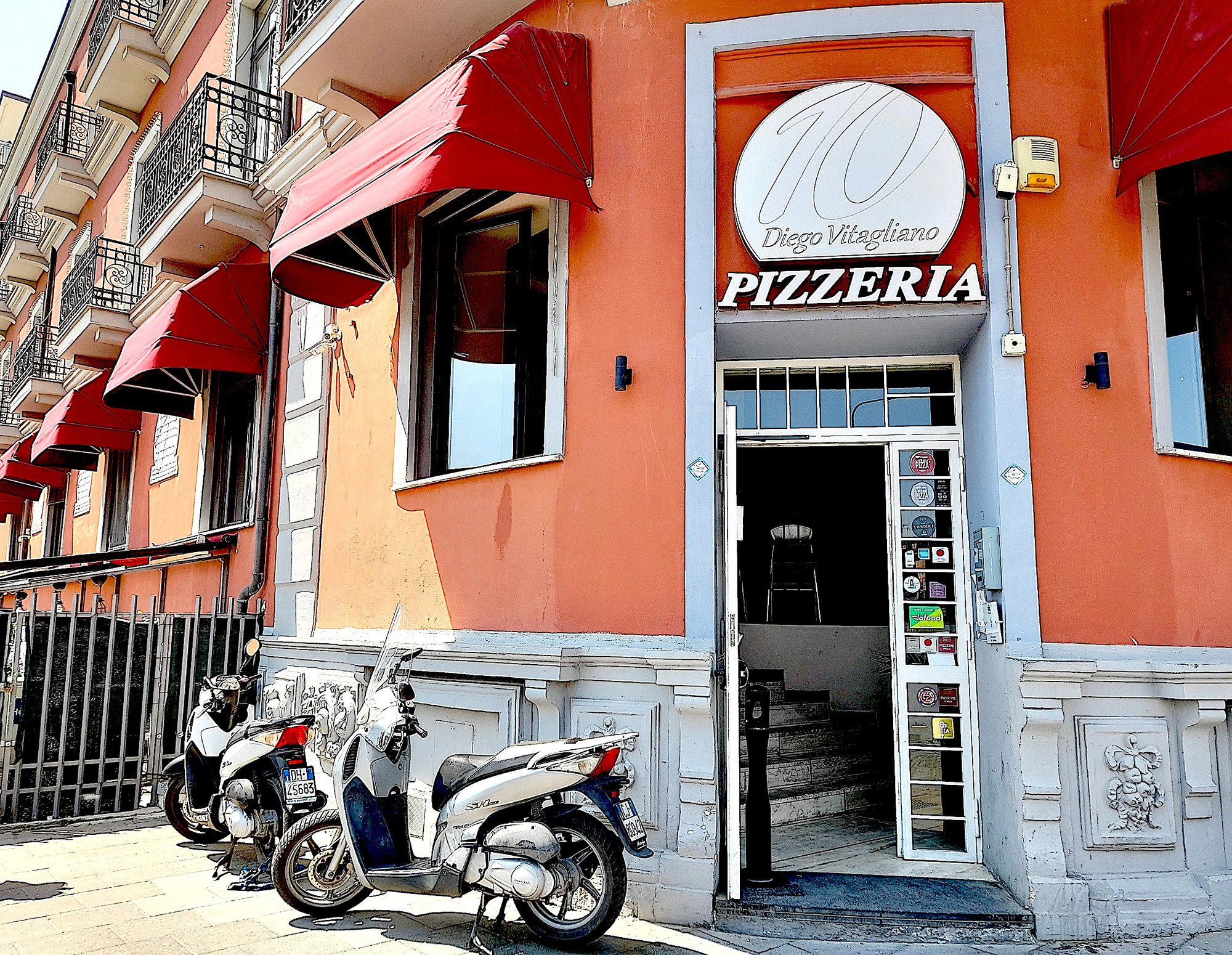
Diego Vitagliano Pizzeria
Naples, Italy
Diego Vitagliano Pizzeria on Via Santa Lucia is one of Naples' most credentialed contemporary pizza addresses, recognised by Opinionated About Dining's Cheap Eats Europe list in 2025. It covers classic and experimental formats in the same kitchen, with a dedicated gluten-free option and a fried section worth ordering alongside the pizza. Booking is easy, and lunch is the sharper visit for food-focused travellers.
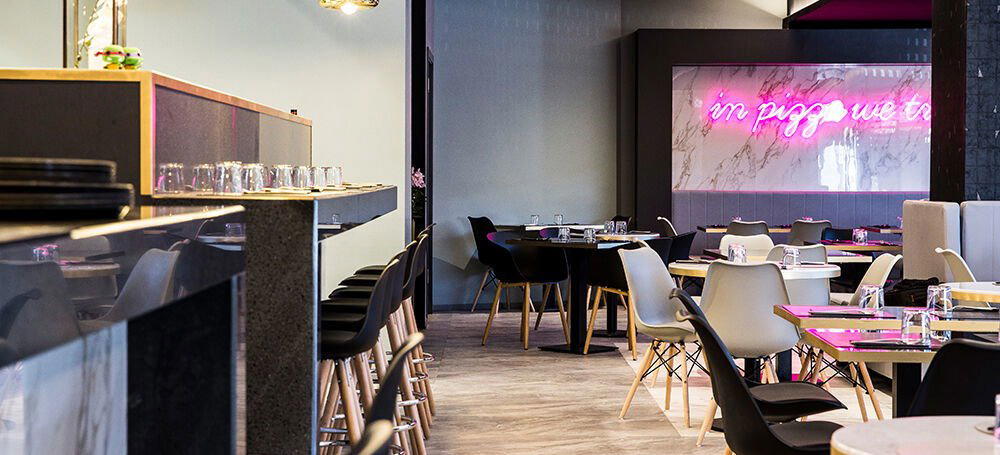
Seu Pizza Illuminati
Rome, Italy
Seu Pizza Illuminati is the strongest argument in Rome for what a serious pizzeria looks like in 2025. Ranked in Opinionated About Dining's top European cheap eats three years running, Pier Daniele Seu's Trastevere-area spot serves airy, technically precise pizzas with creative toppings, a considered wine list, and a full meal arc from fried starters to housemade desserts. Book for dinner any night; weekdays are calmer.
I Tigli
San Bonifacio, Italy
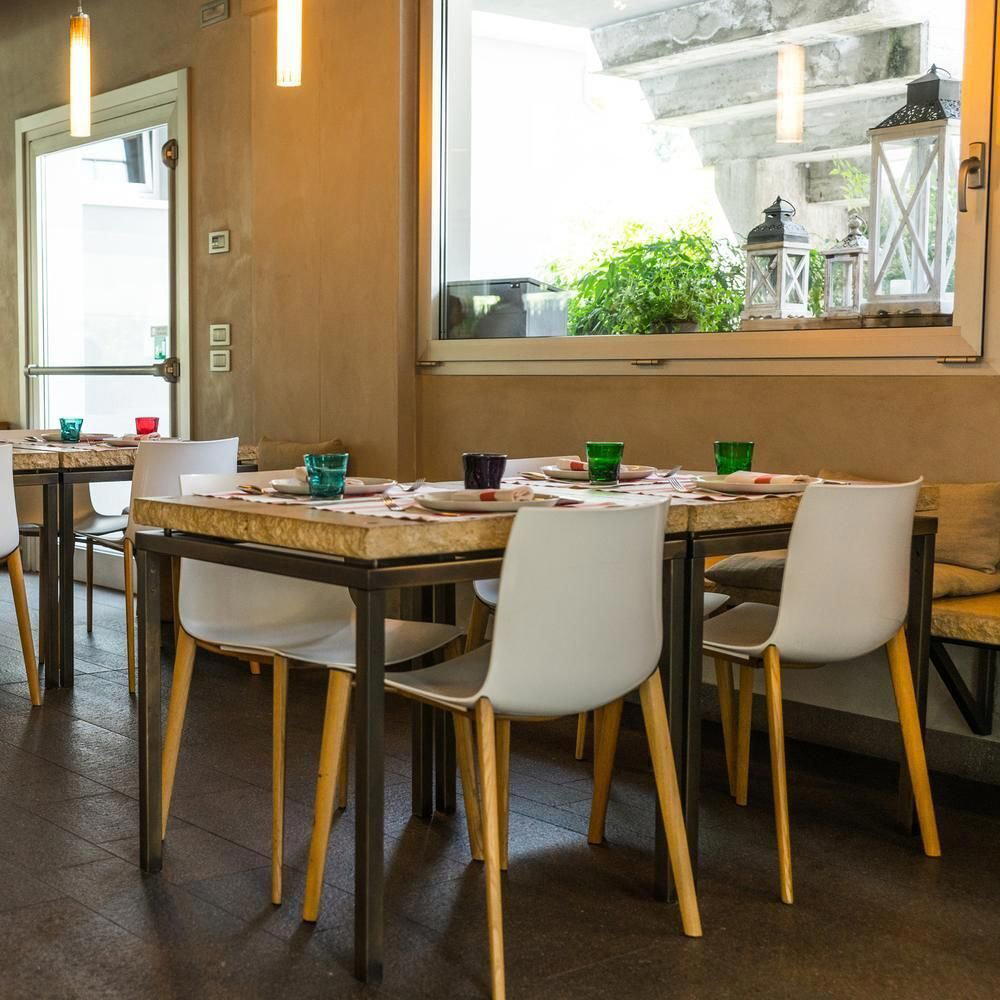
I Tigli is Simone Padoan's Michelin-recognised pizzeria in San Bonifacio, ranked #28 on OAD Casual Europe 2025. At a €€ price point, it delivers fine-dining sourcing and natural-leavening technique that few Italian pizzerias match at this tier. Book in advance and verify hours before travelling; this is the defining reason to stop in San Bonifacio.
Cambia-Menti di Ciccio Vitiello
Caserta, Italy
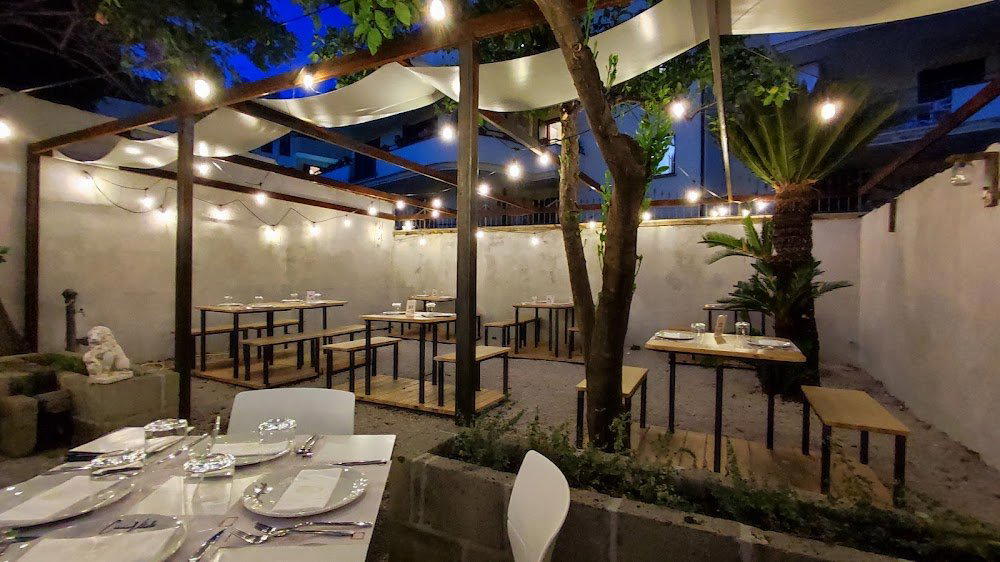
Ranked 5th in 50 Top Pizza Italia 2025, Cambia-Menti di Ciccio Vitiello in Caserta is the most research-driven pizzeria in the region. Book the Utopia tasting menu for Vitiello's vegetable-forward, sustainability-led format. Booking is currently Easy for its ranking level, making this the right time to go.
50 Kalò di Ciro Salvo
Naples, Italy
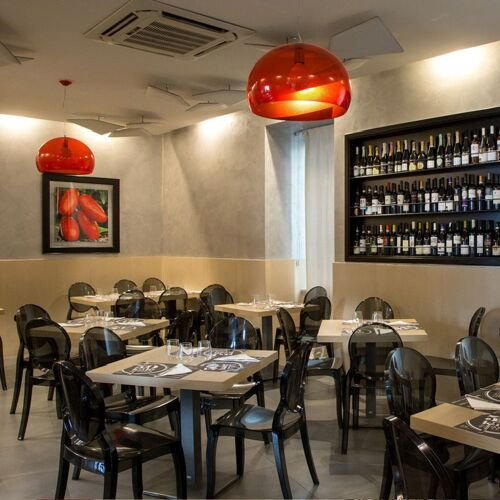
One of Naples' most critically recognised pizzerias, 50 Kalò earns a Michelin Plate and an Opinionated About Dining top-250 ranking at a single-euro price point. Ciro Salvo's light, digestible dough and a genuinely curated wine and beer list separate it from the competition. No reservations at the original location; book the Piazza della Repubblica branch for groups or fixed plans.
Dry Milano
Milan, Italy
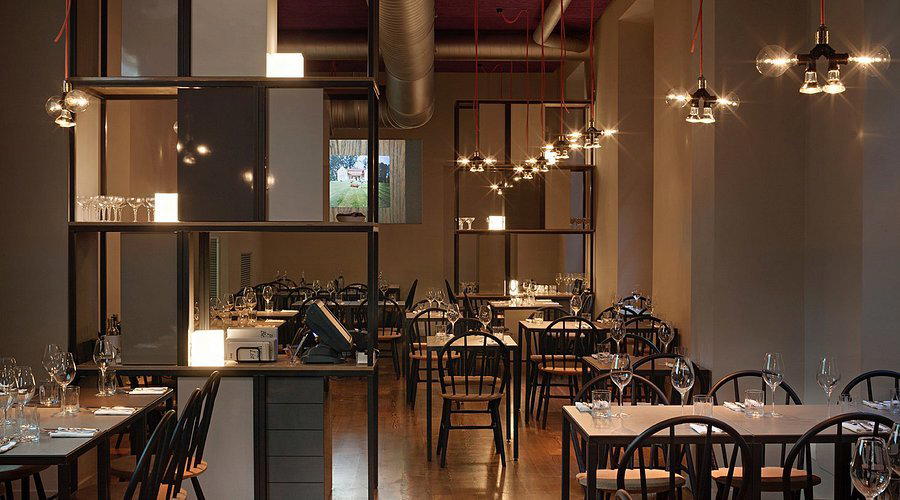
Dry Milano pairs a Top 500 Bars-ranked cocktail program with gourmet pizza in a minimalist Brera room on Via Solferino. It is one of the most practical special-occasion options in Milan for anyone who wants serious drinks and serious food without a tasting menu commitment. Booking is easy, the bar counter is where it works best, and arriving early in the evening gets you the room at its quietest.
La Cascina dei Sapori
Rezzato, Italy
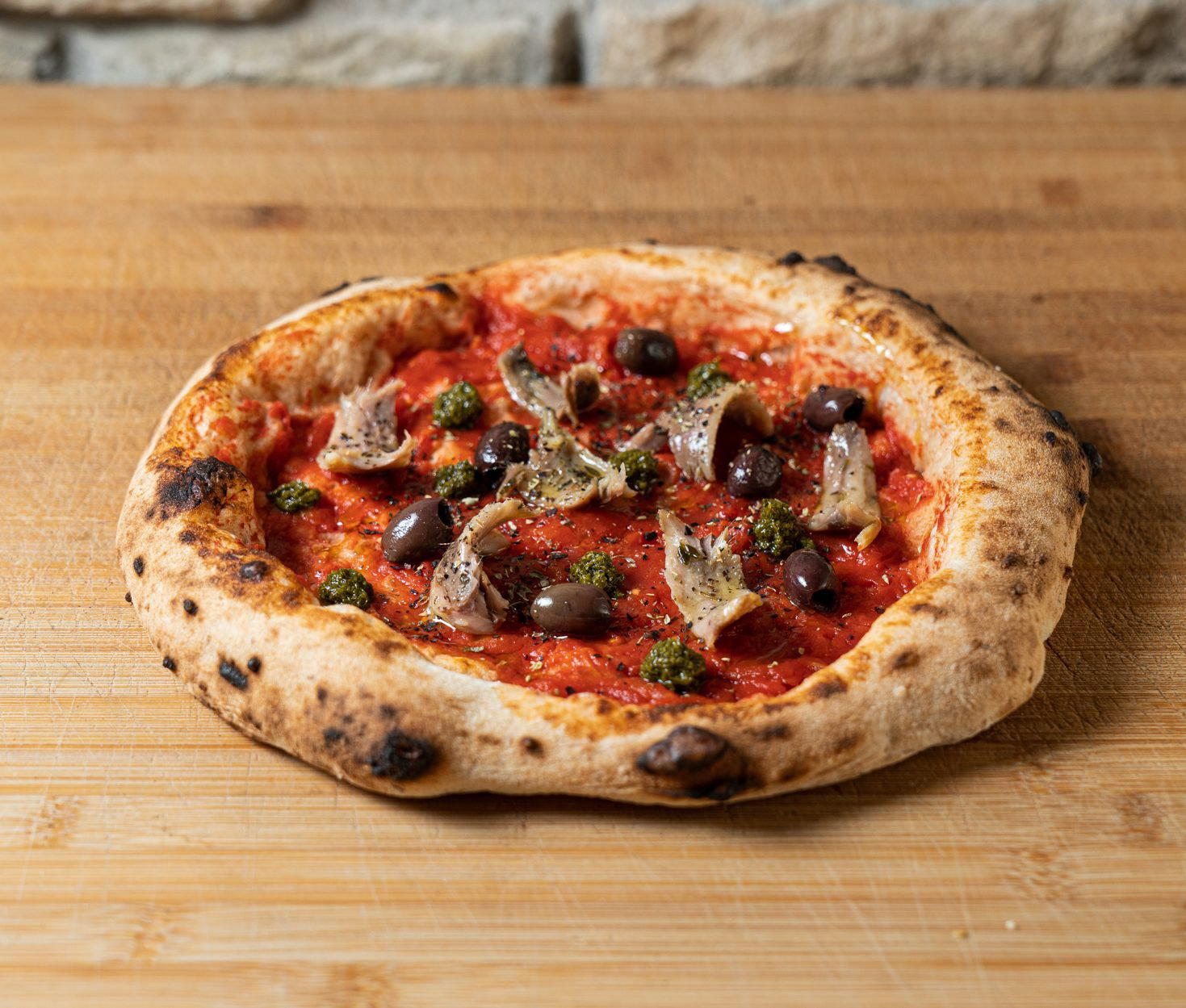
Antonio Pappalardo's La Cascina dei Sapori is the strongest case for serious pizza in Brescia province, working across Neapolitan, Roman-style pan, and gourmet slice formats with regionally sourced ingredients. Booking is easy, staff know the menu cold, and the tasting format rewards guests who want to eat with intention rather than habit.
La Notizia
Naples, Italy
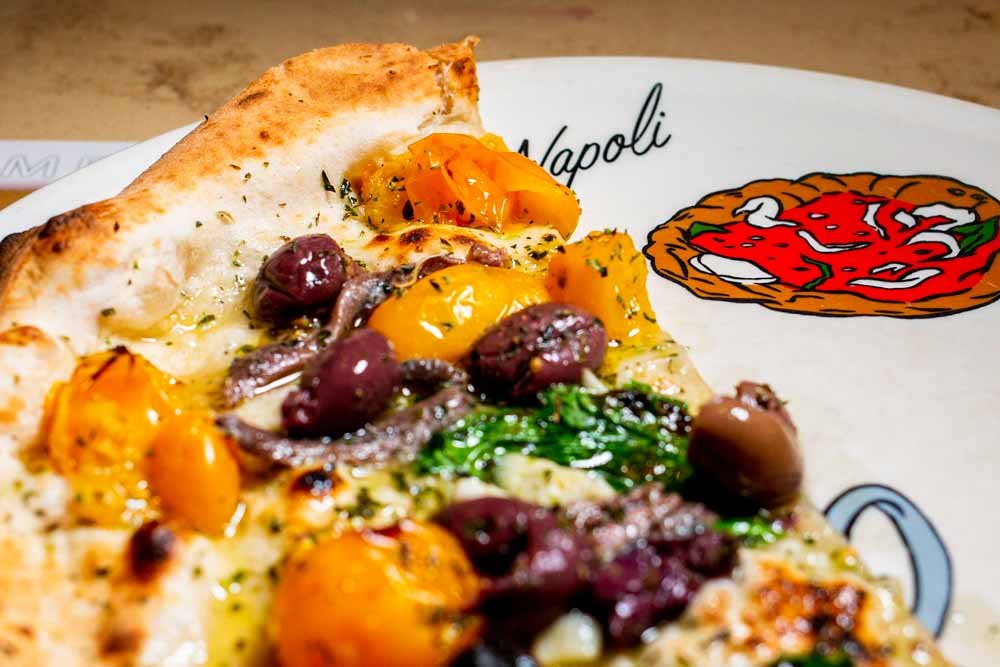
La Notizia is one of Campania's most considered pizzerias, founded in 1994 by third-generation pizzaiolo Enzo Coccia in Naples' Fuorigrotta district. It covers both traditional Neapolitan and gourmet pizza with three decades of craft behind it. Booking is easy, the room is calm, and it is the right call for food-focused travelers who want more than a tourist-circuit pizza stop.
Sestogusto
Turin, Italy
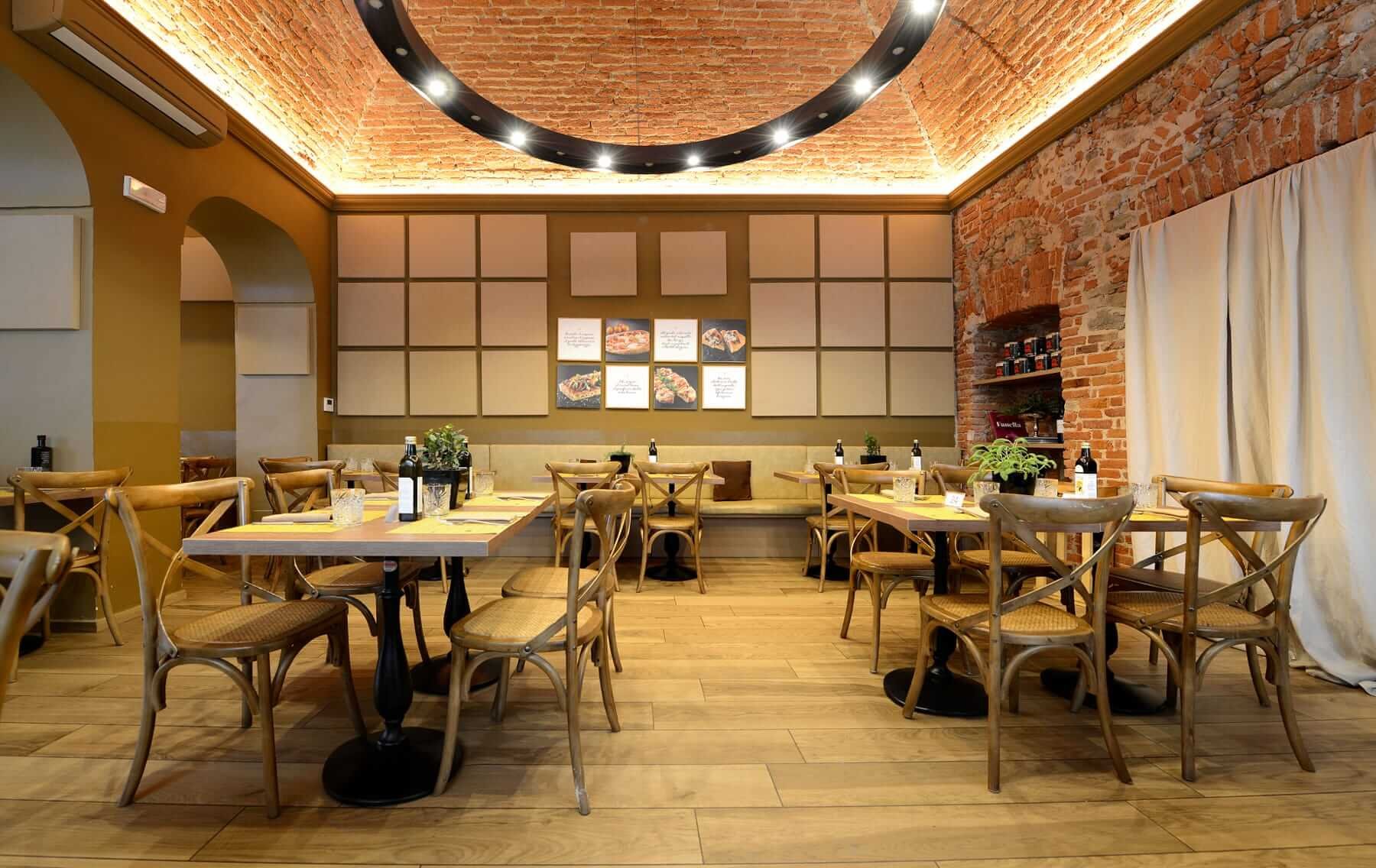
Sestogusto is Turin's most technically serious gourmet pizzeria, built around chef Massimiliano Prete's obsession with dough and leavening. The menu spans distinct bases; Pizz'Otto, Croccante, and FaCroc; topped with quality regional ingredients including Pata Negra, Vitello Tonnato, and Anchovy. Booking is easy by Turin standards, and the experience suits a date or casual celebration more than a formal business dinner.
I Masanielli – Sasà Martucci
Caserta, Italy
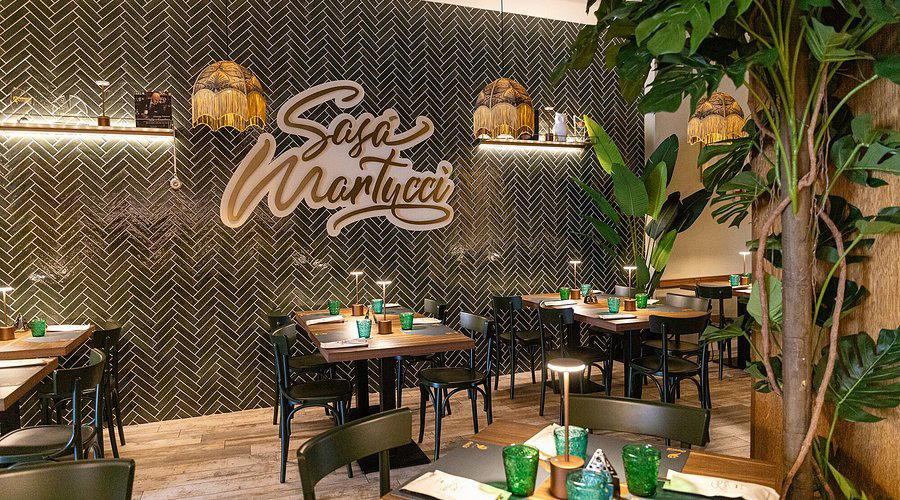
Sasà Martucci's Caserta pizzeria is the city's most considered option for a sit-down pizza dinner with genuine local credentials. DOP/IGP and Slow Food ingredients, long-leavened dough, a curated drinks list, and a Carbon Neutral certification set it apart. Booking is easy, the room suits couples and small groups, and the fried starters are worth ordering alongside the pizza.
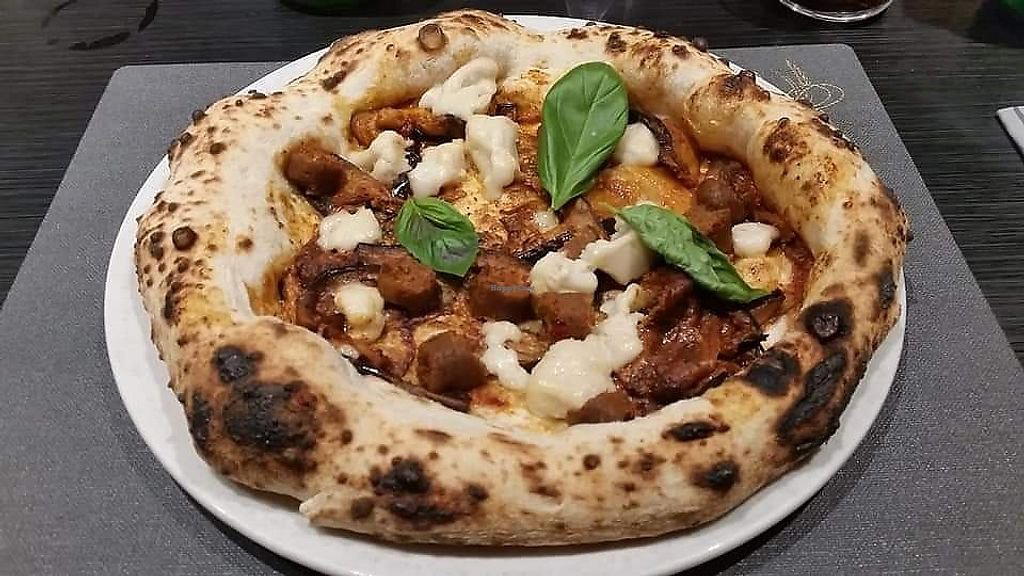
Pizzeria Da Lioniello
Succivo, Italy
Pizzeria Da Lioniello in Succivo is the right call for anyone serious about Neapolitan-influenced pizza: Salvatore Lioniello's high-edge dough and creative toppings depart from tradition in ways that reward more than one visit. Booking is easy but recommended. The wine and beer list and homemade ice creams make this a full dinner, not just a pizza stop.
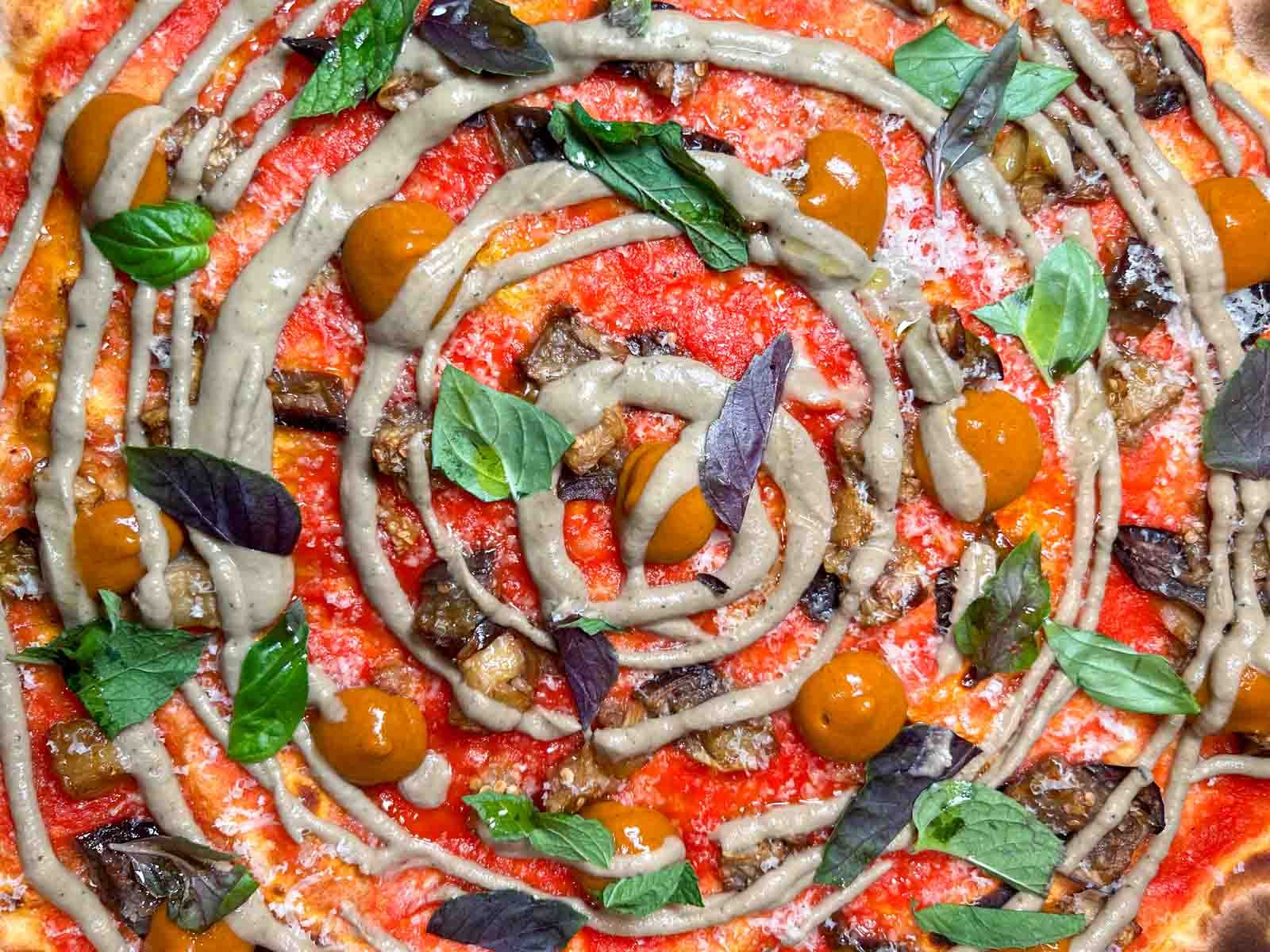
180 Grammi Pizzeria Romana
Rome, Italy
Ranked #36 on OAD Cheap Eats Europe in 2024, 180 Grammi is one of Rome's most critically recognised pizzerias; and a practical choice for food-focused visitors who want to understand what the current Roman pizza revival actually tastes like. The kitchen in Centocelle produces thin, crunchy, long-fermented Roman-style pizza with rotating seasonal toppings, strong fried starters, and desserts worth staying for. Booking is easy; the bill stays low.
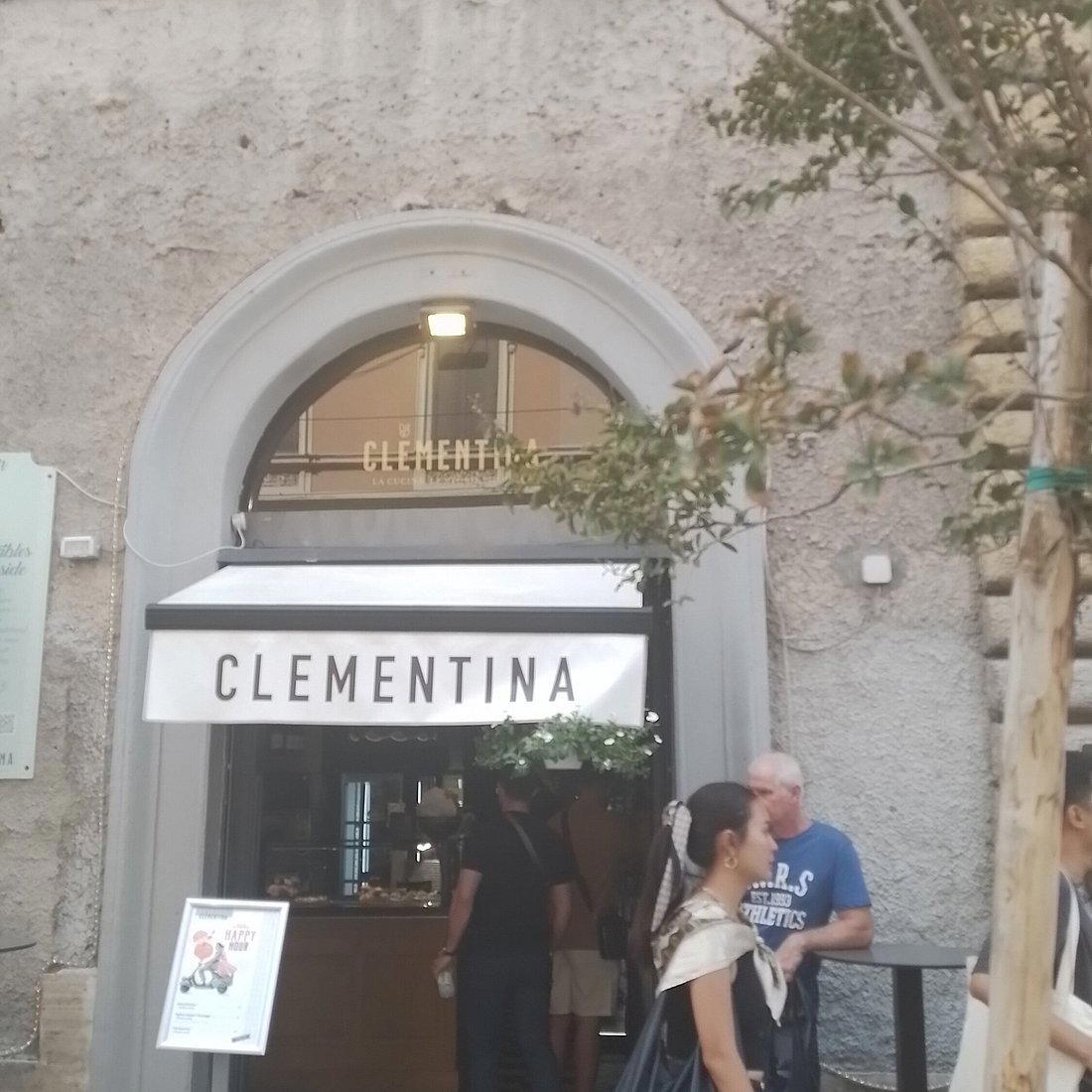
Pizzeria Clementina
Fiumicino, Italy
Clementina in Fiumicino is where chef Luca Pezzetta applies serious craft to Roman-style thin-crust pizza, building a menu around local seafood and a pioneering sea charcuterie concept. The open wood-fired kitchen, extensive wine list, and ambitious antipasti program make it the most distinctive pizza destination in the area. Book here if you want coastal flavours without the formality of a full seafood dinner.
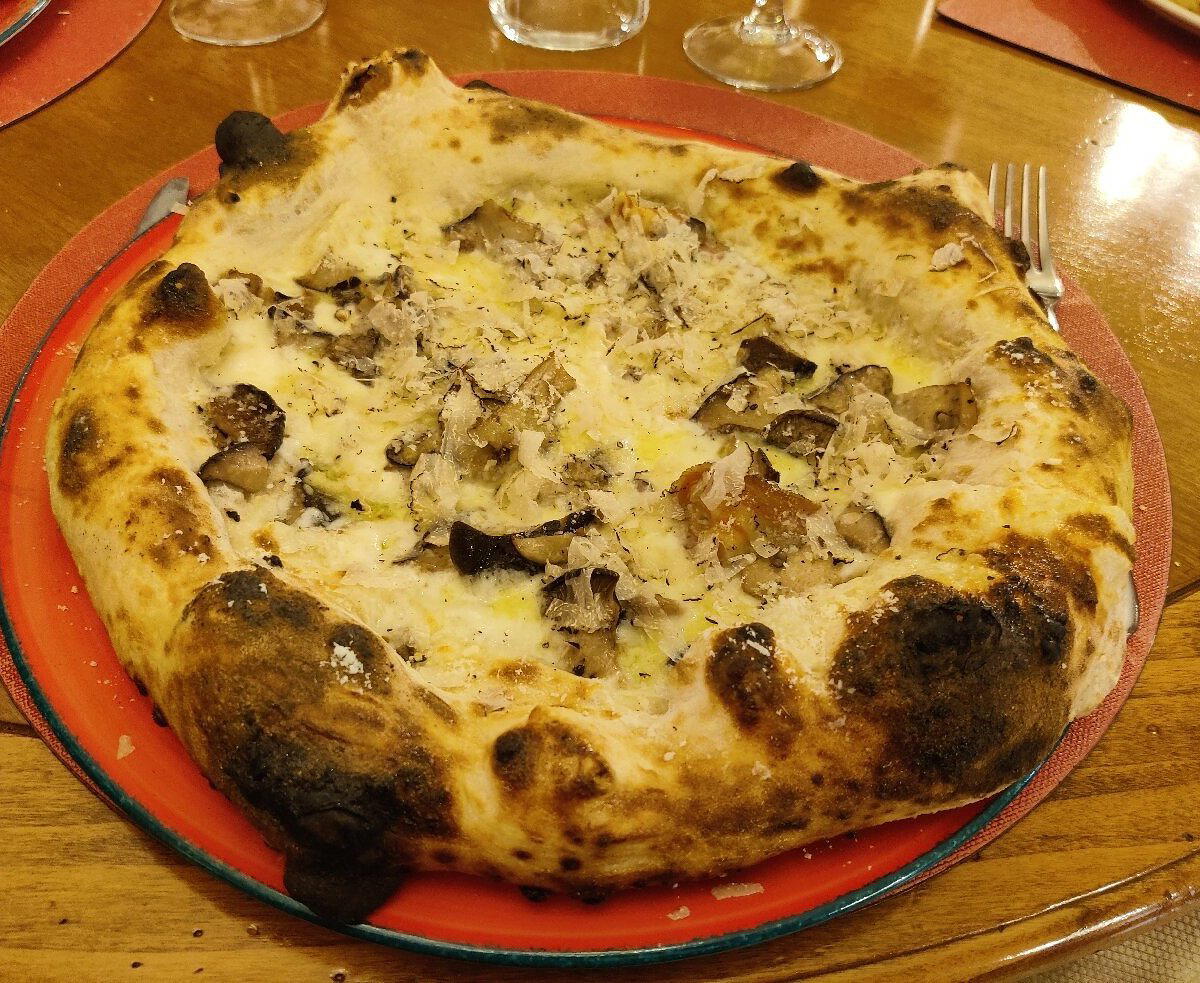
Le Grotticelle
Caggiano, Italy
Le Grotticelle is the Rumolo family's countryside restaurant and pizzeria in Caggiano, anchored by the Zammedda; a Cilento-signature pizza with overcooked sauce and pecorino; alongside fried dishes rooted in local tradition. The stone structure, valley views, and warm service make it a strong choice for weekend lunch or group celebrations. Booking is straightforward and the price point is accessible.
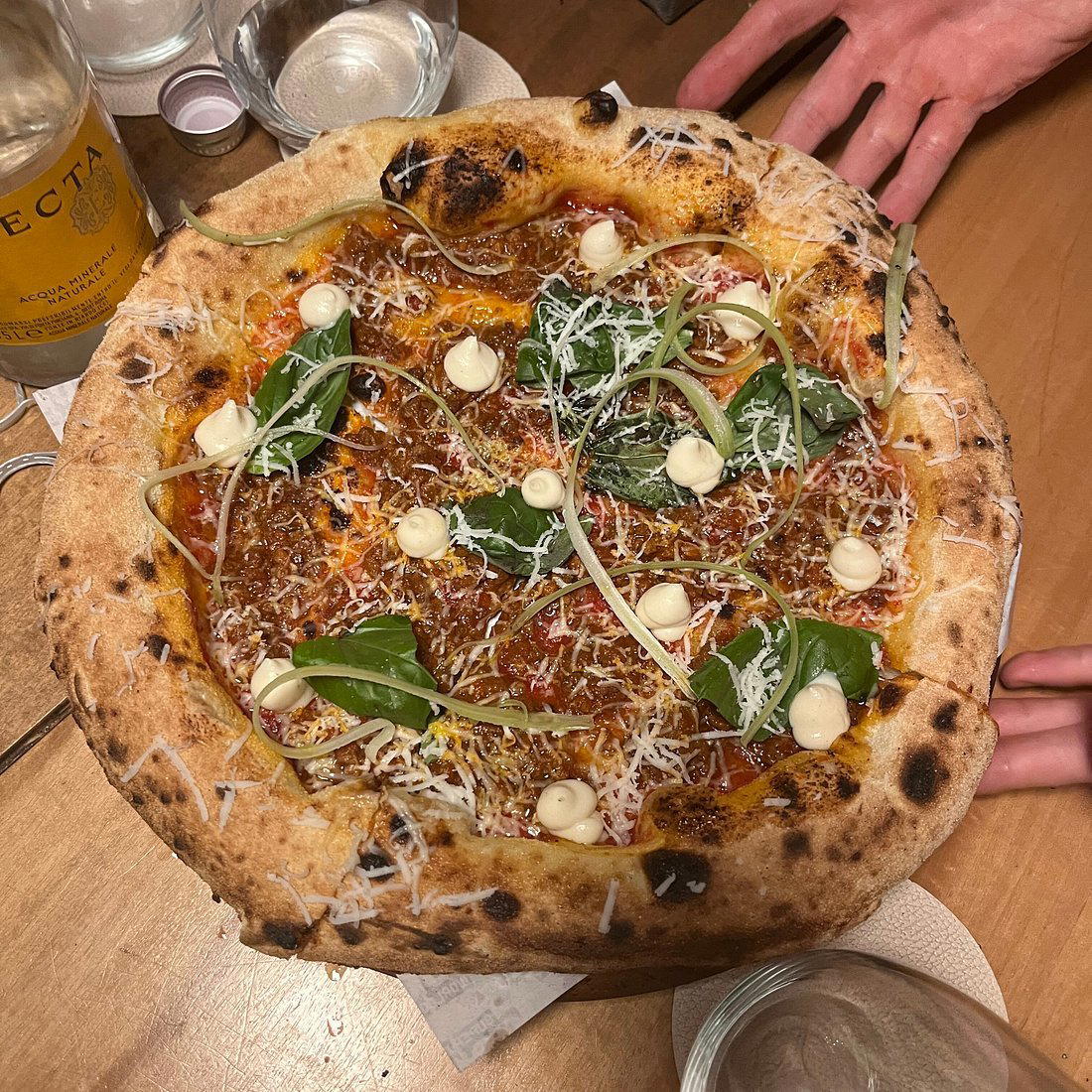
BOB Alchimia a Spicchi
Montepaone Lido, Italy
BOB Alchimia a Spicchi is the most credentialled pizzeria on the Calabrian coast, holding two 50 Top Pizza awards for 2025. Roberto Davanzo's kitchen sources locally with clear intent, and the result is pizza that earns a special-occasion booking. Accessible rather than formal, it suits anyone who wants craft-level food without a fine-dining room.
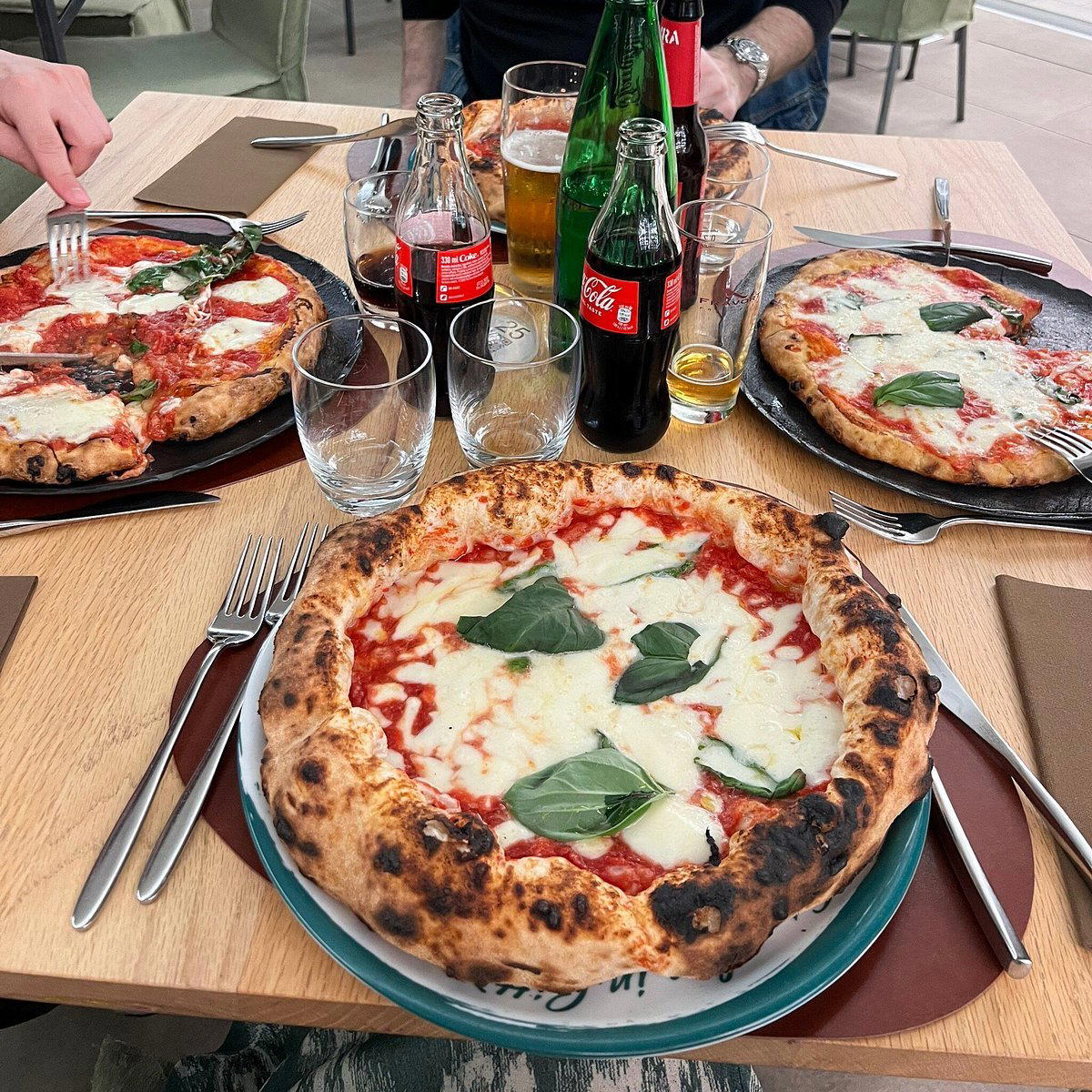
La Bolla
Caserta, Italy
La Bolla is the clearest argument for a sit-down dinner in Caserta: chef Simone De Gregorio runs a technically precise pizza kitchen inside an elegant hotel, with a menu structured across three distinct categories. The Absolute of Annurca Apple is the dish to order. Booking is easy, the craft beer and wine list is genuinely considered, and the quality-to-formality ratio is sharply in your favour.
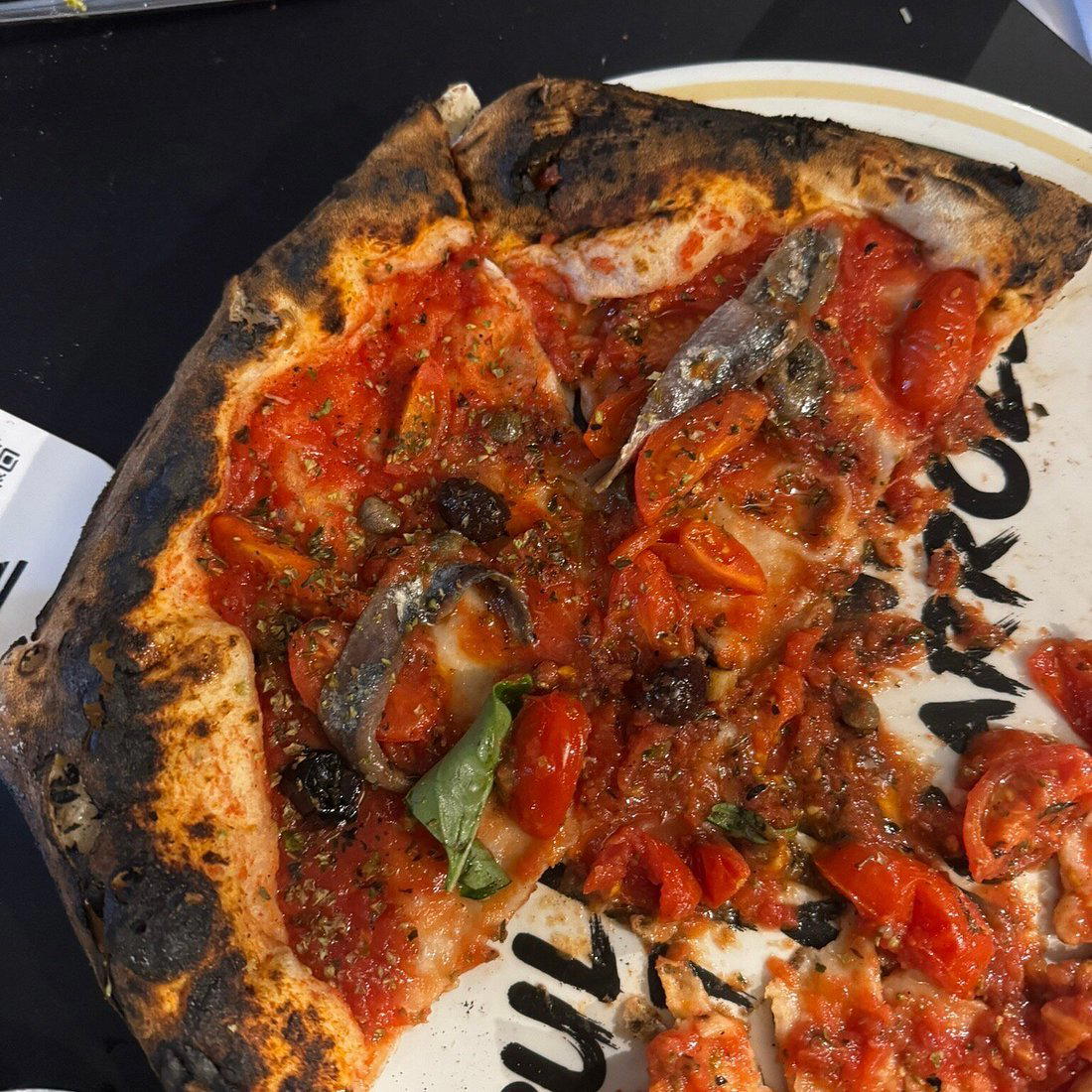
I Vesuviani
Casoria, Italy
I Vesuviani holds a Gambero Rosso tre spicchi rating and is one of the more technically ambitious pizzerias in the Naples metropolitan area. Brothers Federico and Francesco De Maria work across seven distinct doughs, covering wood-fired, pan, paddle, and triple-cooked formats. Easy to book, easy to reach from Naples, and worth the drive for anyone serious about Neapolitan pizza craft.
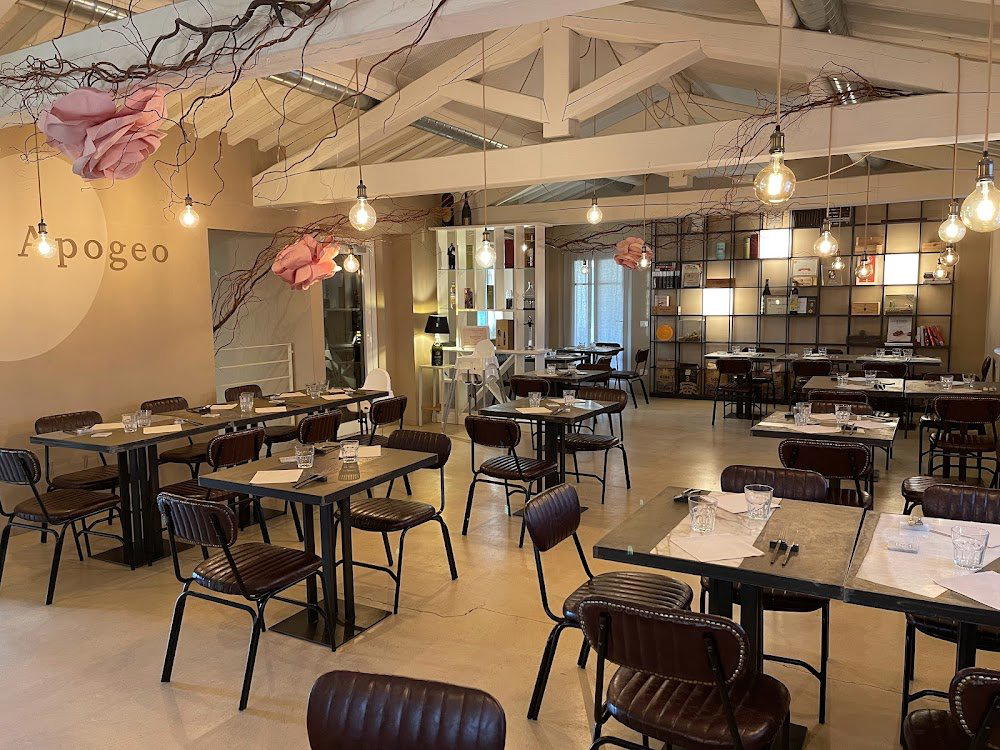
Apogeo
Pietrasanta, Italy
Apogeo is Pietrasanta's most technically serious pizza address, where Massimo Giovannini applies real dough research and quality local ingredients to wood-fired pies in a modern, relaxed room. Book a few days ahead in summer; shoulder season is easy walk-in territory. If you want formal Italian dining instead, consider <a href="https://joinpearl.co/restaurants/filippo-pietrasanta-restaurant">Filippo</a> or <a href="https://joinpearl.co/restaurants/la-martinatica-pietrasanta-restaurant">La Martinatica</a>.
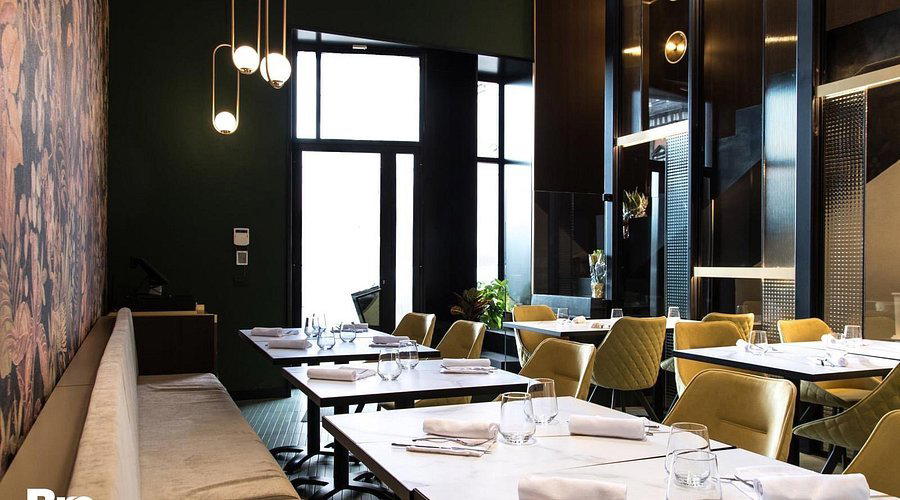
Bro.
Naples, Italy
Bro. is the Tutino brothers' neighbourhood pizzeria on Piazza Mercato, praised for its Ruota di Carro pizza and fried menu. It sits away from the tourist circuit, which keeps the room calmer and tables more available than at Naples' most famous counters. Go at lunch to work through the fried dishes at pace, or at dinner for the fuller atmosphere the pizza deserves.
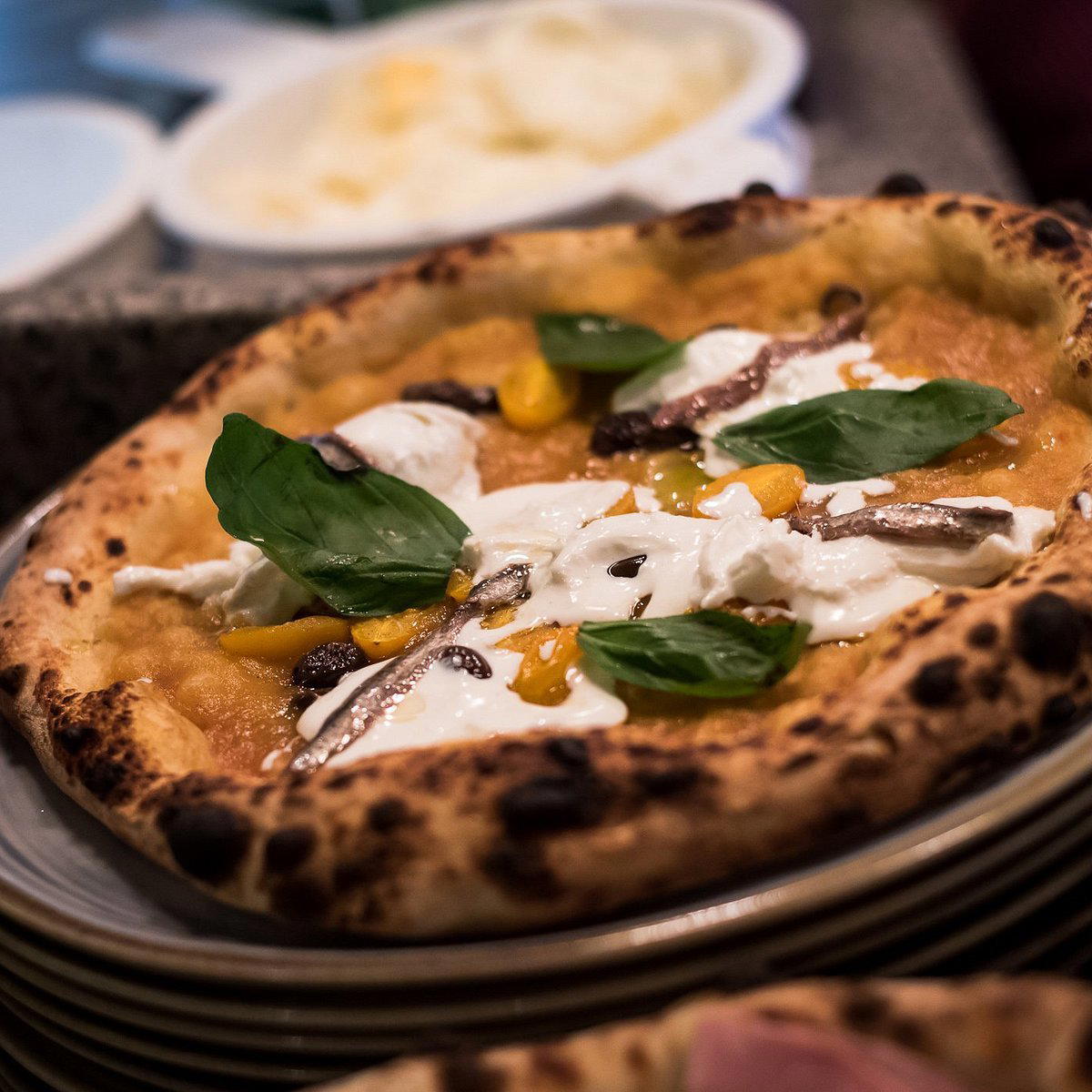
La Fenice Pizzeria Contemporanea
Pistoia, Italy
Choose La Fenice Pizzeria Contemporanea when the table wants experimental pizza with real structure: high-hydration doughs, fusion formats, and a wine-and-beer program designed around the food. It is better for date nights, groups, and curious diners than for a classic, quick pizzeria stop.
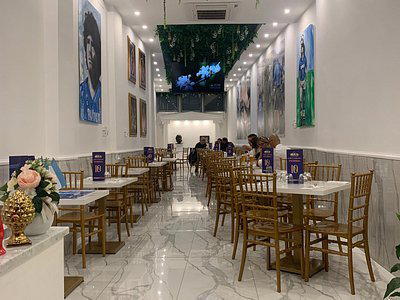
Palazzo Petrucci Pizzeria
Naples, Italy
Palazzo Petrucci Pizzeria holds a Michelin Plate for good reason: pizza chef Davide Ruotolo runs both a classical and a gastronomic programme, backed by the influence of Michelin-starred chef Lino Scarallo, with a matched wine list and a terrace on Piazza San Domenico Maggiore. At €, it is the strongest option in central Naples when setting and occasion quality both matter.
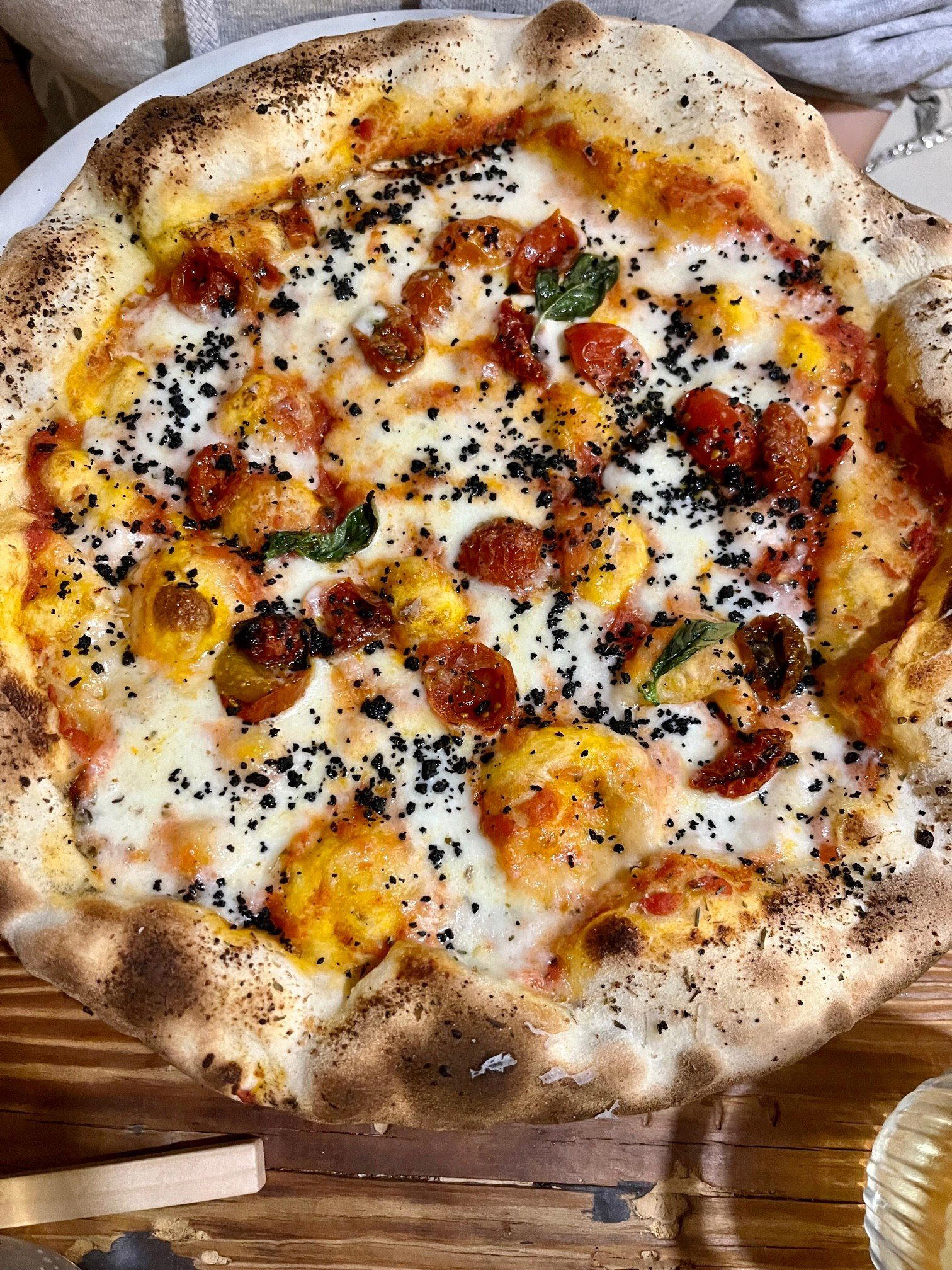
Denis
Milan, Italy
Denis brings Denis Lovatel's Dolomite-influenced mountain pizza to central Milan: light, long-leavened dough made with alpine water, topped with seasonal mountain ingredients. The seasonal menu changes make repeat visits worthwhile, and it books easily by Milan standards; a practical, lower-cost addition to any serious Milan dining itinerary.
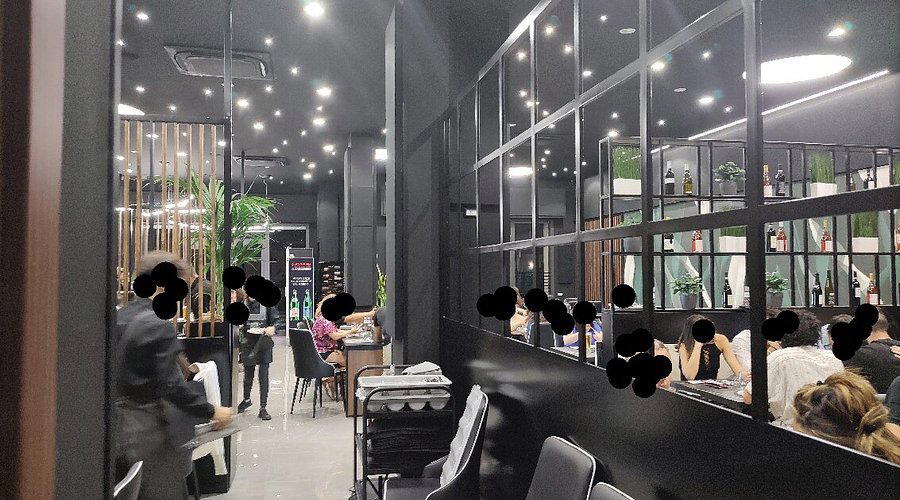
Il Segreto di Pulcinella
Montesarchio, Italy
Giuseppe Bove's pizzeria in Montesarchio makes a serious case for the best ingredient-led pizza in the Benevento province. The Mare and Yuzu mini pan and the classic Margherita are both worth the trip. Booking a few days ahead covers most visits, with the counter the seat of choice for first-timers who want to watch Bove work.
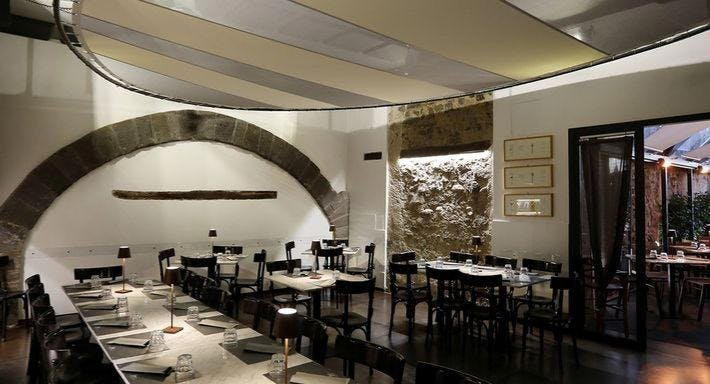
Pepe in Grani
Caiazzo, Italy
Ranked #3 in OAD Casual Europe 2025, Pepe in Grani is worth the trip to Caiazzo; but time your visit around the seasonal menu rotation to get the most from it. The room is more considered than most pizzerias, booking is straightforward, and Franco Pepe's dough-focused approach has earned consistent five-digit s. Dinner only, closed Mondays.
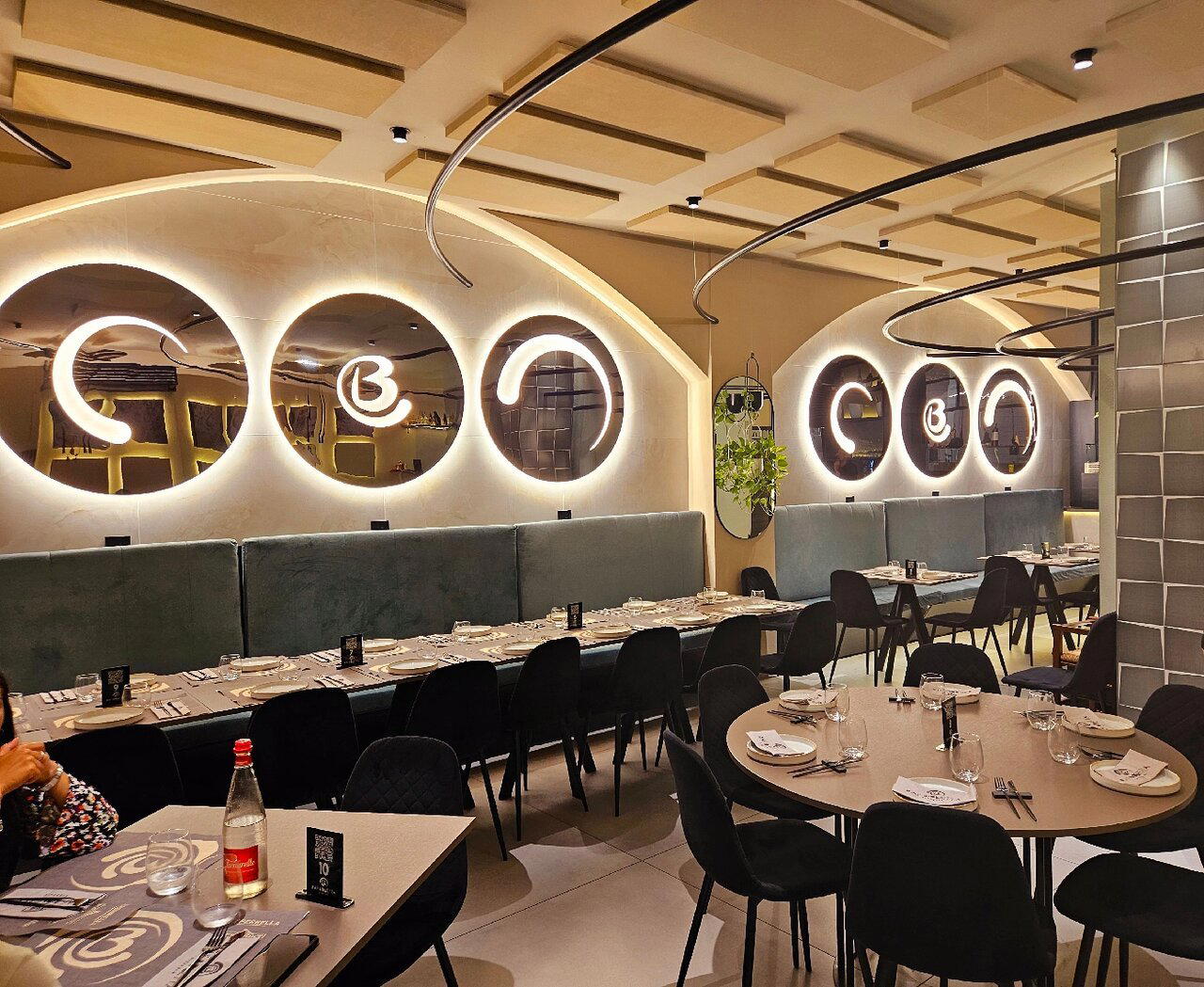
Raf Bonetta
Naples, Italy
Ranked 26th in 50 Top Pizza Italia 2025, Raf Bonetta in Naples's Vomero neighbourhood makes a credible case for modern Neapolitan pizza built around light, highly digestible doughs and experimental toppings. It is a better choice than Gino Sorbillo if queues put you off and you want technical ambition over tradition. Easy to book, with a clear point of view.
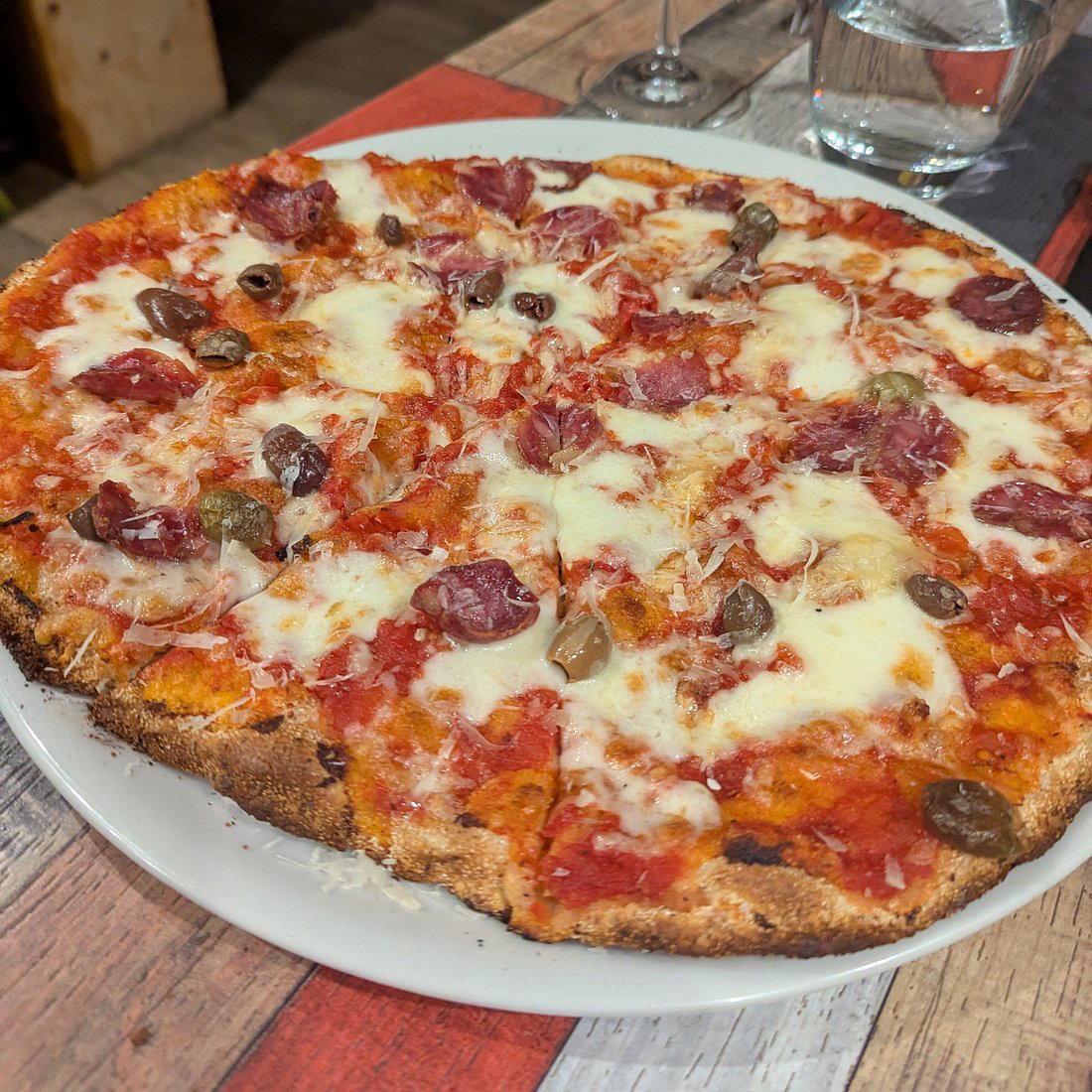
Re I Mi
Sassari, Italy
Re I Mi is a tasting-style pizzeria on the outskirts of Sassari where chef Sandro Cubeddu treats pizza dough and toppings with restaurant-kitchen discipline. The result is a consistently crispy, melt-in-your-mouth base with serious ingredient sourcing; making it a stronger special-occasion choice than most Sassari trattorias at a comparable price point. Booking is easy; a few days' notice is usually sufficient.
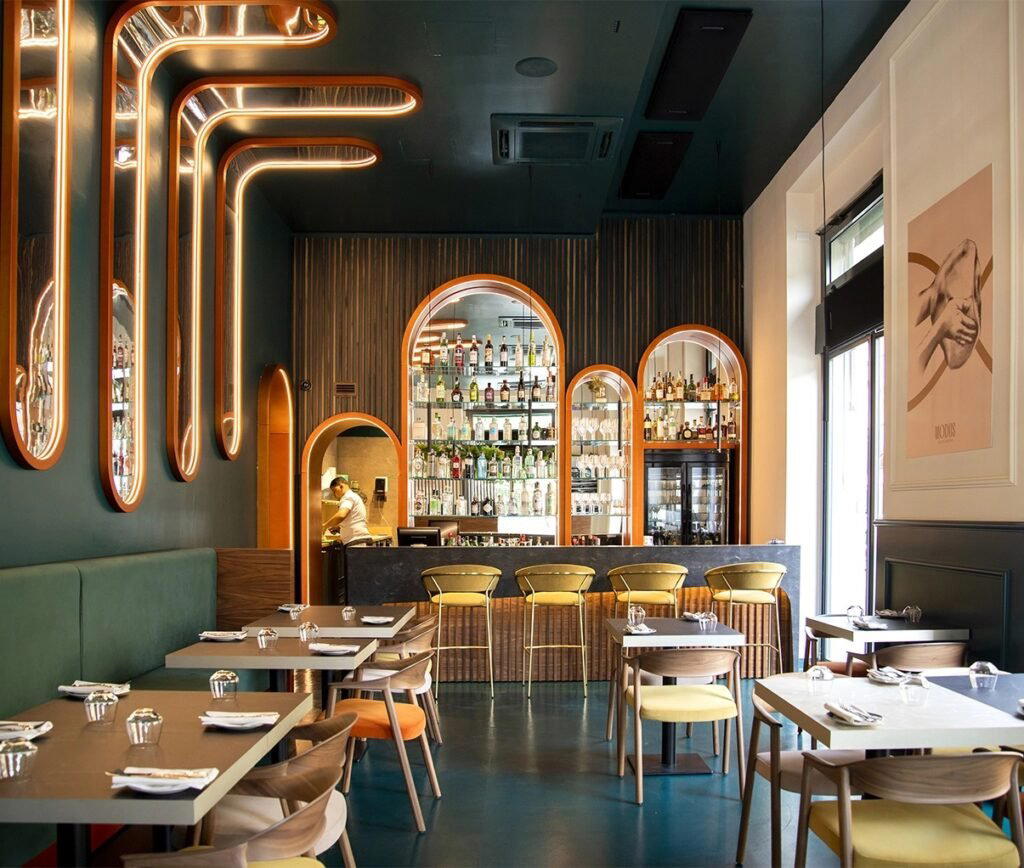
Modus
Milan, Italy
Ranked 28th in 50 Top Pizza Italia 2025, Modus brings Cilento's regional ingredient culture to Milan's Porta Romana neighbourhood through soft, flavour-forward dough and carefully sourced Southern Italian toppings including nduja, sun-dried tomatoes, and olives. Booking is easy relative to the venue's national recognition. Eat in the restaurant; this is not a pizza that travels well.
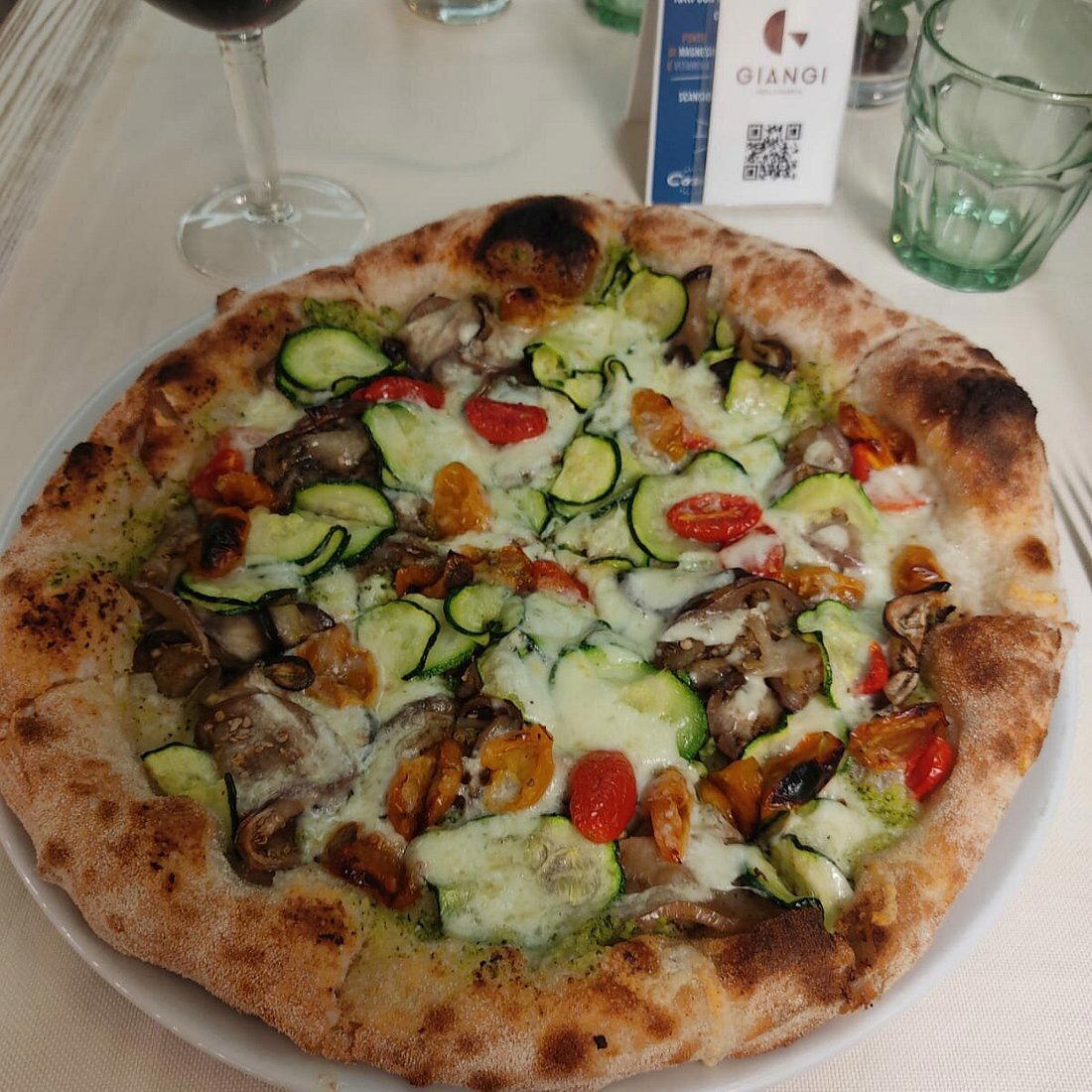
Giangi
Arielli, Italy
Giangi in Arielli is a research pizzeria, earning Gambero Rosso's Miglior pizza 2019 under chef Gianluigi Di Vincenzo, a student of Renato Bosco. The menu treats pizza as composed, multi-element flavor sequences rather than conventional pies. Easy to book and worth a deliberate detour for food-focused travelers in central Italy.
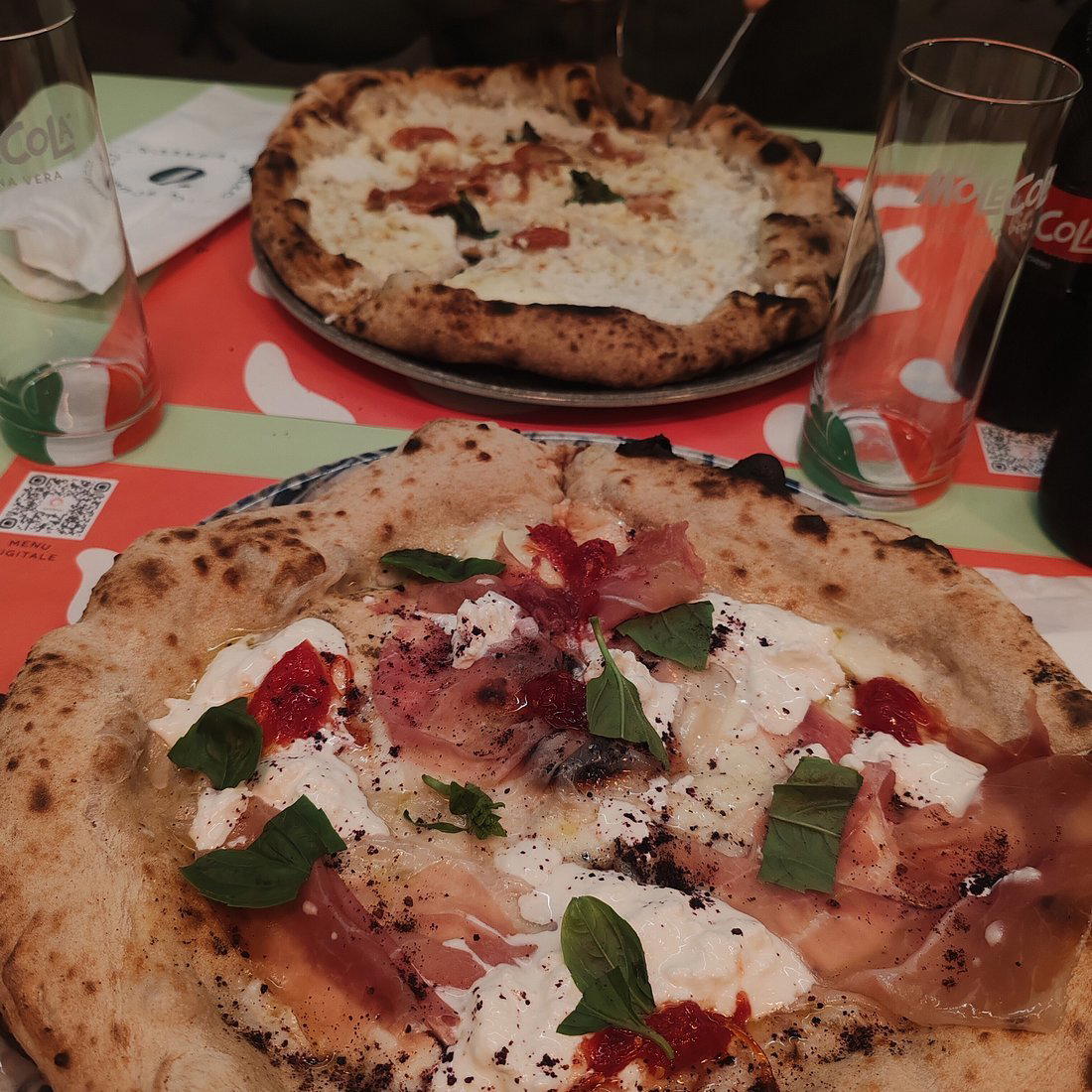
‘O Scugnizzo
Arezzo, Italy
The Gambero Rosso Tre Spicchi award signals what you are getting at 'O Scugnizzo: Neapolitan pizza at a level Arezzo has no direct competition for. The Police family's kitchen sources quality Italian regional ingredients that shift with the season, and the compact, wood-furnished room keeps the experience personal. Easy to book, mid-range pricing, and a clear first choice for pizza in the city center.
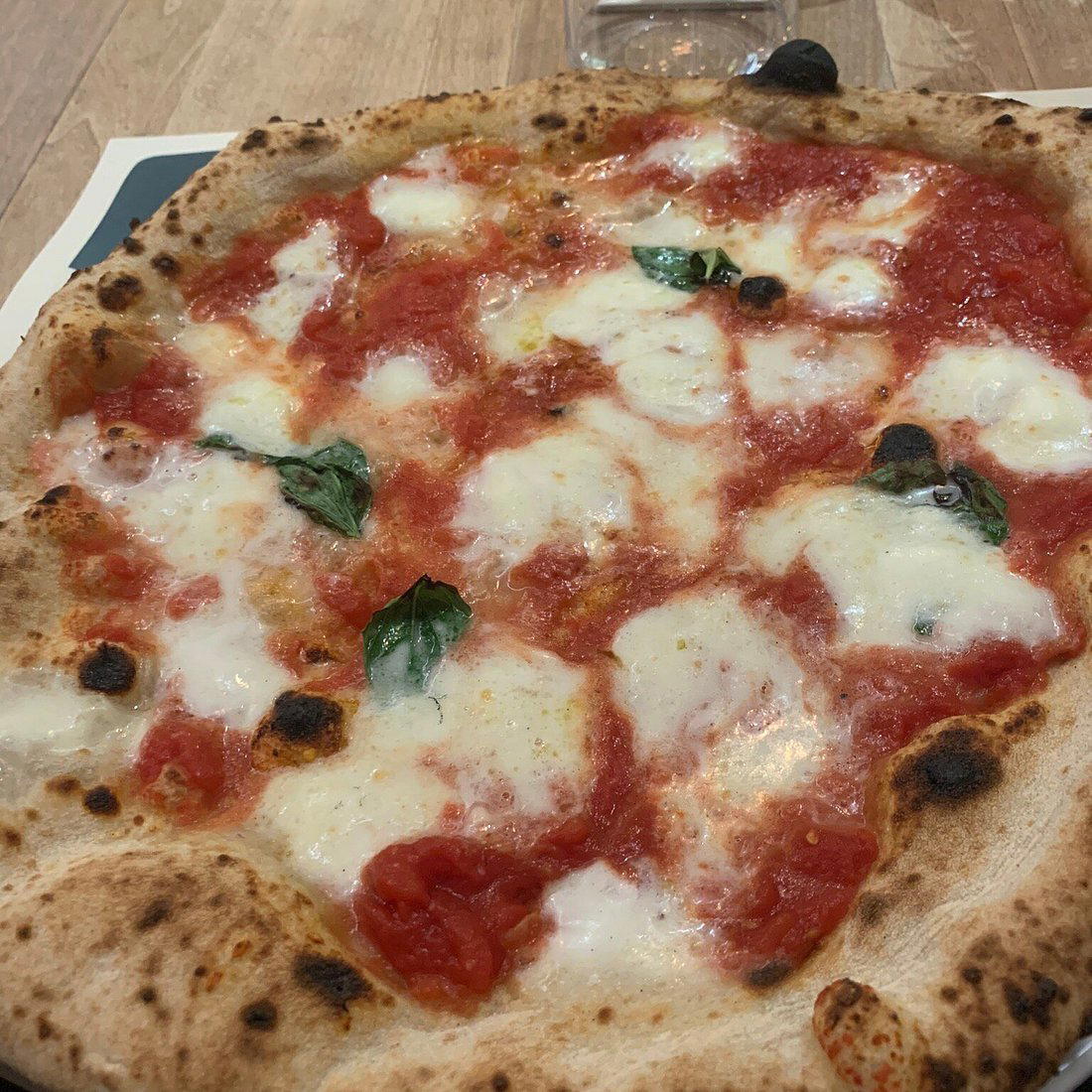
‘O Fiore Mio
Faenza, Italy
'O Fiore Mio is Faenza's most considered pizza address: chef Davide Fiorentini has built a seasonally driven menu around high-quality Italian ingredients since 2011, producing a lighter, more ingredient-focused pizza than the regional norm. Easy to book and casually dressed, it suits returning visitors who want to track the seasonal rotation, and first-timers curious what serious pizza looks like in Emilia-Romagna.
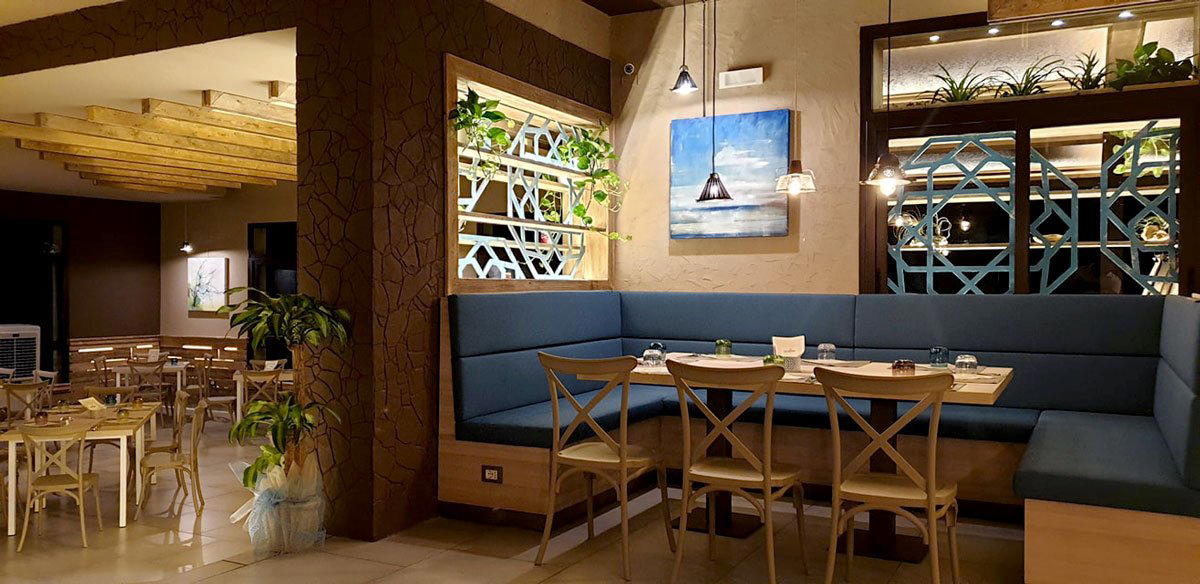
Saccharum
Altavilla Milicia, Italy
Saccharum is not a casual pizza stop; it is a craft pizza destination on Sicily's northern coast where Chef Gioacchino Gargano uses stone-ground flours, ancient grains, and long-leavened high-hydration doughs to build a tasting journey through fried, stuffed, and classic pizza formats. Book a table rather than ordering to go: the restyled dining room and multi-course progression are the point. Easy to book, worth the detour from Palermo for a distinctive special-occasion dinner.
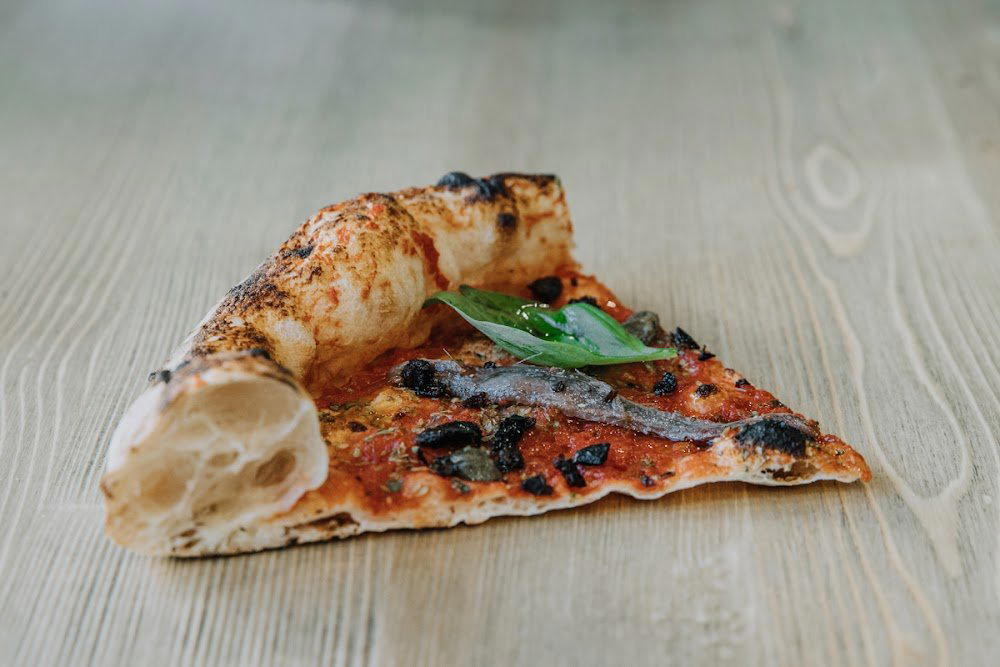
Luca!
Frosinone, Italy
Luca! is the strongest case for serious pizza in Frosinone, built around Neapolitan-style dough, locally sourced territorial fillings, and fritti worth ordering in their own right. Chef Luca Mastracci rebranded from Pupillo to Luca! in early 2025, signalling a clear identity. Book mid-week for a calmer room, and plan at least two visits to work through the full range.
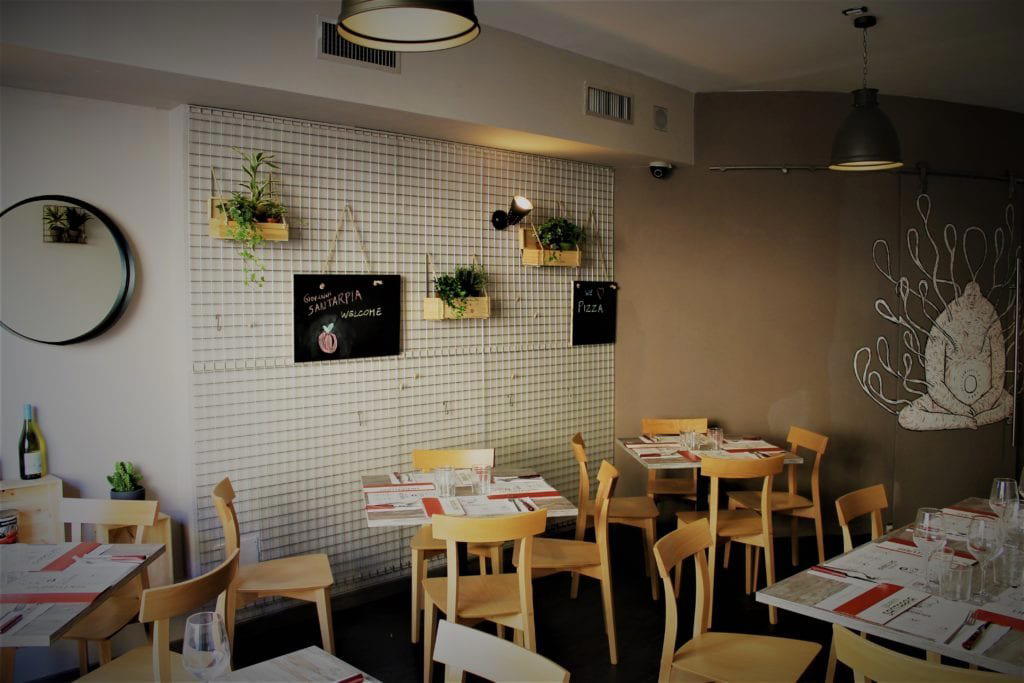
Giovanni Santarpia
Florence, Italy
Giovanni Santarpia brings a serious Neapolitan pizza tradition to Florence's San Felice a Ema neighbourhood, and it holds up on repeat visits. The Santarpizze are the reason to come; the friendly service and casual room make it easy to recommend to first-timers. Booking is straightforward and the price point is accessible. Go early, order the house originals, and do not skip the bread.
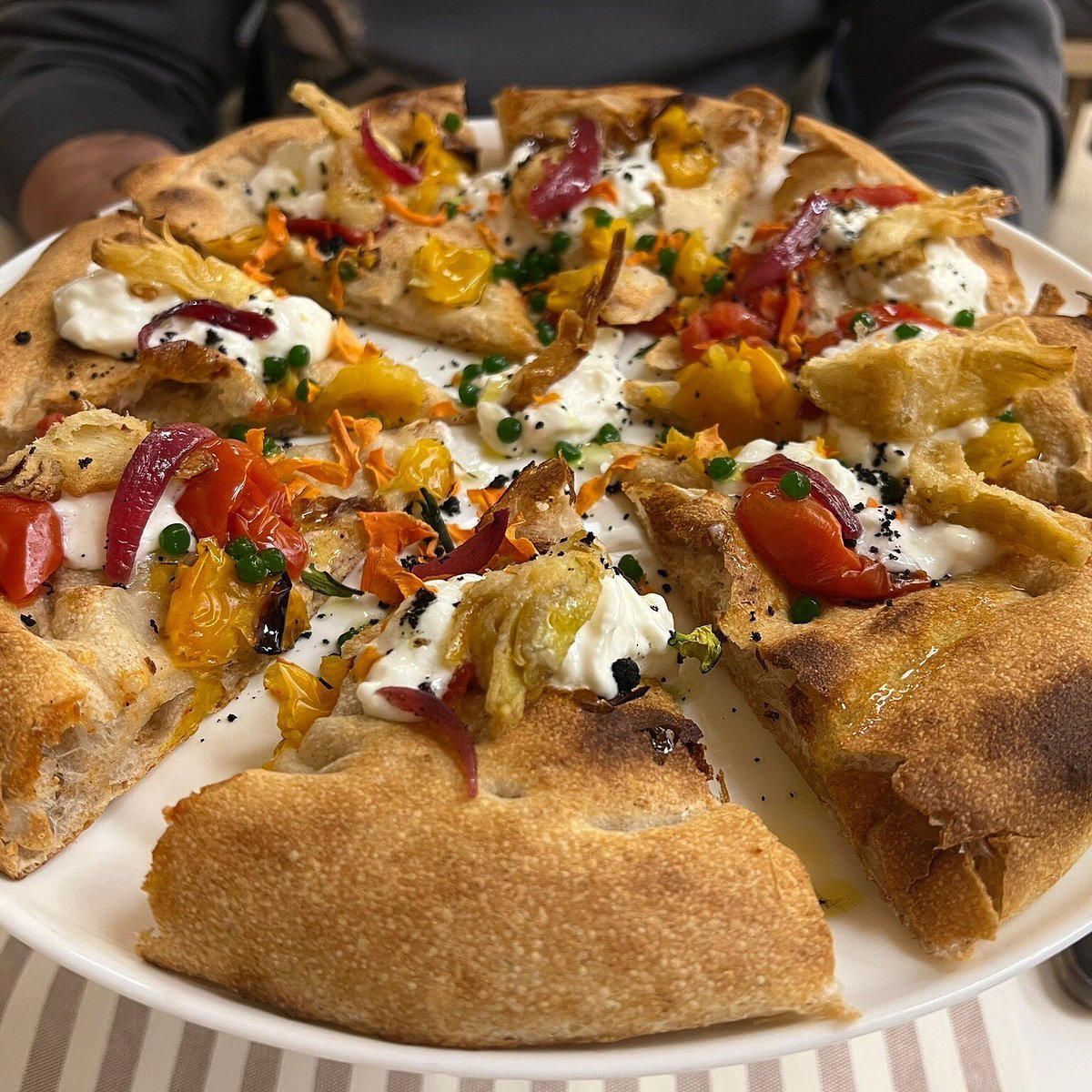
Meunier
Corciano, Italy
Meunier in Corciano pairs creative, high-quality pizza with a serious champagne list in a minimal, elegant room. Chef Pietro Marchi's format has made it a reference point for Umbria and beyond, and booking is straightforward. Go for a special dinner, order the welcome courses, and plan your champagne pairing before you arrive.
I Borboni
Pontecagnano Faiano, Italy
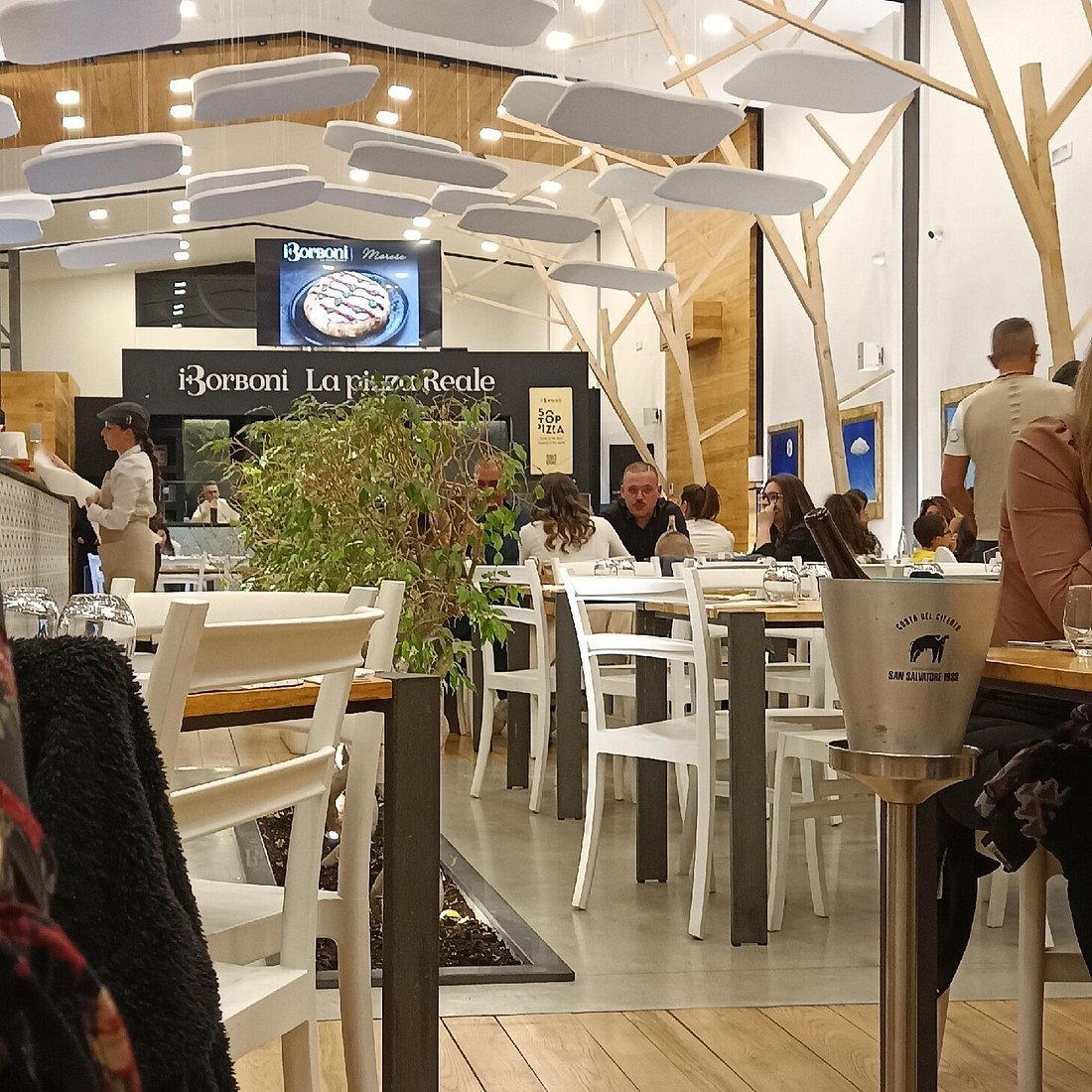
I Borboni is the clearest choice for serious contemporary pizza in the province of Salerno. Pizzaiolos Daniele Ferrara and Valerio Iessi produce light, well-structured doughs topped with seasonally grounded Campanian ingredients; including the Morese, made with buffalo milk whey. The modern, spacious room suits a celebration dinner. Booking a few days ahead is usually sufficient.
Gigi Pipa
Este, Italy
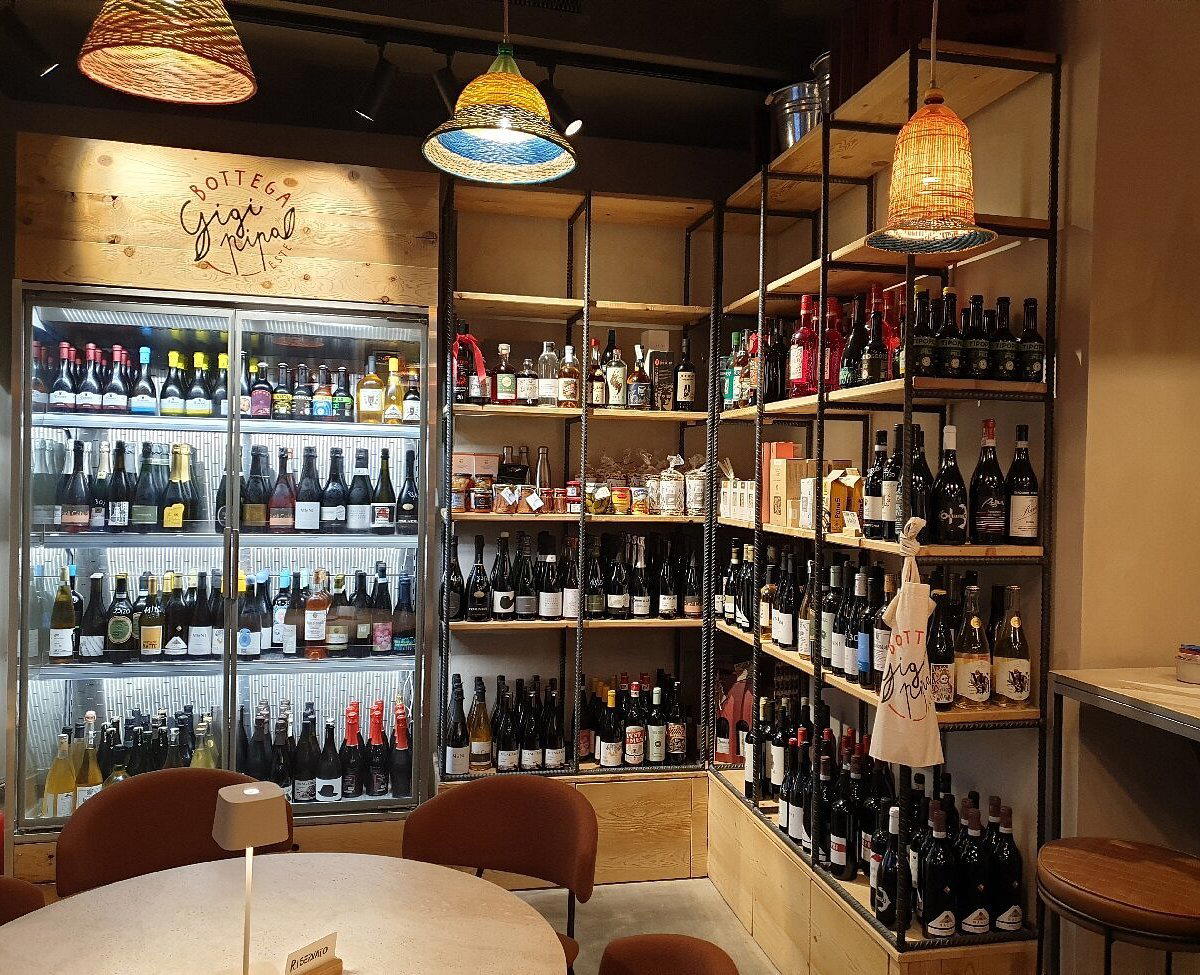
Gigi Pipa is Alberto Morello's garden-driven gourmet pizzeria in Este, awarded three slices by the Gambero Rosso Pizzerie d'Italia Guide. The menu rotates seasonally around produce from Morello's own vegetable garden, served in a spacious converted match factory with an open kitchen. Book here when you want a serious, ingredient-led meal without committing to a tasting menu or a fine dining price point.
Avenida Calò
Rome, Italy
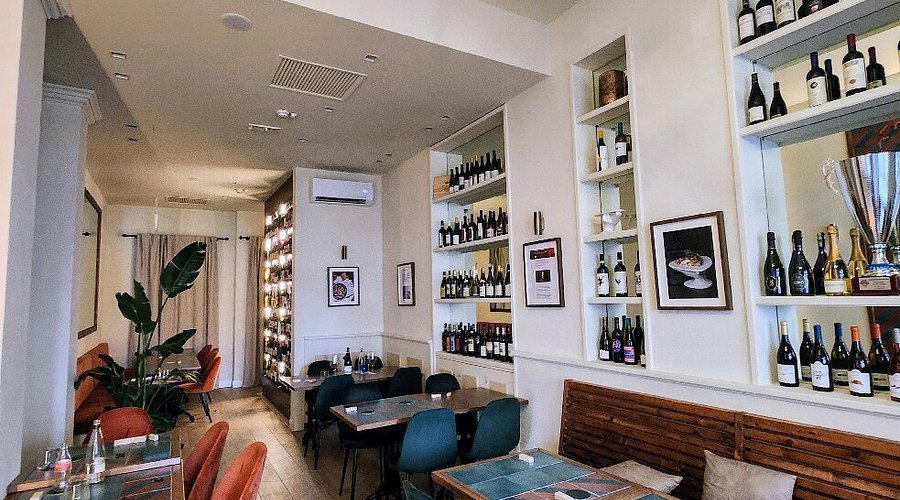
Avenida Calò is Rome's most technically serious enopizzeria, where Patron Francesco Calò applies Neapolitan pizza craft; including a fried-then-baked double crunch dough; with ingredient standards that rival the city's fine-dining rooms. Easier to book than Rome's tasting-menu restaurants, it suits food-focused visitors who want serious technique and a considered wine list without the full fine-dining format.
I Fontana
Somma Vesuviana, Italy
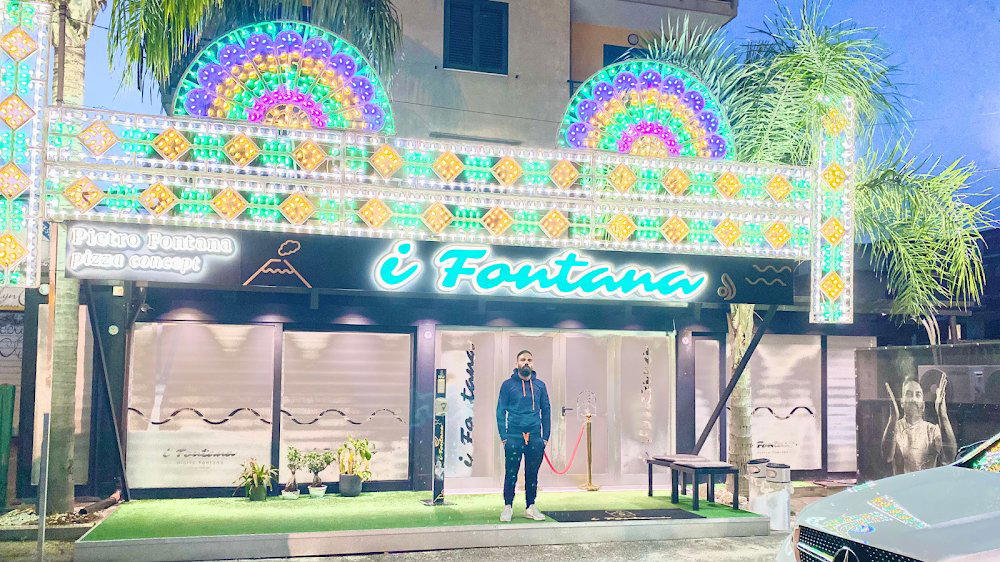
I Fontana in Somma Vesuviana is a serious artisan pizzeria built around natural doughs, double cooking, and territorial Campanian ingredients. Pietro Fontana's tasting-tour format covers traditional Neapolitan, pizza in pala, and fried dishes; Melania's wine list adds local labels including Catalanesca. Easy to book, fair-value, and a strong choice for a special occasion without fine-dining formality.
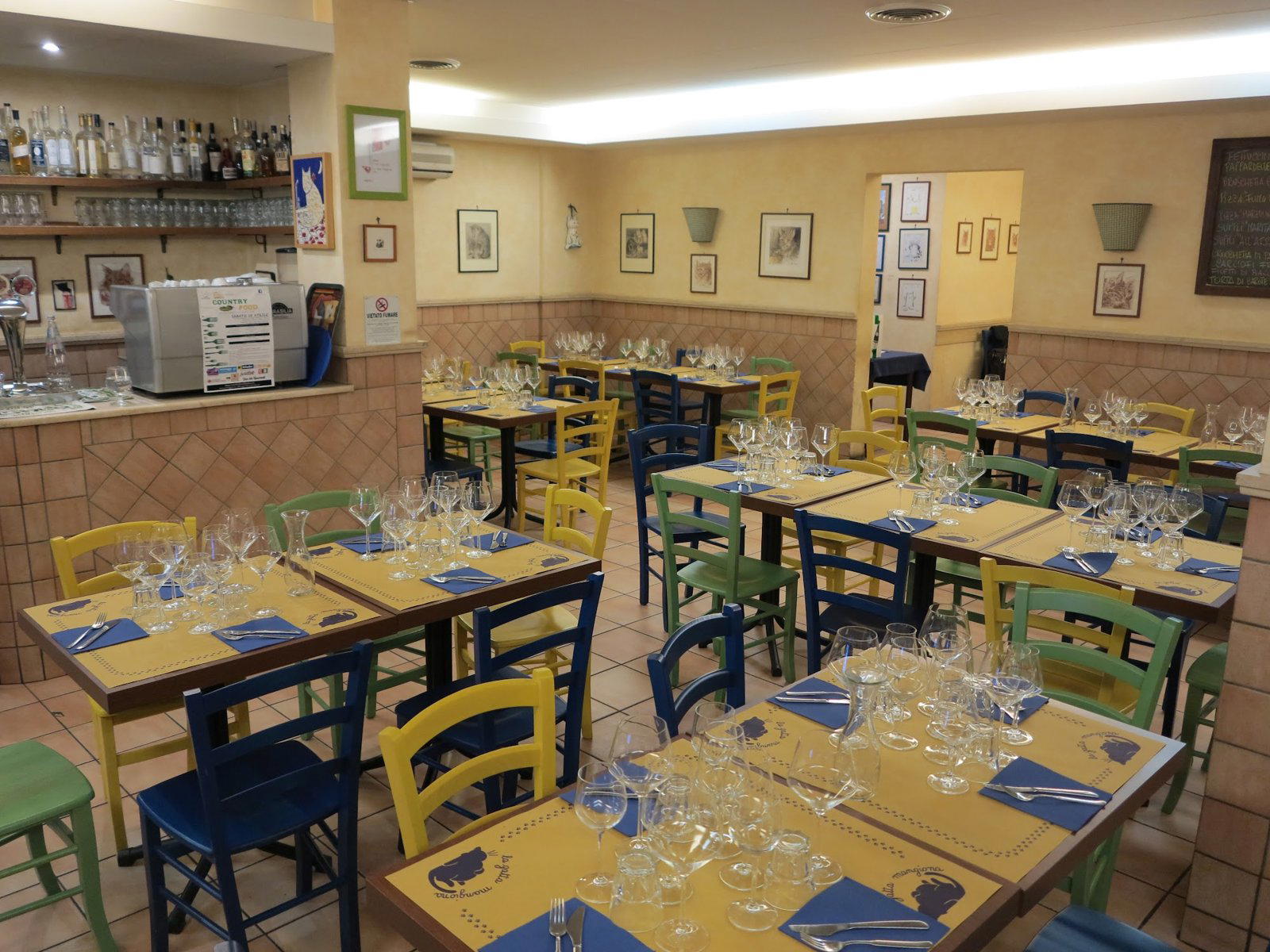
La Gatta Mangiona
Rome, Italy
La Gatta Mangiona is Rome's most technically serious artisan pizzeria, open since 1999 and led by self-described "pizza engineer" Giancarlo Casa. The d'autore signature pizzas and supplì justify the trip to the Monteverde neighbourhood, and the craft beer and wine list is a genuine step above the category. Book ahead for weekend evenings; walk-ins are a risk.
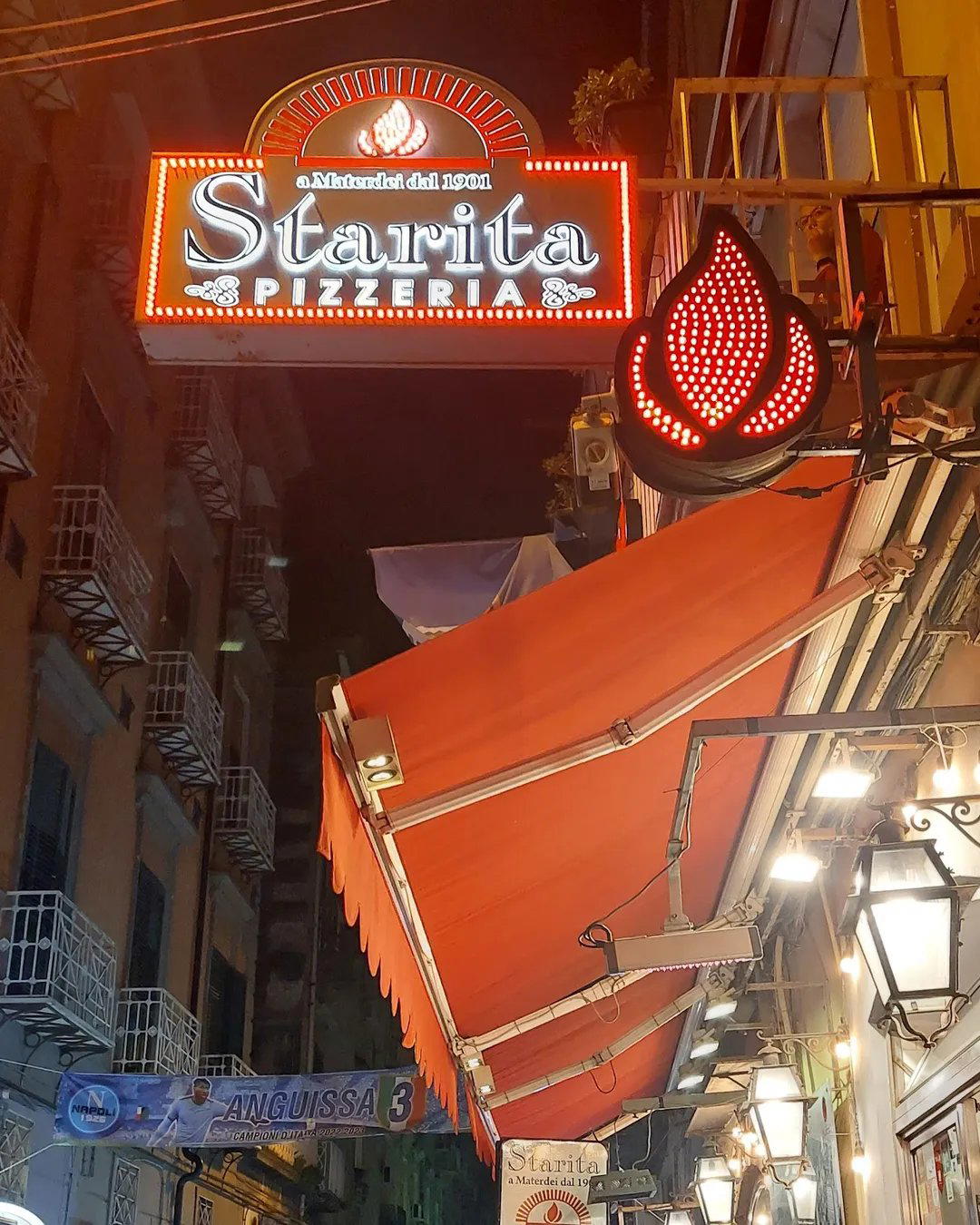
Starita
Naples, Italy
A Neapolitan pizzeria operating since 1901, Starita holds OAD Cheap Eats #28 in Europe (2025) and delivers traditional Arte Bianca pizza in a neighbourhood setting away from the tourist circuit. At a cheap-eats price point, it is the most cost-efficient credentialed table in Naples. Book easily, dress casually, and come hungry for pizza done with serious intent.
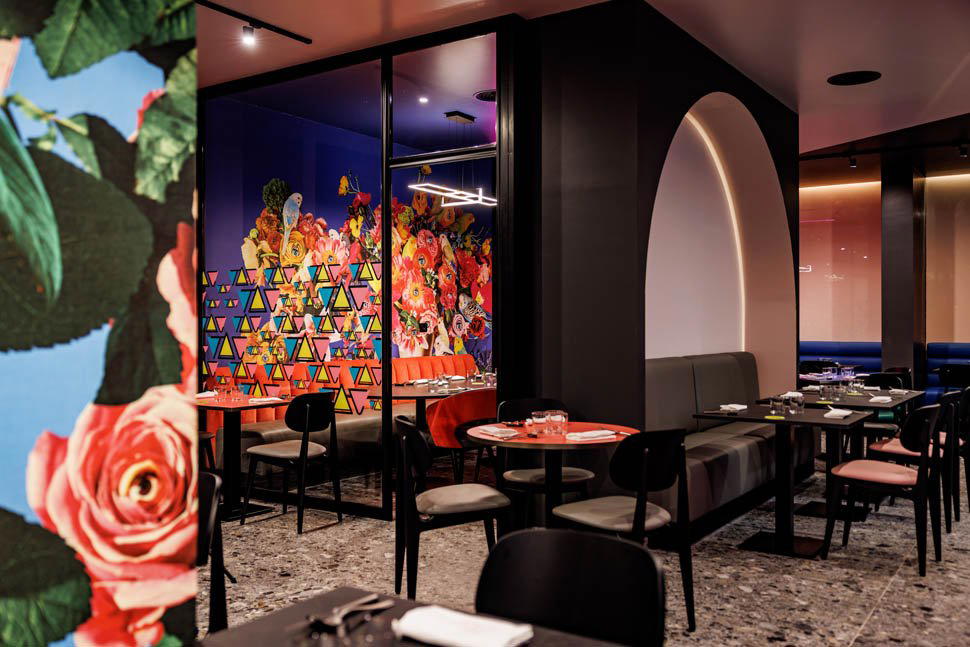
TAC – Thin And Crunchy
Rome, Italy
TAC – Thin And Crunchy is a Roman-style pizzeria in Mostacciano run by Pier Daniele Seu and Valeria Zuppardo, ranked 43rd in the 50 Top Pizza Italia 2025 list. The thin, crispy base and creative toppings are the draw. Booking is straightforward, the room is relaxed, and the national ranking makes it one of the more credible pizza stops in Rome.
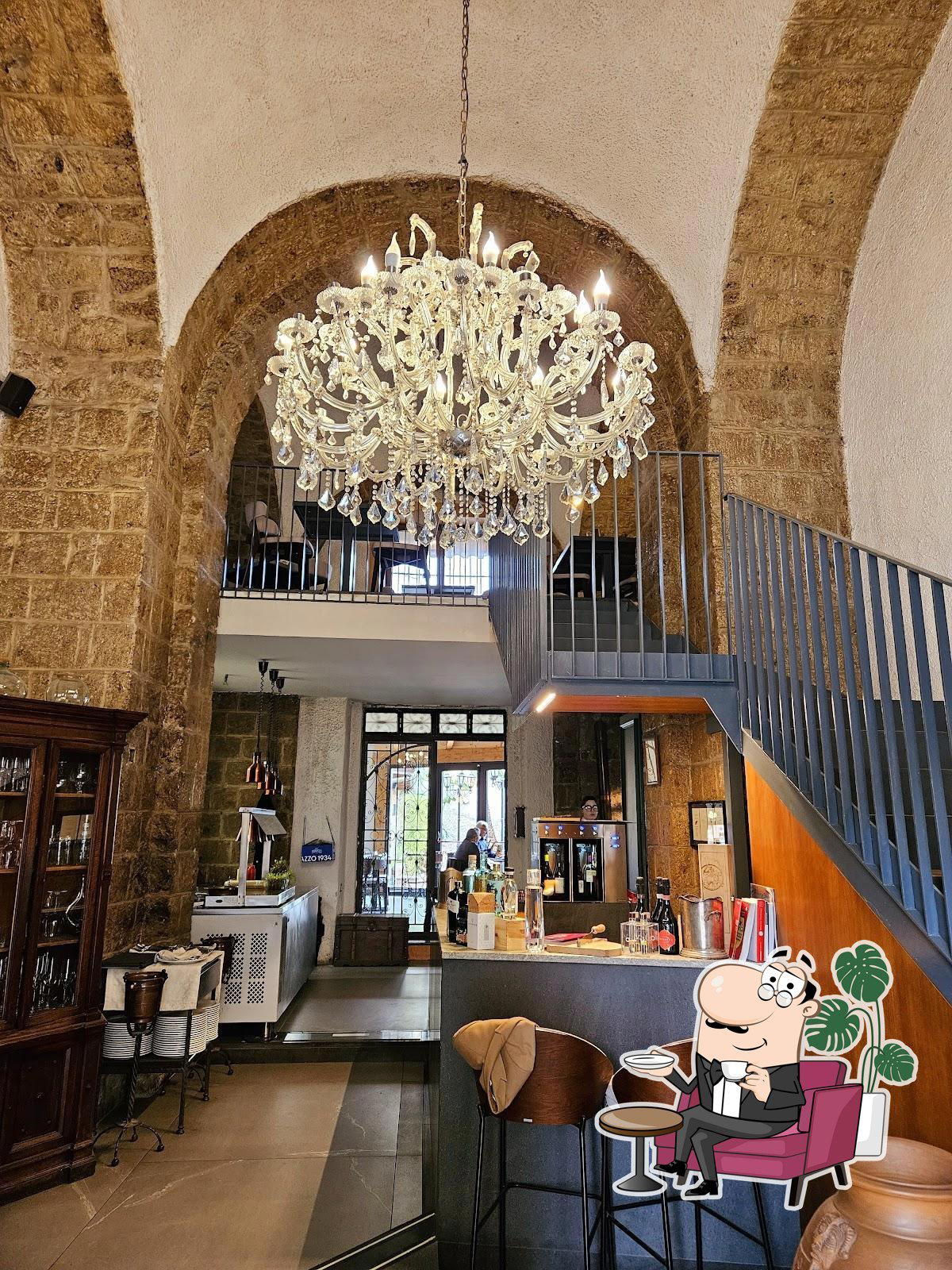
La Contrada
Aversa, Italy
La Contrada, set in a historic palace on Piazza G. Marconi in Aversa, is where to go for serious Campanian pizza craft. Led by Roberta Esposito, the menu runs to seven margherita variations alongside traditional formats like pizza nel ruoto and montanara. Booking is easy, the courtyard setting adds occasion without formality, and it is the most considered first stop in Aversa's pizza scene.
L'Orso
Messina, Italy
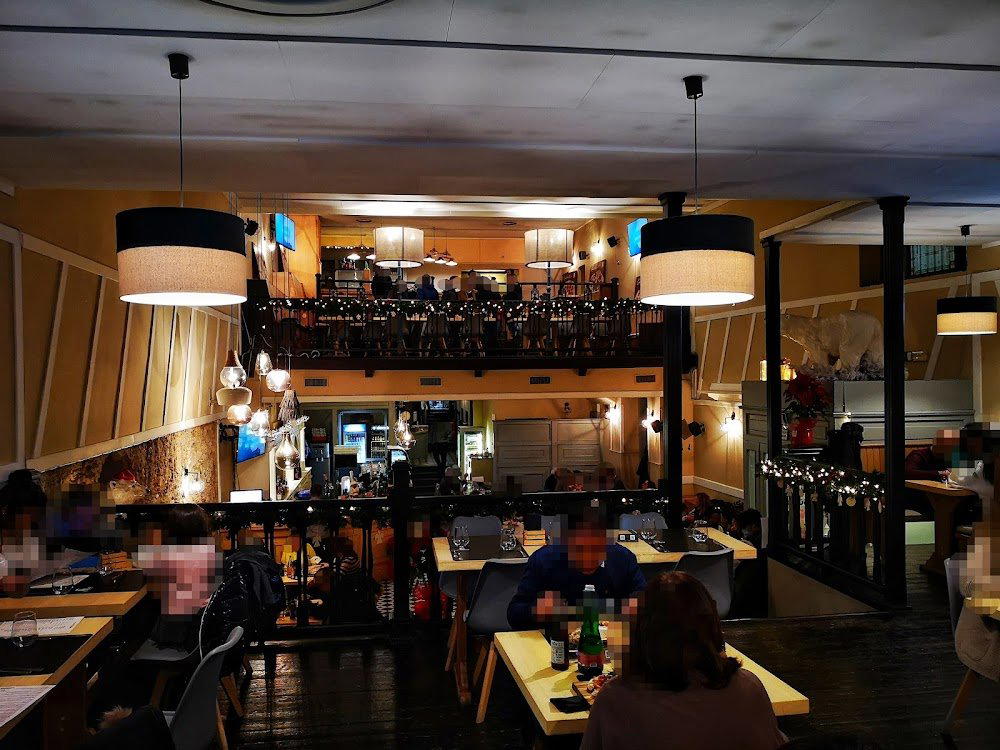
L'Orso is Messina's most considered pizza address, where pizzaiolo Matteo La Spada produces a high, honeycombed dough with genuine creative ambition. It is worth booking for food-focused travelers who track artisan pizza craft, but eat in; the dough's texture does not survive takeout well. Booking is easy; contact the venue directly as no online reservation platform is currently confirmed.
Carlo Sammarco Pizzeria 2.0
Aversa, Italy
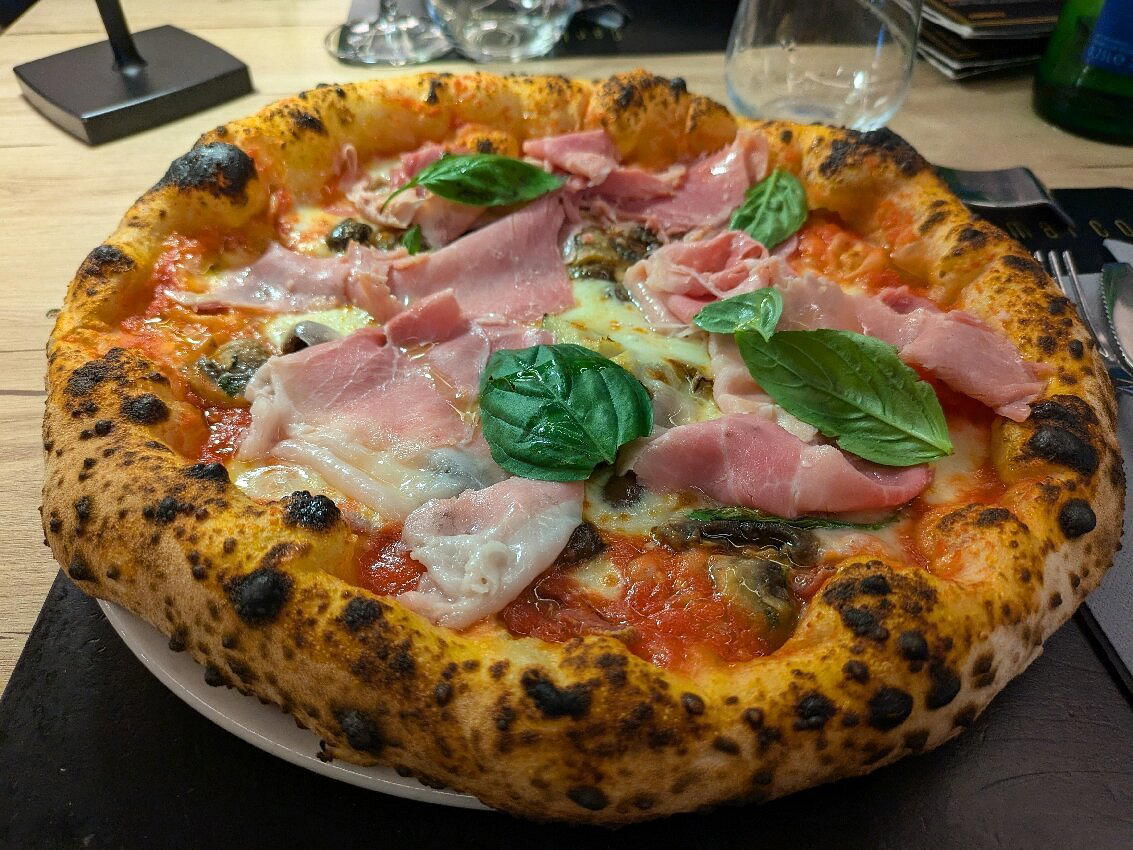
Carlo Sammarco Pizzeria 2.0 is the place in Aversa to eat canotto-style pizza: a light, swollen-crust format that demands real dough craft to execute well. The award-winning frittatina di pasta is worth ordering alongside it. Booking is straightforward, and the value proposition is clear; serious pizza without the reservation difficulty of a tasting-menu destination.
Lisola Restaurant
Forio, Italy
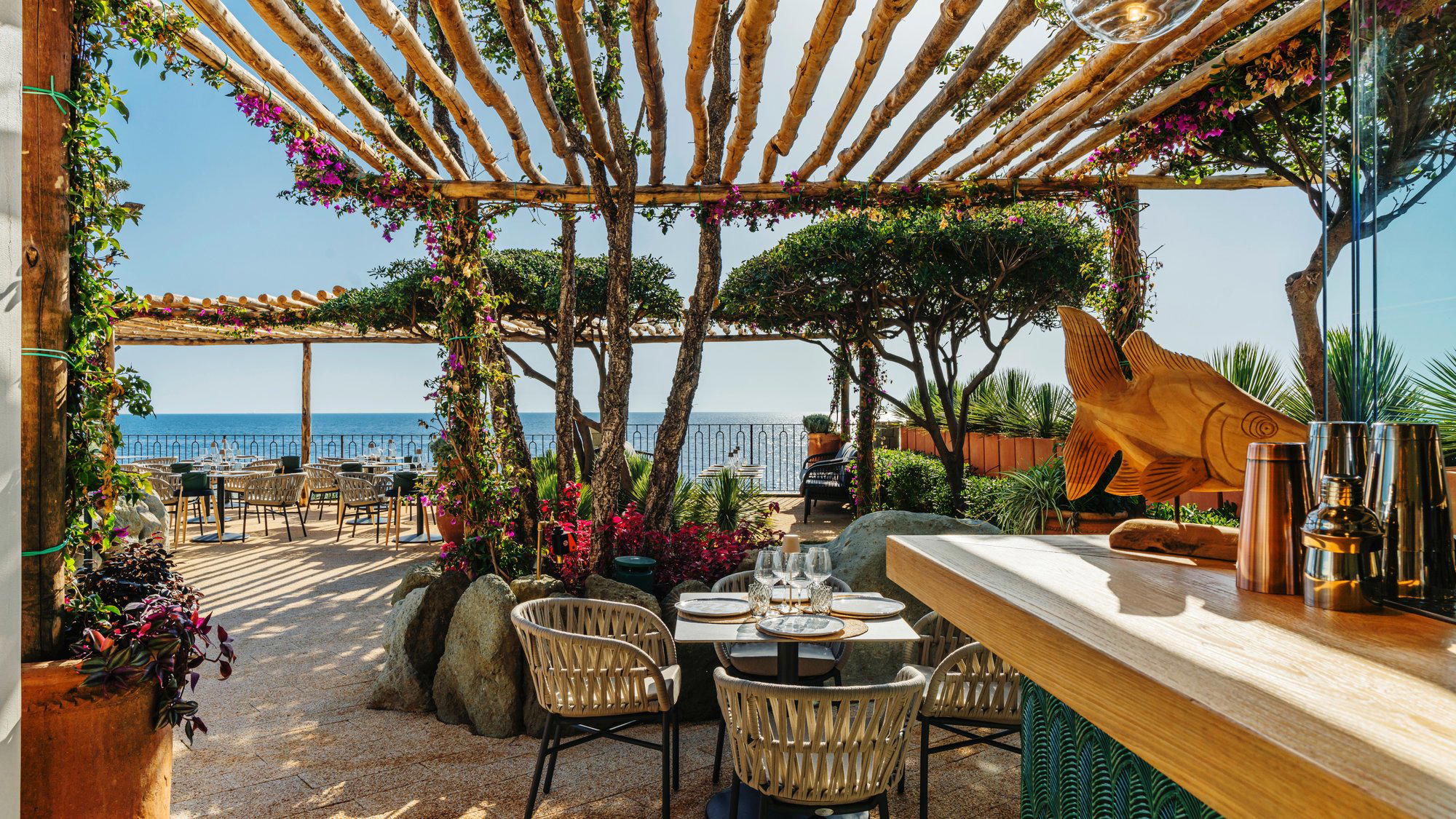
A collaborative project between pizzaiolo Ivano Veccia and chef Nino Di Costanzo, Lisola brings genuine culinary intent to Forio with a format that spans pizza, grilled dishes, and Mediterranean kitchen cooking. It's the strongest choice in town for food-curious visitors who want local Ischian ingredients handled with real skill rather than tourist-trade shortcuts. Easy to book outside peak summer weeks.
Il Vecchio e il Mare
Florence, Italy
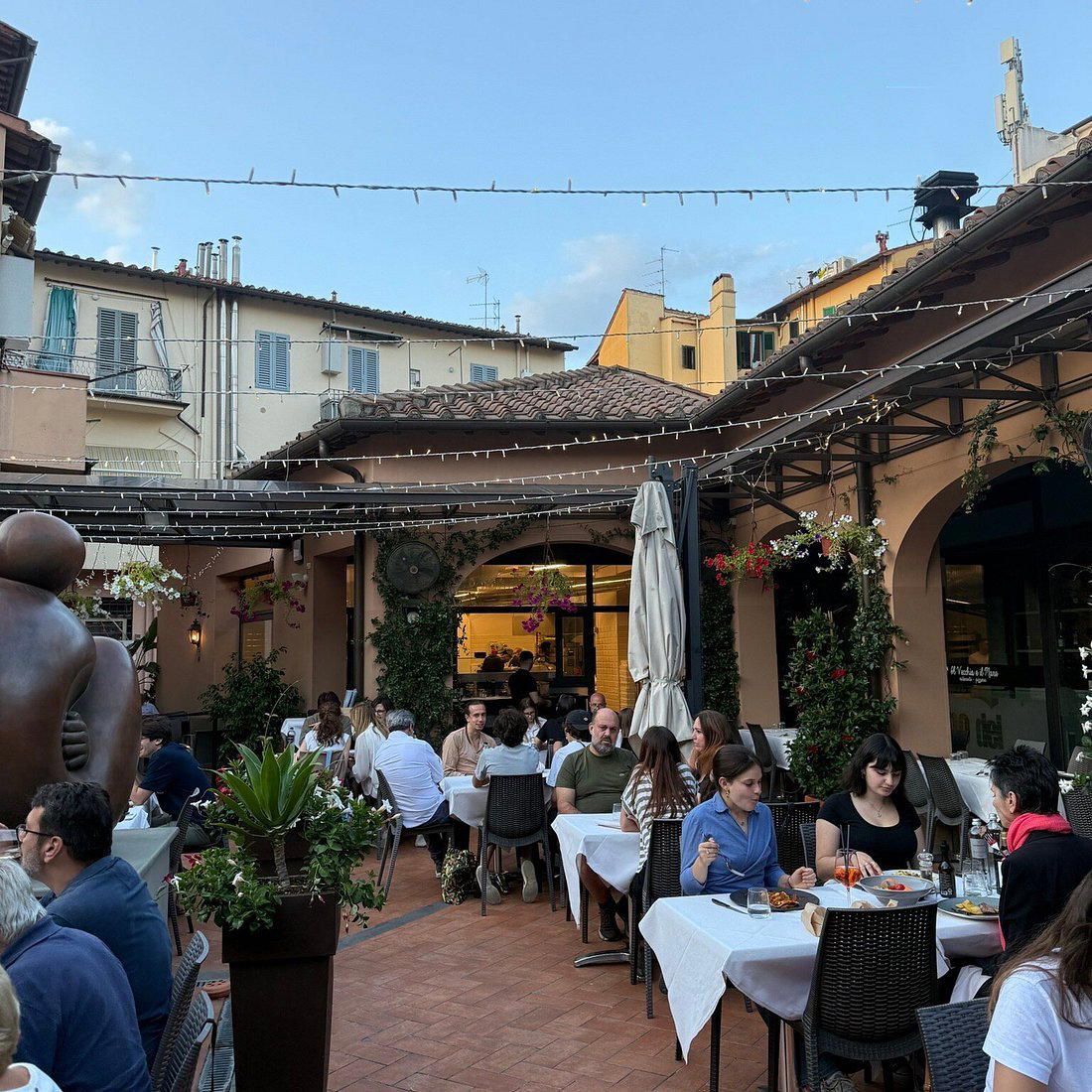
Il Vecchio e il Mare holds a Gambero Rosso three-slice award; Florence's most credible pizza recognition; and pairs Neapolitan-style pizza with fresh fish dishes in a relaxed neighbourhood setting. It is the clearest option in the city for a special meal that does not demand tasting-menu formality or a €€€€ budget. Book ahead for weekends; walk-ins are possible but not guaranteed.
Giotto Pizzeria
Florence, Italy
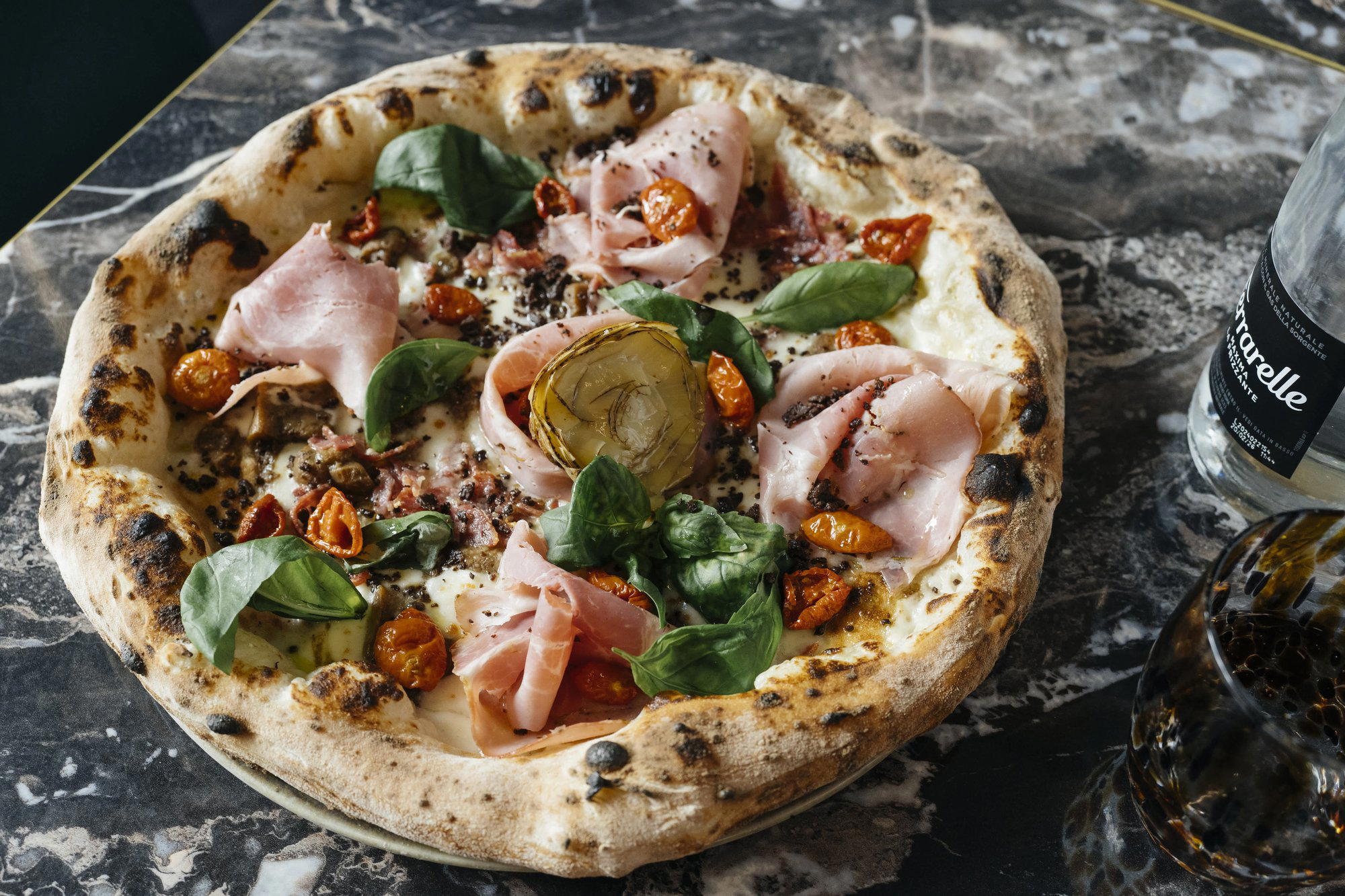
Giotto Pizzeria is Florence's most serious case for Neapolitan STG pizza outside Naples, run by an Ischian pizza maker who prioritises proper leavening and cooking over tourist-friendly shortcuts. The atmosphere mirrors a genuine Neapolitan pizzeria, service is fast and attentive, and the wine and beer list supports a full meal. Book here when you want quality without ceremony.
L'Ammaccata - Antica Pizza Cilentana
Casal Velino, Italy
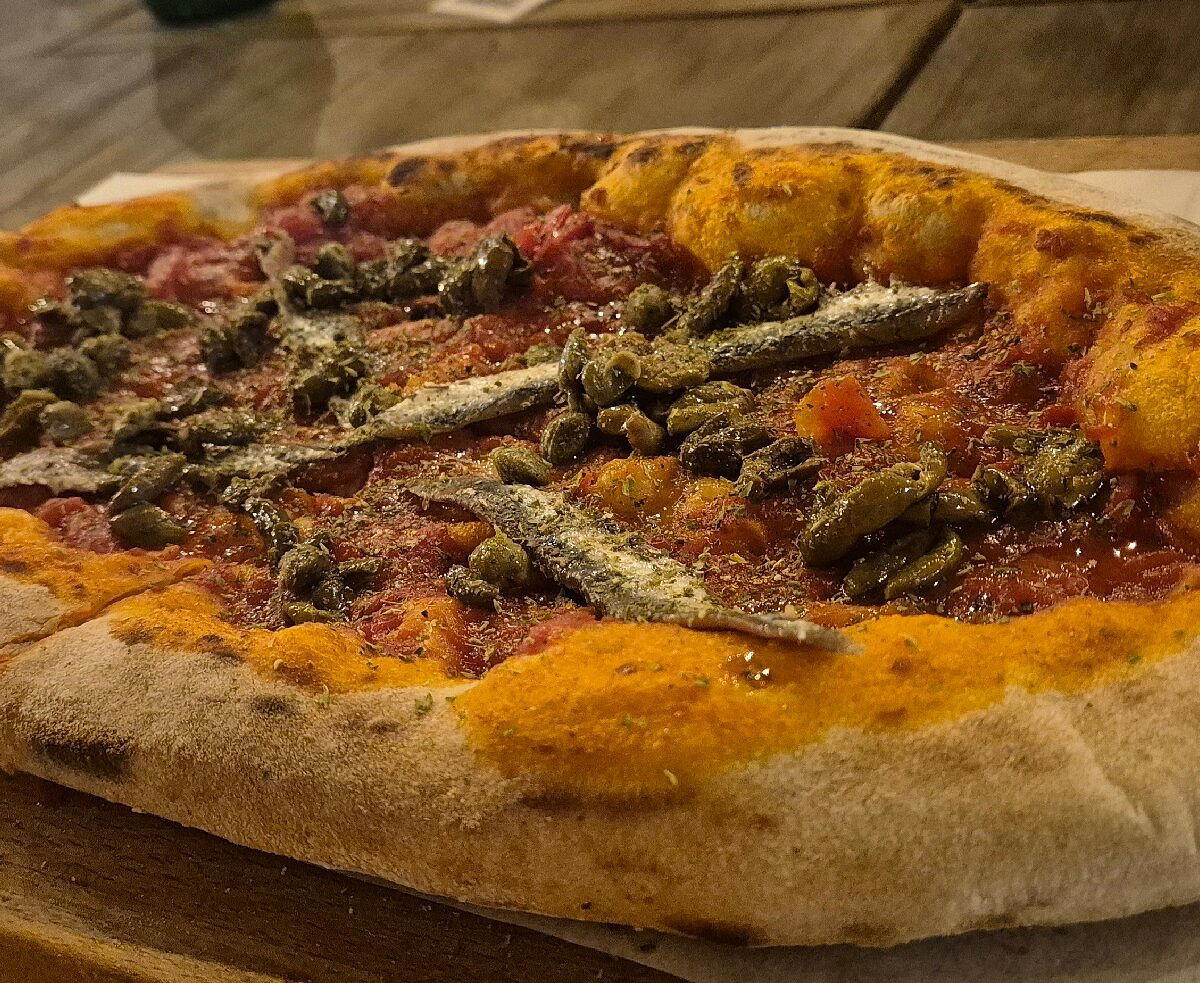
L'Ammaccata is the only venue in Casal Velino dedicated to reviving the ancient pizza ammaccata tradition of the Cilento region, using heritage grain flours and hyperlocal ingredients. Led by Cristian Santomauro, it delivers a taste profile grounded in agricultural specificity rather than culinary theatre. Book if you want to eat something specific to this coast; skip it if you want a formal dinner.
Officine Del Cibo
Sarzana, Italy
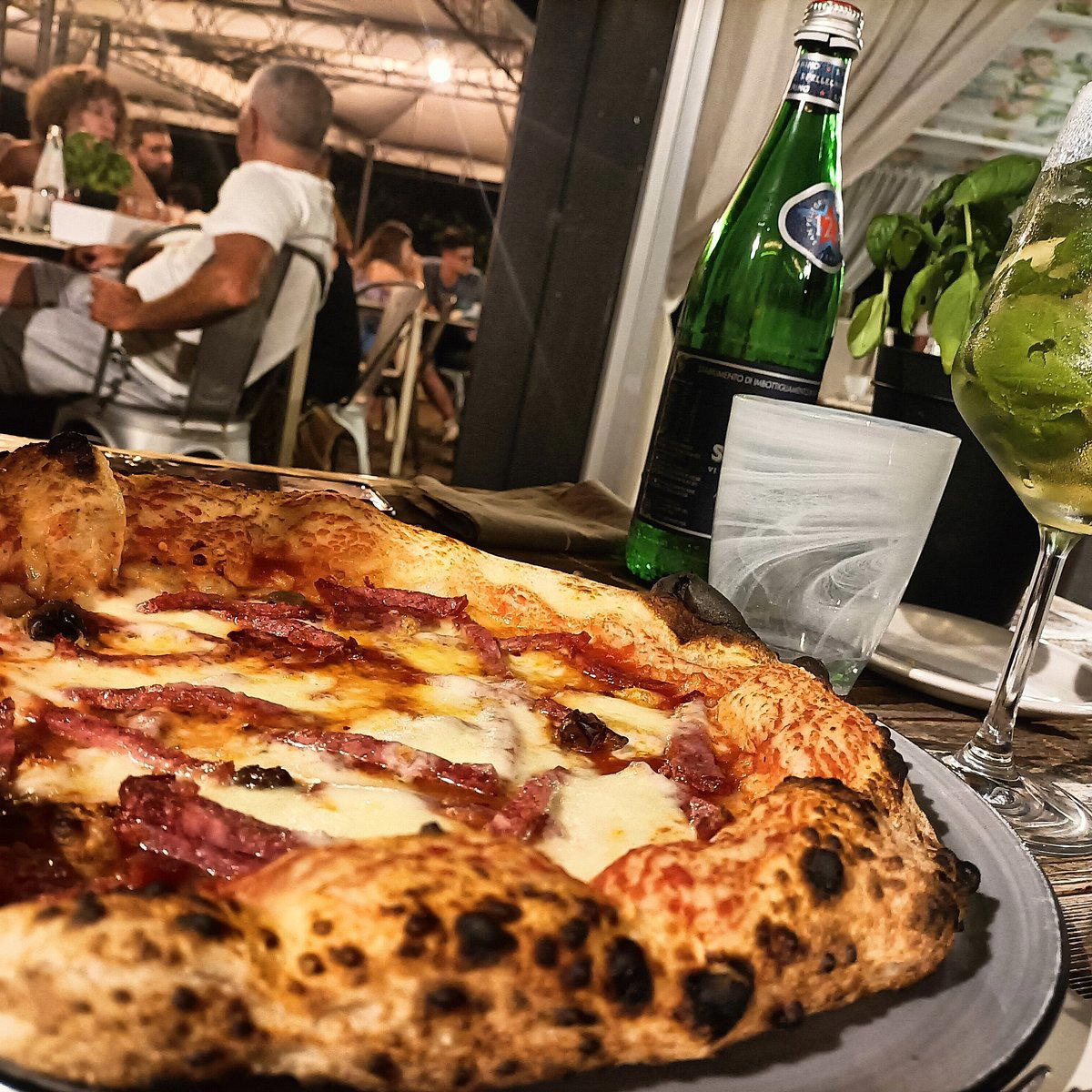
Ranked 51st on 50 Top Pizza Italia 2025 and awarded Tre Spicchi by Gambero Rosso, Officine Del Cibo is the most credentialed pizza address in Sarzana. AVPN-certified and offering classic Neapolitan alongside steamed, pan, and thin-crust styles, it is worth a deliberate stop for anyone travelling through Liguria with an appetite for serious pizza.
La Piedigrotta Ristorante & Pizzeria
Varese, Italy
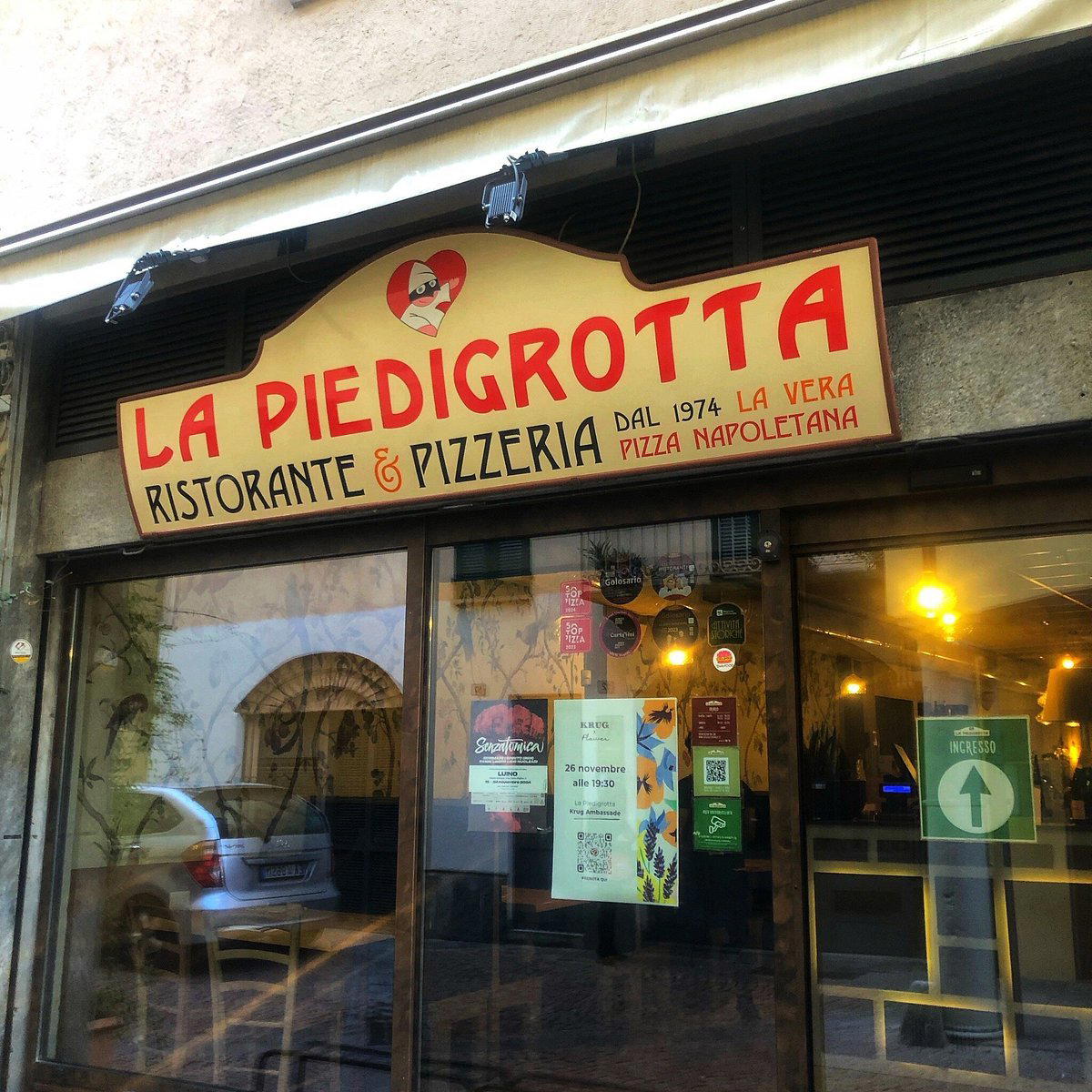
A Varese institution since 1974, La Piedigrotta brings genuine Neapolitan pizza credentials to Lombardy; with Puglian seafood and serious wines alongside. It suits relaxed weekend lunches more than quick stops, and its 50-year local following gives it staying power that newer rivals in the city cannot match. Easy to book, and worth the visit if pizza with real depth is what you are after.
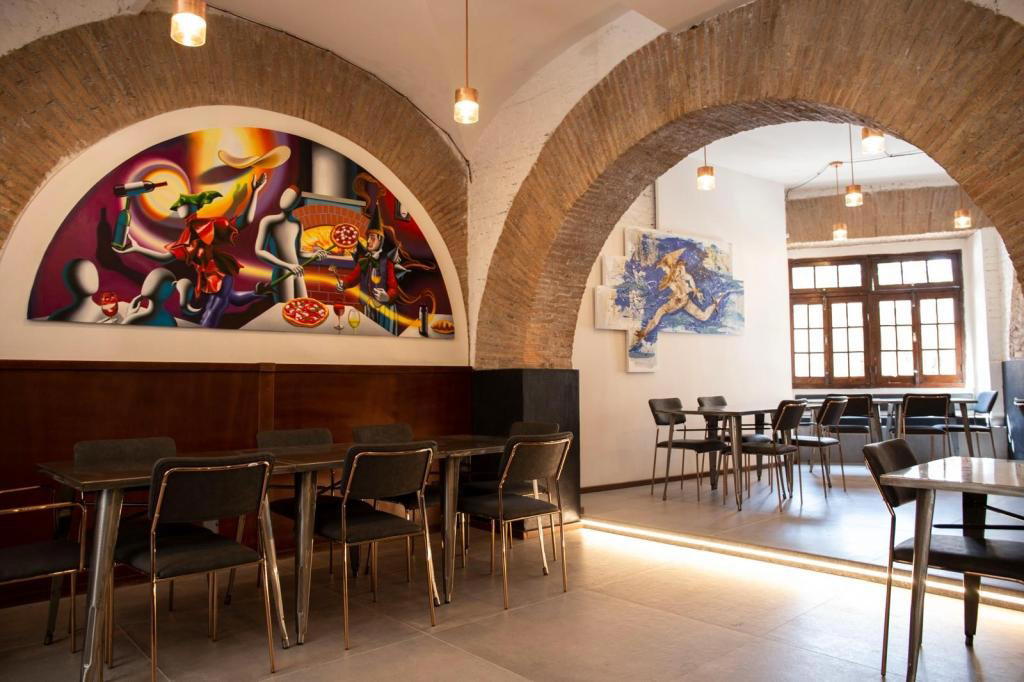
Masardona By Cristiano Piccirillo
Rome, Italy
Masardona by Cristiano Piccirillo is Rome's most focused outpost of Neapolitan fried pizza, operating a tradition that dates to 1945. Walk in, no reservation needed, and order the fried pizza: it is golden, light, and notably not greasy. For explorers who want to eat well in the historic centre without spending much, this is a reliable and specific reason to visit Piazza dell'Oro.
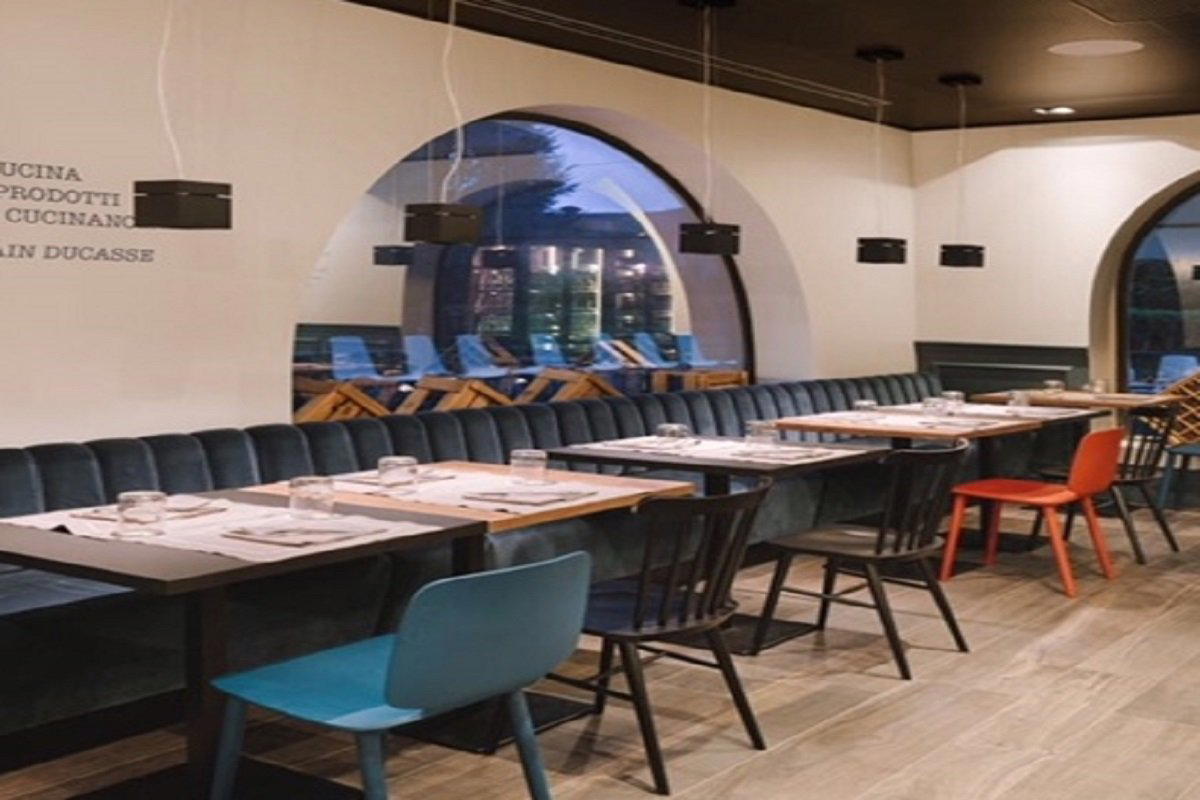
Enosteria Lipen
Triuggio, Italy
A thirty-year-old enosteria in Triuggio that runs a full restaurant kitchen alongside a serious gourmet pizza operation; and does both with credibility. Well-suited to group dinners, milestone occasions, and anyone who wants a wine-forward meal in Lombard countryside without the booking pressure of a Milan or Modena address. Easy to book, accessible in format, consistent by track record.
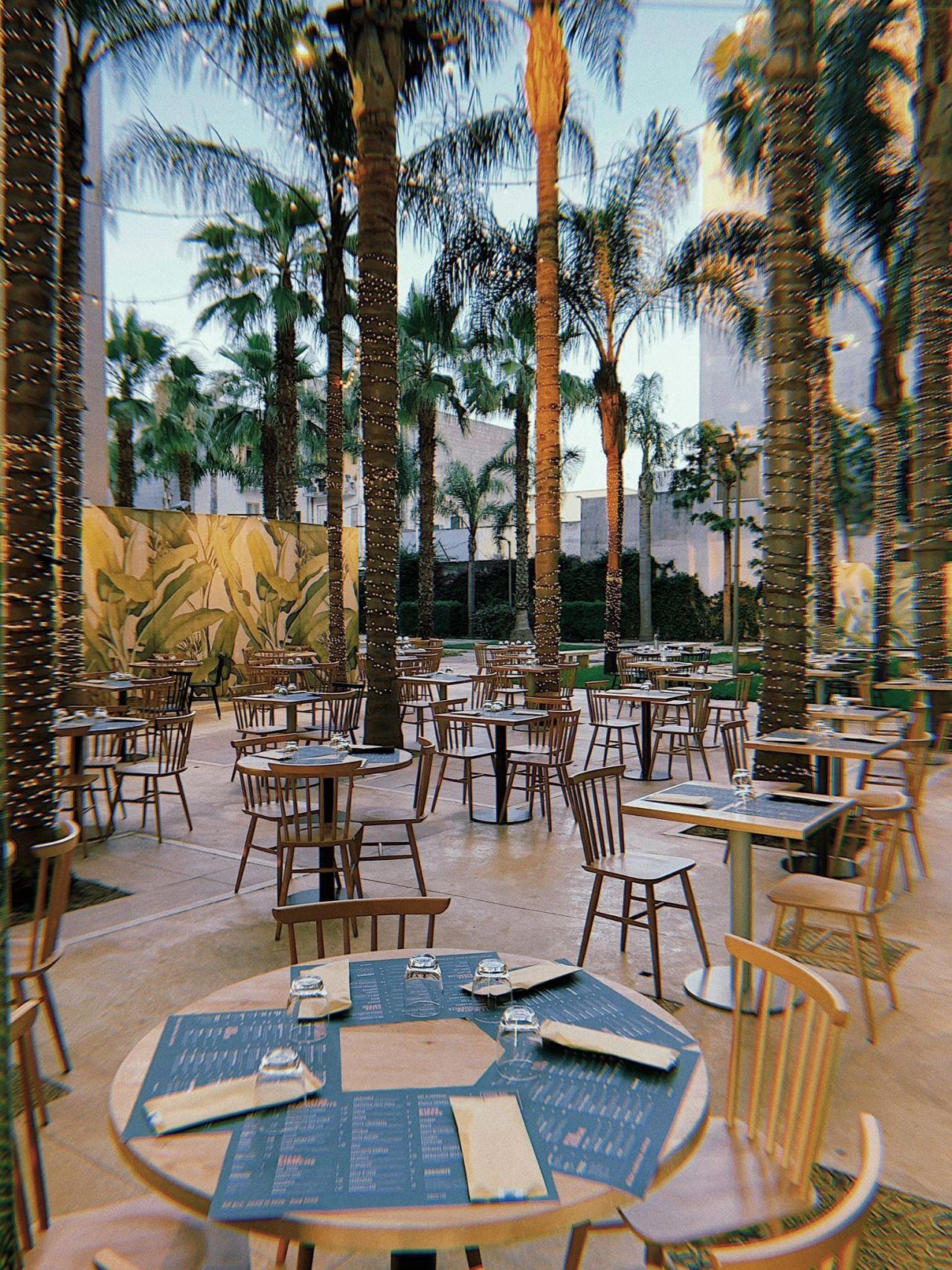
400 Gradi
Lecce, Italy
400 Gradi is Lecce's most focused Neapolitan-style pizzeria, built around a 400°C wood-fired oven and a genuine commitment to dough quality and local ingredients since 2014. Booking is easy; a day or two in advance covers most situations; making it a practical choice for couples, small groups, or solo diners who want a reliable, well-executed pizza without formality or a heavy bill.
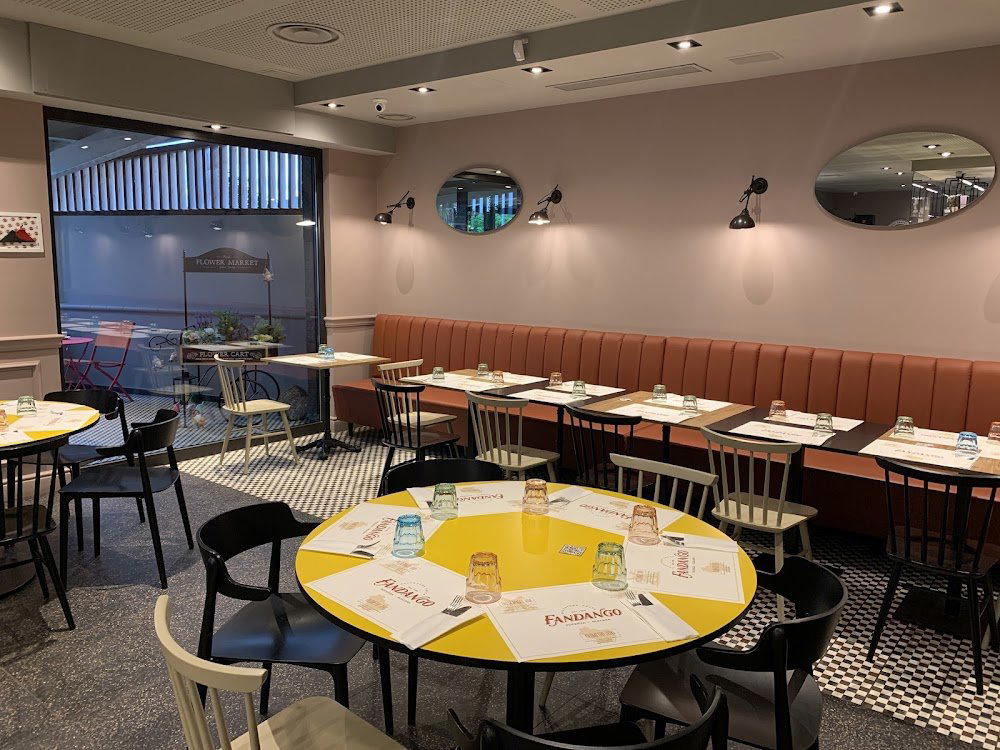
Fandango
Potenza, Italy
Fandango is Potenza's most considered pizza address: Salvatore Gatta builds on Neapolitan tradition using long-fermented sourdough and Basilicatan ingredients like cruschi peppers. The format is informal and convivial, booking is easy, and it suits solo diners and small groups equally well. If you want pizza with genuine regional character rather than a generic Neapolitan formula, this is the right call in Potenza.
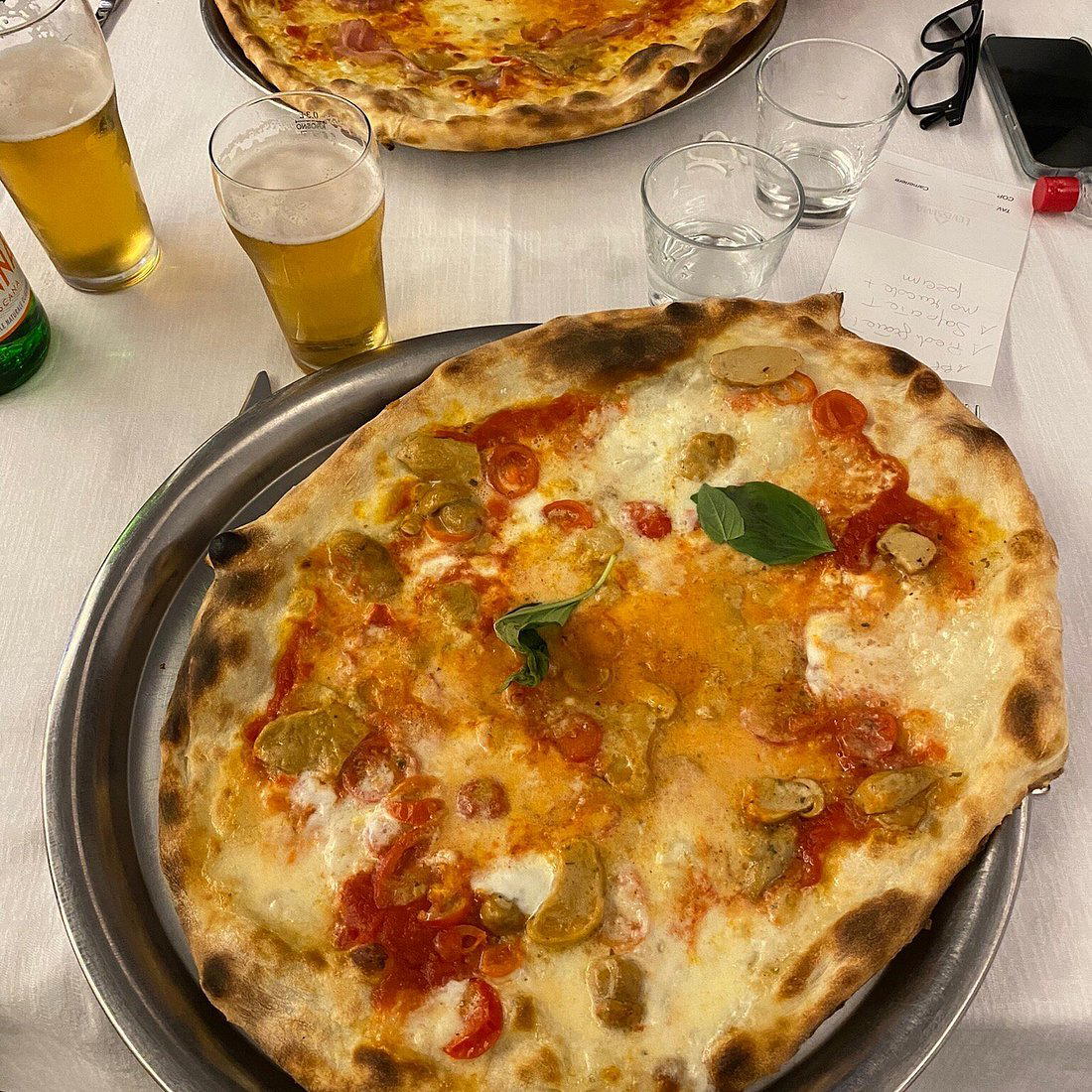
Piccola Piedigrotta
Reggio Emilia, Italy
Piccola Piedigrotta is Reggio Emilia's most ingredient-serious pizza address, where Giovanni Mandara's rotating menu draws on local, traceable products and spans both traditional and iron-pan formats. The menu changes with the season, so walk-in flexibility is useful. Booking is easy, the location on Piazza XXV Aprile is central, and the wine and beer selection is taken seriously.
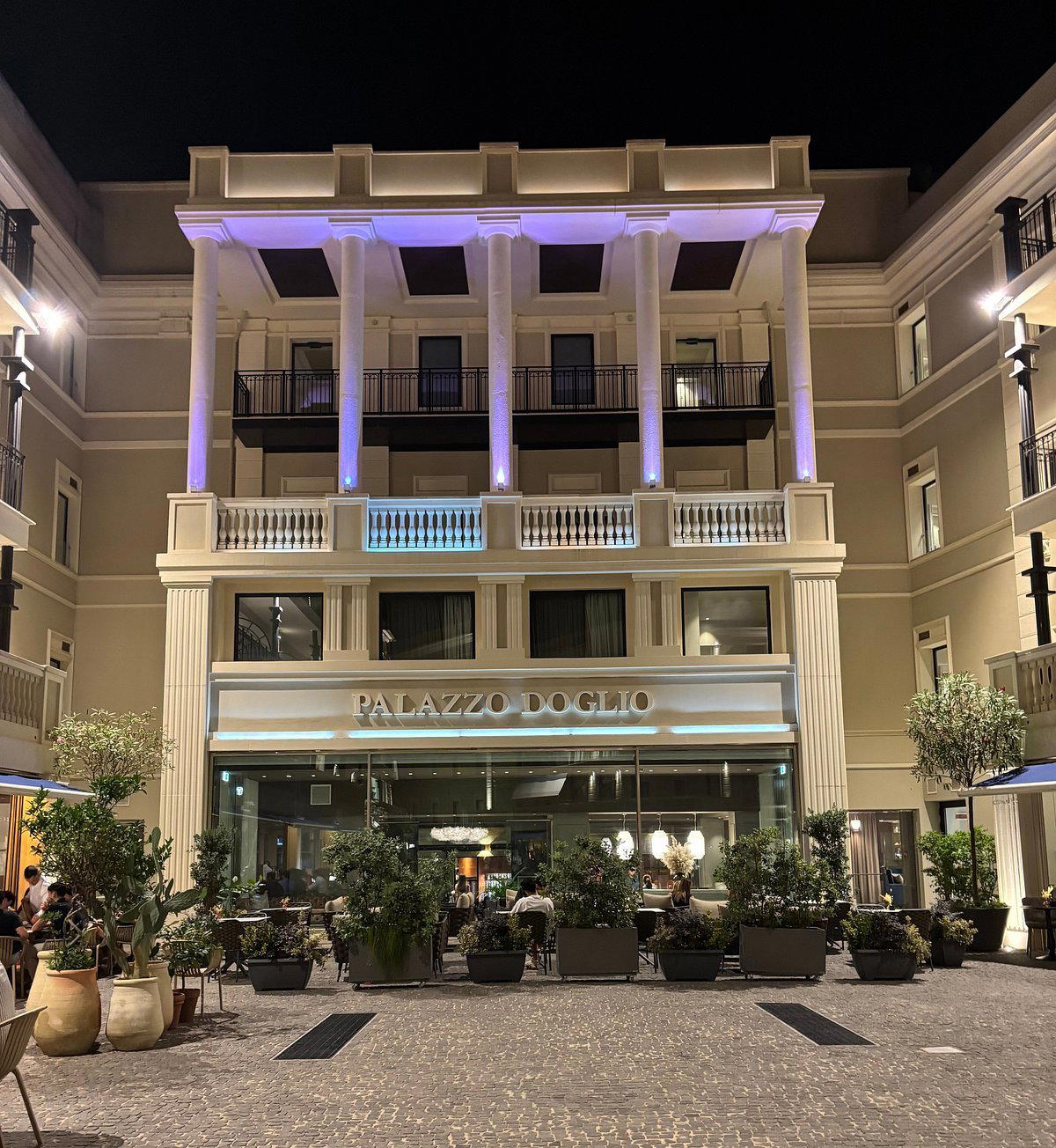
Maiori
Cagliari, Italy
Maiori makes the case for Neapolitan pizza in Cagliari with a well-leavened, digestible base and top-quality ingredients that reviewers consistently rank among the best in Sardinia. The American Bar keeps the evening going past dinner, making it a practical choice for celebrations or dates that do not need a second venue. Booking is straightforward; go on a weekend and reserve ahead.
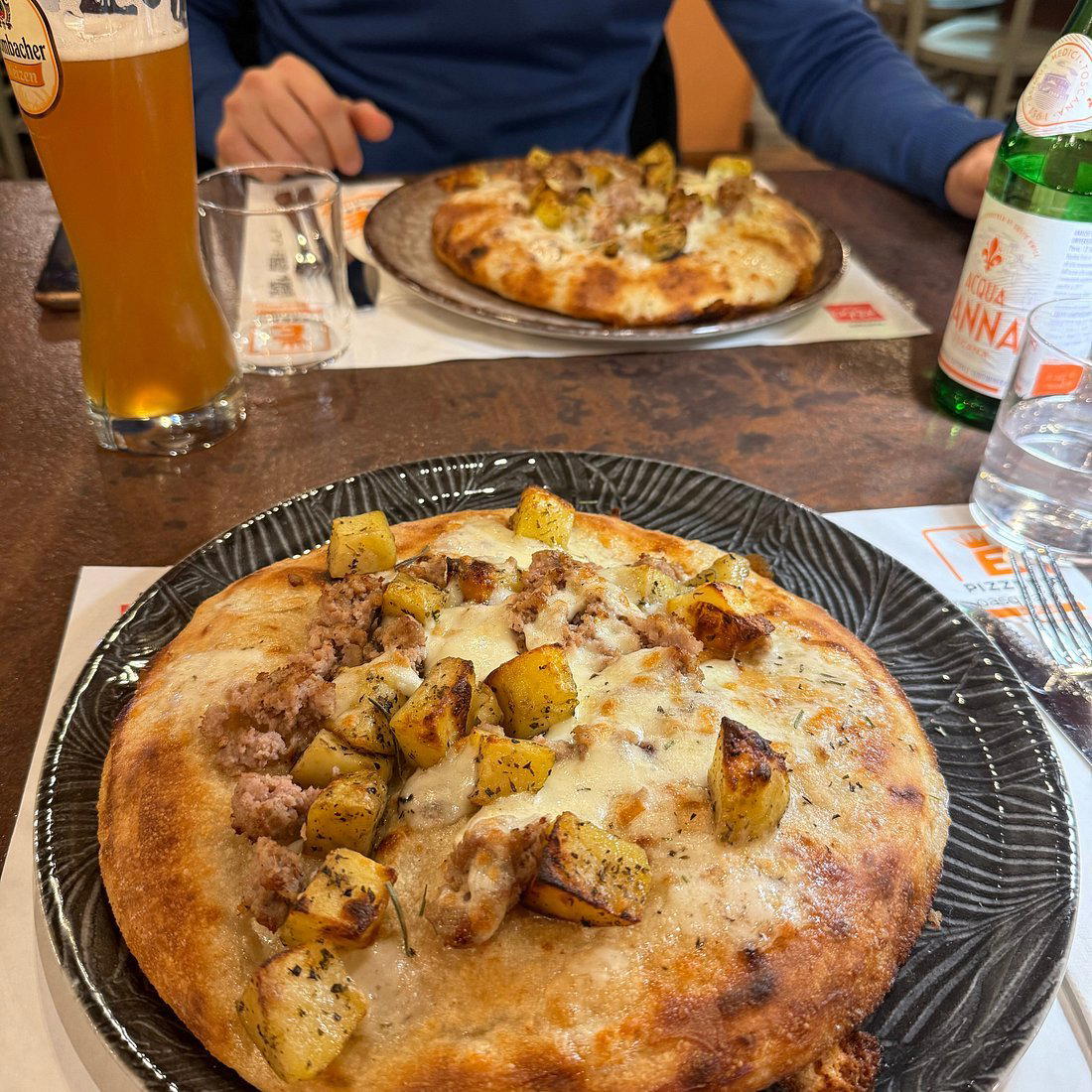
Pizzeria Élite Pasqualino Rossi
Alvignano, Italy
Pizzeria Elite Rossi in Alvignano is worth a deliberate stop for the pizza nel ruoto alone; a pan-baked format that travels better than most and reflects the Rossi family's focus on local Campanian ingredients. Booking is easy, the atmosphere is warm and casual, and the price point is accessible. Go on a weekend evening for the best room energy, or visit midweek for a quieter experience.
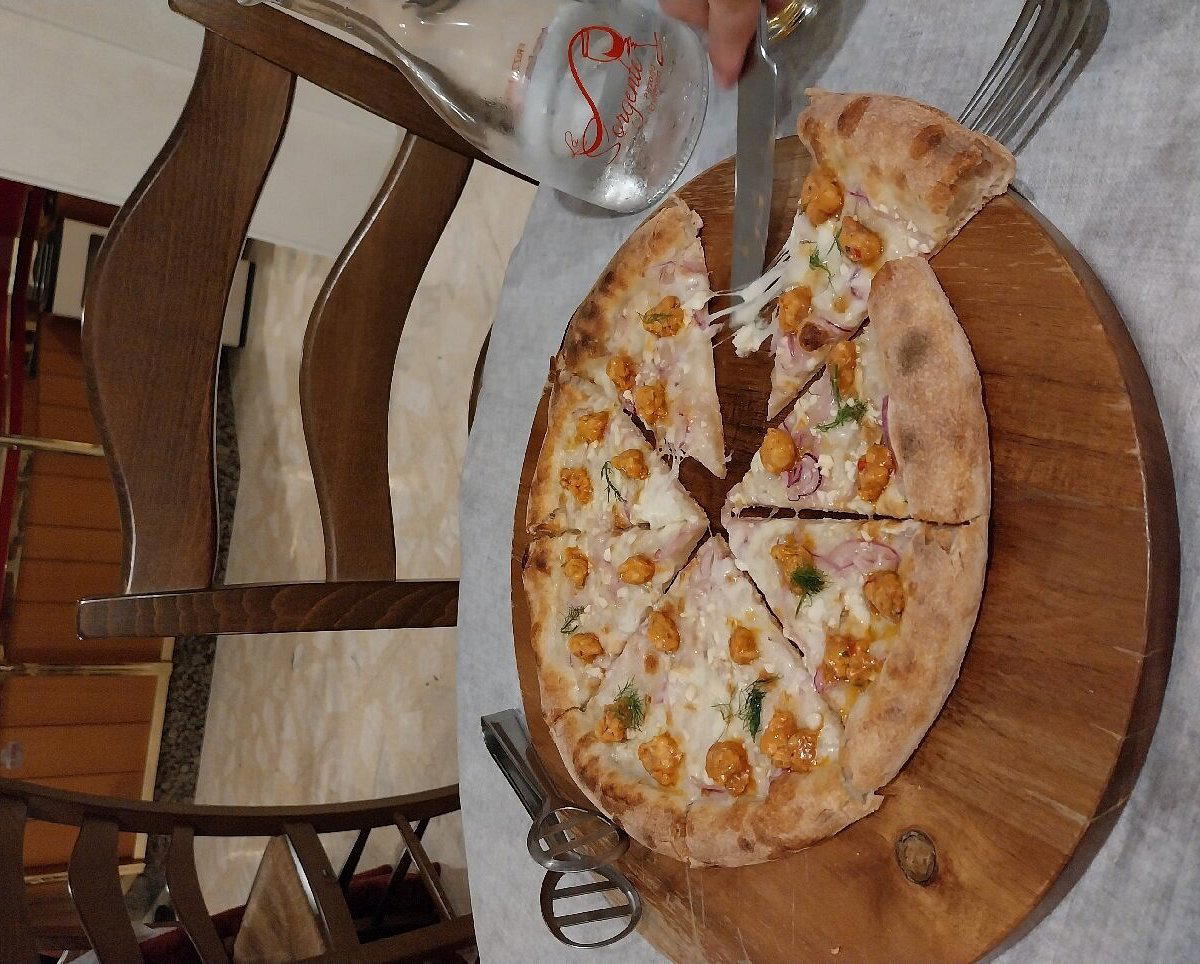
La Sorgente Pizzeria
Guardiagrele, Italy
Ranked 60th on 50 Top Pizza Italia 2025, La Sorgente is Guardiagrele's most credentialled pizzeria and one of the most closely watched in Abruzzo. The Zulli family runs a focused operation built around high-hydration sourdough and stone-ground doughs across three formats: Roman-style, gourmet, and riempizza. Booking is straightforward; weekday lunches offer the most relaxed experience.
Inedito
Brescia, Italy
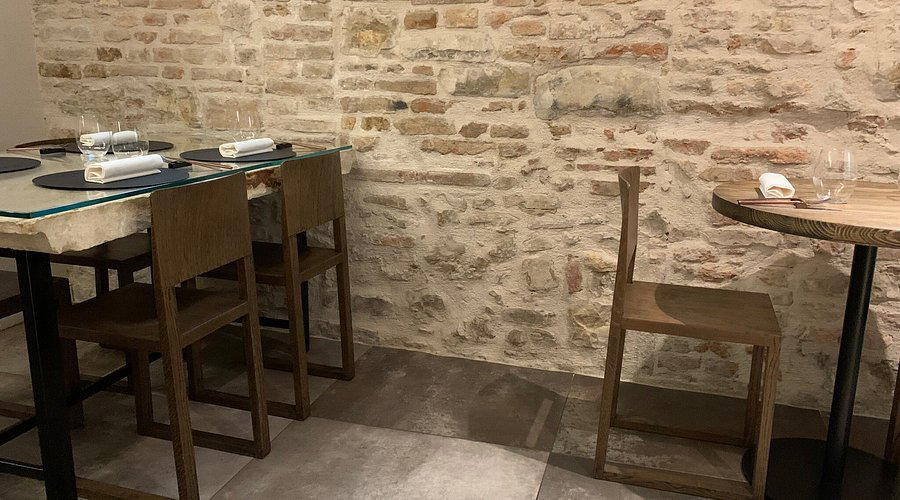
Inedito brings a research-driven approach to pizza in the heart of Brescia, with a modern room and a dough-and-topping formula built from scratch by pizzaiolo Antonio Pappalardo. It is the right call for repeat visitors who want craft over convention, though for formal occasions or a broader Italian menu, other Brescia options serve better. Booking is easy and the format is casual.
Frumento Pizzeria
Acireale, Italy
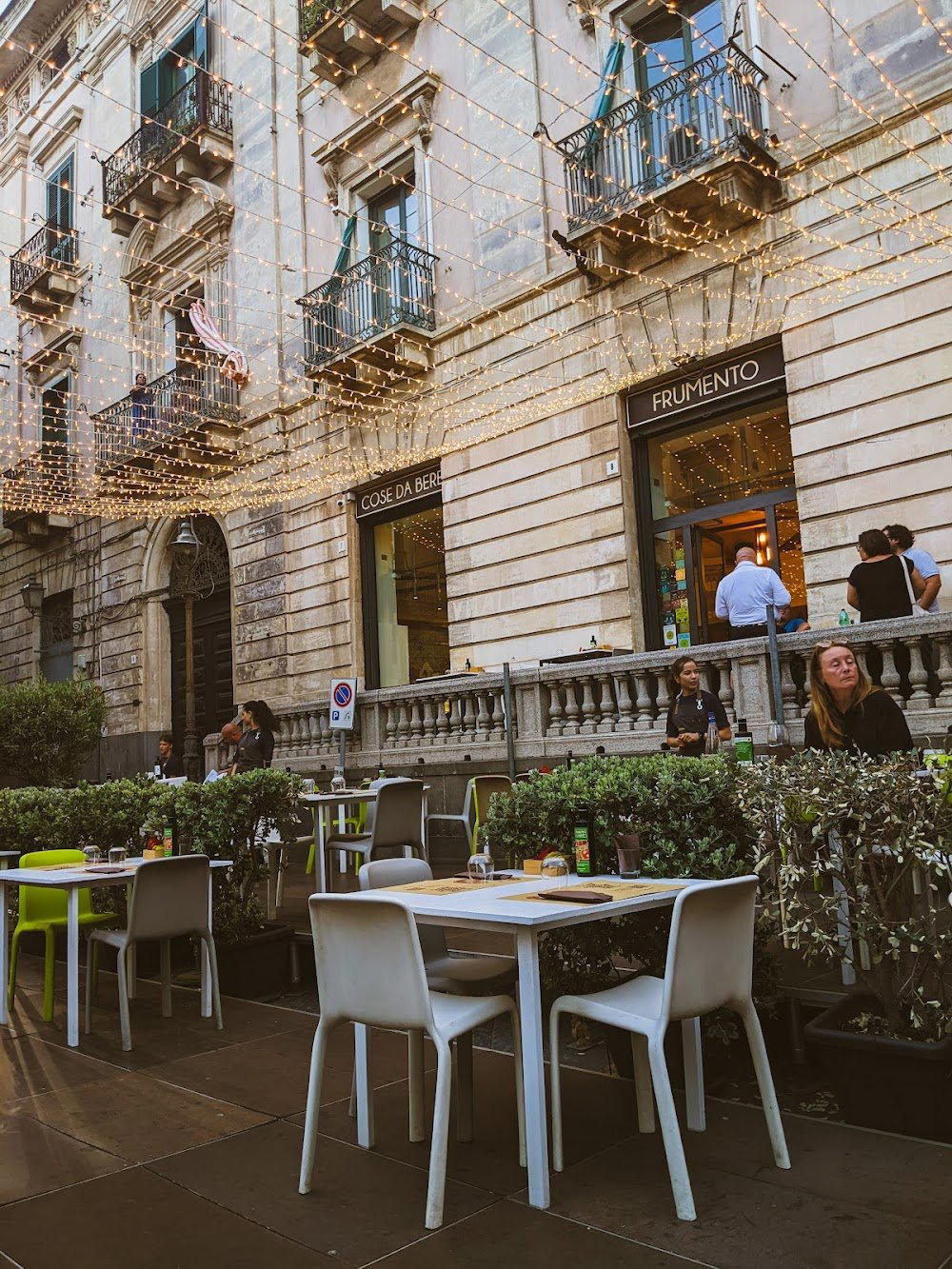
Founded in 2015 by Emanuele Serpa and Federica Lazzaro on Acireale's Piazza Mazzini, Frumento is the most purposeful pizza stop in the city: the light, long-fermented dough and zero-kilometer toppings make a clear case for booking. Easy to get into, priced accessibly, and better suited to relaxed groups or solo travellers than to formal occasions.
Framento
Cagliari, Italy
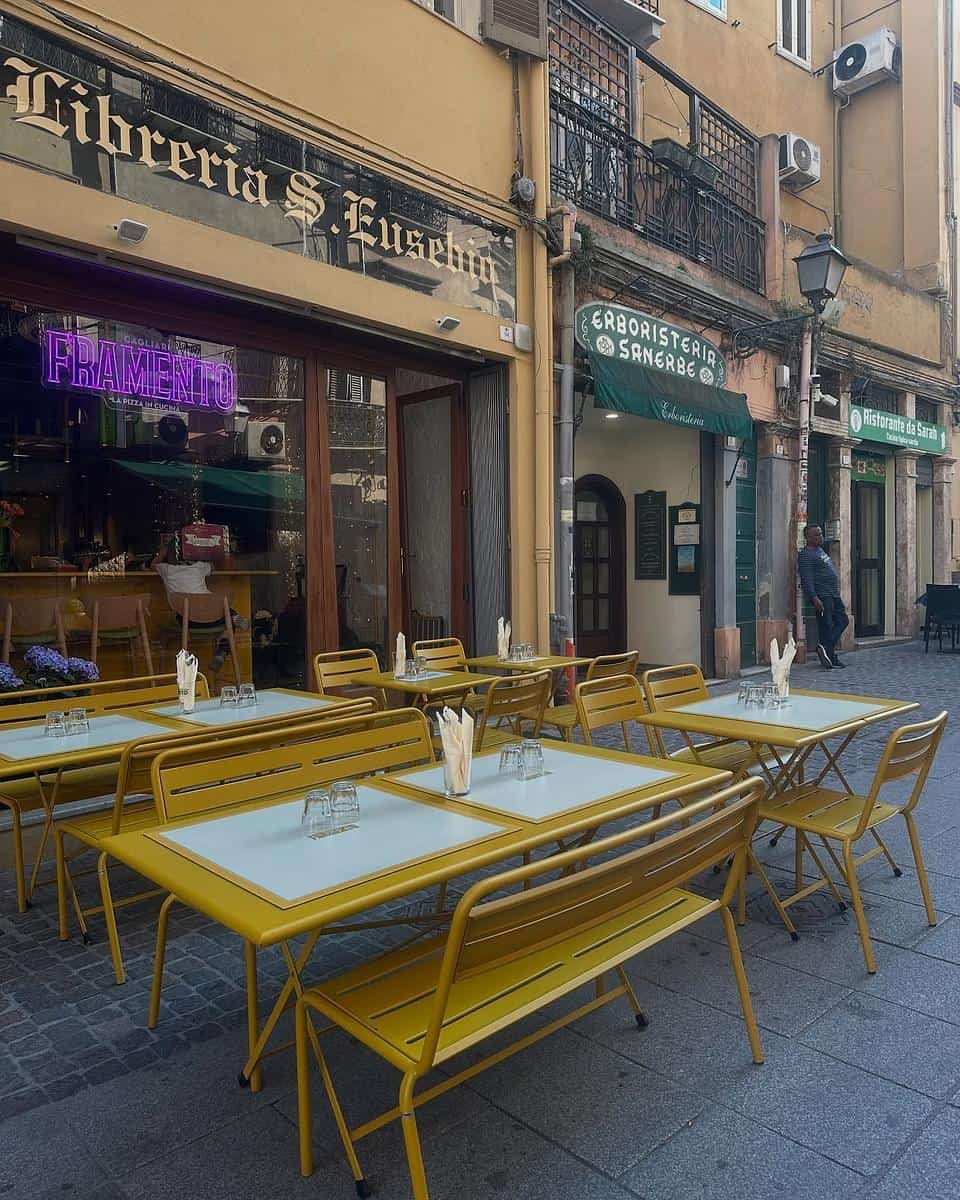
Framento holds 3 Spicchi from Gambero Rosso; a meaningful credential for a Cagliari pizzeria working with long-fermented, multi-flour dough and seasonal Sardinian ingredients. The booking is easy relative to the reputation, the atmosphere is convivial rather than formal, and the kitchen's commitment to local produce makes it the strongest pizza-focused choice in the city for food-focused visitors.
Archestrato di Gela
Palermo, Italy
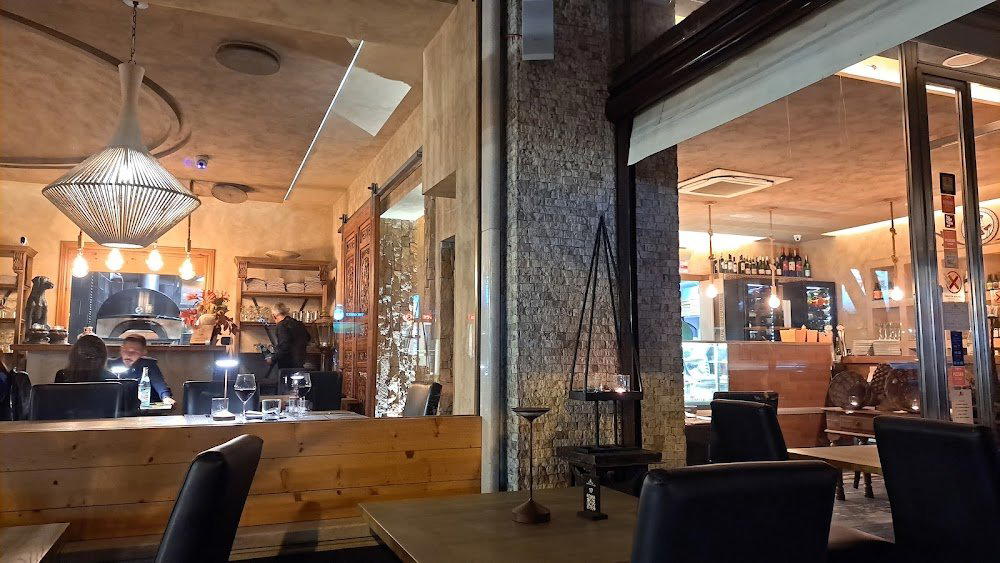
Archestrato di Gela is Palermo’s most consistently recognised contemporary pizzeria, with repeat placement on the 50 Top Pizza list under Pierangelo Chifari. Its digestible, ingredient-led pizzas are made for diners who care about technique as much as flavour. For a food-focused traveller, this is Palermo’s clearest serious-pizza address.
Sa Scolla
Cagliari, Italy
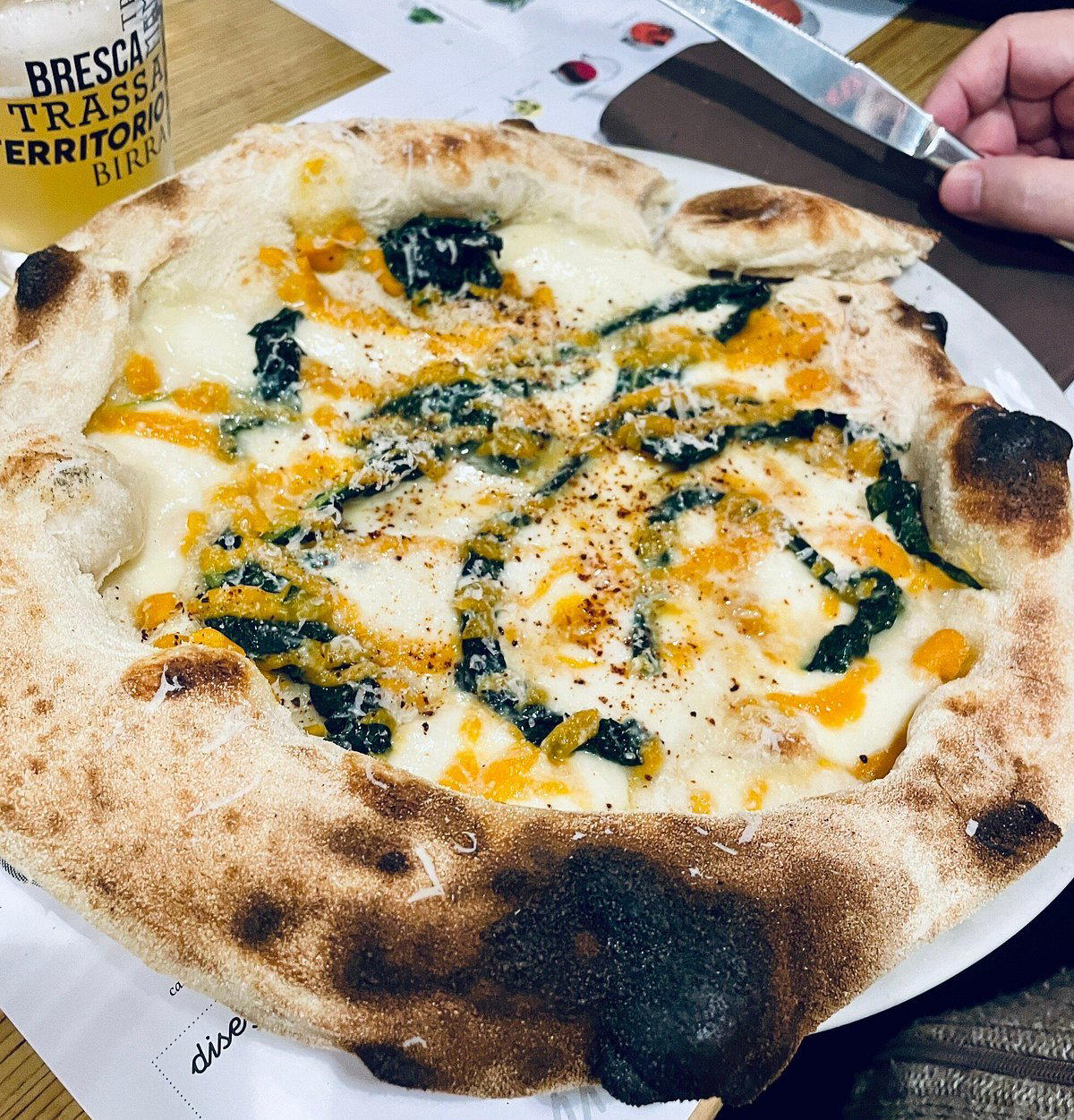
Sa Scolla is a pizzeria and country cuisine restaurant outside Cagliari's centre, built around long-leavening techniques and seasonal ingredients. The informal lounge setting suits an unhurried lunch or early dinner with a local crowd. Easy to book, and a practical choice for food-focused visitors who want honest cooking away from the tourist belt.
Fuori Tempo
Canale, Italy
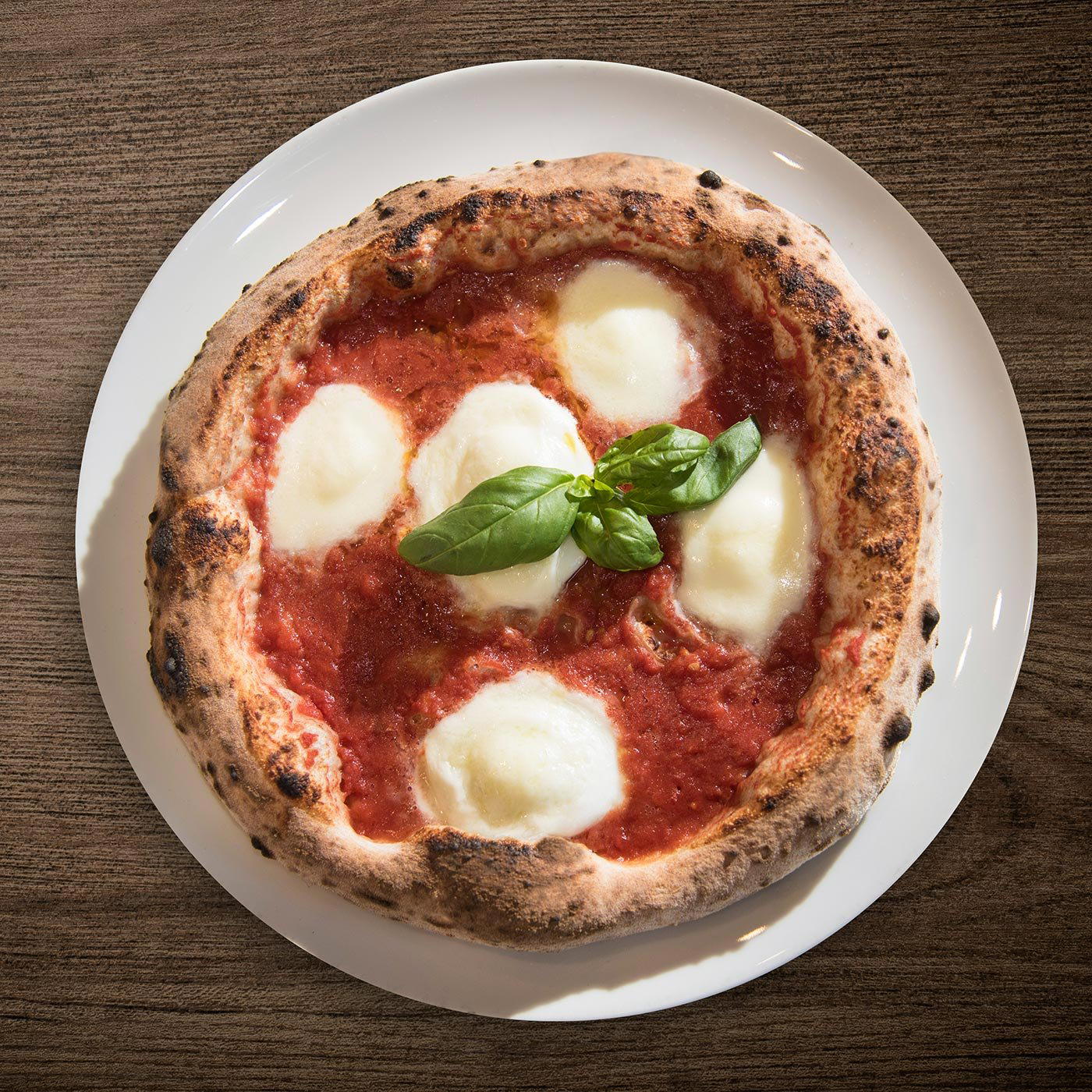
Fuori Tempo in Canale runs two pizza formats side by side; classic Neapolitan from a wood-fired oven and a gourmet contemporary line; both built on unrefined flours and long fermentation. It delivers a level of dough discipline unusual for a small-town pizzeria in the Langhe and Roero. Book a table; walk-in is easier on weeknights outside peak autumn season.
Don Antonio 1970
Salerno, Italy
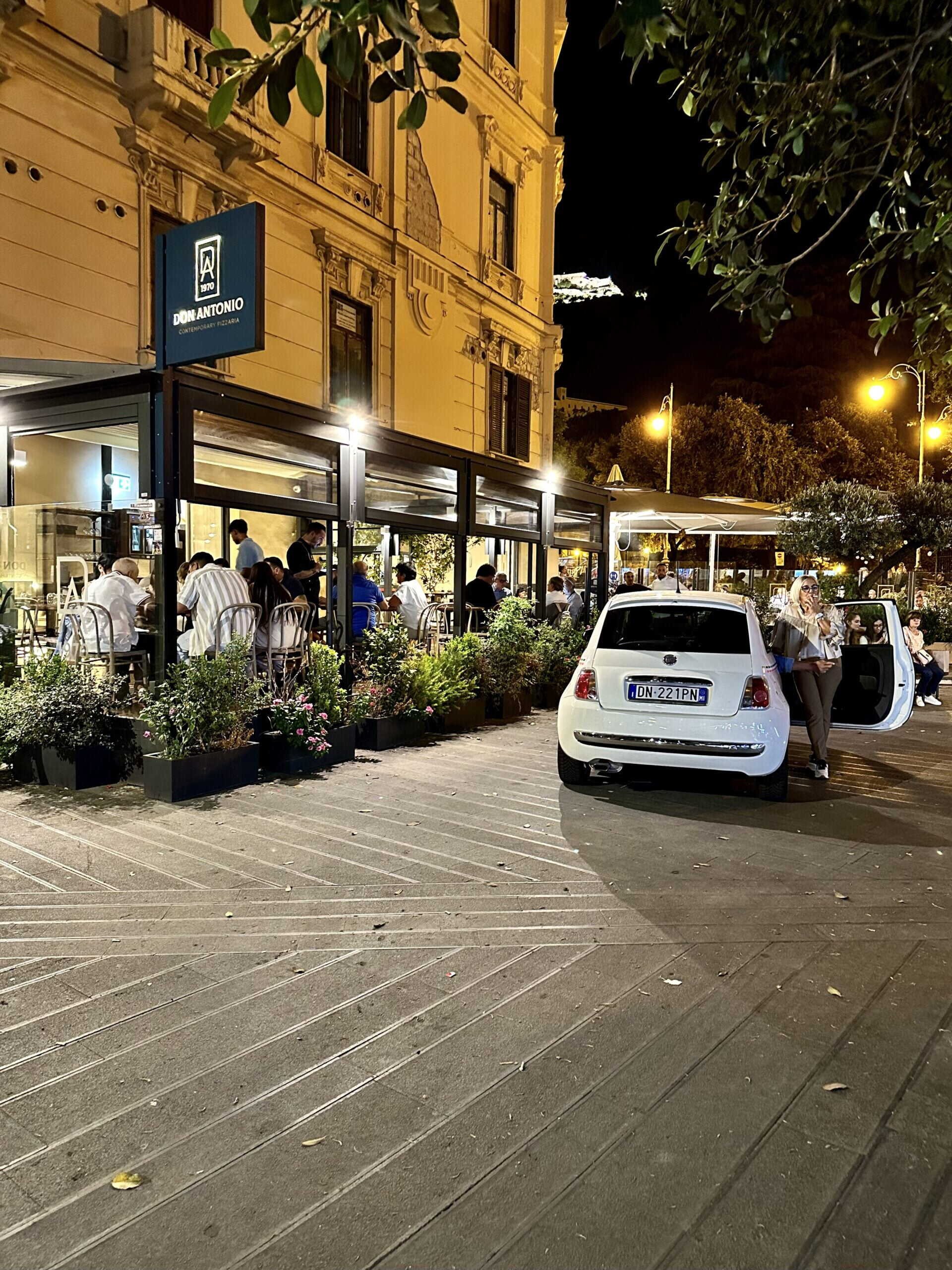
A Salerno waterfront pizzeria with more than fifty years of Neapolitan tradition behind it, Don Antonio 1970 is the focused choice for serious pizza in the city. The sea-view address on Via Molo Manfredi adds real value, and current custodian Fabio maintains the sourcing standards the original reputation was built on. Book here before the Amalfi Coast for better value and less competition for tables.
Angelo Pezzella – Pizzeria con Cucina
Rome, Italy
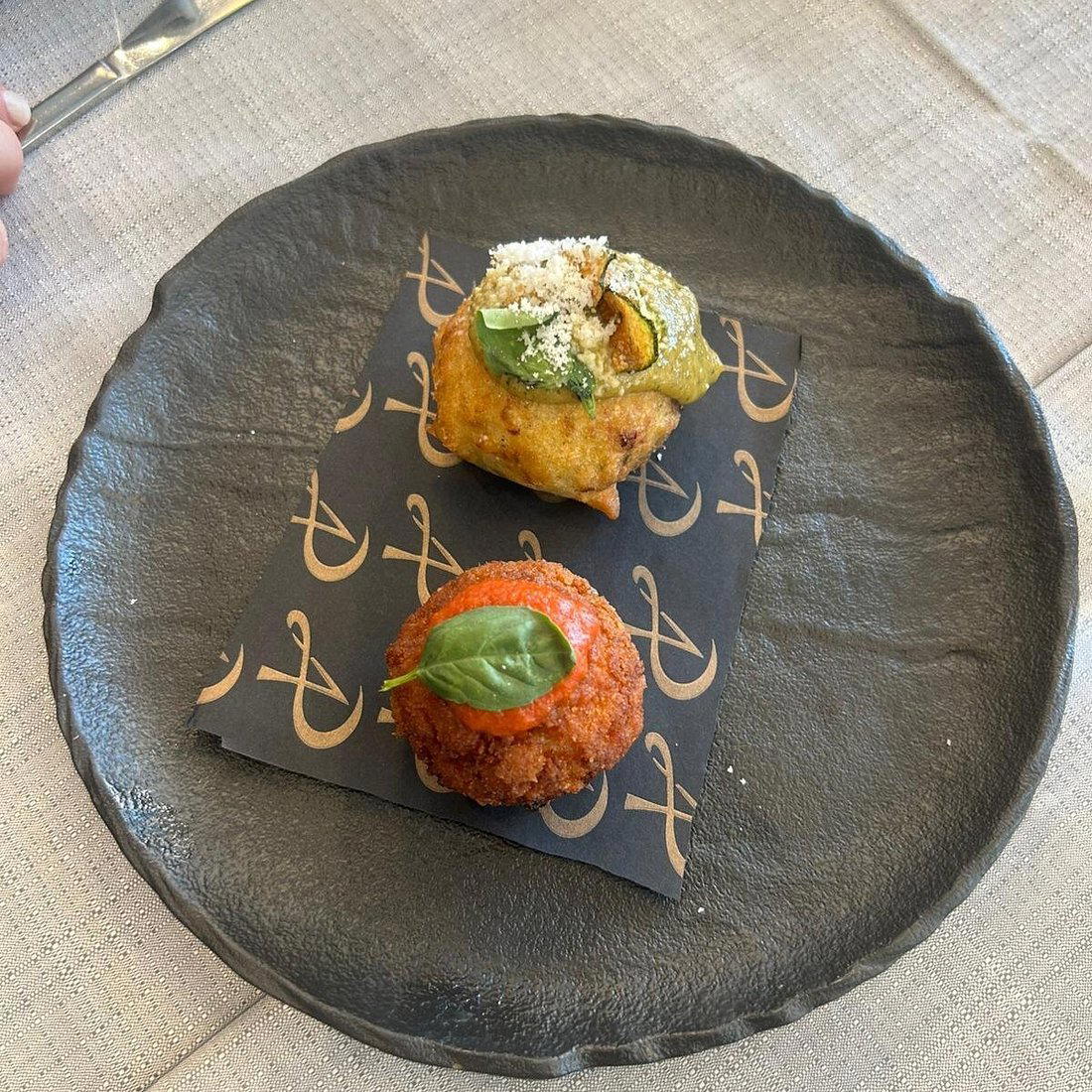
Angelo Pezzella in Rome's Capannelle district is the right choice for serious Neapolitan pizza away from the tourist center: classic pies, fried pizza, and panuozzi in a spacious room with a local following. Booking is easy, the format is casual, and it covers ground that most Roman pizzerias do not. Not a fine-dining destination, but a well-executed one for what it does.
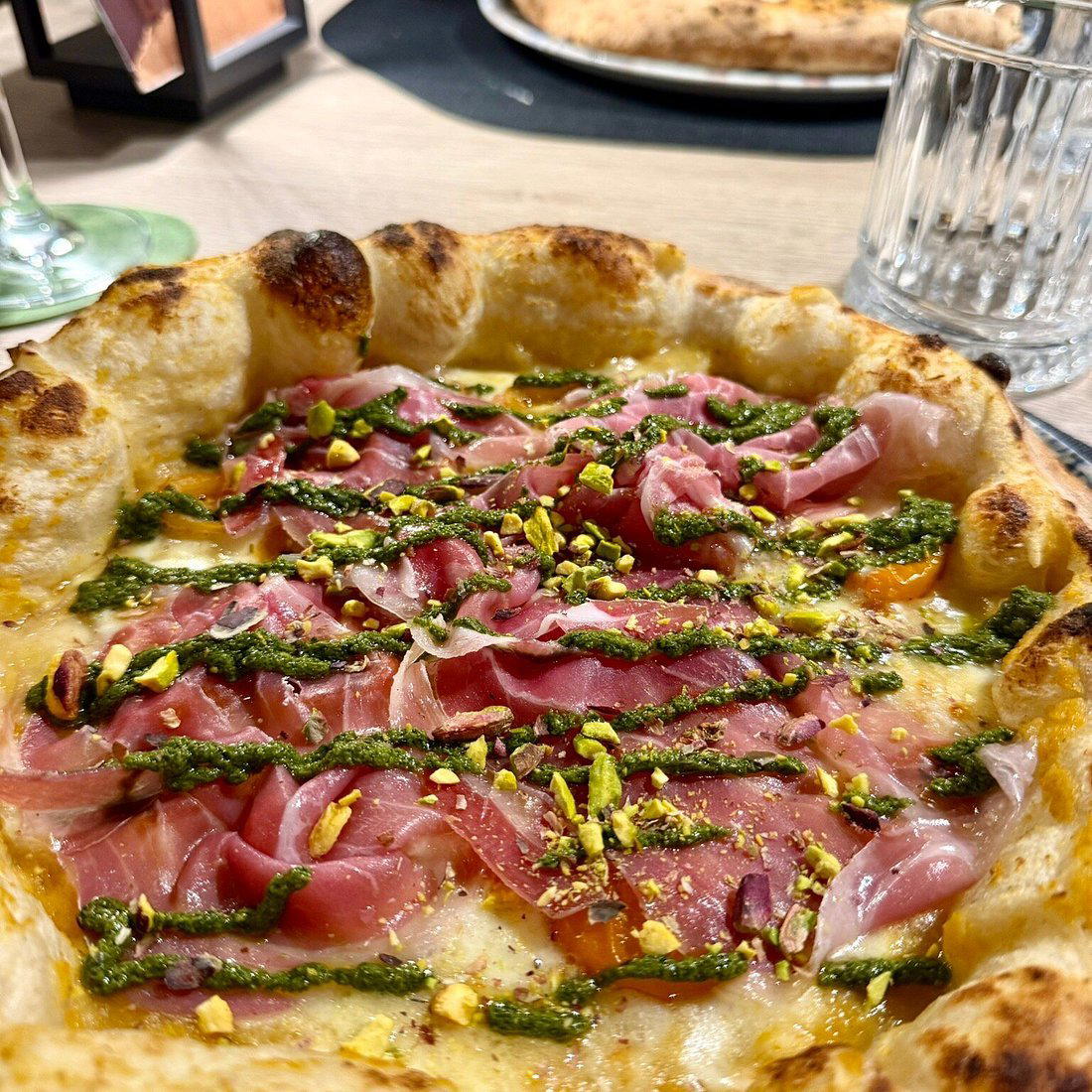
AMMODO - La pizza di Daniele Vaccarella
Palermo, Italy
Daniele Vaccarella's AMMODO is a Palermo pizzeria built on forty years of dough work, with pre-ferment and sourdough technique at the centre of everything. Easy to book but worth planning for: this is craft-focused pizza for diners who want to taste the difference fermentation makes, not a tourist-friendly trattoria. Verify hours and pricing directly before visiting.
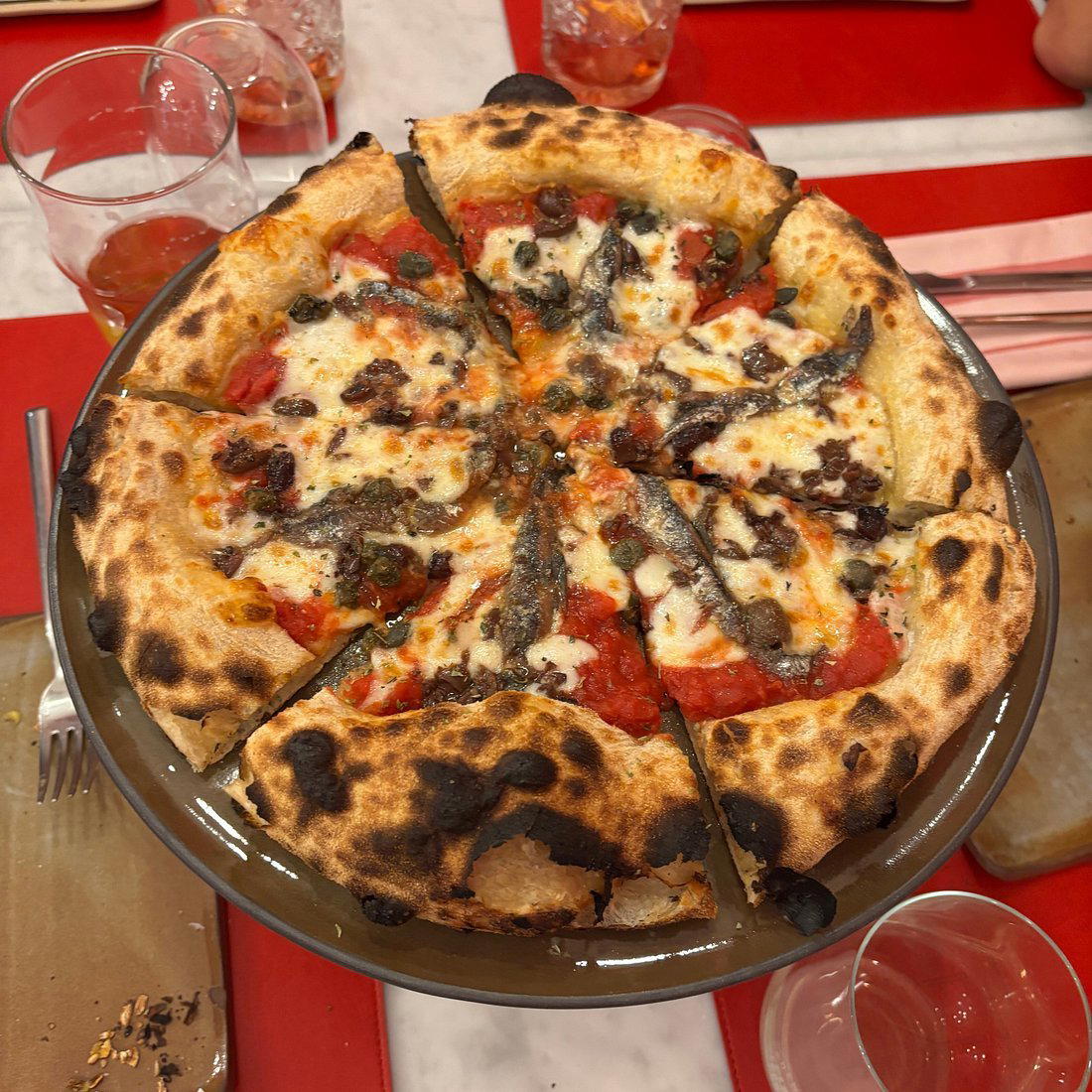
Premiata Fabbrica Pizza
Bassano del Grappa, Italy
Premiata Fabbrica Pizza in Bassano del Grappa takes its sourcing seriously: Petra stone-ground flour, mother yeast and no-added-yeast dough options, and Slow Food-certified seasonal ingredients define what arrives on your plate. The Ponte Vecchio view is a bonus. Book here if ingredient provenance matters to you and you want a well-made pizza without a fine dining price tag.
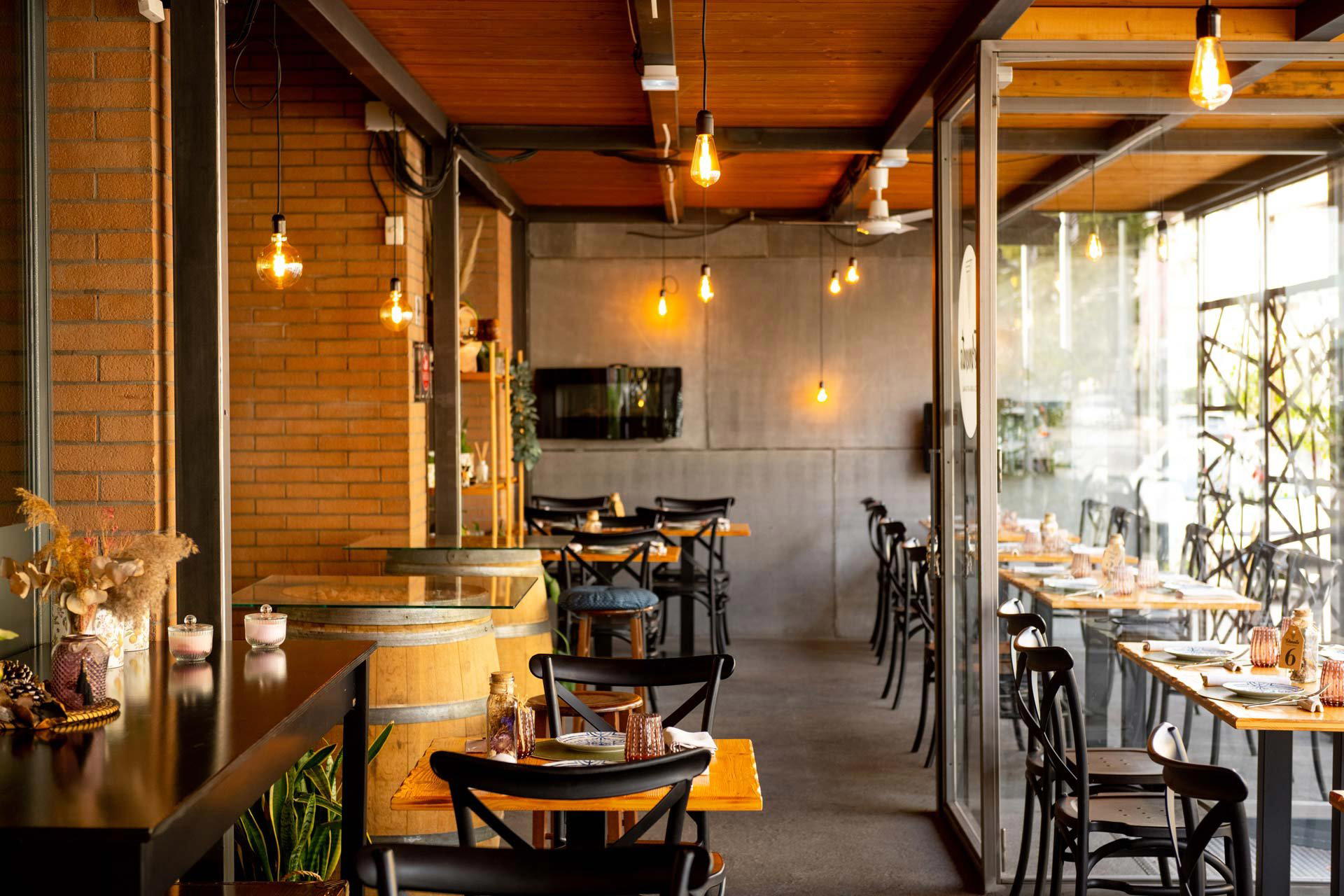
Fermenta Pizzeria Gourmet
Chieti, Italy
Fermenta Pizzeria Gourmet in Chieti Scalo is the right call if you want gourmet pizza taken seriously in a room with real wine expertise. Built by pizzaiolo Luca Cornacchia and wine specialist Giorgia Santuccione, the considered vintage space suits couples and small groups more than quick dinners. Easy to book, and a strong option for a special occasion in Abruzzo.
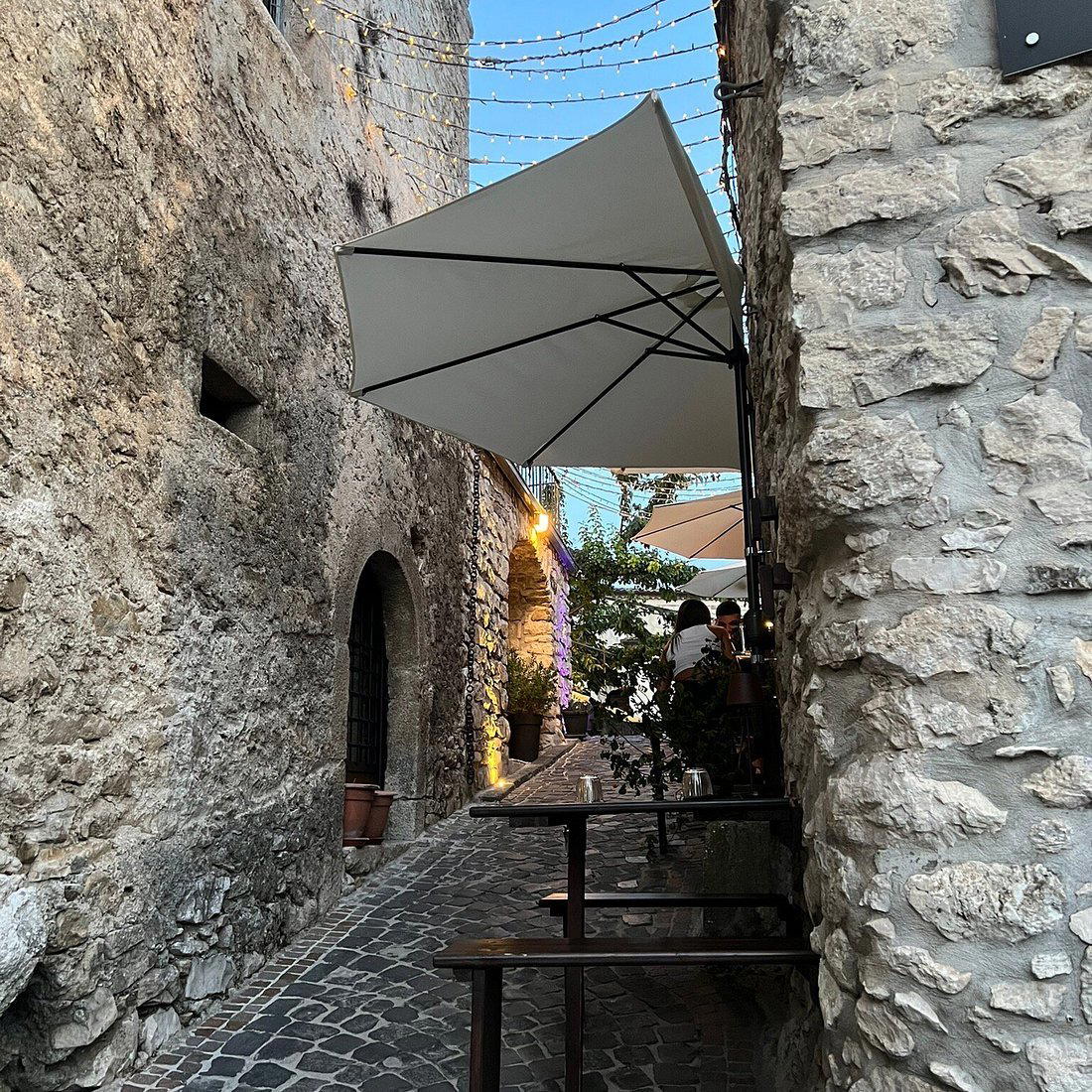
Bas & Co
Pesche, Italy
Bas & Co makes a strong case that serious pizza research does not begin and end in Naples. Set inside the stone buildings of Pesche in Molise, it combines light, seasonal-ingredient-driven doughs with an unusually strong wine program for the format. The right booking for a date night or a small celebration in one of Italy's most underrated regions.
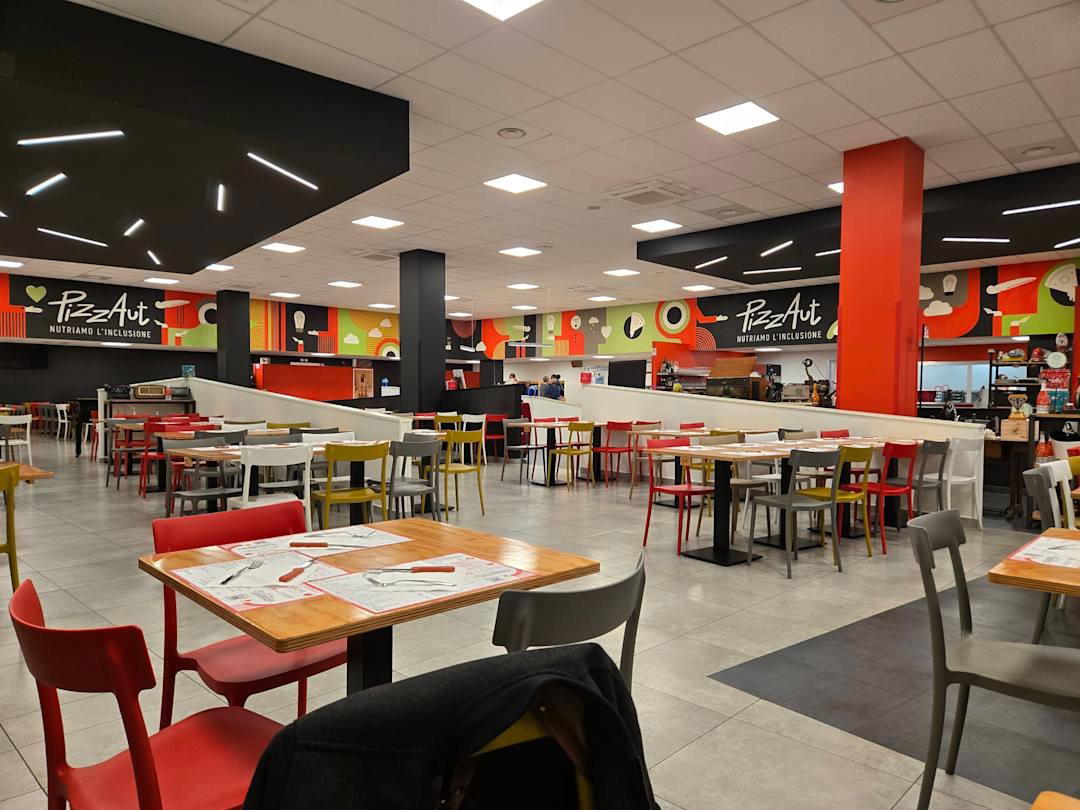
PizzAut Monza
Monza, Italy
PizzAut Monza is a social enterprise pizzeria on Via Philips where young people with autism lead the service, and the kitchen earns its visit on food merit alone: Pala-style pizzas built on a 72-hour fermented dough with quality-selected toppings. Book here for a purposeful, welcoming lunch with genuine technical craft behind it; not for fine dining or special occasion dinners.
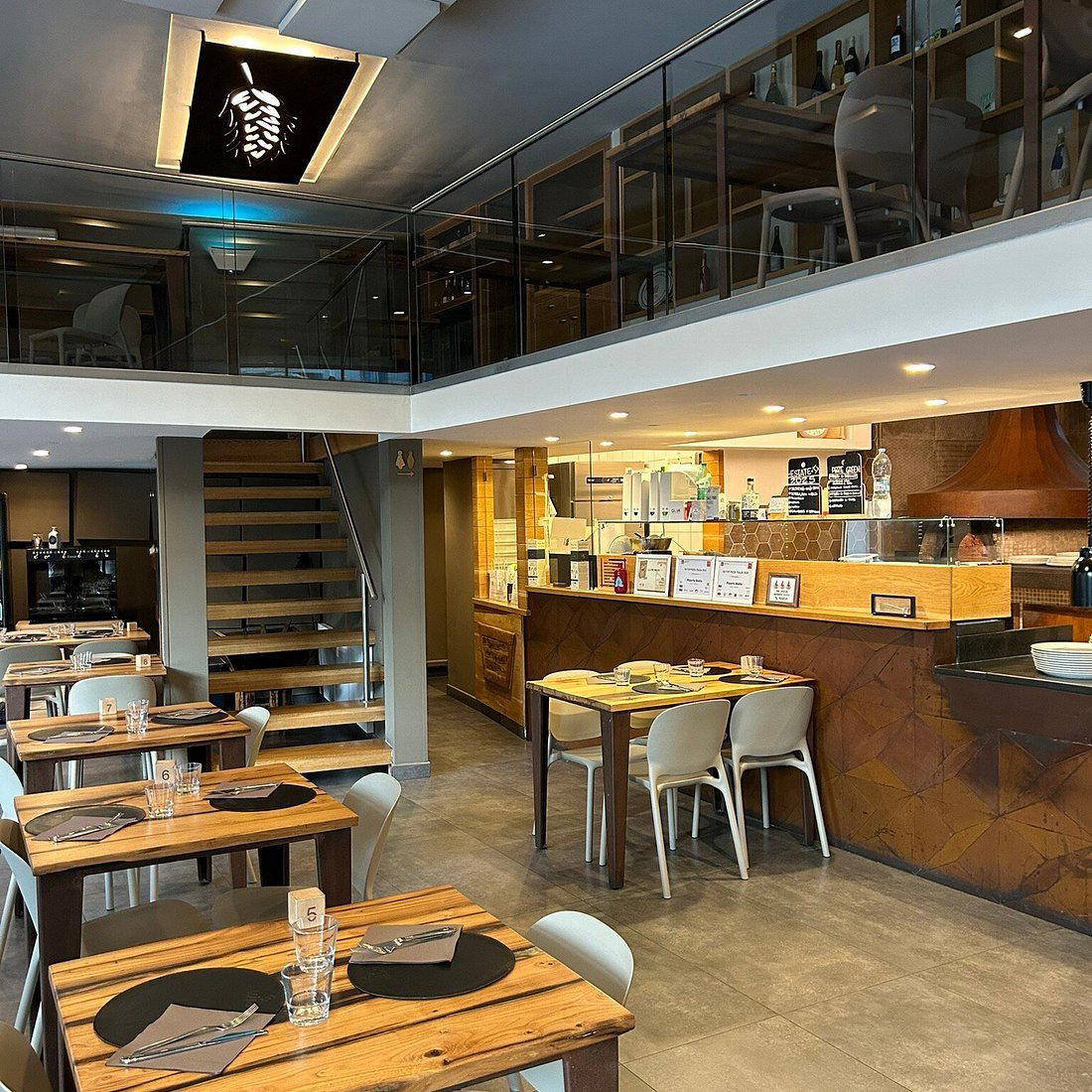
Màdia
Salerno, Italy
Màdia is a Neapolitan-style pizzeria in Salerno's Irno Center that delivers dough craftsmanship and quality local ingredients well above its price tier. Easy to book, spacious, and consistently good value; order the Scarola Infornata. The right call when you want serious pizza in Salerno without the formality or spend of the city's higher-end restaurants.
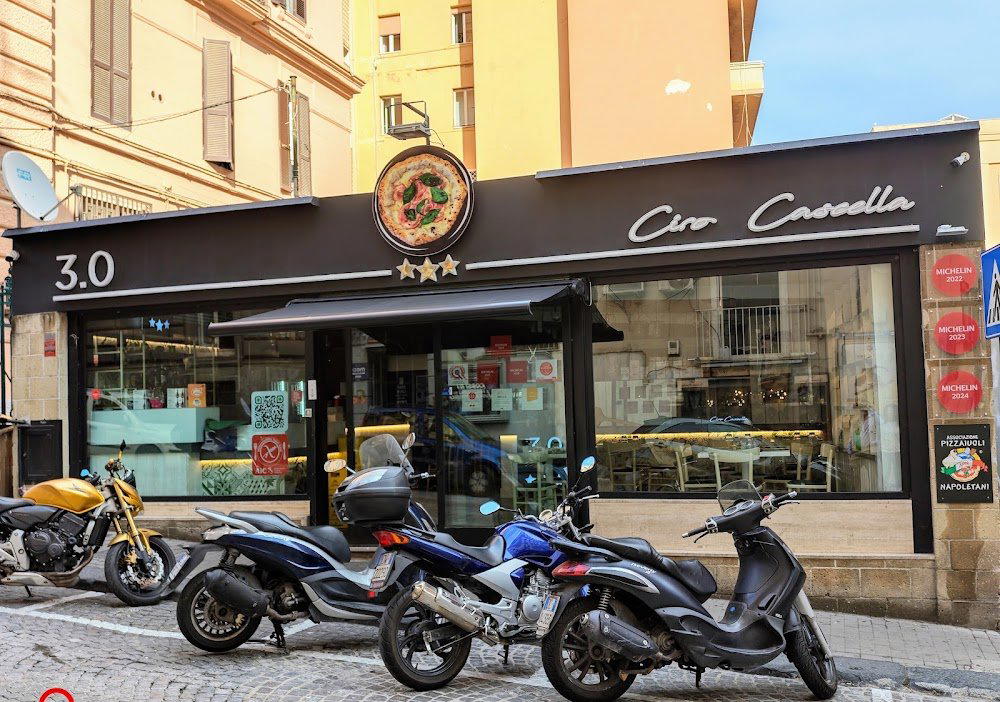
Ciro Cascella 3.0
Naples, Italy
Ciro Cascella 3.0 earns Michelin Plate recognition in 2024 and 2025 for its "impasto 3.0" method: a long-fermented, highly digestible dough with a pronounced crust that sets it apart in Naples' competitive pizza field. Located in the Chiaia district, it is easy to book, offers gluten-free and alternative-flour options, and sources toppings from Campanian producers. The right table for food-curious travellers who want technical depth without starred-restaurant pricing.
Pizzeria Gorizia 1916
Naples, Italy
Pizzeria Gorizia 1916 has been making traditional Neapolitan pizza in the Vomero district since, as the name states, 1916. It is an easy booking, reasonably priced, and more local-facing than the high-traffic pizzerias in the centro storico. For food-focused travellers who want depth of context alongside quality pizza, it is the more grounded choice over Gino Sorbillo or the tourist-corridor alternatives.
Extremis
Rome, Italy
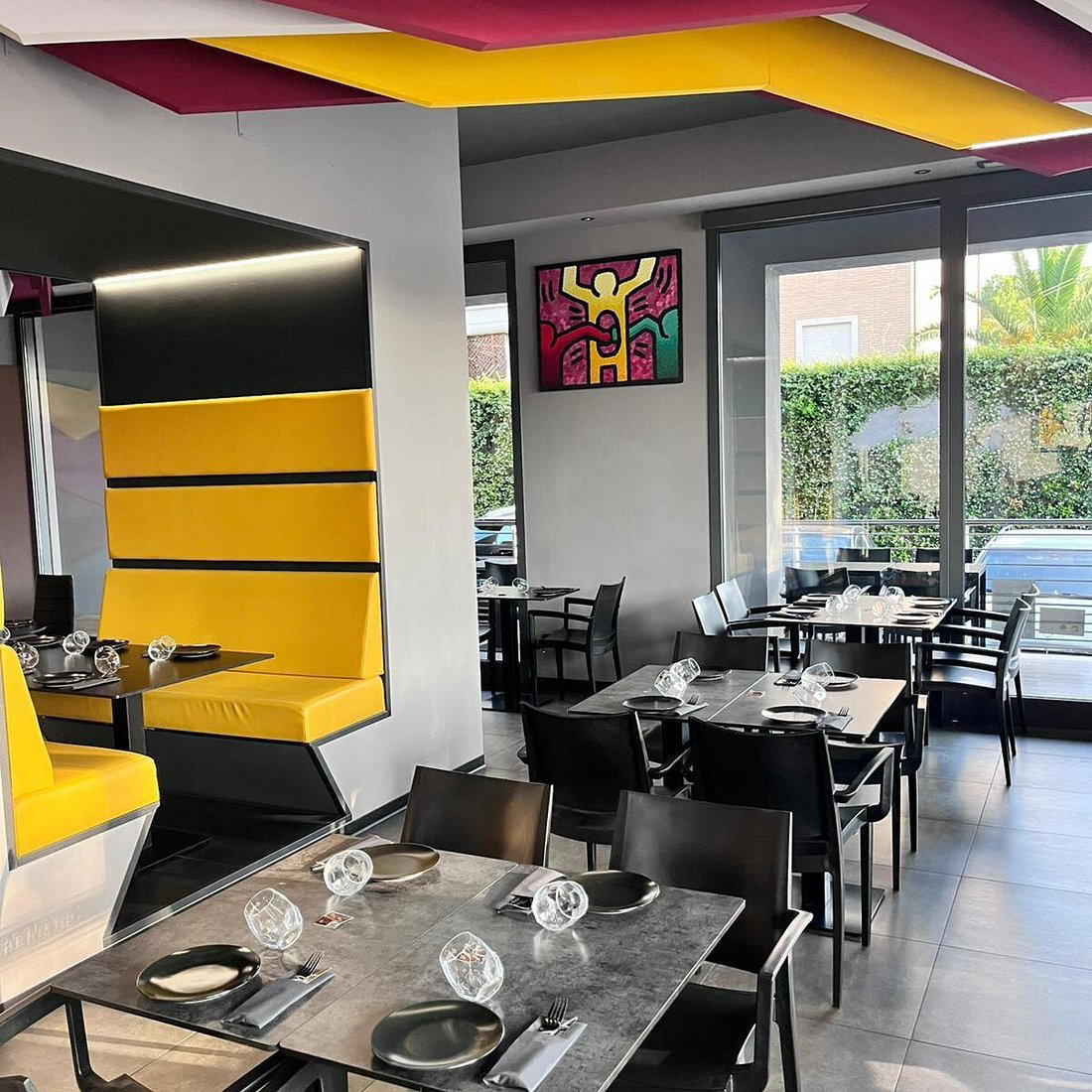
Extremis makes a case for innovative, ingredient-led pizza in Rome's outer residential zone; a deliberate departure from the city's traditional pizza canon. Booking is easy and the venue suits food-focused groups willing to travel beyond the centre. Worth it if you want a kitchen with a sourcing philosophy; skip it if convenience or classic Roman pizza is the priority.
Pizzeria Da Ezio
Alano di Piave, Italy
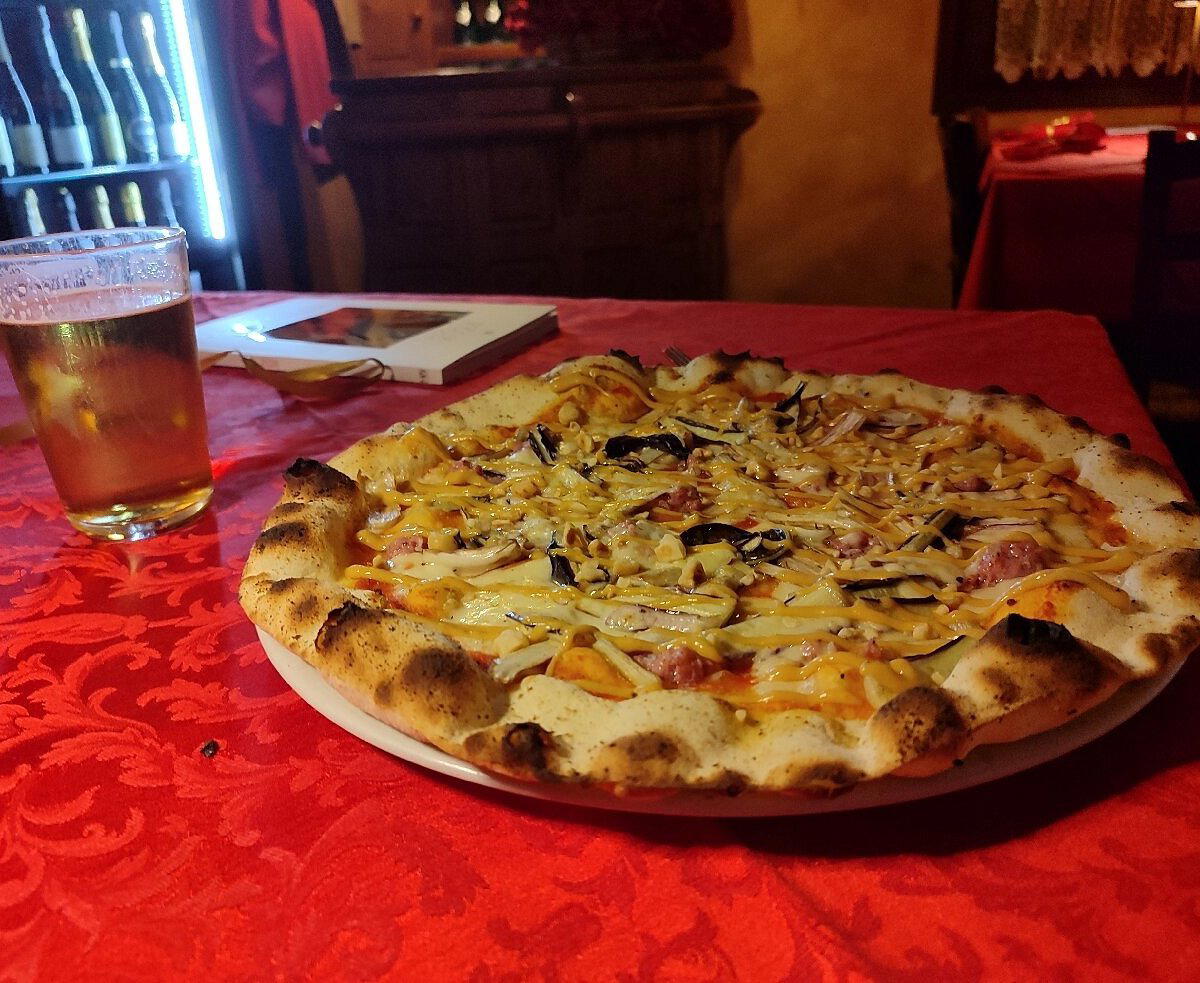
Pizzeria Da Ezio in Alano di Piave has been running since 1977, now led by Denis Lovatel, whose "Impasto Crunch" dough and mountain-sourced ingredients have earned the pizzeria national attention. It's the right stop for food travelers routing through the Dolomites or Prosecco Road who want serious craft in a casual, affordable format; book a few days ahead on weekends.
Pizzarè
Rizziconi, Italy
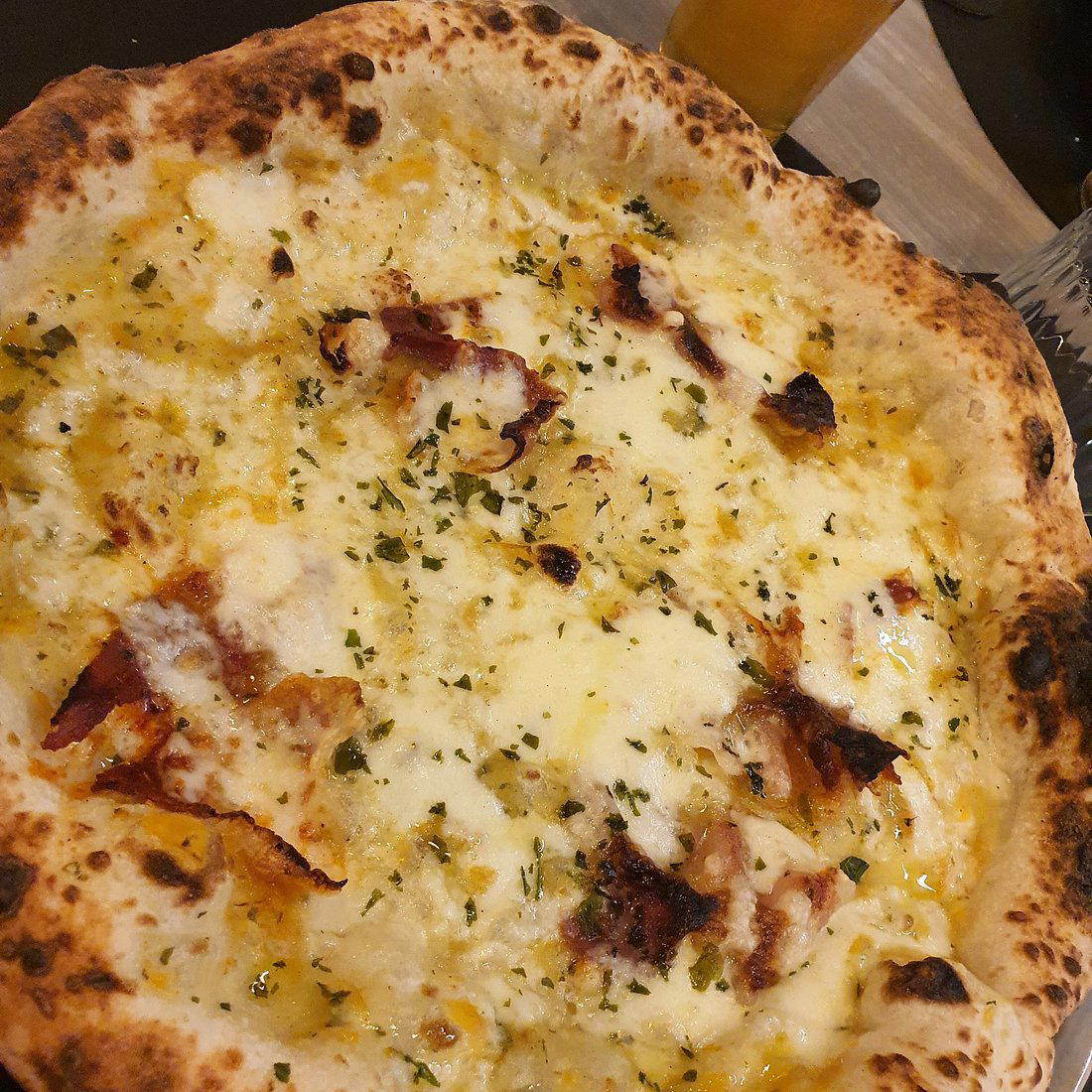
Pizzarè has been making naturally leavened Neapolitan pizza in Rizziconi since 2013, with a margherita built on San Marzano DOP tomatoes and proper mozzarella. It is the clearest casual dining option in town; easy to book, affordable, and consistent. Go at lunch for the quickest, most straightforward experience.
PiGreco Pizzeria
Volla, Italy
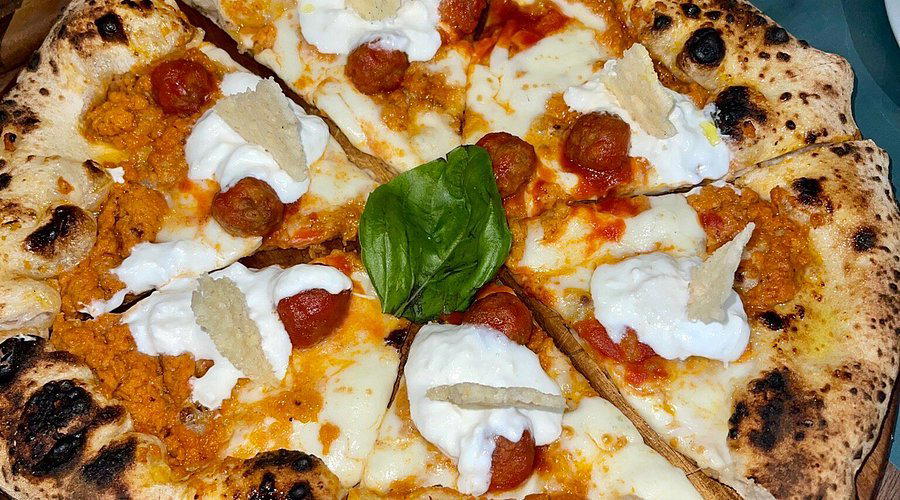
PiGreco Pizzeria in Volla earns a visit for anyone interested in what a technically serious pizzeria looks like when it applies precision to pan formats and seasonal creativity. The signature Margherita Campioni d'Italia, made with triple cooking and buffalo mozzarella, is the dish to start. Booking is easy, pricing is expected to be accessible, and repeat visits are rewarded by a menu that shifts with the seasons.
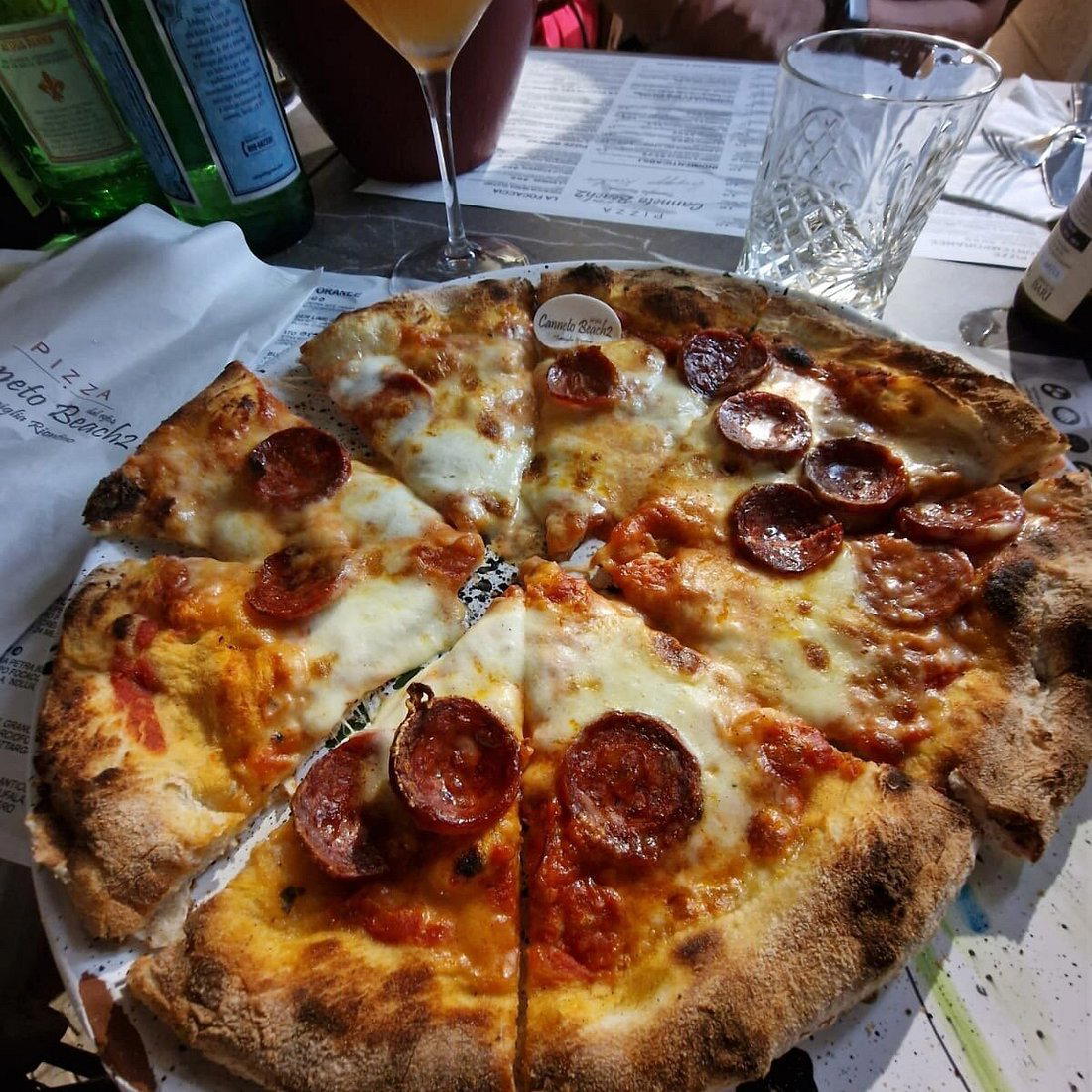
Pizza Canneto Beach 2
Margherita di Savoia, Italy
Pizza Canneto Beach 2 holds 3 Spicchi and a Best Service award from Gambero Rosso; strong credentials for a waterfront pizzeria in Margherita di Savoia. Pizzaiolo Giuseppe Riontino builds the menu around long-leavened dough and seasonal Apulian ingredients, so timing your visit matters. Easy to book, relaxed in tone, and a practical choice for a special occasion without the formality of a tasting-menu restaurant.
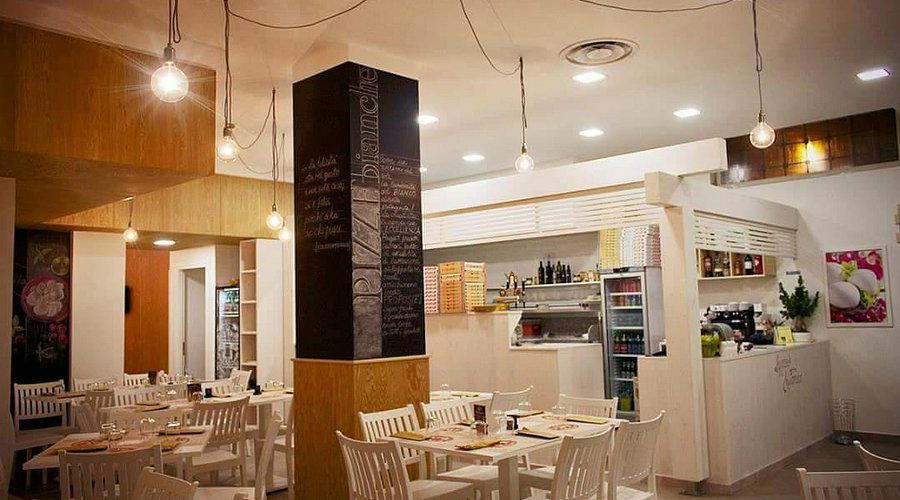
Luppolo & Farina
Latiano, Italy
A casual, craft-focused pizzeria in Latiano's Brindisi province, Luppolo & Farina takes its dough and sourcing seriously, drawing on both Puglian and Campanian ingredients. Easy to book and locally priced, it's a practical stop for travellers moving through the Salento hinterland. Not a destination in itself, but a solid choice when you're already in the area.
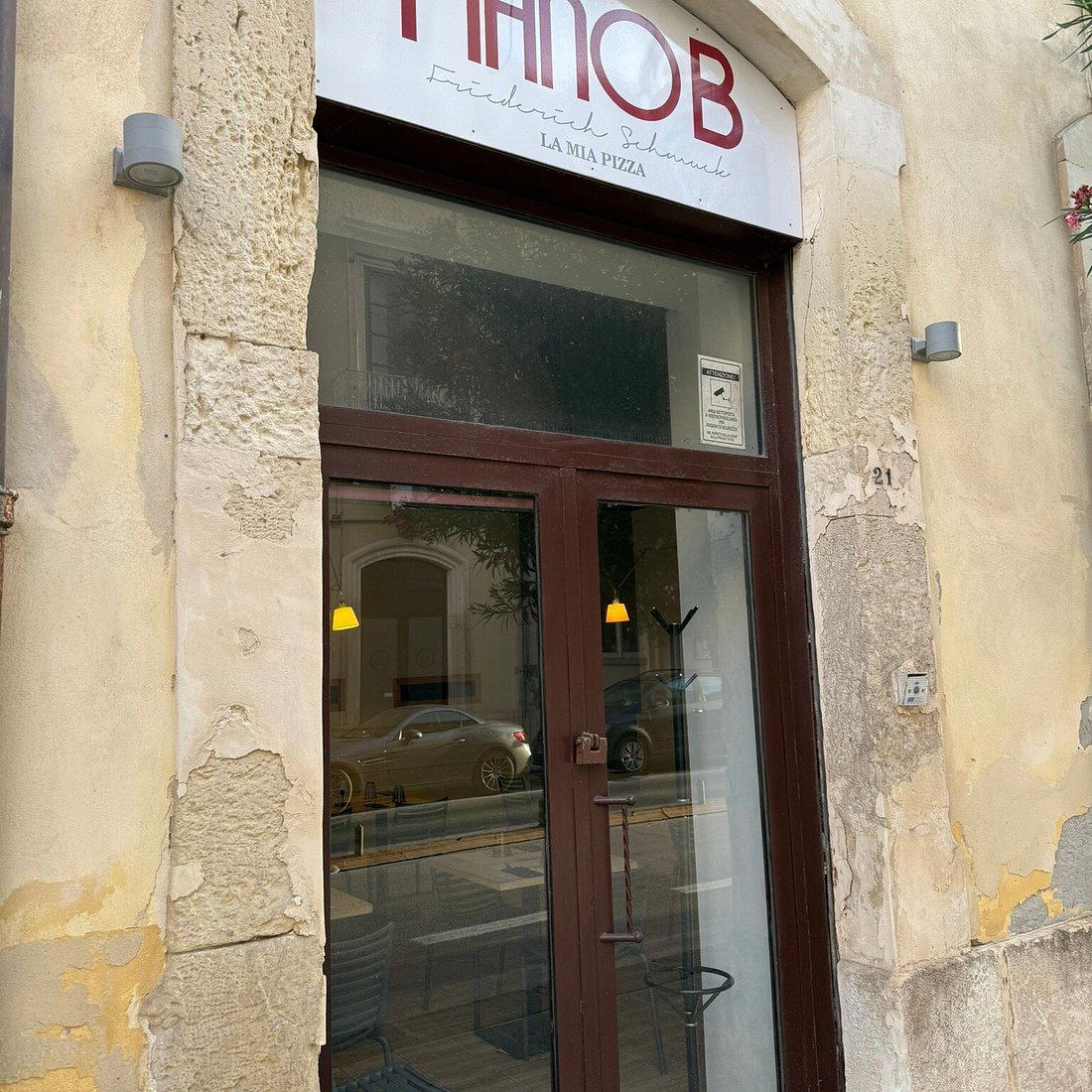
Piano B
Siracusa, Italy
Piano B holds a Tre Spicchi rating from Gambero Rosso and an L'Espresso award as one of Italy's best pizzerias. Located near Ortigia in Siracusa, it builds its case on pizza made with organic Sicilian ancient grain flours. Easy to book; two to three days ahead in season; and strong value relative to the recognition level. The counter is the right seat for food-focused diners.
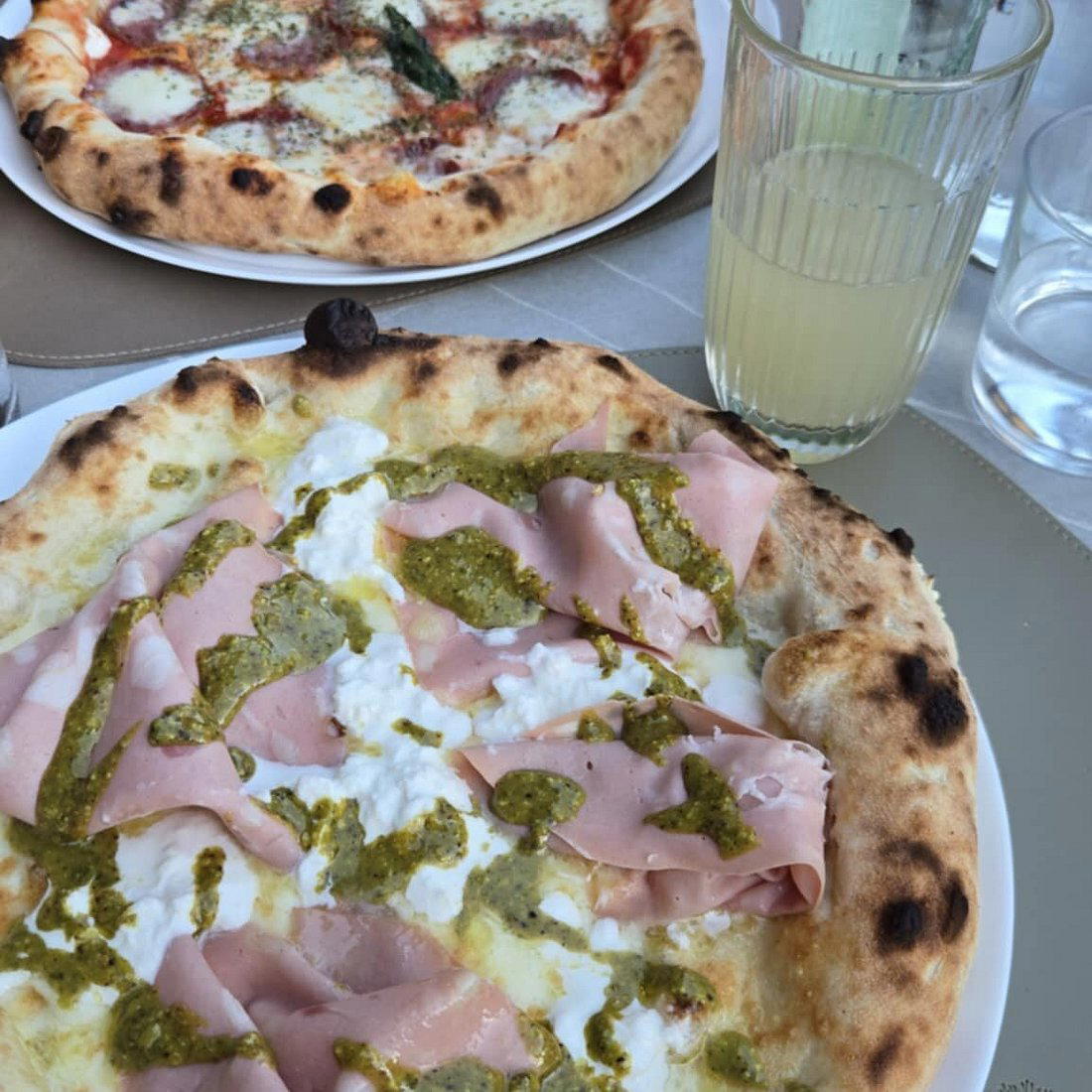
Fiore Di Latte
Baveno, Italy
Fiore di Latte in Baveno makes Neapolitan-style pizza with genuine Campanian sourcing; datterini tomatoes, fior di latte from Agerola, buffalo mozzarella; that puts it well above the tourist-facing average around Lake Maggiore. The rotating seasonal toppings give returning visitors a reason to come back. Easy to book, casual in feel, and worth a stop if you're in the area.
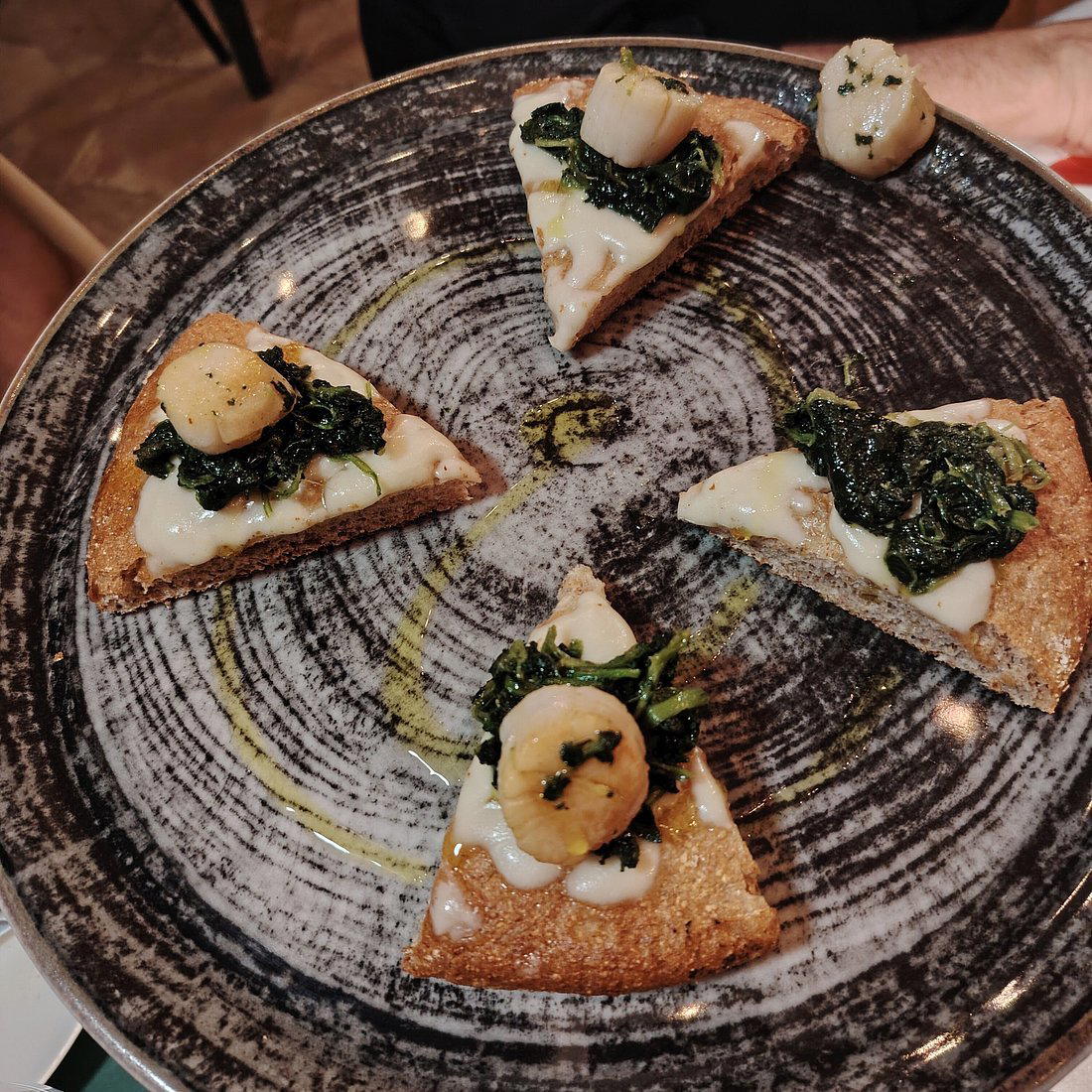
Claudio Alvicolo
Orvieto, Italy
Claudio Alvicolo is the most technically serious pizza address in Orvieto, built around high-hydration doughs, steam baking, and unconventional flour blends by Claudio Delli Poggi. The intimate room, attentive service, and ample wine list make it worth booking for both lunch and dinner. Easy to reserve, and a clear first choice when you want something beyond standard Italian pizza in Umbria.
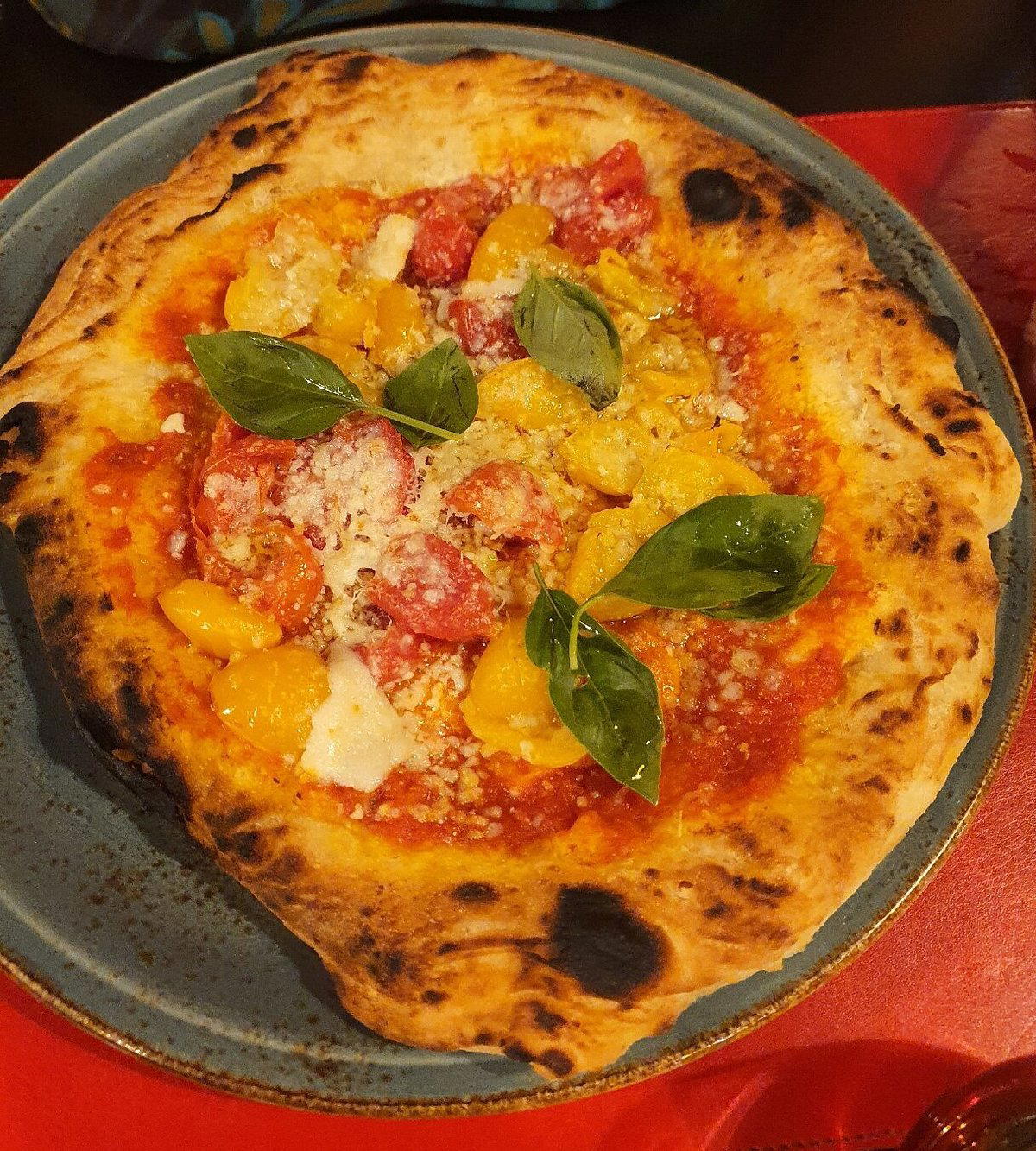
Luigi Cippitelli Pizzeria
San Giuseppe Vesuviano, Italy
Luigi Cippitelli Pizzeria in San Giuseppe Vesuviano is a neighbourhood pizza stop worth making if you are in the Vesuvius area and want the real thing: soft, digestible dough and quality local Campanian ingredients without the tourist markup. Booking is easy, the setting is informal, and it holds its own as a practical detour off the Circumvesuviana line.
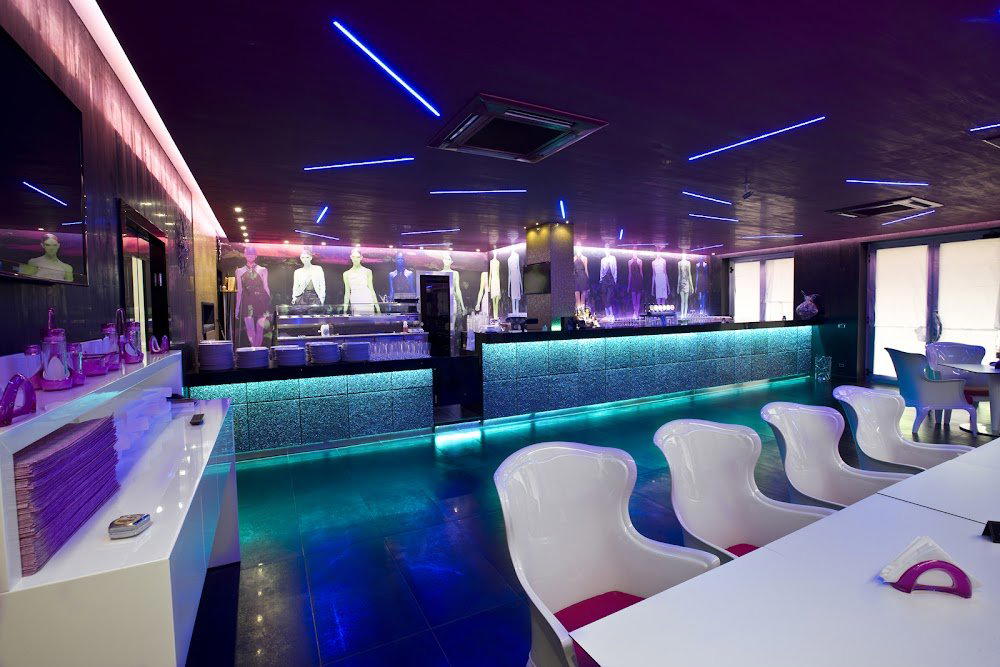
Glamour – Antonello Scatorchia
Rionero in Vulture, Italy
Glamour brings genuine Neapolitan pizza technique to a small Basilicata town most food travellers overlook. The kitchen's commitment to long-maturation dough and local ingredients gives it a specific identity worth a detour if you are serious about pizza craft. Booking is easy, the format is relaxed, and the food is the whole point.
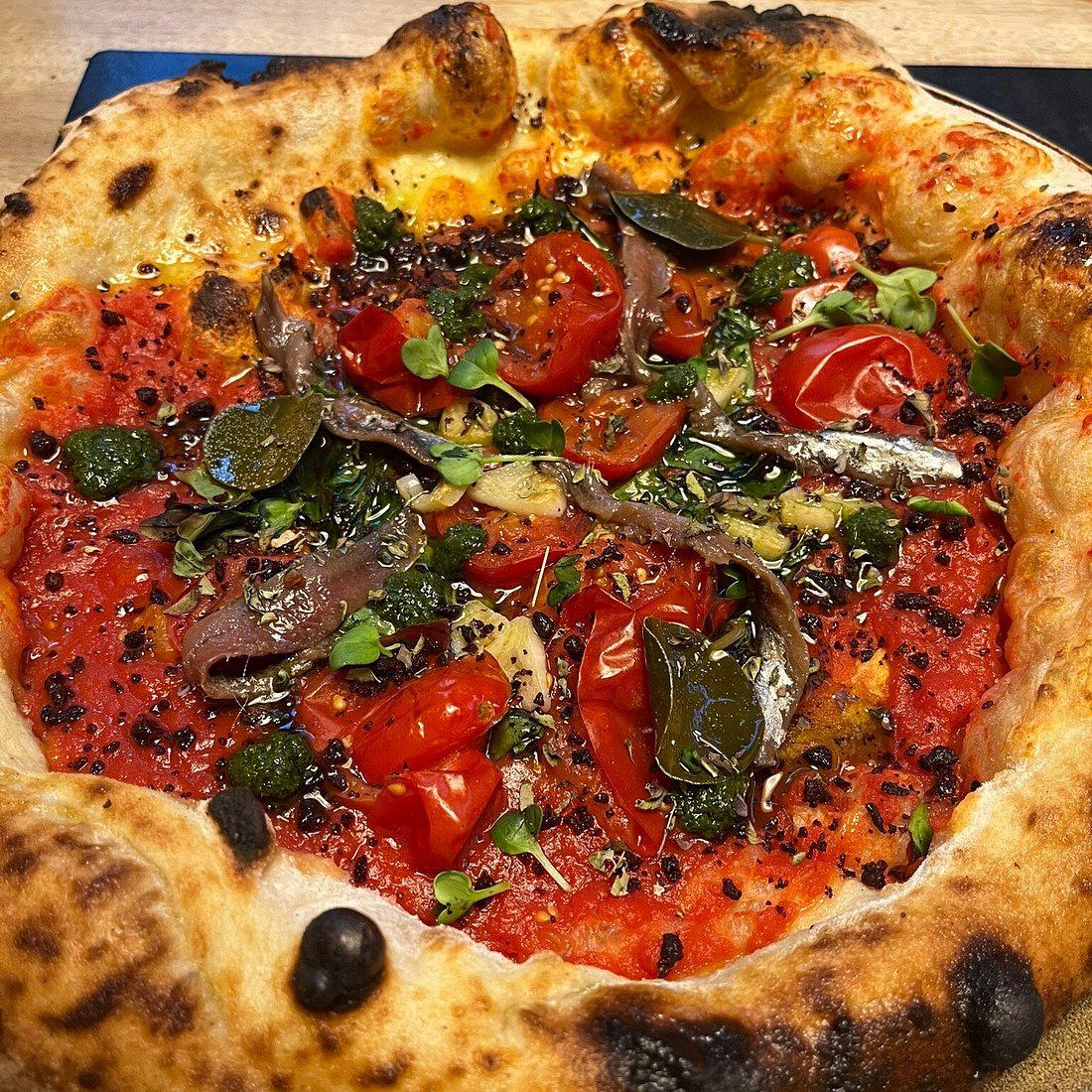
Cuore Napoletano
Marano Vicentino, Italy
Cuore Napoletano is a practical Marano Vicentino dinner pick when ease matters more than a splurge profile. Choose it for a low-risk local meal or casual repeat visit; for a clearer high-end Italian Contemporary or creative dining brief, compare La Favellina and Spinechile first.
Kilo
Imperia, Italy
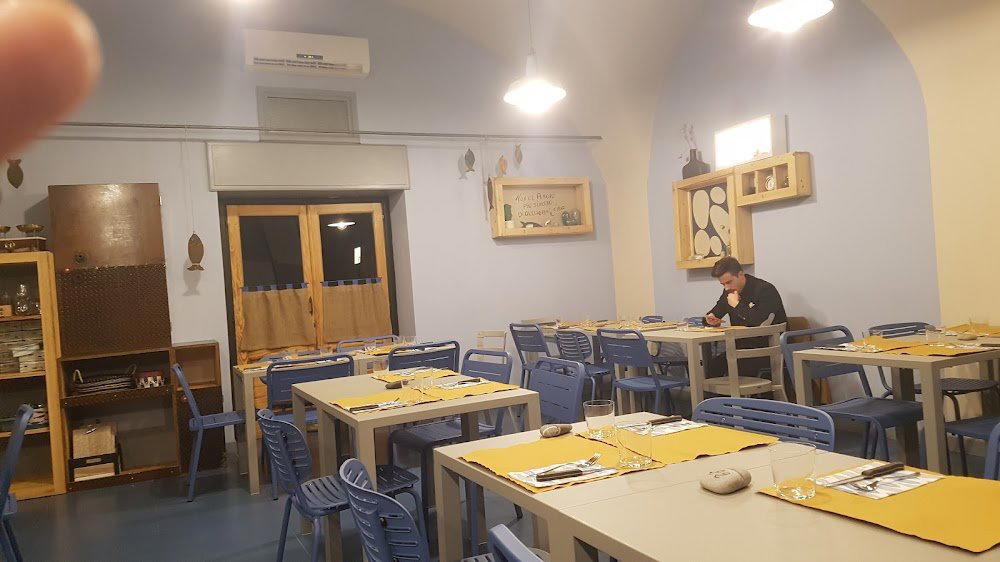
Kilo is the best reason to venture into Prino, Imperia's ancient fishing quarter, for a pizza that earns the detour. Chef Chieppa works a mixed-flour dough through careful leavening to produce a super-crispy base topped with first-choice local products. Casual booking, neighbourhood setting, and a seasonal approach to Ligurian ingredients make it a practical and worthwhile stop on the Ligurian coast.
Crunch!
Rome, Italy
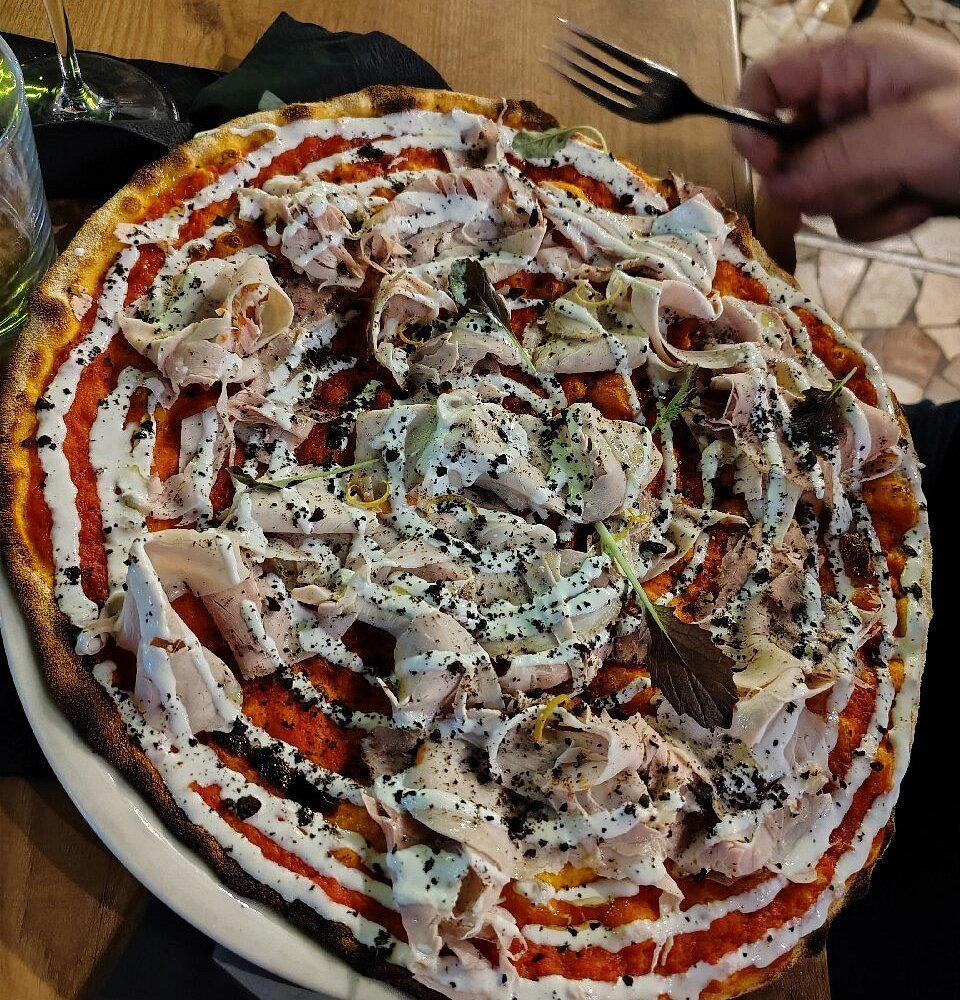
Crunch! is one of Rome's most serious pizza al taglio operations, ranked on the 50 Top Pizza Italia 2025 list and known for its deeply crunchy pan pizza base. No reservations needed; this is counter-service, walk-in, and built for anyone who wants to eat the way Romans actually eat, not the tourist version.
Vadolì
Acri, Italy
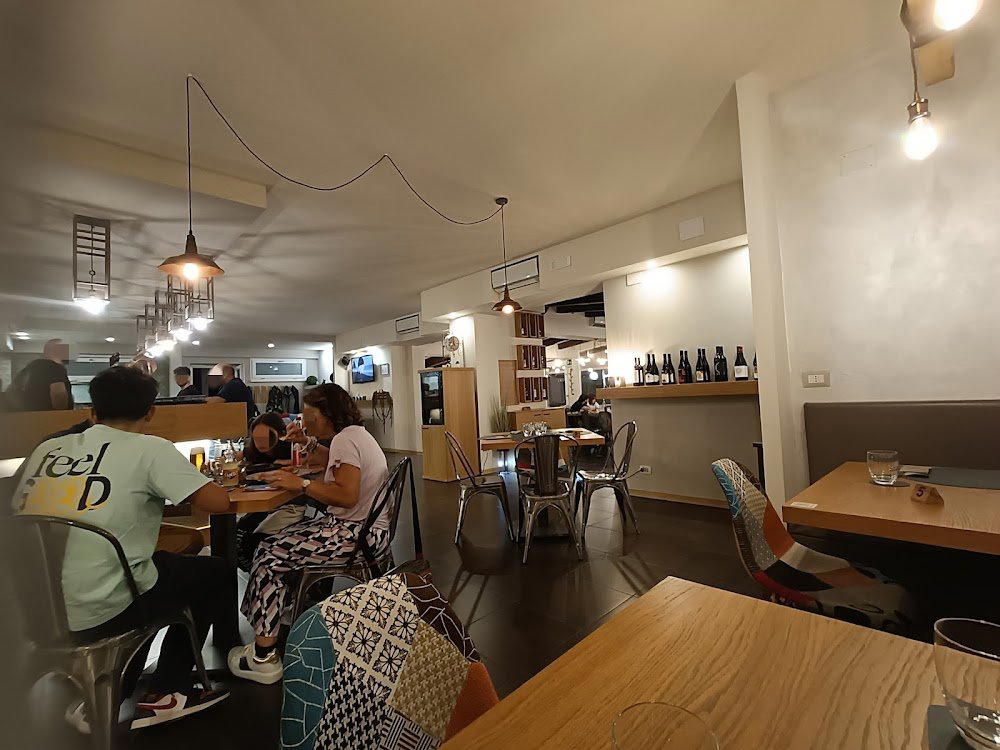
Ranked 91st in the 50 Top Pizza Italia 2025 list and a Gambero Rosso regular, Vadolì is Acri's most credible creative pizza destination and one of the more compelling food stops in the Calabrian interior. Led by Fabiano Maurizio Pansini, it rewards food-focused travellers willing to move beyond the coast. Booking is easy, making it accessible for itinerary planning.
Overview
The 2025 50 Top Pizza Italy list ranks 101 pizzerias across 70 Italian cities. I Masanielli – Francesco Martucci in Caserta takes the top spot, followed by two tied at second place: Diego Vitagliano Pizzeria in Naples and Confine in Milan. This edition represents a complete refresh from 2024, with all 101 spots going to new or differently ranked establishments.
This year's rankings show a geographic shift, with Caserta claiming two spots in the top six (I Masanielli at #1 and Cambia-Menti di Ciccio Vitiello at #5). Naples maintains strong representation with Diego Vitagliano Pizzeria tied for second and two other spots in the top ten. Milan lands two pizzerias in the top seven, including Confine (tied for second) and Dry Milano at #7. The list spans 70 cities nationwide, from traditional pizza strongholds to smaller towns like San Bonifacio and Rezzato. The complete roster turnover; 101 new or repositioned entries versus the previous edition; signals either a major methodology change or significant movement in Italy's pizza landscape.
I Masanielli – Francesco Martucci takes the top spot in the 2025 50 Top Pizza Italy rankings, marking a shift from last year when Una Pizza Napoletana (New York) led the list. This edition focuses exclusively on Italian pizzerias, with 101 establishments spanning 70 cities. Naples and Milan dominate the top ten, but Caserta makes an impressive showing with two pizzerias in the top six. Every single ranking has changed from 2024, with 52 venues from the previous edition dropping out entirely and 101 new or repositioned entries taking their place across the expanded list.
Quick Facts
- Total pizzerias ranked
- 101
- Cities represented
- 70
- Top-ranked pizzeria
- I Masanielli – Francesco Martucci (Caserta)
- Cities with multiple top-10 spots
- Naples (3), Milan (2), Caserta (2)
- New or repositioned entries
- 101 (complete turnover)
- Venues dropped from 2024
- 52
About This Edition
The 2025 edition represents a dramatic restructuring from previous years. While the list is titled "50 Top Pizza Italy," it actually ranks 101 establishments; likely including honorable mentions or expanded categories beyond the core 50. The complete turnover from 2024 is notable: the previous leader, Una Pizza Napoletana (a New York pizzeria), doesn't appear, suggesting this year focuses strictly on Italian territory. Geographically, the rankings challenge Naples' traditional dominance. While Neapolitan pizzerias still claim three top-ten spots (Diego Vitagliano at #2, 50 Kalò at #6, and La Notizia at #9), Caserta emerges as a serious contender with I Masanielli and Cambia-Menti both placing in the top six. Milan's inclusion of two modern pizzerias; Confine and Dry Milano; in the top ten reflects the city's growing reputation beyond traditional Neapolitan style. The breadth is remarkable: 70 different cities represented means roughly 1.4 pizzerias per city on average, pointing to concentrated excellence in certain areas while also recognizing standouts in smaller markets like Rezzato (La Cascina dei Sapori at #8) and San Bonifacio (I Tigli at #4). The tied ranking at second place (Diego Vitagliano and Confine sharing the spot) is unusual for such lists and may indicate a scoring methodology that allows for equal placement.
Frequently Asked Questions
What pizzeria ranks #1 in the 2025 50 Top Pizza Italy list?
How many pizzerias are included in the 2025 50 Top Pizza Italy rankings?
Which cities have the most pizzerias in the top 10?
How does the 2025 list compare to 2024?
Are there any tied rankings in the 2025 list?
How many of these have you visited?
Find out on Pearl and keep score across every place in 2025 50 Top Pizza Italy.