.png?width=1200&quality=80)

La Maruca
Spanish · Nueva Espana, Madrid
Restaurant in Madrid, Spain
 Book with Pearl
The Read
Cantabrian Sourcing, Madrid Address
Price
$50–100per person
Chef
Paco Quirós
Dress
Smart Casual
Why go
La Maruca on Paseo de la Castellana is Madrid's most consistent address for traditional Cantabrian seafood at casual prices. With a Michelin Plate, a stable Opinionated About Dining ranking, and a kitchen built around direct-sourced hake and anchovies, it delivers clear value at €€. Book for weekday lunch; the Cañadío cheesecake, unchanged since 1981, is the one non-negotiable order.
About La Maruca
Verdict: Book It for Cantabrian Seafood Done Right in North Madrid
If you have already eaten at La Maruca once, you already know the answer: yes, come back. What stays consistent is the sourcing discipline: hake landed directly from the fish auction, Cantabrian anchovies from the same supply chain that has defined this kitchen since its older sibling opened on Calle Velázquez. What shifts slightly on a return visit is your ability to work the menu more deliberately, skipping the exploratory detours and heading straight for the dishes that justify the trip up to Chamartín. At the €€ price point, this is one of the most ingredient-honest kitchens in Madrid.
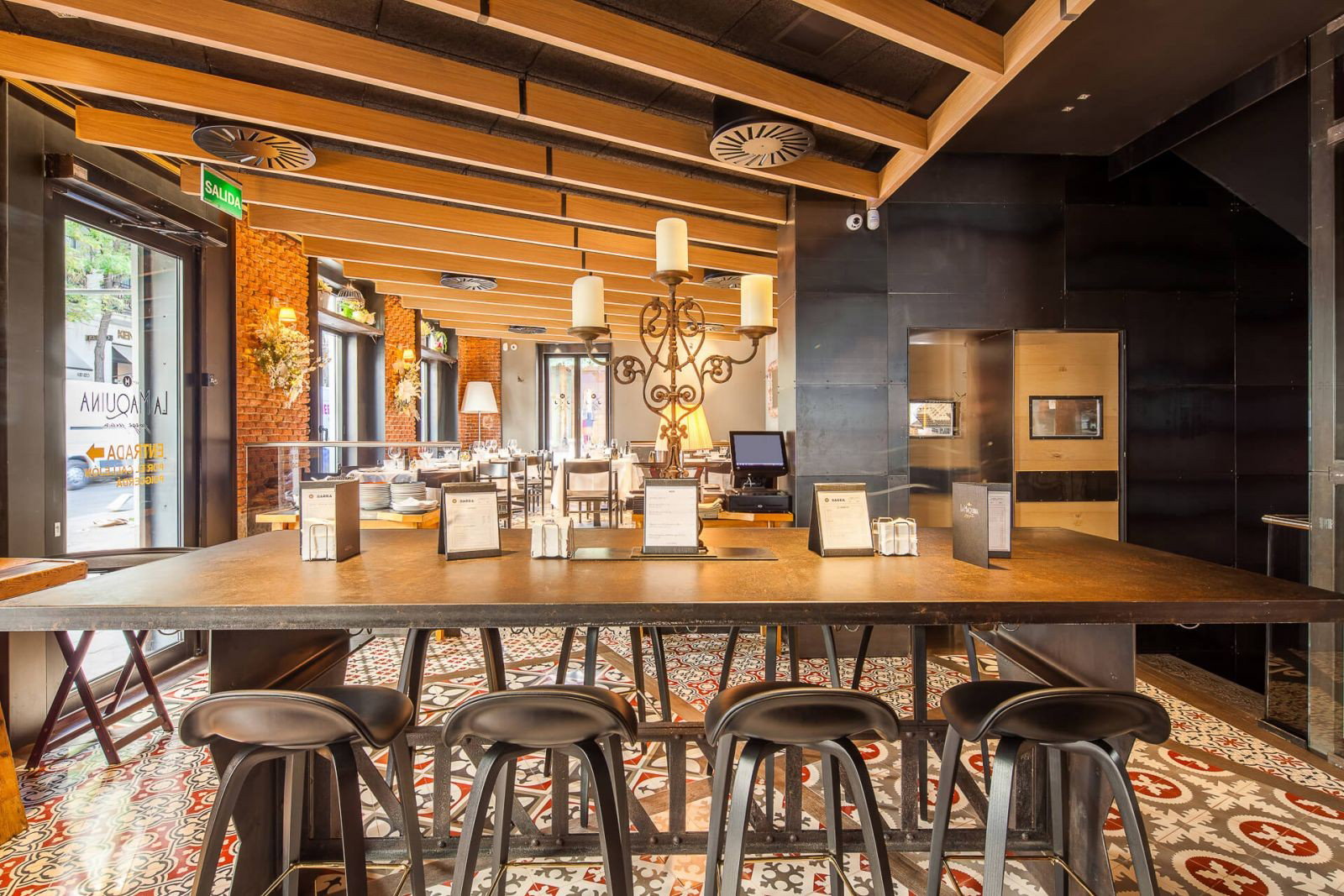
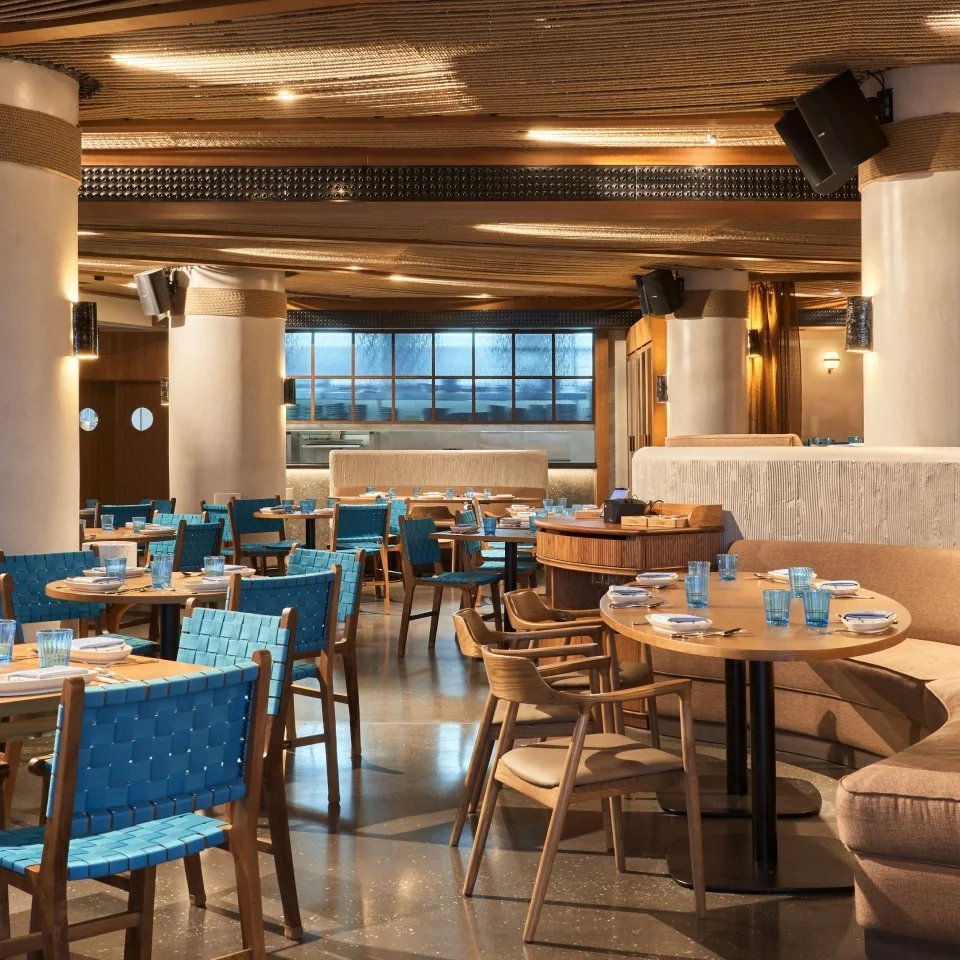
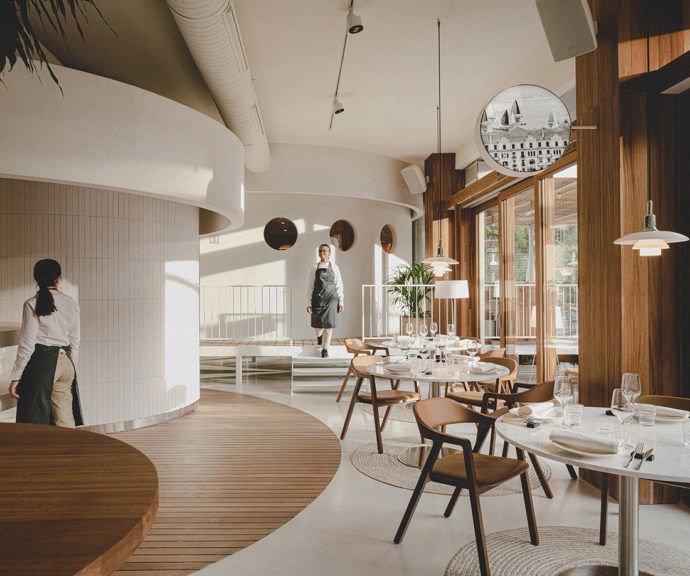
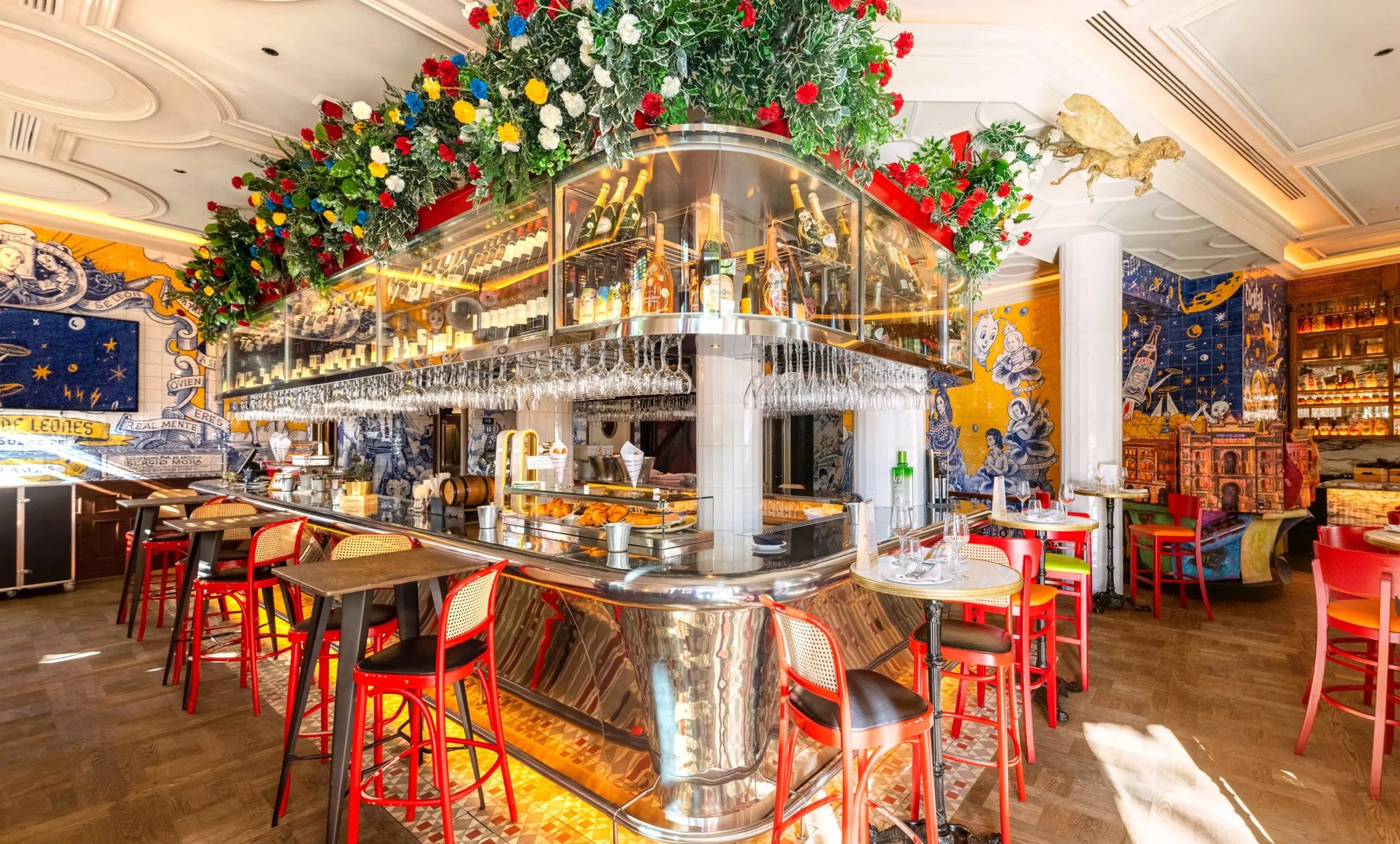
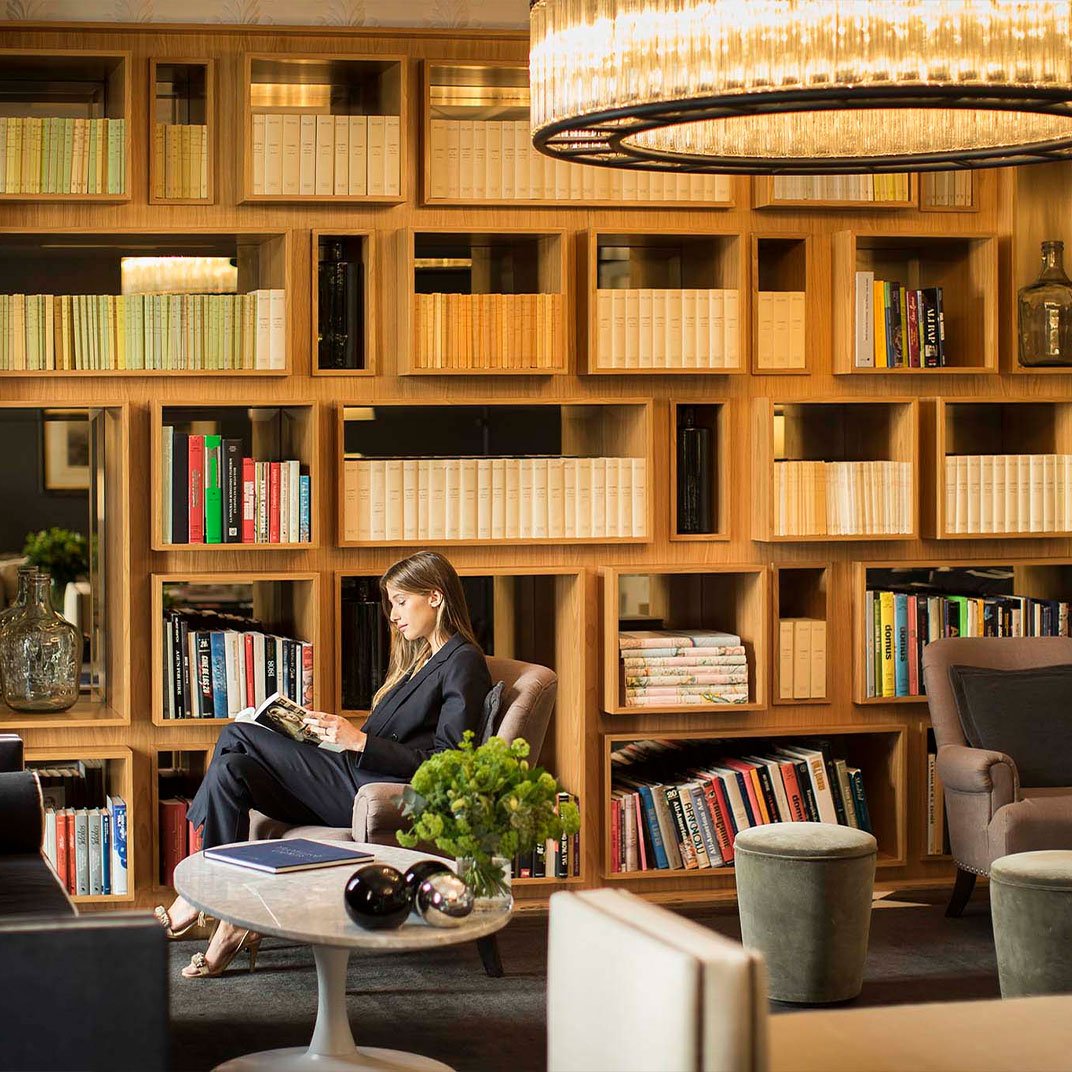
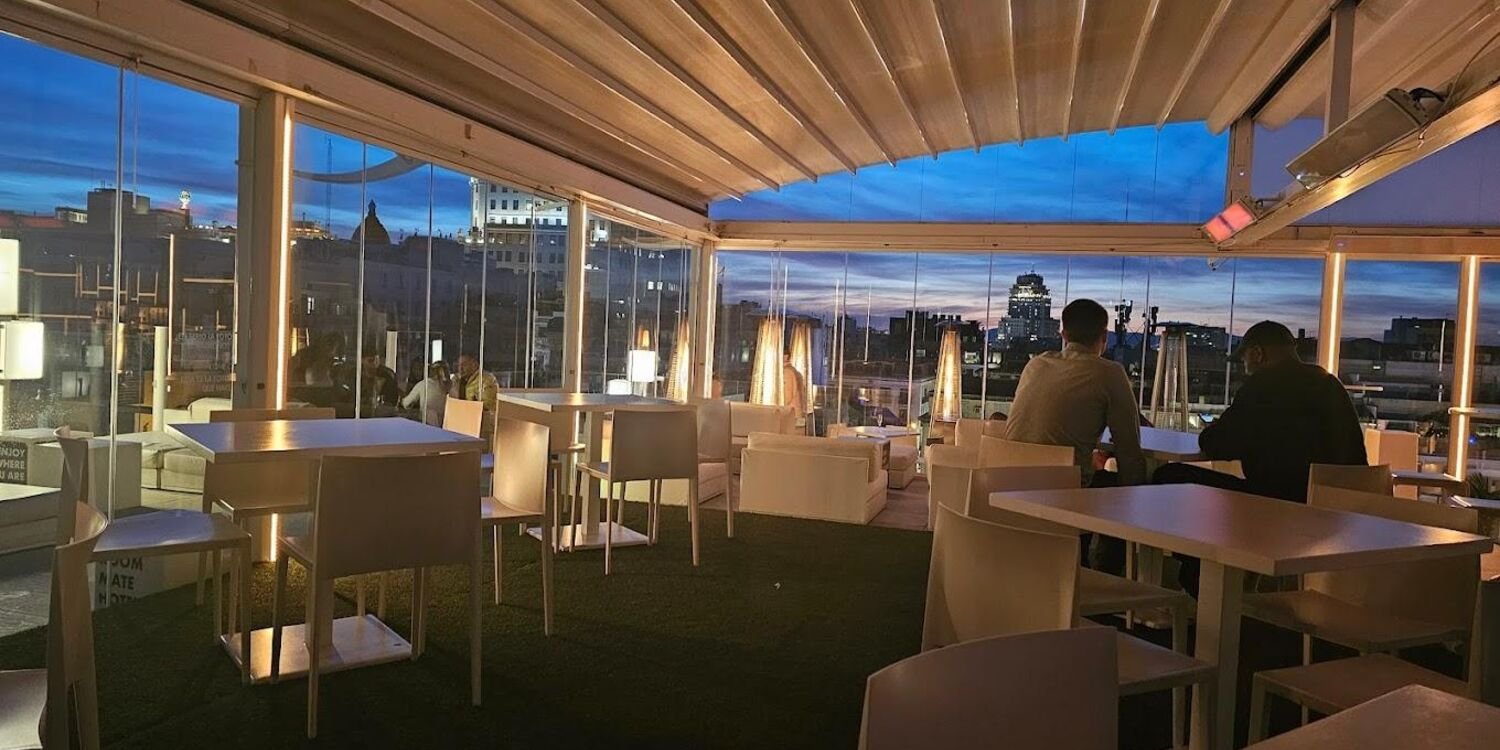
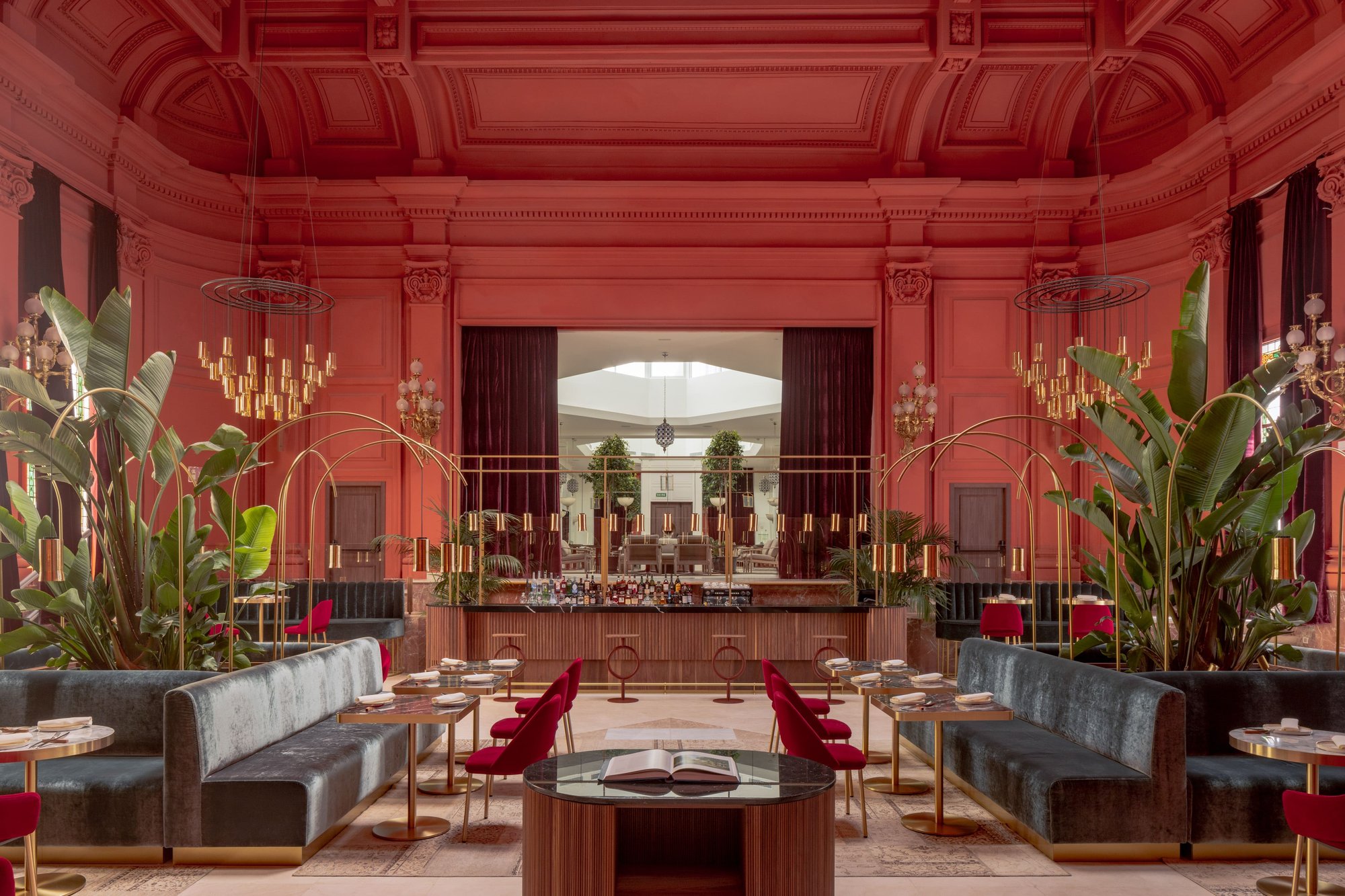
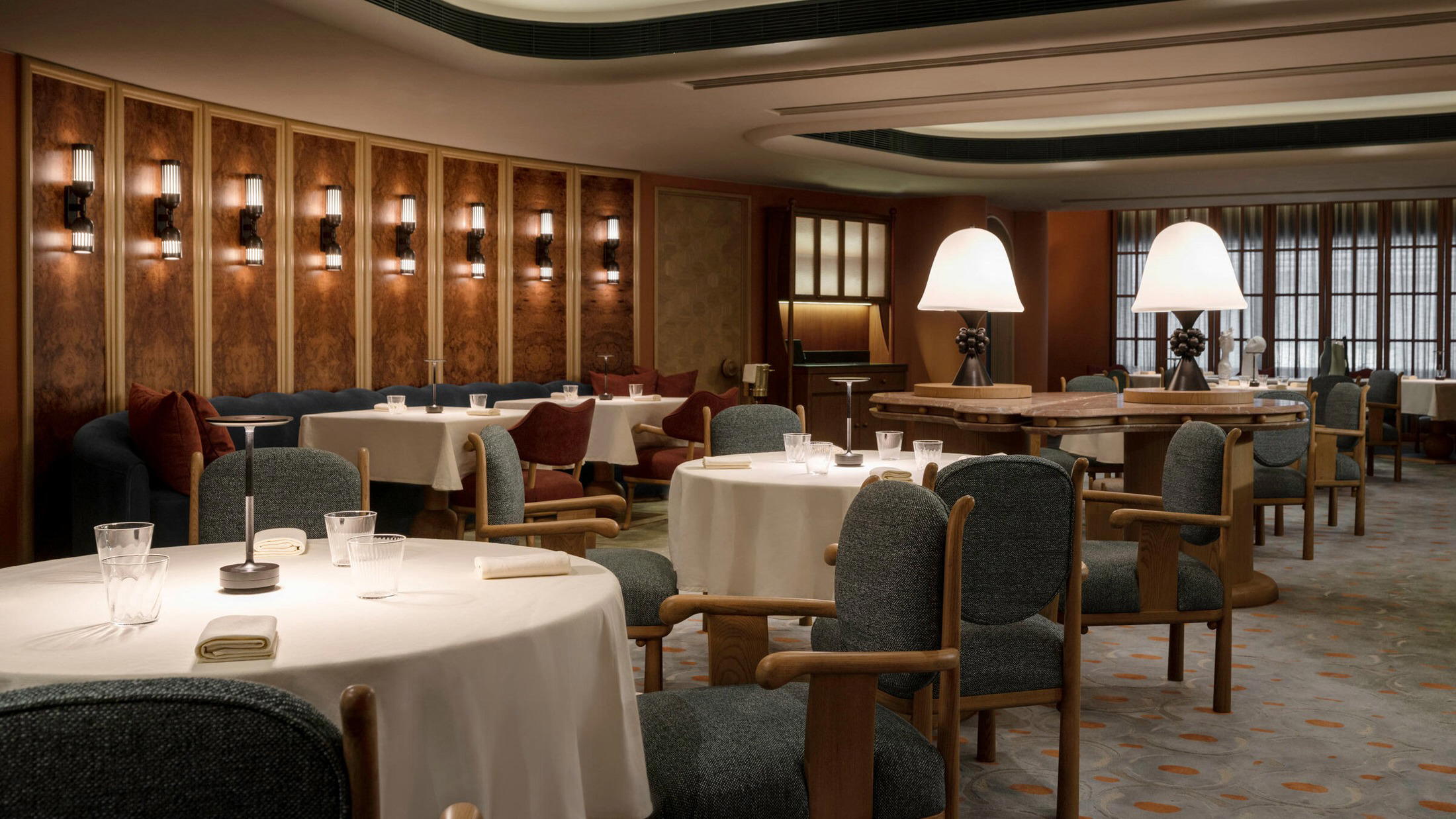
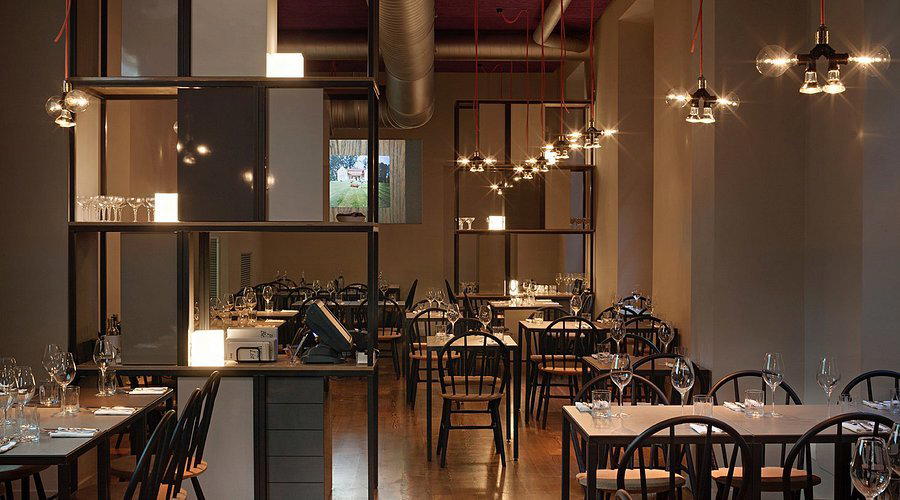
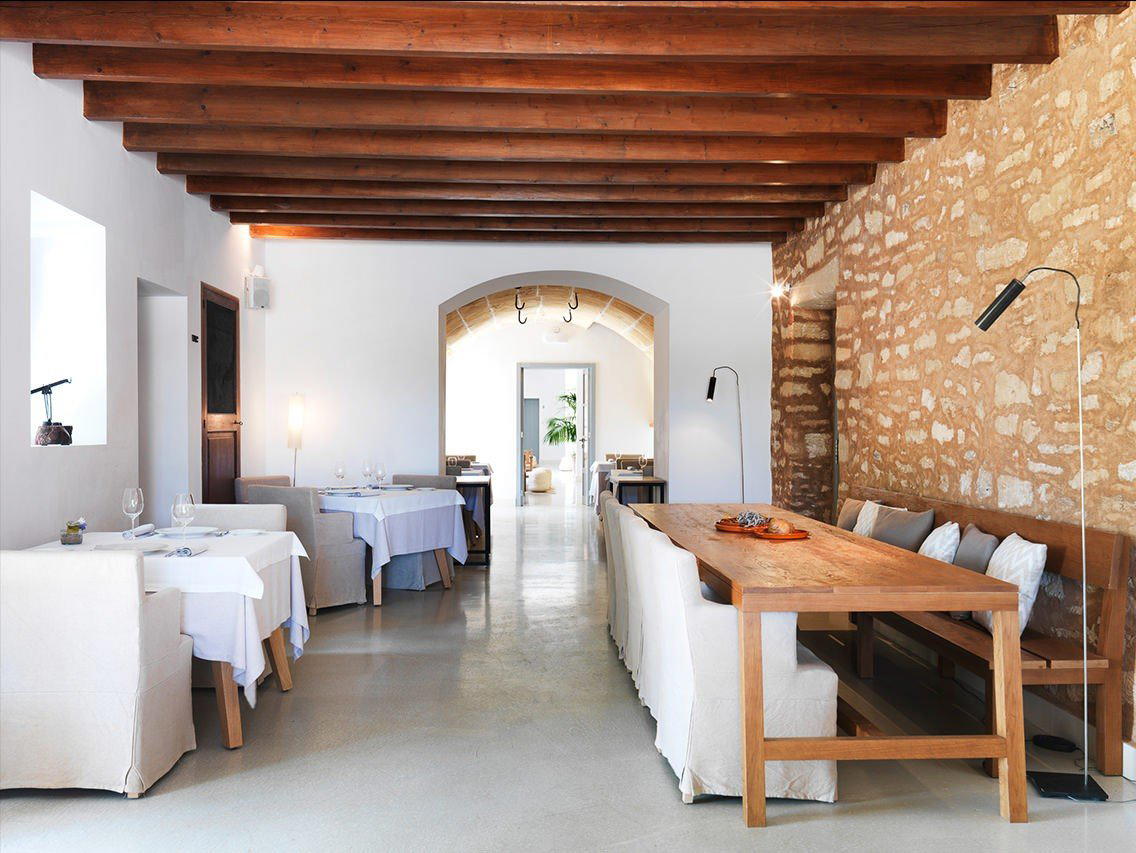
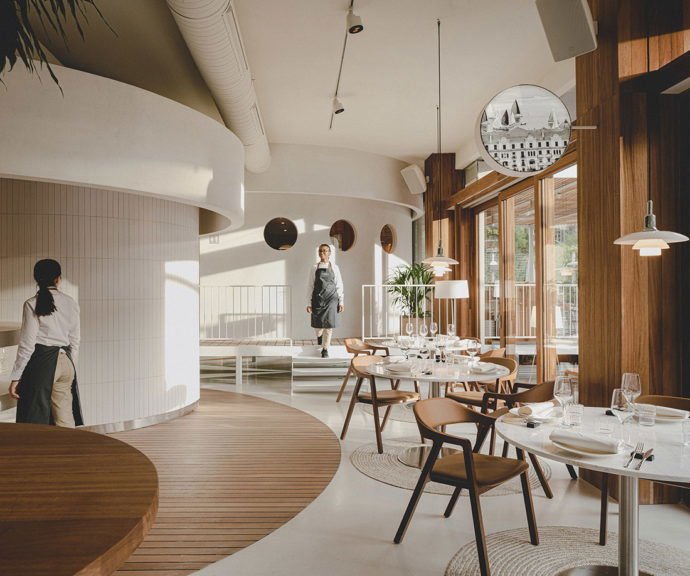
La Maruca on Paseo de la Castellana is the second location in the group, and it reads as the more spacious, more contemporary version of the concept. The room is dressed in white tones that read clean rather than clinical, and the two terrace spaces: a smaller one at the entrance and a larger garden-style terrace inside, give the dining room a different character depending on where you sit. The visual identity here is deliberate: bright, unhurried, with the occasional designer detail that signals care without tipping into formality. This is a room designed for a long lunch rather than a power dinner, and it works well when treated that way.
Sourcing as the Menu's Backbone
The kitchen's entire proposition rests on a single commitment: bring the flavours of the Cantabrian coast to the Spanish capital without diluting them through technique or trend. That means the sourcing chain matters more here than the cooking method. Cantabrian anchovies, fried squid in the Santander style, hake bought direct from the auction, these are not marketing claims, they are the structural logic of the à la carte. Chef Paco Quirós runs a menu that is described explicitly as 100% traditional, with Cantabrian dishes as the dominant register and high-quality ingredients as the non-negotiable starting point.
For the food explorer visiting Madrid, this framing matters. You are not booking La Maruca for creative reinterpretation of northern Spanish cuisine, venues like DiverXO or Coque occupy that lane, at a significantly higher price. You are booking it because the sourcing standard at €€ pricing is genuinely difficult to replicate, and because the cheesecake recipe, the Cañadío cheesecake, unchanged since 1981, is the kind of institutional detail that tells you this kitchen does not fix what is not broken. That is either a recommendation or a warning depending on how you feel about consistency, but for anyone interested in the depth of Cantabrian cooking tradition, it reads as a credential.
Recognition and Track Record
The awards record here is consistent rather than flashy. A Michelin Plate in 2025 confirms a standard of cooking worth noting without placing La Maruca in the fine-dining conversation. More useful as a signal is the Opinionated About Dining ranking: placed at #176 in Casual Europe for 2025, #172 in 2024, and Highly Recommended in 2023. The trajectory is stable, which at this price tier means the kitchen is not coasting, it is maintaining a standard that a competitive ranking system keeps testing. For a food traveller building a Madrid itinerary, this puts La Maruca in a clear position: a dependable, well-regarded casual restaurant with a specific regional identity, not a destination meal, but a strong day-of choice when you want honest seafood without the tasting-menu commitment.
Practical Context: Chamartín and the Castellana
The address on Paseo de la Castellana puts La Maruca in the northern business district, away from the tourist-heavy centre around Botín Restaurante and the old city. That location works in your favour for lunch if you are staying in the north of Madrid or have meetings in the Azca financial area nearby. For dinner, it is a deliberate journey from the centre, which means the clientele skews local and the atmosphere reads accordingly, less self-conscious than some of the more central dining rooms, more focused on the food. If you want the older, more compact sibling experience closer to the centre, note that the Calle Velázquez location is the original. This Castellana outpost is the one to choose if terrace seating and a more open room matter to you.
For broader context on eating in Madrid, including how La Maruca sits within the city's casual dining options, see our full Madrid restaurants guide. If you are planning a longer stay, our full Madrid hotels guide, our full Madrid bars guide, and our full Madrid experiences guide cover the rest of your trip. For Spanish fine dining at a higher commitment level, Arzak in San Sebastián, Azurmendi in Larrabetzu, and Martin Berasategui in Lasarte-Oria are the benchmarks worth travelling for. Closer to home in Madrid's casual Spanish scene, Cuenllas, Casa Revuelta, and Desencaja are worth comparing depending on your priorities. For something further afield in the Spanish seafood tradition, Aponiente in El Puerto de Santa María is the serious destination version of the same coastal-sourcing philosophy. And if you are curious about how Spanish cuisine travels internationally, ZURRIOLA in Tokyo and Arco by Paco Pérez in Gdańsk offer interesting reference points, as does Cocina Hermanos Torres in Barcelona and El Celler de Can Roca in Girona. For northern Spanish cooking closer to the source, El Fogón de Trifón is another Madrid option worth considering. Wine-focused travellers should also check our full Madrid wineries guide.
Know Before You Go
- Price range: €€, casual pricing, strong value for the sourcing standard
- Cuisine: Traditional Spanish, Cantabrian focus, anchovies, fried squid, hake from auction
- Hours: Monday to Friday 8am–12am; Saturday 9:30am–1am; Sunday 9:30am–12am
- Address: Paseo de la Castellana, 212, Chamartín, 28046 Madrid
- Booking difficulty: Easy, large room, long hours, walk-ins viable
- Awards: Michelin Plate 2025; Opinionated About Dining Casual Europe #176 (2025)
- Leading for: Long weekday lunches, casual dinners, food travellers prioritising regional sourcing over creative cooking
- Don't miss: The Cañadío cheesecake, the recipe has not changed since 1981
FAQ
Is La Maruca worth the price?
- At €€ pricing with a Michelin Plate and a consistent OAD ranking, the value case is clear. You are paying for direct-sourced Cantabrian seafood, anchovies, hake from the fish auction, squid in the Santander style, at casual dining prices. For that specific product quality, this is strong value in Madrid. If you want creative technique alongside the sourcing, you will need to step up to €€€€ venues, where the budget doubles or more.
Is lunch or dinner better at La Maruca?
- Lunch is the stronger call. The room's white-toned interior and terrace spaces suit daylight, the kitchen's traditional Cantabrian menu reads as midday food, and the Chamartín location makes more sense logistically for a lunch stop. Dinner is perfectly viable, Saturday service runs until 1am, but the energy of the room peaks at lunch. If you are choosing between the two, book a weekday lunch.
What are alternatives to La Maruca in Madrid?
- For casual Spanish cooking with regional character, Cuenllas and Casa Revuelta are comparable in tone and price. If you want to step up to creative Spanish cooking in Madrid, Desencaja sits at a more ambitious level. For the full fine-dining experience, DiverXO, Coque, and Smoked Room are the Madrid benchmarks, but at a significantly different price point.
Can La Maruca accommodate groups?
- The Castellana location is spacious with two terrace areas, which makes it more group-friendly than many Madrid restaurants at this tier. The room size and relaxed format suggest groups of 6–8 should be manageable with advance notice.
Does La Maruca handle dietary restrictions?
- The menu is built around seafood and traditional Cantabrian dishes, so fish and shellfish are central to almost every section. Diners avoiding seafood will find fewer options here than at a broader Spanish kitchen. Specific allergy or dietary accommodation information is not available in current data, call or email ahead if this matters for your booking.
What should I wear to La Maruca?
- No formal dress code applies at this price tier. The room is lively and informal, and the Castellana location draws a business lunch crowd during the week and a relaxed local crowd in the evening. Smart casual is the right register, you will not be underdressed in a clean shirt or overdressed in a jacket. Avoid the extremes in either direction.
Is the tasting menu worth it at La Maruca?
- La Maruca operates as an à la carte restaurant, a structured tasting menu is not a confirmed feature of the format. The kitchen's strength is in specific Cantabrian dishes ordered individually. If a fixed tasting-menu format is your priority, the €€€€ Madrid restaurants (Coque, Deessa, Paco Roncero) are better suited to that format. At La Maruca, build your own short menu around the anchovy and fish dishes and finish with the Cañadío cheesecake.
Planning details
- Hours
- Monday: 8 am–12 am · Tuesday: 8 am–12 am
- Location
- P.º de la Castellana, 212, Chamartín, 28046 Madrid, Spain
- Reservations
- Book on the venue's website
- Website
- restaurantelamaruca.com
- Phone
- +34 913 45 26 65
The take
The Take
The Vibe
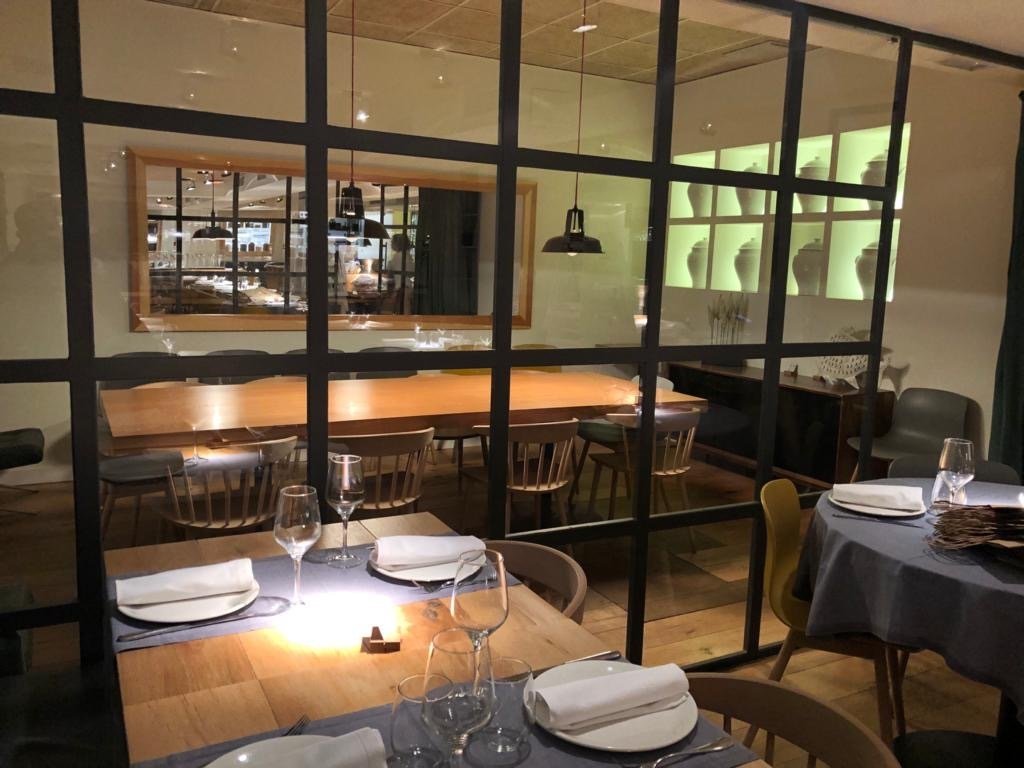
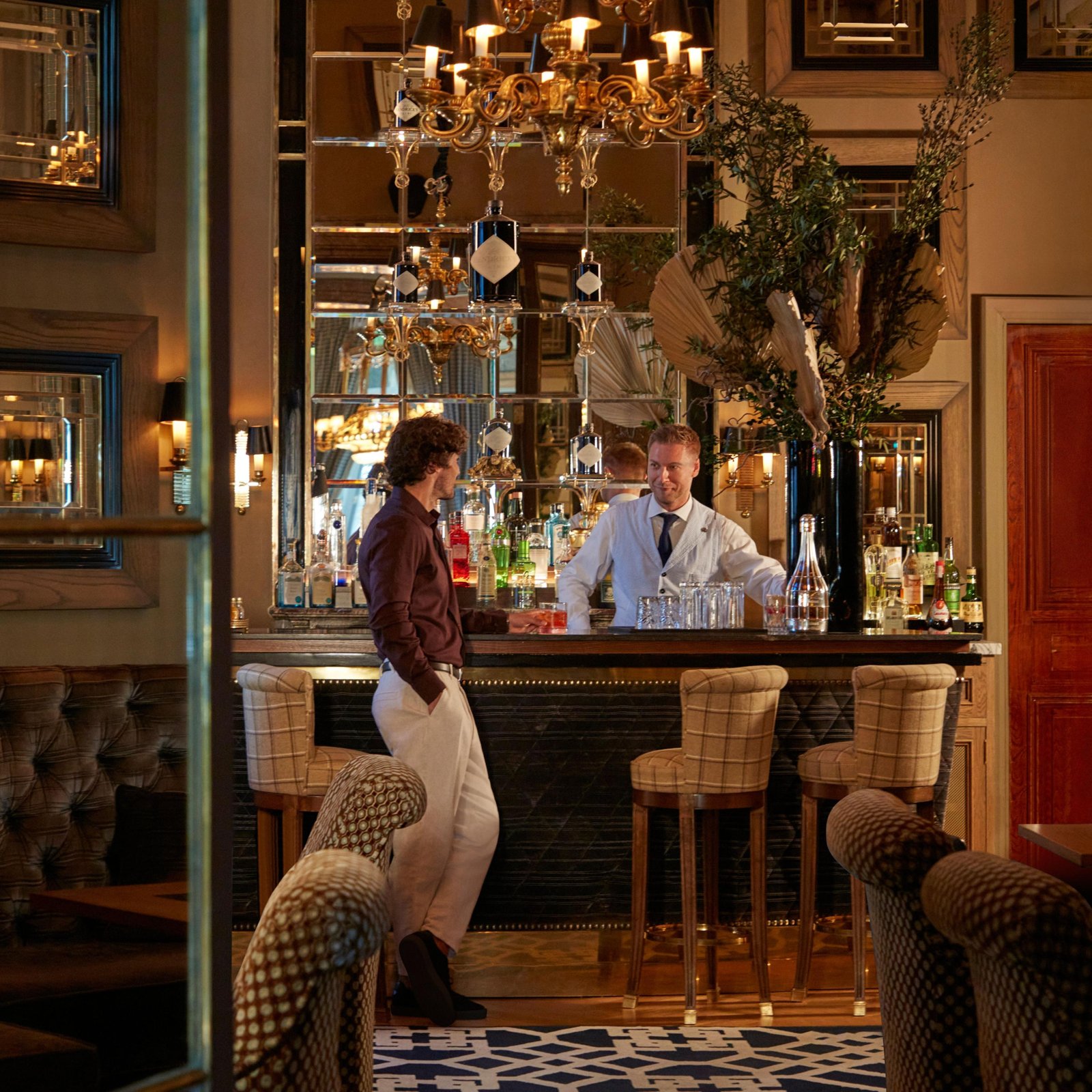
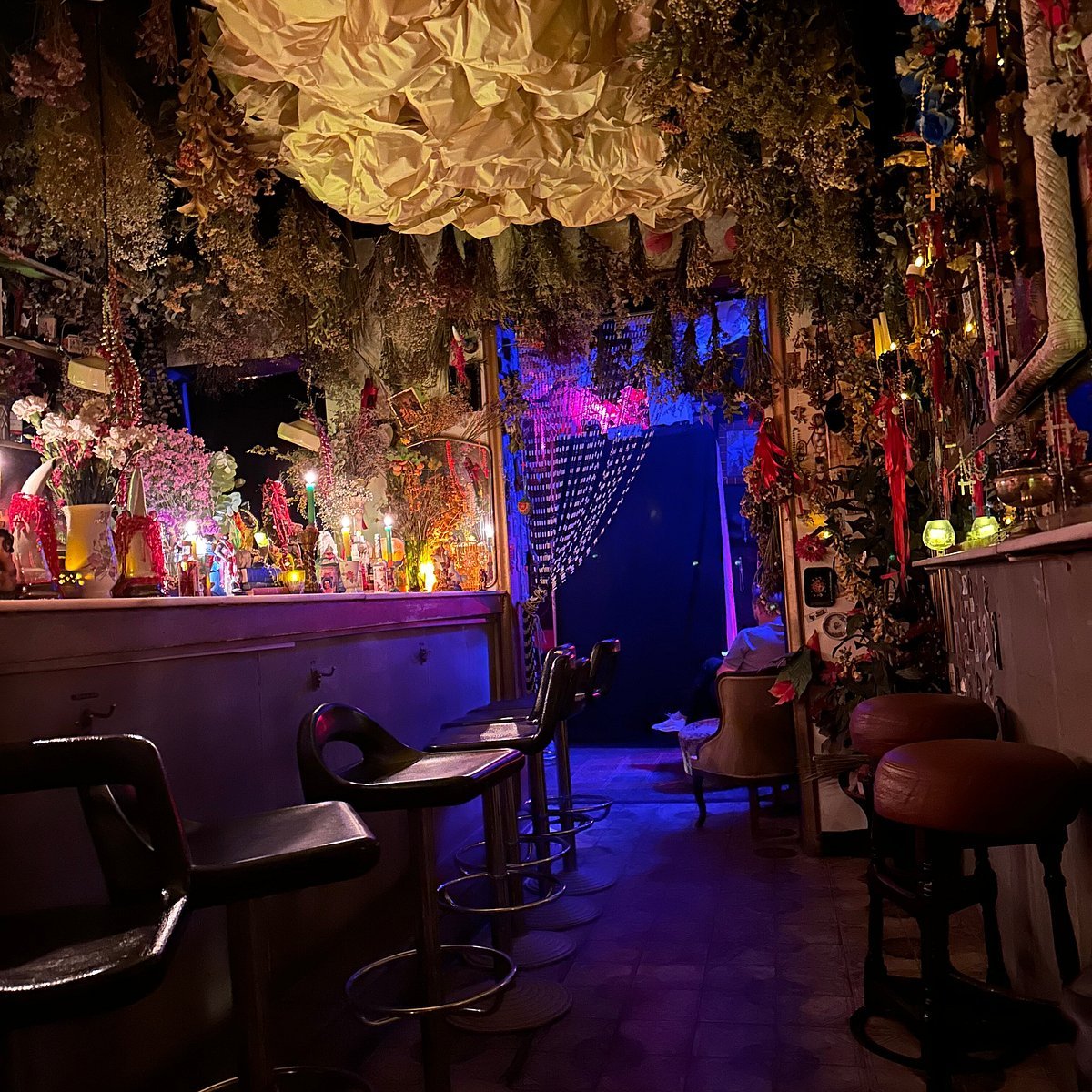
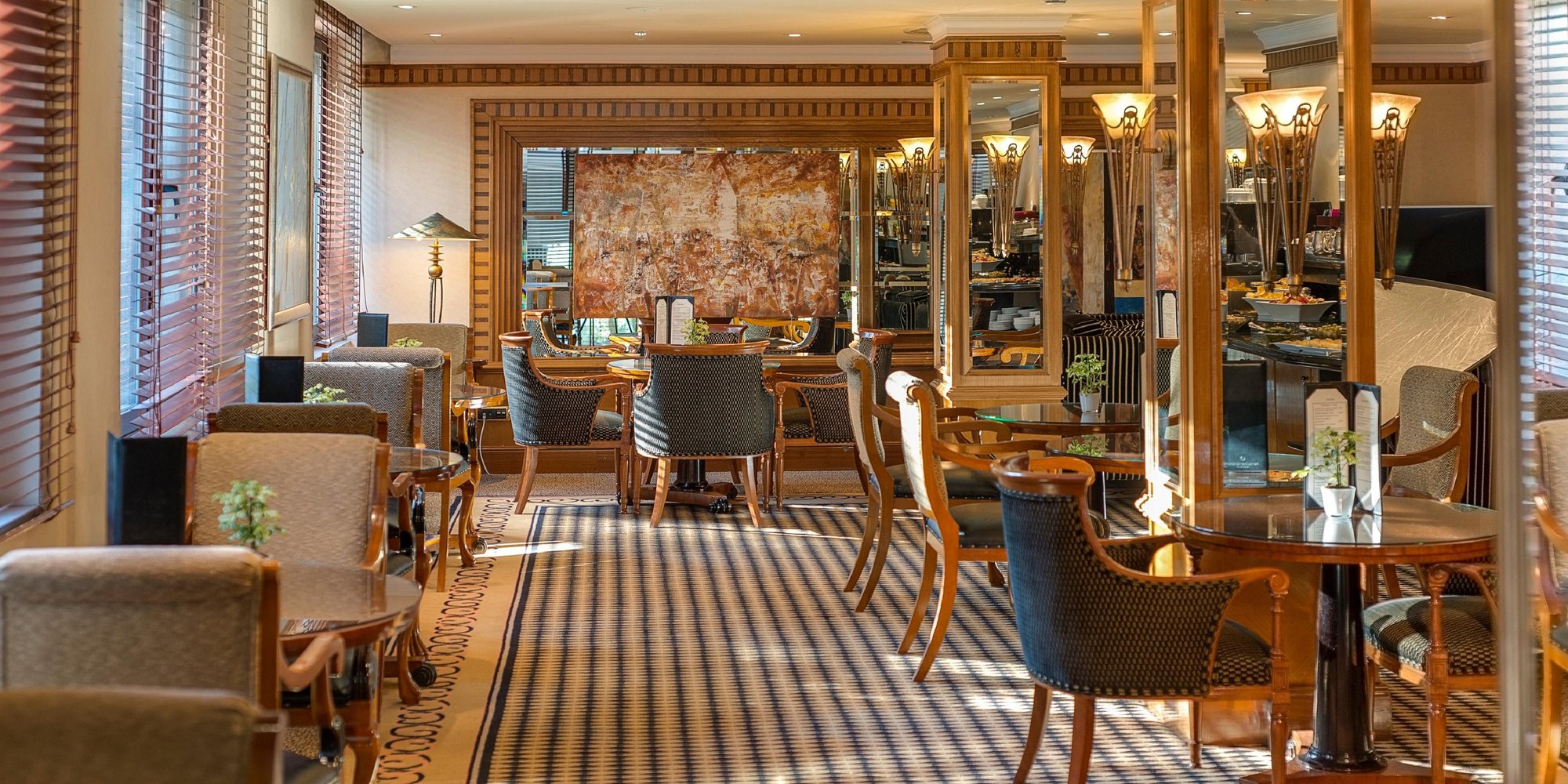
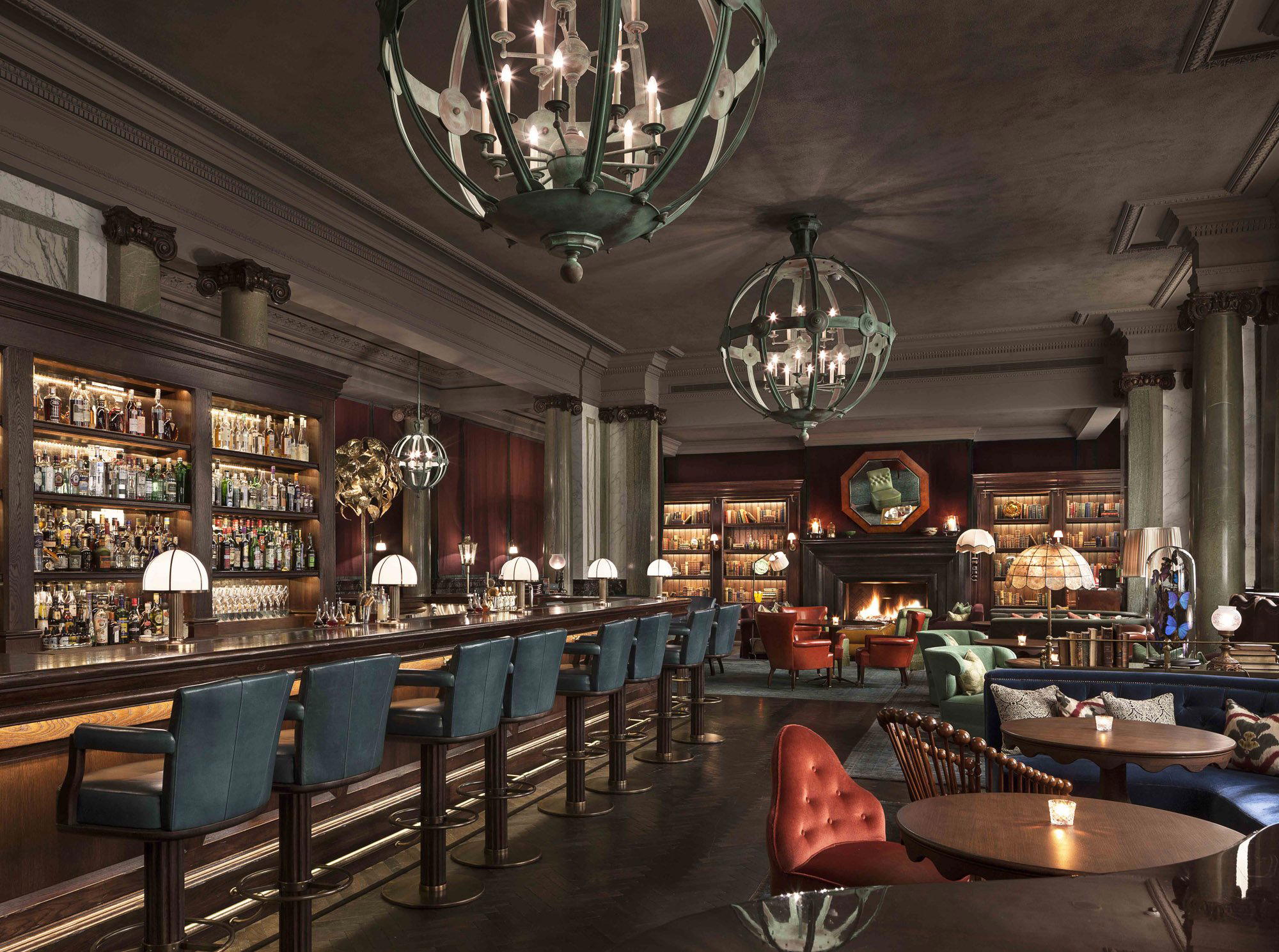
La Maruca reads intentionally warm and unpretentious: a multi-purpose bar anchors one side of the room while a dining area keeps things informal yet resolved. Designer touches, a considered light fixture here, a material choice there, give the space a quiet coherence, so the decor never competes with the cooking. The strongest signal is the hospitality itself: the kitchen and service foreground Cantabrian tradition, and the place feels like a direct transplant of regional warmth into Madrid’s corporate stretch. It’s the sort of room that welcomes both quick drinks and a relaxed, focused meal.
Best For
La Maruca suits lunches and dinners for diners who appreciate straightforward regional cooking in a convivial setting. Its location on Paseo de la Castellana places it squarely in a corporate neighborhood, so it naturally fits after-work drinks and business meals as well as group gatherings and casual hangouts. The multi-purpose bar and informal dining room make it adaptable: drop in for a bar snack, bring colleagues for a shared plate dinner, or linger over a leisurely meal that privileges Cantabrian staples presented without fuss. The tone is welcoming rather than formal.
Ordering Tips
Lean into the Cantabrian canon: order the anchovies and the Santander-style fried squid to start, and try the hake when it’s available: these dishes are called out as exemplars of the kitchen’s approach. The menu’s straightforward regional focus also accommodates classics like tortilla and the house cheesecake, both noted signatures. Portions and preparation invite sharing, so consider a mix of bar plates and a couple of dishes from the kitchen to get a full sense of the restaurant’s coastal tradition transported to Madrid.
Venue details
Ambiance
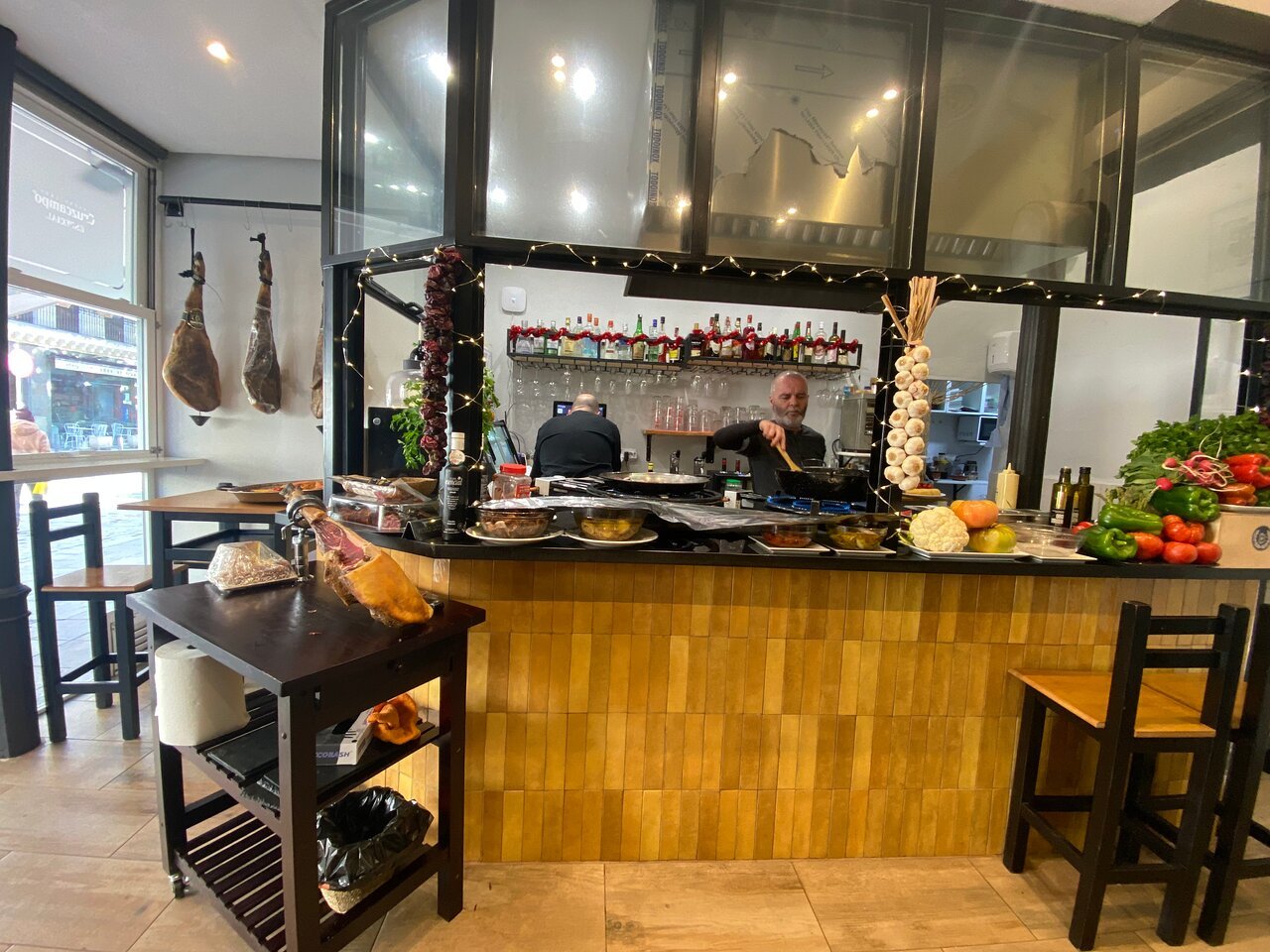
Cozy and inviting with contemporary decor, pleasant lighting, and an open kitchen, though it can get very noisy and crowded during peak times.
Tags
Vibe
Best For
Experience
View
At the Table
- Dress Code
- Smart Casual
- Noise Level
- Lively
- Service Style
- Upscale Casual
- Meal Pacing
- Quick Bite
- Capacity
- Large
- Kitchen
- Traditional
- Menu Format
- A la carte, Small plates
- Private Dining
- Available
- Outdoor Seating
- Yes
Signature Dishes
- tortilla
- cheesecake
Know before you go
Know Before You Go
- Getting there
- P.º de la Castellana, 212, Chamartín, 28046 Madrid, Spain
Planning details
Hours
- Monday
- 8 am–12 am
- Tuesday
- 8 am–12 am
- Wednesday
- 8 am–12 am
- Thursday
- 8 am–12 am
- Friday
- 8 am–12 am
- Saturday
- 9:30 am–1 am
- Sunday
- 9:30 am–12 am
Location
P.º de la Castellana, 212, Chamartín, 28046 Madrid, Spain · Directions

Also consider
Also Consider
- DiverXO: Progressive - Asian, Creative, €€€€
- Coque: Spanish, Creative, €€€€
- Deessa: Modern Spanish, Creative, €€€€
- Paco Roncero: Creative, €€€€
- Smoked Room: Progressive Asador, Contemporary, €€€€
Restaurant context
La Maruca and Madrid's €€€€ restaurants are answering entirely different questions. DiverXO is a three-Michelin-star operation built around David Muñoz's theatrical, boundary-pushing cooking: book it for a once-in-a-trip experience, not a casual lunch. Coque and Deessa are tasting-menu destinations where the format is as much the point as the food. If you are looking for creative technique and a structured progression through a meal, those are the right choices: but budget two to three times what you would spend at La Maruca, and book weeks in advance.
Smoked Room sits closest to La Maruca in terms of ingredient focus, both kitchens prioritise sourcing quality over creative flourish, but Smoked Room operates at €€€€ with a fire-led, contemporary format that is a deliberately different experience. Paco Roncero leans further into avant-garde cooking and is another tasting-menu commitment. Neither is a direct substitute for what La Maruca does.
The practical decision is straightforward: if your Madrid trip includes one serious fine-dining meal, DiverXO or Coque are the credentialed choices. If you want well-sourced, traditional Spanish cooking at a price that lets you eat well every day without budget pressure, La Maruca is the most consistently recognised option in that tier, with the booking ease to match. It is the better daily-use restaurant; the €€€€ options are the occasion restaurants. They are not in competition.
Around this place
Discover more on Pearl
Unlock the full La Maruca guide in Pearl, including awards, comparisons, FAQs, planning details, and nearby places.
Compare La Maruca
| Venue | Price | Awards |
|---|---|---|
| La Maruca | €€ | 2026 Michelin Plate2025 OAD Casual in Europe Ranked · #1762025 Michelin Plate2024 OAD Casual in Europe Ranked · #1722024 Michelin Plate2023 OAD Casual in Europe Highly Recommended |
| DiverXO | €€€€ | 2026 OAD Top Restaurants in Europe Ranked · #7Guía Repsol Soles 20262026 La Liste Top Restaurants2026 Michelin 3 Stars2025 World's 50 Best Restaurants · #42025 OAD Top Restaurants in Europe Ranked · #62025 La Liste Top Restaurants2025 The Best Chef Three Knives2025 Michelin 3 Stars |
| Coque | €€€€ | Star Wine Lists 20262026 Relais Chateaux RestaurantsGuía Repsol Soles 20262026 OAD Top Restaurants in Europe Recommended2026 Les Grandes Tables du Monde Members2026 La Liste Top Restaurants2026 Michelin 2 Stars2025 OAD Top Restaurants in Europe Ranked · #339We're Smart World Top Restaurants 2025 |
| Deessa | €€€€ | 2026 OAD Top Restaurants in Europe Ranked · #89Star Wine Lists 2026Guía Repsol Soles 20262026 Michelin 2 Stars2026 La Liste Top Restaurants2025 OAD Top Restaurants in Europe Ranked · #832025 Michelin 2 Stars2025 La Liste Top Restaurants2024 OAD Top Restaurants in Europe Ranked · #49 |
| Paco Roncero | €€€€ | Star Wine Lists 2026Guía Repsol Soles 20262026 OAD Top Restaurants in Europe Recommended2026 La Liste Top Restaurants2026 Michelin 2 Stars2025 OAD Top Restaurants in Europe Ranked · #447We're Smart World Top Restaurants 20252025 The Best Chef Three Knives2025 Michelin 2 Stars |
| Smoked Room | €€€€ | Guía Repsol Soles 20262026 OAD Top Restaurants in Europe Highly Recommended2026 La Liste Top Restaurants2026 Michelin 2 Stars2025 The Best Chef Two Knives2025 La Liste Top Restaurants2025 Michelin 2 Stars2024 Michelin 2 Stars |













What to weigh when choosing between La Maruca and alternatives.
FAQ
Frequently Asked Questions
Can La Maruca accommodate groups?
The venue on Paseo de la Castellana has two terraces and contemporary dining spaces, which suggests it handles larger tables better than a compact tapas bar. For groups, the internal garden-style terrace is the logical choice.
Is lunch or dinner better at La Maruca?
Lunch works well for the Chamartín business crowd, and the kitchen opens at 8am Monday through Friday, so the timing is flexible. Dinner runs until midnight on weekdays and 1am on Saturdays, making it a practical option after late meetings. Neither session has a structural advantage: the à la carte menu is the same format throughout.
Is La Maruca worth the price?
At €€, yes: the value case is clear. The kitchen sources hake direct from the fish auction and uses Cantabrian anchovies, so the ingredient quality punches above the price point. A Michelin Plate in 2025 and a top-200 Opinionated About Dining ranking confirm the cooking is consistent enough to justify a repeat visit.
What are alternatives to La Maruca in Madrid?
For a higher-budget Cantabrian or Spanish seafood experience, Coque offers more technical ambition at a significantly higher price. If you want to stay in the €€ casual bracket but prefer a central location, the original La Maruca on Calle Velázquez is the closest like-for-like alternative. DiverXO or Smoked Room only make sense if you are shifting format entirely to avant-garde tasting menus.
Does La Maruca handle dietary restrictions?
The menu is built around Cantabrian seafood, anchovies, fried squid, hake, so it is a poor fit for guests avoiding fish or shellfish.
What should I wear to La Maruca?
The setting is lively and informal, with a multi-purpose bar and casual dining spaces. The Castellana address draws a business crowd, so neat casual fits the room without needing to dress up.
Is the tasting menu worth it at La Maruca?
La Maruca operates an à la carte format: no tasting menu is documented. If you want a structured multi-course format in Madrid, Smoked Room or Deessa are the relevant options at a higher price point. At La Maruca, ordering from the à la carte is how the kitchen is meant to be experienced.