.png?width=128&height=128&quality=80)


Nou Manolín
Spanish, Farm to table · Centro, Alacant
Restaurant in Alacant, Spain
The Read
Costa Blanca Market Counter
Price
€€€
Chef
César Marquiegui
Dress
Smart Casual
Why go
Nou Manolín is Alicante's most consistent seafood-and-rice address at the €€€ tier, holding a Michelin Plate in 2024 and 2025 and OAD Casual Europe recognition three years running. The ground-floor bar and upstairs dining room share the same market-driven menu, built around a daily seafood display. Book it when you want ingredient-led Spanish cooking without the formality of a tasting-menu room.
About Nou Manolín
Verdict
Nou Manolín is not a fine-dining splurge destination, if you arrive expecting that, you will misread it. This is Alicante's most consistent seafood-and-rice address at the €€€ tier: a dual-format space where the ground-floor bar and the upstairs dining room serve the same market-driven menu, where the seafood display at the entrance is a reliable indicator of what you should order. Book it when you want confident, ingredient-led cooking without the formality or price tag of a tasting-menu room.
Portrait
The most common mistake visitors make at Nou Manolín is treating it like a restaurant you visit once and consider assessed. The format rewards return visits, the seafood display at the entrance — shrimp, red prawns, crayfish, oysters and more depending on the day — is essentially a live menu board. What you see on ice when you walk in tells you what is worth ordering that sitting. That is not a marketing device; it is how the kitchen communicates the day's leading purchases.
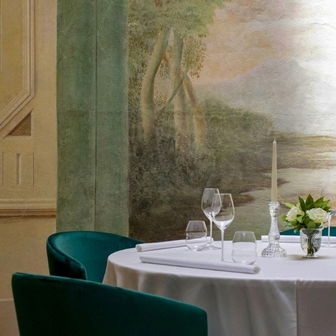
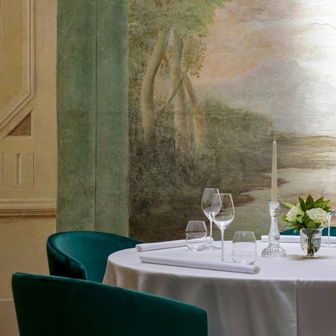
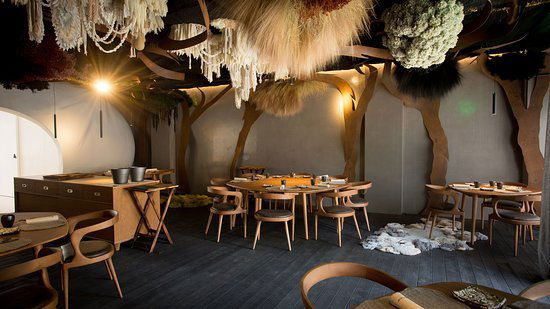
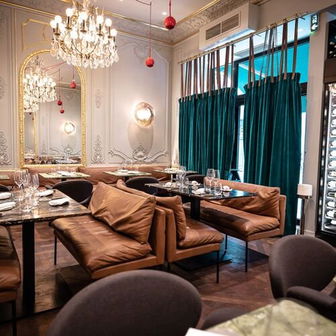
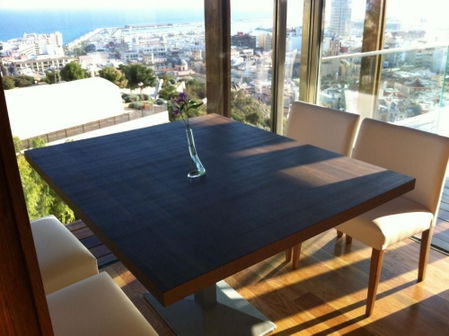
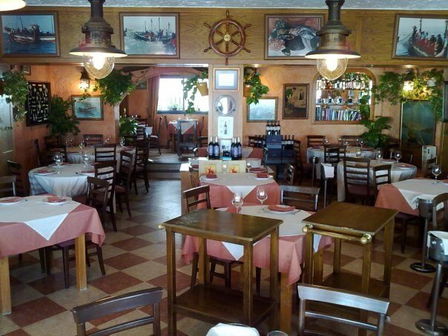
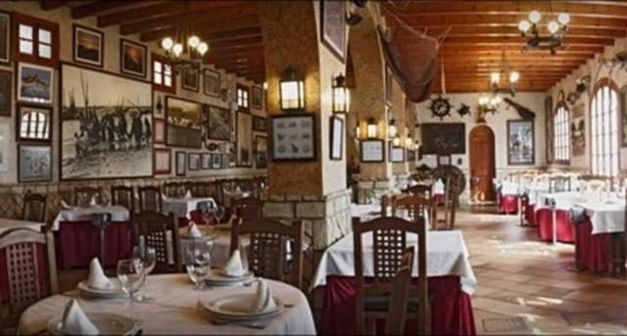
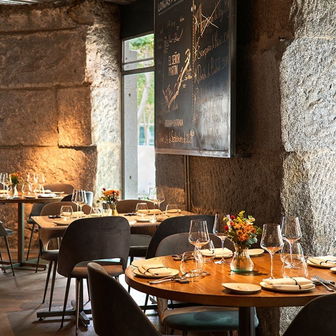
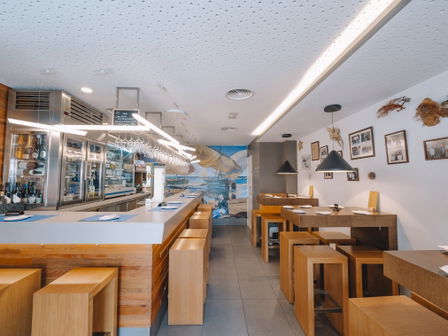
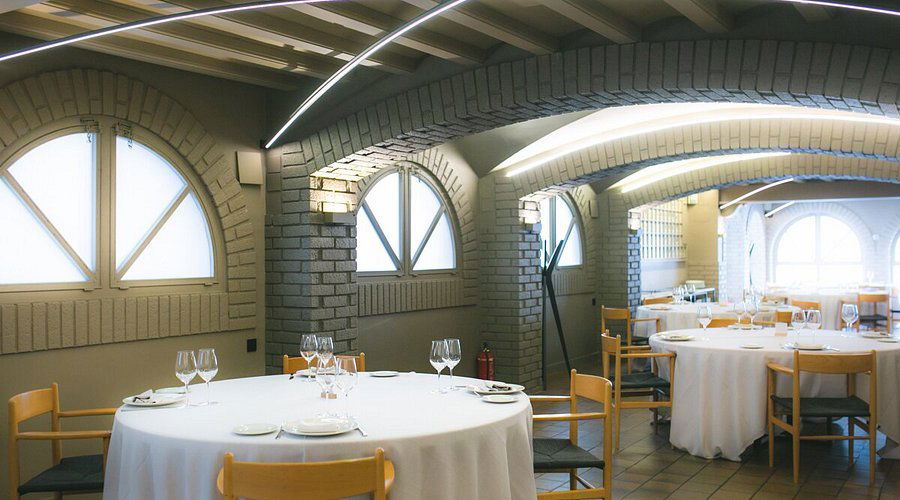
The space divides into two distinct environments. The ground-floor bar is the faster, more social option: stand-at or perch-at, suited to single dishes or a focused selection of media-raciones. The upstairs dining room is more considered, with a designer-influenced ceiling that gives it a different register without tipping into formality. Crucially, the menu is identical in both spaces, so your choice of floor is purely about how you want to eat rather than what you can order. For a first visit, the dining room gives you more time with the menu. By the second, the bar counter starts to make sense.
Chef César Marquiegui's approach is farm-to-table in the sense that actually matters: sourcing decides the menu, not the other way around. The rice dishes are a small but deliberate selection, not an afterthought, in a city where paella comparisons are unavoidable, they hold their own against specialist rice houses. The media-ración format is worth understanding before you arrive. These are half-portions designed for sharing across several people, which means a table of two can cover more ground than a traditional three-course structure would allow.
On a second visit, the strategy shifts. If your first time was in the dining room over a full meal, come back for the bar on a weekday lunch, order two or three pieces from the seafood display, add one rice dish between two. The chocolate supermousse, noted specifically in the OAD citation for its fresh, airy texture, is the dessert to end on, it is the kind of thing that reads as a detail worth skipping until you have actually had it. Order it.
A third visit, if you are in Alicante regularly, is when you start treating the seafood display as the real menu and building backwards from what looks leading that day. The kitchen's consistency across more than 5,000 documented guest experiences suggests this is a house that performs reliably rather than brilliantly on a given Tuesday. That is a meaningful distinction in a coastal Spanish city where quality can swing sharply with tourist season and supply.
Timing matters less here than at trickier-to-book addresses, but lunch at 1:30 pm on a weekday gives you the most relaxed version of the room. The kitchen runs split service every day of the week, lunch from 1:30 to 4:30 pm and dinner from 8:30 to 11:30 pm, with no days off. That consistency makes it a practical anchor for itinerary planning in a way that more erratic addresses cannot match.
For context on where Nou Manolín sits in the broader Spanish farm-to-table category, comparable addresses include Lakasa in Madrid and La Bombi in Santander, both Spanish and farm-to-table in emphasis, both operating at a similar register of ingredient focus over showmanship. If you are travelling through Spain and building a shortlist, those three together give you a useful regional read. At the highest tier of Spanish cooking, addresses like El Celler de Can Roca in Girona, Arzak in San Sebastián, Azurmendi in Larrabetzu, DiverXO in Madrid, Cocina Hermanos Torres in Barcelona, and Aponiente in El Puerto de Santa María occupy a different category entirely. Nou Manolín is not competing with them and does not need to be.
What it does offer is a template for how to eat well in Alicante without overthinking it.
Quick reference: Nou Manolín, Calle Restaurador Vicente Castelló 3, Alicante. €€€. Open daily lunch 1:30–4:30 pm, dinner 8:30–11:30 pm. Booking: easy, reserve a few days ahead for weekends. Michelin Plate 2024–2025; OAD Casual Europe #789 (2025).
How It Compares
See the comparison section below for how Nou Manolín stacks up against its peers in Alicante.
Explore More in Alacant
- Our full Alacant restaurants guide
- Our full Alacant hotels guide
- Our full Alacant bars guide
- Our full Alacant wineries guide
- Our full Alacant experiences guide
Other Alacant Restaurants Worth Considering
The take
The Take
The Vibe
Nou Manolín presents an immediate, food-first personality: you encounter a vivid seafood display as you arrive and the ground-floor bar operates as an active front line of the meal. The energy is concentrated and convivial at the counter, while an upstairs dining room with designer-inspired ceiling detail invites a more measured, lingering experience. The restaurant balances a bustling, counter-driven tapas culture with a composed dining room tempo, so the overall impression is one of approachable charm and purposeful sequencing—product-led cooking and social ritual, rather than theatrical kitchen invention.
Best For
This is a versatile spot for small groups and casual meetups as well as more deliberate midday meals. The tapas-and-media-ración format makes it ideal for after-work drinks or a relaxed evening of shared plates, while the upstairs dining room invites the slower rhythms of a proper Spanish lunch or a multi-course dinner. Because the same menu runs on both floors, parties can choose a lively, stand-at-the-counter start or a seated, unrushed progression without sacrificing access to the kitchen’s best dishes.
Ordering Tips
Start at the seafood counter: the display signals what’s freshest and many diners begin the meal standing with a glass and a plate of gambas. Embrace the tapas-and-media-ración rhythm—order a few small plates to graze and then consider a larger rice dish if you plan to sit upstairs for a longer meal. Remember that the same menu is served on both floors, so picking the bar or the dining room is a choice about pacing rather than different offerings.
Planning details
Hours
- Monday
- 1:30–4:30 pm, 8:30–11:30 pm
- Tuesday
- 1:30–4:30 pm, 8:30–11:30 pm
- Wednesday
- 1:30–4:30 pm, 8:30–11:30 pm
- Thursday
- 1:30–4:30 pm, 8:30–11:30 pm
- Friday
- 1:30–4:30 pm, 8:30–11:30 pm
- Saturday
- 1:30–4:30 pm, 8:30–11:30 pm
- Sunday
- 1:30–4:30 pm, 8:30–11:30 pm
Location
Calle Restaurador Vicente Castelló, 3, 03001 Alicante, Spain · Directions
Recognition and awards
.png?width=144&height=144&quality=80)


Also consider
Also Consider
- Baeza & Rufete, Modern Cuisine, €€€€
- El Portal Taberna & Wines, Tapas Bar, €€
- La Taberna del Gourmet, Gastrobar-Seafood, Regional Cuisine, €
- Piripi, Rice Dishes, €€€
- Alba, Contemporary, €
Restaurant context
Nou Manolín sits at the practical centre of Alicante's mid-to-upper dining tier. If you want more ambition and a longer format, Baeza & Rufete at €€€€ is the right move: modern cuisine with more technical reach, but a noticeably higher spend and a more formal structure. For most visitors, Nou Manolín is the easier decision, two Michelin Plates, consistent OAD recognition, a format that does not require you to commit to a full tasting menu.
On the rice question specifically, Piripi at €€€ is the direct peer: a specialist rice house at the same price tier, worth choosing if that is your primary focus. Nou Manolín's rice selection is deliberate but not its only strength, so if you want depth across seafood and rice rather than rice alone, Nou Manolín has the broader case. For a lighter spend, El Portal Taberna & Wines at €€ gives you a good tapas-and-wine session without the sit-down commitment, La Taberna del Gourmet at € punches above its price point for seafood in a gastrobar format.
Alba at € is the value pick for contemporary cooking, but it operates in a different register entirely from Nou Manolín's market-seafood focus. The clearest summary: book Nou Manolín when you want a reliable, award-backed meal in a dual-format space at a fair €€€ price. Book Baeza & Rufete when you want the most ambitious cooking in the city and are ready to pay for it. Use El Portal or La Taberna del Gourmet when you want to eat well without a full reservation commitment.
Explore Alacant
Around this place
Discover more on Pearl
Unlock the full Nou Manolín guide in Pearl, including awards, comparisons, FAQs, planning details, and nearby places.
Compare Nou Manolín
| Venue | Price | Awards |
|---|---|---|
| Nou Manolín | €€€ | 2026 Michelin PlateGuía Repsol Soles 20262026 OAD Casual in Europe Recommended2025 OAD Casual in Europe Ranked · #7892025 Michelin Plate2024 OAD Casual in Europe Ranked · #2172024 Michelin Plate2023 OAD Casual in Europe Highly Recommended |
| Baeza & Rufete | €€€€ | Guía Repsol Soles 20262026 Michelin 1 Star2025 Michelin 1 Star2024 Michelin 1 Star |
| El Portal Taberna & Wines | €€ | 2025 OAD Casual in Europe Ranked · #4062024 OAD Casual in Europe Ranked · #3692024 Michelin Plate2023 OAD Casual in Europe Recommended |
| La Taberna del Gourmet | € | Guía Repsol Soles 20262026 Michelin Plate2025 OAD Casual in Europe Ranked · #4562025 Michelin Plate2024 OAD Casual in Europe Ranked · #4102024 Michelin Plate2023 OAD Casual in Europe Recommended |
| Piripi | €€€ | Guía Repsol Soles 20262026 Michelin Plate2025 OAD Casual in Europe Ranked · #8082025 Michelin Plate |
| Alba | € | 2025 Michelin Bib Gourmand2024 Michelin Bib Gourmand |
.png?width=1200&quality=80)




How Nou Manolín stacks up against the competition.
FAQ
Frequently Asked Questions
How far ahead should I book Nou Manolín?
Book at least one week in advance, further ahead if visiting on a Friday or Saturday evening. The restaurant runs two services daily across every day of the week (1:30–4:30 pm and 8:30–11:30 pm), which gives you more scheduling flexibility than most Alicante venues at this tier. Its OAD Casual in Europe ranking means it draws food-focused visitors alongside locals, so weekends fill quickly.
Can Nou Manolín accommodate groups?
The split-level format — bar on the ground floor, dining room upstairs — means groups have practical options depending on how formal you want the meal. Smaller groups of two to four can work the bar counter or take a table upstairs; larger parties should check the venue's official channels to confirm availability, as the menu is identical across both floors. At €€€ per head, this is a viable group choice without the budget shock of a full tasting-menu restaurant.
What should a first-timer know about Nou Manolín?
The seafood display at the entrance is the menu's centrepiece, not decoration — the shrimp, red prawns, crayfish, oysters are what you come for. The menu is market-driven, with a selection of media-ración options and rice dishes, so ordering broadly across the table gets the most out of the format. Nou Manolín holds a Michelin Plate (2025) and ranks #789 on OAD Casual in Europe 2025, which is a step down from its #217 position in 2024, but it remains one of the more credentialled seafood options in Alicante.
What are alternatives to Nou Manolín in Alacant?
La Taberna del Gourmet is the closest like-for-like comparison: a ground-floor bar and upper dining room, strong on Alicante seafood, similarly OAD-tracked. Baeza & Rufete is the choice if you want a more chef-driven, produce-forward meal and are comfortable with a higher price point. Piripi is the better option for a more casual, locals-first lunch without the tourist draw Nou Manolín now carries.
Is lunch or dinner better at Nou Manolín?
Lunch (1:30–4:30 pm) is the stronger option. Spanish dining culture in Alicante runs heavy at midday, the market-driven menu aligns naturally with a long, unhurried afternoon meal. The kitchen operates the same hours and menu at both services, but the lunchtime atmosphere at a Spanish seafood bar of this type tends to be more animated and local-facing than the evening sitting.