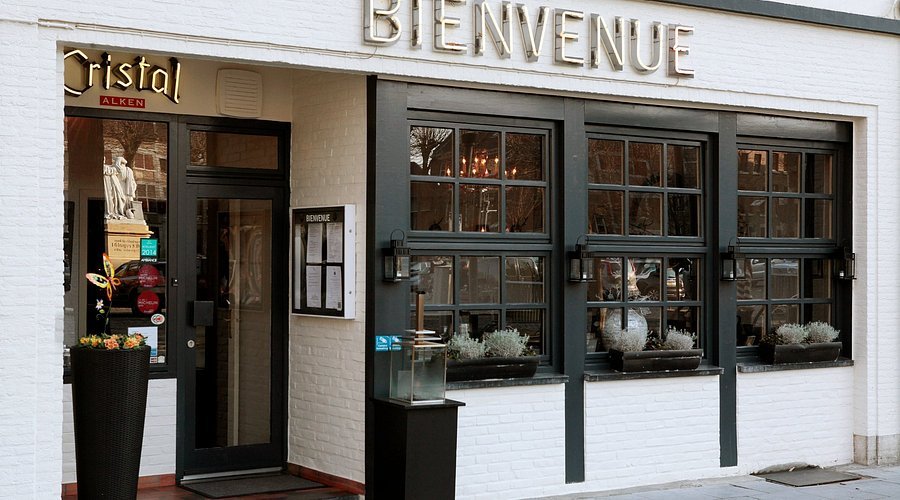
Gastronomia Inglima
Grote Markt, Maaseik
Restaurant in Maaseik, Belgium
 Book with Pearl
The Read
Price
$50–100per person
Dress
Smart Casual
Why go
Gastronomia Inglima is a practical central Maaseik dinner pick for diners who already know they like the place or want an easy evening around Markt. Choose Bienvenue instead if you need clearer cuisine and budget signals before booking; choose this when location and familiarity matter more than documented awards or chef-led detail.
About Gastronomia Inglima
For a Maaseik dinner where the goal is a straightforward evening, Gastronomia Inglima is a practical option to consider. Hours point to evening service from Tuesday through Saturday, with the restaurant closed on Monday and Sunday. Approach it as a local dinner choice rather than a venue to assess through a long culinary brief.
The main decision point is confidence. This is not the place to choose if the group needs a heavily documented special-occasion meal before committing. It works better for diners who are comfortable confirming details directly and choosing based on the evening opening hours, Maaseik location, and smart-casual dress code.
Choose it for an easy Maaseik dinner, not a researched splurge
Gastronomia Inglima is best approached as a straightforward dinner option in Maaseik, especially if its schedule and dress code suit your plans. If you are comparing Maaseik dinner options, you may also look at Bienvenue before deciding. That does not make Gastronomia Inglima a weak choice; it makes it a choice best confirmed directly if category, budget, or chef-led credentials matter to your plans.
If the table includes cautious diners, cross-shop De Bokkerijder, De Loteling, Smaakkamer Lavendel, or TIFFANY'S BY PASCAL before locking this in. For a broader scan of the city, use our full Maaseik restaurants guide; if the evening needs a stay or another stop, the Maaseik hotels guide, Maaseik bars guide, Maaseik wineries guide, and Maaseik experiences guide are better places to build the rest of the plan.
What to do on a second visit
Go back if a first visit gave you enough confidence, then keep the booking simple: dinner timing, a smart-casual approach, and a flexible ordering mindset. Ask what is available that evening rather than arriving with a fixed order. For Gastronomia Inglima, the grounded case is Maaseik, Tuesday-to-Saturday dinner hours, and a restaurant that should be confirmed directly if your plans depend on menu, price, or dietary details.
Planning details
- Location
- Markt 2, 3680 Maaseik, Belgium
- Reservations
- Book on Zenchef
- Website
- gastronomia-inglima.com
- Phone
- +32460940696
The take
The Take
The Vibe
Gastronomia Inglima settles into Maaseik’s Markt with a quietly assured presence: it reads as a small-town destination that takes dining seriously. The restaurant’s name and menu logic position it toward classical, Italian-rooted service, where courses are treated as distinct acts. Rather than shouting, the place signals ambition through structure and restraint, asking guests to bring appetite and attention. The result is a sophisticated, historic-square experience that feels intimate and intentionally paced—more like a considered evening out than a grab-and-go meal. Expect a composed, classic atmosphere that privileges the craft of cooking and the ritual of a multi-course dinner.
Best For
This is a go-to for date nights and small special occasions when you want an evening that feels purposeful. Its location on the Markt draws both locals and visitors, making it suitable for a celebratory dinner after exploring town. The menu’s Italian inflection and course-oriented logic lend themselves to lingering meals—start with lighter starters and move through pasta to meaty mains. Signature dishes such as monkfish carpaccio, the ravioli trio and a ribeye with Marsala underline the kitchen’s range. Parties that value pacing and thoughtful service are likely to get the most out of a visit.
Ordering Tips
Mind the restaurant’s emphasis on courses: menus are framed through an Italian-style progression, and the house balances à la carte freedom with tasting-menu discipline. If you prefer a guided sequence, ask the staff how they recommend pacing the meal; if you want control, choose a la carte items to build your own progression. Give the kitchen room—share starters or order them first—and leave space for a pasta course before moving to richer mains like the ribeye with Marsala. Try the monkfish carpaccio or the ravioli trio early to sample the kitchen’s strengths.
Venue details
Ambiance
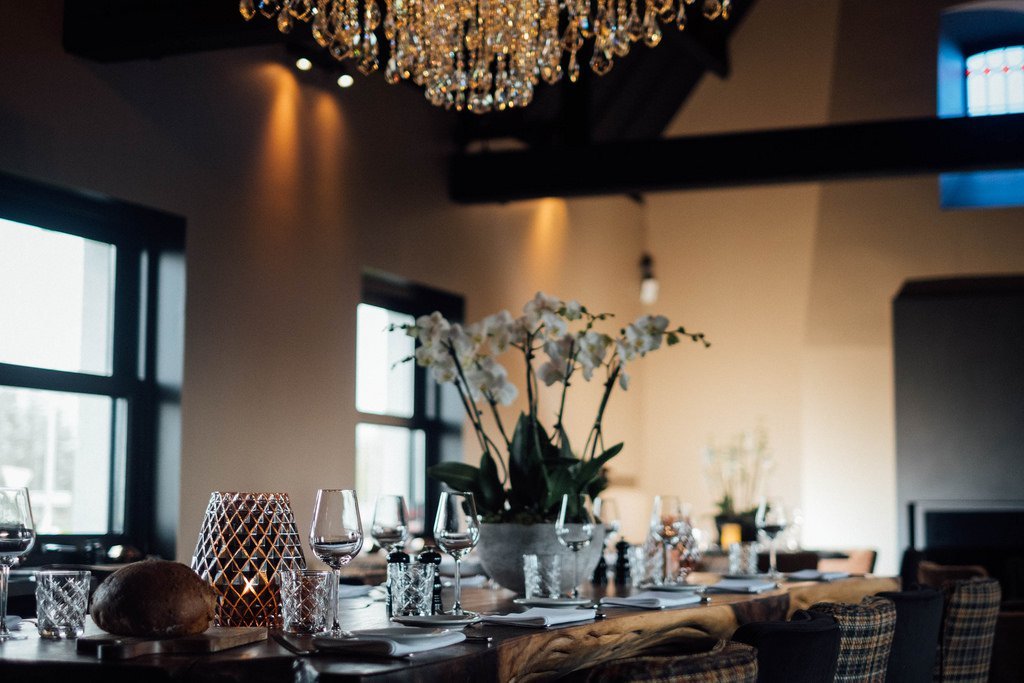
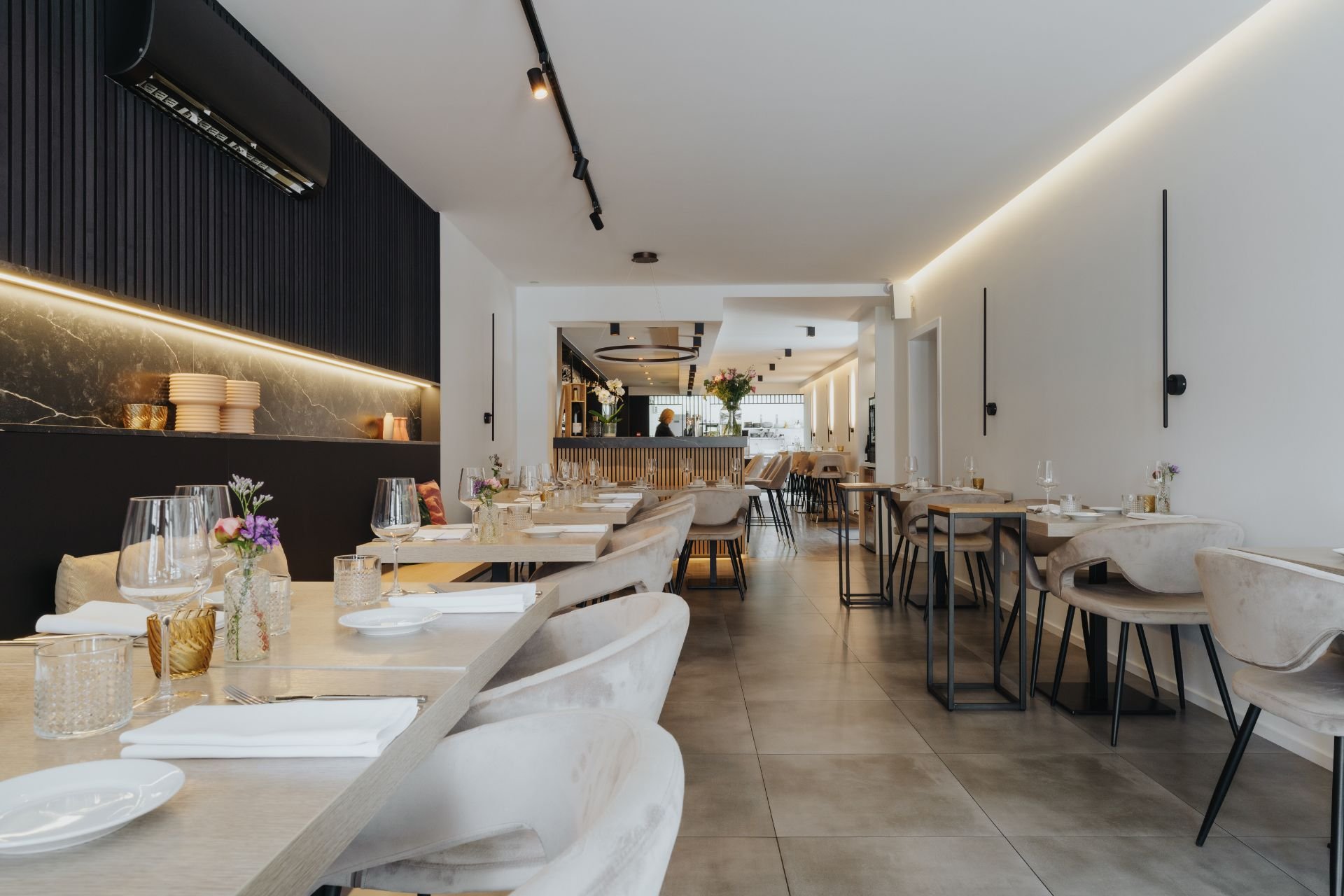
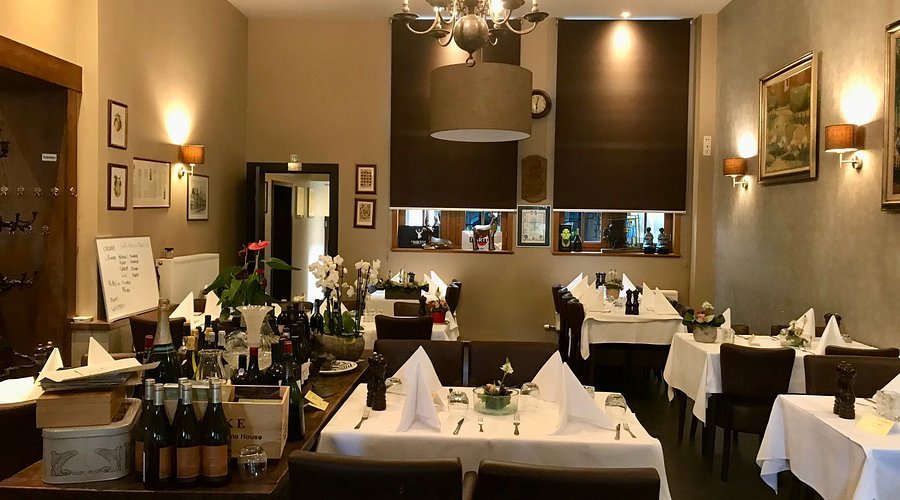
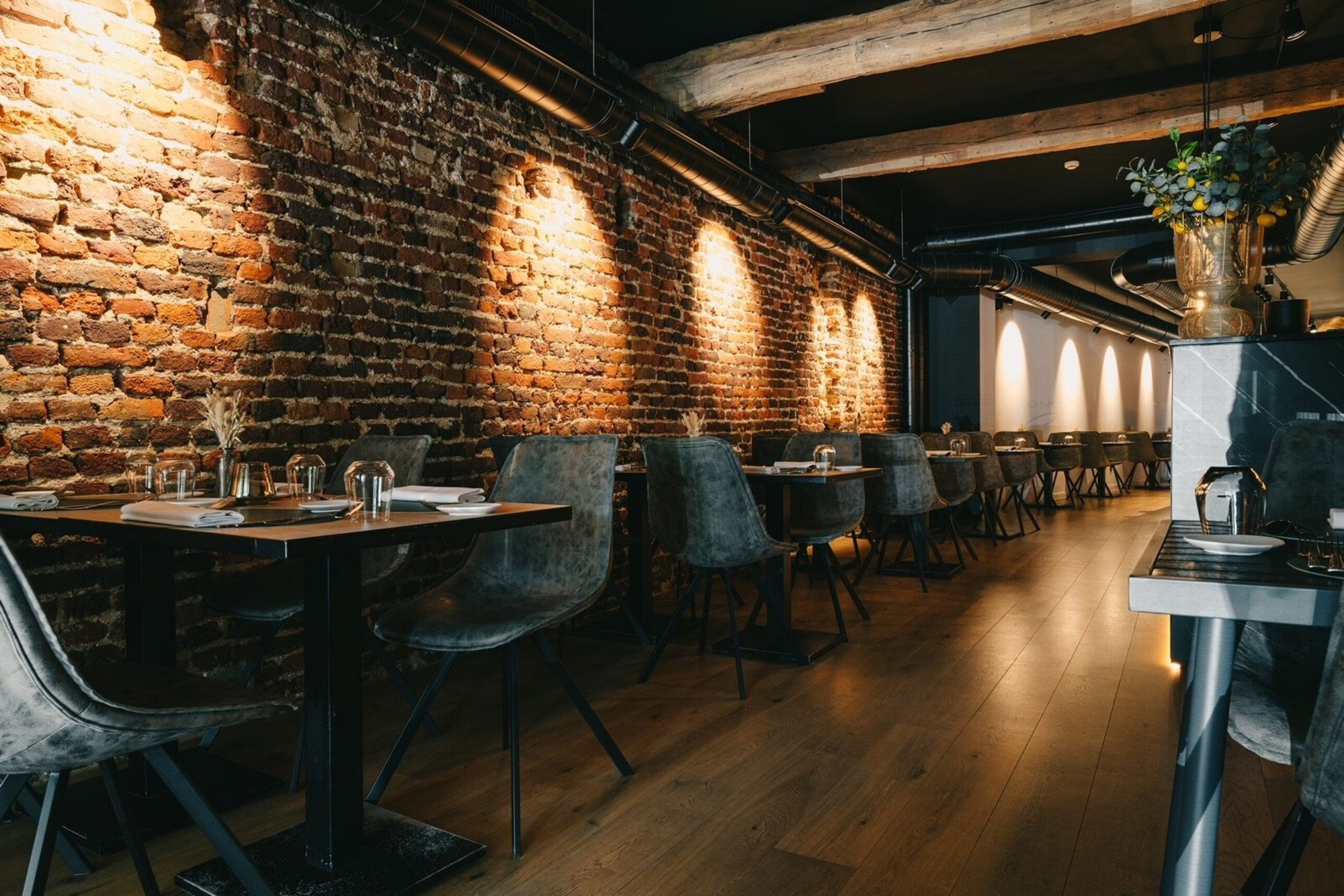
Cozy and warm interior with beautiful open kitchen, creating an inviting and atmospheric dining experience.
Tags
Vibe
Best For
Experience
View
At the Table
- Dress Code
- Smart Casual
- Noise Level
- Quiet
- Service Style
- Upscale Casual
- Meal Pacing
- Leisurely
- Capacity
- Small
- Kitchen
- Modern
- Menu Format
- A la carte, Tasting menu
- Wine Program
- Curated
- Dietary
- Vegetarian friendly
Signature Dishes
- monkfish carpaccio
- ravioli trio
- ribeye with Marsala
Know before you go
Know Before You Go
- Getting there
- Markt 2, 3680 Maaseik, Belgium
Planning details
Location
Also consider
Also Consider
- TIFFANY'S BY PASCAL, Notable alternative
- De Bokkerijder, Notable alternative
- Smaakkamer Lavendel, Notable alternative
- Bienvenue, Modern Cuisine, €€
- De Loteling, Notable alternative
Restaurant context
How it compares in Maaseik
Gastronomia Inglima is the lower-certainty choice in this Maaseik set: useful if you want a central dinner and are comfortable deciding with fewer public cues. Bienvenue is easier to assess before booking because it has Modern Cuisine and €€ positioning, so it is the safer choice for diners comparing value and style in advance.
TIFFANY'S BY PASCAL, De Bokkerijder, Smaakkamer Lavendel, and De Loteling should be cross-shopped if ambiance or occasion fit matters more than simply getting a convenient Maaseik table. With no listed price or awards for Gastronomia Inglima, it is harder to call it a splurge-worthy pick; its advantage is that the booking signal is easy and the decision can stay casual.
For a special occasion, start with the venue that gives your group the clearest expectation on cuisine and budget, which currently points to Bienvenue within this peer group. For a repeat local dinner where the group already has confidence in Gastronomia Inglima, staying with it is reasonable.
Explore Maaseik
Around this place
Discover more on Pearl
Unlock the full Gastronomia Inglima guide in Pearl, including awards, comparisons, FAQs, planning details, and nearby places.
Compare Gastronomia Inglima
| Venue | Location | Cuisine | Price | Awards |
|---|---|---|---|---|
| Gastronomia Inglima | Maaseik | , | , | No published awards |
| TIFFANY'S BY PASCAL | Maaseik | , | , | No published awards |
| De Bokkerijder | Maaseik | , | , | No published awards |
| Smaakkamer Lavendel | Maaseik | , | , | No published awards |
| Bienvenue | Maaseik | Modern Cuisine | €€ | Michelin Guide Belgium & Luxembourg 20262025 Michelin Plate2024 Michelin Bib Gourmand |
| De Loteling | Maaseik | , | , | No published awards |

.png?width=1200&quality=80)

How Gastronomia Inglima Maaseik compares with similar nearby venues.
FAQ
Frequently Asked Questions
Is lunch or dinner better at Gastronomia Inglima?
Dinner is the clear choice here, because the hours run Tuesday to Saturday from 6 PM to 12 AM. The venue is closed on Monday and Sunday, and lunch should be confirmed directly before you plan around it.
Is Gastronomia Inglima good for solo dining?
Is Gastronomia Inglima good for a special occasion?
Use it for a low-key occasion if the evening hours and Maaseik location suit your plans. Confirm menu format, pricing, and occasion details directly before using it for a high-stakes celebration.
How far ahead should I book Gastronomia Inglima?
Check availability directly before making firm dinner plans. Service runs Tuesday to Saturday from 6 PM to 12 AM.
What are alternatives to Gastronomia Inglima in Maaseik?
For comparison, consider TIFFANY'S BY PASCAL, De Bokkerijder, De Loteling, Smaakkamer Lavendel, and Bienvenue. Gastronomia Inglima makes sense when you want a Maaseik dinner option with Tuesday-to-Saturday evening hours.