

Ryôdô
Japanese · Hollerich, Luxembourg
Restaurant in Luxembourg, Luxembourg
 Book with Pearl
The Read
Japanese Precision, All-Vegetable Counter
Price
$150–200per person
Dress
Smart Casual
Why go
Ryôdô holds a Michelin star (2024 and 2025) and offers a 100% vegetable menu built on Japanese kaiseki discipline — a combination that has no direct equivalent in Luxembourg. At €€€€ pricing, it rewards returning guests as much as first-timers, since the sourcing-led menu changes with the season. Book three to four weeks out minimum; availability is tight.
About Ryôdô
Verdict: Book Ryôdô if Japanese precision and a fully vegetable menu sound compelling — but know what you're walking into
The most common mistake first-time visitors make is arriving at Ryôdô expecting a conventional Japanese restaurant. This is not a sushi counter or an izakaya. Ryôdô holds a Michelin star (retained in both 2024 and 2025) and runs a 100% vegetable menu executed with the kind of technical rigour that Japanese kaiseki demands. If you came once and thought you understood it, a return visit will likely reveal how much the sourcing and structure of the menu do the heavy lifting here. At €€€€ pricing in Luxembourg's Hollerich quarter, the question isn't whether the food is serious — it is. The question is whether this format fits your evening.
What Ryôdô Actually Is
Ryôdô is one of the very few restaurants in Luxembourg, and arguably in Western Europe, that applies Japanese kaiseki discipline to an entirely plant-based menu. The We're Smart inspectors, who specifically evaluate restaurants for their vegetable-forward cooking, awarded Ryôdô 4 Powerful Radishes, their highest tier of recognition for this category. Paired with back-to-back Michelin stars, that double endorsement from two entirely different credentialing bodies is the clearest signal available that this restaurant is doing something technically and conceptually coherent, not just trend-chasing.
The address, 27 Rue Raymond Poincaré in Hollerich, places Ryôdô in a neighbourhood that has quietly become one of Luxembourg City's more interesting dining pockets, away from the tourist-facing parts of the Grund or the corporate lunch circuit. Getting there is direct by tram or taxi from the city centre. Worth building in a few extra minutes if you're unfamiliar with the area.
The Sourcing Argument
At this price tier, the sourcing story is not decorative, it is the justification. Japanese cooking at this level, even when applied to vegetables, is predicated on ingredient quality and the precision with which those ingredients are treated at each stage of preparation. The kaiseki tradition structures the meal as a sequence where each course is tied to season and provenance, which means the menu at Ryôdô is not static. If you visited six months ago, the menu you ate is not the menu available now. This is a restaurant that demands revisiting precisely because the sourcing calendar drives the content.
For a returning guest, this is the most important thing to understand: what made the first visit memorable was almost certainly a product of timing as much as technique. Coming back in a different season is not repetition, it is a different menu. Luxembourg sits at the intersection of French, German, and Belgian agricultural supply chains, which gives a sourcing-led kitchen meaningful access to produce from across three of Europe's strongest farming regions. That geographic position is an operational advantage that a restaurant of this calibre knows how to use.
Comparable Japanese restaurants operating at this level of vegetable-focused precision, venues like Myojaku in Tokyo, Isshisoden Nakamura in Kyoto, or Gion Matayoshi in Kyoto, are working within Japan's own seasonal supply infrastructure. Ryôdô is making the same argument from Luxembourg, which is a harder brief and makes the Michelin recognition more meaningful in context.
Who Should Book
If you've been once and found the pacing slow or the portions restrained, that's not a flaw, that's the format. Kaiseki is a long meal built on restraint and accumulation, not abundance. If that suited you the first time, a return visit at a different point in the calendar year is the obvious next step. If you're bringing someone new to this style of cooking, set expectations clearly: this is a structured, multi-course experience where the vegetable menu is not a dietary accommodation but the entire conceptual foundation.
Solo dining at Ryôdô is viable and arguably well-suited to the format, counter or small-table seating allows full attention to the progression of courses without the social distraction of a larger group. For a special occasion, the combination of Michelin credentialing, the vegetable-only concept (which makes it genuinely memorable as a dinner conversation), and the €€€€ price point gives it the markers guests expect at that tier. Groups should book early and confirm capacity, as the seat count is not publicly listed and availability at Michelin-starred venues in Luxembourg books out quickly.
Booking and Practical Notes
Expect booking to be hard. Michelin-starred restaurants at this price tier in Luxembourg do not have excess capacity, and Ryôdô's dual recognition will keep demand ahead of availability. Book as far in advance as your plans allow, three to four weeks minimum is a reasonable baseline, more for weekend evenings or holiday periods. Dress smartly: this is a €€€€ Michelin-starred room and the formality of the kaiseki format implies a dress standard to match. There is no publicly listed phone number or website in the available record, so the most reliable approach is to check reservation platforms directly or contact the restaurant via the address at 27 Rue Raymond Poincaré, 2342 Hollerich.
For further context on Luxembourg's dining scene, see our full Luxembourg restaurants guide. If you're building a broader trip, our Luxembourg hotels guide, bars guide, and experiences guide are worth checking too.
Ratings and Recognition
- Michelin 1 Star, 2024 and 2025
- We're Smart Green Guide, 4 Powerful Radishes (highest tier for vegetable-focused cooking)
Other Michelin-starred Japanese references worth knowing: Azabu Kadowaki in Tokyo, Kagurazaka Ishikawa in Tokyo, Kashiwaya Osaka Senriyama in Osaka, and Ginza Fukuju in Tokyo. Also worth noting in the Luxembourg region: SENSA in Weiswampach.
How It Compares
See the comparison section below for how Ryôdô sits relative to Luxembourg's other top-tier restaurants.
Planning details
- Location
- 27 Rue Raymond Poincaré, 2342 Hollerich Luxembourg
- Reservations
- Book on Zenchef
- Website
- ryodoes.com
- Phone
- +352 27 76 92 85
The take
The Take
The Vibe
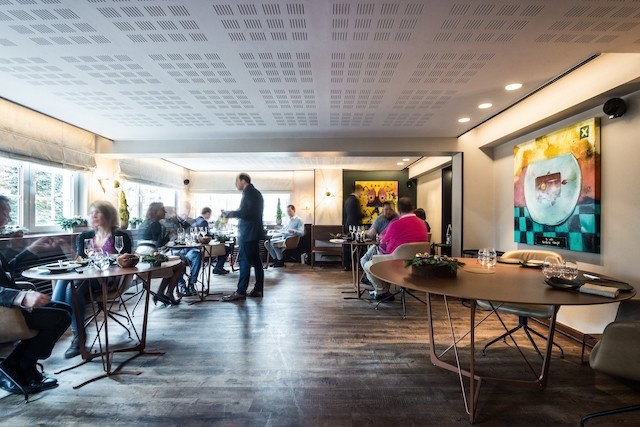
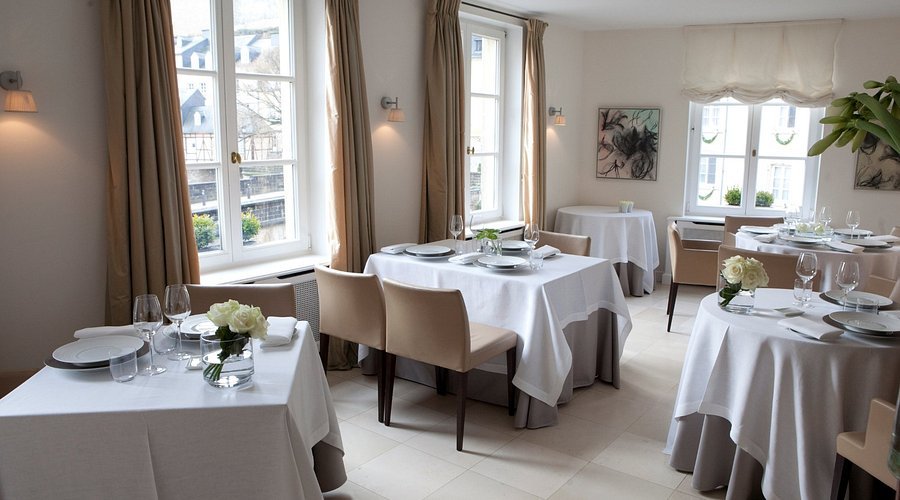
Ryôdô presents a restrained, quietly refined face of Japanese haute cuisine in Hollerich. The restaurant frames itself in the kaiseki and shojin ryori traditions, where discipline, temperature sequencing and knife work take precedence. That formal lineage produces a calm, meditative service rhythm and an understated room where the geometry of vegetable cookery is the main event. Its Michelin recognition and serious technical focus keep the atmosphere exacting rather than flashy — the kind of place that rewards attention to detail and a taste for classical Japanese technique translated into a European ingredient set.
Best For
Ryôdô is best experienced as an intimate evening destination for diners who seek a highly curated, multi-course kaiseki tasting. The Michelin-starred vegetable-only menu positions it for special-occasion dinners, date nights and celebrations where the meal itself is the focus. Seating at the counter emphasizes the relationship between kitchen discipline and guest observation, making it particularly suited to small parties or couples who appreciate culinary theatre and deliberate pacing. The restaurant's placement in a quieter district also supports a composed, contemplative dining experience.
Ordering Tips
Expect a tightly staged, seasonal kaiseki sequence rather than à la carte flexibility — the description makes clear the menu is 100% vegetable and not a dietary afterthought. Approach the service with an openness to the kitchen's progression of textures and temperatures: each course is the product of extended preparation and precise technique. Counter seating suggests close sightlines to the action, so diners who enjoy watching technique and learning from presentation should opt for those spots when available. Reservations are implied by the restaurant’s fine-dining positioning and Michelin recognition.
Venue details
Ambiance
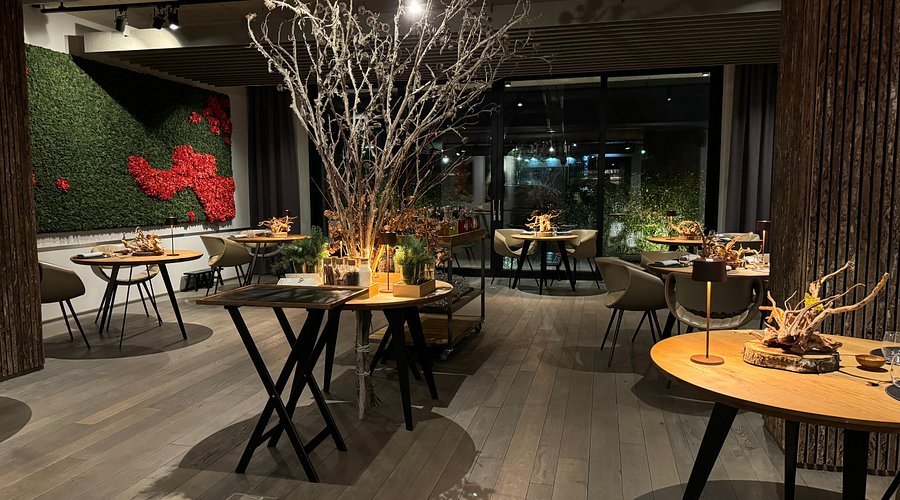
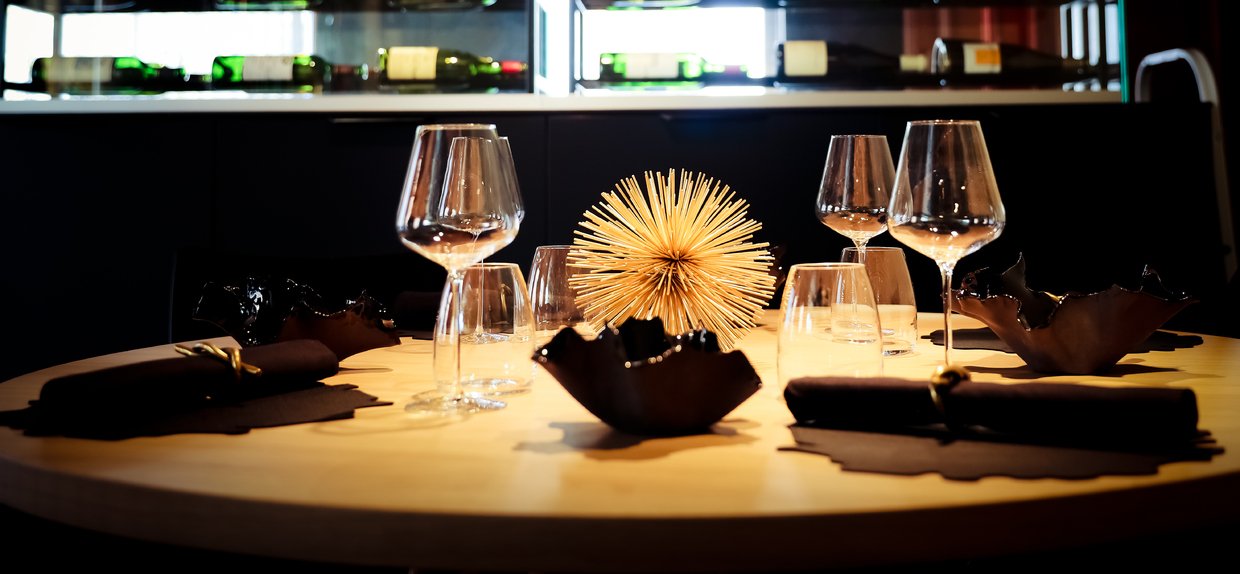
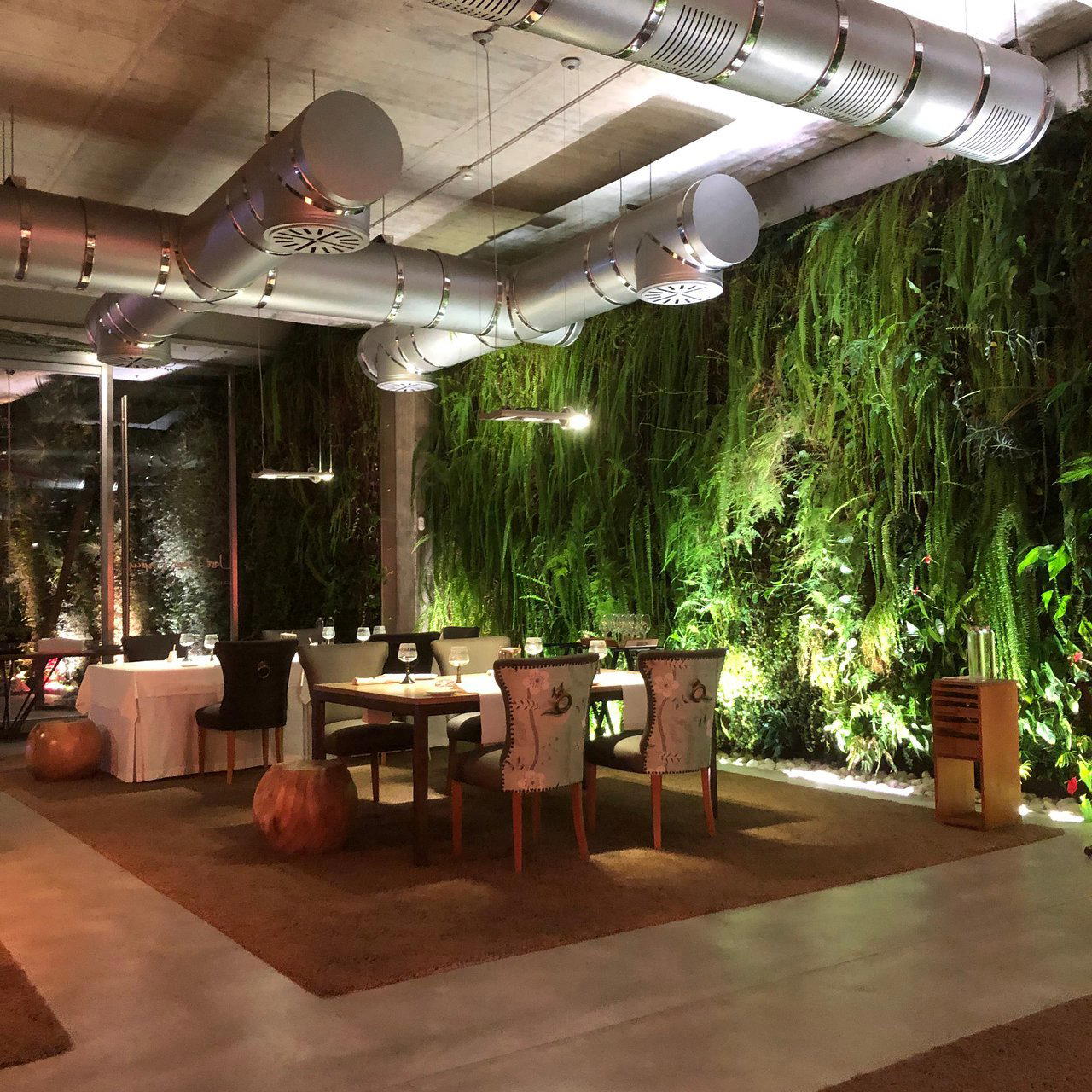
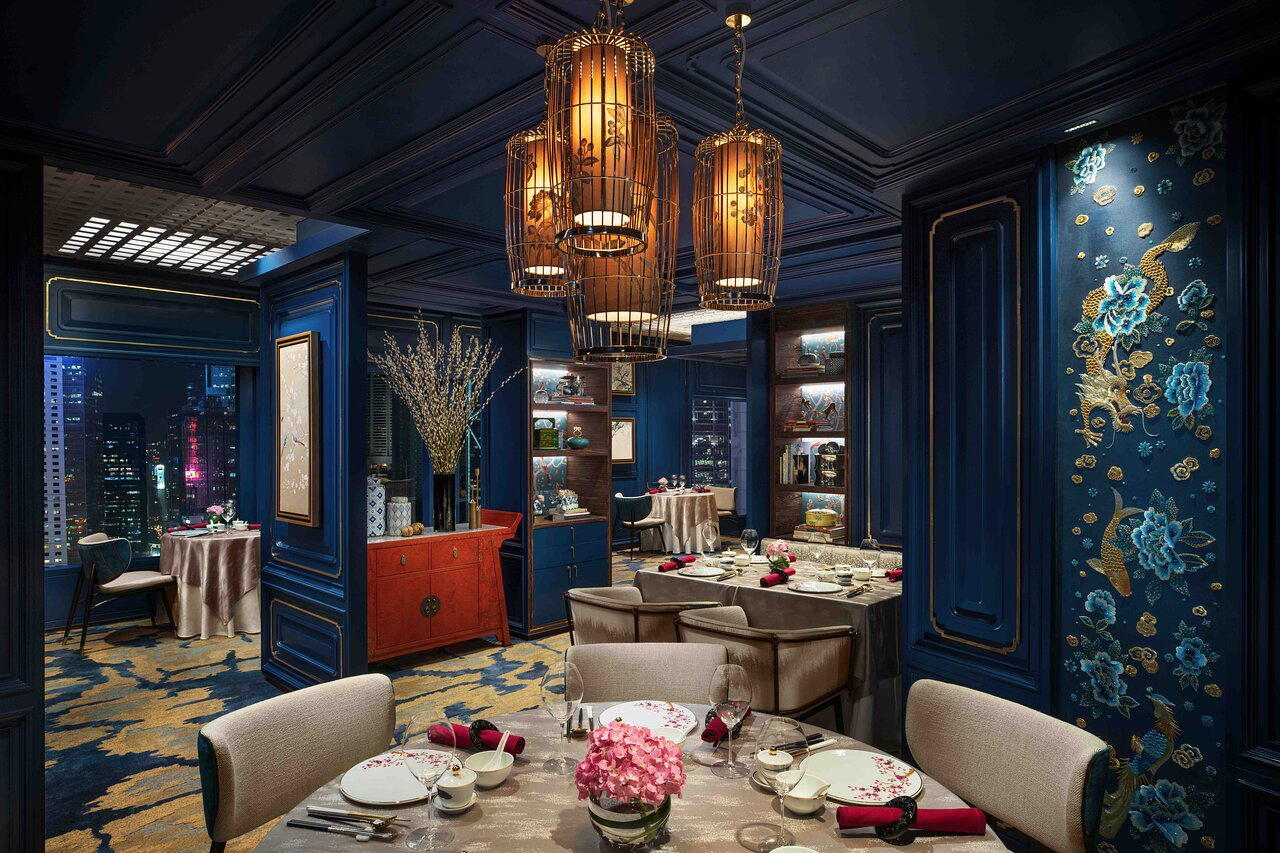
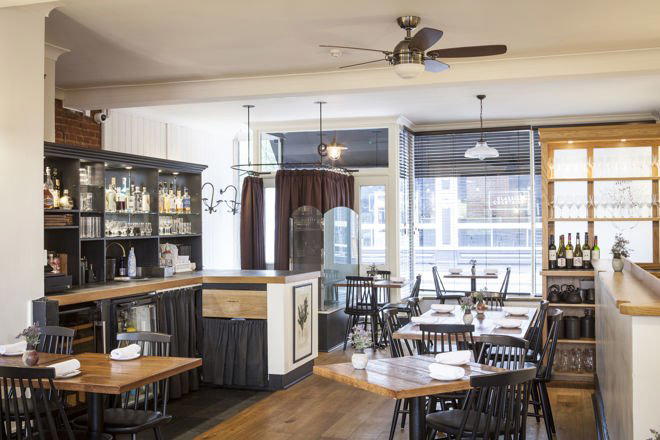
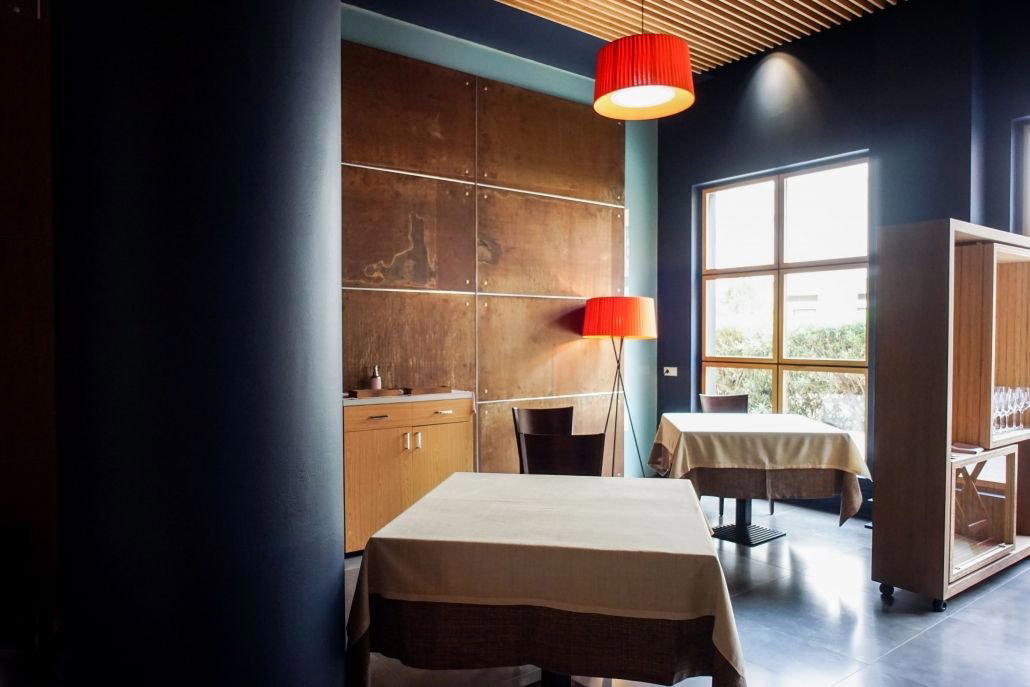
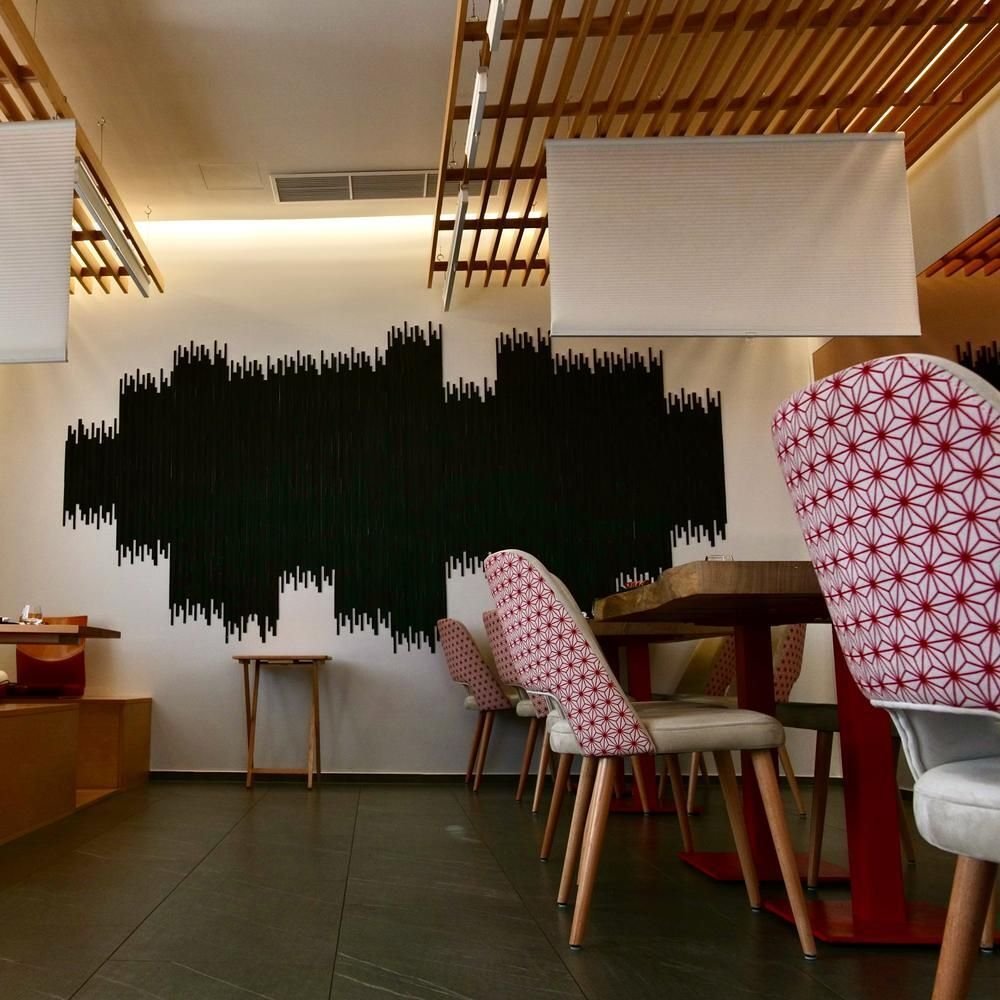
Luminous minimalist interior with light wooden furnishings and an elegant, quiet atmosphere focused on the culinary experience.
Tags
Vibe
Best For
At the Table
- Dress Code
- Smart Casual
- Noise Level
- Quiet
- Service Style
- Formal
- Meal Pacing
- Extended Experience
- Capacity
- Intimate
- Kitchen
- Traditional
- Menu Format
- Tasting menu
- Wine Program
- Exceptional
- Drinks Focus
- Sake
- Dietary
- Vegan options
Signature Dishes
- A5 wagyu
- Otoro tuna temaki
Know before you go
Know Before You Go
- Getting there
- 27 Rue Raymond Poincaré, 2342 Hollerich Luxembourg
Planning details
Location
27 Rue Raymond Poincaré, 2342 Hollerich Luxembourg · Directions
Recognition and awards
Also consider
Also Consider
- Ma Langue Sourit, Contemporary French, Modern Cuisine, €€€€
- Léa Linster, Modern French, €€€€
- Apdikt, Creative, €€€
- Archibald De Prince, Organic, €€€€
- Fani, Italian, €€€€
Restaurant context
Luxembourg's top-tier dining options at the €€€€ level each offer something different, and the right choice depends on what kind of meal you're after. Ma Langue Sourit is the closest peer in terms of critical standing, it runs a creative contemporary French menu with strong seasonal credentials and comparable booking difficulty. If you want a more familiar fine-dining format without the structural constraints of kaiseki, Ma Langue Sourit is the more approachable choice. Ryôdô asks more of the diner in terms of format familiarity; Ma Langue Sourit does not.
Léa Linster brings historical weight, it is one of Luxembourg's most established fine-dining names, and suits guests for whom provenance and track record matter as much as novelty. Archibald De Prince at €€€€ with an organic focus is the closest thematic relative to Ryôdô in terms of ingredient philosophy, but operates in a European rather than Japanese idiom. If the vegetable-and-sourcing argument interests you but kaiseki is unfamiliar territory, Archibald De Prince is a lower-friction starting point. Fani at €€€€ serves Italian, a different category entirely, and the right call if the evening calls for something warmer and less structured.
For a step down in price without sacrificing creativity, Apdikt at €€€ is worth considering, it is easier to book, costs less, and delivers a genuinely creative experience. The practical verdict: Ryôdô is the right booking if the Japanese vegetable-menu format is precisely what you want, and you are willing to plan ahead. For a first fine-dining experience in Luxembourg, Ma Langue Sourit or Léa Linster are less demanding entry points. See our full Luxembourg restaurants guide for the broader picture.
Explore Luxembourg
Around this place
Discover more on Pearl
Unlock the full Ryôdô guide in Pearl, including awards, comparisons, FAQs, planning details, and nearby places.
Compare Ryôdô
| Venue | Cuisine | Price | Booking Difficulty | Awards |
|---|---|---|---|---|
| Ryôdô | Japanese | €€€€ | Hard | Michelin Guide Belgium & Luxembourg 2026We're Smart World Top Restaurants 20252025 Michelin 1 Star2024 Michelin 1 Star |
| Ma Langue Sourit | Contemporary French, Modern Cuisine | €€€€ | Unknown | 2026 OAD Classical in Europe Ranked · #64Michelin Guide Belgium & Luxembourg 20262026 Les Grandes Tables du Monde Members2026 La Liste Top Restaurants2025 OAD Classical in Europe Ranked · #64We're Smart World Top Restaurants 2025We're Smart World Top 100 20252025 Michelin 2 Stars2025 La Liste Top Restaurants |
| Léa Linster | Modern French | €€€€ | Unknown | No published awards |
| Apdikt | Creative | €€€ | Unknown | Michelin Guide Belgium & Luxembourg 2026We're Smart World Top Restaurants 20252025 Michelin 1 Star2024 Michelin 1 Star |
| Archibald De Prince | Organic | €€€€ | Unknown | Michelin Guide Belgium & Luxembourg 2026We're Smart World Top Restaurants 20252025 Michelin 1 Star2024 Michelin Plate |
| Fani | Italian | €€€€ | Unknown | Michelin Guide Belgium & Luxembourg 2026We're Smart World Top Restaurants 20252025 Michelin 1 Star2024 Michelin 1 Star |





.png?width=1200&quality=80)
Key differences to consider before you reserve.
FAQ
Frequently Asked Questions
Is Ryôdô good for solo dining?
Solo diners tend to get the most from Ryôdô's format. Kaiseki is a structured, course-by-course progression where the pacing rewards full attention — something easier to give when you're not managing a group's reactions. At €€€€ pricing with consecutive Michelin stars in 2024 and 2025, the solo investment is significant, but the format is built for it.
Is the tasting menu worth it at Ryôdô?
Yes, if the format fits. Ryôdô applies Japanese kaiseki discipline to an entirely vegetable menu — a combination almost absent in Western Europe at this level, and one the We're Smart inspectors awarded 4 Powerful Radishes alongside two consecutive Michelin stars. If you're looking for à la carte flexibility or a protein-forward meal, this is the wrong room. If the discipline and constraint of the format appeal, it justifies the €€€€ spend.
What should I order at Ryôdô?
Ryôdô runs a set menu — there is no à la carte selection. The entire menu is vegetable-based and structured in the kaiseki tradition, so your job as a diner is to commit to the progression, not to choose within it. Dietary requirements beyond vegetable exclusions should be raised at the time of booking.
What should I wear to Ryôdô?
Ryôdô's two Michelin stars and €€€€ price point place it firmly in Luxembourg's top tier — smart dress is the safe call. This is not a room where casual clothes would be comfortable, even if no explicit dress code is published. Treat it as you would any other two-visit Michelin-level restaurant in a European capital.
What are alternatives to Ryôdô in Luxembourg?
Ma Langue Sourit in Mondorf-les-Bains is the closest peer — also Michelin-starred and known for a highly refined tasting format. Léa Linster in Frisange carries long-standing Michelin recognition and a classical French approach. If you want high-end dining without the kaiseki structure or vegetable-only constraint, either is a more conventional choice. Apdikt is worth considering for a more contemporary, ingredient-led format at a similar seriousness level.
Is Ryôdô worth the price?
For the right diner, yes. Two consecutive Michelin stars (2024, 2025) and a 4 Powerful Radishes award from We're Smart inspectors are not routine credentials — Ryôdô has earned external validation from two independent bodies. The value case rests on whether Japanese kaiseki applied entirely to vegetables is what you're seeking. If you'd prefer a broader menu or a meat-forward experience, the €€€€ spend is harder to justify here than at Luxembourg peers.
Is Ryôdô good for a special occasion?
Yes — the format suits it. Kaiseki is a long, unhurried meal built on restraint and progression, which naturally frames a special occasion without requiring theatrical service. Michelin-starred recognition two years running gives the booking a credibility anchor if you're taking someone whose expectations need to be managed. Book as far ahead as possible; capacity at this level in Luxembourg is limited.