
Restaurant in طرابلس, Libya
L'antica Pizzeria Da Michele / Libya
100ptsNeapolitan Lineage, North Africa
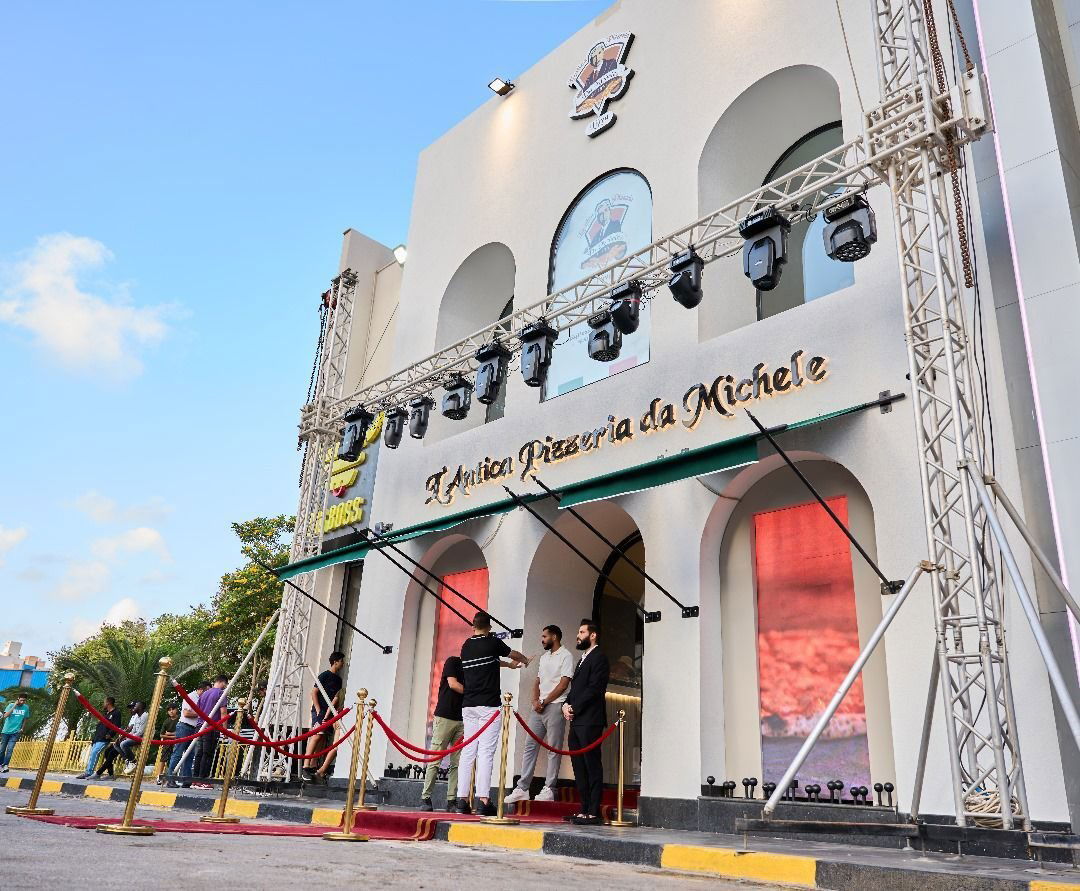
About L'antica Pizzeria Da Michele / Libya
The Da Michele name carries one of Naples' most documented pizza lineages, and its Tripoli address places that tradition inside a city where Italian culinary influence runs deeper than most visitors expect. Sourcing and technique remain the editorial questions worth asking here, as they are at any Da Michele outpost. For context on the wider Tripoli dining scene, see EP Club's full city coverage.
Italian Pizza in Tripoli: A Name With Weight
The Da Michele lineage is not a franchise concept in the ordinary sense. The original L'Antica Pizzeria Da Michele in Naples has operated since 1870, building a reputation grounded in deliberate restraint: two pizzas on the menu, one dough technique, one argument about what Neapolitan pizza is supposed to be. When that name appears in a city like Tripoli, the first editorial question is not whether the branding is attractive but whether the sourcing and technique that justify the name travel with it. That question matters here as much as it does at any Da Michele outpost from Tokyo to London.
Tripoli sits on the southern Mediterranean coast, and Italian culinary influence in the city predates the current wave of globalised restaurant concepts by several decades. Libya's colonial history under Italian administration, which ran from 1911 through 1943, left a persistent imprint on local food culture: pasta, certain bread-baking techniques, and the idea of the wood-fired oven as a legitimate piece of kitchen infrastructure are not alien here. A Neapolitan pizza house in Tripoli is therefore not as incongruous as it might appear on a map. It is, in some respects, arriving into a city that already had a relationship with the cooking tradition, however attenuated by time and political rupture.
What Ingredient Sourcing Means at This Distance
The central tension for any Da Michele location operating outside Italy is flour and tomato provenance. The Naples original uses Caputo flour milled in the city and San Marzano tomatoes grown in volcanic soil south of Vesuvius. Both are available for export, and serious outposts of the brand have maintained those supply lines as a point of brand integrity. Whether the Tripoli address follows the same sourcing discipline is the question a first-time visitor should be asking, because the answer determines whether what arrives on the table is a credible expression of the tradition or a likeness built on local substitutes.
This is not a theoretical concern. Across the Mediterranean, Italian-branded concepts have split into two observable tiers: those that maintain direct ingredient pipelines from Italy (buffalo mozzarella flown in, specific flour grades imported, San Marzano tomatoes in branded tins) and those that adapt to local supply chains and produce something adjacent to the source tradition. Both can produce good food. Only the first can make a defensible claim to the original technique. Tripoli's import infrastructure, complicated in recent years by the country's political instability, makes the former approach harder to sustain than it would be in, say, Dubai or Singapore. That context is relevant to setting expectations.
For comparison, Italian outposts in more logistically stable cities — [8 1/2 Otto e Mezzo Bombana (Hong Kong) in Hong Kong](https://www.enprimeurclub.com/restaurants/8-12-otto-e-mezzo-bombana-hong-kong-restaurant) and [Alain Ducasse- Louis XV in Monte Carlo](https://www.enprimeurclub.com/restaurants/alain-ducasse-louis-xv-monte-carlo-restaurant) operate with European ingredient pipelines that are simply easier to maintain. The Da Michele name in Tripoli is working in a more constrained environment, and that constraint shapes the experience.
Tripoli's Dining Scene: Where Da Michele Sits
Tripoli's restaurant market is not structured the way Gulf city markets are, with tiered price brackets and clear competitive sets built around international brands. The city's dining options range from traditional Libyan cooking at neighbourhood restaurants to a handful of venues operating with more international ambitions. [As-Safir Restaurant](https://www.enprimeurclub.com/restaurants/assafir-restaurant-unknown-city-restaurant) and [Fattoush](https://www.enprimeurclub.com/restaurants/fattoush-unknown-city-restaurant) represent the Lebanese-inflected end of the city's dining options, a category with deep roots across North African urban centres. [Laleli Turkis Restaurant](https://www.enprimeurclub.com/restaurants/laleli-turkis-restaurant-unknown-city-restaurant) points to a separate Turkish culinary current that runs through the city's history as a former Ottoman territory. [مطعم المندي](https://www.enprimeurclub.com/restaurants/85dfe395-unknown-city-restaurant) anchors the traditional end of the spectrum with slow-cooked meat preparations that represent a distinctly local register.
Within that context, a Neapolitan pizza house with a documented international lineage occupies a different position: it is neither a local tradition nor a generic international chain, but a named concept with a specific culinary argument behind it. That positioning is unusual in Tripoli, and it draws a different kind of diner than the establishments listed above. For anyone spending time in the city, the full طرابلس restaurants guide provides the broader context needed to calibrate where this address sits relative to the city's wider options.
Further afield in Libya, [Baracuda Seafood Restaurant in Tripoli](https://www.enprimeurclub.com/restaurants/baracuda-seafood-restaurant-tripoli-restaurant) addresses the local seafood tradition that the Mediterranean coastline makes possible, and [Togada Cafe in Ghudamis](https://www.enprimeurclub.com/restaurants/togada-cafe-ghudamis-restaurant) represents the desert-edge hospitality culture of the interior. The Da Michele address is working in a different register from both.
The Neapolitan Pizza Tradition: What the Format Demands
Neapolitan pizza, as codified by the Associazione Verace Pizza Napoletana, requires a specific dough fermentation time (typically 24 to 48 hours), cooking in a wood-fired oven at approximately 430 to 480 degrees Celsius for 60 to 90 seconds, and a finished crust with characteristic leopard-spotting on the underside and a soft, slightly elastic cornicione. The Da Michele tradition within that framework is even more specific: the menu has historically been reduced to the Margherita and the Marinara, with no additions, no creative variations, and no compromise on dough hydration ratios. That editorial position is itself a statement about what pizza should be.
For a global readership accustomed to seeing the Da Michele name at addresses in [Le Bernardin in New York City](https://www.enprimeurclub.com/restaurants/le-bernardin) territory or alongside venues like [Alinea in Chicago](https://www.enprimeurclub.com/restaurants/alinea) and [Lazy Bear in San Francisco](https://www.enprimeurclub.com/restaurants/lazy-bear), finding the brand in Tripoli is a different kind of signal. It suggests either a genuinely ambitious effort to bring a serious pizza tradition to an underserved market, or a licensing arrangement where the name travels further than the standards. Without verified sourcing data from this location, that distinction cannot be resolved here.
Planning Your Visit
Practical information for this address is limited in the public record. No verified hours, booking method, or price data are available through EP Club's database at the time of publication. Given Tripoli's current operating environment, visiting in person or contacting the address directly before making a specific trip is the appropriate approach. For visitors already in the city, the address on طرابلس is the reference point; for those planning around it, the broader city guide provides logistical context for the dining district.
Frequently Asked Questions
What do regulars order at L'antica Pizzeria Da Michele / Libya?
The Da Michele tradition, rooted in Naples, has historically offered a menu of two: the Margherita and the Marinara. If the Tripoli address follows that format, regulars are not choosing from a long list but returning to one of those two preparations. The Marinara, made without cheese and relying entirely on tomato, garlic, and oregano quality, is often the more revealing order because it has fewer ingredients behind which inconsistency can hide. Venues like [Emeril's in New Orleans](https://www.enprimeurclub.com/restaurants/emerils-new-orleans-restaurant) and [Atomix in New York City](https://www.enprimeurclub.com/restaurants/atomix) operate with extensive menus; Da Michele's argument has always been the opposite.
Should I book L'antica Pizzeria Da Michele / Libya in advance?
No verified booking method is on record for this address. In cities where Da Michele operates at high volume, walk-in queues rather than reservations have traditionally defined the format, consistent with the Neapolitan original's approach. Tripoli's dining infrastructure is less predictable than established markets, so arriving with flexibility in your schedule is the practical recommendation. If you are building a meal plan around this address specifically, confirming operating status before arrival is advisable given the city's current conditions. Venues with established booking systems, such as [Alléno Paris au Pavillon Ledoyen in Paris](https://www.enprimeurclub.com/restaurants/allno-paris-au-pavillon-ledoyen-paris-restaurant) or [Amber in Hong Kong](https://www.enprimeurclub.com/restaurants/amber-hong-kong-restaurant), operate in a different logistical environment entirely.
How does the Da Michele name transfer to a North African city, and does it hold the same standards?
The Da Michele brand has expanded internationally across multiple continents, with locations in cities including Tokyo, London, and Los Angeles. Each outpost carries a licensing relationship with the Naples original, but the degree to which sourcing and technique standards are enforced varies. In Tripoli specifically, import logistics and supply chain constraints mean the sourcing question is more acute than at European or Gulf addresses. Comparable Italian-heritage concepts operating in North Africa, such as those documented alongside venues like [Aponiente in El Puerto de Santa María](https://www.enprimeurclub.com/restaurants/aponiente-el-puerto-de-santa-mara-restaurant) and [Aqua in Wolfsburg](https://www.enprimeurclub.com/restaurants/aqua-wolfsburg-restaurant) in EP Club's wider coverage, demonstrate that proximity to European supply chains matters significantly for ingredient fidelity.
Related editorial
- Asia's 50 Best Restaurants 2026: The Chairman and Wing Go 1-2 from the Same BuildingThe Chairman takes No. 1 and Wing climbs to No. 2 at Asia's 50 Best Restaurants 2026. Both operate from the same Hong Kong building. Here's what it means.
- Four Seasons Yachts Debut: 95 Suites, 11 Restaurants, and a March 2026 Maiden VoyageFour Seasons I launches March 20, 2026, with 95 suites, a one-to-one staff ratio, and 11 onboard restaurants. Worth tracking if you want hotel-grade service at sea.
- LA Michelin Guide 2026: Seven New Restaurants from Tlayudas to Uzbek DumplingsMichelin's March 2026 California Guide update adds six LA restaurants and one Montecito newcomer, spanning Oaxacan tlayudas, Uzbek manti, and Korean-Italian pasta.
Save or rate L'antica Pizzeria Da Michele / Libya on Pearl
Keep this venue in your Pearl passport, rate it after you visit, and track it alongside every other place you collect.