
Zucchero
Italian · Nakagyō, Kyoto
Restaurant in Kyoto, Japan
 Book with Pearl
The Read
Market-Sourced Daily Italian
Dress
Smart Casual
Why go
Zucchero is a ¥¥ Italian restaurant in Kyoto's Nakagyo Ward, Michelin Plate-recognised for 2024, where a chef with seafood wholesale and kappo experience runs a daily-changing menu of carpaccio, pasta, and market-driven fish dishes. Booking is easy, pricing is accessible, and the sourcing rigour sits well above the price tier. A practical choice for food-focused visitors who want quality Italian without a tasting-menu budget.
About Zucchero
A ¥¥ Italian Spot in Kyoto That Earns a Michelin Plate on Seafood Wholesaler Logic
At the ¥¥ price tier, Zucchero is one of Kyoto's more direct value propositions: a second-floor Italian restaurant in Nakagyo Ward where the chef's background as a seafood wholesaler and kappo cook shapes every plate. You are not paying for ceremony or a prestige address. You are paying for daily-changing seafood dishes handled with the kind of confidence that comes from working markets and counter kitchens, not from culinary school theory. For explorers who want substance over staging, this is worth serious consideration.
The Space
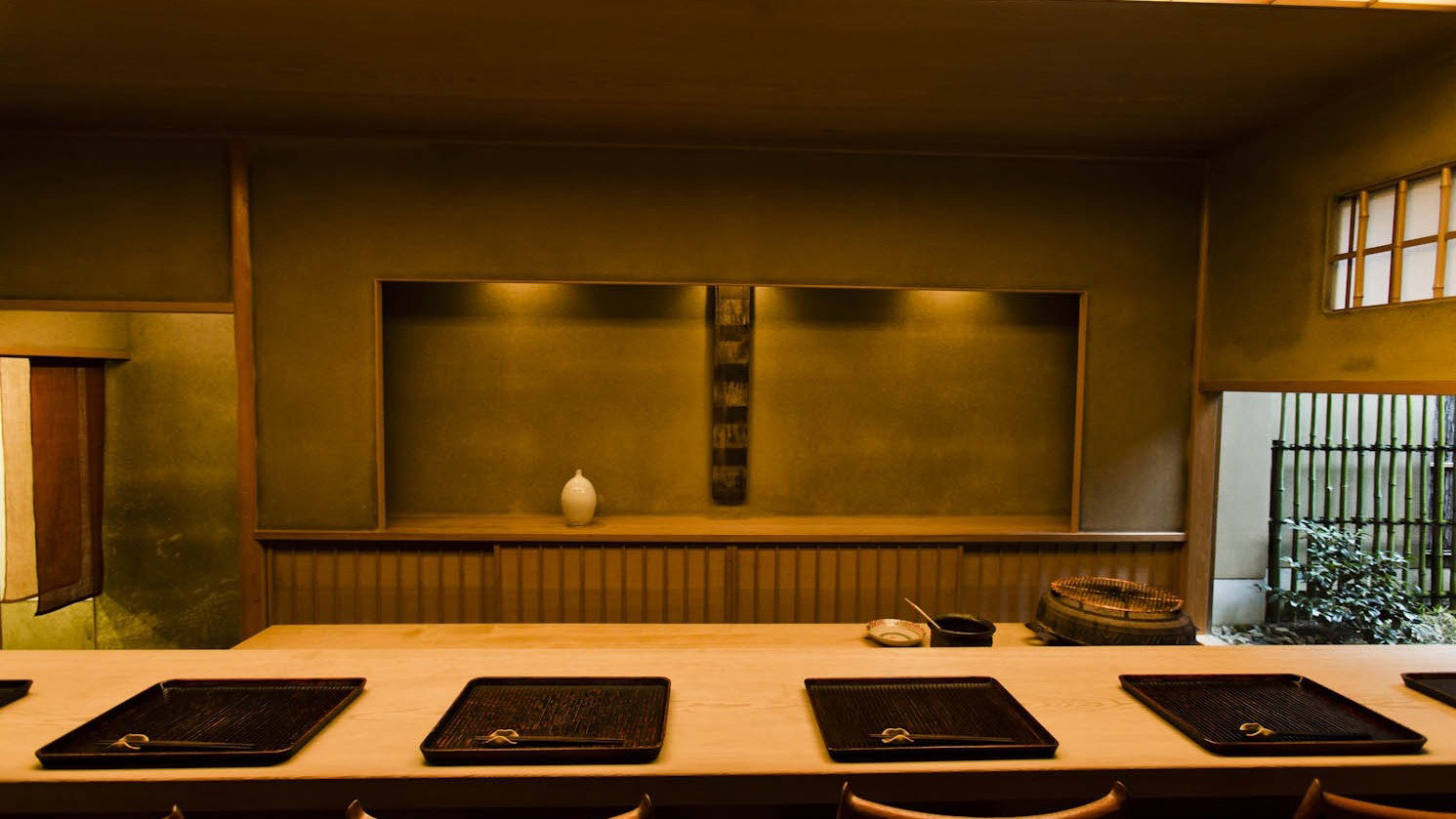
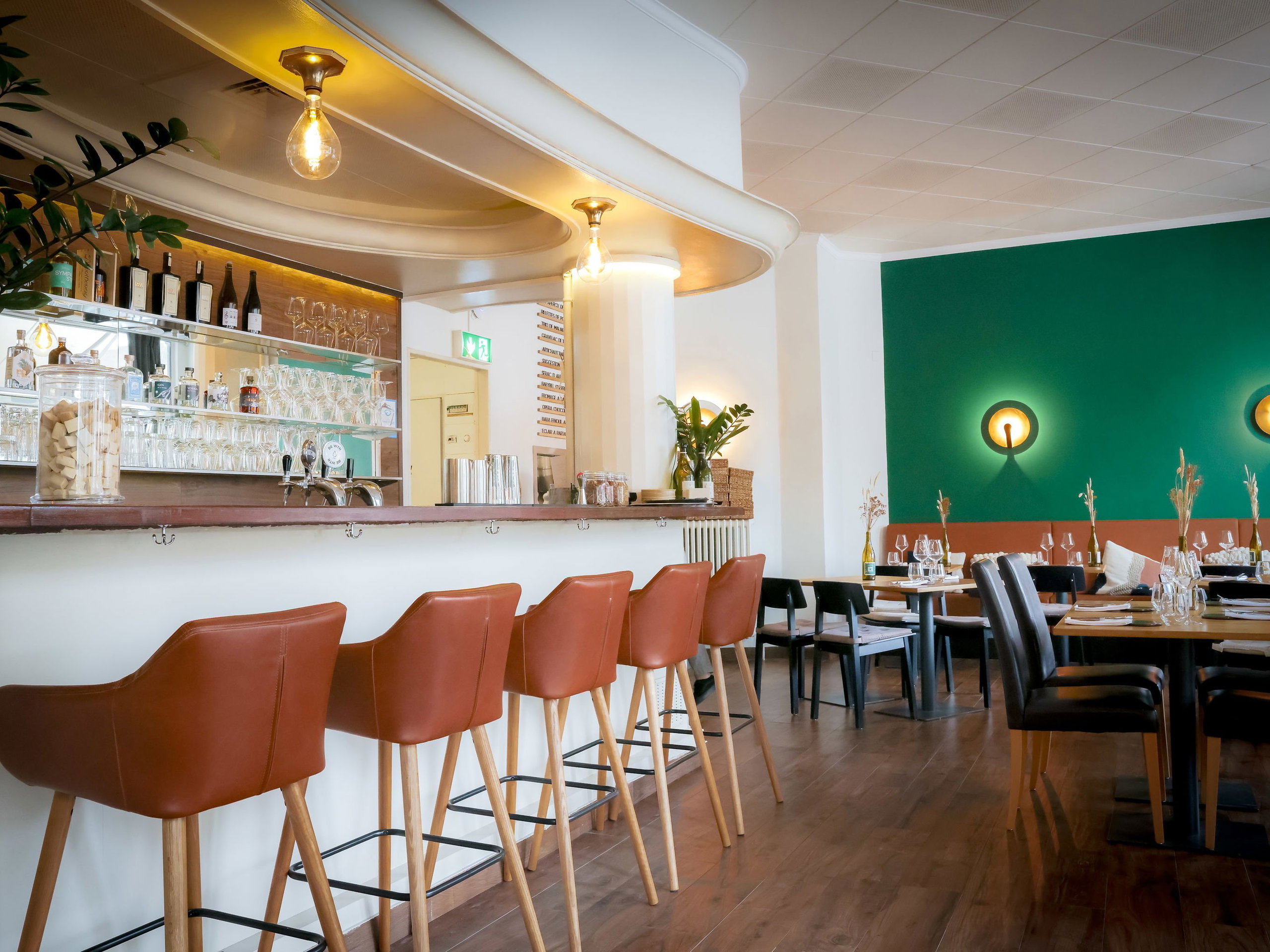
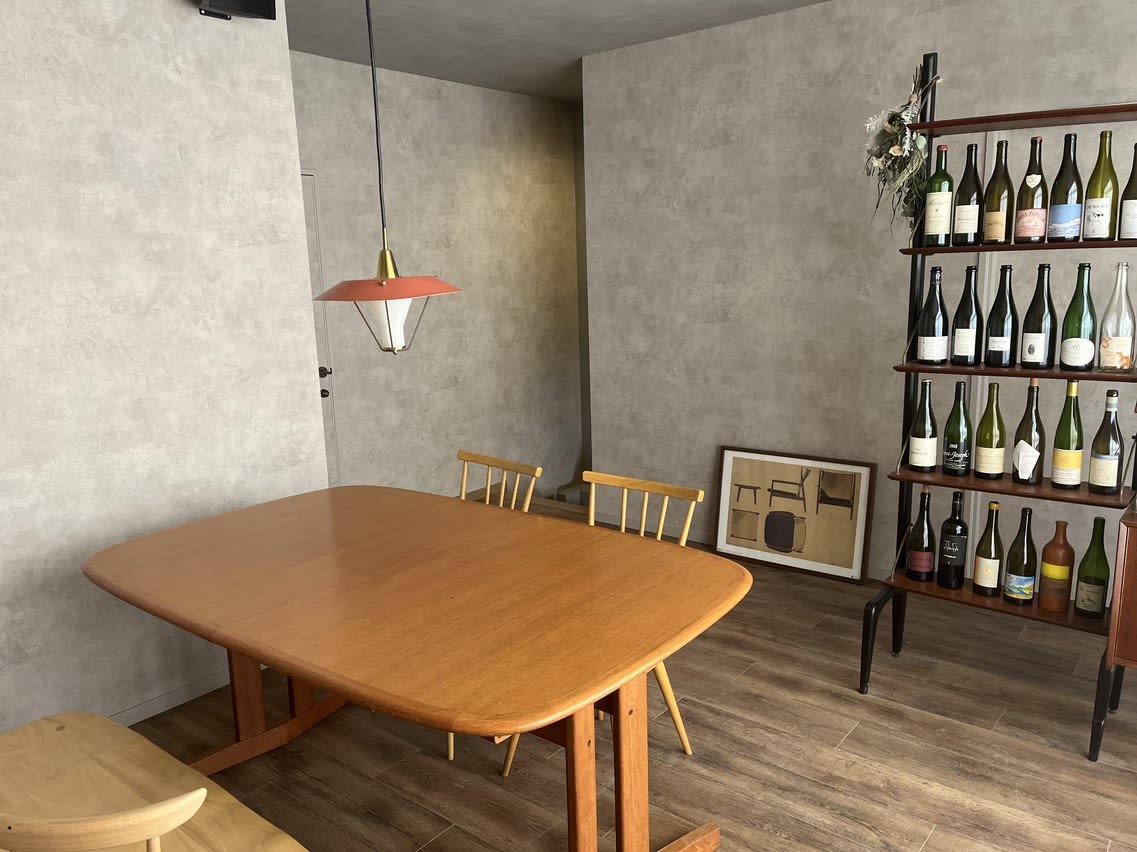
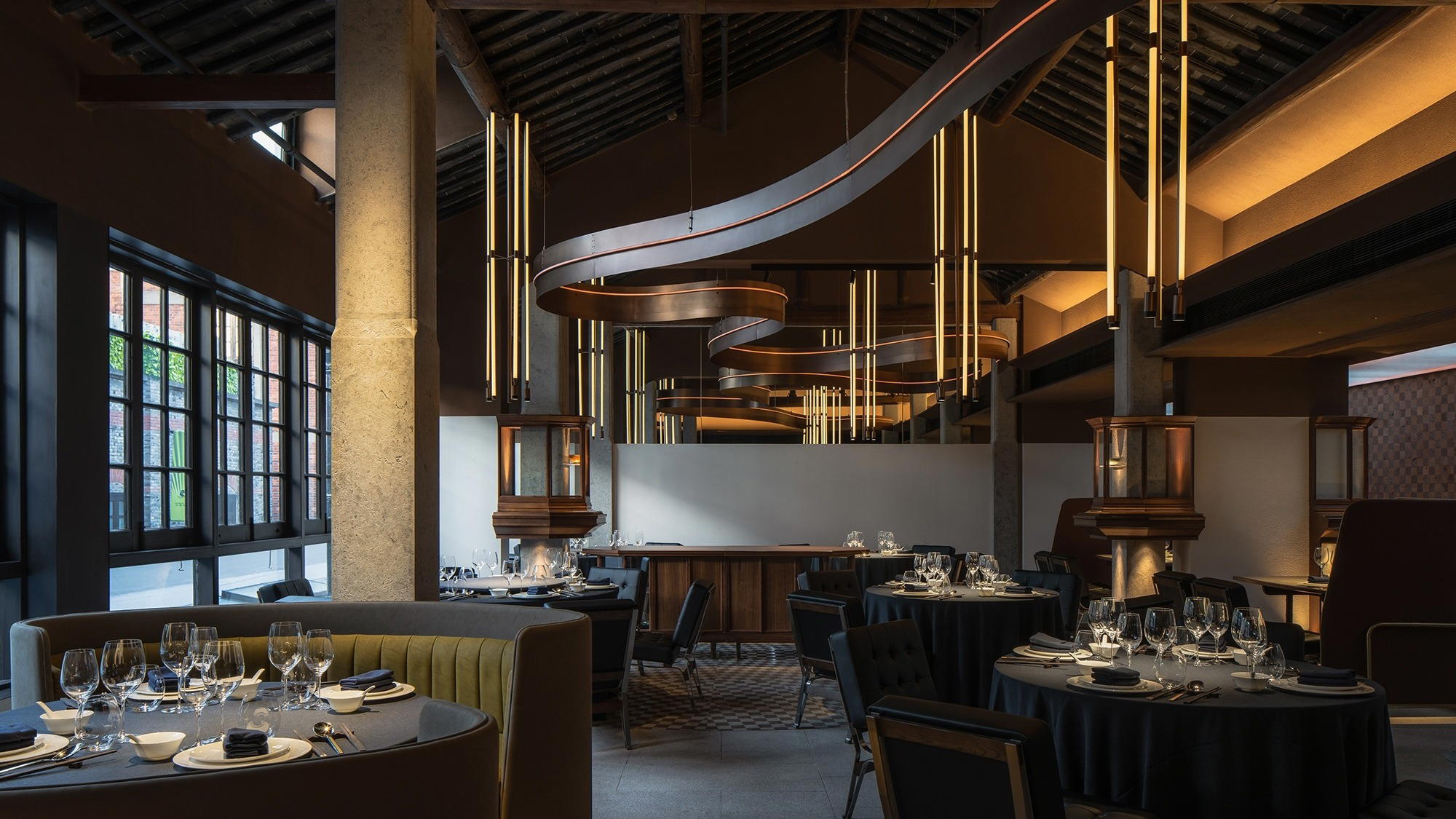
Zucchero occupies the second floor of the Nishihon Building on Matsuyacho in Nakagyo Ward. The address is Kyoto residential-commercial, not tourist-circuit. That separation from the main visitor corridors is part of the point: the room is compact and oriented around the food rather than foot traffic. If you are coming from the dense ryokan and kaiseki belt around Gion, budget around 15 minutes. The second-floor location creates a degree of separation from street noise that makes it a more workable setting for conversation than many ground-floor spots in the area. Seating details are not confirmed in available data, but the format reads as an intimate counter-and-tables setup consistent with Kyoto's Italian bistro tier.
What You Are Actually Eating
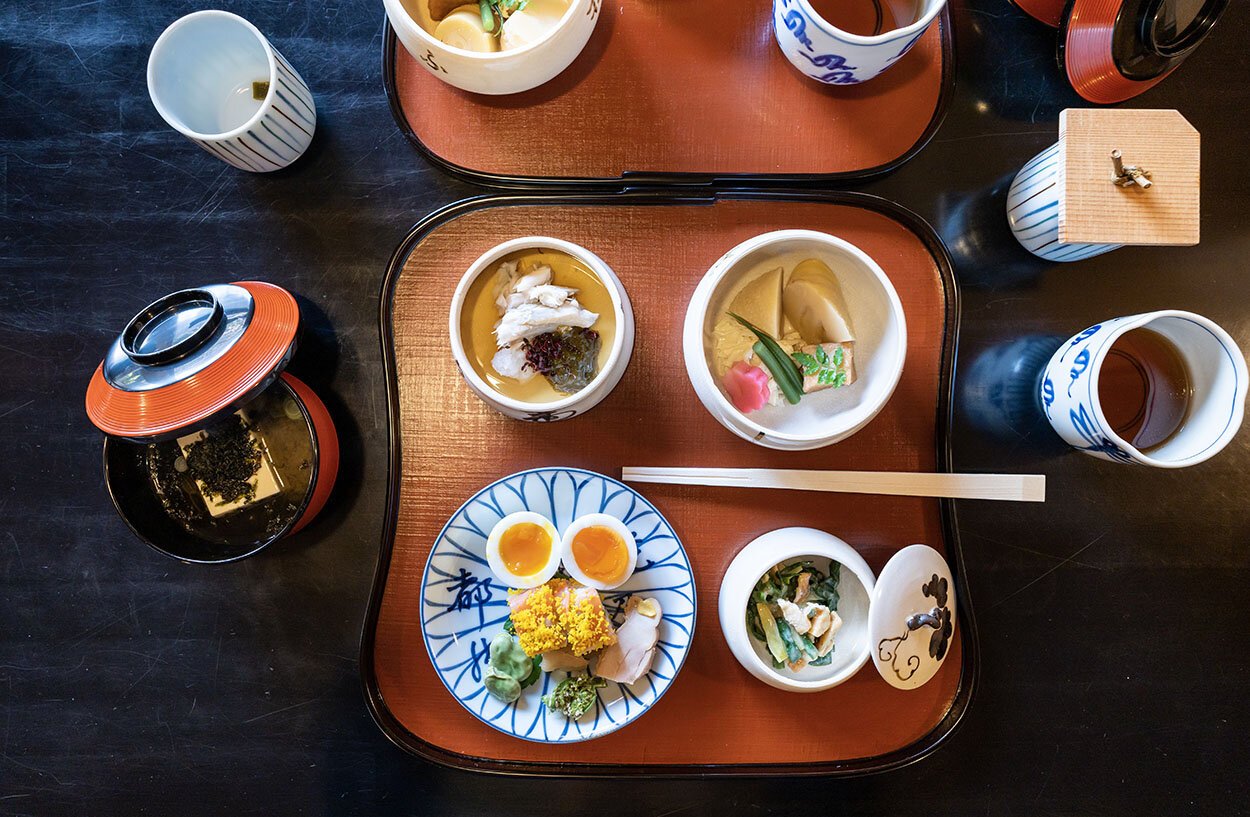
The menu at Zucchero changes daily. That is not marketing language — the chef's sourcing background means the lineup is genuinely tied to what came in from the market. Confirmed dishes in the format include carpaccio, fritters, stewed tomatoes, oven-baked vegetables served in the cooking pot, and pasta. Simple, direct Italian technique applied to Japanese seafood seasonality. The Michelin Plate recognition for 2024 signals that the kitchen is executing at a standard that reviewers find credible, not just locally popular. A Michelin Plate does not carry the weight of a star, but in a city where the Michelin guide is deeply competitive, it distinguishes Zucchero from the generic Italian-in-Japan category.
The detail worth noting: the kitchen takes temperature seriously. Dishes arrive hot. In a category where pasta and fish can both suffer from slow pass-times, that discipline matters and it is flagged as a point of pride in the venue's own framing. For a food-focused traveller who has sat through lukewarm risotto at prettier restaurants, this is a meaningful signal.
The Morning and Weekend Question
Assigned focus here is breakfast and brunch format — and the honest answer is that Zucchero's confirmed hours are not available in current data. What can be said: the venue's daily-changing menu and market-driven sourcing model is structurally better suited to a lunch or dinner cadence than a fixed breakfast service. Kappo-trained chefs working with fresh seafood wholesale supply do not typically run morning covers. If a weekend lunch visit is what you are planning, it is worth confirming current hours directly before making the trip, particularly since the restaurant operates from a residential-commercial building rather than a hotel or dining destination complex where posted hours are more reliably maintained. For a broader picture of Kyoto's daytime dining options, see our full Kyoto restaurants guide.
How It Compares
Against the Italian alternatives in Kyoto, Zucchero sits below cenci on both price and formality. Cenci operates at ¥¥¥ with a tasting menu format; Zucchero is daily-menu bistro eating at ¥¥. If you want a structured multi-course Italian experience in Kyoto, cenci is the clearer choice. If you want direct, market-led cooking without the tasting menu overhead, Zucchero is the better call. Bini and Vena are worth cross-checking depending on your format preference. For wine-focused Italian in Kyoto, BOCCA del VINO is the more relevant comparison. For a Japanese-Italian hybrid approach with a different price ceiling, TAKAYAMA is worth a look.
Outside Kyoto, if Italian cooking in Japan is your focus, HAJIME in Osaka operates at a significantly higher tier. For calibration on Italian cooking quality elsewhere in Asia, 8½ Otto e Mezzo Bombana in Hong Kong is the reference point. And if you are building a broader Japan dining itinerary, Harutaka in Tokyo, akordu in Nara, Goh in Fukuoka, 1000 in Yokohama, and 6 in Okinawa each offer distinct reference points for what the country's non-kaiseki dining scene can deliver. For international comparison at the ambitious end of Italian, Frasca Food & Wine in Boulder shows what a chef-driven Italian program looks like when pushed to its ceiling.
Booking and Practical Details
Booking difficulty is rated Easy. For a Michelin Plate restaurant at ¥¥, that is a genuine advantage: you are unlikely to need weeks of advance planning. A few days' notice should be sufficient for most visit windows, though peak tourist periods in Kyoto (late March through early May for cherry blossom, mid-October through mid-November for autumn foliage) will tighten availability across the city. No website or phone number is available in current data, the most reliable booking path will be through a hotel concierge or a third-party reservation platform that covers Kyoto's independent restaurants.
| Venue | Cuisine | Price | Booking Difficulty | Michelin Recognition |
|---|---|---|---|---|
| Zucchero | Italian | ¥¥ | Easy | Plate (2024) |
| cenci | Italian | ¥¥¥ | Moderate | Star |
| Gion Sasaki | Kaiseki | ¥¥¥¥ | Hard | Stars |
| Ifuki | Kaiseki | ¥¥¥¥ | Hard | Stars |
| Kyokaiseki Kichisen | Japanese | ¥¥¥¥ | Hard | Stars |
Pearl's Verdict
Book Zucchero if you want market-driven Italian seafood cooking at a price point that does not require a special-occasion budget. The Michelin Plate recognition, the daily-changing menu, and the chef's wholesale sourcing background give this enough credibility to justify the trip across town. It is not a replacement for a kaiseki experience, and it is not competing with Kyoto's starred Italian rooms. It is a direct, competent, good-value restaurant that punches above its price tier because the sourcing is serious. For a broader look at what else Kyoto offers, see our full Kyoto restaurants guide, hotels guide, bars guide, wineries guide, and experiences guide.
Planning details
- Location
- Japan, 〒604-0831 Kyoto, Nakagyo Ward, Matsuyacho, 55番地1 西本ビル 2階南側
- Reservations
- Book on TableCheck
- Website
- zuccherokyoto.com
- Phone
- +81 50-1809-5335
The take
The Take
The Vibe
Zucchero reads like Kyoto in culinary form: considered, restrained and quietly confident. The room itself is intentionally modest—situated on a second floor that "gives little away"—so the emphasis falls on precise, daily-driven cooking rather than décor or theatrics. A Michelin Plate nod and a focus on market-fresh seafood reinforce a disciplined approach that blends Japanese seasonal logic with Italian technique. The overall impression is intimate and unshowy; diners come for the craft of the food and the low-key, attentive atmosphere rather than a heightened dining spectacle.
Best For
This is a place for diners who prize ingredient-led cooking and a calm, focused meal. Given the daily-changing menu tied to seafood sourcing and the restaurant’s modest scale, Zucchero is best experienced in the evening by those who want thoughtful plates that reflect what arrived at market that morning. It suits couples or small parties seeking an understated, refined night out—where conversation and the food take center stage—and guests who appreciate Kyoto’s quiet, seasonal sensibility translated into Italian technique.
Ordering Tips
Expect a menu that changes every day and plan to lean into what’s fresh: the kitchen builds dishes around the morning’s seafood sourcing rather than fixed signatures. Treat the service as a guide—the profile likens the chef’s role to kappo or kaiseki thinking, where the cook decides the most suitable dishes based on market arrivals—so ask staff what’s especially fresh that day and be open to market-driven recommendations. Reservations are advisable given the small, focused nature of the room.
Venue details
Ambiance
Cozy and tucked-away, with a relaxed, authentic atmosphere that feels intimate rather than formal.
Tags
Vibe
Best For
Experience
Sourcing
At the Table
- Dress Code
- Smart Casual
- Noise Level
- Quiet
- Service Style
- Upscale Casual
- Meal Pacing
- Leisurely
- Capacity
- Small
- Kitchen
- Traditional
- Menu Format
- A la carte
- Wine Program
- Standard
- Opened
- 2024
Signature Dishes
- seasonal seafood carpaccio
- fritto misto
- scallop and beet cold pasta
- squid ink tagliolini
- braised beef cheek in red wine
- Milanese-style veal cutlet
Know before you go
Know Before You Go
- Getting there
- Japan, 〒604-0831 Kyoto, Nakagyo Ward, Matsuyacho, 55番地1 西本ビル 2階南側
Planning details
Location
Japan, 〒604-0831 Kyoto, Nakagyo Ward, Matsuyacho, 55番地1 西本ビル 2階南側 · Directions
Recognition and awards
Also consider
Also Consider
- Gion Sasaki, Kaiseki, Japanese, ¥¥¥¥
- cenci, Italian, ¥¥¥
- Ifuki, Kaiseki, ¥¥¥¥
- Kyokaiseki Kichisen, Japanese, ¥¥¥¥
- SEN, French, Japanese, ¥¥¥¥
Restaurant context
Zucchero is the accessible entry point in Kyoto's Italian category. cenci at ¥¥¥ is the obvious step up: a structured tasting menu format with Michelin star recognition and more formal service. If you want a curated multi-course Italian experience in Kyoto, cenci is the stronger choice. If you want unfussy, daily-market Italian at roughly half the spend, Zucchero is the more practical call. The difference is format as much as quality: cenci is an occasion restaurant, Zucchero is a neighbourhood-grade destination with serious sourcing credentials.
Against Kyoto's kaiseki tier, Gion Sasaki, Ifuki, and Kyokaiseki Kichisen, all at ¥¥¥¥, Zucchero is not competing on the same terms. Those rooms require significant advance booking, command substantially higher per-head spend, and deliver a highly ritualised Japanese dining experience. Zucchero is the right choice if you want Italian cooking informed by the same seasonal seafood culture that drives those kaiseki menus, at a fraction of the price and without the booking complexity. SEN at ¥¥¥¥, blending French and Japanese, sits in a similar prestige tier to those kaiseki rooms and targets a different diner profile entirely.
The practical verdict: for value-driven food explorers visiting Kyoto, Zucchero fills a specific gap, Michelin-recognised Italian at ¥¥ with a market-led menu and easy booking. It should not replace a kaiseki meal on a serious food itinerary, but it earns a place alongside one. Dine at Zucchero for lunch on a day when your evening is already committed to a starred room, and the two experiences will complement rather than duplicate each other.
Explore Kyoto
Around this place
Discover more on Pearl
Unlock the full Zucchero guide in Pearl, including awards, comparisons, FAQs, planning details, and nearby places.
Compare Zucchero
| Venue | Price | Booking Difficulty | Awards |
|---|---|---|---|
| Zucchero | ¥¥ | Easy | Michelin Guide Kyoto Osaka 20262026 Michelin Plate2025 Michelin Plate2024 Michelin Plate |
| Gion Sasaki | ¥¥¥¥ | Unknown | 2026 Tabelog Bronze · #3862026 OAD Top Restaurants in Japan RecommendedMichelin Guide Kyoto Osaka 20262026 La Liste Top RestaurantsTabelog 100 - Japanese cuisine - WEST - 2025 · #132025 OAD Top Restaurants in Japan Ranked · #2462025 Tabelog Silver2025 Michelin 3 Stars2025 La Liste Top Restaurants |
| cenci | ¥¥¥ | Unknown | 2026 Tabelog Bronze · #442026 Asia's 50 Best Restaurants · #762026 OAD Top Restaurants in Japan Highly RecommendedMichelin Guide Kyoto Osaka 2026Tabelog 100 - Italian - WEST - 2025 · #632025 Asia's 50 Best Restaurants · #632025 OAD Top Restaurants in Japan Ranked · #1682025 Tabelog Bronze2024 OAD Top Restaurants in Japan Ranked · #135 |
| Ifuki | ¥¥¥¥ | Unknown | 2026 OAD Top Restaurants in Japan Ranked · #1222026 Tabelog Bronze · #128Michelin Guide Kyoto Osaka 20262026 La Liste Top RestaurantsTabelog 100 - Japanese cuisine - WEST - 2025 · #622025 OAD Top Restaurants in Japan Ranked · #1002025 La Liste Top Restaurants2025 Tabelog Bronze2025 Michelin 2 Stars |
| Kyokaiseki Kichisen | ¥¥¥¥ | Unknown | 2026 Tabelog Bronze · #1752026 OAD Top Restaurants in Japan Highly RecommendedMichelin Guide Kyoto Osaka 20262025 OAD Top Restaurants in Japan Ranked · #1862025 Michelin 2 Stars2025 La Liste Top Restaurants2024 OAD Top Restaurants in Japan Ranked · #1422024 Michelin 2 Stars2023 OAD Top Restaurants in Japan Ranked · #136 |
| SEN | ¥¥¥¥ | Unknown | 2026 Tabelog Bronze · #3952026 OAD Top Restaurants in Japan RecommendedMichelin Guide Kyoto Osaka 20262026 Michelin PlateTabelog 100 - Japanese cuisine - WEST - 2025 · #652025 Michelin Plate2025 Tabelog Bronze2024 OAD Top Restaurants in Japan Ranked · #3622024 Michelin Plate |
.png?width=1200&quality=80)






How Zucchero stacks up against the competition.
FAQ
Frequently Asked Questions
Is Zucchero worth the price?
At ¥¥ with a Michelin Plate (2024), Zucchero is one of Kyoto's cleaner value calls in the Italian category. The daily-changing menu is tied to genuine seafood sourcing, not a fixed tourist-facing lineup. If you want a tasting menu format and higher formality, cenci at ¥¥¥ is the step up — but Zucchero costs less and requires no special-occasion justification.
What should a first-timer know about Zucchero?
The menu changes daily based on what the chef sourced, so there is no fixed dish to plan around. The kitchen's point of pride is food arriving piping hot — oven-baked vegetables in the pot, steaming pasta — so this is not a place for leisurely grazing. The address is second-floor in the Nishihon Building on Matsuyacho, Nakagyo Ward: not on a tourist strip, so allow extra navigation time.
What should I order at Zucchero?
The menu is market-driven and changes daily, so no fixed dish is guaranteed. The chef's background as a seafood wholesaler with kappo training shapes the lineup: expect seafood-led plates including carpaccio, fritters, and pasta. Lead with whatever the day's fish is — that is where the sourcing advantage shows most clearly.
What should I wear to Zucchero?
Zucchero is a ¥¥ neighbourhood Italian restaurant on the second floor of a commercial building in Nakagyo Ward — the setting calls for casual rather than formal dress. There is no evidence of a dress code requirement. Clean, comfortable clothes are sufficient; this is not a special-occasion room in the way that a ¥¥¥¥ Kyoto kaiseki would be.
How far ahead should I book Zucchero?
Booking difficulty is rated Easy, which is a genuine advantage for a Michelin Plate restaurant. A few days' notice is likely enough in most cases, though confirming ahead of time is always sensible given the small-venue format. This is not a weeks-in-advance situation the way Kyoto's higher-tier tasting-menu restaurants are.
Does Zucchero handle dietary restrictions?
The menu changes daily and is built around whatever seafood the chef sourced, so there is limited structural flexibility for those avoiding fish or seafood — the kitchen's identity is built on it. Vegetable dishes do appear on the menu (oven-baked vegetables is a noted item), but guests with specific dietary needs should confirm directly with the restaurant before booking.