
Yuyu
Japanese · Shimogyō, Kyoto
Restaurant in Kyoto, Japan
 Book with Pearl
The Read
Leisure-Paced À La Carte
Price
$100–150per person
Dress
Casual
Why go
Yuyu holds a Michelin 1 Star and runs à la carte in the evening — rare for a starred venue in Kyoto. The kitchen works in a distinctly Kyoto register: sashimi paired with Daitokuji natto instead of soy, beef tongue in white miso. At the ¥¥¥ tier with genuine flexibility on pacing and final-course choice, it earns a booking for diners who find kaiseki's fixed format a constraint.
About Yuyu
Should You Book Yuyu?
If you are comparing Yuyu against Kyoto's kaiseki circuit, stop and recalibrate. Where venues like Kikunoi Roan and Isshisoden Nakamura lock you into a fixed multi-course progression, Yuyu runs à la carte in the evening. That single structural difference changes the entire experience: you set the pace, you choose the depth, and the bill reflects what you actually ate. For a Michelin-starred dinner in Shimogyo Ward, that flexibility is rare enough to warrant serious attention from anyone who finds the formality of kaiseki exhausting or the price ceiling of ¥¥¥¥ venues prohibitive.
The short answer on whether to book: yes, if you want a creative Japanese dinner at the ¥¥¥ tier with a Michelin 1 Star credential behind it and no omakase obligation attached. The format rewards explorers who want to eat on their own terms.
The Food at Yuyu
Yuyu holds a Michelin 1 Star (2024) and a Michelin Plate (2025), which together confirm consistent technical quality across inspection cycles. The kitchen works within Japanese cuisine's established boundaries while introducing enough creative lateral moves to make each dish feel considered rather than conventional.
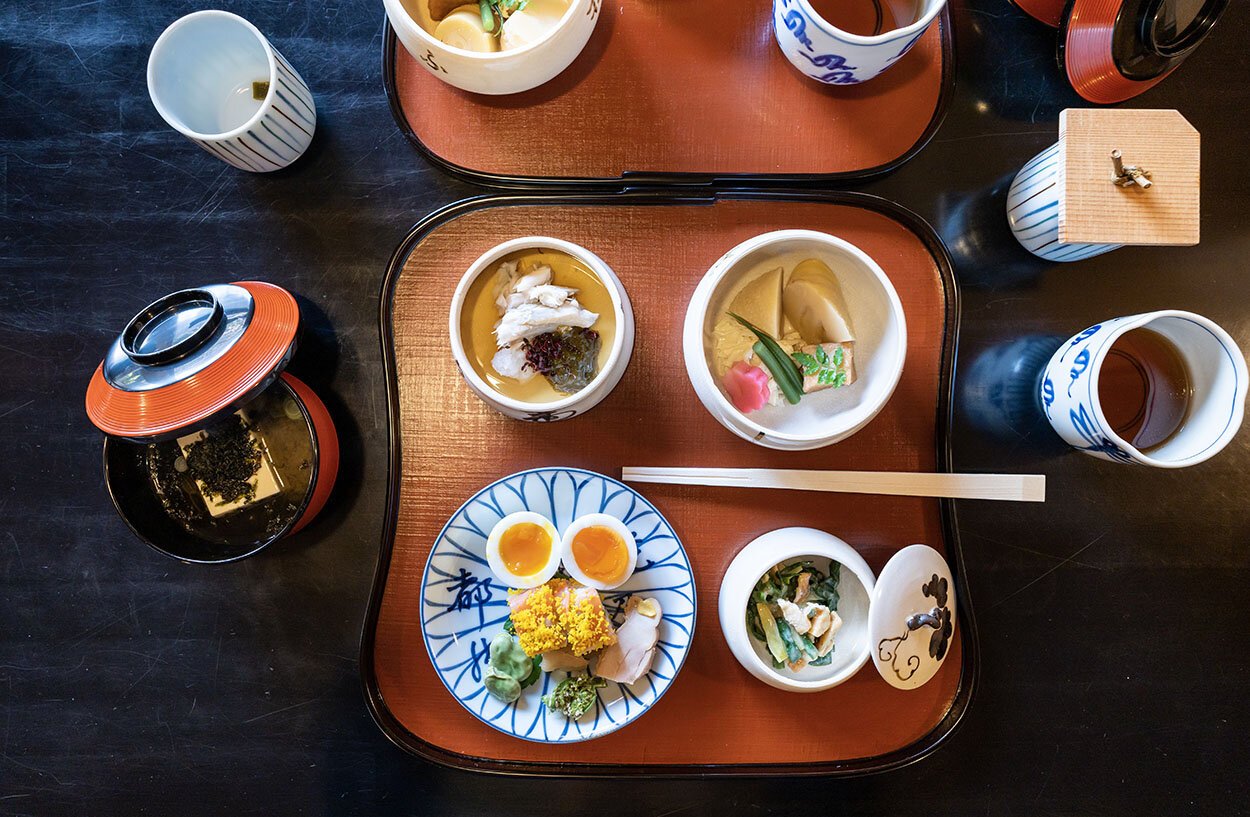
The flavour logic here is worth understanding before you order. Sashimi arrives not with the standard soy sauce but alongside Daitokuji natto — a fermented soybean condiment from Kyoto's Daitokuji temple district, noticeably drier and more complex than the stringy natto most visitors know. It is a Kyoto-specific pairing that changes how the raw fish reads on the palate, pushing the dish toward umami depth rather than clean salinity. If you are used to sashimi as a light opener, this version is deliberately more substantial in character.
Beef tongue dressed with white miso takes a similar approach: the preparation resembles a stew rather than a grilled or braised cut, and the white miso's mild sweetness softens what could otherwise be an aggressive protein. These are not novelty moves for novelty's sake. The kitchen is pulling from Kyoto's specific culinary pantry and applying it to formats that a wider range of diners can engage.
The final course flexibility is practically significant. Guests can close with rice and toppings, noodles, curry, or other options. For solo diners or pairs who are not aligned on appetite or preference, this is a meaningful feature. You are not forced to mirror each other's choices to reach a coherent meal.
The Name and What It Signals
Yuyu's name references the Japanese phrase yuyu-jiteki, meaning a life of leisure free of worldly cares. That framing is not incidental. The decision to run à la carte rather than a fixed kaiseki sequence is a direct expression of that philosophy: the venue is structured around the guest's comfort, not the kitchen's preferred narrative arc. In a city where the dinner experience is often orchestrated to the minute, that positioning is a genuine point of difference.
A Note on Takeout and Off-Premise
Yuyu's format raises a natural question for visitors weighing flexibility: does the food travel? The honest answer, based on the menu architecture, is that most of the dishes here are not designed for off-premise. Sashimi with Daitokuji natto is a precision pairing that depends on serving temperature and immediate consumption. The white miso beef tongue preparation, described as resembling a stew, would hold better in transit than raw preparations but still loses something without the table context. The final-course options — noodles, rice, curry, are structurally more portable, but Yuyu is not operating as a takeout venue. If you are visiting Kyoto and considering whether a meal here could serve as a back-to-hotel option, the answer is no. This is a sit-down experience where the à la carte format rewards the time you give it. The flexibility is in your ordering, not in your location.
Practical Details
Yuyu is in Shimogyo Ward, Sendocho, central Kyoto. The ¥¥¥ price tier positions it above casual dining but below the ¥¥¥¥ ceiling of venues like Kyokaiseki Kichisen or Kodaiji Jugyuan. Booking is rated hard. Phone and website details are not available in our database; approach booking through a hotel concierge or a third-party reservation service with Japan coverage.
For Kyoto context beyond restaurants, see our full Kyoto restaurants guide, Kyoto hotels guide, Kyoto bars guide, and Kyoto experiences guide. If you are building a wider Japan itinerary, comparable Michelin-level creative Japanese cooking is available at HAJIME in Osaka, Goh in Fukuoka, Myojaku in Tokyo, and Azabu Kadowaki in Tokyo. For something outside the Japanese format entirely, akordu in Nara is worth the short trip.
Quick reference: Michelin 1 Star (2024), Michelin Plate (2025), ¥¥¥, Shimogyo Ward Kyoto, à la carte evenings, booking difficulty: hard.
FAQ
Is Yuyu good for solo dining?
- Yes, the à la carte format makes Yuyu one of the more accommodating starred venues in Kyoto for solo diners. You order exactly what you want, close the meal with whichever final-course option suits you, and are not locked into a fixed progression designed for the table's collective appetite. Solo kaiseki at venues like Gion Matayoshi can feel staged for two or more; Yuyu's structure removes that friction.
What should I order at Yuyu?
- The sashimi with Daitokuji natto is the dish that most clearly signals what Yuyu is doing differently from standard Japanese restaurants in the ¥¥¥ tier. Order it. The beef tongue with white miso is a second anchor dish worth choosing. For the final course, the curry option is reportedly among the more interesting closes if you want to see how the kitchen handles that format, though all closing options are available and the choice is genuinely flexible. Because no full menu data is available in our database, treat this as a starting framework and ask staff for current recommendations on arrival.
What should a first-timer know about Yuyu?
- Three things. First, this is not kaiseki, the evening format is à la carte, which means the experience is self-directed rather than chef-directed. Second, the Daitokuji natto accompaniment to sashimi is a Kyoto-specific ingredient, not the standard fermented soybean product; if you dislike natto generally, ask about it before ordering. Third, booking is hard: a Michelin 1 Star à la carte venue in Shimogyo at the ¥¥¥ tier will fill well in advance, particularly for evening slots. Arrive without a reservation and your chances are low. Use a concierge or specialist Japan booking service.
Can I eat at the bar at Yuyu?
- Seating configuration details are not available in our database. For Kyoto venues where counter seating is a confirmed feature, Kikunoi Roan or the counter formats at some ¥¥¥¥ kaiseki venues are better-documented options. Contact Yuyu directly or ask your hotel concierge to confirm seating options when booking.
Planning details
- Location
- Japan, 〒600-8019 Kyoto, Shimogyo Ward, Sendocho, 187
- Website
- lajitto.com
- Phone
- +81 75-366-4529
The take
The Take
The Vibe
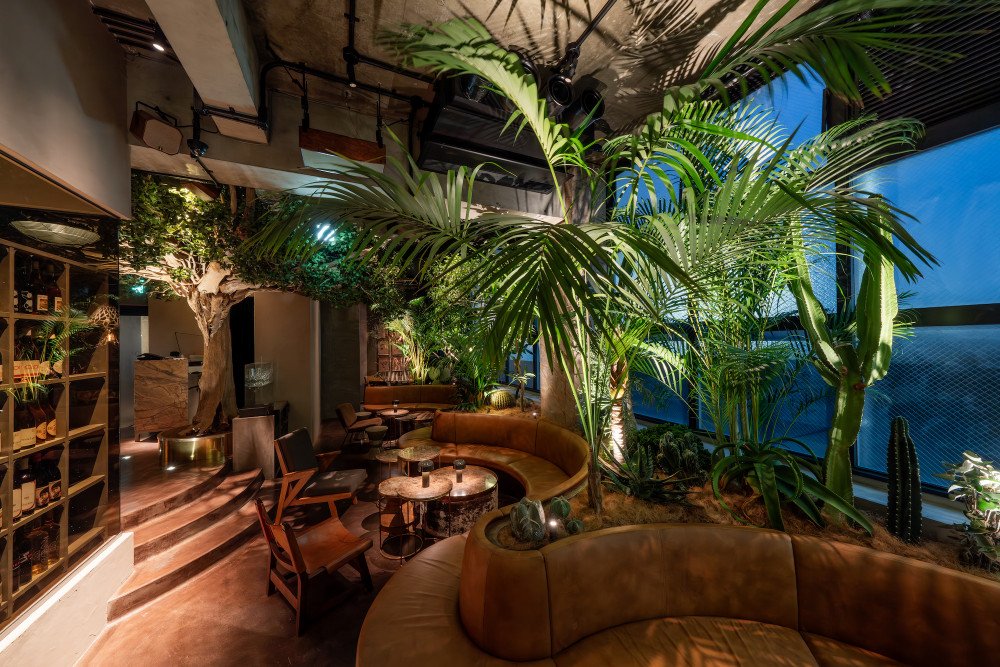
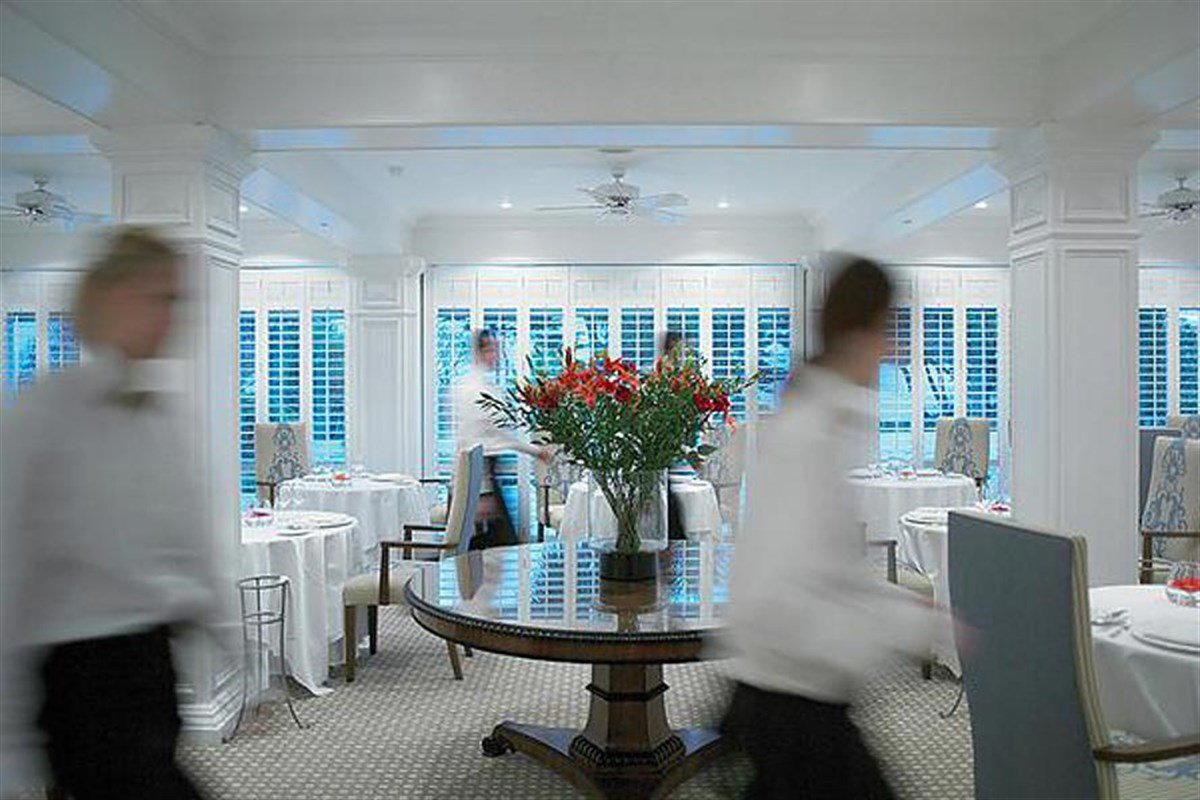
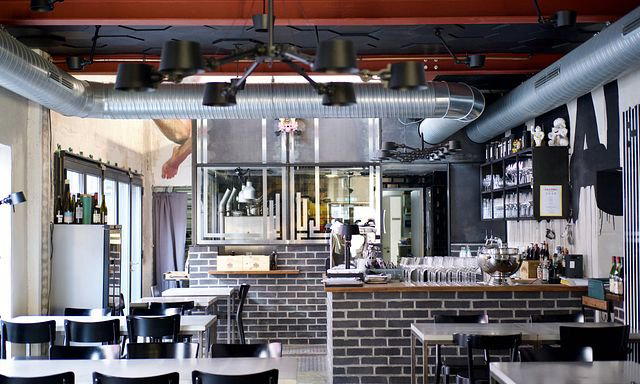
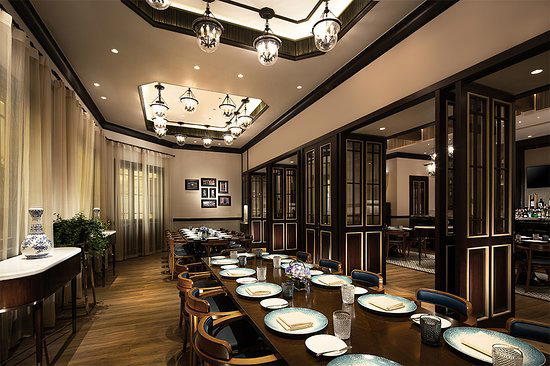
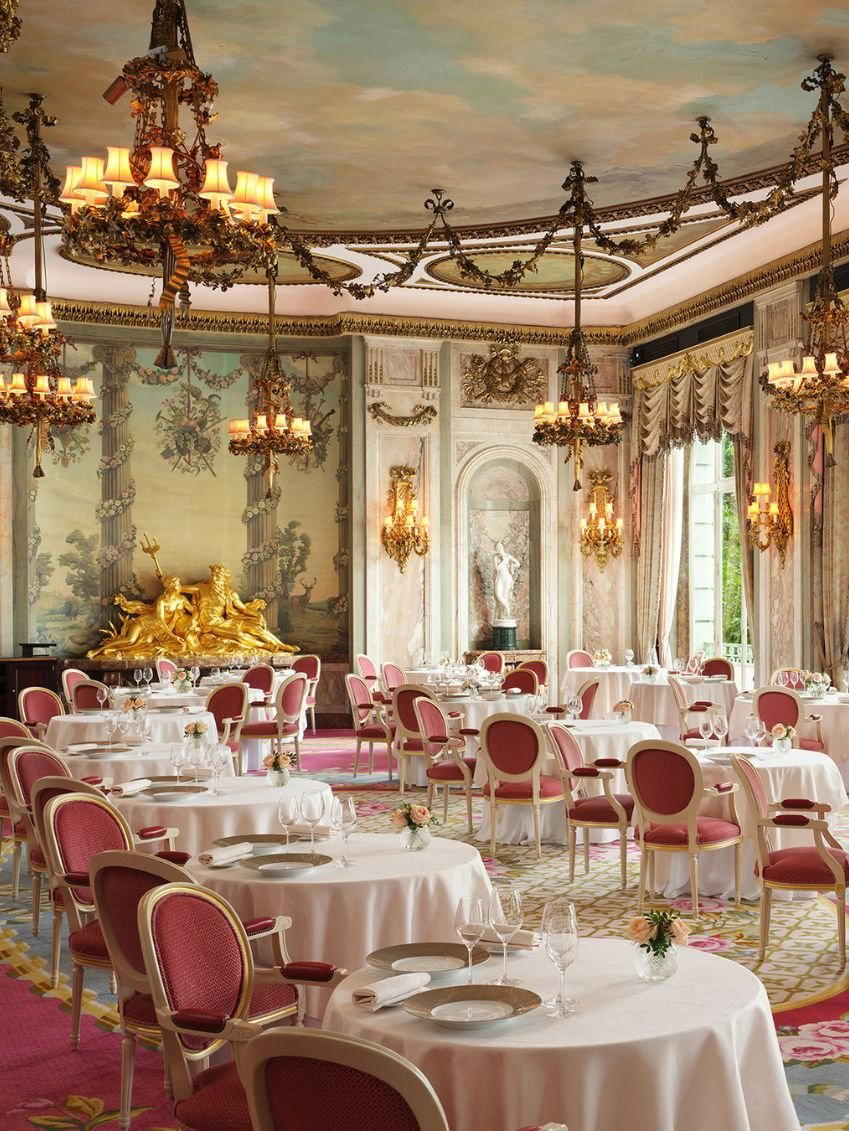
Yuyu presents a quietly sophisticated take on Kyoto dining that feels deliberately modern while rooted in local culinary discourse. Rather than follow the ritualized sequence of kaiseki, this Shimogyo address places pace and choice in the diner’s hands, producing an experience that reads as both restrained and intentional. The writing around the restaurant—invoking yuyu-jiteki, a relaxed ethic—reinforces a serene, contemplative atmosphere. Service and plating lean toward precision rather than pageantry, so the room feels composed and focused: refined, low-key, and designed for people who appreciate careful cooking without the formal choreography of fixed-course dining.
Best For
Yuyu is best experienced in the evening, when its à la carte format deliberately contrasts with Kyoto’s dominant kaiseki tradition. The restaurant suits date nights and special-occasion dinners where diners want control over pacing and course selection, and it rewards guests who prefer a measured, thoughtful meal rather than a set procession. Because the kitchen expects each dish to stand on its own, it also works well for small-group celebrations or attentive solo diners who like to sample several plates. Reservations for dinner are advisable to secure a relaxed, unhurried table.
Ordering Tips
Embrace Yuyu’s à la carte architecture: order deliberately and build a sequence that suits your tempo rather than expecting a fixed progression. Favor dishes that showcase the kitchen’s strengths—try the Sashimi Sandwich, the Beef Tongue with White Miso, and the Mackerel Sushi among your selections—and balance raw, grilled, and richer preparations so each plate can compete on its own merits. Because the restaurant prizes independent dishes, consider sharing multiple items to get a rounded sense of the menu; pace yourself and let the evening unfold at your chosen speed.
Venue details
Ambiance
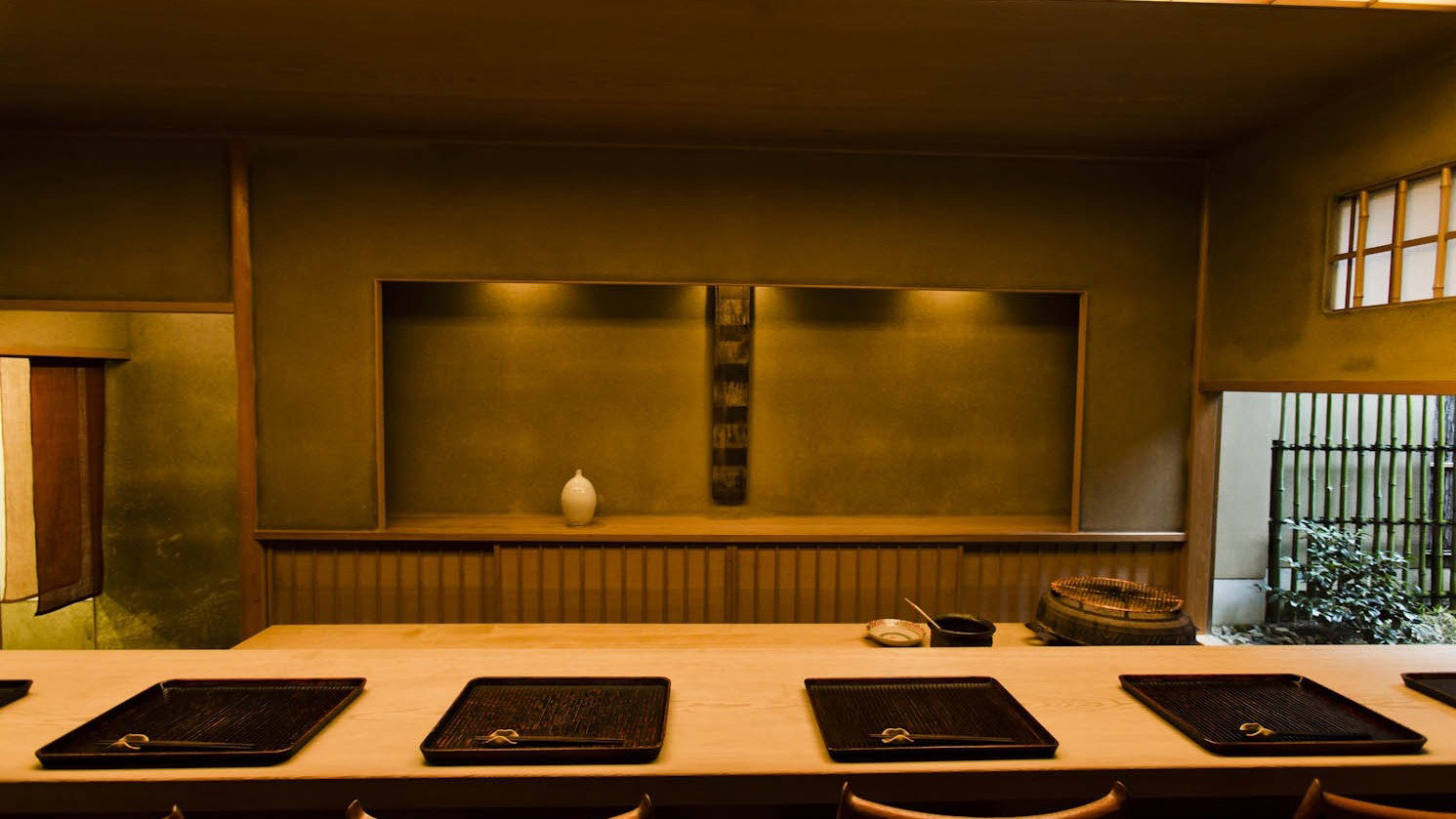
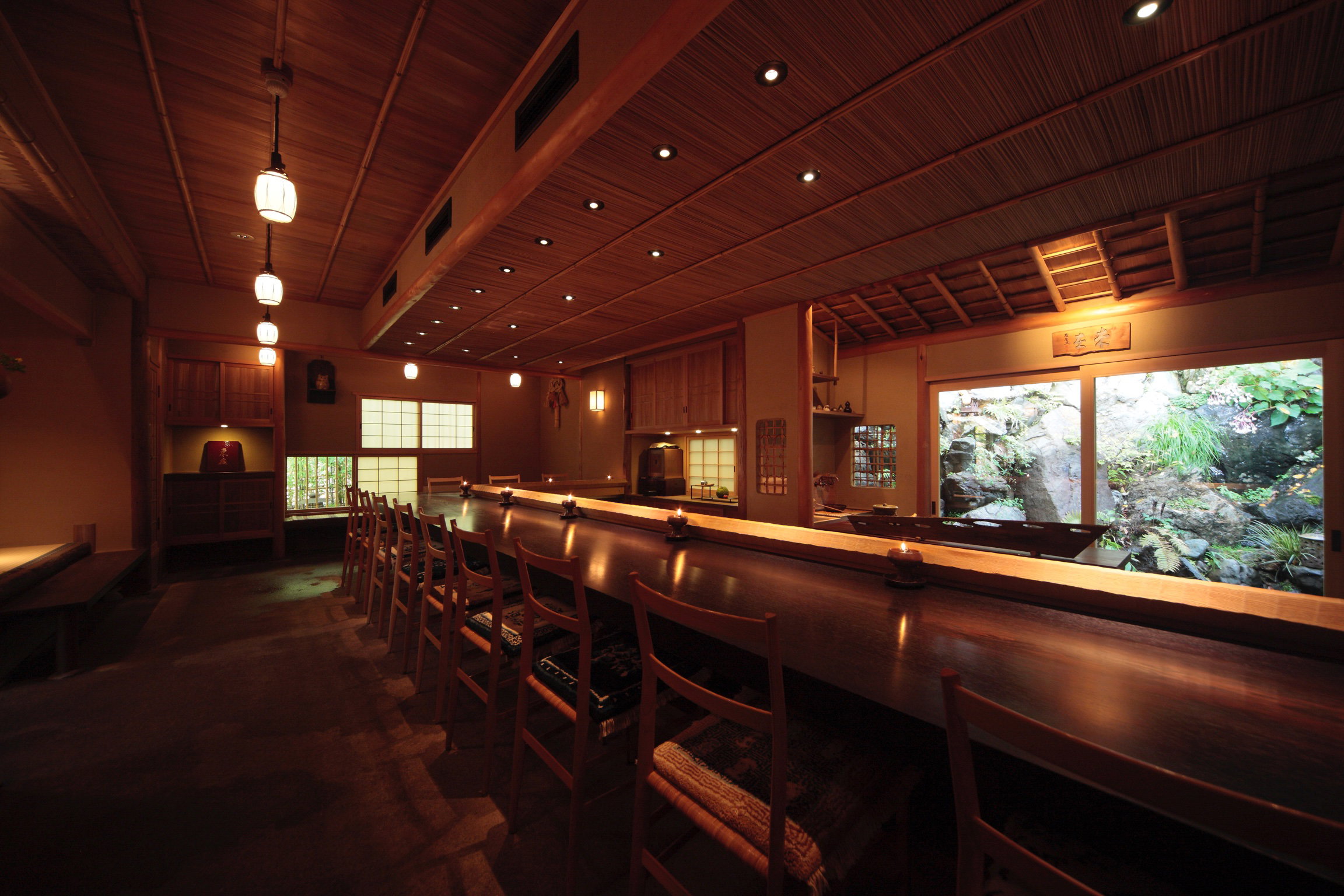
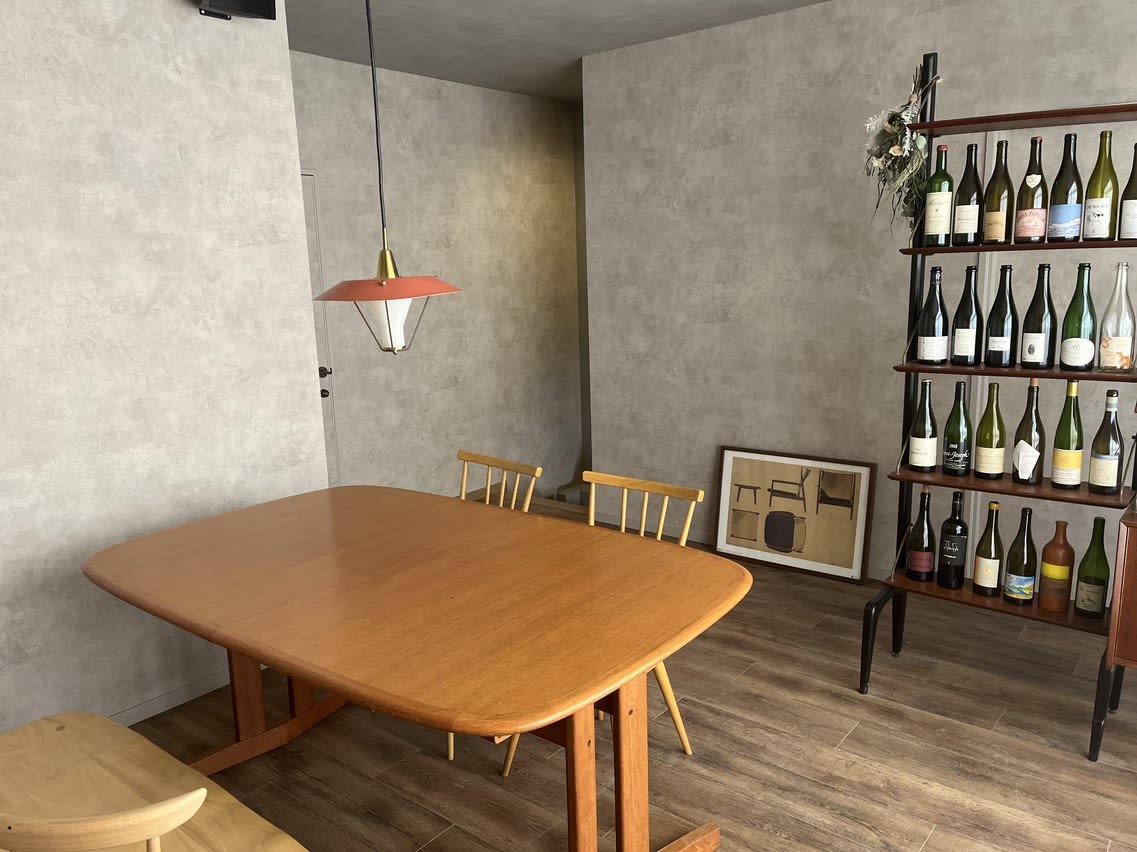
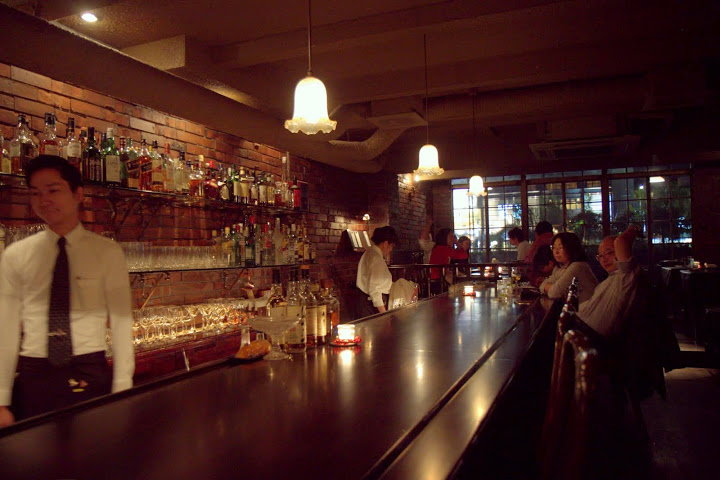
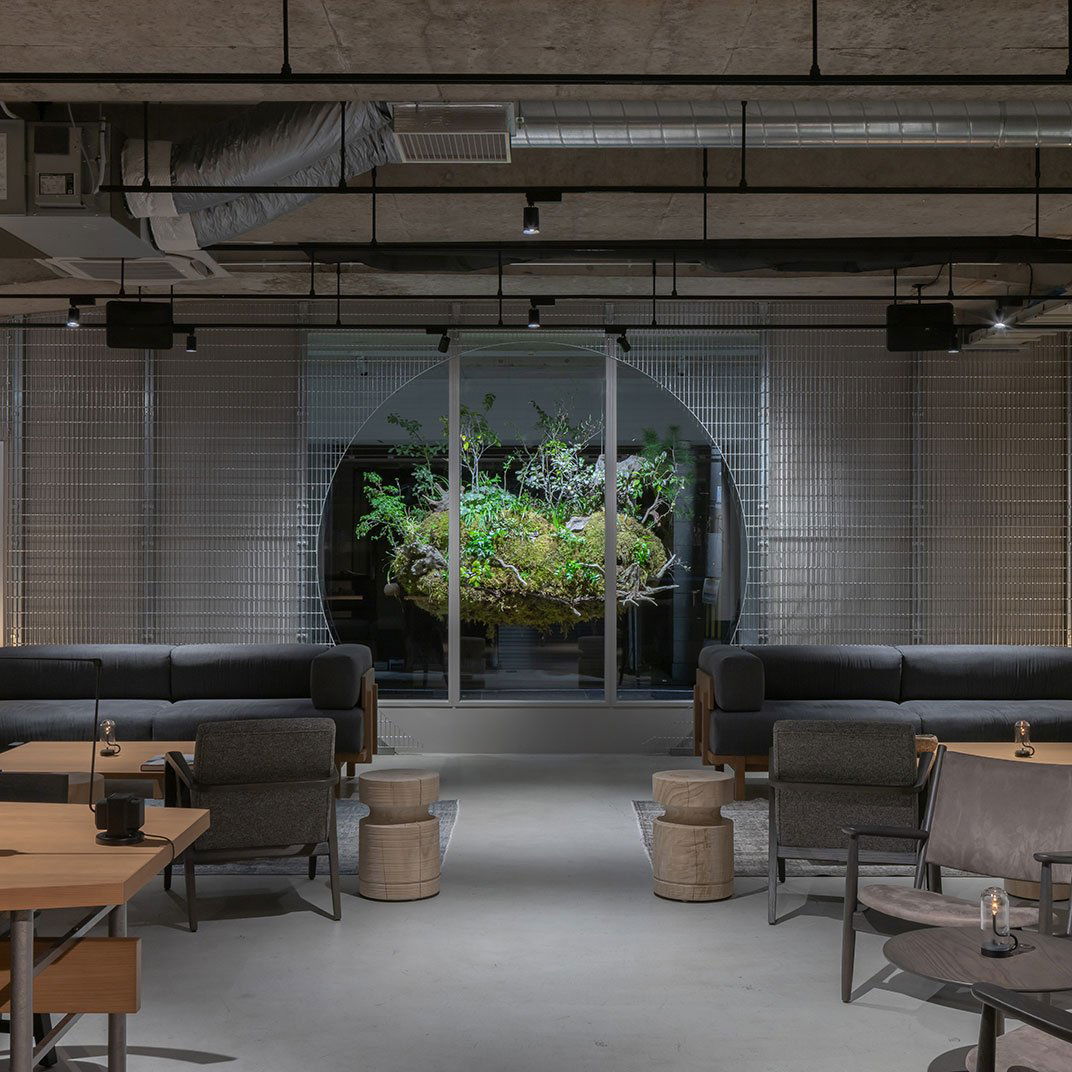
Serene, warm, and inviting atmosphere in a traditional Kyoto-style house restaurant with counter seating that encourages intimate conversation and relaxation without formality.
Tags
Vibe
Best For
Experience
Sourcing
At the Table
- Dress Code
- Casual
- Noise Level
- Quiet
- Service Style
- Omakase Bar
- Meal Pacing
- Leisurely
- Capacity
- Intimate
- Kitchen
- Seasonal
- Menu Format
- Omakase, A la carte, Counter dining
- Wine Program
- Curated
- Drinks Focus
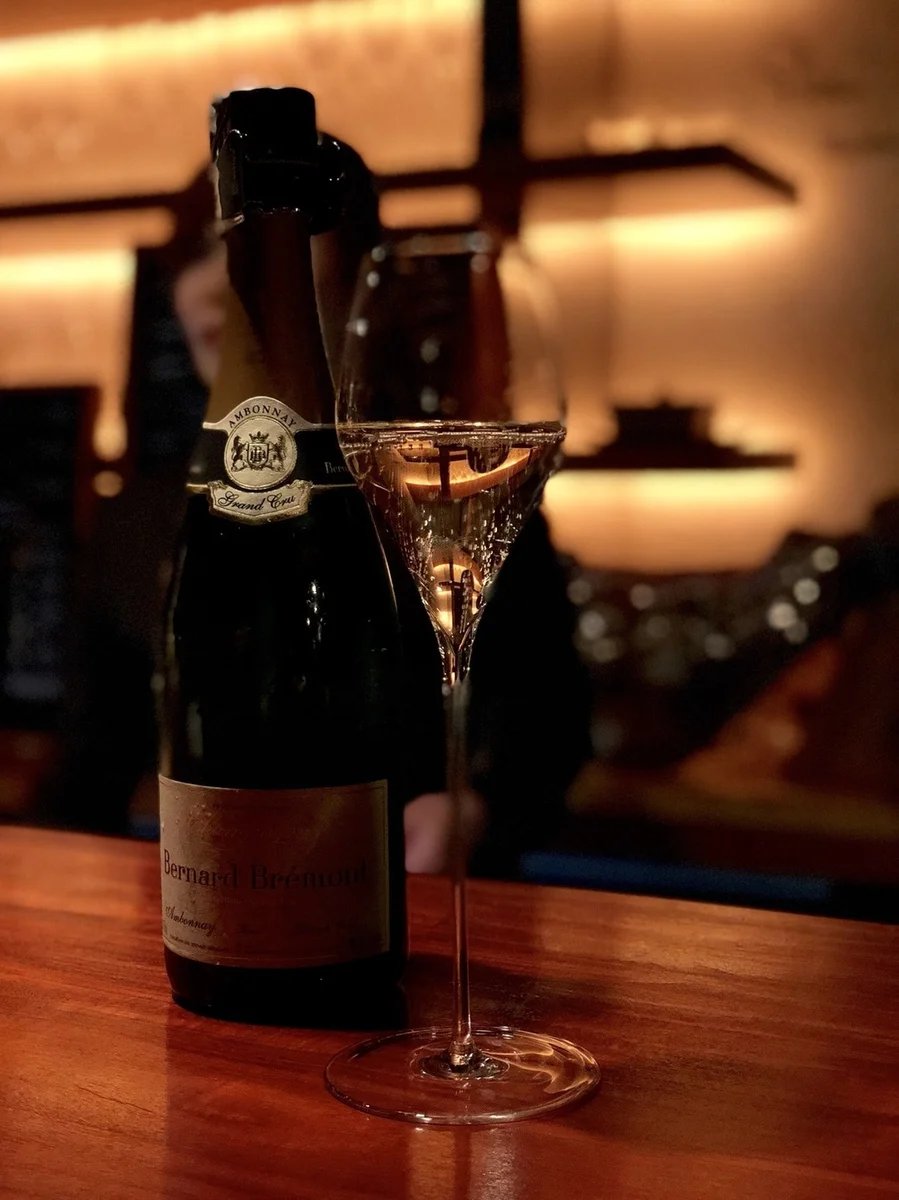
- Sake, Wine
- Dietary
- Allergy accommodating
Signature Dishes
- Sashimi Sandwich
- Beef Tongue with White Miso
- Mackerel Sushi
Know before you go
Know Before You Go
- Getting there
- Japan, 〒600-8019 Kyoto, Shimogyo Ward, Sendocho, 187
Planning details
Location
Recognition and awards
Also consider
Also Consider
- Gion Sasaki, Kaiseki, Japanese, ¥¥¥¥
- cenci, Italian, ¥¥¥
- Ifuki, Kaiseki, ¥¥¥¥
- Kyokaiseki Kichisen, Japanese, ¥¥¥¥
- Kyo Seika, Chinese, ¥¥¥
Restaurant context
At the ¥¥¥¥ end of Kyoto's dining spectrum, Gion Sasaki and Ifuki offer kaiseki in its most structured form: chef-directed, fixed-progression, and priced accordingly. If you want the full ceremonial kaiseki experience and have the budget, those venues are the right call. Yuyu is the answer when you want Michelin-level Japanese cooking at the ¥¥¥ tier without surrendering control of the meal to a set menu. The trade-off is that Yuyu's creative Japanese format is less formalistic, you will not get the same depth of seasonal kaiseki sequencing, but you will eat at your own pace and pay less for the privilege.
Kyokaiseki Kichisen sits at ¥¥¥¥ and represents the upper end of Kyoto's kaiseki tradition. Book it if prestige and the full classical format matter most. Yuyu is the stronger choice if creative flexibility and value are your primary filters. At the same ¥¥¥ price tier, Kyo Seika offers a Chinese kitchen rather than Japanese, which makes it a lateral comparison rather than a direct competitor, worth considering if your group wants variety across a multi-night Kyoto stay. cenci at ¥¥¥ is the Italian option for diners who want a break from Japanese formats entirely.
The clearest decision framework: if you are booking one kaiseki dinner in Kyoto and want the canonical experience, choose Gion Sasaki or Ifuki at ¥¥¥¥. If you want a Michelin-starred Japanese dinner with à la carte flexibility and a more accessible price point, Yuyu is the pick in its tier. It is also the harder booking to secure relative to its price level, so plan further ahead than you might expect for a ¥¥¥ venue.
Explore Kyoto
Around this place
Discover more on Pearl
Unlock the full Yuyu guide in Pearl, including awards, comparisons, FAQs, planning details, and nearby places.
Compare Yuyu
| Venue | Price | Booking Difficulty | Awards |
|---|---|---|---|
| Yuyu | ¥¥¥ | Hard | 2026 Michelin Plate2025 Michelin Plate2024 Michelin 1 Star |
| Gion Sasaki | ¥¥¥¥ | Unknown | 2026 Tabelog Bronze · #3862026 OAD Top Restaurants in Japan RecommendedMichelin Guide Kyoto Osaka 20262026 La Liste Top RestaurantsTabelog 100 - Japanese cuisine - WEST - 2025 · #132025 OAD Top Restaurants in Japan Ranked · #2462025 Tabelog Silver2025 Michelin 3 Stars2025 La Liste Top Restaurants |
| cenci | ¥¥¥ | Unknown | 2026 Tabelog Bronze · #442026 Asia's 50 Best Restaurants · #762026 OAD Top Restaurants in Japan Highly RecommendedMichelin Guide Kyoto Osaka 2026Tabelog 100 - Italian - WEST - 2025 · #632025 Asia's 50 Best Restaurants · #632025 OAD Top Restaurants in Japan Ranked · #1682025 Tabelog Bronze2024 OAD Top Restaurants in Japan Ranked · #135 |
| Ifuki | ¥¥¥¥ | Unknown | 2026 OAD Top Restaurants in Japan Ranked · #1222026 Tabelog Bronze · #128Michelin Guide Kyoto Osaka 20262026 La Liste Top RestaurantsTabelog 100 - Japanese cuisine - WEST - 2025 · #622025 OAD Top Restaurants in Japan Ranked · #1002025 La Liste Top Restaurants2025 Tabelog Bronze2025 Michelin 2 Stars |
| Kyokaiseki Kichisen | ¥¥¥¥ | Unknown | 2026 Tabelog Bronze · #1752026 OAD Top Restaurants in Japan Highly RecommendedMichelin Guide Kyoto Osaka 20262025 OAD Top Restaurants in Japan Ranked · #1862025 Michelin 2 Stars2025 La Liste Top Restaurants2024 OAD Top Restaurants in Japan Ranked · #1422024 Michelin 2 Stars2023 OAD Top Restaurants in Japan Ranked · #136 |
| Kyo Seika | ¥¥¥ | Unknown | Tabelog 100 - Chinese cuisine - WEST - 2026 · #762026 Tabelog Bronze · #2162026 OAD Top Restaurants in Japan Recommended2026 Michelin 1 Star2025 OAD Top Restaurants in Japan Ranked · #3262025 Tabelog Bronze2024 OAD Top Restaurants in Japan Ranked · #3042024 Michelin Plate2024 Michelin 1 Star |
.png?width=1200&quality=80)







What to weigh when choosing between Yuyu and alternatives.
FAQ
Frequently Asked Questions
Is Yuyu good for solo dining?
Yes, and arguably better suited to solo diners than most Michelin-starred Kyoto options. The à la carte format means you control pace and portion count without committing to a full kaiseki progression. At ¥¥¥, it is priced accessibly enough that dining alone does not feel like a financial penalty.
What should I order at Yuyu?
The sashimi plates are a reliable anchor — they are served with Daitokuji natto rather than standard soy sauce, which is a deliberate creative choice worth trying. The beef tongue dressed with white miso is also documented as a signature. For the final course, the menu offers real flexibility: rice with toppings, noodles, or curry, so pick based on appetite rather than defaulting to the most formal option.
What should a first-timer know about Yuyu?
Yuyu holds a Michelin 1 Star (2024) and Michelin Plate (2025), so the technical standard is independently — but the format is deliberately relaxed. The name itself references yuyu-jiteki, meaning a life of leisure free of worldly cares, which reflects how the kitchen has designed the experience. If you arrive expecting a structured multi-course kaiseki, adjust expectations: this is creative Japanese cooking at your own pace.