
YOKOI
Japanese · Shimogyō, Kyoto
Restaurant in Kyoto, Japan
 Book with Pearl
The Read
Contrast-Driven Omakase
Price
¥¥¥¥
Dress
Smart Casual
Why go
A chef-driven, adaptive Japanese meal in Shimogyo Ward, Kyoto, priced at ¥¥¥¥ and recognized with two consecutive Michelin Plates (2024–2025). The kitchen tailors the seasonal menu to each guest, pairing fruit with fish, integrating table-side hot-pots, opening with Shizuoka-sourced tea. Book for an intimate dinner rather than a group occasion, return across seasons to get full value from the format.
About YOKOI
Who Should Book YOKOI; and When
YOKOI is the right call for food-focused travelers who want a personal, chef-driven Japanese meal in Kyoto without the ceremonial distance of a full kaiseki house. If you are visiting Shimogyo Ward and want a meal that adapts to you rather than following a fixed script, this is where to book. The ideal visit is a quiet weekday dinner: the intimate format and the chef's attention to individual preference work leading when the room is unhurried. Avoid squeezing it into a packed sightseeing day.
What YOKOI Actually Is
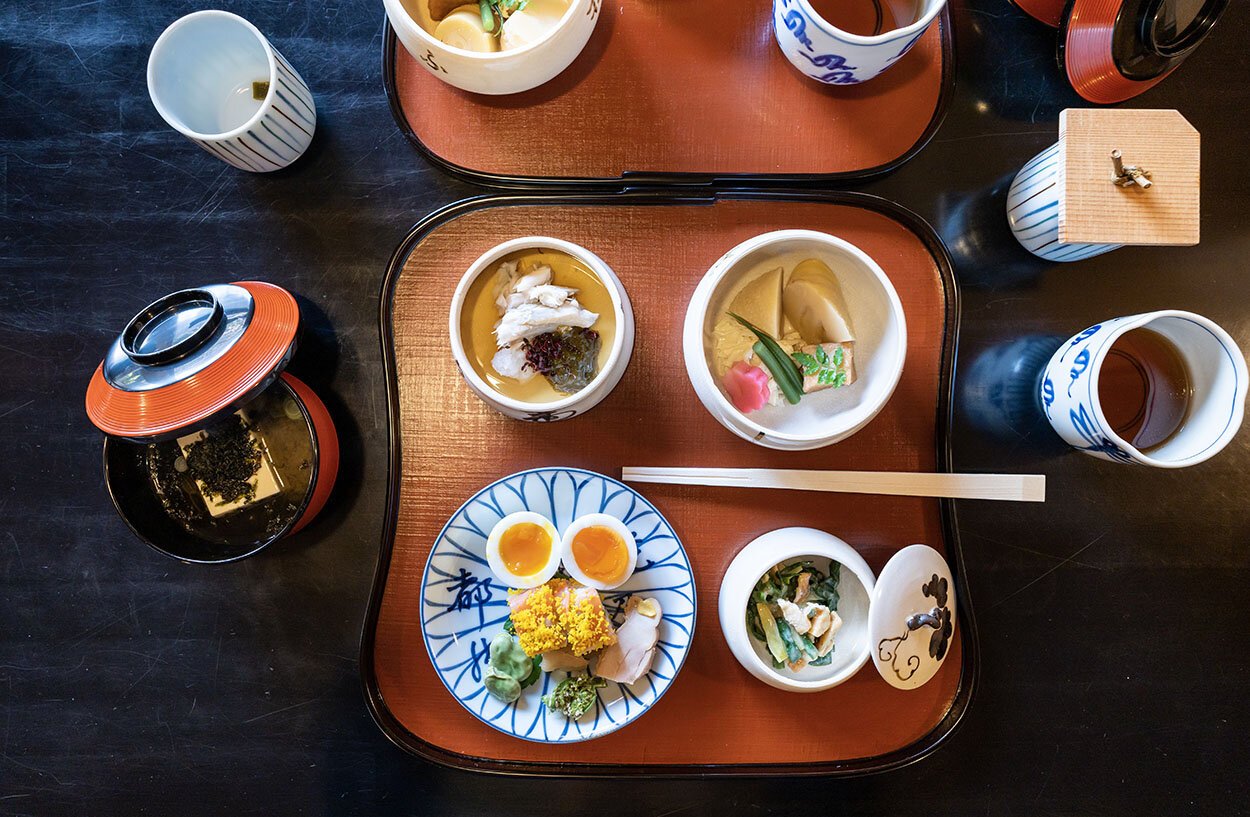
YOKOI sits at 88 Manjuji Nakanocho in Shimogyo Ward, a short walk from Kyoto's central districts. The cooking is Japanese, priced at ¥¥¥¥, and built around a menu that changes with the season and bends toward what each guest wants. This is not a kaiseki procession of fixed courses in a fixed order. The chef opens with a cup of Kakegawa tea from Shizuoka, the chef's home prefecture, serves kukicha or genmaicha between courses. That framing matters: the meal is structured as a conversation, not a recital.
The menu logic is worth understanding before you arrive. Fruit appears alongside fish and vegetables, using natural sweetness and acidity to add contrast rather than richness. Meat dishes feature prominently, depending on the season, hot-pots are prepared at the table. The kitchen works with combinations that sound unexpected on paper but are deliberate in execution. If you have dietary preferences or restrictions, communicate them in advance, the chef's flexibility is a documented feature of the experience, not a reluctant concession.
For context on where YOKOI sits in Kyoto's broader dining picture, see our full Kyoto restaurants guide. If you are planning a longer stay, our full Kyoto hotels guide, Kyoto bars guide, and Kyoto experiences guide will help you build out the rest of the trip.
A Multi-Visit Strategy
YOKOI's seasonal menu and its chef's adaptive approach make returning here genuinely worthwhile, more so than at most fixed-format restaurants in the ¥¥¥¥ tier. A first visit in spring or autumn gives you the menu at its most considered: ingredient quality peaks, the hot-pot courses, when offered, benefit from the cooler temperatures. A second visit in a different season is not repetition, the core structure shifts enough that the meal reads differently. On a first visit, let the chef lead entirely. On a second, communicate a specific preference up front and watch how the menu reorganizes around it. That flexibility is where YOKOI separates itself from more rigid formats.
If you are building a multi-restaurant itinerary across Kyoto, YOKOI pairs well with Kikunoi Roan for a contrast between structured kaiseki and YOKOI's more personal approach. Gion Matayoshi and Isshisoden Nakamura occupy adjacent territory in Kyoto's high-end Japanese dining category and are worth comparing directly. For a meal that sits further outside the kaiseki tradition, Kodaiji Jugyuan offers a different register entirely.
Beyond Kyoto, if you are moving through Japan and want to track a similar philosophy of chef-led, adaptive Japanese cooking, HAJIME in Osaka, Harutaka in Tokyo, Myojaku in Tokyo, and Azabu Kadowaki in Tokyo are all worth considering. For something outside the main cities, akordu in Nara, Goh in Fukuoka, 1000 in Yokohama, and 6 in Okinawa each bring a distinct regional perspective to Japanese fine dining.
Booking and Practical Details
Booking difficulty is rated Easy. Contact details and online booking infrastructure are not listed in available records, so approaching via the address directly or through your hotel concierge is the recommended route. Shimogyo Ward is well-served by Kyoto's subway and bus network; the Manjuji Nakanocho address puts you within reasonable distance of Gion and the city center.
No dress code information is on record, but a ¥¥¥¥ Japanese dining context in Kyoto conventionally warrants smart casual at minimum. Arrive on time: small chef-led formats operate on a single rhythm and a late arrival affects everyone at the table.
How It Compares
Pearl Picks Nearby
- Kikunoi Roan, Structured kaiseki in Kyoto; a useful contrast to YOKOI's adaptive format
- Gion Matayoshi, High-end Japanese in Gion; worth comparing if YOKOI is unavailable
- Isshisoden Nakamura, Another Kyoto institution in the ¥¥¥¥ tier
- Kyokaiseki Kichisen, For the most formal, ceremonial end of Kyoto kaiseki
- Kodaiji Jugyuan, A different style entirely if you want to vary the itinerary
FAQ
Is YOKOI worth the price?
- At ¥¥¥¥, YOKOI is priced in line with Kyoto's serious dining tier, alongside kaiseki houses like Kyokaiseki Kichisen and Gion Sasaki. What you get at YOKOI that you do not always get at that price is genuine menu flexibility and a meal that responds to your preferences. If you want the most elaborate ceremonial kaiseki format, there are houses in Kyoto that deliver more ritual for similar money. If you want a focused, personal meal with seasonal Japanese cooking, YOKOI justifies the spend.
Is YOKOI good for a special occasion?
- Yes, with the right expectations. The chef's willingness to tailor the menu and the intimate format make it well-suited to a dinner that should feel personal rather than performative. The Kakegawa tea opening and the table-side hot-pot courses add ceremony without stiffness. If you want a grand room or a large party setting, look elsewhere. For two people marking something that matters, YOKOI's format is a strong fit. Communicate the occasion when booking so the kitchen can factor it in.
What should I order at YOKOI?
- YOKOI operates on a set menu format that shifts seasonally, so ordering à la carte is not the model here. The documented menu features fish paired with fruit, seasonal vegetables, meat dishes including hot-pots prepared at the table. Communicate any preferences or restrictions when you book, the chef adapts. Tea service is integrated into the meal, with Kakegawa tea on arrival and kukicha or genmaicha between courses. Trust the format and let the chef lead on a first visit.
What should I wear to YOKOI?
- No dress code is formally documented, but ¥¥¥¥ Japanese fine dining in Kyoto sets a clear expectation: smart casual is the floor. Avoid sportswear or very casual clothing. Kyoto's high-end dining rooms, including YOKOI's peer venues, tend toward a quiet, considered aesthetic, your clothing should not distract. If you are visiting from another Kyoto dinner or a cultural site, business casual or a neat dinner outfit works without effort.
Can YOKOI accommodate groups?
- Seat count is not on record, but the format, a chef-led, adaptive menu in an intimate Shimogyo Ward setting, points to a small operation. Large groups are unlikely to be well-served here. For parties of two to four, this is well-matched. If you are booking for six or more, contact the venue directly before assuming availability, have a backup from our Kyoto restaurants guide ready. YOKOI's value is in the personal attention, which scales poorly with group size.
Planning details
- Location
- 88 Manjuji Nakanocho, Shimogyo Ward, Kyoto, 600-8405, Japan
- Website
- kyo-yokoi.com
- Phone
- +81 50-1808-9510
The take
The Take
The Vibe
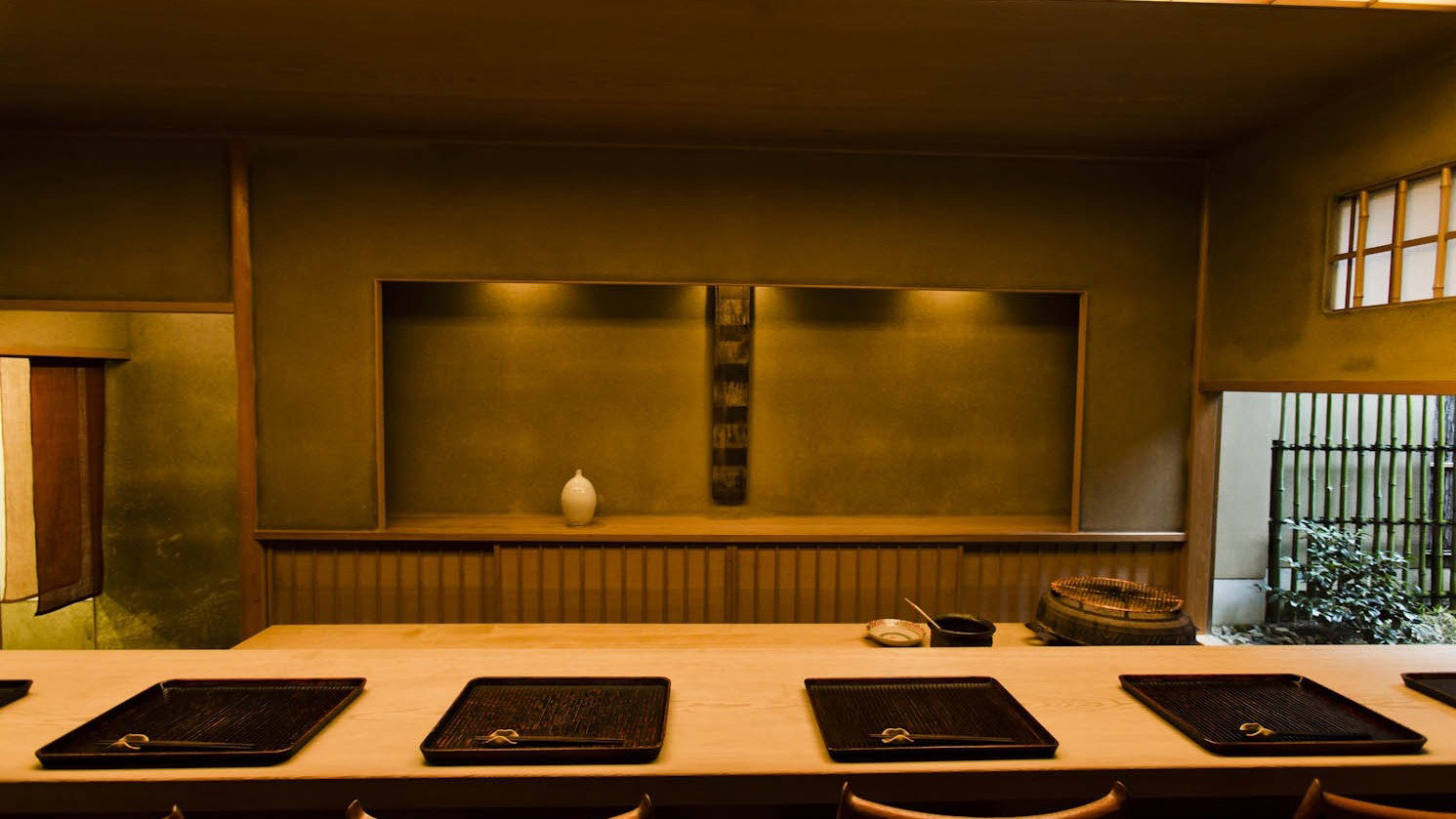
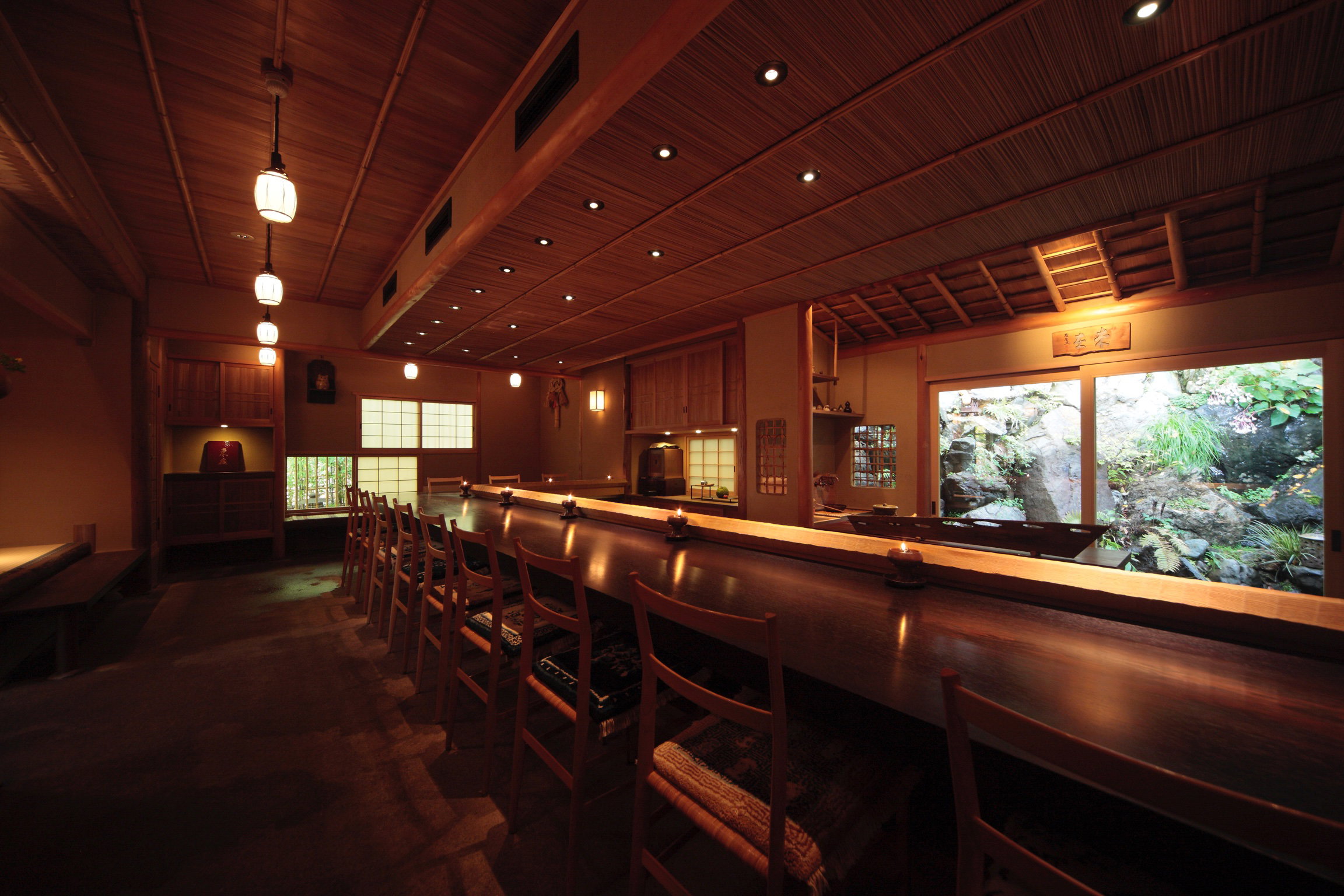
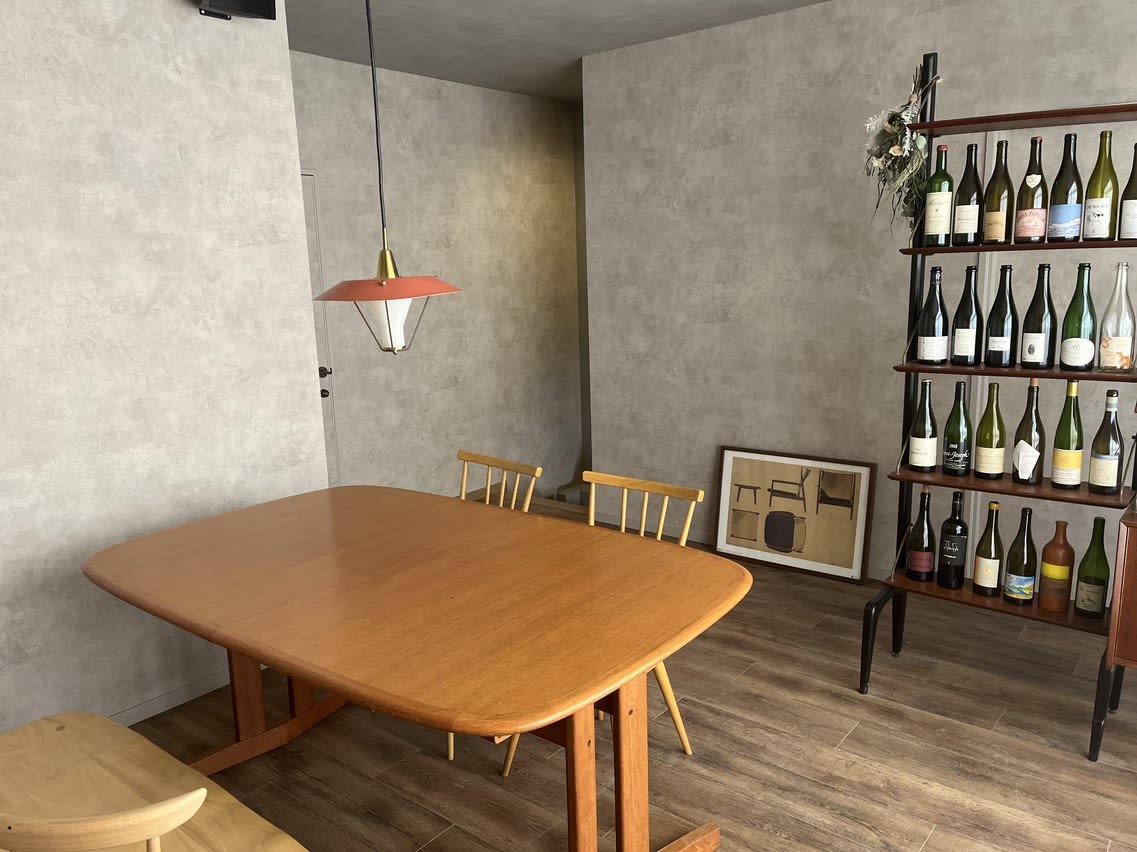
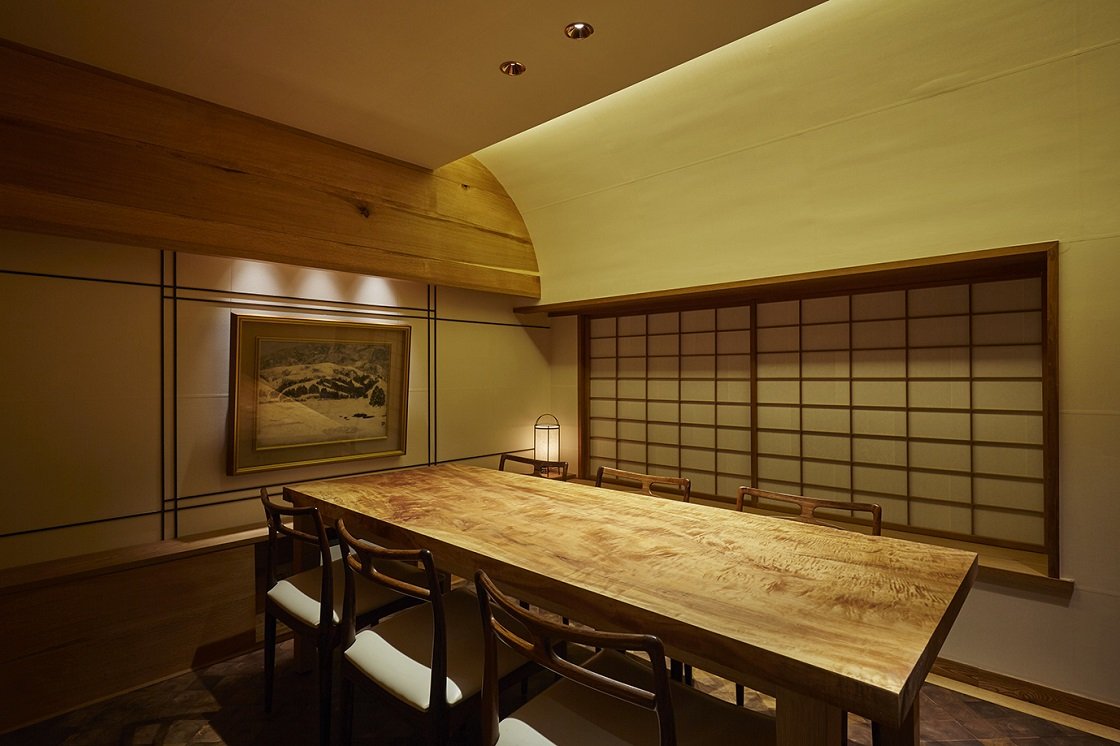
YOKOI presents a quietly refined Kyoto sensibility where restraint and patience shape the experience. The room feels intimate and pared-back: diners sit at a counter and the pace is deliberate rather than performative. The restaurant leans into the capital’s classical dining values — subtle gestures, careful sequencing and a preference for depth over flash. Service and cooking prioritize accumulated nuance, so the overall impression is elegant and contemplative rather than brash. It’s a place for diners who appreciate small, well-made details and the calm tempo of Kyoto’s premium culinary tradition.
Best For
This is best encountered at dinner and suits anyone looking for a considered, high-end Kyoto meal. The setting and service favor intimate pairs or small parties celebrating a special occasion or seeking a quieter, more reflective evening—think date nights or milestone dinners. Because the kitchen emphasizes pacing and layered technique rather than spectacle, it rewards diners who welcome a slower rhythm and attention to seasonal contrasts. Expect a premium-price experience that aligns with Kyoto’s measured approach to fine dining.
Ordering Tips
Allow the meal to unfold and follow the chef’s rhythm: YOKOI is built around contrast and careful sequencing rather than hurried courses. The kitchen often pairs fruit with fish and vegetables to add sweetness and acidity as structural elements, so be open to combinations that balance rather than dominate. Sitting at the counter gives the clearest sense of the pacing and composition of each course. Above all, prepare to eat slowly and attentively—the restaurant’s refinement is revealed through time and attentive tasting.
Venue details
Ambiance
Refined and warmly attentive, with a polished kaiseki atmosphere that feels quiet and carefully composed.
Tags
Vibe
Best For
Experience
At the Table
- Dress Code
- Smart Casual
- Noise Level
- Quiet
- Service Style
- Upscale Casual
- Meal Pacing
- Leisurely
- Capacity
- Small
Planning details
Location
88 Manjuji Nakanocho, Shimogyo Ward, Kyoto, 600-8405, Japan · Directions
Recognition and awards
Also consider
Also Consider
- Gion Sasaki; Kaiseki, Japanese, ¥¥¥¥
- cenci; Italian, ¥¥¥
- Ifuki; Kaiseki, ¥¥¥¥
- Kyokaiseki Kichisen; Japanese, ¥¥¥¥
- SEN; French, Japanese, ¥¥¥¥
Restaurant context
At ¥¥¥¥, YOKOI competes directly with Kyoto's established kaiseki tier, but it operates on different terms. Kyokaiseki Kichisen and Gion Sasaki both sit at ¥¥¥¥ and deliver more formal, ceremonially structured experiences. If the kaiseki sequence and its associated ritual are what you are after, those houses are stronger choices. YOKOI's advantage is flexibility: the chef actively shapes the menu around guest preferences, which makes it the better pick for diners who find rigid multi-course formats uncomfortable or who have specific dietary needs.
Ifuki is another ¥¥¥¥ kaiseki option worth considering if you want to stay within the traditional format but at a slightly less formal register than Kichisen. For something outside Japanese cooking entirely, cenci offers Italian at ¥¥¥; a tier lower in price and a useful alternative if budget is a factor, though the experience profile is entirely different. SEN at ¥¥¥¥ blends French and Japanese approaches and suits diners who want Western technique in a Kyoto context.
On booking difficulty, YOKOI is rated Easy relative to its peers, several of which require significant lead time or local contacts to access. That accessibility, combined with its Michelin Plate recognition, makes YOKOI the practical first choice for a visitor to Kyoto who wants a serious, personalized meal without the reservation friction of the city's most sought-after tables.
Explore Kyoto
Around this place
Discover more on Pearl
Unlock the full YOKOI guide in Pearl, including awards, comparisons, FAQs, planning details, and nearby places.
Compare YOKOI
| Venue | Price | Booking Difficulty | Awards |
|---|---|---|---|
| YOKOI | ¥¥¥¥ | Easy | Michelin Guide Kyoto Osaka 20262026 Michelin Plate2025 Michelin Plate2024 Michelin Plate |
| Gion Sasaki | ¥¥¥¥ | Unknown | 2026 Tabelog Bronze · #3862026 OAD Top Restaurants in Japan RecommendedMichelin Guide Kyoto Osaka 20262026 La Liste Top RestaurantsTabelog 100 - Japanese cuisine - WEST - 2025 · #132025 OAD Top Restaurants in Japan Ranked · #2462025 Tabelog Silver2025 Michelin 3 Stars2025 La Liste Top Restaurants |
| cenci | ¥¥¥ | Unknown | 2026 Tabelog Bronze · #442026 Asia's 50 Best Restaurants · #762026 OAD Top Restaurants in Japan Highly RecommendedMichelin Guide Kyoto Osaka 2026Tabelog 100 - Italian - WEST - 2025 · #632025 Asia's 50 Best Restaurants · #632025 OAD Top Restaurants in Japan Ranked · #1682025 Tabelog Bronze2024 OAD Top Restaurants in Japan Ranked · #135 |
| Ifuki | ¥¥¥¥ | Unknown | 2026 OAD Top Restaurants in Japan Ranked · #1222026 Tabelog Bronze · #128Michelin Guide Kyoto Osaka 20262026 La Liste Top RestaurantsTabelog 100 - Japanese cuisine - WEST - 2025 · #622025 OAD Top Restaurants in Japan Ranked · #1002025 La Liste Top Restaurants2025 Tabelog Bronze2025 Michelin 2 Stars |
| Kyokaiseki Kichisen | ¥¥¥¥ | Unknown | 2026 Tabelog Bronze · #1752026 OAD Top Restaurants in Japan Highly RecommendedMichelin Guide Kyoto Osaka 20262025 OAD Top Restaurants in Japan Ranked · #1862025 Michelin 2 Stars2025 La Liste Top Restaurants2024 OAD Top Restaurants in Japan Ranked · #1422024 Michelin 2 Stars2023 OAD Top Restaurants in Japan Ranked · #136 |
| SEN | ¥¥¥¥ | Unknown | 2026 Tabelog Bronze · #3952026 OAD Top Restaurants in Japan RecommendedMichelin Guide Kyoto Osaka 20262026 Michelin PlateTabelog 100 - Japanese cuisine - WEST - 2025 · #652025 Michelin Plate2025 Tabelog Bronze2024 OAD Top Restaurants in Japan Ranked · #3622024 Michelin Plate |
.png?width=1200&quality=80)






Key differences to consider before you reserve.
FAQ
Frequently Asked Questions
What should I wear to YOKOI?
The venue data doesn't specify a dress code, but a ¥¥¥¥ Michelin Plate restaurant in Kyoto's Shimogyo Ward warrants neat, respectful dress. In Kyoto's fine-dining context, understated and clean is the right register; avoid casualwear. Think along the lines of what you'd wear to a quality Tokyo omakase counter: presentable without being formal.
What should I order at YOKOI?
The menu is set and chef-driven, so ordering in the conventional sense doesn't apply here. Communicate dietary preferences or restrictions when booking; the venue data confirms the chef adjusts based on guest preferences. Seasonal meat hot-pots are a highlight when available, the fruit-with-fish pairings are a signature of the menu's approach. Arrive willing to follow the chef's lead.
Is YOKOI worth the price?
At ¥¥¥¥ with a Michelin Plate (2024, 2025) and a format that adapts to each diner's preferences, YOKOI delivers value that fixed-format kaiseki restaurants at the same price tier often don't. The combination of seasonal ingredients, fruit-fish pairings, tableside meat hot-pots gives you a personalised experience rather than a scripted one. If you want ceremony and rigid formality, look at Kyokaiseki Kichisen instead. If you want a chef who adjusts to you, YOKOI justifies the spend.
Is YOKOI good for a special occasion?
Yes, with caveats. The personalised approach; the chef adapts the menu to guest preferences and opens with Kakegawa tea from his native Shizuoka; suits occasions where the meal itself is the event. For a birthday dinner for two or a quiet anniversary, it works well. For a large group celebration, look elsewhere.