
Wagokoro Izumi
Shimogyō, Kyoto
Restaurant in Kyoto, Japan
 Book with Pearl
The Read
Soul-Centred Washoku
Dress
Smart Casual
Why go
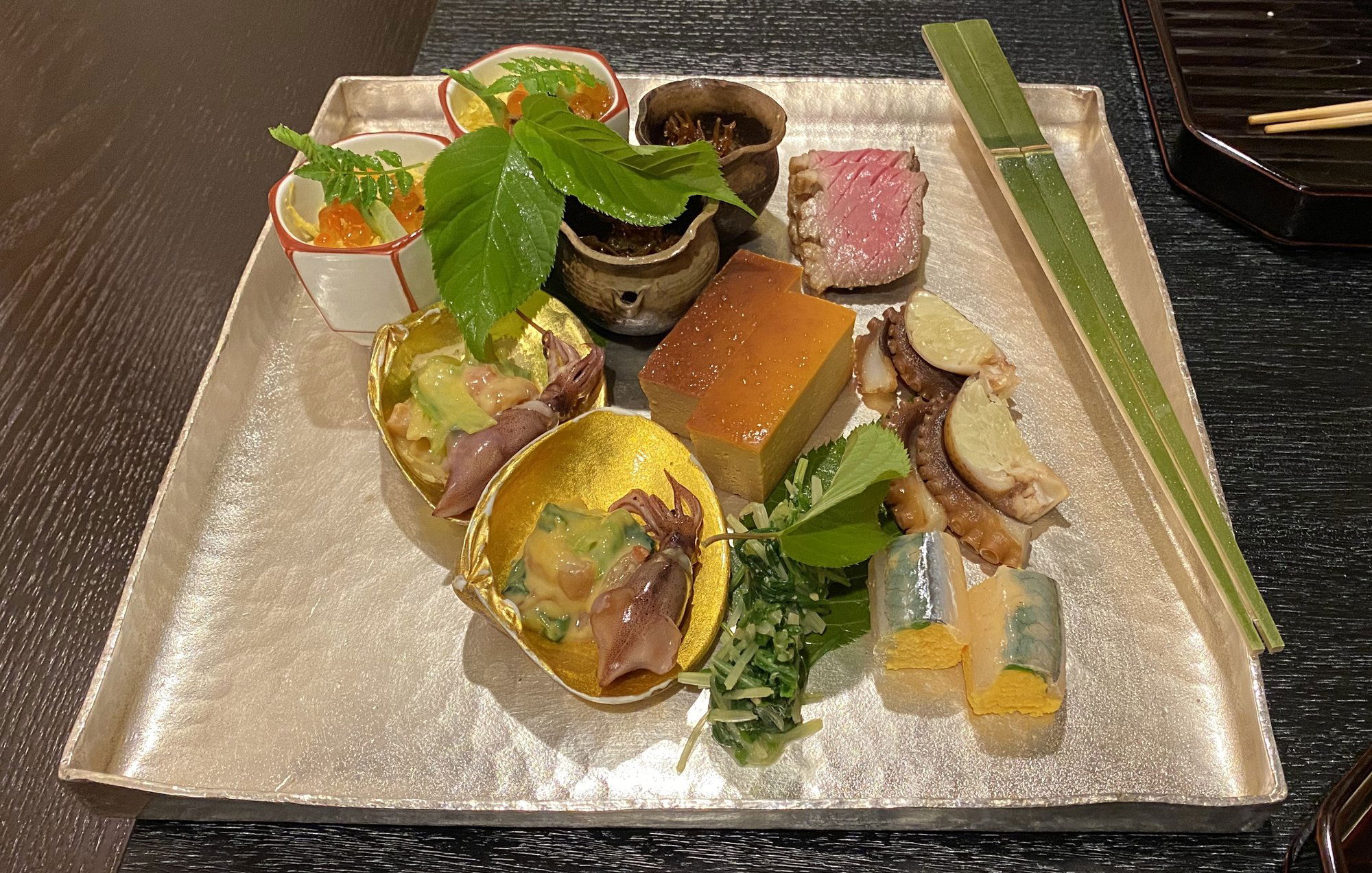
Wagokoro Izumi in Kyoto's Shimogyo Ward is a neighbourhood-rooted kitchen built on the restrained principles of Kyoto cooking: grilled sweetfish and rolled omelette, handmade tofu, and simmered dishes served with broth. It is not a formal kaiseki restaurant. For food travellers who want a direct, flavour-first experience of the Kyoto culinary tradition without months-out booking logistics, it is worth reserving.
About Wagokoro Izumi
Wagokoro Izumi: The Verdict
Seats at Wagokoro Izumi are finite, and once you understand what the kitchen is doing in Shimogyo Ward, you will understand why that matters. This is a Kyoto cooking specialist working from a clear philosophy: food that calms rather than impresses, with a natural appearance that earns its place on the table through flavour rather than spectacle. For food-focused travellers who want to understand what Kyoto cuisine actually tastes like at a committed, neighbourhood-rooted level, Wagokoro Izumi is worth booking ahead.
Portrait
Wagokoro Izumi sits in the Shimogyo district, the southern residential and commercial ward that connects Kyoto Station to the older merchant quarters of the city. This is not a restaurant positioned for tourist foot traffic. Its address on Nioitenjincho places it in the kind of Kyoto block that locals use daily, which is precisely the point. The restaurant functions as a neighbourhood anchor in the most literal sense: a kitchen that reflects the priorities of Kyoto home cooking rather than performing a version of kaiseki for an international audience.
The name itself is a signal. Wagokoro translates roughly as "Japanese heart" or "Japanese spirit," and the chef chose it specifically to describe cuisine that calms the soul. That framing tells you something practical: do not come expecting theatrical plating or a parade of architectural courses. Come expecting food made by someone who has spent serious time in the Kyoto cooking tradition and has something to say with it.
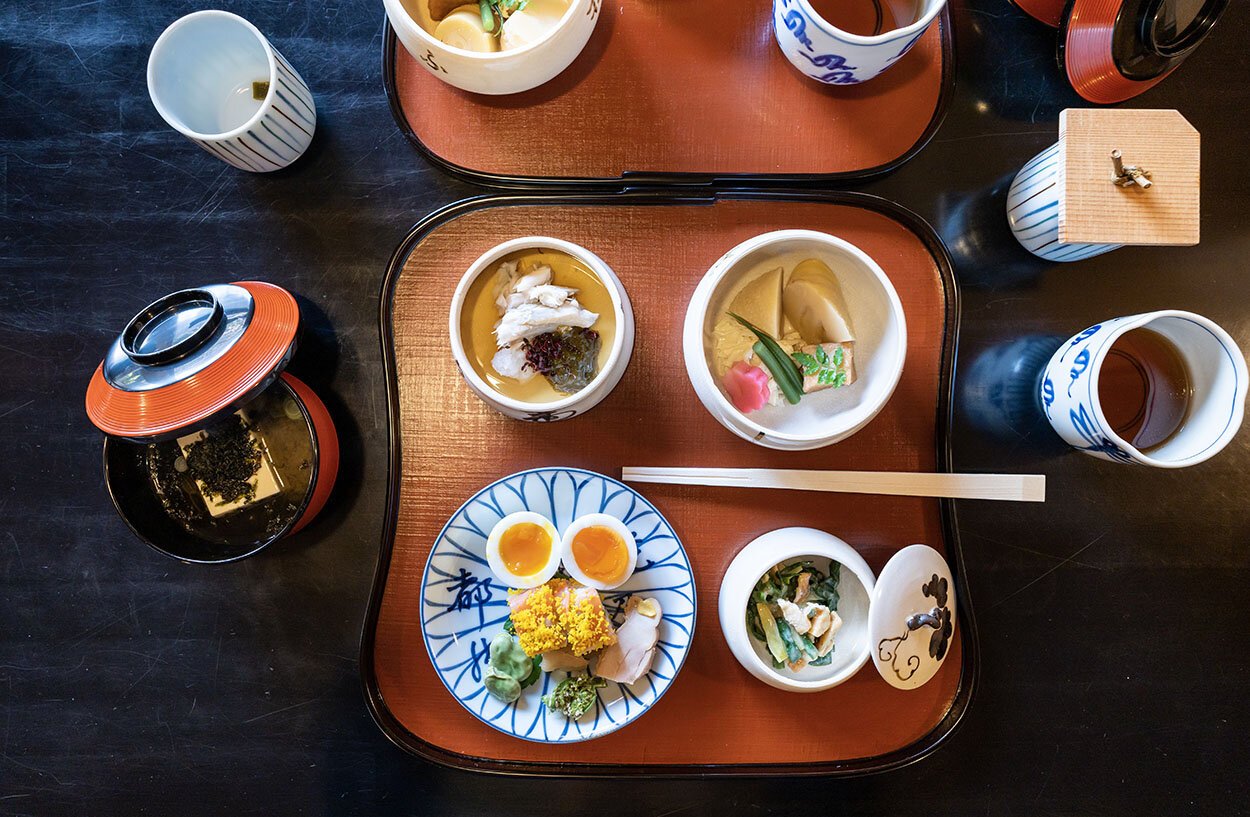
The kitchen's strengths lie in grilled preparations and simmered dishes. The rolled omelette and sweetfish represent the grilled side of the menu; handmade thick-fried tofu and fish cake work alongside broths on the simmered side. These are not flashy dishes. Rolled omelette in Kyoto is a benchmark preparation, and the version here is described as a product of earnest toil in the Kyoto culinary tradition, which is a meaningful credential in a city where that tradition runs deep. Sweetfish, or ayu, is a seasonal river fish central to Kyoto summer cooking; its presence on the menu anchors the kitchen to a specific time of year and a specific regional identity.
For a food explorer visiting Kyoto, this distinction matters. Restaurants like Gion Sasaki, Hyotei, and Kikunoi Honten operate at the formal kaiseki end of the spectrum, where multi-course structure and presentation are part of the contract. Wagokoro Izumi appears to occupy a different register: more direct, more grounded in the everyday language of Kyoto cooking. That is not a lesser position. It is a different and, for certain meals and certain trips, more instructive one. If your Kyoto itinerary already includes a formal kaiseki dinner, adding Wagokoro Izumi provides genuine contrast rather than repetition.
Booking here is rated easy, which is itself a data point. Compared to the months-out reservation timelines at Mizai or Isshisoden Nakamura, Wagokoro Izumi is accessible without significant advance planning. That makes it a realistic option for travellers building an itinerary close to their departure date, or for anyone who wants a reliable, substantive Kyoto meal without the logistical friction of the city's most sought-after tables.
For broader context on eating in the city, see our full Kyoto restaurants guide. Travellers moving through the Kansai region should also note HAJIME in Osaka and akordu in Nara as further reference points for the region's range.
Booking & Practical Details
Address: 634-3 Nioitenjincho, Shimogyo Ward, Kyoto, 600-8414, Japan. Booking difficulty: easy. Dress code is informal but tidy, with respectful, smart-casual attire a reliable choice for this kind of Kyoto neighbourhood restaurant.
How It Compares
Pearl Picks: More to Explore
- Gion Sasaki — Kaiseki at the formal end of Kyoto's spectrum
- Hyotei — Multi-generation kaiseki institution in Kyoto
- Kikunoi Honten, Accessible entry point to serious kaiseki
- Mizai, For a harder-to-book kaiseki benchmark experience
- Isshisoden Nakamura, Deep Kyoto culinary heritage
- HAJIME in Osaka, If you want to push further into Kansai dining
- akordu in Nara, A contrasting Kansai option with a different sensibility
- Harutaka in Tokyo, For comparison with Tokyo's counter-dining tradition
- Goh in Fukuoka, Japan's southern counterpart to Kyoto-style precision
- 1000 in Yokohama, Another regional Japanese reference point
- 6 in Okinawa, For a completely different Japanese culinary register
- Our full Kyoto hotels guide
- Our full Kyoto bars guide
- Our full Kyoto experiences guide
- Our full Kyoto wineries guide
FAQ
What should a first-timer know about Wagokoro Izumi?
- Wagokoro Izumi is not a kaiseki restaurant in the formal multi-course sense. It operates closer to the everyday language of Kyoto cooking: grilled and simmered preparations made with precision and restraint.
- Expect dishes like rolled omelette, sweetfish, handmade thick-fried tofu, and fish cake served with broth rather than a parade of architectural plates.
- Booking is easy relative to Kyoto's most competitive tables.
Can Wagokoro Izumi accommodate groups?
- For groups larger than four, contact the restaurant directly before booking to confirm capacity and seating arrangements.
- Kyoto neighbourhood restaurants of this profile often have limited covers, so groups should treat early contact as essential rather than optional.
What should I order at Wagokoro Izumi?
- The kitchen's documented strengths are grilled items, rolled omelette and sweetfish, and simmered preparations featuring handmade thick-fried tofu and fish cake alongside broth.
- If sweetfish (ayu) is on the menu during your visit, it is a seasonal preparation central to Kyoto summer cooking and worth ordering as a reference dish for the region.
Is Wagokoro Izumi good for a special occasion?
- If your idea of a special occasion is a deeply considered meal that reflects a specific culinary tradition rather than a grand formal production, yes.
- For a milestone dinner where presentation theatre and multi-course ceremony matter, Gion Sasaki or Hyotei are better-matched options.
- Wagokoro Izumi suits occasions where the quality of the cooking itself is the event.
What are alternatives to Wagokoro Izumi in Kyoto?
- For formal kaiseki at the high end: Gion Sasaki and Hyotei are the benchmarks, though both require advance planning.
- For a different price tier with Italian framing in Kyoto: cenci offers a contrast in approach at ¥¥¥.
- For the most technically ambitious end of Kyoto cooking: Mizai and Kikunoi Honten are the reference points, but both are harder to book.
Can I eat at the bar at Wagokoro Izumi?
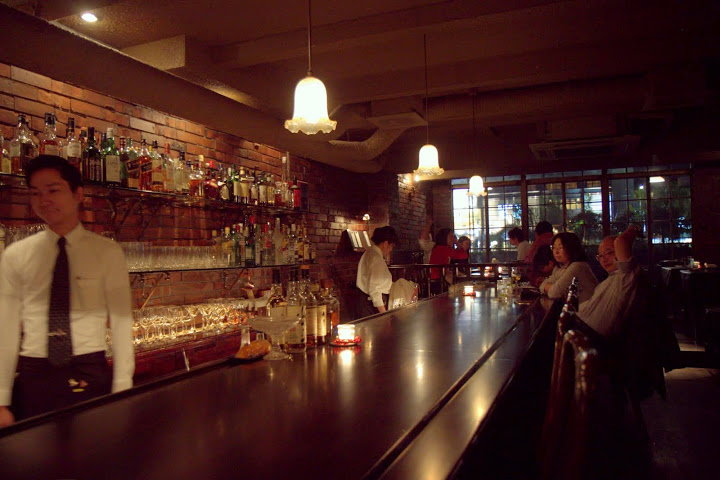
- Counter seating is common in Kyoto restaurants of this style, and solo diners often find it a comfortable option.
- Contact the restaurant directly to clarify seating options before arriving.
What should I wear to Wagokoro Izumi?
- Kyoto neighbourhood restaurants at a considered culinary level generally expect tidy, respectful dress: smart casual is a reliable baseline.
- Formal attire is unlikely to be required, but visibly casual clothing may feel out of place given the kitchen's philosophy and Kyoto's broader dining culture.
Is Wagokoro Izumi good for solo dining?
- Kyoto cooking restaurants of this profile are often well-suited to solo diners, particularly if counter seating is available. The focused, restrained style of the kitchen rewards attentive eating.
- Booking is rated easy, which makes last-minute solo reservations more viable here than at Kyoto's most competitive tables.
- Solo diners should mention their party size when booking to ensure the right seat is available.
Planning details
- Location
- 634-3 Nioitenjincho, Shimogyo Ward, Kyoto, 600-8414, Japan
- Website
- wagokoro-izumi.com
- Phone
- +81 75-351-3917
The take
The Take
The Vibe
Wagokoro Izumi presents a restrained, traditional Kyoto sensibility that privileges substance over spectacle. The kitchen eschews decorative ambition and lacquerware flourish in favor of a 'natural appearance' that lets ingredients do the talking. The tone is intimate and quietly confident: dishes are measured by the quality of their dashi, the care of a grill, and the seasonality of freshwater fish and vegetables. Less showmanship and more discipline creates a calm, contemplative dining atmosphere that feels rooted in Kyoto’s quieter culinary traditions rather than in downtown theatricality.
Best For
This is a place for diners who want a refined, ingredient-focused dinner that reads as an antidote to highly staged kaiseki theatre. It suits couples and small parties seeking a quieter, more considered meal—an evening where the quality of broth, a properly grilled ayu and seasonal vegetable work are the highlights. The restaurant is positioned as an alternative to flagship multi-course temples of spectacle, making it a good fit for date nights and other special evenings when you want excellent cooking without ostentation.
Ordering Tips
Look for preparations that foreground the core techniques the write-up praises: well-made dashi, properly grilled freshwater fish (the example given is ayu), and seasonal vegetable dishes. The kitchen favors a 'natural appearance' and form that follows function, so prioritize items described in terms of technique and ingredient over ornamental plating. Expect restrained presentation and choose dishes that showcase broth, grilling, and seasonality to experience the restaurant’s strengths.
Venue details
Ambiance
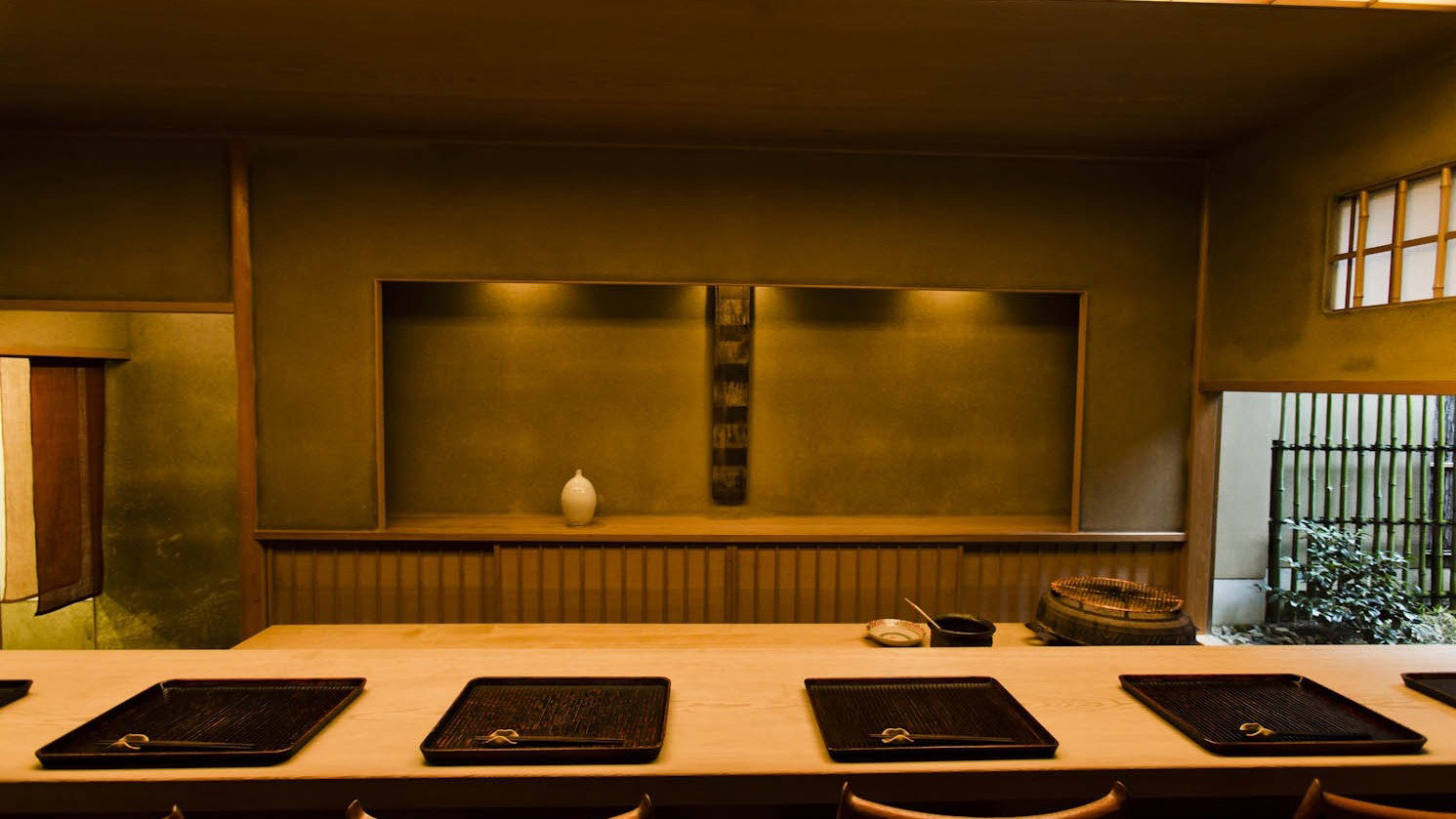
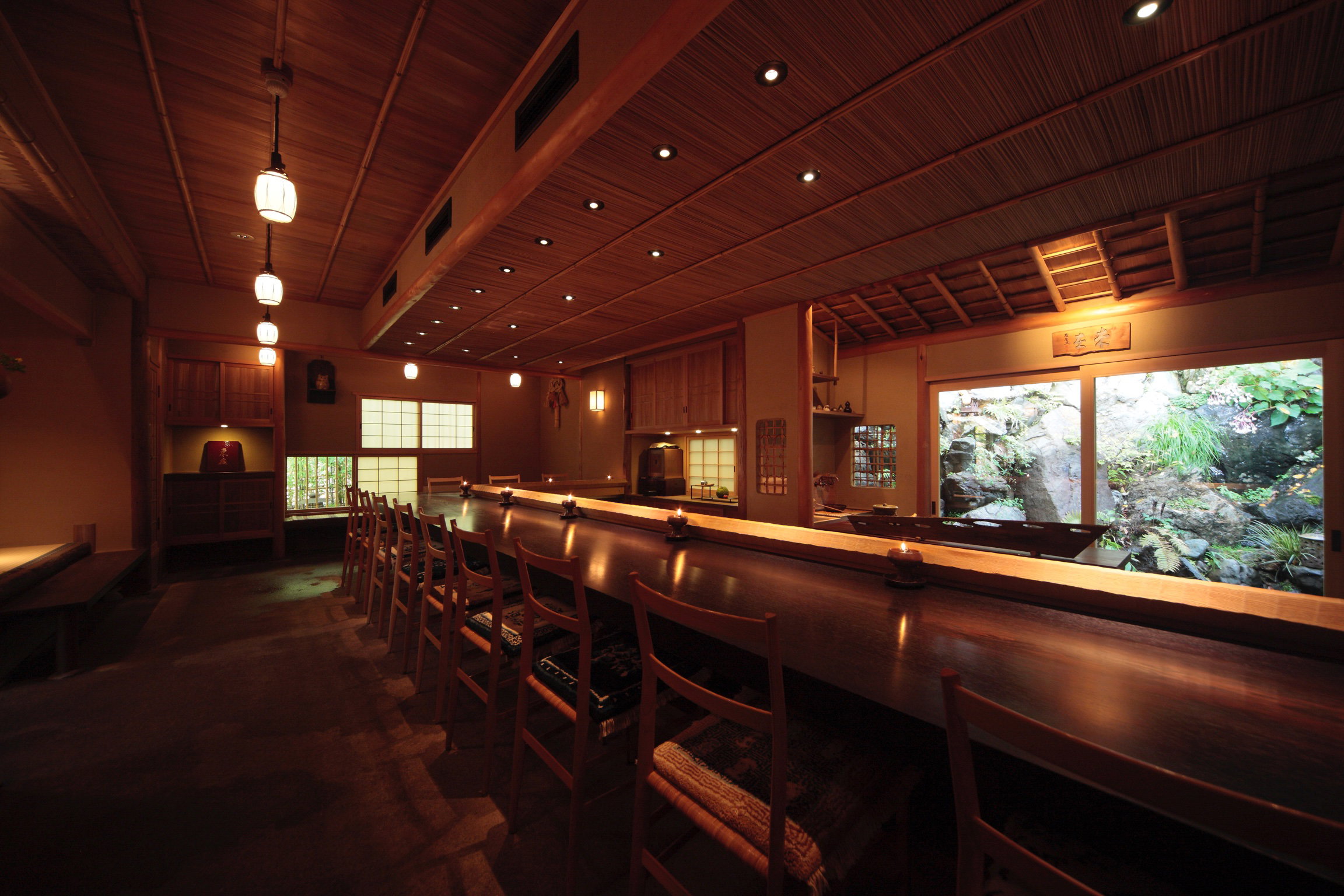
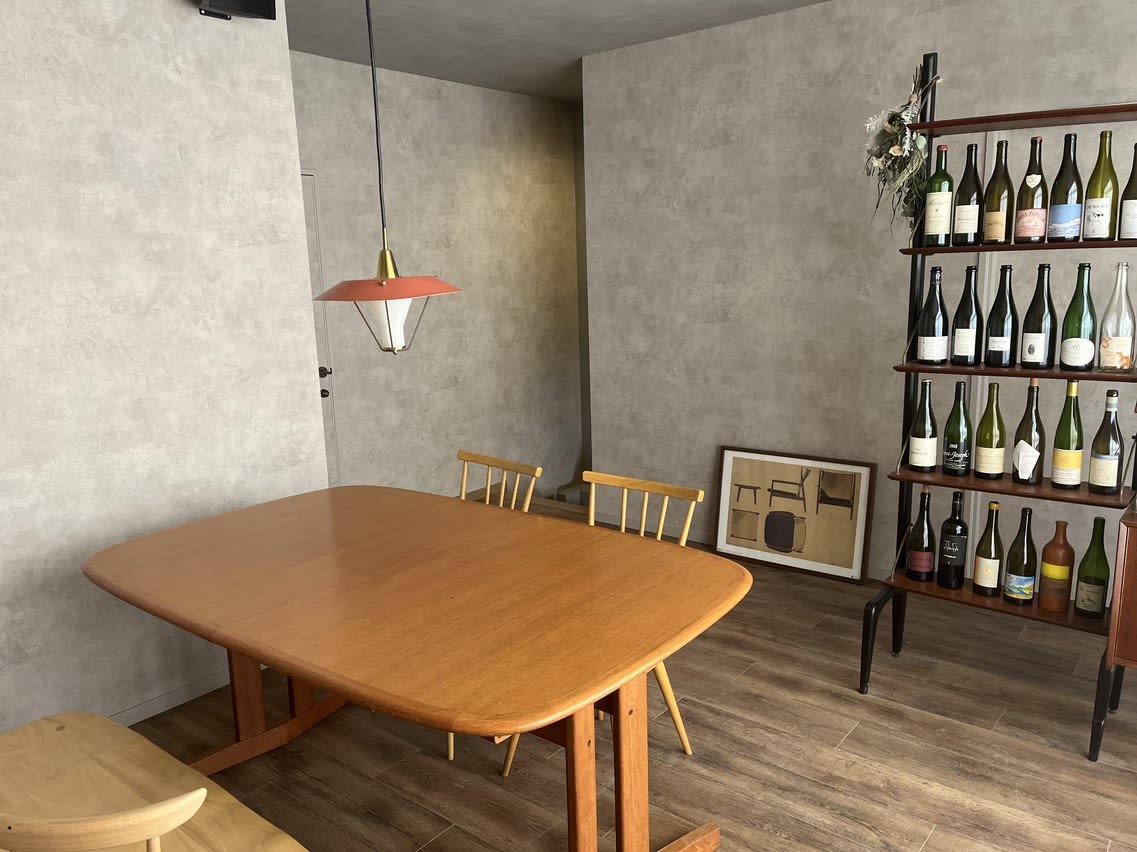
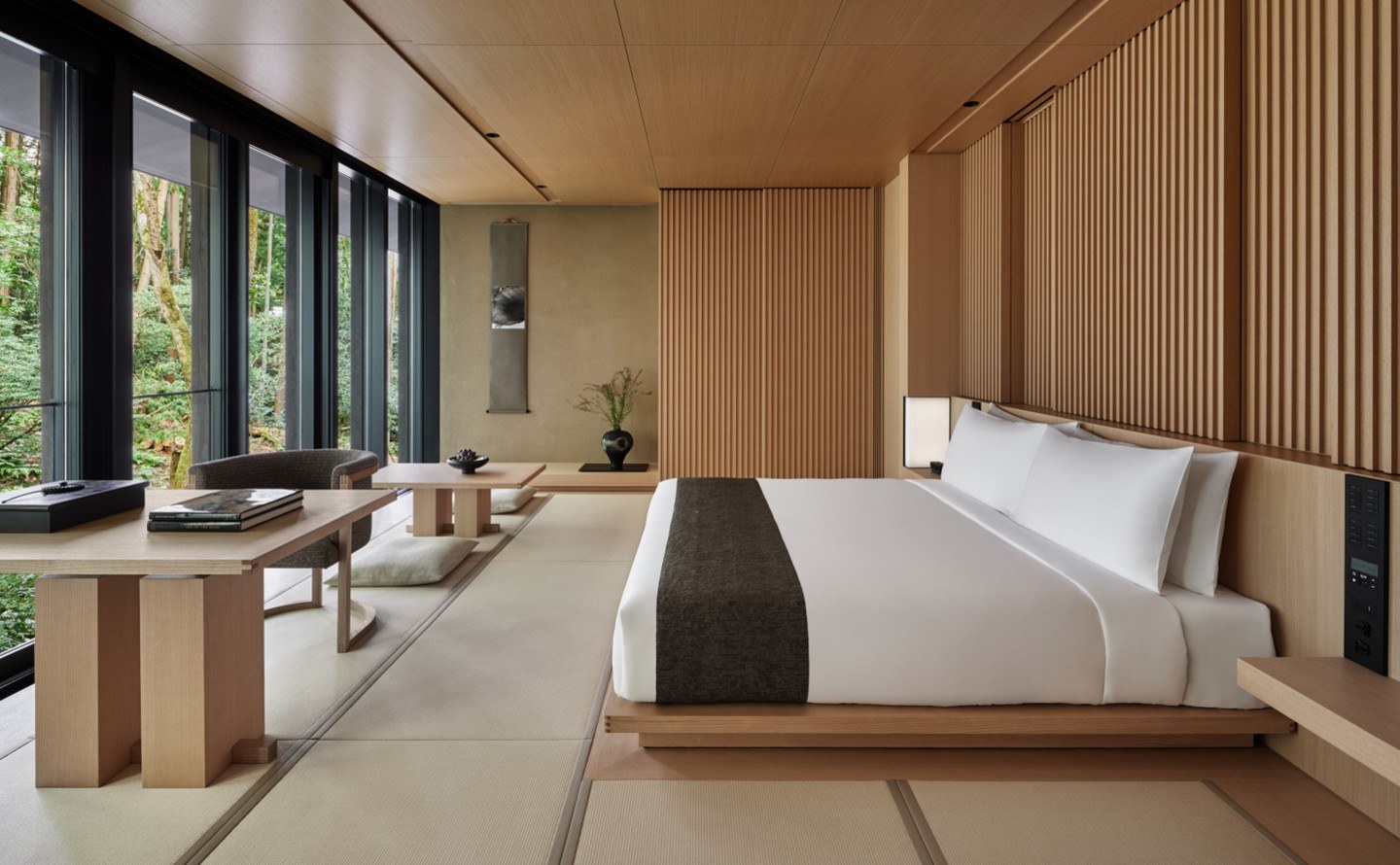
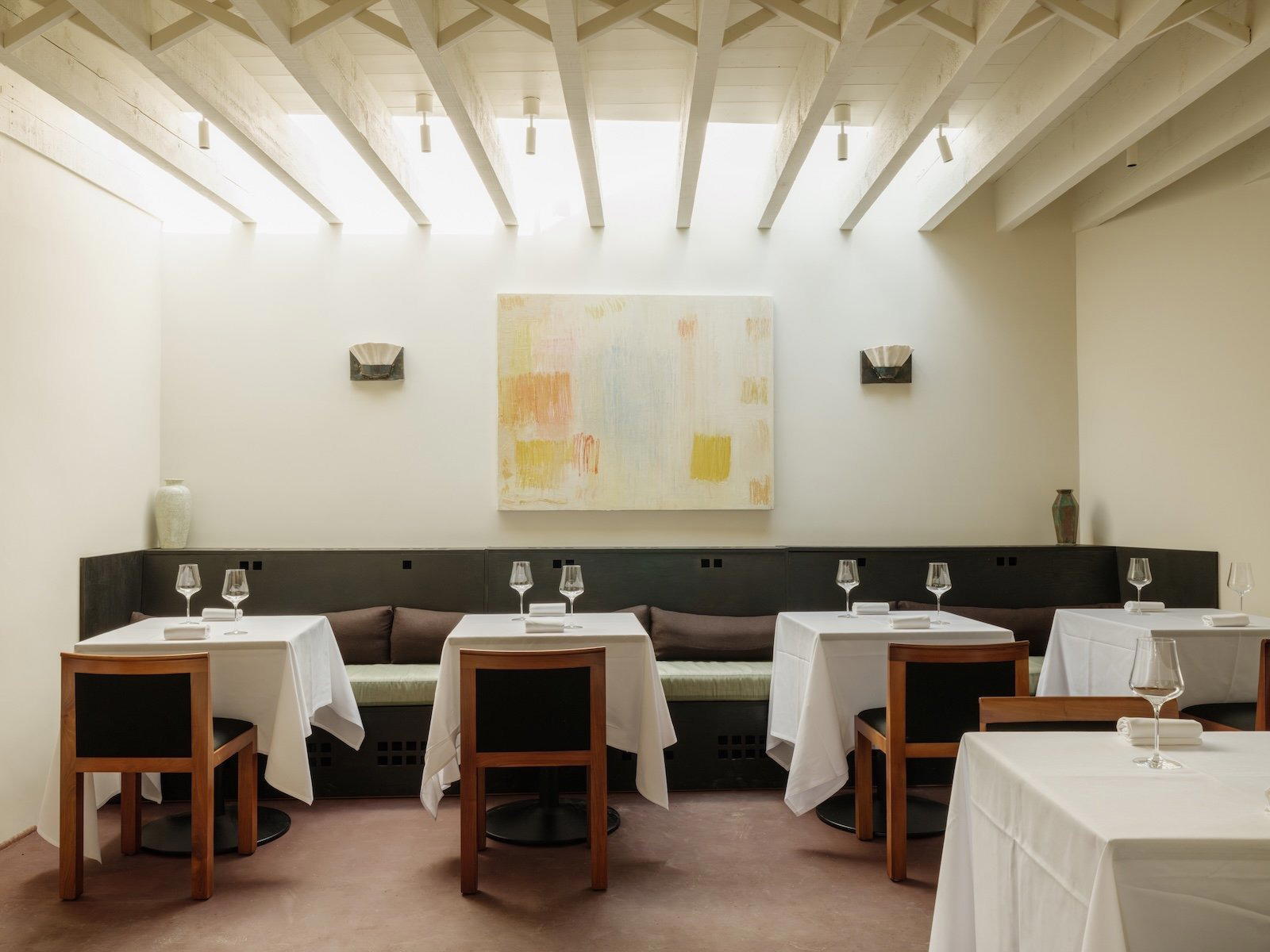
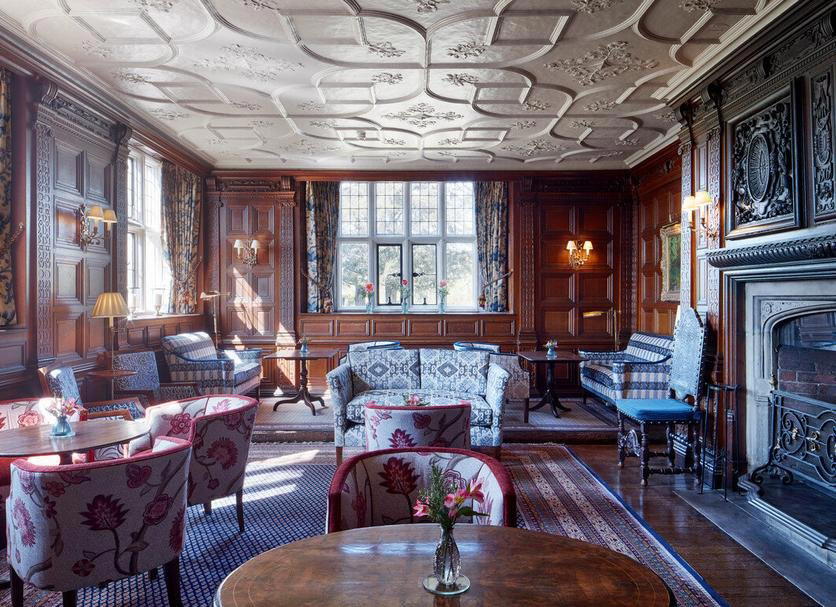
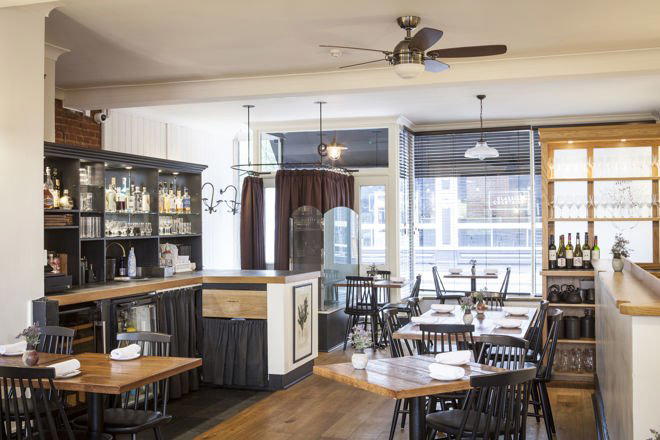
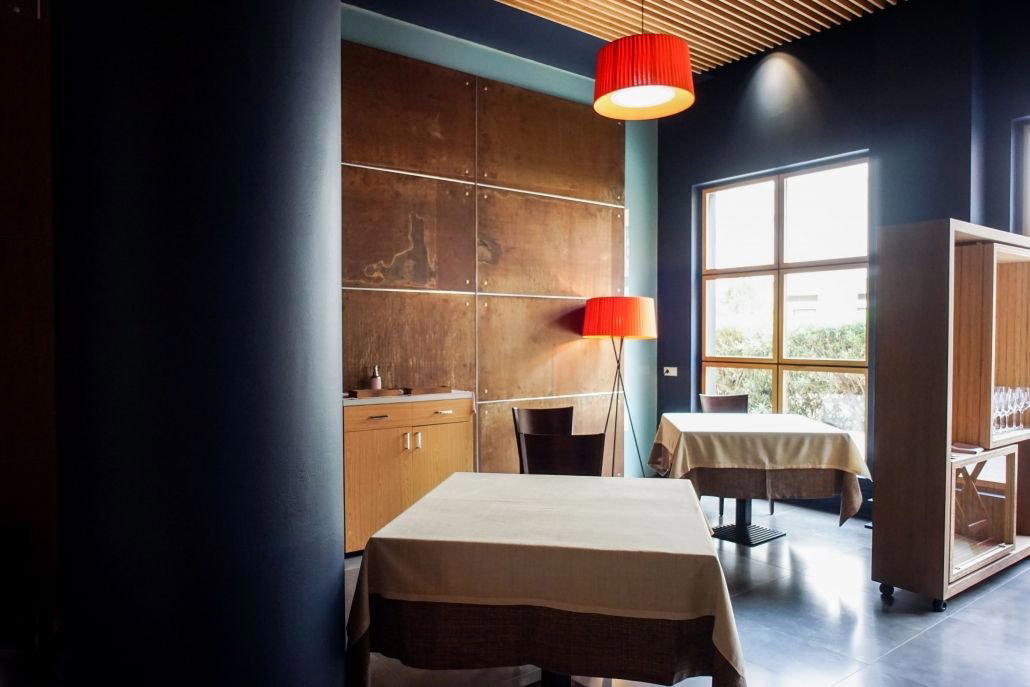
Cozy and elegant with natural wood furniture, traditional Japanese decor that changes seasonally, creating a serene and rejuvenating atmosphere.
Tags
Vibe
Best For
Sourcing
At the Table
- Dress Code
- Smart Casual
- Noise Level
- Quiet
- Service Style
- Formal
- Meal Pacing
- Leisurely
- Capacity
- Intimate
Know before you go
Know Before You Go
- Getting there
- 634-3 Nioitenjincho, Shimogyo Ward, Kyoto, 600-8414, Japan
Planning details
Location
634-3 Nioitenjincho, Shimogyo Ward, Kyoto, 600-8414, Japan · Directions
Recognition and awards
Also consider
Also Consider
- Gion Sasaki, Kaiseki, Japanese, ¥¥¥¥
- cenci, Italian, ¥¥¥
- Ifuki, Kaiseki, ¥¥¥¥
- Kyokaiseki Kichisen, Japanese, ¥¥¥¥
- SEN, French, Japanese, ¥¥¥¥
Restaurant context
Against Kyoto's formal kaiseki restaurants, Wagokoro Izumi occupies a clearly different position. Gion Sasaki and Ifuki both operate at the ¥¥¥¥ level with multi-course structures and the presentation precision that defines high kaiseki. If ceremony and visual progression through a meal matter to you, those tables deliver it. Wagokoro Izumi's documented philosophy is the opposite: restraint, natural appearance, and flavour as the point. That is not a compromise; it is a different contract with the diner.
Kyokaiseki Kichisen sits at the most formal and expensive end of Kyoto's kaiseki spectrum, where tradition and prestige are part of what you are paying for. SEN takes a French-Japanese approach at ¥¥¥¥, which suits diners who want the influence of European technique alongside Japanese ingredients. Wagokoro Izumi offers neither of those framings: it stays within the Kyoto cooking tradition and does not attempt to bridge it with anything else. For a food explorer who wants a clear and direct read on what Kyoto cooking tastes like at a neighbourhood level, that focus is an advantage.
cenci at ¥¥¥ is the easiest booking in this peer group and the most distinct in approach, offering Italian cooking made in Kyoto rather than Kyoto cooking itself. If your trip already includes a formal kaiseki meal and you want variety rather than repetition, cenci and Wagokoro Izumi are logical complements to each other. For diners choosing between Wagokoro Izumi and a ¥¥¥¥ kaiseki dinner, the decision comes down to what kind of experience you want to leave with: an understanding of Kyoto's everyday culinary language, or the full ceremonial expression of it.
Explore Kyoto
Around this place
Discover more on Pearl
Unlock the full Wagokoro Izumi guide in Pearl, including awards, comparisons, FAQs, planning details, and nearby places.
Compare Wagokoro Izumi
| Venue | Location | Cuisine | Awards | Price |
|---|---|---|---|---|
| Wagokoro Izumi | Kyoto | , | 2026 Michelin 1 StarMichelin Guide Kyoto Osaka 2026 | , |
| Gion Sasaki | Kyoto | Kaiseki, Japanese | 2026 Tabelog Bronze · #3862026 OAD Top Restaurants in Japan RecommendedMichelin Guide Kyoto Osaka 20262026 La Liste Top RestaurantsTabelog 100 - Japanese cuisine - WEST - 2025 · #132025 OAD Top Restaurants in Japan Ranked · #2462025 Tabelog Silver2025 Michelin 3 Stars2025 La Liste Top Restaurants | ¥¥¥¥ |
| cenci | Kyoto | Italian | 2026 Tabelog Bronze · #442026 Asia's 50 Best Restaurants · #762026 OAD Top Restaurants in Japan Highly RecommendedMichelin Guide Kyoto Osaka 2026Tabelog 100 - Italian - WEST - 2025 · #632025 Asia's 50 Best Restaurants · #632025 OAD Top Restaurants in Japan Ranked · #1682025 Tabelog Bronze2024 OAD Top Restaurants in Japan Ranked · #135 | ¥¥¥ |
| Ifuki | Kyoto | Kaiseki | 2026 OAD Top Restaurants in Japan Ranked · #1222026 Tabelog Bronze · #128Michelin Guide Kyoto Osaka 20262026 La Liste Top RestaurantsTabelog 100 - Japanese cuisine - WEST - 2025 · #622025 OAD Top Restaurants in Japan Ranked · #1002025 La Liste Top Restaurants2025 Tabelog Bronze2025 Michelin 2 Stars | ¥¥¥¥ |
| Kyokaiseki Kichisen | Kyoto | Japanese | 2026 Tabelog Bronze · #1752026 OAD Top Restaurants in Japan Highly RecommendedMichelin Guide Kyoto Osaka 20262025 OAD Top Restaurants in Japan Ranked · #1862025 Michelin 2 Stars2025 La Liste Top Restaurants2024 OAD Top Restaurants in Japan Ranked · #1422024 Michelin 2 Stars2023 OAD Top Restaurants in Japan Ranked · #136 | ¥¥¥¥ |
| SEN | Kyoto | French, Japanese | 2026 Tabelog Bronze · #3952026 OAD Top Restaurants in Japan RecommendedMichelin Guide Kyoto Osaka 20262026 Michelin PlateTabelog 100 - Japanese cuisine - WEST - 2025 · #652025 Michelin Plate2025 Tabelog Bronze2024 OAD Top Restaurants in Japan Ranked · #3622024 Michelin Plate | ¥¥¥¥ |







.png?width=1200&quality=80)
How Wagokoro Izumi Kyoto compares with similar nearby venues.
FAQ
Frequently Asked Questions
What should a first-timer know about Wagokoro Izumi?
Come expecting cooking grounded in classical Kyoto technique rather than theatrical presentation. The kitchen's philosophy is food that calms rather than dazzles, so the experience rewards attention to flavour over spectacle. Shimogyo Ward is accessible from Kyoto Station, which makes logistics easy. Contact details are not currently listed, so plan to approach booking through your hotel concierge or a reservation service.
Can Wagokoro Izumi accommodate groups?
Given the intimate, craft-focused nature of the kitchen, assume seating is limited and that large groups may not be feasible without advance arrangement. If you are travelling in a party of four or more, confirm directly before planning around it.
What should I order at Wagokoro Izumi?
The kitchen's own framing points to grilled items — rolled omelette and sweetfish — and stewed dishes as its strongest work. Handmade thick-fried tofu and fish cake served in broth are also highlighted as house strengths. In classical Kyoto cooking, these categories are where technique is most exposed, so they are the right things to anchor a meal around.
Is Wagokoro Izumi good for a special occasion?
Yes, but the occasion needs to fit the register. This is a place for people who find meaning in restraint and craft rather than in grand theatrical gestures. If the person you are celebrating values honest, technically considered Kyoto cooking over prestige performance, Wagokoro Izumi is a genuinely considered choice. For a more formal, high-ceremony occasion, Kyokaiseki Kichisen in Kyoto would be the sharper match.
What are alternatives to Wagokoro Izumi in Kyoto?
Gion Sasaki operates at a higher ceremony level and suits diners who want a formal kaiseki progression. Ifuki and SEN both offer Kyoto-grounded cooking with their own distinct sensibilities. cenci brings a contemporary European-Japanese approach for diners who want less tradition and more invention. Kyokaiseki Kichisen is the reference point for full-ceremony kaiseki if budget is not a constraint.
Can I eat at the bar at Wagokoro Izumi?
Many Kyoto restaurants of this style include a counter, which suits solo diners well. Check with your concierge when making the reservation.
What should I wear to Wagokoro Izumi?
Dress neatly and simply. Neat, understated clothing is appropriate. Leave heavily logoed or casual streetwear at the hotel; you do not need a suit.