
Tsuneya Densuke
Izakaya · Nakagyō, Kyoto
Restaurant in Kyoto, Japan
 Book with Pearl
The Read
Hundred-Dish À La Carte Izakaya
Price
¥¥¥
Dress
Smart Casual
Why go
A Michelin Plate izakaya in Kyoto's Nakagyo Ward with a menu of over a hundred dishes built around well-sourced fish — tilefish, mackerel sashimi, sake-friendly small plates, and beef dishes. At ¥¥¥, it offers the depth of a serious kitchen without kaiseki pricing. Book it when you want to set your own pace and eat broadly.
About Tsuneya Densuke
Is Tsuneya Densuke worth booking in Kyoto?
Yes — and for a specific kind of diner. If you want a long, unhurried evening working through a hundred-dish menu of well-sourced fish, sake-friendly small plates, and hearty beef dishes in a mid-range izakaya setting, Tsuneya Densuke is the right call. Book it when you want depth and choice rather than a set-course progression.
The Portrait
The first thing that registers when you sit down at Tsuneya Densuke is the menu itself. Over a hundred dishes is not a marketing claim — it is the operating premise of the restaurant. The policy is direct: eat what you like, in the quantity you like. That kind of freedom is rarer than it sounds in Kyoto, where so many well-regarded rooms hand you a fixed progression and ask you to trust the kitchen's sequencing. Here, the sequencing is yours.
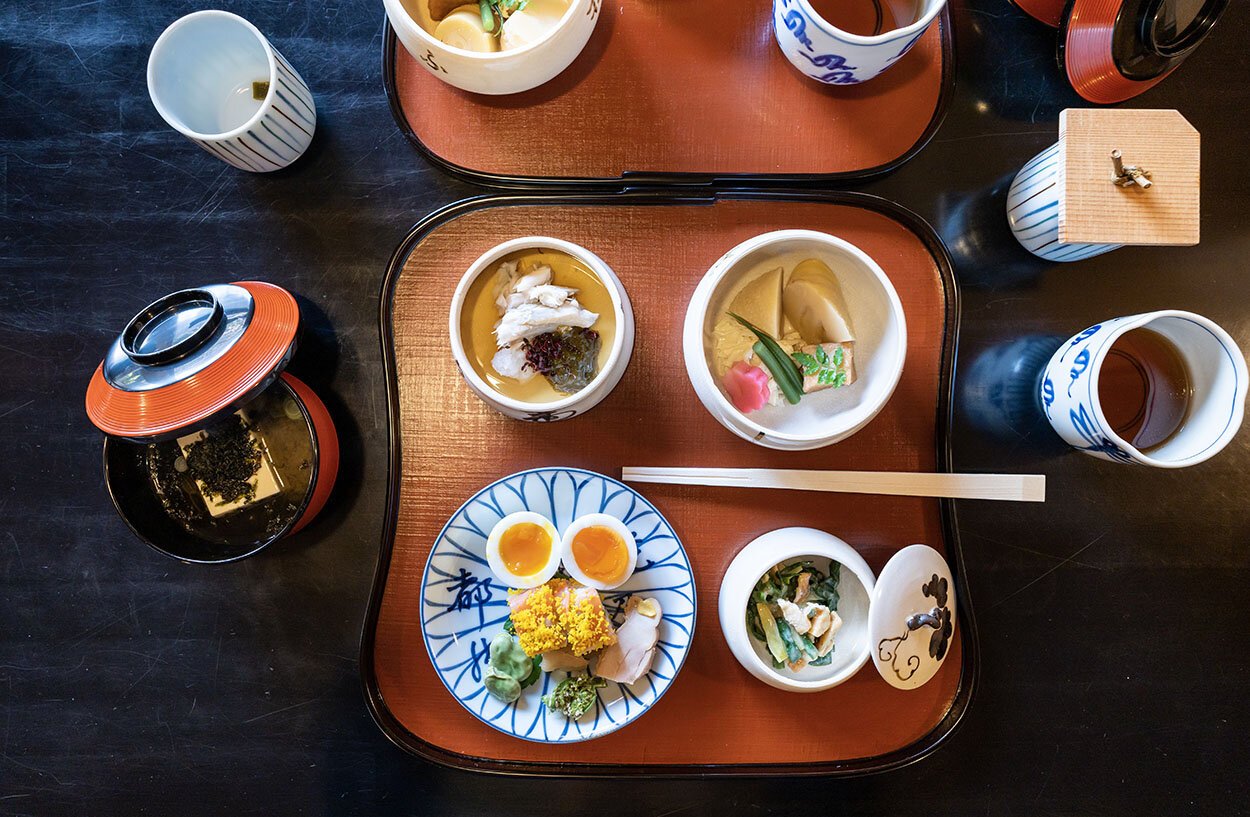
The menu's backbone is fish, and the sourcing decisions behind it are what give the kitchen its identity. Tilefish appears grilled or deep-fried, a preparation choice that signals confidence in the ingredient, tilefish is delicate enough that poor sourcing shows immediately, and the kitchen offers it in both formats rather than hiding it behind heavy sauce or complex technique. Mackerel arrives marinated, then presented as sashimi or rolled into sushi. These are not elaborate constructions; they are preparations that put the quality of the fish at the centre of the dish. For a food enthusiast visiting Kyoto, that kind of sourcing-led restraint is worth paying attention to.
Beyond fish, the à la carte selection is built for sake pairing. Small plates designed to accompany a glass are a deliberate feature of the menu, not an afterthought. The beef dishes extend the range further: simmered beef with tofu and beef cutlets sit alongside the fish-focused options, giving the menu a breadth that means two diners with completely different preferences can eat well at the same table without compromise.
Nakagyo Ward is a practical address. It sits between the tourist density of Gion and the quieter residential north, making it accessible without being in the middle of the most congested parts of the city. For visitors staying centrally or arriving from Kyoto Station, the location is direct to reach. The address at 84 Kannoncho is in a part of the ward that has a steady mix of local regulars and visitors, which keeps the room from feeling like a tourist operation.
The Michelin Plate recognition in both 2024 and 2025 is a useful calibration. A Plate means Michelin's inspectors found the cooking worth flagging, good ingredients and careful preparation, without awarding a star. In practice, for an izakaya at ¥¥¥, this is the tier where you find technically sound kitchens that are not chasing complexity for its own sake. Tsuneya Densuke fits that description: the food is grounded in sourcing and execution rather than elaboration.
The format also suits the explorer who wants to move at their own pace. A hundred dishes means a first visit barely scratches the surface. Regulars can return and work through different sections of the menu, more fish preparations one evening, beef-focused the next. For a traveller spending multiple nights in Kyoto, this is a venue worth returning to rather than treating as a single-visit destination.
For context on what else the city offers in terms of depth and range, see our full Kyoto restaurants guide. If you are planning beyond dinner, our full Kyoto bars guide and our full Kyoto hotels guide cover the rest of the city's options.
Within the izakaya category across Japan, the closest comparisons by format and price are Benikurage in Osaka and Daidokoro Kamiya in Osaka, both operate in a similar register of serious izakaya cooking at a mid-range price. Within Kyoto itself, nearby options worth knowing include Nonkiya Mune and Nijo Aritsune, both in the same neighbourhood tier. For izakaya-adjacent rice-focused dining, Komedokoro Inamoto is a reasonable alternative if the fish-forward menu at Tsuneya Densuke does not fit your preference.
If your Kyoto trip includes evenings in other Japanese cities, HAJIME in Osaka sits at a very different price and ambition level, while Harutaka in Tokyo represents the omakase end of the spectrum. For something closer in spirit but set in Nara, akordu offers a European lens on Japanese ingredients. Further afield, Goh in Fukuoka, 1000 in Yokohama, and 6 in Okinawa round out the picture of where serious Japanese cooking is happening right now.
Also worth knowing for Kyoto planning: Berangkat and Eitaroya cover the city's more contemporary end. Our full Kyoto experiences guide, our full Kyoto wineries guide, and the broader destination resources will help you build the rest of the trip around dinner.
Planning details
- Location
- 84 Kannoncho, Nakagyo Ward, Kyoto, 604-0821, Japan
- Website
- tsuneyadensuke.com
- Phone
- +81 50-3184-2644
The take
The Take
The Vibe
Tsuneya Densuke reads like a true Kyoto izakaya: unshowy, warm and oriented around convivial eating rather than ceremony. The room resists the formal strictures of kaiseki, welcoming diners who prefer to set their own pace. Ambient noise is accepted as part of the experience, which keeps the energy up without feeling chaotic. That approachable character sits alongside serious intent — the kitchen earned Michelin Plate recognition in both 2024 and 2025 — so the overall impression is casual but assured, a neighborhood spot with culinary credibility and a steady, returnable appeal.
Best For
This is a restaurant for relaxed evenings when you want to eat on your own terms. The long, flexible menu and mid-city Nakagyo location make Tsuneya Densuke well suited to after-work outings, informal gatherings with friends, or a casual date where food takes the lead. Its ¥¥¥ price tier positions it below Kyoto’s formal kaiseki rooms while retaining high standards — Michelin Plate nods underline consistent quality — so it’s an appealing choice for diners who want serious flavors in a low-pressure, easy-to-return-to setting.
Ordering Tips
The kitchen offers more than a hundred dishes, so plan to explore rather than follow a fixed sequence. The menu’s breadth rewards sharing and sampling; let the pace be yours and order progressively rather than committing to a single set meal. Try the house signatures — Sabazushi and grilled tilefish — as anchors for the meal, and use them as waypoints while you navigate smaller plates. Note the restaurant’s Michelin Plate recognition and mid-range pricing: expect focused technique and seasonal ingredients without the formality or price of kaiseki.
Venue details
Ambiance
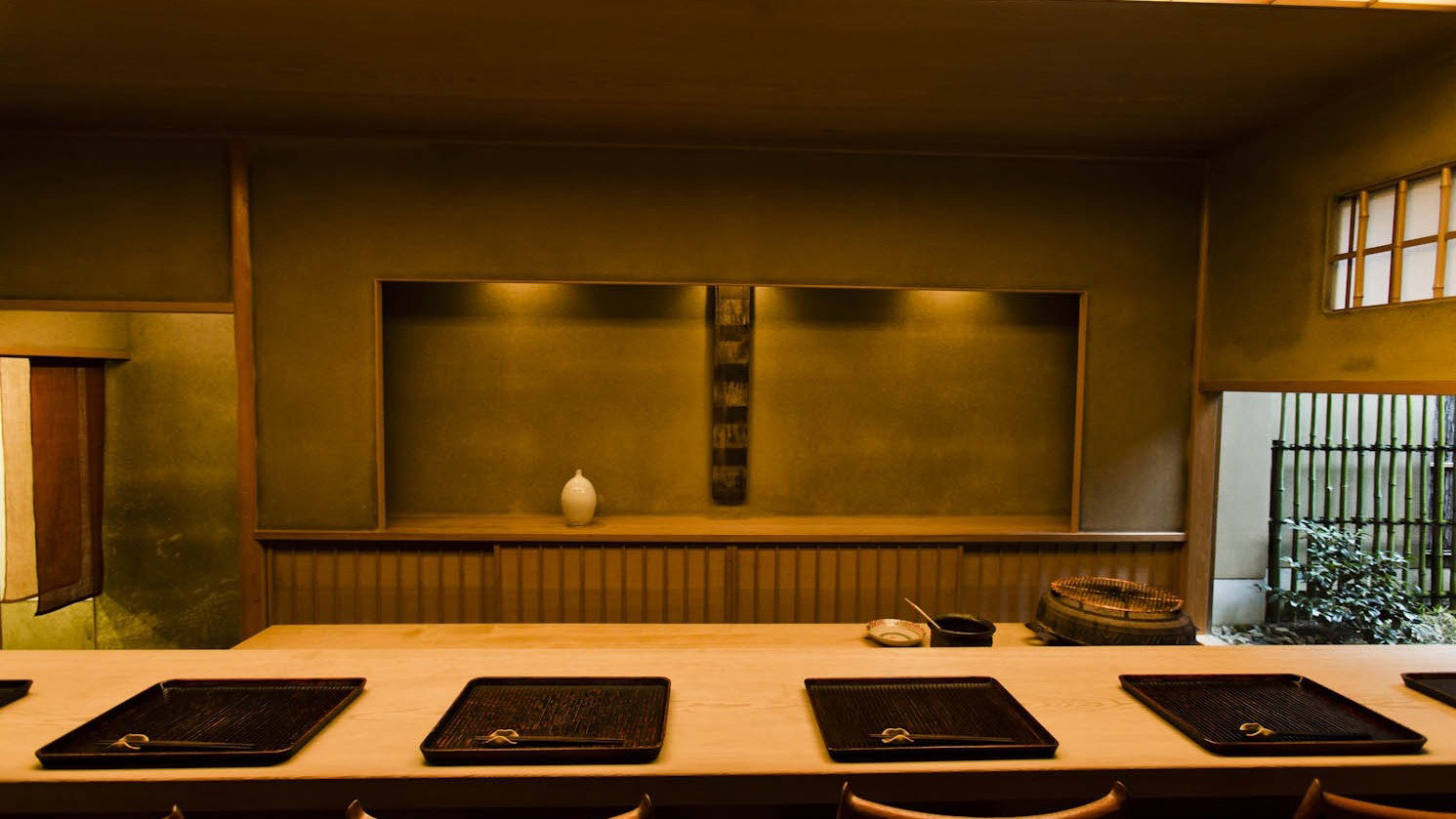
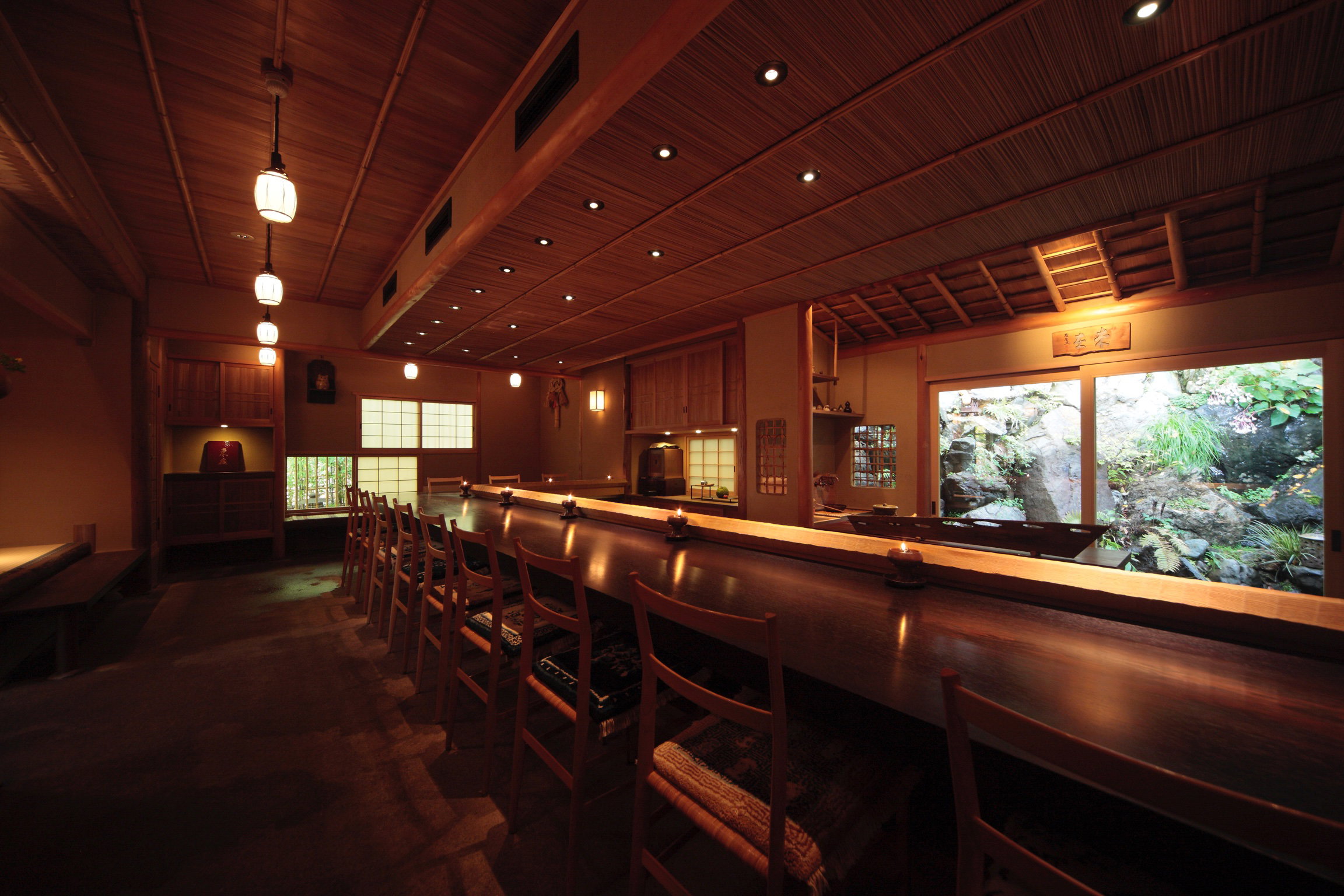
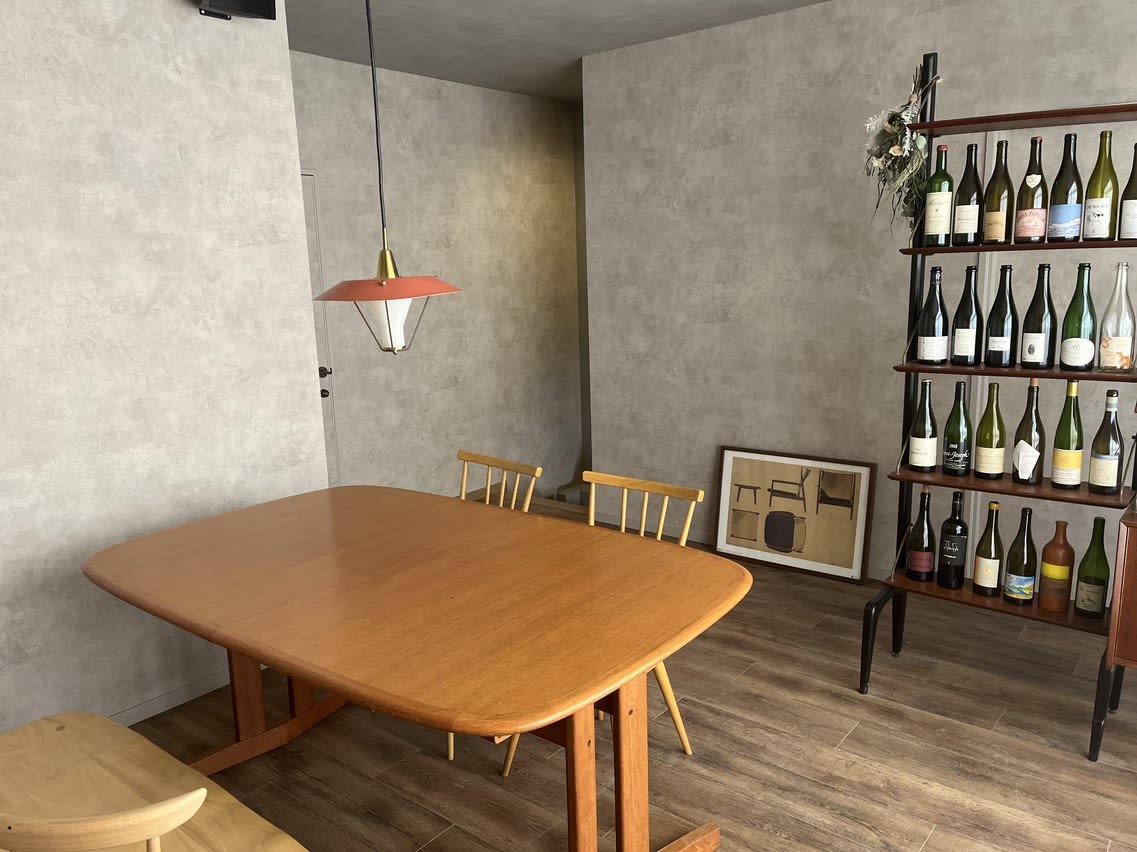
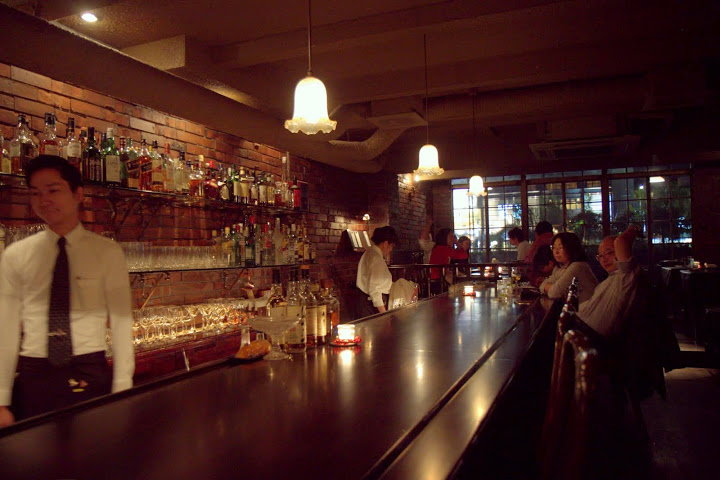
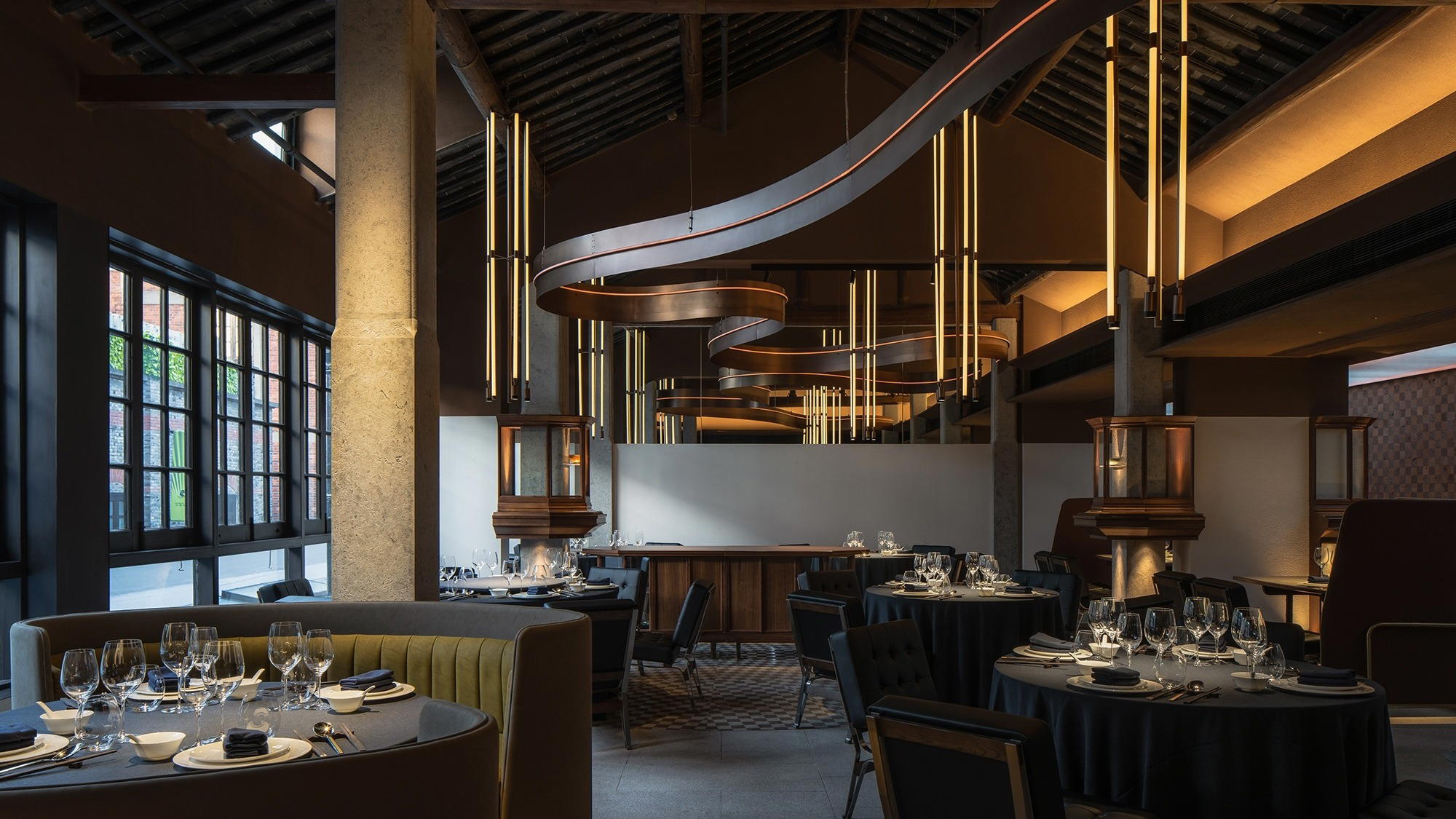
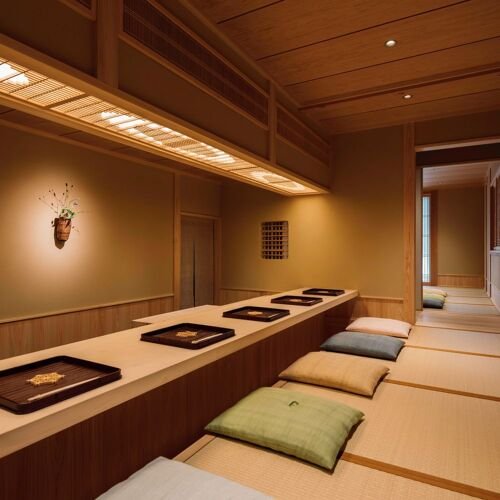
Intimate traditional Japanese atmosphere with counter seating and private rooms, emphasizing a cozy dining experience focused on appetizers and drinks.
Tags
Vibe
Best For
Experience
At the Table
- Dress Code
- Smart Casual
- Noise Level
- Conversational
- Service Style
- Upscale Casual
- Meal Pacing
- Leisurely
- Capacity
- Intimate
Signature Dishes
- Sabazushi
- Grilled Tilefish
Know before you go
Know Before You Go
- Getting there
- 84 Kannoncho, Nakagyo Ward, Kyoto, 604-0821, Japan
Planning details
Location
Recognition and awards
Also consider
Also Consider
- Gion Sasaki, Kaiseki, Japanese, ¥¥¥¥
- cenci, Italian, ¥¥¥
- Ifuki, Kaiseki, ¥¥¥¥
- Kyokaiseki Kichisen, Japanese, ¥¥¥¥
- SEN, French, Japanese, ¥¥¥¥
Restaurant context
Tsuneya Densuke occupies a distinct position in Kyoto's dining options: it is the mid-range choice for diners who want serious cooking and real choice, rather than a fixed course. The kaiseki rooms that dominate Kyoto's upper tier, Gion Sasaki, Ifuki, and Kyokaiseki Kichisen, all operate at ¥¥¥¥ and structure your entire evening through a set progression. If that formality is what you are after, any of those three will deliver it at a higher level of technique and ceremony. But they are harder to book, significantly more expensive, and demand a specific kind of attention from the diner. Tsuneya Densuke asks nothing except that you show up hungry.
cenci matches Tsuneya Densuke on price at ¥¥¥ but takes a completely different approach, Italian-influenced and tasting-menu in format. If you have already done one or two izakaya evenings in Japan, cenci gives you a useful contrast. SEN sits at ¥¥¥¥ and blends French and Japanese cooking, which makes it a stronger pick for a special occasion splurge than for a relaxed evening of small plates and sake. For a first-timer in Kyoto who wants to understand what the city's fish-focused cooking looks like at an accessible price point, Tsuneya Densuke is the more practical starting point than any of the ¥¥¥¥ rooms.
On booking difficulty, Tsuneya Densuke is the easiest option across this comparison set. The kaiseki restaurants, particularly Kyokaiseki Kichisen and Gion Sasaki, require planning weeks or months in advance and, in some cases, a Japanese-speaking intermediary. Tsuneya Densuke's booking is rated Easy, which matters on a trip where you want flexibility. The trade-off is that you are getting izakaya craft, not kaiseki precision. Both are valid choices; they answer different questions about what kind of evening you want.
Explore Kyoto
Around this place
Discover more on Pearl
Unlock the full Tsuneya Densuke guide in Pearl, including awards, comparisons, FAQs, planning details, and nearby places.
Compare Tsuneya Densuke
| Venue | Cuisine | Price | Awards | Booking Difficulty |
|---|---|---|---|---|
| Tsuneya Densuke | Izakaya | ¥¥¥ | Michelin Guide Kyoto Osaka 20262026 Michelin Plate2025 Michelin Plate2024 Michelin Plate | Easy |
| Gion Sasaki | Kaiseki, Japanese | ¥¥¥¥ | 2026 Tabelog Bronze · #3862026 OAD Top Restaurants in Japan RecommendedMichelin Guide Kyoto Osaka 20262026 La Liste Top RestaurantsTabelog 100 - Japanese cuisine - WEST - 2025 · #132025 OAD Top Restaurants in Japan Ranked · #2462025 Tabelog Silver2025 Michelin 3 Stars2025 La Liste Top Restaurants | Unknown |
| cenci | Italian | ¥¥¥ | 2026 Tabelog Bronze · #442026 Asia's 50 Best Restaurants · #762026 OAD Top Restaurants in Japan Highly RecommendedMichelin Guide Kyoto Osaka 2026Tabelog 100 - Italian - WEST - 2025 · #632025 Asia's 50 Best Restaurants · #632025 OAD Top Restaurants in Japan Ranked · #1682025 Tabelog Bronze2024 OAD Top Restaurants in Japan Ranked · #135 | Unknown |
| Ifuki | Kaiseki | ¥¥¥¥ | 2026 OAD Top Restaurants in Japan Ranked · #1222026 Tabelog Bronze · #128Michelin Guide Kyoto Osaka 20262026 La Liste Top RestaurantsTabelog 100 - Japanese cuisine - WEST - 2025 · #622025 OAD Top Restaurants in Japan Ranked · #1002025 La Liste Top Restaurants2025 Tabelog Bronze2025 Michelin 2 Stars | Unknown |
| Kyokaiseki Kichisen | Japanese | ¥¥¥¥ | 2026 Tabelog Bronze · #1752026 OAD Top Restaurants in Japan Highly RecommendedMichelin Guide Kyoto Osaka 20262025 OAD Top Restaurants in Japan Ranked · #1862025 Michelin 2 Stars2025 La Liste Top Restaurants2024 OAD Top Restaurants in Japan Ranked · #1422024 Michelin 2 Stars2023 OAD Top Restaurants in Japan Ranked · #136 | Unknown |
| SEN | French, Japanese | ¥¥¥¥ | 2026 Tabelog Bronze · #3952026 OAD Top Restaurants in Japan RecommendedMichelin Guide Kyoto Osaka 20262026 Michelin PlateTabelog 100 - Japanese cuisine - WEST - 2025 · #652025 Michelin Plate2025 Tabelog Bronze2024 OAD Top Restaurants in Japan Ranked · #3622024 Michelin Plate | Unknown |
.png?width=1200&quality=80)






A quick look at how Tsuneya Densuke measures up.
FAQ
Frequently Asked Questions
What should a first-timer know about Tsuneya Densuke?
The menu runs to over a hundred dishes and the format is fully à la carte — you order what you want, as much as you want, at your own pace. The focus is fish: tilefish grilled or deep-fried, mackerel as sashimi or roll sushi, plus sake-friendly small plates and beef dishes like simmered beef with tofu. It holds a Michelin Plate (2025), which signals consistent cooking rather than tasting-menu theatre. Come hungry and plan to linger.
What are alternatives to Tsuneya Densuke in Kyoto?
For kaiseki precision at a higher price point, Kyokaiseki Kichisen is the benchmark. Gion Sasaki suits diners who want chef-driven Japanese cooking with serious credentials. cenci and SEN lean contemporary and are better fits if you want modern technique over traditional izakaya. Ifuki is worth considering for a more intimate, focused meal. Tsuneya Densuke is the call if you want range, flexibility, and a fish-driven menu without a fixed format.
What should I wear to Tsuneya Densuke?
Izakaya dining in Kyoto at the ¥¥¥ price range typically calls for neat, presentable clothes rather than formal attire — think clean and put-together rather than black-tie. Tsuneya Densuke's Michelin Plate status and fish-focused menu suggest a relaxed but considered environment. Overly casual beachwear or athleisure would be out of place; a smart casual approach fits the format.
Is Tsuneya Densuke good for a special occasion?
It works for a celebration if your group enjoys a long, self-directed evening rather than a set ceremony. The hundred-dish menu creates natural pacing for a big night out, and the fish focus with sake pairings gives it enough character to feel occasion-worthy. For a milestone dinner where tableside formality and a curated progression matter more, Kyokaiseki Kichisen or Gion Sasaki are stronger choices. Tsuneya Densuke is the better pick when the occasion calls for abundance and choice over ritual.