
Tsujifusa
Japanese · Nakagyō, Kyoto
Restaurant in Kyoto, Japan
 Book with Pearl
The Read
Ritual-Source Kaiseki
Price
$150–200per person
Dress
Smart Casual
Why go
Tsujifusa holds a Michelin Plate (2024) and sits at the ¥¥¥ tier, making it one of Kyoto's most accessible credentialed Japanese dining addresses. The owner-chef's Shinto-informed daily practice and a qualified sommelier on the floor handling sake pairings set it apart from peers at the same price point. Easy to book independently, it is a strong choice for returning Kyoto visitors who want precision without the ceremony overhead of the ¥¥¥¥ kaiseki circuit.
About Tsujifusa
Tsujifusa, Kyoto: Pearl Verdict
If you are weighing up Tsujifusa against a more prominent kaiseki address in Nakagyo Ward, the decision comes down to what you want from a Kyoto dining morning or afternoon. The heavier-hitter kaiseki rooms, such as Kyokaiseki Kichisen or Isshisoden Nakamura, carry deeper ceremony and steeper prices. Tsujifusa sits at ¥¥¥ and holds a Michelin Plate (2024), which places it firmly in the credible-but-accessible tier of Kyoto Japanese dining. For a returning visitor who has already done the flagship kaiseki circuit and wants something grounded in ritual without the full financial and logistical weight, Tsujifusa makes a strong case.
Portrait
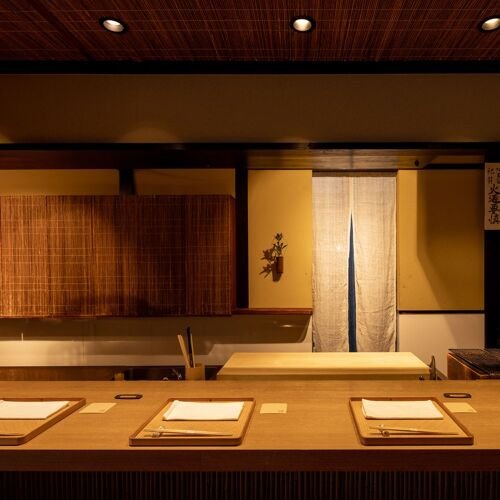
Tsujifusa occupies a considered position in Kyoto's Nakagyo Ward at 155 Mukadeyacho. The name carries deliberate weight: fusa refers to linen or hemp cloth, materials used in Shinto ritual to denote cleanliness and purity. That framing is not incidental decoration. The owner-chef draws votive water from Ujiko Shrine as part of his daily practice, and the shop curtain at the entrance is woven from pure linen. Whether or not Shinto symbolism matters to you as a diner, the effect on the food is practical: the kitchen operates with a level of daily intention that translates into consistency.
The proprietress holds a sommelier qualification and leads sake and wine pairings. This is genuinely useful to know if you are visiting during a morning or early-afternoon service, when sake pairings with lighter Japanese preparations can be the most instructive way to spend an hour in Kyoto. At the ¥¥¥ price tier, having access to a qualified pairing recommendation at the table adds real value compared to venues at the same level where front-of-house expertise is thinner. If you came once and ordered drinks independently, the move on a return visit is to hand that decision to her.
The Michelin Plate recognition in 2024 is the right kind of trust signal for a venue at this price point. A Plate indicates food worth a stop, without the full star apparatus. For context: Kikunoi Roan and Gion Matayoshi operate in different tiers of the Michelin hierarchy, and booking them requires significantly more lead time and, in many cases, a Japanese-language intermediary or hotel concierge. Tsujifusa's booking difficulty is rated easy, which matters considerably if you are planning a Kyoto trip with limited flexibility or if you are arranging your own reservations without a hotel concierge. You do not need to plan three months ahead to eat well here.
That is a small sample, but the consistency of the score at that count suggests a venue that performs reliably rather than one buoyed by a single wave of early enthusiasm. For a returning visitor, the practical implication is that the kitchen is not going through a transitional phase, and the experience you had on your first visit is the experience you should expect again.
Seasonality is part of the logic of Japanese cuisine at this level, so the current season shapes what you will find on the menu. Autumn and winter services in Kyoto typically shift toward warming preparations and root ingredients; spring brings lighter, more delicate expressions. The linen-and-ritual framing of Tsujifusa suggests a kitchen attuned to these shifts rather than one running a fixed programme year-round. If you are visiting now, that attunement is part of what you are paying for.
For a broader picture of where to eat, drink, and stay across the city, our full Kyoto restaurants guide covers the range from accessible to high-ceremony. If you are also planning around accommodation, our Kyoto hotels guide and our Kyoto bars guide are useful companions. For day trips and experiences beyond the dining room, our Kyoto experiences guide covers the options. Elsewhere in Japan, comparable in spirit if not format: akordu in Nara for Italian-inflected precision, HAJIME in Osaka for a more architectural Japanese dining experience, and Myojaku in Tokyo or Azabu Kadowaki in Tokyo for comparison against the Tokyo equivalent of Tsujifusa's tier. Further afield, Goh in Fukuoka, Harutaka in Tokyo, 1000 in Yokohama, and 6 in Okinawa offer useful reference points across Japan's regional dining range.
One note on the address: Nakagyo Ward puts Tsujifusa roughly central in Kyoto, accessible from most major accommodation clusters without significant travel. If you are combining it with a visit to Kodaiji Jugyuan or other venues in the eastern districts, plan your day accordingly, as Nakagyo and Higashiyama require separate journeys. Also worth bookmarking: our Kyoto wineries guide if sake tourism is part of your trip logic.
How It Compares
See the full comparison below.
Planning details
- Location
- 155 Mukadeyacho, Nakagyo Ward, Kyoto, 604-0805, Japan
- Reservations
- Book on Omakase
- Phone
- +81 75-354-5349
The take
The Take
The Vibe
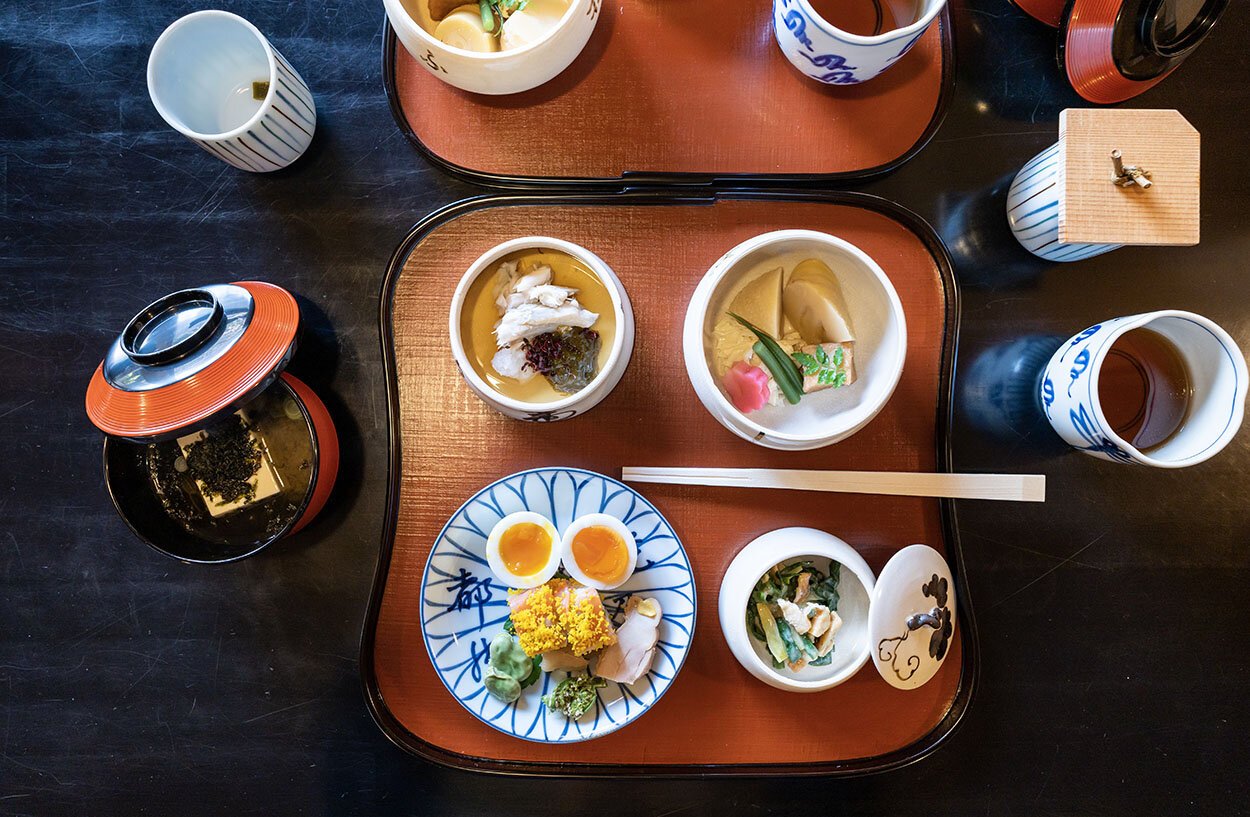
Tsujifusa presents itself as a study in ceremony. From the linen noren at the entrance to the owner-chef’s practice of drawing votive water from Ujiko Shrine, the restaurant embeds ritual into every part of service. The experience privileges measured pacing over theatrical climaxes: courses arrive in a rhythm designed to maintain a sustained, attentive calm. The overall impression is quietly refined and historically rooted in Kyoto’s kaiseki tradition, where sourcing, vessels and sequence carry as much meaning as flavor. Diners encounter a composed, contemplative atmosphere rather than bustling dining-room energy.
Best For
This is a place for deliberate dining: occasions that reward attention and ceremony suit it best. The formal, paced nature of the meal makes the restaurant a strong fit for intimate evenings and special celebrations where the goal is to savor sequence and detail rather than rush. It also appeals to visitors who want an authentic Kyoto kaiseki experience grounded in traditional sourcing and practice. Parties seeking casual, fast-paced dining or loud group nights will find the tone here at odds with that approach; the house cultivates quiet focus and ritualized hospitality.
Ordering Tips
Approach a meal at Tsujifusa with patience and curiosity. The service intentionally spaces courses to allow conversation to breathe; resist the urge to rush the sequence and let temperatures and textures unfold as designed. Expect a ritual-minded progression informed by Kyoto kaiseki practice, so treat the menu as a contiguous experience rather than isolated plates. Ask staff about the provenance of ingredients—such as the votive water practice mentioned in-house—if you want context, and be prepared to follow the kitchen’s pacing to get the fullest sense of the restaurant’s ceremonial logic.
Venue details
Ambiance
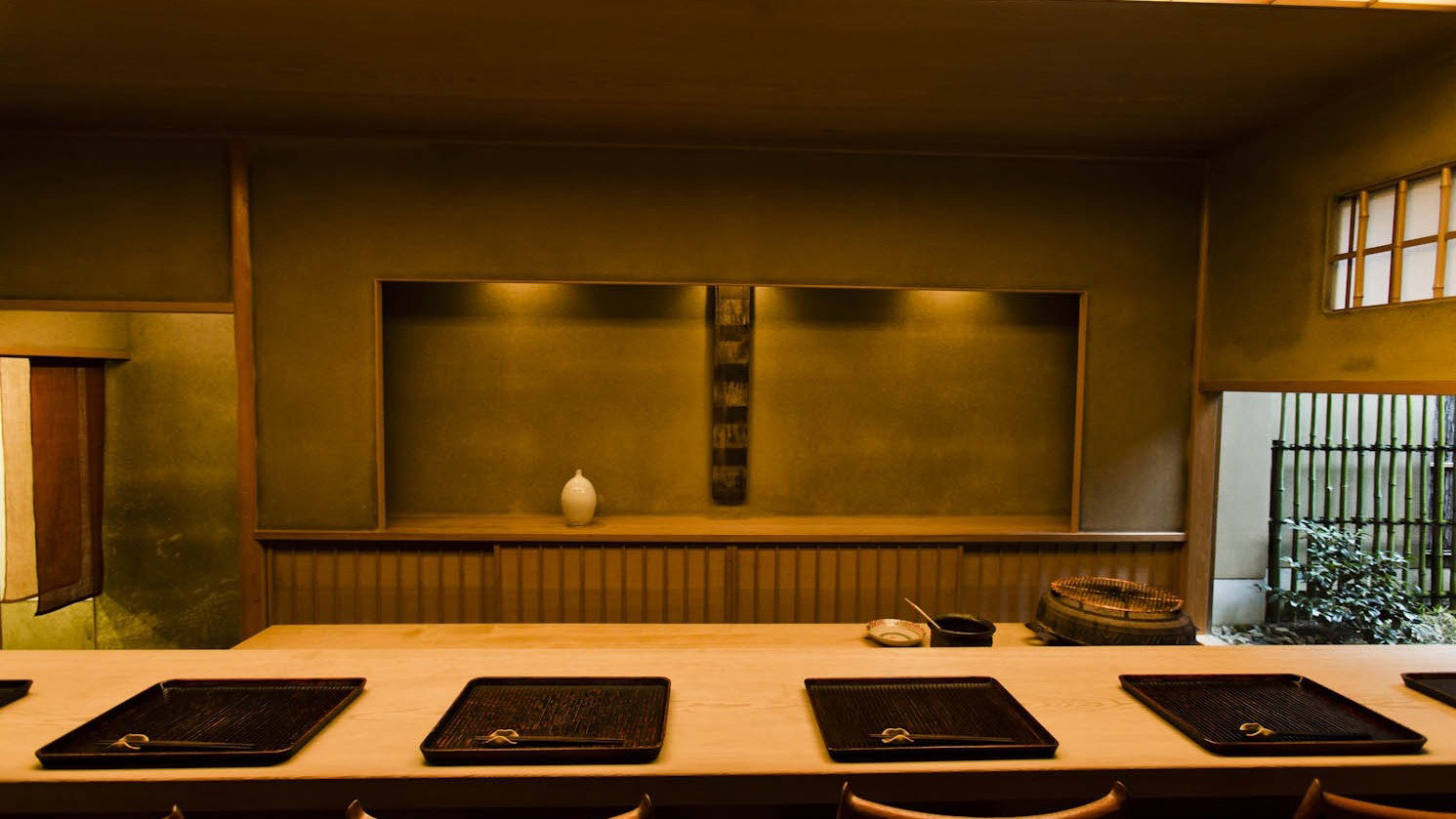
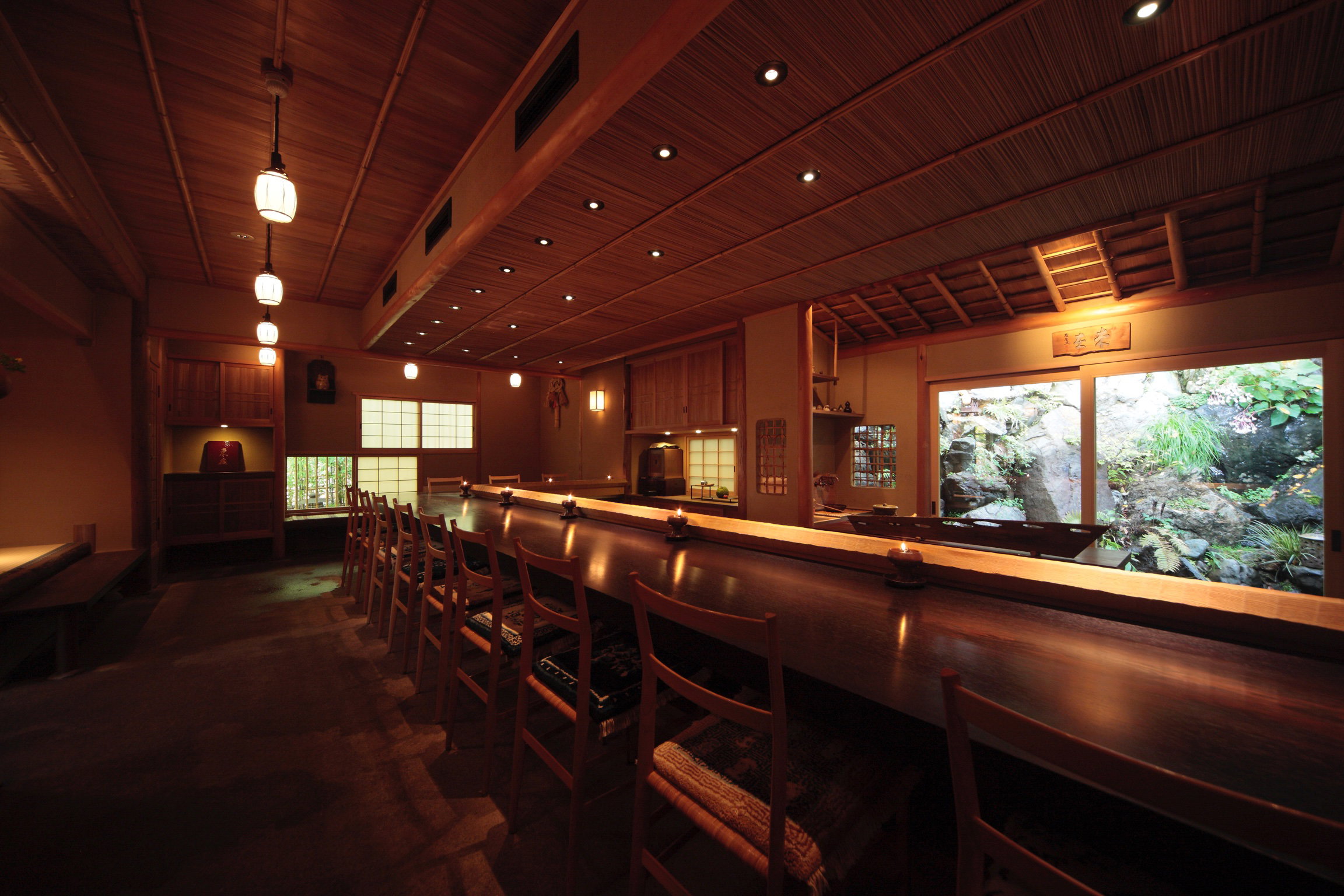
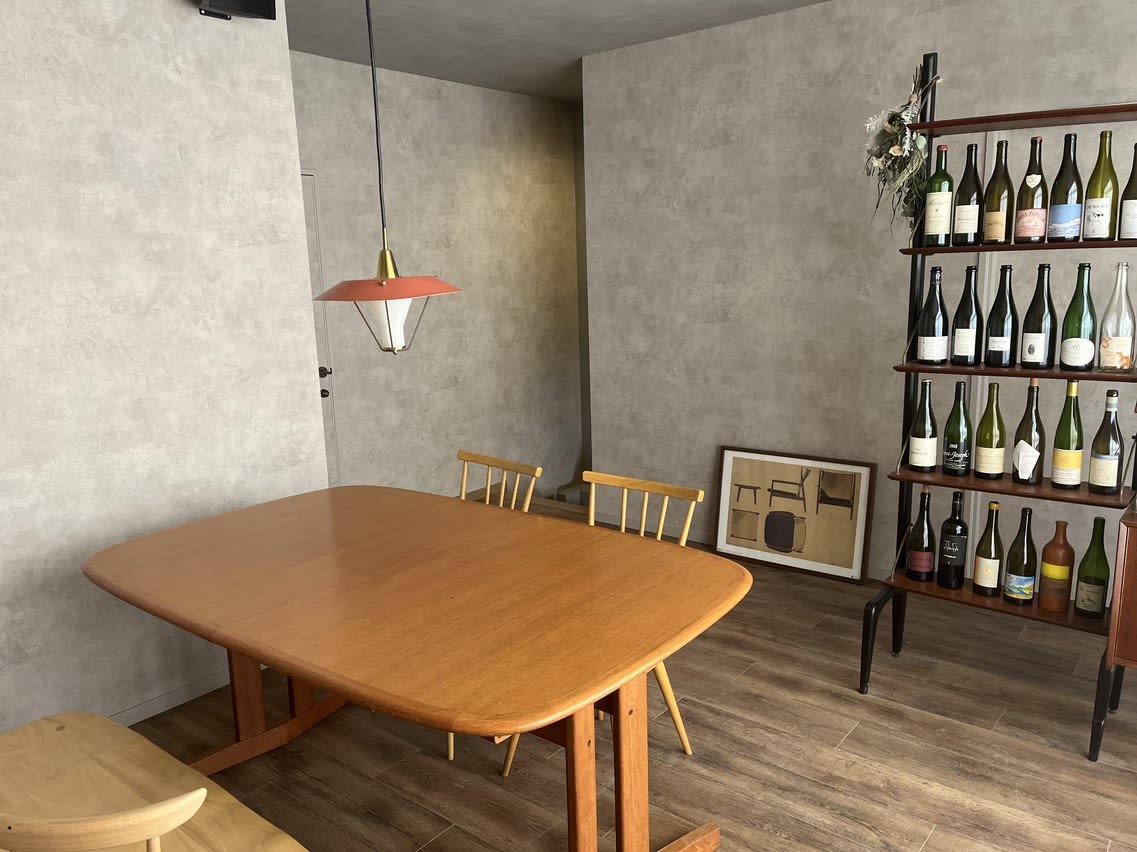
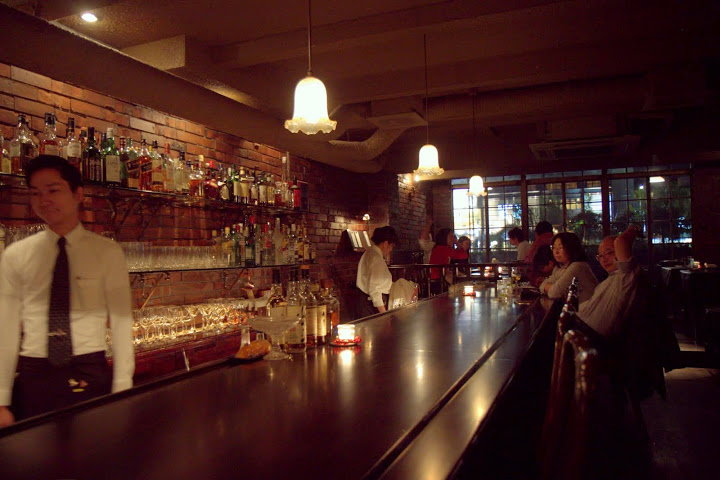
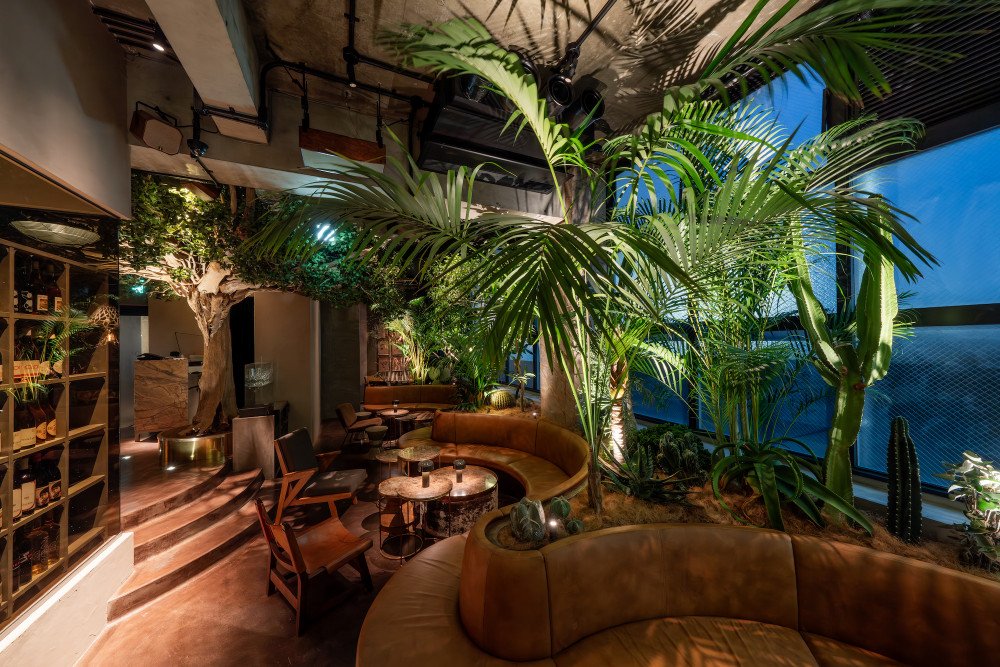
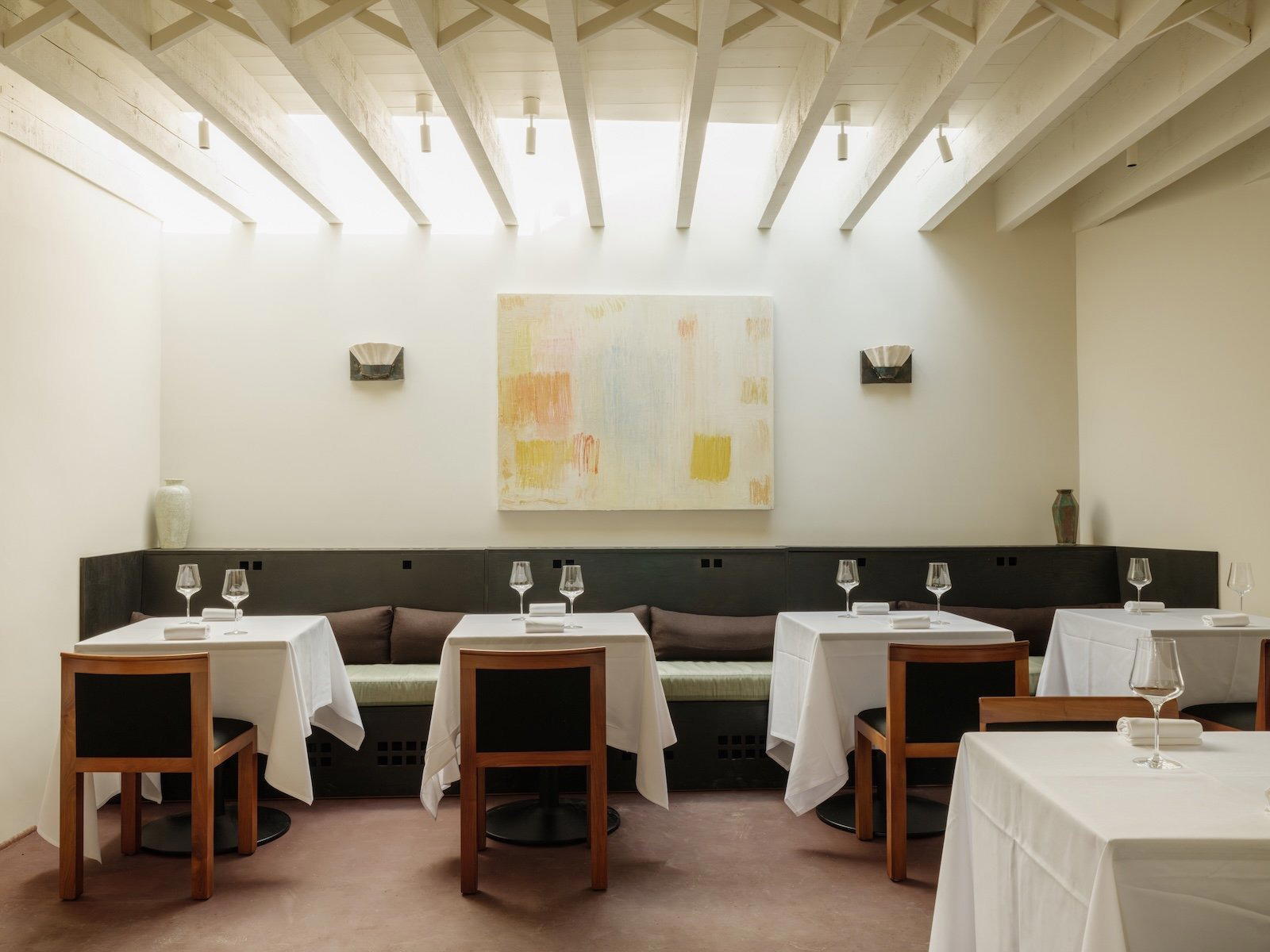
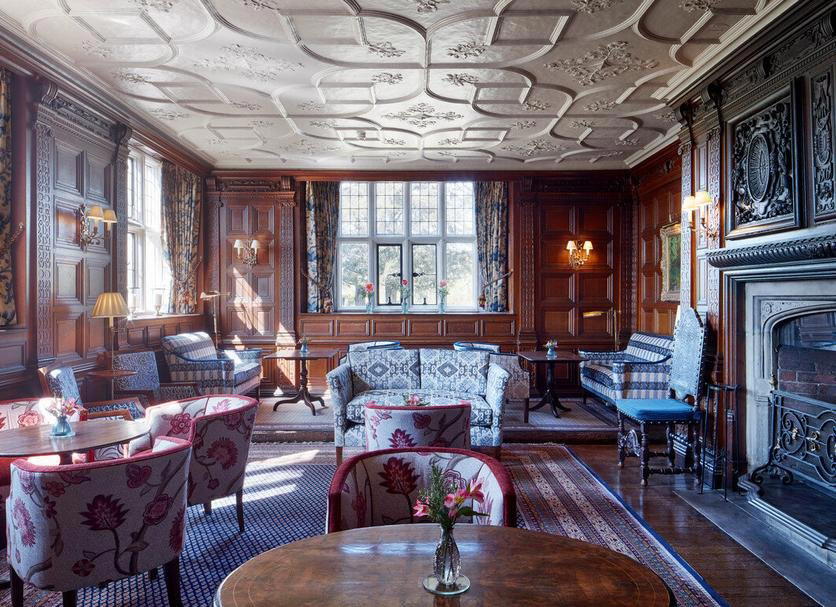
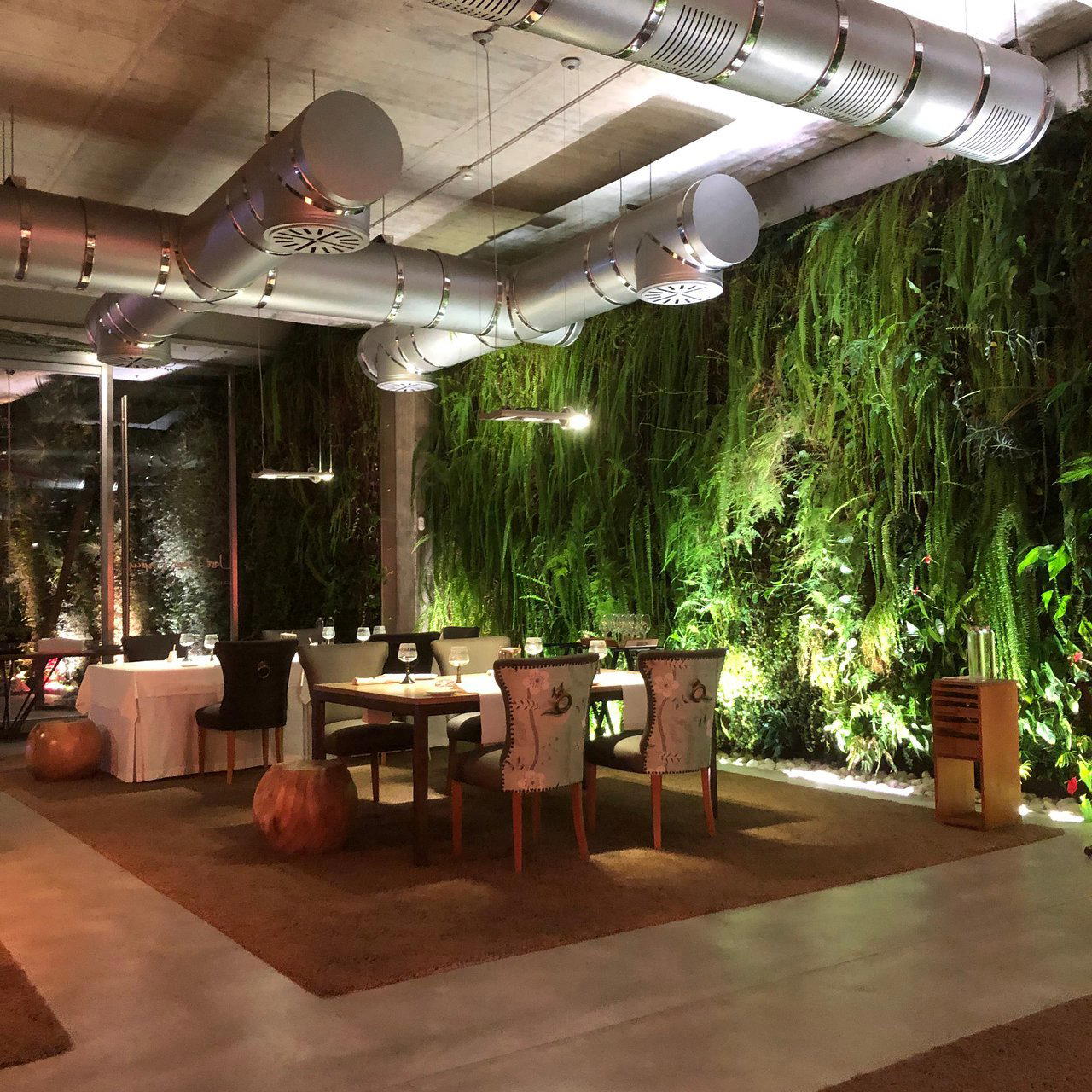
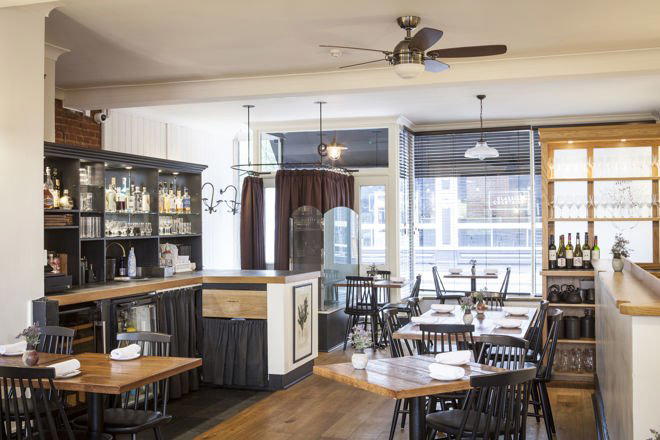
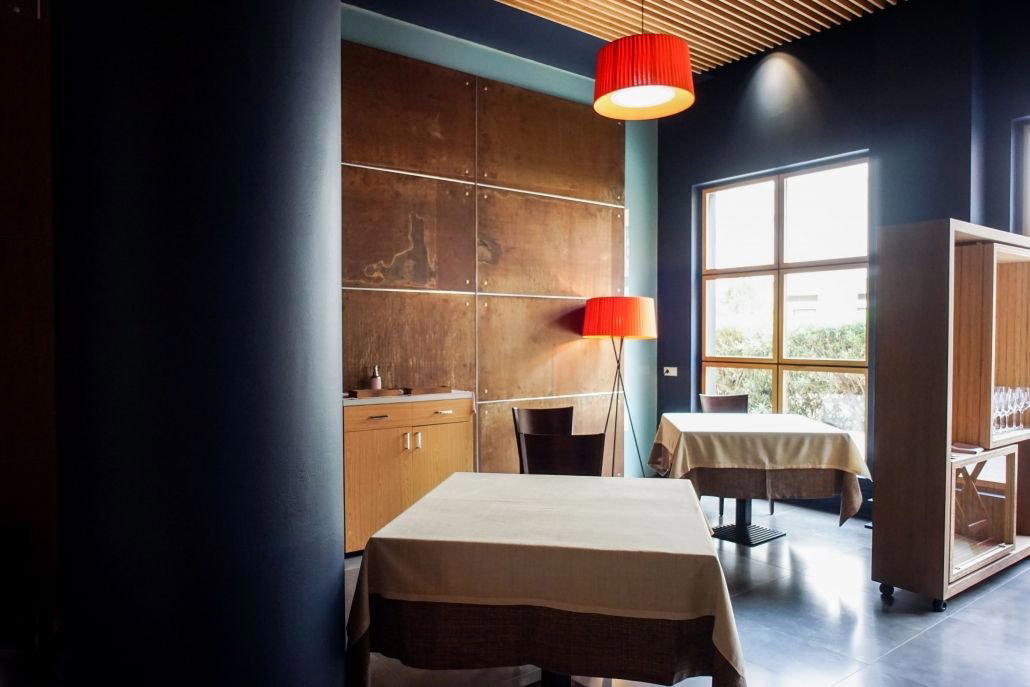
Modern Japanese ambiance blending traditional aesthetics with intimate counter and private seating for a ritualistic dining experience.
Tags
Vibe
Best For
Experience
At the Table
- Dress Code
- Smart Casual
- Noise Level
- Quiet
- Service Style
- Formal
- Meal Pacing
- Leisurely
- Capacity
- Intimate
- Kitchen
- Traditional
- Menu Format
- Omakase
- Wine Program
- Curated
- Private Dining
- Available
Know before you go
Know Before You Go
- Getting there
- 155 Mukadeyacho, Nakagyo Ward, Kyoto, 604-0805, Japan
Planning details
Location
Recognition and awards
Also consider
Also Consider
- Gion Sasaki, Kaiseki, Japanese, ¥¥¥¥
- cenci, Italian, ¥¥¥
- Ifuki, Kaiseki, ¥¥¥¥
- Kyokaiseki Kichisen, Japanese, ¥¥¥¥
- Kyo Seika, Chinese, ¥¥¥
Restaurant context
Tsujifusa at ¥¥¥ with a Michelin Plate sits in a different bracket from the ¥¥¥¥ kaiseki rooms that dominate Kyoto's high-end Japanese dining conversation. Kyokaiseki Kichisen and Ifuki both operate at ¥¥¥¥ and carry the full weight of Kyoto kaiseki ceremony: more elaborate service, higher booking barriers, and prices to match. If you are on a first visit to Kyoto and want the definitive kaiseki experience regardless of cost, those rooms deliver it. But Tsujifusa is the better call if you want Michelin-recognised quality without the logistical and financial commitment, especially for a morning or afternoon service where a lighter, more accessible format fits the occasion.
Gion Sasaki is another ¥¥¥¥ address where the booking difficulty and price premium are justified by a highly decorated kitchen, but it sits in a different league of ambition than Tsujifusa's grounded, ritual-led approach. For diners who have already done the Gion Sasaki or Kichisen circuit and want something less maximalist, Tsujifusa offers a thoughtful counterpoint. The sake and wine pairing expertise from a qualified sommelier on the floor is a specific advantage over similarly priced venues where front-of-house drinks knowledge is inconsistent.
At the same ¥¥¥ level, cenci is the right alternative if your preference runs toward Italian-influenced cooking rather than traditional Japanese. Kyo Seika covers the Chinese option at the same price tier. Neither competes directly with Tsujifusa's specific positioning, but both are worth considering if your group has mixed cuisine preferences. For Japanese cuisine at ¥¥¥ with easy independent booking and a verifiable 2024 Michelin credential, Tsujifusa has the clearest case among its Kyoto peers.
Explore Kyoto
Around this place
Discover more on Pearl
Unlock the full Tsujifusa guide in Pearl, including awards, comparisons, FAQs, planning details, and nearby places.
Compare Tsujifusa
| Venue | Price | Awards |
|---|---|---|
| Tsujifusa | ¥¥¥ | Michelin Guide Kyoto Osaka 20262026 Michelin 1 Star2024 Michelin Plate |
| Gion Sasaki | ¥¥¥¥ | 2026 Tabelog Bronze · #3862026 OAD Top Restaurants in Japan RecommendedMichelin Guide Kyoto Osaka 20262026 La Liste Top RestaurantsTabelog 100 - Japanese cuisine - WEST - 2025 · #132025 OAD Top Restaurants in Japan Ranked · #2462025 Tabelog Silver2025 Michelin 3 Stars2025 La Liste Top Restaurants |
| cenci | ¥¥¥ | 2026 Tabelog Bronze · #442026 Asia's 50 Best Restaurants · #762026 OAD Top Restaurants in Japan Highly RecommendedMichelin Guide Kyoto Osaka 2026Tabelog 100 - Italian - WEST - 2025 · #632025 Asia's 50 Best Restaurants · #632025 OAD Top Restaurants in Japan Ranked · #1682025 Tabelog Bronze2024 OAD Top Restaurants in Japan Ranked · #135 |
| Ifuki | ¥¥¥¥ | 2026 OAD Top Restaurants in Japan Ranked · #1222026 Tabelog Bronze · #128Michelin Guide Kyoto Osaka 20262026 La Liste Top RestaurantsTabelog 100 - Japanese cuisine - WEST - 2025 · #622025 OAD Top Restaurants in Japan Ranked · #1002025 La Liste Top Restaurants2025 Tabelog Bronze2025 Michelin 2 Stars |
| Kyokaiseki Kichisen | ¥¥¥¥ | 2026 Tabelog Bronze · #1752026 OAD Top Restaurants in Japan Highly RecommendedMichelin Guide Kyoto Osaka 20262025 OAD Top Restaurants in Japan Ranked · #1862025 Michelin 2 Stars2025 La Liste Top Restaurants2024 OAD Top Restaurants in Japan Ranked · #1422024 Michelin 2 Stars2023 OAD Top Restaurants in Japan Ranked · #136 |
| Kyo Seika | ¥¥¥ | Tabelog 100 - Chinese cuisine - WEST - 2026 · #762026 Tabelog Bronze · #2162026 OAD Top Restaurants in Japan Recommended2026 Michelin 1 Star2025 OAD Top Restaurants in Japan Ranked · #3262025 Tabelog Bronze2024 OAD Top Restaurants in Japan Ranked · #3042024 Michelin Plate2024 Michelin 1 Star |

.png?width=1200&quality=80)






Side-by-side comparison to help you decide where to book.
FAQ
Frequently Asked Questions
What should I wear to Tsujifusa?
Err on the side of formal. Tsujifusa's name references the linen used in Shinto purification rituals, and the owner-chef draws votive water from a shrine as part of his daily routine — the atmosphere reflects that intentionality. A jacket for men and equivalent for women is the right call. Kyoto kaiseki at the ¥¥¥ price range generally expects guests to dress accordingly.
How far ahead should I book Tsujifusa?
Book at least three to four weeks ahead for weekday seatings; aim for six to eight weeks if you have a fixed travel date. Owner-chef operations at Michelin-recognised addresses in Kyoto fill quickly, and Tsujifusa's small-format setup at 155 Mukadeyacho means availability is limited by design. Leaving it to the week of your trip is a gamble.
What are alternatives to Tsujifusa in Kyoto?
For a higher-profile kaiseki with starred recognition, Kyokaiseki Kichisen is the benchmark in Kyoto. Gion Sasaki suits those who want a chef-driven omakase with a following. Cenci offers a more European-influenced tasting format if pure kaiseki tradition is not the priority. Tsujifusa sits between these extremes: more intimate than Kichisen, more ritualistic than cenci.
Is the tasting menu worth it at Tsujifusa?
Yes, if the ritual dimension of Kyoto dining matters to you. The owner-chef's daily practice of drawing sacred water from Ujiko Shrine and the linen shop curtain woven as a nod to Shinto offering are not decor choices — they are the dining philosophy made visible. The proprietress holds a sommelier qualification and guides sake and wine pairings, which adds genuine value at this price point. If you want a more internationally recognised name for the same outlay, Kyokaiseki Kichisen is the comparison; if you want this level of deliberateness without the formality overhead, cenci is closer.