
Tokumaru
Japanese · Nakagyō, Kyoto
Restaurant in Kyoto, Japan
 Book with Pearl
The Read
Daily-Revised À La Carte
Price
$100–150per person
Dress
Smart Casual
Why go
A Michelin Plate Japanese restaurant in Kyoto's Nakagyo Ward, Tokumaru earns its recognition through a daily-changing à la carte menu that tracks the season rather than a fixed kaiseki format. At ¥¥, it offers Michelin-level Japanese cooking at well below the cost of Kyoto's top-tier rooms. Booking is easy, making it a reliable choice for a special occasion dinner without months of planning.
About Tokumaru
Should You Book Tokumaru?
If you have been to Tokumaru before, the reason to return is the same reason you went the first time: the menu has changed. The kitchen updates its à la carte offerings daily to track the season, which means a second visit rarely overlaps with the first. For a special occasion dinner in Nakagyo Ward at the ¥¥ price point, this is one of the more honest value propositions in Kyoto. Two consecutive Michelin Plate recognitions (2024 and 2025) confirm that the kitchen is working at a level above its price tier.
The Venue
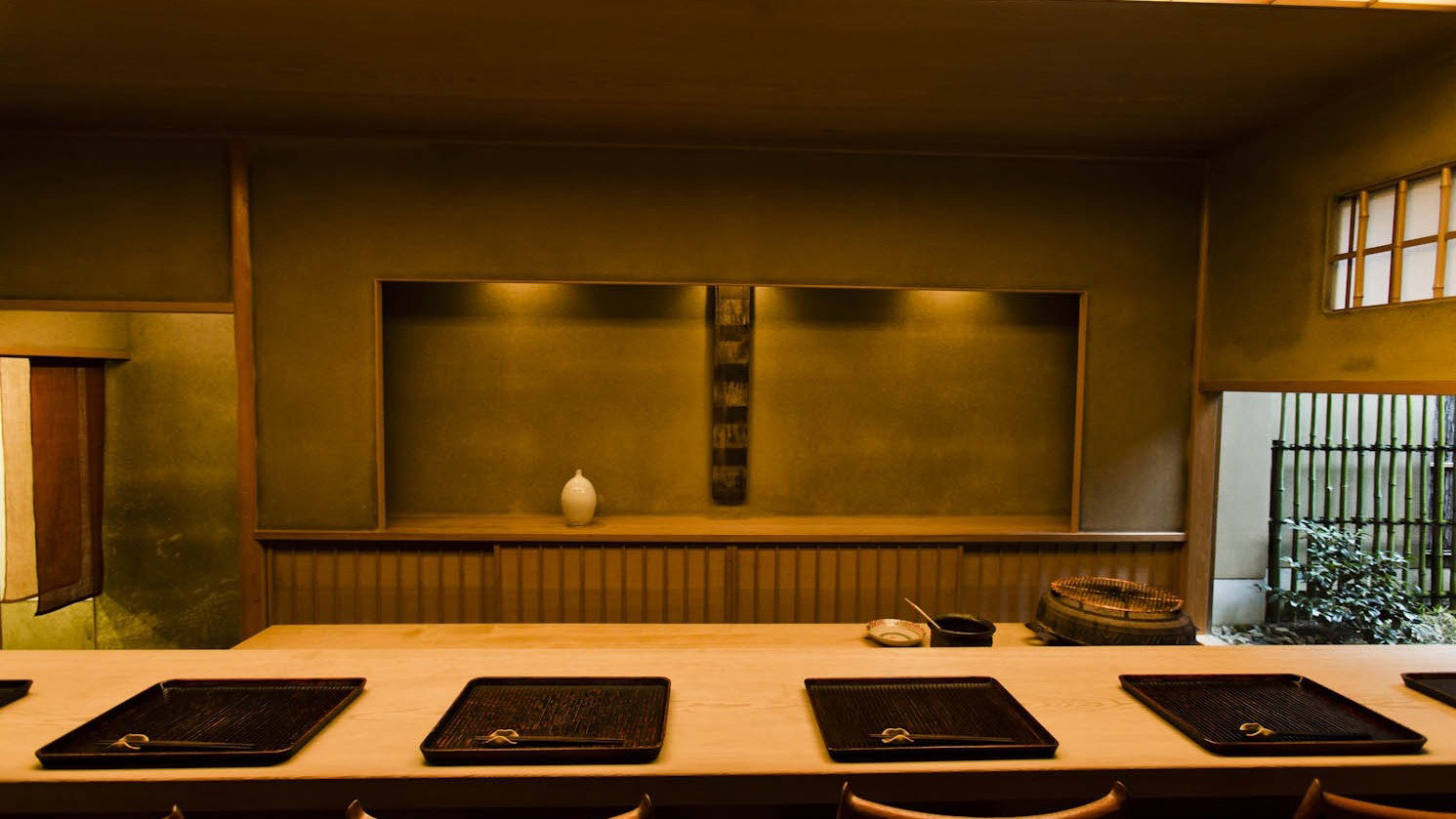
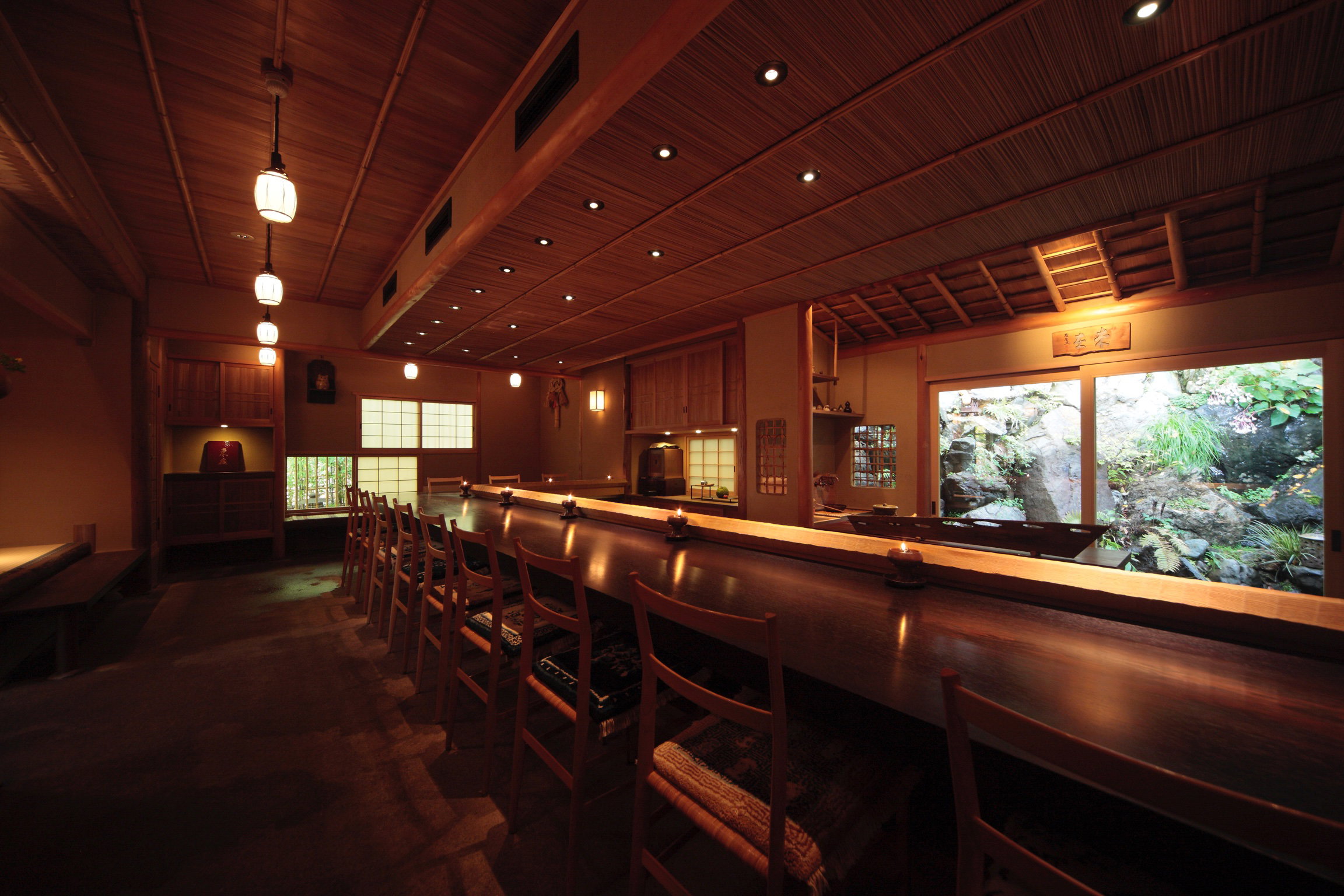
Tokumaru sits at 406 Kameyacho in Nakagyo Ward, a central Kyoto address that keeps it accessible without placing it in the tourist-heavy corridors of Gion. The cuisine is Japanese, and the format is à la carte, which the kitchen has made a deliberate choice rather than an omission. Where many Kyoto restaurants of comparable ambition default to a fixed kaiseki progression, Tokumaru lets you order what interests you. That decision has a practical consequence: you can eat here on your own terms, ordering a few dishes or working through the full menu across an unhurried evening.
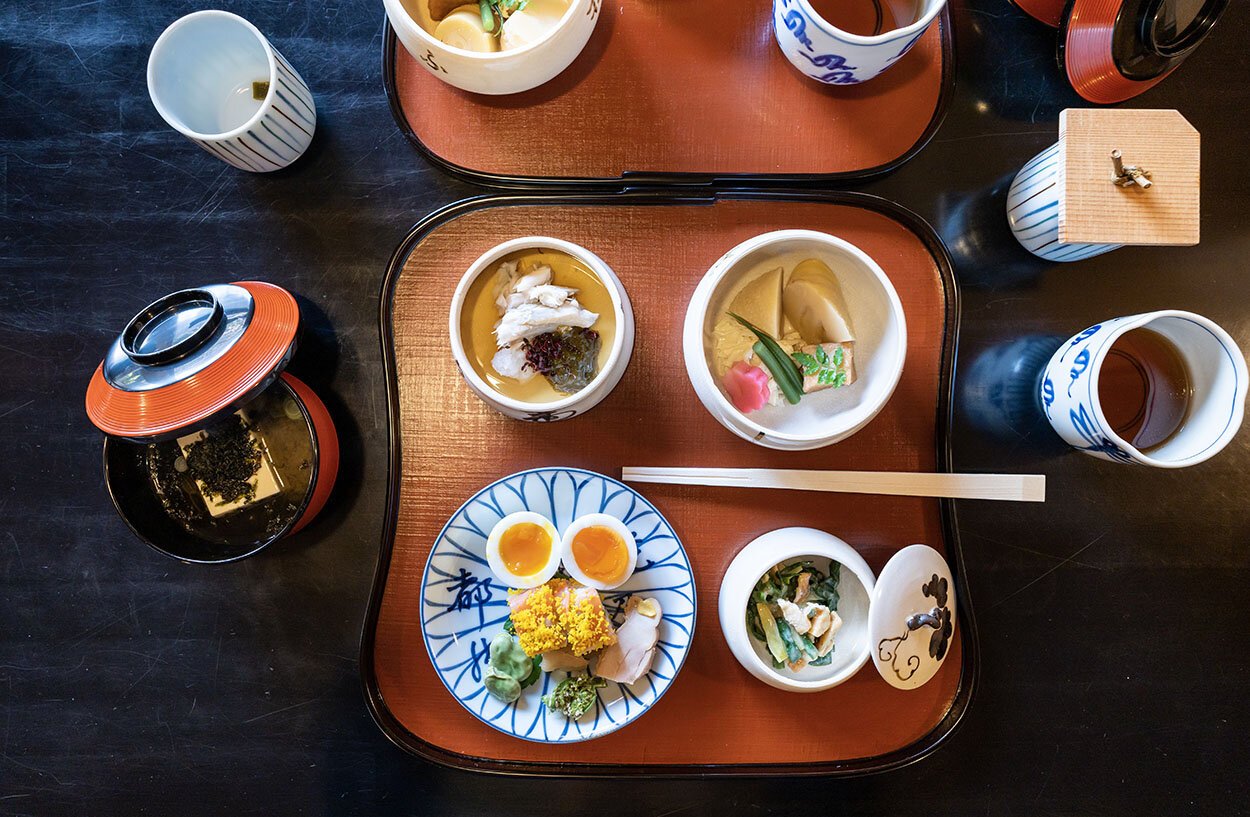
The dishes show a light, considered hand with seasonal ingredients. Potato salad replaces ham with beef; isobe-age arrives topped with aosa nori, the seaweed chosen for its scent of the sea. These are not dramatic reinventions but small, precise substitutions that accumulate into a distinct point of view. The aosa nori detail is worth noting for anyone drawn to the aroma-first pleasures of Japanese cooking: this is food that announces itself before it reaches the table. The Michelin recognition frames these as exactly what they are — lasting impressions formed through nonchalant precision rather than theatrical presentation.
The wanmono, or soup course, receives particular attention. A full range is on offer, which in Japanese dining signals a kitchen that takes the quieter, more technically demanding elements of the meal as seriously as the showpiece dishes. Wanmono rewards chefs who understand stock, seasoning, and restraint; its presence across the menu in depth suggests Tokumaru is not simplifying the format for accessibility.
The Counter Angle
Editorial record on Tokumaru does not confirm specific seating configurations, so counter availability cannot be stated with certainty here. What can be said is that at this price tier, in an à la carte format with daily menu changes, the experience of eating close to the kitchen — if that option exists, would materially change the meal. Daily menus at this level work leading when you can see the pace of the kitchen, ask what came in that morning, and make ordering decisions based on what looks freshest. If you have the option when booking, ask for counter or kitchen-adjacent seating. For seating details, contact the venue directly.
Planning Your Visit
Booking difficulty is rated Easy, making this a realistic option even for visitors planning closer to their travel dates. The ¥¥ price range positions it well below the ¥¥¥¥ tier that dominates Kyoto's Michelin-recognised Japanese dining. For a celebration dinner or a date where you want serious food without the formality or cost of kaiseki, that gap is meaningful.
Kyoto Context
Tokumaru occupies a specific and useful position in the Kyoto dining map. The city's most discussed Japanese restaurants operate at ¥¥¥¥ and require advance planning: Kyokaiseki Kichisen, Isshisoden Nakamura, and Kikunoi Roan all sit in a different tier of both price and booking complexity. Tokumaru gives you Michelin-recognised Japanese cooking at a fraction of the cost and with considerably less lead time required. For a broader view of what Kyoto's restaurant scene offers, see our full Kyoto restaurants guide.
If your trip extends beyond Kyoto, comparable calibre Japanese cooking in the region includes HAJIME in Osaka and akordu in Nara. For Japanese dining in Tokyo at a similar precision level, Myojaku and Azabu Kadowaki are worth comparing. See also Gion Matayoshi, Kodaiji Jugyuan, Harutaka in Tokyo, Goh in Fukuoka, 1000 in Yokohama, and 6 in Okinawa for reference points across Japan's wider dining range.
For more in Kyoto, browse our full Kyoto bars guide, our full Kyoto wineries guide, and our full Kyoto experiences guide.
Practical Details
| Detail | Tokumaru | Gion Sasaki | cenci |
|---|---|---|---|
| Price tier | ¥¥ | ¥¥¥¥ | ¥¥¥ |
| Cuisine | Japanese (à la carte) | Kaiseki | Italian |
| Michelin recognition | Plate (2024, 2025) | Starred | Starred |
| Booking difficulty | Easy | Hard | Moderate |
| Menu format | À la carte, daily-changing | Fixed kaiseki | Fixed tasting |
Planning details
- Location
- 406 Kameyacho, Nakagyo Ward, Kyoto, 604-0941, Japan
- Website
- s.tabelog.com/en/kyoto/A2601/A260201/26038715
- Phone
- +81 80-9169-0331
The take
The Take
The Vibe
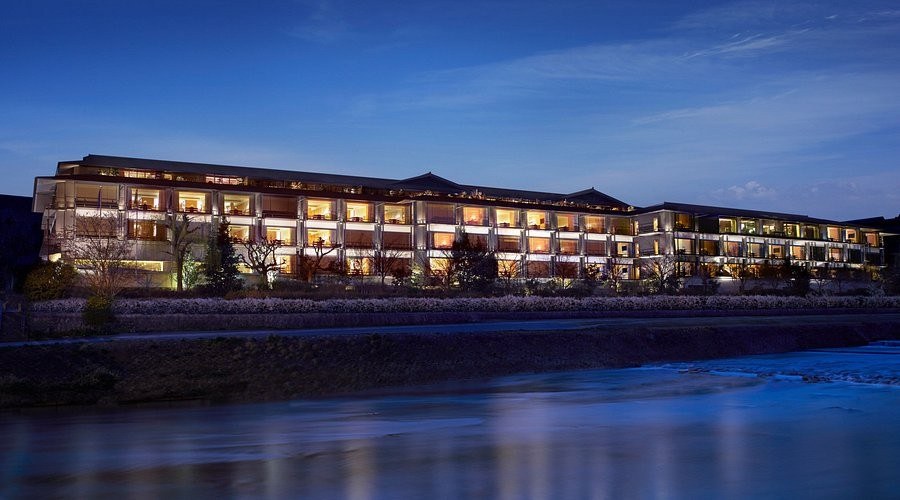
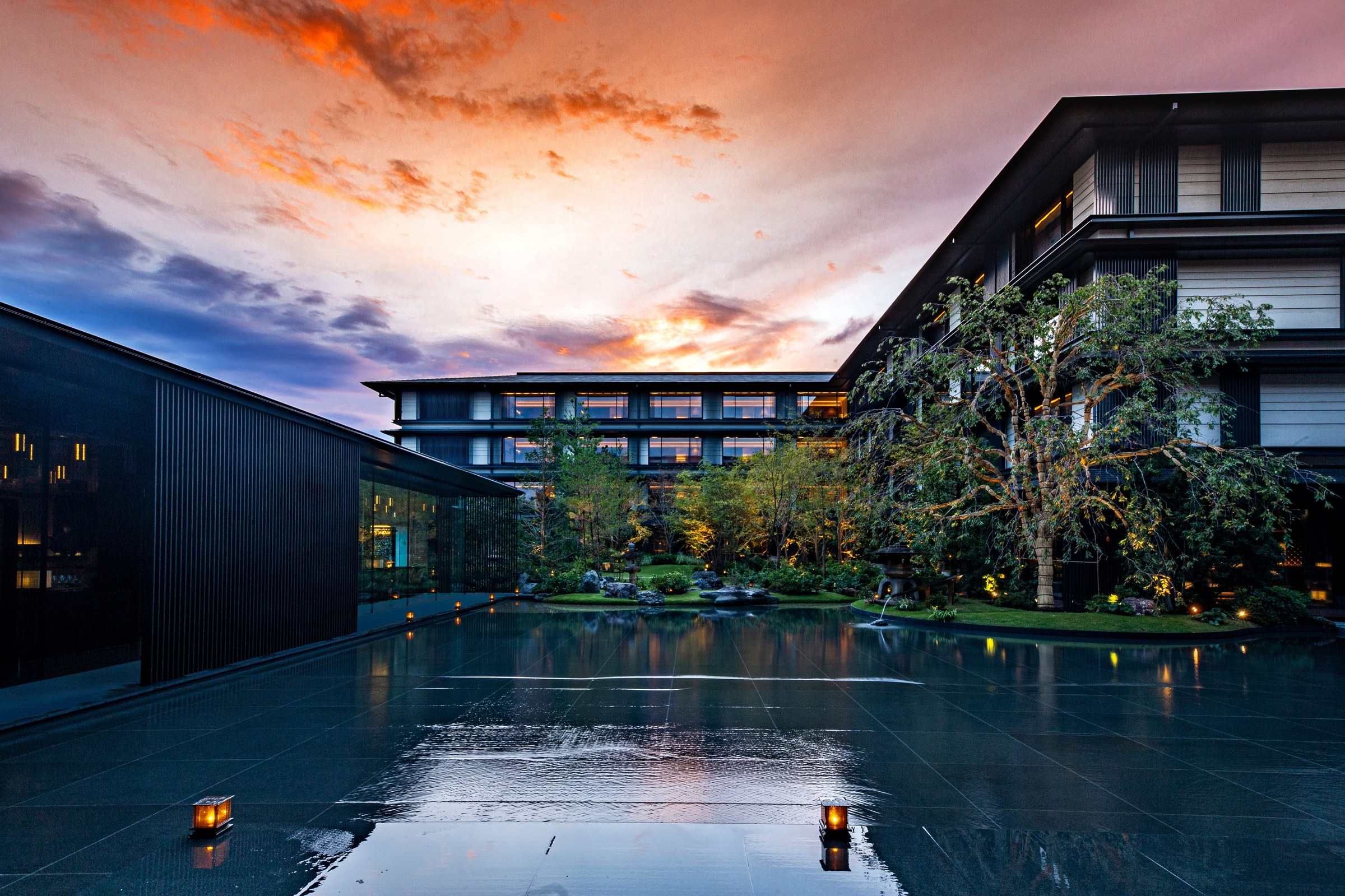
Tokumaru presents itself as an understated Kyoto dining room tucked into the machiya-lined streets of Nakagyo Ward. The approach is deliberately low-key—the restaurant 'doesn't announce itself'—and the experience centers on focused, carefully executed individual dishes rather than theatrical presentation. Michelin Plate recognition in consecutive years signals culinary discipline and consistent quality, while the neighborhood setting keeps the mood quiet and quietly charming. The kitchen’s daily-change à la carte rhythm reinforces a restrained, ingredient-forward ethos: service and food work in concert to reward diners who come for thoughtful, unostentatious cooking.
Best For
This is a smart pick for evening occasions that benefit from calm, attentive service—date nights, special celebrations and business dinners all fit naturally here. The à la carte format lets parties curate their own sequence, so it suits diners who prefer choosing standout plates over a fixed kaiseki progression. The Michelin recognition and focused execution make it appropriate when quality matters but you want a more relaxed pace than Kyoto’s formal multi-course houses. Small parties who appreciate deliberate, ingredient-led cooking will get the most from a visit.
Ordering Tips
The menu changes daily and is presented à la carte, so plan to order a selection of individual plates rather than expecting a set sequence. Ask staff about that day’s highlights and how dishes are intended to be combined; the kitchen’s brief aims to justify every choice. Consider sampling signature items when available—sweetfish sushi, eel tempura rice ball and the potato salad with beef and pickled turnip are noted preparations—then build around them. With a ¥¥ price positioning, ordering a few thoughtfully prepared plates per person is a practical way to experience the kitchen’s strengths without committing to a formal course progression.
Venue details
Ambiance
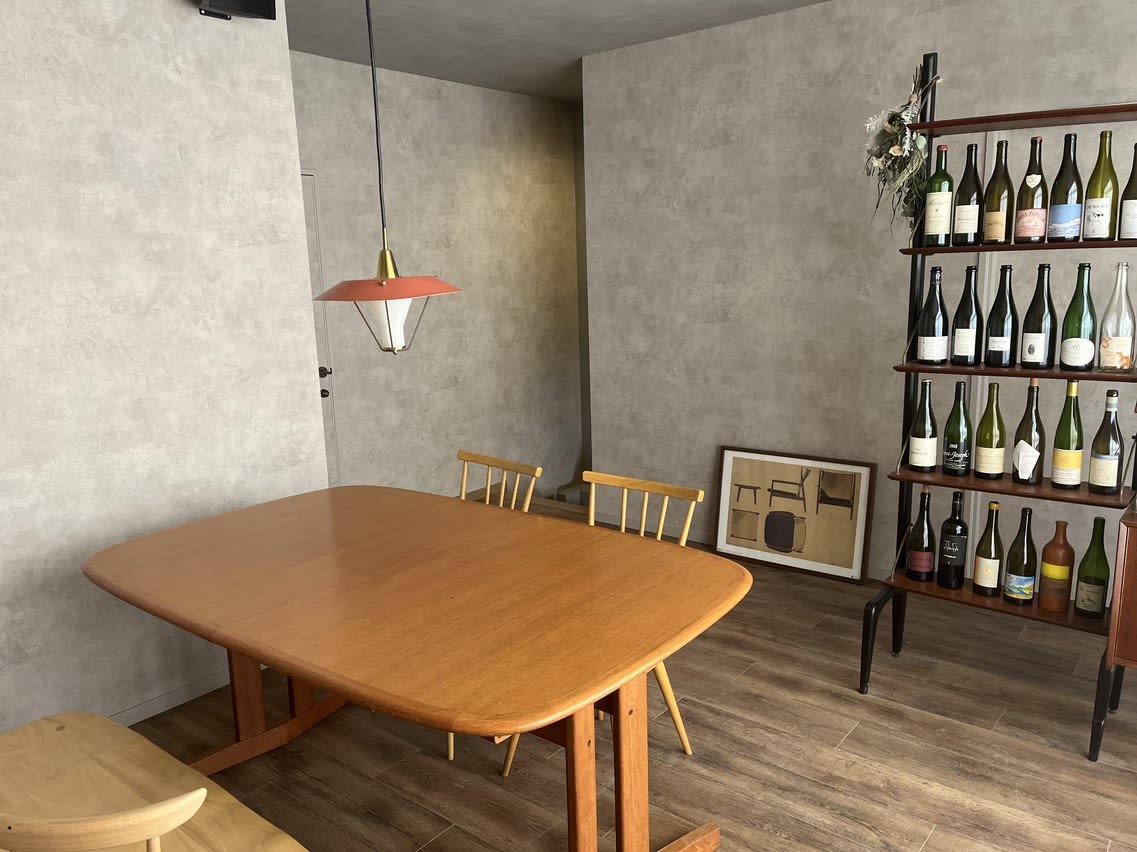
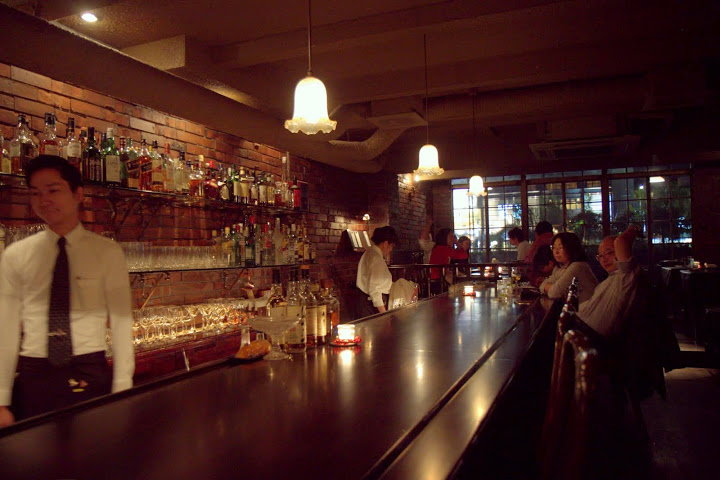
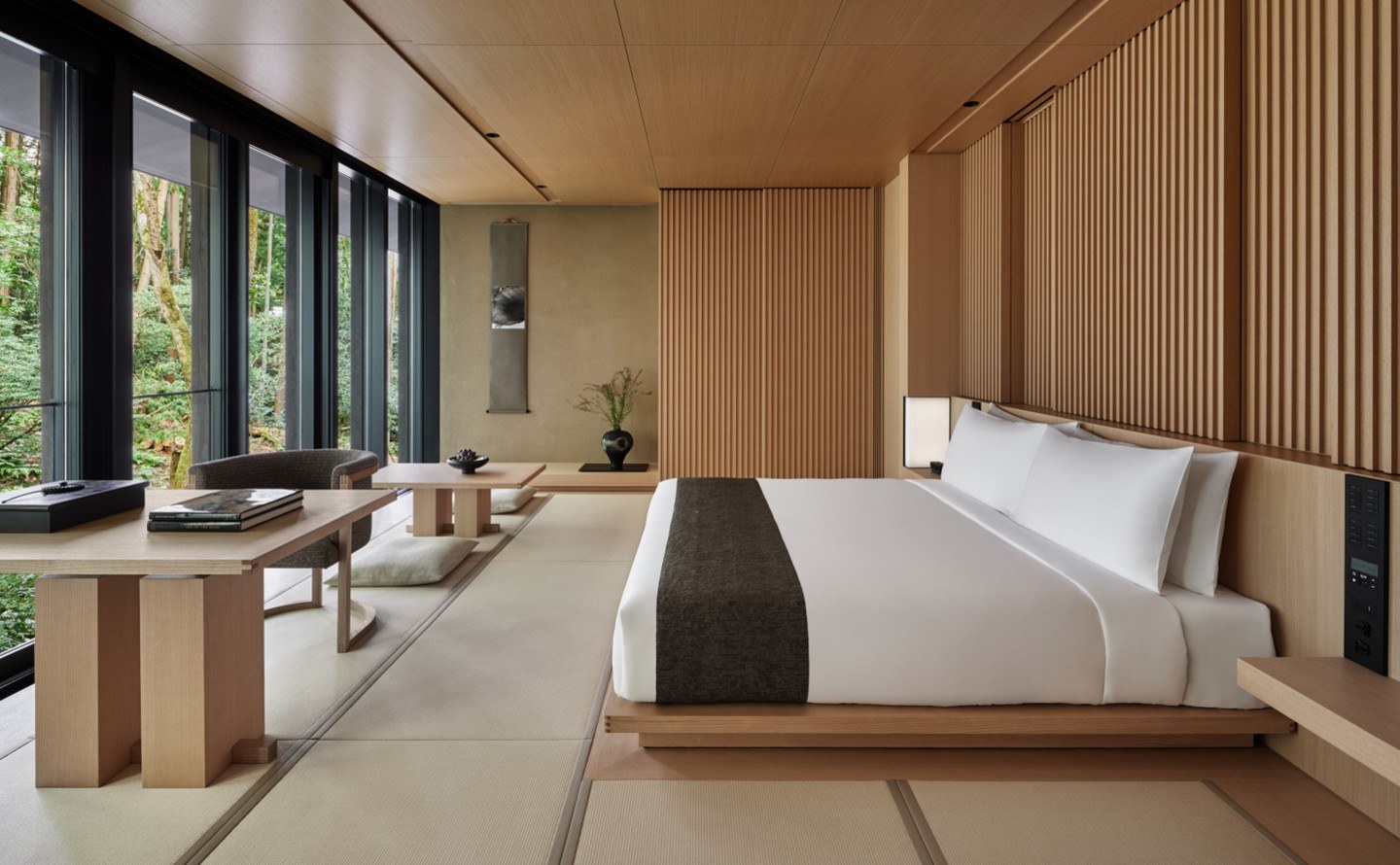
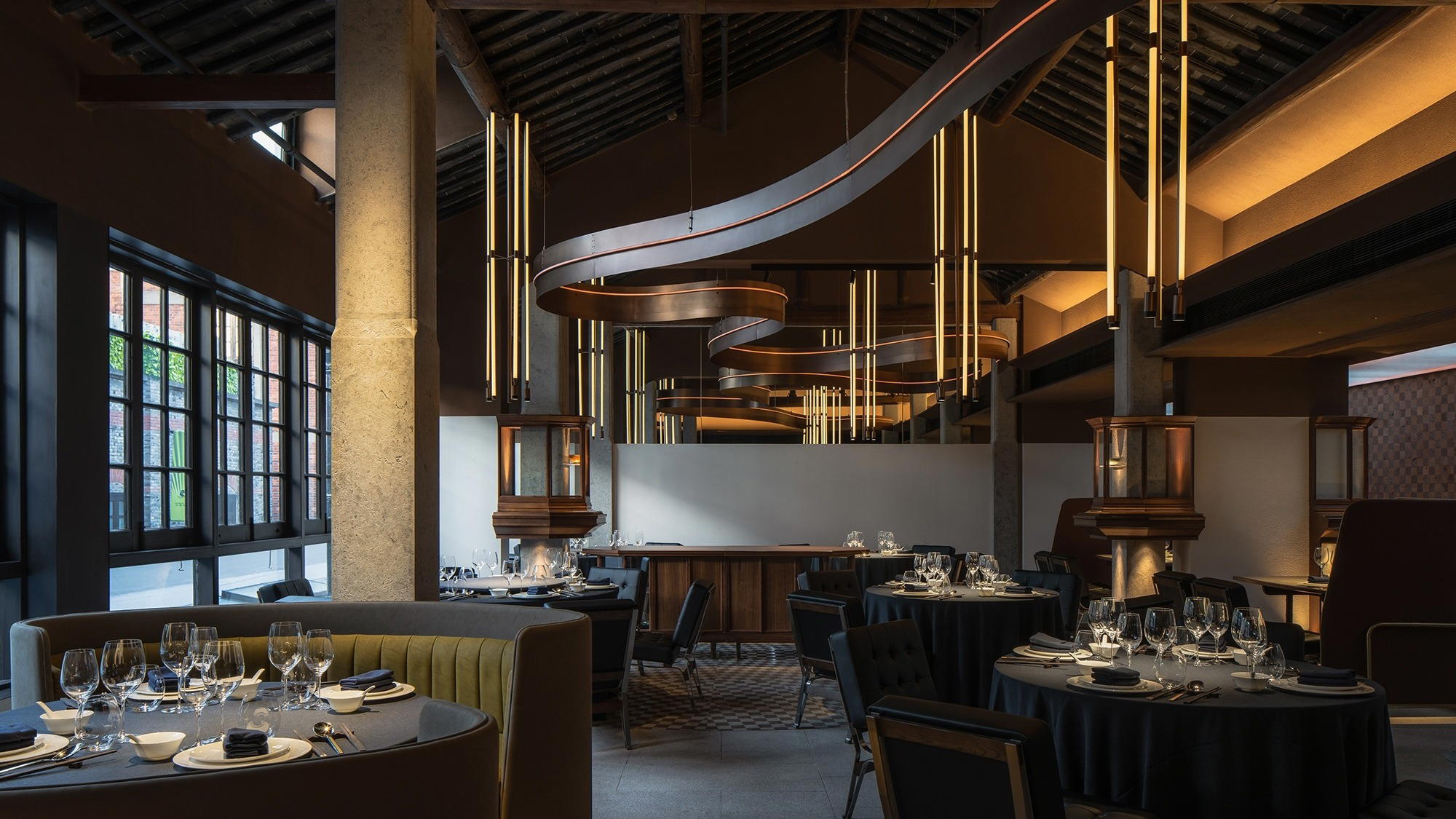
Comfortable and relaxed atmosphere where time flows easily amid amiable conversation with the chef.
Tags
Vibe
Best For
At the Table
- Dress Code
- Smart Casual
- Noise Level
- Quiet
- Service Style
- Formal
- Meal Pacing
- Leisurely
- Capacity
- Intimate
- Kitchen
- Seasonal
- Menu Format
- A la carte
Signature Dishes
- sweetfish sushi
- eel tempura rice ball
- potato salad with beef and pickled turnip
Know before you go
Know Before You Go
- Getting there
- 406 Kameyacho, Nakagyo Ward, Kyoto, 604-0941, Japan
Planning details
Location
406 Kameyacho, Nakagyo Ward, Kyoto, 604-0941, Japan · Directions
Recognition and awards
Also consider
Also Consider
- Gion Sasaki, Kaiseki, Japanese, ¥¥¥¥
- cenci, Italian, ¥¥¥
- Ifuki, Kaiseki, ¥¥¥¥
- Kyokaiseki Kichisen, Japanese, ¥¥¥¥
- SEN, French, Japanese, ¥¥¥¥
Restaurant context
Tokumaru is the practical choice for diners who want Michelin-recognised Japanese cooking in Kyoto without committing to a ¥¥¥¥ kaiseki format. At ¥¥, it sits two price tiers below Kyokaiseki Kichisen, Ifuki, and Gion Sasaki, all of which deliver a more structured, chef-directed experience but require more planning and a substantially larger budget. If the kaiseki progression is what you are after, Gion Sasaki and Ifuki are the stronger choices at the top tier. If you want serious Japanese food on your own terms and at a price that does not define your entire evening's spend, Tokumaru is the better call.
cenci at ¥¥¥ offers a different kind of comparison: a Michelin-starred Italian tasting menu that draws on Kyoto ingredients in a fixed format. It is the right choice if you prefer European structure and a chef-directed sequence; Tokumaru is the better fit if you want Japanese food with flexibility. SEN at ¥¥¥¥ bridges French and Japanese cuisine at the top of the price range, suited to diners for whom the fusion format and premium spend are both intentional. Tokumaru does not compete on format with any of these options, its à la carte, daily-changing structure is a genuine alternative rather than a compromise version of kaiseki.
On booking difficulty alone, Tokumaru is the most accessible option in this comparison set. Where Gion Sasaki, Ifuki, and Kyokaiseki Kichisen require significant lead time and reservation effort, Tokumaru is rated Easy, a meaningful advantage for visitors building itineraries on shorter timelines. For a celebration dinner or a date where you want quality without the logistical overhead of Kyoto's top rooms, Tokumaru offers the clearest path to a confirmed table.
Explore Kyoto
Around this place
Discover more on Pearl
Unlock the full Tokumaru guide in Pearl, including awards, comparisons, FAQs, planning details, and nearby places.
Compare Tokumaru
| Venue | Cuisine | Price | Booking Difficulty | Awards |
|---|---|---|---|---|
| Tokumaru | Japanese | ¥¥ | Easy | Michelin Guide Kyoto Osaka 20262026 Michelin Plate2025 Michelin Plate2024 Michelin Plate |
| Gion Sasaki | Kaiseki, Japanese | ¥¥¥¥ | Unknown | 2026 Tabelog Bronze · #3862026 OAD Top Restaurants in Japan RecommendedMichelin Guide Kyoto Osaka 20262026 La Liste Top RestaurantsTabelog 100 - Japanese cuisine - WEST - 2025 · #132025 OAD Top Restaurants in Japan Ranked · #2462025 Tabelog Silver2025 Michelin 3 Stars2025 La Liste Top Restaurants |
| cenci | Italian | ¥¥¥ | Unknown | 2026 Tabelog Bronze · #442026 Asia's 50 Best Restaurants · #762026 OAD Top Restaurants in Japan Highly RecommendedMichelin Guide Kyoto Osaka 2026Tabelog 100 - Italian - WEST - 2025 · #632025 Asia's 50 Best Restaurants · #632025 OAD Top Restaurants in Japan Ranked · #1682025 Tabelog Bronze2024 OAD Top Restaurants in Japan Ranked · #135 |
| Ifuki | Kaiseki | ¥¥¥¥ | Unknown | 2026 OAD Top Restaurants in Japan Ranked · #1222026 Tabelog Bronze · #128Michelin Guide Kyoto Osaka 20262026 La Liste Top RestaurantsTabelog 100 - Japanese cuisine - WEST - 2025 · #622025 OAD Top Restaurants in Japan Ranked · #1002025 La Liste Top Restaurants2025 Tabelog Bronze2025 Michelin 2 Stars |
| Kyokaiseki Kichisen | Japanese | ¥¥¥¥ | Unknown | 2026 Tabelog Bronze · #1752026 OAD Top Restaurants in Japan Highly RecommendedMichelin Guide Kyoto Osaka 20262025 OAD Top Restaurants in Japan Ranked · #1862025 Michelin 2 Stars2025 La Liste Top Restaurants2024 OAD Top Restaurants in Japan Ranked · #1422024 Michelin 2 Stars2023 OAD Top Restaurants in Japan Ranked · #136 |
| SEN | French, Japanese | ¥¥¥¥ | Unknown | 2026 Tabelog Bronze · #3952026 OAD Top Restaurants in Japan RecommendedMichelin Guide Kyoto Osaka 20262026 Michelin PlateTabelog 100 - Japanese cuisine - WEST - 2025 · #652025 Michelin Plate2025 Tabelog Bronze2024 OAD Top Restaurants in Japan Ranked · #3622024 Michelin Plate |
.png?width=1200&quality=80)






Comparing your options in Kyoto for this tier.
FAQ
Frequently Asked Questions
What should I wear to Tokumaru?
Tokumaru is priced at ¥¥ and sits in a central Nakagyo Ward address, which signals a relaxed neighbourhood register rather than a formal dining room. Neat, clean clothes are appropriate. The Michelin Plate recognition reflects kitchen quality, not a dress code — no need to arrive in jacket and tie.
Is the tasting menu worth it at Tokumaru?
Tokumaru does not operate a tasting menu format — à la carte is the point. The kitchen updates its menu daily to reflect the season, so you order what interests you from that day's selection, including a full range of wanmono dishes. If you want a set omakase progression, look at Gion Sasaki or Kyokaiseki Kichisen instead.
Is Tokumaru worth the price?
At ¥¥ with two consecutive Michelin Plate awards (2024 and 2025), Tokumaru represents good value in a city where comparable kitchen quality typically costs considerably more. The daily-changing menu means you're paying for ingredients chosen that morning, not a fixed formula. For the price bracket, few Kyoto addresses offer this combination of seasonal precision and ordering freedom.
What should a first-timer know about Tokumaru?
Order across the menu rather than sticking to one course type — the à la carte format is designed for that, and the kitchen's personality shows in dishes like potato salad made with beef instead of ham and isobe-age topped with aosa nori. The menu changes daily, so what you see online or read about may not be on offer when you arrive.