
Tempura Mizuki
Tempura · Nakagyō, Kyoto
Restaurant in Kyoto, Japan
 Book with Pearl
The Read
Sourced-Ingredient Tempura Counter
Price
$200–300per person
Dress
Smart Casual
Why go
Tempura Mizuki holds a Michelin Plate (2025) and at the ¥¥¥ price point — a full tier below Kyoto's ¥¥¥¥ kaiseki houses. The counter format pairs Kyoto-sourced vegetables with Awaji seafood, and the menu's ingredient pairings reward a second visit. Books easily; the riverside Nijo Bridge location makes it simple to anchor an evening around.
About Tempura Mizuki
Is Tempura Mizuki worth booking in Kyoto?
Yes — and it rewards repeat visits more than most tempura counters in the city. If you are planning two or three meals in Kyoto at this level, Mizuki deserves a slot — and the pairing-forward format means a second visit will not feel like repetition.
The Counter and the Space
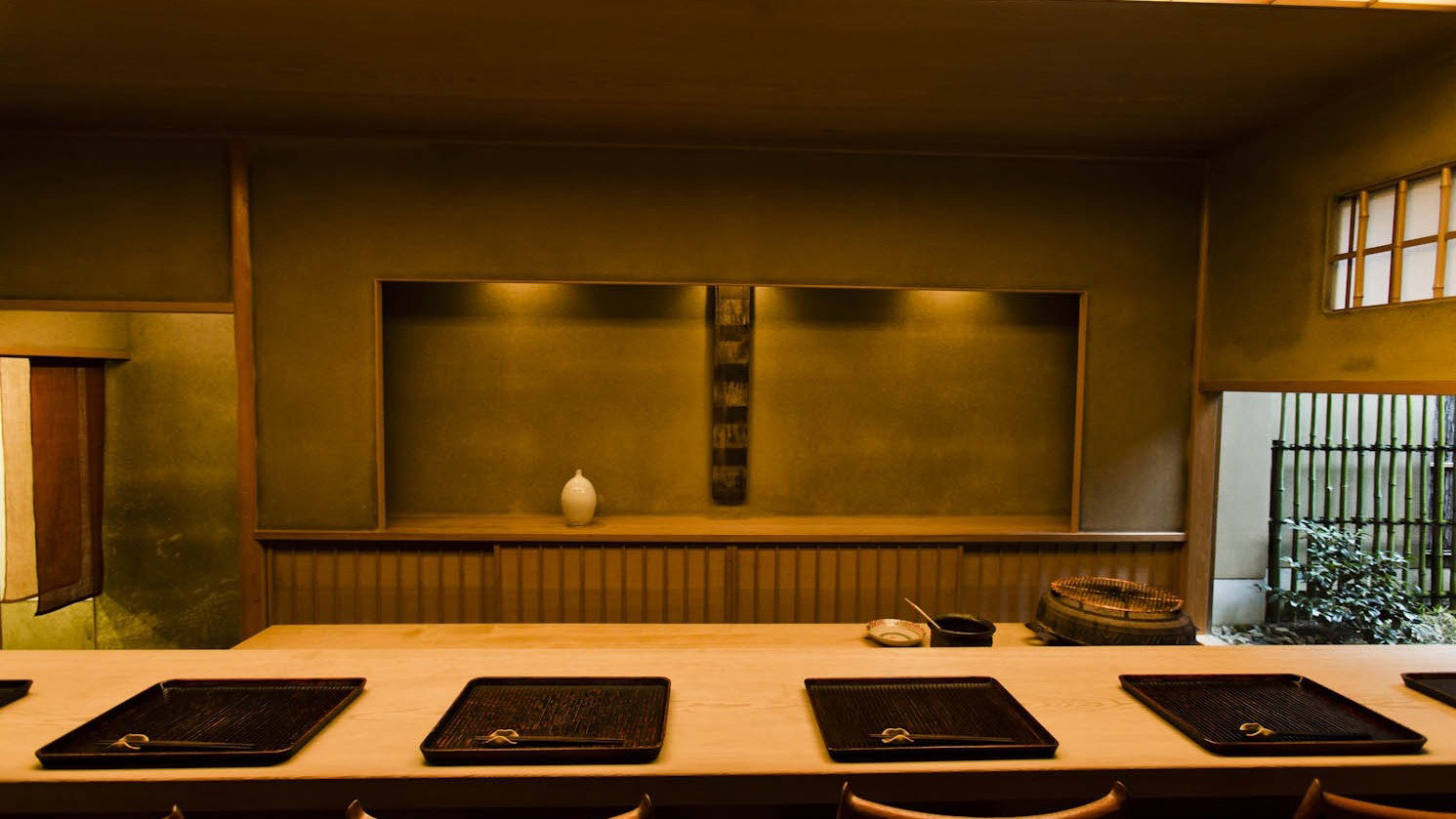
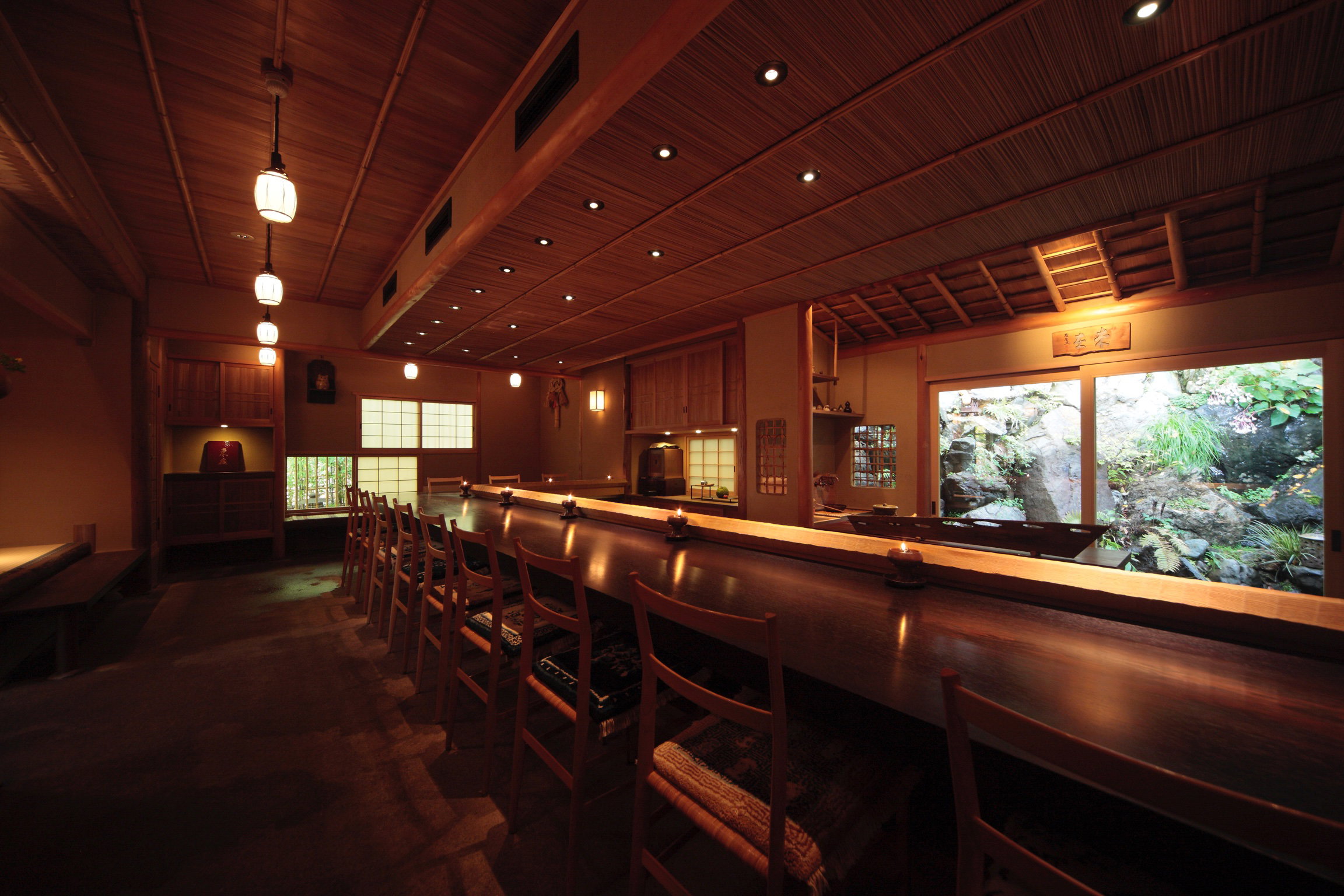
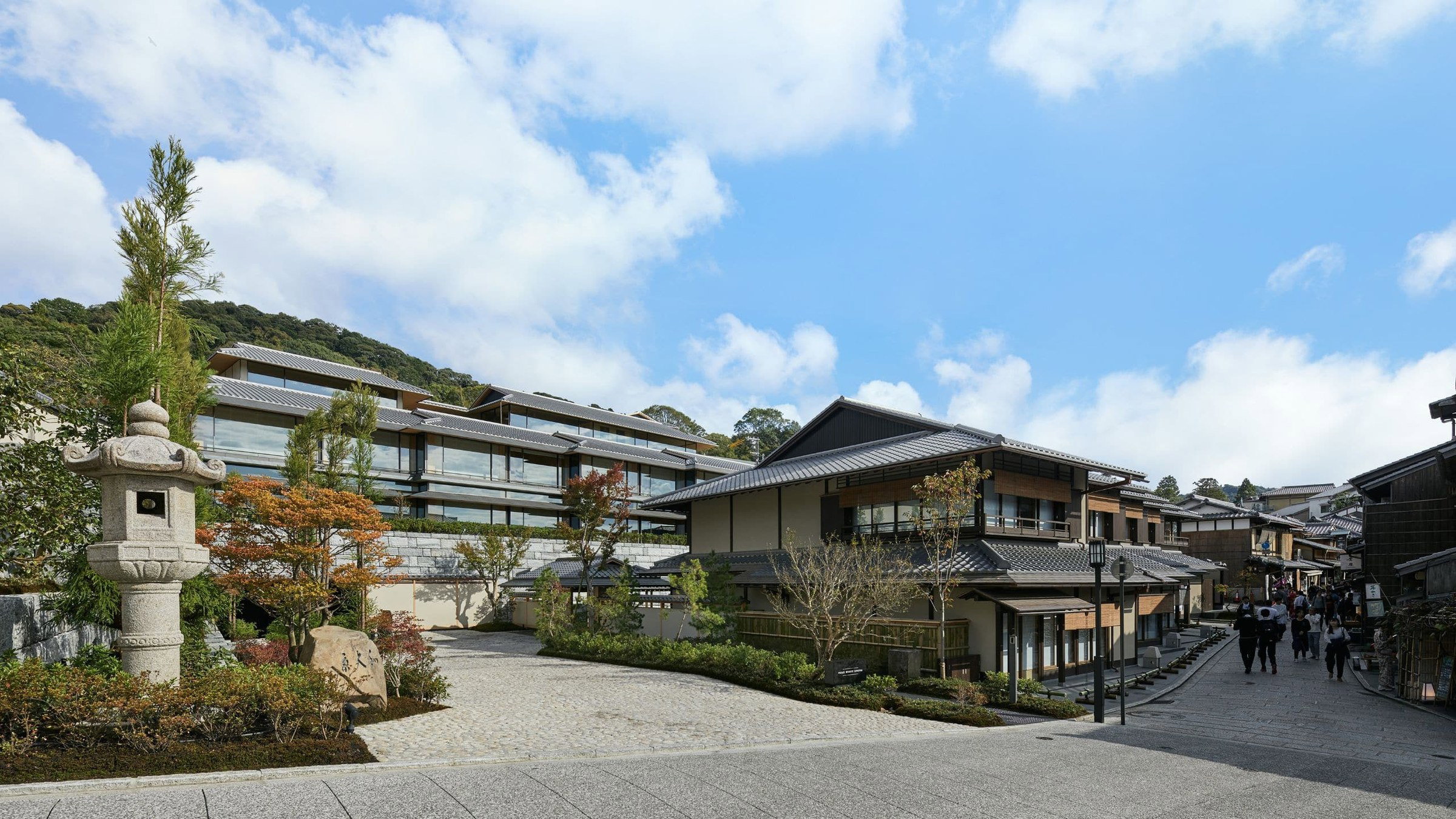
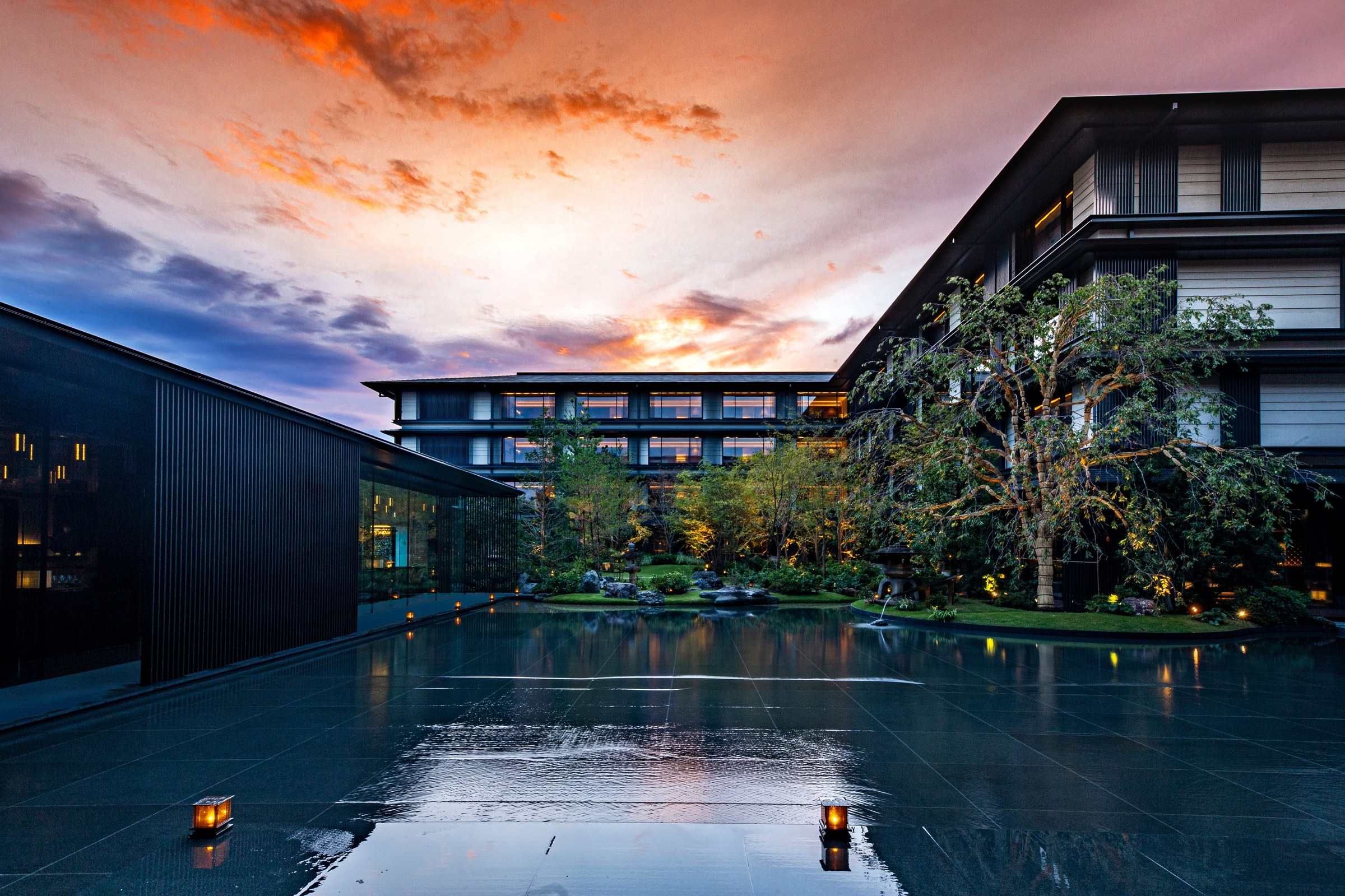
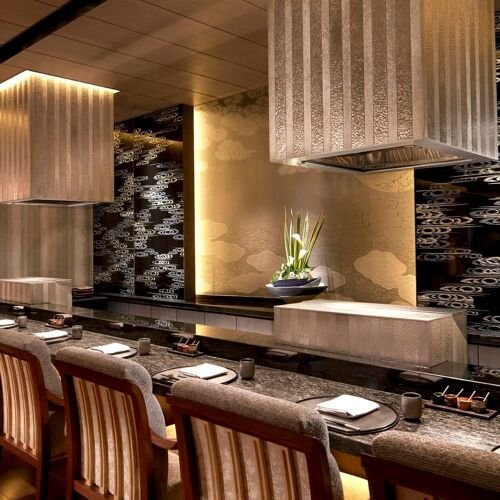
The address puts Mizuki beside the Kamogawa river at Nijo Bridge, one of the more quietly composed spots in central Kyoto's Nakagyo Ward. The counter format, typical of serious tempura restaurants at this price level, means the cooking happens in front of you, and the spatial experience is intimate by design. You are watching oil temperature managed in real time, watching the colour of a batter change, watching the chef sequence courses with the same logic a kaiseki kitchen would apply. This is not a large-group dining room. The physical scale of the space reinforces focus: on the food, on the progression, on the ingredients being introduced before each fry. For a food-focused traveller who wants to understand what they are eating rather than simply consume it, that presentation ritual is a material part of the value.
What Makes a First Visit Work
The menu structure at Tempura Mizuki is built around sourcing transparency. Vegetables arrive from Takagamine and Shūgakuin, two areas of Kyoto with long agricultural histories supplying the city's finest kitchens. Seafood comes from Awaji Island and Shizuoka Prefecture, both recognised sources for quality at this level. Safflower oil is used rather than the sesame or blended oils common elsewhere, producing a notably lighter coating. On a first visit, pay attention to the solo-fried items: shrimp and conger eel are presented unaccompanied so the oil and the ingredient speak without distraction. These are the reference points that let you calibrate everything else on the menu.
What Makes a Second Visit Different
Paired items are where Mizuki's kitchen makes its argument. Sesame tofu with sea urchin. Wagyu with perilla leaf. Egg yolk with caviar. These combinations are not conventional tempura moves, they reflect a kitchen thinking about contrast, richness, and how the neutral crunch of fried batter can serve as a platform for ingredients that would otherwise overwhelm each other. On a first visit, these pairings can feel surprising enough that you are still processing them as you eat. On a second visit, you come with a reference frame, and the logic becomes clearer. If you are in Kyoto for four or more nights, this is one of the restaurants that justifies a return booking rather than moving on to somewhere new. For context on how Kyoto's broader dining scene is structured at this level, see our full Kyoto restaurants guide.
Booking and Logistics
Booking difficulty is rated Easy, which is meaningfully different from the planning required for the ¥¥¥¥ kaiseki houses nearby. You do not need to plan months in advance. The counter setting and the modest seat count mean availability can shift, but this is not a restaurant where a trip to Kyoto rises or falls on securing a reservation. Pricing sits at ¥¥¥, placing it in direct comparison with cenci rather than the top tier. There is no dress code on record. Hours and booking method are not confirmed in our data, check directly with the restaurant or via your hotel concierge before arrival. For broader planning, our full Kyoto hotels guide covers properties across the city, and our full Kyoto bars guide is useful for building an evening around dinner here.
How Tempura Mizuki Fits a Multi-Visit Japan Strategy
If Kyoto is part of a wider Japan trip, Mizuki is worth comparing against the tempura options in other cities. Numata in Osaka and Shunsaiten Tsuchiya in Osaka are the two most direct parallels in the Kansai region. Mizuki's Kyoto sourcing and pairing-forward menu give it a distinct identity from both. For travellers covering Kyoto and at least one other Japanese city, a tempura meal here sits naturally alongside visits to Harutaka in Tokyo, HAJIME in Osaka, or akordu in Nara, each a different format but the same level of intentionality about ingredients. Within Kyoto specifically, the local tempura comparison set includes Enyuan Kobayashi, Tenjaku, Gion Senryu, Kyoboshi, and Miyagawacho Tensho, all worth considering depending on your schedule and budget. For further destination context, our full Kyoto experiences guide, our full Kyoto wineries guide, and city pages for Goh in Fukuoka, 1000 in Yokohama, and 6 in Okinawa are available if you are building a wider Japan itinerary.
The Verdict
Tempura Mizuki earns its Michelin recognition through sourcing rigour and a pairing menu that has genuine culinary logic behind it. At ¥¥¥ it is accessible relative to Kyoto's ¥¥¥¥ options, books without difficulty, and sits in a location that makes it easy to build an evening around. Book it for a first visit with enough curiosity to follow the presentation ritual closely. If the kitchen's pairing combinations land for you, come back, the second visit is when the menu makes its full argument.
Frequently Asked Questions
Can I eat at the bar at Tempura Mizuki?
- Counter seating is the standard format at restaurants of this type and price point in Kyoto, and Mizuki's setup is consistent with that. The counter is where the cooking happens in front of you, which is the primary spatial experience here.
- Table seating separate from the counter is not confirmed in our data. If you specifically want or want to avoid counter seating, confirm the arrangement when you book.
- For solo diners or pairs, counter seating at a tempura restaurant of this calibre is the preferred format, you get direct sight lines to the frying and the ingredient presentations.
Is Tempura Mizuki good for solo dining?
- Yes. Solo dining at a tempura counter is well-suited to this format, the progression is individual, the counter interaction is direct, and you are not at a disadvantage the way you might be at a kaiseki house designed around group table service.
- At ¥¥¥, the per-head cost is the same whether you are dining alone or with a group, so there is no financial penalty for a solo visit.
- Compared to solo dining at a ¥¥¥¥ kaiseki house like Gion Sasaki or Kyokaiseki Kichisen, Mizuki is a lower-pressure, lower-cost entry point for a solo traveller who wants a serious meal without the full kaiseki commitment.
- Booking is Easy, which means solo diners are unlikely to face the advance planning pressure that solo seats at harder-to-book counters require.
Part of
The Ritz-Carlton187 locations on PearlLocated inside
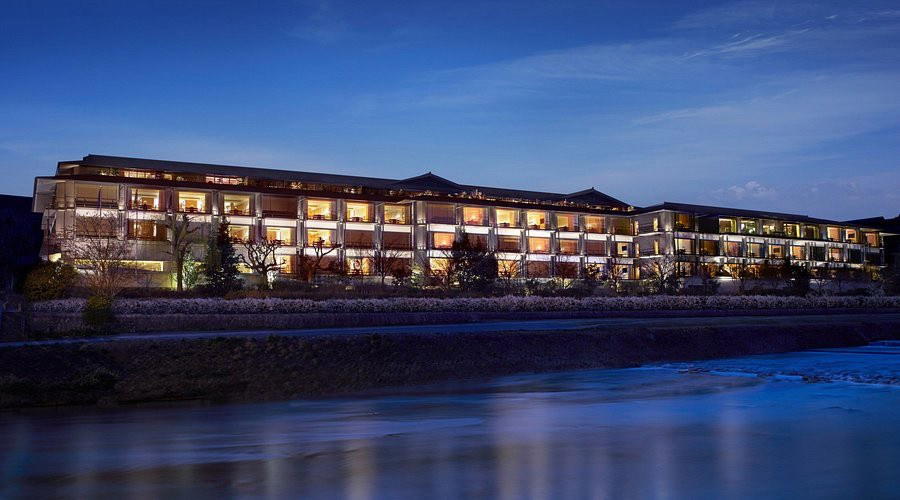 HotelThe Ritz-Carlton, KyotoFull hotel guide
Planning details
- Location
- Japan, 〒604-0902 Kyoto, Nakagyo Ward, Hokodencho, 543 鴨川二条大橋畔
- Website
- ritzcarlton.com/jp/hotels/japan/kyoto/dining
- Phone
- +81 75-746-5522
The take
The Take
The Vibe
Tempura Mizuki presents a quietly scenic counter experience on the banks of the Kamogawa. The seat-at-the-counter format places the river and Nijo Bridge within the meal’s frame, so the setting reads as part of the cuisine’s choreography rather than mere backdrop. The copy emphasizes a restrained, contemplative atmosphere — a quieter register beside Kyoto’s seasonal riverside rituals — and the kitchen’s work aims to translate local agriculture through a tempura lens. Overall, the restaurant feels refined and historically rooted, delivering an intimate, scenic dining moment rather than theatrical spectacle.
Best For
This is a place for focused, considered dinners that reward attention to technique and provenance. Positioned within Kyoto’s fine-dining conversation and holding a Michelin Plate, Mizuki suits special evenings where the setting and execution matter: quiet, intimate meals at the counter, date nights, or solo visits when you want to watch a disciplined tempura service at work. The river-adjacent location adds seasonal framing to an evening out — particularly appealing when the banks and willow-lined approaches are at their most distinctive.
Ordering Tips
Book at the counter if you can: the restaurant is presented as a tempura counter, and the counter seat frames the cooking and the river. Lean into the format by ordering through the counter sequence and prioritize the kitchen’s signatures — tiger prawn tempura, wagyu tempura and sweet potato tempura are highlighted as standouts. Given the restaurant’s focus on local agricultural networks and precise execution, let the kitchen guide the progression and treat the service as a tasting of regionally informed tempura craftsmanship.
Venue details
Ambiance
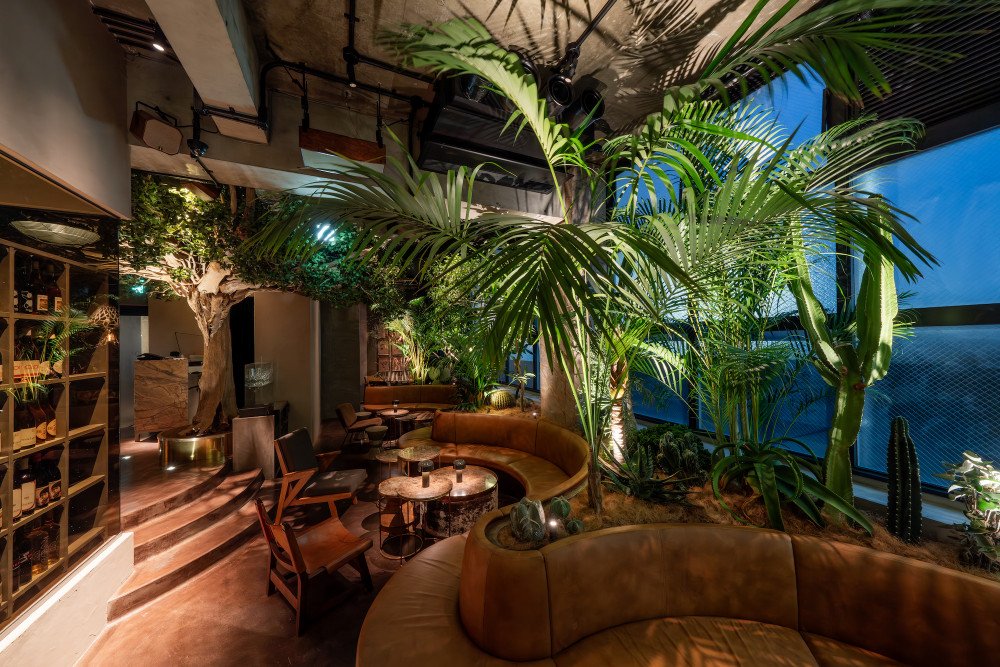
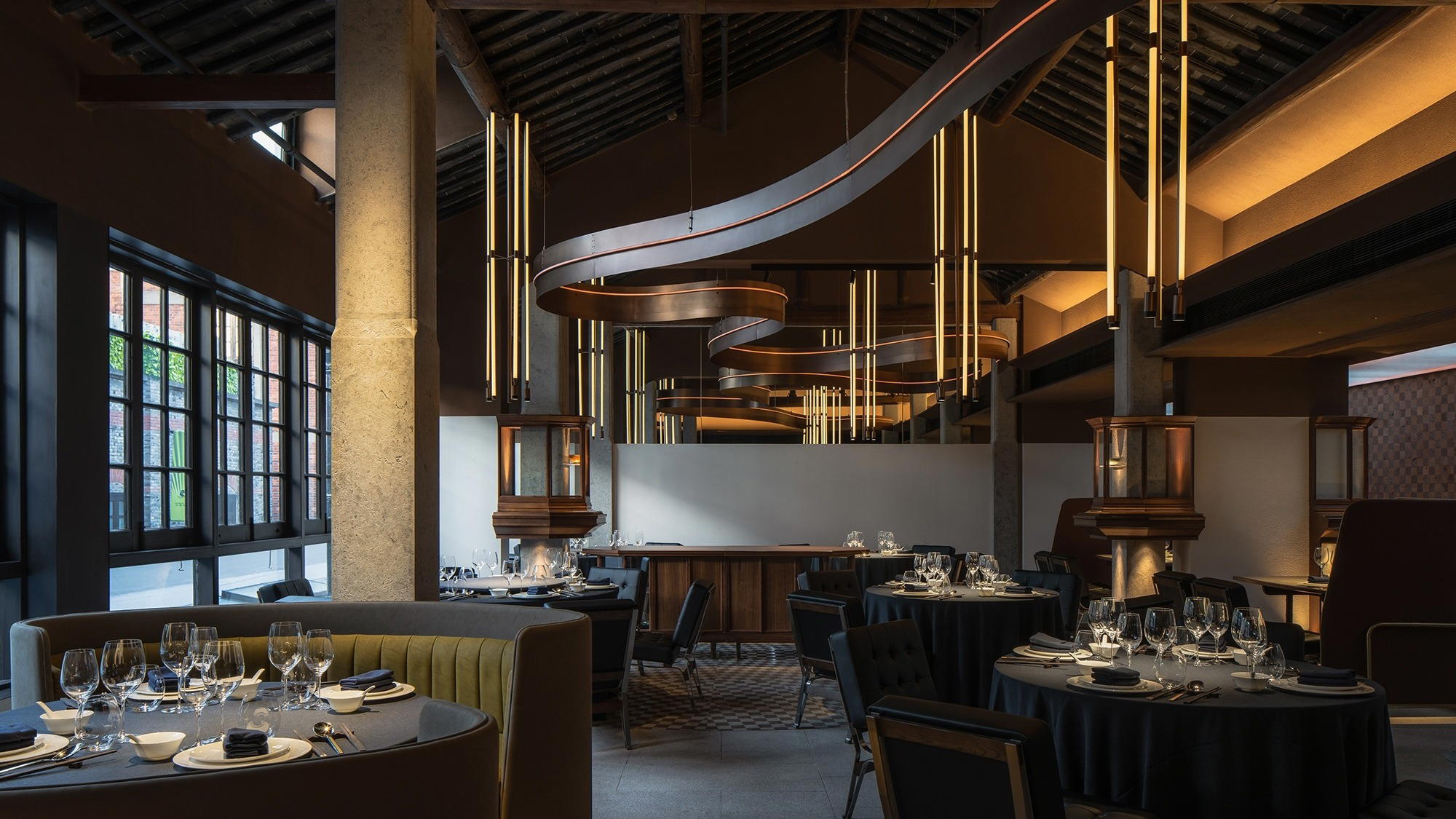
Polished dark granite counter setting with an elegant, zen-filled atmosphere, quiet and focused on the culinary performance.
Tags
Vibe
Best For
Experience
Sourcing
At the Table
- Dress Code
- Smart Casual
- Noise Level
- Quiet
- Service Style
- Formal
- Meal Pacing
- Leisurely
- Capacity
- Intimate
- Kitchen
- Traditional
- Menu Format
- Counter dining
- Wine Program
- Curated
Signature Dishes
- tiger prawn tempura
- wagyu tempura
- sweet potato tempura
Know before you go
Know Before You Go
- Getting there
- Japan, 〒604-0902 Kyoto, Nakagyo Ward, Hokodencho, 543 鴨川二条大橋畔
Planning details
Location
Japan, 〒604-0902 Kyoto, Nakagyo Ward, Hokodencho, 543 鴨川二条大橋畔 · Directions
Recognition and awards
Also consider
Also Consider
- Gion Sasaki, Kaiseki, Japanese, ¥¥¥¥
- cenci, Italian, ¥¥¥
- Ifuki, Kaiseki, ¥¥¥¥
- Kyokaiseki Kichisen, Japanese, ¥¥¥¥
- SEN, French, Japanese, ¥¥¥¥
Restaurant context
At ¥¥¥, Tempura Mizuki sits in a different tier from most of Kyoto's celebrated fine dining options. Gion Sasaki, Ifuki, and Kyokaiseki Kichisen are all ¥¥¥¥ kaiseki experiences, significantly higher per-head spend, harder to book, and built around a multi-hour seasonal progression. If your priority is Kyoto kaiseki at its most formal, those are the right choices. Mizuki is the right choice if you want a focused, technically serious meal at a lower price point, with easier access and a shorter time commitment.
cenci is the closest price-tier peer at ¥¥¥, but the format is Italian rather than Japanese, a counter tempura experience and a European tasting menu serve different needs entirely. If you are planning multiple dinners in Kyoto, Mizuki and cenci can coexist on the same itinerary without overlap. SEN at ¥¥¥¥ occupies a French-Japanese fusion position that is harder to directly compare, it costs more and operates in a different culinary register.
For value against effort, Mizuki is the clearest recommendation at this level in Kyoto: Michelin-recognised, easy to book, and priced below the kaiseki tier. If budget is not the deciding factor and you want the full Kyoto fine dining experience, Gion Sasaki is the benchmark kaiseki choice. But if you are allocating your ¥¥¥¥ budget to one kaiseki meal and want a strong supporting dinner at ¥¥¥, Tempura Mizuki fills that role better than anything else at its price point in the city.
Explore Kyoto
Around this place
Discover more on Pearl
Unlock the full Tempura Mizuki guide in Pearl, including awards, comparisons, FAQs, planning details, and nearby places.
Compare Tempura Mizuki
| Venue | Price | Booking Difficulty | Awards |
|---|---|---|---|
| Tempura Mizuki | ¥¥¥ | Easy | Michelin Guide Kyoto Osaka 20262026 Michelin Plate2025 Michelin Plate2024 Michelin Plate |
| Gion Sasaki | ¥¥¥¥ | Unknown | 2026 Tabelog Bronze · #3862026 OAD Top Restaurants in Japan RecommendedMichelin Guide Kyoto Osaka 20262026 La Liste Top RestaurantsTabelog 100 - Japanese cuisine - WEST - 2025 · #132025 OAD Top Restaurants in Japan Ranked · #2462025 Tabelog Silver2025 Michelin 3 Stars2025 La Liste Top Restaurants |
| cenci | ¥¥¥ | Unknown | 2026 Tabelog Bronze · #442026 Asia's 50 Best Restaurants · #762026 OAD Top Restaurants in Japan Highly RecommendedMichelin Guide Kyoto Osaka 2026Tabelog 100 - Italian - WEST - 2025 · #632025 Asia's 50 Best Restaurants · #632025 OAD Top Restaurants in Japan Ranked · #1682025 Tabelog Bronze2024 OAD Top Restaurants in Japan Ranked · #135 |
| Ifuki | ¥¥¥¥ | Unknown | 2026 OAD Top Restaurants in Japan Ranked · #1222026 Tabelog Bronze · #128Michelin Guide Kyoto Osaka 20262026 La Liste Top RestaurantsTabelog 100 - Japanese cuisine - WEST - 2025 · #622025 OAD Top Restaurants in Japan Ranked · #1002025 La Liste Top Restaurants2025 Tabelog Bronze2025 Michelin 2 Stars |
| Kyokaiseki Kichisen | ¥¥¥¥ | Unknown | 2026 Tabelog Bronze · #1752026 OAD Top Restaurants in Japan Highly RecommendedMichelin Guide Kyoto Osaka 20262025 OAD Top Restaurants in Japan Ranked · #1862025 Michelin 2 Stars2025 La Liste Top Restaurants2024 OAD Top Restaurants in Japan Ranked · #1422024 Michelin 2 Stars2023 OAD Top Restaurants in Japan Ranked · #136 |
| SEN | ¥¥¥¥ | Unknown | 2026 Tabelog Bronze · #3952026 OAD Top Restaurants in Japan RecommendedMichelin Guide Kyoto Osaka 20262026 Michelin PlateTabelog 100 - Japanese cuisine - WEST - 2025 · #652025 Michelin Plate2025 Tabelog Bronze2024 OAD Top Restaurants in Japan Ranked · #3622024 Michelin Plate |
.png?width=1200&quality=80)






Comparing your options in Kyoto for this tier.
FAQ
Frequently Asked Questions
Can I eat at the bar at Tempura Mizuki?
Counter seating is the format at Tempura Mizuki — there is no conventional dining room to speak of. Ingredients are presented to guests before frying begins, which is a deliberate part of the experience and works best at the counter. If you want a table-based format, the kaiseki houses elsewhere in Nakagyo Ward serve that purpose; Mizuki is built around the counter interaction.
Is Tempura Mizuki good for solo dining?
Yes, and it is arguably the ideal format for one person. The counter seats solo diners naturally, and the sourcing presentation — vegetables from Takagamine and Shūgakuin, seafood from Awaji and Shizuoka — lands better when you are focused on each item individually. At ¥¥¥ it is accessible for a solo meal without the financial commitment of a full kaiseki booking at a nearby four-symbol house. Booking difficulty is rated Easy, so solo reservations are not a planning obstacle.
What is Tempura Mizuki known for?
Tempura Mizuki is primarily known for Tempura in Kyoto.
Where is Tempura Mizuki located?
Tempura Mizuki is located in Kyoto, at Japan, 〒604-0902 Kyoto, Nakagyo Ward, Hokodencho, 543 鴨川二条大橋畔.