
Takocho
Oden · Higashiyama, Kyoto
Restaurant in Kyoto, Japan
 Book with Pearl
The Read
Century-Old Dashi Counter
Price
¥¥
Dress
Smart Casual
Why go
Takocho is a late-19th-century oden restaurant in Kyoto's Higashiyama Ward, awarded the Michelin Plate in both 2024 and 2025. At the ¥¥ price tier, it delivers fourth-generation family service, a light Kyoto-style dashi broth, and a room that feels genuinely historic — not styled to look it. Book it for depth and authenticity at a price that removes the decision entirely.
About Takocho
Verdict: A living piece of Kyoto's food history at a price that makes the decision easy
Picture this: a bow-tied fourth-generation chef tending gleaming copper saucepans, the deep scent of dashi broth settling into the room like a welcome you didn't know you needed. That's the opening scene at Takocho, an oden restaurant in Higashiyama Ward that has been operating since the late 19th century. The atmosphere tells you immediately whether you're in the right place — and if you're a food traveller who values craft, continuity, and a room that feels earned rather than designed, you almost certainly are.
Book it. At the ¥¥ price tier, Takocho is one of the most compelling value propositions in Kyoto's dining scene: a Michelin Plate recipient in both 2024 and 2025, serving a cuisine category — oden, that most visitors to Japan have never experienced at this level of seriousness. This is not a backup option for nights when kaiseki feels too heavy. It's a first-choice destination for anyone who understands that Japanese comfort food, done with this much attention and this much history, is its own form of precision cooking.
The Room and the Service
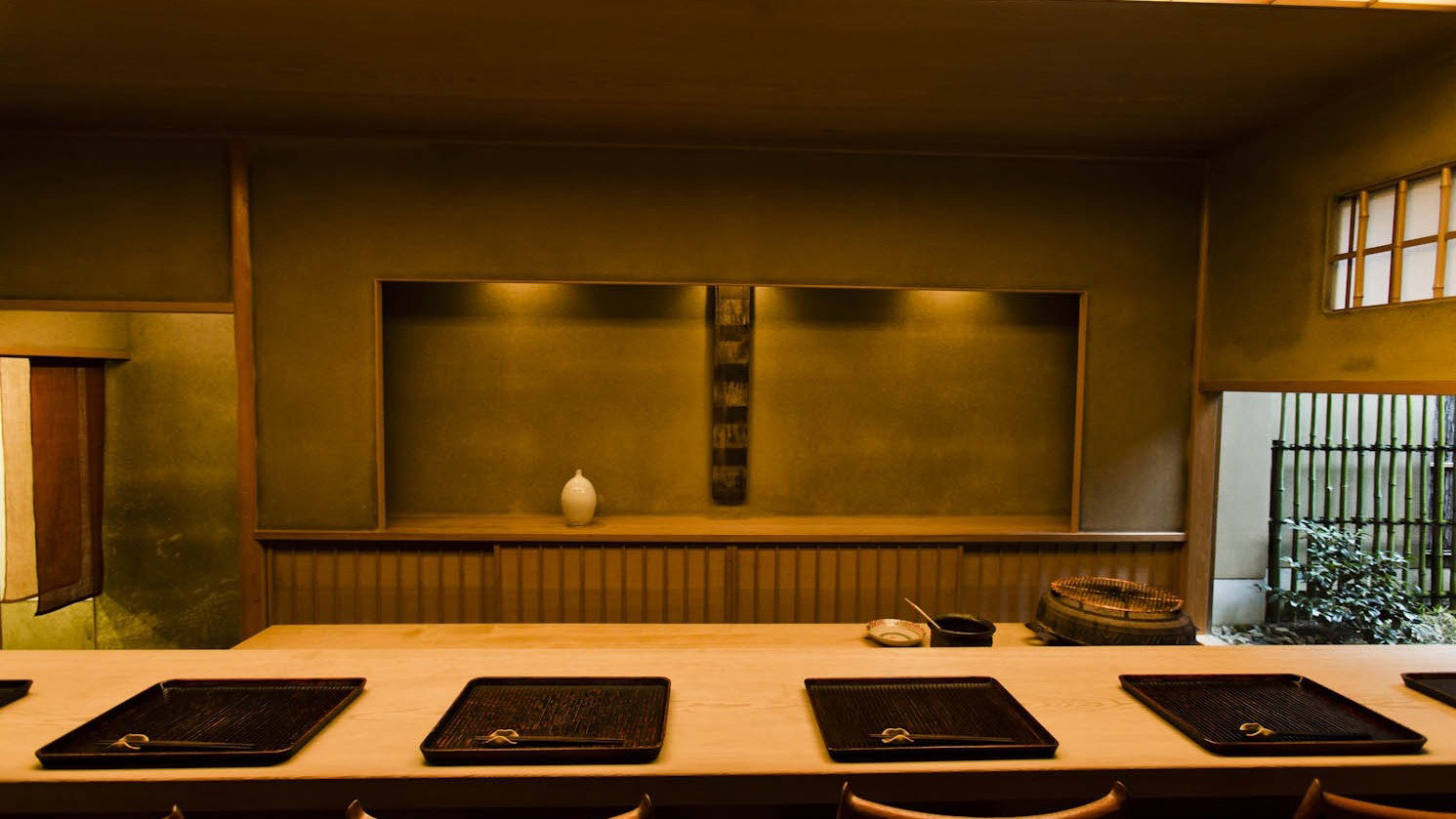
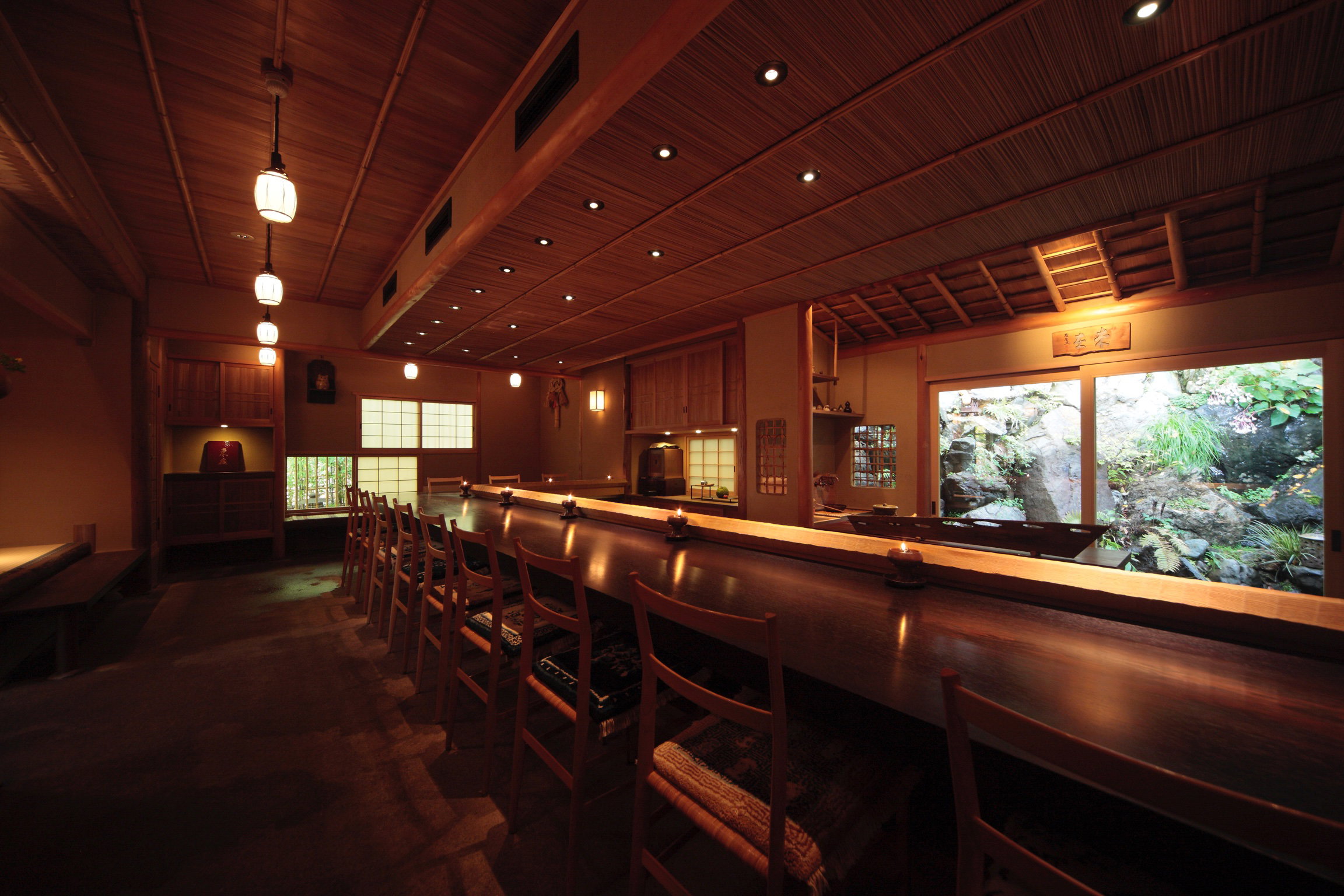
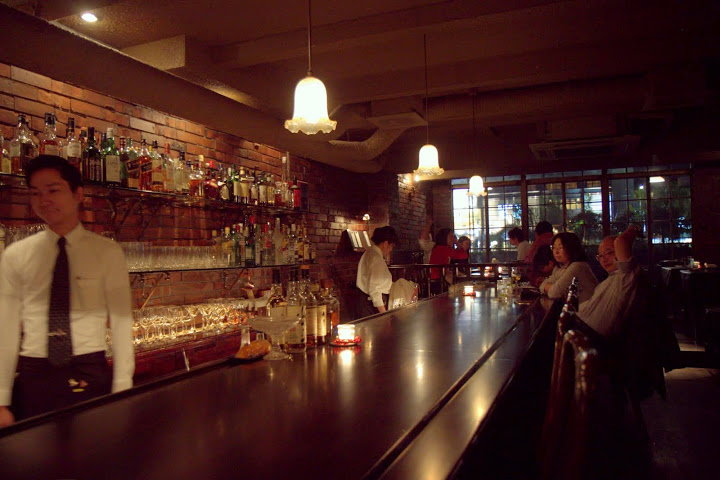
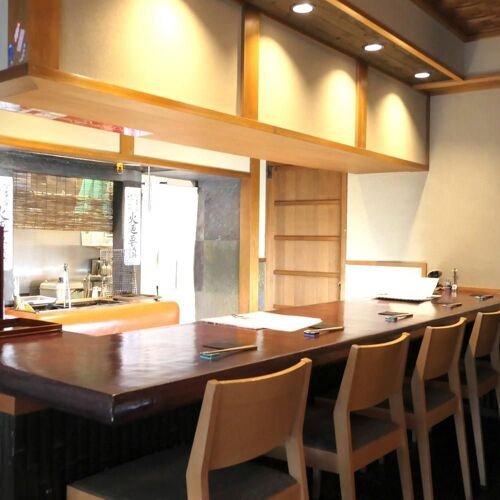
The atmosphere at Takocho is deliberately unhurried. The sounds here are quiet and purposeful: the soft simmer of broth, the clink of copper, the occasional murmur of conversation. This is not a loud room. If you're coming from a long day of temples and want somewhere that doesn't ask anything of you except to pay attention to what's in your bowl, Takocho delivers that without effort.
The service framing at Takocho is where the experience earns its Michelin recognition most clearly. The fourth-generation owner-chef in his bow tie and the proprietress in her traditional smock-style apron are not performing heritage, they are it. At a ¥¥ price point, you are receiving a calibre of hosting that many ¥¥¥¥ restaurants in Kyoto cannot replicate, because it cannot be hired or styled into existence. It comes from decades of the same family, in the same room, doing the same thing with accumulated skill. That is a direct answer to the service-versus-price question: the service here over-delivers for the spend by a meaningful margin.
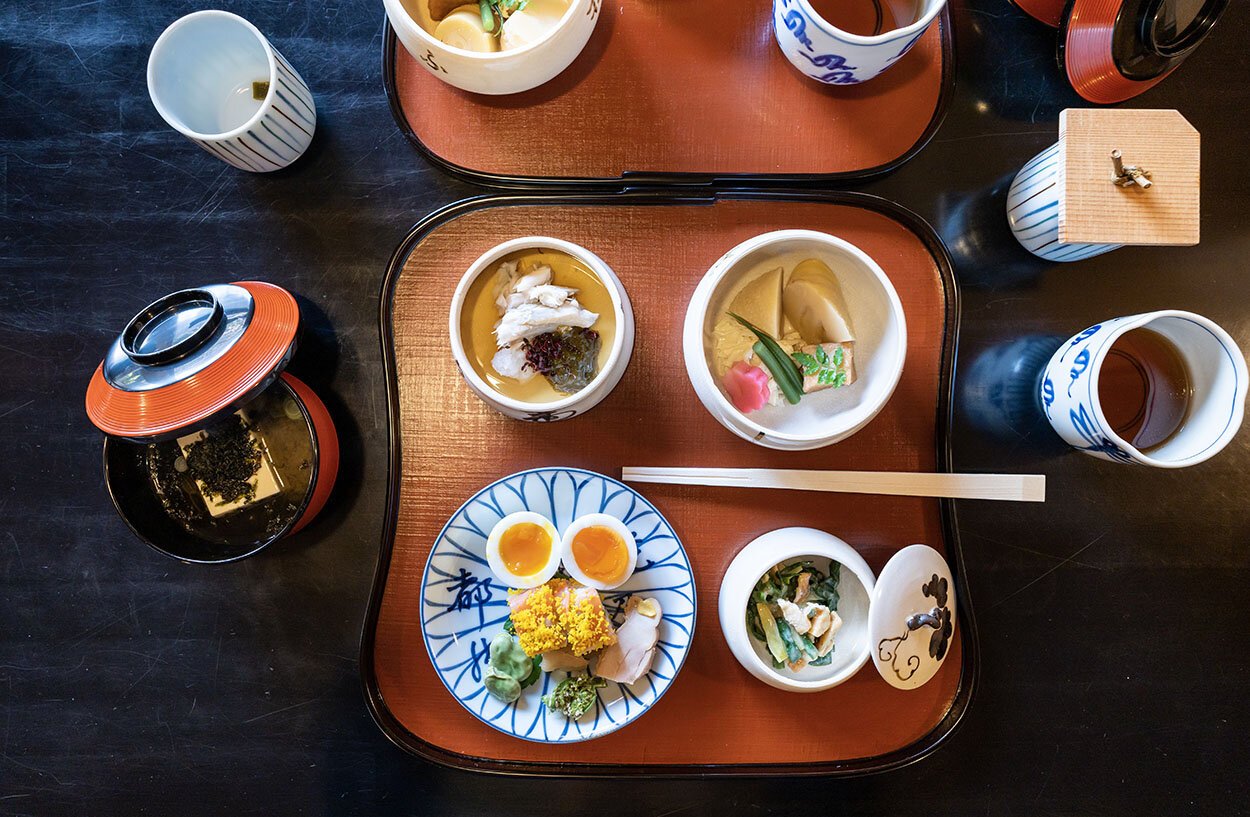
Menu is listed on wooden tags, but off-menu items are worth asking about. The light-flavoured dashi broth and Kujo spring onion are cited as hallmarks of the Kyoto style, restrained, clean, built on subtlety rather than intensity. The restaurant's name comes from its popular octopus dish, adopted in the mid-20th century, which gives you a useful signal about what to prioritise when you sit down.
Booking and Timing
Takocho sits at the more accessible end of the Kyoto booking spectrum.Hyotei or Isshisoden Nakamura do. That said, booking ahead is sensible for dinner on weekends or during peak tourist periods, cherry blossom and autumn foliage seasons in Kyoto are genuinely busy, and a venue this well-regarded in its category will fill. For weeknight dinners outside peak season, arriving early in the evening is your leading hedge if you haven't pre-booked.
There is no published phone number or website in Pearl's current data for Takocho. Your leading approach is to book through your hotel concierge if you are staying at a property with a Higashiyama-area presence, or through a restaurant reservation service familiar with Kyoto's traditional venues. This is standard practice for many of Kyoto's older, family-run restaurants and should not put you off, it is a logistical step, not a barrier.
Who Should Book Takocho
Takocho is the right call for food travellers who want depth over novelty. If you've done kaiseki on a previous Japan trip and want to understand a different register of Japanese cooking, one that is equally serious but entirely unpretentious, this is where to go next. It's also a strong option for solo diners or couples who want a quieter, more intimate setting than the large kaiseki rooms allow. Groups looking for a high-energy, sake-forward night should look elsewhere; this room rewards those who are prepared to slow down.
If you are travelling through the Kansai region more broadly, Takocho makes a useful point of comparison with oden specialists in Osaka such as Man-u and Yoshitaka. Osaka's oden tradition runs slightly richer and bolder in flavour; Takocho's Kyoto interpretation is lighter and more restrained, which is a matter of preference rather than quality. Both cities are worth exploring for this format if oden is your focus.
For your wider Kyoto planning, see our full Kyoto restaurants guide, our full Kyoto hotels guide, our full Kyoto bars guide, our full Kyoto experiences guide, and our full Kyoto wineries guide. If you're building a broader Japan itinerary, restaurants worth knowing include HAJIME in Osaka, Harutaka in Tokyo, akordu in Nara, Goh in Fukuoka, 1000 in Yokohama, and 6 in Okinawa.
Ratings and Trust Signals
- Michelin Plate: 2024 and 2025
- Price tier: ¥¥
- In operation: Since the late 19th century
Practical Details
Takocho is located at 1 Chome-237 Miyagawasuji, Higashiyama Ward, Kyoto, 605-0801. The price tier is ¥¥, making it one of the more affordable Michelin-recognised venues in the city. Hours are not currently published in Pearl's data, confirm before visiting, particularly on public holidays or during Kyoto's major festival periods. Booking difficulty is rated Easy. No website or phone number is currently listed; book via hotel concierge or a Kyoto restaurant reservation service.
Planning details
- Location
- 1 Chome-237 Miyagawasuji, Higashiyama Ward, Kyoto, 605-0801, Japan
- Website
- blog.livedoor.jp/tacocho
- Phone
- +81 75-525-0170
The take
The Take
The Vibe
Takocho reads like a compact lesson in Kyoto restraint. The room favors understatement: pale, barely-there dashi, polished copper saucepans, a framed kanji panel and the careful costuming of the proprietors all point to continuity over flash. The fourth-generation owner-chef working the counter lends the place a quietly authoritative air — hospitality here is practiced with discipline rather than theatrics. That concentrated seriousness makes the space feel both historic and serene: a small, refined house where tonal subtleties in broth and a measured service posture define the character more than bold flavors or design flourishes.
Best For
Takocho is ideal for solitary meals and low-key hangouts where the food is the focus. The counter-centered layout and single-chef presence make it particularly suited to solo diners who want to watch the work and to small, informal visits with one or two companions. Because the cooking emphasizes delicate, winter-style oden broths, evenings—when comfort and warmth are most welcome—are a natural fit. The setting’s intimacy and restraint also suit diners looking for a quiet, traditional Kyoto experience rather than a boisterous night out.
Ordering Tips
Lean into the house’s strengths: order with an eye to the broth. The menu’s signature items—simmered octopus, cabbage dumplings and seaweed—are described as expressions of a pale, highly tended dashi, so allow the subtle stock to carry flavor rather than seeking heavy seasonings. Choosing a selection of oden items lets you taste how the kitchen layers nuance across components. Because the counter and chef’s techniques are central to the experience, ask about daily specialties and any items that have been simmering particularly long for a deeper look at the house style.
Venue details
Ambiance
Warm, inviting traditional atmosphere with relaxing space and cozy wooden decor.
Tags
Vibe
Best For
At the Table
- Dress Code
- Smart Casual
- Noise Level
- Quiet
- Service Style
- Upscale Casual
- Meal Pacing
- Leisurely
- Capacity
- Intimate
Signature Dishes
- simmered octopus
- cabbage dumplings
- seaweed
Know before you go
Know Before You Go
- Getting there
- 1 Chome-237 Miyagawasuji, Higashiyama Ward, Kyoto, 605-0801, Japan
Planning details
Location
1 Chome-237 Miyagawasuji, Higashiyama Ward, Kyoto, 605-0801, Japan · Directions
Recognition and awards
Also consider
Also Consider
- Gion Sasaki, Kaiseki, Japanese, ¥¥¥¥
- cenci, Italian, ¥¥¥
- Ifuki, Kaiseki, ¥¥¥¥
- Kyokaiseki Kichisen, Japanese, ¥¥¥¥
- SEN, French, Japanese, ¥¥¥¥
Restaurant context
Takocho operates in a different category to most of its Kyoto peers on this list, which matters when you're deciding where to spend your evenings. Gion Sasaki, Ifuki, Kyokaiseki Kichisen, and SEN are all ¥¥¥¥ venues, kaiseki or kaiseki-adjacent, where the format is long, ceremonial, and priced accordingly. Takocho at ¥¥ is not competing on that axis. It is the answer to a different question: where do I eat something deeply Kyoto-rooted, with real historical weight, without committing to a multi-course dinner that costs as much as a hotel night?
If the decision is purely about prestige and you want Kyoto's most technically demanding cooking, Gion Sasaki and Kyokaiseki Kichisen are the right choices at the top of the price tier. For an Italian-inflected Kyoto experience at ¥¥¥, cenci is the more accessible splurge option and offers a genuinely different register. But if you are a food traveller who wants to understand a side of Kyoto's culinary identity that most visitors skip entirely, oden, dashi-led, quiet, and served by a family that has been doing this for over a century, Takocho has no direct competitor on this list. It is the easiest booking of the group and, on a per-impression basis, arguably the strongest value.
The practical recommendation: book one kaiseki dinner at a ¥¥¥¥ venue for the formal Kyoto experience, and use Takocho as a second dinner or early-evening meal to balance the itinerary. The two formats complement rather than duplicate each other, and Takocho's price tier means adding it does not strain a travel budget.
Explore Kyoto
Around this place
Discover more on Pearl
Unlock the full Takocho guide in Pearl, including awards, comparisons, FAQs, planning details, and nearby places.
Compare Takocho
| Venue | Awards | Price |
|---|---|---|
| Takocho | Michelin Guide Kyoto Osaka 20262026 Michelin Plate2025 Michelin Plate2024 Michelin Plate | ¥¥ |
| Gion Sasaki | 2026 Tabelog Bronze · #3862026 OAD Top Restaurants in Japan RecommendedMichelin Guide Kyoto Osaka 20262026 La Liste Top RestaurantsTabelog 100 - Japanese cuisine - WEST - 2025 · #132025 OAD Top Restaurants in Japan Ranked · #2462025 Tabelog Silver2025 Michelin 3 Stars2025 La Liste Top Restaurants | ¥¥¥¥ |
| cenci | 2026 Tabelog Bronze · #442026 Asia's 50 Best Restaurants · #762026 OAD Top Restaurants in Japan Highly RecommendedMichelin Guide Kyoto Osaka 2026Tabelog 100 - Italian - WEST - 2025 · #632025 Asia's 50 Best Restaurants · #632025 OAD Top Restaurants in Japan Ranked · #1682025 Tabelog Bronze2024 OAD Top Restaurants in Japan Ranked · #135 | ¥¥¥ |
| Ifuki | 2026 OAD Top Restaurants in Japan Ranked · #1222026 Tabelog Bronze · #128Michelin Guide Kyoto Osaka 20262026 La Liste Top RestaurantsTabelog 100 - Japanese cuisine - WEST - 2025 · #622025 OAD Top Restaurants in Japan Ranked · #1002025 La Liste Top Restaurants2025 Tabelog Bronze2025 Michelin 2 Stars | ¥¥¥¥ |
| Kyokaiseki Kichisen | 2026 Tabelog Bronze · #1752026 OAD Top Restaurants in Japan Highly RecommendedMichelin Guide Kyoto Osaka 20262025 OAD Top Restaurants in Japan Ranked · #1862025 Michelin 2 Stars2025 La Liste Top Restaurants2024 OAD Top Restaurants in Japan Ranked · #1422024 Michelin 2 Stars2023 OAD Top Restaurants in Japan Ranked · #136 | ¥¥¥¥ |
| SEN | 2026 Tabelog Bronze · #3952026 OAD Top Restaurants in Japan RecommendedMichelin Guide Kyoto Osaka 20262026 Michelin PlateTabelog 100 - Japanese cuisine - WEST - 2025 · #652025 Michelin Plate2025 Tabelog Bronze2024 OAD Top Restaurants in Japan Ranked · #3622024 Michelin Plate | ¥¥¥¥ |
.png?width=1200&quality=80)






Key differences to consider before you reserve.
FAQ
Frequently Asked Questions
Does Takocho handle dietary restrictions?
Oden is a dashi-based broth dish, which means fish stock is foundational to the cooking here. Strict vegetarians or those with fish allergies will find the menu difficult to work around. The format at Takocho — a small, traditional counter with set items on wooden tags — leaves limited room for substitution, so flag any restrictions before you go rather than expecting flexibility on arrival.
Can I eat at the bar at Takocho?
Counter seating is the format at Takocho, which makes it a natural fit for solo diners and pairs. The copper saucepans are tended directly in front of guests, so the counter is where the experience is — not a fallback option. If you're a group of three or more, confirm seating arrangements in advance given the intimate scale of the room.
What are alternatives to Takocho in Kyoto?
For kaiseki at a higher price point, Kyokaiseki Kichisen and Gion Sasaki are the serious options — both operate at a different budget level entirely. Ifuki and cenci offer modern takes on Kyoto cooking for diners who want contemporary format over historical atmosphere. SEN sits closer to Takocho's accessible price range if you want a different cuisine style without the ¥¥¥+ commitment.
What should I order at Takocho?
The octopus dish is the reason the restaurant adopted its current name mid-20th century and remains the reference order. Beyond the wooden-tag menu, off-menu items are worth asking about — the Michelin Plate recognition specifically calls out the intriguing off-menu selection. Kujo spring onion, a Kyoto staple, features in the broth and is worth ordering if available.
Is Takocho good for a special occasion?
It depends on what kind of occasion. Takocho at ¥¥ with a Michelin Plate and a fourth-generation owner in a bow tie has real ceremony to it — the setting rewards guests who appreciate craft and continuity. For a milestone dinner where the spend itself signals occasion, the price point may feel understated next to kaiseki alternatives like Gion Sasaki. As a meaningful, low-pressure dinner for a couple or a solo traveller marking a trip to Kyoto, it delivers more than its price suggests.