.png?width=1200&quality=80)
Taketoko
Japanese · Nakagyō, Kyoto
Restaurant in Kyoto, Japan
 Book with Pearl
The Read
Minimal-Intervention Kappo
Price
¥¥
Dress
Smart Casual
Why go
A Michelin Plate kappo counter in Nakagyo Ward that earns its recognition at a ¥¥ price point most Kyoto dining rooms at this level cannot match. Easy to book by Kyoto standards, with a kitchen philosophy built on minimal seasoning and immediate service. The chawanmushi is the dish to order. A practical choice for a first kappo experience or a special occasion without the ¥¥¥¥ commitment.
About Taketoko
Should You Book Taketoko?
Getting a table at Taketoko is, by Kyoto kappo standards, refreshingly direct. Booking difficulty is rated easy, which matters in a city where the more decorated rooms require months of advance planning, connections through a hotel concierge, or fluency in Japanese. If you have been putting off a kappo meal in Kyoto because the logistics felt daunting, Taketoko is the practical entry point.
The Portrait
Taketoko sits at the end of an alley in Nakagyo Ward, a location that reads less as atmospheric theatre and more as a direct fact about where the restaurant chose to be. The kitchen's operating philosophy is similarly unadorned: cook things fresh, serve them immediately, and do not season what does not need seasoning. Greens are boiled. Eel is grilled without seasoning. The philosophy is restraint applied with conviction rather than showmanship.
For a special occasion or a serious meal with someone whose taste you respect, this approach is more compelling than it might initially sound. In a city where multi-course kaiseki at venues like Gion Sasaki or Kyokaiseki Kichisen can run to ¥¥¥¥ price territory, Taketoko's ¥¥ pricing puts meaningful Japanese cooking within reach for a date night or a birthday dinner where the budget matters as much as the experience.
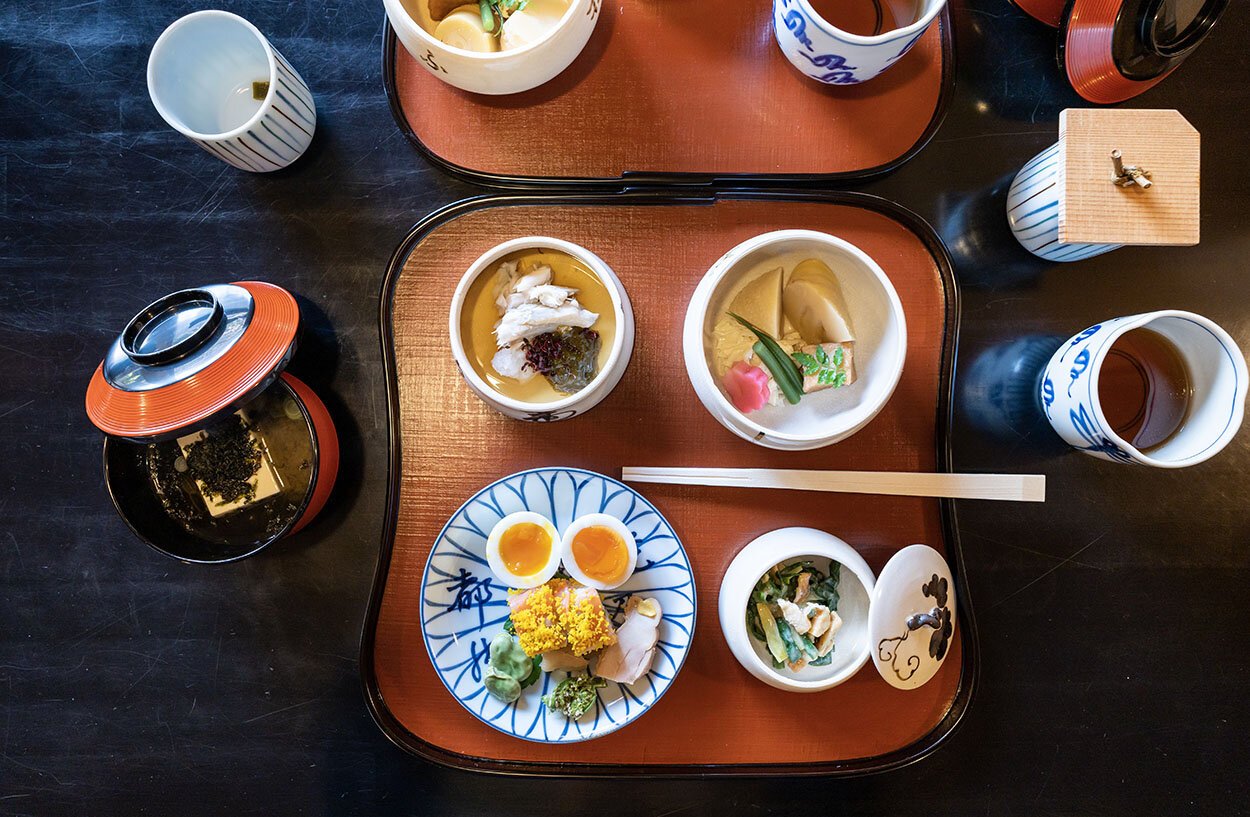
The dish most worth knowing about before you arrive is the chawanmushi. The chef's relationship with this steamed egg custard has a documented origin: as an apprentice, he was sent to the dishwashing section for two years after failing to heat the dish correctly. That detail is not included here for colour — it tells you something useful about what the kitchen prioritises. The chawanmushi at Taketoko is made with the kind of focus that comes from a specific, formative failure. Order it. It is the reference point against which the rest of the meal can be measured.
Kappo, as a format, sits between the formal remove of kaiseki and the casual proximity of an izakaya. The chef cooks in front of you; the menu moves at the kitchen's pace. For a first-timer to the format, Taketoko's accessible price point and easy booking make it a lower-risk introduction than trying to secure a seat at Isshisoden Nakamura or Kikunoi Roan for your first kappo experience. Go here first, then calibrate your appetite for the pricier rooms.
Lunch vs Dinner at Taketoko
Specific hours are not confirmed in the available data, so the following framing is based on how kappo restaurants in this price bracket and format typically operate in Kyoto rather than confirmed Taketoko-specific scheduling. Many mid-tier kappo rooms in the city run dinner service only, or offer a more limited lunch counter alongside their main evening sitting. If Taketoko follows that pattern, a dinner booking is likely the primary format and should be your default plan.
That said, if a lunch service is available when you check availability, it is worth considering. Kappo at lunchtime in Kyoto tends to run shorter and at a lower price point than the equivalent evening meal, which can make it the more sensible option for a first visit when you are calibrating whether the format suits you. For a special occasion, though, the evening sitting is the better frame, the pacing is unhurried in a way that suits a celebratory meal, and the intimacy of a counter dinner in a small Nakagyo Ward alley restaurant reads differently in the evening than at midday. Verify the current lunch offering directly before booking.
Booking and Practical Details
Booking difficulty is easy by Pearl's assessment, a meaningful advantage over most of Kyoto's comparable kappo and kaiseki rooms. Confirmed booking method is not on record, so contact the restaurant directly or use a third-party reservation platform that covers Kyoto restaurants. Given the small scale of a kappo counter, same-week availability is plausible, though booking a few days in advance is sensible for any meal you are treating as a planned occasion rather than a spontaneous stop.
The address is 475-10 Ryotonzushicho, Nakagyo Ward, the alley approach is part of the experience and not a complication once you know to expect it. Nakagyo is central Kyoto, accessible from most of the city's main accommodation areas without significant travel. For broader Kyoto planning, the full Kyoto restaurants guide, Kyoto hotels guide, bars guide, and experiences guide have context for building a full itinerary.
Price range is ¥¥, which positions Taketoko below the ¥¥¥¥ tier occupied by most of Kyoto's Michelin-starred kaiseki rooms. For diners travelling from elsewhere in Japan, it compares favourably with mid-tier kappo pricing in Tokyo, venues like Myojaku and Azabu Kadowaki represent what the Tokyo equivalent of this tier looks like. Further afield, HAJIME in Osaka, akordu in Nara, and Goh in Fukuoka give regional benchmarks if you are building a multi-city Japan itinerary.
How It Compares
See the comparison section below for a full breakdown of how Taketoko sits against Kyoto's other serious dining options.
Pearl Picks Nearby
- Gion Matayoshi, for a step up in formality within Gion
- Kodaiji Jugyuan, tofu-focused kaiseki near Higashiyama
- Kyokaiseki Kichisen, for a full kaiseki splurge at ¥¥¥¥
- 1000 in Yokohama and 6 in Okinawa, regional comparisons for itinerary planning
- Harutaka in Tokyo, if sushi rather than kappo is the format you want
Logistics at a Glance
| Venue | Cuisine | Price | Booking Difficulty |
|---|---|---|---|
| Taketoko | Kappo Japanese | ¥¥ | Easy |
| Gion Sasaki | Kaiseki | ¥¥¥¥ | Hard |
| Ifuki | Kaiseki | ¥¥¥¥ | Hard |
| cenci | Italian | ¥¥¥ | Moderate |
| SEN | French/Japanese | ¥¥¥¥ | Moderate |
Planning details
- Location
- 475-10 Ryotonzushicho, Nakagyo Ward, Kyoto, 604-8204, Japan
- Website
- instagram.com/take_toko
- Phone
- +81 75-223-5606
The take
The Take
The Vibe
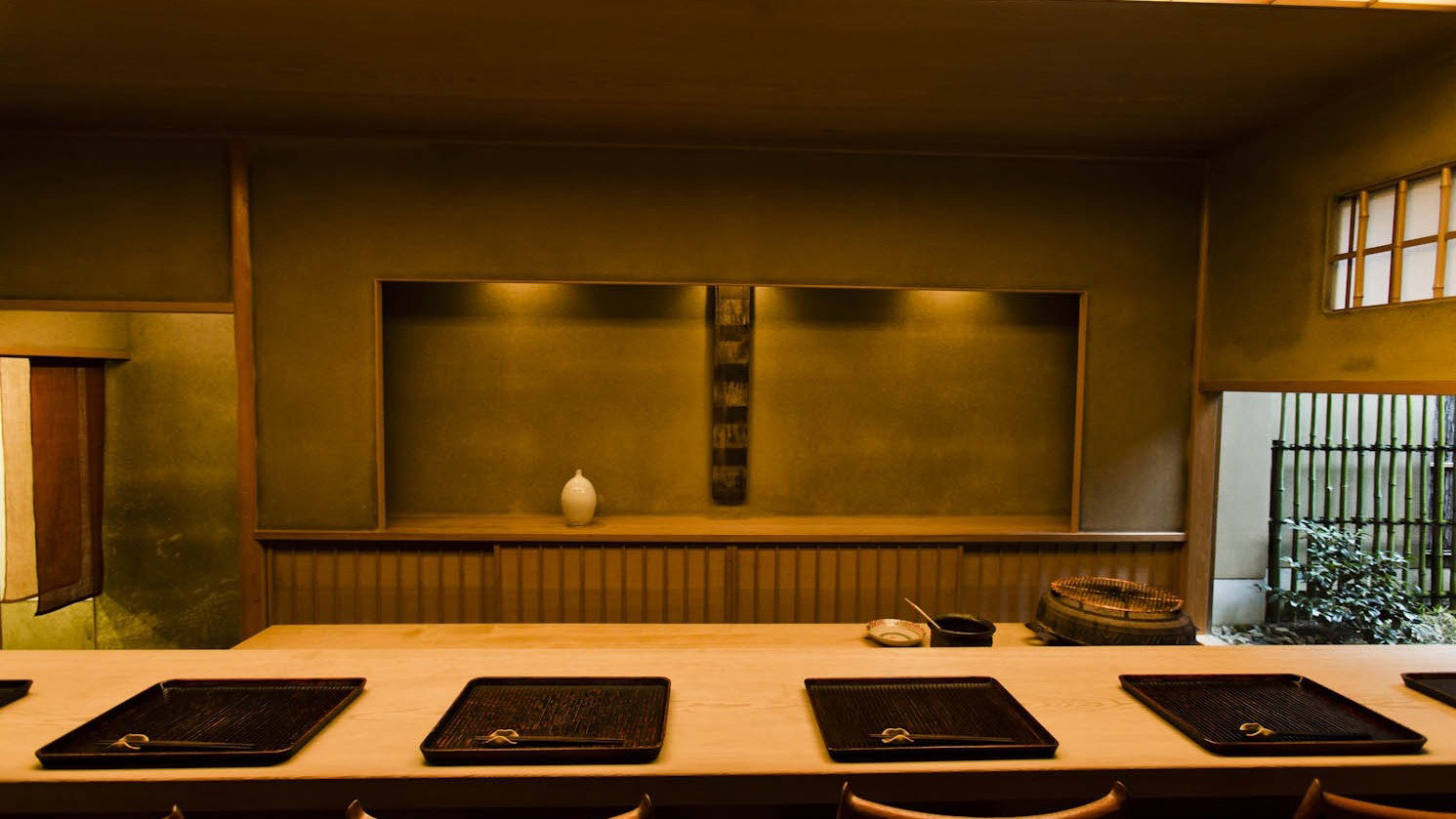
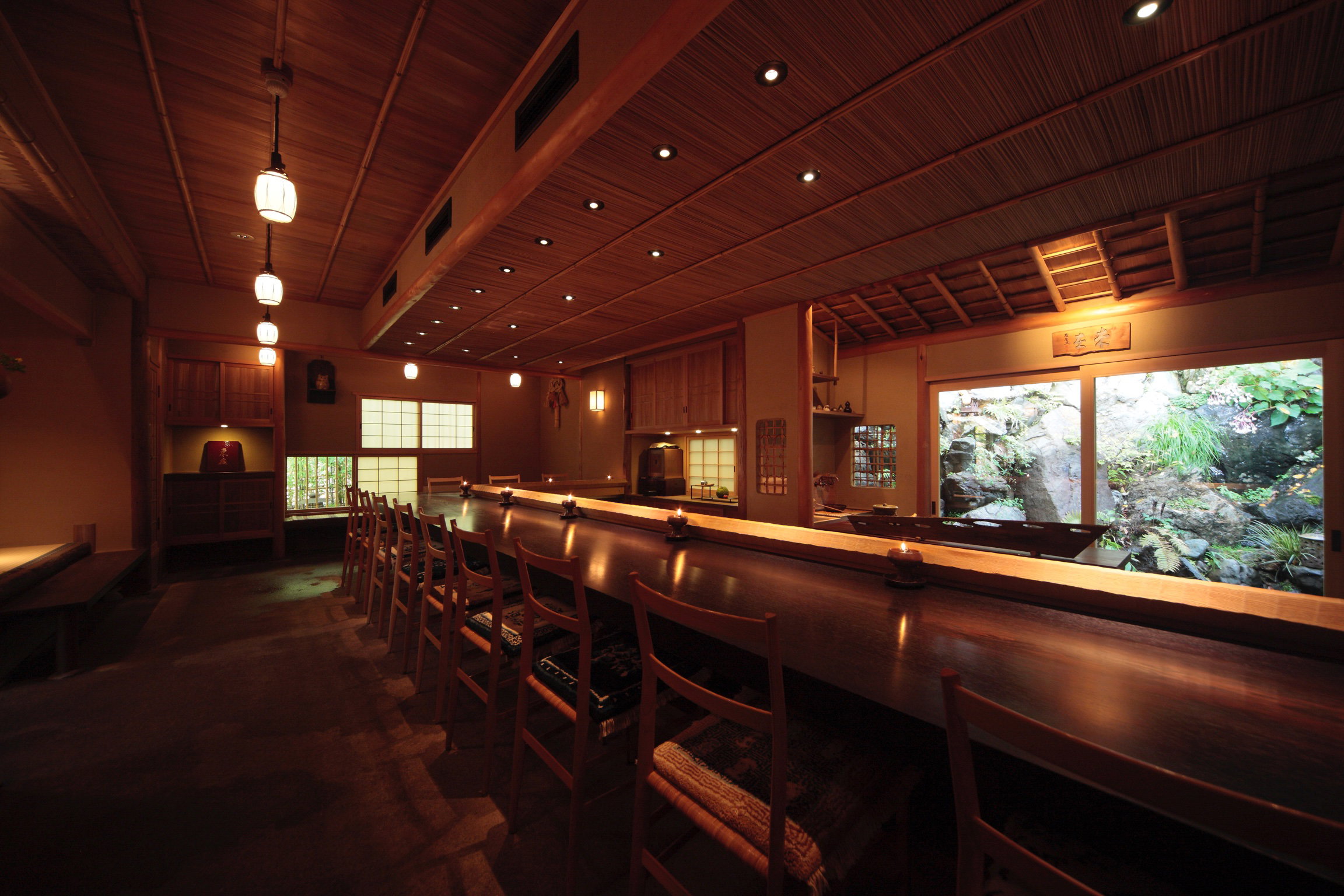
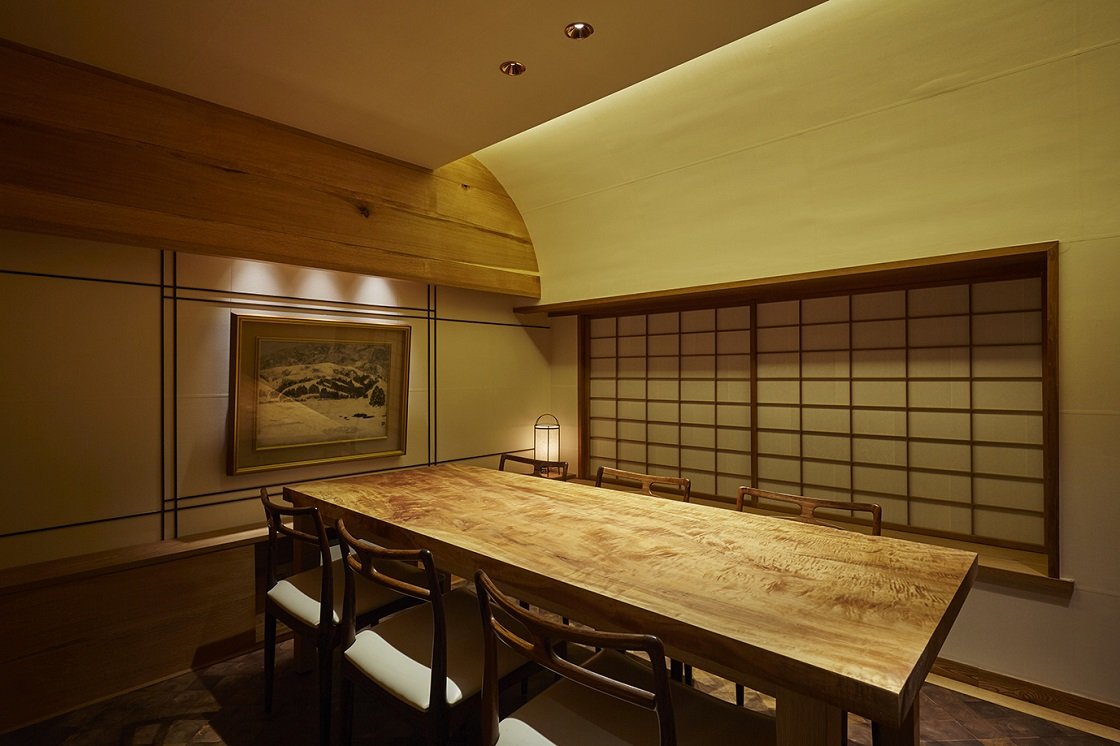
Taketoko reads like a quietly rigorous kappo counter tucked down an alley in Nakagyo Ward. The dining room centers on a chef-led counter where rhythm and ingredient quality drive the experience rather than ornate plating. The kitchen’s creed—fresh-off-the-grill and minimal preparation—gives the food a direct, pared-back presence: greens served plainly, eel grilled without seasoning, and an emphasis on immediate flavor. The address’s low profile and reliance on repeat custom cultivate a refined, discreet atmosphere that rewards diners who appreciate focused cooking and understated, classic hospitality.
Best For
This is a restaurant for focused evening meals: counter-centric dinners where the interaction with the chef and the progression of plates matter. It suits solo diners who want a direct view of the kitchen and small parties that can fit at the counter; the kappo format favors attentiveness to pacing and ingredient-driven dishes rather than large-group conviviality. Because seating is limited and word-of-mouth sustains the business, visits are best planned in advance—especially for date nights and special-occasion dinners that depend on reserved counter space.
Ordering Tips
Book early and request a counter seat if you want the full kappo experience—the description stresses that booking logistics are crucial. Lean into the kitchen’s minimal approach: order the signature grilled eel and the chawanmushi, and expect vegetables and other courses served plainly to showcase freshness. Keep expectations aligned with the chef-led rhythm: preparations are intentionally restrained, so focus on savoring technique, timing and the purity of flavor rather than heavy seasoning or elaborate garnishes.
Venue details
Ambiance
Intimate counter with focused stillness, rising scents of charcoal, gentle steam, and warm, savory perfumes creating a sanctuary of restraint and sensory interplay.
Tags
Vibe
Best For
Experience
At the Table
- Dress Code
- Smart Casual
- Noise Level
- Quiet
- Service Style
- Upscale Casual
- Meal Pacing
- Leisurely
- Capacity
- Intimate
Signature Dishes
- Chawanmushi
- Grilled Eel
Know before you go
Know Before You Go
- Getting there
- 475-10 Ryotonzushicho, Nakagyo Ward, Kyoto, 604-8204, Japan
Planning details
Location
475-10 Ryotonzushicho, Nakagyo Ward, Kyoto, 604-8204, Japan · Directions
Recognition and awards
Also consider
Also Consider
- Gion Sasaki, Kaiseki, Japanese, ¥¥¥¥
- cenci, Italian, ¥¥¥
- Ifuki, Kaiseki, ¥¥¥¥
- Kyokaiseki Kichisen, Japanese, ¥¥¥¥
- SEN, French, Japanese, ¥¥¥¥
Restaurant context
Taketoko's clearest advantage over most of Kyoto's serious dining options is the combination of Michelin recognition and a ¥¥ price point. If your priority is value for the quality of cooking, it sits in a different bracket from Gion Sasaki and Ifuki, both kaiseki rooms at ¥¥¥¥ where the experience is more elaborate and the price reflects it. For diners who want a rigorous Japanese meal without the full kaiseki investment, Taketoko is the stronger practical choice. For a genuine special occasion with no budget ceiling, Gion Sasaki or Kyokaiseki Kichisen deliver a more formal and expansive experience, but they also require significantly more advance planning and spend.
Against cenci, which sits at ¥¥¥ and operates an Italian rather than Japanese format, Taketoko is the better pick if you are in Kyoto specifically to eat Japanese food at a serious counter. cenci makes sense if you want something outside the kappo and kaiseki register, or if a Western tasting menu format is what your group prefers. SEN at ¥¥¥¥ offers a French-Japanese fusion approach that suits diners who want the production values of a high-end room with a broader flavour range than traditional kappo provides.
For booking ease, Taketoko is the most accessible option in this peer group. The ¥¥¥¥ rooms all require more lead time and often Japanese-language reservations or hotel concierge support. If you are planning a Kyoto trip without a dedicated concierge and want to eat at a venue with genuine credentials, Taketoko is where to start. If you are willing to put in the planning effort and the spend, Gion Sasaki remains the reference point for what Kyoto kaiseki can be at its most accomplished.
Explore Kyoto
Around this place
Discover more on Pearl
Unlock the full Taketoko guide in Pearl, including awards, comparisons, FAQs, planning details, and nearby places.
Compare Taketoko
| Venue | Awards | Price |
|---|---|---|
| Taketoko | 2026 Michelin Plate2025 Michelin Plate2024 Michelin Plate | ¥¥ |
| Gion Sasaki | 2026 Tabelog Bronze · #3862026 OAD Top Restaurants in Japan RecommendedMichelin Guide Kyoto Osaka 20262026 La Liste Top RestaurantsTabelog 100 - Japanese cuisine - WEST - 2025 · #132025 OAD Top Restaurants in Japan Ranked · #2462025 Tabelog Silver2025 Michelin 3 Stars2025 La Liste Top Restaurants | ¥¥¥¥ |
| cenci | 2026 Tabelog Bronze · #442026 Asia's 50 Best Restaurants · #762026 OAD Top Restaurants in Japan Highly RecommendedMichelin Guide Kyoto Osaka 2026Tabelog 100 - Italian - WEST - 2025 · #632025 Asia's 50 Best Restaurants · #632025 OAD Top Restaurants in Japan Ranked · #1682025 Tabelog Bronze2024 OAD Top Restaurants in Japan Ranked · #135 | ¥¥¥ |
| Ifuki | 2026 OAD Top Restaurants in Japan Ranked · #1222026 Tabelog Bronze · #128Michelin Guide Kyoto Osaka 20262026 La Liste Top RestaurantsTabelog 100 - Japanese cuisine - WEST - 2025 · #622025 OAD Top Restaurants in Japan Ranked · #1002025 La Liste Top Restaurants2025 Tabelog Bronze2025 Michelin 2 Stars | ¥¥¥¥ |
| Kyokaiseki Kichisen | 2026 Tabelog Bronze · #1752026 OAD Top Restaurants in Japan Highly RecommendedMichelin Guide Kyoto Osaka 20262025 OAD Top Restaurants in Japan Ranked · #1862025 Michelin 2 Stars2025 La Liste Top Restaurants2024 OAD Top Restaurants in Japan Ranked · #1422024 Michelin 2 Stars2023 OAD Top Restaurants in Japan Ranked · #136 | ¥¥¥¥ |
| SEN | 2026 Tabelog Bronze · #3952026 OAD Top Restaurants in Japan RecommendedMichelin Guide Kyoto Osaka 20262026 Michelin PlateTabelog 100 - Japanese cuisine - WEST - 2025 · #652025 Michelin Plate2025 Tabelog Bronze2024 OAD Top Restaurants in Japan Ranked · #3622024 Michelin Plate | ¥¥¥¥ |







What to weigh when choosing between Taketoko and alternatives.
FAQ
Frequently Asked Questions
How far ahead should I book Taketoko?
Pearl rates Taketoko as easy to book by Kyoto kappo standards, so a week or two in advance should cover most visits. During peak Kyoto seasons — cherry blossom in April and autumn foliage in November — add buffer time. This is a genuine advantage over comparable rooms in the city where waits of a month or more are standard.
What should I wear to Taketoko?
Taketoko is a ¥¥ kappo at the end of an alley in Nakagyo Ward — the setting is unfussy and the cooking philosophy is plainly honest, so the dress expectation follows suit. Neat, presentable casual wear fits the room. You do not need to dress for a formal kaiseki dinner.
What should a first-timer know about Taketoko?
The kitchen's creed is fresh-off-the-grill with minimal preparation: expect natural flavours presented directly, not obscured by sauces or elaborate technique. The chawanmushi is a point of personal pride for the chef — order it. At ¥¥ and with a Michelin Plate recognition for 2025, Taketoko offers a lower-pressure entry point into serious Kyoto kappo than kaiseki-format alternatives at higher price points.
What is Taketoko known for?
Taketoko is primarily known for Japanese in Kyoto.